Glicoscienza
La glicosienza è lo studio dei carboidrati e dei loro derivati, nonché delle interazioni e delle funzioni biologiche a cui partecipano. Questo campo di ricerca è cruciale per comprendere una vasta gamma di processi biologici, tra cui il riconoscimento cellulare, la segnalazione, la risposta immunitaria e lo sviluppo delle malattie. La glicosienza ha importanti applicazioni nella biotecnologia, nella medicina e nello sviluppo di nuovi farmaci e terapie. Presso CymitQuimica, offriamo un'ampia selezione di prodotti di alta qualità e purezza per la ricerca in glicosienza. Il nostro catalogo comprende monosaccaridi, oligosaccaridi, polisaccaridi, glicoconiugati e reagenti specifici, progettati per supportare i ricercatori nei loro studi sulla struttura, funzione e applicazioni dei carboidrati nei sistemi biologici. Queste risorse sono destinate a facilitare scoperte scientifiche e applicazioni pratiche in vari ambiti delle bioscienze e della medicina.
Sottocategorie di "Glicoscienza"
- Amminozucchero(108 prodotti)
- Glico-anticorpi(282 prodotti)
- Glicolipidi(46 prodotti)
- Glicosaminoglicani (GAGs)(55 prodotti)
- Glicosidi(419 prodotti)
- Monosaccaridi(6.624 prodotti)
- Oligosaccaridi(3.682 prodotti)
- Polisaccaridi(503 prodotti)
Trovati 11046 prodotti di "Glicoscienza"
Ordinare per
Purezza (%)
0
100
|
0
|
50
|
90
|
95
|
100
3-Deoxy-3-fluoro-D-xylopyranose
3-Deoxy-3-fluoro-D-xylopyranose is a carbohydrate, modification, saccharide and oligosaccharide. It is an Oligosaccharide sugar that has a CAS number of 104863-98-2. 3DFX can be custom synthesized in high purity with methylation and glycosylation. This product can be used for click modification with the desired molecule.Purezza:Min. 95%4-Methylphenyl b-D-thioglucopyranoside
CAS:4-Methylphenyl b-D-thioglucopyranoside is a carbohydrate that has been modified by fluorination, methylation, glycosylation, and click modification. It is an oligosaccharide sugar with CAS No. 1152-39-2 and is custom synthesized for high purity. This compound is synthesized from saccharides or from the combination of monosaccharides using glycosylation and click chemistry. 4-Methylphenyl b-D-thioglucopyranoside can be used as a synthetic intermediate in the synthesis of other compounds.Formula:C13H18O5SPurezza:Min. 95%Colore e forma:White PowderPeso molecolare:286.35 g/molDextran sulfate sodium, MW 50,000
CAS:<p>Dextran sulphate is a dextran derivative whose ulcer (colitis) -causing properties were first reported in hamsters and extrapolated a few years later to mice and rats. The exact mechanisms through which dextran sulphate induces intestinal inflammation are unclear but may be the result of direct damage of the monolayer of epithelial cells in the colon, leading to the crossing of intestinal contents (for e.g. commensal bacteria and their products) into underlying tissue and therefore induction of inflammation. The dextran sulphate sodium induced ulceration model in laboratory animals has some advantages, when compared to other animal models of colitis, due to its simplicity and similarities to human inflammatory bowel disease.</p>Colore e forma:PowderEthyl 2,3,4-tri-O-benzyl-L-thiofucopyranoside
CAS:<p>Ethyl 2,3,4-tri-O-benzyl-L-thiofucopyranoside is a glycosylation agent that is used in the synthesis of complex carbohydrates. It can also be used in the methylation and click modification of saccharides. Ethyl 2,3,4-tri-O-benzyl-L-thiofucopyranoside has been shown to have a high purity and can be custom synthesized to fit the needs of the customer. This product has a CAS number of 169532-17-6 and it is available in both monosaccharides and oligosaccharides.</p>Formula:C29H34O4SPurezza:Min. 95%Colore e forma:White Off-White PowderPeso molecolare:478.64 g/mol3,4,6-Tri-O-acetyl-1,2-O-(1-isopropoxy-1-alkoxyethylidene)-b-D-mannopyranose
<p>This is a synthetic, high purity, and custom synthesis oligosaccharide that is used in the modification of complex carbohydrates. It is an O-acetylated form of 1,2-O-(1-isopropoxy-1-alkoxyethylidene)-b-D-mannopyranose. The CAS number for this product is 306928-06-3.</p>Purezza:Min. 95%Bis(p-methylbenzylidene)sorbitol
CAS:<p>Bis(p-methylbenzylidene)sorbitol is an organic solvent that has been used in a variety of applications, including polyolefin production, as an additive for plastics, and as a surface treatment for metals. Bis(p-methylbenzylidene)sorbitol also has been used to reduce the weight of paper and textiles. It is synthesized by the reaction of vinyl alcohol with dibenzylidene sorbitol in the presence of base. Bis(p-methylbenzylidene)sorbitol can be identified by its crystalline structure, which consists of three molecules of glucose linked together. Bis(p-methylbenzylidene)sorbitol is a colorless liquid that has no odor or taste and it has a low viscosity. This chemical is also soluble in organic solvents such as benzene or ethylene glycol ethers.</p>Formula:C22H26O6Purezza:Min. 95%Colore e forma:PowderPeso molecolare:386.44 g/mol4-N-Trifluoroacetamidophenyl 2-azido-2-deoxy-a-D-galactopyranoside
CAS:4-N-Trifluoroacetamidophenyl 2-azido-2-deoxy-a-D-galactopyranoside is a custom synthesis. It is a complex carbohydrate that can be modified with glycosylation, methylation, and fluorination. The chemical formula for 4-N-Trifluoroacetamidophenyl 2-azido-2-deoxy-a-D-galactopyranoside is C12H22FN3O8. The CAS number for 4Ntrifluoroacetamidophenyl 2azido2deoxyadgalactopyranose is 2104260323. This product has high purity and is synthetic.Formula:C14H15F3N4O6Purezza:Min. 95%Peso molecolare:392.29 g/molOctyl-agarose, contain 20% ethanol solution
CAS:<p>Octyl-agarose is a type of agarose gel that has been modified to contain 20% ethanol solution. It is used in the purification of oligosaccharides and monosaccharides, as well as in the synthesis of complex carbohydrate. Octyl-agarose can be custom synthesized or modified with glycosylation, methylation, sugar, or carbohydrate modifications.</p>Colore e forma:Slightly Turbid LiquidLacto-N-fucopentaose V
CAS:<p>Human milk oligosaccharide; binds cholera toxin TcdA</p>Formula:C32H55NO25Purezza:Min. 80%Colore e forma:PowderPeso molecolare:853.77 g/mol3-Deoxy-1,2:5,6-di-O-isopropylidene-3-trifluoromethyl-a-D-glucofuranose
CAS:<p>3-Deoxy-1,2:5,6-di-O-isopropylidene-3-trifluoromethyl-a-D-glucofuranose is a carbohydrate that has the following modifications: methylation at the 6 position of the 3rd carbon atom, glycosylation at the 2nd and 4th positions of the 5th carbon atom, fluorination at the 1st position of the 5th carbon atom. This carbohydrate has a CAS number 1426243-44-8 and can be found under Polysaccharide in CAS.</p>Formula:C13H19F3O5Purezza:Min. 95%Peso molecolare:312.28 g/mol5-Deoxy-1,2-O-ispropylidene-([4-ethoxycarbonyl]-1,2,3-triazol-1-yl)-a-L-galactofuranose
5-Deoxy-1,2-O-ispropylidene-[4-ethoxycarbonyl]-1,2,3-triazol-1-yl)-a-L-galactofuranose is a carbohydrate with the formula C(6)H(8)O(10). It is a modified saccharide with a fluorinated alpha position and an ethoxycarboxylic acid side chain. The compound can be used as a pharmaceutical intermediate or as an analytical reagent. This product is available for custom synthesis and modification.Purezza:Min. 95%Lewis Y-NHCOCH2NH-biotin
<p>Lewis Y-NHCOCH2NH-biotin is a custom synthesis that contains an Oligosaccharide, CAS No., Polysaccharide, Modification, saccharide, Methylation, Glycosylation, Click modification and Carbohydrate. Lewis Y-NHCOCH2NH-biotin is a high purity product that has been fluorinated and synthesized.</p>Formula:C38H63N5O21SPurezza:Min. 95%Peso molecolare:957.99 g/mol(1S) -1- [(2S, 3R) - 3-Hydroxy- 1- nonyl-2- azetidinyl] -1, 2- ethanediol
(1S) -1- [(2S, 3R) - 3-Hydroxy- 1- nonyl-2- azetidinyl] -1, 2- ethanediol is a synthetic compound that is modified with fluorination. It has a CAS Number of 55734-14-8. The molecular formula of this compound is C6H8O4 and its molecular weight is 176.13 g/mol. (1S) -1- [(2S, 3R) - 3-Hydroxy- 1- nonyl-2- azetidinyl] -1, 2- ethanediol is used in the synthesis of oligosaccharides and polysaccharides. It can be used as a raw material for saccharide modification or to synthesize monosaccharides and sugar molecules. This product has been shown to have high purity and good quality by using analytical methods such as HPLC, GCMS, NPurezza:Min. 95%(-)-Lentiginosine
CAS:(-)-Lentiginosine is a natural iminosugar that serves as a potent glycosidase inhibitor. This compound is sourced primarily from a variety of plant species, where it occurs naturally as a secondary metabolite. The mode of action of (-)-lentiginosine involves the competitive inhibition of glycosidase enzymes, particularly α-glucosidases. By binding to these enzymes, it prevents the hydrolysis of glycosidic bonds, therefore impeding carbohydrate digestion and absorption processes.Formula:C8H15NO2Purezza:Min. 95%Colore e forma:PowderPeso molecolare:157.21 g/mol4-Methoxyphenyl 2,4,6-tri-O-(3,4,6-tri-O-benzyl-2-deoxy-2-phthalimido-β-D-glucopyranosyl)-3-O-benzyl-α-D-mannopyranoside
4-Methoxyphenyl 2,4,6-tri-O-(3,4,6-tri-O-benzyl-2-deoxy-2-phthalimido-b-D-glucopyranosyl)-3-O-(benzyl)aDmannopyranoside is a custom synthesis of an oligosaccharide. It is an acetal derivative of 4methoxyphenyl 2,4,6tri O-(3,4,6tri Obenzyl 2deoxy2 phthalimido b D glucopyranosyl) 3 O (benzyl) ad mannopyranoside with a methoxymethyl group at the C5 position and a benzyl ether moiety at the C6 position. The molecule contains a methylated sugar as well as fluorine modification on the ring oxygen atom. This molecule has a high purity and is offered in both monosFormula:C125H117N3O25Purezza:Min. 95%Peso molecolare:2,061.27 g/mol1,2,3,4-Tetra-O-pivaloyl-6-O-(tert-butyldimethylsilyl)-a-D-mannopyranose
<p>1,2,3,4-Tetra-O-pivaloyl-6-O-(tert-butyldimethylsilyl)-a-D-mannopyranose is a synthetic compound that can be used as a fluorinated monosaccharide. It is synthesized from 1,2,3,4-tetra-O-pivaloyl-6-[(tert-butyldimethylsilyl)oxy]-aD mannopyranose. This product is also known as Tetra O Pivalate Mannose (TPM). This product has been shown to be effective in the synthesis of carbohydrates and complex carbohydrates.</p>Formula:C32H58O10SiPurezza:Min. 95%Peso molecolare:630.88 g/mol2-Acetamido-3,4,6-tri-O-acetyl-2-deoxy-D-glucopyranose
CAS:<p>2-Acétamido-3,4,6-tri-O-acetyl-2-deoxy-D-glucopyranose is a cytotoxic glycoside that can be used as an intermediate in the synthesis of saponins. It has been shown to yield high yields of trifluoromethanesulfonate (TFM) when reacted with glycosyl acceptors such as albizia bark extract. The TFM may then be used for the synthesis of nitromethane and alcohols. This compound also reacts with oleanolic acid to form an anomeric mixture that can be used to yield 2,3,4,6 tetraacetylated 2 deoxyglucose.</p>Formula:C14H21NO9Purezza:Min. 95%Colore e forma:PowderPeso molecolare:347.32 g/molD-Galactose-6-O-sulphate sodium
CAS:D-Galactose-6-O-sulphate sodium salt is used as a diagnostic agent to measure the level of galactose in blood and tissues. The enzyme that hydrolyzes D-galactose-6-O-sulphate, galactose oxidase, is present in leukocytes and chorionic villi. The enzymatic assay for this chemical is based on the reaction between D-galactose and sulfite to form D-galactosulfonic acid. This reaction is catalysed by a sulphatase enzyme. A fluorimetric method can be used to measure the formation of D-galactosulfonic acid.Formula:C6H11O9SNaPurezza:Min. 95%Colore e forma:White PowderPeso molecolare:282.2 g/mol2-O-Benzyl-1-C-(1-butyl)-3,4-di-O-isopropylidene-2,4-di-C-methyl-L-arabinopyranose
<p>2-O-Benzyl-1-C-(1-butyl)-3,4-di-O-isopropylidene-2,4-di-C-methyl-L-arabinopyranose is a fluorinated monosaccharide that has been synthesized by the glycosylation of 2,3,6,7,8,-pentaoxaheptane with 2,4,6,-triacetoxybenzaldehyde. The molecule is a complex carbohydrate and contains 10 identical units of D-(+)-glycero 1,2:5,6:8--octahydroquinoline. This compound is also known as 1-(2'-carboxyethyl)piperidine. The molecular weight of this compound is 476.11 and the CAS number is 324965-70-0. This compound was modified with methylation and click chemistry reactions to produce an amine group at the C</p>Purezza:Min. 95%D-Glucose-13C6
CAS:D-Glucose-13C6 is a complex carbohydrate, which is composed of a glucose molecule with one carbon atom labeled as C6. It is used to study the structure of carbohydrates and their interactions with proteins. D-Glucose-13C6 also has applications in the study of diseases such as Alzheimer's disease, Parkinson's disease, diabetes mellitus type 2, and cancer. In addition, this molecule can be used to measure plasma glucose concentrations in humans or animals. D-Glucose-13C6 is not active against bacteria such as Pseudomonas aeruginosa or Escherichia coli. The synthesis of D-glucose-13C6 requires anhydrous dextrose and unlabeled glucose.Formula:C6H12O6Purezza:Min. 98 Area-%Colore e forma:White PowderPeso molecolare:186.11 g/molLewis A tetrasaccharide
CAS:Lewis A tetrasaccharide is a glycosylated oligosaccharide with the following chemical structure: The Lewis A tetrasaccharide is a carbohydrate that has been modified with fluorination and methylation. This modification has been shown to increase its stability in aqueous environments. The Lewis A tetrasaccharide may be used as a synthetic monosaccharide for custom synthesis. It is also used as an intermediate for the synthesis of glycosylated oligosacscharsides.Formula:C26H45NO20Purezza:90%Colore e forma:White PowderPeso molecolare:691.64 g/molPropyl 2-acetamido-2-deoxy-β-D-glucopyranoside
CAS:<p>Propyl 2-acetamido-2-deoxy-b-D-glucopyranoside is a synthetic monosaccharide that has been fluorinated and methylated. It is a custom synthesis and can be modified to suit your needs. This compound has been glycosylated and click modified. The purity of this product is high and it's molecular weight is 798 Da.</p>Formula:C11H21NO6Purezza:Min. 95%Colore e forma:White to off-white solid.Peso molecolare:263.3 g/mol1,2:4,5-Biscyclohexylidene-DL-myo-inositol
CAS:1,2:4,5-Biscyclohexylidene-DL-myo-inositol is an Oligosaccharide that is synthetically made. It belongs to the group of Glycosylation and can be used in a variety of applications. This compound can be used as a sugar in protein glycosylation, or it can act as an initiator for polysaccharide synthesis. 1,2:4,5-Biscyclohexylidene-DL-myo-inositol has been modified with Click chemistry and has been shown to be high purity and complex carbohydrate.Formula:C18H28O6Purezza:Min. 95%Colore e forma:PowderPeso molecolare:340.41 g/molL-Fucose-1-phosphate disodium
CAS:<p>L-Fucose-1-phosphate disodium salt is a high purity, synthetic, fluorinated carbohydrate that is used to modify saccharides. This modification can be accomplished by methylation or glycosylation. L-Fucose-1-phosphate disodium salt has been shown to be useful for glycosylation reactions with click chemistry. It has been shown to have a wide range of applications including modification of oligosaccharides and polysaccharides in the field of biotechnology.</p>Formula:C6H13O8P•Na2Purezza:Min. 95 Area-%Colore e forma:White PowderPeso molecolare:290.12 g/mol2,3,4,6-Tetra-O-trimethylsilyl-D-glucono-1,5-lactone
CAS:2,3,4,6-Tetra-O-trimethylsilyl-D-glucono-1,5-lactone is a synthetic building block which has been used to prepare C-glucosides via the nucleophilic addition of a suitably functionalised aryllithium reagent, followed by a triethylsilane reduction. Notable examples of this include the synthesis of C-glycoside intermediates which have been further elaborated to afford canagliflozin, bexagliflozin and dapagliflozin which inhibit sodium-dependant glucose co-transporter 2 (SGLT2) and are of interest as antidiabetic agents.Formula:C18H42O6Si4Purezza:Min. 95%Colore e forma:Colorless Clear LiquidPeso molecolare:466.86 g/molD-Lactal
CAS:<p>D-Lactal is a dibutyltin oxide that is used in the synthesis of n-acetyllactosamine, disaccharides and trisaccharides. D-Lactal has been shown to have high resistance to chloride ion, which is one of the most common reagents for cleavage. It can also be used as a synthetic precursor for other glycoside derivatives by reacting with triflic acid or trisaccharide. Triflic acid and trisaccharide react with chloride to form a stereoselective glycosidic bond. D-Lactal is also able to bind lectins, carbohydrate chemistry and carbohydrate chemistry reagents.</p>Formula:C12H20O9Purezza:Min. 95%Colore e forma:White/Off-White SolidPeso molecolare:308.28 g/mol1,3-O-Benzylidene-D-arabitol
CAS:<p>1,3-O-Benzylidene-D-arabitol is a methylated sugar that is used in the synthesis of complex carbohydrates. It is produced by the modification of a 1,3-O-benzylidene-D-ribitol. It has a CAS number of 70831-50-4 and can be custom synthesized to meet your needs. This product is available in high purity with a 99% yield.</p>Formula:C12H16O5Purezza:Min. 95%Colore e forma:White/Off-White SolidPeso molecolare:240.25 g/mol1,3-O-Benzylidene-4-O-t-butyl-dimethylsilyl-D-threitol
CAS:1,3-O-Benzylidene-4-O-t-butyl-dimethylsilyl-D-threitol is a synthetic carbohydrate that is structurally similar to D-threitol. It has a molecular weight of 323.07 and it has a melting point of 210°C. The CAS number for this compound is 652979-92-5. This compound has been modified with fluorination, methylation, and click chemistry. 1,3-O-Benzylidene-4-O-t -butyl dimethylsilyl D threitol has been used as a substrate for glycosylation reactions with oligosaccharides and polysaccharides in order to produce complex carbohydrates.Formula:C17H28O4SiPurezza:Min. 95%Peso molecolare:324.49 g/molN-Acetylmuramyl-L-alanyl-D-isoglutamine hydrate
CAS:Muramyl dipeptide is a component of the bacterial cell wall and is found in mycobacteria, mycoplasmas, spirochetes, and gram-positive bacteria. Muramyl dipeptide has been shown to induce the activation of macrophages and other cells by stimulating toll-like receptor 4. It also has significant cytotoxicity against various cancer cells, as well as potent inducers of ubiquitin ligases. The use of muramyl dipeptide in vitro was shown to inhibit replication of HIV-1 virus in human lymphocytes. This agent has also been used for the treatment of bowel disease.Formula:C19H32N4O11·xH2OPurezza:Min. 96 Area-%Colore e forma:PowderPeso molecolare:492.48 g/mol2-Acetamido-2-deoxy-4-O-(β-D-[UL-13-C-6]-galactopyranosyl)-D-glucopyranose 6-sulfate
<p>2-Acetamido-2-deoxy-4-O-(beta-D-[UL-13-C-6]-galactopyranosyl)-D-glucopyranose 6-sulfate is an oligosaccharide that has been fluorinated and methylated. This compound has a CAS number and can be custom synthesized, as well as modified with a click reaction. It is a high purity, complex carbohydrate that can be modified with a variety of modifications.</p>Formula:C6C8H25NO14SPurezza:Min. 95%Peso molecolare:469.37 g/molHepta-O-acetylrutinose
CAS:<p>Hepta-O-acetylrutinose is a synthetic monosaccharide that is fluorinated. It can be used in the synthesis of oligosaccharides, polysaccharides, and glycosylations. Hepta-O-acetylrutinose has been shown to be useful in click chemistry and other modifications due to its reactive groups. The CAS number for this compound is 29202-64-0.</p>Formula:C26H36O17Purezza:(%) Min. 95%Colore e forma:White PowderPeso molecolare:620.57 g/molMethyl 2,3,4,6-tetra-O-benzyl-b-D-thiogalactopyranoside
CAS:<p>Methyl 2,3,4,6-tetra-O-benzyl-b-D-thiogalactopyranoside is a synthetic monosaccharide that has been modified with fluorination and glycosylation. It is a product of the click reaction, which is a chemical modification that involves the formation of an aziridine and an alkene in one step. This product has been used for the synthesis of oligosaccharides and complex carbohydrates.</p>Formula:C35H38O5SPurezza:Min. 95%Colore e forma:PowderPeso molecolare:570.74 g/molBlood Group H type III trisaccharide-PAA-biotin
Blood group antigen conjugated to spacer and biotinPurezza:Min. 95%Colore e forma:White Off-White PowderPeso molecolare:586.6 g/molUrsodeoxycholic acid acyl-β-D-glucuronide
CAS:Ursodeoxycholic acid acyl-b-D-glucuronide (UDCA) is a synthetic bile acid that is used to treat liver diseases such as cirrhosis, primary biliary cirrhosis and cholelithiasis. UDCA inhibits the enzyme 7α-hydroxylase in the liver, which converts cholesterol into bile acids. This prevents the formation of lithocholic acid from cholesterol and the accumulation of lipids in the liver. UDCA also suppresses inflammatory cytokines and oxidative stress by inhibiting NF-κB activation.Supplied as the sodium saltFormula:C30H48O10Purezza:Min. 95%Colore e forma:PowderPeso molecolare:568.7 g/mol3-Azido-3-deoxy-1,2:5,6-di-O-isopropylidene-a-D-glucofuranose
CAS:<p>3-Azido-3-deoxy-1,2:5,6-di-O-isopropylidene-a-D-glucofuranose is a synthetic sugar that has been modified by Fluorination, Monosaccharide, Synthetic, Oligosaccharide, complex carbohydrate, CAS No. 13964-23-3 and Glycosylation. It is also a Polysaccharide with modifications of Click modification and Methylation. 3A3DG can be used to modify the sugar content of glycoproteins and glycolipids in order to study their role in cellular processes such as transcriptional regulation and apoptosis. This product is available for custom synthesis in quantities from milligrams to kilograms.</p>Formula:C12H19N3O5Purezza:Min. 95%Colore e forma:Yellow PowderPeso molecolare:285.3 g/molPolydextrose
CAS:<p>Polydextrose is a synthetic polymer of glucose. It is a food ingredient classified as soluble fibre by the U.S. Food and Drug Administration (FDA) as well as Health Canada, as of April 2013. It is frequently used to increase the non-dietary fibre content of food, to replace sugar, and to reduce calories and fat content. It is a multi-purpose food ingredient synthesized from dextrose (glucose), plus about 10 percent sorbitol and 1 percent citric acid. Its E number is E1200. It was approved by FDA in 1981.</p>Purezza:Min. 95%Colore e forma:PowderSucrose octasulfate ammonium
CAS:<p>This comound is generally known as sucralfates and are medications primarily taken to treat active duodenal ulcers. They are also used for the treatment of gastroesophageal reflux disease (GERD) and stress ulcers. Sucralfate is a sucrose sulfate-aluminium complex that binds to the ulcer, creating a physical barrier that protects the gastrointestinal tract from stomach acid and prevents the degradation of mucus. It also promotes bicarbonate production and acts like an acid buffer with cytoprotective properties.</p>Formula:C12H22O35S8•(H3N)8Purezza:Min. 98 Area-%Colore e forma:White PowderPeso molecolare:1,119.05 g/molPhenyl 2-azido-2-deoxy-b-D-selenofucopyranoside
<p>Phenyl 2-azido-2-deoxy-b-D-selenofucopyranoside is a carbohydrate with the CAS number 54519-52-8. It is a custom synthesis that is available in high purity and can be methylated, glycosylated and click modified. Phenyl 2-azido-2-deoxy-b-D-selenofucopyranoside is an oligosaccharide that has been fluorinated, which makes it stable at higher temperatures. This product is used as a synthetic building block for complex carbohydrates and saccharides.</p>Purezza:Min. 95%L-Rhamnose monohydrate - high purity
CAS:<p>L-Rhamnose monohydrate is a sugar that is found in plants, animals, and bacteria. It is a component of polysaccharides like cellulose and hemicellulose. L-Rhamnose monohydrate has been shown to stimulate the growth of probiotic bacteria like Lactobacillus acidophilus in vitro. It also has antiviral properties against the herpes simplex virus type 1 (HSV-1). The antiviral activity may be due to its ability to inhibit viral replication by interfering with the synthesis of viral DNA and RNA. L-Rhamnose monohydrate may also have anti-inflammatory effects due to its ability to inhibit prostaglandin synthesis through inhibition of cyclooxygenase enzyme activity. This product has applications as a dietary supplement and ingredient in functional foods or beverages.</p>Formula:C6H12O5•H2OPurezza:Min. 98.0 Area-%Colore e forma:PowderPeso molecolare:182.17 g/molHesperetin 3'-O-b-D-glucuronide
CAS:<p>Hesperetin 3'-O-b-D-glucuronide is a natural product that is synthesized by glycosylation of hesperidin with 3,4,5-trihydroxybenzoic acid. It is a synthetic and complex carbohydrate that can be modified to include fluorination, monosaccharide, oligosaccharide, methylation, and click modification. Hesperetin 3'-O-b-D-glucuronide can also be used in the synthesis of polysaccharides with glycosylations. This product has high purity and can be custom synthesized for customers.</p>Formula:C22H22O12Purezza:Min. 95%Colore e forma:Slightly Yellow PowderPeso molecolare:478.4 g/mola-Homonojirimycin
CAS:<p>a-Homonojirimycin is a chaperone that is effective in inhibiting HIV infection. It has been shown to inhibit the activity of chymotrypsin, carboxypeptidase A, and aminopeptidase B. The model system used for this compound was the human liver, which showed that a-homonojirimycin had a potent inhibitory activity against these enzymes. This drug also has a dry weight of 1,520 g/mol and an effective dose of 0.01 mg/mL. In vitro studies have shown that a-homonojirimycin inhibits influenza virus by binding to the hemagglutinin protein on the surface of the virus and preventing its attachment to host cells.</p>Formula:C7H15NO5Purezza:Min. 98 Area-%Colore e forma:White PowderPeso molecolare:193.2 g/mol(2R, 3R, 3aS, 9aR) -2, 3, 3a, 9a- Tetrahydro- 3- hydroxy- 6- imino- 3a- methyl- 6H- furo[2', 3':4, 5] oxazolo[3, 2- a] pyrimidine- 2 - methanol
(2R, 3R, 3aS, 9aR) -2, 3, 3a, 9a- Tetrahydro- 3- hydroxy- 6- imino- 3a- methyl- 6H- furo[2', 3':4, 5] oxazolo[3, 2- a] pyrimidine- 2 - methanol is a custom synthesized molecule that has been modified to include fluorination and methylation. This compound is an oligosaccharide that contains saccharides and sugar units. It is a polysaccharide with glycosylation on the sugar unit.Purezza:Min. 95%GQ3-Oligosaccharide
<p>GQ3 oligosaccharide is the carbohydrate moiety in the GQ3 ganglioside. Breast cancer cells MCF-7 were found to express a complex pattern of neutral and sialylated glycosphingolipids from the globo- and ganglio-series, including unusual tetrasialylated and pentasialylated lactosylceramide derivatives, and GQ3 (II3Neu5Ac4-Gg2Cer) (Steenackers, 2012).</p>Formula:C56H86N4O43Na4Purezza:Min. 95%Peso molecolare:1,595.24 g/mol2,3,4,6-Tetra-O-acetyl-a-D-glucopyranosyl azide
CAS:<p>This compound is a custom synthesis. It is used to synthesize complex carbohydrates, such as oligosaccharides and polysaccharides. This product has been modified with methylation and glycosylation. It is a carbohydrate that is classified as a saccharide. The CAS number for this product is 20379-61-7. This product has high purity, with the purity being over 99%. This product has been fluorinated and synthesized using Click chemistry.</p>Formula:C14H19N3O9Purezza:Min. 95%Colore e forma:PowderPeso molecolare:373.32 g/molAllyl 2,3,4-tri-O-acetyl-b-D-galacturonide methyl ester
CAS:<p>Allyl 2,3,4-tri-O-acetyl-b-D-galacturonide methyl ester is a synthetic monosaccharide that is custom synthesized for use in modifying complex carbohydrates. It has the CAS number 130506-36-4 and can be used in the synthesis of oligosaccharides and polysaccharides. This chemical may be fluorinated to give a fluorinated carbohydrate, which may then be methylated to produce an allyl 2,3,4-tri-O-acetyl-b-D-galacturonide methyl ester. Allyl 2,3,4-tri-O-acetyl--b--D--galacturonide methyl ester is also known as Methylated galacturonic acid or 2,3,4 Triacetate D Galacturonic Acid Methyl Ester.</p>Formula:C16H22O10Purezza:Min. 95%Colore e forma:White to off-white solid.Peso molecolare:374.34 g/molD-Celloheptaose
CAS:<p>D-Celloheptaose is a modified glycosylated oligosaccharide. It is synthesized by the methylation of D-cellotriose with 3-aminopropyl-trimethoxysilane and the subsequent reaction with bromoethanol. The product is purified by fractional crystallization from methanol to give a white crystalline solid. This product has CAS No. 52646-27-2 and is soluble in methanol, ethanol, water, acetone and chloroform.</p>Formula:C42H72O36Purezza:Min. 95 Area-%Colore e forma:PowderPeso molecolare:1,153.02 g/mol(2S, 3R, 4R, 5S) -2- (Hydroxymethyl) - 3, 4, 5- piperidinetriol
CAS:<p>(2S, 3R, 4R, 5S) -2- (Hydroxymethyl) - 3, 4, 5- piperidinetriol is a naturally occurring metabolite of the amino acid tryptophan. It is a structural analog of glucosylceramide and has been shown to have inhibitory properties against β-glucosidase. Structural studies have shown that this compound has similar stereoselective properties as the natural product glucosylceramide. This compound was also found to be a competitive inhibitor of amines and a non-competitive inhibitor of β-glucosidase.</p>Formula:C6H13NO4Purezza:Min. 95%Peso molecolare:163.17 g/molLacto-N-difucohexaose IV
<p>Lacto-N-difucohexaose IV is a pentasaccharide with a lacto-n-difucohexaose backbone that has been shown to have inhibitory activities against human red blood cells. This pentasaccharide is a glycosaminoglycan, which is a type of carbohydrate that consists of an oligosaccharide and protein. Lacto-N-difucohexaose IV specifically binds to the antigen on the surface of human red blood cells, inhibiting their proliferation. The pentasaccharide is also known as Hansson's hapten or Hapten IV. The pentasaccharides are found in group O blood and are not found in groups A, B, or AB.</p>Formula:C38H65NO29Purezza:Min. 95%Peso molecolare:999.91 g/molL-Allono-1,4-lactone
CAS:<p>L-Allono-1,4-lactone is a molecule with a stereocenter. It has been shown to be a target molecule for glycosidase inhibitors. The inhibition of the enzyme by L-allono-1,4-lactone may be due to its ability to form a hydrogen bond with the oxygen atom in the active site of the enzyme and its hydroxyl group that can form an additional hydrogen bond with water molecules. This inhibition prevents the transfer of glucose from one substrate to another, which leads to inefficient glycosidase activity. The synthesis of L-allono-1,4-lactone has been studied using piperidine as a starting material.</p>Formula:C6H10O6Purezza:Min. 95%Colore e forma:PowderPeso molecolare:178.14 g/molα-D-Galactosamine-1-phosphate
CAS:a-D-Galactosamine-1-phosphate is a synthetic, fluorinated glycosylation inhibitor. It inhibits the synthesis of complex carbohydrates and is used in biochemical research. This compound has been shown to inhibit the methylation of glycoproteins and polysaccharides. It also inhibits the phosphorylation of glycogen, which may be useful in cases of diabetes mellitus.Formula:C6H14NO8PPurezza:Min. 95%Colore e forma:PowderPeso molecolare:259.15 g/molMethyl-2,3,4-tri-O-benzoyl-6-deoxy-alpha-D-glucopyranoside
CAS:<p>Methyl-2,3,4-tri-O-benzoyl-6-deoxy-alpha-D-glucopyranoside is a modification of the sugar molecule. It is a monosaccharide that has been modified with methylation and fluorination. This product can be used in the synthesis of saccharides, polysaccharides, oligosaccharides and complex carbohydrates. Methyl 2,3,4-tri-O-benzoyl 6 deoxy alpha D -glucopyranoside is one of many compounds that can be used to synthesize glycosylations.</p>Formula:C28H26O8Purezza:Min. 95%Peso molecolare:490.5 g/mol2,3,4-Tri-O-acetyl-D-glucuronide methyl ester
CAS:Intermediate for the anomeric modification of GlcU, including glucuronylationFormula:C13H18O10Purezza:Min. 95%Colore e forma:White PowderPeso molecolare:334.28 g/mol(3S,5S) -1-Nonyl-3, 4, 5- piperidinetriol
This is a high purity, custom synthesis of (3S,5S) -1-Nonyl-3, 4, 5- piperidinetriol. The starting material is an oligosaccharide and the product has been synthesized by a click modification reaction. It is a complex carbohydrate that has been fluorinated at the 3 position of the sugar moiety. This compound has been glycosylated and methylated with a high degree of purity.Purezza:Min. 95%Lewis Y tetrasaccharide-BSA
<p>Lewis Y tetrasaccharide-BSA is a synthetic oligosaccharide that contains Lewis Y, a sugar that is naturally found in human blood. It is used in glycoprotein research and can be modified with fluorination, methylation, or click chemistry to suit the needs of the researcher. This product has high purity and can be custom synthesized to meet specific requirements.</p>Colore e forma:Powder2-Acetamido-4,6-O-benzylidene-2-deoxy-D-glucopyranose
CAS:<p>2-Acetamido-4,6-O-benzylidene-2-deoxy-D-glucopyranose is an ether of d-glucosamine. It is formed by the reaction of benzyl alcohol and acetamidine with sodium methoxide in the presence of a catalyst. The stereoselectivity of this reaction can be tuned by using different alkali metals as catalysts. The nature and reactivity of the metal cation determines whether 2-acetamido-4,6-O-benzylidene-2,3,5,6,-tetraacetate or 2,3,5,6,-tetraacetate will be produced.</p>Formula:C15H19NO6Purezza:Min. 95%Colore e forma:White PowderPeso molecolare:309.31 g/mol3-Deoxy-1,2-O-isopropylidene-3-trifluoromethyl-a-D-xylofuranose
<p>3-Deoxy-1,2-O-isopropylidene-3-trifluoromethyl-a-D-xylofuranose is a modification of the sugar xylose. It is an Oligosaccharide that belongs to the Carbohydrate group. 3-Deoxy-1,2-O-isopropylidene-3-trifluoromethyl-a -D -xylofuranose is synthesized through the Custom synthesis process and has a high purity. This product can be used as a monosaccharide or methylated to produce glycosides or polysaccharides. 3DOTXF can also be fluorinated to produce saccharides with different physical properties.</p>Formula:C9H13F3O4Purezza:Min. 95%Peso molecolare:242.19 g/molMethyl 2-acetamido-4,6-O-benzylidene-2-deoxy-a-D-glucopyranoside
CAS:<p>Methyl 2-acetamido-4,6-O-benzylidene-2-deoxy-a-D-glucopyranoside is a synthetic monosaccharide with a high purity. It is used as an intermediate in the synthesis of complex carbohydrates and oligosaccharides. Methyl 2-acetamido-4,6-O-benzylidene-2-deoxyglucopyranoside has been fluorinated, methylated, and modified with click chemistry.</p>Formula:C16H21NO6Purezza:Min. 95%Colore e forma:PowderPeso molecolare:323.34 g/mol3,7,7a-Triepicasuarine pentaacetate
CAS:3,7,7a-Triepicasuarine pentaacetate (TPA) is a modification of 3,7,7a-triepoxyheptanoic acid and has been synthesized by the addition of an acetate group to the free hydroxyl group. The synthesis was carried out on an automated synthesizer using a fluorous phase. TPA is a complex carbohydrate that is a monosaccharide with methylation and glycosylation. It can be hydrolysed to release 3,7-dihydroxyheptanoic acid (DHHA). This product has CAS number 910535-96-5.Purezza:Min. 95%2’-C-Methyl-uridine
<p>2’-C-Methyl-uridine is a modified nucleoside that is synthesized by the fluorination of uracil. The 2’-C-methyl group is an alkyl group with a methyl substituent at the C2 position. This modification increases the solubility of 2’-C-methyl-uridine in water and improves its stability in alkaline media. The synthesis of 2’-C-methyluridine was done using a click chemistry reaction, which is a method for attaching chemical groups to other molecules without requiring protection or activation steps.<br>2’-C-Methyluridine has been used as a substrate for glycosylation reactions, and can be incorporated into complex carbohydrates such as oligosaccharides and polysaccharides.</p>Purezza:Min. 95%Trehalose-6-vanadate
Trehalose-6-vanadate is a complex carbohydrate that has been modified by the addition of a fluorine atom to the sugar. It is synthesized from the sugar trehalose and vanadium pentoxide in a one-step reaction. Trehalose-6-vanadate can be used as a methylation reagent for saccharides, polysaccharides, oligosaccharides, and other carbohydrates. It can also be used in click chemistry, modification of proteins with carbohydrates, glycosylation reactions, and as a synthetic sugar. Trehalose-6-vanadate is highly pure and stable in solution.Purezza:Min. 95%2-Deoxy-3,4-O-benzylidene-D-ribono-1,5-lactone
<p>2-Deoxy-3,4-O-benzylidene-D-ribono-1,5-lactone is a custom synthesis that has a complex carbohydrate structure. It is an Oligosaccharide with CAS No. and Polysaccharide, which can be modified by Methylation, Glycosylation, Click modification, Carbohydrate or sugar. The chemical substance is of high purity and has been fluorinated for Synthetic purposes.</p>Purezza:Min. 95%1-Deoxythiomannojirimycin
<p>1-Deoxythiomannojirimycin is a potent inhibitor of glycosidases, including α-amylase, β-glucanase, and α-glucosidase. This compound has been synthesized from thiomannose and jirimycin. Thiomannose is a natural compound that can be found in almond extract or as a byproduct of the hydrolysis of mannitol during hydrogenation. It can also be produced enzymatically from glucose by using β-mannosidase or α-mannosidase. 1-Deoxythiomannojirimycin inhibits the activity of glycosidases by forming an irreversible covalent bond with the active site serine hydroxyl group on the enzyme. This inhibits the cleavage of substrates such as starch into reducing sugars (e.g., glucose) and disaccharides (e.g., maltose).</p>Purezza:Min. 95%Methyl 3,5-O-isopropylidene-b-D-xylofuranoside
<p>Methyl 3,5-O-isopropylidene-b-D-xylofuranoside is a methylated saccharide. It is an intermediate in the synthesis of glycosides and can be used for modifying proteins and polysaccharides. This compound is also useful for investigating carbohydrate metabolism and for determining the structure of complex carbohydrates.</p>Purezza:Min. 95%1-Azido-2,4-O-benzylidene-butane-2,3,4-triol
<p>1-Azido-2,4-O-benzylidene-butane-2,3,4-triol is a synthetic compound that can be used as a methylating agent or to modify saccharides. It is also able to modify polysaccharides and oligosaccharides. 1-Azido-2,4-O-benzylidene-butane-2,3,4-triol is an excellent substrate for glycosylation reactions. This product has been custom synthesized and is of high purity. In addition to the synthesis of carbohydrates and sugars, 1-Azido-2,4-O-benzylidene butane 2,3,4 triol can also be fluorinated.</p>Purezza:Min. 95%1-Deoxy-L-sorbito
<p>1-Deoxy-L-sorbito is a Glycosylation, complex carbohydrate, Methylation, Click modification, Polysaccharide, Fluorination, saccharide, Modification, sugar, Oligosaccharide. It is a custom synthesis and it is available in high purity.</p>Purezza:Min. 95%k-Carratetraitol disulfate disodium salt
<p>k-carrageenan derived tetrasaccharide alcohol disulfate+(3-6 anhydrogalactose)</p>Formula:C24H38O25S2Na2Purezza:Min. 95%Peso molecolare:836.66 g/mol2,3,5,6-Tetra-O-acetyl-D-galactono-1,4-lactone
CAS:2,3,5,6-Tetra-O-acetyl-D-galactono-1,4-lactone is a morpholidate that can be synthesized from l-fucose and phosphates. This chemical has been shown to have anti-inflammatory properties due to its ability to inhibit prostaglandin synthesis. The compound also inhibits the production of diphosphorylated guanosine (GDP) from guanosine monophosphate (GMP), which may be important in the regulation of cellular growth. 2,3,5,6-Tetra-O-acetyl-D-galactono-1,4-lactone has also been shown to inhibit the conversion of GMP into GTP by binding to the enzyme GMP synthase.Formula:C14H18O10Purezza:Min. 95%Peso molecolare:346.29 g/mol7, 8, 9, 10- Tetradeoxy- 1, 2:5, 6- O-isopropylidene-L- glycero- a- D- gluco- decofuranose
<p>7, 8, 9, 10-Tetradeoxy-1,2:5,6-O-isopropylidene-L-glycero-a-D-gluco--decofuranose is a custom synthesis of a monosaccharide that can be modified with fluorination or methylation. It is synthesized by the click modification of an oligosaccharide and saccharide. This compound has CAS No. 156637-10-3 and is classified as a polysaccharide. 7,8,9,10 Tetradeoxy 1,2:5,6 O Isopropylidene L Glycero A D Glucodecofuranose is a carbohydrate that has glycosylation and sugar modifications.</p>Purezza:Min. 95%2-Acetamido-1,3,4,6-tetra-O-acetyl-2-deoxy-b-D-glucopyranose
CAS:<p>Promotes hyaluronic acid production; synthetic building block</p>Formula:C16H23NO10Purezza:Min. 98 Area-%Colore e forma:PowderPeso molecolare:389.36 g/molscyllo-Inosamine
CAS:<p>Scyllo-inosamine is a redox potential that belongs to the class of antimicrobial agents. It is derived from the amino acid inosine, which is found in RNA and DNA. Scyllo-inosamine has been shown to inhibit bacterial growth by inhibiting protein synthesis. It also acts as an aminotransferase inhibitor, which may be used for the treatment of certain human pathogens. Scyllo-inosamine has been shown to have beneficial effects on the regulation of benzyl groups and hydroxyl group reactions. It has also been shown to inhibit polymerase chain reaction activity and titration calorimetry activity.</p>Formula:C6H13NO5Purezza:Min. 95%Colore e forma:PowderPeso molecolare:179.17 g/mol3,4:5,6-Di-O-isopropylidene-D-glucitol
CAS:<p>3,4:5,6-Di-O-isopropylidene-D-glucitol is a chemical compound that belongs to the class of aldehydes. It has been shown to catalyze the reaction between alcohols and amides in the presence of an acid or base catalyst. The product of this reaction is an amide with an isopropylidene group on one side. 3,4:5,6-Di-O-isopropylidene-D-glucitol also has two chiral centers and can be used to synthesize stereoselective aldoses, such as D-(+)-gluconic acid and L-(+)-gluconolactone.</p>Formula:C12H22O6Purezza:Min. 98 Area-%Colore e forma:PowderPeso molecolare:262.3 g/mol4-Pentenyl 4,6-O-benzylidene-2,3-phenylethylidene-α-D-mannopyranoside
<p>4-Pentenyl 4,6-O-benzylidene-2,3-phenylethylidene-a-D-mannopyranoside is a modification of the natural oligosaccharide, mannose. The complex carbohydrate is synthesized using a custom synthesis and has a high purity that meets the CAS No. requirements. This molecule has been fluorinated and saccharides have been methylated and glycosylated.</p>Formula:C26H30O6Purezza:Min. 95%Peso molecolare:438.51 g/mol3,6-Di-O-acetyl-5-S-acetyl-5-deoxy-1,2-O-isopropylidene-α-D-glucofuranose
CAS:3,6-Di-O-acetyl-5-S-acetyl-5-deoxy-1,2-O-isopropylidene-a-D-glucofuranose is an acetal sugar. It is custom synthesized for research purposes. The sugar has a purity of >99% and was synthesized by click chemistry as well as fluorination and glycosylation. This product is offered in a variety of modifications including methylation, modification, and oligosaccharide. 3,6 Di O Acetyl 5 S Acetyl 5 Deoxy 1 2 O Isopropylidene A D Glucurono Furanose can be used to produce saccharides or complex carbohydrates in the laboratory setting.Formula:C15H22O8SPurezza:Min. 95%Colore e forma:PowderPeso molecolare:362.4 g/molMethyl (E)-2-(a-D-ribosfuranosyl)acrylate
<p>Methyl (E)-2-(a-D-ribosfuranosyl)acrylate is a synthetic monomer that undergoes glycosylation to form a complex carbohydrate. It is used in the synthesis of saccharides and oligosaccharides, as well as the modification of proteins and nucleic acids. This product is highly pure with low impurity levels.</p>Purezza:Min. 95%4-Methoxyphenyl 2-deoxy-4,6-O-(4-methoxybenzylidene)-2-phthalimido-β-D-glucopyranoside
<p>4-Methoxyphenyl 2-deoxy-4,6-O-(4-methoxybenzylidene)-2-phthalimido-b-D-glucopyranoside is a complex carbohydrate that has been modified with methylation and glycosylation. This product can be used for custom synthesis and is a high purity product. It is soluble in water. The CAS number for this compound is 57810-97-0. The molecular weight of this product is 576. The chemical formula for this compound is C24H28N2O8F3O7, which corresponds to an empirical formula of C24H28N2O8F3O7.</p>Formula:C29H27NO9Purezza:Min. 95%Peso molecolare:533.53 g/molLincosamine
CAS:<p>Lincosamine is a nitrogen nucleophile that reacts with the electrophilic carbon of an activated aromatic ring in a chemical reaction. Lincosamine has been shown to be effective against infectious diseases caused by bacteria, such as Staphylococcus and Streptococcus, but not against viruses. The glycosidic bond between lincosamine and glucose is stereoselective. Lincosamine binds to the hybridoma cell strain through its monoclonal antibody and can be used for pharmacokinetic properties studies. Lincosamine has been used as an antimicrobial agent in biological samples such as urine, blood, and sputum.</p>Formula:C8H17NO6Purezza:Min. 95%Peso molecolare:223.22 g/molDideoxyrhamnojirimycin
CAS:<p>Dideoxyrhamnojirimycin is a synthetic drug that has been modified to have the same structure as natural dideoxyribonucleosides. It is used in the treatment of myelodysplastic syndrome and thalassemia major. Dideoxyrhamnojirimycin inhibits DNA synthesis by blocking the incorporation of deoxyribonucleotides into DNA, which prevents cell division and stops the spread of cancer cells. Dideoxyrhamnojirimycin also has anti-inflammatory effects by inhibiting prostaglandin synthesis.</p>Purezza:Min. 95%2,3,5-Tri-O-benzyl-L-lyxofuranose
CAS:<p>2,3,5-Tri-O-benzyl-L-lyxofuranose is an acetal that is prepared by hydrolysis of 2,3,5-tri-O-benzylglycol with sodium methoxide in methanol. It can be made from the dimethyl acetal by displacement with sulphonate. The aldehyde group can be converted to an acetal by reaction with ethylene glycol and hydrochloric acid. The displacement of the aldehyde group with methoxide produces the acetal. Dimethyl acetals are also displaced by methyl iodide to produce aldehydes. Acetals are readily hydrolysed and acidic hydrolysis produces the corresponding alcohols.</p>Formula:C26H28O5Purezza:Min. 95%Peso molecolare:420.5 g/mol2-Deoxy-D-ribose 5-phosphate sodium salt
CAS:<p>2-Deoxy-D-ribose 5-phosphate sodium salt is a mutant of ribose 5-phosphate. It is an intermediate in the pentose phosphate pathway, which generates ribose 5-phosphate and NADPH. The 2nd step of this pathway is catalyzed by deacetylase, which converts acetaldehyde to acetyl CoA. 2-deoxy-D-ribose 5-phosphate sodium salt is also an oxidant that can react with hydrogen peroxide to form hydroxyl radicals. This intermediate has been shown to inhibit the growth of E. coli by causing mutations in the DNA and protein synthesis machinery, as well as by catalase activation.</p>Formula:C5H11O7P·xNaPurezza:Min. 95%Colore e forma:PowderPeso molecolare:214.11 g/mol5-O-Acetyl-1,2-O-isopropylidene-a-D-xylofuranose
CAS:<p>5-O-Acetyl-1,2-O-isopropylidene a-D-xylofuranose is a fluorinated carbohydrate that is synthesized from acetylene gas and the sugar 1,2-O-isopropylidene. It is a complex carbohydrate that can be used as an additive in the food industry. 5-O Acetyl 1,2-O isopropylidene a D xylofuranose has been shown to act as an inhibitor of bacterial growth. It also has the ability to inhibit methylation and glycosylation reactions by competitively binding to the enzyme UDP-Nacetylglucosamine pyrophosphorylase. 5 O Acetyl 1,2 - O isopropylidene a D xylofuranose can be custom synthesized with high purity and it can be modified with methylation or glycosylation.</p>Formula:C10H16O6Purezza:Min. 95%Colore e forma:White to off-white solid.Peso molecolare:232.23 g/molFucoidan, ecklonia
CAS:<p>A fucan sulphate found in brown marine algae (Phaeophyta-typically Fucus vesiculotus, Ecklonia (illustrated), Alaria and Cladosiphon) and has been shown to have anticoagulant activity. The main constituents are α-1,4 and α-1,2 linked L-fucose sulphates although galactose also occurs and there are many variations of the basic structure found in different species of Phaeophyta.<br>The fucose content of this fucan is approx. 19.0% and it also contains galactose (approx. 12.0%), uronic acid (approx. 25.5%) and sulfate (approx. 19.1%).<br>The image was kindly provided by Prof Mike Guiry from Cork who runs ‘The Seaweed Site’.</p>Purezza:Min. 95%Colore e forma:White PowderLactose 6'-sulfate
CAS:<p>Lactose 6'-sulfate is a custom synthesis of a complex carbohydrate and an oligosaccharide. It is modified by methylation and glycosylation, which can be altered to create other saccharides such as galactose. Lactose 6'-sulfate has been fluorinated in the alpha position and contains a sulfate group that is attached with a click chemistry reaction. Lactose 6'-sulfate has CAS number 1015758-24-3 and is high purity.</p>Formula:C12H22O14SPurezza:Min. 95%Colore e forma:PowderPeso molecolare:422.36 g/mol3'-Sialyl Lewis X 1-N-methyl-N-hydroxyethylamine
<p>3'-Sialyl Lewis X 1-N-methyl-N-hydroxyethylamine is a custom synthesis of a monosaccharide that contains an N-hydroxymethyl group. The fluorination and methylation reactions are examples of modifications that can be done to this molecule. This monosaccharide can be modified by the click chemistry reaction, which involves the use of azide and alkyne reagents. 3'-Sialyl Lewis X 1-N-methyl-N-hydroxyethylamine is used in glycosylation with complex carbohydrates such as polysaccharides and saccharides, which are large sugars or sugar chains.</p>Formula:C34H60N4O23Purezza:Min. 95%Colore e forma:PowderPeso molecolare:892.85 g/mol(1S) -1- [(2S, 3S,4R) -N-Benzyl-4-hydroxymethyl-3- hydroxy- 1- azetidinyl] -1, 2- ethanediol
<p>The synthesis of 1,2-ethanediol is accomplished by the reaction of benzaldehyde with ethanol. This product is a synthetic sugar that is used in the modification of polysaccharides and glycosylation. The molecular weight of this product ranges from 200 to 400 Daltons. It has a CAS number of 730-25-6.</p>Purezza:Min. 95%(5S)-3-Benzyloxycarbonylamino-5-(hydroxymethyl)-2(5H)-furanone
(5S)-3-Benzyloxycarbonylamino-5-(hydroxymethyl)-2(5H)-furanone, also known as (5S)-3-benzyloxycarbonylamino-5-(hydroxymethyl)furan-2(5H)one or 5′,6′-dihydroxy-3′,4′,5′-trimethoxyacetophenone is a modification of the carbohydrate with an Oligosaccharide. This modification is a custom synthesis that has been synthesized and provided in high purity and CAS number. It is a monosaccharide that can be methylated or glycosylated and has many different uses including in polysaccharides such as sugar. The fluorination of this saccharide provides it with an extra protection against degradation.Purezza:Min. 95%Ixoroside
CAS:Ixoroside is a coumarin derivative that has been shown to inhibit the activity of an enzyme called epidermal growth factor receptor. The chemical diversity of this compound has made it difficult to study its biological properties and mechanisms. Ixoroside has been studied in vitro for its effects on eye disorders and for its potential to be used as a monoclonal antibody. It has also been shown to have toxicological studies with no significant adverse effects observed. Ixoroside is found in the genus Nepeta, where it is mainly found in Nepeta cataria and Fructus ixorii species plants, which are used in traditional Chinese medicine. It can also be found in other plants such as Eucalyptus globulus, which is commonly used in cough suppressants.Formula:C16H24O9Purezza:Min. 95%Peso molecolare:360.36 g/molMethyl β-D-maltopyranoside
CAS:Methyl β-D-maltopyranoside is a disaccharide that is an aglycon of maltosides. It has been shown to bind to the active site of alpha-d-glucopyranosidases, which are enzymes that hydrolyze alpha-d-glucopyranosides. Methyl β-D-maltopyranoside has also been shown to interact with dihedral angles and hydroxyl groups in the enzyme binding region, which may be due to conformational changes in the enzyme's active site. The kinetic constants for methyl β-D-maltopyranoside have been calculated by using an algorithm.Formula:C13H24O11Purezza:(%) Min. 98%Colore e forma:PowderPeso molecolare:356.32 g/molGangliotetraose
CAS:<p>Gangliotetraose (Galβ1,3GalNAcβ1,4Galβ1,4Glc) is the core tetrasaccharide found in many gangliosides, such as, GM1 (Ledeen, 2009). Gangliosides containing gangliotetraose are abundant in mammalian brains, where they can cover 10%â20% of the total ganglioside mixture. They are found in epithelial membranes and are key elements for bacterial toxicity and viral infection, for example, it is the intestinal receptor for cholera toxin, the B-subunits of heat-labile toxin, rotavirus, and simian virus 40. They can function as neurotrophic and neuroprotective compounds, and have been used therapeutically for diabetic and peripheral neuropathies. They bind amyloid-β proteins and are involved in Alzheimerâs pathogenesis (Chiricozzi, 2020).</p>Formula:C26H45NO21Purezza:Min. 95%Colore e forma:PowderPeso molecolare:707.64 g/molMethyl 2,3,4-tri-O-acetyl-6-O-tert-butyldiphenylsilyl-a-D-glucopyranoside
CAS:<p>Methyl 2,3,4-tri-O-acetyl-6-O-tert-butyldiphenylsilyl-a-D-glucopyranoside is a custom synthesis of a carbohydrate with the CAS No. 790685-09-5. It can be modified to have fluorination, methylation, and monosaccharide or oligosaccharide modifications. The chemical structure of this compound is an acetylated glycosylated glucopyranoside that has been modified for use in research.</p>Formula:C29H38O9SiPurezza:Min. 95%Peso molecolare:558.71 g/molGalactinol hydrate
CAS:<p>Galactinol is a diterpene that belongs to the group of phytochemicals. It is synthesized in plants and bacteria from raffinose, an oligosaccharide that is present in high concentrations in beans. Galactinol has been shown to be involved in plant physiology, with its optimum concentration at a pH of 5-7. Galactinol reacts with ascorbic acid to form galactono-1,4-lactone in a reaction mechanism similar to the one for the synthesis of raffinose. It also regulates transcriptional activity by binding to DNA and altering its conformation. This compound has been used as an experimental model for biochemical studies on polymerase chain reactions (PCR).</p>Formula:C12H22O11•H2OxPurezza:Min. 98 Area-%Colore e forma:PowderPeso molecolare:342.3 g/molBlood Group A trisaccharide
CAS:Core antigen fragment in ABO blood group systemFormula:C20H35NO15Purezza:Min. 90 Area-%Colore e forma:PowderPeso molecolare:529.49 g/molMonosialyl, monofucosyl-(1-2)-lacto-N-hexaose
<p>Monosialyl, monofucosyl-(1-2)-lacto-N-hexaose is a synthetic, fluorinated monosaccharide that is used to modify complex carbohydrates. It can be used for the synthesis of oligosaccharides and polysaccharides with a variety of sugar modifications. Monosialyl, monofucosyl-(1-2)-lacto-N-hexaose has the CAS Registry Number 111832-43-9.</p>Purezza:Min. 95%6-Azido-2,4-diacetamido-2,4,6-trideoxy-D-mannopyranose
CAS:6-Azido-2,4-diacetamido-2,4,6-trideoxy-D-mannopyranose (ADA) is a complex carbohydrate that can be modified with methylation, fluorination or Click chemistry. ADA has been synthesized for use as a saccharide or oligosaccharide. It can also be used in glycosylation and Methylation reactions. ADA has the molecular formula C14H10N2O8 and a molecular weight of 292.27 g/mol. This product is offered as custom synthesis and is available at high purity.Formula:C10H17N5O5Purezza:Min. 95%Peso molecolare:287.27 g/molReduced nicotinamide riboside
CAS:<p>The reduced form of nicotinamide riboside or NRH is a potent NAD+ precursor that helps to replenish its levels in the cell. The reduced nicotinamide riboside form has shown high tolerance against degradation in plasma, which is why it is beneficial as a metabolite for the synthesis of NAD/NADH.</p>Formula:C11H16N2O5Purezza:Min. 95 Area-%Colore e forma:Clear Viscous LiquidPeso molecolare:256.26 g/mol5,6-O-Isopropylidene-3,5-di-C-methyl-L-galactofuranose
<p>5,6-O-Isopropylidene-3,5-di-C-methyl-L-galactofuranose is a custom synthesis of an oligosaccharide with a CAS number. It is a polysaccharide that has been modified by methylation and glycosylation. The modification of the saccharide includes fluorination and click chemistry. This product is extremely pure and has been synthesized using high purity reagents.</p>Purezza:Min. 95%Isofagomine D-tartrate
CAS:<p>Inhibitor of lysosomal acid β-glucosidase (GlcCerase/glucocerebrosidase) with IC50 in nanomolar range for wildtype and mutant enzyme. It behaves as pharmacological chaperon by binding to instable GlcCerase active site at neutral pH values and facilitating the protein folding. In acidic lysosomes, isofagomine gets release from the enzyme active site. This results in increased levels of functional glucocerebrosidase and brings therapeutic benefits to patients with Gaucher disease.</p>Formula:C10H19NO9Purezza:Min. 95%Colore e forma:White PowderPeso molecolare:297.26 g/mol3,4,6-Tri-O-acetyl-2-azido-2-deoxy-a-D-glucopyranosyl trichloroacetimidate
CAS:<p>3,4,6-Tri-O-acetyl-2-azido-2-deoxy-a-D-glucopyranosyl trichloroacetimidate is a custom synthesis of complex carbohydrates. This compound has CAS number 94715-56-7 and can be used for the modification of saccharides or carbohydrates. 3,4,6-Tri-O-acetyl-2-azido-2-deoxy -aD glucopyranosyl trichloroacetimidate can be modified with methylation, glycosylation, or fluorination. It is also a synthetic compound and has high purity.</p>Formula:C14H17Cl3N4O8Purezza:Min. 95%Peso molecolare:475.67 g/mol3,5-Dideoxy-3,5-imino-1,2-O-isopropylidene-N-(4-methoxyphenyl)methyl-6-O-tert.butyldimethylsilyl-a-D-glucofuranose
3,5-Dideoxy-3,5-imino-1,2-O-isopropylidene-N-(4-methoxyphenyl)methyl-6-O-tert.butyldimethylsilyl-a-D-glucofuranose is a methylation product of 3,5 dihydroxy -3,5 imino -1,2 O isopropylidene -N (4 methoxyphenyl) methyl -6 O tert. butyldimethylsilyl A D glucofuranose which is an oligosaccharide. It has been synthesized for the purpose of Click modification and modified with a fluorine atom on the carbonyl group. This product has high purity and is custom synthesized according to customer specifications.Purezza:Min. 95%4,6-O-(4-Methoxybenzylidene)-1,2,3-tri-O-pivaloyl-a-D-mannopyranose
<p>4,6-O-(4-Methoxybenzylidene)-1,2,3-tri-O-pivaloyl-a-D-mannopyranose is a sugar with the following characteristics: Glycosylation, complex carbohydrate, Methylation, Click modification, Polysaccharide, Fluorination and saccharide. The CAS No. of this compound is 44915-12-2. This compound can be synthesized to custom specifications or ordered as a stock chemical.</p>Formula:C29H42O10Purezza:Min. 95%Peso molecolare:550.65 g/mol(2R, 3S, 4R) -3-Acetyloxy - 4- azido- 1- benzyl -2- pyrrolidinemethanol 2- acetate
<p>(2R, 3S, 4R) -3-Acetyloxy - 4-azido-1-benzyl-2-pyrrolidinemethanol 2-acetate is a fluorinated monosaccharide that exhibits high purity and custom synthesis. It is used in the production of oligosaccharides, polysaccharides, and complex carbohydrates. The CAS number for this product is 53795-42-3.</p>Purezza:Min. 95%4'-(D-[UL-13C6]Galactosyl)lactose
CAS:<p>Galactosyllactose attenuated NF-κB inflammatory signaling in human intestinal epithelial cells and in human immature intestine. Thus, galactosyllactoses are strong anti-inflammatory agents in human colostrum and early milk, contributing to innate immune modulation. The potential clinical utility of galactosyllactose warrants investigation.</p>Formula:C6C12H32O16Purezza:Min. 95%Colore e forma:PowderPeso molecolare:510.39 g/molUDP-2-deoxy-2-fluoro-D-mannose
CAS:<p>UDP-2-deoxy-2-fluoro-D-mannose is a modified monosaccharide that is synthesized from D-mannose. It can be used for the synthesis of glycosyls and polysaccharides as well as for the modification of complex carbohydrates. UDP-2-deoxy-2-fluoro-D-mannose has been shown to be an excellent substrate for methylation, glycosylation, and fluorination reactions. This compound can also be used to modify high purity oligosaccharides with a high degree of substitution.</p>Formula:C15H23FN2O16P2Purezza:Min. 95%Peso molecolare:568.29 g/molGalactooligosaccharides
Galactooligosaccharides (GOS) have a sweetness of 30–60 % relative to sucrose. They have applications in a wide range of food products such as sweeteners, bulking agents, and sugar substitutes and are found in a range of product types including bread, ‘sports’ drinks, jams, fermented milk, confectionary and desserts. In Europe they are incorporated into infant formula foods.Colore e forma:Powder2- C- (Hydroxymethyl) - 2, 3:5, 6- di- O- isopropylidene-D- mannose
<p>2-C- (Hydroxymethyl) -2, 3:5, 6-di-O-isopropylidene-D-mannose is an Oligosaccharide. It is a water soluble polysaccharide that is found in the cell walls of certain bacteria. The synthesis of this compound can be achieved through Click modification and fluorination. This product has a CAS number and can be custom synthesized to meet your needs.</p>Purezza:Min. 95%Methyl 6-O-(a-D-mannopyranosyl)-b-D-mannopyranoside
CAS:Methyl 6-O-(a-D-mannopyranosyl)-b-D-mannopyranoside is a carbohydrate that has been modified with fluorination. It is synthesized by the methylation of glucose and mannose residues, followed by glycosylation. Methyl 6-O-(a-D-mannopyranosyl)-b-D-mannopyranoside is a custom synthesis and can be ordered in high purity.Formula:C13H24O11Purezza:Min. 95%Colore e forma:White To Off-White SolidPeso molecolare:356.32 g/mol2,3,4-Tri-O-acetyl-a-D-xylopyranosyl bromide - Stabilised with 2.5% CaCO3
CAS:<p>2,3,4-Tri-O-acetyl-a-D-xylopyranosyl bromide - Stabilised with 2.5% CaCO3 is a chiral compound that is a drug for the treatment of estrogen deficiency in postmenopausal women. It is synthesized from D-xylose and acetone by reductive elimination using an organotin catalyst. The resulting product has a nitro group at the 4 position and can be activated as a priming agent for DNA synthesis. This compound has been shown to be effective in treating intestinal disorders such as ulcerative colitis.<br>2,3,4-Tri-O-acetyl-a-D-xylopyranosyl bromide - Stabilised with 2.5% CaCO3 has been used to conjugate estrogens with various drugs to create new compounds that are more potent than free estrogens alone. Bioavailability of these conjugates has</p>Formula:C11H15BrO7Purezza:(%) Min. 85%Colore e forma:PowderPeso molecolare:339.14 g/molPropargyl a-D-mannopyranoside
CAS:Propargyl a-D-mannopyranoside is a custom synthesis chemical. It is an intermediate in the synthesis of oligosaccharides and polysaccharides. It is also used as an inhibitor of methylation reactions, which are important in DNA replication. The chemical has been modified with fluorine groups at its 3' position to provide high purity. This modification also allows the synthesis of complex carbohydrates that contain multiple saccharide units. Propargyl a-D-mannopyranoside is synthesized by reacting mannose with propargyl bromide under basic conditions, followed by hydrolysis of the ester group to give propargyl a-D-mannopyranoside.Formula:C9H14O6Purezza:One SpotColore e forma:PowderPeso molecolare:218.2 g/molPhenyl 3-O-benzyl-b-D-thioglucopyranoside
CAS:<p>Phenyl 3-O-benzyl-b-D-thioglucopyranoside is a synthetic, fluorinated monosaccharide that has been used as a glycosylation and polysaccharide for various applications. It can be used as a reagent in Click chemistry due to its ability to undergo facile and selective methylation. Phenyl 3-O-benzyl-b-D-thioglucopyranoside is also used in the synthesis of complex carbohydrates and sugar modification.</p>Purezza:Min. 95%D-Mannose - F
CAS:<p>Abundant and critical component of natural glycans and glycoproteins</p>Formula:C6H12O6Purezza:Min. 98 Area-%Colore e forma:PowderPeso molecolare:180.16 g/molO-(2,3,4,6-Tetra-O-acetyl-b-D-galactopyranosyl)-N-hydroxysuccinimide
CAS:<p>O-(2,3,4,6-Tetra-O-acetyl-b-D-galactopyranosyl)-N-hydroxysuccinimide is a synthetic glycosylation reagent. It has the CAS number 896730-84-0 and is available for custom synthesis. O-(2,3,4,6-Tetra-O-acetyl-b-D-galactopyranosyl)-N-hydroxysuccinimide is used in the synthesis of oligosaccharides and saccharides. It is also used in click chemistry to modify proteins and other biomolecules. This product has a purity of 99% or higher and can be modified at any position with fluorination or methylation.</p>Formula:C18H23NO12Purezza:Min. 95%Peso molecolare:445.37 g/molFuc-a-1-2-Gal-b-1-3-GalNAc-b-1-4-Gal-b-1-4-Glc-b-ethylazide
<p>Fuc-a-1-2-Gal-b-1-3-GalNAc-b-1-4-Gal-b is a methylated oligosaccharide that binds to the C3 position of NANA (N acetylneuraminic acid) residues. It has been shown to be an effective inhibitor of tumor growth and angiogenesis, which may be due to its ability to inhibit the synthesis of glycoproteins and glycolipids in tumors. Fucogalactose can also be modified with different fluorinated groups, such as 4F or 18F, for use in positron emission tomography imaging. This product is available for custom synthesis and modification.</p>Purezza:Min. 95%D-myo-inositol 3-phosphate
CAS:D-myo-inositol 3-phosphate (IP3) is a molecule that is involved in the metabolism of carbohydrates, fats, and proteins. It is synthesized from D-myo-inositol 1,4,5-trisphosphate through the action of an enzyme called phosphatidylinositol kinase. IP3 binds to the calmodulin protein and has been shown to have biological properties, such as cytosolic or chloroplastic localization and transcriptional regulation. IP3 also participates in the synthesis of DNA and RNA. The sequence of IP3 has been determined for plants such as Solanum tuberosum and Arabidopsis thaliana.Formula:C6H13O9PPurezza:Min. 95%Peso molecolare:260.14 g/molFurcellaran
CAS:<p>Furcellaran (Danish agar) is similar to κ-carrageenan but is less sulphated (50%). It has been extracted from Furcellaria lumbricalis, which is mainly harvested off the coast of Denmark. This species, which is common to most parts of Europe, occurs as a loose form and only reproduces vegetatively.<br>The image was kindly provided by Prof Mike Guiry from Cork who runs ‘The Seaweed Site’.</p>Colore e forma:PowderA2 Glycan, 2-AB labelled
The A2 Glycan is a custom synthesized oligosaccharide that is labelled with 2-AB. It contains the following sugars: Oligosaccharide, sugar, Synthetic, Fluorination, Custom synthesis, Methylation, Monosaccharide, Polysaccharide. The A2 Glycan has a purity of > 99%. CAS No. for this product is not available. Modification includes Click modification and complex carbohydrate.Purezza:Min. 95%N-[2-(4'-Nitrophenyl)-1-cyano-3-butene]-2,3,4,6-tetra-O-pivaloyl-D-glucopyranoside
The product is a methylation, saccharide, Polysaccharide, CAS No., Click modification, Modification, Oligosaccharide, Custom synthesis, Glycosylation and High purity. The product is a fluorination and complex carbohydrate.Formula:C36H51N3O11Purezza:Min. 95%Peso molecolare:701.8 g/molPhenyl 2,3,4,6-tetra-O-acetyl-b-D-thiogalactopyranoside
CAS:<p>Phenyl 2,3,4,6-tetra-O-acetyl-b-D-thiogalactopyranoside is a sugar that belongs to the class of glycosides. It is a white crystalline powder and has a molecular weight of 459.8. The chemical formula for this compound is C 12 H 18 O 9 . Phenyl 2,3,4,6-tetra-O-acetyl-b-D-thiogalactopyranoside is used in the synthesis of oligosaccharides and polysaccharides. It can be used to modify the structure of saccharides and sugar molecules by methylation or fluorination. This product also has CAS No. 24404-53-3 and can be custom synthesized according to your specifications.</p>Formula:C20H24O9SPurezza:Min. 95%Colore e forma:PowderPeso molecolare:440.47 g/molMethyl 7-chloro-7-deoxy-1-thiolincosaminide
CAS:<p>Methyl 7-chloro-7-deoxy-1-thiolincosaminide is a modification of the monosaccharide D-glucose. It has a CAS number of 22965-79-3 and is a white powder. Methyl 7-chloro-7-deoxy-1-thiolincosaminide can be used in the production of various carbohydrates, such as oligosaccharides and polysaccharides. This compound is also useful for the synthesis of sugar related products, including saccharides, glycosylation, and fluorination. Methyl 7-chloro-7-deoxy 1 -thiolincosaminide has been shown to be highly pure and synthetic, making it suitable for use in research or industrial settings.</p>Formula:C9H18ClNO4SPurezza:Min. 95%Colore e forma:PowderPeso molecolare:271.76 g/mol2-O-Acetamido-1,6-di-O-acetyl-2-deoxy-4-O-(2-acetamido-3,4,6-tri-O-acetyl-2-deoxy-D-glucopyranosyl)muramic acid
<p>2-O-Acetamido-1,6-di-O-acetyl-2-deoxy-4-O-(2-acetamido-3,4,6-tri-O-acetyl)muramic acid is a synthetic oligosaccharide. This compound is used in research for the synthesis of glycosylides and glycosidase inhibitors. It can be modified to include fluorine atoms and click chemistry modifications. 2OAAmDDA is soluble in DMSO and acetone. It has a CAS number of 4891465.</p>Formula:C29H42N2O18Purezza:Min. 90 Area-%Colore e forma:PowderPeso molecolare:706.65 g/molPsyllium seed gum
CAS:<p>Psyllium seed gum comes from plants of the Plantago genus and is cultivated mainly in the Mediterranian and in India. Psyllium has been used for many years medical applications and more recently there has been a resurgency of interest because it has been seen as a soluble dietary fibre. The proposed structure is of a backbone of D-xylopyranosyl units linked (1,4) and (1,3) with the 4-linked units bearing side chains. The side chains consist of α-L-arabinofuranosyl units linked (1,3) and (1,2) and β-D-xylopyranosyl units linked (1,3) and (1,2) and the α-D-GalAρ-(1,2)-α-L-Rhaρ aldobiuronic acid units linked (1,2) to the main chain.</p>Formula:C33H66O2Purezza:Min. 95%Colore e forma:PowderPeso molecolare:494.90 g/mol4-O-Methyl-D-glucose
CAS:4-O-Methyl-D-glucose is an acidic sugar that is found in the cell walls of plants. It has been shown to have structural studies on plant cells, with ion-exchange and ester linkages. 4-O-Methyl-D-glucose is metabolized by microorganisms, including bacteria, fungi, and yeast. This sugar can be oxidized to form acid or oligosaccharides as well as oxidation products such as methylglyoxal. 4-O-Methyl-D-glucose is also used in the synthesis of mucopolysaccharides which make up the connective tissue of tumor cells. This sugar can be synthesized from D-mannose by a diazonium salt reaction followed by oxidation with sodium hypochlorite. The hydroxyl group on this sugar can be acetylated to form acetylated 4-O methyl glucose.Formula:C7H14O6Purezza:Min. 95%Colore e forma:White PowderPeso molecolare:194.18 g/mol2,4-O-Benzylidene-D-Threose
CAS:<p>2,4-O-Benzylidene-D-Threose is a chemical compound that is used as a reagent in the synthesis of glycosphingolipids. It is prepared by the Wittig reaction of 2,4-dibromobenzaldehyde with potassium azide and phytosphingosine. The compound has also been used as a tool in biological studies to study the biosynthesis of glycosphingolipids. This product can react with carbinols to produce acetylides or diphosphate esters. 2,4-O-Benzylidene-D-Threose can be used as a reagent for the synthesis of methylmagnesium chloride, which is a Grignard reagent.</p>Purezza:Min. 95%L-Threose - aqueous solution
CAS:<p>L-Threose is a sugar molecule that is used as a structural component of DNA and RNA. It is also an important part of the energy metabolism in cells. L-Threose can be enzymatically inactivated by glycosidases, which are enzymes that hydrolyze glycosidic bonds. The inhibition of glycosidases by L-threose may be useful for the prevention or treatment of diseases associated with enzyme activity, such as diabetes mellitus type II. L-Threose has been shown to have inhibitory properties against sephadex G-100, a membrane protein found in bacteria. L-Threose may be useful as a control agent for research into the response element of polymerase chain reaction (PCR).</p>Formula:C4H8O4Purezza:Min. 60 Area-%Colore e forma:Clear LiquidPeso molecolare:120.1 g/molBlood Group H type I trisaccharide
CAS:<p>Core antigen fragment in ABO blood group system</p>Formula:C20H35NO15Purezza:Min. 90%Colore e forma:PowderPeso molecolare:529.49 g/mol4-Aminophenyl a-D-mannopyranoside
CAS:<p>4-Aminophenyl a-D-mannopyranoside is a compound that has been shown to have anti-inflammatory properties. It is also used as a starting material in the synthesis of other drugs. Rats with chronic kidney disease were given 4-aminophenyl a-D-mannopyranoside daily for three weeks, and it was found that this compound prevented the development of kidney injury markers. This drug has also been shown to be effective against mouse strains with nervous system diseases. 4-Aminophenyl a-D-mannopyranoside binds to lysine residues on proteins and prevents the interactions between these residues and the amino acid glutathione, which is required for glut1 uptake in brain cells. This uptake is essential for cellular function, and therefore 4-aminophenyl a-D-mannopyranoside may be useful as chemotherapeutic treatment for brain cancer.</p>Formula:C12H17NO6Purezza:Min. 95%Colore e forma:Off-White PowderPeso molecolare:271.27 g/mol3-Aminopropyl α-D-glucopyranoside
CAS:<p>3-Aminopropyl α-D-glucopyranoside is a monomer that can be used to produce polymers. It has been shown to be effective in methylation, saccharide and oligosaccharide modifications. 3-Aminopropyl α-D-glucopyranoside is an alpha glucosidase inhibitor. The compound also inhibits the action of other enzymes, such as glycosidases, which are responsible for breaking down glycogen and starch. 3-Aminopropyl α-D-glucopyranoside is a white powder with a melting point of about 150°C and boiling point of about 300°C.</p>Formula:C9H19NO6Purezza:Min. 95%Colore e forma:PowderPeso molecolare:237.35 g/molChitotriose trihydrochloride
CAS:Chitotriose trihydrochloride is a modification of chitin, an oligosaccharide. Chitotriose trihydrochloride is a synthetic carbohydrate which is used as a raw material for the production of fibers, films, and adhesives. It can be used in the synthesis of complex carbohydrates such as starch and glycogen. Chitotriose trihydrochloride is a high purity carbohydrate with CAS No. 41708-93-4 that can be used to produce glycosylated proteins or polysaccharides.Formula:C18H35N3O13·3HClPurezza:Min. 95 Area-%Colore e forma:PowderPeso molecolare:610.87 g/molCyanomethyl 2,3,4,6-tetra-O-acetyl-b-D-thioglucopyranoside
CAS:Cyanomethyl 2,3,4,6-tetra-O-acetyl-b-D-thioglucopyranoside is a synthetic glycosylation agent. It is an acetal derivative of b-D-thioglucopyranoside with a terminal methyl group at C2 and a fluorine atom at C6. This product can be used to modify saccharides and sugars in a variety of ways. It has been shown to react with various carbohydrates including polysaccharides and oligosaccharides. Synthetic glycosylations are often used in the synthesis of complex carbohydrates for use in pharmaceuticals or chemical engineering. The CAS number for this product is 61145-33-3.Formula:C16H21NO9SPurezza:Min. 95%Peso molecolare:403.41 g/molD-Glucal
CAS:<p>D-Glucal is a protonated d-glucal, which is a simple sugar. It reacts with the electron acceptor oxygen to form an oxidized product. This product can be reduced back to the original molecule by using a reducing agent, such as sodium borohydride or sodium dithionite. D-Glucal has been shown to inhibit the growth of tumor cells in mice that are resistant to other anticancer drugs. D-Glucal inhibits transcription and replication of DNA by binding to the DNA-dependent RNA polymerase and blocking its ability to transcribe messenger RNA (mRNA). The enzyme is also inhibited by glycosidic bond architectures that prevent it from binding to the DNA template strand. D-Glucal also has an effect on protein synthesis because it binds to proteins and prevents them from performing their normal functions.<br>D-Glucal has been used as a model system for studying cellular processes in mammalian cells, such as oxidation</p>Formula:C6H10O4Purezza:Min. 98 Area-%Colore e forma:White Off-White PowderPeso molecolare:146.14 g/molTiazofurin
CAS:Tiazofurin is a novel anticancer agent that inhibits the activity of various enzymes, including dehydrogenase and acetyl-CoA carboxylase. Tiazofurin shows significant cytotoxicity against human leukemia cells in vitro. It also has an anti-infectious effect on hl-60 cells and k562 cells, which are carcinoma cell lines. Tiazofurin has been shown to have a higher inhibitory effect on dextran sulfate than on basic protein in vitro, suggesting that it may be more effective as an anticancer compound against cancerous tumors with high levels of glycolipids.Formula:C9H12N2O5SPurezza:Min. 95%Colore e forma:Off-White Slightly Brown PowderPeso molecolare:260.27 g/mol(3S, 4R) -Dihydro- 3-hydroxy- 3- methyl-4-tert butyldimethylsilyloxy- 2(3H) - furanone
(3S,4R) -Dihydro-3-hydroxy-3-methyl-4-tert butyldimethylsilyloxy-2(3H) -furanone is a fluorinated glycosylated monosaccharide. This compound is used as a synthetic intermediate in the custom synthesis of saccharides and oligosaccharides.Purezza:Min. 95%9-O-Acetyl-N-acetyl-neuraminic acid
CAS:9-O-Acetyl-N-acetyl-neuraminic acid is a sialic acid produced by the human body. It can be found in human serum and has been shown to have inhibitory properties against viruses, such as hepatitis B and C viruses. 9-O-Acetyl-N-acetylneuraminic acid binds to the α1-acid glycoprotein in the blood, which can reduce its ability to bind to other molecules. This leads to a lower concentration of 9-O-acetylneuraminic acid in the blood. This molecule also has chemical biology properties that are being studied for their effects on biological processes such as histological analysis, receptor molecule binding, polymerase chain reaction (PCR), and mucin gene transcription. 9-O-Acetylneuraminic acid also has antihistamine activities that may be due to its ability to block histamine receptors or inhibit histamine release.Formula:C13H21NO10Purezza:Min. 75 Area-%Colore e forma:White Off-White PowderPeso molecolare:351.31 g/mol2-Acetamido-2-deoxy-D-lyxojirimycin
CAS:2-Acetamido-2-deoxy-D-lyxojirimycin is a carbohydrate that is modified by fluorination, methylation, glycosylation, and click modification. The compound is a synthetic monosaccharide that is used in the synthesis of complex carbohydrates. 2-Acetamido-2-deoxy-D-lyxojirimycin has CAS number 1207673-74-2 and can be custom synthesized to meet your requirements for purity and quality.Formula:C7H14N2O3Purezza:Min. 95%Peso molecolare:174.2 g/mol4-Deoxy-4-fluoro-D-mannose
CAS:<p>4-Deoxy-4-fluoro-D-mannose is a sugar that is an analog of 3-deoxy-3-fluoro-d-mannose. It is synthesized by the transfer of a 6-hydroxyl group from 6,6'-dideoxyadenosine to the C6 hydroxyl group of 3,6'-dihexadecylthio adenosine. 4,4'-Difluoro D-mannose is then obtained by hydrolysis and decarboxylation. This process can be catalyzed by enzyme catalysis with phosphofructokinase or hexokinase. 4,4'-Difluoro D mannose has been used in biochemical studies as an analog for 6,6'-dideoxydaunosine. It has also been used as a substrate for virus glycosylation and protein glycosylation in living cells. In addition, it has been shown to inhibit</p>Formula:C6H11FO5Purezza:Min. 95%Colore e forma:PowderPeso molecolare:182.15 g/mol4-Formylphenyl β-D-glucopyranoside
CAS:<p>4-Formylphenyl β-D-glucopyranoside is a natural compound that is found in human serum and has the ability to form stable complexes with p-hydroxybenzoic acid. This drug has been shown to regulate transcription through its interaction with the nucleotide sequence of DNA, which may be due to its ability to form stable complexes with p-hydroxybenzoic acid. 4-Formylphenyl β-D-glucopyranoside has been reported as having biological properties such as gland cells, matrix effect, and locomotor activity. The surface methodology used on this drug can be used for sample preparation, which can be beneficial for the chinese herb industry. It has also been shown to have synchronous fluorescence when mixed with other compounds.</p>Formula:C13H16O7Purezza:Min. 98 Area-%Colore e forma:PowderPeso molecolare:284.26 g/mol1,2-Isopropylidene-D,L-myo-inositol
CAS:<p>1,2-Isopropylidene-D,L-myo-inositol is a modification of the natural product myo-inositol. It is synthesized by methylation and glycosylation of inositol with methanol. This chemical compound has been modified to include fluorination and saccharide.</p>Formula:C9H16O6Purezza:Min. 95%Colore e forma:White PowderPeso molecolare:220.22 g/molMonosialyllacto-N-hexaose III
<p>Monosialyllacto-N-hexaose III is an oligosaccharide. It is a complex carbohydrate that is custom synthesized and purified. Monosialyllacto-N-hexaose III has CAS number: 51486-71-4. It contains six monosaccharides, namely glucose, galactose, mannose, N-acetylglucosamine, and sialic acid (sialic acid). The sugar molecule has a methyl group on the terminal carbon atom at position 3′. Monosialyllacto-N-hexaose III can be fluorinated to form monofluoroacetyl monosialyllacto-N-hexaose III. Monofluoroacetyl monosialyllacto-N-hexaose III can be glycosylated with a hexasaccharide to form hexaglycosylated monofluoroacet</p>Purezza:Min. 95%Chondroitin disaccharide di-diSD trisodium salt
CAS:<p>Chondroitin disaccharide di-diSD trisodium salt is a synthetic, high purity chondroitin sulfate with a molecular weight of about 1 million. It is custom synthesized and modified to include a Click modification on the sugar, fluorination, glycosylation and methylation. The CAS number for this product is 149368-03-6. This product can be used as an ingredient in pharmaceuticals or in cosmetics.</p>Formula:C14H18NO17S2Na3Purezza:Min. 95%Colore e forma:PowderPeso molecolare:605.39 g/mol1,3,4,6-Tetra-O-acetyl-a-D-glucopyranose
CAS:1,3,4,6-Tetra-O-acetyl-a-D-glucopyranose is a synthon that is used as a synthetic intermediate for the synthesis of other compounds. It is also a reactive compound that can be used to synthesize carboxylic acids and hydroxy ketones by reaction with water or alcohols. 1,3,4,6-Tetra-O-acetyl-a-D-glucopyranose can also be converted into esters by reaction with alcohols.Formula:C14H20O10Purezza:Min. 93 Area-%Colore e forma:White Off-White PowderPeso molecolare:348.3 g/molGlupentaacetate
Glupentaacetate is a synthetic, fluorinated sugar that is used in the synthesis of complex carbohydrates. It has been shown to be a useful tool for the modification of glycosylations, polysaccharides and saccharides. Glupentaacetate has been modified with a methyl group at the C-2 position. This modification leads to increased reactivity and stability, in addition to being useful for click chemistry. Glupentaacetate is also stable under acidic conditions, making it an excellent choice for use in organic synthesis.Purezza:Min. 95%2,6-Dideoxy-2-fluoro-L-mannose
<p>2,6-Dideoxy-2-fluoro-L-mannose is a monosaccharide that is a fluorinated glycosylate. It is used in the synthesis of oligosaccharides and has been shown to be useful for click modification of proteins. This compound is also used as a substrate for methylation reactions. 2,6-Dideoxy-2-fluoro-L-mannose contains an oxygen atom at the C1 position and two hydroxyl groups at the C3 and C4 positions on the ring. The molecular weight of this compound is 180.16 g/mol.</p>Purezza:Min. 95%Isomaltose
CAS:<p>Sweetener; has low cariogenicity; produced from high maltose syrup by treatment</p>Formula:C12H22O11Purezza:Min. 97 Area-%Colore e forma:White PowderPeso molecolare:342.3 g/molα-D-Galactopyranosyl phenylisothiocyanate
CAS:<p>a-D-Galactopyranosyl phenylisothiocyanate is a compound that is used in the synthesis of saccharides and oligosaccharides. It reacts with a variety of sugars, including glucose, sucrose, maltose and lactose, to produce methylated derivatives. This reagent is also useful for the synthesis of glycosides. The product can be used in custom synthesis or as a fluorinated carbohydrate.</p>Formula:C13H15NO6SPurezza:Min. 95%Colore e forma:Off-White SolidPeso molecolare:313.33 g/mol2-Acetamido-3,4,6-tri-O-acetyl-2-deoxy-β-D-glucopyranosyl azide
CAS:2-Acetamido-3,4,6-tri-O-acetyl-2-deoxy-β-D-glucopyranosyl azide is a custom synthesis that is a complex carbohydrate. It is a glycosylation product of 2,3,4,6-tetraacetyl α--D--glucose and 2,3,6 -tri--O--acetyl--2--deoxy--β--D--glucopyranose. This compound has been modified by Click chemistry with 4-(dimethylamino)pyridine (DMAP). The modification has produced an acetamido group at the C2 position of the glucopyranoside moiety. The compound is available in high purity for research purposes.Formula:C14H20N4O8Purezza:Min. 95%Colore e forma:White PowderPeso molecolare:372.33 g/molSialyl Lewis A (Slea)-BSA
Sialyl Lewis A (Slea)-BSA is a glycoprotein that has been modified with fluorination and methylation. These modifications have been shown to enhance the binding of Sialyl Lewis A (Slea)-BSA to CD22, a cell-surface protein that is expressed on B cells. In addition, the modification of Slea-BSA with Click chemistry has been shown to increase its stability in plasma. This product may be custom synthesized to suit your needs.Colore e forma:Powder(4R,5S)-2,2,5-Trimethyl-1,3-dioxolane-4-carboxylic acid
CAS:(4R,5S)-2,2,5-Trimethyl-1,3-dioxolane-4-carboxylic acid is a synthetic compound that has not been found in nature. It is a sugar derivative that can be used in the synthesis of oligosaccharides and monosaccharides. (4R,5S)-2,2,5-Trimethyl-1,3-dioxolane-4-carboxylic acid has a CAS number of 107983-40-4 and can be modified with fluorination or glycosylation. This product is also available in various quantities and purity levels.Purezza:Min. 95%4-(3-(2,3-O-Isopropylidene-lyxofuranos-5-yl)propan-2-one-1-yl)piperidine-2,6-dione
<p>4-(3-(2,3-O-Isopropylidene-lyxofuranos-5-yl)propan-2-one-1-yl)piperidine-2,6-dione is a high purity custom synthesis sugar. It is synthesized by Click modification, Fluorination, Glycosylation and Synthetic. 4-(3-(2,3-O-Isopropylidene-lyxofuranos-5-yl)propan-2-one 1 - yl)piperidine 2,6 dione has CAS No., Oligosaccharide and Carbohydrate as its properties. It is a saccharide which belongs to the class of complex carbohydrate.</p>Purezza:Min. 95%4-Methoxyphenyl 4-O-{4-O-[[2-O-Ac-3-O-[2,4-di-O-(3,4,6-tri-O-Ac-2-deoxy-2-PhthN-β-D-Glc)-3,6-di-O-Bn-α-D-Man]-β-D-Man]]-3,6-di-O-Bn- 2-deoxy-2-PhthN-β-D-Glc}-3-O-Bn-6-O-(tri-O-Bn-α-L-Fuc)-2-deoxy-2-PhthN-β-D-Glc
<p>4-Methoxyphenyl 4-O-{4-O-[[2-O-Ac-3-O-[2,4-di-O-(3,4,6-tri-O-Ac-2'-deoxy-[2,3]-Bn] -b'-DGlc]-3,6'-di-'O-[(3',4',6'-tri-'O-'Ac)-2'-deoxy-[2'', 3''] -Bn]-a'-DMan]] -b'-DMan]] -3,6'-di-'O-[(3',4',6'--tri-'O-'Ac)-2' ',' 3'' ',' 6'' '--Deoxy-[2' ', 3' ',' 4'' ', 6'' '--Bn] -a'-DMan]] -b' DMan]] -6'-Octaacetate], is a complex carbohydrate that has been modified with a methyl</p>Formula:C151H152N4O47Purezza:Min. 95%Peso molecolare:2,774.82 g/molMethyl 2,3,4-tri-O-benzyl-6-O-triisopropylsilyl-a-D-galactopyranoside
CAS:Methyl 2,3,4-tri-O-benzyl-6-O-triisopropylsilyl-a-D-galactopyranoside is a synthetic oligosaccharide that has been modified with fluorination and methylation. It belongs to the class of carbohydrates and is used in custom synthesis. This product can be used to modify glycosylated proteins and nucleic acids.Formula:C37H52O6SiPurezza:Min. 95%Peso molecolare:620.89 g/mol1-(3'-Azidopropyl)-2-deoxy-4-O-[3-O-(p-phenoxybenzyl)-b-D-galactopyranosyl]-2-phthalimido-b-D-glucopyranoside
<p>1-(3'-Azidopropyl)-2-deoxy-4-O-[3-O-(p-phenoxybenzyl)-b-D-galactopyranosyl]-2-phthalimido-b-D-glucopyranoside is a modification of an oligosaccharide. It is synthesized by the methylation and glycosylation of a monosaccharide, then fluorinated and saccharified. 1-(3'-Azidopropyl)-2-deoxy-4-O-[3-O-(p-phenoxybenzyl)-b -D -galactopyranosyl]-2 -phthalimido b -D -glucopyranoside is a white powder that can be used in the synthesis of complex carbohydrates.</p>Purezza:Min. 95%1-Deoxyfuconojirimycin HCl
CAS:<p>Specific, potent and competitive inhibitor of α-L-fucosidase with Ki of 10 nM. In human breast cancer cells, it causes increase of fucosylation on cell surface molecules such as Lewis X antigen (CD15) and CD44 glycoprotein. The 1-deoxyfuconojirimycin treatment increases invasiveness of cancer cells.</p>Formula:C6H13NO3·HClPurezza:Min. 95%Colore e forma:Off-White PowderPeso molecolare:183.63 g/molGlycogen, ex oyster
CAS:Please enquire for more information about Glycogen, ex oyster including the price, delivery time and more detailed product information at the technical inquiry form on this pageFormula:(C6H10O5)nHyaluronic acid potassium, from bacteria
CAS:Please enquire for more information about Hyaluronic acid potassium, from bacteria including the price, delivery time and more detailed product information at the technical inquiry form on this pageMonoacetyl-a-cyclodextrin
<p>Alpha-cyclodextrin (α-CD) derivative with a hydrophilic exterior and lipophilic cavity (smaller than β-CDs and γ-CDs) to allocate certain guest molecules. This structural characteristic enables applications in molecular encapsulation, solubility enhancement, and stabilization across multiple industries. In pharmaceuticals, it serves as a drug delivery vehicle, enhancing the bioavailability and stability of active ingredients. The food industry utilizes it as a stabilizer for flavors, colors, and nutrients, as well as a functional ingredient for its effects on lipid metabolism. In cosmetics, it acts as a complex agent for fragrances and active components. Its applications extend to analytical chemistry for chiral separation and to materials science for developing smart materials and nanosystems.</p>Formula:C48H72O36Purezza:Min. 95%Peso molecolare:1,225.06 g/mol(2R, 3R, 4R, 5S) -3, 4- Dihydroxy- 5- (hydroxymethyl) - N- methyl-2- pyrrolidinecarboxami de
CAS:<p>Methylation of a saccharide with a methyl group is called methylation. The process is used in the synthesis of many important molecules, including biomedically-relevant compounds such as drugs and natural products. Methylation can be achieved by using various methods, such as by using an organometallic (e.g., Grignard reagent) or electrophilic reagent (e.g., dimethyl sulfate).</p>Purezza:Min. 95%1-Deoxy- 6- O- tert.butyl dimethylsilyl]- 3, 4- O- isopropylidene-D- Psicofuranose
<p>This complex carbohydrate is a modification of the 6-O-tert.butyl dimethylsilyl]psicofuranose. It is an Oligosaccharide that has been modified with methylation, glycosylation, and Click modification of the sugar moieties. The CAS number for this complex carbohydrate is 10963-29-3, and it has a purity of 99%.</p>Purezza:Min. 95%5-Keto-D-gluconic acid potassium salt
CAS:5-Keto-D-gluconic acid potassium salt is a custom synthesis of 5-keto-D-gluconic acid, which is a monosaccharide. It is modified with fluorination and methylation at the C5 position. The chemical formula for 5-keto-D-gluconic acid potassium salt is C6H7O6K2. This compound has been used in the synthesis of oligosaccharides, saccharides, and polysaccharides.Formula:C6H9KO7Purezza:Min. 99.0%Peso molecolare:232.23 g/mol3,4,6-Tri-O-acetyl-2-deoxy-2-phthalimido-b-D-glucopyranosyl fluoride
CAS:<p>3,4,6-Tri-O-acetyl-2-deoxy-2-phthalimido-b-D-glucopyranosyl fluoride is a synthetic glycoside that has been synthesized by the click modification of a fluorinated saccharide. The compound has an acetyl group at C3 and C6 positions with an OCH3 group at the C4 position. This compound has been used in glycosylation reactions to modify the carbohydrate moiety of peptides and proteins. It has also been used in research on complex carbohydrate chemistry.</p>Formula:C20H20FNO9Purezza:Min. 95%Peso molecolare:437.37 g/molN-Butyl-1-deoxy-2-fluoronojirimycin
CAS:N-Butyl-1-deoxy-2-fluoronojirimycin is a high purity, custom synthesis, sugar modified, fluorination and glycosylation compound. It is a synthetic compound that has been shown to have potential as a cancer therapeutic agent. It is also used as a reagent in the synthesis of glycosides and oligosaccharides. N-Butyl-1-deoxy-2-fluoronojirimycin's CAS number is 2200278-70-0.Formula:C10H20FNO4Purezza:Min. 95%Colore e forma:PowderPeso molecolare:237.27 g/mol(5S, 8S, 9R) -8- [(4R) - 2, 2- Dimethyl- 1, 3- dioxolan- 4- yl] - 9- hydroxy- 2, 2- dimethyl- 1, 3, 7- trioxaspiro[4.4] nonan- 6- on e
<p>(5S, 8S, 9R) -8- [(4R) - 2, 2- Dimethyl- 1, 3- dioxolan- 4- yl] - 9- hydroxy- 2, 2- dimethyl- 1, 3, 7- trioxaspiro[4.4] nonan- 6- on e is a fluorinated monosaccharide that is synthetically derived. It has been used in glycosylation and polysaccharide synthesis and can be modified with methylation or Click chemistry. This compound is a sugar with CAS number 100741-42-2.</p>Purezza:Min. 95%D-Mannosamine HCl
CAS:Resource for synthesis of non-natural ManNAc analogs and mannosaminyl donorsFormula:C6H13NO5·HClPurezza:Min. 98 Area-%Colore e forma:White PowderPeso molecolare:215.63 g/molBlood Group B pentasaccharide
CAS:<p>Core antigen fragment in ABO blood group system</p>Formula:C30H52O24Purezza:Min. 95%Colore e forma:PowderPeso molecolare:796.72 g/molL-Glucono-1,5-lactone
CAS:<p>L-Glucono-1,5-lactone is a crystalline compound that is used in structural biology and as a growth factor. It has been shown to inhibit the transfer of phosphate from ATP to protein substrates, binding to receptor sites and inhibiting the activity of enzymes such as protein kinase C. L-Glucono-1,5-lactone has also been shown to bind to an aluminum ion with a constant of 0.5 M. This binding inhibits the enzymatic activity of phosphatases that hydrolyze phosphate esters which are important for cellular metabolism.</p>Formula:C6H10O6Purezza:Min. 85 Area-%Colore e forma:White Off-White PowderPeso molecolare:178.14 g/mol2,5-Anhydro-D-glucitol
CAS:2,5-Anhydro-D-glucitol is a sugar alcohol that is found naturally in the human body. It can be produced from D-glucose by the enzyme aldose reductase. This reaction involves an initial dehydration of D-glucose to form 2,5-anhydro-D-glucose, followed by a nucleophilic attack on the hydroxyl group of 2,5-anhydro-D-glucose by the phosphate group of ATP to form 2,5-anhydro-D-glucitol and ADP. The reaction mechanism for this process has been studied using kinetic and model studies. It has also been shown that metal ions are required for cationic polymerization reactions. A solid catalyst was used in this study because it could be easily removed after completion of the reaction. The 2,5-anhydro form of D-glucitol can undergo dehydration reactions to yieldFormula:C6H12O5Purezza:Min. 95%Colore e forma:Clear LiquidPeso molecolare:164.16 g/mol1,3,4,6-Tetra-O-acetyl-N-azidoacetylgalactosamine
CAS:1,3,4,6-Tetra-O-acetyl-N-azidoacetylgalactosamine is an azido-tagged analogue of N-acetylgalactosamine. It features azide functionality on the N-acyl side chain and is acetylated to aid in cell membrane permeation. It is metabolised by mammalian cells and incorporated into mucin-type-O-linked glycoproteins. The azide functionality is exploited as a biorthogonal functional group that can be reacted with phosphine probes by the Staudinger ligation.Formula:C16H22N4O10Purezza:Min. 95 Area-%Colore e forma:White Off-White PowderPeso molecolare:430.37 g/mol3'-Sialyllactose sodium salt
CAS:<p>3'-Sialyllactose is found in milk with immunoprotective effects against pathogens in newborns and aids development and maturation of the immune system and gut microbiota. It suppresses adhesion and infectivity of bacteria and viruses, such as influenza viruses, HIV-1 and rotaviruses and inhibits binding of cholera toxin.</p>Formula:C23H38NO19NaPurezza:Min. 90%Colore e forma:White PowderPeso molecolare:655.53 g/molAllyl 2,3-anhydro-4,6-O-benzylidene-a-L-mannopyranoside
<p>Allyl 2,3-anhydro-4,6-O-benzylidene-a-L-mannopyranoside is a glycosylation product of L-mannose. It is a synthetic compound that has been fluorinated and methylated. Allyl 2,3-anhydro-4,6-O-benzylidene-a-L-mannopyranoside is used for the modification of complex carbohydrates. This product has high purity and CAS No., and can be modified with click chemistry.</p>Formula:C16H18O5Purezza:Min. 95%Colore e forma:White to off-white solid.Peso molecolare:290.31 g/mol1-Cyano-1-methylethyl b-D-glucopyranosiduronic acid
CAS:<p>1-Cyano-1-methylethyl b-D-glucopyranosiduronic acid (1CMEG) is a synthetic monosaccharide that has been modified with fluorination. It is an oligosaccharide, which is a complex carbohydrate made up of many sugar molecules. The CAS number for 1CMEG is 78662-58-5. This product can be custom synthesized to meet customer specifications and needs. It has been shown to have glycosylation and polysaccharide properties, and it can be modified with methylation or sugar binding. This product's purity level is high, making it ideal for use in pharmaceuticals or other applications where purity matters.</p>Formula:C10H15NO7Purezza:Min. 98 Area-%Colore e forma:PowderPeso molecolare:261.23 g/mol2-Acetamido-3,4,6-tri-O-acetyl-2-deoxy-α-D-galactopyranosyl-Fmoc threonine
CAS:<p>2-Acetamido-3,4,6-tri-O-acetyl-2-deoxy-α-D-galactopyranosyl-Fmoc threonine is a glycoside that has been synthesized on a solid phase. The synthesis of this compound has been accomplished by the stepwise addition of Fmoc protected amino acids to the growing peptide chain. Cleavage from the resin and deprotection of the side chains are followed by purification by RP HPLC.</p>Formula:C33H38N2O13Purezza:Min. 95 Area-%Peso molecolare:670.67 g/molL-Talose
CAS:<p>L-Talose is a type of sugar that is found in plants and animals. It is a stereoselective, synthetic carbohydrate with the chemical formula C12H24O11. L-Talose has an anhydrous dextrose equivalent (DE) of 180. L-Talose is synthesized from D-glucal and D-talonol by a recombinant protein. The immobilization process has been shown to be successful for the production of L-talose as it prevents the loss of product due to adsorption on the surface of the reactor. Molecular modeling was used to determine that L-talose binds to carbonyl groups more strongly than other types of molecules. Anhydrous dextrose was shown to be an effective acceptor for L-talose because it reacts with hydroxyl groups at room temperature and pressure conditions. The nmr spectra show that the hydroxyl group interacts with hydrogen bonding and coordinate covalent bonding</p>Formula:C6H12O6Purezza:Min. 95%Colore e forma:PowderPeso molecolare:180.16 g/molMethyl 2,4-di-O-methyl-β-D-glucopyranoside
CAS:Methyl 2,4-di-O-methyl-b-D-glucopyranoside is a selectively protected glucose glycosideFormula:C9H18O6Purezza:Min. 95%Peso molecolare:222.24 g/mol6-O-(α-D-Galactopyranosyl)-β-D-thioglucopyranose
<p>6-O-(a-D-Galactopyranosyl)-b-D-thioglucopyranose is a complex carbohydrate that is used in the synthesis of oligosaccharides and polysaccharides. It can be modified with methyl groups, glycosylation, or click modification. This product has been fluorinated and is available in high purity.</p>Formula:C12H22O10SPurezza:Min. 95%Colore e forma:PowderPeso molecolare:358.36 g/mol2-Acetamido-3,4,6-tri-O-acetyl-2-deoxy-β-D-glucopyranosyl-Fmoc-asparagine
CAS:<p>2-Acetamido-3,4,6-tri-O-acetyl-2-deoxy-β-D-glucopyranosyl-Fmoc-asparagine is a synthetic oligosaccharide that has been modified with a fluorine atom at the 6 position. The acetamido group has been methylated and the sugar moiety is attached to an Fmoc group. The molecular weight of this compound is 1,000. It can be used for the synthesis of saccharides and polysaccharides by click chemistry or as a monosaccharide in carbohydrate research. 2AATGFFmocAsp can also be used for modification purposes with different reagents such as hydrazine, NIS, and TEMPO.</p>Formula:C33H37N3O13Purezza:Min. 95 Area-%Colore e forma:PowderPeso molecolare:683.66 g/mol5-O-tert-Butyldimethylsilyl-2,3-O-isopropylidene-L-lyxono-1,4-lactone
CAS:<p>5-O-tert-Butyldimethylsilyl-2,3-O-isopropylidene-L-lyxono-1,4-lactone is an oligosaccharide that is used as a building block for the synthesis of complex carbohydrates. It can be customized to suit your needs. 5-O-tert-Butyldimethylsilyl-2,3-O-isopropylidene-L-lyxono-1,4--lactone has been modified with fluorine atom and methyl group to form a glycosylation product. It is available in CAS No. 1044813 -00 -4 and can be synthesized in purity of > 95%.</p>Formula:C13H24O5SiPurezza:Min. 95%Peso molecolare:288.42 g/mol1,3,5-O-Methylidyne-myo-inositol
CAS:<p>1,3,5-O-Methylidyne-myo-inositol is a cyclic sugar alcohol, which is naturally derived from various plant sources, including certain fruits and grains. As a stereoisomer of inositol, it represents a specific structural form that contributes to its unique properties and potential biological activities. The compound operates through modulating cellular signaling pathways, particularly those related to phosphoinositide metabolism, influencing intracellular calcium levels, and affecting lipid signaling cascades.This compound is primarily explored for its potential role in neurological health and its capacity to influence insulin signaling pathways. It has been investigated for applications in managing conditions such as polycystic ovary syndrome (PCOS), mood disorders, and neurodegenerative diseases. Due to its intricate involvement in cellular signaling networks, 1,3,5-O-Methylidyne-myo-inositol holds promise in furthering understanding of complex biological processes and for therapeutic development in metabolic and neurological disorders. Research continues to explore its efficacy and mechanisms of action to better establish its role in health and disease.</p>Formula:C7H10O6Purezza:Min. 95%Colore e forma:PowderPeso molecolare:190.15 g/mol1,2,3,4,6-Penta-O-trimethylsilyl-a-D-galactopyranose
CAS:1,2,3,4,6-Penta-O-trimethylsilyl-a-D-galactopyranose is a modification of the sugar galactose. It is a complex carbohydrate and an oligosaccharide that has been custom synthesized. The molecular weight of 1,2,3,4,6-Penta-O-trimethylsilyl-a-D-galactopyranose is 592.77 g/mol. The purity of this compound is >99%. This compound has been fluorinated and saccharide methylated.Formula:C21H52O6Si5Purezza:Min. 95%Peso molecolare:541.07 g/mol4-Aminophenyl 2-O-(a-D-mannopyranosyl)-a-D-mannopyranoside
<p>4-Aminophenyl 2-O-(a-D-mannopyranosyl)-a-D-mannopyranoside is a fluorinated mannoside that is modified with methyl and glycosyl groups. It is used as a fluorescent probe for the detection of saccharides in organic solvents. The molecular weight of this compound is 687.</p>Purezza:Min. 95%Phenyl b-D-thioglucuronide
CAS:<p>Phenyl b-D-thioglucuronide is a synthetic molecule that has been used in studies of the carotid, abdominal and symmetric techniques. It can be used to study water absorption and squamous cell growth. Phenyl b-D-thioglucuronide has been used as a crosslinking agent for optical imaging techniques, such as fluorescence microscopy and confocal microscopy. The basic protein form of phenyl b-D-thioglucuronide is found in the human brain and spinal cord. There have been reports that phenyl b-D-thioglucuronide causes death and teratomas in mice when injected into the sigmoid colon or teratoma. Phenyl b-D-thioglucuronide also causes neuroinflammation, which may be due to its ability to induce matrix metalloproteinase production.</p>Formula:C12H14O6SPurezza:(%) Min. 95%Peso molecolare:286.3 g/molSodium alginate, low viscosity
CAS:Sodium salt of a polysaccharide obtained from the brown seaweeds (e.g. Laminaria hyperborea, Fucus vesiculosus, Ascophyllum nodosum). The chemical structure consists of blocks of (1,4) linked-β-D-polymannuronic acid (poly M), (1,4) linked-α-L-polyguluronic acid (poly G) and alternating blocks of the two uronic acids (poly MG). Alginates form strong gels with divalent metal cations and the egg box model has been used to describe this form of gelation. The main use for alginate is in textile printing as a thickener in the printing of cottons with reactive dyes. In the food industry it is used as a thickener and gelling agent. Recently, it has been shown that ternary mixtures of Konjac glucomannan, Xanthan gum and Sodium alginate can form a non-covalently linked complex which exhibits enhanced rheological properties of value in, for example, functional foods. The image was kindly provided by Prof Mike Guiry from Cork who runs ‘The Seaweed Site’.Viscosity: min 50 mPa.sColore e forma:White Powder6-Deoxy-2,3:4,5-di-O-isopropylidene-D-gulonic acid methyl ester
<p>6-Deoxy-2,3:4,5-di-O-isopropylidene-D-gulonic acid methyl ester is a monosaccharide that can be used as a glycosylation and methylation reagent. It's also an important building block in the synthesis of complex carbohydrate polymers. This product is custom synthesized to meet your requirements.</p>Purezza:Min. 95%(1R) -1- [(2S, 3R,4S) -4-(Acetylamino)methyl-3- hydroxy- 1- azetidinyl] -1, 2- ethanediol hydrochloride
(1R) -1- [(2S, 3R,4S) -4-(Acetylamino)methyl-3- hydroxy- 1- azetidinyl] -1, 2- ethanediol hydrochloride is a custom synthesis of a fluorinated and methylated saccharide. It is modified with a click modification reaction to introduce an azetidine ring at the C6 position of the sugar. This saccharide has been shown to inhibit glycosylation in vitro and in vivo.Purezza:Min. 95%(5R, 8S, 9S) -8- [(4R) - 2, 2- Dimethyl- 1, 3- dioxolan- 4- yl] - 9- hydroxy- 2, 2- dimethyl- 1, 3, 7- trioxaspiro[4.4] nonan- 6- on e
<p>(5R, 8S, 9S) -8- [(4R)-2,2-Dimethyl-1,3-dioxolan-4-yl] -9-hydroxy-2, 2-dimethyl-1,3, 7-trioxaspiro[4.4] nonan-6-on e is a synthetic compound that is used in the synthesis of oligosaccharides and glycosylations. It can be used as a building block for modification of saccharides and polysaccharides with click chemistry and fluorination. This product has high purity and is suitable for custom synthesis.</p>Purezza:Min. 95%L-DMDP
CAS:<p>a-âglucosidase inhibitor</p>Formula:C6H13NO4Purezza:Min. 95%Peso molecolare:163.17 g/mol3,4,6-Tri-O-acetyl-2-deoxy-2-phthalimido-b-D-glucopyranosyl trichloroacetimidate
CAS:<p>3,4,6-Tri-O-acetyl-2-deoxy-2-phthalimido-b-D-glucopyranosyl trichloroacetimidate is a custom synthesis that has been modified with fluorine. It is a white powder and is soluble in water. 3,4,6-Tri-O-acetyl-2-deoxy-2-phthalimido-b-D--glucopyranosyl trichloroacetimidate is used for the production of saccharide and carbohydrate derivatives. This product has a CAS number of 871906788 and an ACD/IEC number of P077G10.</p>Formula:C22H21Cl3N2O10Colore e forma:PowderPeso molecolare:579.77 g/mol5-O-(5-Amino-5-deoxy-a-D-ribofuranosyl)-1-N-[(S)-4-amino-2-hydroxy-butanoyl]paromamine
<p>5-O-(5-Amino-5-deoxy-a-D-ribofuranosyl)-1-N-[(S)-4-amino-2-hydroxybutanoyl]paromamine is a high purity, custom synthesis, sugar modified, fluorinated, glycosylated, synthetic and methylated carbohydrate with CAS No. This product is an oligosaccharide composed of monosaccharides and saccharides with a complex carbohydrate structure. It has a molecular weight of 597.21 g/mol with the formula C12H24N8O14P3F6. The chemical structure contains six carbons, seven hydrogens, four oxygens, one nitrogen and three phosphates. This product is soluble in water and ethanol. It has a melting point of 205°C and can be used as an intermediate for pharmaceuticals or other chemicals.</p>Purezza:Min. 95%Cellobiosyl fluoride
CAS:Cellobiosyl fluoride has importance as a substrate and inhibitor in enzymatic reactions and shows a good combination of stability and reactivity.Formula:C12H21FO10Purezza:Min. 95%Colore e forma:PowderPeso molecolare:344.29 g/molEstrone b-D-glucuronide sodium salt
CAS:<p>Estrone b-D-glucuronide sodium salt (EBGG) is a steroid hormone that is synthesized in the ovaries. EBGG has been shown to be effective against bacterial vaginosis and polycystic ovarian syndrome. It is not active against other types of vaginal infections, such as yeast vaginitis or candida vulvovaginitis. EBGG has also been used to treat infertility in women, with promising results. The compound may work by increasing the metabolic rate and suppressing the production of progesterone and testosterone, which are important for fertility. EBGG binds to an estrogen receptor on cells in the uterus, stimulating the growth of uterine tissue and increasing blood flow to the uterus. EBGG binds to a specific site on the surface of cells called a monoclonal antibody, which can inhibit cell proliferation. This binding leads to an increase in progesterone receptor expression on uterine cells and inhibits the production of progesterone receptors on breast cancer</p>Formula:C24H29O8·NaPurezza:Min. 95%Colore e forma:PowderPeso molecolare:468.47 g/molMethyl 2-O-(a-D-mannopyranosyl)-a-D-mannopyranoside
CAS:Used for structural and conformational studies and as enzyme substratesFormula:C13H24O11Purezza:Min. 95%Colore e forma:PowderPeso molecolare:356.32 g/molGlycyl-lacto-N-neodifucohexaose I
Glycyl-lacto-N-neodifucohexaose I is a synthetic carbohydrate that has been modified to include a fluorine atom. Glycyl-lacto-N-neodifucohexaose I is an oligosaccharide that belongs to the class of carbohydrates and is composed of glycosylated and methylated monosaccharides. This product can be custom synthesized for your specific needs.Formula:C40H69N3O29Purezza:Min. 95%Peso molecolare:1,055.98 g/molLosartan N2-glucuronide
CAS:<p>Losartan N2-glucuronide is a custom synthesis that has been modified by fluorination, methylation, and monosaccharide modification. It is synthesized with click chemistry to create an oligosaccharide. This product is synthesized from saccharides (carbohydrates) and polysaccharides. Losartan glucuronide is a complex carbohydrate that has been glycosylated and sugar modified for high purity.</p>Formula:C28H31ClN6O7Purezza:Min. 95%Colore e forma:White To Off-White SolidPeso molecolare:599.03 g/mol4-Methoxyphenyl 3,6-di-O-benzyl-4-O-{2-O-acetyl-3-O-[3,6-di-O-benzyl-2,4-di-O-(3,4,6-tri-O-acetyl-2-deoxy-2-phthalimido-β-D-glucopyr anosyl)-α-D-mannopyranosyl]-6-O-[3,4-di-O-acetyl-2,6-di-O-(3,4,6-tri-O-acetyl-2-deoxy-2-phthalimido-β-D-glucopyranosyl
<p>This product is a custom synthesis of an oligosaccharide. It is a complex carbohydrate that has been modified with methylation, glycosylation, and fluorination. It is synthesized from monosaccharides and saccharides. The CAS number for this product is _________________.</p>Formula:C153H157N5O62Purezza:Min. 95%Peso molecolare:3,057.88 g/molZomepirac-acyl-b-D-glucuronide
CAS:Zomepirac-acyl-b-D-glucuronide is a metabolite of the nonsteroidal anti-inflammatory drug zomepirac. It binds to plasma proteins, which may affect its pharmacokinetics. Zomepirac-acyl-b-D-glucuronide is excreted in the urine and may be bound to fatty acids. The drug has been shown to form covalent adducts with lysine residues in humans, which may result in potential interactions with other drugs or increased toxicity. The drug has been studied in clinical pharmacology studies that show no significant adverse effects in humans. This metabolite has also been shown to have fatty acid binding properties, which may affect its pharmacokinetics and metabolism.Formula:C21H22ClNO9Purezza:Min. 95%Colore e forma:PowderPeso molecolare:467.85 g/molbeta-Cyclodextrin
CAS:<p>Beta-cyclodextrin (β-CD) is a cyclic oligosaccharide composed of seven glucose units, characterized by a hydrophilic exterior and a lipophilic cavity (bigger than α-CD and smaller than γ-CDs), which allows it to encapsulate various guest molecules such as curcumin. This structural feature facilitates its use in multiple applications, including pharmaceuticals, food enhancement, and cosmetics. In the pharmaceutical industry, it enhances the solubility and stability of poorly water-soluble drugs, improving their bioavailability and efficacy while also masking unpleasant tastes. The food sector utilizes it as a stabilizer for flavors, colors, and nutrients, extending shelf life by protecting sensitive ingredients from degradation. In cosmetics, it serves as a complexing agent for fragrances and active components, ensuring their stability and controlled release. Its use expands to many other fields, including nanotechnology for drug delivery systems, environmental remediation for extracting organic pollutants, textiles for slow-release fragrances, and analytical chemistry for chiral separation.</p>Formula:C42H70O35Purezza:Min. 98 Area-%Colore e forma:White Clear LiquidPeso molecolare:1,134.98 g/mol(1S) -1- [(2S, 3R) - 3-Hydroxy- 1- ((4-methoxyphenyl)methyl) - 2- azetidinyl] -1, 2- ethanediol
CAS:<p>Ai Product Descriptions 50 Creative</p>Formula:C13H19NO4Purezza:Min. 95%Peso molecolare:253.29 g/molStreptozocin
CAS:A toxic glucosamine derivative, widely used for the induction of diabetes in experimental animals. The compound enters the pancreatic β cells in Langerhans islets via glucose transporter GLUT2. It has the ability to alkylate DNA and trigger the production of ROS and nitric oxide, which contribute to DNA and mitochondrial damage. Moreover, streptozocin inhibits N-acetyl-β-D-glucosaminidase and disrupts O-GlcNAc cycling. This molecule has also been used as antimicrobial compound and chemotherapeutic agent for some types of pancreatic cancer.Formula:C8H15N3O7Purezza:Min. 98 Area-%Colore e forma:Off-White PowderPeso molecolare:265.2 g/mol3,4,6-Tri-O-acetyl-2-deoxy-D-glucopyranose
CAS:3,4,6-Tri-O-acetyl-2-deoxy-D-glucopyranose is a naturally occurring carbohydrate that is found in many plants. It can be used as a chiral building block for the synthesis of other compounds, such as atropisomers. The compound has two different stereoisomers that are related by rotation around the central C2' carbon. This stereoisomerism can be explained by the structural features of the molecule, including a phenyl ring and an atropisomeric relationship between the three hydroxyl groups on the glucose moiety. 3,4,6-Tri-O-acetyl-2-deoxyglucopyranose is stable to heat and acid treatment, but is hydrolyzed by esterases.Formula:C12H18O8Purezza:Min. 95%Colore e forma:White PowderPeso molecolare:290.27 g/mol3-(b-D-Glucopyranosyl)-D-mannose
<p>3-(b-D-Glucopyranosyl)-D-mannose is a sugar that is a component of the complex carbohydrate called glycosaminoglycan. It can be used in the synthesis of oligosaccharides and monosaccharides or as a modification to saccharides. 3-(b-D-Glucopyranosyl)-D-mannose is synthesized through Click modification with fluorination, glycosylation, and methylation. This sugar has CAS No. 27212-79-4 and molecular weight of 360.3 g/mol.</p>Purezza:Min. 95%3,5-Dimethyl-D-fructose
<p>3,5-Dimethyl-D-fructose is a glycosylation product of 3,5-dimethoxy-4-hydroxybenzoic acid and D-glucose. It can be synthesized by the reaction of 3,5-dimethoxy-4-hydroxybenzoic acid with D-glucose in the presence of sodium cyanoborohydride. This product has been used as a reactant in click chemistry and as a fluorinating agent for saccharides. 3,5-Dimethyl-D-fructose is a custom synthesis that can be ordered in high purity at CAS No. 52674-57-6.br>br><br>3,5 - Dimethyl - D - fructose <br>is an oligosaccharide that is used as an intermediate in the synthesis of other sugars. This product has been shown to have antiinflammatory properties due to its inhibition of prostaglandin synthesis.br</p>Purezza:Min. 95%Methyl(methyl 2,3,4-tri-O-methyl-α-D-galactopyranoside)uronate
CAS:<p>A methyl galactoside analogue</p>Formula:C11H20O7Purezza:Min. 95%Colore e forma:PowderPeso molecolare:264.27 g/molXylitol
CAS:<p>Xylitol is a sugar alcohol that has been shown to have antimicrobial properties. It is also used as a sweetener in chewing gum and toothpaste. Xylitol inhibits the growth of bacteria by binding to the enzyme adenosine triphosphate (ATP) synthase, which is required for energy metabolism. The binding of xylitol to ATP synthase prevents the formation of ATP and blocks bacterial growth, leading to cell death. Xylitol can be produced from xylose, a sugar found in plants and animals, through biochemical reactions that are catalyzed by enzymes such as xylitol dehydrogenase and xylulokinase. This process is anaerobic and does not require oxygen or organic nutrients. Xylitol has been shown to have physiological effects on wild-type strain bacteria such as Aerobacter aerogenes.</p>Formula:C5H12O5Purezza:Min. 95%Colore e forma:White PowderPeso molecolare:152.15 g/mol4,6-Di-O-methyl-D-glucose
CAS:<p>A partially methylated glucose with the anomeric position free</p>Formula:C8H16O6Purezza:Min. 95%Colore e forma:PowderPeso molecolare:208.21 g/mol


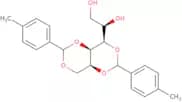
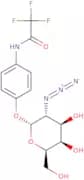

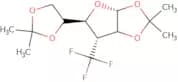
![5-Deoxy-1,2-O-ispropylidene-([4-ethoxycarbonyl]-1,2,3-triazol-1-yl)-a-L-galactofuranose](/_next/image/?url=https%3A%2Fstatic.cymitquimica.com%2Fproducts%2F3D%2Fthumb-webp%2FMD170288.webp&w=3840&q=75)
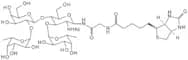
![(1S) -1- [(2S, 3R) - 3-Hydroxy- 1- nonyl-2- azetidinyl] -1, 2- ethanediol](/_next/image/?url=https%3A%2Fstatic.cymitquimica.com%2Fproducts%2F3D%2Fthumb-webp%2FMH163526.webp&w=3840&q=75)
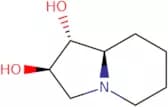
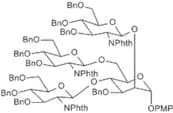
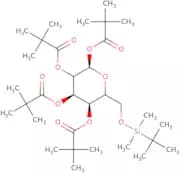
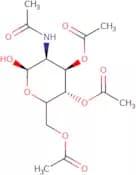
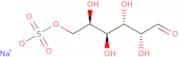


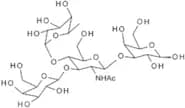
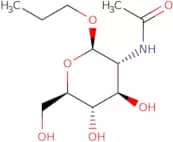
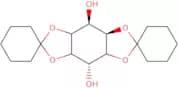
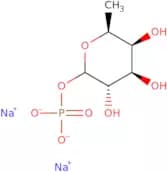
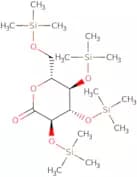
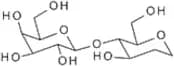


![2-Acetamido-2-deoxy-4-O-(β-D-[UL-13-C-6]-galactopyranosyl)-D-glucopyranose 6-sulfate](/_next/image/?url=https%3A%2Fstatic.cymitquimica.com%2Fproducts%2F3D%2Fthumb-webp%2FOA08512.webp&w=3840&q=75)
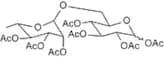
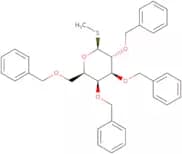


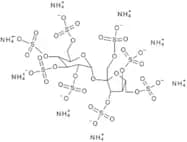

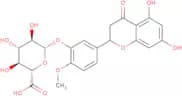


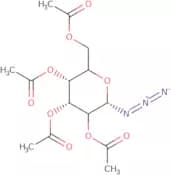
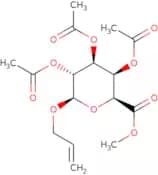

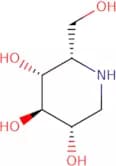

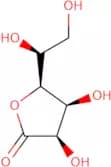

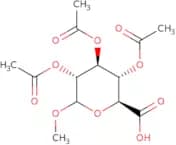





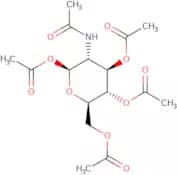
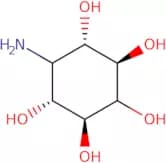

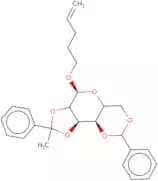

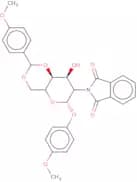
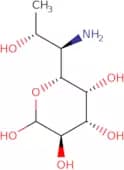
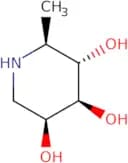
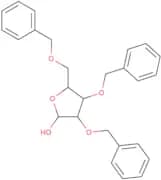
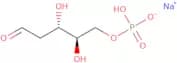

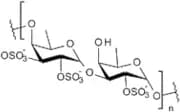

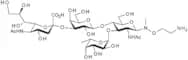
![(1S) -1- [(2S, 3S,4R) -N-Benzyl-4-hydroxymethyl-3- hydroxy- 1- azetidinyl] -1, 2- ethanediol](/_next/image/?url=https%3A%2Fstatic.cymitquimica.com%2Fproducts%2F3D%2Fthumb-webp%2FMB163383.webp&w=3840&q=75)


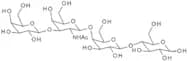
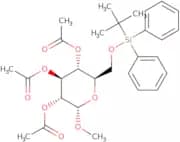
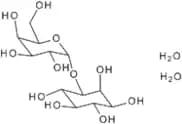


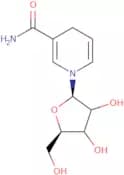
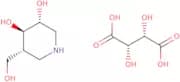

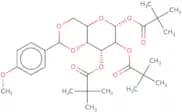
![4'-(D-[UL-13C6]Galactosyl)lactose](/_next/image/?url=https%3A%2Fstatic.cymitquimica.com%2Fproducts%2F3D%2Fthumb-webp%2FOG159775.webp&w=3840&q=75)


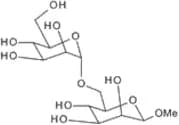
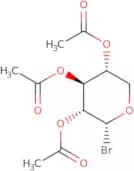
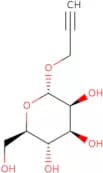

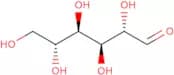
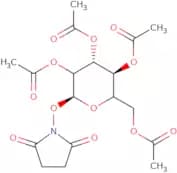
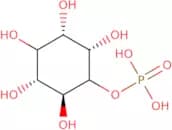


![N-[2-(4'-Nitrophenyl)-1-cyano-3-butene]-2,3,4,6-tetra-O-pivaloyl-D-glucopyranoside](/_next/image/?url=https%3A%2Fstatic.cymitquimica.com%2Fproducts%2F3D%2Fthumb-webp%2FMN08500.webp&w=3840&q=75)

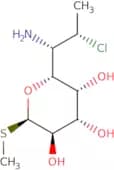
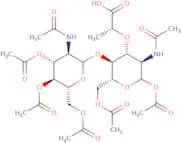
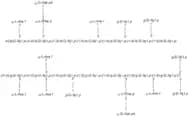
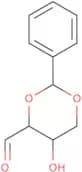
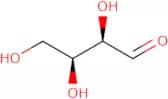
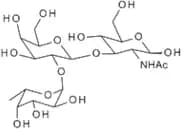
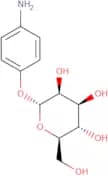
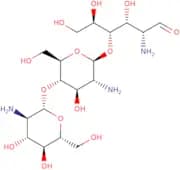
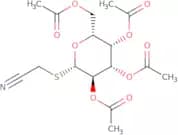
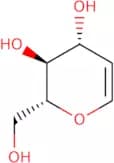
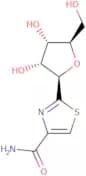
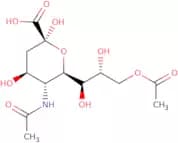
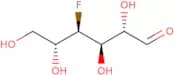

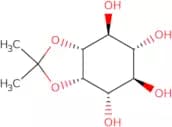
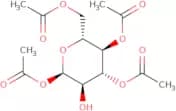
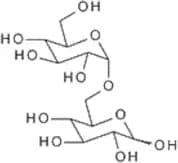
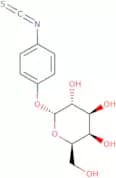
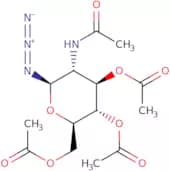

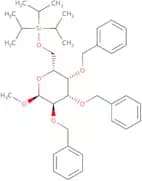
![1-(3'-Azidopropyl)-2-deoxy-4-O-[3-O-(p-phenoxybenzyl)-b-D-galactopyranosyl]-2-phthalimido-b-D-gluc…](/_next/image/?url=https%3A%2Fstatic.cymitquimica.com%2Fproducts%2F3D%2Fthumb-webp%2FOA74915.webp&w=3840&q=75)
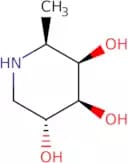


![1-Deoxy- 6- O- tert.butyl dimethylsilyl]- 3, 4- O- isopropylidene-D- Psicofuranose](/_next/image/?url=https%3A%2Fstatic.cymitquimica.com%2Fproducts%2F3D%2Fthumb-webp%2FMD170320.webp&w=3840&q=75)

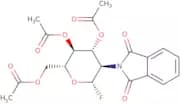
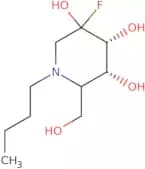
![(5S, 8S, 9R) -8- [(4R) - 2, 2- Dimethyl- 1, 3- dioxolan- 4- yl] - 9- hydroxy- 2, 2- dimethyl- 1, 3…](/_next/image/?url=https%3A%2Fstatic.cymitquimica.com%2Fproducts%2F3D%2Fthumb-webp%2FMD170671.webp&w=3840&q=75)
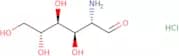
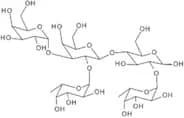
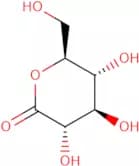
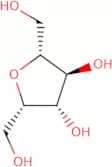
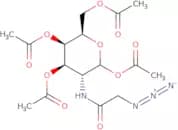


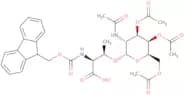
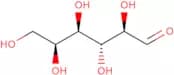
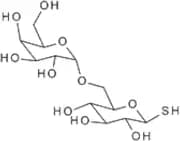
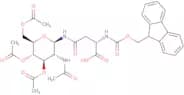
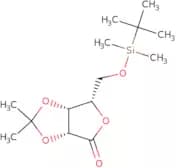
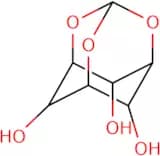
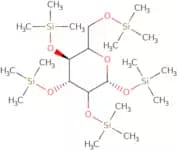

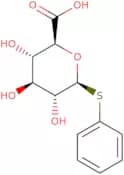
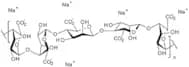
![(1R) -1- [(2S, 3R,4S) -4-(Acetylamino)methyl-3- hydroxy- 1- azetidinyl] -1, 2- ethanediol hydrochl…](/_next/image/?url=https%3A%2Fstatic.cymitquimica.com%2Fproducts%2F3D%2Fthumb-webp%2FMA163412.webp&w=3840&q=75)
![(5R, 8S, 9S) -8- [(4R) - 2, 2- Dimethyl- 1, 3- dioxolan- 4- yl] - 9- hydroxy- 2, 2- dimethyl- 1, 3…](/_next/image/?url=https%3A%2Fstatic.cymitquimica.com%2Fproducts%2F3D%2Fthumb-webp%2FMD170675.webp&w=3840&q=75)
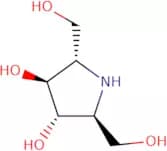
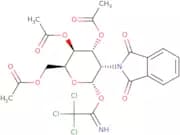
![5-O-(5-Amino-5-deoxy-a-D-ribofuranosyl)-1-N-[(S)-4-amino-2-hydroxy-butanoyl]paromamine](/_next/image/?url=https%3A%2Fstatic.cymitquimica.com%2Fproducts%2F3D%2Fthumb-webp%2FOA31194.webp&w=3840&q=75)
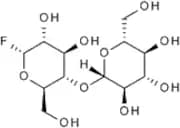
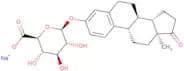

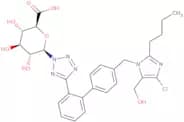

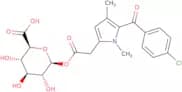
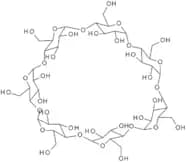
![(1S) -1- [(2S, 3R) - 3-Hydroxy- 1- ((4-methoxyphenyl)methyl) - 2- azetidinyl] -1, 2- ethanediol](/_next/image/?url=https%3A%2Fstatic.cymitquimica.com%2Fproducts%2F3D%2Fthumb-webp%2FMH163553.webp&w=3840&q=75)