Acidi grassi
Gli acidi grassi sono acidi carbossilici con lunghe catene di idrocarburi, che possono essere saturi o insaturi. Sono componenti essenziali dei lipidi, fungendo da building blocks fondamentali per lipidi complessi, fonti di energia e molecole di segnalazione. Gli acidi grassi sono coinvolti in vari processi biologici, tra cui il metabolismo, la struttura delle membrane cellulari e l'infiammazione. Presso CymitQuimica, offriamo una vasta gamma di acidi grassi di alta qualità per supportare la tua ricerca in biochimica lipidica, nutrizione e campi correlati.
Sottocategorie di "Acidi grassi"
- Acilgliceroli/Gliceridi(43 prodotti)
- Eicosanoidi(6 prodotti)
- Esteri di acidi grassi(946 prodotti)
- Acidi grassi alogenati(32 prodotti)
Trovati 2447 prodotti di "Acidi grassi"
Ordinare per
Purezza (%)
0
100
|
0
|
50
|
90
|
95
|
100
Suberic acid
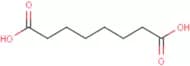
CAS:Suberic acid in urine indicates fatty acid oxidation issues, often linked to MCAD or carnitine deficiencies.Formula:C8H14O4Purezza:99.80%Colore e forma:White CrystalsPeso molecolare:174.19Heneicosanoic acid
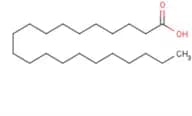
CAS:HEA (C21:0), a fatty acid in human milk and red blood cells, lubricates joint cartilage.Formula:C21H42O2Purezza:97.87% - 99.52%Colore e forma:SolidPeso molecolare:326.56(E)-Oct-2-enoic acid
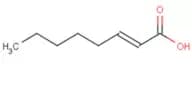
CAS:(E)-Oct-2-enoic acid (2-Octenoate) is a organic acid produced by hepatic microsomal oxidation of aliphatic aldehydes and is a endogenous metabolite.Formula:C8H14O2Purezza:96.82% - 99.01%Colore e forma:SolidPeso molecolare:142.2Docosanoic acid
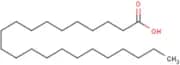
CAS:Docosanoic acid (Behenic Acid) is a long-chain saturated fatty acid. It has been found in peanut and M. oleifera seed oils.Formula:C22H44O2Purezza:98%Colore e forma:Waxy Solid Liquid Othersolid PelletslargecrystalsPeso molecolare:340.583-Methyladipic acid
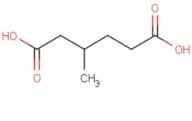
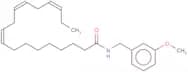
CAS:3-Methyladipic acid: a final metabolite in phytanic acid degradation, excreted in urine, especially in ARD patients who lack alternate pathways.Formula:C7H12O4Purezza:99.87%Colore e forma:SolidPeso molecolare:160.17N-(3-Methoxybenzyl)-(9Z,12Z,15Z)-octadecatrienamide
CAS:Macamide Impurity 14 promotes bone growth by activating Wnt/β-catenin, aiding osteoporosis study.Formula:C26H39NO2Purezza:98.66% - 99.45%Colore e forma:SolidPeso molecolare:397.59Tridecanoic acid
CAS:Tridecanoic acid: 13-carbon, saturated fatty acid in dairy and n-hexadecane biodegradation; phospholipase A2 substrate.Formula:C13H26O2Purezza:99.17% - 99.81%Colore e forma:Off-White Or White Crystals Or PowderPeso molecolare:214.34Nonanoic acid
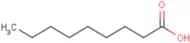
CAS:Nonanoic acid, a 9-C fatty acid, occurs in pelargonium oil; its esters add flavor; it's an oily, rancid-smelling liquid, insoluble in water.Formula:C9H18O2Purezza:97.01%Colore e forma:Colorless Oily Liquid At Ordinary Temp; Crystallizes When Cooled Liquid Liquid OthersolidPeso molecolare:158.24Undecanoic acid
CAS:Undecanoic acid (Hendecanoic acid) is a monocarboxylic acid with antimycotic property. Undecanoic acid inhibits the production of keratinase, lipase.Formula:C11H22O2Purezza:99.81%Colore e forma:Colourless To Light Yellow Liquid Or SolidPeso molecolare:186.291-Hydroxyoctadecane
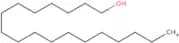
CAS:1-Hydroxyoctadecane (OctadecanolOctadecanol) is a fatty alcohol present in human and is normally incorporated into plasmalogen lipids.Formula:C18H38OPurezza:99.91%Colore e forma:Less Solid Paraffin LikePeso molecolare:270.49Heptadecanoic acid
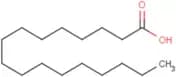
CAS:Heptadecanoic acid: a fatty acid mainly from dairy and meat, with 0.61% in milk fat and 0.83% in ruminant meat, marks dairy intake in humans.Formula:C17H34O2Purezza:99.78% - 99.87%Colore e forma:Liquid OthersolidPeso molecolare:270.45Palmitoleic acid
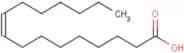
CAS:Palmitoleic acid ((Z)-Hexadec-9-enoic acid) is found to be associated with isovaleric acidemia, which is an inborn error of metabolism.Formula:C16H30O2Purezza:99.77%Colore e forma:Liquid OthersolidPeso molecolare:254.41γ-Linolenic acid
CAS:gamma-Linolenic acid (gamolenic acid), is an unsaturated fatty acid synthesized from linoleic acid (LA) by the enzyme delta-6-desaturase.Formula:C18H30O2Purezza:95% - 98.5%Colore e forma:SolidPeso molecolare:278.43Ethylmalonic acid
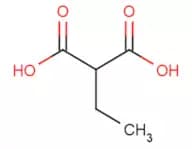
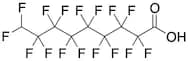
CAS:Ethylmalonic acid, found in blood, CSF, urine, and various tissues, is linked to metabolic disorders and anorexia, but is non-carcinogenic.Formula:C5H8O4Purezza:99.88%Colore e forma:LiquidPeso molecolare:132.119H-Hexadecafluorononanoic Acid
CAS:Prodotto controllato<p>Applications 9H-Hexadecafluorononanoic Acid (cas# 76-21-1) is a useful research chemical.<br></p>Formula:C9H2O2F16Colore e forma:NeatPeso molecolare:446.09Desacetyl Forskolin
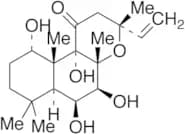
CAS:Prodotto controllato<p>Applications Desacetyl Forskolin is an analogue of Forskolin (F701800). Desacetyl Forskolin was tested for its ability to activate rat brain adenylate cyclase, activate detergent-solubilized rat brain adenylate cyclase, increase cyclic AMP in intact S49 wild-type cells, and inhibit the binding of 3H-forskolin to rat brain membranes.<br>References Desouza, N., et al.: Med. Res. Rev., 3, 201 (1983); Seamon, K., et al.: J. Med. Chem., 26, 436 (1983); Seguin, E., et al.: Planta Medica, 54, 4 (1988);<br></p>Formula:C20H32O6Colore e forma:NeatPeso molecolare:368.46a-Cortol
CAS:Prodotto controllato<p>Stability Hygroscopic<br>Applications α-Cortol, is a derivative of Cortisone (C696500), a Glucocorticoid, and an anti-inflammatory agent.<br>References Honda, A., et al.: J. Biol. Chem., 268, 7759 (1993), Narko, K., et al.: J. Clin. Endocrinol. Metab., 86, 1765 (2001), Michael, A., et al.: Reproduction, 126, 425 (2003),<br></p>Formula:C21H36O5Colore e forma:NeatPeso molecolare:368.51N-Succinimidyl Palmitate
CAS:Prodotto controllato<p>Stability Moisture Sensitive; Store in Freezer, Hygroscopic<br>Applications N-hydroxysuccinimide ester of palmitic acid. Esters of N-hydroxysuccinimide have been used for the preparation of N-acylamino acids, aminoacyl-tRNA, coenzyme A, thioglycolic acid, ceramides, etc.<br>References Lapidot, Y., et al.: J. Lipid Res., 8, 142 (1967); Lapidot, Y., et al.: Biochim. Biophys. Acta, 145, 292 (1967); Al-Arif, A., et al.: J. Lipid Res., 10, 344 (1969); Ong, D.E., and Brady, R.N., J. Lipid Res., 13, 819 (1972)<br></p>Formula:C20H35NO4Colore e forma:NeatPeso molecolare:353.50N-Hexadecanol-D31
CAS:Prodotto controllato<p>Applications N-Hexadecanol (2,2,3,3...16,16,16-D31, 98%) (cas# 203633-15-2) is a useful research chemical.<br></p>Formula:C16D31H3OColore e forma:NeatPeso molecolare:273.635,7-Docosadiynoic Acid
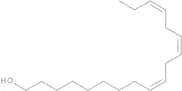
CAS:Prodotto controllato<p>Applications Amphiphilic molecule used in the synthesis of artificial cell membranes for diagnostics and therapeutics.<br>References Deckert, A.A., et al.: Langmuir, 11, 643 (1995); Charych, D., and Nagy, J.O.: Chemtech, 26(9), 24 (1996); Pan, J.J. and Charych, D.: Langmuir, 13, 1365 (1997)<br></p>Formula:C23H38O2Colore e forma:NeatPeso molecolare:346.55(9Z,12Z,15Z)-Octadeca-9,12,15-trien-1-ol (>90%)
CAS:<p>Stability Light Sensitive<br>Applications (9Z,12Z,15Z)-octadeca-9,12,15-trien-1-ol is an essential oil component of Osmanthus fragrans.<br>References Hu, C., et al.: Huaxue Shiji, 32, 231 (2010); Tian, G., et al.: Anhui Nongye Kexue, 36, 7214 (2008)<br></p>Formula:C18H32OPurezza:>90%Colore e forma:ColourlessPeso molecolare:264.45Perhydrofarnesyl Acetone
CAS:Prodotto controllato<p>Applications Perhydrofarnesyl Acetone is used as a flavor and fragrance agent, it is often used in jasmine compositions.<br>References Toda, H. et al.: Dev. Food Sci., 17, 181 (1988); Maggi, F. et al.: Food Chem., 113, 216 (2009); Maggi, F. et al.: Chem. Biodiv., 8, 2057 (2011);<br></p>Formula:C18H36OColore e forma:ColourlessPeso molecolare:268.48rac cis-9,10-Epoxystearic Acid
CAS:Prodotto controllato<p>Applications An epoxy fatty acid found in Pneumocystis carinii lipids.<br>References Gibson, G., et al.: Xenobiotica, 19, 1123 (1989), Pellegrini, L., et al.: Plant Physiol., 103, 509 (1993), Scheller, U., et al.: J. Biol. Chem., 273, 32528 (1998), Tijet, N., et al.: Biochem. J., 332, 583 (1998),<br></p>Formula:C18H34O3Colore e forma:NeatPeso molecolare:298.46Hexadecanamide
CAS:Prodotto controllato<p>Applications Hexadecanamide (cas# 629-54-9) is a useful research chemical.<br></p>Formula:C16H33NOColore e forma:NeatPeso molecolare:255.45Palmitoyl-16,16,16-d3-L-carnitine Hydrochloride
CAS:Prodotto controllato<p>Applications Palmitoyl-16,16,16-d3-L-carnitine Hydrochloride is the isotope labelled analog of Palmitoyl-L-carnitine Hydrochloride (P155050); a long-chain fatty ester of carnitine which is accumulated and released into the circulation in fatty-acid oxidation defects.<br>References Ventura, F., et al.: Clinica Chimica Acta, 281, 1 (1999); Pourfarzam, M., et al.: Clinical Chem,, 40, 2267 (1994); Schaefer, J., et al.: Pediatric Res., 37, 354 (1995)<br></p>Formula:C23H43D3NO4•ClColore e forma:NeatPeso molecolare:439.09Cetyl Stearate
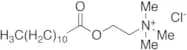
CAS:Prodotto controllato<p>Applications Cetyl Stearate is a wax ester of stearic acid. Wax esters are esters between long chained fatty alcohols and fatty acids. Wax esters have significance in pharmaceutical and cosmetics applications and occur naturally in plants and animals. Stearate esters are used most frequently in the formulation of eye makeup, skin makeup, lipstick and skin care products.<br>References Wheatley, V., et al.: Biochem. J., 58, 167 (1954); Shichijo, S., et al.: Biochem. Med., 22, 256 (1979); Robosky, L., et al.: J. Lipid Res., 49, 686 (2008);<br></p>Formula:C34H68O2Colore e forma:NeatPeso molecolare:508.90Lauroylcholine Chloride
CAS:Prodotto controllato<p>Applications Lauroylcholine Chloride (cas# 25234-60-0) is a compound useful in organic synthesis.<br></p>Formula:C17H36NO2·ClColore e forma:NeatPeso molecolare:321.931-Hexadecanol
CAS:<p>Applications 1-Hexadecanol, is used in the cosmetic industry as an opacifier in shampoos, or as an emollient, emulsifier or thickening agent in the manufacture of skin creams and lotions.<br>References Smolinske S. C., et al.: Handbook Food Drug and Cosmetic Exipients, 75 (1992);<br></p>Formula:C16H34OColore e forma:White To Off-WhitePeso molecolare:242.44Ethyl Palmitoleate-d5
CAS:Prodotto controllato<p>Stability Light Sensitive<br>Applications Ethyl Palmitoleate-d5 is the isotope analog of Ethyl Palmitoleate. Ethyl Palmitoleate is used in biological studies for calcium relase-activated calcium channel blockade as a potential tool in antipancreatitis therapy.<br>References Gerasimenko, J.V., et al.: Proc. Natl. Acad. Sci. U.S.A., 110, 13186 (2013)<br></p>Formula:C18H29D5O2Colore e forma:Colourless OilyPeso molecolare:287.49Hexadecanal
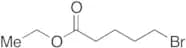
CAS:Prodotto controllato<p>Stability Air and Moisture sensitive<br>Applications It is used in the production of lipid and fatty acids.<br>References Cerniglia, C., et al.: J. Bacteriol., 118, 844 (1974), Leahy, J., et al.: Microbiolog. Rev., 54, 305 (1990),<br></p>Formula:C16H32OColore e forma:NeatPeso molecolare:240.425-Bromopentanoic Acid Ethyl Ester
CAS:Prodotto controllato<p>Applications 5-Bromopentanoic Acid Ethyl Ester was used in the preparation of S(γ-Carboxypropyl)-DL-homocysteine and S(δ-Carboxybutyl)-DL-homocysteine. It was also used in the preparation of ethyl 5-azidovalerate.<br>References Awad, W.: J. Biol. Chem., 258, 12790 (1983); Li, Z., et al.: Tetrahedron Lett., 45, 3143 (2004)<br></p>Formula:C7H13BrO2Colore e forma:NeatPeso molecolare:209.08n-Hexadecane-d34
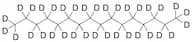
CAS:Prodotto controllato<p>Applications n-Hexadecane-d34 is the labeled compound of Hexadecane(H293630). Hexadecane has been used to prepare emulsions in water. It is also used as a substrate for the bacterial production of biosurfactants.<br>References Rang, M., et al.: J. Colloid Interface Sci., 209, 179 (1999); Hills, B., et al.: Magn. Reson. Imaging, 18, 319 (2000); Noordman, W., et al.: Appl. Environ. Microbiol., 68, 4502 (2002)<br></p>Formula:C162H34Colore e forma:ColourlessPeso molecolare:260.65Metoprolol Acid Ethyl Ester
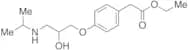
CAS:Prodotto controllato<p>Applications Intermediate for the preparation of Metoprolol Acid.<br> Not a dangerous good if item is equal to or less than 1g/ml and there is less than 100g/ml in the package<br></p>Formula:C16H25NO4Colore e forma:NeatPeso molecolare:295.37Oxalic Acid Ethyl Ester
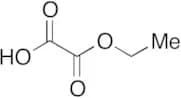
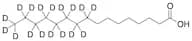
CAS:Prodotto controllato<p>Applications Oxalic Acid Ethyl Ester is a useful synthetic intermediate. It is used to synthesize 2-substituted 3-aryl-4(3H)-quinazolinones with anticonvulsant activities. It is also used to prepare nonbenzamidine tetrazole derivatives as factor Xa inhibitors.<br>References Wolfe, J., et al.: J. Med. Chem., 33, 161 (1009); Quan, M., et al.: bioorg. Med. Chem. Lett., 13, 369 (2003)<br></p>Formula:C4H6O4Colore e forma:NeatPeso molecolare:118.09Hexadecanoic-9,9,10,10,11,11,12,12,13,13,14,14,15,15,16,16,16-d17 Acid
CAS:Prodotto controllato<p>Applications Hexadecanoic-9,9,10,10,11,11,12,12,13,13,14,14,15,15,16,16,16-d17 Acid (CAS# 81462-28-4) is a useful isotopically labeled research compound.<br></p>Formula:C16H15D17O2Colore e forma:White To Off-WhitePeso molecolare:273.53Methyl Palmitoleate
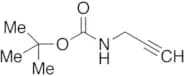
CAS:<p>Applications Methyl Palmitoleate is used as a component in the preparation of a biodiesel fuels.<br>References Luo, H. et al.: Biores. Tech., 140, 337 (2013); Arias-Penaranda, M. et al.: Biores. Tech., 140, 158 (2013);<br></p>Formula:C17H32O2Colore e forma:ColourlessPeso molecolare:268.43N-Boc-propargylamine
CAS:Prodotto controllato<p>Applications N-Boc-propargylamine is used in the preparation of triazolobenzylidene-thiazolopyrimidines which act as CDC25 phosphatase inhibitors. Also used in the synthesis of β-glucan polysaccharide analogs.<br>References Duval, R. et al.: J. Comb. Chem., 11, 947 (2009); Tanaka, H. et al.: Tetrahedron Lett., 53, 4104 (2012);<br></p>Formula:C8H13NO2Colore e forma:NeatPeso molecolare:155.2cis-7,10,13,16-Docosatetraenoic Acid Ethyl Ester-d5
CAS:Prodotto controllato<p>Applications cis-7,10,13,16-Docosatetraenoic Acid Ethyl Ester-d5 is an isotopic analog of cis-7,10,13,16-Docosatetraenoic Acid Ethyl Ester. cis-7,10,13,16-Docosatetraenoic Acid Ethyl Ester is an ethyl analog of cis-7,10,13,16-Docosatetraenoic Acid (D494510). cis-7,10,13,16-Docosatetraenoic Acid has been identified as a protein kinase inhibitor, affecting serotonin levels in studies.<br>References Mirnikjoo, B. et al.: J. Biol. Chem., 276, 10888 (2001);<br></p>Formula:C24D5H35O2Colore e forma:NeatPeso molecolare:365.604Butyl Palmitate
CAS:Prodotto controllatoFormula:C20H40O2Colore e forma:ColourlessPeso molecolare:312.532-Morpholinecarboxylic Acid Ethyl Ester
CAS:Prodotto controllatoFormula:C7H13NO3Colore e forma:NeatPeso molecolare:159.18Glyceryl Trihexadecanoate-d98
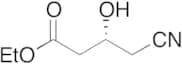
CAS:Prodotto controllato<p>Applications Glyceryl Trihexadecanoate-d98 (CAS# 1219803-85-6) is a useful isotopically labeled research compound.<br></p>Formula:C51D98O6Colore e forma:NeatPeso molecolare:905.94(3R)-4-Cyano-3-hydroxybutanoic Acid Ethyl Ester
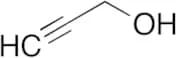
CAS:Prodotto controllato<p>Applications (3R)-4-Cyano-3-hydroxybutanoic Acid Ethyl Ester is used in a biocatalytic process for the synthesis of an atorvastatin intermediate and degredation products/impurities.<br>References Ma, S. et al.: Green Chem., 12, 81 (2010); Stach, J. et al.: Coll. Czech. Chem. Comm., 73, 229 (2008);<br></p>Formula:C7H11NO3Colore e forma:NeatPeso molecolare:157.17Propargyl Alcohol
CAS:Prodotto controllato<p>Applications Propargyl Alcohol is used as a corrosion inhibitor, a metal complex solution, a solvent stabilizer and an electroplating brightener additive. It is also used as an intermediate in organic synthesis.<br> Not a dangerous good if item is equal to or less than 1g/ml and there is less than 100g/ml in the package<br>References Zhang, T., et al.: Res. Chem. Interm. (2013); Choudhary, Y., et al.: SPE Product. Operat., 28, 268 (2013); Hed, Y., et al.: J. Mater. Chem. Mater. Bio. Med., 1, 6015 (2013);<br></p>Formula:C3H4OColore e forma:NeatPeso molecolare:56.06Isopropyl Palmitate
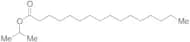
CAS:<p>Applications Isopropyl Palmitate has been used in the preparation of a pseudolatex-membrane for ketoprofen transdermal drug delivery systems.<br>References Suksaeree, J., et. al.: Ind. Eng. Chem. Res., 52, 15847 (2013)<br></p>Formula:C19H38O2Colore e forma:ColourlessPeso molecolare:298.50(Z)-13-Octadecen-1-ol
CAS:Prodotto controllato<p>Applications (Z)-13-Octadecen-1-ol is a compound structurally related to sex pheromone components of clearwing moths Paranthrene tabaniformis (Lepidoptera, Sesiidae).<br>References Klun, J., et al.: J. Entomol. Sci., 25, 64 (1990); Buda, V., et al.: J. Chem. Ecol., 19, 799 (1993); El-Sayed, A., et al.: Environ. Entomol. 32, 470 (2003);<br></p>Formula:C18H36OColore e forma:NeatPeso molecolare:268.48N-tert-Butyl-1,1-dimethylpropargylamine
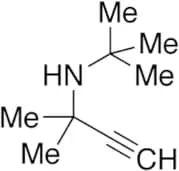
CAS:Prodotto controllato<p>Applications Used for cyclizations of propynyl compounds: a synthesis of 2,4-imidazolidinediones (hydantoins).<br>References Xie, J., et al.: Bioorg. Med. Chem., 15, 458 (2007),<br></p>Formula:C9H17NColore e forma:NeatPeso molecolare:139.24(9Z)-9-Octadecen-1-ol, 85%
CAS:<p>Applications (9Z)-9-Octadecen-1-ol, is an unsaturated fatty alcohol, that can be used a nonionic surfactant, emulsifier, emollient and thickener in skin creams, lotions and many other cosmetic products.<br>References Linh D.D, et al.: Int. J. Gre. Eng., 8, 748 (2011);<br></p>Formula:C18H36OPurezza:85%Colore e forma:Colourless LiquidPeso molecolare:268.48Hexadecafluoroheptane
CAS:Prodotto controllato<p>Applications Hexadecafluoroheptane, 98% (cas# 335-57-9) is a useful research chemical.<br></p>Formula:C7F16Colore e forma:ColourlessPeso molecolare:388.05Palmitoyl Chloride
CAS:Prodotto controllato<p>Stability Moisture Sensitive<br>Applications Palmitoyl Chloride was used as a polymeric carriers for plasmid DNA (pDNA) delivery to 293T cells.<br>References Remant, B.K.C., et al.: J. Biomaterials. Sci. Poly. Ed., 22, 873 (2011); Allard, E., et al.: Int. J. Pharma., 379, 217 (2009);<br></p>Formula:C16H31ClOColore e forma:Light YellowPeso molecolare:274.875a-Pregnane-3a,20a-diol
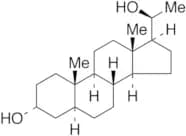
CAS:Prodotto controllato<p>Applications Progesterone metabolite.<br>References Beall, et al.: Biochem. J., 31, 35 (1937), Okuda, A., et al.: J. Biol. Chem., 259, 7519 (1984), Russell, D., et al.: Biochemistry, 31, 4737 (1992), Kondo, K., et al.: Eur. J. Biochem., 219, 357 (1994), Westerbacka, J., et al.: J. Clin. Endocrinol. Metab., 88, 4924 (2003),<br></p>Formula:C21H36O2Colore e forma:NeatPeso molecolare:320.51Tetrahydro 11-Deoxycorticosterone
CAS:Prodotto controllato<p>Applications Tetrahydro 11-Deoxycorticosterone is a metabolite of 11-Deoxycorticosterone (DOC) (D232590).<br>References Fedele, E., et al.: J. Neurochem., 75, 782 (2000), Adkins, C., et al.: J. Biol. Chem., 276, 38934 (2001), Erceg, S., et al.: Brain Res., 1036, 115 (2005),<br></p>Formula:C21H34O3Colore e forma:White To Off-WhitePeso molecolare:334.49Ethylene Glycol Monostearate
CAS:Prodotto controllatoFormula:C20H40O3Colore e forma:Off-WhitePeso molecolare:328.532-(N,N-Dimethyl-N-propargylammonium)-1-bromoethane Bromide
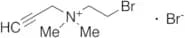
CAS:Prodotto controllato<p>Applications 2-(N,N-Dimethyl-N-propargylammonium)-1-bromoethane Bromide (cas# 911678-16-5) is a compound useful in organic synthesis.<br></p>Formula:C7H13BrN·BrColore e forma:NeatPeso molecolare:270.992-(5Z)-5-Tetradecen-1-yl-cyclobutanone
CAS:Prodotto controllatoFormula:C18H32OColore e forma:NeatPeso molecolare:264.4511-Hydroxylauric Acid
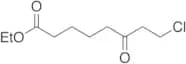
CAS:<p>Applications 11-Hydroxylauric Acid is used as a substrate to determine the functional expression and characterization of cytochrome P450 52A21.<br>References Kuehnel, K., et al.: Adv. Synthesis. Cata., 349, 1451 (2007); Kim, D.H., et al.: Arch. Biochem. Biophy., 464, 213 (2007);<br></p>Formula:C12H24O3Colore e forma:NeatPeso molecolare:216.328-Chloro-6-oxo-octanoic Acid Ethyl Ester
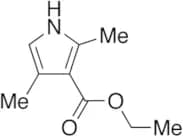
CAS:Prodotto controllato<p>Applications Intermediate in the synthesis of Lipoic Acid and its derivatives.<br></p>Formula:C10H17ClO3Colore e forma:NeatPeso molecolare:220.692,4-Dimethyl-1H-pyrrole-3-carboxylic Acid Ethyl Ester
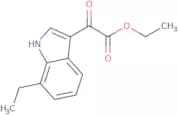
CAS:Prodotto controllato<p>Applications 2,4-Dimethyl-1H-pyrrole-3-carboxylic Acid Ethyl Ester is used in the preparation of blue pyrrole dyes. 2,4-Dimethyl-1H-pyrrole-3-carboxylic Acid Ethyl Ester is also used as an intermediate in the synthesis of receptor tyrosine kinase (RTK) inhibitors and their metabolites.<br>References Treibs, A. et al.: Lieb. Ann. Chem., 2, 289 (1978); Elsinghorst, P. et al.: J. Lab. Comp. Radiopharm., 52, 360 (2009);<br></p>Formula:C9H13NO2Colore e forma:NeatPeso molecolare:167.217-Ethylindole-3-glyoxylic acid ethyl ester
CAS:7-Ethylindole-3-glyoxylic acid ethyl ester is a versatile building block that can be used in the synthesis of complex compounds. It is a useful intermediate in the synthesis of pharmaceuticals, which can also be used as a reagent and speciality chemical. The compound has been shown to have high quality and is a useful scaffold for the synthesis of new compounds.Formula:C14H15NO3Purezza:Min. 95%Peso molecolare:245.27 g/mol2-Chloro-5-hydroxybenzoic acid ethyl ester
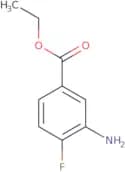
CAS:2-Chloro-5-hydroxybenzoic acid ethyl ester is synthesized by the substitution of anthranilic acid with an aryl ring. The substituents on the aryl ring are chloro and hydroxy, which are attached to carbon atoms. 2-Chloro-5-hydroxybenzoic acid ethyl ester can be metabolized into a number of different metabolites. For example, it can be converted into acid metabolites that have substituents on the benzene ring such as nitro or nitroso groups. These metabolites are then excreted in urine or bile.Formula:C9H9ClO3Purezza:Min. 95%Colore e forma:Off-White To Yellow To Brown SolidPeso molecolare:200.62 g/mol3-Amino-4-fluorobenzoic acid ethyl ester
CAS:<p>3-Amino-4-fluorobenzoic acid ethyl ester is a linker that is used to attach a drug molecule to the tautomycin, an analgesic. It has been shown to have nontoxic properties in animals and does not react with intestinal contents. The 3-Amino-4-fluorobenzoic acid ethyl ester also reacts with azide, phosphatase, and hydrocarbons. It is stable in the presence of aromatic hydrocarbons and can be used as a photolabeling agent for introducing a fluorescent group into a molecule.</p>Formula:C9H10FNO2Purezza:Min. 95%Colore e forma:PowderPeso molecolare:183.18 g/mol4,6-Dichloro-1H-indole-2-carboxylic acid ethyl ester
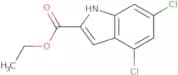
CAS:4,6-Dichloro-1H-indole-2-carboxylic acid ethyl ester is a synthetic compound that functions as an agonist of the indole 2 receptor. It has been shown to have affinity for cortical and brain membranes, with a greater affinity for acidic regions of the membrane. 4,6-Dichloro-1H-indole-2-carboxylic acid ethyl ester is also capable of binding to the indole 2 receptor and activating it. The carboxyl group in this compound is substituted with benzene rings, which are connected by a moiety containing two carboxylic groups. 4,6-Dichloro-1H-indole-2-carboxylic acid ethyl ester was synthesised from 1H -indole acetic acid and chloroethane in four steps.Formula:C11H9Cl2NO2Purezza:Min. 95%Colore e forma:SolidPeso molecolare:258.1 g/molPropargyl chloride
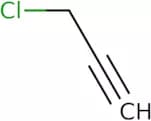
CAS:Propargyl chloride is a chemical that is used as an inhibitor in organic synthesis. It can be used to synthesize compounds with reactive groups such as alkenes, ketones, and amines. Propargyl chloride reacts with the hydroxyl group of an alcohol to form a propargyl alcohol. The reaction mechanism involves intramolecular hydrogen bonding between the hydroxyl group of the propargyl chloride and the carbon atom adjacent to it. Kinetic energy is required for this reaction to occur. The product of this reaction can then react with other molecules in order to form new compounds. Propargyl chloride has been shown to have therapeutic effects on chronic coughs due its ability to reduce the amount of kinetic energy needed for respiratory tract cells, which may have reduced coughing frequency. END>>Formula:C3H3ClPurezza:Min. 95%Colore e forma:Colorless Yellow Clear LiquidPeso molecolare:74.51 g/molDL-α-Hydroxypalmitic acid
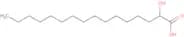
CAS:Palmitic acid is a fatty acid that is found in animal and vegetable fats. It is also an important component of the cell membrane. Palmitic acid has been shown to inhibit the growth of bacteria by interfering with the synthesis of cell membranes, which are largely composed of lipids. Palmitic acid has been shown to be active against Gram-positive bacteria, including Bacillus subtilis and Staphylococcus epidermidis, as well as Gram-negative bacteria such as Salmonella enterica Serovar Typhi and Escherichia coli O157:H7. Palmitic acid can be used to produce monolayers for use in magnetic resonance spectroscopy. These monolayers have been shown to have an effect on the rate at which glucose is transported across the surface of the membrane. Palmitic acid also inhibits glucosylceramide production in ganoderma lucidum, a type of fungus that causes plant diseases, by blockingFormula:C16H32O3Purezza:Min. 98 Area-%Colore e forma:PowderPeso molecolare:272.42 g/mol1,1',1''-Tris(1H-1,2,3-triazol-4-yl-1-acetic acid ethyl ester) trimethylamine
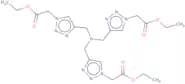
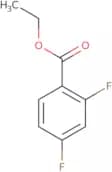
CAS:1,1',1''-Tris(1H-1,2,3-triazol-4-yl-1-acetic acid ethyl ester) trimethylamine is an organic solvent that has been used in the synthesis of azide–alkyne cycloaddition products. The solvent has shown to be soluble in water and is stable at high temperatures. It can also be used as a reagent or ligand for cycloaddition reactions with alkynes.Formula:C21H30N10O6Purezza:Min. 95%Colore e forma:White PowderPeso molecolare:518.53 g/mol2,4-Difluorobenzoic acid ethyl ester
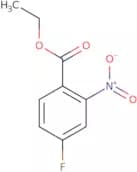
CAS:C9H8F2O2 2,4-Difluorobenzoic acid ethyl ester is a drug that inhibits the growth of protozoan parasites in the intestine. It has been shown to be effective against coccidiosis and grignard reagent, an antifungal drug. C9H8F2O2 2,4-Difluorobenzoic acid ethyl ester is a fungicide that inhibits the synthesis of RNA by binding to the cgmp-dependent protein (cyclic guanosine monophosphate) in protozoa, preventing protein synthesis and causing cell death. Magnesium chloride and chloride ions are required for this reaction to take place.Formula:C9H8F2O2Purezza:Min. 95%Colore e forma:Clear LiquidPeso molecolare:186.16 g/mol4-Fluoro-2-nitrobenzoic acid ethyl ester
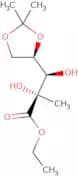
CAS:4-Fluoro-2-nitrobenzoic acid ethyl ester is a fine chemical that can be used as a reagent, intermediate compound, building block, scaffold and building block for speciality chemicals. It has been shown to be an effective chemical in the synthesis of 4-fluoro-2-nitrobenzoic acid, which is a versatile building block with many potential applications. 4-Fluoro-2-nitrobenzoic acid ethyl ester is also useful in reactions involving amines and alcohols as well as metal catalyzed reactions. This product has CAS No. 1072207-10-3.Formula:C9H8FNO4Purezza:(%) Min. 85%Colore e forma:Clear LiquidPeso molecolare:213.16 g/mol(2S,3R)-3-((4R)-2,2-Dimethyldioxolan-4-yl)-2-methyl-2,3-dihydroxypropanoic acid ethyl ester
CAS:(2S,3R)-3-((4R)-2,2-Dimethyldioxolan-4-yl)-2-methyl-2,3-dihydroxypropanoic acid ethyl ester is a high quality reagent that is used as an intermediate for the synthesis of complex compounds. It is also a useful building block for the synthesis of speciality chemicals and research chemicals. The versatility of this compound makes it a useful scaffold and building block for reaction components.Formula:C11H20O6Purezza:Min. 95%Colore e forma:PowderPeso molecolare:248.27 g/molAzidopalmitic acid
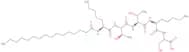
CAS:<p>Azidopalmitic acid is a synthetic fatty acid that is used in the detection of cellular DNA. It can be detected using methods such as tritiated, expressed, or myristic azide. Azidopalmitic acid has also been shown to be compatible with polymerase chain reaction (PCR) and immobilized metal ion affinity chromatography (IMAC). This molecule is useful for conjugates that are radiolabeled with [3H]azidoacetyl palmitate and [14C]azidoacetyl palmitate. Azidopalmitic acid has been synthetically produced by reacting malonic acid with sodium azide. This compound is also reusable, which makes it an ideal way to label nucleotides during PCR reactions.</p>Formula:C16H31N3O2Purezza:Min. 95%Colore e forma:White PowderPeso molecolare:297.44 g/molPalmitoyl pentapeptide trifluoroacetic acid
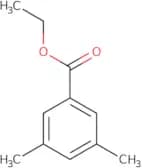
CAS:Palmitoyl pentapeptide trifluoroacetic acid is a synthetic molecule that has been shown to have antimicrobial and anti-inflammatory properties. It has been shown to reduce the activity of gsh-px, which is an enzyme involved in the metabolism of glutathione. This compound also inhibits the production of ATP in cells, which may be responsible for its cancer-inhibiting effects. Palmitoyl pentapeptide trifluoroacetic acid has been shown to inhibit skin cancer cell growth by interfering with fatty acid synthesis and increasing epidermal growth factor levels.Formula:C41H76N7O12Purezza:Min. 95%Colore e forma:PowderPeso molecolare:802.05 g/mol3,5-Dimethylbenzoic acid ethyl ester
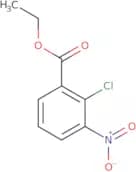
CAS:<p>3,5-Dimethylbenzoic acid ethyl ester is a quinoline derivative that can be synthesised from the reaction of isobutyraldehyde with benzoic acid. This compound yields terminal alkynes and polynuclear compounds in reactions with metals. It can also be prepared by cross-coupling reactions of substituted benzoates with aminobenzoates as ligands. 3,5-Dimethylbenzoic acid ethyl ester is used in preparative chemistry to synthesise other organic compounds.</p>Formula:C11H14O2Purezza:Min. 95%Colore e forma:Clear LiquidPeso molecolare:178.23 g/mol2-Chloro-3-nitrobenzoic acid ethyl ester
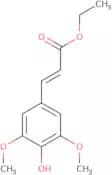
CAS:2-Chloro-3-nitrobenzoic acid ethyl ester is a reactive chemical intermediate that can be used as a building block in organic synthesis. It is a versatile reagent that can be used in many reactions, such as condensation, cyclization, amination, and oxidation. The compound has been shown to be useful in the synthesis of polymers, pharmaceuticals, and natural products. 2-Chloro-3-nitrobenzoic acid ethyl ester is an environmentally friendly compound with a low toxicity profile. It has been classified as a high quality fine chemical with CAS number 3979-45-1.Formula:C9H8ClNO4Purezza:Min. 95%Colore e forma:PowderPeso molecolare:229.62 g/mol3,5-Dimethoxy-4-hydroxycinnamic acid ethyl ester
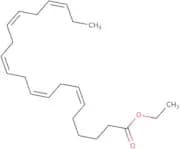
CAS:3,5-Dimethoxy-4-hydroxycinnamic acid ethyl ester is a redox potential with an acidic character. It can be synthesized from p-hydroxybenzoic acid and acetate extract of the plant Carthamus tinctorius. The synthesis starts with an asymmetric synthesis of protocatechuic acid and its derivatives. This compound is also found in the surface methodology of fatty acids and radiation that has been studied by nmr spectroscopic data. 3,5-Dimethoxy-4-hydroxycinnamic acid ethyl ester has bioactive phenolic properties and can be used for the treatment of various diseases such as cancer or diabetes.Formula:C13H16O5Purezza:Min. 95%Colore e forma:PowderPeso molecolare:252.26 g/mol(all-Z)-6,9,12,15,18-Heneicosapentaenoic acid ethyl ester 98%, 10mg/ml ethanol solution
CAS:(all-Z)-6,9,12,15,18-Heneicosapentaenoic acid ethyl ester 98% is a quaternary ammonium salt that is useful as a reaction component or reagent. It has been shown to be a useful scaffold for the synthesis of complex compounds with high quality. This chemical can also be used as a building block for the synthesis of speciality chemicals and versatile building blocks. This compound is highly reactive and can be used in reactions with other chemicals to form more complex compounds. (all-Z)-6,9,12,15,18-Heneicosapentaenoic acid ethyl ester 98% has CAS No. 131775-86-5 and is soluble in ethanol solution at 10mg/ml.Formula:C23H36O2Purezza:Min. 98 Area-%Colore e forma:Clear LiquidPeso molecolare:344.53 g/molFmoc-HomoGly(Propargyl)-OH
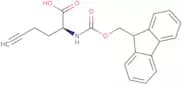
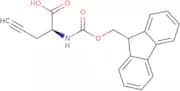
CAS:<p>Fmoc-HomoGly(Propargyl)-OH is a useful scaffold that can be used as a building block for the synthesis of complex compounds. It is also a useful intermediate and research chemical that can be reacted with other building blocks to create new compounds. Fmoc-HomoGly(Propargyl)-OH has been shown to be a high quality reagent for the synthesis of other chemicals.</p>Formula:C21H19NO4Purezza:Min. 95%Colore e forma:White PowderPeso molecolare:349.38 g/mol3-Fluoro-6-nitrobenzoic acid ethyl ester
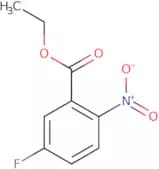
CAS:<p>3-Fluoro-6-nitrobenzoic acid ethyl ester is a high quality chemical that is used as an intermediate in the synthesis of complex compounds. It is also a useful scaffold for the synthesis of other compounds and can be used as a building block in the production of speciality chemicals. 3-Fluoro-6-nitrobenzoic acid ethyl ester has many reactions that it participates in, such as being a reaction component for the synthesis of pharmaceuticals and agrochemicals. This compound is versatile enough to be used in research or for commercial purposes.</p>Formula:C9H8FNO4Purezza:Min. 95%Colore e forma:PowderPeso molecolare:213.16 g/mol3-Cyanobenzoic acid ethyl ester
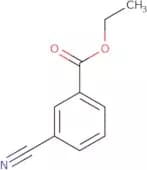
CAS:3-Cyanobenzoic acid ethyl ester is a reaction component that is used in organic synthesis. It is a versatile building block, useful intermediate, and useful building block. 3-Cyanobenzoic acid ethyl ester is a fine chemical that can be used as a reagent for the preparation of other compounds. This compound has been assigned CAS No. 2463-16-3 and has the molecular formula C7H6O2.Formula:C10H9NO2Purezza:Min. 95%Colore e forma:PowderPeso molecolare:175.18 g/mol1-Palmitoyl-rac-glycerol
CAS:<p>1-Palmitoyl-rac-glycerol is a fatty acid that contains nitrogen atoms. It has hypoglycemic effects and is used to treat metabolic disorders. 1-Palmitoyl-rac-glycerol has been shown to have a protective effect on the liver by decreasing the levels of triglycerides in the blood and preventing lipid peroxidation. It also improves glucose metabolism and insulin sensitivity. 1-Palmitoyl-rac-glycerol is an important component of biological membranes, where it forms a hydrophobic region that helps maintain membrane structure. This compound also has hemolytic activity, which may be due to its ability to bind with phospholipids or cell membranes, leading to changes in their permeability or stability. The stability of 1-palmitoyl-rac glycerol can be tested by adding reagents such as sodium nitrite or potassium permanganate, which will cause a color change from yellow to brown if it reacts</p>Formula:C19H38O4Purezza:Min. 95%Colore e forma:PowderPeso molecolare:330.5 g/mol1,3-Dipalmitoylglycerol
CAS:1,3-Dipalmitoylglycerol is a diacylglycerol, which is a type of fatty acid that is also known as a 1,2-diacylglycerol. It has been shown to exhibit hemolytic activity in the presence of hydroxyl groups. The optimum pH for 1,3-dipalmitoylglycerol is at around 7.5 and it can be used as a biocompatible polymer to form controlled-release preparations with neutral pH that are tumoricidal.Formula:C35H68O5Purezza:Min. 95%Colore e forma:PowderPeso molecolare:568.91 g/mol4-Acetylbenzoic acid ethyl ester
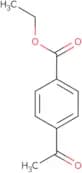
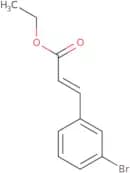
CAS:4-Acetylbenzoic acid ethyl ester is a receptor binding agent that inhibits the activity of phosphatidylinositol 3-kinase (PI3K), which is a protein involved in cell growth, differentiation and survival. It has been shown to inhibit tumor growth and induce apoptosis in cancer cells. 4-Acetylbenzoic acid ethyl ester also induces cell death in inflammatory diseases by inhibiting the activation of protein kinase C γ (PKC γ) by retinoic acid. This agent has been shown to be active against recombinant human Pparγ and can be used as an additive for cell-based assays.Formula:C11H12O3Purezza:Min. 95%Colore e forma:PowderPeso molecolare:192.21 g/mol3-Bromocinnamic acid ethyl ester
CAS:3-Bromocinnamic acid ethyl ester is a chemical that is useful as a building block for the synthesis of more complex compounds. It is an intermediate in the synthesis of organic compounds and can be used as a reaction component. 3-Bromocinnamic acid ethyl ester has CAS No. 24398-80-9 and is a reagent that can be used to synthesize other chemicals. 3-Bromocinnamic acid ethyl ester is also useful as a scaffold in the development of new drugs, because it has an amide bond, which may lead to new types of drug molecules with different properties.Formula:C11H11BrO2Purezza:Min. 95%Peso molecolare:255.11 g/mol1,3-Dipalmitoyl-glycero-2-phosphoethanolamine
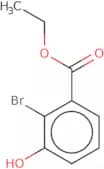
CAS:<p>Please enquire for more information about 1,3-Dipalmitoyl-glycero-2-phosphoethanolamine including the price, delivery time and more detailed product information at the technical inquiry form on this page</p>Formula:C37H74NO8PPurezza:ReportedColore e forma:White/Off-White SolidPeso molecolare:691.96 g/mol2-Bromo-3-hydroxybenzoic acid ethyl ester
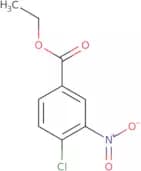
CAS:2-Bromo-3-hydroxybenzoic acid ethyl ester is a versatile building block that can be used in the synthesis of complex compounds. It is a fine chemical and research chemical with CAS No. 1260889-94-8. This compound has high quality and is used as a reagent, scaffold, or intermediate in organic syntheses. 2-Bromo-3-hydroxybenzoic acid ethyl ester is also useful for the preparation of speciality chemicals and reaction components.Formula:C9H9BrO3Purezza:Min. 95%Colore e forma:Yellow PowderPeso molecolare:245.07 g/mol4-Chloro-3-nitrobenzoic acid ethyl ester
CAS:4-Chloro-3-nitrobenzoic acid ethyl ester is a six-membered, planar, hydrogen bond that has a crystal structure with a six-membered ring. It has hydrogen bonds and five-membered ring. The molecule is coplanar and oriented.Formula:C9H8ClNO4Purezza:Min. 95%Colore e forma:PowderPeso molecolare:229.62 g/molPalmitoyl-glycine
CAS:Palmitoyl-glycine is a fatty acid amide. It is an analog of the naturally occurring amino acid glycine that has been modified by adding a palmitoyl group to the side chain. Palmitoyl-glycine is enzymatically inactivated by bacterial enzymes and cationic surfactants and can be used as a skin cell model system for basic structure and physiological effects. Palmitoyl-glycine has been shown to have skin cell protective effects against oxidative stress, which may be due to its ability to form hydrogen bonds with the acyl chains of lipids.Formula:C18H35NO3Purezza:Min. 95%Colore e forma:White PowderPeso molecolare:313.48 g/mol1-Palmitoyl-2-oleoyl-rac-glycerol
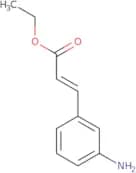
CAS:<p>1-Palmitoyl-2-oleoyl-rac-glycerol is a fatty acid that is made in the mitochondria and is an intermediate in the production of diacylglycerol. It has been shown to have a linear response with cellular protein levels, and it has been shown to be involved in the genetic mechanisms of cells. 1-Palmitoyl-2-oleoyl-rac-glycerol has been found to have a number of protein targets, including phosphatidylinositide 3 kinase, PKC, and Akt. This molecule also has been used as an analytical method for measuring fatty acids in tissue samples and has been shown to alter enzyme levels, such as those found in prostaglandin synthase 2. 1-Palmitoyl-2-oleoyl-rac-glycerol can be synthesized by laser ablation or chromatographic science methods.</p>Formula:C37H70O5Purezza:Min. 95%Colore e forma:Solidified MassPeso molecolare:594.95 g/mol3-Aminocinnamic acid ethyl ester
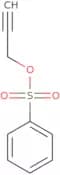
CAS:3-Aminocinnamic acid ethyl ester is a synthetic compound that is derived from pyridine and has a liriodenine ring. The synthesis of this compound starts with an olefinic coupling reaction, which yields an imine intermediate. The imine is hydrolyzed to yield the desired product. 3-Aminocinnamic acid ethyl ester can be found in plants such as liriodenine and liriodendronine, as well as in animal tissues. It also acts as a neurotransmitter and activates the nitrate receptor on nerves, which leads to increased blood pressure or heart rate. 3-Aminocinnamic acid ethyl ester also binds to the cation channel of benzoquinoline drugs and mediates their effects on the central nervous system.Formula:C11H13NO2Purezza:Min. 95%Colore e forma:PowderPeso molecolare:191.23 g/molPropargyl benzenesulfonate
CAS:Propargyl benzenesulfonate is a chemical compound that has been shown to inhibit protease activity, an enzyme that breaks down proteins. It is also used in the synthesis of aminoindane and cyclic peptides. The chemical stability of propargyl benzenesulfonate has been demonstrated by its ability to withstand trifluoroacetic acid and hydrochloric acid, as well as malonic acid and immobilized conditions. Propargyl benzenesulfonate binds to integrin receptors on cells and inhibits depression-like behavior in animal models. It also has the ability to form hydrogen bonds with amines. The structural formula for propargyl benzenesulfonate is shown below:Formula:C9H8O3SPurezza:Min. 98%Colore e forma:Clear LiquidPeso molecolare:196.22 g/molFmoc-Cys((R)-2,3-di(palmitoyloxy)-propyl)-OH
CAS:<p>Fmoc-Cys((R)-2,3-di(palmitoyloxy)-propyl)-OH is a versatile building block that is useful for the synthesis of complex compounds. This compound has been shown to be a useful intermediate in the synthesis of pharmaceuticals, organic dyes and research chemicals. Fmoc-Cys((R)-2,3-di(palmitoyloxy)-propyl)-OH is a fine chemical that is used as a reagent in organic synthesis. It has CAS No. 139573-77-6 and can be used as a speciality chemical or reaction component.</p>Formula:C53H83NO8SPurezza:Min. 95 Area-%Colore e forma:White PowderPeso molecolare:894.29 g/molcis-4,7,10,13,16,19-Docosahexaenoic acid ethyl ester - 90%
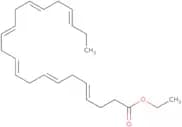
CAS:Cis-4,7,10,13,16,19-Docosahexaenoic acid ethyl ester (DHAEE) is a polyunsaturated fatty acid that belongs to the omega-3 family. It is used as an alternative feedstock for biodiesel production and has been shown to be a good candidate for hydrogenation reactions. The adsorption equilibrium of DHAEE has been studied using isotherms at different densities and pressures. At high pressures, the adsorption of DHAEE on silica gel was found to be reversible. This means that adsorbed DHAEE can be desorbed by heating the solid phase. This property could be useful in the recovery of this compound from spent catalysts or in other applications where it needs to be recovered from a solid phase.Formula:C24H36O2Purezza:Min. 95%Colore e forma:PowderPeso molecolare:356.54 g/mol1,1,3,3,4,4,4a,5,5,6,6,7,7,8,8,8a-Hexadecafluoro-2-(trifluoromethyl)decahydroisoquinoline
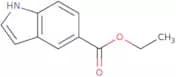
CAS:Prodotto controllato1,1,3,3,4,4,4a,5,5,6,6,7,7,8,8,8a-Hexadecafluoro-2-(trifluoromethyl)decahydroisoquinoline is an organic solvent that has a very low boiling point and high volatility. It can be used in dry powder inhalers or as a component of hydrogel compositions for oxygen delivery to the lungs. The uptake of 1HF-2TFI into human colon carcinoma cells was found to be significantly higher than uptake by mammary carcinomas. This may be due to the difference in cell types and/or the phosphate group on the molecule. The binding constants of this molecule are also higher than those of other organic solvents such as acetone and ethanol. The results from a questionnaire study also indicated that 1HF-2TFI can be used for perfusion with oxygenated gas mixtures forFormula:C10F19NPurezza:Min. 95%Peso molecolare:495.08 g/molIndole-5-carboxylic acid ethyl ester
CAS:Indole-5-carboxylic acid ethyl ester is a formamide activated analog of piperidine. It is an effective antibacterial agent against Staphylococcus aureus. Indole-5-carboxylic acid ethyl ester inhibits the growth of bacteria by binding to the extracellular surface and interfering with cell membrane permeability. The compound also has anti-cancer properties, and may be used in pharmaceuticals as a pyrazole derivative.Formula:C11H11NO2Purezza:Min. 95%Colore e forma:PowderPeso molecolare:189.21 g/molFmoc-L-propargylglycine
CAS:Fmoc-L-propargylglycine is a cyclic peptide that is synthesized by chemical ligation. It has antiviral, anti-tumor, and anti-inflammatory activities. Fmoc-L-propargylglycine inhibits the growth of cancer cells in vitro. The mechanism of action is not fully understood, but it may involve the inhibition of cellular proliferation and the induction of apoptosis. This compound also inhibits epidermal growth factor (EGF) induced cell proliferation in caco-2 cells.Formula:C20H17NO4Purezza:Min. 98 Area-%Colore e forma:White PowderPeso molecolare:335.35 g/molHexadecanamide
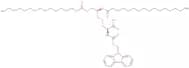
CAS:Hexadecanamide is a reactive amide that has an optimum concentration of 1.5-2.0 M in water and a pH range of 3.0-8.0. Hexadecanamide is oxidized by an oxidation catalyst to form hexadecane, which can be analyzed by gas chromatography or high performance liquid chromatography. The oxidation reaction can be monitored under constant pressure conditions using electrochemical impedance spectroscopy. Hexadecanamide reacts with hydroxyl groups and fatty acids to form hexadecanoic acid, which can be analyzed using gas chromatography or high performance liquid chromatography. Hexadecanamide also reacts with viral life to form hexadecanoic acid, which can be analyzed using gas chromatography or high performance liquid chromatography. Hexadecanamide has been shown to have anti-inflammatory properties, which may be due to its ability to inhibit the production of pro-inflammatory cytokines such as histamine and leukotrienesFormula:C16H33NOPurezza:Min. 95%Colore e forma:PowderPeso molecolare:255.44 g/molFmoc-S-[2,3-bis(palmitoyloxy)propyl]-L-cysteine
CAS:<p>Fmoc-S-[2,3-bis(palmitoyloxy)propyl]-L-cysteine is a fine chemical that is used as a building block in the synthesis of complex natural products and pharmaceuticals. It has versatile applications in both research and industry. Fmoc-S-[2,3-bis(palmitoyloxy)propyl]-L-cysteine is an intermediate or scaffold for the synthesis of many types of compounds, including antibiotics, anti-cancer agents, hormones, and anti-inflammatory drugs. This compound is soluble in organic solvents such as DMSO and DMF.</p>Formula:C53H83NO8SPurezza:Min. 95 Area-%Colore e forma:White Off-White PowderPeso molecolare:894.29 g/molPaliperidone palmitate
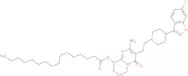
CAS:Prodotto controllato<p>Paliperidone palmitate is a drug that is used in the treatment of schizophrenia. It is the most potent and selective atypical antipsychotic agent available. Paliperidone palmitate has shown long-term efficacy and low risk of extrapyramidal symptoms, which are associated with some other antipsychotic agents. The drug has been shown to have minimal effects on prolactin levels, although it can cause an increase in serum prolactin levels when administered with risperidone. Paliperidone palmitate is a prodrug that is metabolized by esterases to its active form, paliperidone. Paliperidone does not bind to plasma proteins and therefore may be more suitable for patients with hepatic impairment.</p>Formula:C39H57FN4O4Purezza:Min. 95%Colore e forma:PowderPeso molecolare:664.89 g/mol2-Bromo-6-fluorobenzoic acid ethyl ester
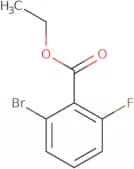
CAS:2-Bromo-6-fluorobenzoic acid ethyl ester is a chemical that reacts with other chemicals to form new substances. It is a useful scaffold for complex compounds and can be used as a building block for fine chemicals, pharmaceuticals, agrochemicals, and other organic compounds. 2-Bromo-6-fluorobenzoic acid ethyl ester is also a versatile building block or intermediate in the synthesis of many different substances.Formula:C9H8BrFO2Purezza:Min. 90%Colore e forma:PowderPeso molecolare:247.06 g/mol3-Bromo-4-methoxyphenylacetic acid ethyl ester
CAS:3-Bromo-4-methoxyphenylacetic acid ethyl ester is a versatile building block that can be used to synthesize a variety of compounds. It is also a useful intermediate for research chemicals and pharmaceuticals. 3-Bromo-4-methoxyphenylacetic acid ethyl ester is a fine chemical with high quality and can be used as a reagent or speciality chemical. As a reaction component, this product makes an excellent scaffold for complex compounds.Formula:C11H13BrO3Purezza:Min. 95%Colore e forma:Clear LiquidPeso molecolare:273.12 g/molL-Propargylglycine
CAS:L-Propargylglycine is a novel, synthetic compound that has been shown to inhibit bacterial growth. It is a strong inhibitor of the polymerase chain reaction (PCR) and nuclear DNA replication. L-Propargylglycine has also been shown to inhibit mitochondrial membrane potential and human serum which may lead to its anti-inflammatory properties. L-Propargylglycine has antioxidative properties, antimicrobial peptide activity, and ATP channel inhibition. This drug also has a number of other pharmacological effects including modulation of intestinal inflammation in models of inflammatory bowel disease and improvement of atherosclerotic lesions in animal models.Formula:C5H7NO2Purezza:(%) Min. 98%Colore e forma:PowderPeso molecolare:113.11 g/mol3-Fluoro-2-nitrobenzoic acid ethyl ester
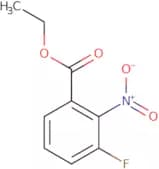
CAS:3-Fluoro-2-nitrobenzoic acid ethyl ester is a fine chemical that is useful as a versatile building block in the synthesis of complex compounds. It can be used as an intermediate in the preparation of research chemicals and has been shown to react with amines to form nitrosoamines, which are useful reaction components. 3-Fluoro-2-nitrobenzoic acid ethyl ester has CAS number 163077-89-2 and is available at high quality.Formula:C9H8FNO4Purezza:Min. 95%Colore e forma:PowderPeso molecolare:213.16 g/mol4-Hydroxy-3-nitrobenzoic acid ethyl ester
CAS:4-Hydroxy-3-nitrobenzoic acid ethyl ester is a small molecule that binds to DNA and RNA. It is cytotoxic, inhibiting cell growth in the presence of amides, nucleosides, or nucleotides. 4-Hydroxy-3-nitrobenzoic acid ethyl ester also inhibits the proliferation of cancer cells in culture. This drug has been shown to be effective against pancreatic cancer, ovarian cancer, and glioblastoma cells. The structure of this compound was elucidated by spectral analysis of its NMR and mass spectra data. It has yielded a 2780% increase in glioblastoma cell line growth rates when compared to control cells.Formula:C9H9NO5Purezza:Min. 95%Colore e forma:PowderPeso molecolare:211.17 g/mol






































![Fmoc-S-[2,3-bis(palmitoyloxy)propyl]-L-cysteine](/_next/image/?url=https%3A%2Fstatic.cymitquimica.com%2Fproducts%2F3D%2Fthumb-webp%2FFF47755.webp&w=3840&q=75)