Nucleotidi
I nucleotidi sono composti organici che fungono da mattoni per la costruzione degli acidi nucleici, essenziali per la formazione del DNA e dell'RNA. Ogni nucleotide è composto da una base azotata, una molecola di zucchero e uno o più gruppi fosfato. Questi nucleotidi si uniscono per formare lunghe catene, creando il materiale genetico che porta e trasmette informazioni genetiche in tutti gli organismi viventi. In questa sezione, troverai una vasta gamma di nucleotidi cruciali per la ricerca in genetica, biologia molecolare e biochimica. Sono fondamentali per studiare i processi genetici, sintetizzare acidi nucleici e sviluppare strumenti diagnostici e terapeutici. Da CymitQuimica, offriamo nucleotidi di alta qualità per supportare la tua ricerca scientifica e applicazioni, garantendo precisione e affidabilità nei tuoi esperimenti.
Sottocategorie di "Nucleotidi"
Trovati 2634 prodotti di "Nucleotidi"
Ordinare per
Purezza (%)
0
100
|
0
|
50
|
90
|
95
|
100
8-(4-Chlorophenylthio)-2'-O-methyladenosine 3',5'-cyclic monophosphate sodium salt
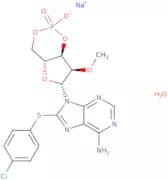
CAS:8-(4-Chlorophenylthio)-2'-O-methyladenosine 3',5'-cyclic monophosphate sodium salt (8-CPT-cAMP) is a cyclic nucleotide that activates adenyl cyclase, which increases intracellular levels of the second messenger cAMP. It also inhibits P2Y receptors and other ion channels. 8-CPT-cAMP has been shown to be effective in activating cells expressing the enzyme camp levels, such as those found in heart muscle cells. This drug is used clinically to lower blood pressure, as it has been shown to activate amp-activated protein kinase and calcium chelator. 8-CPT-cAMP may have clinical applications for the treatment of cancer due to its ability to induce cell cycle arrest and apoptosis.Formula:C17H16ClN5O6PS·NaPurezza:Min. 95%Colore e forma:PowderPeso molecolare:507.82 g/mol(R)-N-(2,3-Dihydro-1H-indenyl)adenosine
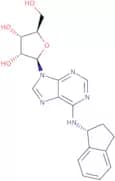
CAS:<p>(R)-N-(2,3-Dihydro-1H-indenyl)adenosine is a purine nucleoside with the attachment of a 2,3-dihydro-1H-indenyl group via a nitrogen atom. This adenosine-based product can be used for research purposes</p>Formula:C19H21N5O4Purezza:Min. 95 Area-%Colore e forma:White PowderPeso molecolare:383.4 g/mol5-(Cyanomethyl)-uridine
CAS:5-(Cyanomethyl)-uridine (5-CMU) is a monophosphate nucleoside that is synthetically derived from uracil. This nucleoside has antiviral activity and can be used to treat infections caused by the herpesviridae family, such as herpes simplex virus type 1 and 2. 5-CMU is modified with cyanomethyl groups on the ribose moiety. It is also a phosphoramidite building block for DNA synthesis and can be used in the preparation of oligonucleotides. The CAS number for 5-CMU is 58479-73-5.Formula:C11H13N3O6Purezza:Min. 95%Colore e forma:PowderPeso molecolare:283.24 g/mol5-Fluorocytosine
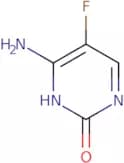
CAS:Flucytosine is an antifungal agent that inhibits the synthesis of DNA by preventing the conversion of deoxyuridine monophosphate to uracil monophosphate. It is used as an antiretroviral therapy in combination with other drugs, such as zidovudine and dideoxyinosine, to treat HIV infections. Flucytosine has been shown to have a strong antitumor response in a model system involving mice with sarcoma 180. This drug can cause serious side effects, including drug interactions and resistance mutations in microorganisms. These side effects are often observed in patients undergoing cancer chemotherapy or immunosuppressive therapy.Formula:C4H4FN3OPurezza:Min. 95%Colore e forma:White PowderPeso molecolare:129.09 g/mol3'-Azido-N6-benzoyl-5'-O-DMT-2',3'-dideoxyadenosine
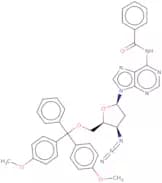
<p>3'-Azido-N6-benzoyl-5'-O-DMT-2',3'-dideoxyadenosine is a nucleoside analog and activator that inhibits the replication of DNA. It is a novel antiviral drug that has antiproliferative properties and may be useful in the treatment of cancer. 3'-Azido-N6-benzoyl-5'-O-DMT-2',3'-dideoxyadenosine is synthesized by reacting an activated phosphoramidite with 2',3'-dideoxyadenosine monophosphate to produce 3',5' dideoxythymidine 5'-monophosphate, which is then converted to 3',5' dideoxyuridine 5'-monophosphate. The last step involves the conversion of 3',5' dideoxyuridine 5'-monophosphate to 3' azidouridine 5'-monoph</p>Formula:C38H34N8O5Purezza:Min. 95%Peso molecolare:682.73 g/mol7-Deaza-2'-deoxy-6-methoxyguanosine
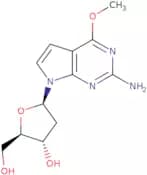
CAS:<p>7-Deaza-2'-deoxy-6-methoxyguanosine is a modified nucleoside and antiviral agent. It has been shown to inhibit the synthesis of DNA, RNA and protein in cells infected with the herpes simplex virus (HSV). 7-Deaza-2'-deoxy-6-methoxyguanosine is also an anticancer agent that has been shown to inhibit tumor growth in animal models. This compound is synthesized by phosphoramidite chemistry and is a novel precursor for the preparation of modified DNA and RNA. The purity of this product is greater than 98%.</p>Formula:C12H16N4O4Purezza:Min. 95%Colore e forma:PowderPeso molecolare:280.29 g/mol2',3',5'-Tri-O-acetyl-6-azauridine
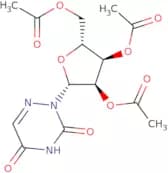
CAS:<p>2',3',5'-Tri-O-acetyl-6-azauridine is a nucleoside analog for research purposes. The replacement of a carbon atom with a nitrogen atom on the uracil base affects how the molecule interacts with cellular processes. It has the potential to interfere with normal metabolic processes within cells, particularly those related to RNA synthesis. Due to its ability to disrupt cell growth, it could be studied for any potential antiviral or antitumor properties.</p>Formula:C14H17N3O9Purezza:Min. 95%Colore e forma:PowderPeso molecolare:371.3 g/mol3,5-Dichloro-4-pyridone-1-acetic acid
CAS:3,5-Dichloro-4-pyridone-1-acetic acid is a chlorinated derivative of 7-aminocephalosporanic acid that is synthesized from hydrochloric acid and chloroacetic anhydride. It is used in the pharmaceutical industry as a reagent to produce medicines such as antibiotics and anti-inflammatory agents. The product yield of this reaction is high, which makes it an excellent choice for industrial use. 3,5-Dichloro-4-pyridone-1-acetic acid also has a low toxicity profile and can be easily degraded by bacteria in the environment.Formula:C7H5Cl2NO3Purezza:Min. 95%Peso molecolare:222.02 g/mol3',5'-Di-O-acetylthymidine
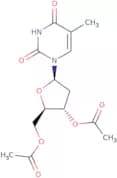
CAS:3',5'-Di-O-acetylthymidine is a pyrimidine nucleoside that has antibacterial activity. It is an anomer of thymidine, which makes it a hydroxymethylated analog of thymine. It can be used in the preparation of uridine for the treatment of human immunodeficiency virus type 1 (HIV-1) infection and to study the mechanism of action of this nucleoside on HIV-1 replication. 3',5'-Di-O-acetylthymidine binds to the ribose moiety of pyrimidines and inhibits bacterial growth by inhibiting DNA synthesis. This compound also inhibits the growth of staphylococcus that are resistant to penicillin. The chemical structure of 3',5'-Di-O-acetylthymidine can be modified with different acetic acid substituents to produce other pyrimidine nucleosides with different antibacterial properties, such as 4-Formula:C14H18N2O7Purezza:Min. 95%Colore e forma:PowderPeso molecolare:326.3 g/molN4-Benzoyl-5'-O-DMT-5-methylcytidine
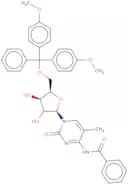
CAS:N4-Benzoyl-5'-O-DMT-5-methylcytidine is a deoxyribonucleoside that has been modified to make it resistant to nucleases. N4-Benzoyl-5'-O-DMT-5-methylcytidine is an antiviral agent, which inhibits the synthesis of viral DNA by inhibiting the activity of viral DNA polymerase. It also acts as an activator for cellular DNA polymerases and phosphoramidites. The drug can be used in the treatment of HIV and other retroviruses, herpes viruses, and certain types of cancer.Formula:C38H37N3O8Purezza:Min. 95%Colore e forma:White SolidPeso molecolare:663.73 g/molN6-Benzoyl-2'-O-tert-butyldimethylsilyladenosine
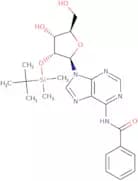
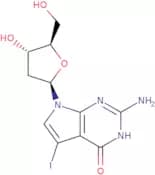
CAS:N6-Benzoyl-2'-O-tert-butyldimethylsilyladenosine (BTS) is a novel phosphoramidate monophosphate nucleoside analog that has been modified to be resistant to the ribonuclease A enzyme. BTS is an activator of DNA synthesis and inactivator of RNA synthesis, which makes it useful for the treatment of cancer and antiviral infections. This drug is synthesized using high quality reagents and can be used for the production of phosphoramidites to produce high purity oligonucleotides.Formula:C23H31N5O5SiPurezza:Min. 95%Colore e forma:PowderPeso molecolare:485.61 g/mol7-Deaza-2'-deoxy-7-iodoguanosine
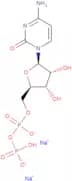
CAS:<p>7-Deaza-2'-deoxy-7-iodoguanosine is a purine nucleoside that is synthesized from guanosine and iodine. It is used as a marker in sequencing reactions because it can be easily detected by UV light at 254 nm. 7-Deaza-2'-deoxy-7-iodoguanosine can be synthesized using the following general equation:</p>Formula:C11H13IN4O4Purezza:Min. 97 Area-%Colore e forma:White PowderPeso molecolare:392.16 g/molCytidine 5'-diphosphate disodium salt
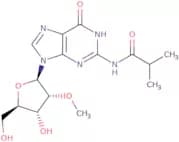
CAS:Cytidine 5'-diphosphate disodium salt (CDP) is a monophosphate nucleotide that is an antiviral agent and an anticancer drug. CDP inhibits viral replication by inhibiting the synthesis of DNA, RNA, and proteins. It has been shown to be effective against herpes virus, vaccinia virus, Newcastle disease virus, and influenza A virus. CDP also has anti-cancer effects as it inhibits the growth of various tumor cells in vivo and in vitro. This drug is a phosphoramidite nucleoside that can be used for the modification of other nucleosides or as an activator for DNA synthesis.Formula:C9H13N3O11P2·Na2Purezza:Min. 90.0 Area-%Colore e forma:White PowderPeso molecolare:447.14 g/molN2-Isobutyryl-2'-O-methylguanosine
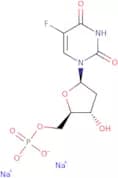
CAS:<p>N2-Isobutyryl-2'-O-methylguanosine (IBOG) is a modified nucleoside that can be used as an activator for DNA synthesis. IBOG is a high purity, high quality chemical with CAS No. 63264-29-9 and has antiviral and anticancer properties.</p>Formula:C15H21N5O6Purezza:Min. 95%Colore e forma:White To Yellow SolidPeso molecolare:367.36 g/mol2'-Deoxy-5-fluorouridine 5'-monophosphate sodium salt
CAS:2'-Deoxy-5-fluorouridine 5'-monophosphate sodium salt is a prodrug that is converted to fluorouracil in the body. Fluorouracil inhibits the activity of thymidylate synthase and other enzymes involved in DNA synthesis, which are associated with cancer. It is also an inhibitor binding to the enzyme RNA polymerase II, which may contribute to its anti-cancer effects. 2'-Deoxy-5-fluorouridine 5'-monophosphate sodium salt has been shown to inhibit the growth of human tumor cells in culture and in animal models. The matrix effect may be responsible for this activity. 2'-Deoxy-5-fluorouridine 5'-monophosphate sodium salt can be used as a model system for studying cancer tissues.Formula:C9H12FN2O8P·xNaPurezza:Min. 85 Area-%Colore e forma:White Off-White PowderPeso molecolare:326.17 g/mol5'-O-DMT-2'-O-methylguanosine
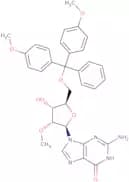
CAS:<p>5'-O-DMT-2'-O-methylguanosine is a novel nucleoside analog that has been modified to contain the 2' methyl group at the 5' position. This modification enhances its anticancer activity and cellular uptake by cells. The 5'-O-DMT-2'-O-methylguanosine monophosphate synthesized in this study is chemically stable, high purity, and high quality.</p>Formula:C32H33N5O7Purezza:Min. 95%Peso molecolare:599.65 g/molb-Nicotinamide adenine dinucleotide phosphate
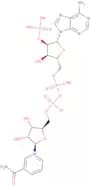
CAS:<p>Coenzyme and regenerating electron donor in catabolic processes</p>Formula:C21H28N7O17P3Purezza:Min. 80 Area-%Colore e forma:Off-White PowderPeso molecolare:743.41 g/molPolyinosinic acid-polycytidylic acid, homopolymer (1:1)
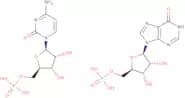
CAS:Polyinosinic acid-polycytidylic acid (Poly I:C), an agonist of TLR3 toll-like receptors, is a synthetic double-stranded RNA analog, consisting of polyinosinic acid (poly I) paired with polycytidylic acid (poly C), forming a stable duplex structure.PolyI:C stimulates the secretion of pro-inflammatory cytokines and type I interferon through its interaction with endosomal Toll-like receptor 3 (TLR-3) and the cytoplasmic receptors melanoma differentiation-associated gene 5 (MDA-5) and retinoic acid-inducible gene I (RIG-I). This immunostimulant activity makes Poly I:C a useful vaccine adjuvant and is used in vaccine formulations. Poly I:C and its stabilized analogs (e.g., poly-ICLC) are also being actively researched for their dual role in oncology: directly targeting tumors and acting as immune potentiators. For example Poly I:C can induce apoptosis in tumor cells and stimulate immunogenic cell death and is therefore being explored alongside chemotherapy, radiotherapy, and checkpoint inhibitors, helping to overcome resistance mechanisms and strengthen treatment outcomes.We can supply PolyI:C to all stages of your project - from R&D and preclinical phases right up to GMP commercial manufacture. Contact our team for custom Poly I:C products. For more on poly I:C read out blog 'Poly I:C: A Vaccine Adjuvant With Oncological Potential.'Formula:(C10H13N4O8P)x•(C9H14N3O8P)xColore e forma:Powder2-Thiouridine-5'-monophosphate triethylammonium salt - Aqueous solution
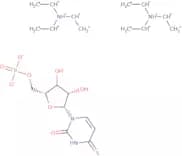
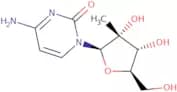
CAS:<p>2-Thiouridine-5'-monophosphate triethylammonium salt is a synthetic nucleotide analog that inhibits the growth of cells by binding to the anticodon region, which blocks the entrance of amino acids into the ribosome. It also inhibits cell growth by preventing glycosidic bond formation and inhibiting purine metabolism. This drug has functional groups that allow it to be purified by chromatography and diffraction techniques. The drug is not active against bacteria that are resistant to glutamic acid, such as Mycobacterium tuberculosis or Mycobacterium avium complex. 2-Thiouridine-5'-monophosphate triethylammonium salt is a precursor for other drugs, such as cytidine 5'-triphosphate, which can be used in chemotherapy treatments.</p>Formula:C21H43N4O8PSPurezza:Min. 95%Colore e forma:Clear LiquidPeso molecolare:542.63 g/mol2'-C-Methylcytidine
CAS:Broad-spectrum anti-viral; inhibitor of HCV NS5B RNA polymeraseFormula:C10H15N3O5Purezza:Min. 98 Area-%Colore e forma:White Off-White PowderPeso molecolare:257.25 g/molPseudouridine
CAS:<p>Pseudouridine is a nucleoside that is produced by the deamination of uridine. It has been shown to have biological properties in vitro, and may be involved in the pathogenesis of infectious diseases. Pseudouridine has been shown to act as an allosteric ligand for toll-like receptor 4. It also has a thermodynamic stability that is higher than that of uridine, which may allow it to serve as a more stable substrate for enzymes such as ribonucleotide reductase and dTMP synthetase.</p>Formula:C9H12N2O6Purezza:Min. 99.0 Area-%Peso molecolare:244.20 g/molRef: 3D-W-201269
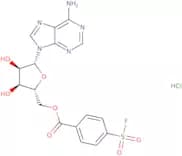
1gPrezzo su richiesta5gPrezzo su richiesta250mgPrezzo su richiesta500mgPrezzo su richiesta2500mgPrezzo su richiesta-Unit-ggPrezzo su richiesta5'-(4-Fluorosulfonylbenzoyl)adenosine HCI
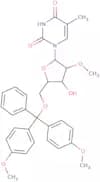
CAS:ATP analog; covalent inhibitor of anthrax edema factorFormula:C17H17ClFN5O7SPurezza:Min. 95%Colore e forma:White Off-White PowderPeso molecolare:489.86 g/mol5'-O-DMT-2'-O-methyl-5-methyluridine
CAS:5'-O-DMT-2'-O-methyl-5-methyluridine is a modified nucleoside that is used in the synthesis of DNA. It is an anticancer drug and antiviral agent. 5'-O-DMT-2'-O-methyl-5-methyluridine has been shown to inhibit the growth of leukemia cells, even when they are resistant to other drugs. It also inhibits certain viruses, such as herpes simplex virus type 1 (HSV1), by preventing viral replication and inhibiting protein synthesis. This nucleoside is synthesized from 5'-O-DMT and 2'-O-methylcytosine.Formula:C32H34N2O8Purezza:Min. 95%Colore e forma:PowderPeso molecolare:574.64 g/mol2'-Deoxyisocytidine
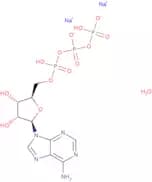
CAS:2'-deoxyisocytidine is a nucleoside that is used in biochemical research. It can be synthesized by two methods: solid-phase synthesis and depyrimidination. 2'-deoxyisocytidine has been shown to be more efficient than other fluorescent nucleosides when used with the excimer laser technique. The stability of this compound has also been shown to be greater than other fluorescein-based compounds, which makes it an appropriate substitute when using phosphoramidite chemistry.Formula:C9H13N3O4Purezza:Min. 95%Colore e forma:PowderPeso molecolare:227.22 g/molAdenosine 5'-triphosphate disodium salt hydrate
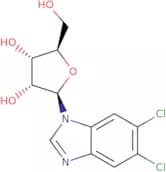
CAS:<p>Adenosine 5'-triphosphate disodium salt hydrate (ATP 2Na) is a nucleoside triphosphate acting as the essential part of energy storage and metabolism in vivo. It plays a crucial role in many biological processes including neurotransmission, signal transduction, muscle contraction and cardiac function, often described as the "molecular unit of currency" for intracellular energy transfer.</p>Formula:C10H14N5Na2O13P3·xH2OPurezza:Min. 97 Area-%Colore e forma:White PowderPeso molecolare:551.14 g/mol5,6-Dichlorobenzimidazole-1-b-D-ribofuranoside
CAS:5,6-Dichlorobenzimidazole-1-b-D-ribofuranoside is a chemical compound that has been shown to be neurotoxic in vitro. It has significant cytotoxicity against human leukemia cells (HL60) and induces neuronal death. This drug also inhibits the production of neurotrophic factors, which are vital for the normal development of neurons. 5,6-Dichlorobenzimidazole-1-b-D-ribofuranoside inhibits transcriptional regulation of genes that encode for receptors and enzymes. The compound is chemically stable and does not degrade easily by hydrolysis or oxidation. It can bind to polymerase chain reaction (PCR) primers and inhibit DNA synthesis. 5,6-Dichlorobenzimidazole-1-b-D-ribofuranoside also affects cell nuclei by inhibiting DNA synthesis and enzyme activities.Formula:C12H12Cl2N2O4Purezza:Min. 98 Area-%Colore e forma:White PowderPeso molecolare:319.15 g/mol5'-O-Methylthymidine
CAS:<p>5'-O-methylthymidine is an antiviral, monophosphate nucleoside that is structurally similar to thymidine and cytidine. 5'-O-methylthymidine has been shown to inhibit the growth of cancer cells in vitro. The mechanism by which 5'-O-methylthymidine inhibits the growth of cancer cells is not known but may be due to its ability to act as a diphosphate activator or a deoxyribonucleoside phosphoramidite.</p>Formula:C11H16N2O5Purezza:Min. 95%Colore e forma:White Off-White PowderPeso molecolare:256.26 g/mol2'-Deoxy-5-methylcytidine
CAS:<p>2'-Deoxy-5-methylcytidine is a nucleoside analogue that inhibits the synthesis of DNA. It prevents methylation of guanine, which disrupts the binding of guanine nucleotide-binding proteins to the dna template and prevents polymerase chain reactions. 2'-Deoxy-5-methylcytidine has been shown to inhibit colon cancer cells in vitro, and may be a potential biomarker for bowel disease. This drug is also a methyltransferase inhibitor, which means it blocks the enzyme responsible for adding methyl groups to cytosine molecules.</p>Formula:C10H15N3O4Purezza:Min. 98 Area-%Colore e forma:White PowderPeso molecolare:241.25 g/mol2'-O-(2-Methoxyethyl)guanosine
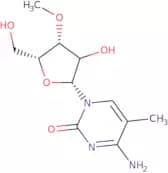
CAS:2'-O-(2-Methoxyethyl)guanosine is a guanosine derivative isolated from the reaction of 2-aminoadenosine with methylsulfonyl chloride. This compound has been shown to react with aromatic hydrocarbons to form a reagent that is useful for the alkylation of nucleophilic groups in organic synthesis.Formula:C13H19N5O6Purezza:Min. 95%Colore e forma:PowderPeso molecolare:341.32 g/mol3'-O-Methyl-5-methylcytidine
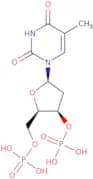
CAS:<p>3'-O-Methyl-5-methylcytidine is a nucleoside with antiviral and anticancer properties. It has been shown to be an activator of RNA polymerase, the enzyme that catalyzes the transcription of DNA into RNA. 3'-O-Methyl-5-methylcytidine binds to the active site of RNA polymerase and is able to stimulate transcription in vitro. This drug has also been shown to have high purity and high quality.</p>Formula:C11H17N3O5Purezza:Min. 95%Colore e forma:PowderPeso molecolare:271.27 g/molThymidine-3',5'-diphosphate sodium salt
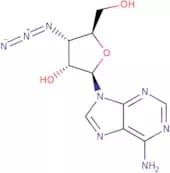
CAS:<p>Thymidine-3',5'-diphosphate sodium salt is a nucleoside that is used in the synthesis of oligonucleotides. It is an antiviral and anticancer agent. Thymidine-3',5'-diphosphate sodium salt has been shown to inhibit DNA synthesis, leading to cell death. It also has been shown to be effective against Hepatitis B virus and HIV-1.</p>Formula:C10H16N2O11P2·xNaPurezza:Min. 98 Area-%Colore e forma:White PowderPeso molecolare:402.19 g/mol3'-Azido-3'-deoxyadenosine
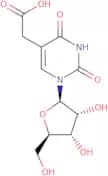
CAS:<p>3'-Azido-3'-deoxyadenosine is an initiator that can be used in oligoribonucleotide synthesis. It is stable, nonhydrolyzable and does not require any protecting groups for its use. 3'-Azido-3'-deoxyadenosine is efficient at initiating the synthesis of ribosomal RNA and has been shown to be a good substrate for biochemical studies. This compound is functionalized with a ribose group, which can be linked to other substances. The linkage of this compound to other substances allows it to be used as a building block for the production of oligoribonucleotides.</p>Formula:C10H12N8O3Purezza:Min. 95%Colore e forma:PowderPeso molecolare:292.25 g/mol5-(Carboxymethyl)uridine
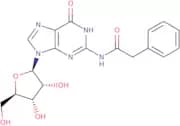
CAS:<p>5-(Carboxymethyl)uridine is an uridine compound that has been shown to inhibit protein synthesis in cultured cells. It binds to the ribosome and inhibits protein synthesis by inhibiting the formation of peptide bonds. 5-Carboxymethyl-uridine has been shown to be effective against two strains of bacteria, Escherichia coli and Staphylococcus aureus, in cell culture experiments. The inhibition of bacterial protein synthesis was shown to be dose-dependent for both strains. The mechanism of action is believed to be due to its binding to the ribosome and inhibiting the formation of peptide bonds.</p>Formula:C11H14N2O8Purezza:Min. 95 Area-%Colore e forma:White Off-White PowderPeso molecolare:302.24 g/molN2-Phenylacetylguanosine
CAS:<p>N2-Phenylacetylguanosine is a novel, modified ribonucleoside with anticancer and antiviral activities. It can be used as a monophosphate or diphosphate. N2-Phenylacetylguanosine is synthesized from 2-phenylethylamine and guanosine using phosphoramidite chemistry. It has been shown to activate DNA synthesis and cell proliferation in vitro, which may lead to tumor growth inhibition.</p>Formula:C18H19N5O6Purezza:Min. 99 Area-%Colore e forma:PowderPeso molecolare:401.37 g/mol[1,2,4]Triazolo[1,5-a]pyrimidine-2-carboxylic acid
CAS:<p>[1,2,4]Triazolo[1,5-a]pyrimidine-2-carboxylic acid is a heterocyclic compound made up of a pyrimidine ring and a triazole ring. It can be used in research applications</p>Formula:C6H4N4O2Purezza:Min. 95%Colore e forma:White PowderPeso molecolare:164.12 g/mol9-(2',3',5'-Tri-O-acetyl-β-D-ribofuranosyl)-6-chloropurine
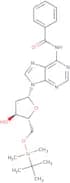
CAS:9-(2',3',5'-Tri-O-acetyl-b-D-ribofuranosyl)-6-chloropurine is an anticancer drug that belongs to the class of nucleosides. It is a modified nucleoside with a 2'-deoxyribose sugar and a 6-chloropurine base. The synthesis of 9-(2',3',5'-tri-O-acetyl-b-D-ribofuranosyl)-6-chloropurine can be achieved by phosphoramidite chemistry. Modified nucleosides have been found to have high antiviral and antitumour activities, as well as being promising for the treatment of HIV infections. 9-(2',3',5'-tri-O acetyl b D ribofuranosyl)-6 chloropurine has also been shown to inhibit the replication of RNA in cells infected with HIV, although it has not yet been used in humans.Formula:C16H17ClN4O7Purezza:Min. 95%Colore e forma:Yellow PowderPeso molecolare:412.78 g/molN6-Benzoyl-5'-O-tert-butyldimethylsilyl-2'-deoxyadenosine
CAS:<p>N6-Benzoyl-5'-O-tert-butyldimethylsilyl-2'-deoxyadenosine is an anti-cancer drug that is used to inhibit the growth of cancer cells in vitro. It has been shown to induce apoptosis in human leukemia cells and may be a novel anticancer agent. This compound has also been shown to have antiviral activity against HIV, herpes simplex virus type 2, hepatitis B virus, and influenza A virus. N6-Benzoyl-5'-O-tert-butyldimethylsilyl-2'-deoxyadenosine is phosphoramidites are synthesized by treatment of 2'-deoxyadenosine with diphosphate in the presence of trimethylammonium tetrafluoroborate or hexafluoroantimonate. The final product contains a benzoyl moiety on the 6' position and a tertiary butyl group</p>Formula:C23H31N5O4SiPurezza:Min. 97 Area-%Colore e forma:White Off-White PowderPeso molecolare:469.61 g/mol5-Carbamoylmethyluridine
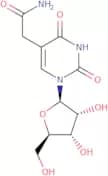
CAS:<p>5-Carbamoylmethyluridine is a nucleoside that is structurally related to uridine. It is synthesized from uridine by methyl esterification with carbamic acid and methoxycarbonyl chloride. 5-Carbamoylmethyluridine interacts with actin filaments and has been shown to alter the expression of messenger RNA in eukaryotes. 5-Carbamoylmethyluridine also acts as a competitive inhibitor of the formation of a ternary complex, which includes ATP, GTP, and UTP, at the level of ribonucleotide reductase. This inhibition leads to decreased synthesis of messenger RNA in cells.</p>Formula:C11H15N3O7Purezza:Min. 95 Area-%Colore e forma:White PowderPeso molecolare:301.25 g/mol1-(2'-O-4-C-Methylene-b-D-ribofuranosyl)adenine
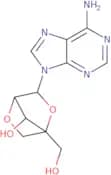
CAS:<p>1-(2'-O-4-C-Methylene-b-D-ribofuranosyl)adenine is an important compound in the field of nucleoside chemistry and has potential applications in research</p>Formula:C11H13N5O4Purezza:Min. 95%Colore e forma:White PowderPeso molecolare:279.25 g/mol2'-Deoxy-2'-fluoroadenosine
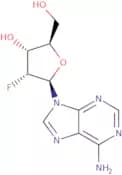
CAS:2’-Deoxy-2’-fluoro nucleosides and nucleotides have been shown to demonstrate anti-viral activity against influenza, SARS and HIV. More specifically the phosphonate of 2'-Deoxy-2'-fluoroadenosine has been evaluated as an inhibitor of Hepacivirus C (HCV).Formula:C10H12FN5O3Purezza:Min. 95%Colore e forma:White PowderPeso molecolare:269.24 g/mol2'-Deoxy-5-methylcytidine HCl
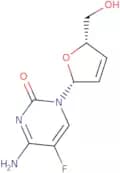
CAS:<p>2'-Deoxy-5-methylcytidine HCl is a cytidine derivative that is used in the synthesis of DNA. It has been shown to have anticancer and antiviral properties, as well as being a synthetic activator for RNA polymerase. The chemical name for 2'-deoxy-5-methylcytidine HCl is 5'-[(2-bromoacetyl)amino]-2'-deoxyuridine 5'-O-(1,3-dithiole-2-thiocarbonyl)-3',5' -diiodo-. It belongs to the class of deoxyribonucleosides. This product may be used in applications such as DNA synthesis, modification of DNA, and antiviral treatment.</p>Formula:C10H15N3O4·HClPurezza:Min. 95%Colore e forma:White PowderPeso molecolare:277.7 g/mol5-Fluoro-1-(2',3'-dideoxy-2',3'-didehydro-b-D-arabinofuranosyl)-cytosine
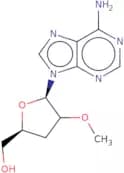
CAS:<p>5-Fluoro-1-(2',3'-dideoxy-2',3'-didehydro-b-D-arabinofuranosyl)-cytosine is an antiviral agent that can be used in combination with other drugs to treat HIV infection. It has been shown to inhibit the activity of p450 enzymes and to bind to receptor sites on cells, preventing the virus from replicating. 5-Fluoro-1-(2',3'-dideoxy-2',3'-didehydro-b-D-arabinofuranosyl)-cytosine has been tested in clinical studies for its ability to reduce levels of HIV in people infected with this virus. This compound also has immunomodulatory effects, which may be due to its ability to inhibit replication of the herpes simplex virus.</p>Formula:C9H10FN3O3Purezza:Min. 95%Colore e forma:PowderPeso molecolare:227.19 g/mol3'-Deoxy-2'-O-methyladenosine
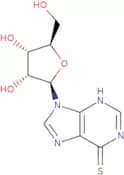
CAS:<p>3'-Deoxy-2'-O-methyladenosine is a nucleoside that has antiviral and anticancer activity. It is a novel chemical compound with a unique structure, which makes it highly reactive. 3'-Deoxy-2'-O-methyladenosine induces DNA synthesis and cell proliferation in cancer cells. It also inhibits the production of viral DNA and RNA in infected cells by inhibiting the enzyme ribonucleotide reductase, which converts ribonucleotides to deoxyribonucleotides. 3'-Deoxy-2'-O-methyladenosine can be used as an antiviral agent against herpes simplex virus type 1 (HSV1), herpes simplex virus type 2 (HSV2) and human cytomegalovirus (CMV).</p>Formula:C11H15N5O3Purezza:Min. 95%Colore e forma:Off-White PowderPeso molecolare:265.27 g/mol6-Thioinosine
CAS:<p>6-Thioinosine is a nucleoside analog that is chemically related to 6-mercaptopurine. It inhibits the polymerase chain reaction and has been shown to inhibit aerobic metabolism in aerobacter aerogenes. It also inhibits the growth of hl-60 cells, which are derived from human leukemia cells. 6-Thioinosine has been shown to have anti-inflammatory properties, which may be due to its ability to inhibit prostaglandin synthesis. It also blocks the activity of certain receptors and has a disease activity against infectious diseases such as systemic candidiasis, bacterial endocarditis, and bowel disease.</p>Formula:C10H12N4O4SPurezza:Min. 98 Area-%Colore e forma:PowderPeso molecolare:284.29 g/mol3'-O-Methyladenosine
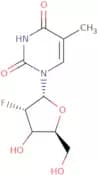
CAS:<p>3'-O-Methyladenosine (3'OMeA) is a monomethylated adenosine that belongs to the group of nucleosides. It has been found to inhibit the activity of adenosine receptors, which are important for the regulation of blood pressure and central nervous system function. 3'OMeA also inhibits virus replication in human lymphocytes. 3'OMeA is synthesized by reaction with methylamine and purification by column chromatography. The molecule is a potential therapeutic target for HIV/AIDS, as it can be used as a specific agonist in order to block viral entry into cells.</p>Formula:C11H15N5O4Purezza:Min. 95%Colore e forma:White PowderPeso molecolare:281.27 g/mol1-(2'-Deoxy-2'-fluoro-a-L-arabinofuranosyl)-thymine
CAS:1-(2'-Deoxy-2'-fluoro-α-L-arabinofuranosyl)-thymine (commonly abbreviated as L-FMAU) is a nucleoside analog. It contains an α-L-arabinofuranose sugar instead of the natural β-D-deoxyribose found in DNA. A fluorine (F) substitution at the 2'-position enhances stability and resistance to enzymatic degradation. The thymine nucleobase allows it to mimic natural thymidine, potentially incorporating into DNA synthesis pathways. It can be research for its potential antiviral activity.Formula:C10H13FN2O5Purezza:Min. 95%Colore e forma:White PowderPeso molecolare:260.22 g/mol5-Methoxycarbonylmethyluridine
CAS:<p>5-Methoxycarbonylmethyluridine is a nucleoside that is a precursor in the synthesis of other nucleotides. It has been shown to have potential as a biomarker for various diseases, such as metabolic disorders and hepatic steatosis. 5-Methoxycarbonylmethyluridine also inhibits the activity of methyltransferases, which are enzymes that catalyze the transfer of methyl groups from S-adenosylmethionine to substrates. It is also used as a model system for polymerase chain reaction in cancer research, because it has been shown to inhibit DNA replication by blocking the incorporation of uracil into DNA.<br>5-Methoxycarbonylmethyluridine has been found at high levels in fetal bovine serum and eukaryotic cells, but not in prokaryotes or cancerous tissues.</p>Formula:C12H16N2O8Purezza:Min. 95%Colore e forma:PowderPeso molecolare:316.26 g/mol1-(2'-Deoxy-2'-fluoro-b-D-arabinofuranosyl)-5-ethyluracil
CAS:<p>1-(2'-Deoxy-2'-fluoro-b-D-arabinofuranosyl)-5-ethyluracil is a nucleoside analog with modifications to alter its biological activity. It contains a β-D-arabinofuranose sugar instead of the standard β-D-deoxyribose in natural nucleosides and<br>the fluorine (F) at the 2'-position increases resistance to enzymatic degradation and alters its biological activity. The 5-ethyl modification on the uracil ring enhances its interaction with viral polymerases.</p>Formula:C11H15FN2O5Purezza:Min. 95%Colore e forma:White PowderPeso molecolare:274.25 g/molCyclopentenyl cytosine
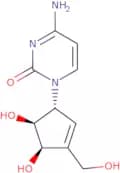
CAS:<p>Cyclopentenyl cytosine is a cytotoxic drug that inhibits the synthesis of DNA, RNA, and proteins. It is a nucleoside analogue that inhibits the enzyme activity of ribonucleotide reductase. Cyclopentenyl cytosine has significant cytotoxicity against hl-60 cells, as well as squamous carcinoma and MDA-MB-231 breast cancer cells. It also has significant activity against cyclopentenyl, dextran sulfate, and mitochondrial functions in vivo in human cells. Cyclopentenyl cytosine binds to the response element on the DNA strand, preventing transcription of genes for protein synthesis and cell division.</p>Formula:C10H13N3O4Purezza:Min. 95%Colore e forma:PowderPeso molecolare:239.23 g/mol2'-Deoxy-5'-O-DMT-2'-fluorouridine
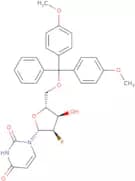
CAS:<p>2'-Deoxy-5'-O-DMT-2'-fluorouridine is a medicament that belongs to the group of antineoplastic agents and is used in cancer treatment. It inhibits the synthesis of DNA by inhibiting the enzyme thymidylate synthetase, which is required for the formation of thymine nucleotides. This drug has been shown to be effective against some cancer cells in vitro and in vivo, but not all. 2'-Deoxy-5'-O-DMT-2'-fluorouridine can also inhibit terminal growth phases and induce programmed cell death. Solid phase synthesis has been used to synthesize this molecule as a phosphoramidite.</p>Formula:C30H29FN2O7Purezza:Min. 98 Area-%Colore e forma:White PowderPeso molecolare:548.57 g/mol






![[1,2,4]Triazolo[1,5-a]pyrimidine-2-carboxylic acid](/_next/image/?url=https%3A%2Fstatic.cymitquimica.com%2Fproducts%2F3D%2Fthumb-webp%2FNT57365.webp&w=3840&q=75)