10-540008 - 3-benzoylbenzoic-acid | 5
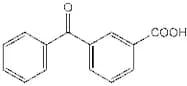
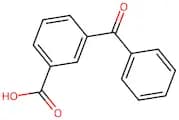
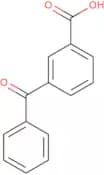
3-Benzoylbenzoic acid, 98%
CAS:3-Benzoylbenzoic acid has been used in light-induced reactions on benzophenone-terminated boron-doped diamond (BDD) surfaces and preparation of benzophenone flavonol derivative. This Thermo Scientific Chemicals brand product was originally part of the Alfa Aesar product portfolio. Some documentation
Formula:C14H10O3Purity:98%Color and Shape:White to pale cream, Crystals or powder or crystalline powderMolecular weight:226.233-BENZOYLBENZOIC ACID
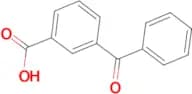
CAS:Formula:C14H10O3Purity:98%Color and Shape:Liquid, No data available.Molecular weight:226.231Benzophenone-3-carboxylic acid
CAS:Benzophenone-3-carboxylic acid is a chemical compound that is used in the production of polymeric photoinitiators. It has been shown to have an absorption maximum at 350 nm and to convert to benzophenone-3-carboxylic acid upon exposure to ultraviolet light. Benzophenone-3-carboxylic acid can also be reduced by trifluoroacetic acid or carbonyl compounds such as hippuric acid, forming benzophenone-3 and fatty acids. The use of benzophenone-3-carboxylic acid in polymeric photoinitiators has been shown to reduce the emission of volatile organic compounds (VOCs) from coatings.Formula:C14H10O3Purity:Min. 95%Molecular weight:226.23 g/mol2-(3-Amino-4-chlorobenzoyl)benzoic Acid)
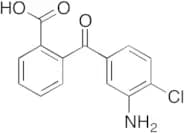
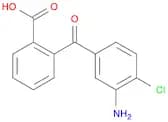
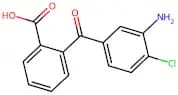
CAS:Controlled ProductApplications 2-(3-Amino-4-chlorobenzoyl)benzoic Acid is a useful synthetic intermediate. It is used to prepare protein kinase C phosphorylates synthetic fluorescent reporter.
References Chen, C., et al.: J. Am. Chem. Soc., 124, 3840 (2002)Formula:C14H10ClNO3Color and Shape:NeatMolecular weight:275.693-Hydroxybenzophenone
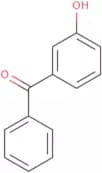
CAS:3-Hydroxybenzophenone is a benzoate that can be found in wastewater and has been reported to have carcinogenic effects. The chemical structure of 3HB is similar to 2-benzoylbenzoic acid, which inhibits mitochondrial membrane potential and induces apoptosis in hamster cells. 3HB also has acute toxicities and can cause cell death by inhibiting protein synthesis or inducing DNA damage. 3HB reacts with hydrochloric acid to form benzene, which may react with saccharomyces cerevisiae strain to form benzopyrene, a known carcinogen.Formula:C13H10O2Purity:Min. 95%Color and Shape:PowderMolecular weight:198.22 g/mol3-Fluorophenol
CAS:3-Fluorophenol is a chemical compound that has a molecular formula of C6H3F3O and a molecular weight of 121.12. It has an intramolecular hydrogen bond between the hydroxyl group and the hydrogen atom in the 3-position, which is responsible for its stability. 3-Fluorophenol can be obtained by reacting 2-benzoylbenzoic acid with diazonium salt in water in the presence of sodium trifluoroacetate (NaC(O)CF3). The reaction mechanism involves an addition reaction between the diazonium salt and 2-benzoylbenzoic acid to form an intermediate, followed by nucleophilic attack from water on the intermediate to form an alcohol product. The kinetic energy of 3-fluorophenol is activated by hydrogen bonding, which leads to its ability to react with other molecules.Formula:C6H5FOPurity:Min. 95%Color and Shape:PowderMolecular weight:112.1 g/mol2-Methanesulfinylaniline
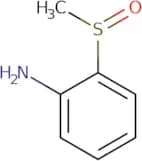
CAS:2-Methanesulfinylaniline is a chemical compound that can be used as an arylating agent. It reacts with benzaldehyde or benzaldehydes to form benzylic alcohols. The reaction is catalyzed by acid and the regioselectivity of the reaction depends on the type of acid used. 2-Methanesulfinylaniline has been shown to be effective in the synthesis of 3-benzoylbenzoic acids, which are useful intermediates in organic chemistry.Formula:C7H9NOSPurity:Min. 95%Molecular weight:155.22 g/mol2-(3-Amino-4-chlorobenzoyl)benzoic acid
CAS:Formula:C14H10ClNO3Purity:97%Color and Shape:SolidMolecular weight:275.68712-(3-Amino-4-Chlorobenzoyl)Benzoic Acid
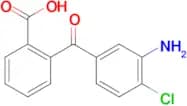
CAS:2-(3-Amino-4-Chlorobenzoyl)Benzoic AcidPurity:98%Molecular weight:275.69g/mol2-(3-Amino-4-chlorobenzoyl)benzoic acid
CAS:Formula:C14H10ClNO3Purity:97%Color and Shape:Solid, Yellow powderMolecular weight:275.69BzATP Ammonium Salt (Mixture of 2'-3' isomers)
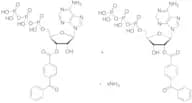
CAS:Applications BzATP Ammonium Salt is a selective P2X purinergic agonist. It is more potent than ATP at homodimeric P2X7 receptors.
References Cole, D., Yount, R.: J. Biol. Chem., 265, 22537 (1990); Atarashi, K., et al.: Nature, 455, 808 (2008)Formula:C24H24N5O15P3xNH3Color and Shape:Off White SolidMolecular weight:715.39