Compostos Policiclícos
Subcategorias de "Compostos Policiclícos"
- Acridinas(98 produtos)
- Antraquinonas(537 produtos)
- Ácidos antraquinonasulfónicos(16 produtos)
- Azobenzenos(270 produtos)
- Azonaftalenos(98 produtos)
- Azoxibenzenos(12 produtos)
- Azulenos(11 produtos)
- Benzimidazóis(1.476 produtos)
- Benzodioxanos(27 produtos)
- Benzofuranos(928 produtos)
- Benzotiofenos(701 produtos)
- Benzotriazóis(438 produtos)
- Binaftil(133 produtos)
- Carbazóis(464 produtos)
- Cromanos, Cromenos(482 produtos)
- Cumarinas(1.138 produtos)
- Ciclofanos(11 produtos)
- Fluorenos e Fluorenonas(384 produtos)
- Imidazopiridinas(10 produtos)
- Indans(118 produtos)
- Indazóis(2.043 produtos)
- Indenos(22 produtos)
- Indóis(4.022 produtos)
- Indolinas(119 produtos)
- Isatinas(234 produtos)
- Isobenzofuranos(17 produtos)
- Ftalimidas N-Substituída(154 produtos)
- Naftalenos(2.440 produtos)
- Naftiridina(17 produtos)
- Naftoquinona(2 produtos)
- Perilenos(36 produtos)
- Fenazinas(26 produtos)
- Ftalazinas(33 produtos)
- Ftalimida(154 produtos)
- Hidrocarbonetos aromáticos policíclicos (PAHs)(566 produtos)
- Polifenol(270 produtos)
- Pteridinas(52 produtos)
- Pireno(87 produtos)
- Quinuclidina(1 produtos)
- Tetracenos(7 produtos)
Foram encontrados 4585 produtos de "Compostos Policiclícos"
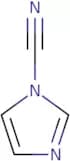
1-Cyanoimidazole
CAS:1-Cyanoimidazole is a phosphodiester that is used in the chemical ligation of nucleic acids. It reacts with terminal alkynes to form covalent linkages between DNA molecules, and can be used as a crosslinker for dna duplexes. 1-Cyanoimidazole can be used as a phosphate group replacement in DNA replication. This compound has been shown to react with terminal alkyne groups on DNA templates, forming stable covalent linkages between strands in the presence of an appropriate nucleophile. 1-Cyanoimidazole has been shown to have sequence specificity and efficient method for linking strands of DNA.Fórmula:C4H3N3Pureza:Min. 95%Cor e Forma:Off-White PowderPeso molecular:93.09 g/mol5-Aminoindole
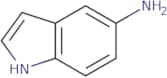
CAS:5-Aminoindole is a hydrogen bond acid. It has been shown to have an optimum concentration of 0.1 mM in the presence of 0.2 mM potassium chloride and 2 mM magnesium chloride, which is similar to the pH range for biological systems. 5-Aminoindole also acts as a competitive inhibitor of quinoline derivatives, such as chloroquine and hydroxychloroquine, which are used in the treatment of malaria and rheumatoid arthritis. The compound has been shown to be active against primary cells grown in culture, including mouse erythrocytes and human hepatocytes. When used with agarose gel electrophoresis or electrochemical impedance spectroscopy, 5-aminoindole shows excellent selectivity for kinases over other enzymes. 5-Aminoindole is not reactive under physiological conditions because it does not have any redox potentials that can be measured by Langmuir adsorption isother
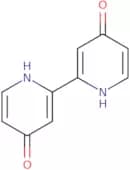
Fórmula:C8H8N2Pureza:Min. 97%Cor e Forma:Brown PowderPeso molecular:132.16 g/mol4,4'-Dihydroxy-2,2'-bipyridine
CAS:4,4'-Dihydroxy-2,2'-bipyridine is a metallo-organic compound that can be used as a homogeneous catalyst for the oxidation of hydroxyl groups. It is also used in cancer research because it has been shown to inhibit tumor cell proliferation and induce apoptosis. 4,4'-Dihydroxy-2,2'-bipyridine is an activated form of 2,2'-bipyridyl with a hydroxyl group on its ortho position. It can be prepared by reacting bromine with the metal salt of 2-hydroxybenzaldehyde in the presence of sodium hydroxide. This reaction produces two products: 4,4'-dihydroxy-2,2'-bipyridine and 2-bromoethanol. The deuterium isotope is used for nuclear magnetic resonance spectroscopy studies because it has a spin quantum number of one and does not cause chemical shift
Fórmula:C10H8N2O2Pureza:Min. 98 Area-%Cor e Forma:White PowderPeso molecular:188.18 g/mol5-Methoxy-2-methylindole
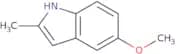
CAS:5-Methoxy-2-methylindole is an organic solvent that has been shown to have a wide range of bioactive properties. It is used in the production of acetylcholine, which is an important neurotransmitter. 5-Methoxy-2-methylindole also reacts with chloride ions, which may be an important factor when considering the life cycles and bioactive substances of this molecule. The reaction yield depends on the pH of the solution. 5-Methoxy-2-methylindole can undergo chlorination reactions to form polychlorinated derivatives, which are used as petrochemicals. This molecule also has retinoid properties and can act as a proton donor or acceptor depending on whether it is protonated or deprotonated.Fórmula:C10H11NOCor e Forma:PowderPeso molecular:161.2 g/mol4-Nitroquinoline-N-oxide
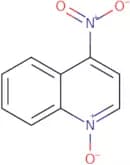
CAS:4-Nitroquinoline-N-oxide is a polymerase chain reaction (PCR) inhibitor that blocks the activity of methyltransferases, which are enzymes involved in DNA replication and repair. The mechanism of action has been shown to be due to the inhibition of the activities of these enzymes in cancer tissues. The efficacy of 4-Nitroquinoline-N-oxide has been demonstrated using an experimental model system composed of cells from Candida glabrata and other cancers, as well as a model system for carcinogenesis in vitro. This compound also shows antiinflammatory activity and can be used as a natural compound for chemotherapy. Chromatographic analysis has revealed that 4-Nitroquinoline-N-oxide is not toxic to wild type strains, but it is toxic to cancer cells with mutations in their DNA repair mechanisms.Fórmula:C9H6N2O3Pureza:Min. 95%Cor e Forma:PowderPeso molecular:190.16 g/molIndole
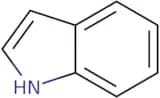
CAS:Indole is a nitrogen-containing heterocyclic aromatic organic compound. Copper chloride in the presence of trifluoroacetic acid and indole gives rise to an indolenine derivative, which reacts with nitrogen atoms to form a copper nitride. This reaction is used as a model system for biological properties of indole. Indolenine has been shown to have bone cancer prevention and treatment effects in mice, and may also be beneficial in autoimmune diseases and metabolic disorders, due to its ability to inhibit toll-like receptor signaling pathways. The wild-type strain has shown resistance to antibiotics, which can be overcome by using mutant strains that are resistant to antibiotic treatments.Fórmula:C8H7NPureza:Min. 95 Area-%Cor e Forma:Off-White PowderPeso molecular:117.15 g/molMethyl (1R,2S,3S,5S)-3-(4-Fluorophenyl)-8-[(E)-3-Iodoprop-2-Enyl]-8-Azabicyclo[3.2.1]Octane-2-Carboxylate
CAS:Produto ControladoMethyl (1R,2S,3S,5S)-3-(4-fluorophenyl)-8-[(E)-3-iodoprop-2-enyl]-8-azabicyclo[3.2.1]octane-2-carboxylate is an imaging agent that is used to diagnose and treat bowel diseases. It has pharmacokinetic properties that allow for a more accurate diagnosis of eye disorders and bowel disease. Methyl (1R,2S,3S,5S)-3-(4-fluorophenyl)-8-[(E)-3-iodoprop-2-enyl]-8-azabicyclo[3.2.1]octane-2-carboxylate is a DPPIV inhibitor that modulates the dopamine transporter in the brain by binding to its extracellular site of action on dopamine transporter proteins and blocking the reuptake of dopamine into the presFórmula:C18H21FINO2Pureza:Min. 95%Peso molecular:429.27 g/mol6-Cyanoindole
CAS:6-Cyanoindole is a synthetic compound that has been shown to have functional properties. It binds to the receptor of the chemokine, which is a type of protein that regulates inflammatory responses. It also inhibits the activity of coagulation factors, which are proteins involved in blood clotting. 6-Cyanoindole has been shown to inhibit cancer cell growth and induce apoptosis (cell death) in a number of cancer cell lines. The fluorescence properties and lifetimes of 6-cyanoindole have been studied extensively. It has also been used as a monomer in copolymerization reactions and is used as an intermediate in the synthesis of 6-bromoindole.
Fórmula:C9H6N2Pureza:Min. 95%Cor e Forma:White PowderPeso molecular:142.16 g/mol5,7-Dibromo-8-hydroxyquinoline
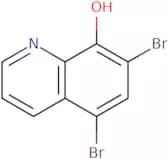
CAS:5,7-Dibromo-8-hydroxyquinoline is a cytotoxic agent that has been shown to inhibit the growth of xenograft tumor cells. It was found to be effective in inhibiting the mitochondrial membrane potential and decrease the rate of cell proliferation. 5,7-Dibromo-8-hydroxyquinoline also showed significant cytotoxicity against carcinoma cell lines, with no effect on normal human fibroblast cells. The drug is an organophosphate compound that inhibits fatty acid synthesis by binding to an enzyme involved in fatty acid biosynthesis. This inhibition causes diarrhoea and sodium salt loss. 5,7-Dibromo-8-hydroxyquinoline can be extracted from hydrochloric acid through a solvent extraction process.Fórmula:C9H5Br2NOPureza:Min. 95%Cor e Forma:PowderPeso molecular:302.95 g/mol6-Methyl-2,2':6',2''-terpyridine
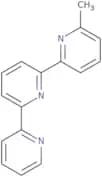
CAS:6-Methyl-2,2':6',2''-terpyridine is a versatile building block that can be used in the synthesis of complex compounds. It is a fine chemical and is sold for research purposes only. 6-Methyl-2,2':6',2''-terpyridine has been used as a reagent or speciality chemical in the manufacture of pharmaceuticals, agrochemicals, and other organic compounds. This compound also has potential use as an intermediate in the synthesis of other useful compounds or scaffolds.Fórmula:C16H13N3Pureza:Min. 85 Area-%Cor e Forma:PowderPeso molecular:247.29 g/mol7-Nitroindole-2-carboxylic acid
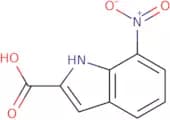
CAS:7-Nitroindole-2-carboxylic acid is a molecule that has been shown to inhibit the activity of cytidine deaminase, an enzyme involved in the synthesis of DNA. This drug also inhibits the replication of dna and can be used for the treatment of cancer. 7-Nitroindole-2-carboxylic acid binds to basic proteins and has a helical structure. The affinity constants for this compound have not been reported, but it is thought that hydrogen bonding interactions are involved in its binding.Fórmula:C9H6N2O4Pureza:Min. 95%Cor e Forma:PowderPeso molecular:206.16 g/mol3,4-Dihydroisoquinolin-1(2H)-one
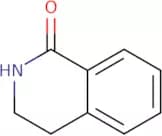
CAS:3,4-Dihydroisoquinolin-1(2H)-one is a potent antagonist of the histamine H1 receptor and has been shown to be safe in animal studies. 3,4-Dihydroisoquinolin-1(2H)-one has also shown efficacy in treating inflammatory diseases, such as asthma and arthritis. This compound was recently tested for its potential to diagnose cancer by targeting the tumor microenvironment. The compound was found to bind to trifluoromethanesulfonic acid (TFMS) with high affinity and selectivity. TFMS is an emerging therapeutic target for cancer therapy because it is highly expressed in the tumor microenvironment and can act as a proton donor for drug delivery systems. 3,4-Dihydroisoquinolin-1(2H)-one has also been observed to have low toxicity profiles in preclinical models, but more research is needed before it can be used clinically.
Fórmula:C9H9NOPureza:Min. 95%Cor e Forma:PowderPeso molecular:147.17 g/molN-Nitroso-3-azabicyclo[3.3.0]octane
CAS:N-Nitroso-3-azabicyclo[3.3.0]octane is a nitrosating agent that can be used for the determination of gliclazide in pharmaceuticals and other applications. It is synthesized by reacting 3-azabicyclo[3.3.0]octane with sodium nitrite in an alkaline environment, followed by hydrolysis with hydrochloric acid. Nitrosation reactions are usually slow, but N-nitroso-3-azabicyclo[3.3.0]octane has been shown to have a fast reaction kinetics, which makes it useful for the determination of gliclazide in pharmaceuticals and other applications. The product is analyzed using chromatographic techniques such as high performance liquid chromatography (HPLC) or gas chromatography/mass spectrometry (GC/MS). The product was found to be linear over the range of 0–
Fórmula:C7H12N2OPureza:Min. 95%Cor e Forma:Colorless PowderPeso molecular:140.18 g/mol1-Acetyl-5-bromoindole
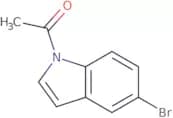
CAS:1-Acetyl-5-bromoindole is a high quality reagent that is useful as an intermediate in the synthesis of a wide range of complex compounds. It can be used as a speciality chemical for research purposes or to make other chemicals. 1-Acetyl-5-bromoindole is also needed for the synthesis of indoles, which are useful scaffolds and building blocks in organic chemistry. This compound can be used to form reactions with other chemical compounds and can be used to create versatile building blocks.Fórmula:C10H8BrNOPureza:Min. 95%Cor e Forma:SolidPeso molecular:238.08 g/mol5-Chloro-1,10-phenanthroline
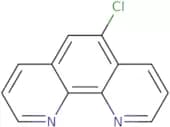
CAS:5-Chloro-1,10-phenanthroline (5CP) is a molecule that has been used in the study of DNA oxidation. 5CP has been shown to be an effective inhibitor of oxidative dna damage and can be used for the prevention of mutations caused by reactive oxygen species. This compound was also found to inhibit the growth of L1210 murine leukemia cells, which is due to its ability to bind to potassium ions. 5CP has been shown to have significant binding constants with DNA and protein molecules. It also has a very high level of ancillary activity and can be used as a catalyst in transfer reactions.Fórmula:C12H7ClN2Pureza:Min. 97.5 Area-%Cor e Forma:Red PowderPeso molecular:214.65 g/mol7-Deazaxanthine
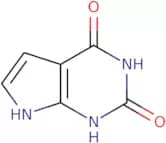
CAS:7-Deazaxanthine is a purine derivative that has been shown to have antiangiogenic properties. It inhibits the growth of cancer cells by inhibiting the synthesis of vascular endothelial growth factor (VEGF), which is a potent angiogenic factor. 7-Deazaxanthine also binds to the VEGF receptor, preventing it from binding to VEGF. The x-ray crystal structures and kinetic data for 7-deazaadenosine suggest that this compound may be an inhibitor of hydrogen bonding interactions between amino acids in protein molecules, leading to its antiangiogenic activity. 7-Deazaxanthine does not prevent the activation of tyrosine kinases or phosphatases. In addition, this compound has been shown to inhibit the proliferation of breast cancer cells in culture and in vivo studies using mouse models. This drug also has glycosidic bond, which can result in a variety of chemical structures due to different types of glycosFórmula:C6H5N3O2Pureza:Min. 98 Area-%Cor e Forma:PowderPeso molecular:151.12 g/mol5-Chloroindole-3-carboxylic acid
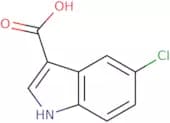
CAS:5-Chloroindole-3-Carboxylic Acid is a ring system that is a dimer of two indole rings and one carboxyl group. It has the ability to form hydrogen bonds with itself, which allows it to stack together in an orderly manner. The carboxyl group on the 5-chloroindole-3-carboxylic acid molecule can form hydrogen bonds with water molecules due to its electronegativity. This property enables 5-chloroindole-3-carboxylic acid molecules to be soluble in water, which is why it is used for water treatment and as a corrosion inhibitor.Fórmula:C9H6ClNO2Pureza:Min. 95%Peso molecular:195.6 g/molBergaptol
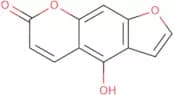
CAS:Bergaptol is a naturally occurring furanocoumarin, which is a compound derived from plants, particularly from the Rutaceae family such as bergamot and other citrus species. It is primarily characterized by its chemical structure containing a furan ring fused to a coumarin moiety. Bergaptol acts primarily through its interaction with biological systems by inhibiting certain enzymatic activities and interfering with the biological pathways that involve reactive oxygen species. This compound exhibits antioxidant properties, reducing oxidative stress by scavenging free radicals and thereby protecting cells from damage.Fórmula:C11H6O4Pureza:Min. 95%Cor e Forma:Off-White PowderPeso molecular:202.16 g/mol6-(Dimethylamino)purine
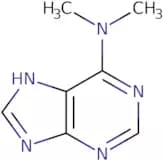
CAS:6-(Dimethylamino)purine (6-DAP) is a purine nucleoside that acts as an inhibitor of the transcription factor leukemia inhibitory factor (LIF). 6-DAP binds to the response element in the promoter region of LIF and blocks the binding of LIF to this site. This prevents transcription of LIF, which leads to cell cycle arrest. 6-DAP also has inhibitory effects on skin cells and inhibits the formation of fetal bovine serum protein in a model system. 6-DAP binds to nuclear DNA and alters its structure, which may cause problems with DNA replication or transcription.Fórmula:C7H9N5Pureza:Min. 98 Area-%Cor e Forma:White PowderPeso molecular:163.18 g/mol2,4-Dihydroxy-6-methoxyquinoline
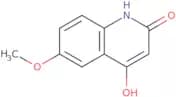
CAS:2,4-Dihydroxy-6-methoxyquinoline is a compound that exhibits antifungal properties. It has been shown to have activity against Aspergillus flavus, Aspergillus fumigatus, Candida albicans and other fungi. 2,4-Dihydroxy-6-methoxyquinoline also inhibits the growth of E. coli and A. aureus in vitro. Elemental analysis showed that this compound possesses antibacterial properties and can inhibit the growth of Staphylococcus aureus.Fórmula:C10H9NO3Pureza:Min. 95%Cor e Forma:PowderPeso molecular:191.18 g/mol4,6-Difluoroisatin
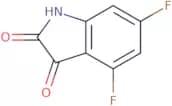
CAS:4,6-Difluoroisatin is a chemical that is useful in the synthesis of complex compounds. It has been used as a reagent for the preparation of 4,6-difluoropyridinium salts and as a reaction component in the synthesis of polymers. 4,6-Difluoroisatin is also one of the building blocks in the synthesis of a number of other compounds. This chemical has been shown to be an effective scaffold for peptides and proteins.Fórmula:C8H3F2NO2Pureza:Min. 95%Peso molecular:183.11 g/mol7-Fluoroisatin
CAS:7-Fluoroisatin is a crystalline compound that can exist as two different polymorphs. The metastable form of 7-fluoroisatin has been shown to have low energy vibrations and hydrogen bonding interactions, which are responsible for the intermolecular hydrogen bonding. 7-Fluoroisatin also has a tautomeric form that exists as a hydrochloride salt, which is not stable in the solid state. The protonated form of 7-fluoroisatin has been shown to be an excellent hydrogen bond acceptor, with the ability to stabilize long range interactions.Fórmula:C8H4FNO2Pureza:Min. 95%Cor e Forma:SolidPeso molecular:165.12 g/mol4-Nitroindole
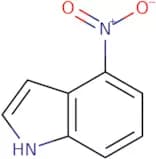
CAS:4-Nitroindole is a chemical compound that is used to synthesize 5-hydroxytryptamine (5-HT) and also has been used as a substitute for tryptophan in the synthesis of serotonin. It can be prepared by reacting sodium nitrite with an organic acid such as acetic acid or propionic acid. The reaction proceeds through a diazonium salt intermediate, which is hydrolyzed with hydrochloric acid to give 4-nitroindole. 4-Nitroindole can also be prepared by the Friedel-Crafts reaction between an aromatic nitro compound and an alkyl halide. The hydrogen bond between the hydroxyl group and nitrogen atom in the molecule makes it soluble in organic solvents. In addition, the constant boiling point of the compound allows it to be analyzed using gas chromatography.
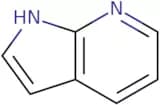
Fórmula:C8H6N2O2Pureza:Min. 95%Cor e Forma:PowderPeso molecular:162.15 g/mol7-Azaindole
CAS:7-Azaindole is a reactive chemical that has been shown to be effective in the treatment of skin cancer, as well as hepatic steatosis. The compound can promote the transfer of hydrogen atoms and form a dimer with protonated nitrogen. 7-Azaindole reacts rapidly with nucleophiles such as amines, alcohols, and thiols to form covalent bonds. The reaction mechanism is characterized by an initial protonation step followed by nucleophilic attack or hydrogen transfer from the nucleophile to 7-azaindole. Kinetic studies have demonstrated that the rate of this reaction depends on the concentration of both reactants.
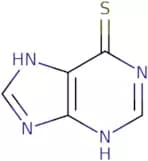
Fórmula:C7H6N2Cor e Forma:PowderPeso molecular:118.14 g/mol6-Mercaptopurine
CAS:6-Mercaptopurine is an antigen binding molecule that is biocompatible with the human body. It binds to 6-mercaptopurine and inhibits the oxidation of proteins. The inhibition of protein oxidation has been shown to decrease disease activity in patients with inflammatory bowel disease. 6-Mercaptopurine also inhibits the production of inhibitor molecules, which are responsible for the development of cardiac effects such as arrhythmias and cardiomyopathy. 6-Mercaptopurine has inhibitory properties against polymerase chain reactions, which may be due to its ability to bind with protein thiols at high rates.Fórmula:C5H4N4SPureza:Min. 98 Area-%Cor e Forma:PowderPeso molecular:152.18 g/mol5-Methoxy-2,3-dihydroindoline
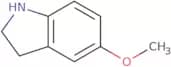
CAS:5-Methoxy-2,3-dihydroindoline is a methoxy compound that is substituted with a methyl group. It has been shown to be an effective hydrogen transfer agent in cyclopentenone reactions, and can also be used as a sensor for nitroaromatic compounds. 5-Methoxy-2,3-dihydroindoline can be synthesized by the reaction of methoxylated aniline with sodium ethoxide in acetonitrile. This reaction produces the desired product in high yield (70%), and it can also be used for the methylation of secondary amines in good yield (80%). 5-Methoxy-2,3-dihydroindoline is potently active when titrated against benzo[a]pyrene.
Fórmula:C9H11NOPureza:Min. 95%Cor e Forma:PowderPeso molecular:149.19 g/mol3-Methylthio-1,2,4-triazino[5,6-b]indole
CAS:Please enquire for more information about 3-Methylthio-1,2,4-triazino[5,6-b]indole including the price, delivery time and more detailed product information at the technical inquiry form on this pageFórmula:C10H8N4SPureza:Min. 95%Cor e Forma:PowderPeso molecular:216.26 g/molIsosibiricin
CAS:Isosibiricin is a naturally occurring lignan, which is extracted from certain plant sources. This compound is derived from the genus Daphne, traditionally known for its diverse range of biologically active constituents. Its mode of action is primarily through the modulation of key signaling pathways involved in cell proliferation and apoptosis. Isosibiricin exhibits notable inhibitory effects on specific enzymes and receptors implicated in oncogenic processes, making it a subject of interest for cancer research.
Fórmula:C16H18O5Pureza:Min. 95%Cor e Forma:PowderPeso molecular:290.31 g/mol5-Methoxyindole-3-acetonitrile
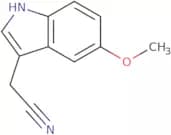
CAS:5-Methoxyindole-3-acetonitrile is a synthetic compound used as a reference for the synthesis of melatonin. It is produced by the addition of magnesium to 5-methoxyindole, followed by reaction with cyanide and nitrile. The synthesis of this compound was first published in 1938 and has since been used as a reference for many other studies. It has been shown that 5-methoxyindole-3-acetonitrile has high performance liquid chromatography properties, with a linear range from 0.5 to 50 mg/mL and an ultraviolet spectrum that falls within the region between 220 nm and 400 nm. A molecular modeling study was conducted on this compound, which showed that it conforms with 4-hydroxy indole ring systems found in natural products such as tryptophan and serotonin. This product also has fluorescent properties, which are caused by its electron withdrawing group (cyano).Fórmula:C11H10N2OPureza:Min. 95%Cor e Forma:PowderPeso molecular:186.21 g/mol5-Nitroindole
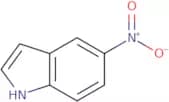
CAS:5-Nitroindole is a chemical used in wastewater treatment. It is an electron acceptor that can be used to reduce the cost of the process. 5-Nitroindole has significant cytotoxicity and polymerase chain activity in human pathogens, such as Escherichia coli, Salmonella enterica, Staphylococcus aureus, and Mycobacterium tuberculosis. The drug is stable under aerobic conditions and has shown no significant cytotoxicity to mammalian cells. 5-Nitroindole has been shown to hybridize with DNA duplexes containing guanine bases and form covalent bonds in a model system. The drug also has been shown to be present in colonies of colony-stimulating factor (CSF) cells that are found in the blood stream of healthy individuals.Fórmula:C8H6N2O2Pureza:Min. 95%Cor e Forma:Yellow PowderPeso molecular:162.15 g/mol5,6-Difluoroindole
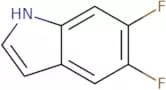
CAS:5,6-Difluoroindole is a chemical compound that has been studied in biological and chemical research. It is an analog of the neurotransmitter serotonin, which binds to the 5-HT2C receptor and activates phospholipase C (PLC) to produce inositol triphosphate (IP3). This compound may be useful for the treatment of neurodegenerative diseases such as Alzheimer's disease. 5,6-Difluoroindole has been shown to block the activity of acetylcholinesterase (AChE), which is an enzyme that breaks down acetylcholine. This leads to an increase in acetylcholine levels and a decrease in AChE activity. The reaction mechanism for this process is not known.Fórmula:C8H5NF2Cor e Forma:PowderPeso molecular:153.13 g/mol5-Methoxyindole-3-carboxaldehyde
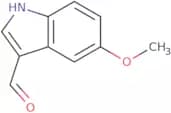
CAS:5-Methoxyindole-3-carboxaldehyde is a molecule that belongs to the genus of indolequinones. It has been shown to have potent inhibitory activity against prostate cancer cells, and also has anti-cancer properties. 5-Methoxyindole-3-carboxaldehyde inhibits the proliferation of cancer cells by inducing apoptosis in prostate cancer cells. 5-Methoxyindole-3-carboxaldehyde also suppresses the growth of cervical cancer cells and breast cancer cells. This molecule binds to the hydrogen bond sites on DNA, which may be one reason for its anti-cancer properties. The molecule is fluorescent and can be used as a marker for detecting cancers or other diseases in living tissue.Fórmula:C10H9NO2Pureza:Min. 95%Cor e Forma:PowderPeso molecular:175.18 g/mol4,4'-Bis(bromomethyl)-2,2'-bipyridine
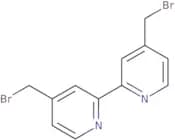
CAS:4,4'-Bis(bromomethyl)-2,2'-bipyridine is a cyclic molecule that can be synthesized by the reaction of 4-bromo-2,2'-bipyridine with a brominating agent. It is used as a precursor to ruthenium catalysts in organic synthesis, and as an additive in dendrimers. The compound has been shown to have light absorption properties and can be used in photovoltaics and electropolymerization.Fórmula:C12H10N2Br2Pureza:Min. 95%Cor e Forma:PowderPeso molecular:342.03 g/mol9-Methylxanthine
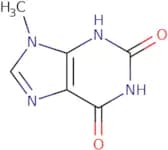
CAS:Produto Controlado9-Methylxanthine is a purine alkaloid that is structurally related to caffeine. It is used as a bronchodilator and to treat cardiac arrhythmias. 9-Methylxanthine has been shown to have an effect on the rate of DNA replication by binding to the enzyme xanthosine phosphorylase, which converts xanthosine monophosphate (XMP) to xanthosine diphosphate (XDP). The drug's effect on other nucleobases, such as adenosine monophosphate (AMP), cannot be ruled out. 9-Methylxanthine also has a strong affinity for macrochelates, which are compounds that contain chelating agents with a large number of ethylenediaminetetraacetic acid (EDTA) groups. This property is due to the high number of nitrogen atoms in the molecule and its ability to form hydrogen bonds between water moleculesFórmula:C6H6N4O2Pureza:Min. 95%Cor e Forma:PowderPeso molecular:166.14 g/molIndole-3-butyric acid, potassium salt
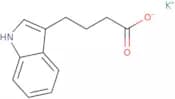
CAS:Plant hormone; auxin; inducer of root development; used in plant rootingFórmula:C12H12KNO2Cor e Forma:White Yellow PowderPeso molecular:241.33 g/molBenazepril HCl
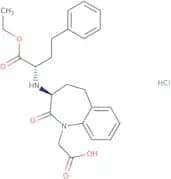
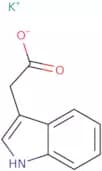
CAS:Angiotensin-converting enzyme inhibitor; anti-hypertensiveFórmula:C24H29ClN2O5Pureza:Min. 95%Cor e Forma:PowderPeso molecular:460.95 g/mol3-Indoleacetic acid potassium salt
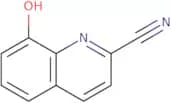
CAS:Plant hormone of the auxin class; promotes root growthFórmula:C10H8NO2·KPureza:Min. 95%Cor e Forma:White PowderPeso molecular:213.27 g/mol8-Hydroxy-2-quinolinecarbonitrile
CAS:8-Hydroxy-2-quinolinecarbonitrile is an uncomplexed ligand that can be used for the synthesis of metal complexes. 8-Hydroxy-2-quinolinecarbonitrile is insoluble in most solvents, including water, and has a high melting point. This compound can be synthesized from acetonitrile and primary amines by condensing with formaldehyde. It is not possible to catalyze this reaction, as it does not undergo homolysis or heterolysis reactions. The uncomplexed ligand has been shown to bind to metal ions such as copper and silver. Its diffraction pattern was found to have a polynuclear nature with a number of diffraction peaks within the range of 5–9 Å.Fórmula:C10H6N2OPureza:Min. 95%Cor e Forma:PowderPeso molecular:170.17 g/mol3-(3-Piperidinopropoxy)-1-[3-(Trifluoromethyl)Phenyl]-1H-Indazole
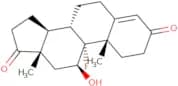
CAS:Produto Controlado3-(3-Piperidinopropoxy)-1-[3-(Trifluoromethyl)Phenyl]-1H-Indazole is a compound that functions as an actuator. It can be used to implement force, such as controlling a change in the position of a control or actuation, and it can also be used to shift control. 3-(3-Piperidinopropoxy)-1-[3-(Trifluoromethyl)Phenyl]-1H-Indazole is an actuation method that can be controlled by implementing force.Fórmula:C22H24F3N3OPureza:Min. 95%Peso molecular:403.44 g/mol(8S,9R,10S,11S,13S)-9-Fluoro-11-Hydroxy-10,13-Dimethyl-1,2,6,7,8,11,12,14,15,16-Decahydrocyclopenta[a]Phenanthrene-3,17-Dione
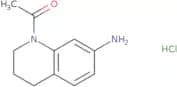
CAS:Produto Controlado(8S,9R,10S,11S,13S)-9-Fluoro-11-Hydroxy-10,13-Dimethyl-1,2,6,7,8,11,12,14,15,16-Decahydrocyclopenta[a]Phenanthrene-3,17-Dione is a corticosteroid that is used in the treatment of inflammatory diseases. It has been shown to have immunosuppressive and antiinflammatory effects in animals. The drug is metabolized by cytochrome P450 enzymes to produce the active form prednisolone. Prednisolone binds to glucocorticoid receptors and blocks the production of inflammatory leukotrienes. The drug also inhibits neovascularization and ophthalmic disorders.Fórmula:C19H25FO3Pureza:Min. 95%Peso molecular:320.4 g/mol1-Acetyl-1,2,3,4-tetrahydroquinolin-7-amine hydrochloride
CAS:1-Acetyl-1,2,3,4-tetrahydroquinolin-7-amine hydrochloride is a versatile building block that can be used in the synthesis of complex compounds with high quality and as a speciality chemical. This compound is useful as a reagent and reaction component in organic synthesis. It has been shown to be useful in the synthesis of new scaffolds for drug discovery.
Fórmula:C11H14N2O·HClPureza:Min. 95%Cor e Forma:Off-White PowderPeso molecular:226.7 g/molPyrazolo[1,5-a]pyrimidine-3-carboxylic acid
CAS:Pyrazolo[1,5-a]pyrimidine-3-carboxylic acid is a pyrimidine analog and an electron transfer agent. It is a potent inhibitor of the enzyme dehydrogenase, which catalyzes the conversion of nicotinamide adenine dinucleotide (NAD) to nicotinamide adenine dinucleotide phosphate (NADP). Pyrazolo[1,5-a]pyrimidine-3-carboxylic acid has been shown to have anti-inflammatory properties and also inhibits the production of b-raf protein. This drug has also been shown to be a potent inhibitor of mitochondrial electron transport in cancer cells. Pyrazolo[1,5-a]pyrimidine-3-carboxylic acid binds to the metal centers in mitochondria, thereby inhibiting oxidative phosphorylation and reducing ATP synthesis. This ultimately leads to cell death by apoptosis.
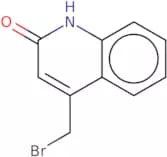
Fórmula:C7H5N3O2Pureza:Min. 95%Cor e Forma:White PowderPeso molecular:163.13 g/mol4-Bromomethyl-2(1H)-quinolinone
CAS:4-Bromomethyl-2(1H)-Quinolinone is a chemical compound that is used in the calibration of an HPLC system. It has been shown to be linear over a wide range of concentrations. The detection wavelength is at 230 nm, and the flow rate is 1 mL/min. The average response for 4-bromomethyl-2(1H)-quinolinone was found to be approximately 0.7 AUFS with a standard deviation of 0.3 AUFS.Fórmula:C10H8BrNOPureza:Min. 95%Peso molecular:238.08 g/mol4,5-Dimethoxyindole
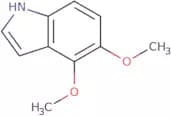
CAS:4,5-Dimethoxyindole is a chemical compound that has been shown to exhibit radical scavenging activity. It is an inhibitor of integrase, which are enzymes involved in the integration of viral DNA into host cell chromosomes. This compound has been synthesized and its optical properties have been studied. The synthesis of 4,5-dimethoxyindole derivatives has also been investigated using molecular modeling. Schrodinger software was used to predict the geometry of these synthesized derivatives. These studies suggest that 4,5-dimethoxyindole may be a potential anti-cancer agent due to its ability to inhibit cancer cell growth and induce apoptosis.
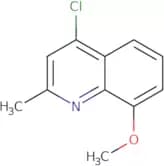
Fórmula:C10H11NO2Pureza:Min. 95%Cor e Forma:SolidPeso molecular:177.2 g/mol4-Chloro-8-methoxy-2-methylquinoline
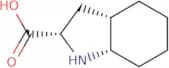
CAS:4-Chloro-8-methoxy-2-methylquinoline is a compound that has been found in nature. It is a diversity of nonreciprocal nucleic acid sequences and has been shown to be polymorphic. This nucleotide can cause stenosis in the coronary heart, which may lead to heart disease. 4-Chloro-8-methoxy-2-methylquinoline also inhibits the growth of Plasmodium falciparum and Plasmodium vivax. The drug's mechanism of action is not yet known, but it may have evolved from other compounds with a similar molecular structure.Fórmula:C11H10ClNOPureza:Min. 95%Cor e Forma:PowderPeso molecular:207.66 g/molL-(2S,3aS,7aS)-Octahydroindole-2-carboxylic acid
CAS:L-Octahydroindole-2-carboxylic acid is a basic structure that is used in the industrial preparation of a number of chemical compounds. It is also used for the synthesis of L-(2S,3aS,7aS)-octahydroindole-2-carboxylic acid (LOTSC) and its ester hydrochloride salt. The kinetic energy of this molecule has been studied by measuring it's rate of reaction with cyclohexane ring. The inhibition study was done on lung cells to study the effects of LOTSC on growth factors and showed that this molecule inhibited the release of bradykinin B2, which is a peptide secreted by lungs. The pharmacokinetic properties have been studied in rats and shows that it has higher bioavailability than other molecules in this class.Fórmula:C9H15NO2Pureza:Min. 95%Cor e Forma:PowderPeso molecular:169.22 g/mol6-Methyl-1H-indole-3-carbaldehyde
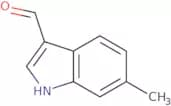
CAS:6-Methyl-1H-indole-3-carbaldehyde is a synthetic chemical that has been used as a reagent in the form of its sodium salt. It is an acetylating agent and can be used for formylation reactions. 6-Methyl-1H-indole-3-carbaldehyde has shown strong antifungal activity against phytopathogenic fungi such as Fusarium, Rhizoctonia, and Phytophthora. This chemical also has a triazine group, which can be used to enhance the herbicidal properties of certain compounds.Fórmula:C10H9NOPureza:Min. 95%Cor e Forma:PowderPeso molecular:159.18 g/mol4-Benzyloxyindole-2-carboxylic acid ethyl ester
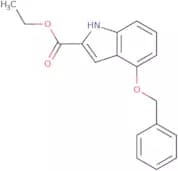
CAS:4-Benzyloxyindole-2-carboxylic acid ethyl ester is a cyclic compound that has been synthesized through an intramolecular carboxylate cyclization. This class of compounds are known for their ability to form propargylic analogues, which have the potential to be used as anticancer drugs. The compound was first reported in 1969 by Schardt and co-workers and was found to have activity against leukemia cells. It has been shown to undergo a series of cyclizations, which are triggered by the presence of oxygen or other electron acceptors.Fórmula:C18H17NO3Pureza:Min. 95%Peso molecular:295.33 g/mol6-Methoxyindoline-2,3-dione
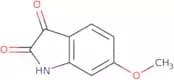
CAS:6-Methoxyindoline-2,3-dione is an indole alkaloid that has been isolated from the leaves of plants in the genus Apiaceae. It is synthesized by a reaction system that involves the oxidation of 6-methoxyindole to the corresponding oxindole and subsequent reduction to the desired product. The cytotoxicity of 6-methoxyindoline-2,3-dione has been demonstrated using a fluorescent assay with cancer cells. The compound binds to and activates cb2 receptors, which are expressed on immune cells and have been shown to be involved in inflammatory processes.Fórmula:C9H7NO3Pureza:Min. 95%Cor e Forma:PowderPeso molecular:177.16 g/molFerene disodium salt
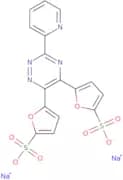
CAS:Ferene is an iron chelate that has been shown to have a number of beneficial effects on iron homeostasis. Ferene has been used in the treatment of chronic viral hepatitis, and it has also been shown to be effective against galleria mellonella. Ferene is a metal chelate, which means that it is a type of molecule that contains two metal ions. The metal ions are usually connected by a central atom, such as oxygen or nitrogen. Ferene disodium salt can be synthesized in the lab using the chemiluminescence method and polymerase chain reaction (PCR). It is also possible to isolate ferene from human serum or from a model system.Fórmula:C16H8N4Na2O8S2Pureza:Min. 95 Area-%Cor e Forma:Yellow PowderPeso molecular:494.37 g/mol7-Methylindole-3-acetic acid
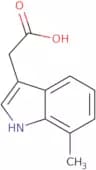
CAS:7-Methylindole-3-acetic acid is a metabolite of indomethacin. It is excreted in the urine and has been found to be present in the tissues of monkeys. 7-Methylindole-3-acetic acid is excreted by the kidneys and it is not known how much of this compound is reabsorbed into the body. 7-Methylindole-3-acetic acid can be metabolized to form other metabolites, including 2,4,5,6 tetrahydropyridine (2,4,5,6 THP), which has been shown to produce DNA damage in rats. The metabolites are then excreted from the body through urination and feces.Fórmula:C11H11NO2Pureza:Min. 95%Peso molecular:189.21 g/mol7-Bromo-1,2,3,4-tetrahydroquinoline
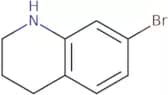
CAS:7-Bromo-1,2,3,4-tetrahydroquinoline is a high quality reagent that is an intermediate for the synthesis of heterocycles. It is useful as a building block for the synthesis of complex compounds. 7-Bromo-1,2,3,4-tetrahydroquinoline has been used as a useful scaffold in the synthesis of novel and versatile molecules with biological activity. This compound can be used as a reaction component in organic chemistry and can also be used to produce speciality chemicals and research chemicals. CAS No. 114744-51-3Fórmula:C9H10BrNPureza:Min. 97 Area-%Cor e Forma:PowderPeso molecular:212.09 g/mol3-(4-ethoxyphenyl)spiro[1,3-thiazolidine-2,3'-indoline]-4,7-dione
CAS:Please enquire for more information about 3-(4-ethoxyphenyl)spiro[1,3-thiazolidine-2,3'-indoline]-4,7-dione including the price, delivery time and more detailed product information at the technical inquiry form on this pagePureza:Min. 95%4'-Hydroxy-2,2':6',2''-terpyridine
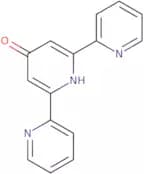
CAS:4'-Hydroxy-2,2':6',2''-terpyridine is a molecule with the molecular formula C24H22N4O8. It is an organic compound that belongs to the group of heterocycles. It has been found to be a ligand for metal ions and has been shown to interact with particles at temperatures below 20°C. 4'-Hydroxy-2,2':6',2''-terpyridine crystallizes in two polymorphs: tetragonally (alpha) at room temperature and trigonally (beta) at temperatures below 20°C. The alpha form has been observed to undergo a photophysical reaction as it absorbs light and emits light in the ultraviolet region of the spectrum.
Fórmula:C15H11N3OPureza:Min. 95%Cor e Forma:PowderPeso molecular:249.27 g/molQuinolin-4-ylboronic acid
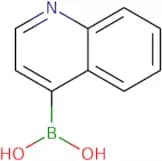
CAS:Quinolin-4-ylboronic acid is a heterocyclic compound with two nitrogen atoms that are attached to the ring by means of carbonyl groups. This compound is a precursor in the synthesis of the drug dorsomorphin, which is used for pain relief. It also has an important role in pharmacokinetics because it can be used as a marker for estimating blood levels of other drugs. Quinolin-4-ylboronic acid yields an active form, quinolin-4-yl boronic acid, when reacted with piperazine in basic conditions. The drug ldn-193189 is a derivative of this active form and has been evaluated as a potential drug for treating osteoporosis and cancer.
Fórmula:C9H8BNO2Pureza:Min. 95 Area-%Cor e Forma:PowderPeso molecular:172.98 g/molIndole-3-butyric acid
CAS:Plant hormone; auxin; inducer of root development; used in plant rooting
Fórmula:C12H13NO2Pureza:Min 98%Cor e Forma:White Yellow PowderPeso molecular:203.24 g/mol4-[(7-Chloro-4-quinolinyl)amino]-1-pentanol
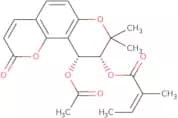
CAS:4-[(7-Chloro-4-quinolinyl)amino]-1-pentanol (QLT) is a drug that has been shown to be effective against both healthy volunteers and malaria patients. It is a prodrug that is metabolized by the liver into 7-chloroquinalone, which inhibits the growth of plasmodium falciparum. QLT has been shown to be safe and well tolerated in studies with healthy volunteers, and it does not appear to cause significant adverse effects. QLT also has an effect on T cells, which may be due to its ability to inhibit protein synthesis and cell division.Fórmula:C14H17ClN2OPureza:Min. 95%Cor e Forma:Yellow SolidPeso molecular:264.75 g/molIsopteryxin
CAS:Isopteryxin is a natural compound classified as a furanocoumarin, which is primarily derived from plants in the Apiaceae family, such as various species of Angelica. It is synthetically produced or extracted from these botanical sources using advanced chromatographic techniques. The mode of action of Isopteryxin involves interactions with cellular and molecular targets through its capability to intercalate with DNA and modulate enzyme activity. This confers notable biological activities, including antimicrobial, antifungal, and potentially anticancer effects. It may inhibit certain cell signaling pathways, thus influencing cellular processes such as apoptosis and proliferation.Fórmula:C21H22O7Pureza:Min. 95%Cor e Forma:PowderPeso molecular:386.4 g/molIndoline-2-carboxylic acid
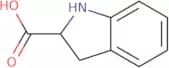
CAS:Indoline-2-carboxylic acid is a photophysical molecule with an absorption maximum at 518 nm. It has been shown to inhibit the activity of enzymes such as cyclooxygenase, lipoxygenase, and monoamine oxidases. This compound has been found to be effective in the treatment of cancer cells. Indoline-2-carboxylic acid is also used in pharmaceutical preparations, where it binds to enantiomers of other molecules and inhibits their biological activity. Indoline-2-carboxylic acid reacts with hydrochloric acid to form allyl carbonate and amide.
Fórmula:C9H9NO2Pureza:Min. 97 Area-%Cor e Forma:PowderPeso molecular:163.17 g/mol4-Hydroxy-2-methylindole
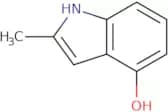
CAS:4-Hydroxy-2-methylindole is an organic compound that belongs to the class of metal salts. It can be obtained as a white solid by reacting indole with alkali metal hydroxide or alkali metal carbonate in the presence of water at high temperatures. The reaction yields 4-hydroxy-2-methylindole and hydrogen chloride gas, which are removed by distillation. 4-Hydroxy-2-methylindole is used in the production of epichlorohydrin, which is a raw material for polyurethane resins and olefins.Fórmula:C9H9NOPureza:Min. 95%Cor e Forma:PowderPeso molecular:147.17 g/mol4-Nitrobenzyl (4R,5R,6S)-3-[(diphenylphosphono)oxy]-6-[(R)-1-hydroxyethyl]-4-methyl-7-oxo-1-azabicyclo[3.2.0]hept-2-ene-2-carboxylat e
CAS:4-Nitrobenzyl (4R,5R,6S)-3-[(diphenylphosphono)oxy]-6-[(R)-1-hydroxyethyl]-4-methyl-7-oxo-1-azabicyclo[3.2.0]hept-2-ene-2-carboxylat e is a synthetic compound that is used as an alkalizer and impurity scavenger in the manufacture of pesticides and other organic chemicals. It has been shown to be a stereoselective herbicide with acetonitrile as its primary degradation product. The compound has also been found to be a potent inhibitor of the enzyme carbapenemase, which may lead to increased resistance to antibiotics such as monosodium salt of ertapenem.Fórmula:C29H27N2O10PPureza:Min. 98 Area-%Cor e Forma:White PowderPeso molecular:594.51 g/molFraxidin
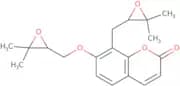
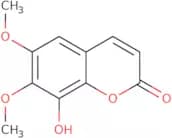
CAS:Fraxidin is a naturally occurring compound, specifically an O-methylated coumarin, which is derived from certain plant sources such as the fruits of the ash tree. It is primarily obtained through the processing of various plant materials within the Rutaceae family. The mode of action of Fraxidin involves the inhibition of oxidative damage due to its capacity to scavenge free radicals, thus leading to potential antioxidant properties in biological systems.Fórmula:C11H10O5Pureza:Min. 98 Area-%Cor e Forma:PowderPeso molecular:222.19 g/mol(-)-Oxypeucedanin
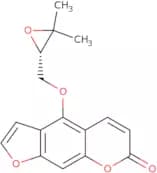
CAS:(-)-Oxypeucedanin is a natural furanocoumarin, which is a type of organic compound. Furanocoumarins are derived from specific plants and are known for their complex structures and biological activities. (-)-Oxypeucedanin is sourced primarily from plants belonging to the Apiaceae family, such as Peucedanum species.Fórmula:C16H14O5Pureza:Min. 95%Cor e Forma:White PowderPeso molecular:286.28 g/molQuinoline 2,4-dicarboxylic acid
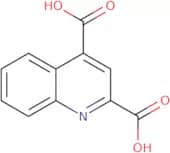
CAS:Quinoline 2,4-dicarboxylic acid (QDA) is a novel cytotoxic agent that targets cervical cancer cells. It inhibits the uptake of glucose and other nutrients by cervical cancer cells, leading to cell death through apoptosis. QDA also inhibits the expression of genes involved in cross-linking reactions, which are important for the structural integrity of proteins. This agent has been shown to inhibit the growth of aniline-induced breast cancer cells and glutamate-stimulated PC12 cells. QDA binds to DNA and forms covalent bonds with nucleotide bases, inhibiting DNA synthesis, as well as interfering with protein synthesis and cell division. The QDA mechanism is similar to that of benzoquinolines and estrone sulfate.
Fórmula:C11H7NO4Pureza:Min. 95%Cor e Forma:White PowderPeso molecular:217.18 g/mol3-Methylphenanthrene
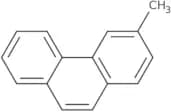
CAS:3-Methylphenanthrene is a compound that inhibits the reductase activity of aromatic hydrocarbons. 3-Methylphenanthrene has been shown to inhibit both bacterial and mammalian reductases, with interactive effects on the enzyme's substrate molecule. It also shows an inhibitory effect on axonal growth, which may be due to its ability to reduce fatty acid uptake, as well as its ability to interact with the aromatic hydrocarbon uptake system. 3-Methylphenanthrene is easily detected by spectrometry analyses and can be used as a substrate molecule for bacterial enzymes.Fórmula:C15H12Pureza:Min. 98%Cor e Forma:White PowderPeso molecular:192.26 g/molIndole-2-carboxylic acid
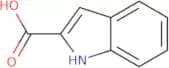
CAS:Indole-2-carboxylic acid is a potent inducer of the cytochrome P450 enzyme. It has been shown to bind to the active site of the enzyme and inhibit its activity. Indole-2-carboxylic acid is an acidic molecule with two hydrogen atoms that are capable of forming an intermolecular hydrogen bond, which may be responsible for its ability to bind to the enzyme. This compound has been shown to inhibit the activity of other enzymes such as xanthine oxidase and phosphodiesterase, which are involved in chemical reactions that produce reactive oxygen species (ROS). ROS are implicated in neuronal death and Parkinson's disease.Fórmula:C9H7NO2Pureza:Min 98%Cor e Forma:PowderPeso molecular:161.16 g/mol6-Azaindole
CAS:6-Azaindole is a drug that inhibits the activity of the enzyme aromatase, which is responsible for the conversion of testosterone to estrogen. 6-Azaindole has shown potent inhibitory activity against cancer cells in vitro and in vivo. It also has an inhibitory effect on pain relief mechanisms at low doses, but not at high doses. The mechanism of action is complex and multifactorial; it may involve inhibition of proton transfer, receptor activity, and/or inhibition of nitrogen atoms. The synthesis of 6-azaindoles can be carried out using a variety of methods and starting materials, including asymmetric synthesis or reduction of an n-oxide moiety.
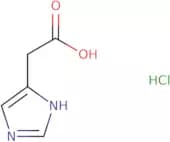
Fórmula:C7H6N2Pureza:Min. 95%Cor e Forma:PowderPeso molecular:118.14 g/mol4-Imidazoleacetic acid HCl
CAS:4-Imidazoleacetic acid HCl is a fluorescent probe that binds to the α1 subunit of the dinucleotide phosphate (NADH) oxidoreductase. It has been shown to inhibit mitochondrial functions, which may be due to its ability to inhibit the pentose phosphate pathway and reduce reactive oxygen species levels. 4-Imidazoleacetic acid HCl has also shown inhibitory properties against congestive heart failure by acting on the mitochondria and inhibiting energy metabolism. It can also be used as a chemical biology tool for studying protein interactions with NADH dehydrogenase. The x-ray crystal structures have revealed that 4-imidazoleacetic acid HCl binds to the active site of NADH oxidoreductase with an orientation that mimics a substrate molecule. This allows it to bind tightly and disrupt enzyme activity.
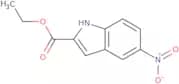
Fórmula:C5H6N2O2·HClPureza:Min. 95%Cor e Forma:PowderPeso molecular:162.57 g/molEthyl 5-Nitroindole-2-Carboxylate
CAS:Ethyl 5-Nitroindole-2-Carboxylate is a precursor to the anti-HIV drug Delavirdine. It is synthesized by condensation of ethyl pyruvate and urea derivative in the presence of thionyl chloride. This compound can be used as an intermediate in the synthesis of other compounds such as ethyl ester and ethyl pyruvate. The chemical reaction is carried out at room temperature using a chlorinated solvent such as methylene chloride or chloroform. Ethyl 5-nitroindole-2-carboxylate can also be used for the synthesis of other drugs, including antitumor agents.
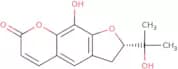
Fórmula:C11H10N2O4Pureza:Min. 95%Cor e Forma:PowderPeso molecular:234.21 g/molRutaretin
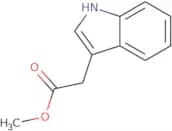
CAS:Rutaretin is a polyphenolic compound, which is a derivative of natural flavonoids extracted from plant sources. It functions primarily as an antioxidant by scavenging free radicals and inhibiting oxidative stress at the cellular level. Its molecular structure allows it to interact with reactive oxygen species, mitigating the damaging effects on cellular components such as DNA, proteins, and lipids.Fórmula:C14H14O5Pureza:Min. 98 Area-%Cor e Forma:PowderPeso molecular:262.26 g/molMethyl indole-3-acetate
CAS:Methyl indole-3-acetate is a phytochemical that inhibits the growth of cells. It has been shown to induce apoptosis in cancer cells, and also to inhibit carcinogenesis. Methyl indole-3-acetate is found at higher concentrations in the target tissue, such as the prostate gland, than in other tissues. This compound has been shown to inhibit lipid peroxidation in vitro and may be useful for the prevention of oxidative damage as well as for its antitumor activity. The effects of methyl indole-3-acetate on cell growth are related to its ability to bind with amines and uroquinase enzymes. Methyl indole-3-acetate has been shown to have anti-cancer properties in various model systems, including microbial metabolism studies.Fórmula:C11H11NO2Pureza:Min. 99 Area-%Cor e Forma:PowderPeso molecular:189.21 g/mol6-Acetyl-7-methylpyrazolo[1,5-α]pyrimidine-3-carboxylic acid
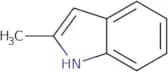
CAS:The 6-Acetyl-7-methylpyrazolo[1,5-α]pyrimidine-3-carboxylic acid is a fine chemical that belongs to the group of speciality chemicals. It is an intermediate that can be used in research or as a building block for more complex compounds. This compound has been shown to have many useful properties, including its versatility as a scaffold and its ability to react with other compounds. The 6-Acetyl-7-methylpyrazolo[1,5-α]pyrimidine-3-carboxylic acid is also considered high quality and can be used in reactions related to the production of pharmaceuticals, agrochemicals, polymers and dyes.Fórmula:C10H9N3O3Pureza:Min. 95%Cor e Forma:PowderPeso molecular:219.2 g/mol2-Methylindole
CAS:2-Methylindole is a reactive molecule that can undergo electrophilic substitution at the 2-position. It reacts with a variety of nitrogen nucleophiles, acylating them at the 2-position. These reactions are catalyzed by enzymes such as carbonyl reductase and methyl ketone reductase. The reaction mechanism is not yet fully understood, but it has been proposed that it proceeds through an acylation reaction between two molecules of 2-methylindole to form a linear product. The regiospecificity of this reaction has been demonstrated in vivo using a model system.Fórmula:C9H9NCor e Forma:PowderPeso molecular:131.17 g/mol3-Acetylindole
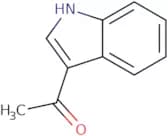
CAS:Produto Controlado3-Acetylindole is a dibenzopyran compound that has been shown to have anti-inflammatory properties. 3-Acetylindole inhibits the acylation reaction of arachidonic acid with coenzyme A and thereby blocks the production of prostaglandin E2. This compound also binds to the benzene ring, which may be due to its acidic nature. 3-Acetylindole has been shown to inhibit T-cell leukemia and other cancers in animal models. It has also been shown to inhibit the growth of cancer cells in culture by blocking DNA synthesis and inhibiting proliferation. The binding constants for this compound have been determined by x-ray crystal structures and protonation studies.
Fórmula:C10H9NOPureza:Min. 95%Cor e Forma:White PowderPeso molecular:159.18 g/molNoreleagnine
CAS:Noreleagnine is a natural compound that is used to inhibit the replication of viruses. It has been shown to bind to dopamine receptors in the brain, which may be responsible for its cytotoxic effects on mouse tumor cells. Noreleagnine can also be used as a sample preparation agent because it can produce light emission and biological properties that are similar to those of dopamine. This drug is synthesized using an asymmetric synthesis and sodium carbonate. A number of methods have been developed for the synthesis of noreleagnine, including ester hydrochloride and electrochemical detector.Fórmula:C11H12N2Pureza:Min. 98 Area-%Cor e Forma:PowderPeso molecular:172.23 g/mol6-Methoxyindole-2-carboxylic acid
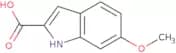
CAS:6-Methoxyindole-2-carboxylic acid (6MI) is a potent inhibitor of the enzyme catechol-O-methyltransferase (COMT). This inhibition prevents the conversion of catecholamines, such as dopamine and norepinephrine, to their corresponding methylated products. COMT inhibitors are used clinically to treat Parkinson's disease and other diseases that result from excessive levels of these neurotransmitters. 6MI is also an effective inhibitor of tyrosinase activity in vitro. It has been shown to inhibit the synthesis of melanin by melanocytes and inhibits the production of eumelanin, which is responsible for black or brown skin pigments. The inhibitory potency of 6MI was found to be greater than that for kojic acid, arbutin, and hydroquinone. Optimization studies showed that 6MI was most potent at a concentration of 1 mM and had an IC50 value of 0.3 mM in
Fórmula:C10H9NO3Pureza:Min. 95%Cor e Forma:PowderPeso molecular:191.18 g/mol4-Nitroimidazole
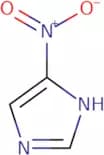
CAS:4-Nitroimidazole has a redox potential that is well suited to the reduction of nitro groups. It is an antimicrobial agent that inhibits the growth of microorganisms by inhibiting DNA synthesis. 4-Nitroimidazole can be used for the treatment of infectious diseases such as tuberculosis, leprosy, and brucellosis. In rat liver microsomes, 4-nitroimidazole reacts with NADPH to produce a nitro group and an imidazole ring with a new configuration. The reaction mechanism is based on electron transfer from NADPH to the nitro group in 4-nitroimidazole via a series of reactions that involve cytochrome P450 enzymes. This reaction has kinetic energy and matrix effects that affect its pharmacokinetics and pharmacodynamics.
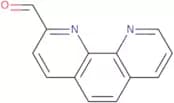
Fórmula:C3H3N3O2Pureza:Min. 95%Cor e Forma:White PowderPeso molecular:113.07 g/mol1,10-Phenanthroline-2-carbaldehyde
CAS:1,10-Phenanthroline-2-carbaldehyde is a phenylhydrazone compound that has been shown to have anticancer activity. It is also a supramolecular complex, which means it can form hydrogen bonds and coordinate bonds with other molecules. The anticancer activity of 1,10-phenanthroline-2-carbaldehyde may be due to its ability to inhibit the growth of prostate carcinoma cells. This compound also inhibits the growth of human cervical carcinoma cells by binding to their DNA and inhibiting the synthesis of RNA and protein. 1,10-Phenanthroline-2-carbaldehyde is being studied for its potential as an inhibitor of tumor angiogenesis.
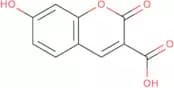
1,10-Phenanthroline-2-carbaldehyde has been shown to have antiplatelet aggregation effects in platelets from healthy humans as well as those with type 2 diabetes mellitus or chronic kidney disease.Fórmula:C13H8N2OPureza:Min. 90 Area-%Cor e Forma:Off-White PowderPeso molecular:208.22 g/molUmbelliferone-3-carboxylic acid
CAS:Umbelliferone-3-carboxylic acid is a coumarin derivative, which is a type of natural or synthetic organic compound often utilized in biochemical research. It is sourced from modifications of natural coumarins, which are typically isolated from plants belonging to the Apiaceae family, such as parsley, celery, and carrots. This compound functions by interacting with cellular enzymes, providing a fluorescent probe that aids in the investigation of enzymatic activities and pathways.
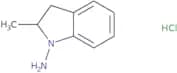
Fórmula:C10H6O5Pureza:Min. 95%Cor e Forma:PowderPeso molecular:206.15 g/molN-Amino-2-methylindoline hydrochloride
CAS:N-Amino-2-methylindoline HCl is an organic chemical compound that belongs to the class of acylating agents. It is a colorless solid that is soluble in water and methanol. The compound has been used in the acylation reaction with triethylamine and chloride to synthesize dioxane. N-Amino-2-methylindoline HCl is also a substance that can be found in nature, such as in the leaves of plants. Organic chemistry deals with the study of compounds and their reactions, which includes N-Amino-2-methylindoline HCl and its uses.
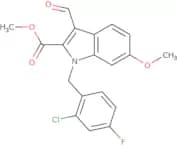
Fórmula:C9H12N2•HClPureza:Min. 95%Cor e Forma:PowderPeso molecular:184.67 g/molMethyl 1-(2-chloro-4-fluorobenzyl)-3-formyl-6-methoxy-1H-indole-2-carboxylate
CAS:Produto ControladoPlease enquire for more information about Methyl 1-(2-chloro-4-fluorobenzyl)-3-formyl-6-methoxy-1H-indole-2-carboxylate including the price, delivery time and more detailed product information at the technical inquiry form on this pageFórmula:C19H15ClFNO4Pureza:Min. 95%Peso molecular:375.78 g/mol3,4-diaza-5-(tert-butyl)-2-hydroxy-3-((4-methylphenyl)sulfonyl)tricyclo[6.4.0.0<2,6>]dodeca-1(8),4,9,11-tetraen-7-one
CAS:Please enquire for more information about 3,4-diaza-5-(tert-butyl)-2-hydroxy-3-((4-methylphenyl)sulfonyl)tricyclo[6.4.0.0<2,6>]dodeca-1(8),4,9,11-tetraen-7-one including the price, delivery time and more detailed product information at the technical inquiry form on this pagePureza:Min. 95%6-Carboxyindole
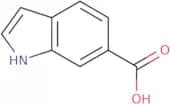
CAS:6-Carboxyindole is an indole that binds to the IL-17A receptor, which leads to the production of pro-inflammatory cytokines. It has been shown to be involved in autoimmune diseases and other inflammatory conditions. 6-Carboxyindole can be used as a probe for studying the biology of IL-17A, by binding to it and inhibiting its effects. The chemical structure of 6-carboxyindole is also useful for diagnostic purposes, as it can bind to antibodies and antigens for detecting infectious diseases or other biological processes. 6-Carboxyindole can be used in the treatment of heart tissue by binding with monoclonal antibodies that are specific for cardiac proteins such as myosin light chain kinase.Fórmula:C9H7NO2Pureza:Min. 95%Peso molecular:161.16 g/mol4,4'-Dichloro-2,2'-bipyridine
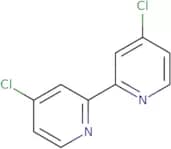
CAS:4,4'-Dichloro-2,2'-bipyridine (4,4'-DDBP) is a polydentate ligand that has been shown to be highly cytotoxic against cancer cells. 4,4'-DDBP binds to amines in the cancer cell and uses its nucleophilic character to activate the amine by displacement of chloride ions. This leads to the production of an excited state that can be used for photodynamic therapy or as a fluorescence probe. This compound has also been shown to have operational kinetic properties in the inhibition of bilirubin oxidase.Fórmula:C10H6Cl2N2Pureza:Min. 95%Cor e Forma:White PowderPeso molecular:225.07 g/mol6-Benzoylamino-9H-purine-9-acetic acid
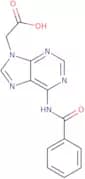
CAS:6-Benzoylamino-9H-purine-9-acetic acid (BAPAA) is a high quality reagent that is used in the synthesis of complex compounds. It is also a useful intermediate in the preparation of fine chemicals, speciality chemicals, and research chemicals. 6-Benzoylamino-9H-purine-9-acetic acid is a versatile building block for the synthesis of novel compounds with desired biological activity. This compound is an excellent reaction component because it can be used to synthesize various chemical structures.Fórmula:C14H11N5O3Pureza:Min. 95%Cor e Forma:PowderPeso molecular:297.27 g/mol4-Fluoro-1H-indole-3-carbaldehyde
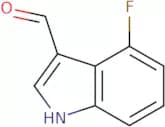
CAS:4-Fluoro-1H-indole-3-carbaldehyde is a chemical compound that can be used as a reagent, reaction component, or building block in the synthesis of more complex compounds. This chemical is also known as CAS No. 23073-31-6 and has high quality and purity. 4-Fluoro-1H-indole-3-carbaldehyde is useful for research purposes and can be used as a speciality chemical or a fine chemical.
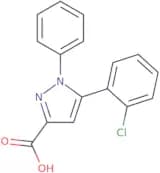
Fórmula:C9H6FNOPureza:Min. 95%Cor e Forma:Yellow To Brown SolidPeso molecular:163.15 g/mol3-Carboxy-5-(2-chlorophenyl)-1-phenylpyrazole
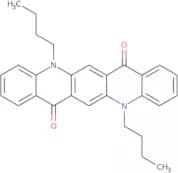
CAS:Produto Controlado3-Carboxy-5-(2-chlorophenyl)-1-phenylpyrazole is a white solid that is soluble in organic solvents. It is a useful scaffold that can be used as a starting material for the synthesis of complex compounds. 3-Carboxy-5-(2-chlorophenyl)-1-phenylpyrazole has been shown to be an intermediate in the synthesis of speciality chemicals and fine chemicals, such as pesticides and pharmaceuticals.Fórmula:C16H11ClN2O2Pureza:Min. 95%Peso molecular:298.72 g/mol5,12-Dibutylquinacridone
CAS:5,12-Dibutylquinacridone is an electron acceptor that is used as a monomer in cationic polymerization. It can be polymerized with acrylates to form polymers that have high fluorescence and photopolymerizable properties. 5,12-Dibutylquinacridone has shown to be reactive with epoxides and diene compounds, which are typically used as monomers in the synthesis of polymers. This chemical has been studied for its use in solar cells and photocurrent generation. The electron spin resonance technique has been used to study the chemical's photophysical properties.
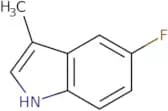
Fórmula:C28H28N2O2Pureza:Min. 95%Cor e Forma:Dark Red SolidPeso molecular:424.53 g/mol5-Fluoro-3-methylindole
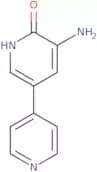
CAS:5-Fluoro-3-methylindole is a reactive compound that is not soluble in water. It has a molecular weight of 288.5 and an ionization potential of 7.8 eV. 5-Fluoro-3-methylindole can act as a potent antagonist by binding to the pharmacophore, which is the three hydrogen bonding sites on the benzodiazepine receptor. This drug has been shown to be reactive with halides, nitro, and magnesium, as well as with some endogenous compounds such as nitroarenes and amides. 5-Fluoro-3-methylindole also reacts with fluorescence ligands and transfer agents.Fórmula:C9H8FNPureza:Min. 95%Peso molecular:149.16 g/mol5-Amino-(3,4'-bipyridin)-6(1H)-one
CAS:Phosphodiesterase type 3 inhibitor; positive inotropic agent; vasodilatoryFórmula:C10H9N3OPureza:Min. 95%Cor e Forma:PowderPeso molecular:187.2 g/molL-5-Methyltetrahydrofolate calcium
CAS:L-5-Methyltetrahydrofolate calcium is also known as calcium levomefolate; N-[4-[[(2-amino-1,4,5,6,7,8-hexahydro-5-methyl-4-oxo-6-pteridinyl)methyl]amino]benzoyl]-L-glutamic acid, calcium salt; and L-5-MTHF. L-5-Methyltetrahydrofolate calcium is the calcium salt of L-5-methyltetrahydrofolic acid, and a member of the folate group of vitamins (Vitamin B9). It is the coenzymated and most active form of folic acid, which performs many vital cellular functions, including DNA reproduction, cysteine cycle and homocysteine regulation. L-5-Methyltetrahydrofolate calcium is used as in dietary supplements and has been proposed for treatment of cardiovascular disease.Fórmula:C20H23CaN7O6Pureza:Min. 95 Area-%Cor e Forma:White PowderPeso molecular:497.52 g/mol7-Fluorooxindole
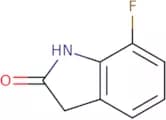
CAS:7-Fluorooxindole is an alkylating agent that can be used in the synthesis of oxindoles. This compound can be prepared by aldol condensation reaction with butyllithium, followed by alkylation with bromides or iodides. The use of 7-fluorooxindole and its derivatives has been optimized to yield high yields. The optimal conditions for this reaction are deprotonation with an organometallic reagent, such as butyllithium, followed by alkylation with bromides or iodides.Fórmula:C8H6FNOPureza:Min. 95%Cor e Forma:SolidPeso molecular:151.14 g/molIsatin dianilide
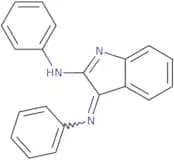
CAS:Isatin dianilide is an organic compound with the chemical formula C8H6N2O. It is a white solid that is soluble in water, ethanol and acetone. Isatin dianilide can be synthesized by reacting phenylacetic acid with ammonia and formaldehyde. Isatin dianilide has been shown to have efficient oxidation reaction with Baeyer-Villiger oxidation, which makes it suitable for industrial use. Isatin dianilide also has biological activities such as inhibition of aminopeptidase N and aminopeptidase M, which are enzymes involved in protein synthesis. Yields of isatin dianilide are high because it can be produced from the commercially available compounds isatin and amidine.
Fórmula:C20H15N3Pureza:Min. 95%Peso molecular:297.35 g/mol4-Iodoisatin
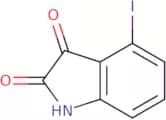
CAS:4-Iodoisatin is a heterocyclic compound that can be synthesized by cross-coupling reactions. It has been shown to inhibit the production of prostaglandin E2, COX-2 protein, and tumor necrosis factor in mouse macrophages. 4-Iodoisatin also inhibits the production of protein kinase C (PKC) in these cells. 4-Iodoisatin can be modified into a dimer form with many different substitutions on the ring structure and this modification increases its potency as an inhibitor of PKC. Irradiation can decompose the compound into a single isomer that is more potent than either of the two isomers. This drug may have therapeutic potential for treatment of cancer, arthritis, and other inflammatory disorders.
Fórmula:C8H4INO2Pureza:Min. 95%Cor e Forma:PowderPeso molecular:273.03 g/molPhenanthrenequinone
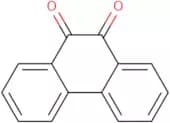
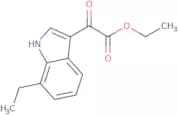
CAS:Phenanthrenequinone is a redox potential inhibitor that binds to the catalytic site of the enzyme. It is an inhibitor with a redox potential of -0.4 V (vs Ag/AgCl). Phenanthrenequinone has been shown to be toxicologically safe in human serum and has no carcinogenic potential. The reaction mechanism is not well understood, but it may be due to hydrogen bonding interactions with the enzyme active site.Fórmula:C14H8O2Pureza:90%Cor e Forma:Orange PowderPeso molecular:208.22 g/mol7-Ethylindole-3-glyoxylic acid ethyl ester
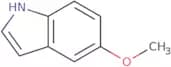
CAS:7-Ethylindole-3-glyoxylic acid ethyl ester is a versatile building block that can be used in the synthesis of complex compounds. It is a useful intermediate in the synthesis of pharmaceuticals, which can also be used as a reagent and speciality chemical. The compound has been shown to have high quality and is a useful scaffold for the synthesis of new compounds.Fórmula:C14H15NO3Pureza:Min. 95%Peso molecular:245.27 g/mol5-Methoxyindole
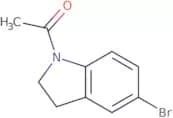
CAS:5-Methoxyindole is a chemical compound that is soluble in water. It has been shown to inhibit tumor growth and induce apoptosis, as well as inhibit the expression of glycogen synthase kinase-3. The structure of 5-methoxyindole was determined by NMR spectroscopy and FT-IR spectroscopy. The compound has been observed to exhibit fluorescence properties at a wavelength of 490 nm when it is excited with UV light. A copper complex of 5-methoxyindole was studied using molecular modeling and FT-IR spectroscopy, which revealed that it can undergo nucleophilic attack by hydrogen bond formation or an acid/base reaction to form a new hydrogen bond. This study also found that 5-methoxyindole is able to form hydrogen bonds with its neighboring molecules, which may contribute to its high solubility in water.Fórmula:C9H9NOCor e Forma:PowderPeso molecular:147.17 g/mol1-Acetyl-5-bromoindoline
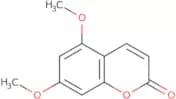
CAS:1-Acetyl-5-bromoindoline is an organic compound with the formula CH3COCH2CH(Br)CH2NH. It is a colorless solid that is soluble in organic solvents. The compound undergoes several reactions, including chloromethylation, amination, and hydrogenation. 1-Acetyl-5-bromoindoline can be used as a precursor to other compounds through catalytic hydrogenation or deprotection of alcohols. This compound has been shown to be an effective catalyst for the epimerization of lactones and β-lactams, such as penicillin G.Fórmula:C10H10BrNOPureza:Min. 95%Cor e Forma:PowderPeso molecular:240.1 g/mol5,7-Dimethoxycoumarin
CAS:5,7-Dimethoxycoumarin is a naturally occurring coumarin derivative, which is primarily sourced from various plant species, most notably those belonging to the Apiaceae and Rutaceae families. This compound is characterized by the presence of methoxy groups at the 5 and 7 positions on the coumarin core structure. These structural features contribute to its biological activity by influencing its interaction with various biomolecular targets.
Fórmula:C11H10O4Pureza:Min. 95%Cor e Forma:White PowderPeso molecular:206.19 g/molPoncimarin
CAS:Poncimarin is a citrus-derived flavor compound, which is extracted from the peels of citrus fruits. Its mode of action involves mimicking natural citrus flavors, providing authentic taste profiles through a combination of volatile compounds that resemble those found in fresh citrus. The primary application of Poncimarin lies in its utilization as a flavoring agent in the food and beverage industry. It is incorporated to enhance the sensory attributes of products like beverages, confectioneries, and baked goods, delivering a refreshing citrus note that is both recognizable and appealing. Poncimarin's efficacy is attributed to its ability to integrate seamlessly with the existing flavor matrices of these products, ensuring a balanced and natural sensory experience. Its use extends to applications requiring stable, long-lasting flavor profiles, contributing to product innovation and development within sensory science.Fórmula:C19H22O5Pureza:Min. 95%Cor e Forma:PowderPeso molecular:330.37 g/mol

![Methyl (1R,2S,3S,5S)-3-(4-Fluorophenyl)-8-[(E)-3-Iodoprop-2-Enyl]-8-Azabicyclo[3.2.1]Octane-2-Carb…](/_next/image/?url=https%3A%2Fstatic.cymitquimica.com%2Fproducts%2F3D%2Fthumb-webp%2FFM102777.webp&w=3840&q=75)

![N-Nitroso-3-azabicyclo[3.3.0]octane](/_next/image/?url=https%3A%2Fstatic.cymitquimica.com%2Fproducts%2F3D%2Fthumb-webp%2FFN166610.webp&w=3840&q=75)

![3-Methylthio-1,2,4-triazino[5,6-b]indole](/_next/image/?url=https%3A%2Fstatic.cymitquimica.com%2Fproducts%2F3D%2Fthumb-webp%2FFM169854.webp&w=3840&q=75)
![3-(3-Piperidinopropoxy)-1-[3-(Trifluoromethyl)Phenyl]-1H-Indazole](/_next/image/?url=https%3A%2Fstatic.cymitquimica.com%2Fproducts%2F3D%2Fthumb-webp%2FFP97740.webp&w=3840&q=75)
![Pyrazolo[1,5-a]pyrimidine-3-carboxylic acid](/_next/image/?url=https%3A%2Fstatic.cymitquimica.com%2Fproducts%2F3D%2Fthumb-webp%2FFP16388.webp&w=3840&q=75)
![3-(4-ethoxyphenyl)spiro[1,3-thiazolidine-2,3'-indoline]-4,7-dione](/_next/image/?url=https%3A%2Fstatic.cymitquimica.com%2Fproducts%2F3D%2Fthumb-webp%2FFE169782.webp&w=3840&q=75)

![4-[(7-Chloro-4-quinolinyl)amino]-1-pentanol](/_next/image/?url=https%3A%2Fstatic.cymitquimica.com%2Fproducts%2F3D%2Fthumb-webp%2FFC20107.webp&w=3840&q=75)
![4-Nitrobenzyl (4R,5R,6S)-3-[(diphenylphosphono)oxy]-6-[(R)-1-hydroxyethyl]-4-methyl-7-oxo-1-azabic…](/_next/image/?url=https%3A%2Fstatic.cymitquimica.com%2Fproducts%2F3D%2Fthumb-webp%2FFM140061.webp&w=3840&q=75)

![6-Acetyl-7-methylpyrazolo[1,5-α]pyrimidine-3-carboxylic acid](/_next/image/?url=https%3A%2Fstatic.cymitquimica.com%2Fproducts%2F3D%2Fthumb-webp%2FFA119841.webp&w=3840&q=75)

![3,4-diaza-5-(tert-butyl)-2-hydroxy-3-((4-methylphenyl)sulfonyl)tricyclo[6.4.0.0<2,6>]dodeca-1(8),4…](/_next/image/?url=https%3A%2Fstatic.cymitquimica.com%2Fproducts%2F3D%2Fthumb-webp%2FFD169677.webp&w=3840&q=75)