Compostos Policiclícos
Os compostos policíclicos são moléculas orgânicas que contêm múltiplos anéis interconectados. Esses compostos incluem hidrocarbonetos aromáticos policíclicos e outros sistemas de anéis complexos. Eles são significativos na ciência dos materiais, produtos farmacêuticos e eletrônica orgânica. Na CymitQuimica, oferecemos compostos policíclicos de alta qualidade para apoiar suas pesquisas e aplicações industriais, garantindo resultados confiáveis e eficazes em seus projetos.
Subcategorias de "Compostos Policiclícos"
- Acridinas(97 produtos)
- Antraquinonas(533 produtos)
- Ácidos antraquinonasulfónicos(16 produtos)
- Azobenzenos(270 produtos)
- Azonaftalenos(98 produtos)
- Azoxibenzenos(12 produtos)
- Azulenos(11 produtos)
- Benzimidazóis(1.475 produtos)
- Benzodioxanos(27 produtos)
- Benzofuranos(924 produtos)
- Benzotiofenos(700 produtos)
- Benzotriazóis(438 produtos)
- Binaftil(133 produtos)
- Carbazóis(462 produtos)
- Cromanos, Cromenos(480 produtos)
- Cumarinas(1.122 produtos)
- Ciclofanos(11 produtos)
- Fluorenos e Fluorenonas(381 produtos)
- Imidazopiridinas(10 produtos)
- Indans(118 produtos)
- Indazóis(2.037 produtos)
- Indenos(22 produtos)
- Indóis(3.988 produtos)
- Indolinas(119 produtos)
- Isatinas(234 produtos)
- Isobenzofuranos(17 produtos)
- Ftalimidas N-Substituída(153 produtos)
- Naftalenos(2.436 produtos)
- Naftiridina(17 produtos)
- Naftoquinona(2 produtos)
- Perilenos(36 produtos)
- Fenazinas(25 produtos)
- Ftalazinas(33 produtos)
- Ftalimida(153 produtos)
- Hidrocarbonetos aromáticos policíclicos (PAHs)(270 produtos)
- Polifenol(261 produtos)
- Pteridinas(52 produtos)
- Pireno(87 produtos)
- Quinuclidina(1 produtos)
- Tetracenos(7 produtos)
Exibir 32 mais subcategorias
Foram encontrados 4574 produtos de "Compostos Policiclícos"
Ordenar por
Pureza (%)
0
100
|
0
|
50
|
90
|
95
|
100
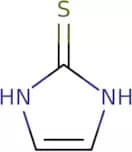
2-Mercapto-1H-imidazole
CAS:<p>2-Mercapto-1H-imidazole is an irreversible inhibitor of xanthine oxidase. It binds to the nitrogen atoms of the enzyme's active site and forms a strong hydrogen bond with the oxygen atom of the xanthine substrate. The steric interactions between 2-mercapto-1H-imidazole and the substrate prevent binding and catalysis. The crystal structures of 2-mercapto-1H-imidazole in complex with xanthine oxidase have been determined using X-ray crystallography. FTIR spectroscopy has shown that 2-mercapto-1H-imidazole coordinates in a geometry similar to that of the reactant, hydrochloric acid. Electrochemical impedance spectroscopy (EIS) has revealed that proton transfer takes place when 2-mercapto-1H imidazole binds to xanthine oxidase, which is consistent with reaction mechanism involving elect</p>Fórmula:C3H4N2SPureza:Min. 95%Cor e Forma:PowderPeso molecular:100.14 g/mol3-Methyl-3,8-diaza-bicyclo[3.2.1]octane dihydrochloride
CAS:3-Methyl-3,8-diaza-bicyclo[3.2.1]octane dihydrochloride is a high quality reagent that is useful as an intermediate in the synthesis of complex compounds and as a reagent for fine chemicals. 3-Methyl-3,8-diaza-bicyclo[3.2.1]octane dihydrochloride can be used as a versatile building block in the synthesis of speciality chemicals and research chemicals. It can also be used to synthesize a variety of reaction components, such as amines, carboxylic acids, alcohols, amides, and nitriles.Fórmula:C7H16Cl2N2Pureza:Min. 95%Cor e Forma:PowderPeso molecular:199.12 g/mol2-(3-Aminopropyl)isoindole-1,3(2H)-dione hydrochloride
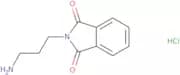
CAS:2-(3-Aminopropyl)isoindole-1,3(2H)-dione hydrochloride is a versatile building block and useful intermediate. It has been used as a reagent in organic synthesis, and also as a reaction component for the preparation of high quality research chemicals. 2-(3-Aminopropyl)isoindole-1,3(2H)-dione hydrochloride is an important building block for complex compounds with potential uses in medical research or as speciality chemicals. It can be used to prepare fine chemicals such as pharmaceuticals, agrochemicals, or dyes.Fórmula:C11H12N2O2·HClPureza:Min. 95%Cor e Forma:White PowderPeso molecular:240.69 g/mol3-Aminoquinoline
CAS:<p>3-Aminoquinoline is a chemical compound that inhibits the activity of the epidermal growth factor receptor (EGFR). It is a potent inhibitor of cell proliferation and has been shown to have antitumour activity. 3-Aminoquinoline has been shown to inhibit the proliferation of carcinoma cell lines. This drug binds to the EGFR receptor, preventing it from activating downstream signalling pathways that control cell growth. 3-Aminoquinoline also has biological properties, including matrix-assisted laser desorption/ionization time-of-flight mass spectrometry, analytical chemistry, sample preparation, and Suzuki coupling reaction. The molecule is structurally analyzed using chemical structures and structural analysis techniques such as thermodynamic data or proton NMR spectroscopy. 3-Aminoquinoline also interacts with sugars through hydrogen bonding and oligosaccharides. These interactions are found to be high in value in some cases.</p>Fórmula:C9H8N2Pureza:Min. 95%Cor e Forma:White PowderPeso molecular:144.17 g/mol5-Methyl-2-phenyl-1H-imidazole-4-carboxylic acid
CAS:<p>5-Methyl-2-phenyl-1H-imidazole-4-carboxylic acid (MPICA) is a potent inhibitor of xanthine oxidase. It is also an inhibitor of β-glucuronidase and enzymes that maintain the integrity of bacterial DNA. MPICA has been shown to inhibit xanthine oxidase in a dose dependent manner and can be used as a lead compound for new inhibitors of this enzyme.</p>Fórmula:C11H10N2O2Pureza:Min. 95%Cor e Forma:White PowderPeso molecular:202.21 g/mol4,4'-Bis(ethoxycarbonyl)-2,2'-bipyridine
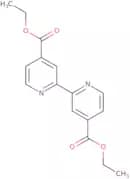
CAS:4,4'-Bis(ethoxycarbonyl)-2,2'-bipyridine (BEBCP) is a dithiolate chromophore. BEBCP has a redox potential of 1.3 volts and the electronic interaction of the carbonyl groups with the electron cloud of the bipyridine nucleus is responsible for this property. The photochemical properties of BEBCP can be systematically studied by using electrochemical data such as voltammetry and cyclic voltammetry. These methods are useful in determining the nature and constant of BEBCP as well as its interaction with ligands.Fórmula:C16H16N2O4Pureza:Min. 95%Cor e Forma:PowderPeso molecular:300.31 g/mol5-Bromo-1H-indazole-3-carbonitrile
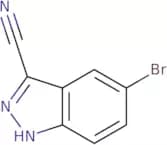
CAS:<p>5-Bromo-1H-indazole-3-carbonitrile is a high quality, versatile building block that can be used in the synthesis of complex compounds. It has been described as a "useful intermediate" and a "useful scaffold".</p>Fórmula:C8H4BrN3Pureza:Min. 95%Cor e Forma:PowderPeso molecular:222.04 g/molN-Tritylimidazole
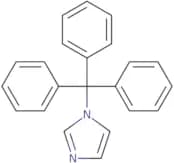
CAS:<p>N-tritylimidazole is a palladium complex that was designed as an inhibitor of glycosidases. It binds to the active site of these enzymes and inhibits their function. N-tritylimidazole has been shown to inhibit the growth of Gram-positive bacteria, such as Staphylococcus aureus, by preventing the production of extracellular polysaccharides. This compound also binds to κ-opioid receptors in the brain and has been shown to block pain transmission. N-tritylimidazole can be synthesized using a cross-coupling reaction with phenylboronic acid and chloroiodomethane, which requires hydrochloric acid as a catalyst.</p>Fórmula:C22H18N2Pureza:Min. 95%Cor e Forma:White PowderPeso molecular:310.39 g/molThiamine monophosphate chloride dihydrate
CAS:<p>Thiamine monophosphate chloride dihydrate is a form of the vitamin thiamine. It has been used in control analysis to measure the activity of enzymes that require thiamine as a cofactor, such as transketolase and pyruvate kinase. Thiamine monophosphate chloride dihydrate has also been studied in biochemical properties, where it was found that this compound can be cleaved by picolinic acid to form thiazole phosphate. The matrix effect is an important factor in polymerase chain reactions and has been shown to be dependent on the presence of dinucleotide phosphate. This compound is an essential component of energy metabolism and plays a role in protein synthesis. Thiamine monophosphate chloride dihydrate also has toxicological studies, including a model system using wild-type strains of yeast. These studies have shown that this compound leads to physiological effects such as inhibition of glycolysis and lactic acid production.</p>Fórmula:C12H18N4O4PS•Cl•(H2O)2Pureza:Min. 99 Area-%Cor e Forma:PowderPeso molecular:416.82 g/mol2,2'-Bipyridine-3,3'-dicarboxylic acid
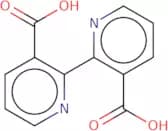
CAS:<p>2,2'-Bipyridine-3,3'-dicarboxylic acid is a coordination compound that contains two carboxylic acid groups. It forms a dihydrate in water and is orthorhombic in crystal form. The molecule can be represented by the following chemical structure:</p>Fórmula:C12H8N2O4Pureza:Min. 95%Cor e Forma:SolidPeso molecular:244.2 g/mol1,1'-Di-n-octyl-4,4'-bipyridinium Dibromide
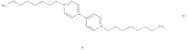
CAS:1,1'-Di-n-octyl-4,4'-bipyridinium Dibromide is a bifunctional organometallic compound. It is used as a catalyst in the reduction of nitro groups or other electron-deficient centers and in the transfer process with azides. This chemical has shown selectivity for aliphatic substrates over aromatic ones. The catalytic activity of 1,1'-Di-n-octyl-4,4'-bipyridinium Dibromide can be enhanced by replacing the hydrogen atom on the nitrogen atom with an alkene group. 1,1'-Di-n-octyl-4,4'-bipyridinium Dibromide is also a radical cation that can be reduced by electron donors to form radicals.Fórmula:C26H42Br2N2Pureza:Min. 95%Cor e Forma:Slightly Yellow PowderPeso molecular:542.43 g/mol2-Bromoquinoline
CAS:<p>2-Bromoquinoline is an antimicrobial agent that binds to bacterial receptors. It is a bifunctional molecule with two reactive groups: a hydroxyl group and a nitrogen atom. 2-Bromoquinoline has been shown to inhibit the growth of various bacteria, including Mycobacterium tuberculosis, Staphylococcus epidermidis and Streptococcus pyogenes, by preventing the formation of a proton gradient across the bacterial membrane. 2-Bromoquinoline also inhibits hyperproliferative diseases such as amyloidosis in mice by binding to amyloid fibrils. This drug has been shown to cause DNA damage in mammalian cells, which may be due to its ability to form hydrogen bonds with methyl ethyl groups on DNA bases.</p>Fórmula:C9H6BrNPureza:Min. 95%Cor e Forma:White To Yellow To Pink SolidPeso molecular:208.05 g/molMethyl 4-methoxy-2-indolecarboxylate
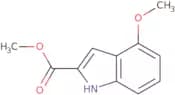
CAS:Methyl 4-methoxy-2-indolecarboxylate is a natural product that has been shown to have cytotoxic and anticancer activity. It was first isolated from the leaves of Picrasma excelsa, which is a plant native to Southeast Asia. Methyl 4-methoxy-2-indolecarboxylate has been found to be effective against breast cancer cell lines and human cancer cells in culture. The anticancer effects may be due to its ability to inhibit protein synthesis by inhibiting the ribosome. This compound also inhibits dehydrocrenatine, which is a precursor of the hormone crenatine, thus leading to decreased production of this hormone.Fórmula:C11H11NO3Pureza:Min. 95%Cor e Forma:PowderPeso molecular:205.21 g/mol1-Methyl-1,2,3,4-tetrahydroquinolin-7-amine hydrochloride
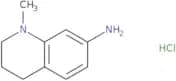
CAS:1-Methyl-1,2,3,4-tetrahydroquinolin-7-amine hydrochloride (MQ) is a fluorescent probe that has been used to study the photostability of cisplatin in real time. MQ was synthesized by reacting 3-(2'-bromoacetyl)-7-methoxy-1,2,3,4-tetrahydroquinolin with 7-aminoquinaldine. The emission spectrum of MQ peaks at 615 nm and has an extinction coefficient at 615 nm of 12.5 mM/cm. This probe has been shown to be photostable for long periods of time and can be used to visualize DNA polymerase activity in living cells.Fórmula:C10H15ClN2Pureza:Min. 95%Cor e Forma:Off-White PowderPeso molecular:198.69 g/mol2-Amino-6-iodopurine
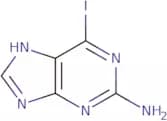
CAS:<p>2-Amino-6-iodopurine is an analog of the purine nucleoside guanine, which has been used to synthesize a variety of boronic acids. The most common use for 2-amino-6-iodopurine is in the synthesis of benzylboronic acid, which can be used as an organometallic reagent in organic synthesis. This compound also has dehydrogenase activity and has been shown to catalyze the conversion of benzoic acid to benzaldehyde, mediated by NADH. 2-Amino-6-iodopurine is found in the biosynthesis of ribonucleotides and deoxyribonucleotides, where it reacts with chloride ions and phosphate groups to form adenylate and xanthosine monophosphates.</p>Fórmula:C5H4IN5Pureza:Min. 95%Cor e Forma:PowderPeso molecular:261.02 g/molSuberosin
CAS:<p>Suberosin is a naturally occurring sesquiterpene lactone, which is isolated from members of the Rutaceae family, such as the plant Feronia limonia. The compound exhibits diverse biological activities, primarily attributed to its complex structure that facilitates interaction with various biological targets. Suberosin's mode of action involves disrupting microbial cell membranes and interfering with critical biochemical pathways, effectively inhibiting microbial growth and propagation.</p>Fórmula:C15H16O3Pureza:Min. 95%Peso molecular:244.29 g/molXanthene
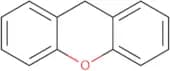
CAS:<p>Yellow dye used in food industry</p>Fórmula:C13H10OPureza:Min. 95%Cor e Forma:White PowderPeso molecular:182.22 g/mol4-Methylisoquinoline
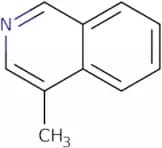
CAS:Isomeric 4-methylisoquinoline is a molecule that is structurally similar to protopine and berberine chloride. It has been shown to be an effective photosensitizer for the production of reactive oxygen species (ROS) in cells, which can lead to DNA damage and cell death. The functional groups on this molecule are the chloro group, which is a halogen, and the isoquinoline ring system with two methyl groups. The chemistry of this compound involves alkylation, yielding a new compound with one less methyl group than the original molecule. This process is called enamine formation.Fórmula:C10H9NPureza:Min. 95%Cor e Forma:Yellow PowderPeso molecular:143.19 g/mol4'-Methyl-2,2'-bipyridine-4-carboxaldehyde
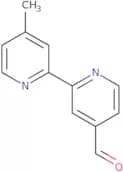
CAS:4'-Methyl-2,2'-bipyridine-4-carboxaldehyde is a heterocyclic compound that contains a nitro group. It has the chemical formula C8H6N2O and the molecular weight of 122.15 g/mol. This compound belongs to the class of formyl compounds and it is composed of two formyl groups and one hydrogen atom. The bipyridines are linked by a methylene bridge to form a six-membered ring. The compound can be used as an intermediate for the synthesis of other organic compounds such as pharmaceuticals, dyes, water repellents, pesticides, and herbicides.Fórmula:C12H10N2OPureza:Min. 95%Cor e Forma:PowderPeso molecular:198.22 g/mol4,7-Dichloroisatin
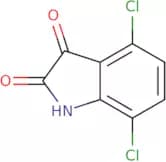
CAS:<p>4,7-Dichloroisatin is an organic compound that is synthesized by ring-opening of oxindole. It is a bifunctional molecule that can be used for the synthesis of other organic compounds. 4,7-Dichloroisatin has been found to be an efficient method for the synthesis of thiazolidinedione derivatives and can be used as a control experiment for this type of reaction. The mechanism for the reaction includes nitroaldol addition to the C=O group, followed by nucleophilic attack on the carbonyl group to form a tetrahedral intermediate. The intermediate then collapses to form a new C=N bond and release acetonitrile.</p>Fórmula:C8H3Cl2NO2Pureza:Min. 95%Cor e Forma:SolidPeso molecular:216.02 g/mol

![3-Methyl-3,8-diaza-bicyclo[3.2.1]octane dihydrochloride](/_next/image/?url=https%3A%2Fstatic.cymitquimica.com%2Fproducts%2F3D%2Fthumb-webp%2FFM140947.webp&w=3840&q=75)