Compostos de organossilícico
In questa sezione troverai un gran numero di composti organosiliconici. I composti organosiliconici sono caratterizzati da atomi di carbonio legati ad atomi di silicio. Possono essere presenti anche altri composti non metallici. Questi composti sono ampiamente utilizzati nella sintesi organica, nella scienza dei materiali e nei prodotti farmaceutici grazie alle loro proprietà chimiche uniche. Presso CymitQuimica, offriamo una vasta gamma di composti organosiliconici di alta qualità per supportare le tue ricerche e progetti industriali.
Subcategorias de "Compostos de organossilícico"
Foram encontrados 4327 produtos de "Compostos de organossilícico"
Ordenar por
Pureza (%)
0
100
|
0
|
50
|
90
|
95
|
100
Octadecyltrimethoxysilane (High Purity)
CAS:Fórmula:C21H46O3SiPureza:>99.0%(GC)Cor e Forma:Colorless to Light yellow clear liquidPeso molecular:374.683H,5H-Octamethyltetrasiloxane(1,3-Bis(trimethylsiloxy)-1,3-dimethyldisiloxane)
CAS:<p>S12425 - 3H,5H-Octamethyltetrasiloxane(1,3-Bis(trimethylsiloxy)-1,3-dimethyldisiloxane)</p>Fórmula:C8H26O3Si4Pureza:95.0%Cor e Forma:Liquid, ClearPeso molecular:282.6332-(Trimethylsilyloxy)furan
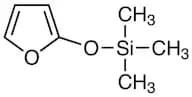
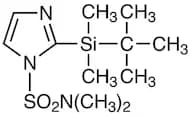
CAS:Fórmula:C7H12O2SiPureza:>96.0%(GC)Cor e Forma:Colorless to Light orange to Yellow clear liquidPeso molecular:156.262-(tert-Butyldimethylsilyl)-N,N-dimethyl-1H-imidazole-1-sulfonamide
CAS:Fórmula:C11H23N3O2SSiPureza:>97.0%(GC)Cor e Forma:Light yellow to Yellow to Orange powder to crystalPeso molecular:289.47Dimethyloctadecyl[3-(Trimethoxysilyl)propyl]ammonium chloride, 60% in methanol
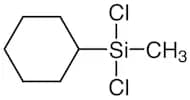
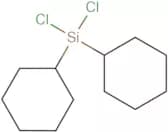
CAS:<p>S12226 - Dimethyloctadecyl[3-(Trimethoxysilyl)propyl]ammonium chloride, 60% in methanol</p>Fórmula:C27H62ClNO4SiPureza:60%Cor e Forma:LiquidPeso molecular:495.387Dichlorocyclohexylmethylsilane
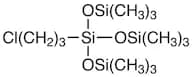
CAS:Fórmula:C7H14Cl2SiPureza:>97.0%(GC)Cor e Forma:Colorless to Almost colorless clear liquidPeso molecular:197.17(3-Chloropropyl)tris(trimethylsilyloxy)silane
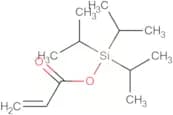
CAS:Fórmula:C12H33ClO3Si4Pureza:>96.0%(GC)Cor e Forma:Colorless to Light yellow clear liquidPeso molecular:373.18Triisopropylsilyl acrylate
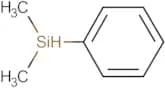
CAS:<p>S18010 - Triisopropylsilyl acrylate</p>Fórmula:C12H24O2SiPureza:95%Cor e Forma:LiquidPeso molecular:228.407Phenyldimethylsilane
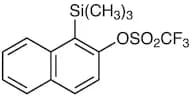
CAS:<p>S13425 - Phenyldimethylsilane</p>Fórmula:C8H12SiPureza:98%Cor e Forma:Liquid, ClearPeso molecular:136.2691-(Trimethylsilyl)-2-naphthyl Trifluoromethanesulfonate
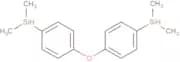
CAS:Fórmula:C14H15F3O3SSiPureza:>96.0%(GC)Cor e Forma:Colorless to Light yellow to Light orange clear liquidPeso molecular:348.41Bis (p-dimethylsilyl) phenyl ether
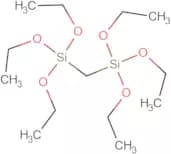
CAS:<p>S01790 - Bis (p-dimethylsilyl) phenyl ether</p>Fórmula:C16H22OSi2Pureza:95%Cor e Forma:Liquid, ClearPeso molecular:286.521Bis(triethoxysilyl)methane
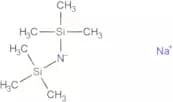
CAS:<p>S02112 - Bis(triethoxysilyl)methane</p>Fórmula:C13H32O6Si2Pureza:97%Cor e Forma:LiquidPeso molecular:340.563Sodium bis(trimethylsilyl)amide 2M in THF
CAS:<p>S14980 - Sodium bis(trimethylsilyl)amide 2M in THF</p>Fórmula:C6H18NNaSi2Cor e Forma:LiquidPeso molecular:183.3773-(2-Aminoethylamino)propyltriethoxysilane
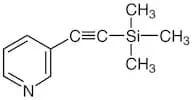
CAS:<p>S00610 - 3-(2-Aminoethylamino)propyltriethoxysilane</p>Fórmula:C11H28N2O3SiPureza:99.00%Cor e Forma:LiquidPeso molecular:264.4413-(Trimethylsilylethynyl)pyridine
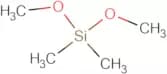
CAS:Fórmula:C10H13NSiPureza:>98.0%(GC)Cor e Forma:Colorless to Light yellow clear liquidPeso molecular:175.31Dimethyldimethoxysilane
CAS:<p>S07200 - Dimethyldimethoxysilane</p>Fórmula:C4H12O2SiPureza:95%Cor e Forma:ClearPeso molecular:120.223O-(tert-Butyldiphenylsilyl)hydroxylamine
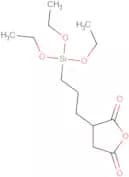
CAS:Fórmula:C16H21NOSiPureza:>98.0%(GC)Cor e Forma:White to Almost white powder to crystalPeso molecular:271.443-(Triethoxysilyl)propylsuccinic anhydride
CAS:<p>S25279 - 3-(Triethoxysilyl)propylsuccinic anhydride</p>Fórmula:C13H24O6SiPureza:95%Cor e Forma:Liquid, Clear LiquidPeso molecular:304.414Diethyl 2-[3-(triethoxysilyl)propyl]malonate
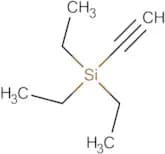
CAS:<p>S06550 - Diethyl 2-[3-(triethoxysilyl)propyl]malonate</p>Fórmula:C16H32O7SiCor e Forma:LiquidPeso molecular:364.51(Triethylsilyl) acetylene
CAS:<p>S17615 - (Triethylsilyl) acetylene</p>Fórmula:C8H16SiPureza:97%Cor e Forma:ClearPeso molecular:140.301Tris(trimethylsiloxy)-3-methacryloxypropylsilane 4-6% dimer
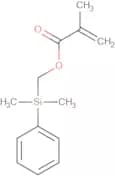
CAS:<p>S21125-4-6 - Tris(trimethylsiloxy)-3-methacryloxypropylsilane 4-6% dimer</p>Fórmula:C16H38O5Si4Pureza:98%Cor e Forma:Liquid, ClearPeso molecular:422.815(Phenyldimethylsilyl)methyl methacrylate
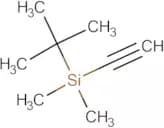
CAS:<p>S13450 - (Phenyldimethylsilyl)methyl methacrylate</p>Fórmula:C13H18O2SiPureza:≥95%Cor e Forma:LiquidPeso molecular:234.37tert-Butyldimethylsilylacetylene
CAS:<p>S03339 - tert-Butyldimethylsilylacetylene</p>Fórmula:C8H16SiPureza:>97.0%(GC)Cor e Forma:Liquid, Low Melting SolidPeso molecular:140.301Trimethylsilyl bromoacetate
CAS:<p>S19100 - Trimethylsilyl bromoacetate</p>Fórmula:C5H11BrO2SiPureza:97.0%Cor e Forma:ClearPeso molecular:211.13Diethyl(methyl)silane
CAS:Fórmula:C5H14SiPureza:>98.0%(GC)Cor e Forma:White to Light yellow powder to crystalPeso molecular:102.253-Chloropropyltrimethylsilane
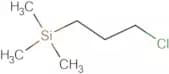
CAS:<p>S04700 - 3-Chloropropyltrimethylsilane</p>Fórmula:C6H15ClSiPureza:98%Cor e Forma:Liquid, ClearPeso molecular:150.72Triethylsilane
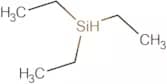
CAS:<p>S17595 - Triethylsilane</p>Fórmula:C6H16SiPureza:99%Cor e Forma:Liquid, Clear LiquidPeso molecular:116.279n-Hexyltrimethoxysilane
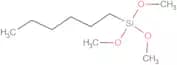
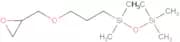
CAS:<p>S09975 - n-Hexyltrimethoxysilane</p>Fórmula:C9H22O3SiPureza:95%Cor e Forma:Liquid, Clear to straw liquidPeso molecular:206.357(3-Glycidoxypropyl)pentamethyldisiloxane
CAS:<p>S09130 - (3-Glycidoxypropyl)pentamethyldisiloxane</p>Fórmula:C11H26O3Si2Cor e Forma:Liquid, ClearPeso molecular:262.496Chloromethyltrimethylsilane
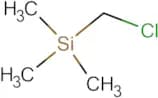
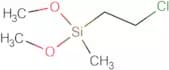
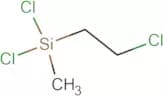
CAS:<p>S04425 - Chloromethyltrimethylsilane</p>Fórmula:C4H11ClSiPureza:98%Cor e Forma:Clear LiquidPeso molecular:122.672-Chloroethylmethyldimethoxysilane
CAS:<p>S03880 - 2-Chloroethylmethyldimethoxysilane</p>Fórmula:C5H13ClO2SiPureza:95%Cor e Forma:LiquidPeso molecular:168.69N-(Trimethylsilyl)morpholine
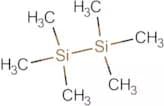
CAS:<p>S19878 - N-(Trimethylsilyl)morpholine</p>Fórmula:C7H17NOSiPureza:98%Cor e Forma:ClearPeso molecular:159.304Hexamethyldisilane
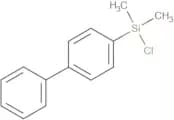
CAS:<p>S09600 - Hexamethyldisilane</p>Fórmula:C6H18Si2Pureza:97%Cor e Forma:LiquidPeso molecular:146.384-Biphenyldimethylchlorosilane
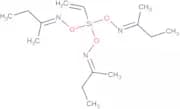
CAS:<p>S25311 - 4-Biphenyldimethylchlorosilane</p>Fórmula:C14H15ClSiPureza:>95%Cor e Forma:SolidPeso molecular:246.81Vinyltris(methylethylketoximine)silane
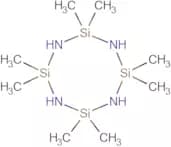
CAS:<p>S22150 - Vinyltris(methylethylketoximine)silane</p>Fórmula:C14H27N3O3SiPureza:93%+Cor e Forma:Liquid, ClearPeso molecular:313.473Octamethylcyclotetrasilazane
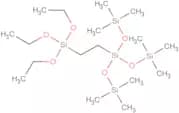
CAS:<p>S12375 - Octamethylcyclotetrasilazane</p>Fórmula:C8H28N4Si4Cor e Forma:SolidPeso molecular:292.68Tris(trimethylsiloxy)silylethyltriethoxy-silane
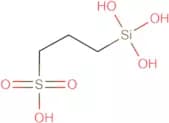
CAS:<p>S25290 - Tris(trimethylsiloxy)silylethyltriethoxy-silane</p>Fórmula:C17H46O6Si5Pureza:98%Cor e Forma:LiquidPeso molecular:486.9743-(Trihydroxysilyl) propane-1-sulfonic acid (30-35 % wt% in water)
CAS:<p>S17910 - 3-(Trihydroxysilyl) propane-1-sulfonic acid (30-35 % wt% in water)</p>Fórmula:C3H10O6SSiCor e Forma:LiquidPeso molecular:202.25N-[3-(Triethoxysilyl)propyl]-4,5-dihydroimidazole
CAS:<p>S17250 - N-[3-(Triethoxysilyl)propyl]-4,5-dihydroimidazole</p>Fórmula:C12H26N2O3SiPureza:97%Cor e Forma:Liquid, ClearPeso molecular:274.436(30-35% DODECYLMETHYLSILOXANE)-[7-10% HYDROXY(POLYETHYLENEOXY(6-9)PROPYL)METHYLSILOXANE]-(55-65% DIMETHYLSILOXANE) TERPOLYMER, 250-350 cSt
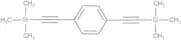
CAS:Cor e Forma:LiquidPeso molecular:NaN1,4-Bis(trimethylsilylethynyl)benzene
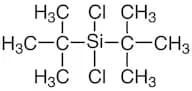
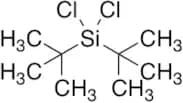
CAS:Fórmula:C16H22Si2Pureza:98%Cor e Forma:SolidPeso molecular:270.522Di-tert-butyldichlorosilane
CAS:Fórmula:C8H18Cl2SiPureza:>95.0%(GC)Cor e Forma:Colorless to Light yellow clear liquidPeso molecular:213.22A Polydimethylsiloxane-treated Fumed Silica, AEROSIL® R 202
CAS:Cor e Forma:White to Almost white powder to crystalA Hexamethyldisilazane-treated Fumed Silica, AEROSIL® R 812
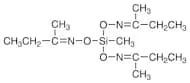
CAS:Cor e Forma:White to Almost white powder to crystalO,O',O''-(Methylsilanetriyl)tris(butan-2-one Oxime)
CAS:Fórmula:C13H27N3O3SiPureza:>95.0%(GC)Cor e Forma:Colorless to Yellow clear liquidPeso molecular:301.464-[(tert-Butyldimethylsilyl)oxy]benzaldehyde
CAS:Fórmula:C13H20O2SiPureza:>97.0%(GC)Cor e Forma:Colorless to Yellow clear liquidPeso molecular:236.39Ethyltrimethylsilane
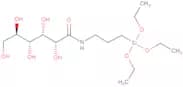
CAS:Fórmula:C5H14SiPureza:>98.0%(GC)Cor e Forma:Colorless to Light yellow clear liquidPeso molecular:102.25N-(3-Triethoxysilylpropyl)gluconamide, 30% in ethanol
CAS:<p>S17325 - N-(3-Triethoxysilylpropyl)gluconamide, 30% in ethanol</p>Fórmula:C15H33NO9SiPureza:95%Cor e Forma:LiquidPeso molecular:399.512Bis(trimethylsilyl)itaconate
CAS:<p>S02680 - Bis(trimethylsilyl)itaconate</p>Fórmula:C11H22O4Si2Cor e Forma:LiquidPeso molecular:274.4633-Methacryloxypropylpentamethyldisiloxane(inhibited with MEHQ)
CAS:<p>S10675 - 3-Methacryloxypropylpentamethyldisiloxane(inhibited with MEHQ)</p>Fórmula:C12H26O3Si2Cor e Forma:Liquid, ClearPeso molecular:274.507n-Triacontyldimethylchlorosilane, blend
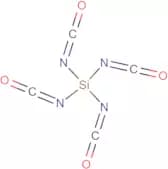
CAS:Pureza:techCor e Forma:SolidPeso molecular:515.4199829101562Silicon tetraisocyanate
CAS:<p>S14931 - Silicon tetraisocyanate</p>Fórmula:C4N4O4SiCor e Forma:Liquid, ClearPeso molecular:196.1529998779297Chloromethyltrimethoxysilane
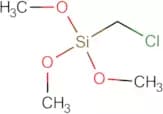
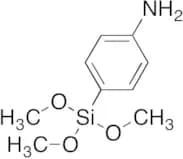
CAS:<p>S04420 - Chloromethyltrimethoxysilane</p>Fórmula:C4H11ClO3SiPureza:95%Cor e Forma:LiquidPeso molecular:170.66Aminophenyltrimethoxysilane
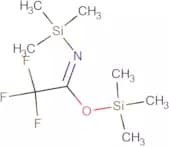
CAS:Produto Controlado<p>Applications Aminophenyltrimethoxysilane is a useful intermediate for the preparation of aromatic silanes as high thermal stability coupling agents.<br>References Pan, Y., et al.: Adv. Mat. Res., 690, 1483 (2013)<br></p>Fórmula:C9H15NO3SiCor e Forma:NeatPeso molecular:213.31N,0-Bis(trimethylsilyl)trifluoroacetamide
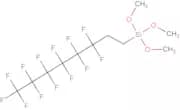
CAS:<p>S02825 - N,0-Bis(trimethylsilyl)trifluoroacetamide</p>Fórmula:C8H18F3NOSi2Pureza:95%Cor e Forma:LiquidPeso molecular:257.4031H,1H,2H,2H-Perfluorooctyltrimethoxysilane
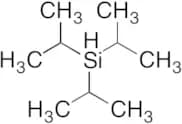
CAS:<p>S13160 - 1H,1H,2H,2H-Perfluorooctyltrimethoxysilane</p>Fórmula:C11H13F13O3SiPureza:95%Cor e Forma:LiquidPeso molecular:468.286Triisopropylsilane
CAS:Produto Controlado<p>Applications Triisopropylsilane is used in the design of internalizing PSMA-specific Glu-ureido-based radiotherapeuticals for prostrate cancers. Reagent for the rational design of dual peptides targeting ghrelin and Y2 receptors to regulate food intake and body weight. Also functions as a highly selective reducing agent used in the preparation of anti-1,2-diols.<br> Not a dangerous good if item is equal to or less than 1g/ml and there is less than 100g/ml in the package<br>References Wuestemann, T., et al.: Theranostics, 6, 1085 (2016); Kilian, T., et al.: J. Med. Chem., 58, 4180 (2015); Horners, L.; et al.: Organomet. Chem., 282, 155 (1985)<br></p>Fórmula:C9H22SiCor e Forma:NeatPeso molecular:158.363-Carboxyphenylboronic Acid
CAS:Produto Controlado<p>Applications 3-Carboxyphenylboronic Acid is used in phenylboronic acid-decorated gelatin nanoparticles for enhanced tumor targeting and penetration.<br>References Wang, X., et al.: Nanotechnology, 27, 385101 (2016); Wang, X., et al.: Eur. J. Pharm. Biopharm., 113, 168 (2017)<br></p>Fórmula:C7H7BO4Cor e Forma:Off WhitePeso molecular:165.94Diphenylvinylchlorosilane
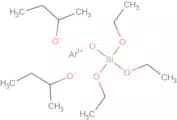
CAS:<p>S08200 - Diphenylvinylchlorosilane</p>Fórmula:C14H13ClSiCor e Forma:LiquidPeso molecular:244.79Di-s-butoxyaluminoxytriethoxysilane
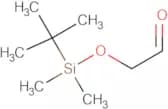
CAS:<p>S05725 - Di-s-butoxyaluminoxytriethoxysilane</p>Fórmula:C14H33AlO6SiCor e Forma:Liquid, ClearPeso molecular:352.479t-Butyldimethylsiloxyacetaldehyde
CAS:<p>S25086 - t-Butyldimethylsiloxyacetaldehyde</p>Fórmula:C8H18O2SiPureza:90%Cor e Forma:Liquid, ClearPeso molecular:174.315Triphenylsilanethiol
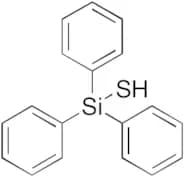
CAS:Produto Controlado<p>Applications Triphenylsilanethiol is a useful organic building block used for carboxyl activation via silylthioesterification, and in the preparation of synthesis of tetraphenylporphyrinate manganese(III) siloxides.<br>References Lamar, A. A.; et al.: Tetrahedron Lett., 56, 6034 (2015); Meininger, D. J.; et al.: J. Coord. Chem., 69, 1970 (2016).<br></p>Fórmula:C18H16SSiCor e Forma:NeatPeso molecular:292.47Triisopropylmethoxysilane
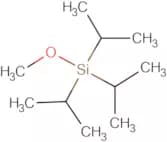
CAS:<p>S17960 - Triisopropylmethoxysilane</p>Fórmula:C10H24OSiCor e Forma:Liquid, ClearPeso molecular:188.386Vinyltrimethoxysilane
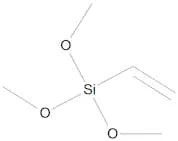
CAS:<p>Applications Vinyltrimethoxysilane (cas# 2768-02-7) is a useful research chemical.<br></p>Fórmula:C5H12O3SiCor e Forma:Light YellowPeso molecular:148.2325Hexamethylcyclotrisiloxane
CAS:Produto Controlado<p>Applications Hexamethylcyclotrisiloxane is used in the preparation of Silicone coated Celgard-2400 for the adhesion of canine platelets and leucocytes.<br> Not a dangerous good if item is equal to or less than 1g/ml and there is less than 100g/ml in the package<br>References Chawla, A.S.: Biomaterials, 2, 83 (1981)<br></p>Fórmula:C6H18O3Si3Cor e Forma:NeatPeso molecular:222.462-(Diphenylphosphino)ethyltriethoxysilane
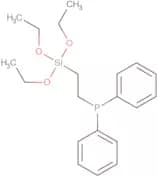
CAS:<p>S08025 - 2-(Diphenylphosphino)ethyltriethoxysilane</p>Fórmula:C20H29O3PSiPureza:97%Cor e Forma:Liquid, ClearPeso molecular:376.508(3,3,3-Trifluoropropyl)dimethylchlorosilane
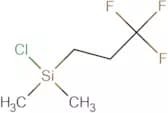
CAS:Pureza:90%Cor e Forma:LiquidPeso molecular:190.6699981689453Methyl-n-octadecyldichlorosilane
CAS:Pureza:95%Cor e Forma:Solid, Low Melting SolidPeso molecular:367.5100097656253-Cyanopropyltrimethoxysilane
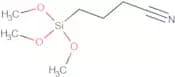
CAS:<p>S05035 - 3-Cyanopropyltrimethoxysilane</p>Fórmula:C7H15NO3SiCor e Forma:Liquid, ClearPeso molecular:189.286Tris(trimethylsiloxy)silane
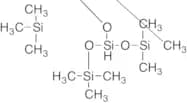
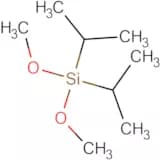
CAS:Produto Controlado<p>Stability Moisture Sensitive<br>Applications Tris(trimethylsiloxy)silane functions as a modified siloxane elastomer for controlled cell growth or as a biomaterial surface that induces a desired cellular response.<br> Not a dangerous good if item is equal to or less than 1g/ml and there is less than 100g/ml in the package<br>References Gibson, A. L., et al.: Mater. Res. Soc. Symp. Proc., 711, 169 (2002)<br></p>Fórmula:C9H28O3Si4Cor e Forma:NeatPeso molecular:296.66Diisopropyldimethoxysilane
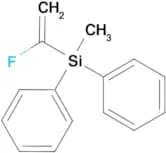
CAS:<p>S06810 - Diisopropyldimethoxysilane</p>Fórmula:C8H20O2SiPureza:95+%Cor e Forma:Liquid, ClearPeso molecular:176.331(1-Fluorovinyl)methyldiphenylsilane
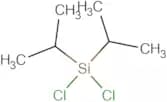
CAS:Fórmula:C15H15FSiPureza:96.0%Cor e Forma:LiquidPeso molecular:242.368Diisopropyldichlorosilane
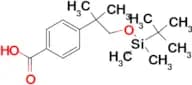
CAS:<p>S06800 - Diisopropyldichlorosilane</p>Fórmula:C6H14Cl2SiPureza:>98.0%(GC)Cor e Forma:LiquidPeso molecular:185.160003662109384-(1-((TERT-BUTYLDIMETHYLSILYL)OXY)-2-METHYLPROPAN-2-YL)BENZOIC ACID
CAS:Pureza:90.0%Peso molecular:308.4930114746094Ref: 10-F530699
1gA consultar2gA consultar5gA consultar100mgA consultar250mgA consultar500mgA consultar7-O-(Triethylsilyl) Paclitaxel
CAS:Produto Controlado<p>Impurity Paclitaxel - Impurity K<br>Applications Protected Paclitaxel. Paclitaxel - Impurity K.<br>References Kerns, E., et al.: J. Nat. Products, 57, 1391 (1994), Golik, J., et al.: Bioorg. Med. Chem. Lett., 6, 1837 (1996),<br></p>Fórmula:C53H65NO14SiCor e Forma:Off-WhitePeso molecular:968.17N-(triethoxysilylpropyl)-O-polyethyleneoxideurethane
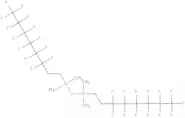
CAS:Pureza:95%Cor e Forma:Liquid, ClearPeso molecular:353.186978862Bis(tridecafluoro-1,1,2,2-tetrahydrooctyl)tetra-methyldisiloxane
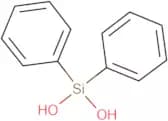
CAS:<p>S02106 - Bis(tridecafluoro-1,1,2,2-tetrahydrooctyl)tetra-methyldisiloxane</p>Fórmula:C20H20F26OSi2Cor e Forma:Clear to straw liquidPeso molecular:826.507Diphenylsilanediol
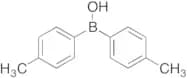
CAS:<p>S08075 - Diphenylsilanediol</p>Fórmula:C12H12O2SiPureza:>98.0%(GC)Cor e Forma:White powderPeso molecular:216.311Hydroxydi-p-tolylborane
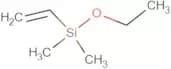
CAS:Produto Controlado<p>Applications Hydroxydi-p-tolylborane is a building block used as a reactant in the nickel-catalyzed cross-coupling of diarylborinic acids with aryl chlorides.<br>References Chen, X., et al.: ACS Catalys., 4, 379 (2014);<br></p>Fórmula:C14H15BOCor e Forma:NeatPeso molecular:210.08Vinyldimethylethoxysilane
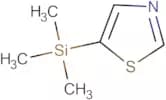
CAS:<p>S21725 - Vinyldimethylethoxysilane</p>Fórmula:C6H14OSiPureza:95%Cor e Forma:ClearPeso molecular:130.2625-Trimethylsilylthiazole
CAS:<p>S20280 - 5-Trimethylsilylthiazole</p>Fórmula:C6H11NSSiPureza:98%Cor e Forma:Liquid, ClearPeso molecular:157.31Decaborane
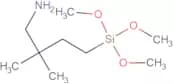
CAS:Produto Controlado<p>Applications Decaborane is a useful building block mostly used in the preparation of carboranes. On its own, Decaborane is able to undergo reduction via acetate as a neat liquid.<br> E0<br>References Marsh, A. V.; et al.: Angew. Chem. Int. Ed., 57, 10640 (2018); Kelley, S. P.; et al.: ACS Omega, 3, 8491 (2018).<br></p>Fórmula:B10H14Cor e Forma:NeatPeso molecular:122.224-Amino-3,3-dimethylbutyltrimethoxysilane
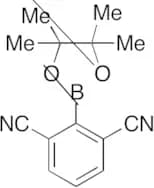
CAS:<p>S25031 - 4-Amino-3,3-dimethylbutyltrimethoxysilane</p>Fórmula:C9H23NO3SiPureza:97%Cor e Forma:LiquidPeso molecular:221.3722-(4,4,5,5-Tetramethyl-1,3,2-dioxaborolan-2-yl)isophthalonitrile (~90%)
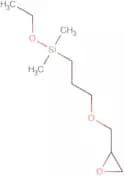
CAS:Produto Controlado<p>Applications 2-(4,4,5,5-Tetramethyl-1,3,2-dioxaborolan-2-yl)isophthalonitrile, is an intermediate used for the synthesis of more complex compounds.<br></p>Fórmula:C14H15BN2O2Pureza:~90%Cor e Forma:NeatPeso molecular:254.092(3-Glycidoxypropyl)dimethylethoxysilane
CAS:<p>S09075 - (3-Glycidoxypropyl)dimethylethoxysilane</p>Fórmula:C10H22O3SiCor e Forma:LiquidPeso molecular:218.3679962158203N,O-Bis(trimethylsilyl)trifluoroacetamide (~90%)
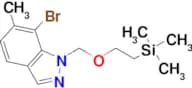
CAS:Produto Controlado<p>Applications Used as a reactant in the preparation of pyrimidinone ribosides and analogs that show anti-tumor properties.<br> Not a dangerous good if item is equal to or less than 1g/ml and there is less than 100g/ml in the package<br>References Driscoll, J.S. et al.: J. Med. Chem., 34, 3280 (1991); Pan, L. et al.: J. Pharm. Biomed. Anal., 52, 589 (2010);<br></p>Fórmula:C8H18F3NOSi2Pureza:~90%Cor e Forma:Colourless To Light YellowPeso molecular:257.407-Bromo-6-methyl-1-((2-(trimethylsilyl)ethoxy)methyl)-1H-indazole
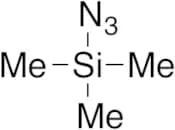
CAS:Pureza:95.0%Peso molecular:341.3240051269531Trimethylsilyl Azide
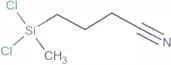
CAS:Produto Controlado<p>Applications Trimethylsilyl azide is used to mediate Schmidt rearragement reactions and is also used as a nucleophile in organic synthesis. Versatile azidonation reagent for amines, amides, aldehydes, and ketones.<br> Not a dangerous good if item is equal to or less than 1g/ml and there is less than 100g/ml in the package<br>References Mphahlele, M.: J. Chem. Soc. Perk. T. 1, 23, 3477 (1999); Pastor, I. & Yus, M.: Org. Chem., 9, 1 (2005)<br></p>Fórmula:C3H9N3SiCor e Forma:NeatPeso molecular:115.213-Cyanopropylmethyldichlorosilane
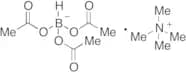
CAS:Pureza:95%Cor e Forma:Liquid, ClearPeso molecular:182.1199951171875Tetramethylammonium Triacetoxyborohydride (>90%)
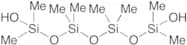
CAS:Produto Controlado<p>Applications Tetramethylammonium Triacetoxyborohydride is used in the synthesis of Peloruside A. Epoxypropanoate is a neurokinin substance P receptor antagonist synthesized from this compound.<br> Not a dangerous good if item is equal to or less than 1g/ml and there is less than 100g/ml in the package<br>References Gazaille, J. et al.: Org. Lett., 14, 178 (2012); Prevost, S. et al.: Tetrahedron Asymm., 21, 16 (2010);<br></p>Fórmula:C10H22BNO6Pureza:>90%Cor e Forma:NeatPeso molecular:263.1Octamethyl-1,7-tetrasiloxanediol
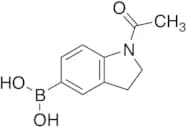
CAS:Produto Controlado<p>Applications Octamethyl-1,7-tetrasiloxanediol, can be used in the preparation of Silicone coated Celgard-2400 for the adhesion of canine platelets and leucocytes.<br>References Chawla, A. S.: Biomaterials, 2, 83 (1981)<br></p>Fórmula:C8H26O5Si4Cor e Forma:ColourlessPeso molecular:314.63(1-acetyl-2,3-dihydro-1H-indol-5-yl)boronic Acid
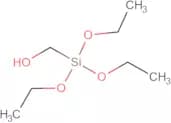
CAS:Produto Controlado<p>Applications (1-acetyl-2,3-dihydro-1H-indol-5-yl)boronic acid (cas# 905971-97-3) is a useful research chemical.<br></p>Fórmula:C10H12BNO3Cor e Forma:BeigePeso molecular:205.02Hydroxymethyltriethoxysilane 50% in ethanol
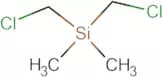
CAS:<p>S25189 - Hydroxymethyltriethoxysilane 50% in ethanol</p>Fórmula:C7H18O4SiCor e Forma:LiquidPeso molecular:194.302001953125Bis(chloromethyl)dimethylsilane
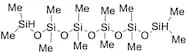
CAS:<p>S01400 - Bis(chloromethyl)dimethylsilane</p>Fórmula:C4H10Cl2SiPureza:97.0%Cor e Forma:Liquid, ClearPeso molecular:157.110000610351561,1,3,3,5,5,7,7,9,9,11,11-Dodecamethylhexasiloxane
CAS:<p>Applications 1,1,3,3,5,5,7,7,9,9,11,11-DODECAMETHYLHEXASILOXANE (cas# 995-82-4) is a useful research chemical.<br></p>Fórmula:C12H38O5Si6Cor e Forma:NeatPeso molecular:430.94N,O-Bis(trimethylsilyl)acetamide
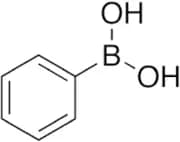
CAS:Produto Controlado<p>Applications N,O-Bis(trimethylsilyl)acetamide is used as a reagent in the synthesis of 4'-spirocyclic phosphono-nucleosides as potential inhibitors of hepatitis C virus NS5B polymerase. Also used as a reagent in the microwave-assisted synthesis of purine nucleosides as selective cholinesterase inhibitors.<br> Not a dangerous good if item is equal to or less than 1g/ml and there is less than 100g/ml in the package<br>References Dang, Q., et al.: Tetrahedron Lett., 55, 4407 (2014); Schwarz, S., et al.: Org. Biomol. Chem., 12, 2446 (2014)<br></p>Fórmula:C8H21NOSi2Cor e Forma:NeatPeso molecular:203.43Phenylboronic Acid (95%)
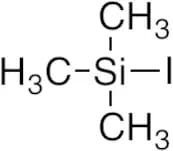
CAS:Produto Controlado<p>Applications Phenylboronic Acid is a compound used in organic synthesis of various pharmaceutical goods.<br>References Ainley, A.D., et al.: J. Chem. Soc., 2171 (1930);<br></p>Fórmula:C6H7BO2Pureza:95%Cor e Forma:NeatPeso molecular:121.93Iodotrimethylsilane (>90%)
CAS:<p>Stability Moisture Sensitive (Reactive)<br>Applications Iodotrimethylsilane is a reagent used for cleaving ethers, esters, carbamates, ketals and lactones.<br> Not a dangerous good if item is equal to or less than 1g/ml and there is less than 100g/ml in the package<br>References Heck, M., et al.: Tetrahedron Lett., 35, 5445 (1994); Hiral, G., et al.: Biorg. Med. Chem. Lett., 14, 2647 (2004)<br></p>Fórmula:C3H9ISiPureza:>90%Cor e Forma:NeatPeso molecular:200.09Octadecyltriethoxysilane
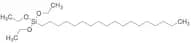
CAS:Produto Controlado<p>Applications OCTADECYLTRIETHOXYSILANE (cas# 7399-00-0) is a useful research chemical.<br></p>Fórmula:C24H52O3SiPureza:>90%Cor e Forma:NeatPeso molecular:416.753Tris(trimethylsiloxy)-3-methacryloxypropylsilane <4% Dimer
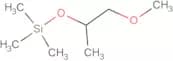
CAS:<p>S21125 - Tris(trimethylsiloxy)-3-methacryloxypropylsilane <4% Dimer</p>Fórmula:C16H38O5Si4Pureza:>98.0%(GC)Cor e Forma:ClearPeso molecular:422.815(1-Methoxy-2-propoxy)trimethylsilane
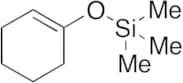
CAS:<p>S10925 - (1-Methoxy-2-propoxy)trimethylsilane</p>Fórmula:C7H18O2SiCor e Forma:ClearPeso molecular:162.3041-(Trimethylsiloxy)cyclohexene
CAS:Produto Controlado<p>Stability Moisture Sensitive<br>Applications 1-(Trimethylsiloxy)cyclohexene is used as a reagent in the synthesis of 6-Methyl Chrysene (M265140); an aryl hydrocarbon receptor (AhR) agonist that has been listed as possibly carcinogenic to humans.<br> Not a dangerous good if item is equal to or less than 1g/ml and there is less than 100g/ml in the package<br>References Amin, S. et al.: Cancer Res., 45, 6406 (1985); Blaha, L. et al.: Toxicol. Sci., 65, 43 (2002); Brack, W. et al.: Environ. Sci. Technol., 37, 3062 (2003); Andrysik, Z. et al.: Mutat. Res., 615, 87 (2007)<br></p>Fórmula:C9H18OSiCor e Forma:NeatPeso molecular:170.32N-Hexylsilane
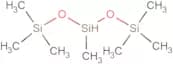
CAS:<p>S09900 - n-Hexylsilane</p>Fórmula:C6H16SiCor e Forma:Liquid, ClearPeso molecular:116.27899932861328Bis(trimethylsiloxy)methylsilane
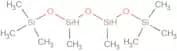
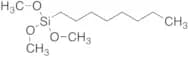
CAS:<p>S02350 - Bis(trimethylsiloxy)methylsilane</p>Fórmula:C7H22O2Si3Pureza:95%Cor e Forma:ClearPeso molecular:222.506Trimethoxy(octyl)silane
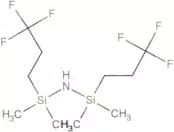
CAS:Produto Controlado<p>Applications Trimethoxy(octyl)silane is a surface modifier used as additive for polymer encapsulation and for controlled drug delivery.<br>References Erdem, B., et al.: Langmuir, 17, 2664 (2001); Doadrio, J., et al.: J. Mater. Chem., 16, 462 (2006);<br></p>Fórmula:C11H26O3SiCor e Forma:NeatPeso molecular:234.4081,3-Bis(3,3,3-trifluoropropyl)tetramethyl-disilazane
CAS:<p>S02175 - 1,3-Bis(3,3,3-trifluoropropyl)tetramethyl-disilazane</p>Fórmula:C10H21F6NSi2Pureza:>94.0%(GC)Cor e Forma:LiquidPeso molecular:325.445(6-7% Aminopropylmethylsiloxane)-dimethylsiloxane Co-polymer cSt 80-120
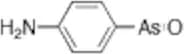
CAS:<p>AMS-162 - (6-7% Aminopropylmethylsiloxane)-dimethylsiloxane Co-polymer cSt 80-120</p>Fórmula:(C2H5OSi)n(C2H6OSi)nC8H24NOSi2Pureza:7%Cor e Forma:Liquid, Clear to pale yellow liquidPeso molecular:7000-9000p-Aminophenyl Arsenoxide
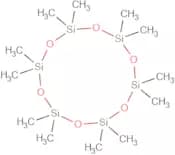
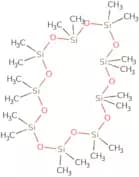
CAS:Produto Controlado<p>Applications p-Aminophenyl Arsenoxide is a useful reagent for the study of 2-oxoacid dehydrogenase multienzyme complexes.<br> Not a dangerous good if item is equal to or less than 1g/ml and there is less than 100g/ml in the package<br>References Stevenson, et al.: Biochemistry, 17, 11, 2191 (1978)<br></p>Fórmula:C6H6AsNOCor e Forma:NeatPeso molecular:183.04Dodecamethylcyclohexasiloxane
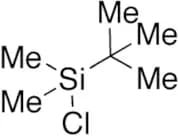
CAS:<p>S08515 - Dodecamethylcyclohexasiloxane</p>Fórmula:C12H36O6Si6Pureza:95% ;Cor e Forma:Liquid, ClearPeso molecular:444.924tert-Butyldimethylsilyl Chloride
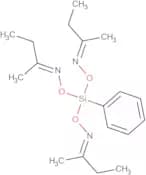
CAS:<p>Applications Used to protect alcohols during organic synthesis.<br>References Shen, H., et al.: J. Med. Chem., 53, 2666 (2010), Qiang, L., et al.: Bioorg. Med. Chem. Lett., 20, 836 (2010),<br></p>Fórmula:C6H15ClSiCor e Forma:White SolidPeso molecular:150.72Phenyltris(methylethylketoxime)silane
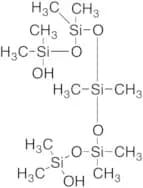
CAS:<p>S13085 - Phenyltris(methylethylketoxime)silane</p>Fórmula:C18H29N3O3SiCor e Forma:Liquid, ClearPeso molecular:363.533Decamethyl-1,9-Pentasiloxanediol
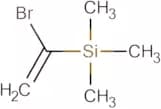
CAS:Produto ControladoFórmula:C10H32O6Si5Cor e Forma:ColourlessPeso molecular:388.781(Bromovinyl)trimethylsilane
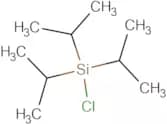
CAS:<p>S03150 - 1(Bromovinyl)trimethylsilane</p>Fórmula:C5H11BrSiPureza:97%Cor e Forma:Liquid, ClearPeso molecular:179.132triisopropyl chlorosilane
CAS:<p>S17950 - triisopropyl chlorosilane</p>Fórmula:C9H21ClSiPureza:97%Cor e Forma:LiquidPeso molecular:192.8000030517578(R)-Methyl 3-((tert-butyldimethylsilyl)oxy)hex-5-enoate
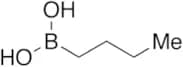
CAS:Pureza:97%Peso molecular:258.4330139160156Butylboronic Acid
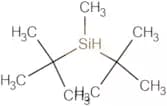
CAS:Produto Controlado<p>Applications Butylboronic Acid is a boronic acid derivative that can be used as a transport carriers in membrane-based sugar separations. Butylboronic Acid is used as an analytical reagent in the determination of serum glucose.<br>References Smith, B.D. et al.: ACS Symp. Ser., 642, 194 (1996); Prendergast, J.L. et al.: Anal. Bional. Chem., 397, 1779 (2010);<br></p>Fórmula:C4H11BO2Cor e Forma:NeatPeso molecular:101.94Di-t-butylmethylsilane
CAS:<p>S05860 - Di-t-butylmethylsilane</p>Fórmula:C9H22SiPureza:95%Cor e Forma:Liquid, ClearPeso molecular:158.361,5-Divinyl-3,3-diphenyl-1,1,5,5-tetramethyl-trisiloxane
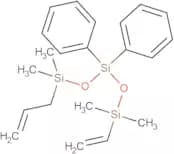
CAS:<p>S08360 - 1,5-Divinyl-3,3-diphenyl-1,1,5,5-tetramethyl-trisiloxane</p>Fórmula:C21H30O2Si3Cor e Forma:LiquidPeso molecular:398.724(E)-2-(1-Butenyl)-1,3,2-benzodioxaborole
CAS:Produto Controlado<p>Applications (E)-2-(1-Butenyl)-1,3,2-benzodioxaborole (cas# 106094-36-4) is a compound useful in organic synthesis.<br></p>Fórmula:C10H11BO2Cor e Forma:NeatPeso molecular:174.0Hydrogen Tetrafluoroborate(1-) (48% solution in H2O)
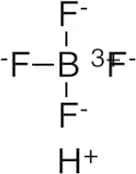
CAS:<p>Applications Hydrogen Tetrafluoroborate(1-) is a useful building block for organic synthesis.<br>References Ohkuma, T., et al.: Journal of the American Chemical Society., 218, 8724 (2006)<br></p>Fórmula:BF4·HCor e Forma:ColourlessPeso molecular:87.81o-Carborane-1-carboxylic Acid
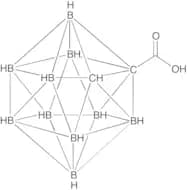
CAS:Produto ControladoFórmula:C3H12B10O2Cor e Forma:NeatPeso molecular:188.24Chlorotrimethylsilane
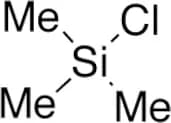
CAS:<p>Stability Moisture Sensitive<br>Applications Chlorotrimethylsilane have been used in the preparation of volatile derivatives of a wide range of compounds for GC analysis. Chlorotrimethylsilane has been used for silylation and as a protection group in the process of various organic synthesis.<br> E0<br>References Casimiro, M., et al.: Org. Lett., 15, 2378 (2013); Lifchits, O., et al.: J. Am. Chem. Soc., 135, 6677 (2013);<br></p>Fórmula:C3H9ClSiCor e Forma:NeatPeso molecular:108.64Di-tert-butyldichlorosilane
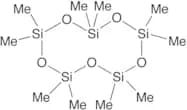
CAS:Produto Controlado<p>Applications Di-tert-butyldichlorosilane (cas# 18395-90-9) is a useful research chemical.<br></p>Fórmula:C8H18Cl2SiCor e Forma:NeatPeso molecular:213.22Decamethylcyclopentasiloxane
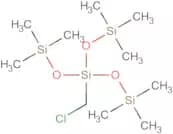
CAS:Produto Controlado<p>Applications A cyclic volatile methylsiloxane (cVMS) used in cosmetic and personal care products. Used in dermal exposure and inhalation toxicity study.<br>References Wang, R. et al: Env. Int., 35, 900 (2009); Johnson, B. et al.: Chem. Ind. Digest, 23, 79 (2010); Reddy, M.D, et al.: Toxic. Sci., 105, 275 (2008);<br></p>Fórmula:C10H30O5Si5Cor e Forma:ColourlessPeso molecular:370.77Chloromethyltris(trimethylsiloxy)silane
CAS:<p>S04435 - Chloromethyltris(trimethylsiloxy)silane</p>Fórmula:C10H29ClO3Si4Cor e Forma:Liquid, ClearPeso molecular:345.13N-(3-Trimethoxysilylpropyl)-4-azido-2,3,5,6-tetrafluorobenzamide >90%
CAS:<p>Stability Light and Temperature sensitive<br>Applications PFPA-silane is a functionalized perfluorophenyl azides for covalent immobilization of ultrathin polymer films.<br>References Mosbach, K., et al.: Biotechnology, 14, 163 (1996), Keren, K., et al.: Science, 297, 72 (2002), Lidstrom, M., et al.: Nature Rev. Microbiol., 1, 158 (2003),<br></p>Fórmula:C13H16F4N4O4SiPureza:>90%Cor e Forma:Off White SolidPeso molecular:396.37Heptamethylcyclotetrasiloxan-2-ol
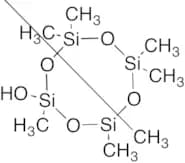
CAS:Produto Controlado<p>Applications Heptamethylcyclotetrasiloxan-2-ol is a derivative of Octamethylcyclotetrasiloxane (O237145), which is an organometallic reagent that can be used in the preparation of siloxane polymers, with high surface-hydrophobicity restoration.<br>References Fritz, O., et al.: MRS Online Proceedings Library, 1535 (2012); Vanossi, A., et al.: Condensed Matter (2013);<br></p>Fórmula:C7H22O5Si4Cor e Forma:NeatPeso molecular:298.59Dodecamethylpentasiloxane
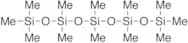
CAS:Produto Controlado<p>Applications A non-cyclic polydimethyl siloxane. Study shows that it can be transformed by a specific microflora and in the natural environment degraded by mechanisms similar to other organic compounds.<br>References Watanabe, N. et al.: Ecotoxic. Env. Safety, 11, 174 (1986); Wasserbauer, R. et al.: Folia Microbiologica, 35, 384 (1990);<br></p>Fórmula:C12H36O4Si5Cor e Forma:NeatPeso molecular:384.841-Triethylsilyl-4-(Triethlylsilyloxy)-1-Butyne
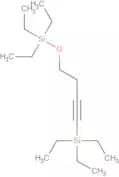
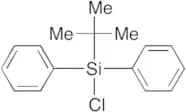
CAS:<p>S17624 - 1-Triethylsilyl-4-(Triethlylsilyloxy)-1-Butyne</p>Fórmula:C16H34OSi2Pureza:97%Cor e Forma:LiquidPeso molecular:298.617tert-Butyldiphenylchlorosilane
CAS:Produto Controlado<p>Applications tert-Butyldiphenylchlorosilane is used to synthesize interphenylene phenyloxazoles, compounds that have antagonistic activity against thromboxane receptors which can be used for treatment of circulatory disorders, angina and stroke.<br> Not a dangerous good if item is equal to or less than 1g/ml and there is less than 100g/ml in the package<br>References Hadjipavlou–Litina, D. & Kontogiorgis, C.: Int. Elect. J. Mol. Des., 1, 300 (2002); Misra, R., et al.: Bioorg. Med. Chem. Lett., 2, 937 (1992)<br></p>Fórmula:C16H19ClSiCor e Forma:NeatPeso molecular:274.863-(2-Aminoethyl)3-Aminopropyltrimethoxy silane
CAS:Fórmula:C8H22N2O3SiPureza:98%Cor e Forma:LiquidPeso molecular:222.36Trimethylsilyloxyfuran
CAS:<p>S19920 - Trimethylsilyloxyfuran</p>Fórmula:C7H12O2SiPureza:98%Cor e Forma:LiquidPeso molecular:156.256Carboxyethylsilanetriol sodium salt - 25% in water
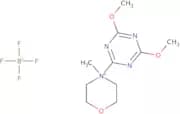
CAS:<p>Carboxyethylsilanetriol sodium salt - 25% in water is a reagent that is used to form complex compounds. It can be used as a reaction component or a building block to create more complex compounds, such as new medicines. Carboxyethylsilanetriol sodium salt - 25% in water has been shown to be an efficient and versatile scaffold for the production of fine chemicals and research chemicals. CAS No. 18191-40-7 is a speciality chemical that can react with other organic compounds to form new compounds for research purposes. Carboxyethylsilanetriol sodium salt - 25% in water is a useful intermediate and building block for various synthetic reactions because it can easily react with other organics to form new compounds which are useful in pharmaceuticals, agrochemicals, and other industries.</p>Fórmula:C3H6Na2O5SiPureza:Approximately 25%Cor e Forma:Clear LiquidPeso molecular:196.14 g/mol4-(4,6-Dimethoxy-1,3,5-triazin-2-yl)-4-morpholinium tetrafluoroborate
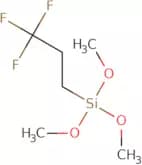
CAS:<p>4-(4,6-Dimethoxy-1,3,5-triazin-2-yl)-4-morpholinium tetrafluoroborate is a modulating agent that is used in the treatment of infectious and metabolic disorders. The compound has been shown to increase the activity of fatty acid oxidation and decrease the production of inflammatory mediators. 4-(4,6-Dimethoxy-1,3,5-triazin-2-yl)-4-morpholinium tetrafluoroborate interacts with a variety of proteins by binding to their Nterminal domains. It can be conjugated to other molecules and then used as probes for kinetic studies or as antiinflammatory compounds.</p>Fórmula:C10H17N4O3•BF4Pureza:Min. 97 Area-%Cor e Forma:PowderPeso molecular:328.07 g/molTrimethoxy(3,3,3-trifluoropropyl)silane
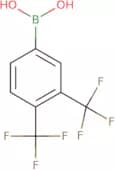
CAS:<p>Trimethoxy(3,3,3-trifluoropropyl)silane is a chemical that is used as a coating for metals and plastics. It has been shown to be an excellent lubricant and can be used as a fuel additive. Trimethoxy(3,3,3-trifluoropropyl)silane is also used in analytical chemistry for gravimetric analysis. This chemical can undergo reactions with other compounds such as hydrogen gas to form trimethoxysilane (SiH), which can be detected by FT-IR spectroscopy. Trimethoxy(3,3,3-trifluoropropyl)silane also reacts with metal ions in the presence of light to form metal complexes that have potential applications in photovoltaic devices and electrochemical studies. !--END--> !--END--></p>Fórmula:C6H13F3O3SiPureza:Min. 95%Cor e Forma:Clear LiquidPeso molecular:218.25 g/mol(3,4-Bis(trifluoromethyl)phenyl)boronic acid
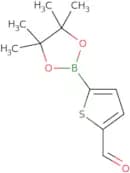
CAS:<p>3,4-Bis(trifluoromethyl)phenylboronic acid is a versatile building block that can be used as a reagent in organic synthesis. It has been shown to be a high quality product with the CAS number 1204745-88-9. This chemical is used to produce fine chemicals and research chemicals. 3,4-Bis(trifluoromethyl)phenylboronic acid is also a useful intermediate in the production of complex compounds and can be used as a building block for speciality chemicals.</p>Fórmula:C8H5BF6O2Pureza:Min. 95%Cor e Forma:PowderPeso molecular:257.93 g/mol5-Formyl-2-thiopheneboronic acid pinacol ester
CAS:<p>5-Formyl-2-thiopheneboronic acid pinacol ester is a boron derivative ester that serves as a Suzuki coupling building block. It is a highly versatile building block that can be used in the synthesis of various organic compounds. This compound has been widely used in the pharmaceutical industry for the development of new drugs and other bioactive molecules. Its unique structure makes it an ideal starting material for the synthesis of complex molecules with diverse biological activities. As a key intermediate in organic synthesis, 5-Formyl-2-thiopheneboronic acid pinacol ester has become an important tool for chemists working in drug discovery, materials science, and other fields. With its exceptional reactivity and versatility, this compound is an essential building block for any chemist's toolkit.</p>Fórmula:C11H15BO3SPureza:Min. 95%Cor e Forma:PowderPeso molecular:238.11 g/molTrichloro(1H,1H,2H,2H- tridecafluoro-n-octyl)silane
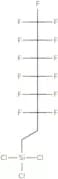
CAS:<p>Trichloro(1H,1H,2H,2H-tridecafluoro-n-octyl)silane is a chemical compound with the formula CClF[CF(CF)CFSiCl]. It is a colorless liquid that can be used in coatings and as a precursor to other fluorinated compounds. Trichloro(1H,1H,2H,2H-tridecafluoro-n-octyl)silane has been shown to have synergistic effects when combined with cationic surfactants and laser ablation techniques for microbial infection. This compound also has transport properties that are influenced by the presence of water vapor. Trichloro(1H,1H,2H,2H-tridecafluoro-n-octyl)silane is an inert monolayer on boron nitride substrates and has constant optical properties.</p>Fórmula:C8H4Cl3F13SiPureza:Min. 95%Cor e Forma:Clear LiquidPeso molecular:481.54 g/mol(R)-(-)-3,3′-Bis(triphenylsilyl)-1,1′-binaphthyl-2,2′-diyl hydrogenphosphate
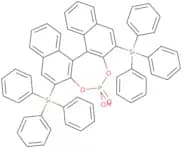
CAS:<p>(R)-(-)-3,3′-Bis(triphenylsilyl)-1,1′-binaphthyl-2,2′-diyl hydrogenphosphate is a fine chemical that is a useful reagent and building block. It can be used as an intermediate in the synthesis of complex compounds. This chemical has a CAS number of 791616-55-2 and is classified as a speciality chemical. (R)-(-)-3,3′-Bis(triphenylsilyl)-1,1′-binaphthyl-2,2′-diyl hydrogenphosphate is also a versatile building block for the synthesis of reaction components with high quality.</p>Fórmula:C56H41O4PSi2Pureza:Min. 94.5 Area-%Cor e Forma:PowderPeso molecular:865.07 g/molDichlorodiethylsilane
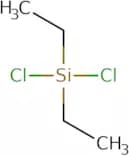
CAS:<p>Dichlorodiethylsilane is an aromatic hydrocarbon that is a colorless liquid with a pungent odor. It has been used as a chemical intermediate and in the synthesis of dyes, pharmaceuticals, and other organic chemicals. Dichlorodiethylsilane reacts with hydrogen fluoride to form hydrogen chloride and dichloroethane. The reaction products are acidic due to the presence of hydroxyl groups, which react with water vapor to form hydrochloric acid and alcohols. Dichlorodiethylsilane reacts with nucleophiles such as chlorides or hydroxides to form ether linkages. This compound also reacts with c1-c4 haloalkyls to form chlorinated alkyl groups. Dichlorodiethylsilane is soluble in water, but not in ether or benzene. It is stable at room temperature but decomposes when heated to temperatures above 200°C (392°F).</p>Fórmula:C4H10Cl2SiPureza:Min. 95%Cor e Forma:PowderPeso molecular:157.11 g/molArsenazo III
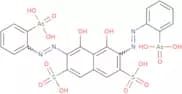
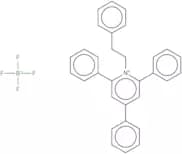
CAS:<p>Arsenazo III is a metal-binding dye that has been shown to bind to the cytosolic calcium ion. The binding of Arsenazo III to calcium has been shown to inhibit the voltage-dependent calcium channels, leading to a decrease in cytosolic calcium concentration. This reduction in cytosolic calcium is associated with energy metabolism and human serum titration calorimetry experiments. The binding of Arsenazo III to calcium is also responsible for its light signal. Arsenazo III binds to copper chloride and forms an insoluble precipitate when reacted with acidic solutions. This reaction can be used for analytical purposes as it produces a quantifiable end-point with plasma mass spectrometry.</p>Fórmula:C22H18As2N4O14S2Pureza:(%) Min. 85%Peso molecular:776.37 g/molN-Benzyl-2,4,6-triphenyl pyridinium tetrafluoroborate
CAS:<p>N-Benzyl-2,4,6-triphenyl pyridinium tetrafluoroborate is a molecule that regulates transcriptional activity. It can be used to isolate regulatory genes from different organisms and identify the specific genes that regulate the expression of other genes. The algorithm for this process is a stepwise, stereoselective, aerobic search. This process starts with an algorithm that identifies the best possible match between the gene sequence and the database sequences. The algorithm then transfers to another stepwise and stereoselective search of the database until it finds a match. The process ends when there are no more matches in the database or when all possible combinations have been searched. N-Benzyl-2,4,6-triphenyl pyridinium tetrafluoroborate has been shown to activate Staphylococcus aureus at very low concentrations but does not cause activation of mammalian cells at these concentrations.</p>Fórmula:C30H24N·BF4Pureza:Min. 95%Peso molecular:485.32 g/mol4-Amino-2-chlorophenylboronic acid pinacol ester
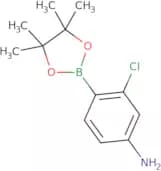
CAS:<p>4-Amino-2-chlorophenylboronic acid pinacol ester is a versatile building block that is used in the synthesis of complex compounds. It can be used as a research chemical, reagent, or speciality chemical depending on the desired use. 4-Amino-2-chlorophenylboronic acid pinacol ester reacts with nucleophiles to form covalent bonds and is also useful as a scaffold for synthesizing other compounds. This compound has been shown to be useful in the synthesis of many different types of chemicals.</p>Fórmula:C12H17BClNO2Pureza:Min. 95%Cor e Forma:PowderPeso molecular:253.53 g/molNα-Z-Nε-Boc-D-lysine methyl ester
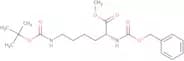
CAS:<p>Please enquire for more information about Nα-Z-Nε-Boc-D-lysine methyl ester including the price, delivery time and more detailed product information at the technical inquiry form on this page</p>Fórmula:C20H30N2O6Pureza:Min. 95%Cor e Forma:PowderPeso molecular:394.46 g/molQuinolin-4-ylboronic acid
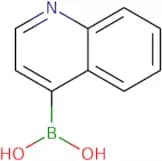
CAS:<p>Quinolin-4-ylboronic acid is a heterocyclic compound with two nitrogen atoms that are attached to the ring by means of carbonyl groups. This compound is a precursor in the synthesis of the drug dorsomorphin, which is used for pain relief. It also has an important role in pharmacokinetics because it can be used as a marker for estimating blood levels of other drugs. Quinolin-4-ylboronic acid yields an active form, quinolin-4-yl boronic acid, when reacted with piperazine in basic conditions. The drug ldn-193189 is a derivative of this active form and has been evaluated as a potential drug for treating osteoporosis and cancer.</p>Fórmula:C9H8BNO2Pureza:Min. 95 Area-%Cor e Forma:PowderPeso molecular:172.98 g/mol2-Methylpyridine-4-boronic acid pinacol ester
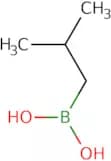
CAS:<p>Please enquire for more information about 2-Methylpyridine-4-boronic acid pinacol ester including the price, delivery time and more detailed product information at the technical inquiry form on this page</p>Fórmula:C12H18BNO2Pureza:Min. 95%Peso molecular:219.09 g/molIsobutylboronic acid
CAS:<p>Isobutylboronic acid is a chemical compound that is used as an antimicrobial treatment for autoimmune diseases. This drug has a polyene structure and inhibits the production of proinflammatory cytokines such as IL-1, TNF-α, and IL-2. Isobutylboronic acid also inhibits the growth of cancer cells in vitro by inhibiting DNA synthesis. Isobutylboronic acid is also used to determine the mechanisms of organometallic compounds. It can be analyzed using liquid chromatography or gas chromatography techniques. The effective dose for this drug is not yet known.</p>Fórmula:C4H11BO2Pureza:Min. 95%Cor e Forma:PowderPeso molecular:101.94 g/molOctadecamethylcyclononasiloxane
CAS:<p>Octadecamethylcyclononasiloxane is a silicon-containing molecule, which has been shown to have antihypertensive activity. It works by inhibiting the production of angiotensin II, a key regulator of blood pressure, and thereby reducing blood pressure. Octadecamethylcyclononasiloxane also exhibits tumor-promoting activities in some animal models. This molecule is used as a surface active agent in many household products such as dishwashing detergents, shampoos, and cosmetics. It is also used as an acid catalyst in organic synthesis and in the manufacture of magnetic particles for use in biotechnology.<br>A fatty acid ester with functional groups that can be found on its surface may contribute to octadecamethylcyclononasiloxane's cancer-promoting activities.</p>Fórmula:C18H54O9Si9Pureza:Min. 95%Cor e Forma:Clear LiquidPeso molecular:667.39 g/molImidazo[1,2-α]pyridin-3-yl-boronic acid pinacol ester
CAS:<p>Imidazo[1,2-a]pyridin-3-yl-boronic acid pinacol ester is a reagent that is used as an intermediate in the synthesis of complex compounds. The compound has been shown to be useful for research purposes and can be used as a building block in the synthesis of chemical compounds. Imidazo[1,2-a]pyridin-3-yl-boronic acid pinacol ester has an CAS number of 1238337-02-4 and is a versatile building block that can be used to synthesize speciality chemicals.</p>Fórmula:C13H17BN2O2Pureza:Min. 95%Cor e Forma:PowderPeso molecular:244.1 g/mol(R)-BoroLeu-(+)-pinanediol-trifluoroacetate
CAS:<p>(R)-BoroLeu-(+)-pinanediol-trifluoroacetate is a complex compound with CAS No. 179324-87-9 and can be used as a reagent, useful intermediate, or fine chemical. It is a versatile building block that can be used in the synthesis of speciality chemicals, research chemicals, and reaction components. This compound has been reported to be a useful scaffold for the synthesis of novel compounds that could have applications in medicine, such as anti-cancer drugs and antibiotics.</p>Fórmula:C17H29BF3NO4Cor e Forma:White Off-White PowderPeso molecular:379.22 g/molN-Ethylbenzene-2,4,6-triphenyl pyridinium tetrafluoroborate
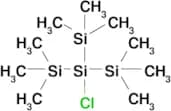
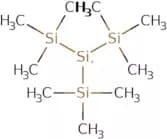
CAS:<p>N-Ethylbenzene-2,4,6-triphenyl pyridinium tetrafluoroborate is a reagent that can be used in chemical reactions. It is a fine chemical and research chemicals with high quality and a versatile scaffold. It is useful as an intermediate in the synthesis of complex compounds. N-Ethylbenzene-2,4,6-triphenyl pyridinium tetrafluoroborate has CAS number 66310-06-3.</p>Fórmula:C31H26N·BF4Pureza:Min. 95%Cor e Forma:PowderPeso molecular:499.35 g/molTris(trimethylsilyl)silane
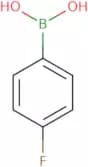
CAS:<p>Tris(trimethylsilyl)silane is a reactive functional group that is used in the synthesis of monoclonal antibodies. It reacts with halides to form an intermediate, which then undergoes chain reactions with other molecules to form the final product. Tris(trimethylsilyl)silane can be used for cancer therapy and for the detection of antibodies. It has been shown that tris(trimethylsilyl)silane will react with a light emitting compound (e.g., 4-dimethylaminopyridine) and a cationic polymerization initiator (e.g., diallyldimethylammonium chloride). This reaction produces high values of light emission, which can be detected by x-ray crystal structures.</p>Fórmula:C9H28Si4Pureza:Min. 97 Area-%Cor e Forma:Clear LiquidPeso molecular:248.66 g/mol4-Fluorophenylboronic acid
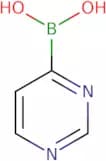
CAS:<p>4-Fluorophenylboronic acid is a boron compound that has been used in molecular modeling and functional assays. It has been shown to be a strong ligand for palladium complexes and can be used to synthesize metal complexes. 4-Fluorophenylboronic acid has also been shown to bind to the CB2 receptor with high affinity and selectivity, making it a potential drug for the treatment of pain. This compound can be synthesized by many different methods, but one of the most common is the synthesis from phenylacetic acid and boron trifluoride gas. The other methods include direct reaction with phenylboronic acid, or by heating anhydrous copper chloride in anhydrous hydrochloric acid with boric acid at high temperatures. Magnetic resonance spectroscopy (MRS) has also been used to study its properties. Canagliflozin is an example of a drug that contains this chemical group as</p>Fórmula:C6H6BFO2Pureza:Min. 95%Cor e Forma:White PowderPeso molecular:139.92 g/molPyrimidine-4-boronic acid
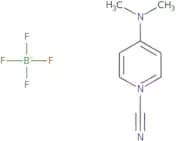
CAS:<p>Pyrimidine-4-boronic acid is a pyrimidine derivative that is used as a building block or intermediate in organic chemistry. It has the CAS number 852362-24-4 and can be found in research chemicals and speciality chemicals. Pyrimidine-4-boronic acid is a versatile chemical with many uses, including as a reaction component or reagent. This compound has many properties that make it useful for synthesis, such as its low toxicity and high quality.</p>Fórmula:C4H5BN2O2Pureza:Min. 95 Area-%Cor e Forma:PowderPeso molecular:123.91 g/mol1-Cyano-4-(dimethylamino)pyridinium tetrafluoroborate
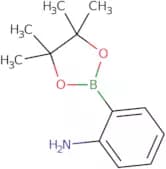
CAS:<p>1-Cyano-4-(dimethylamino)pyridinium tetrafluoroborate (CDAP) is an organic cyanylating agent. It is reactive under acidic conditions giving CDAP an advantage over other sulfhydryl labeling agents, as it can avoid potential thiol-disulfide exchange.</p>Fórmula:C8H10N3BF4Pureza:Min. 98 Area-%Cor e Forma:PowderPeso molecular:234.99 g/mol2-Aminophenylboronic acid pinacol cyclic ester
CAS:<p>This compound is a drug target that is an organic molecule found in many pharmaceuticals. It is an acidic, ammonium persulfate-sensitive biomolecule, which can be introduced into cells and tissues to study their function. This compound has been shown to have cancer-fighting abilities, and has potent inhibitory activity against microbial infections. The compound also has suzuki coupling properties, which are used to introduce hemicyanine groups onto other molecules.</p>Fórmula:C12H18BNO2Pureza:Min. 95%Cor e Forma:White PowderPeso molecular:219.09 g/mol9-Mesityl-2,7-dimethyl-10-phenylacridinium tetrafluoroborate
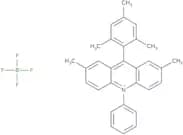
CAS:<p>9-Mesityl-2,7-dimethyl-10-phenylacridinium tetrafluoroborate is a versatile building block and reagent for organic synthesis. It is a fine chemical that is used in the production of research chemicals and speciality chemicals. 9-Mesityl-2,7-dimethyl-10-phenylacridinium tetrafluoroborate can be used as a reaction component to synthesize complex compounds with various functional groups. It has been reported to have high quality, being both useful and stable. CAS NO: 1621020-00-5</p>Fórmula:C30H28BF4NCor e Forma:Yellow PowderPeso molecular:489.35 g/mol(3-Aminophenyl)boronic acid hydrochloride
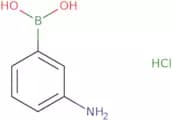
CAS:<p>3-Aminophenylboronic acid hydrochloride is a chemical compound that is used for analytical chemistry, bioconjugate chemistry, and clinical diagnostics. The compound binds to model proteins with high affinity and specificity. 3-Aminophenylboronic acid hydrochloride has been shown to have low binding constants with polyols, which make it ideal for use in cell culture. 3-Aminophenylboronic acid hydrochloride has a pK of 2.7 at pH 7.4, making it acidic at this pH. The compound also has a pK of 9.3 at pH 4.5, making it neutral at this pH. 3-Aminophenylboronic acid hydrochloride is an electrochemically active molecule and can be used as an electrode material in electrochemical impedance spectroscopy experiments.</p>Fórmula:C6H9BClNO2Pureza:Min. 95%Cor e Forma:PowderPeso molecular:173.4 g/mol4-Borono-L-phenylalanine
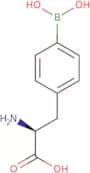
CAS:<p>4-Borono-L-phenylalanine is a boron-containing compound that has been used to study the biological effects of radiation. 4-Borono-L-phenylalanine is an analytical tool for measuring neutron scattering and other physical properties. It has also been used as a biochemical probe in studies of DNA duplexes. 4-Borono-L-phenylalanine is toxic to cells, inhibiting protein synthesis, and it can induce apoptosis in tumor cells. In experimental models, 4-borono-L phenylalanine can be administered orally or intravenously and has shown acute toxicity in animals at doses of up to 1000 mg/kg body weight.</p>Fórmula:C9H12BNO4Pureza:Min. 95%Cor e Forma:White PowderPeso molecular:209.01 g/molN-α-Boc-N-ε-Fmoc-L-lysine
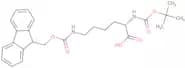
CAS:<p>N-alpha-Boc-N-epsilon-Fmoc-L-lysine is a cyclic peptide that has antimicrobial properties. The peptide is synthesized from the amino acid lysine and contains a sequence of lysine residues. N-alpha-Boc-N-epsilon-Fmoc-L-lysine can be used to treat herpes simplex virus infections and influenza virus infections. It also has the potential to neutralize glycopeptide antibiotics, such as vancomycin, by binding to their cell wall targets and interfering with the function of these molecules. In addition, this peptide can be used to manufacture insulin analogues with improved pharmacokinetic properties and increased stability in blood plasma.</p>Fórmula:C26H32N2O6Pureza:Min. 95%Cor e Forma:White To Off-White SolidPeso molecular:468.54 g/molEthylboronic acid
CAS:<p>Ethylboronic acid is a β-amino acid with a serine protease inhibitory effect. It has been shown to inhibit the Toll-like receptor cascade, which is involved in the inflammatory response. Ethylboronic acid also inhibits the serine proteases that are responsible for cleaving peptides at their carboxy termini. This inhibition leads to an increase in the level of active peptides and a decrease in the level of inactive peptides, which can lead to an antimicrobial effect. Ethylboronic acid also inhibits chloride ion channels, which may lead to new treatments for asthma and cancer.</p>Fórmula:C2H7BO2Pureza:Min. 95%Cor e Forma:PowderPeso molecular:73.89 g/moltert-Butylboronic acid pinacol ester
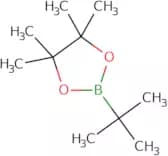
CAS:<p>tert-Butylboronic acid pinacol ester is a fine chemical reagent that is used as a building block in the synthesis of complex compounds. It is an intermediate in reactions involving the conversion of alcohols to esters with the use of acid catalysts. Tert-butylboronic acid pinacol ester has been shown to be a useful scaffold for organic synthesis, and can be used as a high quality reaction component. It also has applications as a research chemical and speciality chemical.</p>Fórmula:C10H21BO2Pureza:Min. 95%Cor e Forma:Clear LiquidPeso molecular:184.08 g/mol3-Aminopropyldiisopropylethoxysilane
CAS:<p>3-Aminopropyldiisopropylethoxysilane (APDS) is a monolayer chemical that is used to modify the surface properties of a variety of substrates. This chemical can be used for patterning, functionalization, and immobilization of biomolecules. APDS has been shown to have a protective effect on cells in culture by preventing oxidation and denaturation of proteins. APDS also has been used for detection methods such as electron microscopy and photoelectron spectroscopy.</p>Fórmula:C10H29NO2Si3Pureza:Min. 95%Cor e Forma:Clear LiquidPeso molecular:279.6 g/mol3-Acetylphenylboronic acid
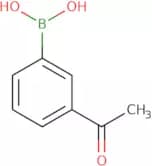
CAS:<p>3-Acetylphenylboronic acid is a functional group with an acetyl group substituted for the hydroxyl group of phenol. 3-Acetylphenylboronic acid has been shown to inhibit cholinesterase through competitive inhibition. It also binds to the endocannabinoid receptor CB1 and competes with anandamide, which is a natural ligand of this receptor. 3-Acetylphenylboronic acid may be used as a replacement for fatty acids in carbon nanotubes because it has the same basic structure but does not react with oxygen or other chemicals. 3-Acetylphenylboronic acid also reacts with metal ions such as copper and zinc, which may be due to its electron withdrawing ability.</p>Fórmula:C8H9BO3Pureza:Min. 98 Area-%Cor e Forma:White Slightly Yellow PowderPeso molecular:163.97 g/molN-α-Fmoc-N-ε-4-methyltrityl-L-lysine
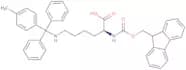
CAS:<p>N-alpha-Fmoc-Nepsilon-methyltrityl-L-lysine is a synthetic amino acid that is used in the industrial production of peptides. It has been used for the synthesis of polypeptides, which are made up of chains of amino acids, and to analyze uptake in urine samples. The uptake was tracked by using a trifluoroacetic acid analog to radiolabel the N-alpha-Fmoc-Nepsilon-methyltrityl-L-lysine. This analog was synthesized from histidine and butyric acid, and its carboxy terminal sequence was determined by solid phase synthesis. N-alpha-Fmoc-Nepsilon methyltrityl L Lysine binds to the receptor site on cells that is responsible for binding histidine residues on proteins.</p>Fórmula:C41H40N2O4Pureza:Min. 95%Cor e Forma:White To Off-White SolidPeso molecular:624.77 g/mol1-Isopropyl-o-carborane
CAS:Produto Controlado<p>1-Isopropyl-o-carborane is a solvent that is used in the preparation of alicyclic and iso-alicyclic compounds. It can be used as an alkylating agent for the preparation of substituted cyclohexanes, butyric acid, and aldehydes. 1-Isopropyl-o-carborane has been shown to react with carbon nuclei to form organometallic reagents. This reaction allows for the substitution of hydrogen atoms in hydrocarbons with other organic groups. 1-Isopropyl-o-carborane is also an organometallic reagent that reacts with butyric acid to form 1,2,3,4,5,6,-hexahydrobenzocyclobuta[cd]pentalene and 1,2,3,4,-tetrahydrobenzocyclobuta[cd]pentalene.</p>Pureza:Min. 95%1,3-Dichloro-1,1,3,3-tetraisopropyldisiloxane
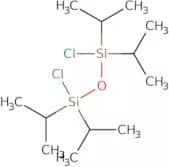
CAS:<p>1,3-Dichloro-1,1,3,3-tetraisopropyldisiloxane is a chromatographic stationary phase that has been used for the analysis of oligosaccharides and hydrogen bonds. 1,3-Dichloro-1,1,3,3-tetraisopropyldisiloxane has been shown to be useful in the separation of uridine from other nucleotides. It also has been shown to be useful as a titration calorimetry standard. This stationary phase can be used with fluorescence spectrometry and tryptophan fluorescence for structural analysis of pyrimidine compounds. Molecular modeling studies have also demonstrated that this stationary phase is stereoselective with regards to hydroxyl group emissions. The 1,3-Dichloro-1,1,3,3-tetraisopropyldisiloxane stationary phase is</p>Fórmula:C12H28Cl2OSi2Pureza:Min. 95%Cor e Forma:Colorless Slightly Yellow Clear LiquidPeso molecular:315.43 g/mol(1R,2R,3S,5R)-Pinanediol pyrrolidine-2S-boronate hydrochloride
CAS:<p>(1R,2R,3S,5R)-Pinanediol pyrrolidine-2S-boronate hydrochloride is a reagent that can be used in the synthesis of complex compounds. It is a fine chemical with CAS No. 149716-73-4. (1R,2R,3S,5R)-Pinanediol pyrrolidine-2S-boronate hydrochloride has a number of uses including as an intermediate for the preparation of speciality chemicals and as a building block for reactions in research. This compound is also useful as a versatile building block for many reactions.</p>Fórmula:C14H25BClNO2Pureza:Min. 95%Cor e Forma:PowderPeso molecular:285.62 g/mol(4-(Methylcarbamoyl)phenyl)boronic acid
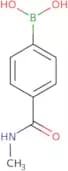
CAS:<p>Please enquire for more information about (4-(Methylcarbamoyl)phenyl)boronic acid including the price, delivery time and more detailed product information at the technical inquiry form on this page</p>Fórmula:C8H10BNO3Pureza:Min. 95%Cor e Forma:PowderPeso molecular:178.98 g/molDimethyl(methylthio)sulfonium Tetrafluoroborate
CAS:<p>Dimethyl(methylthio)sulfonium Tetrafluoroborate (DMTSBF) is a synthetic, activated, nucleophilic reagent that has the ability to cleave disulfide bonds in proteins. DMTSBF is used for the synthesis of fatty acids and other organic compounds. It can also be used as an analytical reagent for determining the blood group of proteins. The chloride ion is necessary for this reaction. DMTSBF reacts with a nucleophile (e.g., hydroxyl, amine, thiol) to form a new bond and release sodium carbonate and silver trifluoromethanesulfonate.</p>Fórmula:C3H9BF4S2Pureza:Min. 95%Cor e Forma:PowderPeso molecular:196.04 g/mol2,3-Dichlorophenylboronic acid
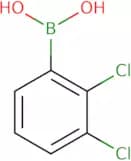
CAS:<p>2,3-Dichlorophenylboronic acid is a boron-containing compound. It is a substrate for the enzyme phosphatase and has been shown to inhibit the activity of the SHP2 protein kinase in vitro. This inhibition can lead to programmed cell death via apoptosis and necrosis. 2,3-Dichlorophenylboronic acid has also been shown to inhibit the growth of erythromycin resistant bacteria. The two isomers are not equally active. Dichloro(phenyl)boronic acid (1) is more potent than dichlorobis(phenyl)boronic acid (2).</p>Fórmula:C6H5BCl2O2Pureza:Min. 97.5 Area-%Cor e Forma:White PowderPeso molecular:190.82 g/molN-Methyl-N-trimethylsilylacetamide
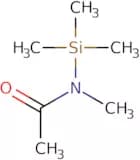
CAS:<p>N-Methyl-N-trimethylsilylacetamide is a bifunctional amide that can react with an electrophile, such as hexane, to form an N-methylated product. The amide group of the molecule can also be deprotonated by a strong base to form an enolate, which can then react with a nucleophile. The NMR spectra of this compound show that it has a multinuclear structure and contains two tautomers. It is used in analytical chemistry for sample preparation, chromatographic science for reaction intermediates, and chemical study for its reactivity.</p>Fórmula:C6H15NOSiPureza:Min. 97 Area-%Cor e Forma:Clear LiquidPeso molecular:145.27 g/mol3-Cyanophenylboronic acid
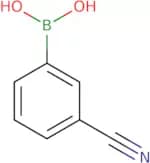
CAS:<p>3-Cyanophenylboronic acid is an organic compound that has been shown to have antimicrobial activity against Pseudomonas aeruginosa. The synthetic pathway of this compound begins with the benzamidine, which reacts with dibutyltin oxide to form 3-cyanophenylboronic acid. This molecule can then be reacted with a cationic polymerization agent such as polyethyleneimine or polyallylamine, producing a polymerized product. When tested in humans, 3-cyanophenylboronic acid showed a high oral bioavailability and low plasma protein binding. It also has a short serum half-life and is metabolized by serine proteases in the liver.</p>Fórmula:C7H6BNO2Pureza:Min. 95%Cor e Forma:PowderPeso molecular:146.94 g/mol2-Chloro-1-methylquinolinium tetrafluoroborate
CAS:<p>2-Chloro-1-methylquinolinium tetrafluoroborate (2CQBF) is a synthetic compound that inhibits protein synthesis. It has been used as an analytical reagent for the determination of proteins, including those in urine samples. 2CQBF has been shown to be effective in the treatment of cancer and other diseases, such as lupus erythematosus, arthritis, and psoriasis.</p>Fórmula:C10H9ClN•BF4Pureza:Min. 95%Cor e Forma:White PowderPeso molecular:265.44 g/moltrans-1-Propen-1-yl-boronic acid
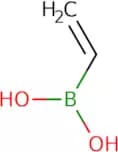
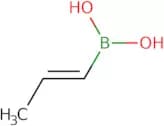
CAS:<p>Trans-1-propenylboronic acid is a boronic acid that can be used to synthesize chiral compounds. It is a product of the Sharpless asymmetric dihydroxylation reaction and has been shown to inhibit the activity of aldehyde oxidase. Trans-1-propenylboronic acid is reusable, which makes it an economical alternative to other boronic acids. The enantiomer of trans-1-propenylboronic acid can be obtained by the Suzuki coupling reaction with a variety of different electrophiles. This product also forms hydrogen bonds with the substrate and has shown anti-inflammatory effects in mice. Trans-1-propenylboronic acid can also undergo oxidation, reduction, or cyclization reactions and can form monosubstituted alicyclic products.</p>Fórmula:C3H7BO2Pureza:Min. 95%Cor e Forma:SolidPeso molecular:85.9 g/molTrimethylsilylacetylene
CAS:<p>Trimethylsilylacetylene is a chemical compound that belongs to the class of organic compounds. It is an intermediate in the production of fatty acids and has been shown to be involved in the metabolism of other compounds, such as halides. Trimethylsilylacetylene is also used to inhibit inflammatory diseases and metabolic disorders, such as diabetes mellitus and Alzheimer's disease. Trimethylsilylacetylene inhibits replication by binding to the amine group on purine bases or DNA at the replication fork. This prevents DNA synthesis, which prevents cell division, causing cells to die. Trimethylsilylacetylene also inhibits cell division by reacting with carbonyl groups on proteins during replication.</p>Fórmula:C5H10SiPureza:Min. 95%Cor e Forma:Colorless Clear LiquidPeso molecular:98.22 g/molDimethylammonium tetrafluoroborate
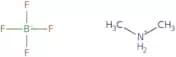
CAS:Produto Controlado<p>Dimethylammonium tetrafluoroborate is a reagent that is used in organic chemistry. It is a solid with a melting point of -56°C and can be synthesized by the reaction of ethyl amine and hexafluoro-2-butyne. This reagent has been used to synthesize quaternary ammonium salts, anions, and aliphatic hydrocarbons. Dimethylammonium tetrafluoroborate is also employed as a solvent for some devices due to its physicochemical properties, including its low boiling point and high dielectric constant.</p>Fórmula:C2H8BF4NPureza:Min. 95%Peso molecular:132.9 g/mol3-Aminophenylboronic acid hemisulphate
CAS:<p>3-Aminophenylboronic acid hemisulphate is a cross-linking agent that has been shown to induce apoptosis in mammalian cells. It also has the ability to bind to glycan, a sugar molecule on the surface of cells. The binding of 3-aminophenylboronic acid hemisulphate induces morphogenetic protein (MP) secretion, which leads to cell death. This compound is used as an adjuvant in vaccines and also as a research reagent for studying protein sequences and antigen/antibody interactions.</p>Fórmula:C6H8BNO2•(H2SO4)0Pureza:Min. 95%Cor e Forma:White PowderPeso molecular:185.98 g/mol(3R,4R)-4-Acetoxy-3-[(R)-1-(tert-butyldimethylsilyloxy)ethyl]-2-azetidinone
CAS:<p>(3R,4R)-4-Acetoxy-3-[(R)-1-(tert-butyldimethylsilyloxy)ethyl]-2-azetidinone is a versatile building block that can be used as a reagent and speciality chemical. It is also a useful scaffold for the synthesis of complex compounds. It has been shown to be useful in the manufacture of research chemicals and other fine chemicals. This compound is characterized by its high quality and can be used as an intermediate in reactions involving nucleophilic substitution, alkylation, acylation, esterification, and amination.</p>Fórmula:C13H25NO4SiPureza:Min. 98 Area-%Cor e Forma:White PowderPeso molecular:287.43 g/molPoly(methylhydrosiloxane)
CAS:<p>Polymethylhydrosiloxane is a polymer that is used in coatings and adhesives. It has been shown to be an efficient aid for removing copper chloride from water and can be applied to the treatment of calcium carbonate sludge. Poly(methylhydrosiloxane) also has high affinity for fatty esters, which is important for its use as a mass analyzer in environmental pollution studies. This polymer has been shown to have excellent kinetic and optical properties, making it a good candidate for electrochemical studies.</p>Cor e Forma:Colorless Clear Liquid6-Chloro-2-fluoropyridine-3-boronic acid
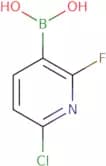
CAS:<p>6-Chloro-2-fluoropyridine-3-boronic acid is a versatile building block for the synthesis of complex compounds, which can be used as a reagent in research or as a speciality chemical. This compound can be used as an intermediate, reaction component, or scaffold to synthesize other more complex structures. 6-Chloro-2-fluoropyridine-3-boronic acid is available in high quality and has CAS No. 1256345-66-0.</p>Fórmula:C5H4BClFNO2Pureza:Min. 95%Cor e Forma:Light (Or Pale) Orange SolidPeso molecular:175.35 g/mol



![Dimethyloctadecyl[3-(Trimethoxysilyl)propyl]ammonium chloride, 60% in methanol](/_next/image/?url=https%3A%2Fstatic.cymitquimica.com%2Fproducts%2F10%2Fthumb-webp%2FS12226.webp&w=3840&q=75)


![Diethyl 2-[3-(triethoxysilyl)propyl]malonate](/_next/image/?url=https%3A%2Fstatic.cymitquimica.com%2Fproducts%2F10%2Fthumb-webp%2FS06550.webp&w=3840&q=75)





![N-[3-(Triethoxysilyl)propyl]-4,5-dihydroimidazole](/_next/image/?url=https%3A%2Fstatic.cymitquimica.com%2Fproducts%2F10%2Fthumb-webp%2FS17250.webp&w=3840&q=75)
![(30-35% DODECYLMETHYLSILOXANE)-[7-10% HYDROXY(POLYETHYLENEOXY(6-9)PROPYL)METHYLSILOXANE]-(55-65% D…](/_next/image/?url=https%3A%2Fstatic.cymitquimica.com%2Fproducts%2F10%2Fthumb-webp%2FF989380.webp&w=3840&q=75)


![4-[(tert-Butyldimethylsilyl)oxy]benzaldehyde](/_next/image/?url=https%3A%2Fstatic.cymitquimica.com%2Fproducts%2F3B%2Fthumb-webp%2FD6404.webp&w=3840&q=75)





























![Imidazo[1,2-α]pyridin-3-yl-boronic acid pinacol ester](/_next/image/?url=https%3A%2Fstatic.cymitquimica.com%2Fproducts%2F3D%2Fthumb-webp%2FFI51745.webp&w=3840&q=75)






![(3R,4R)-4-Acetoxy-3-[(R)-1-(tert-butyldimethylsilyloxy)ethyl]-2-azetidinone](/_next/image/?url=https%3A%2Fstatic.cymitquimica.com%2Fproducts%2F3D%2Fthumb-webp%2FFA16979.webp&w=3840&q=75)