Bioquímicos e reagentes
Os bioquímicos e reagentes são substâncias fundamentais para a pesquisa e desenvolvimento em campos como biotecnologia, biologia molecular, farmacologia e medicina. Esses produtos são essenciais para uma variedade de aplicações, incluindo a síntese de compostos, a análise de amostras biológicas, a pesquisa de processos metabólicos e a produção de medicamentos. Na CymitQuimica, oferecemos uma ampla seleção de bioquímicos e reagentes de alta qualidade e pureza, adequados para diversas necessidades científicas e industriais. Nosso catálogo inclui enzimas, anticorpos, ácidos nucleicos, aminoácidos e muitos outros produtos, todos projetados para apoiar pesquisadores e profissionais em seus projetos de pesquisa e desenvolvimento, garantindo resultados confiáveis e reproduzíveis.
Subcategorias de "Bioquímicos e reagentes"
- Biomoléculas(99.112 produtos)
- Por Alvo Biológico(100.637 produtos)
- Por uso/Efeitos Farmacológicos(6.815 produtos)
- Compostos relacionados à criopreservação e aos crioconservantes(21 produtos)
- Desinfetantes, aditivos para aquecimento de líquidos de banho e compostos relacionados(28 produtos)
- Hormónios(346 produtos)
- Biologia Vegetal(6.727 produtos)
- Metabólitos secundários(14.352 produtos)
Foram encontrados 130624 produtos de "Bioquímicos e reagentes"
Ordenar por
Pureza (%)
0
100
|
0
|
50
|
90
|
95
|
100
BT-11
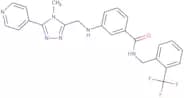
CAS:<p>BT-11 is a synthetase that is expressed in the human intestine. It has been shown to have a role in allergic symptoms and clinical pathology, as well as enzyme activities such as those of the inflammatory cytokine TNF-α. BT-11 has also shown insect resistance in a model system and can be used for the production of pharmaceuticals. BT-11 has been shown to cause neuronal death when administered to humans, suggesting it may play a role in bowel disease.<br> As an enzyme, BT-11 is involved with polymerase chain reaction (PCR) and DNA template synthesis. BT-11 is toxic to humans at high doses, but has not been found toxic at low doses.</p>Fórmula:C30H24N8O2Pureza:Min. 95%Peso molecular:528.56 g/molRef: 3D-MBD39975
Produto descontinuado2-(3-Cyano-4-propoxyphenyl)-4-methylthiazole-5-carboxylic acid
CAS:<p>2-(3-Cyano-4-propoxyphenyl)-4-methylthiazole-5-carboxylic acid is a potent and selective inhibitor of the human erythrocyte type IIA phosphodiesterase (PDE2). This enzyme is responsible for the hydrolysis of cAMP, which results in vasodilation. 2-(3-Cyano-4-propoxyphenyl)-4-methylthiazole-5-carboxylic acid has been shown to inhibit PDE2 with an IC50 value of 0.6 μM, making it a valuable research tool for studies on cell biology, pharmacology, and receptor binding.</p>Fórmula:C15H14N2O3SPureza:Min. 95%Peso molecular:302.4 g/molRef: 3D-FLC30887
Produto descontinuadoD-Threonic acid lithium salt
CAS:<p>D-Threonic acid lithium salt is a cell signaling molecule that belongs to the class of ligands. It has been used as a research tool in pharmacology and protein interaction studies. D-Threonic acid lithium salt can activate ion channels, which are cellular membrane proteins that allow ions to flow in or out of cells. D-Threonic acid lithium salt also interacts with receptors, which are proteins on the surface of cells that receive chemical signals from outside the cells. Receptors can be either agonists or antagonists. D-Threonic acid lithium salt is a ligand for receptor tyrosine kinase, which is involved in cell growth and differentiation.</p>Fórmula:C4H8O5·LiPureza:Min. 95%Ref: 3D-VAA24626
Produto descontinuadoCCG-100602
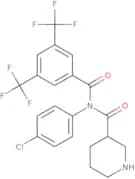
CAS:<p>CCG-100602 is a small molecule inhibitor that binds to the actin filament and prevents the assembly of actin filaments. This allows for the disruption of cytoskeleton dynamics and cell lysis. CCG-100602 has been shown to be effective in reducing cellular proliferation and inducing apoptosis in cancer cells, as well as inhibiting HIV replication. The drug also decreases blood pressure, which may be due to its ability to inhibit collagen production in vascular smooth muscle cells. CCG-100602 also inhibits pro-inflammatory cytokines by binding to their receptors on the cell surface, thereby reducing inflammation. CCG-100602 is a potent inhibitor of growth factor signaling pathways and has potential therapeutic applications in regenerative medicine and wound healing.</p>Fórmula:C21H17ClF6N2O2Pureza:Min. 95%Peso molecular:478.8 g/molRef: 3D-HYB11388
Produto descontinuadoGalosemide
CAS:<p>Galosemide is a drug that belongs to the class of organic acids. It is used in the treatment of congestive heart failure and hypertension. This drug binds to specific target proteins, which are present in the heart muscle cells, to lower blood pressure by preventing arrhythmia. The trifluoromethyl group on galosemide allows it to bind with high affinity and specificity to these target proteins. Galosemide also has been shown to affect cardiac metabolism by lowering levels of lipids (dyslipidemia) and reducing ventricular dysfunction due to its ability to decrease cardiac energy consumption. Galosemide may be administered orally or intravenously as a reconstituted solution. It can be diluted with water for injection or mixed with other diluents such as glucose, mannitol, dextrose, or sodium chloride for oral use.</p>Fórmula:C15H14F3N3O3SPureza:Min. 95%Peso molecular:373.4 g/molRef: 3D-CCA15791
Produto descontinuadoInsulin, human
<p>Insulin is a peptide hormone that is produced by beta cells in the pancreas. Insulin has several important functions, including regulation of blood sugar levels, lipid metabolism and protein synthesis. It is also involved in the regulation of cellular growth and proliferation. Insulin binds to insulin receptors on the surface of cells, activating them and allowing for the uptake of glucose into cells and storage as glycogen. Insulin is a ligand for the insulin receptor. It can also bind to other receptors, such as IGF1R, which causes activation of PI3K/AKT pathway. Insulin is an antibody that can be used as research tool or cell biology reagent.<br>INSULIN CAN BE USED TO:<br>- Measure blood sugar levels<br>- Monitor diabetes<br>- Treat diabetes<br>- Control weight gain<br>- Improve muscle mass</p>Lyn peptide inhibitor
CAS:<p>Lyn peptide inhibitor is a targeted peptide-based inhibitor derived synthetically to interact specifically with the Lyn kinase signaling pathway. As a research tool, it serves to elucidate the functional dynamics of Lyn kinase, which belongs to the Src family of tyrosine kinases involved in signal transduction processes critical to cellular differentiation, proliferation, and survival.</p>Fórmula:C115H184N30O24Pureza:Min. 95%Peso molecular:2,370.9 g/molRef: 3D-XIA01818
Produto descontinuadoEtnipromid
CAS:<p>Etnipromid is an analog of oseltamivir that has been shown to have potent anticancer activity. It works by inhibiting kinases, which are enzymes that play a key role in tumor growth and survival. Etnipromid has been found to be a highly effective inhibitor of protein kinases in Chinese hamster ovary cells and human cancer cell lines. It induces apoptosis, or programmed cell death, in cancer cells and has been shown to be effective against a variety of cancers. Etnipromid's ability to inhibit kinase activity makes it a promising candidate for the development of new cancer therapies.</p>Fórmula:C17H16Cl2N2O5Pureza:Min. 95%Peso molecular:399.2 g/molRef: 3D-BDA12022
Produto descontinuado(Z)-3-((3-((4-(Morpholinomethyl)-1H-pyrrol-2-yl)methylene)-2-oxoindolin-5-yl)methyl)thiazolidine-2,4-dione
CAS:<p>(Z)-3-((3-((4-(Morpholinomethyl)-1H-pyrrol-2-yl)methylene)-2-oxoindolin-5-yl)methyl)thiazolidine-2,4-dione is a formula that has been shown to block the n type calcium channels. It has been shown to be effective in treating pathological conditions such as chronic pain and epilepsy. This drug blocks the calcium channels and can help treat a variety of disorders such as chronic pain, epilepsy, hypertension, and angina.</p>Fórmula:C22H23ClN4O4SPureza:Min. 95%Peso molecular:475 g/molRef: 3D-QAC96631
Produto descontinuadoN-Methyl-3-(1-methyl-1H-imidazol-4-yl)-4-((4-(trifluoromethyl)phenyl)amino)benzenesulfonamide
CAS:<p>Please enquire for more information about N-Methyl-3-(1-methyl-1H-imidazol-4-yl)-4-((4-(trifluoromethyl)phenyl)amino)benzenesulfonamide including the price, delivery time and more detailed product information at the technical inquiry form on this page</p>Fórmula:C18H17F3N4O2SPureza:Min. 95%Peso molecular:410.4 g/molRef: 3D-QRD60813
Produto descontinuadoDbrd9-A
CAS:<p>Dbrd9-A is a potent inhibitor of several kinases and has been found to induce apoptosis in cancer cells. It is derived from Chinese urine and has shown promising results as an anticancer agent. Dbrd9-A has been found to be effective against tumor growth in both human and animal models, including those resistant to other chemotherapeutic agents. This analog of capsaicin, a compound found in chili peppers, has been shown to inhibit the activity of several protein kinases involved in cancer cell proliferation and survival. Dbrd9-A holds great potential as a novel therapeutic option for the treatment of various types of cancer.</p>Fórmula:C42H49N7O8Pureza:Min. 95%Peso molecular:779.9 g/molRef: 3D-VLD67942
Produto descontinuadoErythro-3,4-dimethyl-alpha-[1-(methylamino)ethyl]benzylalcohol hydrochloride
CAS:Produto Controlado<p>Erythro-3,4-dimethyl-alpha-[1-(methylamino)ethyl]benzylalcohol hydrochloride is a synthetic compound, which is a derivative obtained through intricate chemical synthesis. It functions primarily as a norepinephrine-dopamine reuptake inhibitor, thereby influencing the synaptic levels of these neurotransmitters by blocking their reabsorption into presynaptic neurons, which increases their availability in the synaptic cleft.</p>Fórmula:C12H19NOPureza:Min. 95%Peso molecular:193.28 g/molRef: 3D-EAA86561
Produto descontinuadoOsimertinib d6
CAS:<p>Please enquire for more information about Osimertinib d6 including the price, delivery time and more detailed product information at the technical inquiry form on this page</p>Fórmula:C28H33N7O2Pureza:Min. 95%Peso molecular:505.6 g/molRef: 3D-NQC28144
Produto descontinuado(±)-Acylfulvene
CAS:<p>(±)-Acylfulvene is a potent inhibitor of cancer cell growth and has been used in Chinese medicinal practices for its anticancer properties. It induces apoptosis, or programmed cell death, in cancer cells by binding to specific proteins and inhibiting their function. (±)-Acylfulvene is an analog of a naturally occurring compound found in human urine that has been shown to have inhibitory effects on kinases, which are important in the regulation of cell growth and division. This inhibitor has been studied extensively as a potential treatment for various types of tumors due to its ability to selectively target cancer cells while sparing healthy cells.</p>Fórmula:C14H16O2Pureza:Min. 95%Peso molecular:216.27 g/molRef: 3D-IBA78160
Produto descontinuadoTFP-dPEG®12-Biotinidase Resistant Biotin
CAS:<p>TFP-dPEG®12-Biotinidase Resistant Biotin is a PEG compound with two different functional groups (also known as heterobifunctional). Unlike homobifunctional PEG compounds (same functional group on both ends), this type of compounds are more versatile as have two different anchor points. TFP-dPEG®12-Biotinidase Resistant Biotin is used as a linker and spacer to add a PEG moiety, via pegylation (a bioconjugation technique) to proteins, peptides, oligonucleotides, small molecules and nanoparticles.</p>Fórmula:C14H26O9Pureza:Min. 95%Peso molecular:338.35 g/molN-Nitrosopendimethalin
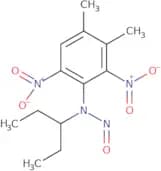
CAS:<p>N-Nitrosopendimethalin is a potent inhibitor of kinase activity, which is essential for the function of many proteins in the human body. It is an analog of a medicinal compound that has been shown to induce tumor cell apoptosis and has potential as an anticancer agent. N-Nitrosopendimethalin inhibits the activity of Chinese hamster ovary cell kinases, which are involved in cancer cell proliferation and survival. This compound has also been detected in urine samples, indicating its potential as a biomarker for cancer diagnosis and monitoring. As an inhibitor of protein kinases, N-Nitrosopendimethalin shows promise as a therapeutic agent for various types of cancer.</p>Fórmula:C13H18N4O5Pureza:Min. 95%Peso molecular:310.31 g/molRef: 3D-TCA89750
Produto descontinuado(1R,2R)-N1,N1-Dimethyl-N2-(3-methyl-1,2,4-triazolo[3,4-a]phthalazin-6-yl)-1-phenyl-1,2-propanediamine
CAS:<p>(1R,2R)-N1,N1-Dimethyl-N2-(3-methyl-1,2,4-triazolo[3,4-a]phthalazin-6-yl)-1-phenyl-1,2-propanediamine is a research tool with the CAS No. 2084850-77-9 and belongs to the class of peptides. It is an inhibitor of ion channels and ligand for receptors. This product is a high purity reagent suitable for use in cell biology and pharmacology research. The chemical structure of this compound has not yet been characterized.</p>Fórmula:C21H24N6Pureza:Min. 95%Peso molecular:360.46 g/molRef: 3D-JID85077
Produto descontinuadoEstriol-d1
CAS:Produto Controlado<p>Please enquire for more information about Estriol-d1 including the price, delivery time and more detailed product information at the technical inquiry form on this page</p>Fórmula:C18H24O3Pureza:Min. 95%Peso molecular:289.4 g/molRef: 3D-FCA72798
Produto descontinuadoE3 Ligase ligand 6
CAS:<p>E3 Ligase ligand 6 is a protein that may be used as a research tool in cell biology, pharmacology, and receptor studies. It is a ligand of the E3 ligase that can be used to activate or inhibit receptor-ligand interactions. This protein has been shown to have high purity and can be used for various applications.</p>Fórmula:C24H31F3N4O5SPureza:Min. 95%Peso molecular:544.6 g/molRef: 3D-GQC13751
Produto descontinuadoCathepsin Inhibitor 1
CAS:<p>Cathepsin Inhibitor 1 is a selective chemical inhibitor specifically targeting cathepsin enzymes, which is derived through synthetic processes. Cathepsins are proteolytic enzymes predominantly found in lysosomes and play a crucial role in intracellular protein degradation. By inhibiting these enzymes, Cathepsin Inhibitor 1 effectively prevents the breakdown of protein substrates, thus allowing for the regulation of various cellular processes such as apoptosis, antigen presentation, and tissue remodeling.</p>Fórmula:C20H24ClN5O2Pureza:Min. 95%Peso molecular:401.89 g/molRef: 3D-AJA12065
Produto descontinuadoKS 176
CAS:<p>Inhibitor of breast cancer resistance protein (BCRP)</p>Fórmula:C22H19N3O5Pureza:Min. 95%Peso molecular:405.4 g/mol3-((2S)-2-Azetidinylmethoxy)-5-iodo-pyridine
CAS:3-((2S)-2-Azetidinylmethoxy)-5-iodo-pyridine is a neuroprotective agent that binds to the α7 nicotinic acetylcholine receptor. It has been shown to be active in animal models of stroke, Parkinson's disease, and Alzheimer's disease. The effects of 3-((2S)-2-Azetidinylmethoxy)-5-iodo-pyridine on glutamate toxicity were studied in Sprague Dawley rats. This compound was found to be protective against glutamate toxicity when administered before the glutamate insult. Functional assays revealed that 3-(2S)-2-azetidinylmethoxy) 5-iodo pyridine is a potent agonist for the α7 nicotinic acetylcholine receptor subunit.Fórmula:C9H11IN2OPureza:Min. 95%Peso molecular:290.1 g/molRef: 3D-NIA55082
Produto descontinuadoOxcarbazepine - Bio-X ™
CAS:Produto Controlado<p>Oxcarbazepine is an anti-epileptic drug that is used for the treatment of partial-onset seizures. Although, the mechanism of action for this drug is unclear, it is said to involve the blockage of voltage-gated sodium channels. As a result, the firing of the action potentials which lead to seizures are reduced and so seizure activity is inhibited.</p>Fórmula:C15H12N2O2Pureza:Min. 95%Cor e Forma:PowderPeso molecular:252.27 g/mol3-(1-Piperidinyl)-5-[[2-(1-pyrrolidinyl)ethyl]amino]-6H-anthra[1,9-cd]isoxazol-6-one
CAS:<p>3-(1-Piperidinyl)-5-[[2-(1-pyrrolidinyl)ethyl]amino]-6H-anthra[1,9-cd]isoxazol-6-one is a chemical compound. It is a potent and selective inhibitor of the aminopeptidase N (APN). APN plays an important role in the degradation of neuropeptides, such as substance P and vasoactive intestinal polypeptide. 3-(1-Piperidinyl)-5-[[2-(1-pyrrolidinyl)ethyl]amino]-6H-anthra[1,9-cd]isoxazol-6-one was shown to inhibit APN activity by binding to its active site.</p>Fórmula:C25H28N4O2Pureza:Min. 95%Peso molecular:416.5 g/molRef: 3D-CLB27944
Produto descontinuadoZamifenacin
CAS:<p>Zamifenacin is an activator of GABA receptors that blocks the flow of ions across nerve cell membranes. It is used in the treatment of overactive bladder and urinary incontinence. Zamifenacin is a potent inhibitor of ion channels, which are integral to the function of neurons and other cells in the body. Zamifenacin binds to specific regions on peptides called ligands, which are also found on ion channels. Zamifenacin has been shown to inhibit the binding of antibodies to receptor sites on cells, which may provide a possible mechanism for its anti-inflammatory effects.</p>Fórmula:C27H29NO3Pureza:Min. 95%Peso molecular:415.5 g/molRef: 3D-CFA30882
Produto descontinuadoFmoc-His(trt)-Aib-OH
<p>Please enquire for more information about Fmoc-His(trt)-Aib-OH including the price, delivery time and more detailed product information at the technical inquiry form on this page</p>Fórmula:C44H40N4O5Pureza:Min. 95%Peso molecular:704.83 g/molRef: 3D-BF183722
Produto descontinuadoMonacolin L acid
CAS:<p>Monacolin L acid is an analog of the natural compound lovastatin, which is found in Chinese red yeast rice. It has been shown to have potent anticancer activity by inhibiting kinases involved in cancer cell growth and survival. Monacolin L acid specifically targets human protein kinase C epsilon (PKCε) and induces apoptosis in tumor cells, making it a promising candidate for cancer therapy. This compound has also been found to inhibit the activity of rifampicin, an antibiotic used to treat tuberculosis infections. Additionally, Monacolin L acid has been detected in human urine after consumption of red yeast rice supplements, indicating its potential as a dietary supplement for cancer prevention and treatment.</p>Fórmula:C19H30O4Pureza:Min. 95%Peso molecular:322.4 g/molRef: 3D-HFA68503
Produto descontinuadoFluindione-d4
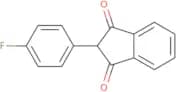
CAS:<p>Fluindione-d4 is an analog of the medicinal compound fluindione that has been labeled with deuterium to aid in its study. This compound is a potent inhibitor of protein kinases, which are enzymes that play a key role in cancer cell growth and tumor formation. Fluindione-d4 has shown promising anticancer activity in both human and Chinese hamster cells, inducing apoptosis and inhibiting the growth of cancer cells. This compound has also been used as a tool for studying kinase inhibitors and their effects on cancer cells. Fluindione-d4 can be detected in urine samples, making it useful for monitoring drug metabolism and pharmacokinetics.</p>Fórmula:C15H9FO2Pureza:Min. 95%Peso molecular:240.23 g/molRef: 3D-WZB82041
Produto descontinuadoGrams iodine stain
CAS:<p>Grams iodine stain is a chemical reagent that is used to detect the presence of bacteria. It can be used on both leaves and human fecal samples. The procedure involves placing a small amount of bacteria on an agar plate. The bacteria are then stained with an iodine solution, which reacts with the fatty acids in the cell walls to produce a black precipitate. This process allows for the detection of bacterial colonies by their black color. The Gram stain is named after the Danish bacteriologist Hans Christian Gram, who developed it in 1884.</p>Fórmula:I3K3Pureza:Min. 95%Peso molecular:498.01 g/molRef: 3D-MAA29868
Produto descontinuadorac Mepindolol
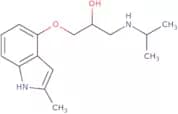
CAS:<p>rac Mepindolol is a beta-adrenergic antagonist, which is a synthetic compound with non-selective beta-blocking activity. Derived from synthetic chemical synthesis, it functions by competitively inhibiting sympathetic neurotransmitters, such as epinephrine and norepinephrine, at beta-adrenergic receptors. This leads to a reduction in heart rate, myocardial contractility, and overall sympathetic activity.</p>Fórmula:C15H22N2O2Pureza:Min. 95%Peso molecular:262.35 g/molCoprine
CAS:<p>Coprine is a potent inhibitor of human kinases that has been shown to have anticancer properties. It has been found to inhibit the growth of cancer cells in Chinese hamsters and humans by inducing apoptosis, a process that leads to programmed cell death. Coprine is an analog of linezolid, an antibiotic used to treat bacterial infections. It has been shown to be effective against tumor cells in vitro and in vivo. Coprine may also have potential as an anticancer drug due to its ability to inhibit kinases involved in cell proliferation and survival. Additionally, coprine has been found in the urine of individuals who consume mushrooms containing this compound, such as Coprinus atramentarius. Artesunate, another potential anticancer drug, has been found to act as a synergistic inhibitor of coprine's kinase activity.</p>Fórmula:C8H14N2O4Pureza:Min. 95%Peso molecular:202.21 g/molHuman IgG3 (hinge) Heavy Tryptic Peptide Standard (4nmol)
<p>Human IgG3 (hinge) heavy tryptic peptide standard for use in protein identification and quantitation studies. Human IgG3 is one of the four subclasses of IgG and it induces complement-mediated cellular lysis. Its hinge region is extended and is made up of 62 amino acids.</p>Pureza:Min. 95%Dihydrexidine hydrochloride
CAS:<p>Dihydrexidine hydrochloride is a dopamine transport inhibitor that binds to the dopamine transporter. This drug has been shown to bind to the d2 receptor and increase levels of dopamine in the brain, which may have a beneficial effect on cognition. Dihydrexidine hydrochloride also modulates catechol-o-methyltransferase and thereby prevents the breakdown of catecholamines such as dopamine. It has been used for depression and opioid analgesia. Dihydrexidine hydrochloride is a prodrug that undergoes rapid metabolism by esterases or glucuronidases to dihydrexidine, its active form. Dihydrexidine hydrochloride has been shown to bind specifically to an antigen present in maleate-treated rats, but not in control rats, suggesting that there is a reaction between these two substances. The phosphate ions are required for this reaction.br>br></p>Fórmula:C17H18ClNO2Pureza:Min. 95%Peso molecular:303.8 g/molRef: 3D-MFA41708
Produto descontinuado18:1 Lyso PE
CAS:<p>18:1 Lyso PE is a fatty acid that is a major product of the microbial metabolism of 18:1 Linoleic acid. This molecule has been shown to be a potential biomarker for insulin resistance, as it is found in higher concentrations in the blood of insulin-resistant individuals. 18:1 Lyso PE also has an inhibitory effect on insulin sensitivity, and may be important in the development of diabetes.</p>Fórmula:C23H46NO7PPureza:Min. 95%Peso molecular:479.59 g/molRef: 3D-PDA57629
Produto descontinuadoZL0420
CAS:<p>ZL0420 is a histone lysine protein inhibitor. It is a small molecule that binds to the bromodomain and inhibits the interaction of histone H3 with the dextran sulfate, preventing transcriptional activation. ZL0420 has been shown to inhibit cancer cell growth in vitro and in vivo. It also inhibits inflammatory gene expression in cultured human colon cells and reduces inflammation in mice with bowel disease. ZL0420 is currently being studied for its potential to treat inflammatory bowel disease and other conditions such as cancer, which are characterized by aberrant epigenetic changes.</p>Fórmula:C16H16N4O2Pureza:Min. 95%Peso molecular:296.32 g/molRef: 3D-EPD03945
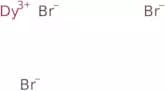
Produto descontinuadoDysprosium(III) bromide
CAS:<p>Dysprosium(III) bromide is an ionic compound that is an essential component of many high-temperature superconductors. This compound has a stoichiometric ratio of 1:1, which means that the number of dysprosium atoms in the formula is equal to the number of bromide ions. The experimental transport properties for this compound have been determined using a series of experiments. Transport activity coefficients and transition temperatures were calculated using quadratic equations. The solubility data for Dysprosium(III) bromide has been determined at several temperatures, as well as its eutectic point and melting point constants.</p>Fórmula:Br3DyPureza:Min. 95%Peso molecular:402.21 g/molRef: 3D-FD171801
Produto descontinuadoAmino-dPEG®4-(m-dPEG®12)3
CAS:<p>Amino-dPEG®4-(m-dPEG®12)3 is a PEG compound with two different functional groups (also known as heterobifunctional). Unlike homobifunctional PEG compounds (same functional group on both ends), this type of compounds are more versatile as have two different anchor points. Amino-dPEG®4-(m-dPEG®12)3 is used as a linker and spacer to add a PEG moiety, via pegylation (a bioconjugation technique) to proteins, peptides, oligonucleotides, small molecules and nanoparticles.</p>Fórmula:C56H107N5O26Pureza:Min. 95%Peso molecular:1,266.47 g/molCMPD101
CAS:<p>CMPD101 is a dopamine receptor agonist that has been shown to have antimicrobial effects. It has a pyrazole ring that binds to the cation channel, which causes an increase in the permeability of the membrane to potassium ions and leads to cardiac arrest. CMPD101 is also able to bind to other receptors such as oxytocin, CB2, and d2 dopamine receptors. This compound has been shown in vivo treatment for metabolic disorders and autoimmune diseases as well as having pharmacokinetic properties.</p>Fórmula:C24H21F3N6OPureza:Min. 95%Peso molecular:466.46 g/molRef: 3D-QJB60811
Produto descontinuadoLY 320135
CAS:<p>Selective cannabinoid CB1 receptor antagonist, with 70-fold higher affinity than for peripheral CB2 receptors. Antagonizes anandamide-induced inhibition of adenylate cyclase in Chinese hamster ovary (CHO) cells, transfected with CB1 receptors.</p>Fórmula:C24H17NO4Pureza:Min. 95%Peso molecular:383.4 g/molN-Methylquipazine dimaleate
CAS:<p>N-Methylquipazine dimaleate is a selective ligand product, which is a synthetically produced compound with a specific affinity for serotonin receptors, particularly the 5-HT3 subtype. It is derived from a well-established chemical synthesis process that ensures high purity and consistent activity.</p>Fórmula:C22H25N3O8Pureza:Min. 95%Peso molecular:459.4 g/molRef: 3D-WGA20517
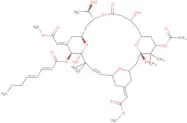
Produto descontinuadoBryostatin 1
CAS:<p>Bryostatin 1 is a cyclic lipopeptide that has been shown to induce apoptosis in cells by inhibiting protein kinase activity. Bryostatin 1 induces the release of mitochondrial cytochrome c and other pro-apoptotic proteins from the mitochondria into the cytosol, which leads to cell death. This drug has also been shown to increase intracellular levels of Ca2+, leading to activation of proteases such as calpain. It also inhibits DNA methyltransferase, which may make it useful for the treatment of cancer.</p>Fórmula:C47H68O17Pureza:Min. 95%Peso molecular:905.04 g/mol2-(2-(4-((3-Chloro-4-(3-(trifluoromethyl)phenoxy)phenyl)amino)-5H-pyrrolo[3,2-d]pyrimidin-5-yl)ethoxy)ethan-1-ol
CAS:<p>2-(2-(4-((3-Chloro-4-(3-(trifluoromethyl)phenoxy)phenyl)amino)-5H-pyrrolo[3,2-d]pyrimidin-5-yl)ethoxy)ethan-1-ol is a research tool that has shown to be an activator of ion channels. It has been used to study the function of ion channels and receptor binding. 2-(2-(4-((3-Chloro-4-(3-(trifluoromethyl)phenoxy)phenyl)amino)-5H-pyrrolo[3,2-d]pyrimidin-5-yl)ethoxy)ethan-1-ol binds to protein interactions by acting as a ligand for receptors. This compound does not have any known adverse effects and is present in high purity.</p>Fórmula:C23H20ClF3N4O3Pureza:Min. 95%Peso molecular:492.9 g/molRef: 3D-WJB02618
Produto descontinuadoLSN 2463359
CAS:<p>LSN 2463359 is a novel, potent, and selective allosteric modulator of the metabotropic glutamate receptor. It is currently in clinical development for the treatment of neurodevelopmental disorders such as attention deficit hyperactivity disorder (ADHD) and narcolepsy. LSN 2463359 has been shown to be safe and well tolerated in vivo studies in rats and mice. The drug improved ADHD-related symptoms in rodent models of ADHD. LSN 2463359 also reduced cataplexy episodes in narcoleptic patients who had been unresponsive to other treatments.</p>Fórmula:C16H15N3OPureza:Min. 95%Peso molecular:265.31 g/molRef: 3D-BGC03152
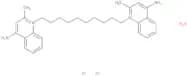
Produto descontinuadoDequalinium chloride hydrate
CAS:<p>Dequalinium chloride hydrate is a molecule that is used to treat various types of cancer, such as breast, lung, and prostate cancers. It inhibits HDACs and has been shown to induce apoptosis in a number of cancer cell lines. The drug also prevents the accumulation of damaged DNA and reduces drug sensitivity, leading to increased survival rates in mice with cancer. Dequalinium chloride hydrate has been shown to inhibit mitochondrial membrane potential in muscle tissue, leading to apoptosis and necrosis. This drug may have some potential for use in treating cardiac conditions such as heart failure.</p>Fórmula:C30H40N4•Cl2•(H2O)xPureza:Min. 95%Cor e Forma:PowderPeso molecular:545.6 g/molRef: 3D-FAC07734
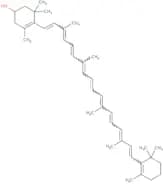
Produto descontinuado(3S)-β-Cryptoxanthin
CAS:<p>(3S)-β-Cryptoxanthin is a naturally occurring xanthophyll carotenoid, which is primarily sourced from fruits such as papaya, oranges, and tangerines. As a provitamin A compound, it undergoes enzymatic conversion into retinol, an active form of vitamin A, within the human body. This mode of action enables (3S)-β-Cryptoxanthin to effectively contribute to the maintenance of vision, immune function, and skin health due to its role as a precursor to vitamin A.Additionally, (3S)-β-Cryptoxanthin exhibits potent antioxidant capabilities, scavenging free radicals and thereby diminishing oxidative stress. This activity potentially reduces the risk of chronic diseases, such as heart disease and certain cancers. Its applications are broad, encompassing dietary supplementation, where it is investigated for its effects on bone health and anti-inflammatory benefits. Furthermore, research is ongoing into its impact on reducing the risk factors for metabolic syndrome and supporting overall health. The interest in (3S)-β-Cryptoxanthin continues to grow within nutritional science, driven by its multifaceted roles and the potential for positive health outcomes.</p>Fórmula:C40H56OPureza:Min. 95%Peso molecular:552.87 g/molRef: 3D-AYB44688
Produto descontinuadoRef: 3D-FP41292
Produto descontinuadoTubacin
CAS:<p>Tubacin is a natural compound that has been found to inhibit the histone deacetylase (HDAC) enzyme. Tubacin has shown significant cytotoxicity against cancer cells and other cells in vitro. It inhibits HDAC and prevents the acetylation of histones, which are proteins that package DNA strands into chromosomes. This inhibition leads to increased gene expression and cell death. Tubacin is not toxic to normal cells, but it does cause oxidative injury to neurons.</p>Fórmula:C41H43N3O7SPureza:Min. 95%Peso molecular:721.9 g/molRef: 3D-AEC55593
Produto descontinuadoCBB1007
CAS:<p>CBB1007 is a molecule that has been shown to inhibit the methylation and acetylation of lysine residues in proteins, which may be a potential biomarker for cancer. CBB1007 and its derivatives are being investigated as possible inhibitors of protein modification or as anticancer agents. In addition, CBB1007 has been shown to have anti-proliferative effects on cultured cells by inhibiting growth factor signaling pathways. This drug also inhibits tumor cell growth by inducing hypertrophy in the cells and up-regulating genes involved in cell cycle arrest.</p>Fórmula:C27H34N8O4Pureza:Min. 95%Peso molecular:534.6 g/molRef: 3D-EFC57392
Produto descontinuadoSCR130
CAS:<p>SCR130 is a protein inhibitor that has shown promising results in the treatment of tumors and cancers. It works by inhibiting kinases, which are enzymes that play a key role in cell signaling pathways. By blocking these pathways, SCR130 can induce apoptosis (cell death) in cancer cells, effectively halting their growth and spread. This medicinal compound is an analog of a Chinese herbal medicine and is excreted through urine. SCR130 has been found to be highly effective against a range of human cancer cell lines and has shown potential as an anticancer drug. Its kinase inhibition properties make it a promising candidate for further development as a targeted therapy for cancer patients.</p>Fórmula:C19H13Cl2N3O2SPureza:Min. 95%Peso molecular:418.3 g/molRef: 3D-CVD85838
Produto descontinuado(2S,3R,4E)-2-Azido-3-(tert-butyldimethylsilyl)-erythro-sphingosine
CAS:<p>(2S,3R,4E)-2-Azido-3-(tert-butyldimethylsilyl)-erythro-sphingosine is a synthetic sphingolipid that is used as a research tool for its ability to activate ion channels and inhibit ligand binding to receptors. It is also used as an antibody for pharmacology research.</p>Fórmula:C24H49N3O2SiPureza:Min. 95%Peso molecular:439.7 g/molRef: 3D-PEA29964
Produto descontinuado5-(4-Methoxyphenyl)-N-(1-methyl-4-(3-pyridinyl)butyl)-2,4-decadienamide
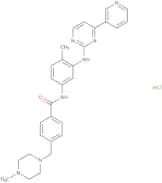
CAS:<p>5-(4-Methoxyphenyl)-N-(1-methyl-4-(3-pyridinyl)butyl)-2,4-decadienamide is a bioactive compound derived from specific plant sources. This chemical entity functions primarily through modulation of biological pathways, notably influencing signal transduction and cellular responses. Its mode of action involves interaction with specific receptors and enzymes, affecting processes such as inflammation and neural activities.</p>Fórmula:C27H36N2O2Pureza:Min. 95%Peso molecular:420.6 g/molImatinib hydrochloride
CAS:<p>Imatinib is a hydrated, desmethyl imatinib that belongs to the group of anhydrase inhibitors. It is used in the treatment of cardiovascular diseases such as hypertension. Imatinib has been shown to inhibit adenosine receptor antagonists and has been found to be effective against acylation reactions in vitro. Imatinib hydrochloride is soluble in water, so it can be given intravenously or orally. The reaction time for imatinib hydrochloride is two hours at 25 degrees Celsius and six hours at 37 degrees Celsius.</p>Fórmula:C29H32ClN7OPureza:Min. 95%Peso molecular:530.1 g/molRef: 3D-MJB36625
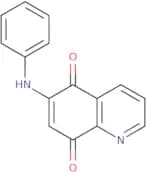
Produto descontinuado6-Anilinoquinoline-5,8-quinone
CAS:<p>6-Anilinoquinoline-5,8-quinone is a chemical compound that belongs to the family of cyclase inhibitors. It has been shown to inhibit cyclase and cytosolic Ca2+, which are intracellular targets for HIV infection. 6-Anilinoquinoline-5,8-quinone inhibits the transcription of HIV by binding to dinucleotide phosphate in the cell nucleus. This compound has also been shown to have anti-inflammatory properties through its ability to inhibit prostaglandin synthesis and reduce the production of inflammatory cytokines. 6-Anilinoquinoline-5,8-quinone has been shown to be pluripotent in vitro and can induce a number of physiological effects in cells such as increased protein synthesis and reduced cellular respiration.</p>Fórmula:C15H10N2O2Pureza:Min. 95%Peso molecular:250.25 g/molRef: 3D-RDA30060
Produto descontinuadoVE 821
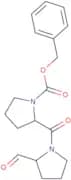
CAS:<p>VE 821 is a chemical inhibitor that inhibits the activity of the protein ornithine decarboxylase (ODC). This enzyme is essential for the synthesis of polyamines, which are essential for cell growth. VE 821 has been shown to be effective in inhibiting the growth of solid tumours and leukemia cells. It also inhibits the production of DNA, RNA, and proteins by cells. VE 821 has minimal toxicity to healthy cells, and has been shown to work synergistically with other pharmacological agents such as radiation therapy.</p>Fórmula:C18H16N4O3SPureza:Min. 95%Peso molecular:368.41 g/molZ-Pro-prolinal
CAS:<p>Z-Pro-prolinal is a tetrapeptide that was discovered in a screening for enzyme inhibitors. It inhibits the activity of various enzymes, including angiotensin converting enzyme (ACE), endopeptidase, and proteinases. Z-Pro-prolinal has shown to have antihypertensive effects in rats with primary pulmonary hypertension. It has also been shown to inhibit the proteolytic activities of soybean trypsin and other enzymes.</p>Fórmula:C18H22N2O4Pureza:Min. 95%Peso molecular:330.4 g/molRef: 3D-NDA79532
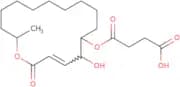
Produto descontinuadoBerkeleylactone E
CAS:<p>Berkeleylactone E is a potent anticancer agent that works by inhibiting kinase activity and inducing apoptosis in cancer cells. This natural compound selectively targets cancer cells, leaving healthy cells unharmed. Berkeleylactone E has been shown to inhibit the activity of cyclin-dependent kinases, which are essential for cell cycle progression and tumor growth. By blocking these kinases, Berkeleylactone E halts the cell cycle and triggers apoptosis in cancer cells. This medicinal compound also inhibits the production of proteins that promote cancer cell survival, making it a promising candidate for cancer treatment. With its unique properties as an inhibitor of kinase activity and inducer of apoptosis, Berkeleylactone E represents a promising avenue for developing new cancer therapies.</p>Fórmula:C20H32O7Pureza:Min. 95%Peso molecular:384.5 g/molRef: 3D-XEA21162
Produto descontinuadoSAG 21k
CAS:<p>SAG 21k is a synthetic ion channel, which is a laboratory-created entity designed to mimic the functionality of natural ion channels found in biological membranes. These synthetic constructs are engineered through chemical synthesis, allowing precise control over their structural and functional properties. The mode of action of SAG 21k involves the facilitation of ion transport across lipid bilayers, thereby enabling the study of transmembrane ion flow in controlled environments.</p>Fórmula:C29H28ClF2N3O2SPureza:Min. 95%Peso molecular:556.1 g/molRef: 3D-WMB00248
Produto descontinuadoON-013100
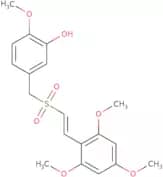
CAS:<p>ON-013100 is a protease inhibitor that inhibits the activity of the chymotrypsin-like proteases and trypsin family. It has been shown to inhibit cancer cell growth and induce apoptosis. ON-013100 also has immunomodulatory effects, which have been demonstrated by an increase in tumor necrosis factor receptor 1 (TNFR1) expression, as well as an increase in the release of proinflammatory cytokines such as interleukin 6 (IL-6) and tumor necrosis factor alpha (TNFα).</p>Fórmula:C19H22O7SPureza:Min. 95%Peso molecular:394.44 g/molRef: 3D-QJB78395
Produto descontinuado(+)-Talarozole
CAS:<p>Talarozole is a potent and selective inhibitor of human CYP3A4. It has been shown to inhibit the growth of inflammatory lesions in mice by inhibiting the production of inflammatory cytokines such as prostaglandin E2 (PGE2). Talarozole also inhibits the proliferation of hematopoietic cells, which are cells that produce all-trans retinoic acid (RA), a growth factor. The drug has been shown to reduce ventricular myocardial fatty acid content and increase fatty acid oxidation, which may reduce cardiac hypertrophy in rats.</p>Fórmula:C21H23N5SPureza:Min. 95%Peso molecular:377.5 g/molRef: 3D-BIA41066
Produto descontinuadoAZD 8186
CAS:<p>AZD 8186 is a selective small-molecule inhibitor, which is sourced from synthesized chemical compounds, specifically designed to target the phosphoinositide 3-kinase (PI3K) pathway. This inhibitor functions by selectively inhibiting the PI3K isoforms, primarily PI3Kβ and PI3Kδ, which play critical roles in multiple cell signaling pathways related to growth, survival, and proliferation.</p>Fórmula:C24H25F2N3O4Pureza:Min. 95%Peso molecular:457.5 g/molRef: 3D-WBC27045
Produto descontinuadoNCI172112
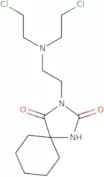
CAS:<p>NCI172112 is a human immunoglobulin that has been genetically engineered to be resistant to proteolytic degradation by serine proteases. It binds to the surface of cancer cells and blocks the growth of tumor cells in culture. NCI172112 has also been shown to reduce cardiac hypertrophy in animals, which may be due to its ability to decrease fatty acid levels in the heart. The covalent linkage between NCI172112 and human serum albumin prevents it from being easily degraded by enzymes in the body. NCI172112 has also been shown to have a diagnostic effect on cancerous tissue and can be used as a treatment for cancer.</p>Fórmula:C14H23Cl2N3O2Pureza:Min. 95%Peso molecular:336.3 g/molRef: 3D-GCA60516
Produto descontinuadoβ-Sinensal
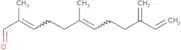
CAS:<p>β-Sinensal is an analog of astaxanthin that has shown potent inhibitory activity against human kinases. This compound has been shown to induce apoptosis in cancer cells and inhibit tumor growth in Chinese hamsters. β-Sinensal has also been found in human urine, suggesting that it may have a role in regulating cellular replication. In addition, this compound has demonstrated synergistic effects with methotrexate, a commonly used cancer drug. β-Sinensal is a promising inhibitor of kinases and may have potential as a therapeutic agent for the treatment of cancer.</p>Fórmula:C15H22OPureza:Min. 95%Peso molecular:218.33 g/molRef: 3D-KCA06688
Produto descontinuadoAumitin
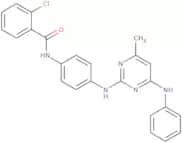
CAS:<p>Aumitin is an innovative compound that is categorized as a bioactive molecule, which is derived from natural sources such as medicinal plants or microorganisms. It exhibits its mode of action through specific interactions with cellular pathways, potentially modulating key processes within the cell. These interactions can lead to alterations in cellular functions such as signaling, metabolism, or growth regulation.</p>Fórmula:C24H20ClN5OPureza:Min. 95%Peso molecular:429.9 g/molRef: 3D-WMB29378
Produto descontinuadoHSV2 gC antibody
<p>HSV2 gC antibody was raised in mouse using herpes simplex virus II glycoprotein C (gC) as the immunogen.</p>N-[(1S,2S,3R)-3-(5,6-Dihydrobenzo[b][1]benzazepin-11-yl)-2-hydroxycyclohexyl]-4-(trifluoromethoxy)benzenesulfonamide
CAS:<p>Please enquire for more information about N-[(1S,2S,3R)-3-(5,6-Dihydrobenzo[b][1]benzazepin-11-yl)-2-hydroxycyclohexyl]-4-(trifluoromethoxy)benzenesulfonamide including the price, delivery time and more detailed product information at the technical inquiry form on this page</p>Fórmula:C27H27F3N2O4SPureza:Min. 95%Peso molecular:532.6 g/molRef: 3D-JXC06870
Produto descontinuadoPurified Borrelia burgdorferi OspA Protein
<p>Borrelia burgdorferi (Lyme disease) OspA Protein is a highly purified HIS tagged recombinant protein that is derived from E.coli.</p>Pureza:Min. 95%Mouse IgG3 Kappa - Isotype Control
<p>Isotype controls are non-reactive immunoglobulins of the same isotype as the primary antibody being used in an application. It is recommended that a non-reactive immunoglobulin of the same isotype and concentration be included as a negative control for each monoclonal antibody reagent used in flow cytometry or other immunoassays.</p>anti-Chicken IBDV Antibody Monoclonal
<p>Infectious bronchitis virus (IBVD) is an acute, highly contagious upper respiratory tract disease in chickens</p>Pureza:Min. 95%Human IL-6 ELISA Kit
<p>Interleukin 6 (IL-6) is primarily produced at sites of acute and chronic inflammation, where it is secreted into the serum and induces a transcriptional inflammatory response through interleukin 6 receptor, alpha.</p>Pureza:Min. 95%anti-Chicken IgY Fc Antibody (Goat) - Affinity Purified
<p>Affinity Purified Goat anti-Chicken IgY Fc Antibody. Please inquire for bulk pricing or custom conjugations.</p>Pureza:Min. 95%PEDV Nucleocapsid Protein - Purified
<p>This Porcine epidemic diarrhea virus nucleocapsid protein is expressed in E.coli and contains a 6xHIS tag.</p>Pureza:Min. 95%anti-Testosterone Monoclonal
<p>This Monoclonal anti-Testosterone antibody is suitable for ELISA and LFD applications.</p>Pureza:Min. 95%(R,S,R,R)-Orlistat
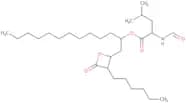
CAS:<p>Please enquire for more information about (R,S,R,R)-Orlistat including the price, delivery time and more detailed product information at the technical inquiry form on this page</p>Fórmula:C29H53NO5Pureza:Min. 95%Peso molecular:495.7 g/molRef: 3D-VPC40908
Produto descontinuado(±)-LY 395756
CAS:<p>(±)-LY 395756 is a peptide activator that belongs to the group of ligands. It binds to an endogenous receptor, which is a member of the family of G-protein coupled receptors. This binding activates the receptor, which in turn stimulates a cellular response. (±)-LY 395756 has been shown to inhibit ion channels, such as sodium and calcium channels, as well as other receptors, including opioid-, dopamine-, serotonin-, and acetylcholine-gated ion channels. The binding of (±)-LY 395756 to these receptors may stimulate or inhibit neuronal activity, depending on the receptor type.</p>Fórmula:C9H13NO4Pureza:Min. 95%Peso molecular:199.2 g/molRef: 3D-CJB67966
Produto descontinuado(5Z)-5-(2,5-Dimethoxybenzylidene)-1,3-thiazolidine-2,4-dione
CAS:<p>5-Benzylidene-1,3-thiazolidine-2,4-dione is a research tool that is used to study the cell biology of ion channels. It has been shown to be an activator and a ligand for the receptor of protein phosphatase 2A. 5-Benzylidene-1,3-thiazolidine-2,4-dione binds to the antibody with high specificity and affinity. This compound also has been shown to inhibit protein synthesis by binding to peptides.</p>Fórmula:C12H11NO4SPureza:Min. 95%Peso molecular:265.29 g/molRef: 3D-EGA61750
Produto descontinuadoHuman P-Selectin ELISA Kit
<p>ELISA kit for detection of P-Selectin in the research laboratory</p>Pureza:Min. 95%CCDC78 antibody
<p>CCDC78 antibody was raised using the middle region of CCDC78 corresponding to a region with amino acids QELRHKAQVPGHSDDHRFQVQPKNTMDPENEQHRLGSGVSVQPPSSGERA</p>PLOD3 antibody
<p>The 6-Fluoro-3-indoxyl-beta-D-galactopyranoside is a powerful antituberculosis drug that falls under the class of rifamycins. Specifically designed to combat tuberculosis infection, this compound exhibits bactericidal activity against mycobacterium strains. It achieves this by inhibiting bacterial growth through its binding to DNA-dependent RNA polymerase, thereby preventing transcription and replication. Additionally, it has been extensively studied using advanced techniques like transcription-quantitative polymerase chain and patch-clamp technique. This compound undergoes various metabolic transformations, including hydrolysis by esterases or glucuronidases, oxidation by cytochrome P450 enzymes, reduction by glutathione reductase, or conjugation with glucuronic acid. Notably, it specifically targets markers expressed at high levels in Mycobacterium tuberculosis strains and inhibits cell growth in culture.</p>PAK2 antibody
<p>The PAK2 antibody is a monoclonal antibody that has antiviral properties. It specifically targets and binds to PAK2, a protein involved in various cellular processes such as cell migration, proliferation, and survival. This antibody can be used for research purposes in the field of Life Sciences to study the role of PAK2 in different biological pathways.</p>Troponin T Type 3 antibody
<p>Troponin T Type 3 antibody was raised using a synthetic peptide corresponding to a region with amino acids QLEIDKFEFGEKLKRQKYDIMNVRARVQMLAKFSKKAGTPAKGKVGGRWK</p>EP4 antibody
<p>The EP4 antibody is a highly specialized product in the field of Life Sciences. It is an antibody that targets and binds to the EP4 receptor, which plays a crucial role in various biological processes. This monoclonal antibody has been extensively studied and proven to be effective in blocking the activity of the EP4 receptor.</p>ASCA IgA/IgG ELISA kit
<p>ELISA kit for the detection of ASCA IgA/IgG in the research laboratory</p>Pureza:Min. 95%A-802715
CAS:Produto Controlado<p>A-802715 is a methylxanthine derivative with inhibitory effects on cyclase. It has been shown to inhibit the production of tumour necrosis factor-α (TNF-α) and cytokines in vitro and in vivo. A-802715 has also been shown to have cytotoxic effects on tumour cells, as well as inhibit the production of nitric oxide and other inflammatory mediators. The drug was effective against tumours induced by phytohaemagglutinin or necrosis factor, but not against those induced by ischemia reperfusion or theophylline. Additionally, A-802715 inhibits the incorporation of radioactive caffeine into DNA in vitro at concentrations of 10 μM.</p>Fórmula:C16H26N4O3Pureza:Min. 95%Peso molecular:322.4 g/molRef: 3D-HEA76758
Produto descontinuadoGluR1 antibody
<p>The GluR1 antibody is a polyclonal antibody that is used in Life Sciences research. It has been specifically designed to detect and bind to the GluR1 receptor, which is an ionotropic glutamate receptor involved in synaptic transmission. This antibody can be used in various applications, such as electrochemical impedance spectroscopy and transcription-polymerase chain reaction (PCR), to study the function and expression of the GluR1 receptor. Additionally, it can be used in agglutination assays to measure the interaction between the GluR1 receptor and other molecules, such as glycine or gamma-aminobutyric acid (GABA). The GluR1 antibody has high specificity and affinity for its target, making it a valuable tool for researchers studying neuronal signaling pathways and synaptic plasticity. Furthermore, this antibody has shown antioxidant activity and may have potential therapeutic applications in neurodegenerative diseases.</p>Pureza:Min. 95%Palbociclib dihydrochloride
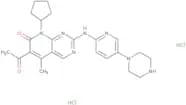
CAS:<p>Palbociclib dihydrochloride is a selective inhibitor of cyclin-dependent kinases 4 and 6 (CDK4/6), which is derived from synthetic chemical processes. Its mode of action involves disrupting the progression of the cell cycle from G1 to S phase, thereby inhibiting cellular proliferation. By specifically targeting and inhibiting CDK4/6, Palbociclib effectively arrests the growth of cancer cells that rely on these kinases for division.</p>Fórmula:C24H31Cl2N7O2Pureza:Min. 95%Peso molecular:520.5 g/molRef: 3D-WXA18911
Produto descontinuadoFABP1 antibody
<p>The FABP1 antibody is a polyclonal antibody that targets fibronectin, a growth factor found in adipose tissue. It is commonly used in life sciences research to study various cellular processes and signaling pathways. The FABP1 antibody has been shown to specifically bind to activated epidermal growth factor (EGF), oncostatin, and TGF-beta, which are important regulators of cell growth and differentiation. Additionally, it has been demonstrated to interact with β-catenin and E-cadherin, proteins involved in cell adhesion and signaling. The FABP1 antibody can be used for immunohistochemistry or Western blotting experiments to investigate the expression and localization of its target protein. Its high specificity and sensitivity make it a valuable tool for researchers studying cell antigen expression, microvessel density, or collagen deposition in various tissues.</p>RP13-102H20.1 antibody
<p>RP13-102H20.1 antibody was raised using the middle region of RP13-102H20.1 corresponding to a region with amino acids EDALLSDPVETSAEARAAVLAQSKPSDEGSSEEPAVPSGTARSHDDEEGA</p>Pureza:Min. 95%ARID5A antibody
<p>ARID5A antibody was raised in rabbit using the N terminal of ARID5A as the immunogen</p>Pureza:Min. 95%GOT2 protein
<p>The GOT2 protein is a neutralizing protein that plays a significant role in various biological processes. It is commonly used in chromatographic analysis and is widely utilized in the field of Life Sciences. The GOT2 protein acts as a growth factor and is involved in the regulation of steroid hormones, specifically androgen. It can also serve as a target for monoclonal antibodies, which are highly specific and effective in binding to the protein. Additionally, the GOT2 protein interacts with binding proteins and inhibitors, making it an essential component in drug development. Furthermore, recent studies have shown its potential as an anti-beta amyloid agent, suggesting its potential use in treating neurodegenerative disorders such as Alzheimer's disease. Lastly, the conjugated form of the GOT2 protein has been explored for its applications in drug delivery systems.</p>Pureza:Min. 95%





![Erythro-3,4-dimethyl-alpha-[1-(methylamino)ethyl]benzylalcohol hydrochloride](/_next/image/?url=https%3A%2Fstatic.cymitquimica.com%2Fproducts%2F3D%2Fthumb-webp%2FEAA86561.webp&w=3840&q=75)



![(1R,2R)-N1,N1-Dimethyl-N2-(3-methyl-1,2,4-triazolo[3,4-a]phthalazin-6-yl)-1-phenyl-1,2-propanediam…](/_next/image/?url=https%3A%2Fstatic.cymitquimica.com%2Fproducts%2F3D%2Fthumb-webp%2FJID85077.webp&w=3840&q=75)




![3-(1-Piperidinyl)-5-[[2-(1-pyrrolidinyl)ethyl]amino]-6H-anthra[1,9-cd]isoxazol-6-one](/_next/image/?url=https%3A%2Fstatic.cymitquimica.com%2Fproducts%2F3D%2Fthumb-webp%2FCLB27944.webp&w=3840&q=75)






![2-(2-(4-((3-Chloro-4-(3-(trifluoromethyl)phenoxy)phenyl)amino)-5H-pyrrolo[3,2-d]pyrimidin-5-yl)eth…](/_next/image/?url=https%3A%2Fstatic.cymitquimica.com%2Fproducts%2F3D%2Fthumb-webp%2FWJB02618.webp&w=3840&q=75)







![N-[(1S,2S,3R)-3-(5,6-Dihydrobenzo[b][1]benzazepin-11-yl)-2-hydroxycyclohexyl]-4-(trifluoromethoxy)…](/_next/image/?url=https%3A%2Fstatic.cymitquimica.com%2Fproducts%2F3D%2Fthumb-webp%2FJXC06870.webp&w=3840&q=75)