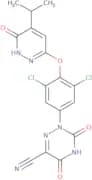
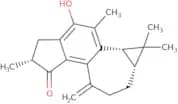
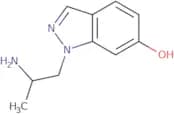
Bioquímicos e reagentes
Os bioquímicos e reagentes são substâncias fundamentais para a pesquisa e desenvolvimento em campos como biotecnologia, biologia molecular, farmacologia e medicina. Esses produtos são essenciais para uma variedade de aplicações, incluindo a síntese de compostos, a análise de amostras biológicas, a pesquisa de processos metabólicos e a produção de medicamentos. Na CymitQuimica, oferecemos uma ampla seleção de bioquímicos e reagentes de alta qualidade e pureza, adequados para diversas necessidades científicas e industriais. Nosso catálogo inclui enzimas, anticorpos, ácidos nucleicos, aminoácidos e muitos outros produtos, todos projetados para apoiar pesquisadores e profissionais em seus projetos de pesquisa e desenvolvimento, garantindo resultados confiáveis e reproduzíveis.
Subcategorias de "Bioquímicos e reagentes"
- Biomoléculas(99.185 produtos)
- Por Alvo Biológico(99.150 produtos)
- Por uso/Efeitos Farmacológicos(6.789 produtos)
- Compostos relacionados à criopreservação e aos crioconservantes(21 produtos)
- Desinfetantes, aditivos para aquecimento de líquidos de banho e compostos relacionados(28 produtos)
- Hormónios(346 produtos)
- Biologia Vegetal(6.764 produtos)
- Metabólitos secundários(14.307 produtos)
Foram encontrados 130581 produtos de "Bioquímicos e reagentes"
Ordenar por
Pureza (%)
0
100
|
0
|
50
|
90
|
95
|
100
AZD1080
CAS:<p>AZD1080 is a small molecule that binds to the β-catenin protein and inhibits its transcriptional function. AZD1080 has been shown to inhibit the growth of mouse tumor cells that are resistant to other anticancer drugs by blocking the activity of kinase-3β. It also prevents the activation of β-catenin, which is a key regulator in cell growth and proliferation. This drug was also found to bind with high affinity to hepatocyte-like cells and inhibit protein synthesis. AZD1080 is a potent inhibitor of polymerase chain reactions (PCR) and transcriptional regulation that blocks transcription at the promoter level. It binds to DNA's phosphate backbone, preventing DNA from unwinding and elongating into its two strands.</p>Fórmula:C19H18N4O2Pureza:Min. 95%Peso molecular:334.37 g/molBenzyl 7-oxo-2,6-diazaspiro-[4.5]decane-2-carboxylate
CAS:<p>Benzyl 7-oxo-2,6-diazaspiro-[4.5]decane-2-carboxylate is a potent inhibitor of protein interactions and an activator of ligand binding. It is used as a research tool in the study of receptor and ion channel function. Benzyl 7-oxo-2,6-diazaspiro-[4.5]decane-2-carboxylate has been shown to inhibit the activity of various proteins by binding to their active sites, including peptidases and proteases such as cathepsin D, elastase, collagenase, and trypsin. This compound also binds to the extracellular domains of cell surface receptors such as erythropoietin receptor (EpoR) and growth hormone receptor (GHR). The affinity for these receptors can be controlled by changing the length of the alkyl chain between benzene rings. Benzyl 7-oxo</p>Fórmula:C16H20N2O3Pureza:Min. 95%Peso molecular:288.34 g/molCemadotin
CAS:<p>Cemadotin is a peptide that activates an ion channel. Cemadotin is a potent and selective inhibitor of the calcium channel, L-type, alpha 1D (P/Q-type) in human erythrocytes. It inhibits cell proliferation and induces apoptosis in some cancer cells by inhibiting protein interactions. This peptide has been shown to be a potent antagonist of the neuropeptide Y receptor (Y1) with high affinity for this receptor. Cemadotin also has been shown to inhibit the binding of ligands to their receptors in a variety of cell types, including rat cortical neurons and human platelets.</p>Fórmula:C35H56N6O5Pureza:Min. 95%Peso molecular:640.90 g/mol6-[[4-(4-Methyl-1-piperazinyl)phenyl]amino]-5,8-quinazolinedione
CAS:<p>6-[[4-(4-Methyl-1-piperazinyl)phenyl]amino]-5,8-quinazolinedione is a research tool that can be used to activate receptors. It is also a ligand for the alpha 1A adrenergic receptor and has been shown to inhibit ion channels that are activated by the G protein. 6-[(4-[4-(methylsulfonyl)piperazin-1yl]phenyl)amino]-5,8-quinazolinedione binds to the beta 2 adrenergic receptor and blocks calcium influx into cells. This compound has been shown to increase intracellular levels of cAMP in vitro and in vivo.</p>Fórmula:C19H19N5O2Pureza:Min. 95%Peso molecular:349.40 g/molGalanin
CAS:<p>Neuopeptide suggested to be involved in neuron functioning</p>Fórmula:C146H213N43O40Pureza:Min. 95%Peso molecular:3,210.52 g/mol(R)-(+)-5-[[3-[(6,8-Dibromochroman-4-yl)amino]propyl]amino]-4H-thieno[3,2-b]pyridin-7-one dihydrochloride
CAS:<p>Please enquire for more information about (R)-(+)-5-[[3-[(6,8-Dibromochroman-4-yl)amino]propyl]amino]-4H-thieno[3,2-b]pyridin-7-one dihydrochloride including the price, delivery time and more detailed product information at the technical inquiry form on this page</p>Fórmula:C19H21Br2Cl2N3O2SPureza:Min. 95%Peso molecular:586.2 g/molRisperidone hydrochloride
CAS:Produto Controlado<p>Risperidone is a psychotropic drug that belongs to the group of atypical antipsychotics. It is used to treat psychotic disorders such as schizophrenia and bipolar disorder. Risperidone is a racemic mixture that has a high water solubility, which makes it suitable for administration by mouth. The active form of risperidone, 1-2-dihydro-6-chloro-9-(4-(1-piperazinyl)butoxy)-5-pyrimidine, has been shown to be effective in the treatment of psychotic disorders by altering epigenetic mechanisms related to DNA methylation and histone acetylation. This drug also has the ability to stabilize the human genome from spontaneous genetic changes that lead to cancer and neurodegenerative diseases.</p>Fórmula:C23H28ClFN4O2Pureza:Min. 95%Peso molecular:446.9 g/mol17-Hydroxyisolathyrol
CAS:<p>17-Hydroxyisolathyrol is a small molecule that inhibits the activity of protein-protein interactions. It has been shown to be a ligand for the receptor FKBP and an activator for the protein kinase PKC. 17-Hydroxyisolathyrol has also been used as a research tool to study ion channels, antibodies, and other proteins in cell biology and pharmacology. 17-Hydroxyisolathyrol is often used as a standard for high purity and life science research.</p>Fórmula:C20H30O5Pureza:Min. 95%Peso molecular:350.4 g/molAvocadene
CAS:<p>Avocadene is a topical treatment derived from the avocado pear (Persea americana), which is a rich source of natural compounds with potential therapeutic effects. The primary mode of action involves the inhibition of lipoxygenase pathways, which are key mediators in the inflammatory response. By targeting this enzyme, Avocadene reduces the conversion of arachidonic acid into pro-inflammatory leukotrienes, thus exerting its anti-inflammatory properties.The uses and applications of Avocadene are primarily focused on dermatological conditions characterized by inflammation, such as eczema, psoriasis, and other inflammatory skin disorders. Due to its natural origin and targeted mechanism, it offers an alternative to traditional synthetic anti-inflammatory agents, presenting potential benefits in reducing side effects associated with long-term use. Avocadene's action on the cellular pathways makes it a subject of interest for further research in chronic inflammation and its systemic applications, potentially expanding its uses beyond dermatology.</p>Fórmula:C17H34O3Pureza:Min. 95%Peso molecular:286.45 g/molCEP 1347
CAS:<p>Inhibitor of JNK signalling pathway</p>Fórmula:C33H33N3O5S2Pureza:Min. 95%Cor e Forma:White To Yellow SolidPeso molecular:615.76 g/molHuwentoxin XVI
CAS:<p>Huwentoxin XVI is a synthetic molecule that inhibits the transmission of pain signals. It does this by inhibiting the release of neurotransmitters from dorsal root ganglia cells in the spinal cord. Huwentoxin XVI has been shown to inhibit the cancer-associated inflammatory response, which may be due to its ability to inhibit chronic pain. In addition, Huwentoxin XVI has been shown to have an inhibitory effect on adipose tissue and is thought to be a potential treatment for obesity-associated chronic pain. Huwentoxin XVI also blocks A-type potassium channels, which are responsible for neuronal transmission and are found in neurons and glial cells in the dorsal root ganglia. This inhibition can lead to neuropathic pain or chronic pain caused by nerve damage.</p>Fórmula:C196H292N50O56S6Pureza:Min. 95%Peso molecular:4,437 g/molrac-3-hexadecanamido-2-methoxypropan-1-ol phosphocholine monohydrate
CAS:<p>Please enquire for more information about rac-3-hexadecanamido-2-methoxypropan-1-ol phosphocholine monohydrate including the price, delivery time and more detailed product information at the technical inquiry form on this page</p>Fórmula:C25H55N2O7PPureza:Min. 95%Peso molecular:526.69 g/molPro BMP 2 Human
<p>Pro BMP 2 Human is a recombinant protein that belongs to the group of proteins that regulate cell growth and differentiation. It has been shown to be an activator of bone morphogenetic protein receptor type IIA. Pro BMP 2 Human has also been shown to inhibit the activity of certain ion channels, such as calcium channels, potassium channels, and sodium channels. This product is supplied at high purity, with a CAS number (CAS No.).</p>Pureza:Min. 95%OPC 3930
CAS:<p>OPC 3930 is a polymer-based coating, which is synthesized from advanced polymer composites. It functions through a mechanism of thermal insulation, where the composite structure significantly reduces thermal conductivity. This is achieved by incorporating a microscale porous architecture that traps air and minimizes heat transfer.</p>Fórmula:C19H23N5O2Pureza:Min. 95%Peso molecular:353.4 g/molUrocortin 2 (Mouse)-EIA Kit (1ea)
<p>Urocortin 2 (Mouse)-EIA Kit is a specialty product that can be used to detect the presence of Urocortin 2 in mouse serum. It is an antibody-based sandwich ELISA kit that has been optimized for use in mouse sera and other biological fluids. The kit includes all necessary reagents, including antibodies, standards, and conjugates, to perform an assay. The assay is performed by adding the sample to the plate followed by the detection antibody and a conjugate. After incubation, unbound materials are washed away and the plate is developed with Tetramethylbenzidine (TMB) substrate. A stop solution turns TMB into a blue color that can be measured at 450 nm with a spectrophotometer. The intensity of color corresponds to the concentration of Urocortin 2 in the sample.br>br><br>The Urocortin 2 (Mouse)-EIA Kit is designed for research purposes only and not for diagnostic</p>Pureza:Min. 95%TNF a Human, HEK
<p>TNF-α is a cytokine that is synthesized and secreted by cells such as activated macrophages, T cells, endothelial cells, fibroblasts, and keratinocytes. It has been shown to be a potent mediator of inflammation and plays an important role in the pathogenesis of many diseases. TNF-α is produced in response to immunological stimulation (e.g., LPS) or microbial invasion (e.g., bacteria). It binds to two receptors: TNF receptor 1 (TNFR1) and TNF receptor 2 (TNFR2), which are expressed on many cell types including monocytes, macrophages, neutrophils, dendritic cells, B lymphocytes, eosinophils, mast cells and keratinocytes. The binding of TNF-α to TNFR1 leads to activation of NF-κB and JNK pathways. The binding of TNF-α to TNFR2 leads to activation</p>Pureza:Min. 95%[D-Ala2,Met5]-Enkephalin
CAS:<p>[D-Ala2,Met5]-Enkephalin is an inhibitory neurotransmitter that binds to receptors in the brain and spinal cord. It affects physiological functions such as locomotion, pain sensation, and blood pressure. Enkephalins are analogs of the natural neurotransmitter enkephalin that are synthesized by enzymatic cleavage of the latter from a larger precursor molecule called proenkephalin. [D-Ala2,Met5]-Enkephalin has been shown to be an effective antinociceptive agent when administered intraperitoneally or intravenously in rats. It also acts as a pressor agent and produces dextran sulfate-induced nociception in mice. The pharmacological properties of enkephalins have been shown using various analytical methods including acid analysis.</p>Fórmula:C28H37N5O7S•CH3COOH•H2OPureza:Min. 95%Peso molecular:665.76 g/molDendrotoxin I
CAS:<p>Dendrotoxin I is a synthetic black mamba snake toxin sourced from the block mamba, Dendroaspis polylepis polylepis and is a voltage-dependent K+ channel blocker. This product has disulfide bonds between Cys7-Cys57, Cys16-Cys40, and Cys32-Cys53 and is available as a 0.1mg vial.</p>Fórmula:C312H487N97O84S6Pureza:Min. 95%Peso molecular:7,133.2 g/molDihydrofolate Reductase, human, recombinant
<p>Dihydrofolate reductase is an enzyme that catalyzes the conversion of dihydrofolate to tetrahydrofolate. It belongs to a family of metalloenzymes that employ NADPH as a cofactor and are involved in one-carbon metabolism. Dihydrofolate reductase has been shown to interact with a number of other proteins, including peptides, cell biology, and receptor. This enzyme is also used as an inhibitor for research purposes.</p>Pureza:Min. 95%Neurotensin (Human, Bovine, Canine)
<p>Neurotensin is a neuropeptide that is involved in the regulation of a variety of physiological functions, including neurotransmission, cardiovascular function, and appetite. It is composed of 13 amino acids and is primarily produced in the gastrointestinal tract and the central nervous system.<br>Neurotensin acts as a neurotransmitter and neuromodulator in the brain, where it is synthesized by neurons in several regions, including the hypothalamus, amygdala, and nucleus accumbens. In addition to its role in neurotransmission, neurotensin has been shown to be involved in the regulation of food intake and energy metabolism. It is thought to promote satiety and reduce food intake by interacting with the hypothalamus and other brain regions involved in appetite regulation.<br>Neurotensin has also been studied for its potential therapeutic applications as it has been shown to be associated with the pathophysiology of conditions such as Parkinson's disease, pain, schizophrenia, cancer and inflammatory bowel disease.</p>Fórmula:C78H121N21O20•2CH3COOH•6H2OPureza:Min. 95%Peso molecular:1,901.1 g/molErk1/2 inhibitor 1
CAS:<p>Erk1/2 inhibitor 1 is a potent inhibitor of the Erk1/2 kinase, which is a protein involved in human cell signaling pathways. This medicinal compound has been shown to be an effective tumor inhibitor, inducing apoptosis and inhibiting cancer cell growth by blocking the cell cycle. Erk1/2 inhibitor 1 is an analog of Chinese herbal medicine, which has been used for centuries as an anticancer agent. This inhibitor can be used to treat various types of cancers and is highly effective against urinary tract cancers.</p>Fórmula:C29H32ClN5O4Pureza:Min. 95%Peso molecular:550 g/molMc-doxhzn hydrochloride
CAS:<p>Mc-doxhzn hydrochloride is a monoclonal antibody that binds to the epidermal growth factor receptor (EGFR) and inhibits its signaling. It is used in the treatment of cancer, especially of tissue sarcoma. Mc-doxhzn hydrochloride has been shown to be an effective therapy for chordoma, a type of cancerous tumor, when combined with ifosfamide. This drug's affinity for EGFR may also be therapeutic for other types of cancers that over-express this receptor. Mc-doxhzn hydrochloride can bind to the cell surface receptor CD20 on B cells and inhibit their proliferation by triggering apoptosis or programmed cell death.</p>Fórmula:C37H42N4O13•HClPureza:Min. 95%Cor e Forma:PowderPeso molecular:787.21 g/molFRETS-25Ile (1 umol) (1umol)
<p>FRETS-25Ile is a peptide that belongs to the class of activators. It has been shown to activate an antibody against the beta2 adrenergic receptor and can be used for research purposes. FRETS-25Ile is a high purity product with an ion channel inhibitor activity. The CAS number for this product is 69710-51-5.</p>Pureza:Min. 95%MCI 225
CAS:<p>MCI 225 is a drug that belongs to the class of tricyclic antidepressants. It has been shown to be an effective treatment for depression and other psychiatric disorders. MCI 225 inhibits the uptake of serotonin, norepinephrine, and dopamine into the synaptic cleft by blocking the 5-HT3 receptor. This is thought to lead to increased levels of serotonin in the brain. MCI 225 also has anti-inflammatory properties and can be used in inflammatory bowel disease as well as bowel disease. MCI 225 may also have therapeutic effects on heart diseases or cancer due to its anti-inflammatory properties. Clinical use of this drug is limited due to its low potency, but it has been found to be better tolerated than other tricyclic antidepressants with similar activity.</p>Fórmula:C17H17FN4SPureza:Min. 95%Peso molecular:328.4 g/molXMD16-5
CAS:<p>XMD16-5 is a small molecule kinase inhibitor, which is a synthetic chemical compound specifically designed to target and inhibit kinase enzymes. These enzymes are crucial for various signaling cascades that regulate cellular functions such as growth and differentiation. The source of XMD16-5 involves meticulous chemical synthesis, often derived from high-throughput screening of chemical libraries or rational drug design.</p>Fórmula:C23H24N6O2Pureza:Min. 95%Peso molecular:416.48 g/molAE-848/32615073
CAS:<p>AE-848/32615073 is a peptide that can activate the immune system. It has been shown to be an activator of the immune system and to have binding affinity for antibodies. The peptide has also been shown to inhibit ion channels and protein interactions. AE-848/32615073 is a high purity, water-soluble compound with a CAS number of 1049986-31-3. It is used as a research tool in cell biology and pharmacology.</p>Fórmula:C19H17N3O2SPureza:Min. 95%Peso molecular:351.40 g/molIL 7 Human, HEK
<p>IL-7 is a cytokine that belongs to the IL-2 family. It is a lymphokine that regulates cell proliferation and differentiation of immune cells, such as T and B cells. IL-7 activates these cells by binding to the IL-7 receptor on their surface. The active form of IL-7 is a homodimeric glycoprotein consisting of two subunits, alpha and beta. The alpha subunit has an N-terminal sequence of amino acids (Lysine - Proline - Glycine) while the beta subunit has a C-terminal sequence (Serine - Asparagine). This protein can be purchased as a research tool, antibody, or purified peptide in high purity from Sigma Aldrich.</p>Pureza:Min. 95%MNKI-85
CAS:<p>MNKI-85 is a small molecule that inhibits the activity of the mapk protein kinase and has minimal toxicity. MNKI-85 induces tumor regression in animal models and is being developed for the treatment of cancer. MNKI-85 induces apoptotic cell death by inhibiting translation, cellular transformation, and tumorigenesis. This drug also reduces leukemia cells by inhibiting protein synthesis and causing apoptotic cell death. Clinical trials are currently underway to assess the efficacy of this drug in patients with cancer.</p>Fórmula:C20H23FN4O3SPureza:Min. 95%Peso molecular:418.49 g/molSC 1
CAS:<p>Inhibitor of STAT3 transcriptional machinery</p>Fórmula:C21H13ClF3N3O2Pureza:Min. 95%Peso molecular:431.79 g/molNeuromedin S Precursor-Related Peptide 37 (Rat)
<p>Neuromedin S Precursor-Related Peptide 37 (Rat) is a peptide that is used as a research tool. It has been shown to stimulate the release of calcitonin gene-related peptide and substance P from sensory neurons. Neuromedin S Precursor-Related Peptide 37 (Rat) is also an inhibitor of ion channels, including voltage-gated sodium channels and potassium channels. This peptide also interacts with proteins such as the receptor for neuromedin S precursor, which may be involved in the regulation of pain sensation, and the ligand for this receptor, which may play a role in regulating appetite.</p>Pureza:Min. 95%Iberiotoxin
CAS:<p>Iberiotoxin is a neurotoxin that is synthesized by the bacterium Clostridium botulinum. It inhibits the activity of a number of enzymes, including protein kinase C and cyclase, but has no effect on phosphatases. Iberiotoxin has been shown to be effective against models systems of bowel disease, such as colonic inflammation and ulceration. Iberiotoxin binds to specific neuronal receptors in the central nervous system, leading to inhibition of intracellular calcium levels, which may play an important role in the mechanisms of action for this toxin.</p>Fórmula:C179H274N50O55S7Pureza:Min. 95%Peso molecular:4,230.86 g/molCU-115
CAS:<p>CU-115 is an advanced anti-corrosion compound, which is a chemical formulation designed to protect metal surfaces. It is sourced from specialized synthesis processes involving corrosion inhibitors and binders that offer high efficacy in harsh environments. The mode of action involves forming a protective layer over metal surfaces, preventing exposure to moisture and corrosive agents, thus inhibiting oxidation and degradation.</p>Fórmula:C21H11F7INO2Pureza:Min. 95%Peso molecular:569.2 g/molRIP2 kinase inhibitor 2
CAS:<p>RIP2 Kinase inhibitor 2 is a protein kinase inhibitor that inhibits the activity of RIP2 kinases. It has been shown to regulate apoptosis and cell cycle progression in cancer cells. The effectiveness of this drug has been demonstrated in animal models. A potential side effect of this drug is its ability to inhibit normalizing signals from the immune system, which may lead to an increased risk for autoimmune disorders. The effective dose for RIP2 kinase inhibitor 2 is unknown, but it can be monitored using analytical methods such as HPLC with UV detection or LC-MS/MS.</p>Fórmula:C21H28N4O4SPureza:Min. 95%Peso molecular:432.54 g/molCCMI
CAS:<p>CCMI is a fatty acid that is found on the surface of Pseudomonas aeruginosa. It has been shown to have inhibitory activity against nitrite reductase, which may be a potential biomarker for this bacterium. CCMI also inhibits the growth of P. aeruginosa in a model system and can be used as an inhibitor of water vapor transport properties. CCMI has also been shown to have an inhibitory effect on chemical pesticides and can function as a chaperone in cells. CCMI has been found to have an inhibitory effect on cell lysis due to its disulfide bond.</p>Fórmula:C19H15Cl2N3O2Pureza:Min. 95%Peso molecular:388.25 g/molFluprostenol
CAS:<p>Fluprostenol is a prostaglandin that binds to the nuclear receptor PPAR-α, which regulates lipid and glucose metabolism. Fluprostenol also inhibits the production of leukemia inhibitory factor in 3T3-L1 preadipocytes. It has been shown to possess antimicrobial activity against gram-negative bacteria and eye disorders. Fluprostenol has chemical stability, with a half-life of about 2 hours in human serum, which makes it suitable for use as an ophthalmic preparation. Fluprostenol has properties that are similar to other prostaglandins, such as low potency and pharmacokinetic properties. The LC-MS/MS method is used to measure fluprostenol concentrations in plasma. This method can be used for sample preparation with low potency compounds because it separates compounds based on molecular weight and not polarity or solubility.</p>Pureza:Min. 95%KAN0438757
CAS:<p>KAN0438757 is a research compound that is being developed as a potential treatment for cancer. It has been shown to have anti-proliferative effects in vitro, and it has also been shown to inhibit transcription and translation of genes. KAN0438757 inhibits the activity of transcriptional regulators that are involved in tumorigenesis and metastasis, such as NF-κB, STAT3, and PI3K. KAN0438757 was found to be metabolically stable, with significant effects on the long-term efficacy of the drug. This compound may have translational significance because it could potentially be used for the treatment of different types of cancer.</p>Fórmula:C21H18FNO7SPureza:Min. 95%Peso molecular:447.4 g/molGMC 2-118
CAS:Produto Controlado<p>GMC 2-118 is a receptor inhibitor that inhibits the binding of nitro compounds to the c1-6 alkyl group, which has been shown to have synergistic effects. GMC 2-118 has been shown to inhibit laminitis in horses, although its mechanism of action is unknown. GMC 2-118 may be an effective treatment for cancer, as it inhibits serotonin. It also has a heterocyclic ring with a nitrogen atom and a phenyl ring with a cisplatin group attached, which may help it bind to DNA.</p>Fórmula:C28H31ClN4O4Pureza:Min. 95%Peso molecular:523 g/molJQEZ5
CAS:<p>Inhibitor of epigenetic regulator EZH2</p>Fórmula:C30H38N8O2Pureza:Min. 95%Peso molecular:542.68 g/molBenzyl benzoate-d12
CAS:<p>Please enquire for more information about Benzyl benzoate-d12 including the price, delivery time and more detailed product information at the technical inquiry form on this page</p>Fórmula:C14H12O2Pureza:Min. 95%Peso molecular:224.32 g/molLY 379268
CAS:<p>Agonist of metabotropic glutamate receptors (mGluR2/3)</p>Fórmula:C7H9NO5Pureza:Min. 95%Cor e Forma:PowderPeso molecular:187.15 g/molCP-409092
CAS:<p>CP-409092 is a drug that is used in colonoscopy to visualize the inner lining of the colon. It belongs to the molecule class, which is an aminophylline derivative that has been shown to be effective in humans. CP-409092 inhibits mitochondrial oxidases and can be used for the treatment of diseases such as Alzheimer's disease, Parkinson's disease, and Huntington's disease. CP-409092 also inhibits serotonin reuptake, which leads to its anti-depressant effects.</p>Fórmula:C17H19N3O2Pureza:Min. 95%Peso molecular:297.35 g/molCompound 3a
CAS:<p>Compound 3a is a synthetic herbicide, which is a laboratory-engineered chemical agent with a unique mode of action. It is derived through an intricate process involving chemical synthesis techniques that target specific biochemical pathways in plants. The mode of action of Compound 3a involves the inhibition of a critical enzyme in the photosynthetic pathway, leading to disrupted energy production and ultimately plant death.</p>Fórmula:C21H20N6Pureza:Min. 95%Peso molecular:356.4 g/molPCI 24781
CAS:<p>HDAC enzyme inhibitor; antineoplastic</p>Fórmula:C21H23N3O5Pureza:Min. 95%Peso molecular:397.42 g/molPKC-IN-1
CAS:<p>PKC-IN-1 is a highly specific protein kinase C (PKC) inhibitor, which is synthetically derived to target PKC isoforms selectively. Its mode of action involves the inhibition of PKC activity through competitive binding at the ATP-binding site, effectively modulating the phosphorylation of downstream substrates. This regulatory effect on PKC activity makes it an essential tool for elucidating the role of PKC in various signaling pathways.</p>Fórmula:C25H37FN8O2Pureza:Min. 95%Peso molecular:500.61 g/mol5-Chloro-3-pyridinyl 1H-indole-4-carboxylate
CAS:<p>5-Chloro-3-pyridinyl 1H-indole-4-carboxylate is a small molecule that has been shown to inhibit the activity of ion channels and ligand binding receptors. This compound has been shown to be an activator of protein interactions and is a high purity, research tool with a CAS No. 1087243-14-8.</p>Fórmula:C14H9ClN2O2Pureza:Min. 95%Peso molecular:272.68 g/molTC-P 262
CAS:<p>TC-P 262 is a synthetic chemical reagent, classified as an organic compound, which is derived from a series of controlled laboratory processes ensuring high purity and stability. This product exhibits its function primarily through catalytic properties, enabling the acceleration of specific chemical reactions without itself being consumed. Its mode of action involves facilitating the transition state of a reaction, thereby lowering the activation energy and increasing reaction efficiency.</p>Fórmula:C14H18N4OPureza:Min. 95%Peso molecular:258.32 g/molN-{3-[(2-Chloro-acetyl)-(4-nitro-phenyl)-amino]-propyl}-2,2,2-trifluoro-acetamide
CAS:<p>N-{3-[(2-Chloro-acetyl)-(4-nitro-phenyl)-amino]-propyl}-2,2,2-trifluoro-acetamide is a synthetic compound that has been shown to inhibit the function of ion channels in vitro. This product can be used as a research tool for pharmacology and protein interactions. It has also been used as an inhibitor to study the effects of peptides on cell biology.</p>Fórmula:C13H13ClF3N3O4Pureza:Min. 95%Peso molecular:367.71 g/moltert-Butyl 2-(4-{[4-(3-azidopropoxy)phenyl]azo}benzamido)ethylcarbamate
CAS:<p>tert-Butyl 2-(4-{[4-(3-azidopropoxy)phenyl]azo}benzamido)ethylcarbamate is a ligand with high purity and good solubility. It has been used in research as an inhibitor of antibody, cell biology, and peptides. This compound binds to the receptor and blocks ion channels.</p>Fórmula:C23H29N7O4Pureza:Min. 95%Peso molecular:467.52 g/molAnti TNF-α (Rat) Monoclonal Antibody
<p>Anti TNF-Alpha (Rat) Monoclonal Antibody is a recombinant rat monoclonal antibody that binds to the TNF-α. It inhibits the effects of TNF-α and has been shown to protect against acute renal failure in rats. Anti TNF-Alpha (Rat) Monoclonal Antibody is a research tool for studying the function of TNF-α, and is used in pharmacological studies as an inhibitor of the enzyme protein kinase C. This antibody can be used for purification of proteins from cell culture or tissue samples.</p>Pureza:Min. 95%Z-Gly-Gly-Arg-MCA
<p>Z-Gly-Gly-Arg-MCA is a peptide that is used as an activator. It binds to the receptor and activates the ion channel, which can lead to cell death. Z-Gly-Gly-Arg-MCA has been shown to inhibit protein interactions and has been used in research on cell biology and pharmacology.</p>Pureza:Min. 95%Anti CRF (3-41), humanSerum
<p>Anti CRF (3-41), humanSerum is a peptide that belongs to the class of receptor ligands. It has been shown to inhibit the binding of CRF to its receptor and reduce the activity of ion channels. This molecule also inhibits protein interactions, specifically with chemokine receptors. The purity of this product is high, with a CAS number of 1027-87-0. CRF (3-41) is an antagonist that can be used as a research tool for pharmacology and cell biology studies. It has been shown to inhibit the binding of CRF to its receptor and reduce the activity of ion channels, which may lead to anti-inflammatory effects.</p>Pureza:Min. 95%3-Nitrotetrazolium blue chloride
CAS:<p>3-Nitrotetrazolium blue chloride is a potent inhibitor of bacterial growth in the presence of azide. It inhibits the production of xanthine oxidase by S. typhimurium and has been shown to have potent inhibitory activity against arvensis and rhamnocitrin, both of which are important for bacterial cell wall synthesis. 3-Nitrotetrazolium blue chloride also has antioxidant effects, which may be due to its ability to scavenge reactive oxygen species (e.g., superoxide) or its ability to reduce nitric oxide radicals. The flavonoids found in this compound are responsible for these effects. 3-Nitrotetrazolium blue chloride can also act as an antimutagen when it is incubated with DNA damage induced by ultraviolet light or a mutagenic chemical such as 2-nitrofluorene.</p>Pureza:Min. 95%Peso molecular:817.64 g/molAGT, SERPINA8 MS Calibrator-7 (25nmol)
<p>High quality, quantitated heavy/light peptide calibrator for angiotensinogen in Mass Spectroscopy research</p>Pureza:Min. 95%dMCL1-2
CAS:<p>N-Acetyl-3,4-dihydro-2-(2,6-dioxo-3-piperidinopyrimidin-1(2H)-yl)isoindoline-4-carboxylic acid is a potent immunostimulatory and anticancer drug. It is a homologous compound that induces activation of the immune system through h3 acetylation. NAA [N-Acetyl-3,4-dihydro-2-(2,6-dioxo-3piperidinopyrimidin 1(2H)-yl)isoindoline 4 carboxylic acid] has been shown to have regulatory effects on a number of other cell types. In vitro studies with MDA MB231 breast cancer cells showed that NAA induced apoptosis in these cells through the inhibition of histone h3 acetylation and increased expression of effector proteins such as all trans ret</p>Fórmula:C61H66N10O12SPureza:Min. 95%Peso molecular:1,163.3 g/mol9-(4-Chlorophenylthiophosphoryloxymethylidene)-10-methylacridan disodium salt
CAS:<p>The spontaneous death of cells is a ubiquitous phenomenon in living organisms. Cell death is an important biological process that occurs in many diseases and conditions, including cancer. The cell death process can be monitored by using fluorescent probes to detect the DNA damage resulting from ionizing radiation or chemotherapeutic drugs. Cells are manually lysed and then subjected to high-throughput analysis using a microarray. Fluorescent probes can also be used for detection of apoptotic cells, which are cells programmed to self-destruct due to stress or other factors. Quantigene is a microarray designed for the simultaneous detection of changes in gene expression as well as phosphatase activity, two key events in apoptosis. Quantigene has been used to study how women respond to radiotherapy and chemotherapy treatments for breast cancer.</p>Pureza:Min. 95%3,4,5-Trihydroxycinnamic acid decyl ester
CAS:<p>3,4,5-Trihydroxycinnamic acid decyl ester is a cell-permeable and potent inhibitor of protein interactions. It has been shown to inhibit the activity of ligands such as ATP, ADP, and AMP. 3,4,5-Trihydroxycinnamic acid decyl ester can also be used as an activator for some receptors including cholinergic receptors and histamine H1 receptors. 3,4,5-Trihydroxycinnamic acid decyl ester is a high purity research tool that can be used in ion channel research. This compound has been used in antibody production studies.</p>Fórmula:C19H28O5Pureza:Min. 95%Peso molecular:336.4 g/molA-192621
CAS:<p>A-192621 is a selective blocker of T-type calcium channels, which is a synthetic compound. It specifically interacts with the alpha-1G subtype of calcium channels, thereby inhibiting calcium ion influx through these channels. This blockade allows researchers to study the physiological and pathological roles of T-type calcium channels in the central nervous system and peripheral tissues.</p>Fórmula:C33H38N2O6Pureza:Min. 95%Peso molecular:558.7 g/molClomipramine-d3 HCl
CAS:<p>Clomipramine-d3 HCl is a research tool. It is an activator of the receptor and ion channels, which may be used for cell biology research. Clomipramine-d3 HCl binds to various receptors, including those for serotonin and dopamine. This ligand is also a high-purity reagent with a purity of 99%. This product is intended for use in cell biology research that requires an activator or ligand that binds to receptors or ion channels.</p>Fórmula:C18H22ClN3Pureza:Min. 95%Peso molecular:318.9 g/molVoruciclib hydrochloride
CAS:<p>Voruciclib hydrochloride is a selective inhibitor of the proteasome that has been shown to inhibit the production of cancer-causing proteins. It inhibits the activity of both cysteine and aspartyl proteases in the human proteasome. Voruciclib hydrochloride has been shown to be effective against breast, lung, prostate, and colon cancers. This drug is also an antiviral agent that can inhibit coronavirus replication. Voruciclib hydrochloride is used for treatment of malignant tumors due to its ability to inhibit proliferation and induce apoptosis in a number of cell lines. This drug has also been shown to be effective against SARS-CoV, which is a type of coronavirus.</p>Fórmula:C22H20Cl2F3NO5Pureza:Min. 95%Peso molecular:506.3 g/molFRETS-25Arg (1 umol) (1umol)
<p>FRETS-25Arg (1 umol) is a peptide that has been shown to activate the serotonin 2C receptor. The peptide is a high purity product with a CAS number of 9078-02-5. FRETS-25Arg (1 umol) can be used as a research tool for studying the protein interactions, receptor binding, and ion channels.</p>Pureza:Min. 95%VU0463271
CAS:<p>VU0463271 is a benzodiazepine receptor ligand that has been shown to inhibit neuronal function in vitro. VU0463271 has been found to increase the membrane potential of cells in a fluorescence assay and inhibits actin polymerization in vitro. It also inhibits the chronic treatment-induced decrease in chloride currents, which suggests a possible therapeutic effect for epilepsy. In vivo, VU0463271 has been found to have an inhibitory effect on the hippocampus of mice, as well as on extracellular chloride levels. This drug can be used for the treatment of neurological disorders such as epilepsy or anxiety.</p>Fórmula:C19H18N4OS2Pureza:Min. 95%Peso molecular:382.5 g/molSecretin (Porcine) Antiserum
<p>Secretin (Porcine) Antiserum is a research tool that is used to activate the secretin receptor. Secretin is an inhibitor of ion channels, which may be due to its ability to bind to the secretin receptor and inhibit its activity. The purified protein has a high purity and can be used in antibody experiments, cell biology, or pharmacology.</p>Pureza:Min. 95%PF 3845
CAS:<p>Inhibitor of fatty acid amide hydrolase</p>Fórmula:C24H23F3N4O2Pureza:Min. 95%Cor e Forma:PowderPeso molecular:456.46 g/molCantharidic acid
CAS:<p>Cantharidic acid is an anticancer agent that inhibits the energy metabolism of cancer cells by inhibiting the activity of key enzymes, such as phosphatase and cyclase. It has been shown to be effective in inducing antibody response in mice and reducing the number of regulatory T-cells. Cantharidic acid also induces apoptosis through a regulatory element, which may be responsible for the potent immunosuppressive effects of cantharidic acid. Clinical studies have found cantharidic acid to be effective against infectious diseases caused by bacteria, such as Salmonella and Staphylococcus.</p>Fórmula:C10H12Na2O5Pureza:Min. 95%Peso molecular:258.18 g/mol2-(3,5-Dimethyl-1H-pyrazol-1-yl)-5-methylphenol
CAS:<p>2-(3,5-Dimethyl-1H-pyrazol-1-yl)-5-methylphenol is a potent kinase inhibitor that has been shown to inhibit the activity of various kinases in human cancer cells. This compound has shown promising anticancer activity and induces apoptosis in tumor cells. It is a medicinal analog of a Chinese herbal medicine and has been studied extensively for its potential use as an anticancer agent. 2-(3,5-Dimethyl-1H-pyrazol-1-yl)-5-methylphenol has been found to be effective against several types of cancer, including breast, lung, and colon cancer. Additionally, this inhibitor has been detected in urine samples from patients with cancer, indicating its potential as a biomarker for cancer diagnosis and prognosis. Its protein-binding properties make it an ideal candidate for further research into novel anticancer therapies.</p>Fórmula:C12H14N2OPureza:Min. 95%Peso molecular:202.25 g/molo-Desmorpholinopropyl-o-methyl-gefitinib
CAS:O-Desmorpholinopropyl-o-methyl-gefitinib is a cytotoxic drug that activates cancer cells. This compound has been shown to be reactive with colon cancer cells, inducing apoptosis and inhibiting the growth of cancer cells in vitro. O-Desmorpholinopropyl-o-methyl-gefitinib induces cell death in colon cancer cells by activating caspase 9 and caspase 3, which are enzymes that cleave proteins that activate other downstream effectors of apoptosis. O-Desmorpholinopropyl-o-methyl-gefitinib also inhibits the proliferation of human colorectal cancer cells (HCT116) and SW620 colon cancer cells.Fórmula:C16H13ClFN3O2Pureza:Min. 95%Peso molecular:333.74 g/molSniper(ER)-87
CAS:<p>Sniper ER-87 is a potent and selective activator of the TRPM2 ion channel. Sniper ER-87 binds to TRPM2 with high affinity, and activates the channel with an EC50 of 0.4 μM in a cell-based assay. Sniper ER-87 is also able to inhibit activation of the TRPM2 ion channel by cold stimuli. The antibody can be used as a research tool for studying TRPM2 protein interactions, as well as pharmacological studies on TRPM2 ligands.</p>Fórmula:C59H73N5O10SPureza:Min. 95%Peso molecular:1,044.3 g/molRNA Binding Motif Protein 3, human, recombinant
<p>RNA Binding Motif Protein 3 (RBMY3) is a high-quality research peptide that is commonly used in scientific studies. It is a recombinant protein derived from Escherichia Coli. RBMY3 plays a crucial role in RNA metabolism and regulation, specifically in the binding and processing of RNA molecules. This protein is highly purified and has been extensively tested for its quality and functionality. Researchers rely on RBMY3 to study various cellular processes, including gene expression, mRNA splicing, and post-transcriptional modifications. With its exceptional purity and reliability, RBMY3 is an essential tool for any laboratory conducting cutting-edge research in the field of RNA biology.</p>Pureza:Min. 95%Anti Humanin Serum
<p>Anti Humanin Serum is a research tool that can be used as a pharmacological reagent or as a research tool. It is an antibody that can be used to study protein interactions, such as receptor-ligand binding, and the effects of peptides on ion channels. This product is composed of high purity humanin antibodies with no detectable cross-reactivity with other proteins.</p>Pureza:Min. 95%Thalidomide-o-amido-C6-NH2 TFA
CAS:<p>Thalidomide-o-amido-C6-NH2 TFA is an antibody that has been shown to interact with peptides, ligands, and receptors. Thalidomide-o-amido-C6-NH2 TFA is a high purity reagent used in cell biology research. It is a potent activator and inhibitor of ion channels and can be used to study the effect of ion channel inhibition on cellular function. It also has been shown to inhibit the activity of protein kinase C and phospholipase C as well as other receptor tyrosine kinases.</p>Fórmula:C23H27F3N4O8Pureza:Min. 95%Peso molecular:544.5 g/molβ-Pompilidotoxin
CAS:<p>β-Pompilidotoxin is a neurotoxin that is found in the venom of the scorpion Pompilus. It binds to the ryanodine receptor, which is a type of calcium channel protein that regulates intracellular calcium levels. β-Pompilidotoxin blocks the release of calcium from the sarcoplasmic reticulum and inhibits the entry of calcium into cells by blocking voltage-gated sodium channels. It has been shown to be cytotoxic to ventricular myocytes and cerebellar purkinje neurons. β-Pompilidotoxin also has a physiological function in regulating glomerular filtration rate and preventing accumulation of intracellular calcium, which can lead to overload.</p>Fórmula:C71H124N22O17Pureza:Min. 95%Peso molecular:1,557.9 g/molPHA690509
CAS:<p>This is a research reagent that is an activator of the Ligand-Gated Ion channels. It has been shown to bind to the receptor and activate ion channels. PHA690509 is a potent inhibitor of GABA receptors, which are most likely involved in neuronal inhibition. It also inhibits ion channels for potassium and calcium ions, which are important for nerve cell function. PHA690509 is a high purity protein that does not contain any contaminating proteins or peptides. This product can be used as an antibody or ligand to study protein interactions, pharmacology, and peptide reactions.</p>Fórmula:C17H21N3O2SPureza:Min. 95%Peso molecular:331.43 g/molSolvent Green 3
CAS:<p>Solvent Green 3 is a sulfa drug with bactericidal activity. It binds to the bacterial cell wall and prevents the production of folic acid, which is vital for bacterial growth. The binding of Solvent Green 3 to the cell wall increases thermal expansion, causing lysis of the bacteria. Solvent Green 3 has been used in sample preparation for analytical methods that require high sensitivity and accuracy. It has also been used to measure hydrochloric acid in food samples, as well as boron nitride in paint products. This drug also has acute toxicities and can be used as an analytical chemistry reagent for determining p-hydroxybenzoic acid and acyl chain content in various materials such as cell culture media or human plasma.</p>Fórmula:C28H22N2O2Pureza:Min. 95%Cor e Forma:White PowderPeso molecular:418.49 g/molSPAI-1 (Porcine) Antiserum
<p>SPAI-1 is a protein that is found in the cytosol and nucleus of cells. It belongs to the family of inhibitor proteins, which regulate the activity of other proteins. SPAI-1 inhibits the activity of many different types of protein kinases. Inhibitors such as SPAI-1 are often used as research tools for studying protein interactions, activators, ligands, and receptors. This antibody can be used as a reagent to detect and locate SPAI-1 in cells or tissues by immunohistochemistry.</p>Pureza:Min. 95%(4E, 8E)-Sphingadienine-c18-1-phosphate
CAS:<p>(4E, 8E)-Sphingadienine-c18-1-phosphate is a phospholipid derived from sphingadienine. It inhibits the activation of ion channels and ligand binding to receptors. (4E, 8E)-Sphingadienine-c18-1-phosphate also blocks the activity of protein kinases and enzymes involved in cellular signaling pathways. This may be due to its ability to inhibit the enzyme ATPase, which is responsible for hydrolyzing ATP molecules. (4E, 8E)-Sphingadienine-c18-1-phosphate has been shown to bind to both peptides and antibodies with high affinity.</p>Fórmula:C18H36NO5PPureza:Min. 95%Peso molecular:377.46 g/molBI 689648
CAS:<p>BI 689648 is an amide drug that has been shown to be effective in treating hypertension in nonhuman primates. It is structurally similar to angiotensin II and blocks the binding of angiotensin II to its receptor, the mineralocorticoid receptor. This binding prevents the activation of the receptor and therefore reduces blood pressure. BI 689648 has a number of other effects, including inducing vasodilatation and inhibiting salt reabsorption, as well as blocking the production of aldosterone, which can lead to sodium loss. BI 689648 also binds to and inhibits mineralocorticoid receptors in cardiovascular tissue, which may help prevent cardiovascular diseases.</p>Fórmula:C16H18N4O2Pureza:Min. 95%Peso molecular:298.34 g/mol6-((1H-Pyrazolo[4,3-b]pyridin-3-yl)amino)-N-(3,3-difluorocyclobutyl)benzo[D]isothiazole-3-carboxamide
CAS:<p>6-((1H-Pyrazolo[4,3-b]pyridin-3-yl)amino)-N-(3,3-difluorocyclobutyl)benzo[D]isothiazole-3-carboxamide is a peptide that has been shown to be an inhibitor of several protein interactions. 6-[(1H-pyrazolo[4,3-b]pyridin-3-yl)amino]-N-(3,3-difluorocyclobutyl)benzo[D]isothiazole 3 carboxamide has been shown to activate the Ligand and Receptor with high affinity. It is also used as a research tool for investigating ion channels and antibody production.</p>Fórmula:C18H14F2N6OSPureza:Min. 95%Peso molecular:400.4 g/molB-[(1E)-3-Chloro-1-propen-1-yl]boronic acid
CAS:<p>B-[(1E)-3-Chloro-1-propen-1-yl]boronic acid is a biologically active molecule that inhibits the synthesis of dopamine by competing with L-DOPA. It is used as a fluorescent probe for dopamine. B-[(1E)-3-Chloro-1-propen-1-yl]boronic acid has been shown to inhibit the activity of various enzymes, including human serum albumin and human alpha amylase. It can be used in polymerase chain reaction (PCR) and electrochemical impedance spectroscopy (EIS) to detect dopamine in biological samples.</p>Fórmula:C3H6BClO2Pureza:Min. 95%Peso molecular:120.34 g/molHuwentoxin IV
CAS:<p>Huwentoxin IV is a potent analgesic that has been shown to have antinociceptive properties in animals. Huwentoxin IV blocks the voltage-gated sodium channel NaV1.8 and prevents the transmission of pain signals to the brain. This drug has also been shown to inhibit the activity of voltage-gated potassium channels KV1.3 and KV1.5, which are involved in neuronal excitability, suggesting that huwentoxin IV may have other therapeutic applications. Huwentoxin IV interacts with disulfide bonds and is an effective inhibitor of voltage-gated sodium channels, but not voltage-gated potassium channels, at low concentrations (10 μM).</p>Fórmula:C174H278N52O51S6Pureza:Min. 95%Peso molecular:4,107 g/molVIC (Mouse)
CAS:<p>VIC (Mouse) is a peptide that is used as an inhibitor, activator, or ligand in research. It has the CAS number 120928-04-3 and the molecular weight of 4.5 kDa. VIC (Mouse) is a high purity product and can be used in life science research for characterization of receptor and ion channels. VIC (Mouse) can also be used as an antibody to study protein interactions as well as for cell biology research.</p>Fórmula:C116H161N27O32S4Pureza:Min. 95%Peso molecular:2,573.9 g/mol(4R)-Dorzolamide
CAS:<p>(4R)-Dorzolamide is a medicinal compound that acts as an inhibitor of kinases, a class of proteins that play important roles in cellular signaling pathways. This compound has been shown to be effective in inhibiting the growth of cancer cells in Chinese hamster ovary cells and human tumor cell lines. (4R)-Dorzolamide is an analog of other anticancer inhibitors, such as imatinib, and has been shown to induce apoptosis, or programmed cell death, in cancer cells. Additionally, this compound has been found in urine samples from patients receiving treatment for cancer, indicating its potential use as a diagnostic tool for detecting cancer. Overall, (4R)-Dorzolamide shows great promise as a potential anticancer agent with significant therapeutic potential.</p>Fórmula:C10H16N2O4S3Pureza:Min. 95%Peso molecular:324.4 g/mol1-Oleoyl-2-cholesterylhemisuccinoyl-sn-glycero-3-phosphocholine
CAS:<p>1-Oleoyl-2-cholesterylhemisuccinoyl-sn-glycero-3-phosphocholine (1OCP) is a synthetic lipoprotein that can be used as a diagnostic agent for the diagnosis of cancer. 1OCP has been shown to bind to the lipoprotein lipase, an antigen specific to cancer cells. This binding allows for the detection and identification of cancer cells in biological samples. 1OCP can also be used as a diagnostic agent for citrullinemia and mycolic acid synthesis. It is also detectable by antibody response and can be used to study the expression of messenger RNA sequences in mammalian cells.</p>Fórmula:C57H101NO10PPureza:Min. 95%Peso molecular:991.4 g/molTCS-OX2-29
CAS:<p>TCS-OX2-29 is an oxygen permeability analyzer, which is a scientific instrument designed to accurately measure the rate at which oxygen gas passes through barrier materials. It leverages precise electrochemical or coulometric sensors, which serve as the core technology for detecting and quantifying oxygen transmission rates under controlled conditions.</p>Fórmula:C23H31N3O3Pureza:Min. 95%Peso molecular:397.51 g/molEr 27319 maleate
CAS:<p>Er 27319 maleate is a diagnostic agent which may be used for the diagnosis of various cancers. It is an epithelial-mesenchymal transition (EMT) marker that activates the fatty acid receptor, PPARγ. Er 27319 maleate has been shown to have anticancer activity in a number of pre-clinical cancer models, including lymphocytic leukemia, pancreatic tumor cells, and prostate cancer cells. In addition to its anticancer activities, Er 27319 maleate has been shown to inhibit proliferation in a number of other cell types, such as activated T cells and heart cells. Er 27319 maleate also inhibits cholesterol synthesis and lowers plasma cholesterol levels in animals with hyperlipidemia.</p>Fórmula:C22H24N2O5Pureza:Min. 95%Peso molecular:396.4 g/molPAF-AN-1
CAS:<p>PAF-AN-1 is a peptide that has been shown to activate ion channels. PAF-AN-1 is a potent inhibitor of the ion channel TRPM2 and has been shown to inhibit the interaction between TRPV4 and its ligand, menthol. PAF-AN-1 has also been shown to inhibit the activation of voltage gated potassium channels. This peptide can be used as a research tool for studying protein interactions and receptor signaling pathways.</p>Fórmula:C28H28N2O3Pureza:Min. 95%Peso molecular:440.5 g/molSR-4995
CAS:<p>SR-4995 is a synthetic, potent, and selective inhibitor of triglyceride lipase that blocks cellular uptake and breakdown of fatty acids. It has been shown to potently inhibit the release of fatty acids from adipose tissue and to reduce thermogenesis in rodents. SR-4995 is not active against antifungal drug resistant strains such as Candida albicans or Candida glabrata. SR-4995 also inhibits the synthesis of proteins involved in lipid metabolism and has been shown to reduce intracellular levels of fat in tissues such as liver, heart, kidney, and muscle.</p>Fórmula:C19H21N3O2SPureza:Min. 95%Peso molecular:355.45 g/molFAUC-346
CAS:<p>FAUC-346 is a potent anticancer agent that induces apoptosis in cancer cells. It belongs to the class of inhibitors that target tumor growth and is used as a medicinal compound for cancer treatment. FAUC-346 is an analog of lincomycin, which has been shown to be an effective inhibitor of protein synthesis in bacteria. In cancer cells, FAUC-346 inhibits kinase activity and promotes apoptosis, leading to cell death. This drug has been tested on Chinese hamster ovary cells and human urine-derived bladder cancer cells, showing significant inhibition of tumor growth. FAUC-346 is a promising new drug candidate for the treatment of various types of cancer.</p>Fórmula:C24H29N3O2SPureza:Min. 95%Peso molecular:423.6 g/molMyelin Oligodendrocyte Glycoprotein
<p>Myelin Oligodendrocyte Glycoprotein (MOG) is a glycoprotein that is expressed by oligodendrocytes and is essential for the myelinization of axons in the central nervous system. MOG has been associated with the development of multiple sclerosis and demyelinating diseases. Freeze-dried MOG is reconstituted with water before use, which may be beneficial for patients who cannot swallow pills or capsules. The reconstituted protein can be injected intravenously as an allograft. Myelin Oligodendrocyte Glycoprotein can also be used long-term after desiccating to prevent its degradation and loss of biological activity. The expansion of the chromosome carrying the gene for MOG has been shown to be associated with multiple sclerosis and other neurologic diseases.</p>Pureza:>98.0% By Rp-HplcBMS 753
CAS:<p>BMS-753 is a synthetic retinoid that acts as an immunomodulatory agent. It has been shown to inhibit cell proliferation in muscle cells and suppress inflammatory bowel disease. BMS 753 is also able to inhibit the growth of opportunistic fungal infections, such as Candida albicans. The drug is a synthetic analog of all-trans retinoic acid (ATRA), which binds DNA and regulates gene transcription. It has been shown to decrease mitochondrial membrane potential and increase the expression of pluripotent stem cells in vitro. BMS 753 has been shown to have hepatocyte-like properties, including increased mitochondrial membrane potential and decreased lipid accumulation in liver cells, which may be due to its ability to regulate lipid metabolism.<br>BMS-753 has also been shown to prevent hepatic steatosis by inhibiting the synthesis of fatty acids in the liver, which may be due to its ability to regulate lipid metabolism.</p>Fórmula:C21H21NO4Pureza:Min. 95%Peso molecular:351.4 g/molLubiprostone-d7
CAS:<p>Please enquire for more information about Lubiprostone-d7 including the price, delivery time and more detailed product information at the technical inquiry form on this page</p>Fórmula:C20H32F2O5Pureza:Min. 95%Peso molecular:397.5 g/molCinaciguat
CAS:<p>Cinaciguat is a pharmacological agent that activates guanylate cyclase. It has been shown to increase the level of intracellular cGMP, a second messenger that is involved in the regulation of diverse physiological processes, including blood pressure and heart rate. Cinaciguat has been shown to be effective for treatment of pulmonary hypertension and severe chronic heart failure. Cinaciguat may be an experimental biomarker for these conditions and other diseases with similar symptoms. The mechanism of action of cinaciguat is not fully understood, but it can be speculated that it inhibits the enzyme adenylyl cyclase by binding to its regulatory site on the beta-subunit of the enzyme.</p>Fórmula:C36H39NO5Pureza:Min. 95%Peso molecular:565.7 g/molWST-3
CAS:<p>WST-3 is a water-soluble tetrazolium dye. It is reduced by NADH in the presence of an electron mediator, such as 1-methoxy-5-methylphenazinium, to WST-3 formazan producing a dark red colour, which displays an absorption maxima of 433 nM.</p>Fórmula:C19H10IN6NaO10S2Pureza:Min. 95%Peso molecular:696.34 g/molα Synuclein, human, recombinant
<p>α-Synuclein is a protein that is encoded by the SNCA gene, and is one of the main components of Lewy bodies, which are found in neurons in people with Parkinson's Disease. α-Synuclein has been shown to protect cells from stress and prevent their death. It also acts as a chaperone for other proteins, regulating their activity. This protein has been shown to be able to bind to GTPase activators and inhibit them from activating GTPases. The molecular weight of α-synuclein is 25 kDa and it has a pI value of 4.5. It has an acidic C-terminus and its shift on gel electrophoresis is 11.5 kDa</p>Pureza:Min. 95%IL 11 Human
<p>IL-11 is a cytokine that is synthesized by cells of the immune system and functions as an autocrine growth factor for cells of the myeloid lineage. IL-11's receptor is a protein that binds to the IL-11 peptide and this binding activates intracellular signaling pathways.</p>Pureza:Min. 95%Anti Nociceptin / Orphanin FQ (Human, Rat) Serum
<p>Anti Nociceptin / Orphanin FQ (Human, Rat) Serum is a peptide that belongs to the family of orphanin FQ peptides. It has been shown to activate ion channels and ligand-gated channels. Anti Nociceptin / Orphanin FQ (Human, Rat) Serum is a high purity, pharmacology research tool for use in cell biology and receptor studies.</p>Pureza:Min. 95%PF-06649283
CAS:<p>PF-06649283 is an antibody-drug conjugate (ADC), which is a targeted biopharmaceutical agent designed to deliver cytotoxic agents specifically to cancer cells. This innovative product is derived from a combination of a monoclonal antibody, which is utilized for its ability to bind selectively to specific antigens on tumor cells, and a potent cytotoxic drug, which is linked to the antibody. The mode of action involves the ADC binding to its target antigen on the cancer cell surface, followed by internalization of the ADC-antigen complex. Once inside the cell, the cytotoxic drug is released, leading to disruption of critical cellular functions and subsequent cancer cell death.</p>Fórmula:C18H19F2N3O2SPureza:Min. 95%Peso molecular:379.4 g/molBay 41-4109 racemate
CAS:<p>Bay 41-4109 racemate is a small molecule inhibitor, which is synthetically derived, with a specific mode of action that involves the modulation of cGMP-dependent protein kinase (PKG) pathways. This modulation affects various cellular processes, particularly those related to viral replication and protein expression.</p>Fórmula:C18H13ClF3N3O2Pureza:Min. 95%Peso molecular:395.76 g/molMobocertinib (succinate)
CAS:<p>Mobocertinib is a small molecule that binds to the receptor tyrosine kinase AXL and blocks the activation of this protein. It has been shown to inhibit tumor growth in mouse models of different cancers, including lung, breast, pancreatic and ovarian tumors. Mobocertinib also inhibits the activity of other proteins that are involved in cancer cell signaling, such as LYN, SYK and SLP-76. This drug is highly purified and can be used as a research tool to study protein interactions.</p>Fórmula:C36H45N7O8Pureza:Min. 95%Peso molecular:703.8 g/molHexakis(p-bromophenoxy)cyclotriphosphazene
CAS:<p>Hexakis(p-bromophenoxy)cyclotriphosphazene is a peptide that belongs to the group of activators. It is used in research as a tool for studying ion channels and protein interactions. Hexakis(p-bromophenoxy)cyclotriphosphazene has been found to be an inhibitor of the activation of ion channels by G proteins, binding to the receptor and blocking its ability to bind G proteins. This molecule has also been shown to act as a ligand for receptors, binding with high affinity and specificity.</p>Fórmula:C36H24Br6N3O6P3Pureza:Min. 95%Peso molecular:1,166.9 g/molPirlindole mesylate
CAS:<p>Pirlindole is a reversible inhibitor of cholinesterase that is used for the treatment of infectious diseases. Pirlindole is an acetylcholine esterase inhibitor and has been shown to inhibit growth factor-induced cell proliferation in human cancer cells. It has also been shown to have antiviral activity against certain viruses such as herpes simplex virus types 1 and 2, vesicular stomatitis virus, reovirus type 3, and influenza A virus. Pirlindole has also been found to have anti-inflammatory properties because it inhibits prostaglandin synthesis.</p>Fórmula:C16H22N2O3SPureza:Min. 95%Peso molecular:322.4 g/molMk2 inhibitor III
CAS:<p>MK2 Inhibitor III is a pharmacological agent, specifically a selective inhibitor, that intervenes in the MAPKAPK2 (MK2) signaling pathway. It is derived through chemical synthesis, designed to obstruct the activity of the mitogen-activated protein kinase-activated protein kinase 2 (MK2). This inhibition occurs through competitive binding at the ATP-binding site of MK2, effectively reducing the activity of this kinase involved in the stress response pathway.</p>Fórmula:C21H16N4OPureza:Min. 95%Peso molecular:340.4 g/molBET-BAY 002
CAS:<p>BET-BAY 002 is a small molecule that binds to the BET family of bromodomain proteins. Bromodomain proteins are found in a number of cell types and are involved in transcriptional regulation, DNA repair, and cell proliferation. BET-BAY 002 has been shown to inhibit the growth of cancer cells by blocking the homologous recombination repair pathway. The clinical trials revealed that BET-BAY 002 has no effect on healthy cells and is therefore safe for use in humans.</p>Fórmula:C22H18ClN5OPureza:Min. 95%Peso molecular:403.86 g/molMK-0674
CAS:<p>MK-0674 is a synthetic compound with anti-tumor activity. It targets the tumor tissue by inhibiting the production of proteins that are vital for cell division. MK-0674 has been shown to be effective in animal studies and clinical trials, but it is not active against acid-fast bacteria such as Mycobacterium tuberculosis or Mycobacterium avium complex. MK-0674 has also been found to reduce the levels of collagen and nucleophilic carbonyls in cells exposed to oxidative stress, suggesting that it may have anti-oxidant properties. The drug is metabolized through a number of metabolic transformations, including hydrolysis by esterases or glucuronidases, oxidation by cytochrome P450 enzymes, reduction by glutathione reductase, or conjugation with glucuronic acid.</p>Fórmula:C26H27F6N3O2Pureza:Min. 95%Peso molecular:527.5 g/molSU11652
CAS:<p>Inhibitor of FLT3 kinase and acid sphingomyelinase</p>Fórmula:C22H27ClN4O2Pureza:Min. 95%Peso molecular:414.93 g/molNO-losartan A
CAS:<p>NO-losartan A is a selective, high-affinity NO receptor antagonist that blocks the binding of NO to its receptor. It is used as a research tool in cell biology, pharmacology, and proteomics.</p>Fórmula:C30H28ClN7O5Pureza:Min. 95%Peso molecular:602 g/mol3-Deoxy sphingosine
CAS:<p>3-Deoxy sphingosine is a research tool that has been shown to inhibit ion channels and ligand-gated ion channels. It is also an inhibitor of phospholipase C and protein kinase C, as well as an activator of the G-protein coupled receptor. 3-Deoxy sphingosine has been shown to have high purity and is used in pharmacology, cell biology, and life science research. 3-Deoxy sphingosine is a synthetic analogue of the naturally occurring amino acid, sphingosine. It binds to receptors for peptide hormones or neurotransmitters such as vasopressin and angiotensin II. 3-Deoxy sphingosine can also be used as an antibody to study protein interactions.</p>Fórmula:C18H37NOPureza:Min. 95%Peso molecular:283.49 g/molFlunamine
CAS:<p>Flunamine is a cholesterol acyltransferase inhibitor that binds to the active site of 3-hydroxy-3-methylglutaryl coenzyme A reductase, an enzyme involved in cholesterol synthesis. Flunamine has been shown to inhibit lipid synthesis and reduce the size of prostate cancer tumors in mice. Flunamine also inhibits HIV replication by binding to the adenosine receptor antagonist and preventing its ability to bind to the adenosine receptors. This drug also has anti-inflammatory properties, which may be due to its inhibition of prostaglandin synthesis.</p>Fórmula:C15H15F2NOPureza:Min. 95%Peso molecular:263.28 g/molSanguinarine chloride hydrate
CAS:<p>Sanguinarine chloride hydrate is a benzophenanthridine alkaloid, which is a plant-derived compound primarily extracted from species of the Papaveraceae family, such as the bloodroot plant. This compound functions through multiple biological mechanisms, including the inhibition of various enzymes and interference with protein synthesis. Specifically, sanguinarine chloride has been shown to intercalate with DNA, inducing apoptosis in different cell types.</p>Fórmula:C20H18ClNO6Pureza:Min. 95%Peso molecular:403.8 g/mol16:0-18:1 Pi
CAS:<p>16:0-18:1 Pi is a monoclonal antibody that can inhibit the activity of ion channels. It binds to a specific region of the peptide and blocks its activity. 16:0-18:1 Pi is used in cell biology, pharmacology, and life science research. This antibody has been shown to be an effective inhibitor of ion channels and can be used as a research tool for studying protein interactions.</p>Fórmula:C43H84NO13PPureza:Min. 95%Peso molecular:854.1 g/molHydroxy levopromazine
CAS:<p>Hydroxy levopromazine is an analog of the antipsychotic drug levopromazine that has been found to have potential anticancer properties. It has been shown to induce apoptosis in human cancer cells and inhibit the activity of kinases, which are enzymes involved in cell signaling pathways that contribute to tumor growth. Hydroxy levopromazine has also been found to be a potent inhibitor of ceftiofur protein, which is involved in bacterial resistance to antibiotics. This compound has been isolated from Chinese urine and may have potential as an anticancer therapy or as a tool for developing kinase inhibitors.</p>Fórmula:C18H22N2OSPureza:Min. 95%Peso molecular:314.4 g/molAzd-5991 S-enantiomer
CAS:<p>Azd-5991 is a novel small molecule that has shown to be effective in activating the immune system. The compound is an S-enantiomer of the drug azacitidine and has been found to have a different profile of activity than the parent drug. Azd-5991 is being developed for use in cancer treatment, particularly for cancers with high levels of PD-L1 expression. This compound has been shown to be effective in animals with melanoma tumors, as well as other animal models of cancer. It also has potential applications in monitoring patients that are receiving chemotherapy or surgery treatments, such as resection or positioning.</p>Fórmula:C35H34ClN5O3S2Pureza:Min. 95%Peso molecular:672.3 g/molStreptolydigin
CAS:<p>Streptolydigin is a peptide that binds to and inhibits the activity of an enzyme called protein kinase C. This enzyme is involved in the regulation of various cellular functions, including gene expression, ion channel activity, and cell motility. Streptolydigin is used as a research tool to study the function of protein kinase C in cells. It can also be used as an antibody to detect this enzyme in tissue sections or to identify its location in cells by immunofluorescence.</p>Fórmula:C32H44N2O9Pureza:Min. 95%Peso molecular:600.7 g/molCE-245677
CAS:<p>CE-245677 is a tropomyosin-derived peptide hormone that has been shown to have potent platelet-derived growth factor (PDGF) receptor activation in vitro and in vivo. This compound is also able to activate the multikinase, which is an enzyme that controls cellular proliferation. CE-245677 has been shown to inhibit tumor vasculature growth and colorectal carcinoma cell growth. CE-245677 also has pharmacokinetic properties that are desirable for clinical development, including a short half-life and high clearance rate from the body.<br>CE-245677 is currently in Phase II clinical trials for pediatric use with activated platelets, as well as Phase I clinical trials for cancer indications.</p>Fórmula:C24H22Cl2N6O3Pureza:Min. 95%Peso molecular:513.38 g/molPradefovir
CAS:<p>Pradefovir is a hydroxyl prodrug that is converted to its active form, Pradofloxacin, by esterases in the liver. Pradofloxacin has been shown to be effective against hiv and hepatitis C virus infections. This drug also has anti-inflammatory properties and inhibits the expression of toll-like receptor 4 (TLR4), which plays a role in HIV infection. Pradofloxacin has been approved for use as an oral prodrug for the treatment of hepatic steatosis. It is not known whether or not Pradofloxacin has any effect on TLR2 or TLR9 receptors.</p>Fórmula:C17H19ClN5O4PPureza:Min. 95%Peso molecular:423.8 g/molInogatran
CAS:<p>Inogatran is a potent and selective inhibitor of the enzyme, activated C5a anaphylatoxin chemokine (C5a-AC) that is involved in the inflammatory response to tissue injury. Inogatran has been shown to inhibit the binding of C5a-AC to its receptor on neutrophils, macrophages, and eosinophils. The anti-platelet activity of inogatran is due to its ability to inhibit C5a-AC mediated platelet activation and aggregation. Inogatran also inhibits the release of tumor necrosis factor alpha (TNFα) from macrophages and inhibition of TNFα release suppresses tumour growth in vivo. In addition, inogatran significantly reduces melanoma growth by inhibiting the expression of melanoma antigen (MART-1).</p>Fórmula:C21H38N6O4Pureza:Min. 95%Peso molecular:438.6 g/molEuphorbia Factor L2
CAS:<p>Euphorbia factor L2 is a sesquiterpene lactone that inhibits the growth of cancer cells by inducing autophagy, a process where cells degrade their own contents. This mechanism is activated through the induction of pro-apoptotic proteins and inhibition of anti-apoptotic proteins, leading to apoptosis. Euphorbia factor L2 also has pro-apoptotic effects on human leukemia cells and syncytial virus infection in mice. The drug is currently being investigated for its potential use in treating squamous cell carcinoma.</p>Fórmula:C38H42O9Pureza:Min. 95%Peso molecular:642.73 g/molLadarixin sodium
CAS:<p>Ladarixin sodium is a synthetic compound that has been shown to have an inhibitory effect on inflammation. Ladarixin sodium binds to chemokine receptors, which are involved in the recruitment of neutrophils and macrophages. This compound has also been shown to be active against primary tumors and reduce insulin resistance in mice with type 2 diabetes. Ladarixin sodium has been used as an adjuvant therapy for patients with inflammatory diseases such as psoriasis, rheumatoid arthritis, and Crohn's disease. Clinical data from Phase II clinical trials indicate that this drug can reduce disease activity in these patients.</p>Fórmula:C11H11F3NNaO6S2Pureza:Min. 95%Peso molecular:397.3 g/molPumaprazole
CAS:<p>Pumaprazole is a proton pump inhibitor that is used to treat the symptoms of migraine. It has been found to be clinically effective in treating the symptoms of migraine and is a reversible, oral agent with pharmacokinetic properties similar to those of rizatriptan. Pumaprazole inhibits gastric acid secretion by binding to the H+/K+-ATPase enzyme at the secretory canaliculus, which results in an increase in pH and decreased acidity within the stomach. Pumaprazole also inhibits serotonin 5-HT4 receptors and is being developed for use as an antiemetic.</p>Fórmula:C19H22N4O2Pureza:Min. 95%Peso molecular:338.4 g/molDecarbamoylmethylmitomycin A
CAS:<p>Please enquire for more information about Decarbamoylmethylmitomycin A including the price, delivery time and more detailed product information at the technical inquiry form on this page</p>Fórmula:C16H20N2O5Pureza:Min. 95%Peso molecular:320.34 g/molCytochrome P450 14a-demethylase inhibitor 1B
CAS:Cytochrome P450 14a-demethylase inhibitor 1B is a Research Tool in Cell Biology, Pharmacology, Ion channels, Receptor, Ligand, Peptides. This is a Cytochrome P450 14a-demethylase inhibitor 1B. It's a high purity inhibitor of Cytochrome P450 14a-demethylase. It can be used as an immunogen or to raise antibodies against Cytochrome P450 14a-demethylase.Fórmula:C21H21F3N4OPureza:Min. 95%Peso molecular:402.4 g/molrac-1-o-Demethyl papaveroxine
CAS:<p>Rac-1-o-Demethyl papaveroxine is an analog of papaveroxine, a natural product isolated from the medicinal plant Papaver somniferum. It has been shown to inhibit the activity of human protein kinases, which are enzymes that play a critical role in tumor growth and progression. Rac-1-o-Demethyl papaveroxine acts as an inhibitor of apoptosis and promotes cancer cell survival by inhibiting the production of proteins that induce cell death. This compound has demonstrated potent anticancer activity against various types of cancer cells, including Chinese hamster ovary cells and human colorectal adenocarcinoma cells. Rac-1-o-Demethyl papaveroxine can be detected in urine samples, making it a useful biomarker for monitoring the efficacy of kinase inhibitors in cancer therapy.</p>Fórmula:C21H23NO7Pureza:Min. 95%Peso molecular:401.4 g/molY11
CAS:<p>Y11 is a novel high-resistance drug that inhibits the jak1 protein. It has been shown to inhibit the proliferation of cancer cells in tissue culture and to reduce the viability of cancer cells in vitro. Y11 also has potent antagonist activity against monoclonal antibodies that bind to epidermal growth factor receptors (EGFR) and blocks EGFR-mediated activation of downstream signaling pathways. Y11 is used for wastewater treatment, with its ability to catalyze the decomposition of organic materials such as polyester, polyurethane, and polyvinyl chloride. Y11 also has potent anti-inflammatory effects, which may be due to its inhibition of cytokine release from macrophages and T cells.</p>Fórmula:C8H17N4O·BrPureza:Min. 95%Peso molecular:265.15 g/molOnalespib lactate
CAS:<p>Onalespib lactate is a research tool for studying protein interactions. It is a ligand that binds to the receptor and activates it, which may be used in pharmacology and cell biology research. This ligand can also be used as an inhibitor in a variety of ion channels, such as potassium channels. Onalespib lactate has high purity and is available at CAS No. 1019889-35-0.</p>Fórmula:C27H37N3O6Pureza:Min. 95%Peso molecular:499.6 g/molc24 Ceramide (d17:1/24:0)
CAS:<p>C24 Ceramide (d17:1/24:0) is a bioactive sphingolipid, which is a key component of cellular membranes derived from natural lipid sources. This ceramide variant plays a crucial role in modulating cellular processes by acting as a signaling molecule. Its mechanism of action primarily includes the regulation of cell differentiation, proliferation, and apoptosis. Ceramides act by influencing intracellular signaling pathways and affecting the structural organization of lipid bilayers, which in turn alters membrane dynamics and protein activities.</p>Fórmula:C41H81NO3Pureza:Min. 95%Peso molecular:636.09 g/molRecombinant Cat Troponin I Protein
<p>Recombinant Cat Troponin I (TNNI3) Protein is a life science tool for use in pharmaceutical and diagnostic applications. Please enquire for more information about Recombinant Cat Troponin I Protein including the price, delivery time and more detailed product information at the technical inquiry form on this page.</p>Recombinant Dog Troponin I Protein
<p>Recombinant Dog Troponin I (TNNI3) Protein is a life science tool for use in pharmaceutical and diagnostic applications. Please enquire for more information about Recombinant Dog Troponin I Protein including the price, delivery time and more detailed product information at the technical inquiry form on this page.</p>HBsAg Recombinant Protein, Subtype adr
<p>HBsAg Recombinant Protein, Subtype adr is a life science tool for use in pharmaceutical and diagnostic applications. Please enquire for more information about HBsAg Recombinant Protein, Subtype adr including the price, delivery time and more detailed product information at the technical inquiry form on this page.</p>Pureza:Purified By Ion Exchange Chromatography. >90%NS 11021
CAS:<p>NS 11021 is a drug that inhibits the mitochondrial membrane potential, which is the driving force for ATP synthesis. It can be used to treat bowel disease and cardiac diseases such as hypertrophic cardiomyopathy. NS 11021 also has a pharmacological effect on channels that open in response to an increase in cytosolic calcium levels. This includes atrial and activated potassium channels, which are important for the propagation of action potentials in the heart. NS 11021 can also be used to treat experimental models of ischemia–reperfusion injury due to its ability to inhibit energy metabolism.</p>Fórmula:C16H9BrF6N6SPureza:Min. 95%Peso molecular:511.24 g/molTbk1/ikkε-in-5
CAS:<p>Tbk1/ikkε-in-5 is a breast cancer marker that is used in the diagnosis and treatment of breast cancer. Tbk1/ikkε-in-5 responds to chemotherapy treatments and it is expressed at higher levels in tumor cells than in normal cells. The expression level of Tbk1/ikkε-in-5 can be used to predict the responsiveness of breast cancer patients to chemotherapy. Tbk1/ikkε-in-5 also has been shown to be an autonomously functioning regulator of taxane sensitivity and cell cycle progression.</p>Fórmula:C28H31N7O3Pureza:Min. 95%Peso molecular:513.6 g/molTAK-593
CAS:<p>TAK-593 is an activator of the N-terminal signaling domain of the erythropoietin receptor that is selective for the erythropoietin receptor. It inhibits tumor growth and induces apoptosis in cancer cells by inhibiting protein synthesis. TAK-593 has been shown to induce tumor regression in mice with lung carcinomas, prostate carcinomas, and breast carcinomas. It also prevents the development of retinal neovascularization in a rat model of oxygen-induced retinopathy and reduces intraocular pressure in rats with experimental glaucoma. TAK-593 is a potent inhibitor of angiogenesis and vascular permeability.</p>Fórmula:C23H23N7O3Pureza:Min. 95%Peso molecular:445.47 g/mol(+/-)-4-Hydroxy mephenytoin
CAS:<p>Metabolite of mephenytoin</p>Fórmula:C12H14N2O3Pureza:Min. 95%Cor e Forma:White PowderPeso molecular:234.25 g/molAP20187
CAS:<p>AP20187 is a synthetic small molecule that functions as a chemical dimerizer, originating from the FKBP-binding domain technology. Its mode of action relies on promoting the dimerization of proteins fused with FKBP domains. This dimerization process triggers downstream signaling pathways or protein interactions within cells, providing a tool for controlled manipulation of cellular processes.</p>Fórmula:C82H107N5O20Pureza:Min. 95%Peso molecular:1,482.75 g/molBrexpiprazole-d8
CAS:<p>Brexpiprazole-d8 is an antibody that specifically binds to the activator of G protein-coupled receptors. Brexpiprazole-d8 is a high purity and highly purified product. It has a CAS Number of 1427049-21-5.</p>Fórmula:C25H35N3O2SPureza:Min. 95%Peso molecular:449.7 g/molEB-3D
CAS:<p>EB-3D is a small-molecule inhibitor of choline uptake and biosynthesis that has been shown to inhibit tumor cell growth. EB-3D binds to the CB2 receptor, which is found in cells of the immune system. The EB-3D molecule also inhibits cellular senescence by blocking the activity of amp-activated protein kinase (AMPK) in human breast cancer cells. In vivo studies have shown that EB-3D inhibits tumor growth in mice with mda-mb-231 breast cancer cells.</p>Fórmula:C30H36Br2N4O2Pureza:Min. 95%Peso molecular:644.4 g/molPd-1/Pd-L1-in-8
CAS:<p>Pd-1/Pd-L1-in-8 is an inhibitor that targets the PD-1/PD-L1 pathway, which is involved in regulating immune responses. This inhibitor has been developed by Chinese researchers and has shown promising results in preclinical studies as a potential treatment for various types of cancer. Pd-1/Pd-L1-in-8 is a kinase inhibitor that works by blocking the activity of specific kinases involved in cancer cell growth and survival. It induces apoptosis, programmed cell death, in cancer cells and shows potent anticancer activity. The analog of this medicinal compound has been isolated from human urine and demonstrates significant potential as an anticancer drug.</p>Fórmula:C41H39N7O4Pureza:Min. 95%Peso molecular:693.8 g/molICEC0942 (CT7001)
CAS:<p>ICEC0942 is a protein kinase inhibitor that inhibits the activity of transcription factors. It has been shown to have anticancer effects in laboratory studies and in clinical trials on patients with cancer. ICEC0942 was found to be effective at a dose of 0.3 mg/kg, which is lower than the doses typically used for chemotherapy drugs. ICEC0942 also has a low toxicity profile and does not cause DNA damage or cellular dysregulation, which are common side effects of other cancer therapies.</p>Fórmula:C22H31ClN6OPureza:Min. 95%Peso molecular:430.97 g/molGSK 2881078
CAS:<p>Non-steroidal modulator of androgen receptors</p>Fórmula:C14H13F3N2O2SPureza:Min. 95%Peso molecular:330.33 g/molCCF-642
CAS:<p>CCF-642 is a synthetic antimicrobial compound designed for use in laboratory and clinical research settings. It is derived through chemical synthesis, utilizing a combination of heterocyclic structures and functional groups that enhance its activity against a range of bacterial pathogens. CCF-642 operates by disrupting bacterial cell wall synthesis, interfering with peptidoglycan cross-linking, which ultimately leads to cell lysis and death. It maintains efficacy in both gram-positive and gram-negative bacteria, making it a versatile tool in microbiological studies.</p>Fórmula:C15H10N2O4S3Pureza:Min. 95%Peso molecular:378.45 g/molAp-1/nf-IB activation inhibitor 1
CAS:<p>Ap-1/nf-IB activation inhibitor 1 is a research tool that belongs to the group of inhibitors. It is a peptide that binds to the apolipoprotein-1 receptor (apo-1) and prevents its activation by ligands such as insulin, IGF binding protein 3, and apoE. This inhibitor has been shown to inhibit the phosphorylation of insulin receptor substrate 1 (IRS-1), which leads to reduced PI3K activity and subsequent reduced Akt phosphorylation. Apo-1/nf-IB activation inhibitor 1 is also an antagonist of the beta2 adrenergic receptor, inhibiting its activation by norepinephrine.</p>Fórmula:C13H11F3N4O4Pureza:Min. 95%Peso molecular:344.25 g/molVh032 thiol
CAS:<p>Vh032 is a thiol-reactive, small molecule that is used as a research tool to study protein interactions. It has been shown to inhibit the activity of ion channels and can be used in pharmacological studies. Vh032 also binds to antibodies, peptides, and proteins.</p>Fórmula:C23H30N4O4S2Pureza:Min. 95%Peso molecular:490.6 g/molEzeprogind disulfate
CAS:<p>Ezeprogind disulfate is a peptide that is used for research purposes. It is a potent inhibitor of protein interactions, an activator of ligand receptors, and a receptor for antibodies. Ezeprogind disulfate has been shown to be a useful tool in the study of ion channels.</p>Fórmula:C25H48N6O8S2Pureza:Min. 95%Peso molecular:624.8 g/molTEPP-46
CAS:<p>Activator of pyruvate kinase PKM2</p>Fórmula:C17H16N4O2S2Pureza:Min. 95%Cor e Forma:PowderPeso molecular:372.47 g/molML 190
CAS:<p>ML 190 is a potent and selective inhibitor of catalase that blocks the enzymatic reaction by binding to the active site of this enzyme. It has been shown to be effective in treating inflammatory bowel disease in animal models, as well as in treating bowel disease in humans. ML 190 inhibits the production of pro-inflammatory molecules such as arachidonic acid and leukotrienes, which are produced from fatty acids by enzymes called lipoxygenases. This compound also prevents lipid peroxidation, which is a process that produces reactive oxygen species (ROS) that cause cell damage. ML 190 can be used as an additive for biodiesel production since it can inhibit the formation of ROS during fuel combustion.</p>Fórmula:C27H32N6O3Pureza:Min. 95%Peso molecular:488.58 g/molIsovitamin d2
CAS:<p>Isovitamin D2 is an analog of vitamin D that has been shown to have potent anticancer properties. It acts as an inhibitor of tumor growth and induces apoptosis in cancer cells. Isovitamin D2 is effective against a variety of human cancers, including breast, prostate, and lung cancer. It has also been found to inhibit the activity of cyclin-dependent kinases, which are involved in cell cycle regulation. Isovitamin D2 has been isolated from Chinese urine and has been studied extensively as a potential therapeutic agent for the treatment of cancer. Its ability to target specific proteins and kinases involved in cancer progression makes it a promising candidate for future research into cancer treatments.</p>Fórmula:C28H44OPureza:Min. 95%Peso molecular:396.6 g/molPrexasertib (dimesylate)
CAS:<p>Prexasertib (dimesylate) is a peptide that functions as an inhibitor of receptor tyrosine kinases. It blocks the activation of these receptors by binding to the ATP-binding pocket, thereby inhibiting their downstream signaling. Prexasertib binds with high affinity and specificity to the ATP-binding pocket of EGFR, HER2/neu, and PDGFRα receptors. This drug also prevents ligands from binding to these receptors, which may cause cancer cell proliferation.</p>Fórmula:C20H27N7O8S2Pureza:Min. 95%Peso molecular:557.6 g/molATH 686
CAS:<p>ATH 686 is an antibody that specifically binds to the extracellular domain of the human alpha-1A adrenergic receptor. ATH 686 inhibits binding of the ligand to the receptor, thereby inhibiting activation of the Gs protein and its downstream signaling cascades. It also has been shown to inhibit ion channels in cells, including calcium and potassium channels. This drug may be useful as a research tool for studying protein interactions.</p>Fórmula:C25H28F3N7O2Pureza:Min. 95%Peso molecular:515.5 g/molBrexpiprazole S-oxide
CAS:<p>Brexpiprazole S-oxide is a high purity peptide that inhibits the activity of the dopamine D2 receptor. Brexpiprazole S-oxide is an inhibitor of protein interactions and can be used as a research tool to study the function of various proteins in cells. Brexpiprazole S-oxide is also an activator of ligands and receptors, which means it can be used to identify new drugs or drug targets. Brexpiprazole S-oxide has been shown to be a high affinity ligand for the dopamine D2 receptor, with no binding to other receptors, such as serotonin 5HT2A and muscarinic M3 receptors.</p>Fórmula:C25H27N3O3SPureza:Min. 95%Peso molecular:449.6 g/molPomalidomide 4'-alkylc7-acid
CAS:<p>Please enquire for more information about Pomalidomide 4'-alkylc7-acid including the price, delivery time and more detailed product information at the technical inquiry form on this page</p>Fórmula:C21H25N3O6Pureza:Min. 95%Peso molecular:415.4 g/molZL006
CAS:<p>ZL006 is a potential drug target that has been shown to inhibit the activity of GABA transaminase, an enzyme that breaks down the neurotransmitter γ-aminobutyric acid. It also inhibits neuronal death caused by ischemia reperfusion injury in rats and may have therapeutic effects on Parkinson's disease. ZL006 has a hydroxyl group at the para position, which is important for its pharmacological properties. It also has inhibitory properties against locomotor activity in rats and rotarod test performance in mice. ZL006 has been shown to be well absorbed orally and distributed throughout the body after intravenous administration, with a half-life of approximately 45 minutes.</p>Fórmula:C14H11Cl2NO4Pureza:Min. 95%Peso molecular:328.15 g/molAF-DX 384 Free Base
CAS:<p>AF-DX 384 is a potent and selective acetylcholinesterase inhibitor. It has been shown to be useful in the diagnosis of autoimmune diseases, such as myasthenia gravis and Lambert-Eaton syndrome. AF-DX 384 also inhibits the activity of acetylcholinesterase, which is an enzyme that breaks down acetylcholine, a neurotransmitter involved in memory and muscle control. In addition, AF-DX 384 has been found to have no effect on other cholinergic receptors or on calcium levels. The drug has been shown to be effective in animal models of cerebral ischemia reperfusion injury. This activity may be related to its ability to inhibit the transcription-polymerase chain reaction (PCR).</p>Fórmula:C27H38N6O2Pureza:Min. 95%Peso molecular:478.63 g/molTankyrase-in-2
CAS:<p>Tankyrase-in-2 is a protein that regulates the translation of mRNA by binding to the 3'UTR of mRNA. Tankyrase-in-2 is a potent inhibitor of tankyrases, which are enzymes that regulate the translation of mRNA by binding to the 3'UTR of mRNA. Tankyrase-in-2 is a high purity, recombinant antibody fragment and can be used as a research tool in various fields such as pharmacology, protein interactions, and cell biology. This product has CAS No. 1588870-36-3 and peptides sequence CAGAASKGGLESGGGLGSLD.<br>Tankyrase-in-2 can be used as an inhibitor for tankyrases.</p>Fórmula:C17H14F2N2O2Pureza:Min. 95%Peso molecular:316.3 g/molSaterinone
CAS:<p>Saterinone is a cardiac glycoside that binds to the beta-adrenergic receptor. Saterinone has been shown to reduce the incidence of cancer and bowel disease in rats, as well as the severity of bowel disease. It is also used for the treatment of congestive heart failure and inflammatory bowel disease. This drug has inhibitory properties on isolated heart muscle cells, which are mediated by its ability to bind to the beta-adrenergic receptor. Furthermore, saterinone may have a role in blood pressure monitoring because it inhibits angiotensin II-induced contraction of isolated vascular smooth muscle cells.<br>Saterinone is an inhibitor of nitroprusside-induced hypotension in rabbits, which may be due to its ability to inhibit nitric oxide synthase (NOS).</p>Fórmula:C27H30N4O4Pureza:Min. 95%Peso molecular:474.6 g/molBMS 986187
CAS:<p>BMS 986187 is an orthosteric ligand that binds to the opioid receptor. It is a low potency compound with a slow onset of action, which may be advantageous for the treatment of chronic pain. The drug has been shown to act as an allosteric modulator and is able to inhibit signalling through the opioid receptor. It also acts as an allosteric agonist, which enhances signalling through the receptor. BMS 986187 has been investigated in clinical trials for the treatment of depression and other mood disorders.</p>Fórmula:C31H34O4Pureza:Min. 95%Peso molecular:470.6 g/molSHIP 2a
CAS:<p>SHIP 2a is an activating device. It is a water surface growth rate vessel that has been designed to provide vessels with elements, cavities and connecting vessels. The cavity of the vessel is positioned so that it can be screened for diameter and liquified by monitoring injected fluid. SHIP 2a can be used for screening and monitoring the growth rate of cells in culture.</p>Fórmula:C7H8N2O2SPureza:Min. 95%Peso molecular:184.22 g/molCmpd101 hydrochloride
CAS:<p>Cmpd101 is a peptide that blocks the activation of ion channels and inhibits the activity of receptors. It has been shown to inhibit the activity of ion channels, including potassium channels, calcium channels, and sodium channels. Cmpd101 also inhibits ligand-dependent receptor tyrosine kinase (RTK) signal transduction. This inhibition has been shown to be selective for RTKs that have low affinity for the ligands. The high purity of this peptide makes it an excellent research tool for various fields, such as cell biology, pharmacology, and biochemistry.</p>Fórmula:C24H21N6OF3·HClPureza:Min. 95%Peso molecular:502.92 g/molDBCO-dPEG®24-TFP ester
<p>DBCO-dPEG®24-TFP Ester is a PEG compound with two different functional groups (also known as heterobifunctional). Unlike homobifunctional PEG compounds (same functional group on both ends), this type of compounds are more versatile as have two different anchor points. DBCO-dPEG®24-TFP Ester is used as a linker and spacer to add a PEG moiety, via pegylation (a bioconjugation technique) to proteins, peptides, oligonucleotides, small molecules and nanoparticles.</p>Fórmula:C77H118F4N2O28Pureza:Min. 95%Peso molecular:1,595.75 g/molMethyl γ-linolenyl fluorophosphonate
CAS:Produto Controlado<p>Methyl gamma-linolenyl fluorophosphonate is a specialized biochemical tool utilized within scientific research. This compound is synthesized through the chemical modification of gamma-linolenic acid, a fatty acid predominantly sourced from plant oils such as evening primrose oil, borage oil, and black currant seed oil. The fluorophosphonate group is strategically incorporated to inhibit serine hydrolases, a class of enzymes involved in various metabolic pathways.</p>Fórmula:C19H34FO2PPureza:Min. 95%Peso molecular:344.4 g/mol2-Methyl-6-((3-((2-phenyl-4-oxazolyl)methoxy)propoxy)methyl)benzoic acid
CAS:<p>2-Methyl-6-((3-((2-phenyl-4-oxazolyl)methoxy)propoxy)methyl)benzoic acid is a high purity, pharmacology, ligand, receptor, activator, research tool, cell biology. It is used as an inhibitor in the study of ion channels and peptides. Antibodies are used to identify and quantify this product.</p>Fórmula:C22H23NO5Pureza:Min. 95%Peso molecular:381.4 g/molBYK 191023 dihydrochloride
CAS:<p>BYK 191023 dihydrochloride is a pentosan polysulfate sodium (PS) analog that has been shown to modulate the immune response. BYK 191023 dihydrochloride is a pentosan polysulfate sodium (PS) analog that has been shown to modulate the immune response. It is an orally active small molecule that can be used as a drug for chronic infections and autoimmune diseases. The mechanism of action of BYK 191023 dihydrochloride includes the ability to bind to CD4+ T cells, which are important for immunity against infection, and CD8+ T cells, which are responsible for the elimination of cancer cells. BYK 191023 dihydrochloride has been shown to increase the frequency of Th17 cells in mice with colitis, suggesting that it may be beneficial in treating inflammatory bowel disease by reducing inflammation.</p>Fórmula:C14H16Cl2N4OPureza:Min. 95%Peso molecular:327.2 g/molPF4618433
CAS:<p>PF4618433 is a molecule that binds to the tyrosine kinase domain of β-catenin, which is a protein implicated in many cellular processes. PF4618433 inhibits β-catenin's binding to other proteins, including the albumin-binding domain of protocadherin 15 and the kinase domain of insulin receptor substrate 2. These interactions are important for the regulation of cell growth and differentiation. In vitro studies show that PF4618433 inhibits the proliferation and migration of ventricular myocytes. The inhibition may be due to its ability to prevent β-catenin from binding with other proteins, including cadherins and insulin receptors.<br>PF4618433 is currently being studied as a potential drug target for treatment of heart disease, osteoporosis, neonatal renal failure, and cancer.</p>Fórmula:C24H27N7O2Pureza:Min. 95%Peso molecular:445.52 g/molCb-te 2a
CAS:<p>Cb-te 2a is a novel positron analog that can be used in molecular imaging. It is an analog of the drug Cb-te 2 and has been shown to bind to osteoclasts and cancer cells, but not to other normal tissues. The binding of Cb-te 2a to osteoclasts results in bone resorption and lesions. The binding of this analog to cancer cells leads to the production of angiogenic factors and increased tumor vasculature. The skeleton is also affected by this analog, as it stimulates bone resorption and inhibits new bone formation, leading to a decrease in the amount of bone tissue.</p>Fórmula:C16H30N4O4Pureza:Min. 95%Peso molecular:342.43 g/molAPY29
CAS:<p>APY29 is a fatty acid that belongs to the group of polyunsaturated fatty acids. It regulates the transcriptional activity of genes related to body formation and has been shown to have anticancer properties. APY29 has also been shown to be an effective drug for treating autoimmune diseases, such as rheumatoid arthritis and psoriasis, by affecting the inflammatory response pathway in cells. This compound binds to toll-like receptor 4 (TLR4), which is a protein that recognizes bacterial products and initiates an immune response. The TLR4 binding site on APY29 was found to be necessary for its effect on TLR4 activation.</p>Fórmula:C17H16N8Pureza:Min. 95%Peso molecular:332.36 g/molCbz-N-Amido-dPEG®8-Acid
<p>Cbz-N-Amido-dPEG®8-Acid is a PEG compound with two different functional groups (also known as heterobifunctional). Unlike homobifunctional PEG compounds (same functional group on both ends), this type of compounds are more versatile as have two different anchor points. Cbz-N-Amido-dPEG®8-Acid is used as a linker and spacer to add a PEG moiety, via pegylation (a bioconjugation technique) to proteins, peptides, oligonucleotides, small molecules and nanoparticles.</p>Pureza:Min. 95%A 3
CAS:<p>Inhibitor of PKA kinase</p>Fórmula:C12H14Cl2N2O2SPureza:Min. 95%Peso molecular:321.22 g/molMSP3
CAS:<p>Please enquire for more information about MSP3 including the price, delivery time and more detailed product information at the technical inquiry form on this page</p>Fórmula:C16H19NO3SPureza:Min. 95%Peso molecular:305.4 g/molIsoRizatriptan
CAS:<p>5-HT1B/1D serotonin receptor agonist; anti-migraine agent; vasoconstrictive</p>Fórmula:C15H19N5Pureza:Min. 95%Peso molecular:269.35 g/mol2-Ethylphenol-d10
CAS:<p>2-Ethylphenol-d10 is a growth factor that plays a crucial role in various biological processes. It is commonly used in the field of Life Sciences for research and experimentation purposes. This compound has been found to enhance the biomass production in certain organisms, leading to increased productivity. Additionally, 2-Ethylphenol-d10 is involved in the synthesis of important molecules such as tocopherol (vitamin E) and fatty acids.</p>Fórmula:C8H10OPureza:Min. 95%Peso molecular:132.23 g/molAT-56
CAS:<p>AT-56 is a novel and well-tolerated drug that is used for the treatment of cancer. AT-56 has been shown to inhibit the activity of mineralocorticoid receptor (MR), which is a member of steroid hormone receptors. The MR regulates salt and water balance in the body, so inhibition of this receptor can lead to severe hypertension. AT-56 also has an antiangiogenic effect by inhibiting vascular endothelial growth factor (VEGF) production in endothelial cells. This leads to decreased choroidal neovascularization, which causes blindness due to damage to retinal pigment epithelium cells. AT-56 also induces cell lysis, which may be associated with its ability to induce apoptosis in cancer cells.<br>AT-56 binds to the tumor cell membrane with a high affinity and increases permeability through ion channels, leading to cell lysis and death.</p>Fórmula:C25H27N5Pureza:Min. 95%Peso molecular:397.52 g/molJTK-853
CAS:<p>JTK-853 is a histidine-based compound that has potent inhibitory activity against hepatitis B virus (HBV) and hepatitis C virus (HCV). It binds to the replicon and prevents RNA polymerase from transcribing viral DNA. JTK-853 also inhibits human immunodeficiency virus (HIV) by preventing reverse transcriptase from synthesizing DNA, but has no effect on human serum albumin. The drug is currently in clinical development for HBV and HCV infections. Strategies to prevent resistance include using genotype information to select patients who are likely to be responsive to JTK-853, or using non-nucleoside inhibitors as an adjunct therapy for those who are resistant.</p>Fórmula:C28H23F7N6O4S2Pureza:Min. 95%Peso molecular:704.6 g/molJJKK 048
CAS:<p>JJKK 048 is a fatty acid drug that has been shown to be effective in treating inflammatory bowel disease. JJKK 048 is an amide of 2-arachidonoylglycerol, a cannabinoid that activates cannabinoid receptors and stimulates the release of monoacylglycerol and 2-arachidonoylglycerol. It also exhibits pharmacokinetic properties that are similar to those of other cannabinoid drugs, such as a low volume of distribution and high plasma protein binding. JJKK 048 has been shown to decrease symptoms in patients with chronic kidney disease, including hypomotility, piperazine, and polyuria. This drug is also being studied for its potential use in cancer treatment.</p>Fórmula:C23H22N4O5Pureza:Min. 95%Peso molecular:434.44 g/molLY-900009
CAS:<p>LY-900009 is a small molecule that inhibits the activity of the protease secretase. LY-900009 has been shown to inhibit the growth of breast cancer cells and increase survival rates in animal models. LY-900009 may be an important drug for treating solid tumours, especially those that are resistant to other therapies. LY-900009 was also found to be effective at preventing the regrowth of tumours after treatment with chemotherapy or radiotherapy. This agent has been shown to enhance the sensitivity of cancer cells to chemotherapy, by inhibiting β-catenin protein expression and cell cycle progression. It is also known to inhibit epidermal growth factor receptor (EGFR) signalling, which has been implicated in tumorigenesis.</p>Fórmula:C23H27N3O4Pureza:Min. 95%Peso molecular:409.49 g/molPyridoxol-4-benzoate
CAS:<p>Pyridoxol-4-benzoate is a medicinal compound that has been identified as an anticancer agent. It has shown potent activity against leukemia and other tumor cells in human studies. Pyridoxol-4-benzoate induces apoptosis, or programmed cell death, in cancer cells by inhibiting the activity of specific kinase enzymes involved in cell cycle regulation and protein synthesis. This compound is also known to inhibit the growth of cancer cells by blocking the action of certain inhibitors. Pyridoxol-4-benzoate is excreted primarily through urine and has been studied extensively for its potential therapeutic effects on various types of cancer. Its effectiveness against Chinese hamster ovary (CHO) cells makes it a promising candidate for further research into novel cancer treatments.</p>Fórmula:C15H15NO4Pureza:Min. 95%Peso molecular:273.28 g/molCER8(d9)
CAS:Produto Controlado<p>CER8(d9) is an ion channel activator. It is a high-purity, recombinant protein that has been shown to activate the nicotinic acetylcholine receptor (nAChR). This protein is a potent inhibitor of the nAChR and may be used as a research tool in pharmacology and cell biology. CER8(d9) is expressed in E. coli as a fusion protein with glutathione S-transferase (GST). The purified recombinant protein contains no detectable levels of endotoxin (0.1 EU/mg), making it suitable for use in experiments involving live cells or animals.</p>Fórmula:C34H58D9NO4Pureza:Min. 95%Peso molecular:562.96 g/molKY-05009
CAS:<p>KY-05009 is a small molecule that inhibits the DNA methyltransferase enzyme. It has been shown to inhibit the transcriptional regulation of epithelial mesenchymal transition (EMT) and signal pathways, such as the Wnt/β-catenin, TGF-β, and PI3K/AKT pathways. KY-05009 has also been found to be cytotoxic to cancer cells in vitro and in vivo. In addition, it has shown significant cytotoxicity in solid tumours in mice. The mechanism of action of this drug is not yet known, but it may be due to its ability to induce apoptosis by inhibiting histone deacetylases or polymerase chain reaction (PCR).</p>Fórmula:C18H16N4O2SPureza:Min. 95%Peso molecular:352.41 g/molFmoc-N-Amido-dPEG®36-TFP Ester
<p>Fmoc-N-Amido-dPEG®36-TFP Ester is a PEG compound with two different functional groups (also known as heterobifunctional). Unlike homobifunctional PEG compounds (same functional group on both ends), this type of compounds are more versatile as have two different anchor points. Fmoc-N-Amido-dPEG®36-TFP Ester is used as a linker and spacer to add a PEG moiety, via pegylation (a bioconjugation technique) to proteins, peptides, oligonucleotides, small molecules and nanoparticles.</p>Fórmula:C96H161F4NO40Pureza:Min. 95%Peso molecular:2,045.3 g/mol24:0 PC
CAS:<p>The fatty acid 24:0 PC is a polar, oxygenated lipid that is found in the outer layer of phosphatidylcholine. It is hydrated and has a high degree of polarity. The fatty acid 24:0 PC is also an important component of the cell membrane, where it helps maintain the integrity and fluidity of the bilayer. The fatty acid 24:0 PC plays a role in signal transduction by serving as a precursor to the synthesis of phosphatidylcholine-derived signal proteins such as sphingomyelin, which are involved in cellular proliferation and apoptosis. In addition, this fatty acid has been shown to have anticancer properties due to its ability to induce apoptosis in cancer cells in culture. This process is mediated by activation of caspase-3 and -9 through oxidative stress.</p>Fórmula:C56H112NO8PPureza:Min. 95%Peso molecular:958.46 g/molMAL-dPEG®4-Lys(t-Boc)-NH-m-dPEG®24
<p>MAL-dPEG®4-Lys(t-Boc)-NH-m-dPEG®24 is a peptide containing polyethylene glycol (PEG) as spacer to alter their pharmacokinetic properties and pharmodynamics.</p>Fórmula:C78H147N5O35Pureza:Min. 95%Peso molecular:1,715.01 g/molCitreodiol
CAS:<p>Citreodiol is an analog of the compound kinamycin, which is known for its anticancer properties. It has been shown to inhibit kinases in human cancer cells and induce apoptosis in tumor cells. Citreodiol is a potent inhibitor of protein kinase C, which plays a critical role in cell proliferation and differentiation. This medicinal compound has been isolated from Chinese urine and has shown promising results as an anticancer agent. Citreodiol may be used as part of a combination therapy with other inhibitors to target multiple pathways involved in cancer cell growth and survival. Its unique mechanism of action makes it a valuable addition to the arsenal of anticancer drugs available today.</p>Fórmula:C11H18O4Pureza:Min. 95%Peso molecular:214.26 g/molPomalidomide-amido-C1-Br
CAS:<p>Pomalidomide is a Research Tool that is used in Cell Biology and Pharmacology. Studies have shown that pomalidomide binds to the activator domain of the receptor and inhibits the ion channels, which are important for cell signaling. Pomalidomide also binds to antibodies and has been used as an immunosuppressant in people with leukemia. This drug is a potent inhibitor of protein interactions.</p>Fórmula:C15H12BrN3O5Pureza:Min. 95%Peso molecular:394.18 g/molBJE6-106
CAS:<p>BJE6-106 is a biological sample that is used in chemical biology. It is a protein fragment of the human immunodeficiency virus (HIV) envelope glycoprotein gp160, which has been shown to inhibit hepatitis C virus (HCV) replication and HIV-1 infection in vitro and in vivo. The fragment was found to bind to the cytosolic calcium ion channels of liver cells, which inhibits the release of inflammatory cytokines that are associated with cancer growth. BJE6-106 also has anti-cancer properties, specifically for mutant melanoma cells. It induces apoptosis by inhibiting the growth factor signaling pathways required for cell proliferation.</p>Fórmula:C26H23NO2Pureza:Min. 95%Peso molecular:381.47 g/molEGFR-IN-7
CAS:<p>EGFR-IN-7 is a mutant of epidermal growth factor receptor (EGFR) that has been shown to be resistant to EGFR tyrosine kinase inhibitors. EGFR-IN-7 has been shown to bind to ubiquitin and inhibit ubiquitin ligases, which are enzymes that regulate the degradation of proteins. This inhibition leads to increased levels of the EGFR protein, resulting in an increase in the frequency of cells with an activated EGFR receptor. The accumulation of these cells may lead to tumor formation if left unchecked. It has also been shown that this mutant binds to other receptors on the cell surface, such as Factor Receptor, thereby increasing its potential for cellular transformation. EGFR-IN-7 has proven effective at inhibiting proliferation in cancer cells.</p>Fórmula:C32H41BrN9O2PPureza:Min. 95%Peso molecular:694.6 g/molAlstonine
CAS:<p>Alstonine is a natural product that acts as a neurotransmitter and is found in the human brain. It has been shown to inhibit tumor growth in vitro and to be effective against breast cancer cells. Alstonine also inhibits glutamate-induced excitotoxicity and dopamine-induced cell death. The uptake of alstonine by neurons can be measured by NMR spectroscopy, while its synthesis can be monitored by the WST-1 assay. Alstonine can also be used as a diagnostic for cancer, due to its ability to induce apoptosis in cancer cells.</p>Fórmula:C21H20N2O3Pureza:Min. 95%Cor e Forma:PowderPeso molecular:348.4 g/molNAB-14
CAS:<p>NAB-14 is a potentiator of the NMDA receptor that binds to the glycine site on the receptor. It has been shown to enhance synaptic transmission in mammalian cells and mouse hippocampal neurons. NAB-14 appears to be an allosteric modulator of NMDA receptors, potentiating their activity without affecting their ion channel properties. This compound interacts with subunits of the NMDA receptor by binding to its extracellular domain and can be used as a tool for studying the function of these proteins. NAB-14 has been expressed in Xenopus oocytes and whole-cell patch clamp experiments have been conducted on both mammalian cells and mouse hippocampal neurons. It is thought that this drug may have therapeutic potential for treating diseases such as Alzheimer's disease and Huntington's disease because it can facilitate synaptic transmission, which is impaired in these conditions.</p>Fórmula:C20H21N3O3Pureza:Min. 95%Peso molecular:351.4 g/molArginino-succinic acid disodium
CAS:<p>Arginino-succinic acid disodium is a dicarboxylic acid salt, which is a derivative of argininosuccinic acid in its sodium salt form. This compound is synthesized through enzymatic reactions involving citrulline and aspartate, culminating in the production of argininosuccinate. The mode of action involves its participation as a substrate in the urea cycle, catalyzed by the enzyme argininosuccinate lyase, where it is cleaved into arginine and fumarate. Arginino-succinic acid disodium plays a pivotal role in the detoxification of ammonia in biological systems, facilitating its conversion into urea.</p>Fórmula:C10H18N4O6•Na2Pureza:80%MinCor e Forma:PowderPeso molecular:336.25 g/molVP3.15 dihydrobromide
CAS:<p>VP3.15 dihydrobromide is a ligand that binds to a receptor and activates it. It is used as a research tool in Cell Biology, Ion channels, Peptides, Antibody, inhibitor, Protein interactions.</p>Fórmula:C20H24Br2N4OSPureza:Min. 95%Peso molecular:528.3 g/molMAGL-IN-1
CAS:<p>Please enquire for more information about MAGL-IN-1 including the price, delivery time and more detailed product information at the technical inquiry form on this page</p>Fórmula:C22H24FNO3Pureza:Min. 95%Peso molecular:369.4 g/molS 5751
CAS:<p>S-5751 is a peptide that can be used as a research tool for studying protein interactions, in particular those of antibodies and ligands. S-5751 is a very potent inhibitor of the nicotinic acetylcholine receptor (nAChR). It has been shown to inhibit the ion channels that are found in the central nervous system and on muscle cells, which may lead to improved muscular strength. S-5751 is also known to be an activator of the GABA receptors, which are involved in the regulation of brain activity.</p>Fórmula:C25H31NO4SPureza:Min. 95%Peso molecular:441.6 g/molATN-161 trifluoroacetate salt
CAS:<p>ATN-161 is a small molecule that binds to the M2 receptor, which is expressed on macrophages and regulates their function. ATN-161 has been shown to regulate the activation of M2 macrophages in vitro and in vivo. This drug can inhibit the proliferation of human bone marrow-derived macrophages by suppressing the production of IL-1β and IL-6, which are cytokines that induce inflammation. The trifluoroacetate salt formulation of ATN-161 has shown an improved physicochemical stability profile compared with other salts in this class. This means that it will be more stable in aqueous environments, making it suitable for use in coating technologies.<br>ATN-161 has also been shown to bind to M2 receptors on mouse lung tissue, which may provide a therapeutic advantage for pulmonary diseases such as asthma or chronic obstructive pulmonary disease (COPD).</p>Fórmula:C25H36F3N9O10SPureza:Min. 95%Peso molecular:711.67 g/molN-(3-Chloropyridin-2-yl)-N-[(3R)-piperidin-3-yl]-4-(triazolo[4,5-b]pyridin-3-yl)benzamide
CAS:<p>N-(3-Chloropyridin-2-yl)-N-[(3R)-piperidin-3-yl]-4-(triazolo[4,5-b]pyridin-3-yl)benzamide is a chemical compound. It blocks the toll-like receptor 4 (TLR4) and nuclear factor kappa B (NFκB), which are signaling pathways in the immune system that are activated by bacteria and viruses. These pathways play an important role in the development of malperfusion, placental dysfunction, and myocardial infarction. N-(3-Chloropyridin-2-yl)-N-[(3R)-piperidin-3-yl]-4-(triazolo[4,5-b]pyridin-3-yl)benzamide has been shown to be effective against oxidative injury in liver cells and thermal expansion in animal models. This</p>Fórmula:C22H20ClN7OPureza:Min. 95%Peso molecular:433.9 g/mol2-Chloro-N-(1-hydroxy-3,3-dimethyl-1,3-dihydrobenzo[C][1,2]oxaborol-6-yl)-4-(1H-pyrazol-1-yl)benzamide
CAS:<p>Please enquire for more information about 2-Chloro-N-(1-hydroxy-3,3-dimethyl-1,3-dihydrobenzo[C][1,2]oxaborol-6-yl)-4-(1H-pyrazol-1-yl)benzamide including the price, delivery time and more detailed product information at the technical inquiry form on this page</p>Fórmula:C19H17BClN3O3Pureza:Min. 95%Peso molecular:381.6 g/molLML134
CAS:<p>LML134 is a novel, potent and selective agonist of the histamine H1 receptor. It has been shown to increase alertness in animals without affecting locomotor activity. LML134 may be used to treat hypersomnia, such as narcolepsy or obstructive sleep apnea.</p>Fórmula:C19H29N5O3Pureza:Min. 95%Peso molecular:375.5 g/molSafotibant
CAS:<p>Safotibant is a peptide that binds to the active site of the ion channel TRPV1. It is a potent inhibitor of TRPV1, which is an important receptor for inflammatory pain and pain sensitivity. Safotibant also has been shown to inhibit the activity of other ion channels, such as those for calcium, sodium, and potassium. Safotibant can be used in research as a tool to study protein interactions and cell biology.</p>Fórmula:C25H34N4O5SPureza:Min. 95%Peso molecular:502.60 g/molAP23848
CAS:<p>AP23848 is a peptide that binds to the extracellular domain of the human glucagon receptor. The binding of AP23848 to the glucagon receptor activates the receptor and increases its affinity for G-protein. This activation results in increased cAMP levels, which then leads to an increase in insulin secretion from pancreatic β cells.</p>Fórmula:C30H38N5O2PPureza:Min. 95%Peso molecular:531.6 g/molm-dPEG®24-Amido-dPEG®24-TFP Ester
<p>m-dPEG®24-Amido-dPEG®24-TFP Ester is a PEG compound with two different functional groups (also known as heterobifunctional). Unlike homobifunctional PEG compounds (same functional group on both ends), this type of compounds are more versatile as have two different anchor points. m-dPEG®24-Amido-dPEG®24-TFP Ester is used as a linker and spacer to add a PEG moiety, via pegylation (a bioconjugation technique) to proteins, peptides, oligonucleotides, small molecules and nanoparticles.</p>Fórmula:C107H201F4NO51Pureza:Min. 95%Peso molecular:2,393.71 g/molNampt inhibitor-linker 1
CAS:<p>The protein Nampt inhibitor-linker 1 is a member of the NAMPT family. It is an enzyme that converts nicotinamide to nicotinamide mononucleotide in cells. Nampt inhibitor-linker 1 has been shown to be an activator of the receptor for amyloid precursor protein (APP) and may play a role in Alzheimer's disease. This protein is also involved in the regulation of ion channels, such as potassium channels, and ligand-gated ion channels, such as NMDA receptors.</p>Fórmula:C36H37FN6O6Pureza:Min. 95%Peso molecular:668.7 g/molNH2-dPEG®4-Glu(OH)-NH-dPEG®4-Glu(OH)-NH-m-dPEG®24
<p>NH2-dPEG®4-Glu(OH)-NH-dPEG®4-Glu(OH)-NH-m-dPEG®24 is a peptide containing polyethylene glycol (PEG) as spacer to alter their pharmacokinetic properties and pharmodynamics.</p>Fórmula:C81H157N5O40Pureza:Min. 95%Peso molecular:1,841.12 g/molResmetirom
CAS:<p>Resmetirom, also known as MGL-3196, is a promising drug for the treatment of hyperlipidemia and nonalcoholic steatohepatitis (NASH)(now known as metabolic dysfunction-associated steatohepatitis (MASH). It is an orally active, liver-directed, selective thyroid hormone receptor-beta agonist. Resmetirom works by targeting the thyroid hormone receptor-beta to regulate hepatic triglyceride and cholesterol metabolism, thereby reducing hepatic fat content. In clinical trials, resmetirom has shown significant reductions in liver fat content in patients with NASH without major side effects. Additionally, resmetirom has been found to improve atherogenic dyslipidemia associated with NASH by positively impacting triglyceride and LDL cholesterol levels.</p>Fórmula:C17H12Cl2N6O4Pureza:(%) Min. 99%Peso molecular:435.22 g/molJatropholone B
CAS:<p>Jatropholone B is a diterpenoid compound, which is a type of organic substance characterized by its multi-ring chemical structure. It is sourced from plants belonging to the genus Jatropha, commonly found in tropical and subtropical regions. The mode of action of Jatropholone B involves disrupting cellular processes, particularly by inhibiting cellular proliferation and inducing apoptosis in cancer cells. This is achieved through the modulation of various signaling pathways, leading to its potential use as an anticancer agent.</p>Fórmula:C20H24O2Pureza:Min. 95%Peso molecular:296.4 g/mol1-((S)-2-Amino-propyl)-1H-indazol-6-ol
CAS:<p>1-((S)-2-Amino-propyl)-1H-indazol-6-ol is a potent, selective 5HT receptor agonist. It is used in scientific research for the study of serotonergic neurotransmission and has been shown to have antihypertensive effects on the trabecular meshwork. 1-(2-Aminoethyl)indazole has affinity for 5HT receptors, and has been shown to be a potent serotonin antagonist at 5HT2C receptors. This drug also potently inhibits muscle contraction.</p>Fórmula:C10H13N3OPureza:Min. 95%Peso molecular:191.23 g/mol

![Benzyl 7-oxo-2,6-diazaspiro-[4.5]decane-2-carboxylate](/_next/image/?url=https%3A%2Fstatic.cymitquimica.com%2Fproducts%2F3D%2Fthumb-webp%2FKWB24674.webp&w=3840&q=75)
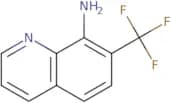
![6-[[4-(4-Methyl-1-piperazinyl)phenyl]amino]-5,8-quinazolinedione](/_next/image/?url=https%3A%2Fstatic.cymitquimica.com%2Fproducts%2F3D%2Fthumb-webp%2FHKD41121.webp&w=3840&q=75)

![(R)-(+)-5-[[3-[(6,8-Dibromochroman-4-yl)amino]propyl]amino]-4H-thieno[3,2-b]pyridin-7-one dihydroc…](/_next/image/?url=https%3A%2Fstatic.cymitquimica.com%2Fproducts%2F3D%2Fthumb-webp%2FNQB91599.webp&w=3840&q=75)
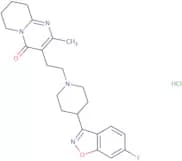
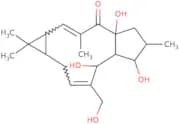

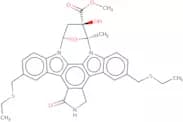
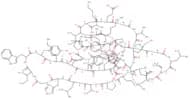


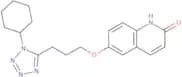


![[D-Ala2,Met5]-Enkephalin](/_next/image/?url=https%3A%2Fstatic.cymitquimica.com%2Fproducts%2F3D%2Fthumb-webp%2FPEK-4116.webp&w=3840&q=75)


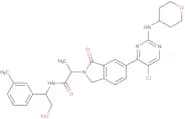
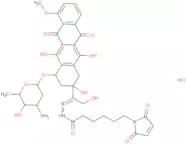

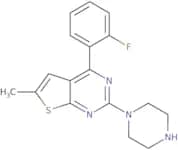
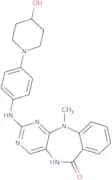

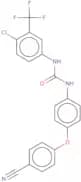

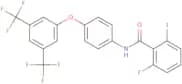
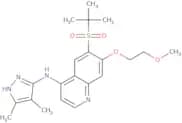
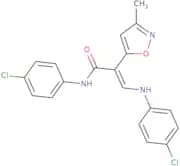
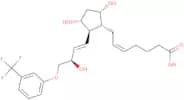
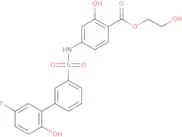
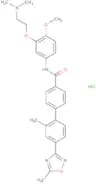
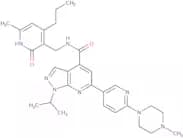
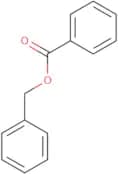
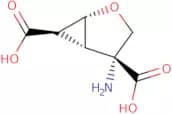
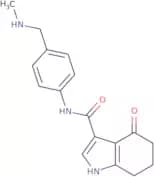
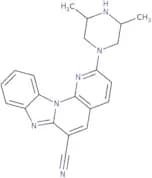
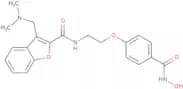
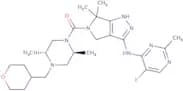
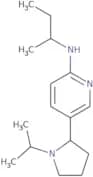
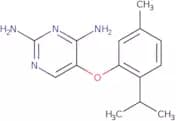
![N-{3-[(2-Chloro-acetyl)-(4-nitro-phenyl)-amino]-propyl}-2,2,2-trifluoro-acetamide](/_next/image/?url=https%3A%2Fstatic.cymitquimica.com%2Fproducts%2F3D%2Fthumb-webp%2FKZA26301.webp&w=3840&q=75)
![tert-Butyl 2-(4-{[4-(3-azidopropoxy)phenyl]azo}benzamido)ethylcarbamate](/_next/image/?url=https%3A%2Fstatic.cymitquimica.com%2Fproducts%2F3D%2Fthumb-webp%2FHYB28971.webp&w=3840&q=75)

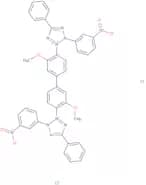

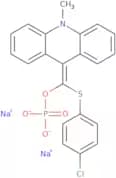
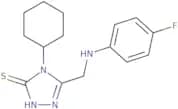
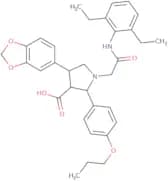
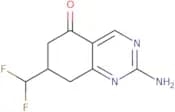


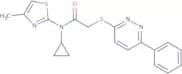

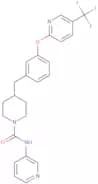
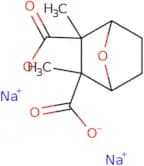
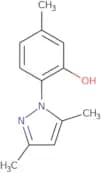

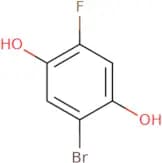

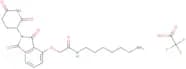
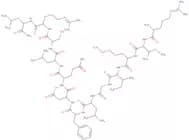
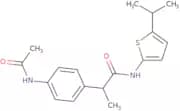
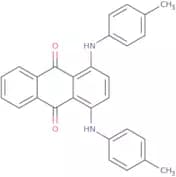

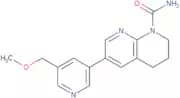
![6-((1H-Pyrazolo[4,3-b]pyridin-3-yl)amino)-N-(3,3-difluorocyclobutyl)benzo[D]isothiazole-3-carboxam…](/_next/image/?url=https%3A%2Fstatic.cymitquimica.com%2Fproducts%2F3D%2Fthumb-webp%2FTDD54634.webp&w=3840&q=75)
![B-[(1E)-3-Chloro-1-propen-1-yl]boronic acid](/_next/image/?url=https%3A%2Fstatic.cymitquimica.com%2Fproducts%2F3D%2Fthumb-webp%2FRUA87929.webp&w=3840&q=75)

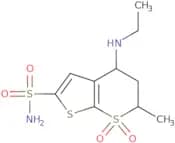
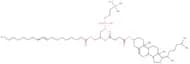
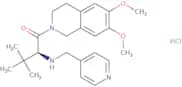
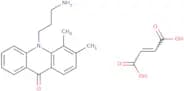
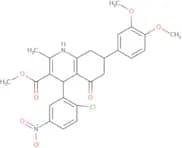
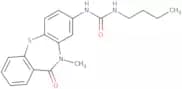
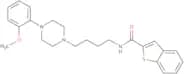

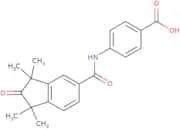
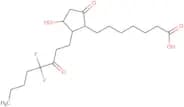
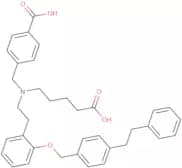
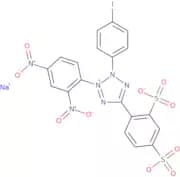


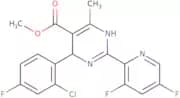
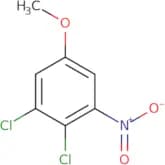
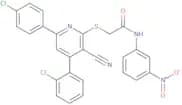
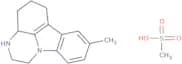
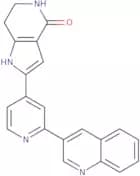
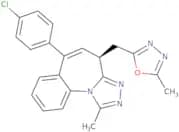
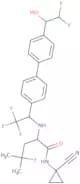
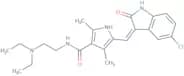
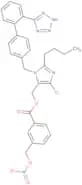
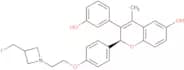
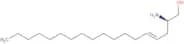
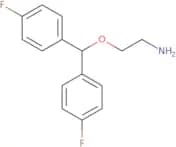

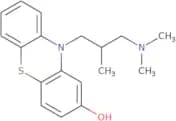
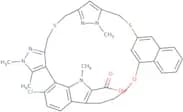
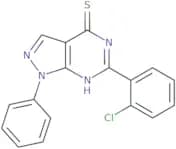
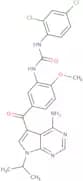
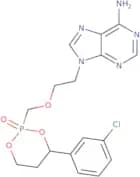
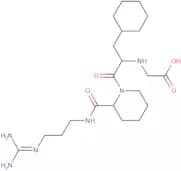
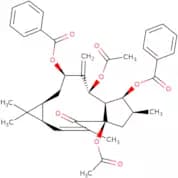
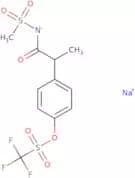
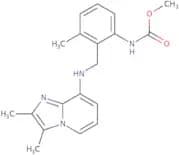
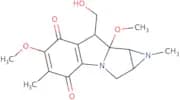
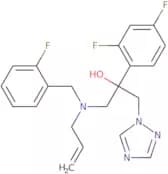
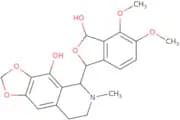
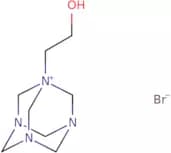
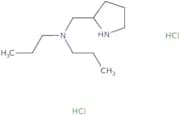
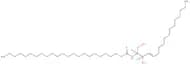



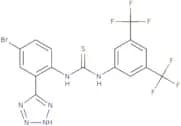
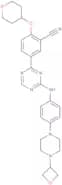
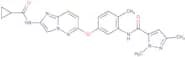
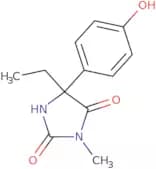
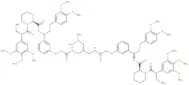
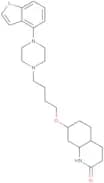
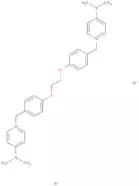
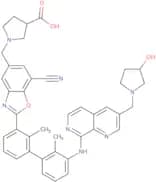
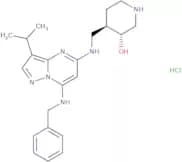
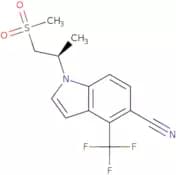
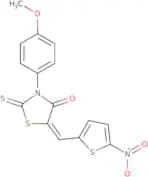
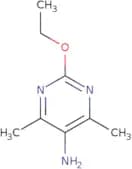
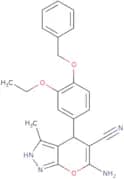
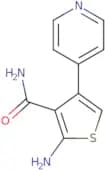
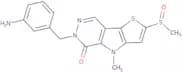
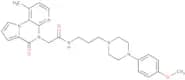
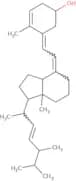
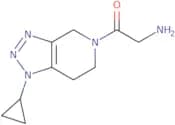
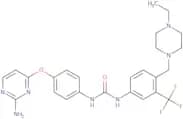
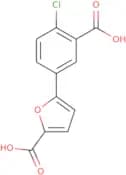
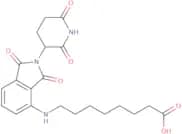
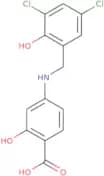
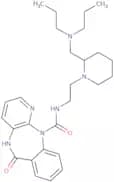
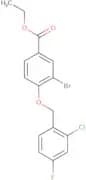
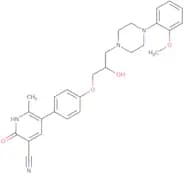
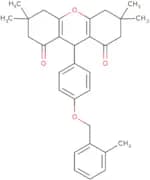

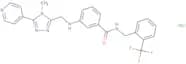

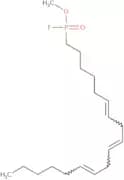
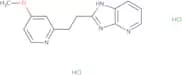
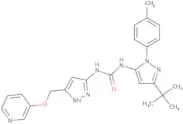
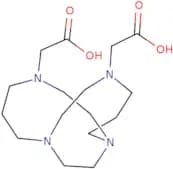
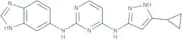

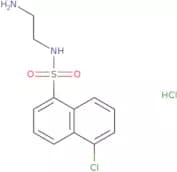
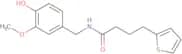
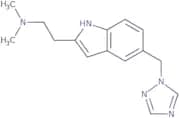
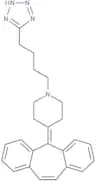
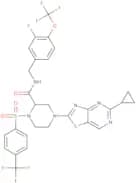
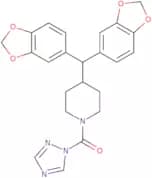
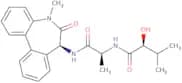
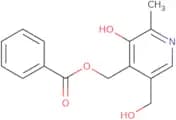

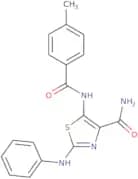



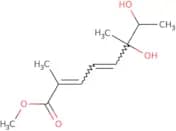
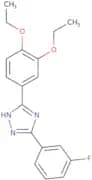

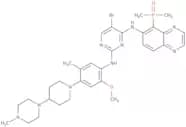
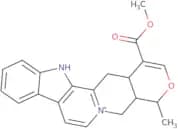
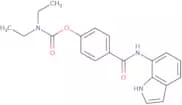
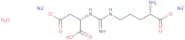
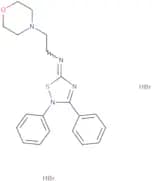
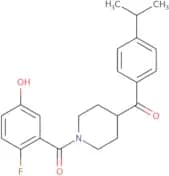
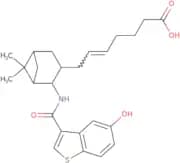
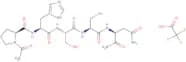
![N-(3-Chloropyridin-2-yl)-N-[(3R)-piperidin-3-yl]-4-(triazolo[4,5-b]pyridin-3-yl)benzamide](/_next/image/?url=https%3A%2Fstatic.cymitquimica.com%2Fproducts%2F3D%2Fthumb-webp%2FHQC25049.webp&w=3840&q=75)
![2-Chloro-N-(1-hydroxy-3,3-dimethyl-1,3-dihydrobenzo[C][1,2]oxaborol-6-yl)-4-(1H-pyrazol-1-yl)benza…](/_next/image/?url=https%3A%2Fstatic.cymitquimica.com%2Fproducts%2F3D%2Fthumb-webp%2FVPC89932.webp&w=3840&q=75)