Compostos alifáticos e derivados
Os compostos alifáticos e seus derivados são compostos orgânicos caracterizados por estruturas de cadeia reta ou ramificada, ao contrário das estruturas em anel encontradas nos compostos aromáticos. Esses compostos incluem alcanos, alcenos, alcinos e seus derivados funcionalizados, desempenhando um papel vital em vários processos químicos e aplicações industriais. Na CymitQuimica, oferecemos uma seleção diversificada de compostos alifáticos de alta pureza e seus derivados, meticulosamente selecionados e testados para atender aos rigorosos requisitos de pesquisa e necessidades industriais. Nosso catálogo abrange uma ampla gama de compostos, incluindo hidrocarbonetos, álcoois, aldeídos, cetonas e ácidos, cada um conhecido por sua reatividade e versatilidade na síntese orgânica, farmacêutica e ciência dos materiais. Ao fornecer compostos alifáticos e derivados de alta qualidade, apoiamos pesquisadores e profissionais na realização de transformações químicas precisas e eficientes, promovendo a inovação e os avanços em vários campos científicos e tecnológicos.
Foram encontrados 8718 produtos de "Compostos alifáticos e derivados"
Ordenar por
Pureza (%)
0
100
|
0
|
50
|
90
|
95
|
100
Linoleic acid
CAS:<p>Linoleic acid is an organic compound that is a polyunsaturated omega-6 fatty acid. It is a common lipid and reaction component in the chemical industry. Linoleic acid has been shown to be useful as a building block in organic synthesis, as well as in the production of speciality chemicals, such as surfactants. Linoleic acid can be used to prepare many types of products, including pharmaceuticals, pesticides, and plastics. The CAS number for linoleic acid is 60-33-3.</p>Fórmula:C18H32O2Peso molecular:280.45 g/molEthanesulfonic acid, 70% aqueous solution
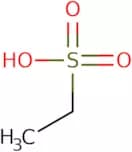
CAS:<p>Ethanesulfonic acid solution - 70 wt. % in H2O is a monosodium salt that is used as an enzymatic reagent for the determination of bacteria and fungi, as well as for the detection of infectious diseases. It has been shown to be effective against microdialysis probes with a high degree of sensitivity and specificity. Ethanesulfonic acid solution - 70 wt. % in H2O has been shown to have significant physiological effects on various regions of the body, including bowel disease, polymerase chain reaction (PCR), glycol ethers, antimicrobial agents, and radiation. Ethanesulfonic acid solution - 70 wt. % in H2O also inhibits the growth of bacteria by acting as a coumarin derivative that reacts with nucleotides to form dinucleotide phosphate, which blocks DNA synthesis and transcription from RNA templates.</p>Fórmula:C2H6O3SPureza:(Titration) 68.0 To 72.0%Cor e Forma:Clear LiquidPeso molecular:110.13 g/molChlorobutanol
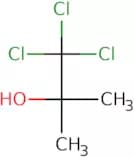
CAS:<p>Chlorobutanol is an antimicrobial agent that is used in the preservation of pharmaceuticals, cosmetics, and other products. It has been shown to be effective against a variety of bacterial and fungal organisms. Chlorobutanol is also used as a preservative in topical ophthalmic preparations. In addition, chlorobutanol has been found to be a potent inhibitor of histone deacetylase (HDAC) activity, which may be due to its ability to bind to the active site of HDACs. This binding prevents acetylation of lysine residues on histones, thereby preventing transcriptional activation.</p>Fórmula:C4H7OCl3Pureza:Min. 95%Cor e Forma:White To Off-White SolidPeso molecular:177.46 g/molN-Methylbutane-1,4-diamine, dihydrochloride
CAS:<p>Putrescine is a metabolite that is produced by the breakdown of amino acids and proteins. It can be synthesized from ornithine, citrulline, and arginine. Putrescine is a precursor to polyamines such as spermidine and spermine, which are important for cell growth. Mouse studies have shown that putrescine is a conjugate base that may act as a neurotransmitter or neuromodulator in the central nervous system.</p>Fórmula:C5H16Cl2N2Pureza:Min. 95%Cor e Forma:PowderPeso molecular:175.1 g/mol2,2,4,4,6,8,8-Heptamethylnonane
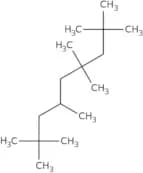
CAS:<p>2,2,4,4,6,8,8-Heptamethylnonane is a hydrogenated form of 2-methylnonane. It is used as a model system for fatty acids in order to study the kinetics of air entrainment and constant pressure distillation. The chemical stability of 2,2,4,4,6,8,8-heptamethylnonane has been shown to be excellent when heated at 200°C under nitrogen. This compound can also be used as an analytical method for ethylene diamine in pharmaceutical preparations of sodium salts and boron nitride. The use of 2-methylnonane as a starting material may lead to the production of chinese herb by reacting with acetic acid or formic acid.</p>Fórmula:C16H34Pureza:Min. 95%Cor e Forma:PowderPeso molecular:226.44 g/mol1-Docosanol
CAS:<p>Docosanol is a drug that is used for the treatment of various skin disorders, including psoriasis, eczema, and ichthyosis. It is also used as an adjuvant in the treatment of chronic obstructive pulmonary disease. Docosanol is a lipid molecule that has been shown to have antiviral, antibacterial, antifungal, and antiprotozoal properties. It can be used as a carrier for topical medications and has been shown to have anti-inflammatory effects. The mechanism of action for docosanol is not well understood but may involve its ability to bind to Toll-like receptors on macrophages and neutrophils in the skin. This binding inhibits the synthesis of inflammatory mediators such as prostaglandins and leukotrienes. Docosanol also has physiological effects on water balance by acting as a surfactant in the lungs and preventing water vapor from escaping through respiratory membranes in the nose or mouth. Docosanol</p>Fórmula:C22H46OPureza:Min. 95%Cor e Forma:PowderPeso molecular:326.6 g/mol2-Ethenyl-5-methylfuran
CAS:<p>2-Ethenyl-5-methylfuran is a monomer that belongs to the group of styrene. It has been shown to polymerize with cationic polymerization, and it can be used as a marker for carbohydrate. 2-Ethenyl-5-methylfuran is also able to copolymerize with many other monomers, including acrylonitrile and acrylic acid. The reactions of 2-ethenyl-5-methylfuran are similar to those of coumarin derivatives and trifluoroacetic acid. 2-Ethenyl-5-methylfuran can be used in chemical reactions, such as model systems.</p>Fórmula:C7H8OPureza:Min. 95%Cor e Forma:Clear LiquidPeso molecular:108.14 g/molBis[(pinacolato)boryl]methane
CAS:<p>Bis[(pinacolato)boryl]methane is a bifunctional organoboron reagent with an allyl group on one end and a cyclopropane on the other end. It is useful in organic synthesis as a nucleophile for allylation, as well as for the synthesis of unsymmetrical cyclopropanes. This compound can be used to catalyze asymmetric methods, such as the synthesis of alicyclic compounds. Bis[(pinacolato)boryl]methane can also be used to synthesize biomolecules.</p>Fórmula:C13H26B2O4Pureza:Min. 95%Cor e Forma:White To Off-White SolidPeso molecular:267.97 g/mol1-Bromo-3-chloropropane
CAS:<p>1-Bromo-3-chloropropane is a chemical that has been used in the synthesis of various organic compounds. It has been shown to exhibit neurotoxicity, as well as to be carcinogenic and mutagenic. The compound can also affect the central nervous system by decreasing locomotor activity. It has also been shown to cause respiratory problems in rats, and may be toxic if inhaled or ingested. 1-Bromo-3-chloropropane exhibits cytotoxic effects on human cells grown in vitro, which may be due to its ability to bind nucleophilic groups on proteins. This reaction is thought to yield an acylated product with a chloride ion at one terminus and a methyl anthranilate at the other terminus.</p>Fórmula:C3H6BrClPureza:Min. 98 Area-%Cor e Forma:Colorless Clear LiquidPeso molecular:157.44 g/molParaffin oil
CAS:<p>Paraffin oil is a mixture of hydrocarbons that is liquid at room temperature and pressure. It has been shown to inhibit the growth of human osteosarcoma cells in vitro, with a potency corresponding to that of delphinidin, a natural compound found in plants. Paraffin oil also has an inhibitory effect on the mitochondrial membrane potential and on the release of pro-inflammatory cytokines such as TNF-α and IL-6 by HL-60 cells. This inhibition may be due to the ability of paraffin oil to bind to Toll-like receptors (TLRs). The molecular mechanism underlying this inhibition remains unknown. Paraffin oil can be used as a model system for epigenetic modulators because it induces histone acetylation, which alters gene expression.</p>Pureza:Min. 95%Hydroxypropanedial
CAS:<p>Hydroxypropanedial is a hydroxy group-containing compound that is not found in natural sources. It has antioxidative properties, which may be due to its ability to scavenge reactive oxygen species or donate hydrogen atoms to free radicals. The compound also has cyclohexane ring and carbonyl groups, which are responsible for the hydroxyl and carboxylic acid functionalities respectively. This substance is used as a chromatographic reagent to measure second-order rate constants of reactions involving hydroxyl radicals. Hydroxypropanedial absorbs light strongly at wavelengths shorter than 300 nm, which is the most effective wavelength range for uv absorption in biological systems.</p>Fórmula:C3H4O3Pureza:Min. 95%Cor e Forma:Off-White To Light (Or Pale) Brown SolidPeso molecular:88.06 g/molTriisopropylsilyl trifluoromethanesulphonate
CAS:<p>Triisopropylsilyl trifluoromethanesulphonate (TIPS) is a naturally occurring compound that inhibits the enzyme dipeptidyl peptidase IV (DPP-IV). It has been shown to be active against alopecia areata in a mouse model and may have therapeutic potential for other autoimmune diseases. TIPS also has an inhibitory effect on sodium-dependent glucose transport, which may be useful in the treatment of hypertension. The reactive group of TIPS is hydroxyl, which can form a covalent bond with serine proteases and inhibit their activity. This reaction mechanism provides a new way to treat disorders such as metabolic diseases and infectious diseases. TIPS also has an inhibitory effect on ns3 protease, which is involved in the replication of human immunodeficiency virus type 1 (HIV-1) and other retroviruses.</p>Fórmula:C10H21F3O3SSiPureza:Min. 95%Cor e Forma:Colourless Clear LiquidPeso molecular:306.42 g/molMesityl oxide
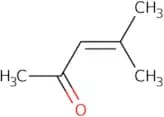
CAS:<p>Mesityl oxide is a nitro compound that is used as an intermediate for the synthesis of other compounds. It is prepared by the reaction of acetone and malonic acid in the presence of phosphorus pentoxide. The optimum concentration for this reaction is 1.5 M in acetone and 0.1 M in malonic acid. The product is purified by solid phase extraction using a microextraction device and then recrystallized from acetone-methanol to obtain pure mesityl oxide. Mesityl oxide has been shown to inhibit prostate cancer cells, which may be due to its ability to react with hydroxyl groups on proteins to form methoxy radicals, which break down DNA molecules.</p>Fórmula:C6H10OPureza:Min. 95%Cor e Forma:Clear LiquidPeso molecular:98.14 g/molN-Methyl-1,1,1-trifluoro-2-propylamine hydrochloride
CAS:<p>Please enquire for more information about N-Methyl-1,1,1-trifluoro-2-propylamine hydrochloride including the price, delivery time and more detailed product information at the technical inquiry form on this page</p>Fórmula:C4H9ClF3NPureza:Min. 95%Peso molecular:163.57 g/moltert-Butyl 3-bromopropionate
CAS:<p>Tert-butyl 3-bromopropionate is a linker for the synthesis of pleuromutilin derivatives. It has been used as a model substrate for studying the effects of hypertrophy on cardiac muscle. Tert-butyl 3-bromopropionate has also been shown to inhibit the production of proinflammatory cytokines in response to bacterial infection, and can be used as an antibacterial agent. Tert-butyl 3-bromopropionate binds to RNA and inhibits protein synthesis, which leads to cell death by preventing the production of proteins vital for cell division. Tert-butyl 3-bromopropionate is also a potent inhibitor of chloride channels that are found in nerve cells and prevents the flow of chloride ions through these channels, leading to paralysis. This drug also inhibits hydrogen fluoride excretion in rats, which may be due to its ability to bind with chloride ions in the kidney tubules, preventing their</p>Fórmula:C7H13BrO2Pureza:Min. 95%Cor e Forma:Colorless Clear LiquidPeso molecular:209.08 g/molHexabromoethane
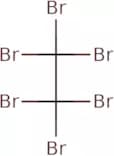
CAS:<p>Hexabromoethane is a metal chelate that has been shown to activate the polymerization of cyclohexane rings. It is often used as a light-sensitive initiator for the production of polymers, such as polyethylene. Hexabromoethane can also be found in some halogenated compounds and hydroxyl groups. The molecule is made up of six bromine atoms, an ethane chain, and one hydrogen atom. Hexabromoethane has significant interactions with other functional groups, including hydroxyls and monomers.</p>Fórmula:C2Br6Pureza:Min. 95%Cor e Forma:PowderPeso molecular:503.45 g/mol2-Nitropropane
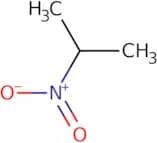
CAS:<p>2-Nitropropane is a pharmacological agent that is used for the treatment of bacterial infections. It is a nitroalkane, which are compounds with nitro groups in their molecular structure. 2-Nitropropane has been shown to inhibit DNA synthesis by binding to nuclear dna and inhibiting enzyme activities in vitro. Toxicological studies on 2-nitropropane have been conducted and show that it does not cause any adverse effects at low doses. The mechanism of action for 2-nitropropane has been investigated and found to inhibit the enzyme activity of nitrate reductase, which leads to an accumulation of the toxic nitrite ion (NO2-) in cells.</p>Fórmula:C3H7NO2Pureza:Min. 95%Cor e Forma:Colorless PowderPeso molecular:89.09 g/molDocosane
CAS:<p>Please enquire for more information about Docosane including the price, delivery time and more detailed product information at the technical inquiry form on this page</p>Fórmula:C22H46Pureza:Min. 95%Peso molecular:310.6 g/molPerfluoroheptanoyl chloride
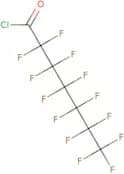
CAS:<p>Perfluoroheptanoyl chloride is a fluorinated hydrocarbon that is used as a surfactant in detergent compositions. It has been shown to be biostable, which means it does not react with other molecules in the environment. This compound also has low environmental toxicity because of its resistance to peroxidation and its ability to form stable complexes with metals. Perfluoroheptanoyl chloride has been shown to cause allergic reactions in some people and may cause adverse effects on animal health. Research on the effects of perfluoroheptanoyl chloride on Xenopus oocytes has demonstrated that this compound can affect gene expression and result in cell death.</p>Fórmula:C7CIF13OPureza:Min. 95%Cor e Forma:Colourless LiquidPeso molecular:382.51 g/mol2-Bromo-2-nitro-1,3-propanediol
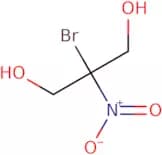
CAS:<p>2-Bromo-2-nitro-1,3-propanediol (BNP) is a preservative that is used in wastewater treatment. It is an antimicrobial agent that has synergistic effects with other antimicrobial agents such as triclosan, benzalkonium chloride and sesquiterpene lactones. 2-Bromo-2-nitro-1,3-propanediol has been shown to have a phase transition temperature of -28°C, which can be used to identify it in the laboratory. This compound also has a pK value of 4.4, which indicates that it is weakly acidic. 2-Bromo-2-nitro-1,3-propanediol can be used as an analytical method for the determination of p - hydroxybenzoic acid in aqueous samples by electrochemical impedance spectroscopy (EIS).</p>Fórmula:C3H6BrNO4Pureza:Min. 95%Cor e Forma:PowderPeso molecular:199.99 g/mol





![Bis[(pinacolato)boryl]methane](/_next/image/?url=https%3A%2Fstatic.cymitquimica.com%2Fproducts%2F3D%2Fthumb-webp%2FFB18774.webp&w=3840&q=75)