Building Blocks
Esta seção contém produtos fundamentais para a síntese de compostos orgânicos e biológicos. Building blocks são os materiais de partida essenciais usados para construir moléculas complexas através de várias reações químicas. Eles desempenham um papel crítico na descoberta de medicamentos, ciência dos materiais e pesquisa química. Na CymitQuimica, oferecemos uma ampla gama de building blocks de alta qualidade para apoiar suas pesquisas inovadoras e projetos industriais, garantindo que você tenha os componentes essenciais para uma síntese bem-sucedida.
Subcategorias de "Building Blocks"
- Ácidos Borónicos e Derivados de Ácido Borónico(5.756 produtos)
- Building Blocks Quirais(1.242 produtos)
- Building Blocks Hidrocarbonetos(6.093 produtos)
- Building Blocks orgânicos(60.532 produtos)
Foram encontrados 195534 produtos de "Building Blocks"
Ordenar por
Pureza (%)
0
100
|
0
|
50
|
90
|
95
|
100
3-(2-Methoxyethoxy)propanenitrile
CAS:<p>3-(2-Methoxyethoxy)propanenitrile is a complex molecule that can be synthesized in an efficient method. It is used as a chemical catalyst to promote reactions involving pyrrole and other heterocycles, such as cross-coupling reactions with aryl chlorides. 3-(2-Methoxyethoxy)propanenitrile has been shown to form monolayers on the surface of electrodes, which may be useful for the fabrication of devices. The solvents used in this synthesis are also important for the design of new synthetic methods.</p>Fórmula:C6H11NO2Pureza:Min. 95%Peso molecular:129.16 g/mol3,4-Dibromo-2-nitrothiophene
CAS:<p>Versatile small molecule scaffold</p>Fórmula:C4HBr2NO2SPureza:Min. 95%Peso molecular:286.93 g/mol2-(4-Bromothiophen-3-yl)ethan-1-ol
CAS:<p>Versatile small molecule scaffold</p>Fórmula:C6H7BrOSPureza:Min. 95%Peso molecular:207.09 g/molBis(ethylamino)-tert-butylamino-S-triazine-d9
CAS:<p>Versatile small molecule scaffold</p>Fórmula:C11H22N6Pureza:Min. 95%Peso molecular:238.33 g/molQuinolin-4-amine hydrochloride
CAS:<p>Quinolin-4-amine hydrochloride is a DNA polymerase inhibitor. It inhibits the transcription of viral genes by binding to the DNA polymerase enzyme, thereby preventing transcription and replication of viral DNA. Quinolin-4-amine hydrochloride has shown to be effective against various viruses in tissue culture, including herpes simplex virus, vaccinia virus, and HIV. The compound has also been shown to inhibit the growth of influenza A virus in cell culture. Quinolin-4-amine hydrochloride is useful as a diagnostic agent for identifying unvaccinated individuals who are at risk for acquiring certain viruses or as an antiviral agent in tissue culture or cell culture during outbreaks of virulent viruses such as HIV or hepatitis C virus.</p>Fórmula:C9H9ClN2Pureza:Min. 95%Peso molecular:180.63 g/mol1-Chloro-3-(chloromethoxy)benzene
CAS:<p>Versatile small molecule scaffold</p>Fórmula:C7H6Cl2OPureza:Min. 95%Peso molecular:177.02 g/molFmoc-DL-alanine
CAS:<p>Fmoc-DL-alanine is a moiety that is used in the synthesis of peptides and proteins. It has a pyrrole ring with an imidazole side chain. It is fluorescent, which can be useful for spectral analysis. Fmoc-DL-alanine has been shown to be a potent inhibitor of malignant cells, which may be due to its ability to inhibit the enzyme amino function. Fmoc-DL-alanine is stable under acidic conditions and does not react with nitro groups or carbohydrates. This compound is also soluble in water and can be synthesized with optimized acid residues.</p>Fórmula:C18H17NO4Pureza:Min. 95%Peso molecular:311.33 g/mol2-Formyl-5-phenylphenol
CAS:<p>2-Formyl-5-phenylphenol is an analytical reagent that can be used as a probe for detection of zinc ions in aqueous solutions. It is synthesized from salicylaldehyde and phenylmagnesium bromide with zinc chloride as a catalyst. 2-Formyl-5-phenylphenol reacts with the hydroxide ion to form an alcohol, which is then oxidized by hydrogen peroxide to form a phenoxy radical. This radical reacts with another molecule of hydrogen peroxide to form a fluorescent compound, homolytically cleaving the molecule. The reactivity of the heterocyclic ring depends on its position on the ring, with meta positions being more reactive than ortho or para positions.<br>2-Formyl-5-phenylphenol has been shown to have good reactivity with other nucleophiles such as amines, thiols, alcohols, and carboxylic acids.</p>Fórmula:C13H10O2Pureza:Min. 95%Peso molecular:198.22 g/mol6-Phenyl-1-benzofuran
CAS:<p>Versatile small molecule scaffold</p>Fórmula:C14H10OPureza:Min. 95%Peso molecular:194.23 g/mol1-Methylcyclooctane-1-carbonitrile
CAS:<p>Versatile small molecule scaffold</p>Fórmula:C10H17NPureza:Min. 95%Peso molecular:151.2 g/mol1-Methylcycloheptane-1-carboxylic acid
CAS:<p>1-Methylcycloheptane-1-carboxylic acid is a benzyl benzoate compound that has antipsychotic properties. It is used as an antipsychotic agent and also has a tolerability profile with minimal side effects. The drug binds to the dopamine D2 receptor, resulting in increased uptake of dopamine in the synapse by blocking its reuptake. The compound is soluble in water and lipid solvents, which allows for it to be absorbed easily through the skin or mucous membranes. 1-Methylcycloheptane-1-carboxylic acid is not active against bacteria and fungi.</p>Fórmula:C9H16O2Pureza:Min. 95%Peso molecular:156.22 g/mol1-Methylcyclooctane-1-carboxylic acid
CAS:<p>Versatile small molecule scaffold</p>Fórmula:C10H18O2Pureza:Min. 95%Peso molecular:170.2 g/molN-Benzylcyclohexanecarboxamide
CAS:<p>Versatile small molecule scaffold</p>Fórmula:C14H19NOPureza:Min. 95%Peso molecular:217.31 g/mol2-Methyl-2-morpholinopropanenitrile
CAS:<p>Versatile small molecule scaffold</p>Fórmula:C16H11F3N2SPureza:Min. 95%Peso molecular:320.3 g/molP-Tolylacetyl chloride
CAS:<p>P-Tolylacetyl chloride is a benzyl compound that has potent cytotoxicity. It is used in the synthesis of phenylacetates, which are intermediates for the synthesis of various pharmaceuticals. P-Tolylacetyl chloride has been shown to induce apoptosis in human cancer cells, including HCT116 and other tumor cell lines. This agent also induces DNA fragmentation and inhibits protein synthesis by inhibiting translation initiation factors. P-Tolylacetyl chloride also has an antitumor effect by inhibiting tumor growth in mice with subcutaneous leukemia. It is thought that this effect may be due to its ability to inhibit the production of reactive oxygen species (ROS) and reduce levels of intracellular glutathione.</p>Fórmula:C9H9ClOPureza:Min. 95%Peso molecular:168.62 g/mol2-Chloro-3-hydroxyquinoxaline
CAS:<p>2-Chloro-3-hydroxyquinoxaline is a chemical compound that belongs to the group of nitrones. It can be synthesized from 2,4,6-trichloro-1,3,5-triazine and amines. The yields are quite high with a range of 60%-90%. 2-Chloro-3-hydroxyquinoxaline can be used as a starting material for the synthesis of substituted quinoxalinones by coupling with nitro compounds or halides.<br>2-Chloro-3-hydroxyquinoxaline has been found to have pharmacological effects on biological systems in x ray analysis. It is also used in the synthesis of annulated quinoxalinones.</p>Fórmula:C8H5N2OClPureza:Min. 95%Peso molecular:180.59 g/mol1-tert-Butyl-1H-1,3-benzodiazol-2-amine
CAS:<p>Versatile small molecule scaffold</p>Fórmula:C11H15N3Pureza:Min. 95%Peso molecular:189.26 g/mol5-Hydroxy-1-methyl-4-nitroimidazole sodium salt
CAS:<p>Please enquire for more information about 5-Hydroxy-1-methyl-4-nitroimidazole sodium salt including the price, delivery time and more detailed product information at the technical inquiry form on this page</p>Fórmula:C4H4N3NaO3Pureza:Min. 95%Peso molecular:165.08 g/mol3-Methyl-1,2,3,4-tetrahydroisoquinolin-1-one
CAS:<p>3-Methyl-1,2,3,4-tetrahydroisoquinolin-1-one (3MTI) is a chemical compound that has been synthesized for the first time. This molecule has been studied experimentally in the optical properties of its spectrum and reactivity. 3MTI has been shown to react with hydrogen peroxide to produce water and formaldehyde. The reaction mechanism is based on the theory that 3MTI is an electron donor and hydrogen peroxide is an electron acceptor. The reaction process occurs by photosensitization of the molecule with UV light or visible light. The reaction system involves the direct oxidation of 3MTI by molecular oxygen in presence of hydrogen peroxide to produce water and formaldehyde.</p>Fórmula:C10H11NOPureza:Min. 95%Peso molecular:161.2 g/mol2-Chloro-N,N-dimethylquinazolin-4-amine
CAS:<p>Versatile small molecule scaffold</p>Fórmula:C10H10ClN3Pureza:Min. 95%Peso molecular:207.66 g/molEthyl 3,5-dimethyl-1H-pyrazole-4-carboxylate
CAS:<p>Ethyl 3,5-dimethyl-1H-pyrazole-4-carboxylate is a chemical compound that belongs to the group of organic compounds. It is a colorless liquid with a pungent odor and a boiling point of 150 degrees Celsius. It is soluble in water, ethanol, and ether. Ethyl 3,5-dimethyl-1H-pyrazole-4-carboxylate can be used as an amine transfer agent and has been shown to react with hydroxyl ions under acidic conditions. The reaction rate increases when the concentration of acid solutions increase. This chemical also reacts with inorganic anions to form salts.</p>Fórmula:C8H12N2O2Pureza:Min. 95%Peso molecular:168.19 g/mol1-(2,4-Dimethoxyphenyl)-2-thiourea
CAS:<p>1-(2,4-Dimethoxyphenyl)-2-thiourea is a lead compound for the development of opioid analgesics. It has shown to be an effective analgesic in animal models and has been found to have low side effects. This drug interacts with the μ-opioid receptor and activates it by changing its conformation. This activation mechanism is different from that of other opioids, which typically inhibit the receptor's activity. The activation mechanism of 1-(2,4-dimethoxyphenyl)-2-thiourea is believed to be due to structural modifications at the site of the receptor that promote signal transduction. This drug also acts as a competitive antagonist at the μ-opioid receptor, which may contribute to its antinociceptive properties.</p>Fórmula:C9H12N2O2SPureza:Min. 95%Peso molecular:212.27 g/mol4-(Phenylamino)-2,3-dihydroquinazoline-2-thione
CAS:<p>Versatile small molecule scaffold</p>Fórmula:C14H11N3SPureza:Min. 95%Peso molecular:253.32 g/mol5-Nitro-1,3-benzoxazole-2-carbonitrile
CAS:<p>5-Nitro-1,3-benzoxazole-2-carbonitrile is a chemical compound that inhibits the uptake of drugs into cells. It is a selective inhibitor of the enzyme adenosine transporter (AT) which prevents the uptake of adenosine and other compounds into cells. The inhibition is reversible under conditions where ATP levels are low. 5-Nitro-1,3-benzoxazole-2-carbonitrile has been shown to be stable when exposed to human serum and can be used for sample preparation prior to analysis with high performance liquid chromatography (HPLC). This agent has also been shown to inhibit theophylline uptake in human erythrocytes, making it a useful tool for studying drug interactions. 5NBB also inhibits caffeine uptake in microspheres and can be used as an analytical reagent for determining caffeine content in beverages.</p>Fórmula:C8H3N3O3Pureza:Min. 95%Peso molecular:189.13 g/mol1-Methylnaphthalene-2-carbaldehyde
CAS:<p>1-Methylnaphthalene-2-carbaldehyde is a compound that can be found in acetonitrile. The molecule has two isomers, which are distinguished by the position of the methyl group on the ring. The 1-methylnaphthalene-2-carbaldehyde molecule is an organic compound with a molecular weight of 136.19 g/mol and a boiling point of 141°C at 0.1 mmHg. It has a photoisomerization quantum yield of 0.05 and fluorescence lifetimes of 4 to 5 nanoseconds, which are both relatively low. The molecule's singlet state lifetime is about half that of its triplet state lifetime, although it has been shown to have a higher quantum yield for this state than for its ground state. This means that the singlet state is more stable than the ground state, so it will remain in this state longer before emitting light or changing back to its ground state. This property makes</p>Fórmula:C12H10OPureza:Min. 95%Peso molecular:170.21 g/mol7-Bromo-5-methyl-1-benzofuran-2-carboxylic acid
CAS:<p>Versatile small molecule scaffold</p>Fórmula:C10H7BrO3Pureza:Min. 95%Peso molecular:255.06 g/mol5-Methyl-2,3-dihydro-1-benzofuran-7-carboxylic acid
CAS:<p>Versatile small molecule scaffold</p>Fórmula:C10H10O3Pureza:Min. 95%Peso molecular:178.18 g/mol5-Methoxy-2,3-dihydro-1-benzofuran-7-carboxylic acid
CAS:<p>Versatile small molecule scaffold</p>Fórmula:C10H10O4Pureza:Min. 95%Peso molecular:194.18 g/molN-(Propan-2-yl)-1-[N'-(propan-2-yl)carbamimidamido]methanimidamide hydrochloride
CAS:<p>Versatile small molecule scaffold</p>Fórmula:C8H20ClN5Pureza:Min. 95%Peso molecular:221.73 g/mol(4-Benzylphenyl)methanol
CAS:<p>4-Benzylphenylmethanol is a natural compound that belongs to the class of amines. It is found in pyrethrum, which is derived from plants of the genus Chrysanthemum. 4-Benzylphenylmethanol has been used as a supplement for insect control, usually as an additive to natural pyrethrins. This substance has been shown to be effective against insect species such as the German cockroach, the fruit fly, and the mosquito. 4-Benzylphenylmethanol also has insecticidal properties by preventing insects from breaking down the chemical bonds in their cell membranes. This allows for more rapid death of insects and lessens their ability to regenerate cells after contact with this substance.</p>Fórmula:C14H14OPureza:Min. 95%Peso molecular:198.27 g/mol7-Chloroquinoline-4-carbaldehyde
CAS:<p>7-Chloroquinoline-4-carbaldehyde is an intermediate in the synthesis of quinolines. It is a functionalized, hydroxylated compound that can be used as an antiproliferative reagent. 7-Chloroquinoline-4-carbaldehyde has been shown to inhibit the growth of leukemia cells, prostate cancer cells and breast cancer cells. The hydroxyl group on this molecule reacts with electrophiles to form covalent adducts and undergoes substitution reactions with amino groups. This molecule also has an aryl group that can be modified to create bioisosteres.</p>Fórmula:C10H6ClNOPureza:Min. 95%Peso molecular:191.61 g/mol3-Chloro-N-(2,6-dichlorophenyl)propanamide
CAS:<p>Versatile small molecule scaffold</p>Fórmula:C9H8Cl3NOPureza:Min. 95%Peso molecular:252.5 g/mol1-(4-Bromothiophen-3-yl)ethan-1-one
CAS:<p>Versatile small molecule scaffold</p>Fórmula:C6H5BrOSPureza:Min. 95%Peso molecular:205.07 g/molBis(propan-2-yl) [(4-methylbenzenesulfonyl)oxy]methanephosphonate
CAS:<p>Bis(propan-2-yl) [(4-methylbenzenesulfonyl)oxy]methanephosphonate is a nucleoside phosphonate that inhibits the replication of dna and RNA viruses. It is used to treat human immunodeficiency virus (HIV), varicella, and hepatitis. The antiviral activity of bis(propan-2-yl) [(4-methylbenzenesulfonyl)oxy]methanephosphonate has been shown to be effective against HIV, herpes simplex virus type 1, and hepatitis B virus. This drug binds to the viral nucleic acid polymerase and prevents it from adding new nucleotides to the growing strand of DNA or RNA.</p>Fórmula:C14H23O6PSPureza:Min. 95%Peso molecular:350.37 g/mol3-Chloro-4-phenoxyaniline hydrochloride
CAS:<p>Versatile small molecule scaffold</p>Fórmula:C12H11Cl2NOPureza:Min. 95%Peso molecular:256.13 g/mol2,4-Dibromo-5-methoxyaniline
CAS:<p>2,4-Dibromo-5-methoxyaniline is an analog of 2,4-diaminopyridine. It is a synthetic compound that can be prepared by catalytic reduction of the corresponding bromide. The yields are between 60 and 90%. It is used as a precursor to make other compounds such as methoxybenzene and 4-bromo-2,6-dimethoxyphenol. The compound has two methoxy groups and two hydroxy groups that can be substituted with dialkoxy or alkoxy groups. This compound also undergoes debromination to form 2,4-dibromo-5-(hydroxymethyl)aniline. 2,4-Dibromo-5-(hydroxymethyl)aniline can be oxidized to form aniline or reduced to form dihydroxybenzene (1,3).</p>Fórmula:C7H7Br2NOPureza:Min. 95%Peso molecular:280.94 g/molBenzyl (2,5-Dioxotetrahydrofuran-3-Yl)Carbamate
CAS:<p>Versatile small molecule scaffold</p>Fórmula:C12H11NO5Pureza:Min. 95%Peso molecular:249.22 g/mol2-Bromo-3-methylquinoline
CAS:<p>2-Bromo-3-methylquinoline is a pyrimidine compound that has been shown to have anti-inflammatory properties. It has been demonstrated to inhibit the conversion of propionate and acetyl-CoA into propionyl CoA, which is an important step in the synthesis of fatty acids. This inhibition leads to a decrease in the production of inflammatory leukotrienes and prostaglandins. 2-Bromo-3-methylquinoline also inhibits the formation of reactive oxygen species by inhibiting the conversion of isobutyrate into isobutyraldehyde, which results in decreased inflammation and oxidative stress.</p>Fórmula:C10H8BrNPureza:Min. 95%Peso molecular:222.08 g/mol2-(3-Iodo-2-oxopropyl)-2,3-dihydro-1H-isoindole-1,3-dione
CAS:<p>Versatile small molecule scaffold</p>Fórmula:C11H8INO3Pureza:Min. 95%Peso molecular:329.09 g/mol2-(3-Hydroxy-2-oxopropyl)-2,3-dihydro-1H-isoindole-1,3-dione
CAS:<p>Versatile small molecule scaffold</p>Fórmula:C11H9NO4Pureza:Min. 95%Peso molecular:219.19 g/mol3-Nitro-N-phenylpyridin-4-amine
CAS:<p>Versatile small molecule scaffold</p>Fórmula:C11H9N3O2Pureza:Min. 95%Peso molecular:215.21 g/mol3,4-Dichloro-5-fluoroaniline
CAS:<p>Versatile small molecule scaffold</p>Fórmula:C6H4Cl2FNPureza:Min. 95%Peso molecular:180 g/mol2-Bromo-3-nitrobenzamide
CAS:<p>2-Bromo-3-nitrobenzamide (2-BNBA) is an organic compound that has been shown to have insecticidal properties. It is a quinoline derivative with a cinnabarinus structure and a benzyl group on the nitrogen atom. 2-BNBA was synthesized by modifying the pharmacophore of the natural product cinnabarinus, which is found in the leaves of Cinnamomum zeylanicum. The modification of this pharmacophore led to increased insecticidal activity against tetranychus and other insects. The target compounds for 2-BNBA are sulfide, which are found in cells and tissues of insects such as tetranychus. 2-BNBA inhibits the synthesis of proteins and DNA, leading to death by accumulation of reactive oxygen species within cells.</p>Fórmula:C7H5N2O3BrPureza:Min. 95%Peso molecular:245.03 g/mol3-Acetyl-2,3,4,5-tetrahydro-1H-3-benzazepine-7-sulfonyl chloride
CAS:<p>Versatile small molecule scaffold</p>Fórmula:C12H14ClNO3SPureza:Min. 95%Peso molecular:287.76 g/mol4-Methylpyrimidine-2-sulfonamide
CAS:<p>4-Methylpyrimidine-2-sulfonamide is a pharmaceutical preparation that has been shown to be effective in the treatment of hyperproliferative diseases. It has been found to inhibit cellular proliferation and induce apoptosis in cells from patients with chronic bronchitis, which may be due to its ability to modulate extracellular signal transduction pathways. 4-Methylpyrimidine-2-sulfonamide also has anti-cancer effects, inhibiting the growth of cancer cells by triggering cell cycle arrest or inducing apoptosis. This drug can also lead to symptoms such as nausea, vomiting, and diarrhea, which are indications of a hypersensitivity reaction. The gene sequence analysis was done using DNA from wild type mice and transgenic animals.</p>Fórmula:C5H7N3O2SPureza:Min. 95%Peso molecular:173.2 g/mol2-Propylfuran-3-carboxylic acid
CAS:<p>Versatile small molecule scaffold</p>Fórmula:C8H10O3Pureza:Min. 95%Peso molecular:154.16 g/molN-(Carbamothioylamino)furan-2-carboxamide
CAS:<p>N-(Carbamothioylamino)furan-2-carboxamide is a chemical compound that has been used as a liver protectant and to treat calcium deficiencies. The calcium salt of the drug is prepared by mixing anhydrous ethanol with calcium chloride and adding pyridine dropwise. Upon refluxing, the mixture is cooled and then evaporated under vacuum to yield the desired product.</p>Fórmula:C6H7N3O2SPureza:Min. 95%Peso molecular:185.21 g/mol1-(4-Methyl-3-nitrophenyl)ethan-1-ol
CAS:<p>Versatile small molecule scaffold</p>Fórmula:C9H11NO3Pureza:Min. 95%Peso molecular:181.19 g/mol2,3,4,5-Tetrahydro-1-benzoxepin-3-one
CAS:<p>2,3,4,5-Tetrahydro-1-benzoxepin-3-one is an acrylamide derivative that has been shown to undergo ring cleavage under certain conditions. The cleavage of the benzene ring leads to the formation of two aromatic rings and a carboxylic acid.</p>Fórmula:C10H10O2Pureza:Min. 95%Peso molecular:162.18 g/mol3-(Pyrrolidin-2-yl)propanoic acid hydrochloride
CAS:<p>Versatile small molecule scaffold</p>Fórmula:C7H14ClNO2Pureza:Min. 95%Peso molecular:179.64 g/mol6-Cyano-4-oxo-4H-chromene-2-carboxylic acid
CAS:<p>Versatile small molecule scaffold</p>Fórmula:C11H5NO4Pureza:Min. 95%Peso molecular:215.16 g/mol6-Chloro-5-formyl-1,3-dimethyluracil
CAS:<p>6-Chloro-5-formyl-1,3-dimethyluracil is a cyclized compound that is formed from the reaction between a vinyl group and sulfilimine. It has been shown to be a precursor for the synthesis of uracil derivatives by photolysis. 6-Chloro-5-formyl-1,3-dimethyluracil is also an intermediate in the synthesis of analogues of uracil and cytosine.</p>Fórmula:C7H7ClN2O3Pureza:Min. 95%Peso molecular:202.6 g/molN1-Methyl-pseudouridine-5'-triphosphate trisodium, 100mM aqueous solution
CAS:<p>Methyl-pseudouridine-5'-triphosphate trisodium is the triphosphate of 1-Methylpseudouridine is a substitute for uridine in modified mRNA. This substitution has shown to increase transfection by reducing immuogenicity. UV max wavelength = 272nm</p>Fórmula:C10H17N2O15P3•Na3Pureza:Min. 95%Cor e Forma:Clear LiquidPeso molecular:567.17 g/mol4-Diazobenzenesulfonic Acid
CAS:<p>Applications 4-Diazobenzenesulfonic acid (cas# 305-80-6) is a useful research chemical.<br></p>Fórmula:C6H4N2O3SPeso molecular:184.171,3,5-Trifluorotrichlorobenzene
CAS:<p>Applications 1,3,5-Trifluorotrichlorobenzene is a useful reagent.<br></p>Fórmula:C6Cl3F3Peso molecular:235.42N-Boc-3-Azetidinol
CAS:<p>This linker is chemically stable and not cleavable under standard intracellular or extracellular conditions. N-Boc-3-Azetidinol is also a versatile organic intermediate used primarily in the pharmaceutical industry for synthesizing a wide range of drugs, including antibacterials, immunosuppressants, and cancer therapies.</p>Fórmula:C8H15NO3Pureza:Min. 95%Peso molecular:173.21 g/mol3-chloro-4-cyanobenzoic acid
CAS:<p>Versatile small molecule scaffold</p>Fórmula:C8H4ClNO2Pureza:Min. 95%Peso molecular:181.58 g/mol4-Bromopyridine hydrochloride
CAS:<p>4-Bromopyridine HCl is a chemical compound with the molecular formula C6H5BrN. It is an aromatic heterocycle and is used in organic synthesis as a coupling partner in cross-coupling reactions. The bromine atom of 4-bromopyridine is replaced by chloride, resulting in 4-chloropyridine. The chlorination reaction can be conducted using either hydrochloric acid or thionyl chloride. This process can be done on an industrial scale and the chlorinated product has been used in the manufacture of pharmaceuticals, dyes, and pesticides. The reaction mechanism for this substitution reaction involves a nucleophilic attack by chlorine on the pyridine ring at carbon atom 2 followed by displacement of hydrogen from the adjacent position on nitrogen atom 3. Acylation reactions are oxidation processes that involve conversion of carboxylic acids to acyl halides or acyl chlorides through treatment with acidified halogenating agents such</p>Fórmula:C5H4BrN•HClPureza:Min. 95%Cor e Forma:White PowderPeso molecular:194.46 g/mol5-Bromo-2-iodopyridine
CAS:<p>5-Bromo-2-iodopyridine is an antibiotic that is used to treat bacterial infections. It has been shown to inhibit the growth of bacteria by binding to the 50S ribosomal subunit. This drug also has a toxic effect on respiratory system cells, which may be due to its ability to induce apoptosis. 5-Bromo-2-iodopyridine interacts with DNA in a triazine ring and inhibits bacterial growth by inhibiting protein synthesis. The drug binds to the 50S ribosomal subunit at a site that is different from that of rifampin and other antibiotics. The reaction is catalyzed by palladium at high temperatures and takes place in organic solvents such as chloroform or benzene. This synthetic process can be made more efficient by using inexpensive starting materials, such as bromine, iodine, and acetone, rather than expensive starting materials like platinum or gold salts.</p>Fórmula:C5H3BrINPureza:Min. 95%Cor e Forma:Slightly Yellow PowderPeso molecular:283.89 g/mol5-Bromo-2-dimethylaminopyridine
CAS:Produto Controlado<p>Please enquire for more information about 5-Bromo-2-dimethylaminopyridine including the price, delivery time and more detailed product information at the technical inquiry form on this page</p>Fórmula:C7H9BrN2Pureza:Min. 95%Peso molecular:201.01 g/mol2-Bromobenzo[d]thiazol-6-amine
CAS:<p>Please enquire for more information about 2-Bromobenzo[d]thiazol-6-amine including the price, delivery time and more detailed product information at the technical inquiry form on this page</p>Fórmula:C7H5BrN2SPureza:Min. 95%Peso molecular:229.1 g/mol(R)-4-N-Boc-2-hydroxymethyl-piperazine
CAS:<p>Please enquire for more information about (R)-4-N-Boc-2-hydroxymethyl-piperazine including the price, delivery time and more detailed product information at the technical inquiry form on this page</p>Fórmula:C10H20N2O3Pureza:Min. 95%Peso molecular:216.28 g/molN-[5-(4-Bromophenyl)-6-(2-hydroxyethoxy)-4-pyrimidinyl]-N′-propylsulfamide
CAS:<p>Please enquire for more information about N-[5-(4-Bromophenyl)-6-(2-hydroxyethoxy)-4-pyrimidinyl]-N′-propylsulfamide including the price, delivery time and more detailed product information at the technical inquiry form on this page</p>Fórmula:C15H19BrN4O4SPureza:Min. 95%Peso molecular:431.31 g/mol2,4-Dichloroimidazo[2,1-F][1,2,4]triazine
CAS:<p>Versatile small molecule scaffold</p>Fórmula:C5H2Cl2N4Pureza:Min. 95%Peso molecular:189 g/molN-Boc-glycine
CAS:<p>N-Boc-glycine is a chemical compound used in the synthesis of cyclic peptides. N-Boc-glycine is synthesized by the reaction of glycine with methanol and hydrochloric acid in the presence of an activated form of carbon monoxide. The pharmacokinetic properties of N-Boc-glycine are similar to those for human immunoglobulin, and it can be used as a reference compound for preparative high performance liquid chromatography (HPLC). It has been shown that the nitrogen atoms in N-Boc-glycine are chemically stable, which makes it suitable for asymmetric synthesis. N-Boc-glycine also has potent antagonist effects on biochemical properties such as calcium channel blockade, inhibition of platelet aggregation, and inhibition of neutrophil chemotaxis.</p>Fórmula:C7H13NO4Pureza:Min. 95%Cor e Forma:White PowderPeso molecular:175.18 g/molBoc-Tyr(tBu)-OH
CAS:<p>Boc-Tyr(tBu)-OH is a chemical compound that is part of the class of lactams. It has been shown to have antitumor activity in vitro and in vivo, but it has not yet been tested for its cytotoxicity. This compound is synthesized by solid-phase synthesis and contains a disulfide bond, which may contribute to its cytotoxicity. Boc-Tyr(tBu)-OH has also been shown to have high affinity for the alpha 2A adrenergic receptor subtype and other receptors with an isosteric carbonyl group.</p>Fórmula:C18H27NO5Pureza:Min. 95%Cor e Forma:PowderPeso molecular:337.41 g/mol2-Benzyloxyethanol
CAS:<p>Please enquire for more information about 2-Benzyloxyethanol including the price, delivery time and more detailed product information at the technical inquiry form on this page</p>Fórmula:C9H12O2Pureza:Min. 95%Cor e Forma:Colorless Clear LiquidPeso molecular:152.19 g/molN,N-bis(Hydroxyethyl)-2-aminoethanesulfonic acid sodium salt
CAS:<p>N,N-bis(Hydroxyethyl)-2-aminoethanesulfonic acid sodium salt is a cross-linking agent for polymers. It has been shown to react with dimethylol propionic acid to form a hydroxyl group and a carboxylate. This reaction yields the product of bis(hydroxyethyl) aminosulfonic acid sodium salt. N,N-bis(Hydroxyethyl)-2-aminoethanesulfonic acid sodium salt can be used as a cross-linking agent in the manufacture of biodegradable polymers that are environmentally friendly and biocompatible. The viscosity of the reaction solution increases with an increase in temperature, which is due to the hydrophobic interaction between molecules.</p>Fórmula:C6H14NO5SNaPureza:Min. 95%Cor e Forma:PowderPeso molecular:235.23 g/mol6-Bromohexanoic acid methyl ester
CAS:<p>6-Bromohexanoic acid methyl ester is a linker that can be used in the synthesis of amides. This compound is synthesized by reaction between 2-bromobutyric acid and malonic acid, followed by hydrolysis with sodium hydroxide. 6-Bromohexanoic acid methyl ester is an efficient method for the preparation of amides. It is biologically active and has been shown to have anti-inflammatory properties in biological studies.</p>Fórmula:C7H13BrO2Pureza:Min. 95%Cor e Forma:Clear LiquidPeso molecular:209.08 g/molBis(3,5-bis(trifluoromethyl)phenyl)(2²,6²-bis(isopropoxy)-3,6-dimethoxybiphenyl-2-yl)phosphine
CAS:<p>Versatile small molecule scaffold</p>Fórmula:C36H31F12O4PPureza:Min. 95%Peso molecular:786.58 g/mol4-tert-Butoxybenzaldehyde
CAS:<p>4-tert-Butoxybenzaldehyde is a colorless liquid that has a viscosity of 0.3 mm2/s at 25 °C. It can be synthesized by reacting pyridine with hydrochloric acid in the presence of a Grignard reagent. 4-tert-Butoxybenzaldehyde reacts with phenolic antioxidants to form an ester, which can be used as an industrial solvent. The crystal x-ray diffraction pattern of 4-tert-Butoxybenzaldehyde exhibits peaks at 2θ = 8.0, 11.5, and 18.5° corresponding to the (100), (200), and (220) planes, respectively. This chemical can also undergo reactions that lead to termination or transfer reactions, including diethyl ketomalonate formation with diethyl malonate in the presence of water as a solvent and potassium hydroxide as a catalyst for transfer reactions.END></p>Fórmula:C11H14O2Pureza:Min. 95%Cor e Forma:PowderPeso molecular:178.23 g/mol2-Chloro-4-(tert-pentyl)phenol
CAS:<p>2-Chloro-4-(tert-pentyl)phenol is an aromatic compound. It has a cyclic, unsaturated alkyl group with a biphenyl and 6-membered heterocycle. This compound also has a haloalkyl group that can be substituted by nitro or benzoxazine groups. 2-Chloro-4-(tert-pentyl)phenol is used as an intermediate in the production of pharmaceuticals, dyes, and pesticides.</p>Fórmula:C11H15ClOPureza:Min. 95%Peso molecular:198.69 g/molChloroiodomethane, stabilised with copper
CAS:<p>Chloroiodomethane is a chemical that is used as an intermediate in the production of other chemicals. It is a colourless liquid with a strong odour. 3-Bromopropylamine hydrobromide reacts with chloroiodomethane to form 3-bromopropyl bromide, which can be reacted with hydrogen chloride to form the corresponding acid chloride. This reaction product can then be reacted with β-amino acids to form amides or esters. The reaction mechanism of this process involves nucleophilic substitution of chloroiodomethane by the amino group of the β-amino acid to produce an intermediate α,β-unsaturated carbonyl chloride, which undergoes elimination to give the final product. Chloroiodomethane also reacts rapidly with fatty acids and hydroxyl groups in biological systems, leading to inflammatory diseases such as HIV infection.</p>Fórmula:CH2ClIPureza:Min. 95%Cor e Forma:Colorless Clear LiquidPeso molecular:176.38 g/molCyclobutanethiol
CAS:<p>Cyclobutanethiol is a 1-cyclopentene-1-carboxylic acid, which is a cyclic form of the alkylthio group. It is an organic solvent with a hydroxyl group at one end and an alkyl group at the other end. Cyclobutanethiol can be used as a sealant or as a solvent in organic chemistry. The compound has been shown to inhibit insulin resistance by binding to cb1 receptors on cells, thereby inhibiting the production of glucose. Cyclobutanethiol also absorbs ultraviolet light, so it can be used in photochemistry.</p>Fórmula:C4H8SPureza:90%Cor e Forma:Clear LiquidPeso molecular:88.17 g/mol(3S)-3- [4- [(2-Chlorophenyl) methyl] phenoxy] tetrahydrofuran
CAS:<p>Please enquire for more information about (3S)-3- [4- [(2-Chlorophenyl) methyl] phenoxy] tetrahydrofuran including the price, delivery time and more detailed product information at the technical inquiry form on this page</p>Pureza:Min. 95%1-(But-3-yn-1-yl)piperidine
CAS:<p>1-(But-3-yn-1-yl)piperidine is a chiral compound that inhibits the reuptake of serotonin. It has been shown to be an effective inhibitor of the serotonin transporter and to cause an increase in extracellular serotonin levels. 1-(But-3-yn-1-yl)piperidine also has affinity for the dopamine transporter, which may account for its antidepressant effects.</p>Fórmula:C9H15NPureza:Min. 95%Peso molecular:137.22 g/mol(S)-2,4-Dichloro-±-(chloromethyl)benzyl Alcohol
CAS:<p>Versatile small molecule scaffold</p>Fórmula:C8H7Cl3OPureza:Min. 95%Peso molecular:225.49 g/mol2-Imidazolidone-4-carboxylic acid
CAS:<p>2-Imidazolidone-4-carboxylic acid is a potent inhibitor of matrix metalloproteinases, which are enzymes that break down proteins in the extracellular matrix. 2-Imidazolidone-4-carboxylic acid inhibits the activity of both serine protease and matrix metalloproteinase, two enzymes involved in the inflammation process. 2-Imidazolidone-4-carboxylic acid has been shown to inhibit the transport of amino acids, leading to decreased protein synthesis and cell growth. It also inhibits cancer cells by disrupting their ability to grow new blood vessels and invade other tissues.</p>Fórmula:C4H6N2O3Pureza:Min. 95%Peso molecular:130.1 g/molSpiro[3.3]heptane-2,6-dicarboxylic acid, 2,6-dimethyl ester
CAS:<p>Versatile small molecule scaffold</p>Fórmula:C11H16O4Pureza:Min. 95%Peso molecular:212.25 g/molPiperidine-3-sulfonamide hydrochloride
CAS:<p>Versatile small molecule scaffold</p>Fórmula:C5H13ClN2O2SPureza:Min. 95%Peso molecular:200.69 g/molMethyl 3-formyl-4-methoxybenzoate
CAS:<p>Versatile small molecule scaffold</p>Fórmula:C10H10O4Pureza:Min. 95%Peso molecular:194.19 g/mol(4-Nitrophenyl)methanethiol
CAS:<p>4-Nitrophenylmethanethiol is a reactive molecule that reacts with dopamine D3, an important cytosolic protein, to form a stable covalent bond. This reaction was shown to be pH-dependent and the products were identified by x-ray diffraction data. The disulfide bond formed by this reaction is then reduced to the corresponding sulfhydryl group with sodium borohydride or hydroxide solution. 4-Nitrophenylmethanethiol also reacts with inorganic acid and sodium carbonate to form a molecule containing carbapenem, which is a model protein used in research on chemical reactions. 4-Nitrophenylmethanethiol reacts with chloride ions and phenyl groups to yield hydrochloric acid as the final product of the chemical reaction.</p>Fórmula:C7H7NO2SPureza:Min. 95%Peso molecular:169.2 g/mol2-Methylthiazole-4-carboxaldehyde
CAS:<p>2-Methylthiazole-4-carboxaldehyde is an aldehyde that is the product of the condensation of 2,4-dibenzoylacetone and acetone in the presence of diazomethane. It has been used as a precursor to other compounds such as benzoyl chloride, glyoxal, and aldehydes. 2-Methylthiazole-4-carboxaldehyde can be synthesized using acetylation or nitration of thiols or with glyoxal or aldehyde. The reactivity of this compound is high and can be carried out in high yield.</p>Fórmula:C5H5NOSPureza:Min. 95%Peso molecular:127.16 g/moltert-Butyl 5-bromo-3,4-dihydro-2,7-naphthyridine-2(1H)-carboxylate
CAS:<p>Versatile small molecule scaffold</p>Fórmula:C13H17BrN2O2Pureza:Min. 95%Peso molecular:313.19 g/moltert-butyl 2-amino-8-azaspiro[4.5]decane-8-carboxylate
CAS:<p>Versatile small molecule scaffold</p>Fórmula:C14H26N2O2Pureza:Min. 95%Peso molecular:254.37 g/moln-Butyl methanesulfonate
CAS:<p>N-butyl methanesulfonate is a genotoxic agent that inhibits the growth of bacteria by binding to the DNA. N-butyl methanesulfonate is effective against typhimurium and has shown carcinogenic effects in hamster cells. N-butyl methanesulfonate is also capable of inhibiting quinoline derivatives, which are carcinogens that are found in tobacco smoke. This chemical can be used as a natural compound for the treatment of diabetic neuropathy and cryptococcus neoformans. It may also be used as an antiviral agent for the treatment of influenza virus.</p>Fórmula:C5H12O3SPureza:Min. 95%Peso molecular:152.21 g/molMonomethyl Glutarate
CAS:<p>Monomethyl glutarate is a monomer for the synthesis of polymers. It has been used in the past as a precursor for the production of polyacrylic acid and its copolymers. Monomethyl glutarate is synthesized by the reaction of hydrochloric acid, high salt, and an expression plasmid containing glutarate dehydrogenase. This compound is also used as a reagent in kinetic studies of fatty acids and glutaric acid. Monomethyl glutarate is an acidic compound with a pKa value of 3.5 at 25°C. It is rapidly hydrolyzed in water to form monomethyl glutarate acid, which has a pKa value of 2.4 at 25°C. Monomethyl glutarate can be ingested orally or applied topically due to its low energy requirements for hydrolysis in water.</p>Fórmula:C6H10O4Pureza:Min. 95%Peso molecular:146.14 g/mol1-[4-(Propan-2-yl)phenyl]ethan-1-ol
CAS:<p>Versatile small molecule scaffold</p>Fórmula:C11H16OPureza:Min. 95%Peso molecular:164.24 g/mol1,3-Dibenzylurea
CAS:<p>1,3-Dibenzylurea is an organic molecule that has been used as a model system for the study of chemical reactions. This compound has been shown to have inhibitory properties against pain in animal studies and has been used to treat bowel disease. 1,3-Dibenzylurea can inhibit the inflammatory response by preventing the oxidative carbonylation of proteins. It also inhibits the production of inflammatory cytokines and chemokines in vitro. Nucleophilic attack by amines on the carbonyl group is a possible reaction pathway for this molecule.</p>Fórmula:C15H16N2OPureza:Min. 95%Peso molecular:240.3 g/mol3-bromo-5-chloro-2-fluorobenzaldehyde
CAS:<p>Versatile small molecule scaffold</p>Fórmula:C7H3BrClFOPureza:Min. 95%Peso molecular:237.5 g/mol2-Amino-3-methoxypropanoic acid hydrochloride
CAS:<p>2-Amino-3-methoxypropanoic acid hydrochloride is a mitochondrial enzyme inhibitor that is used as a research tool to study protein synthesis. It binds to the cytochrome b2 subunit of the mitochondrial respiratory chain, inhibiting the oxidation of pyruvate and affecting the production of ATP. 2-Amino-3-methoxypropanoic acid hydrochloride has been shown to induce apoptosis in human liver cells by triggering caspase 3, which is an important enzyme in the apoptotic pathway. 2-Amino-3-methoxypropanoic acid hydrochloride also has a number of chemical properties that make it useful for analytical chemistry. For example, 2-amino-3-methoxypropanoic acid hydrochloride can be used to measure carboxylic acids, acetylation reactions, hydrogen bonds and hydroxyl groups. It can also be used as a nucle</p>Fórmula:C4H10ClNO3Pureza:Min. 95%Peso molecular:155.58 g/moltert-Butyl N-[3-(tetramethyl-1,3,2-dioxaborolan-2-yl)propyl]carbamate
CAS:<p>Versatile small molecule scaffold</p>Fórmula:C14H28BNO4Pureza:Min. 95%Peso molecular:285.19 g/moltert-Butyl 4-hydroxy-4-(trifluoromethyl)piperidine-1-carboxylate
CAS:<p>Versatile small molecule scaffold</p>Fórmula:C11H18F3NO3Pureza:Min. 95%Peso molecular:269.26 g/mol4-[4-(Tetramethyl-1,3,2-dioxaborolan-2-yl)-1H-pyrazol-1-yl]pyridine
CAS:<p>Versatile small molecule scaffold</p>Fórmula:C14H18BN3O2Pureza:Min. 95%Peso molecular:271.12 g/mol3-Methoxy-1-methyl-1H-pyrazole-4-carbaldehyde
CAS:<p>Versatile small molecule scaffold</p>Fórmula:C6H8N2O2Pureza:Min. 95%Cor e Forma:PowderPeso molecular:140.14 g/mol8-Methylnonan-1-ol
CAS:<p>Please enquire for more information about 8-Methylnonan-1-ol including the price, delivery time and more detailed product information at the technical inquiry form on this page</p>Fórmula:C10H22OPureza:Min. 95%Peso molecular:158.28 g/mol(S)-2-(N-Boc-aminomethyl)morpholine
CAS:<p>Versatile small molecule scaffold</p>Fórmula:C10H20N2O3Pureza:Min. 95%Peso molecular:216.27 g/mol(2S)-3-(3,4-dihydroxyphenyl)-2-{[(9H-fluoren-9-ylmethoxy)carbonyl]amino}propanoic acid
CAS:<p>3,4-Dihydroxyphenylalanine (3,4-DOPA) is a non-protein amino acid that is an intermediate in the synthesis of dopamine and norepinephrine. 3,4-DOPA is metabolized by the enzyme dopa decarboxylase to dopamine and then by catechol-O-methyl transferase to norepinephrine. 3,4-DOPA has antioxidant properties and has been shown to have anticancer effects in animals. It also has been shown to interact with other biomolecules such as proteins and nucleic acids. 3,4-DOPA binds strongly to metal ions through its carboxylic acid group and can chelate metals such as copper or iron. This property may be used for coatings on metal surfaces or for interacting with other molecules.br>br> 3,4-Dopa contains a chiral center due to the presence of two stereogenic carbons on the phen</p>Fórmula:C24H21NO6Pureza:Min. 95%Peso molecular:419.4 g/mol2-boc-5-oxo-2-azabicyclo[2.2.2]octane
CAS:<p>Versatile small molecule scaffold</p>Fórmula:C12H19NO3Pureza:Min. 95%Peso molecular:225.29 g/mol(R)-2-[(9H-Fluoren-9-ylmethoxycarbonylamino)-methyl]-butyric acid
CAS:<p>Versatile small molecule scaffold</p>Fórmula:C20H21NO4Pureza:Min. 95%Cor e Forma:PowderPeso molecular:339.4 g/mol[Ir{dFCF3ppy}2(bpy)]PF6
CAS:<p>Iridium(III) bis-(2-phenylpyridine) (Ir{dFCF3ppy}2(bpy)) is a monomeric amido ligand that can be used in polymerization processes. It has an average molecular weight of 185.8 and a transition temperature of -55°C. Ir{dFCF3ppy}2(bpy) is soluble in organic solvents such as chloroform and acetone and will react with amines, anionic sites, and cycloalkyl groups to form polymers. The yields of the polymerization process are dependent on the starting materials used.</p>Fórmula:C34H18F16IrN4PPureza:Min. 95%Peso molecular:1,009.7 g/mol5-Chloro-1H-pyrrolo[2,3-c]pyridine-3-carboxylic acid
CAS:<p>Versatile small molecule scaffold</p>Fórmula:C8H5ClN2O2Pureza:Min. 95%Peso molecular:196.59 g/mol(R)-3-Phenylbutyric Acid
CAS:<p>Versatile small molecule scaffold</p>Fórmula:C10H12O2Pureza:Min. 95%Peso molecular:164.2 g/mol(S)-tert-Butyl (3-oxocyclopentyl)carbamate
CAS:<p>Versatile small molecule scaffold</p>Fórmula:C10H17NO3Pureza:Min. 95%Peso molecular:199.25 g/mol3-aminopyrrolidin-2-one hcl
CAS:<p>3-Aminopyrrolidin-2-one hcl is an antibiotic that is used to treat tuberculosis. It inhibits the enzyme transacylase, which catalyses the conversion of L-lysine into L-pipecolic acid in bacteria. This antibiotic has been shown to be effective against Mycobacterium tuberculosis and Mycobacterium avium complex. 3-Aminopyrrolidin-2-one hcl has a broad spectrum of activity against gram positive and gram negative bacteria, but it is not active against acid-fast bacteria.</p>Fórmula:C4H9ClN2OPureza:Min. 95%Peso molecular:136.58 g/molMethyl 2-(6-chloropyridin-3-yl)acetate
CAS:<p>Versatile small molecule scaffold</p>Fórmula:C8H8ClNO2Pureza:Min. 95%Peso molecular:185.61 g/mol1-(3,5-Dichloro-phenyl)-propan-1-one
CAS:<p>Versatile small molecule scaffold</p>Fórmula:C9H8Cl2OPureza:Min. 95%Peso molecular:203.07 g/mol3-(Prop-2-en-1-ylsulfanyl)prop-1-ene
CAS:<p>Please enquire for more information about 3-(Prop-2-en-1-ylsulfanyl)prop-1-ene including the price, delivery time and more detailed product information at the technical inquiry form on this page</p>Fórmula:C6H10SPureza:Min. 95%Peso molecular:114.21 g/mol3-Hydroxynaphthalene-2-carboxaldehyde
CAS:<p>3-Hydroxynaphthalene-2-carboxaldehyde is a primary amino acid that can exist in two forms, the imine and the enamine tautomers. The proton on carbon 2 is acidic, which allows for hydrogen bonding with other molecules. The 3-hydroxynaphthalene-2-carboxaldehyde has a viscosity of 1mm2/s and a fluorescence emission maximum at about 275nm. It also has optical properties that are similar to naphthalene.</p>Fórmula:C11H8O2Pureza:Min. 95%Peso molecular:172.18 g/mol2,4,6-Triphenylpyridine
CAS:<p>2,4,6-Triphenylpyridine is an aromatic heterocycle with a benzyl group and trifluoroacetic acid at the 2-, 4-, and 6-positions. It is a colorless solid that has a melting point of 183 °C. In the gas phase, it exists as three anion radicals (2-, 4-, and 6-). These radicals are responsible for its optical properties. The 2-anion radical has a blue emission spectrum while the 4- and 6-anion radicals have red emission spectra. 2,4,6-Triphenylpyridine can be used as an indicator for trifluoroacetic acid or benzonitrile. It is soluble in primary alcohols such as methanol and ethanol at lower temperatures, but becomes insoluble at higher temperatures. 2,4,6-Triphenylpyridine also has functional theory applications due to its ability to</p>Fórmula:C23H17NPureza:Min. 95%Peso molecular:307.4 g/molMethyl 2-(5-bromothiophen-2-yl)acetate
CAS:<p>Versatile small molecule scaffold</p>Fórmula:C7H7BrO2SPureza:Min. 95%Peso molecular:235.1 g/molTimonacic
CAS:<p>Timonacic is an analog of nicotinamide that has been shown to be an effective inhibitor of energy metabolism in the mitochondria. It has antioxidative properties and can protect against the development of heart disease by inhibiting the production of reactive oxygen species. Timonacic's anti-inflammatory properties may be due to its ability to inhibit prostaglandin synthesis. It also has a high affinity for fatty acids, which may contribute to its inhibitory effects on lipid peroxidation. This drug has a carboxy terminal and is used as a sodium salt, which may play a role in its enzyme inhibition activity. Timonacic inhibits the activities of enzymes such as carnitine acetyltransferase and pyruvate dehydrogenase kinase, which are involved in the biosynthesis of fatty acids. The intramolecular hydrogen bonds formed with timonacic may contribute to its inhibitory effect on these enzymes.</p>Fórmula:C4H7NO2SPureza:Min. 95%Peso molecular:133.17 g/mol6-Chloro-2,8-dimethylimidazo[1,2-b]pyridazine
CAS:<p>Versatile small molecule scaffold</p>Fórmula:C8H8ClN3Pureza:Min. 95%Peso molecular:181.62 g/mol4-Bromo-5-chloropyridin-2-amine
CAS:<p>Versatile small molecule scaffold</p>Fórmula:C5H4BrClN2Pureza:Min. 95%Peso molecular:207.46 g/mol3-amino-6-bromopyridin-2-ol hydrobromide
CAS:<p>Versatile small molecule scaffold</p>Fórmula:C5H6Br2N2OPureza:Min. 95%Peso molecular:269.9 g/moltert-butyl 6,6-difluoro-1,4-diazepane-1-carboxylate
CAS:<p>Versatile small molecule scaffold</p>Fórmula:C10H18F2N2O2Pureza:Min. 95%Peso molecular:236.3 g/molMethyl 3-oxocyclohexanecarboxylate
CAS:<p>Methyl 3-oxocyclohexanecarboxylate is a chiral molecule that belongs to the class of β-unsaturated ketones. It has been shown to interact with enzymes from horse liver, dehydrogenase and carbanion. Methyl 3-oxocyclohexanecarboxylate is unreactive under most conditions and does not react with other molecules. The compound can be used as a starting material for the synthesis of olefinic compounds.</p>Fórmula:C8H12O3Pureza:Min. 95%Peso molecular:156.18 g/molp-Isobutylstyrene-d7
CAS:<p>p-Isobutylstyrene-d7 is a solid catalyst that can be used in the synthesis of organic compounds. It has been shown to have good activity for the transfer of acid chloride groups to aromatic ring systems and for the synthesis of thiadiazoles. p-Isobutylstyrene-d7 has been shown to be an excellent catalyst for the conversion of hydrochloric acid into hydrogen chloride, which can then be recycled. The toxicity studies on this compound have shown that it is not toxic to bacterial strains, which may make it a good candidate for use as a catalyst in bioremediation or a growth substrate. This catalyst has also been shown to have photocatalytic activity and may be used in the purification of water contaminated with heavy metals.</p>Fórmula:C12H9D7Pureza:Min. 95%Peso molecular:167.3 g/moltert-Butyl 5-hydroxy-3,4-dihydroisoquinoline-2(1H)-carboxylate
CAS:<p>Versatile small molecule scaffold</p>Fórmula:C14H19NO3Pureza:Min. 95%Peso molecular:249.31 g/mol4-{[(tert-butoxy)carbonyl]amino}bicyclo[2.2.2]octane-1-carboxylic acid
CAS:<p>Versatile small molecule scaffold</p>Fórmula:C14H23NO4Pureza:Min. 95%Peso molecular:269.3 g/mol6,6-difluoro-1,4-oxazepane hydrochloride
CAS:<p>Versatile small molecule scaffold</p>Fórmula:C5H10ClF2NOPureza:Min. 95%Peso molecular:173.6 g/mol5-(Methylamino)nicotinic acid
CAS:<p>Versatile small molecule scaffold</p>Fórmula:C7H8N2O2Pureza:Min. 95%Peso molecular:152.15 g/molEthyl 4-methoxy-3-oxobutanoate
CAS:<p>Versatile small molecule scaffold</p>Fórmula:C7H12O4Pureza:Min. 95%Peso molecular:160.17 g/mol4-[1-(tert-Butoxy)-2-methyl-1-oxopropan-2-yl]benzoic acid
CAS:<p>Versatile small molecule scaffold</p>Fórmula:C15H20O4Pureza:Min. 95%Peso molecular:264.32 g/mol4-(1,3-Dioxolan-2-yl)benzonitrile
CAS:<p>Versatile small molecule scaffold</p>Fórmula:C10H9NO2Pureza:Min. 95%Peso molecular:175.18 g/molEthyl 2-(pyrimidin-4-yl)acetate
CAS:<p>Versatile small molecule scaffold</p>Fórmula:C8H10N2O2Pureza:Min. 95%Peso molecular:166.18 g/mol5-(3-Hydroxyphenyl)-1H-pyrazole-3-carboxylic acid
CAS:<p>Versatile small molecule scaffold</p>Fórmula:C10H8N2O3Pureza:Min. 95%Peso molecular:204.18 g/mol1-(1-Benzyl-1H-pyrazol-4-yl)-ethanone
CAS:<p>Versatile small molecule scaffold</p>Fórmula:C12H12N2OPureza:Min. 95%Peso molecular:200.23 g/molDSP-4 hydrochloride
CAS:<p>DSP-4 hydrochloride is a neurotoxin that inhibits the synthesis of norepinephrine. It binds to neurons and prevents the uptake of dopamine, which can lead to neuronal death. DSP-4 hydrochloride affects brain functions by decreasing the concentration of serotonin in the cortex and increasing the concentrations of norepinephrine in the coeruleus. DSP-4 hydrochloride also has estrogenic effects by binding to estrogen receptors and increasing estradiol benzoate concentrations.</p>Fórmula:C11H16BrCl2NPureza:Min. 95%Peso molecular:313.06 g/molMethyl 4-chlorobenzenesulfonate
CAS:<p>Versatile small molecule scaffold</p>Fórmula:C7H7ClO3SPureza:Min. 95%Peso molecular:206.65 g/mol7H,8H-Pyrido[2,3-d]pyridazin-8-one
CAS:<p>Versatile small molecule scaffold</p>Fórmula:C7H5N3OPureza:Min. 95%Cor e Forma:PowderPeso molecular:147.13 g/mol3-Phenylisothiazol-5-amine
CAS:<p>Versatile small molecule scaffold</p>Fórmula:C9H8N2SPureza:Min. 95%Peso molecular:176.24 g/molMethyl Pyridin-3-ylacetate
CAS:<p>Methyl Pyridin-3-ylacetate is an organic compound that is the methyl ester of pyridine-3-carboxylic acid. It has a melting point of 197°C, with an ionization potential of 1.78 eV and a lactam. Methyl Pyridin-3-ylacetate has been shown to react with hydrochloric acid to form picric acid and methyl 3-(hydroxymethyl)pyridine-2,5-dicarboxylate. Methyl Pyridin-3-ylacetate can be used in the preparation of picrates, which are used in the synthesis of dyes and explosives such as picric acid and TNT. Methyl Pyridin-3-ylacetate can also be demethylated by heating with sodium methoxide to give methyl pyridine carboxylate.</p>Fórmula:C8H9NO2Pureza:Min. 95%Peso molecular:151.16 g/mol2,4-Dimethylphenyl isothiocyanate
CAS:<p>2,4-Dimethylphenyl isothiocyanate (DMIT) is a dipole molecule that has been used as a preservative and antimicrobial agent. DMIT has been shown to be an effective anti-microbial agent against Gram-positive bacteria such as Staphylococcus aureus, Enterococcus faecalis, and Streptococcus pyogenes. It also inhibits the growth of Gram-negative bacteria such as Escherichia coli, Pseudomonas aeruginosa, and Klebsiella pneumoniae. DMIT has been shown to be non-toxic to animals at high concentrations. It is also safe for use in food products because it does not react with polyunsaturated compounds.</p>Fórmula:C9H9NSPureza:Min. 95%Peso molecular:163.24 g/molChlorpheniramine N-oxide
CAS:<p>Please enquire for more information about Chlorpheniramine N-oxide including the price, delivery time and more detailed product information at the technical inquiry form on this page</p>Fórmula:C16H19ClN2OPureza:Min. 95%Peso molecular:290.79 g/mol6-(Chloromethyl)pteridine-2,4-diamine monohydrochloride
CAS:<p>Please enquire for more information about 6-(Chloromethyl)pteridine-2,4-diamine monohydrochloride including the price, delivery time and more detailed product information at the technical inquiry form on this page</p>Fórmula:C7H7ClN6•HClPureza:Min. 95%Peso molecular:247.08 g/molCyanidin 3-O-rutinoside
CAS:<p>Please enquire for more information about Cyanidin 3-O-rutinoside including the price, delivery time and more detailed product information at the technical inquiry form on this page</p>Fórmula:C27H31O15Pureza:Min. 95%Peso molecular:595.53 g/molCoproporphyrin III
CAS:<p>Please enquire for more information about Coproporphyrin III including the price, delivery time and more detailed product information at the technical inquiry form on this page</p>Fórmula:C36H38N4O8Pureza:Min. 95%Peso molecular:654.71 g/mol4-Chloro-N-[2-(1,2-dihydro-2-oxo-4-quinolinyl)ethyl]benzamide
CAS:<p>Please enquire for more information about 4-Chloro-N-[2-(1,2-dihydro-2-oxo-4-quinolinyl)ethyl]benzamide including the price, delivery time and more detailed product information at the technical inquiry form on this page</p>Fórmula:C18H15ClN2O2Pureza:Min. 95%Peso molecular:326.78 g/mol(e)-(2-(1-(tert-butoxycarbonyl)piperidin-4-yl)vinyl)boronic acid pinacol ester
CAS:<p>Versatile small molecule scaffold</p>Fórmula:C18H32BNO4Pureza:Min. 95%Peso molecular:337.27 g/mol1-chloro-4-fluoroisoquinoline
CAS:<p>1-chloro-4-fluoroisoquinoline is a chlorinating agent that has been used as a synthetic method for the synthesis of oxychloride. It is typically used in the presence of palladium catalyst, in the presence of phosphorus and under reductive conditions. The chlorination reaction is initiated by addition of hydrochloric acid or phosphorous oxychloride. The 1-hydroxyisoquinoline reacts with phosphorus to form a chloroformate, which reacts with fluorine gas to produce an intermediate chlorofluorinate. This intermediate then reacts with chlorine gas in the presence of palladium catalyst to generate the desired product, 1-chloro-4-fluoroisoquinoline.</p>Fórmula:C9H5ClFNPureza:Min. 95%Peso molecular:181.59 g/mol(αR)-α-(2-Chlorophenyl)-2H-tetrazole-2-ethanol
CAS:<p>Please enquire for more information about (αR)-α-(2-Chlorophenyl)-2H-tetrazole-2-ethanol including the price, delivery time and more detailed product information at the technical inquiry form on this page</p>Fórmula:C9H9ClN4OPureza:Min. 95%Peso molecular:224.65 g/moltert-butyl 4-(4,4,5,5-tetramethyl-1,3,2-dioxaborolan-2-yl)phenethylcarbamate
CAS:<p>Versatile small molecule scaffold</p>Fórmula:C19H30BNO4Pureza:Min. 95%Peso molecular:347.26 g/molD-Carnosine trifluoroacetate
CAS:<p>Please enquire for more information about D-Carnosine trifluoroacetate including the price, delivery time and more detailed product information at the technical inquiry form on this page</p>Fórmula:C9H14N4O3•(C2HF3O2)xPureza:Min. 95%N-[2-[(2S)-2-Cyano-4,4-difluoro-1-pyrrolidinyl]-2-oxoethyl]-6-[methyl[3-(1-piperazinyl)propyl]amino]-4-quinolinecarboxamide trifluor oacetate
CAS:<p>Please enquire for more information about N-[2-[(2S)-2-Cyano-4,4-difluoro-1-pyrrolidinyl]-2-oxoethyl]-6-[methyl[3-(1-piperazinyl)propyl]amino]-4-quinolinecarboxamide trifluor oacetate including the price, delivery time and more detailed product information at the technical inquiry form on this page</p>Fórmula:C25H31F2N7O2•(C2HF3O2)xPureza:Min. 95%Peso molecular:499.56 g/mol2,4-Diamino-5-nitropyrimidine
CAS:<p>2,4-Diamino-5-nitropyrimidine is a synthetic molecule that belongs to the class of heterocyclic amines. It has been shown to be a potent antiproliferative agent and has been found to inhibit hepg2 cell growth in vitro. This compound was also found to inhibit cancer cells, including mcf-7. 2,4-Diamino-5-nitropyrimidine binds nucleophilic sites on proteins and inhibits enzymes involved in DNA synthesis. The inhibition of these enzymes leads to cell death by preventing the production of new proteins needed for cell division.</p>Fórmula:C4H5N5O2Pureza:Min. 95%Cor e Forma:Off-White To Yellow SolidPeso molecular:155.12 g/mol4,6-Dichloro-5-nitropyrimidine
CAS:<p>4,6-Dichloro-5-nitropyrimidine is an intermediate in the synthesis of Tenofovir, a nucleophilic drug that inhibits HIV. It is produced by the reaction of chloride with amines and nitro compounds in the presence of ammonium chloride. 4,6-Dichloro-5-nitropyrimidine has been shown to have anticancer activity against human lymphocytes and other cancer cells. It can also be used for the treatment of AIDS. The biological properties of this compound are dose dependent and are dependent on the size of chlorine atoms attached to nitrogen atoms.</p>Fórmula:C4HCl2N3O2Pureza:Min. 95%Cor e Forma:Yellow PowderPeso molecular:193.98 g/mol2,4-Dibromothiazole
CAS:<p>2,4-Dibromothiazole is a nicotinic acetylcholine receptor (nAChR) antagonist which selectively blocks the binding of acetylcholine to nAChRs. It has been shown to be effective in treating inflammatory bowel disease by inhibiting the production of inflammatory mediators. This drug also has anti-inflammatory effects and can be used for the treatment of autoimmune diseases such as Crohn's disease. 2,4-Dibromothiazole also has low energy properties and is used in palladium complexes for cross-coupling reactions. It can also be used as a cancer chemotherapeutic agent and as a cardiac drug.</p>Fórmula:C3HBr2NSPureza:Min. 95%Cor e Forma:White PowderPeso molecular:242.92 g/mol2-(Methoxycarbonyl)-1,3-oxazole-4-carboxylic acid
CAS:<p>Versatile small molecule scaffold</p>Fórmula:C6H5NO5Pureza:Min. 95%Peso molecular:171.11 g/mol3-(Difluoromethyl)-1-methyl-1H-pyrazole-4-carboxylic acid
CAS:<p>3-(Difluoromethyl)-1-methyl-1H-pyrazole-4-carboxylic acid is a synthetic chemical that is used as a pesticide. This chemical has been found to be more effective than other pesticides because it can inhibit the synthesis of fatty acids, which are necessary for the growth of insect larvae. 3-(Difluoromethyl)-1-methyl-1H-pyrazole-4-carboxylic acid is synthesized by reacting sodium hydroxide solution with triethyl orthoformate in the presence of hexamethylenetetramine. This reaction produces a mixture of diethyl ester and carboxylate esters, which are then separated from each other. The resulting carboxylate ester is then oxidized to produce 3-(difluoromethyl)-1-methyl-1H pyrazole 4 carboxylic acid.</p>Fórmula:C6H6F2N2O2Pureza:Min. 95%Cor e Forma:White Off-White PowderPeso molecular:176.12 g/mol2-(Bromomethyl)-6-fluorobenzonitrile
CAS:<p>Versatile small molecule scaffold</p>Fórmula:C8H5BrFNPureza:Min. 95%Peso molecular:214.04 g/mol3,4-Diaminobenzophenone
CAS:<p>3,4-Diaminobenzophenone is an unsymmetrical compound and a derivative of benzophenone. It is used in the synthesis of other organic compounds, such as pharmaceuticals. 3,4-Diaminobenzophenone is also used as a solubilizing agent for drugs that are insoluble in water. The molecular weight of 3,4-Diaminobenzophenone can be determined by gravimetric analysis or FTIR methods. 3,4-Diaminobenzophenone has been shown to have antioxidative properties. This molecule can bind to hydroxyl groups on biomolecules and protect them from oxidation by reactive oxygen species (ROS).</p>Fórmula:C13H12N2OPureza:Min 98.5%Cor e Forma:PowderPeso molecular:212.25 g/mol3,5-Dihydroxy-4-methylbenzoic acid
CAS:<p>3,5-Dihydroxy-4-methylbenzoic acid is an efficient synthesis of the natural product lucidin. It is a quinone that is found in citrifolia and morindone, compounds which are used as analgesics and antipyretics. This compound has been shown to inhibit the growth of fungi by inhibition of protein synthesis. 3,5-Dihydroxy-4-methylbenzoic acid also inhibits the production of citric acid cycle intermediates such as succinic acid and fumaric acid.</p>Fórmula:C8H8O4Pureza:Min. 80%Cor e Forma:PowderPeso molecular:168.15 g/mol3,5-Dihydroxybenzaldehyde
CAS:<p>3,5-Dihydroxybenzaldehyde (DHBA) is a plant metabolite that is classified as a phenolic compound. It is found in many plants and has important biological functions such as the production of carotenoids or the cleavage of carotenoid to form other compounds. DHBA can be extracted from plant tissue with hydrochloric acid or carbon sources. It has been shown that DHBA inhibits the growth of soil bacteria by binding to amines and thus preventing them from reacting with substrates. This may be due to its ability to act as an electron donor, which could also explain its inhibitory activity on carotenoid cleavage.</p>Fórmula:C7H6O3Pureza:Min. 98 Area-%Cor e Forma:Off-White To Beige To Brown SolidPeso molecular:138.12 g/mol2,4-Dinitrophenylacetic acid
CAS:<p>2,4-Dinitrophenylacetic acid is a chemical substance with the potential to inhibit acetylation. It can be used as an antigen and has been detected in environmental chemistry. 2,4-Dinitrophenylacetic acid is produced by the reaction of chemicals that are found in the environment and it can be detected at low concentrations. This compound is able to react with proteins in cells, leading to high cytotoxicity. 2,4-Dinitrophenylacetic acid can also stabilize optical systems.</p>Fórmula:C8H6N2O6Pureza:Min. 95%Cor e Forma:PowderPeso molecular:226.14 g/mol2,4-Dichloro-3-nitropyridine
CAS:<p>2,4-Dichloro-3-nitropyridine is a halogenated pyridinium salt that has been shown to inhibit the influenza virus in vitro. This compound is also reactive with nucleophilic groups such as amines, alcohols, and thiols. 2,4-Dichloro-3-nitropyridine has been used for the synthesis of quinoline derivatives that have potential applications in autoimmune diseases or cancer. 2,4-Dichloro-3-nitropyridine has also been found to be an inhibitor of tumor necrosis factor alpha (TNFα) production by LPS stimulated human monocytes.</p>Fórmula:C5H2Cl2N2O2Pureza:Min. 95%Cor e Forma:White PowderPeso molecular:192.99 g/mol3,4-Difluoro-1H-Pyrrole
CAS:<p>3,4-Difluoro-1H-Pyrrole is a neutral compound with a molecular weight of 136.17 g/mol. It has the chemical formula C6H3F2N and it can be found in reactions involving the congener and coordination chemistry. 3,4-Difluoro-1H-Pyrrole is an intermediate in organic synthesis that is used as starting material for other organic compounds such as pharmaceuticals and agrochemicals. The redox potential of 3,4-Difluoro-1H-Pyrrole is -0.42 V for the reaction with chloride solution and its basicity is 0.89 mM at 25°C. This molecule has been studied by X-ray crystallography and by titration calorimetry for hydrogen bonding interactions.</p>Fórmula:C4H3F2NPureza:Min. 95%Peso molecular:103.07 g/moltert-Butyl 1,8-diazaspiro[4.5]decane-1-carboxylate
CAS:<p>Versatile small molecule scaffold</p>Fórmula:C13H24N2O2Pureza:Min. 95%Peso molecular:240.3 g/mol(3R)-3-Methylpyrrolidine hydrochloride
CAS:<p>Versatile small molecule scaffold</p>Fórmula:C5H11N•HClPureza:Min. 95%Peso molecular:121.5 g/molethyl 3-formyl-1H-pyrrole-2-carboxylate
CAS:<p>Ethyl 3-formyl-1H-pyrrole-2-carboxylate is a formyl compound with the molecular formula C8H8O3. It is a colorless liquid that has a strong odor. The compound can be obtained by the reaction of ethyl acetoacetate and pyrrole in the presence of aluminum chloride. The compound has been studied for its nuclear magnetic resonance (NMR) properties. It has two conformers, which are distinguished by their different chemical shifts, and this difference can be used to study coupling between the carbonyl group and other groups in the molecule.</p>Fórmula:C8H9NO3Pureza:Min. 95%Peso molecular:167.2 g/mol1-Boc-pyrrolidine-3-ethanol
CAS:<p>Versatile small molecule scaffold</p>Fórmula:C11H21NO3Pureza:Min. 95%Peso molecular:215.29 g/molc3-Ethylbenzoic acid
CAS:<p>C3-Ethylbenzoic acid is an organic compound that can be synthesized from the reactants ethyl bromide, propylene oxide, and acetic anhydride. The synthesis of C3-Ethylbenzoic acid is a stepwise process in which the starting materials are converted to intermediates and then reacted to form the desired product. The reaction mechanism involves bond cleavage, which generates a carboxylic acid group on one end of the molecule and a phenyl group on the other end. C3-Ethylbenzoic acid interacts with clausamine and isoprene during transport through cell membranes. This interaction may lead to increased permeability of cell membranes by c3-ethylbenzoic acid.</p>Fórmula:C9H10O2Pureza:Min. 95%Peso molecular:150.17 g/molEthyl 2-(3-phthalimidopropyl)acetoacetate
CAS:<p>Please enquire for more information about Ethyl 2-(3-phthalimidopropyl)acetoacetate including the price, delivery time and more detailed product information at the technical inquiry form on this page</p>Fórmula:C17H19NO5Pureza:Min. 95%Peso molecular:317.34 g/molFmoc-L-photo-leucine
CAS:<p>Versatile small molecule scaffold</p>Fórmula:C20H19N3O4Pureza:Min. 95%Peso molecular:365.4 g/mol2-Aminoimidazole sulfate
CAS:<p>2-Aminoimidazole sulfate is a chemical compound that is used as a transfection reagent. It has been shown to have high transfection efficiency with low cytotoxicity. The diameter of the molecule is in the range of 2 - 3 nm, which allows it to be taken up by cells and thus be active in them. This chemical can be dehydrogenated to form imidazole-2-sulfonic acid, which may interact with other molecules. There have been many advances in this area, including modifications and gaseous forms of the molecule. Research into the interactions of this compound with other chemicals and their effects on cellular uptake are ongoing.</p>Fórmula:C3H5N3•(H2O4S)0Pureza:Min. 95%Cor e Forma:Off-White PowderPeso molecular:264.26 g/molEdoxaban impurity G benzenesulfonate
CAS:<p>Please enquire for more information about Edoxaban impurity G benzenesulfonate including the price, delivery time and more detailed product information at the technical inquiry form on this page</p>Fórmula:C24H30ClN7O4S•C7H8O3SPureza:Min. 95%Peso molecular:720.26 g/molEdoxaban impurity 2 p-toluenesulfonic acid
CAS:<p>Please enquire for more information about Edoxaban impurity 2 p-toluenesulfonic acid including the price, delivery time and more detailed product information at the technical inquiry form on this page</p>Fórmula:C24H30ClN7O4S•C7H8O3SPureza:Min. 95%Peso molecular:720.26 g/molEthyl 4-bromoacetoacetate
CAS:<p>Ethyl 4-bromoacetoacetate is a chemical compound that is used in the synthesis of quinoline derivatives. It also has antiinflammatory properties and can be used to treat inflammatory diseases such as arthritis. The thermal expansion of this compound is greater than that of water, which can be useful in treating respiratory problems by providing increased oxygen transport. Ethyl 4-bromoacetoacetate is a reactive chemical that reacts with hydrochloric acid to produce hydrogen gas and ethyl bromide gas. It also undergoes nucleophilic substitutions at the carbon atom adjacent to the acetoacetate group. This reaction solution can be analyzed using magnetic resonance spectroscopy, which produces data on the sequences of this compound's atoms and its antiinflammatory activity.</p>Fórmula:C6H9BrO3Pureza:90%NmrPeso molecular:209.04 g/mol2-Furanamine hydrochloride
CAS:<p>Please enquire for more information about 2-Furanamine hydrochloride including the price, delivery time and more detailed product information at the technical inquiry form on this page</p>Fórmula:C4H5NO•HClPureza:Min. 95%Cor e Forma:PowderPeso molecular:119.55 g/molFmoc-N-methylglycine
CAS:<p>Fmoc-N-methylglycine is a modified form of the amino acid glycine, which has been modified to include a reactive group that can be used to link other molecules. This molecule has gram-negative bacterial activity and exhibits potent antibacterial activity against many gram-positive bacteria. Fmoc-N-methylglycine is also an antimicrobial peptide with binding constants in the nanomolar range. It is also an agent that binds to serotonin, which may explain its effects on mood and sleep. Fmoc-N-methylglycine can be synthesized using stepwise solid phase synthesis methods or by conjugation with other molecules.</p>Fórmula:C18H17NO4Pureza:Min. 95%Peso molecular:311.33 g/molFmoc-L-aspartic acid β-allyl ester
CAS:<p>Fmoc-L-aspartic acid beta-allyl ester is a specific interaction between an amide and an enzyme target. It has been shown to have anti-inflammatory properties by inhibiting the activity of COX-2, which inhibits the production of prostaglandins. Fmoc-L-aspartic acid beta-allyl ester is a cyclic peptide with a lactam ring system that has been synthesized in a stepwise manner on a solid phase. This molecule interacts with cell line A549 and blocks the proliferation of cancer cells. Fmoc-L-aspartic acid beta-allyl ester also contains a disulfide bond that stabilizes its structure.</p>Fórmula:C22H21NO6Pureza:Min. 95%Peso molecular:395.41 g/molFmoc-α-Me-Lys(Boc)-OH
CAS:<p>Fmoc-a-Me-Lys(Boc)-OH is a versatile building block that can be used in the synthesis of complex compounds. It is a reagent and speciality chemical, which are substances used in research laboratories. Fmoc-a-Me-Lys(Boc)-OH has been used as an intermediate in the synthesis of drugs such as antihypertensive agents, anticonvulsants, and antibiotics. It has also been used as a reaction component in organic syntheses to produce peptides, polymers, and other compounds with biologically active properties.</p>Fórmula:C27H34N2O6Pureza:Min. 95%Cor e Forma:White PowderPeso molecular:482.57 g/mol2-Amino-6-chloropurine
CAS:<p>2-Amino-6-chloropurine is a nucleophilic substituent that is used in the synthesis of 2-amino-6-chloropurine. It reacts with hydroxyl groups to form a palladium-catalyzed coupling reaction solution, which is then treated with hydrochloric acid and trifluoroacetic acid. The product is purified by crystallization and recrystallization. This compound has potent antitumor activity against carcinoma cell lines, but it has not been shown to have any effect against Mycobacterium tuberculosis.</p>Fórmula:C5H4ClN5Pureza:Min. 95%Cor e Forma:Off-White PowderPeso molecular:169.57 g/molFmoc-Lys-OH·HCl
CAS:<p>Fmoc-Lys-OH·HCl is an acidic pyrylium that has been shown to be a potent inhibitor of tumor vasculature. It binds to the human serum albumin and inhibits the binding of ligands to the receptor tyrosine kinases, which are involved in brain tumor proliferation. Fmoc-Lys-OH·HCl has also been shown to inhibit the growth of cancer cells by binding to cell membrane receptors and inhibiting protein synthesis. This compound is also isomeric, meaning it can exist in different forms with different properties.</p>Fórmula:C21H24N2O4·HClPureza:Min. 95 Area-%Cor e Forma:White PowderPeso molecular:404.89 g/molL-Glutamic acid 5-benzyl ester
CAS:<p>L-Glutamic acid 5-benzyl ester is an amino acid that has been synthesized to have a lysine residue. It is an ester hydrochloride and has been shown to have broad-spectrum antimicrobial properties. L-glutamic acid 5-benzyl ester's antimicrobial activity is thought to be due to its chemical structure which allows it to act as an antimicrobial peptide, binding to receptors on the surface of bacterial cells and inhibiting their growth. L-glutamic acid 5-benzyl ester also inhibits osteogenic genes in cervical cancer cells, but not in normal cells.</p>Fórmula:C12H15NO4Pureza:Min. 95%Cor e Forma:White Off-White PowderPeso molecular:237.25 g/mol4-Hydroxybenzenesulfonic acid, 65% aqueous solution
CAS:<p>4-Hydroxybenzenesulfonic acid is a chemical compound that is used as an antimicrobial agent in industrial applications. It is commonly used as a corrosion inhibitor, a chelating agent, and an additive for detergents and other cleaning products. 4-Hydroxybenzenesulfonic acid has been shown to inhibit the growth of bacteria by binding to fatty acids in the cell membrane and preventing them from being incorporated into the cell wall. This process causes the cell wall to weaken and eventually rupture. The reaction mechanism of 4-hydroxybenzenesulfonic acid is similar to that of p-hydroxybenzoic acid, which also inhibits bacterial growth by attacking fatty acids in the cell membrane. 4-Hydroxybenzenesulfonic acid may be preferable because it can be produced from renewable sources rather than from petroleum or natural gas.</p>Fórmula:C6H6O4SPureza:65%MinCor e Forma:Red PowderPeso molecular:174.18 g/molPotassium (1-(tert-butoxycarbonyl)piperidin-4-yl)trifluoroborate
CAS:<p>Versatile small molecule scaffold</p>Fórmula:C10H18BF3KNO2Pureza:Min. 95%Peso molecular:291.16 g/mol2-Iodobenzoic acid methyl ester
CAS:<p>2-Iodobenzoic acid methyl ester is a palladium complex that can be used as a catalyst for the hydrolysis of ketoesters, imines, and halides. The reaction mechanism involves the coordination of the metal center to the carboxylate or amine group on the substrate, followed by a nucleophilic attack at the benzoate or chloride group. The resulting product is an alkyl halide. 2-Iodobenzoic acid methyl ester has been shown to catalyze the cross-coupling of diphenyl ethers with various amines in water and in organic solvents.</p>Fórmula:C8H7IO2Pureza:Min. 95%Cor e Forma:Clear LiquidPeso molecular:262.04 g/mol2-Iodobenzoic acid
CAS:<p>2-Iodobenzoic acid is a synthetic compound that is used in the treatment of wastewater. It is produced by the reaction of benzoate and nitrite in the presence of sodium hydroxide. The intramolecular hydrogen atom transfer from the 2-iodobenzoic acid to benzoate is a reversible reaction. This process can be catalyzed by palladium, which has been shown to be effective in coupling 2-iodobenzoic acid with other compounds to produce cyclic peptides. The use of 2-iodobenzoic acid as a contraceptive has been investigated for its ability to inhibit acetylcholinesterase activity, which may lead to increased levels of acetylcholine and inhibition of muscle contractions.</p>Fórmula:C7H5IO2Pureza:Min. 98 Area-%Cor e Forma:PowderPeso molecular:248.02 g/molIsocytosine
CAS:<p>Isocytosine is a prodrug that has been synthesized with the intramolecular hydrogen on the nitrogen atoms, which makes it more chemically stable. Isocytosine is a reactive molecule, and can react with tautomers to form isocytosine derivatives. Isocytosine contains three hydrogen atoms that are transferable through reactions to other molecules. The chemical stability of isocytosine allows for its use in wastewater treatment. It also has metabolic effects, such as the inhibition of colorectal adenocarcinoma and metabolic disorders. Isocytosine can be used as a model system for studying transfer reactions and reaction mechanisms.</p>Fórmula:C4H5N3OPureza:Min. 95%Cor e Forma:PowderPeso molecular:111.1 g/molAdamantane
CAS:<p>Adamantane is a potent antiviral drug for the treatment of influenza. It is an oxidation catalyst that also has biological properties, such as a potent antitumor activity and potent antiviral resistance. Adamantane has been used to treat many human pathogens, including viruses, fungi and bacteria. Adamantane is a skeleton-like structure with four carbons and six hydrogen atoms that can be oxidized to adamantane oxide or reduced to adamantane alcohol. The adamantane molecule binds to the viral protein at a site called the toll-like receptor. This binding prevents viral replication by inhibiting mRNA synthesis in the virus.</p>Fórmula:C10H16Pureza:Min. 95%Cor e Forma:White Off-White PowderPeso molecular:136.23 g/mol1H-Indol-2-ylmethanol
CAS:<p>1H-Indol-2-ylmethanol is a model compound for the synthesis of bioactive molecules. It is used in biological studies as an inhibitor of chronic lymphocytic leukemia, heart disease, and inflammatory pain. The nitro group on 1H-Indol-2-ylmethanol has been shown to activate various enzymes involved in the inflammatory response. The hydroxy group on 1H-Indol-2-ylmethanol has been shown to inhibit cyclooxygenase (COX) enzymes, which are responsible for the production of prostaglandins that cause inflammation.</p>Fórmula:C9H9NOPureza:Min. 95%Cor e Forma:PowderPeso molecular:147.17 g/mol2-Methyl-5-nitrobenzaldehyde
CAS:<p>2-Methyl-5-nitrobenzaldehyde is a nitro compound that is used in the synthesis of dobutamine. It has been shown to undergo rearrangements, with the formation of 2-methyl-5-nitrophenol. Kinetic studies have shown that chlorine can be substituted for hydrogen at the 2 position, and this substitution leads to an increase in reactivity. 2-methyl-5-nitrobenzaldehyde also reacts with dopamine to form a ketone. The hydroxy group on this molecule is nucleophilic and can attack electrophiles, making it useful as an active site for synthetic reactions. This compound is also pyrophoric, which means it will spontaneously ignite in air and burn until all its fuel is consumed.</p>Fórmula:C8H7NO3Pureza:Min. 95%Cor e Forma:Off-White PowderPeso molecular:165.15 g/molMethyl 3-oxoisoindoline-5-carboxylate
CAS:<p>Versatile small molecule scaffold</p>Fórmula:C10H9NO3Pureza:Min. 95%Peso molecular:191.18 g/molMethyl 3-bromobenzoate
CAS:<p>Methyl 3-bromobenzoate is a cross-coupled compound with three functional groups: a methyl group, an acid bromo group, and a carboxylic acid benzoic ester. It is used in the synthesis of antigens that are chemically reactive to trifluoroacetic acid gas. The clinical studies have shown that the efficiency of this study is low because it has been found to be difficult to synthesize methyl 3-bromobenzoate in large quantities. This molecule can be prepared by the reaction of vinylene with an electrophile in non-polar solvents or by catalytic mechanisms.</p>Fórmula:C8H7BrO2Pureza:Min. 95%Cor e Forma:White PowderPeso molecular:215.04 g/mol(S)-1-N-Boc-2-methylpiperazine
CAS:<p>(S)-1-N-Boc-2-methylpiperazine is a quinolone synthon that has been shown to have antibacterial activity against bacteria. The synthesis of this compound is done through the condensation of piperazine with an N-Boc protected 2,6-dichloroquinoline. This reaction proceeds in good yield and enantioselectivity. The antibacterial properties of (S)-1-N-Boc-2-methylpiperazine are not yet known.</p>Fórmula:C10H20N2O2Pureza:Min. 95%Cor e Forma:White PowderPeso molecular:200.28 g/mol(2,2-Difluoroethyl)hydrazine hydrochloride
CAS:<p>Versatile small molecule scaffold</p>Fórmula:C2H7ClF2N2Pureza:Min. 95%Peso molecular:132.54 g/molN-Nitroso ramipril
<p>Please enquire for more information about N-Nitroso ramipril including the price, delivery time and more detailed product information at the technical inquiry form on this page</p>Fórmula:C23H31N3O6Pureza:Min. 95%Cor e Forma:PowderPeso molecular:445.51 g/moltert-butyl 4-oxo-2,3-dihydroquinoline-1-carboxylate
CAS:<p>Versatile small molecule scaffold</p>Fórmula:C14H17NO3Pureza:Min. 95%Peso molecular:247.29 g/molN-Nitroso hydrochlorothiazide
CAS:<p>Please enquire for more information about N-Nitroso hydrochlorothiazide including the price, delivery time and more detailed product information at the technical inquiry form on this page</p>Fórmula:C7H7ClN4O5S2Pureza:Min. 95%Peso molecular:326.74 g/mol3-Pyridineboronic acid
CAS:<p>3-Pyridineboronic acid is an antimicrobial agent that is used to treat bacterial and fungal infections. 3-Pyridineboronic acid is a prodrug that is metabolized to its active form, pyridinium boronate. This drug has been shown to be effective in the treatment of hypoxic tumors in mice, which are resistant to other anticancer drugs. 3-Pyridineboronic acid also has acidic properties and can be used as an antiseptic for the treatment of skin and eye infections. It can also be used as a hydrogen bonding partner when combined with halides, such as chloride or bromide ions. The drug binds to human serum proteins and forms an acidic complex that prevents bacterial growth by inhibiting protein synthesis. 3-Pyridineboronic acid also inhibits prostate cancer cells by competitively inhibiting the enzyme 4-pyridinylboronic acid reductase (4PBAR).</p>Fórmula:C5H6BNO2Pureza:Min. 95%Peso molecular:122.92 g/mol2-Pyridineboronic acid
CAS:<p>2-Pyridineboronic acid is a chemical compound that belongs to the group of quinoline derivatives. It is used in pharmaceutical preparations, including as an intermediate for the synthesis of other compounds. 2-Pyridineboronic acid has been shown to have antiproliferative effects on cancer cells and has been found to be active against nicotinic acetylcholine receptors (NAR). The compound also inhibits lipid kinase activity, which is involved in the production of phosphatidylcholine and phosphatidylethanolamine from phosphatidylserine. 2-Pyridineboronic acid can react with hydrochloric acid and electrochemical impedance spectroscopy to produce a solution that has a detection time of about 10 minutes.</p>Fórmula:C5H6BNO2Pureza:Min. 95%Peso molecular:122.92 g/molMethyl 5,6-diaminopyridine-3-carboxylate
CAS:<p>Versatile small molecule scaffold</p>Fórmula:C7H9N3O2Pureza:Min. 95%Peso molecular:167.17 g/mol8-Quinolinesulfonyl chloride
CAS:<p>8-Quinolinesulfonyl chloride (8QSC) is a quinoline derivative that has been shown to have anticancer activity. 8QSC binds to the receptor site of cells and inhibits the production of amines, which are important for cell growth and proliferation. It also binds to hydrogen bonds, which may be involved in the cytotoxicity observed in pancreatic cancer cells. 8QSC shows significant cytotoxicity against Panc-1 cells, but not against NIH 3T3 cells. This may be due to its ability to form supramolecular aggregates with copper ions and quinoline derivatives.</p>Pureza:Min. 95%4-Benzyloxy-1-butanol
CAS:Produto Controlado<p>Versatile small molecule scaffold</p>Fórmula:C11H16O2Pureza:Min. 95%Peso molecular:180.24 g/mol3,4,5-Trimethoxybenzoyl chloride
CAS:<p>3,4,5-Trimethoxybenzoyl Chloride is a reactive, active chemical that is used in the synthesis of cytotoxic amides. It is prepared by reacting 3,4,5-trimethoxybenzoic acid with an amine or ammonia in the presence of a base. The reaction yields an amide substituted at the 3- and 4-positions with trimethoxyphenyl groups.</p>Fórmula:C10H11ClO4Pureza:Min. 95%Peso molecular:230.64 g/molethyl 6-benzyl-2-oxa-6-azaspiro[3.4]octane-8-carboxylate
CAS:<p>Versatile small molecule scaffold</p>Fórmula:C16H21NO3Pureza:Min. 95%Peso molecular:275.35 g/mol1-Trityl-1H-imidazole-4-carbaldehyde
CAS:<p>1-Trityl-1H-imidazole-4-carbaldehyde is a phosphorane that has been synthesized in the laboratory. It is an organometallic compound with a chloroformate ligand and a mononuclear, dimethylformamide complex. 1-Trityl-1H-imidazole-4-carbaldehyde has shown to be an electrophile and binds to receptor sites with high affinity. This may be due to its ability to form hydrogen bonds with the receptor site, which often occurs for pharmacokinetic profiles.</p>Fórmula:C23H18N2OPureza:Min. 95%Peso molecular:338.4 g/molDL-Tropic acid
CAS:<p>Please enquire for more information about DL-Tropic acid including the price, delivery time and more detailed product information at the technical inquiry form on this page</p>Fórmula:C9H10O3Pureza:Min. 95%Peso molecular:166.17 g/mol1,1',1''-(1,3,5-Triazinane-1,3,5-triyl)tris(2-bromoethan-1-one)
CAS:<p>Please enquire for more information about 1,1',1''-(1,3,5-Triazinane-1,3,5-triyl)tris(2-bromoethan-1-one) including the price, delivery time and more detailed product information at the technical inquiry form on this page</p>Fórmula:C9H12Br3N3O3Pureza:Min. 95%Cor e Forma:PowderPeso molecular:449.82 g/mol


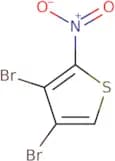

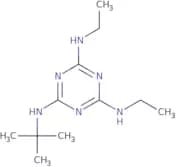

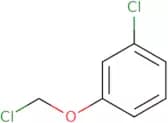
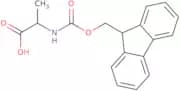
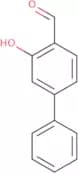
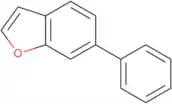
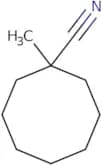


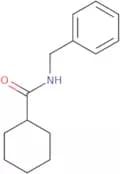
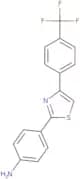
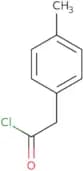
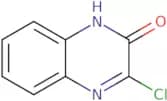
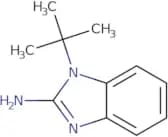
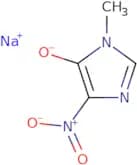
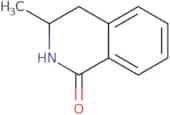
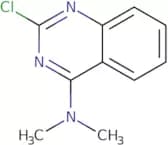

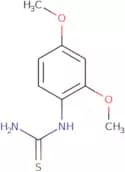
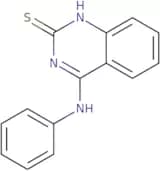

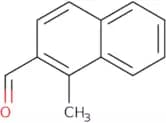

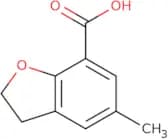
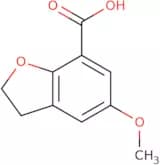
![N-(Propan-2-yl)-1-[N'-(propan-2-yl)carbamimidamido]methanimidamide hydrochloride](/_next/image/?url=https%3A%2Fstatic.cymitquimica.com%2Fproducts%2F3D%2Fthumb-webp%2FKBA70882.webp&w=3840&q=75)
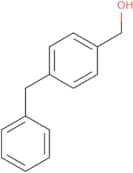
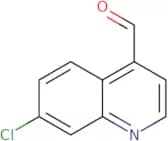


![Bis(propan-2-yl) [(4-methylbenzenesulfonyl)oxy]methanephosphonate](/_next/image/?url=https%3A%2Fstatic.cymitquimica.com%2Fproducts%2F3D%2Fthumb-webp%2FKBA71798.webp&w=3840&q=75)
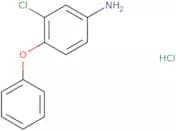

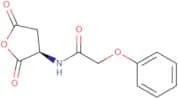

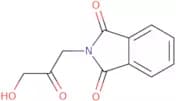

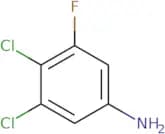
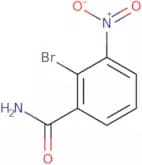

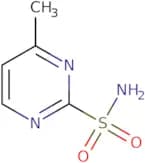
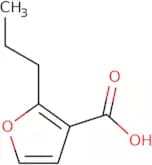
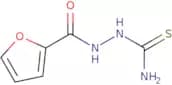
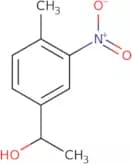
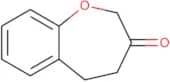
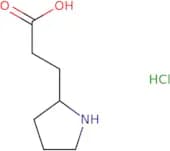


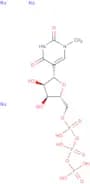
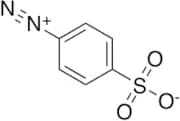

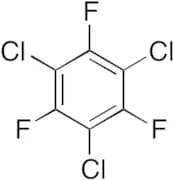
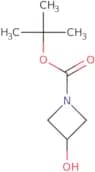


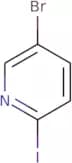

![2-Bromobenzo[d]thiazol-6-amine](/_next/image/?url=https%3A%2Fstatic.cymitquimica.com%2Fproducts%2F3D%2Fthumb-webp%2FFB144124.webp&w=3840&q=75)
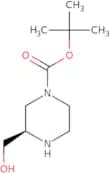
![N-[5-(4-Bromophenyl)-6-(2-hydroxyethoxy)-4-pyrimidinyl]-N′-propylsulfamide](/_next/image/?url=https%3A%2Fstatic.cymitquimica.com%2Fproducts%2F3D%2Fthumb-webp%2FFB183879.webp&w=3840&q=75)
![2,4-Dichloroimidazo[2,1-F][1,2,4]triazine](/_next/image/?url=https%3A%2Fstatic.cymitquimica.com%2Fproducts%2F3D%2Fthumb-webp%2FKXC70089.webp&w=3840&q=75)


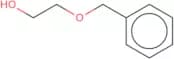

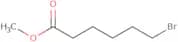
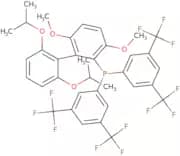

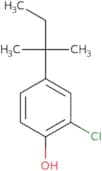
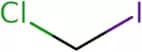

![(3S)-3- [4- [(2-Chlorophenyl) methyl] phenoxy] tetrahydrofuran](/_next/image/?url=https%3A%2Fstatic.cymitquimica.com%2Fproducts%2F3D%2Fthumb-webp%2FFC181171.webp&w=3840&q=75)

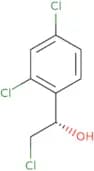

![Spiro[3.3]heptane-2,6-dicarboxylic acid, 2,6-dimethyl ester](/_next/image/?url=https%3A%2Fstatic.cymitquimica.com%2Fproducts%2F3D%2Fthumb-webp%2FMBA94279.webp&w=3840&q=75)


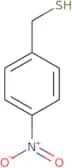


![tert-butyl 2-amino-8-azaspiro[4.5]decane-8-carboxylate](/_next/image/?url=https%3A%2Fstatic.cymitquimica.com%2Fproducts%2F3D%2Fthumb-webp%2FBAC01090.webp&w=3840&q=75)

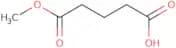
![1-[4-(Propan-2-yl)phenyl]ethan-1-ol](/_next/image/?url=https%3A%2Fstatic.cymitquimica.com%2Fproducts%2F3D%2Fthumb-webp%2FBAA47510.webp&w=3840&q=75)
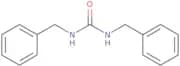
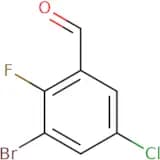
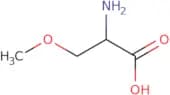
![tert-Butyl N-[3-(tetramethyl-1,3,2-dioxaborolan-2-yl)propyl]carbamate](/_next/image/?url=https%3A%2Fstatic.cymitquimica.com%2Fproducts%2F3D%2Fthumb-webp%2FAZC30580.webp&w=3840&q=75)
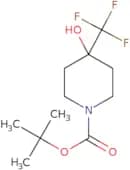
![4-[4-(Tetramethyl-1,3,2-dioxaborolan-2-yl)-1H-pyrazol-1-yl]pyridine](/_next/image/?url=https%3A%2Fstatic.cymitquimica.com%2Fproducts%2F3D%2Fthumb-webp%2FARC54869.webp&w=3840&q=75)

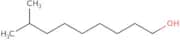

![(2S)-3-(3,4-dihydroxyphenyl)-2-{[(9H-fluoren-9-ylmethoxy)carbonyl]amino}propanoic acid](/_next/image/?url=https%3A%2Fstatic.cymitquimica.com%2Fproducts%2F3D%2Fthumb-webp%2FMFA01893.webp&w=3840&q=75)
![2-boc-5-oxo-2-azabicyclo[2.2.2]octane](/_next/image/?url=https%3A%2Fstatic.cymitquimica.com%2Fproducts%2F3D%2Fthumb-webp%2FSZA71422.webp&w=3840&q=75)
![(R)-2-[(9H-Fluoren-9-ylmethoxycarbonylamino)-methyl]-butyric acid](/_next/image/?url=https%3A%2Fstatic.cymitquimica.com%2Fproducts%2F3D%2Fthumb-webp%2FSYB71157.webp&w=3840&q=75)
![[Ir{dFCF3ppy}2(bpy)]PF6](/_next/image/?url=https%3A%2Fstatic.cymitquimica.com%2Fproducts%2F3D%2Fthumb-webp%2FSTB77562.webp&w=3840&q=75)
![5-Chloro-1H-pyrrolo[2,3-c]pyridine-3-carboxylic acid](/_next/image/?url=https%3A%2Fstatic.cymitquimica.com%2Fproducts%2F3D%2Fthumb-webp%2FSSB19336.webp&w=3840&q=75)
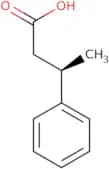
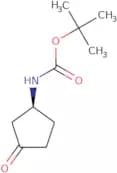
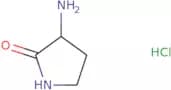

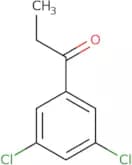


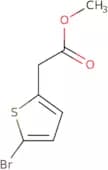

![6-Chloro-2,8-dimethylimidazo[1,2-b]pyridazine](/_next/image/?url=https%3A%2Fstatic.cymitquimica.com%2Fproducts%2F3D%2Fthumb-webp%2FSAA41223.webp&w=3840&q=75)
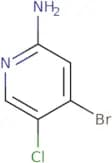
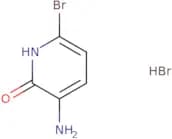
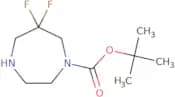

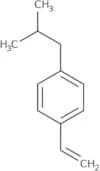
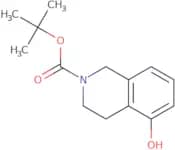
![4-{[(tert-butoxy)carbonyl]amino}bicyclo[2.2.2]octane-1-carboxylic acid](/_next/image/?url=https%3A%2Fstatic.cymitquimica.com%2Fproducts%2F3D%2Fthumb-webp%2FNJB30476.webp&w=3840&q=75)
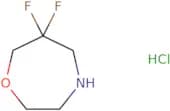

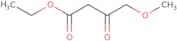
![4-[1-(tert-Butoxy)-2-methyl-1-oxopropan-2-yl]benzoic acid](/_next/image/?url=https%3A%2Fstatic.cymitquimica.com%2Fproducts%2F3D%2Fthumb-webp%2FNKD15780.webp&w=3840&q=75)
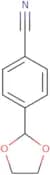
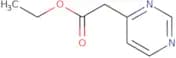
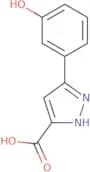


![7H,8H-Pyrido[2,3-d]pyridazin-8-one](/_next/image/?url=https%3A%2Fstatic.cymitquimica.com%2Fproducts%2F3D%2Fthumb-webp%2FQAA37579.webp&w=3840&q=75)


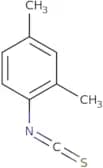


![4-Chloro-N-[2-(1,2-dihydro-2-oxo-4-quinolinyl)ethyl]benzamide](/_next/image/?url=https%3A%2Fstatic.cymitquimica.com%2Fproducts%2F3D%2Fthumb-webp%2FFC184071.webp&w=3840&q=75)

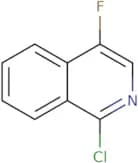

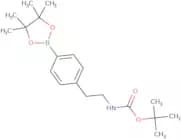
![N-[2-[(2S)-2-Cyano-4,4-difluoro-1-pyrrolidinyl]-2-oxoethyl]-6-[methyl[3-(1-piperazinyl)propyl]amin…](/_next/image/?url=https%3A%2Fstatic.cymitquimica.com%2Fproducts%2F3D%2Fthumb-webp%2FFC184139.webp&w=3840&q=75)
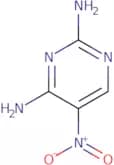
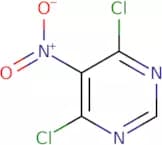
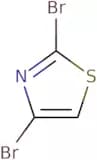


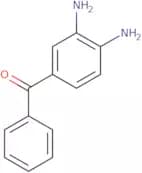
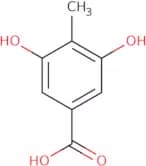
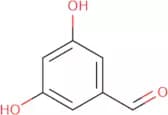
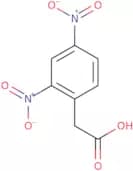
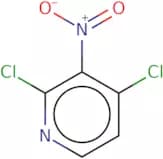

![tert-Butyl 1,8-diazaspiro[4.5]decane-1-carboxylate](/_next/image/?url=https%3A%2Fstatic.cymitquimica.com%2Fproducts%2F3D%2Fthumb-webp%2FKKB27992.webp&w=3840&q=75)

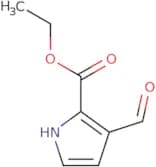

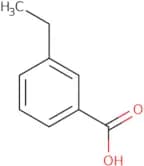
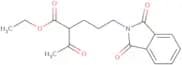
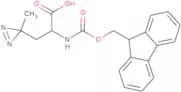
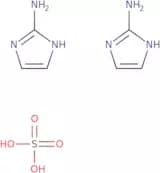
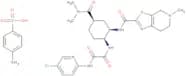
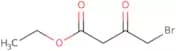

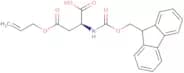
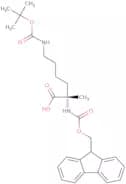
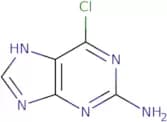
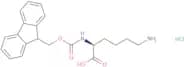
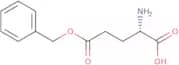


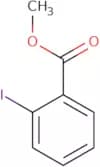
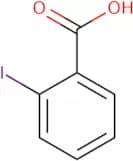
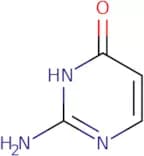


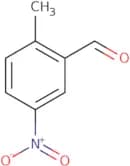

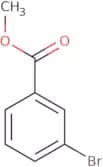
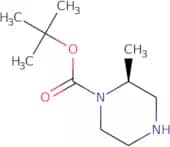


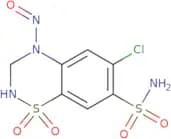

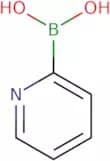


![ethyl 6-benzyl-2-oxa-6-azaspiro[3.4]octane-8-carboxylate](/_next/image/?url=https%3A%2Fstatic.cymitquimica.com%2Fproducts%2F3D%2Fthumb-webp%2FLBC69289.webp&w=3840&q=75)