Álcoois
Subcategorias de "Álcoois"
Foram encontrados 5813 produtos de "Álcoois"
Cetearyl alcohol
CAS:Cetearyl alcohol is a type of fatty alcohol, which is derived from natural sources like coconut oil or palm kernel oil. It is a combination of cetyl and stearyl alcohols. This compound functions primarily through its emulsifying properties, allowing oil and water to mix effectively and form stable emulsions. It does this by reducing surface tension, thus facilitating the blending of disparate ingredients.
Fórmula:C18H38O·C16H34OPureza:Min. 95%Cor e Forma:White PowderPeso molecular:512.93 g/mol4-Amino-3-nitrophenol
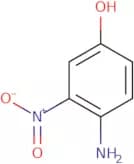
CAS:4-Amino-3-nitrophenol is a reactive aminophenol that can be synthesized from hydrogen sulfate and diethyl ester. It is used in the synthesis of amines and other chemicals, as well as in analytical methods for determining the concentration of nitrates, nitrites, and aminophenols. 4-Amino-3-nitrophenol has been shown to have photocatalytic activity.
Fórmula:C6H6N2O3Pureza:Min. 95%Cor e Forma:PowderPeso molecular:154.12 g/mol(S)-BoroLeu-(+)-pinanediol-trifluoroacetate
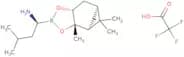
CAS:(S)-BoroLeu-(+)-pinanediol-trifluoroacetate is a useful scaffold, building block, and intermediate for the synthesis of complex compounds. It is a high quality reagent that can be used in research chemicals and speciality chemicals. (S)-BoroLeu-(+)-pinanediol-trifluoroacetate is a versatile building block because it can be used as a reaction component in the synthesis of fine chemicals and as an intermediate in the synthesis of other reagents. CAS No. 477254-69-6Fórmula:C15H28BNO2·C2HF3O2Pureza:Min. 95%Cor e Forma:PowderPeso molecular:379.22 g/molL-Tyrosinol hydrochloride
CAS:L-Tyrosinol hydrochloride is a chiral molecule that is the hydrogenated form of L-tyrosine. It is an intermediate in the synthesis of L-dopa, which is used to treat Parkinson's disease. The enzymatic reaction that converts L-tyrosinol hydrochloride to L-dopa requires adenosine 5'-phosphosulfate as cofactor and histidine as a catalyst. The conversion of L-tyrosinol hydrochloride to L-dopa occurs with high yield and has been shown to be stereoselective. This synthetic pathway has been shown to have an activation energy of 53 kcal/mol and a reaction time of 30 minutes at room temperature.Fórmula:C9H13NO2·HClCor e Forma:White Off-White PowderPeso molecular:203.67 g/molCholesterol linoleate
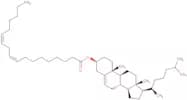
CAS:Produto ControladoCholesterol linoleate is a model system that is used to study the role of cholesterol in atherosclerosis. It consists of a cholesterol-based polymer and linoleic acid, which are chemically similar to the natural lipids found in human cells. In vitro studies have shown that this model system has an inhibitory effect on ATP binding cassette transporter A1 (ABCA1) and ABCG1. These proteins transport cholesterol from cellular membranes to other parts of the cell, where they are degraded by enzymes called lysosomes. Cholesterol linoleate also inhibits basic protein, an enzyme that breaks down cholesteryl, leading to reduced levels of cholesteryl esters in the atheromatous lesions. This model system has been shown to reduce disease activity in animals with atherosclerotic lesions.Fórmula:C45H76O2Cor e Forma:White PowderPeso molecular:649.08 g/molL-Phenylalaninol
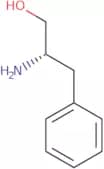
CAS:L-Phenylalaninol is a β-amino acid with the molecular formula C9H11NO2. It is an organic compound that contains both a hydroxy methyl and a fatty acid group. L-Phenylalaninol has been shown to enhance the asymmetric synthesis of cycloleucine, which is an antibiotic with anti-inflammatory properties. The reaction mechanism for this process is not yet fully understood but it is hypothesized that the nitrogen atoms in l-phenylalaninol form intramolecular hydrogen bonds with the hydroxymethyl groups on the nitro group of cycloleucine, stabilizing it and allowing for more efficient reactions.
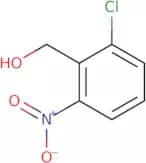
Fórmula:C9H13NOCor e Forma:White PowderPeso molecular:151.21 g/mol2-Chloro-6-nitrobenzyl alcohol
CAS:2-Chloro-6-nitrobenzyl alcohol is a versatile building block that is used as a reactant in chemical synthesis. It is used to synthesize other compounds, such as pharmaceuticals and pesticides. This compound can also be used as an intermediate or scaffold in the synthesis of more complex compounds. 2-Chloro-6-nitrobenzyl alcohol has been shown to have a high quality and is useful for research purposes. It can be used in the production of fine chemicals, useful building blocks, and reagents.
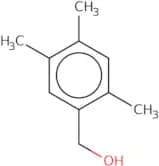
Fórmula:C7H6ClNO3Pureza:Min. 95%Cor e Forma:PowderPeso molecular:187.58 g/mol2,4,5-Trimethylbenzyl alcohol
CAS:2,4,5-Trimethylbenzyl alcohol (2,4,5-TMB) is an organic solvent that has been used as a photocatalyst. It has been shown to be an efficient and selective radical oxidation catalyst for the conversion of toluene to benzaldehyde. 2,4,5-TMB can also be used in UV irradiation as a sensitizer for the production of oxiranes from ethylene oxide and oxygen. 2,4,5-TMB is soluble in many common solvents such as ethers and chlorinated hydrocarbons. The reaction product is not known with certainty because it has not been isolated. However, it is thought that it may form radical anion radicals when irradiated with UV light or other forms of radiation.
Fórmula:C10H14OPureza:Min. 95%Cor e Forma:PowderPeso molecular:150.22 g/mol5-Fluoro-2-methylphenol
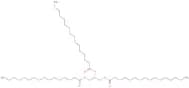
CAS:The fluoroquinolone 5-Fluoro-2-methylphenol (5FM) is an inhibitor of angiotensin, an enzyme that is involved in the regulation of blood pressure and fluid balance. The structure of this compound was optimized to make it more potent and selective for angiotensin, while minimizing its adverse effects. This optimization was achieved using high throughput screening and x-ray crystallography. The fluorine atom in 5FM binds to aspartyl protease, which prevents the protease from breaking down proteins into smaller amino acid chains. This binding also inhibits the activity of other enzymes that are involved in protein synthesis, such as aspartyl proteases and salicylic acid esterases. 5FM has been shown to inhibit the growth of bacteria such as Staphylococcus aureus at concentrations that are not toxic to mammalian cells.Fórmula:C7H7FOPureza:Min. 95%Cor e Forma:Clear LiquidPeso molecular:126.13 g/molGlycerol tripalmitate
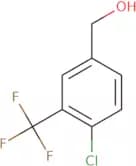
CAS:Glycerol tripalmitate is a triglyceride that is composed of three molecules of glycerol and one molecule of palmitic acid. It is used in the manufacture of sephadex g-100, a chromatographic material that separates proteins based on their size. Glycerol tripalmitate has been shown to have high chemical stability, which is important for its use as a pharmaceutical excipient. This substance also has a physiological function in the human body, including the production of lipids, such as fatty acids and triglycerides. Glycerol tripalmitate can be used to study phase transition temperature by using surface methodology. Carbonyl oxygens are present on the surface of this substance, which may have neurotrophic effects.Fórmula:C51H98O6Pureza:Min. 85 Area-%Cor e Forma:PowderPeso molecular:807.32 g/mol3-Chloro-4-(trifluoromethyl)benzyl alcohol
CAS:3-Chloro-4-(trifluoromethyl)benzyl alcohol is a versatile building block for synthesis of various chemical compounds. It is used as a reagent, reaction component, or building block in organic synthesis. It is also useful as a speciality chemical or research chemical. CAS No. 65735-71-9Fórmula:C8H6ClF3OPureza:Min. 95%Cor e Forma:PowderPeso molecular:210.58 g/mol2-Hydroxy-5-methoxybenzyl alcohol
CAS:2-Hydroxy-5-methoxybenzyl alcohol (2HMB) is a methide that is used as an inductor in the synthesis of Taxol. 2HMB has been shown to induce apoptosis in MCF-7 cells and to promote the hydration of oxacycles. It can also be used in cancer research as a kinetic probe for the hydration of oxacycles. 2HMB activates MCF-7 cells and induces apoptosis, which may be due to its nucleophilic properties.Fórmula:C8H10O3Pureza:Min. 95%Peso molecular:154.16 g/mol(1-Methylpiperidin-2-yl)methanol
CAS:(1-Methylpiperidin-2-yl)methanol is a gaseous organic acid that belongs to the piperazine class of compounds. It is used as an intermediate in the synthesis of various pharmaceuticals, including antipsychotics and antidepressants. (1-Methylpiperidin-2-yl)methanol has been shown to be an agonist of ganglion cells and can be used for the treatment of glaucoma. This compound also has shown to have anti-inflammatory properties, which may be due to its ability to inhibit nitric oxide production. Furthermore, (1-methylpiperidin-2-yl)methanol has been shown to inhibit 13c nuclear magnetic resonance spectroscopy with epoxides and hydroxyl groups. The reaction product is a crystalline solid with a molecular formula of C6H14O3N2, which corresponds to the molecular formula of 2-(dimethylam
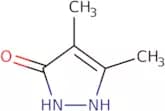
Fórmula:C7H15NOPureza:Min. 95%Cor e Forma:Clear LiquidPeso molecular:129.2 g/mol3,4-Dimethyl-1H-pyrazol-5-ol
CAS:3,4-Dimethyl-1H-pyrazol-5-ol is a fine chemical that belongs to the category of research chemicals. It has many uses as a reagent and as a speciality chemical. 3,4-Dimethyl-1H-pyrazol-5-ol is also a versatile building block and can be used as an intermediate or scaffold in complex reactions. The CAS number for this compound is 4344-72-3.
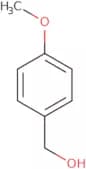
Fórmula:C5H8N2OPureza:Min. 95%Cor e Forma:PowderPeso molecular:112.13 g/mol4-Methoxybenzyl alcohol
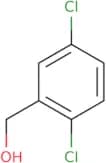
CAS:4-Methoxybenzyl alcohol is an inhibitor that inhibits the enzyme hydroxylase, which catalyzes the conversion of 4-methylphenol to 4-hydroxymandelic acid. The inhibition of this enzyme leads to a decrease in the production of pro-inflammatory factors, such as leukotrienes and prostaglandins. The inhibition of this enzyme also prevents the release of lysosomal enzymes, which may be a therapeutic target for degenerative diseases. Kinetic data has been collected by measuring the rate at which 4-methoxybenzyl alcohol reacts with hydroxylase in vitro and in vivo. This reaction was found to be second order with respect to substrate concentration, with a half-life of 2.8 hours at 37 degrees Celsius and pH 7.4.Fórmula:C8H10O2Pureza:Min. 98%Cor e Forma:Clear LiquidPeso molecular:138.16 g/mol2,5-Dichlorobenzyl alcohol
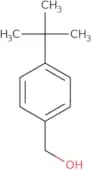
CAS:2,5-Dichlorobenzyl alcohol is a lacteous compound that is used as a herbicide. It inhibits the growth of plants by inhibiting the activity of enzymes that are involved in the biosynthesis of amino acids and fatty acids. 2,5-Dichlorobenzyl alcohol is also used to produce polychlorinated compounds and has significant effects on weed science. 2,5-Dichlorobenzyl alcohol may be used as a linker molecule in chemical reactions. This compound can be catalysed by dioxygenation to produce chlorobenzal or benzaldehyde.Fórmula:C7H6Cl2OPureza:Min. 95%Cor e Forma:PowderPeso molecular:177.03 g/mol4-tert-Butylbenzyl alcohol
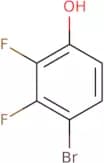
CAS:4-tert-Butylbenzyl alcohol is a chemical compound that binds to the acetyltransferase enzyme and blocks the conversion of acetate to acetyl-CoA. It is used as an inhibitor in biochemical research, where it is commonly used in control experiments. 4-tert-Butylbenzyl alcohol has a binding constant of 10 M, which is much higher than other inhibitors such as ethylene diamine (K = 3 x 10 M) and hydroxymethyl furfural (K = 1 x 10 M). This compound has been shown to inhibit wild type viruses by binding with the active site on their surface. The reaction mechanism for 4-tert-butylbenzyl alcohol involves forming an intermediate with chloride ions, which then reacts with ethylene diamine to form ethyl formate. The non-nucleoside inhibitors are thought to bind at the same site as nucleoside analogues, which inhibits reverse transcriptase activityFórmula:C11H16OPureza:Min. 95%Cor e Forma:Colorless Clear LiquidPeso molecular:164.24 g/mol2,3-Difluoro-4-bromo phenol
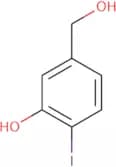
CAS:2,3-Difluoro-4-bromophenol (2,3-DFBP) is a phenolic compound that has been synthesized by a multistep process. It has been shown to have low birefringence, high optical anisotropy, and high yield of synthesis. 2,3-DFBP has also been shown to have mesomorphic properties and can be used in the development of devices such as microscopy.Fórmula:C6H3BrF2OPureza:Min. 95%Peso molecular:208.99 g/mol3-Hydroxy-4-iodobenzyl alcohol
CAS:3-Hydroxy-4-iodobenzyl alcohol is a nucleophile that can be used as an affinity label for proteins and nucleic acids. 3-Hydoxy-4-iodobenzyl alcohol is capable of disrupting the linker between two molecules, which allows for analysis of protein/nucleic acid interactions. 3-Hydroxy-4-iodobenzyl alcohol can be used to label molecules, but it is not covalently bound to them. It has been shown to show tumor growth inhibition in glioma cells, which may be due to its ability to disrupt factor 1, a transcription factor that regulates cell proliferation and differentiation.
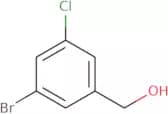
Fórmula:C7H7IO2Pureza:Min. 95%Cor e Forma:PowderPeso molecular:250.03 g/mol3-Bromo-5-chlorobenzyl alcohol
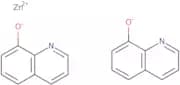
CAS:3-Bromo-5-chlorobenzyl alcohol is a useful building block for the synthesis of complex compounds. It reacts with metal chlorides to form bromochloromethane, which can be used in organic syntheses as a reaction component or reagent. 3-Bromo-5-chlorobenzyl alcohol is a versatile chemical that has been shown to have high quality and is useful in research.Fórmula:C7H6BrClOPureza:Min. 95%Cor e Forma:PowderPeso molecular:221.48 g/molBis(8-quinolinolato)zinc(II)
CAS:Bis(8-quinolinolato)zinc (II) is a molecule that contains carboxylate groups. It has been shown to be processable and can be used in fabrication processes. Bis(8-quinolinolato)zinc (II) also exhibits optical properties. The metal ion in the molecule is able to form complexes with other metals, which may affect transport properties, ionization mass and morphology of the compound. It can also be used for magnetic resonance spectroscopy studies, as well as plasma mass spectrometry.
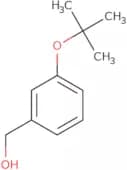
Fórmula:C18H12N2O2ZnPureza:Min. 95%Cor e Forma:PowderPeso molecular:353.7 g/mol3-(tert-Butoxy)benzyl alcohol
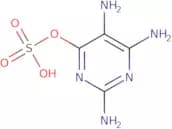
CAS:3-(tert-Butoxy)benzyl alcohol is a high quality reagent that can be used as an intermediate in the synthesis of complex compounds. It is also a useful intermediate for the production of fine chemicals, pharmaceuticals, and speciality chemicals. 3-(tert-Butoxy)benzyl alcohol is a versatile building block that can be used as a reactant in many chemical reactions. This compound has been used as a research chemical to study its properties and has potential uses as a starting point for the synthesis of other compounds.Fórmula:C11H16O2Pureza:Min. 95%Peso molecular:180.24 g/mol2,5,6-Triaminopyrimidin-4-ol sulphate
CAS:2,5,6-Triaminopyrimidin-4-ol sulphate is a fine chemical that is used as a reagent in the synthesis of other compounds. It can be used as a building block for research chemicals and speciality chemicals such as pesticides. This compound is also useful in the manufacture of pharmaceuticals and agrochemicals. 2,5,6-Triaminopyrimidin-4-ol sulphate has been shown to react with aniline derivatives to produce a variety of products including pyrrolidine and piperidine derivatives. This versatile compound can also be used as a scaffold in the synthesis of complex molecules.
Fórmula:C4H7N5O4SPureza:Min. 95%Cor e Forma:Yellow PowderPeso molecular:221.2 g/mol1-Boc-amino-3,6,9-trioxaundecanyl-11-ol
CAS:1-Boc-amino-3,6,9-trioxaundecanyl-11-ol is a PEG polymer categorised as monofunctional (OH-PEG-X). Used as a linker, 1-boc-amino-3,6,9-trioxaundecanyl-11-ol is used to attached PEG to proteins, peptides, oligonucleotides, nanoparticles and small molecules via pegylation, a bioconjugation technique.Fórmula:C13H27NO6Pureza:Min. 95%Cor e Forma:Clear LiquidPeso molecular:293.36 g/mol2,6-Dimethoxybenzyl alcohol
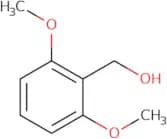
CAS:2,6-Dimethoxybenzyl alcohol is a synthetic compound that is a peroxidase substrate. It is used as an alternative for papaverine in the synthesis of penicillin and cephalosporin antibiotics. 2,6-Dimethoxybenzyl alcohol reacts with Mn2+ ions to form hydronium and hydrogen peroxide. This reaction has been shown to be more efficient than the decomposition of hydrogen peroxide by catalases or superoxide dismutases. 2,6-Dimethoxybenzyl alcohol also forms a reactive congener with erythrocytes and plasma proteins that can cause vasoconstriction in the blood vessels. The dimethoxybenzyl group (DMB) is a monosubstituted phenol group that binds to the active site of enzymes such as cytochrome P450s and glutathione reductase.
Fórmula:C9H12O3Pureza:Min. 95%Peso molecular:168.19 g/mol3-(Diethylamino)-1-propanol
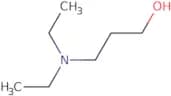
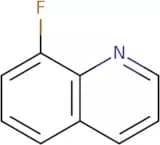
CAS:3-(Diethylamino)-1-propanol is a chemical species that has been shown to inhibit the growth of epidermal cells in a model system. 3-(Diethylamino)-1-propanol inhibits the production and release of epidermal growth factor, which is required for cell proliferation. The chemical binds to the receptor for epidermal growth factor, thereby inhibiting its activity. The low energy activation energies of this compound make it an excellent candidate for use in radiation therapy, as it can be easily activated by low levels of radiation and will not break down before reaching the target tissue. 3-(Diethylamino)-1-propanol also has inhibitory properties against other amines, such as histamine and acetylcholine.Fórmula:C7H17NOPureza:Min. 95%Cor e Forma:Clear LiquidPeso molecular:131.22 g/mol8-Fluoroquinoline
CAS:8-Fluoroquinoline is a quinoline derivative that has been shown to have in vitro anticancer activity against colon adenocarcinoma cells. It is a chiral molecule that can exist as two stereoisomers, (R)-8-fluoroquinoline and (S)-8-fluoroquinoline. These isomers may have different interactions with the tumorigenic cells, but both of them have anticancer activity. 8-Fluoroquinoline also interacts with cytochrome P450 enzymes, enhancing their ability to metabolize carcinogens.
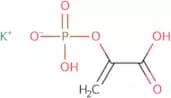
Fórmula:C9H6FNPureza:Min. 95%Peso molecular:147.15 g/molPhosphoenolpyruvate potassium salt
CAS:Emax (230 nm) = 3113
Fórmula:C3H4O6PKCor e Forma:White PowderPeso molecular:206.13 g/mol4-Butoxy-1-butanol
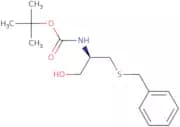
CAS:Produto Controlado4-Butoxy-1-butanol is a solvent that has been shown to be safe for use in humans. It is used to modify the chemical structure of d-glycero-d-galacto-heptose and can be used as a solvent. 4-Butoxy-1-butanol was found to be safe for primary cells and was able to normalize their metabolism and growth rate. This compound has also been shown to have diagnostic properties based on its ability to inhibit the production of camaldulensis leaves, which are known to produce naphthalene. The mechanism by which this compound inhibits camaldulensis leaf production is unknown, but it may involve an acceptor molecule or biochemical reactions.Fórmula:C8H18O2Pureza:Min. 95%Cor e Forma:Clear LiquidPeso molecular:146.23 g/molBoc-S-benzyl-L-cysteinol
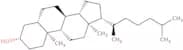
CAS:Please enquire for more information about Boc-S-benzyl-L-cysteinol including the price, delivery time and more detailed product information at the technical inquiry form on this pageFórmula:C15H23NO3SPureza:Min. 95%Cor e Forma:PowderPeso molecular:297.41 g/molb-Cholestanol
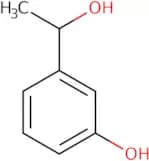
CAS:Produto Controladob-Cholestanol is a fatty acid that is used as a test compound in molecular modeling. It has been shown to be metabolized by the enzyme soybean lipoxygenase, which converts it to hydroxycholestanol. Hydroxycholestanol has been shown to have an inhibitory effect on the lipid peroxidation of hydrophobic lipids in human feces, which may be due to its ability to scavenge reactive oxygen species. b-Cholestanol has also been shown to be effective in treating cerebrotendinous xanthomatosis, a metabolic disorder characterized by high levels of cholesterol and triglycerides in the blood and tissues.Fórmula:C27H48OPureza:Min. 95%Cor e Forma:Off-White PowderPeso molecular:388.67 g/mol3-Hydroxyphenylmethylcarbinol
CAS:3-Hydroxyphenylmethylcarbinol is a phenolic compound that has been shown to increase the uptake of iron by cells. It has been shown to induce apoptotic signaling in cancer cells and to be cytotoxic. 3-Hydroxyphenylmethylcarbinol is synthesized from 2-hydroxyphenylacetic acid, which is found in many natural sources such as plants and animals. This compound can be extracted from hexane or other organic solvents. 3-Hydroxyphenylmethylcarbinol has two isomers: 3HPMC and 3HPMC-O-β-D-glucopyranoside. The latter form has a greater affinity for iron than the former.Fórmula:C8H10O2Pureza:Min. 95%Cor e Forma:PowderPeso molecular:138.16 g/mol2,2-Bis(hydroxymethyl)-2,2',2''-nitrilotriethanol
CAS:Bis-Tris is a Bis(2-hydroxyethyl) amine buffer that forms metal chelates and can be used with proteins and nucleic acids. This buffering agent has an optimal pH range of 5.8-7.2 and a pKa of 6.46.Fórmula:C8H19NO5Pureza:Min. 98%Cor e Forma:PowderPeso molecular:209.24 g/mol1,2-Dimyristoyl-sn-glycerol
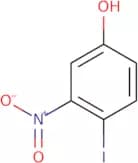
CAS:Dimyristoyl-sn-glycerol is a lipid that has a phase transition temperature of 42.6°C and melts at 44.6°C. It is found in the membrane of cells, where it interacts with other lipids to form structures that are essential for cellular function. Dimyristoyl-sn-glycerol has been shown to be an inhibitor of cycloheximide and can bind to the surface glycoprotein on the surface of some gram-negative bacteria, such as Escherichia coli. These interactions may play a role in protein synthesis and growth factor activation.Fórmula:C31H60O5Pureza:Min. 98 Area-%Cor e Forma:PowderPeso molecular:512.81 g/mol4-Iodo-3-nitrophenol
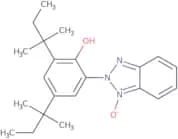
CAS:4-Iodo-3-nitrophenol is a chemical compound that is used in the synthesis of decanoic acid, an ester. It also has pharmacological properties and can be used as a cataleptic or neuroleptic agent. 4-Iodo-3-nitrophenol has been shown to have stimulant effects on the central nervous system, which may be due to its ability to inhibit the metabolism of acetylcholine by blocking cholinesterase enzymes. 4-Iodo-3-nitrophenol is also used in the preparation of analogues and it has been tested for use as a treatment for Parkinson's disease.Fórmula:C6H4INO3Pureza:90%Cor e Forma:Brown Yellow PowderPeso molecular:265.01 g/mol2-(2H-Benzotriazol-2-yl)-4,6-bis(tert-pentyl)phenol N-oxide
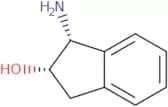
CAS:Please enquire for more information about 2-(2H-Benzotriazol-2-yl)-4,6-bis(tert-pentyl)phenol N-oxide including the price, delivery time and more detailed product information at the technical inquiry form on this pageFórmula:C22H29N3O2Pureza:Min. 95%Cor e Forma:PowderPeso molecular:367.48 g/mol(1R,2S)-1-Amino-2-indanol
CAS:(1R,2S)-1-Amino-2-indanol is a potential drug candidate that can be used in asymmetric synthesis. It has been shown to inhibit the flow of hydrogen bond and to form an enantiomer. The enantiomer is more active than the racemic mixture, which may be due to the higher binding affinity for the enzyme. This compound has also been shown to inhibit herpes simplex virus and HIV in vitro with a high potency. (1R,2S)-1-Amino-2-indanol is modeled using molecular dynamics simulations and quantum mechanical calculations.Pureza:Min. 95%Cor e Forma:PowderPeso molecular:149.19 g/molIndole-3-propanol
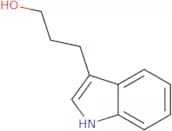
CAS:Indole-3-propanol is a reversible inhibitor of the enzyme dihydrofolate reductase that blocks the synthesis of purine nucleotides. It has been shown to have a regulatory effect on bacterial growth and may be used as an antimicrobial agent. Indole-3-propanol is an inhibitor of the enzyme dihydrofolate reductase, which catalyzes the reduction of dihydrofolic acid to tetrahydrofolic acid. This conversion is essential for DNA synthesis and repair in bacteria. Indole-3-propanol inhibits this reaction reversibly by binding to the hydroxy group in the active site of the enzyme, thereby blocking access to substrate analogues such as phosphoribosyl pyrophosphate (PRPP). The compound also inhibits human serum proteins, such as albumin, which are involved in metabolizing drugs. Molecular modeling studies suggest that indole-3-propanol binds to two lFórmula:C11H13NOPureza:Min. 95%Cor e Forma:Clear LiquidPeso molecular:175.23 g/mol1-(4-Aminophenyl)propane-1,2,3-triol
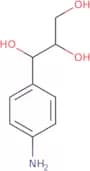
CAS:1-(4-Aminophenyl)propane-1,2,3-triol is a fine chemical that is useful for research and development of pharmaceuticals. It has the CAS number 695191-72-1. This compound has been used as a building block in the synthesis of a wide range of complex molecules. It is also used as a reagent and speciality chemical in the production of pharmaceuticals and agrochemicals. 1-(4-Aminophenyl)propane-1,2,3-triol is a versatile building block that can be used to create new compounds with different properties. It also functions as a useful intermediate or scaffold for drug discovery programs.Fórmula:C9H13NO3Pureza:Min. 95%Cor e Forma:Off-White To Brown SolidPeso molecular:183.2 g/molZinc ricinoleate
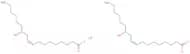
CAS:Zinc ricinoleate is a metal compound that is an absorber of hydrogen. It is primarily used as a deodorant for cosmetics and is often found in deodorant creams, powders, gels, and sticks. Zinc ricinoleate has been shown to be effective against lipases and chloride-containing compounds. The metal ion zinc in this compound reacts with the fatty acid esters in the skin and forms a protective layer that prevents the skin from becoming dry or irritated. Zinc ricinoleate also inhibits bacterial growth by preventing the synthesis of proteins needed for cell division.Fórmula:C36H66O6ZnPureza:Min. 95%Cor e Forma:PowderPeso molecular:660.29 g/mol4-Cyano-2-fluorobenzyl alcohol
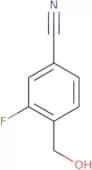
CAS:4-Cyano-2-fluorobenzyl alcohol is a reagent that is used to produce chlorine and hydrochloric acid. It is also used industrially in the production of potassium chloride, a compound that is used in fertilizers, animal feed supplements, and water treatment. 4-Cyano-2-fluorobenzyl alcohol reacts with chloride ions to form hypochlorous acid (HOCl), which then reacts with water to form hydrogen chloride gas. The reaction with fluoride ions leads to the formation of hydrofluoric acid (HF).Fórmula:C8H6FNOPureza:Min. 95%Cor e Forma:White To Beige SolidPeso molecular:151.14 g/mol4-Chloro-3-nitrobenzenethiol
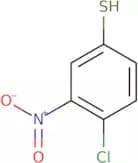
CAS:4-Chloro-3-nitrobenzenethiol (4CNBT) is a micropet that is used as a radiotracer to measure the uptake of serotonin in the brain. This compound has been shown to bind to the serotonin transporter, which is responsible for reuptake of serotonin from the synapse. The radiolabeled 4CNBT can be used for positron emission tomography (PET) scanning and postinjection autoradiography. 4CNBT has also been used as a ligand in pharmacological studies on serotonin transporters.
Fórmula:C6H4ClNO2SPureza:Min. 95%Cor e Forma:White PowderPeso molecular:189.62 g/molEstratetraenol
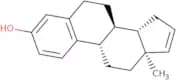
CAS:Estratetraenol is a synthetic estrogen that has the same structure as 17β-estradiol, but with three additional hydroxyl groups. It is used in research to study the effects of estrogens on humans and animals. Estratetraenol has been shown to activate the cell membrane receptors, which leads to a physiological response. This drug also causes an increase in oxygen consumption and inhibits ovulation. Estratetraenol binds to estrogen receptor cells and is metabolized by chemical substances in the liver into 17β-estradiol, which is then excreted by the kidneys. The drug does not bind to other types of receptor cells in humans or animals, such as those for progesterone or testosterone.Fórmula:C18H22OPureza:Min. 98 Area-%Cor e Forma:PowderPeso molecular:254.37 g/molCrotonyl alcohol
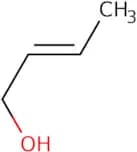
CAS:Crotonyl alcohol is an isomerizing agent that can be used in the synthesis of hydroxyapatite. It is a colorless liquid with a pungent odor. Crotonyl alcohol has been shown to react with polycarboxylic acids such as oxalic acid to produce dihydrooxalic acid, which is an intermediate in the synthesis of hydroxyapatite. The reaction mechanism of crotonyl alcohol is unknown, but it has been proposed that this reaction proceeds through a dehydrative process whereby one water molecule is eliminated to form the carboxyl group and the other water molecule reacts with the hydroxyl group to form hydrogen peroxide. The kinetic data obtained from experiments on crotonyl alcohol demonstrate that its activation energies are lower than those for other types of reactions and that its rate-determining step occurs at a lower temperature than other reactions. This suggests that crotonyl alcohol may have an unusual reaction mechanism, which could be dueFórmula:C4H8OPureza:Min. 95%Cor e Forma:Colourless To Yellow Clear LiquidPeso molecular:72.11 g/molEpifriedelanol
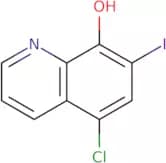
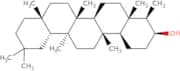
CAS:Produto ControladoEpifriedelanol is a sesquiterpene lactone that belongs to the group of natural compounds. This molecule is produced by the plant B. dracunculifolia and has shown anti-inflammatory properties in vitro. Epifriedelanol has been shown to inhibit mitochondrial membrane potential and activity index, which are important for cancer cell growth and survival. Epifriedelanol also has anticancer effects on colorectal adenocarcinoma cells as well as skin cancer cells. It may also be used for urinary tract infections due to its inhibition of bacterial growth.Pureza:Min. 95%Cor e Forma:PowderTilbroquinol
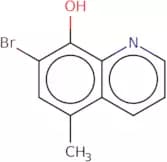
CAS:Tilbroquinol is a coordination complex that contains a fatty acid. It is used in the treatment of bowel disease, infectious diseases, cancer and autoimmune diseases. Tilbroquinol has been shown to have broad-spectrum antimicrobial activity against bacteria such as Escherichia coli, Bacillus subtilis, Pseudomonas aeruginosa, Staphylococcus aureus and Salmonella typhimurium. It inhibits bacterial growth by inhibiting fatty acid synthesis through the inhibition of enzymes such as enoyl-acyl carrier protein reductase (ENR) and 3-hydroxyacyl-coenzyme A dehydrogenase (HAD). This drug also has anti-inflammatory properties because it is an antagonist of prostaglandin synthesis.
Fórmula:C10H8BrNOPureza:Min. 95%Cor e Forma:PowderPeso molecular:238.08 g/molFmoc-L-threoninol
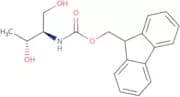
CAS:Fmoc-L-threoninol is a conjugate of L-threoninol with a protecting group, Fmoc. It is synthesized by the solid-phase method on an activated resin and then cleaved from the resin to give the desired product. The linker used in this synthesis is succinic acid diacetate. This compound has been shown to have anti-inflammatory effects in human serum, which may be due to its ability to inhibit prostaglandin synthesis.Fórmula:C19H21NO4Pureza:Min. 95%Cor e Forma:PowderPeso molecular:327.37 g/mol6-Fluoro-1,2,3,4-tetrahydro-2-methylquinoline
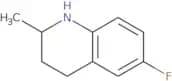
CAS:6-Fluoro-1,2,3,4-tetrahydro-2-methylquinoline is an organocatalytic fluorine compound that has been investigated as a fluoroquinolone antibiotic. It is an enantiopure compound and has been shown to be effective in the treatment of bacterial infections. 6-Fluoro-1,2,3,4-tetrahydro-2-methylquinoline inhibits bacterial growth by binding to DNA gyrase and topoisomerase IV. 6FLMQ is a chiral molecule with two possible configurations (R or S), which can be determined from x-ray crystallography. The S configuration is more potent than the R configuration. 6FLMQ also binds with chloride ions to form a cationic complex that can be used for antibacterial activity against Gram negative bacteria such as Escherichia coli and Pseudomonas aeruginosa. 6FLMQ hasFórmula:C10H12FNPureza:Min. 95%Cor e Forma:PowderPeso molecular:165.21 g/mol4-Keto retinol
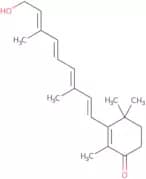
CAS:4-Keto retinol is an analog of vitamin A, which is used in the treatment of various diseases. It has been shown to reduce the levels of PGE2 and increase the redox potential in cells. 4-Keto retinol has also been shown to increase locomotor activity and improve energy metabolism. The structural analysis of 4-keto retinol has revealed that it binds to DNA polymerase, inhibiting transcriptional activity. The pharmacokinetic properties of this drug have been studied in rats and mice, but not yet humans. This compound will most likely be administered orally or intravenously with a dosage range from 0.01 mg/kg to 10 mg/kg per day.
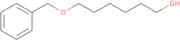
Fórmula:C20H28O2Pureza:Min. 95%Cor e Forma:PowderPeso molecular:300.44 g/mol6-Benzyloxy-1-hexanol
CAS:6-Benzyloxy-1-hexanol is a linker compound that has been used in the synthesis of galnac and trifluoromethylated compounds. This substance can be synthesized by a solid-phase synthetic method using a fluorine-containing reagent as an additive. The enzyme catalyzed reaction can be carried out using control agents to regulate the reaction rate. 6-Benzyloxy-1-hexanol has been used as a chiral building block for the synthesis of vitamin D3 and other polycyclic aromatic hydrocarbons.Fórmula:C13H20O2Pureza:Min. 95%Cor e Forma:Colourless To Pale Yellow LiquidPeso molecular:208.3 g/mol1,1,3,3,4,4,4a,5,5,6,6,7,7,8,8,8a-Hexadecafluoro-2-(trifluoromethyl)decahydroisoquinoline
CAS:Produto Controlado1,1,3,3,4,4,4a,5,5,6,6,7,7,8,8,8a-Hexadecafluoro-2-(trifluoromethyl)decahydroisoquinoline is an organic solvent that has a very low boiling point and high volatility. It can be used in dry powder inhalers or as a component of hydrogel compositions for oxygen delivery to the lungs. The uptake of 1HF-2TFI into human colon carcinoma cells was found to be significantly higher than uptake by mammary carcinomas. This may be due to the difference in cell types and/or the phosphate group on the molecule. The binding constants of this molecule are also higher than those of other organic solvents such as acetone and ethanol. The results from a questionnaire study also indicated that 1HF-2TFI can be used for perfusion with oxygenated gas mixtures forFórmula:C10F19NPureza:Min. 95%Peso molecular:495.08 g/mol9-Fluoro-10,13,17-Trimethyl-2,3,4,5,6,7,8,11,12,14,15,16-Dodecahydro-1H-Cyclopenta[a]Phenanthrene-3,11,17-Triol
CAS:Produto Controlado9-Fluoro-10,13,17-Trimethyl-2,3,4,5,6,7,8,11,12,14,15,16-Dodecahydro-1H-Cyclopenta[a]Phenanthrene-3,11,17-Triol is a synthetic nucleic acid molecule that can be used for diagnostic purposes. It has been shown to bind to the nucleic acid of human cells. This nucleic acid binds to the antibodies in order to detect and identify different types of RNA sequences. 9F18TMTD has also been shown to target specific sites on the DNA molecule and can be used as a probe for detecting specific sequences of DNA. The synthetic process starts by reacting an aromatic compound with methanol in the presence of a base catalyst to form an intermediate product. The intermediate is then oxidized with nitric acid and hydrogen peroxide in order form the final product.Fórmula:C20H33FO3Pureza:Min. 95%Peso molecular:340.47 g/mol3-(Dimethylamino)phenol
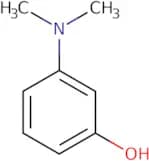
CAS:3-(Dimethylamino)phenol is a chemical that is used as an additive in cosmetics. It has been shown to inhibit the production of epidermal growth factor and to have a growth-inhibiting effect on cells. 3-(Dimethylamino)phenol is found in many different types of products, including sunscreens, hair dyes, shampoos, and skin lotions. It has also been used as a preservative in food products, although it can be toxic at high doses. 3- (Dimethylamino)phenol has been shown to inhibit the production of fatty acids by inhibiting the activity of the enzyme lipoxygenase.
Fórmula:C8H11NOPureza:Min. 98 Area-%Cor e Forma:PowderPeso molecular:137.18 g/mol5-Aminoquinoline
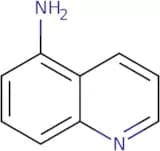
CAS:5-Aminoquinoline (5-AQ) is a chemical compound that was originally synthesized in the 1930s. 5-AQ is a trifluoroacetic acid derivative of quinoline, which has been used as a photographic developer and an agent for the removal of silver from photographic film. This molecule also has a fluorescence property, which can be seen when irradiated by light with a wavelength greater than 350 nm. A hydrogen bond exists between the hydroxyl group and the nitrogen atom of the amine group in 5-AQ. The reaction mechanism for 5-AQ is believed to involve the diazonium salt intermediate, which reacts with silver ions to form silver diazonide and free ammonia.
5-AQ is insoluble in water but soluble in organic solvents such as acetone or alcohol. It reacts with trifluoroacetic acid to form a precipitate, which may be removed by filtFórmula:C9H8N2Pureza:Min. 95%Cor e Forma:PowderPeso molecular:144.17 g/mol4-Bromo-3,5-dimethoxybenzyl alcohol
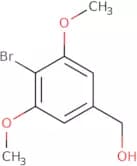
CAS:4-Bromo-3,5-dimethoxybenzyl alcohol is a bromoarene that can be used as a ligand in coupling reactions. It has been shown to be an efficient coupling partner for the synthesis of triphylla, featuring a skeleton of chelating 4-bromo-3,5-dimethoxybenzyl alcohol.Fórmula:C9H11BrO3Pureza:Min. 95%Cor e Forma:PowderPeso molecular:247.09 g/mol2-Chloro-1-methylquinolinium tetrafluoroborate
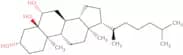
CAS:2-Chloro-1-methylquinolinium tetrafluoroborate (2CQBF) is a synthetic compound that inhibits protein synthesis. It has been used as an analytical reagent for the determination of proteins, including those in urine samples. 2CQBF has been shown to be effective in the treatment of cancer and other diseases, such as lupus erythematosus, arthritis, and psoriasis.Fórmula:C10H9ClN•BF4Pureza:Min. 95%Cor e Forma:White PowderPeso molecular:265.44 g/molCholestan-3β,5α,6β-triol
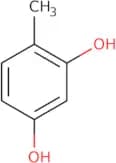
CAS:Produto ControladoCholestan-3b,5a,6b-triol is a naturally occurring fatty acid that has been shown to inhibit the synthesis of cholesterol and oxysterols in animal studies. It also acts as a receptor agonist for the LDL receptor. This compound is used in clinical trials to assess risk for cerebrotendinous xanthomatosis (CTX), a rare genetic disorder characterized by high levels of cholesterol and fatty acids in the brain and spinal cord. Cholestan-3b,5a,6b-triol is being studied as a potential treatment for atherosclerosis. The drug inhibits the uptake of cholesterol from macrophages and reduces the accumulation of atherosclerotic lesions in mouse models. Cholestan-3b,5a,6b-triol may be useful for treating patients with diabetes because it blocks the synthesis of fatty acids that can lead to diabetic complications such as retinopathy and nephropathy.Fórmula:C27H48O3Pureza:Min. 95%Cor e Forma:PowderPeso molecular:420.67 g/mol4-Methylresorcinol
CAS:4-Methylresorcinol is a phenolic compound that has been shown to have a broad spectrum of antimicrobial activity. It is an inhibitor of 3-hydroxybenzoic acid, a key metabolic intermediate in the biosynthesis of aromatic amino acids and lignin. 4-Methylresorcinol inhibits the enzyme tyrosine ammonia lyase, which converts tyrosine to 3-hydroxybenzoic acid. The synthetic nature of 4-methylresorcinol makes it an attractive candidate for use as an antifungal agent, since it does not produce any byproducts in the human body. 4-Methylresorcinol also has antifungal activity against other organisms such as Candida albicans, Aspergillus niger, and Trichoderma viride.Fórmula:C7H8O2Pureza:Area-% Min. 90 Area-%Cor e Forma:White PowderPeso molecular:124.14 g/mol2-[(Ethylamino)methyl]-4-nitrophenol
CAS:Please enquire for more information about 2-[(Ethylamino)methyl]-4-nitrophenol including the price, delivery time and more detailed product information at the technical inquiry form on this pageFórmula:C9H12N2O3Pureza:Min. 95%Cor e Forma:PowderPeso molecular:196.2 g/molGemcitabine monophosphate disodium monohydrate
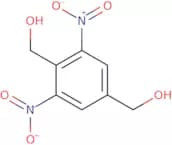
CAS:Please enquire for more information about Gemcitabine monophosphate disodium monohydrate including the price, delivery time and more detailed product information at the technical inquiry form on this pageFórmula:C9H12F2N3O7P•Na2•H2OPureza:90%Min By HplcCor e Forma:PowderPeso molecular:407.16 g/mol2,6-Dinitrobenzene-1,4-dimethanol
CAS:2,6-Dinitrobenzene-1,4-dimethanol is a developer that has been shown to have a sensitivity of 0.5 mg/ml and a molecular weight of 235.3 g/mol. It is also an amplified developer that has been shown to reduce the weight of polymers by up to 20%. This molecule can be used for the production of polymers with functional moieties and monomers with chemically reactive groups. 2,6-Dinitrobenzene-1,4-dimethanol is soluble in organic solvents and can be used as a monomer in polymerization reactions.
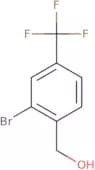
Fórmula:C8H8N2O6Pureza:Min. 95%Cor e Forma:PowderPeso molecular:228.16 g/mol2-Bromo-4-(trifluoromethyl)benzyl alcohol
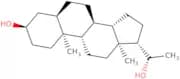
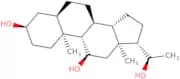
CAS:2-Bromo-4-(trifluoromethyl)benzyl alcohol is a versatile building block that can be used as a reactant in organic synthesis. It is also a useful intermediate and building block for complex compounds. This compound has been used as a reagent in the preparation of 2,2'-dipyridyldisulfide, which was shown to have potent antiproliferative activity against human cancer cells.Fórmula:C8H6BrF3OPureza:Min. 95%Peso molecular:255.03 g/mol5β-Pregnane-3α,20α-diol
CAS:Produto Controlado5β-Pregnane-3α,20α-diol is a human metabolite of estradiol that has been found to be an active inhibitor of the enzyme activity of GABA transaminase. It has been shown to have therapeutic potential in the prevention and treatment of cervical cancer, as well as other cancers. 5β-Pregnane-3α,20α-diol has also been found to inhibit ovarian activity. The diagnostic method for this metabolite is based on monoclonal antibody (MAb) reactivity with immunosorbent assay (ELISA) and gas chromatography/mass spectrometry (GC/MS). Women who have high values for this metabolite may be at risk for uterine cancer or breast cancer.Fórmula:C21H36O2Pureza:Min. 98 Area-%Cor e Forma:White PowderPeso molecular:320.51 g/mol1-Palmitoyl-2-oleoyl-rac-glycerol
CAS:1-Palmitoyl-2-oleoyl-rac-glycerol is a fatty acid that is made in the mitochondria and is an intermediate in the production of diacylglycerol. It has been shown to have a linear response with cellular protein levels, and it has been shown to be involved in the genetic mechanisms of cells. 1-Palmitoyl-2-oleoyl-rac-glycerol has been found to have a number of protein targets, including phosphatidylinositide 3 kinase, PKC, and Akt. This molecule also has been used as an analytical method for measuring fatty acids in tissue samples and has been shown to alter enzyme levels, such as those found in prostaglandin synthase 2. 1-Palmitoyl-2-oleoyl-rac-glycerol can be synthesized by laser ablation or chromatographic science methods.
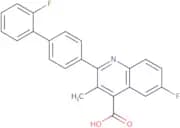
Fórmula:C37H70O5Pureza:Min. 95%Cor e Forma:Solidified MassPeso molecular:594.95 g/mol6-Fluoro-2-(2'-fluorobiphenyl-4-yl)-3-methylquinoline-4-carboxylic acid
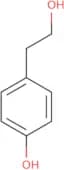
CAS:Brequinar sodium is a drug that belongs to the class of quinoline carboxylic acid derivatives. It has been shown to be effective in the treatment of infectious diseases and bowel disease. Brequinar sodium inhibits bacterial growth by binding to DNA-dependent RNA polymerase, thereby preventing transcription and replication. The high frequency of human activity has been shown using a patch-clamp technique on human erythrocytes. This active form is metabolized through a number of metabolic transformations, including hydrolysis by esterases or glucuronidases, oxidation by cytochrome P450 enzymes, reduction by glutathione reductase, or conjugation with glucuronic acid. Brequinar also specifically binds to markers expressed at high levels in Mycobacterium tuberculosis strains (e.g., ESX-1 secretion system protein) and inhibits cell growth in culture.Fórmula:C23H15F2NO2Pureza:Min. 97 Area-%Cor e Forma:White/Off-White SolidPeso molecular:375.37 g/mol4-Hydroxyphenethyl alcohol
CAS:Produces a fluorogenic signal in the presence of peroxidaseFórmula:C8H10O2Pureza:Min. 98 Area-%Cor e Forma:PowderPeso molecular:138.16 g/mol(R)-(+)-3,3'-Dibromo-5,5',6,6',7,7',8,8'-octahydro-1,1'-bi-2,2'-naphthalenediol
CAS:(R)-(+)-3,3'-Dibromo-5,5',6,6',7,7',8,8'-octahydro-1,1'-bi-2,2'-naphthalenediol is a synthetic compound that is used as a ligand for asymmetric catalysis. It is an optically active compound and can be used in catalytic reactions to produce compounds that are not available through other methods. (R)-(+)-3,3'-Dibromo-5,5',6,6',7,7',8,8'-octahydro-1,1'-bi-2,2'-naphthalenediol is a reactive compound and can be used as a ligand in Diels-Alder reactions. The synthesis of this product can be achieved with high yield by using the synthetic method described.Fórmula:C20H20Br2O2Pureza:Min. 98 Area-%Cor e Forma:White PowderPeso molecular:452.18 g/molCarboxyethylsilanetriol sodium salt - 25% in water
CAS:Carboxyethylsilanetriol sodium salt - 25% in water is a reagent that is used to form complex compounds. It can be used as a reaction component or a building block to create more complex compounds, such as new medicines. Carboxyethylsilanetriol sodium salt - 25% in water has been shown to be an efficient and versatile scaffold for the production of fine chemicals and research chemicals. CAS No. 18191-40-7 is a speciality chemical that can react with other organic compounds to form new compounds for research purposes. Carboxyethylsilanetriol sodium salt - 25% in water is a useful intermediate and building block for various synthetic reactions because it can easily react with other organics to form new compounds which are useful in pharmaceuticals, agrochemicals, and other industries.
Fórmula:C3H6Na2O5SiPureza:Approximately 25%Cor e Forma:Clear LiquidPeso molecular:196.14 g/molEstradiolbenzoate
CAS:Estradiol benzoate is a mixture of estradiol and benzoate that is used in veterinary medicine. It has been used to treat bowel disease in animals, as well as to induce estrus in animals. Estradiol benzoate has been shown to be effective at preventing ovariectomy-induced bone loss, but it is not clear if this effect is due to its estrogenic or progestational activity. The estrogenic and progestational effects of estradiol benzoate are thought to be due to its ability to bind with high affinity to the estrogen receptor, which prevents binding of other ligands such as estradiol and progesterone. Estradiol benzoate can also bind with high affinity to the progesterone receptor, leading to a decrease in serum prolactin levels and an increase in ovarian activity.Fórmula:C25H28O3Pureza:Min. 97 Area-%Cor e Forma:White Off-White PowderPeso molecular:376.49 g/mol3-Nitro-4-(trifluoromethyl)phenol
CAS:3-Nitro-4-(trifluoromethyl)phenol is an amino acid that has been found in fossils of the proterozoic era. It is believed to have played a role in evolution and the onset of life because it was resistant to damage by oxygen free radicals. 3-Nitro-4-(trifluoromethyl)phenol has been shown to be damaging to mesenchymal cells, which are cells that form cartilage and bone, leading to cell death. The chemical damages mesenchymal stem cells, which can lead to diseases such as osteoarthritis or rheumatoid arthritis. Researchers believe that this chemical may have played a role in the orogeny, or mountain formation, that occurred during the late Proterozoic Era.Fórmula:C7H4F3NO3Pureza:Min. 95%Cor e Forma:PowderPeso molecular:207.11 g/mol(1S,2R)-(-)-cis-1-Amino-2-indanol
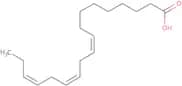
CAS:Precusor for preparation of indinavir; a chiral ligand for asymmetric synthesisFórmula:C9H11NOPureza:Min. 95%Cor e Forma:White PowderPeso molecular:149.19 g/molLinolenic acid - 70%
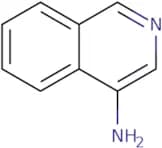
CAS:Linolenic acid is a polyunsaturated fatty acid that belongs to the omega-6 family. It has been shown to have apoptosis-inducing effects in various experimental models and has anti-oxidant properties. Linolenic acid also protects against UV radiation and skin cancer. In addition, linolenic acid may be beneficial for eye disorders such as dry eye syndrome and age-related macular degeneration. Clinical studies have shown that linolenic acid may help with weight loss, improve body mass index, and reduce inflammation.Fórmula:C18H30O2Pureza:Min. 95%Cor e Forma:Brown Slightly Yellow Red Clear LiquidPeso molecular:278.43 g/mol4-Amino isoquinoline
CAS:4-Amino isoquinoline is a synthetic chemical that has a pyridine ring and chlorine atom. It can be synthesized by reacting 2,4-dichlorobenzene with acetaldehyde and hydrochloric acid. 4-Amino isoquinoline binds to the receptor that it interacts with, such as the ligand, dimethyl acetylenedicarboxylate, or taraxasterol acetate. This binding process can be used for treatment purposes. The ligand is usually introduced into the body through injection or ingestion of a drug. The ligand can also be attached to an antibody in order to target specific cells. The ligand has shown efficacy in treating cancerous tumors and other diseases like Parkinson's disease and Alzheimer's disease.
Fórmula:C9H8N2Pureza:Min. 95%Cor e Forma:White To Brown SolidPeso molecular:144.17 g/mol5β-Pregnane-3α,11α,20β-triol
CAS:Produto Controlado5-b-Pregnan-3-a,11-a-,20-b-triol is a high quality research chemical with CAS No. 55647-22-8. It is a complex compound that can be used as an intermediate in the synthesis of other compounds. 5-b-Pregnan-3-a,11-a-,20-b-triol is a speciality chemical that has many uses and is also a versatile building block for synthesis. This reagent can be used to create new compounds or to react in different ways with other chemicals to produce useful scaffolds or building blocks for reactions. 5 b pregna 3 a, 11 a, 20 b triol has been shown to have the ability to react with other chemicals in order to form useful reaction components.Fórmula:C21H36O3Pureza:Min. 95%Cor e Forma:PowderPeso molecular:336.51 g/mol4-Amino-3-chloro-a-[[(1,1-dimethylethyl)amino]methyl]-5-(trifluoromethyl)benzenemethanol
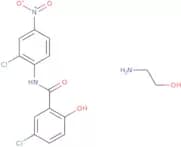
CAS:Produto Controlado4-Amino-3-chloro-a-[(1,1-dimethylethyl)amino]methyl]-5-(trifluoromethyl)benzenemethanol (4ACBEM) is a fluorescent probe for the detection of intracellular Ca2+ levels. It binds to ryanodine receptors in the plasma membrane and can be used as a marker for Ca2+ mobilization in cells. 4ACBEM is used in flow cytometry and has been shown to bind to human serum albumin and other proteins with high affinity. The pharmacokinetics of 4ACBEM has been studied in rats, showing that it is eliminated by hepatic metabolism. This compound has also been shown to have no toxic effects on fetal bovine liver cells in vitro, although it does exhibit some interactions with the matrix that are dependent on the concentration of Ca2+.Fórmula:C13H18ClF3N2OPureza:Min. 95%Cor e Forma:Off-White To Yellow To Orange SolidPeso molecular:310.74 g/molNiclosamide ethanolamine salt
CAS:Chemically a chlorinated salicylanilide, niclosamide is clinically used as an anthelmintic agent. The action of niclosamide has been proven to proceed by inhibiting the STAT3 signaling pathway. Recently, niclosamide, has been considered as an antiproliferative agent in cancer treatment, e.g. melanoma and colorectal cancer. In 2021, niclosamide has been tested for the treatment of COVID-19 patients.Fórmula:C15H15Cl2N3O5Cor e Forma:PowderPeso molecular:388.2 g/mol10-Azido-1-decanol
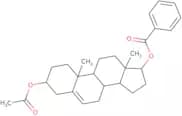
CAS:10-Azido-1-decanol is a non-polar solvent with reactive properties. It has been shown to cause cellular damage in proton and 6-chloropurine, which is a precursor for the synthesis of nucleic acids. 10-Azido-1-decanol has been used as an ultraviolet light absorber in strategies to protect tissues from ultraviolet light and it can also be used to study the effects of functional groups on optical properties. 10-Azido-1-decanol's hypochromic behavior makes it useful in bilayer studies because it can be easily distinguished from other solvents or water molecules.Fórmula:C10H21N3OPureza:Min. 95%Cor e Forma:Clear LiquidPeso molecular:199.29 g/molAndrostenediol-3-acetate-17-benzoate
CAS:Produto ControladoAndrostenediol-3-acetate-17-benzoate is a chemical building block that has been used in the synthesis of various pharmaceuticals and other organic compounds. It is a versatile intermediate for the synthesis of complex natural products such as corticosteroids, sex hormone analogs, and other drugs. Androstenediol-3-acetate-17-benzoate has also been found to be an effective treatment for bronchitis.
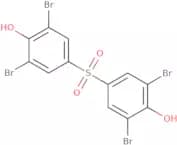
Fórmula:C28H36O4Pureza:Min. 95%Cor e Forma:PowderPeso molecular:436.58 g/molTetrabromobisphenol S
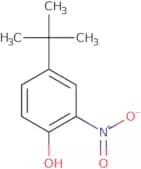
CAS:Tetrabromobisphenols (TBB) are skin conditioners that are used in the cosmetic industry. They are derived from fatty acids and have a structural formula of C10H8Br4. TBBs have a fluorine atom at their central position and have been shown to react with bacterial strains and produce reaction products, such as hydrogen chloride, calcium carbonate, and carbonic acid. TBBs form hydrogen bonds with the membrane system of cells and affect physiological functions. TBBs are able to penetrate the skin and enter the bloodstream, which can lead to toxic side effects in humans.Fórmula:C12H6Br4O4SPureza:Min. 95%Cor e Forma:PowderPeso molecular:565.86 g/mol2-Nitro-4-tert-butylphenol
CAS:2-Nitro-4-tert-butylphenol is a phenolic antioxidant that has been used as a substitute for 2,6-di-tert-butylphenol (BHT) in cellulose triacetate. It also has been used in the production of 16-membered macrolides and macrocyclization reactions. 2NBP has been shown to be a potent inhibitor of ionophore transport across membranes, with the ability to inhibit membrane protein function and affect macrocyclization. It is also able to form mesoporous materials with diameters in the range of 10 nm to 100 nm. Nitroarenes are good candidates for molecular size control because they can be easily synthesized by addition reactions, which makes them ideal for use in organic chemistry.Fórmula:C10H13NO3Pureza:Min. 95%Cor e Forma:PowderPeso molecular:195.22 g/mol5-Methoxyresorcinol
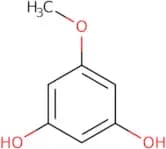
CAS:5-Methoxyresorcinol is a plant product that has been shown to inhibit protein synthesis. It was found to have a second-order rate constant of 0.079 M-1s-1 at pH 7, which is much lower than the first order rate constant for urea hydrolysis (0.71 M-1s-1). 5-Methoxyresorcinol has also been shown to demethylate methyl glycosides and synthesize cell cultures. This product inhibits the replication of herpes simplex virus by inhibiting the synthesis of viral proteins in infected cells and blocking the maturation of progeny virus particles.
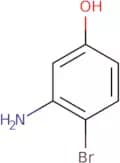
Fórmula:C7H8O3Pureza:Min. 95%Cor e Forma:Slightly Yellow PowderPeso molecular:140.14 g/mol3-Amino-4-bromophenol
CAS:3-Amino-4-bromophenol is an industrial chemical that is used in the diazotization and reduction reactions. 3-Amino-4-bromophenol can be synthesized by reacting hydrazine with iron oxide and nitrite in a condition of acetone and sodium nitrite. The product yield for this reaction is about 90%. 3-Amino-4-bromophenol crystallizes from acetone as a white powder.Fórmula:C6H6BrNOPureza:Min. 95%Peso molecular:188.02 g/mol2,5-Dimethylresorcinol
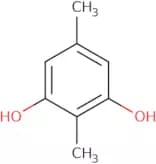
CAS:2,5-Dimethylresorcinol is a natural organic compound that has been shown to have the ability to inhibit the formation of reactive oxygen species. It is used in wastewater treatment and as an antioxidant. 2,5-Dimethylresorcinol has been shown to exhibit an inhibitory effect on lipid hydroperoxides and hydroxyl group binding. This compound can also be used as a substrate or product in catalytic domains. 2,5-Dimethylresorcinol is found in the form of usnic acid and orsellinic acid. The use of this compound as a catalyst for oxidation reactions has been studied extensively. It has also been shown to be an effective inhibitor for catalytic domains with a range of different metal ions.
Fórmula:C8H10O2Pureza:Min. 95%Cor e Forma:PowderPeso molecular:138.16 g/mol1-(5-Isoquinolinesulfonyl)piperazine hydrochloride
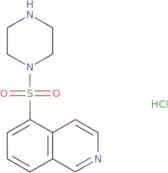
CAS:1-(5-Isoquinolinesulfonyl)piperazine hydrochloride (1-ISOQ-PIP) is a chemical compound that has been shown to inhibit the growth of leukemia cells. It inhibits the expression of leukemia inhibitory factor, which may be due to its ability to introduce modifications into the sequence of DNA. 1-ISOQ-PIP also inhibits pluripotent stem cells and induces adipocyte differentiation. This substance can be used for cancer treatment by inhibiting the growth of leukemia cells and inducing differentiation.Fórmula:C13H16ClN3O2SPureza:Min. 95%Cor e Forma:PowderPeso molecular:313.8 g/mol6-[4-(1-Cyclohexyl-1H-tetrazol-5-yl)butoxy]-3,4-dihydro-2(1H)-quinolinone
CAS:Cilostazol is a drug that binds to ATP-binding cassette (ABC) transporters, which are proteins that transport molecules across membranes. It decreases the production of cyclic nucleotides and phosphodiesterase, which are important in the regulation of blood vessel tone. Cilostazol has been shown to be effective in treating heart failure and atherosclerosis. Cilostazol also inhibits cyclase activity, an enzyme involved in the synthesis of cyclic nucleotides, which leads to vasodilation by increasing the concentration of cAMP. The drug is available in both immediate-release and controlled-release preparations. Cilostazol can have serious side effects such as congestive heart failure or stroke if it is taken with other drugs that inhibit platelet aggregation such as aspirin or warfarin.Fórmula:C20H27N5O2Pureza:Min. 95%Cor e Forma:White PowderPeso molecular:369.46 g/molcis-(+/-)-2-[(N-Benzyl-N-methyl)aminomethyl]-1-(3-methoxyphenyl)cyclohexanol hydrochloride
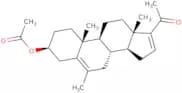
CAS:cis-(+/-)-2-[(N-Benzyl-N-methyl)aminomethyl]-1-(3-methoxyphenyl)cyclohexanol hydrochloride is a versatile building block that can be used in the synthesis of complex compounds. This compound is also a useful reagent, speciality chemical, and reaction component. cis-(+/-)-2-[(N-Benzyl-N-methyl)aminomethyl]-1-(3-methoxyphenyl)cyclohexanol hydrochloride has been shown to be a valuable scaffold for research chemicals with high quality.Fórmula:C22H30ClNO2Pureza:Min. 95 Area-%Cor e Forma:PowderPeso molecular:375.93 g/mol6-Methyl-16-dehydropregnenolone acetate
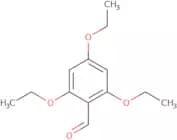
CAS:Produto Controlado6-Methyl-16-dehydropregnenolone acetate (6MDA) is a versatile building block that is used in the synthesis of complex compounds. 6MDA is an intermediate for research chemicals and can be used as a reagent or as a speciality chemical. It has been shown to be useful in the synthesis of many complex compounds, including steroids, nonsteroidal anti-inflammatory drugs, and antibiotics. 6MDA has been shown to have high quality and is a useful scaffold for the synthesis of other compounds.Fórmula:C24H34O3Pureza:Min. 95%Cor e Forma:PowderPeso molecular:370.52 g/molPhloroglucinol aldehyde triethyl ether
CAS:Phloroglucinol aldehyde triethyl ether is a high quality, research chemical, speciality chemical and versatile building block. It is used in the synthesis of complex compounds that are useful as intermediates or fine chemicals. The CAS No. for this compound is 59652-88-9.Fórmula:C13H18O4Pureza:Min. 95%Peso molecular:238.28 g/molMedioresinol
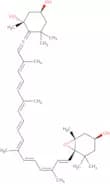
CAS:Medioresinol is a secondary metabolite found in plants belonging to the family Pinaceae. It is a fluorescent compound that can be seen with nmr spectroscopic data and has been identified as a fatty acid. Medioresinol has been studied for its effects on bacteria, fungi, and cancer cells. This compound has shown to inhibit the growth of the bladder cancer cell line 5637A and inhibit the growth of human leukemia cells by blocking protein synthesis. The mechanism of action of medioresinol is not yet well understood, but it may involve an interaction with p-hydroxybenzoic acid or secoisolariciresinol. Medioresinol is also known to have strong anti-inflammatory properties, which may be due to its ability to inhibit prostaglandin synthesis.Fórmula:C21H24O7Pureza:Min. 95%Cor e Forma:White PowderPeso molecular:388.41 g/mol9'-cis-Neoxanthin - solution in ethanol (sold by weight of solution)
CAS:9'-cis-Neoxanthin is a carotenoid that belongs to the class of xanthophylls. It is found in high concentrations in the seeds of peas, spinach, and corn. 9'-cis-Neoxanthin has been shown to inhibit prostate cancer cells by targeting their transcriptional regulation. 9'-cis-Neoxanthin is a precursor for violaxanthin, which is a powerful antioxidant that can scavenge free radicals. This molecule also binds to DNA polymerase and inhibits its activity. The structural analysis of 9'-cis-Neoxanthin has revealed that it contains two chromophores: one with an oxygenated end (the neoxanthin side chain) and one with an unsaturated end (the other side chain).
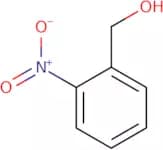
Fórmula:C40H56O4Pureza:Min. 97 Area-%Cor e Forma:Clear LiquidPeso molecular:600.87 g/mol2-Nitrobenzyl alcohol
CAS:2-Nitrobenzyl alcohol is a molecule with photochemical properties. It has been used as a solid catalyst and in genotoxic studies. 2-Nitrobenzyl alcohol is also toxic to liver cells, although the mechanism behind this toxicity is not yet clear. The chemical biology of this molecule is being studied, which includes its receptor binding and interactions with human liver cells.Fórmula:C7H7NO3Pureza:Min. 97%Cor e Forma:PowderPeso molecular:153.14 g/molHalquinol, mixture of 5,7-Dichloro-8-quinolinol, 5-Chloro-8-quinolinol, 7-Chloro-8-quinolinol and 8-Hydroxyquinoline
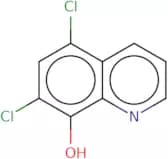
CAS:Halquinol, a mixture of 5,7-dichloro-8-quinolinol, 5-chloro-8-quinolinol, 7-chloro-8-quinolinol and 8-hydroxyquinoline, is an important intermediate in organic synthesis. It has been used as a reagent in the synthesis of a variety of complex compounds. Halquinol has also been used as a building block for the synthesis of many other chemical products. The CAS number for halquinol is 806769-4.Fórmula:C18H11Cl3N2O2Pureza:Min. 95%Cor e Forma:Off-White PowderPeso molecular:393.65 g/mol2,2'-Biphenol
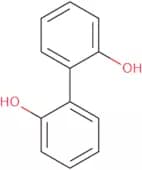
CAS:2,2'-Biphenol is a phenolic compound that is used in the synthesis of polymers. The thermal expansion coefficient of 2,2'-biphenol can be measured by DSC and found to be ˜6.5 × 10⁻⁴/°C. The UV absorption spectrum of 2,2'-biphenol shows three bands at wavelengths of 290 nm, 320 nm, and 370 nm. 2,2'-Biphenol has been shown to adsorb onto biological surfaces through an adsorption mechanism. It has been observed that this adsorption occurs via x-ray crystal structures and kinetic measurements have shown that the adsorption process is rate-limited by intramolecular hydrogen bonding between the protonated phenolic hydroxyl group and the aromatic ring. The activation energies for protonation and desorption have been determined to be ˜30 kJ/mol and ˜30 kJ/mol respectively. Ac
Fórmula:C12H10O2Pureza:Min. 98 Area-%Cor e Forma:White PowderPeso molecular:186.21 g/mol4,4'-Ethylidenebisphenol
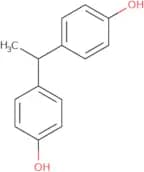
CAS:4,4'-Ethylidenebisphenol is a phenolic compound that has hydroxyl groups in its structure. It is used as a chemical intermediate in the production of resins and coatings. 4,4'-Ethylidenebisphenol is also used as an analytical reagent. It reacts with hydrogen peroxide to form a reactive radical intermediate that can be detected by electron spin resonance spectroscopy. The mechanism of this reaction involves the formation of an intermolecular hydrogen bond between the hydroxyl group on 4,4'-ethylidenebisphenol and the hydrogen peroxide molecule. The reaction solution contains 4-hydroxybenzaldehyde and 2,2-diphenyl-1-picrylhydrazyl radical as intermediates.Fórmula:C14H14O2Pureza:Min. 95%Peso molecular:214.26 g/mol(S)-(+)-1-Indanol
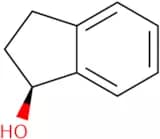
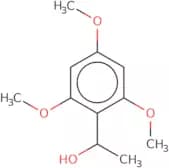
CAS:(S)-(+)-1-Indanol is a substrate for the human liver alcohol dehydrogenase and can be used to study the enzyme. The molecule has two phenyl groups that are capable of forming hydrogen bonds with other molecules. The hydrogen bond is a relatively weak, noncovalent interaction between two polar molecules. It can be formed by the donation of a lone pair of electrons from one side of an oxygen atom in one molecule to a lone pair of electrons on another oxygen atom in another molecule. This type of bond is responsible for many important biological processes, including DNA replication and protein folding. The (S)-(+)-1-Indanol can also undergo carbonyl reduction, which is the conversion of an organic compound containing a carbonyl group into a corresponding hydrocarbon derivative containing hydroxyl groups. The (S)-(+)-1-Indanol contains both hydroxyl and carbonyl functionalities that make it suitable for this process. (S)-Fórmula:C9H10OPureza:Min. 95%Cor e Forma:PowderPeso molecular:134.18 g/mol(2,4,6-Trimethoxyphenyl)methyl carbinol
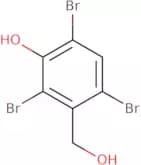
CAS:Trimethoxyphenylmethylcarbinol (TMPC) is a high quality chemical that can be used in the production of research chemicals, pharmaceuticals and other speciality chemicals. It has been shown to be an effective building block for complex compounds such as heterocycles. TMPC has also been shown to have protective effects against oxidative stress and may be useful as a reagent in chemical synthesis.Fórmula:C11H16O4Pureza:Min. 95%Cor e Forma:PowderPeso molecular:212.24 g/mol3-Hydroxy-2,4,6-tribromobenzyl alcohol
CAS:3-Hydroxy-2,4,6-tribromobenzyl alcohol is a chemoenzymatic reagent that is used in the production of phenols. It is prepared from acetone and sodium bromide and catalyzes the bromination of phenols. This product has high yield and can be used as a source for 3-hydroxy-2,4,6-tribromobenzyl alcohol. 3-Hydroxy-2,4,6-tribromobenzyl alcohol is also an important reagent in the synthesis of polymers that are used in the production of paints and coatings.
Fórmula:C7H5Br3O2Pureza:Min. 95%Cor e Forma:PowderPeso molecular:360.83 g/mol5-Chloro-7-iodo-8-hydroxyquinoline
CAS:5-Chloro-7-iodo-8-hydroxyquinoline is a metal chelate that has been shown to have pharmacological effects in experimental animals. It has antioxidative properties and can protect against oxidative injury. 5-Chloro-7-iodo-8-hydroxyquinoline was found to be toxic in various animal models, including the neuronal death and mitochondrial membrane potential. This toxicity may be due to its ability to inhibit the activity of DNA polymerase and protein synthesis. The compound also showed significant cytotoxicity at low concentrations, but had no significant cytotoxicity at higher concentrations. 5-Chloro-7-iodo-8-hydroxyquinoline is similar in structure to clioquinol, which has been shown to have neurotoxic effects in humans.Fórmula:C9H5ClINOPureza:Min. 95 Area-%Cor e Forma:PowderPeso molecular:305.5 g/mol11β-Hydroxy etiocholanolone
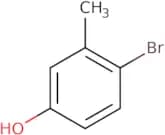
CAS:Produto Controlado11b-Hydroxy etiocholanolone is a major metabolite of 11-ketotestosterone. It is formed from the reaction of 11-ketotestosterone with either carbon disulphide or plasma cortisol. The physiological levels of 11b-hydroxy etiocholanolone are not well known, but it has been observed that there are higher levels in women than in men. This metabolite is an active form of testosterone and can be detected in urine samples. 11b-hydroxy etiocholanolone has been shown to have a biphasic response to testosterone treatment, where it increases at low concentrations and decreases at high concentrations. This metabolite is also involved in the synthesis of estradiol through the side chain cleavage, which leads to a chromatographic peak during gas chromatography analysis.Fórmula:C19H30O3Pureza:Min. 95%Cor e Forma:White PowderPeso molecular:306.44 g/mol4-Bromo-3-methylphenol
CAS:4-Bromo-3-methylphenol is a hydrochloride salt of 4-bromo-3-methylphenol that has acidic properties. It can be used as a reagent to prepare samples for phosphotungstic acid and ligand desorption techniques. It can also be used in the reduction of sulfoxides by means of hydrogen gas in an efficient method, which is suitable for on-line analysis. 4-Bromo-3-methylphenol is soluble in water and easily prepared from chlorobenzene. This compound has been extensively studied for its use in liquid phase electroosmotic techniques, which are based on the principle that the movement of ions is influenced by an electric field applied to a liquid medium.Fórmula:C7H7BrOPureza:Min. 95%Cor e Forma:PowderPeso molecular:187.03 g/mol











![9-Fluoro-10,13,17-Trimethyl-2,3,4,5,6,7,8,11,12,14,15,16-Dodecahydro-1H-Cyclopenta[a]Phenanthrene-…](/_next/image/?url=https%3A%2Fstatic.cymitquimica.com%2Fproducts%2F3D%2Fthumb-webp%2FFF103008.webp&w=3840&q=75)

![2-[(Ethylamino)methyl]-4-nitrophenol](/_next/image/?url=https%3A%2Fstatic.cymitquimica.com%2Fproducts%2F3D%2Fthumb-webp%2FFE23132.webp&w=3840&q=75)




![4-Amino-3-chloro-a-[[(1,1-dimethylethyl)amino]methyl]-5-(trifluoromethyl)benzenemethanol](/_next/image/?url=https%3A%2Fstatic.cymitquimica.com%2Fproducts%2F3D%2Fthumb-webp%2FFA24968.webp&w=3840&q=75)

![6-[4-(1-Cyclohexyl-1H-tetrazol-5-yl)butoxy]-3,4-dihydro-2(1H)-quinolinone](/_next/image/?url=https%3A%2Fstatic.cymitquimica.com%2Fproducts%2F3D%2Fthumb-webp%2FFC03161.webp&w=3840&q=75)
![cis-(+/-)-2-[(N-Benzyl-N-methyl)aminomethyl]-1-(3-methoxyphenyl)cyclohexanol hydrochloride](/_next/image/?url=https%3A%2Fstatic.cymitquimica.com%2Fproducts%2F3D%2Fthumb-webp%2FFB18402.webp&w=3840&q=75)