Álcoois
Subcategorias de "Álcoois"
Foram encontrados 5813 produtos de "Álcoois"
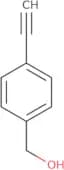
4-Ethynylbenzyl alcohol
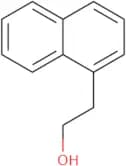
CAS:4-Ethynylbenzyl alcohol is an organic compound that has a molecular weight of 170.4 g/mol and a density of 1.1 g/cm3. It is synthesized by reacting acetophenone with sodium metal in the presence of ethanol and sodium ethoxide. The terminal alkyne groups are responsible for its high reactivity, which can be seen through its fluorescence properties. 4-Ethynylbenzyl alcohol has been shown to inhibit the growth of human liver cancer cells in vitro, making it a potential palliative treatment for liver cancer. This compound has also been shown to have reactive sites on its surface, which make it useful for surface modification techniques such as kinetic or imaging techniques. 4-Ethynylbenzyl alcohol has helical structure with hydrogen bonding interactions between adjacent molecules that stabilize the molecule's 3D structure.Fórmula:C9H8OPureza:Min. 95%Cor e Forma:White To Yellow To Brown SolidPeso molecular:132.16 g/mol1-Naphthalene ethanol
CAS:1-Naphthalene ethanol is a stabilizer that is used in the alkaline hydrolysis of primary amines. It has been shown to have fluorescence activity and has been used as a dye intermediate and chemical intermediate. 1-Naphthalene ethanol has also been shown to be an acetylation, ethylene, and dehydration agent. The compound is also a particle stabilizer and can be used as an additive for fuels. 1-Naphthalene ethanol is also a reagent that can transfer amines onto acidic chloride or chloral compounds.
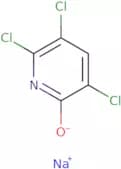
Fórmula:C12H12OPureza:90%Cor e Forma:PowderPeso molecular:172.22 g/molSodium 3,5,6-trichloro-2-pyridinol
CAS:Sodium 3,5,6-trichloro-2-pyridinol is an inorganic compound that has been shown to be an effective biocide for the removal of hydrogen chloride and hydroxide solution. The optimal reaction was found to be at pH 10.3 with a reaction vessel containing 1% sodium hydroxide solution and a concentration of 0.2 grams per liter of hydrogen chloride. This compound reacts with hydrogen chloride to form hydrochloric acid (HCl) and sodium 3,5,6-trichloro-2-pyridinol hydrochloride (NCTP), which can then be removed by wastewater treatment or precipitation as sodium chloride. NCTP is also used for the treatment of skin conditions such as acne and eczema.Fórmula:C5HCl3NONaPureza:Min. 95%Cor e Forma:Off-White SolidPeso molecular:220.42 g/mol2-(2-Chlorophenyl)ethanol
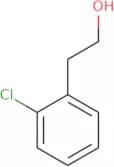
CAS:2-(2-Chlorophenyl)ethanol is a chemical used to synthesize aldehydes and fatty acids. It is also used to validate the purity of products, such as bulk drugs. 2-(2-Chlorophenyl)ethanol can be found in solvents, impurities, and chlorobenzene. It is not recommended for use at temperatures above 50°C or below -10°C. This chemical should not be left in contact with plastic or rubber tubing for extended periods of time because it may cause discoloration or cracking. 2-(2-Chlorophenyl)ethanol is not radioactive, but it may become so after irradiation.
2-(2-Chlorophenyl)ethanol can be found in solvents, impurities, and chlorobenzene. It is not recommended for use at temperatures above 50°C or below -10°C. This chemical should not be left in contact with plastic orFórmula:C8H9ClOPureza:Min. 95%Peso molecular:156.61 g/mol3-(Trifluoromethoxy)phenol
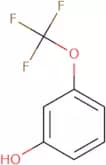
CAS:3-(Trifluoromethoxy)phenol is a drug that has been shown to function as an amide and a biomolecular. It has also been used in the development of drugs for depression, but it is not known whether it is effective in humans. 3-(Trifluoromethoxy)phenol binds to the cation channel of the NMDA receptor, which may be related to its antidepressant properties. The compound has been shown to have a radiotracer effect on positron emission tomography (PET). 3-(Trifluoromethoxy)phenol yields positrons when it undergoes deamination. This reaction is catalyzed by enzymes such as acetylcholine esterase, choline oxidase, and monoamine oxidases.
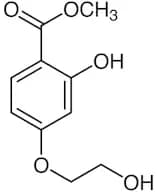
Fórmula:C7H5F3O2Pureza:Min. 95%Cor e Forma:Clear LiquidPeso molecular:178.11 g/molMethyl 4-(2-Hydroxyethoxy)salicylate
Fórmula:C10H12O5Pureza:>98.0%(GC)Cor e Forma:White to Light yellow to Light orange powder to crystalPeso molecular:212.204-(Hydroxymethyl)cyclohexanol
CAS:4-(Hydroxymethyl)cyclohexanol is a versatile building block that can be used in the synthesis of complex compounds. This chemical has been shown to have a high degree of purity and is a useful intermediate or reaction component for many different reactions. It is also an excellent scaffold for synthesizing other organic molecules.Fórmula:C7H14O2Pureza:Min. 95%Cor e Forma:Clear To White To Off-White SolidPeso molecular:130.18 g/mol3-Aminoquinoline
CAS:3-Aminoquinoline is a chemical compound that inhibits the activity of the epidermal growth factor receptor (EGFR). It is a potent inhibitor of cell proliferation and has been shown to have antitumour activity. 3-Aminoquinoline has been shown to inhibit the proliferation of carcinoma cell lines. This drug binds to the EGFR receptor, preventing it from activating downstream signalling pathways that control cell growth. 3-Aminoquinoline also has biological properties, including matrix-assisted laser desorption/ionization time-of-flight mass spectrometry, analytical chemistry, sample preparation, and Suzuki coupling reaction. The molecule is structurally analyzed using chemical structures and structural analysis techniques such as thermodynamic data or proton NMR spectroscopy. 3-Aminoquinoline also interacts with sugars through hydrogen bonding and oligosaccharides. These interactions are found to be high in value in some cases.
Fórmula:C9H8N2Pureza:Min. 95%Cor e Forma:White PowderPeso molecular:144.17 g/mol1-Methyl-1H-indol-4-ol
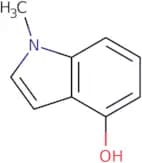
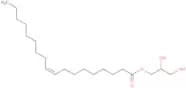
CAS:1-Methyl-1H-indol-4-ol is a sulfur containing natural product that has been shown to have antimicrobial activity. The compound is structurally similar to karanjin, an alkaloid found in the plant genus Camellia. In vitro studies with 1-methyl-1H-indol-4-ol have demonstrated antimicrobial activity against Gram positive bacteria such as Bacillus subtilis and Staphylococcus aureus, as well as anti fungal effects against Candida albicans and Cryptococcus neoformans. Furanoflavonoids are compounds that contain a furan ring and flavonoid group. 1-Methyl-1H-indol-4-ol is one of these compounds and has been shown to inhibit the growth of fungi by inhibiting the synthesis of proteins necessary for cell division.Fórmula:C9H9NOPureza:Min. 95%Cor e Forma:PowderPeso molecular:147.17 g/mol1-Oleoyl-rac-glycerol - 50%
CAS:1-Oleoyl-rac-glycerol is a lipid that has been used in experimental studies to replace the use of animal-derived lipids for pharmaceutical applications. It can be synthesized by combining oleic acid with glycerol. 1-Oleoyl-rac-glycerol is soluble in water and has been shown to have a Langmuir adsorption isotherm, which means it can be used as a monoolein substitute. The basic protein in 1-Oleoyl-rac-glycerol has been determined using XRD data and found to be chitosan polymer. The experimental model for 1-Oleoyl-rac-glycerol was tested on rats and found not to cause toxicity, making it an ideal biocompatible polymer that can be used as an alternative to chitosan polymer.
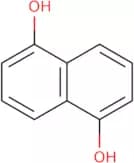
Fórmula:C21H40O4Pureza:Min. 95%Cor e Forma:Slightly Yellow Clear LiquidPeso molecular:356.54 g/mol1,5-Naphthalenediol
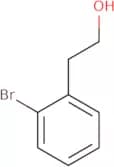
CAS:1,5-Naphthalenediol is a metabolite of naphthalene and has been found to be an electrochemical marker for the detection of naphthalene. It is considered a chemical indicator for naphthalene exposure, as it can be detected in urine and blood samples. 1,5-Naphthalenediol is a heterocyclic organic compound that has been shown to have potential medical uses. It has been shown to function as an anti-inflammatory agent by inhibiting prostaglandin synthesis and can also inhibit the growth of keratinocytes. The detection time for 1,5-naphthalenediol is about 2 hours after exposure.Fórmula:C10H8O2Pureza:Min. 95%Peso molecular:160.17 g/mol2-(2-Bromophenyl)ethanol
CAS:2-(2-Bromophenyl)ethanol is a functional group that contains a bromine atom and an ethoxy group. This compound is used to synthesize condensation products, such as the crystal x-ray diffraction of crystallized palladium complexes with acetaldehyde. The 2-(2-bromophenyl)ethanol analog was synthesized in order to study the synthesis and reactivity of a chelate ring. The hydroxyl group on this compound is useful for forming a magnesium salt or for using it as a synthetic reagent.
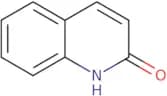
Fórmula:C8H9BrOPureza:Min. 95%Cor e Forma:Colorless Clear LiquidPeso molecular:201.06 g/mol2-Hydroxyquinoline
CAS:2-Hydroxyquinoline is a coumarin derivative that has inhibitory properties against a variety of human pathogens, including the causative agent of malaria. It binds to the active site of the enzyme xanthine oxidase, which catalyzes the oxidation of hypoxanthine to xanthine and then to uric acid. 2-Hydroxyquinoline inhibits this reaction, preventing the accumulation of uric acid in the blood and urine. This compound also has potential anticancer activity due to its ability to inhibit tumor cell proliferation in human prostate cancer cells. 2-Hydroxyquinoline is metabolized by cytochrome P450 enzymes and has pharmacokinetic properties that include an inhibitory dose (ID50) of 1mg/kg.Fórmula:C9H7NOPureza:Min. 95%Cor e Forma:White To Light (Or Pale) Yellow To Light (Or Pale) Green To Purple Brown SolidPeso molecular:145.16 g/mol3-Heptanol
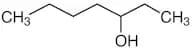
CAS:Fórmula:C7H16OPureza:>98.0%(GC)Cor e Forma:Colorless to Almost colorless clear liquidPeso molecular:116.202,4-Hexadien-1-ol
CAS:2,4-Hexadien-1-ol is an organic compound that belongs to the group of aliphatic alcohols. It is a colorless liquid with a pleasant odor and high boiling point. 2,4-Hexadien-1-ol has been shown to be a potent inhibitor of tyrosinase in vitro. This inhibition may be due to its ability to form hydrogen bonds with zirconium oxide or the hydroxyl group on its structure. 2,4-Hexadien-1-ol also has been shown to inhibit enzymes that are involved in the metabolic pathways for xenobiotics such as sodium citrate. 2,4-Hexadien-1-ol is used in wastewater treatment because it can decompose organic matter and reduce sludge volume by increasing the solubility of oils and fats.
Fórmula:C6H10OPureza:Min. 95%Cor e Forma:White PowderPeso molecular:98.14 g/mol2-Bromo-3-fluorophenol
CAS:2-Bromo-3-fluorophenol is a bifunctional chemical that reacts with glycols, such as ethylene glycol, to form epoxy ethers. It is also used as a stabilizer for polyurethane plastics and rubbers. 2-Bromo-3-fluorophenol is used in the production of dibenzoyl peroxide and phenolic resins. This compound has been shown to be stable when exposed to both heat and light.Fórmula:C6H4BrFOPureza:Min. 95%Cor e Forma:PowderPeso molecular:191 g/mol(1-Methyl-1H-imidazol-4-yl)methanol
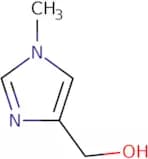
CAS:(1-Methyl-1H-imidazol-4-yl)methanol is a chemical that can be used as a building block for the synthesis of complex compounds. It is an intermediate in organic synthesis, and has been used as a reagent for research and as a speciality chemical. (1-Methyl-1H-imidazol-4-yl)methanol is also a versatile building block for the construction of complex molecules. This compound has been used in the manufacture of pesticides, pharmaceuticals, and dyes. The CAS number for (1-methyl-1H-imidazol-4-yl)methanol is 172892577.Fórmula:C5H8N2OPureza:Min. 95%Cor e Forma:SolidPeso molecular:112.13 g/mol(1S,2R)-(+)-2-Amino-1,2-diphenylethanol
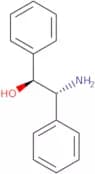
CAS:Produto Controlado(1S,2R)-(+)-2-Amino-1,2-diphenylethanol is an enantiopure amine that has been used as a ligand in supramolecular chemistry. It can be prepared by reacting 2-chloropropane with thionyl chloride and primary alcohols. The chloride group facilitates the reaction rate and can be replaced by nitro groups to immobilize the product on a solid substrate. (1S,2R)-(+)-2-Amino-1,2-diphenylethanol has optical properties that are dependent on its environment. It can be used to label cells for studies of cell differentiation or cell migration. This compound also reacts with cyclohexane rings to form cyclic products with different optical properties than those of the reactants. The reaction yield is high in this process.Fórmula:C14H15NOPureza:Min. 95%Cor e Forma:White To Beige SolidPeso molecular:213.28 g/mol2-Amino-4,5-dimethylphenol
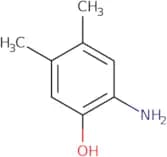
CAS:2-Amino-4,5-dimethylphenol is a compound that exhibits anticancer activity. It is an arylimine that has been shown to inhibit the proliferation of cancer cells in vitro and in vivo. The mechanism of action is not fully understood, but it is believed that 2-amino-4,5-dimethylphenol may act as a nucleophile in reverse Michael addition reactions with electrophiles. This compound also has been shown to be potent against some cancer cell lines and to induce apoptosis through caspase activation. 2-Amino-4,5-dimethylphenol interacts with aminophenols in vitro, forming supramolecular complexes that are cytotoxic to cancer cells.
Fórmula:C8H11NOPureza:Min. 95%Cor e Forma:Brown SolidPeso molecular:137.18 g/mol4-Fluoro-3-methylphenol
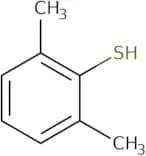
CAS:4-Fluoro-3-methylphenol is a low molecular weight compound that has been shown to have antibacterial activity. It inhibits the growth of Mycobacterium tuberculosis, and this inhibition may be due to a transfer mechanism. 4-Fluoro-3-methylphenol also inhibits the enzyme activities of esterases and glutathione reductase, which may contribute to its antitubercular activity. This molecule has been shown to have vibrational and optical properties. It has been used in microscopy experiments for the detection of mineralization in bone tissue.Fórmula:C7H7FOPureza:Min. 95%Peso molecular:126.13 g/mol2,6-Dimethylthiophenol
CAS:2,6-Dimethylthiophenol is a structural analog of the natural product sumatrana. It has been shown to be an effective catalyst for the cleavage of carbon-carbon bonds in organic molecules and fatty acids. 2,6-Dimethylthiophenol is unique because it contains two sulfur atoms that are part of a thiolate group, which can easily be oxidized to a sulfoxide or sulfone. This property makes 2,6-dimethylthiophenol an excellent reductant in reactions that require a metallacycle intermediate. The reactivity of this molecule is also influenced by its redox potential and the presence of nitrogen atoms. 2,6-Dimethylthiophenol was synthesized and studied using model compounds, yielding reaction yields as high as 98%.
Fórmula:C8H10SPureza:Min. 95 Area-%Cor e Forma:Clear LiquidPeso molecular:138.23 g/mol3-Benzyloxy-1-propanol
CAS:3-Benzyloxy-1-propanol is a desymmetrization agent that catalyzes the conversion of esters to ketones and amides to alcohols. It is also an asymmetric synthesis reagent that converts (S)-2,3-diaminopropionic acid into (R)-2,3-diaminopropionic acid. 3-Benzyloxy-1-propanol has been shown to be a useful tool in the synthesis of amines with functional groups such as carbonyl or hydroxyl. Furthermore, 3-benzyloxy-1-propanol can be used to form bonds between two different molecules by cleaving one bond and forming two new ones. It is also capable of mediating bond cleavage, which can lead to the formation of free radicals.Fórmula:C10H14O2Pureza:Min. 95%Cor e Forma:LiquidPeso molecular:166.22 g/mol4-[(5-Bromo-2-chlorophenyl)methyl]phenol
CAS:Intermediate in the synthesis of empagliflozinFórmula:C13H10BrClOPureza:Min. 95%Cor e Forma:PowderPeso molecular:297.57 g/mol2-Bromo-4-methylphenol
CAS:2-Bromo-4-methylphenol is an organic compound that has interactive effects with hydrochloric acid, molybdenum, and trifluoromethanesulfonic acid. It is soluble in water vapor, but insoluble in polyvinyl. 2-Bromo-4-methylphenol reacts with sodium hydroxide solution to form a hydroxide solution and sodium carbonate. The reaction product of 2-bromo-4-methylphenol with triterpenoid saponin produces fatty acids. This reaction occurs because the hydroxide ion from the sodium hydroxide solution attacks the ester group of the saponin, forming an alcohol group on one end and a carboxylic acid group on the other end. The benzyl groups are removed by hydrogenation to produce phenol.
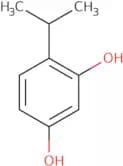
Fórmula:C7H7BrOPureza:Min. 95%Peso molecular:187.03 g/mol4-Isopropylresorcinol
CAS:4-Isopropylresorcinol or 4-Isopropylbenzene-1,3-diol belongs to the family of alkylresorcinol. It is a synthetic molecule that has been shown to reduce tumor size and inhibit cancer cell growth in vitro and in vivo. It also inhibits the expression of heat shock protein (Hsp90), which is highly expressed in most tumor cells. A study done on human lung cancer cell lines showed that 4-isopropylresorcinol inhibited the growth of xenograft tumors with no side effects, by enhancing the sensitivity of lung cancer cells to photodynamic therapy, and arrests non-small cell lung cancer cells in the G1 phase with an associated increase in apoptosis. It also induces efflux transporters in tumor cells, which leads to a time-dependent pharmacokinetics.
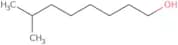
Fórmula:C9H12O2Pureza:Min. 98 Area-%Cor e Forma:White Off-White PowderPeso molecular:152.19 g/mol7-Methyloctanol
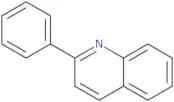
CAS:7-Methyloctanol is a polycarboxylic acid that is structurally similar to hydrochloric acid. It has been shown to have specific treatment effects on skin cells and light exposure, as well as an anti-inflammatory effect. 7-Methyloctanol is able to produce fatty acids by the hydroxylation of unsaturated alkyl chains, which are often used as plasticizers. The hydrophobic effect of 7-methyloctanol has also been shown to increase the permeability of liposomes.Fórmula:C9H20OPureza:Min. 95%Cor e Forma:Colorless Clear LiquidPeso molecular:144.25 g/mol2-phenyl-quinoline
CAS:2-Phenyl-quinoline is a naturally occurring compound that exhibits antimicrobial activity. It has been shown to inhibit the growth of bacteria by interfering with the synthesis of ATP, which is necessary for bacterial cell division. 2-Phenyl-quinoline also possesses antioxidative properties and has been shown to have inhibitory effects on a number of bacterial strains. 2-Phenyl-quinoline has been shown to induce necrotic cell death in S. aureus strains, as well as anti-inflammatory and antinociceptive properties.Fórmula:C15H11NPureza:Min. 98 Area-%Cor e Forma:PowderPeso molecular:205.25 g/mol8-Methoxycarbonyloctanol
CAS:8-Methoxycarbonyloctanol (8MCO) is a fatty acid molecule that has been shown to have significant inhibitory activities against Streptococcus pneumoniae in human serum. 8MCO is a synthetic molecule that can be synthesized from galactose and chloride. It has been found to have a molecular weight of 190.08 g/mol, melting point of -2°C, and boiling point of 217°C at 1 mmHg. 8MCO is soluble in water, methanol, and ethanol. This molecule can be used as an analytical tool for the detection of fatty acids by gas chromatography-mass spectrometry (GC-MS). It also exhibits enzymatic activity when incorporated into enzyme preparations such as esterases and lipases. 8MCO contains functional groups such as carbonyl (-CO), hydroxyl (-OH), carboxylic acid (-COOH), ether (-O-) and alcohol (-
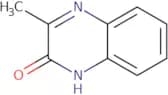
Fórmula:C10H20O3Pureza:Min. 95%Cor e Forma:Clear LiquidPeso molecular:188.26 g/mol3-Methylquinoxalin-2-ol
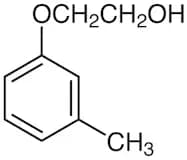
CAS:3-Methylquinoxalin-2-ol is an antimicrobial agent that exhibits a broad spectrum of activity against bacteria, fungi, and viruses. It is effective against both Gram-positive and Gram-negative bacteria, as well as yeast and mycobacteria. 3-Methylquinoxalin-2-ol has been shown to be efficacious in animal models of diabetic ulcers and also reduces the incidence of infection after surgery. The substance has been shown to have excellent bactericidal activity against streptococcus faecalis in the presence of dehydroascorbic acid. 3-Methylquinoxalin-2-ol inhibits protein synthesis by binding to amino groups on proteins and blocking their access to ATP or other amino acids. This mechanism may be exploited as a drug target for the treatment of bacterial infections.Fórmula:C9H8N2OPureza:Min. 95%Peso molecular:160.06366Ethylene Glycol Mono-m-tolyl Ether
CAS:Fórmula:C9H12O2Pureza:>98.0%(GC)Cor e Forma:Colorless to Almost colorless clear liquidPeso molecular:152.191-O-Hexadecyl-2-O-methyl-rac-glycerol
CAS:1-O-Hexadecyl-2-O-methyl-rac-glycerol is a metabolite of phosphatidylethanolamine that is structurally related to the neurotransmitter serotonin. It binds to the 5HT7 receptor, which is involved in the regulation of infectious diseases and cytokine production. 1-O-Hexadecyl-2-O-methyl-racglycerol has been shown to stimulate growth factor production and protein synthesis, as well as inhibit serotonin reuptake. This compound also activates phosphorylation of PKC, which leads to an increase in cytosolic calcium levels and activation of PKC. As a result, diacylglycerol levels are increased, leading to an increase in mitochondrial membrane potential and camp levels.Fórmula:C20H42O3Pureza:Min. 95%Peso molecular:330.55 g/molOleic acid-biotin - solution in ethanol
CAS:Oleic acid-biotin is a fine chemical that is used as a versatile building block in the synthesis of complex compounds. It can also be used as a reagent for research purposes, and is a useful building block for the synthesis of various chemicals. Oleic acid-biotin is an intermediate in organic chemistry, and can be used as a reaction component in organic synthesis. It can also act as a scaffold for drug design and development. This product has been shown to have high quality and purity, making it suitable for use in various reactions.Fórmula:C28H50N4O3SPureza:Min. 95%Cor e Forma:Colorless PowderPeso molecular:522.79 g/mol6-(4,4,5,5-Tetramethyl-[1,3,2]dioxaborolan-2-yl)-isoquinoline
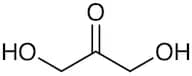
CAS:6-(4,4,5,5-Tetramethyl-[1,3,2]dioxaborolan-2-yl)-isoquinoline is a versatile building block for the synthesis of complex compounds. This product is a reagent that can be used in organic synthesis as a reaction component or as a reagent to form new compounds. 6-(4,4,5,5-Tetramethyl-[1,3,2]dioxaborolan-2-yl)-isoquinoline has shown high quality in research and is useful for the synthesis of fine chemicals and speciality chemicals.Fórmula:C15H18BNO2Pureza:Min. 95%Cor e Forma:White To Beige SolidPeso molecular:255.12 g/mol1,3-Dihydroxyacetone
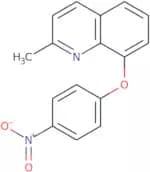
CAS:Fórmula:C3H6O3Pureza:>97.0%(GC)Cor e Forma:White to Almost white powder to crystalPeso molecular:90.084-(2-methyl(8-quinolyloxy))-1-nitrobenzene
CAS:Please enquire for more information about 4-(2-methyl(8-quinolyloxy))-1-nitrobenzene including the price, delivery time and more detailed product information at the technical inquiry form on this page
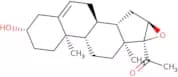
Pureza:Min. 95%16α,17α-Epoxypregnenolone
CAS:16alpha,17alpha-Epoxypregnenolone is a synthetic insect odorant that binds to the odorant binding protein (OBP) and has been used in research to investigate the relationship between odorant binding and olfaction. The OBPs are thought to play an important role in the detection of odors by binding to specific odorants, which then initiate a sensory response. 16alpha,17alpha-Epoxypregnenolone has also been shown to bind with recombinant OBP and have fluorescence properties, making it useful for biosensors. This compound may be useful as an experimental or research tool for investigating olfactory receptors in insects or other organisms.
Fórmula:C21H30O3Pureza:Min. 95%Peso molecular:330.47 g/mol2-[(3-Phenoxyphenyl)methylene]-2H-1,4-benzothiazin-3(4H)-one
CAS:Please enquire for more information about 2-[(3-Phenoxyphenyl)methylene]-2H-1,4-benzothiazin-3(4H)-one including the price, delivery time and more detailed product information at the technical inquiry form on this pageFórmula:C21H15NO2SPureza:Min. 95%Cor e Forma:Powder1-(2-Methyl(8-quinolyloxy))-2-nitro-4-(trifluoromethyl)benzene
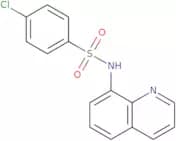
CAS:Please enquire for more information about 1-(2-Methyl(8-quinolyloxy))-2-nitro-4-(trifluoromethyl)benzene including the price, delivery time and more detailed product information at the technical inquiry form on this pagePureza:Min. 95%((4-Chlorophenyl)sulfonyl)-8-quinolylamine
CAS:Please enquire for more information about ((4-Chlorophenyl)sulfonyl)-8-quinolylamine including the price, delivery time and more detailed product information at the technical inquiry form on this pageFórmula:C15H11ClN2O2SPureza:Min. 95%Cor e Forma:PowderPeso molecular:318.78 g/molEthyl 4-oxo-7-(benzyloxy)hydroquinoline-3-carboxylate
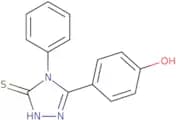
CAS:Please enquire for more information about Ethyl 4-oxo-7-(benzyloxy)hydroquinoline-3-carboxylate including the price, delivery time and more detailed product information at the technical inquiry form on this pagePureza:Min. 95%4-(5-Phenyl-4-thioxo-2,3,5-triazolinyl)phenol
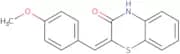
CAS:Please enquire for more information about 4-(5-Phenyl-4-thioxo-2,3,5-triazolinyl)phenol including the price, delivery time and more detailed product information at the technical inquiry form on this pageFórmula:C14H11N3OSPureza:Min. 95%Cor e Forma:PowderPeso molecular:269.32 g/mol3-((4-Methoxyphenyl)methylene)-1,4-dihydro-4-thiaquinolin-2-one
CAS:Please enquire for more information about 3-((4-Methoxyphenyl)methylene)-1,4-dihydro-4-thiaquinolin-2-one including the price, delivery time and more detailed product information at the technical inquiry form on this pageFórmula:C16H13NO2SPureza:Min. 95%Cor e Forma:PowderPeso molecular:283.35 g/mol2-Chloro-1-(6-methyl(1,2,3,4-tetrahydroquinolyl))propan-1-one
Please enquire for more information about 2-Chloro-1-(6-methyl(1,2,3,4-tetrahydroquinolyl))propan-1-one including the price, delivery time and more detailed product information at the technical inquiry form on this pagePureza:Min. 95%3-(4-Bromophenyl)-5-(hydroxyimino)-7,7-dimethyl-6,7,8-trihydrocinnoline
CAS:Please enquire for more information about 3-(4-Bromophenyl)-5-(hydroxyimino)-7,7-dimethyl-6,7,8-trihydrocinnoline including the price, delivery time and more detailed product information at the technical inquiry form on this page
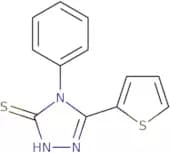
Fórmula:C16H16BrN3OPureza:Min. 95%Cor e Forma:PowderPeso molecular:346.22 g/mol4-Phenyl-5-(2-thienyl)-4H-1,2,4-triazole-3-thiol
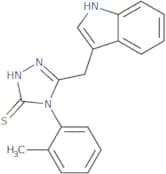
CAS:Please enquire for more information about 4-Phenyl-5-(2-thienyl)-4H-1,2,4-triazole-3-thiol including the price, delivery time and more detailed product information at the technical inquiry form on this pageFórmula:C12H9N3S2Pureza:Min. 95%Cor e Forma:PowderPeso molecular:259.35 g/mol5-(indol-3-ylmethyl)-4-(2-methylphenyl)-1,2,4-triazole-3-thiol
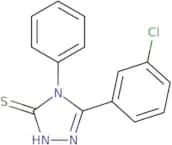
CAS:Please enquire for more information about 5-(indol-3-ylmethyl)-4-(2-methylphenyl)-1,2,4-triazole-3-thiol including the price, delivery time and more detailed product information at the technical inquiry form on this pageFórmula:C18H16N4SPureza:Min. 95%Cor e Forma:PowderPeso molecular:320.41 g/mol5-(3-Chlorophenyl)-4-phenyl-4H-1,2,4-triazole-3-thiol
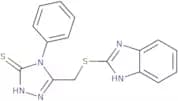
CAS:Please enquire for more information about 5-(3-Chlorophenyl)-4-phenyl-4H-1,2,4-triazole-3-thiol including the price, delivery time and more detailed product information at the technical inquiry form on this pageFórmula:C14H10ClN3SPureza:Min. 95%Cor e Forma:PowderPeso molecular:287.77 g/mol5-(Benzimidazol-2-ylthiomethyl)-4-phenyl-1,2,4-triazole-3-thiol
CAS:Please enquire for more information about 5-(Benzimidazol-2-ylthiomethyl)-4-phenyl-1,2,4-triazole-3-thiol including the price, delivery time and more detailed product information at the technical inquiry form on this pageFórmula:C16H13N5S2Pureza:Min. 95%Cor e Forma:PowderPeso molecular:339.44 g/molPoly(bisphenol-A-co-epichlorohydrin)
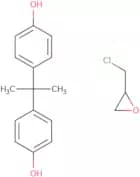
CAS:Poly(bisphenol-A-co-epichlorohydrin) is an epoxy polymer that reacts with a fatty acid to form a cationic polymer. It has a high resistance to thermal expansion and inorganic acids, making it a good sealant. In addition, poly(bisphenol-A-co-epichlorohydrin) is insoluble and not reactive, which makes it resistant to structural analysis. Poly(bisphenol-A-co-epichlorohydrin)'s thermal stability also makes it suitable for use as a boron nitride coating on zirconium oxide.Pureza:(%) Min. 60%Cor e Forma:Clear LiquidPeso molecular:1.15 g/molDiacetoxyscirpenol
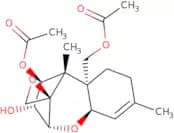
CAS:Produto ControladoDiacetoxyscirpenol is a mycotoxin that is found in wastewater and has been shown to have the ability to inhibit certain enzyme activities. It is a glucuronide conjugate that is excreted by humans, and can be detected in urine samples. The metabolite of Diacetoxyscirpenol, 4-hydroxy-2,3-dihydroxymethyl-5-(2H)-furanone (4OH-DMF), has been shown to induce antibody response in mice. The LC-MS/MS method for detecting Diacetoxyscirpenol uses a monoclonal antibody that recognizes the toxin. This antibody binds to the toxin and activates an enzyme cascade that leads to the production of a fluorescent dye. The intensity of fluorescence can be quantified using fluorometry or spectrophotometry. /nowiki>/pre>Fórmula:C19H26O7Pureza:Min. 95%Peso molecular:366.41 g/molAmino(6-methyl(1,2,3,4-tetrahydroquinol-1-yl))methane-1-thione
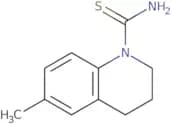
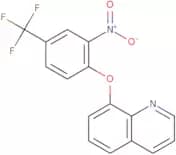
CAS:Please enquire for more information about Amino(6-methyl(1,2,3,4-tetrahydroquinol-1-yl))methane-1-thione including the price, delivery time and more detailed product information at the technical inquiry form on this pagePureza:Min. 95%2-Nitro-1-(8-quinolyloxy)-4-(trifluoromethyl)benzene
CAS:Please enquire for more information about 2-Nitro-1-(8-quinolyloxy)-4-(trifluoromethyl)benzene including the price, delivery time and more detailed product information at the technical inquiry form on this pageFórmula:C16H9F3N2O3Pureza:Min. 95%Cor e Forma:PowderPeso molecular:334.25 g/mol2-Indol-3-yl-2-oxo-N-(8-quinolyl)ethanamide
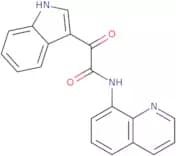
CAS:Please enquire for more information about 2-Indol-3-yl-2-oxo-N-(8-quinolyl)ethanamide including the price, delivery time and more detailed product information at the technical inquiry form on this page
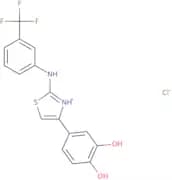
Fórmula:C19H13N3O2Pureza:Min. 95%Cor e Forma:PowderPeso molecular:315.33 g/mol4-(4-((3-(trifluoromethyl)phenyl)amino)-3,5-thiazolyl)benzene-1,2-diol, hydrochloride
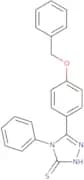
CAS:Please enquire for more information about 4-(4-((3-(trifluoromethyl)phenyl)amino)-3,5-thiazolyl)benzene-1,2-diol, hydrochloride including the price, delivery time and more detailed product information at the technical inquiry form on this pageFórmula:C16H11F3N2O2S·ClHPureza:Min. 95%Cor e Forma:PowderPeso molecular:388.79 g/mol4-phenyl-5-(4-(benzyloxy)phenyl)-1,2,4-triazole-3-thiol
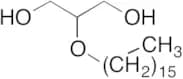
CAS:Please enquire for more information about 4-phenyl-5-(4-(benzyloxy)phenyl)-1,2,4-triazole-3-thiol including the price, delivery time and more detailed product information at the technical inquiry form on this pageFórmula:C21H17N3OSPureza:Min. 95%Cor e Forma:PowderPeso molecular:359.44 g/mol2-O-Hexadecyl Glycerol
CAS:Produto ControladoApplications 2-O-Hexadecyl Glycerol is an important research chemical where chiral-phase HPLC/MS is used to identify its alkyl group.
References Yamashina, T., et al.: Bunseki Kagaku, 55, 643-650 (2006)Fórmula:C19H40O3Cor e Forma:NeatPeso molecular:316.5192,5-Dimethoxythiophenol
CAS:Produto ControladoApplications 2,5-Dimethoxythiophenol is a thiophenol derivative used in the preparation of dihydrofolate reductase inhibitors and potential antitumor agents.
References Gangjee, A. et al.: J. Med. Chem., 52, 4892 (2009); Gangjee, A. et al.: Biiorg. Med. Chem., 18, 953 (2010);Fórmula:C8H10O2SCor e Forma:NeatPeso molecular:170.239-Decen-1-ol
CAS:Produto ControladoStability Light Sensitive
Applications 9-Decen-1-ol can be used to synthesize terminal olefins or generate epoxides.
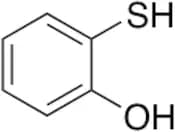
References Blackwell, H. E., et al., J. Am. Chem. Soc. 122, 58 (2000); Coperet, C., et al.: Chem. Commun 16, 1565 (1997)Fórmula:C10H20OCor e Forma:NeatPeso molecular:156.272-Hydroxythiophenol
CAS:Produto ControladoStability Unstable in Solution, Air Sensitive
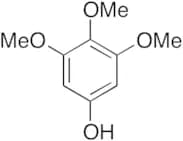
Applications 2-HYDROXYTHIOPHENOL (cas# 1121-24-0) is a useful research chemical.Fórmula:C6H6OSCor e Forma:NeatPeso molecular:126.173,4,5-Trimethoxyphenol
CAS:Produto ControladoApplications 3,4,5-Trimethoxyphenol is a useful synthetic intermediate in the synthesis of Thymonin (T413210); a flavonoid compound with potential antioxidant activity against peroxyl radicals.
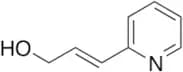
References Dugas, A.J., et al.: J. Nat. Prod., 63, 327 (2000)Fórmula:C13H24N2OCor e Forma:NeatPeso molecular:224.3433-(2-Pyridinyl)-2-propen-1-ol
CAS:Produto ControladoApplications 3-(2-Pyridyl)-2-propen-1-ol (cas# 131610-03-2) is a useful research chemical.
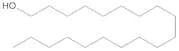
Fórmula:C8H9NOCor e Forma:NeatPeso molecular:135.1631-Nonadecanol
CAS:Produto ControladoApplications 1-Nonadecanol (cas# 1454-84-8) is a useful research chemical.
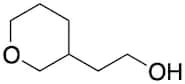
Fórmula:C19H40OCor e Forma:NeatPeso molecular:284.522-(Tetrahydro-2h-pyran-3-yl)ethanol
CAS:Produto ControladoApplications 2-(Tetrahydro-2H-pyran-3-yl)ethanol (cas# 1050493-77-0) is a useful research chemical.
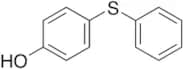
Fórmula:C7H14O2Cor e Forma:NeatPeso molecular:130.1854-(phenylsulfanyl)phenol
CAS:Produto ControladoApplications 4-(phenylsulfanyl)phenol (cas# 5633-55-6) is a useful research chemical.
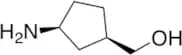
Fórmula:C12H10OSCor e Forma:NeatPeso molecular:202.27(1R-cis)-3-Aminocyclopentanemethanol
CAS:Produto ControladoFórmula:C6H13NOCor e Forma:NeatPeso molecular:115.174-Amino-2-isopropylphenol
CAS:Produto ControladoApplications 4-Amino-2-isopropylphenol is a building block used in the preparation of benzoate and benzamide derivatives as FXR antagonists.
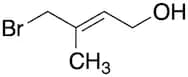
References Song, K., et al.: Bioorg. Med. Chem., 23, 6427 (2015);Fórmula:C9H13NOCor e Forma:NeatPeso molecular:151.2064-Bromo-3-methyl-2-buten-1-ol
CAS:Produto ControladoApplications 4-Bromo-3-methyl-2-buten-1-ol is an intermediate in the synthesis of 2-[(4-Bromo-3-methyl-2-buten-1-yl)oxy]tetrahydro-2H-pyran (B681855), which is a tetrahydropyran protected intermediate used in the synthesis of L-Cysteine derivatives.
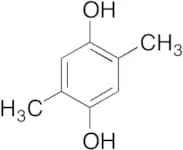
Fórmula:C5H9BrOCor e Forma:NeatPeso molecular:165.0282,5-Dimethylbenzene-1,4-diol
CAS:Produto ControladoApplications 2,5-Dimethylbenzene-1,4-diol is an intermediate used in the synthesis of β-Tocopherol (Racemic Mixture) (T625170), which is one of the naturally occurring forms of Vitamins E and is biologically less active than α-Tocopherol. This is the racemic mixture of all stereoisomers.
References Bianchi, G., et al.: Eur. J. Lipid Sci. Technology, 105, 229 (2003), Sakouhi, F., et al.: Food Chem., 108, 833 (2008)Fórmula:C8H10O2Cor e Forma:NeatPeso molecular:138.164(2S,3R,4E)-3-Benzoyl-2-tert-butyloxycarbonylamino-4-octadecen-1,3-diol
CAS:Produto ControladoApplications (2S,3R,4E)-3-Benzoyl-2-tert-butyloxycarbonylamino-4-octadecen-1,3-diol (cas# 299172-59-1) is a compound useful in organic synthesis.
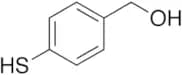
References Kinjo, Y., et al.: Chem. Biol., 15, 654 (2008),Fórmula:C30H49NO5Cor e Forma:NeatPeso molecular:503.714-Mercaptobenzyl Alcohol, 90%
CAS:Produto ControladoStability Dimerizes Readily - Store Under Inert Atmosphere
Applications 4-Mercaptobenzyl Alcohol, 90% (cas# 53339-53-0) is a compound useful in organic synthesis.
Not a dangerous good if item is equal to or less than 1g/ml and there is less than 100g/ml in the packageFórmula:C7H8OSPureza:90%Cor e Forma:NeatPeso molecular:140.24-(2-Pyridylazo)resorcinol
CAS:Produto ControladoApplications 4-(2-Pyridylazo)resorcinol (cas# 1141-59-9) is a useful research chemical. Dyes and metabolites.
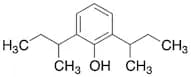
Fórmula:C11H9N3O2Cor e Forma:NeatPeso molecular:215.21Di-sec-butylphenol, mixture of isomers, predom. 2,6-isomer
CAS:Produto ControladoApplications Di-sec-butylphenol, mixture of isomers, predom. 2,6-isomer (cas# 5510-99-6) is a useful research chemical.
Not a dangerous good if item is equal to or less than 1g/ml and there is less than 100g/ml in the packageFórmula:C14H22OCor e Forma:NeatPeso molecular:206.324Methoxy4-[[(1,1-dimethylethyl)dimethylsilyl]oxy]-3-benzenemethanol
CAS:Produto ControladoApplications Methoxy4-[[(1,1-dimethylethyl)dimethylsilyl]oxy]-3-benzenemethanol, is prepared synthetically from vanillin (V097500) with an intermediate of methoxy-4-[[(1,1-dimethylethyl)dimethylsilyl]oxy]-3-benzaldehyde (M269710).
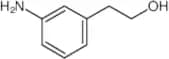
References Gowravarm, S. et al.: Adv. Synth. Catal., 343, 169 (2001)Fórmula:C14H24O3SiCor e Forma:NeatPeso molecular:268.432-(3-Aminophenyl)ethanol
CAS:Produto ControladoApplications 2-(3-Aminophenyl)ethanol is a useful compound for the synthesis of indolines and dihydrobenzofurans via iron and copper-catalyzed iodination and cyclization.
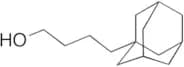
References Henry, M. C., et al.: J. Org. Chem., 84, 346 (2019)Fórmula:C8H11NOCor e Forma:NeatPeso molecular:137.181-Adamantanebutan-4-ol
CAS:Produto ControladoApplications 1-Adamantanebutan-4-ol is a building block used in various synthetic preparations. Adamantanealkanamines are potential antidepressant and anti-Parkinson agents.
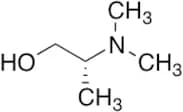
References Chakrabarti, J., et al.: J. Med. Chem., 17, 602 (1974);Fórmula:C14H24OCor e Forma:NeatPeso molecular:208.34(2R)-2-(dimethylamino)propan-1-ol
CAS:Produto ControladoApplications (2R)-2-(dimethylamino)propan-1-ol (cas# 55197-05-2) is a useful research chemical.
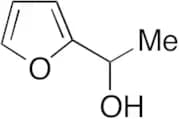
Fórmula:C5H13NOCor e Forma:NeatPeso molecular:103.1631-(2-Furyl)ethanol
CAS:Produto ControladoApplications 1-(2-Furyl)ethanol is an intermediate in the synthesis of 2H-Furo[2,3-c]pyran-2-one derivatives of their germination-promoting activity.
References Singh, V., et al.: Synthetic. Commun., 40, 1280 (2010);Fórmula:C6H8O2Cor e Forma:Colourless To Light YellowPeso molecular:112.1261-(3,5-Bis(benzyloxy)phenyl)pentan-2-ol
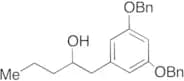
Produto ControladoApplications 1-(3,5-Bis(benzyloxy)phenyl)pentan-2-ol is an intermediate for the synthesis of 2''-Hydroxycannabidiol (H824820), which is a metabolite of Canabidiol (C175300), a major constituents in marijuana. 2''-Hydroxycannabidiol can be used to investigate canabidiol metabolism and human liver microsomes that metabolize Canabidiol into 6α-Hydroxycannabidiol.
References Jiang, R., et al.: Life Sci. 89, 165 (2011); Lander, N., et al.: Science 169, 611 (1970)Fórmula:C25H28O3Cor e Forma:NeatPeso molecular:376.488Lignoceroyl Ethanolamide
CAS:Produto ControladoApplications N-(2-Hydroxyethyl)tetracosanamide acts as a crude oil emulsifier.
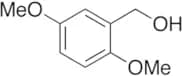
References Zhiqiang, J., et al.: Fami Zhu Shen., 5 (2016)Fórmula:C26H53NO2Cor e Forma:NeatPeso molecular:411.7042,5-Dimethoxybenzyl Alcohol
CAS:Produto ControladoApplications 2,5-Dimethoxybenzyl Alcohol can be used as a self-indicating standard for the determination of organolithium reagents
References Winkle, M.R. et al.: J. Chem. Soc. Chem. Comm., 3, 1980 (1980):Fórmula:C9H12O3Cor e Forma:NeatPeso molecular:168.193-(Hydroxymethyl)cyclopentan-1-ol
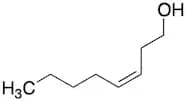
CAS:Produto ControladoFórmula:C6H12O2Cor e Forma:NeatPeso molecular:116.158cis-3-Octen-1-ol
CAS:Produto ControladoApplications cis-3-Octen-1-ol (cas# 20125-84-2) is a useful research chemical.
Fórmula:C8H16OCor e Forma:NeatPeso molecular:128.21[2-(Hydroxymethyl)spiro[3.3]heptan-2-yl]methanol
CAS:Produto ControladoFórmula:C9H16O2Cor e Forma:NeatPeso molecular:156.2223-Furanmethanol
CAS:Produto ControladoApplications 3-Furanmethanol (cas# 4412-91-3) is a useful research chemical.
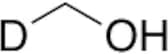
Fórmula:C5H6O2Cor e Forma:NeatPeso molecular:98.1Methanol-d
CAS:Produto ControladoApplications Methanol-d is an isotope labelled version of Methanol (M276585). Methanol (M276585) is a common chemical reagent in organic synthesis participating in a variety of reactions. Methanol is a bioactive component with antimicrobial activities.
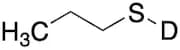
References Keskin, D., et al.: Fresenius Env. Bull.., 27, 7991 (2018)Fórmula:CDH3OCor e Forma:NeatPeso molecular:33.0481-Propanethiol-SD
CAS:Produto ControladoApplications 1-Propanethiol-SD (CAS# 64071-73-4) is a useful isotopically labeled research compound.
Fórmula:C3H7DSCor e Forma:NeatPeso molecular:77.1610-Azido-1-decanol
CAS:Produto ControladoApplications 10-Azido-1-decanol (cas# 57395-48-9) is a compound useful in organic synthesis.
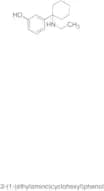
Fórmula:C10H21N3OCor e Forma:NeatPeso molecular:199.293-(1-(Ethylamino)cyclohexyl)phenol
CAS:Produto ControladoApplications 3-(1-(Ethylamino)cyclohexyl)phenol is a useful synthesis intermediate.
Fórmula:C14H21NOCor e Forma:NeatPeso molecular:219.3234-(Decyloxy)phenol
CAS:Produto ControladoApplications 4-(Decyloxy)phenol is used as a reactant in the preparation of liquid crystal halogen-bond dimers with substituted pyridines.
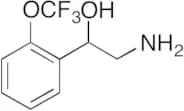
References Bruce, D., et al.: Chem-Eur J., 16, 9511 (2010)Fórmula:C16H26O2Cor e Forma:NeatPeso molecular:250.376α-(Aminomethyl)-2-(trifluoromethoxy)benzenemethanol
CAS:Produto ControladoApplications α-(Aminomethyl)-2-(trifluoromethoxy)benzenemethanol is an analog of α-(Aminomethyl)-3-(trifluoromethoxy)benzenemethanol (A630745); a compound that is used as a reagent in the synthesis of potent and selective ethanolamine inhibitors of bacterial phenylalanyl tRNA synthetase. It is also used as a reagent in the synthesis of 1-aryl-2-((6-aryl)pyrimidin-4-yl)amino)ethanols as competitive inhibitors of fatty acid amide hydrolase.
References Jarvest, R.L., et al.: Bioorg. Med. Chem. Lett., 15, 2305 (2005); Keith, J.M., et al.: Bioorg. Med. Chem. Lett., 24, 1280 (2014)Fórmula:C9H10F3NO2Cor e Forma:NeatPeso molecular:221.182-Amino cyclopentanol
CAS:Produto ControladoApplications 2-Amino cyclopentanol
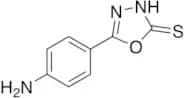
Fórmula:C5H11NOCor e Forma:NeatPeso molecular:101.1475-(4-aminophenyl)-1,3,4-oxadiazole-2-thiol
CAS:Produto ControladoApplications 5-(4-aminophenyl)-1,3,4-oxadiazole-2-thiol (cas# 32058-82-5) is a useful research chemical.
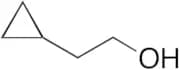
Fórmula:C8H7N3OSCor e Forma:NeatPeso molecular:193.222-Cyclopropylethanol
CAS:Produto ControladoApplications 2-Cyclopropylethanol is used as a reagent to synthesize 22-Hydroxycholesterol (H918010) derivatives, compounds that act as serum cholesterol lowering agents. 2-Bromoethylcyclopropane is also used to prepare pyridazinones, 2-Cyclopropylethanol is also used to synthesize potent 15-Hydroxyprostaglandin dehydrogenase inhibitors, which ultimately minimize excessive scarring of wounds.
References Choi, D., et al.: Bioorg. Med. Chem., 21, 4477 (2013); Chorvat, R., et al.: J. Med. Chem., 28, 194 (1985);Fórmula:C5H10OCor e Forma:NeatPeso molecular:86.13b-Amino-cyclohexane Ethanol Hydrochloride
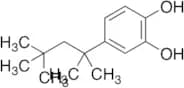
CAS:Produto ControladoFórmula:C8H17NO·HClCor e Forma:NeatPeso molecular:179.6884-(2,4,4-Trimethylpentan-2-yl)benzene-1,2-diol
CAS:Produto ControladoApplications 4-(2,4,4-trimethylpentan-2-yl)benzene-1,2-diol (cas# 1139-46-4) is a useful research chemical.
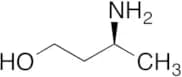
Fórmula:C14H22O2Cor e Forma:NeatPeso molecular:222.32(S)-3-Aminobutan-1-ol
CAS:Produto ControladoApplications (S)-3-Aminobutan-1-ol can be used as an intermediate in the preparation of compounds having HIV integrase inhibitory activity.
References Johns, B. et al.: J. Med. Chem., 56, 5901 (2013);Fórmula:C4H11NOCor e Forma:NeatPeso molecular:89.14(3R,3aR,6aS)-Hexahydrofuro[2,3-b]furan-3-ol
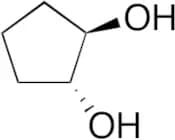
CAS:Produto ControladoFórmula:C6H10O3Cor e Forma:NeatPeso molecular:130.142(1R,2R)-trans-1,2-Cyclopentanediol
CAS:Produto ControladoFórmula:C5H10O2Cor e Forma:NeatPeso molecular:102.132








![4-[(5-Bromo-2-chlorophenyl)methyl]phenol](/_next/image/?url=https%3A%2Fstatic.cymitquimica.com%2Fproducts%2F3D%2Fthumb-webp%2FFB76123.webp&w=3840&q=75)




![6-(4,4,5,5-Tetramethyl-[1,3,2]dioxaborolan-2-yl)-isoquinoline](/_next/image/?url=https%3A%2Fstatic.cymitquimica.com%2Fproducts%2F3D%2Fthumb-webp%2FFT76191.webp&w=3840&q=75)
![2-[(3-Phenoxyphenyl)methylene]-2H-1,4-benzothiazin-3(4H)-one](/_next/image/?url=https%3A%2Fstatic.cymitquimica.com%2Fproducts%2F3D%2Fthumb-webp%2FFP169832.webp&w=3840&q=75)









![Methoxy4-[[(1,1-dimethylethyl)dimethylsilyl]oxy]-3-benzenemethanol](/_next/image/?url=https%3A%2Fstatic.cymitquimica.com%2Fproducts%2FTR%2Fthumb-webp%2FM269715.webp&w=3840&q=75)
![Spiro[2.5]octan-6-ol](/_next/image/?url=https%3A%2Fstatic.cymitquimica.com%2Fproducts%2FTR%2Fthumb-webp%2FS699603.webp&w=3840&q=75)


![[2-(Hydroxymethyl)spiro[3.3]heptan-2-yl]methanol](/_next/image/?url=https%3A%2Fstatic.cymitquimica.com%2Fproducts%2FTR%2Fthumb-webp%2FH182976.webp&w=3840&q=75)




![(3R,3aR,6aS)-Hexahydrofuro[2,3-b]furan-3-ol](/_next/image/?url=https%3A%2Fstatic.cymitquimica.com%2Fproducts%2FTR%2Fthumb-webp%2FH293985.webp&w=3840&q=75)