Nitro
Os compostos nitro são moléculas orgânicas que contêm um ou mais grupos nitro (NO2). Estes compostos são amplamente utilizados na síntese de explosivos, produtos farmacêuticos e corantes. Na CymitQuimica, oferecemos uma ampla gama de compostos nitro de alta qualidade para apoiar suas aplicações de pesquisa e industriais, garantindo resultados seguros e eficazes. Nossa seleção inclui uma variedade de compostos nitro adequados para diferentes sínteses químicas e aplicações.
Foram encontrados 2516 produtos de "Nitro"
Ordenar por
Pureza (%)
0
100
|
0
|
50
|
90
|
95
|
100
2-Chloro-6-fluoronitrobenzene
CAS:<p>2-Chloro-6-fluoronitrobenzene is an aromatic compound that has been used as a versatile building block in the synthesis of complex compounds. It is also used as a research chemical, reaction component, and speciality chemical. This compound has been shown to be useful for the preparation of pharmaceuticals, agrochemicals, and other organic compounds. 2-Chloro-6-fluoronitrobenzene is a colorless liquid with a boiling point of 130 degrees Celsius at atmospheric pressure. It has many uses in research and industry due to its versatility and high quality.</p>Fórmula:C6H3ClFNO2Pureza:Min. 95%Cor e Forma:PowderPeso molecular:175.54 g/mol4-Chloro-3-nitroacetophenone
CAS:<p>4-Chloro-3-nitroacetophenone is a phenothiazine drug that is used in the treatment of lung conditions. It binds to the active site of human cytochrome P450, which is an enzyme that metabolizes many drugs and other foreign substances. 4-Chloro-3-nitroacetophenone inhibits the reaction by binding to the chloride ion and preventing it from leaving the enzyme's active site, which is necessary for its function. The drug has been shown to have a high affinity for protozoan tetrahymena, an organism that has been widely used as a model system in biochemistry research. 4-Chloro-3-nitroacetophenone also inhibits biochemical reactions involving nucleophilic substrates such as quinoline derivatives. The reaction rate of these substrates is decreased by this drug due to its ability to compete with water molecules for the nucleophilic reaction intermediate.</p>Fórmula:C8H6ClNO3Pureza:Min. 95%Cor e Forma:PowderPeso molecular:199.59 g/mol2-Hydroxy-5-nitrophenylacetic acid
CAS:<p>2-Hydroxy-5-nitrophenylacetic acid is a versatile building block that can be used as a reagent, speciality chemical, or research chemical. It has been synthesized and characterized from the nitrobenzene derivative 2-hydroxyacetophenone. The compound has been shown to inhibit the growth of bacteria by binding to bacterial DNA gyrase and topoisomerase IV. This inhibits bacterial growth by preventing DNA replication and transcription. As an intermediate, 2-hydroxy-5-nitrophenylacetic acid is useful in organic synthesis as a reaction component or scaffold.</p>Fórmula:C8H7NO5Pureza:Min. 95%Cor e Forma:PowderPeso molecular:197.14 g/mol3-Fluoro-4-nitrotoluene
CAS:<p>3-Fluoro-4-nitrotoluene is a chemical that belongs to the class of nitro compounds. It is used as an intermediate for the synthesis of beta-cyclodextrin, which is a cyclic oligosaccharide that has been found to be effective in inhibiting influenza virus. 3-Fluoro-4-nitrotoluene can be produced through the reaction of formaldehyde with sodium nitrate and hydrofluoric acid in a liquid phase. This reaction takes place at room temperature and produces a yield of about 50%. The production of this compound is also efficient and inexpensive.</p>Fórmula:C7H6FNO2Pureza:Min. 95%Cor e Forma:PowderPeso molecular:155.13 g/mol3-Nitrobenzhydrazide
CAS:<p>3-Nitrobenzhydrazide is a chemical compound that can be synthesized by reacting an aldehyde with nitric acid. This reaction is catalyzed by the presence of an alkali metal hydroxide and produces an intramolecular hydrogen bond between the nitro group and the carbonyl oxygen. 3-Nitrobenzhydrazide has been shown to inhibit growth in bacteria, yeast, and fungi. The inhibition of bacteria may be due to its ability to bind to bacterial membranes and alter their permeability. 3-Nitrobenzhydrazide is also able to inhibit the synthesis of enzymes in fungi, which may lead to cell death. 3-Nitrobenzhydrazide has also been shown to have antimicrobial activity against bacteria such as Staphylococcus aureus and Pseudomonas aeruginosa.</p>Fórmula:C7H7N3O3Cor e Forma:PowderPeso molecular:181.15 g/mol4-Nitrophenylnitroethene
CAS:4-Nitrophenylnitroethene is an organic compound that is synthesized through a nitroaldol reaction. This process involves the condensation of nitric acid and phenylethyl alcohol. The product is then catalyzed with potassium carbonate to produce 4-nitrophenylnitroethene. Nitroaldol reactions are used to produce many different types of compounds, including pharmaceuticals, dyes, and fragrances. The synthesis of this compound was analyzed by high-resolution mass spectrometry and gas chromatography–mass spectrometry techniques. It was found that the mesoporous structure of the 4-nitrophenylnitroethene particles play a role in its chemical properties.Fórmula:C8H6N2O4Pureza:Min. 95%Cor e Forma:PowderPeso molecular:194.14 g/mol3-Cyano-4-methylnitrobenzene
CAS:3-Cyano-4-methylnitrobenzene is a nitro compound that can be prepared by the reaction of nitric acid with aniline. It has been shown to have a strong affinity for oxygen, which may be due to its pyran ring. 3-Cyano-4-methylnitrobenzene has been found to react with acetonitrile in an electrochemical experiment, leading to the formation of nitronium ion and nitrate ion. The mechanism for this reaction is not well understood, but it offers a convenient way of preparing 3-cyano-4-methylnitrobenzene from nitric acid and aniline.Fórmula:C8H6N2O2Pureza:Min. 95%Cor e Forma:PowderPeso molecular:162.15 g/mol5-Nitro-m-phenylenediamine
CAS:<p>5-Nitro-m-phenylenediamine is an organic compound that has the chemical formula CHNO. It is a white crystalline solid with a melting point of 158 °C. The compound is soluble in water and other polar solvents but insoluble in nonpolar solvents such as hexane. 5-Nitro-m-phenylenediamine can be prepared by nitration of m-phenylenediamine, which produces the desired product in about 30% yield and with impurities that must be removed by fractional crystallization. The compound is used as an intermediate for making dyes and pharmaceuticals.</p>Fórmula:C6H7N3O2Pureza:Min. 95%Cor e Forma:PowderPeso molecular:153.14 g/mol4,4'-Dinitro-2,2'-bipyridine-N,N'-dioxide - crude
CAS:<p>4,4'-Dinitro-2,2'-bipyridine-N,N'-dioxide is a fine chemical with a high quality. It is a versatile building block with a wide range of applications in research and as a reagent. The compound is used in the synthesis of organic compounds and many other products. This product can be used as an intermediate for the production of more complex compounds or scaffolds. 4,4'-Dinitro-2,2'-bipyridine-N,N'-dioxide has been shown to be useful in the synthesis of pharmaceuticals and agrochemicals.</p>Fórmula:C10H6N4O6Pureza:Min. 95%Cor e Forma:Yellow PowderPeso molecular:278.18 g/mol2-Chloro-5-nitroaniline
CAS:<p>2-Chloro-5-nitroaniline (2C5N) is a drug substance that belongs to the group of amines. It is an intermediate that is used in the synthesis of caffeine and other amines. 2C5N has been shown to have genotoxic impurities, which may be due to its reaction with hydrochloric acid and acylation. 2C5N has also been shown to be soluble in water, but not chloroform or ethers.</p>Fórmula:C6H5ClN2O2Pureza:Min. 95%Cor e Forma:PowderPeso molecular:172.57 g/mol4-Bromo-2-fluoro-6-nitroaniline
CAS:<p>Please enquire for more information about 4-Bromo-2-fluoro-6-nitroaniline including the price, delivery time and more detailed product information at the technical inquiry form on this page</p>Fórmula:C6H4BrFN2O2Pureza:Min. 95%Peso molecular:235.01 g/mol2,4-Dinitrophenyl butyrate
CAS:<p>2,4-Dinitrophenyl butyrate is a plant-derived compound that belongs to the group of fatty acids. It has shown radical scavenging activity in a homogeneous assay and has been found to be a strong inhibitor of pancreatic lipase. 2,4-Dinitrophenyl butyrate has also been used as a marker for proteolytic enzymes and has been shown to have inhibitory effects on pancreatic lipase. This compound is not only useful for studying enzyme inhibition, but it can also be used as an ingredient in food products.</p>Fórmula:C10H10N2O6Pureza:Min. 98 Area-%Cor e Forma:PowderPeso molecular:254.2 g/mol4-Hydroxy-3-nitrophenylethylamine nitrate
CAS:Produto Controlado<p>4-Hydroxy-3-nitrophenylethylamine nitrate is a chemical that has been used as a reagent and reaction component. It can be used in the synthesis of complex compounds such as pharmaceuticals, agrochemicals, and high quality specialty chemicals. 4-Hydroxy-3-nitrophenylethylamine nitrate is an intermediate or building block for many organic syntheses due to its versatility. This compound has been shown to have a variety of useful applications including the production of antihistamines, anticonvulsants, antidepressants, antipsychotics, appetite suppressants, and decongestants.</p>Fórmula:C8H10N2O3•HNO3Pureza:Min. 95%Cor e Forma:PowderPeso molecular:245.19 g/mol4-Methoxy-2-nitroaniline
CAS:<p>4-Methoxy-2-nitroaniline is a molecule that has been shown to be able to form an intramolecular hydrogen bond with the 5' carbon of the sugar ring. This reaction leads to the formation of an alkoxy radical, which reacts with chloride ions in acidic conditions. The formation of this intermediate product is reversible, and can be used for analysis of hydrochloric acid. 4-Methoxy-2-nitroaniline has also been shown to react with diazonium salt in the presence of acid, forming a molecule that contains two amines. This reaction can be reversed by adding hydrogen chloride to the solution and analyzing the solution's acidity.</p>Fórmula:C7H8N2O3Pureza:Min. 98 Area-%Cor e Forma:PowderPeso molecular:168.15 g/mol1-[[5-(p-Nitrophenyl)furfurylidene]amino]-hydantoin sodium
CAS:<p>Dantrolene sodium is a muscle relaxant that belongs to the group of pharmacological agents. It is used to treat muscle spasms and hyperactivity in patients with neuromuscular disorders. Dantrolene sodium inhibits calcium release by blocking the activity of the enzyme ryanodine receptor in skeletal muscle cells. This inhibition prevents uncontrolled contraction of muscles and reduces their energy consumption. The drug also has an effect on malignant hyperthermia, which is caused by an increase in the production of adenosine triphosphate (ATP) due to increased cellular metabolism. Dantrolene sodium can inhibit ATP synthesis, thus reducing energy production and stabilizing cell membranes, thereby preventing cell death in neurons and other tissues.</p>Fórmula:C14H10N4O5•NaPureza:Min. 95%Cor e Forma:Yellow PowderPeso molecular:337.24 g/mol5-Fluoro-2-nitrobenzotrifluoride
CAS:<p>5-Fluoro-2-nitrobenzotrifluoride is a triamine that stabilizes complex molecules. It has been used in the synthesis of fluorinated compounds and as a nucleophile in organic reactions. The amido group, which is present on 5-fluoro-2-nitrobenzotrifluoride, reacts with electrophilic carbon atoms to form new bonds. This type of reaction is known as an amido substitution. 5-Fluoro-2-nitrobenzotrifluoride is also able to react with sodium nitrate to form a nitro group, which can be used for the synthesis of nitro compounds. As a result, this chemical has been used as a waveguide material in the fabrication of microns and operational amplifiers.</p>Fórmula:C7H3F4NO2Pureza:Min. 95%Cor e Forma:Clear LiquidPeso molecular:209.1 g/mol4-Bromo-3-fluoronitrobenzene
CAS:<p>Please enquire for more information about 4-Bromo-3-fluoronitrobenzene including the price, delivery time and more detailed product information at the technical inquiry form on this page</p>Fórmula:C6H3BrFNO2Pureza:Min. 95%Cor e Forma:PowderPeso molecular:220 g/mol2-Chloro-5-nitrobenzophenone
CAS:<p>2-Chloro-5-nitrobenzophenone is a reactive intermediate that belongs to the class of aryl chlorides. It has been used in organic synthesis as a monomer and homologue for the preparation of other organic compounds. 2-Chloro-5-nitrobenzophenone can be synthesized from malonic acid and an aryl chloride by treatment with sodium hydroxide or potassium carbonate in an organic solvent. This compound reacts with acetonitrile at room temperature to form chloroform, nitronium ion, and hydrogen chloride. The reaction system can also be prepared by treating 2-chloro-5-nitrobenzophenone with pyridine in acetonitrile under reflux conditions.<br>2-Chloro-5-nitrobenzophenone is used as a reagent in plant cell culture experiments where it induces DNA cleavage and inhibits protein synthesis.</p>Fórmula:C13H8ClNO3Pureza:Min. 95%Cor e Forma:PowderPeso molecular:261.66 g/mol3-Amino-6-nitropyridine
CAS:<p>3-Amino-6-nitropyridine is a nitropyridine and a coupler. It is used as a reagent to synthesize hydroxylamine, aralkyl, and cycloalkyl intermediates. 3-Amino-6-nitropyridine can also be used as an intermediate in the synthesis of medicines such as copper.</p>Fórmula:C5H5N3O2Pureza:Min. 98 Area-%Cor e Forma:PowderPeso molecular:139.11 g/mol1-(2-Benzyloxyphenyl)-2-nitroethene
CAS:1-(2-Benzyloxyphenyl)-2-nitroethene is an alkaloid. It has been used as a starting material in the synthesis of other alkaloids, including lukianol and lamellarin. 1-(2-Benzyloxyphenyl)-2-nitroethene is also an advance in the development of pyrrole analogues.Fórmula:C15H13NO3Pureza:Min. 95%Cor e Forma:PowderPeso molecular:255.27 g/mol4'-Nitroacetanilide
CAS:<p>4'-Nitroacetanilide is an amide that has shown the ability to bind to the active site of a bacterial enzyme. This binding inhibits the enzyme's activity and prevents the conversion of nitrite to nitric oxide. 4'-Nitroacetanilide is stable in aqueous solution, which makes it suitable for intravenous administration. It is also used as a precursor for other substances with antibiotic properties. The molecular weight of 4'-Nitroacetanilide is 298 grams per mole and its chemical formula is C6H4NO2. This compound has been shown to be effective against group P2 enzymes, such as those found in Streptococcus pneumoniae and Haemophilus influenzae.</p>Fórmula:C8H8N2O3Pureza:Min. 95%Peso molecular:180.16 g/mol3-Fluoro-5-nitrotoluene
CAS:<p>3-Fluoro-5-nitrotoluene is a chemical compound that has a variety of applications as a research and development intermediate, as well as in the manufacture of pharmaceuticals, dyes, and explosives. It is commercially available in both liquid and solid form, and can be used in any number of chemical reactions to create other compounds. 3-Fluoro-5-nitrotoluene is a versatile building block that can be used to make other chemicals. It can also be used to make fine chemicals and complex compounds.</p>Fórmula:C7H6FNO2Pureza:Min. 95%Cor e Forma:PowderPeso molecular:155.13 g/mol4-Nitro-L-phenylalanine
CAS:<p>4-Nitro-L-phenylalanine is a nitroprotease inhibitor that binds to the active site of the enzyme, preventing access of substrate. It is used as an analytical reagent for determination of nitrite, and has been shown to have antiviral and anti-inflammatory activities. 4-Nitro-L-phenylalanine has also been shown to inhibit the growth of human leukemia cells and enhance their sensitivity to chemotherapy drugs. This drug has been found to cause a decrease in dopamine levels in rats and may be useful in the treatment of Parkinson's disease.</p>Fórmula:C9H10N2O4Pureza:Min. 98 Area-%Cor e Forma:PowderPeso molecular:210.19 g/mol3,5-Dinitrosalicylic acid
CAS:<p>3,5-Dinitrosalicylic acid is a strong organic acid that is used as a reagent for the detection of starch. It reacts with the amylose and amylopectin in starch to form a blue or violet color. This reaction can be measured using titration calorimetry or complex enzyme solutions. The 3,5-dinitrosalicylic acid is also used in analytical methods to determine the purity of nitro compounds by measuring their proton content. 3,5-Dinitrosalicylic acid can also be used to detect carboxylic acids by forming an intermolecular hydrogen bond with them.</p>Fórmula:C7H4N2O7Pureza:Min. 98 Area-%Cor e Forma:White Yellow PowderPeso molecular:228.12 g/mol4-Bromo-2-nitrocinnamic acid
CAS:<p>4-Bromo-2-nitrocinnamic acid is a naturally occurring amino acid that is a component of wheat, carrots, and cereals. It is an enzyme inhibitor and has been found to be stable under heat treatment. 4-Bromo-2-nitrocinnamic acid has been shown to inhibit the activity of 3 lysine hydrolase enzymes (LysE1, LysE2, LysE3) in vitro. This inhibition decreases lysine levels and may have health implications for infants fed with 4-bromo-2-nitrocinnamic acid treated wheat flour. The efficiency of 4-bromo-2 nitrocinnamic acid as an enzymatic inhibitor for these enzymes was determined by measuring the release of free lysine from various substrates at different concentrations of the inhibitor. These parameters were then used to calculate the theoretical inhibition percentage for each substrate at a given concentration.</p>Fórmula:C9H6BrNO4Pureza:Min. 95%Peso molecular:272.05 g/mol4-Nitropyrene
CAS:<p>4-Nitropyrene is a potent carcinogen that binds to the heme of cytochrome P450 and inhibits its activity. This chemical has been shown to inhibit the metabolism of nitroarenes, which are compounds that have been shown to cause cancer in animals. 4-Nitropyrene also produces genotoxic effects on cells in culture by causing DNA damage, including strand breaks, adduct formation, and the formation of pyrimidine dimers. 4-Nitropyrene acts as a tumor promoter in animal models by inducing lung tumors and inhibiting cell differentiation. This chemical is metabolized extensively with metabolic profiles being dependent on the tissue type examined. The analytical methods for this chemical include gas chromatography/mass spectrometry or liquid chromatography/mass spectrometry. Nitrite ion (NO2) is an important metabolite that can be measured using a colorimetric assay.</p>Fórmula:C16H9NO2Pureza:Min. 95%Cor e Forma:Slightly Yellow PowderPeso molecular:247.25 g/mol5-Nitro-1,10-phenanthroline
CAS:5-Nitro-1,10-phenanthroline is a coordination compound that belongs to the group of p2. It has been shown to have low toxicity and can be used as an ancillary ligand in coordination chemistry. 5-Nitro-1,10-phenanthroline has been used as a synchronous fluorescence probe for amines and is also useful for kinetic studies due to its high stability and sensitivity. FTIR spectroscopy has shown that this compound binds to glyoxal at neutral pH; it may also react with reactive oxygen species such as superoxide, hydrogen peroxide, or hydroxyl radicals.Fórmula:C12H7N3O2Pureza:Min. 97 Area-%Cor e Forma:PowderPeso molecular:225.2 g/molDi-tert-butylnitroxide
CAS:<p>Reagent for the room-temperature oxidation of primary and secondary benzylamines to imines. Also an initiator in the controlled radical polymerization reactions.</p>Fórmula:C8H18NOPureza:Min. 90.0%Cor e Forma:Clear LiquidPeso molecular:144.23 g/mol4-(1-Adamantyl)-2-nitrophenol
CAS:<p>4-(1-Adamantyl)-2-nitrophenol is a versatile building block that can be used to construct complex compounds. It is a research chemical that can be used as a reagent, as well as in the synthesis of pharmaceuticals and other chemicals. 4-(1-Adamantyl)-2-nitrophenol is soluble in water and ethanol, and has an odorless and colorless appearance. This chemical can be found under the CAS number 32599-84-1.</p>Fórmula:C16H19NO3Pureza:Min. 95%Peso molecular:273.33 g/mol6-Chloro-2-nitrobenzoic acid
CAS:6-Chloro-2-nitrobenzoic acid is an organic compound with the formula C6H3ClNO2. It is a white crystalline powder that reacts readily with water to form a dilute solution. The reaction yield of 6-chloro-2-nitrobenzoic acid can be increased by heating the solution to dehydrate it, and this can be done at room temperature or higher. The reaction time can also be shortened by adding more chloride ions to the solution. This organic compound has two isomers, one of which is stable and the other which is unstable. The unstable isomer can be removed by recrystallizing the product from a solvent such as dicloxacillin or potassium chloride.Fórmula:C7H4ClNO4Pureza:Min. 95%Peso molecular:201.56 g/mol3-Nitrosalicylic acid
CAS:<p>3-Nitrosalicylic acid is a chemical that is used as an inhibitor for corrosion. It can be used to prevent corrosion in wastewater systems, and it is also used as a protective coating for metals. 3-Nitrosalicylic acid has been shown to be effective against a variety of particle sizes, including fine particles at low concentrations. 3-Nitrosalicylic acid can be synthesized by reacting 5-nitrosalicylic acid with ammonia, hydrogen chloride, and zinc oxide in water. The reaction solution should be neutralized with sodium hydroxide and then hydrogenated using sodium dithionite or sodium sulfite. 3-Nitrosalicylic acid has been shown to inhibit the corrosion of metal surfaces and to function as an effective dose in the synthetic pathway for polymers.<br>3-Nitrosalicylic acid has high concentrations around pH 9.5, which can be reduced by electrochemical impedance spectroscopy (EIS).</p>Fórmula:C7H5NO5Pureza:Min. 95%Cor e Forma:PowderPeso molecular:183.12 g/mol3-Nitrobenzonitrile
CAS:<p>3-Nitrobenzonitrile is a chemical compound with molecular formula C6H5NO2. It is used as an intermediate in the synthesis of other organic compounds. 3-Nitrobenzonitrile can be synthesized by reacting 3-nitrotoluene with sodium hydroxide in methanol solution. The reaction products are analyzed using a mass spectrometer, and the structural analysis is performed by using a matrix-assisted laser desorption/ionization time-of-flight mass spectrometry (MALDI TOF MS) technique. This compound can also be obtained from the reaction of nitrous acid with benzaldehyde in presence of a base catalyst. The structure of this molecule was first determined by magnetic resonance spectroscopy (NMR). This synthetic compound can also be identified via ionization techniques such as electron impact (EI) or chemical analyses such as gas chromatography–mass spectrometry (GCMS).</p>Fórmula:C7H4N2O2Pureza:Min. 95%Cor e Forma:PowderPeso molecular:148.12 g/mol3-(4-Nitrophenyl)-1-adamantanecarboxylic acid
CAS:3-(4-Nitrophenyl)-1-adamantanecarboxylic acid is a high quality, versatile building block compound that has been used as a reagent and as a useful intermediate. This product is commercially available and can be used in the synthesis of complex compounds with many different applications, such as pharmaceuticals, pesticides, dyes, and photographic chemicals. It is also a useful scaffold for the production of speciality chemicals and research chemicals. 3-(4-Nitrophenyl)-1-adamantanecarboxylic acid has been used in reactions involving electron transfer, nucleophilic substitution, and condensation reactions.Fórmula:C17H19NO4Pureza:Min. 95%Peso molecular:301.34 g/mol4-Methyl-3-nitrobenzamide
CAS:<p>4-Methyl-3-nitrobenzamide is a nitrile that can be synthesized by the reaction of potassium hydroxide and 3-nitrobenzamide. It has been shown to react with dichloroethane to form 4-methyl-3-nitrobenzoic acid. The optimum temperature for this reaction is 120°C, which leads to a high yield of 4-methyl-3-nitrobenzamide. This product is also available in an isotopic form at high purity.</p>Fórmula:C8H8N2O3Pureza:Min. 95%Cor e Forma:PowderPeso molecular:180.16 g/mol6-Nitrophthalide
CAS:<p>6-Nitrophthalide is a fluorescent heterocycle that can be used as a probe for specific inhibition. It has been shown to have inhibitory properties against triazole and dipole, which are catalytic asymmetric. 6-Nitrophthalide has also been shown to have the ability to inhibit the oxidation of aldehydes. This compound is synthesized from 2-nitrobenzaldehyde via a two-step process, and then reacted with methyl iodide. 6-Nitrophthalide is homologous to other fluorescent probes such as fluorescein, nitrobenzene, and nitrophenol.</p>Fórmula:C8H5NO4Pureza:Min. 95%Cor e Forma:PowderPeso molecular:179.13 g/mol3-Nitrophthalic anhydride
CAS:<p>3-Nitrophthalic anhydride is a nucleophilic compound that is activated by the addition of hydrochloric acid and chloride. It reacts with dimethyl formamide to produce nitrobenzene, which can be oxidized to nitrobenzoic acid. 3-Nitrophthalic anhydride has been used as a precursor for pomalidomide, a drug used in the treatment of multiple myeloma and other cancers. In this reaction, n-dimethyl formamide reacts with 3-nitrophthalic anhydride to produce nitromethane, which can then be oxidized to nitrobenzoic acid. Molecular modeling studies have shown that 3-nitrophthalic anhydride binds to DNA through hydrogen bonding interactions and the formation of covalent bonds. The solubility data for 3-nitrophthalic anhydride show that it is soluble in water and organic solvents such as acetone or met</p>Fórmula:C8H3NO5Pureza:Min. 85%Cor e Forma:PowderPeso molecular:193.11 g/mol3-Amino-2-nitrotoluene
CAS:<p>3-Amino-2-nitrotoluene (3ANNT) is an organic compound with the chemical formula C6H5N3O2. 3ANNT is a useful tool for wastewater treatment because it can be used to measure nitrogen atoms in wastewater. It is also used as an analytical method to measure the concentration of amines, nitro compounds, and other diazonium salts. The magnetic resonance spectra of 3ANNT show two hydroxyl groups and two nitro groups. The acute toxicities of 3ANNT are low, but the long-term effects are unknown.</p>Fórmula:C7H8N2O2Pureza:Min. 98 Area-%Peso molecular:152.15 g/molN-Methyl-N’-nitrosopiperazine
CAS:<p>N-Methyl-N’-nitrosopiperazine is a chemical that has been shown to produce genotoxic effects in mammalian cells. It was found to be carcinogenic in rats, but not in mice. This chemical induces mutations by reacting with nucleic acids and producing covalent DNA adducts. The uptake of N-methyl-N’-nitrosopiperazine into the body occurs through inhalation, ingestion, or skin contact. It can also be detected using analytical methods such as high performance liquid chromatography (HPLC) and gas chromatography/mass spectrometry (GC/MS).</p>Fórmula:C5H11N3OPureza:Min. 95 Area-%Cor e Forma:Clear LiquidPeso molecular:129.16 g/mol2-Hydroxy-5-nitropyridine
CAS:<p>2-Hydroxy-5-nitropyridine is a chemical compound that is used in the synthesis of other compounds. It can be used to synthesize nicotinic acetylcholine, which is an amine that binds to nicotinic acetylcholine receptors. 2-Hydroxy-5-nitropyridine has been shown to react with halides and hydroxy groups to form new compounds. 2-Hydroxypyridine can also be used to synthesize trifluoroacetic acid from chloroacetic acid and nitrous acid. This chemical has been used in the study of replicon cells, which are cells that contain a circular piece of DNA called a plasmid. Replicon cells are often found in bacteria, such as Trichomonas vaginalis, and viruses such as HPV.<br>2-Hydroxypyridine has been shown to cause high blood levels in humans when ingested orally or injected intravenously.</p>Fórmula:C5H4N2O3Pureza:Min. 98 Area-%Cor e Forma:Brown PowderPeso molecular:140.1 g/molN-Nitrosopyrrolidine
CAS:<p>N-Nitrosopyrrolidine is a chemical compound that is used as an organic solvent, pharmaceutical intermediate, and plasticizer. It reacts with DNA in vitro to form genotoxic activity, which may lead to cell death or mutagenesis. N-Nitrosopyrrolidine also has neurotrophic effects on primary cells and is an important precursor in the synthesis of polymers. The reactivity of N-nitrosopyrrolidine has been studied by kinetic energy spectroscopy and by measuring the intramolecular hydrogen transfer between nitroso groups. The mechanism of this reaction is not fully understood, but it appears to proceed through a dinucleotide phosphate intermediate with a high degree of kinetic energy.</p>Fórmula:C4H8N2OPureza:Min. 98 Area-%Cor e Forma:Colorless Slightly Yellow Clear LiquidPeso molecular:100.12 g/molO-(4-Nitrophenyl)hydroxylamine
CAS:<p>O-(4-Nitrophenyl)hydroxylamine (OPH) is an enantioselective, catalytic, and thermal stable reagent for the synthesis of chiral methyl groups. OPH can be used as a nucleophile to convert electron-deficient alkenes into α-chloroalkenes. It also reacts with nitroarenes to give nitroalkenes in high yields. OPH has been shown to be effective in the asymmetric hydrolysis of esters and amides through its ability to oxidize the methyl group on the substrate. This reaction does not occur with other groups such as hydroxyl or hydrogen atoms.<br>Methyl groups are important for many biological molecules, including proteins and nucleic acids, which form the backbone of cells that make up living organisms. The OPH reaction is catalyzed by enzymes called methyltransferases, which transfer one atom of methyl from S-adenosylmethionine (SAM)</p>Fórmula:C6H6N2O3Pureza:Min. 95%Cor e Forma:PowderPeso molecular:154.12 g/mol4-Nitrophthalic acid
CAS:<p>4-Nitrophthalic acid is a white crystalline solid that has an acid and basic character. It has been shown to be antigenic, with a specific antibody able to bind to the 4-nitro group. The structure of 4-Nitrophthalic acid was determined using X-ray crystallography and NMR spectroscopy. The molecular weight of 4-Nitrophthalic acid is 177.2 g/mol, with a melting point of 174 °C and a boiling point of 341 °C. It is soluble in water and organic solvents such as ethanol, acetone, chloroform, ethyl ether, benzene, hexane, dichloromethane and ethyl acetate.</p>Fórmula:C8H5NO6Pureza:Min. 97 Area-%Cor e Forma:White PowderPeso molecular:211.13 g/mol1-(2',3'-Difluorophenyl)-2-nitroethene
CAS:<p>1-(2',3'-Difluorophenyl)-2-nitroethene (1,2-DFNE) is a speciality chemical that is used as an intermediate for the synthesis of a wide variety of organic compounds. It has been found to be a useful scaffold for the synthesis of complex compounds and can also be used as a building block for the synthesis of fine chemicals, research chemicals, and versatile building blocks. 1,2-DFNE is soluble in many organic solvents and can be handled without special precautions. This reagent is a high quality compound with purity greater than 99%.</p>Fórmula:C8H5F2NO2Pureza:Min. 95%Cor e Forma:PowderPeso molecular:185.13 g/mol3-Amino-5-nitro-2,1-benzisothiazole
CAS:3-Amino-5-nitro-2,1-benzisothiazole is a diazonium salt that is used in wastewater treatment. It reacts with hydrogen peroxide to produce an unstable amine and a stable glycol ether. This process is known as the 3ABA reaction. The amine can be cleaved by water to produce ammonia and nitrous acid. Nitrous acid can react with organic matter in wastewater to form nitrate salts, which are soluble and easily removed from the wastewater stream. 3-Amino-5-nitro-2,1-benzisothiazole is also used in the manufacture of polyethylene terephthalate (PET) plastics. PET plastics are resistant to staining and have excellent color clarity.Fórmula:C7H5N3O2SPureza:Min. 98 Area-%Cor e Forma:PowderPeso molecular:195.2 g/mol2,7-Dinitrofluorene
CAS:<p>2,7-Dinitrofluorene is a nitro compound that is used as an analytical reagent. It is used in the determination of redox potentials and is commonly used to measure the activity of nitroreductases. 2,7-Dinitrofluorene is also a genotoxic agent that causes DNA damage by producing reactive oxygen species (ROS), which react with DNA bases and cause strand breaks. Nitroreductase enzymes catalyze the reduction of nitro groups to amines, which are then converted to ammonia. This process produces ammonia, which reacts with other compounds in the body to form nitrosamines. Nitrosamines have been shown to be carcinogenic in animal models, and some of these compounds can be found in human tissues.</p>Fórmula:C13H8N2O4Pureza:Min. 95%Cor e Forma:PowderPeso molecular:256.21 g/mol2,4-Dinitro-5-fluorotoluene
CAS:<p>2,4-Dinitro-5-fluorotoluene is a fine chemical that can be used as a versatile building block in the synthesis of complex compounds. It is an intermediate in many reactions involving aliphatic nitro compounds and has been shown to be reactive with aromatic amines. This chemical has been used as a research chemical for the detection of proteins and nucleic acids and is also a good reagent for the synthesis of other chemicals. The compound reacts quickly with acid to produce a highly explosive gas which can be stabilized by reacting it with potassium nitrate or sodium bicarbonate.</p>Fórmula:C7H5FN2O4Pureza:Min. 95%Cor e Forma:PowderPeso molecular:200.12 g/mol5,5-dimethyl-2-(((3-nitrophenyl)amino)methylene)cyclohexane-1,3-dione
CAS:Please enquire for more information about 5,5-dimethyl-2-(((3-nitrophenyl)amino)methylene)cyclohexane-1,3-dione including the price, delivery time and more detailed product information at the technical inquiry form on this pagePureza:Min. 95%3-Nitrosalicylaldehyde
CAS:<p>3-Nitrosalicylaldehyde is an oxidizing agent that reacts with DNA in vitro to form DNA adducts. 3-Nitrosalicylaldehyde also has antioxidative properties, which can be demonstrated by its ability to inhibit the oxidation of low density lipoprotein (LDL) in vivo. This compound has been shown to activate the metalloproteinase MT2 receptor, which is involved in the regulation of blood pressure and heart function. 3-Nitrosalicylaldehyde is metabolized by hydrolysis and reduction to form a neutral product, which has been shown to have antidiabetic effects on mice.</p>Fórmula:C7H5NO4Pureza:Min. 95%Cor e Forma:PowderPeso molecular:167.12 g/mol5-Bromo-2-cyano-3-nitropyridine
CAS:<p>5-Bromo-2-cyano-3-nitropyridine is a medication that has been shown to be an effective inhibitor of the RET tyrosine kinase. It has been used in clinical studies to treat chronic kidney disease and has been shown to inhibit the growth of cancer cells. The molecular electrostatic potential (MEP) simulations have shown that 5-bromo-2-cyano-3-nitropyridine interacts with the reactive site of RET, inhibiting its function by binding to the nucleophilic substitutions. 5-Bromo-2-cyano-3-nitropyridine is synthesized from 2,5 dibromopyridine and 3 nitrobenzene at high yield. The molecule is chromatographically separated from impurities such as 4 bromo pyridine.</p>Fórmula:C6H2BrN3O2Pureza:Min. 95%Cor e Forma:PowderPeso molecular:228 g/mol2-[(Ethylamino)methyl]-4-nitrophenol
CAS:<p>Please enquire for more information about 2-[(Ethylamino)methyl]-4-nitrophenol including the price, delivery time and more detailed product information at the technical inquiry form on this page</p>Fórmula:C9H12N2O3Pureza:Min. 95%Cor e Forma:PowderPeso molecular:196.2 g/mol5-Fluoro-2-nitrobenzonitrile
CAS:<p>5-Fluoro-2-nitrobenzonitrile is a synthetic compound that has been shown to inhibit the growth of tumor cells. It binds to nucleic acids and causes DNA damage, which leads to cell death. 5-Fluoro-2-nitrobenzonitrile inhibits the synthesis of proteins in cancer cells and also induces their apoptosis. The molecular modeling data indicates that this molecule has a hydrophobic pocket that can be used for targeting tumour cells. X-ray crystallography studies have confirmed that 5-fluoro-2-nitrobenzonitrile binds selectively to the minor groove of dna, suggesting its inhibitory potency against tumour cells.</p>Fórmula:C7H3FN2O2Pureza:Min. 95%Cor e Forma:Off-White PowderPeso molecular:166.11 g/molMethyl 4-amino-3-nitrobenzoate
CAS:<p>Methyl 4-amino-3-nitrobenzoate is a synthetic compound that has been found to have a variety of uses. It has been used to prepare intramolecular hydrogen bonds in anilines, and it can be used as an intermediate to synthesize amides and anilines. This molecule also forms resonance structures with the nitro group, which allows for increased stability. The proton magnetic resonance spectra of Methyl 4-amino-3-nitrobenzoate show that the molecule has a high degree of symmetry, which is due to the presence of intramolecular hydrogen bonding.</p>Fórmula:C8H8N2O4Pureza:Min. 95%Peso molecular:196.16 g/mol1,8-Dihydroxy-4,5-dinitroanthraquinone
CAS:<p>1,8-Dihydroxy-4,5-dinitroanthraquinone (1,8DDNA) is a chemical inhibitor that inhibits the protease activity of ns3 protease. 1,8DDNA has been shown to inhibit the replication of wild-type virus in cell culture. This molecule also inhibits methyl transferase and structural analysis. The second-order rate constant for this compound was found to be 0.64 M-1s-1 at pH 7.5 in the presence of 10 mM NaCl and 5 mM Tris buffer at pH 8.0. 1,8DDNA's solubility data indicates that it is soluble in water with a solubility limit of 9 g/L at 25°C; however, its solubility decreases as the temperature increases.</p>Fórmula:C14H6N2O8Pureza:Min. 95%Peso molecular:330.21 g/molMethyl 3-hydroxy-4-nitrobenzoate
CAS:<p>Methyl 3-hydroxy-4-nitrobenzoate is a surfactant that has been shown to interact with toxins in the environment, such as polycyclic aromatic hydrocarbons. Methyl 3-hydroxy-4-nitrobenzoate interacts with these toxins by forming heterodimers and stabilizing them in solution. This interaction is achieved through hydrophobic interactions between the carboxylate group of methyl 3-hydroxy-4-nitrobenzoate and the other molecule's hydrophobic regions. The thermodynamic parameters for this interaction are determined by titration calorimetry.</p>Fórmula:C8H7NO5Pureza:Min. 95%Cor e Forma:PowderPeso molecular:197.14 g/mol1-(4-Nitrophenyl)glycerol
CAS:<p>1-(4-Nitrophenyl)glycerol has been shown to inhibit the growth of Gram-positive bacteria, including Streptococcus faecalis, and Gram-negative bacteria, including Pseudomonas aeruginosa. It is also used as a sample preparation for antimicrobial resistance testing.</p>Fórmula:C9H11NO5Pureza:Min. 97 Area-%Cor e Forma:Off-White PowderPeso molecular:213.19 g/mol3-Fluoro-2-nitrobenzoic acid ethyl ester
CAS:<p>3-Fluoro-2-nitrobenzoic acid ethyl ester is a fine chemical that is useful as a versatile building block in the synthesis of complex compounds. It can be used as an intermediate in the preparation of research chemicals and has been shown to react with amines to form nitrosoamines, which are useful reaction components. 3-Fluoro-2-nitrobenzoic acid ethyl ester has CAS number 163077-89-2 and is available at high quality.</p>Fórmula:C9H8FNO4Pureza:Min. 95%Cor e Forma:PowderPeso molecular:213.16 g/mol3-Bromo-2-hydroxy-5-nitrobenzaldehyde
CAS:<p>3-Bromo-2-hydroxy-5-nitrobenzaldehyde is a hydroxy group with a formyl group, an imine and an isomeric structure. It can be used as a fluorescence probe in biological studies. The compound has been shown to have antioxidant activity, which may be due to its ability to donate hydrogen bonds or its ability to act as a phenylhydrazone. 3-Bromo-2-hydroxy-5-nitrobenzaldehyde also has the ability to react with ammonium nitrate and produce nitrogen gas (NH3) when heated. This reaction is exothermic and produces an orange color.</p>Fórmula:C7H4BrNO4Pureza:Min. 95%Cor e Forma:PowderPeso molecular:246.02 g/molp-Nitrobenzyl 6-(1'-hydroxyethyl)-azabicyclo(3.2.0)heptane-3,7-dione-2-carboxylate
CAS:<p>p-Nitrobenzyl 6-(1'-hydroxyethyl)-azabicyclo(3.2.0)heptane-3,7-dione-2-carboxylate is a drug substance that is used in the manufacture of carbapenem antibiotics. It can be detected by a chloride ion chromatographic method, and the detection limit is 0.5 mg/L in the presence of zinc powder as a modifier. This material is used to prepare carbapenems using an analytical method that includes reaction monitoring by optical rotation, diastereomer chromatography, and transfer.</p>Fórmula:C16H16N2O7Pureza:Min. 95%Cor e Forma:PowderPeso molecular:348.31 g/mol2-Bromo-6-nitrophenol
CAS:<p>2-Bromo-6-nitrophenol is a synthetic chemical that is used as an intermediate in the synthesis of other chemicals. It can be prepared by reacting ammonium formate with hydroxyl group of 2-bromo-6-nitropyridine. The reaction yield can be improved by activating the hydroxyl group and removing impurities through a dehydration reaction. The time required for the reaction to occur can be shortened by using acetonitrile as a solvent instead of water. This chemical is also synthesized by coupling metal salts with nitro groups or amines, which are called Suzuki coupling reactions.</p>Fórmula:C6H4BrNO3Cor e Forma:PowderPeso molecular:218 g/molNitrovin
CAS:<p>Nitrovin (difurazone) is widely used as an antibacterial growth promotor in livestock. Nitrovin was shown to inhibit Salmonella growth both in vitro and in vivo (in chickens). It induces ROS-mediated non-apoptotic and apoptotic-like cell death by targeting TrxR1.</p>Fórmula:C14H12N6O6Pureza:Min. 95%Cor e Forma:PowderPeso molecular:360.28 g/molN-Nitroso-N-methyl-4-aminobutyric acid
CAS:<p>N-Nitroso-N-methyl-4-aminobutyric acid (NMBA) is a solid with a low melting point which has been identified as a potentially carcinogenic component of both tobacco and tobacco smoke. NMBA is also one of a number of nitrosamine impurities which have been found to be present in angiotensin II receptor blocker (ARB) drugs used to treat high blood pressure.</p>Fórmula:C5H10N2O3Pureza:Min. 98 Area-%Cor e Forma:Slightly Yellow PowderPeso molecular:146.14 g/mol3-Hydroxy-5-nitrobenzoic acid
CAS:<p>3-Hydroxy-5-nitrobenzoic acid is a reactive mesomorphic compound. It is often used as an analytical reagent and has been shown to be useful in spectrometric analysis of amino acid sequences. 3-Hydroxy-5-nitrobenzoic acid can be quantified by gas chromatography and mass spectrometry to determine its chemical composition. 3-Hydroxybenzoic acid and 2,5-dihydroxybenzoic acid are the two main products that are formed when this compound reacts with hydroxyl radical under certain conditions.</p>Fórmula:C7H5NO5Pureza:Min. 98%Cor e Forma:PowderPeso molecular:183.12 g/mol4-Bromo-2-fluoro-5-nitrotoluene
CAS:<p>4-Bromo-2-fluoro-5-nitrotoluene is a chemical building block that is used as a research and speciality chemical. It has been shown to be useful in the synthesis of complex compounds, including pharmaceuticals and dyes. 4-Bromo-2-fluoro-5-nitrotoluene is also used as a reagent for the reaction with other chemicals, such as thiourea, to form 2,4,6-trichlorophenylacetonitrile. This compound is classified as hazardous by the American Chemical Society (ACS) because it can cause irritation to the skin and eyes.</p>Fórmula:C7H5BrFNO2Pureza:Min. 95%Cor e Forma:PowderPeso molecular:234.02 g/mol3-Nitrophthalodinitrile
CAS:<p>3-Nitrophthalodinitrile is a chemical compound that can be used to treat wastewater. It has been shown to have photophysical properties, fluorescence properties, and structural formula. 3-Nitrophthalodinitrile has been shown to be a good fluorescent probe for the detection of multi-walled carbon nanotubes in the environment. 3-Nitrophthalodinitrile has also been found to have fluorescence lifetimes and nmr spectra that are different depending on whether it is in its ground state or excited state. 3-Nitrophthalodinitrile has been shown to react with nucleophiles such as water, alcohols, and amines. Furthermore, it has been found to be able to undergo transfer reactions with other chemical species such as formaldehyde and nitrite ions. 3-Nitrophthalodinitrile is capable of undergoing dehydration without any side products being formed. This makes it an excellent candidate for use in optical applications</p>Fórmula:C8H3N3O2Pureza:Min. 95%Cor e Forma:Slightly Yellow PowderPeso molecular:173.13 g/molMethyl 3,5-dinitrosalicylate
CAS:<p>Methyl 3,5-dinitrosalicylate is an efficient method for glycosylation of oligosaccharides. It is a stereoselective reaction that occurs in the presence of carbon disulphide as a solvent and topoisomerase as a catalyst. The reaction proceeds by nucleophilic attack of the glycosyl donor on the electrophilic nitro group of methyl 3,5-dinitrosalicylate to form a glycosyl-enzyme intermediate. This intermediate is then hydrolyzed to release an enzyme-bound sugar product. The reaction proceeds efficiently at room temperature and can be used in solid phase synthesis.</p>Fórmula:C8H6N2O7Pureza:Min. 95%Cor e Forma:PowderPeso molecular:242.14 g/mol2-Fluoro-6-nitrobenzoic acid
CAS:<p>Intermediate in the synthesis of idelalisib</p>Fórmula:C7H4FNO4Pureza:Min. 95%Cor e Forma:PowderPeso molecular:185.11 g/mol2,5-Dimethoxy-3-nitrobenzoic acid
CAS:2,5-Dimethoxy-3-nitrobenzoic acid is a versatile building block that can be used to synthesize many different compounds. It is often used in the synthesis of complex organic molecules and can be used as a reagent or intermediate. The CAS number for this compound is 17894-26-7.Fórmula:C9H9NO6Pureza:Min. 95%Cor e Forma:PowderPeso molecular:227.17 g/molDimethyl 4-nitrophthalate
CAS:<p>Dimethyl 4-nitrophthalate is a bioactive molecule that has been found to be effective in inhibiting the growth of bacteria, including methicillin-resistant Staphylococcus aureus and Mycobacterium tuberculosis. Dimethyl 4-nitrophthalate binds to calcium ions in the bacterial cell wall, leading to inhibition of cell division. The biological activity of dimethyl 4-nitrophthalate can be measured by measuring the redox potential and calculating the constant, which is between -0.5 and -1.5 volts. This molecule also has strong anti-inflammatory properties due to its ability to reduce nitric oxide levels in macrophages.</p>Fórmula:C10H9NO6Pureza:Min. 95%Cor e Forma:PowderPeso molecular:239.18 g/molDimethyl 3-nitrophthalate
CAS:<p>Dimethyl 3-nitrophthalate is a synthetic compound that can be used in catalytic reactions. It has been shown to catalyze the conversion of acetaldehyde and hydrochloric acid to 3-hydroxypropionaldehyde with dehydrogenation as the main reaction mechanism. This reaction is followed by the addition of persulfate to give dimethyl 3-nitrophthalate sulfoxide, which can then be converted into dimethyl 3-nitrophthalate with boron trifluoride etherate and ammonium persulfate. The anticancer potential of this compound has been demonstrated in vitro using tyrosine kinase as a model enzyme. Dimethyl 3-nitrophthalate also binds to specific receptors such as those found on neutrophils, macrophages, and T cells.</p>Fórmula:C10H9NO6Pureza:Min. 95%Cor e Forma:White PowderPeso molecular:239.18 g/molN-Nitrosodiisopropylamine
CAS:<p>N-Nitrosodiisopropylamine is an alkylating agent that binds to DNA and inhibits the synthesis of proteins, leading to cell death. It has been shown to be carcinogenic in animal studies, where it caused bladder cancer in Sprague-Dawley rats. N-Nitrosodiisopropylamine is also a reactive chemical compound that reacts with other chemicals in the body. It is often found as a contaminant in urine samples of smokers who are exposed to nitrites and other nitrogen oxides and can be detected using gas chromatography mass spectrometry (GC-MS/MS) methods. The most common method for sample preparation is liquid–liquid extraction followed by hydrolysis with hydroxide solution.</p>Fórmula:C6H14N2OPureza:Min. 95 Area-%Cor e Forma:Off-White PowderPeso molecular:130.19 g/mol3-Bromo-5-nitrobenzoic acid
CAS:<p>3-Bromo-5-nitrobenzoic acid is a cancer drug that inhibits the proliferation of cancer cells by binding to amines, which are protonated at physiological pH. This binding leads to an electronic interaction between the bromine atom and the electron cloud of the amine group. The bromine atom is then more attracted to the nucleus, causing it to emit a photon of light. This process is called fluorescence and can be used for imaging cancer cells. 3-Bromo-5-nitrobenzoic acid also has potent antiproliferative activity against cancer cells, which may be due to its ability to bind ligands on target proteins in the cell membrane. It can also lead to apoptosis by interfering with the formation of supramolecular complexes or inhibiting protein synthesis.</p>Fórmula:C7H4BrNO4Pureza:Min. 95%Cor e Forma:PowderPeso molecular:246.02 g/mol2-Amino-5-nitro-2'-fluorobenzophenone
CAS:<p>2-Amino-5-nitro-2'-fluorobenzophenone is a prodrug that is activated by thiourea, a chemical agent that is used to break down the drug. It is an anti-inflammatory drug that acts as a selective COX inhibitor and has been shown to be effective in vivo against primary tumors. 2-Amino-5-nitro-2'-fluorobenzophenone has also been shown to have antiangiogenic properties and has been used to treat inflammatory diseases such as arthritis and psoriasis. This drug can be radiolabeled with carbon, fluorine, or iodine isotopes for use in positron emission tomography (PET) imaging of primary tumors. The drug binds to response elements on cells through electrostatic interactions between the molecular orbitals of the 2 amino groups and the nucleophilic centers of these molecules.</p>Fórmula:C13H9FN2O3Pureza:Min. 95%Cor e Forma:PowderPeso molecular:260.22 g/molN-(2-Indol-3-ylethyl)(2-nitrophenyl)formamide
CAS:Please enquire for more information about N-(2-Indol-3-ylethyl)(2-nitrophenyl)formamide including the price, delivery time and more detailed product information at the technical inquiry form on this pageFórmula:C17H15N3O3Pureza:Min. 95%Cor e Forma:PowderPeso molecular:309.32 g/mol4-Nitroacetophenone
CAS:<p>4-Nitroacetophenone is an organic compound that has been synthesized in an asymmetric synthesis. It is a nitro compound and a radiosensitizer. The chemical structure of 4-Nitroacetophenone is similar to the structure of phenol, with one nitro group and two hydroxyl groups at opposite ends of the molecule. 4-Nitroacetophenone reacts with radiation to produce free radicals that can damage DNA, RNA, and proteins. The reaction mechanism involves the formation of nitrosating agent (R−NO) which interacts with DNA to form a covalent bond between the DNA base and the nitrosating agent. This covalent bond inhibits DNA replication, leading to cell death. 4-Nitroacetophenone has been shown to be effective in inhibiting cell growth in culture by triggering apoptosis in cells treated with high doses of this drug.</p>Fórmula:C8H7NO3Pureza:Min. 95%Cor e Forma:Yellow PowderPeso molecular:165.15 g/mol3,5-Dinitroanisole
CAS:<p>3,5-Dinitroanisole is a molecule that has been shown to inhibit cancer cell growth in vitro and in vivo. It is a nitro compound that undergoes reduction with hydrogen peroxide and an electron donor to form 3,5-dinitrobenzoic acid. This substance has been shown to have anticancer activity against human cancer cells by inhibiting the production of nucleic acids. 3,5-Dinitroanisole also inhibits protein synthesis by binding to ribosomes and blocking the formation of proteins. 3,5-Dinitroanisole is also able to bind to DNA and cause strand breaks at sites that are sensitive to alkylations. The mechanism of this process is thought to be due to the ability of 3,5-dinitroanisole molecules to react with hydroxyl groups on DNA bases and release nitric oxide radicals.</p>Fórmula:C7H6N2O5Pureza:Min. 95%Cor e Forma:SolidPeso molecular:198.13 g/molBis(4-Nitrophenyl)phosphoric acid sodium
CAS:<p>Bis(4-nitrophenyl)phosphoric acid sodium is a synthetic compound that has been used as an antibiotic. It is a nitro group donor and may be oxidized to p-nitrophenol phosphate. Bis(4-nitrophenyl)phosphoric acid sodium inhibits bacterial growth by binding to the 30S ribosomal subunit, which prevents protein synthesis and cell division. The rate constant of this reaction has been determined using x-ray diffraction data obtained on crystals of the product with signal peptide. Bis(4-nitrophenyl)phosphoric acid sodium also has biochemical properties, such as pyrazinoic acid formation and polymerase chain reactions, which have been reported in recombinant cytochrome P450s from rat liver microsomes. The disulfide bond coordination geometry and mechanism of the reaction are still unknown but it is thought that the reaction proceeds through a single electron transfer mechanism.</p>Fórmula:C12H9N2O8P·NaPureza:Min. 95%Cor e Forma:White PowderPeso molecular:363.17 g/mol2-Methoxy-4-nitrobenzoic acid
CAS:<p>Please enquire for more information about 2-Methoxy-4-nitrobenzoic acid including the price, delivery time and more detailed product information at the technical inquiry form on this page</p>Fórmula:C8H7NO5Pureza:Min. 95%Peso molecular:197.14 g/mol4-Chloro-3-nitrobenzhydrazide
CAS:<p>4-Chloro-3-nitrobenzhydrazide is a chemical compound that is used as a building block in the synthesis of other compounds. It is a versatile and useful intermediate that can be used in many chemical reactions. This product is also known to be an effective reagent for the production of pharmaceuticals, agrochemicals, and other chemicals. 4-Chloro-3-nitrobenzhydrazide has been shown to have high quality as it reacts well with other compounds and can be easily purified.</p>Fórmula:C7H6ClN3O3Pureza:Min. 95%Cor e Forma:PowderPeso molecular:215.59 g/mol3-Nitrobenzylamine hydrochloride
CAS:<p>3-Nitrobenzylamine HCl is an intermediate in the synthesis of peptides. This compound is used to produce polypeptides and can be immobilized on a solid support for high yield production. 3-Nitrobenzylamine HCl can be covalently linked to a solid support by reacting with an activated carboxyl group and can undergo conformational changes upon irradiation with ultraviolet light or azobenzene derivatives. 3-Nitrobenzylamine HCl has been used in solid phase peptide synthesis, a technique that produces polypeptides at high yields. It is also used as a substrate for NMR techniques, which are useful for determining the nature of the molecule and its potentials.</p>Fórmula:C7H8N2O2•HClPureza:Min. 95%Peso molecular:188.61 g/molMethyl 2-chloro-4-nitrobenzoate
CAS:<p>Methyl 2-chloro-4-nitrobenzoate (MCNB) is a structural analog of the benzimidazole drug, trypanocidal activity. It has been shown to be effective against mouse macrophages in vitro studies, and is more potent than biphenyl. MCNB has also been shown to inhibit the enzyme epimerase, which converts N-methylpyridinium to N-methylpiperidinium. This inhibition may lead to increased cytotoxic effect of MCNB on T. brucei epimastigotes.</p>Fórmula:C8H6ClNO4Pureza:Min. 95%Cor e Forma:PowderPeso molecular:215.59 g/mol5-Nitro-3-indazolinone
CAS:<p>5-Nitro-3-indazolinone is a reagent that is used in the synthesis of complex compounds and fine chemicals. It is also a useful intermediate in the synthesis of speciality chemicals, research chemicals, and versatile building blocks. This compound can be converted to other chemical compounds through reactions with alcohols and amines. 5-Nitro-3-indazolinone may be used for the synthesis of pharmaceuticals or agricultural products. The CAS number for this compound is 61346-19-8.</p>Fórmula:C7H5N3O3Pureza:Min. 95%Cor e Forma:PowderPeso molecular:179.13 g/mol4-Nitro-1-naphthaleneacetic acid
CAS:<p>4-Nitro-1-naphthaleneacetic acid (4NNA) is a chemical that belongs to the group of naphthalene acetic acids. It is a useful building block for the synthesis of 1,2,3,4-tetrahydronaphthoquinones, 1,2,3,4-oxonaphthoquinones and other related compounds. 4NNA is mainly used as an intermediate in organic reactions and as a reagent for the analytical detection of metals. This compound has been shown to be useful as a scaffold in drug design due to its complex structure.</p>Fórmula:C12H9NO4Pureza:Min. 95%Peso molecular:231.2 g/molMethyl 4-chloro-3,5-dinitrobenzoate
CAS:<p>Methyl 4-chloro-3,5-dinitrobenzoate is a photoinduced electron acceptor that can be used to detect the presence of hydroxide ions. It reacts with chlorine and hydroxide ions to produce carbonyl chloride and hydrogen chloride, which react with methylene blue in an exothermic reaction to generate fluorescence. Methyl 4-chloro-3,5-dinitrobenzoate has been shown to react with nucleophiles such as amines, sulfides and phosphines. This reaction provides kinetic data for the kinetics of transfer reactions.</p>Fórmula:C8H5ClN2O6Pureza:Min. 95%Cor e Forma:PowderPeso molecular:260.59 g/mol4-Nitro-1H-pyrazole-3-carboxylic acid
CAS:<p>4-Nitro-1H-pyrazole-3-carboxylic acid is a potent inhibitor of tyrosine kinases. It has been shown to bind to the ATP binding site of the enzyme, thereby blocking the catalytic action and inhibiting cell proliferation. 4-Nitro-1H-pyrazole-3-carboxylic acid can be used as a tool for studying receptor tyrosine kinase signaling pathways and drug target validation. This compound also has an immobilized form that can be used in microscopy studies to study human cell lines. The immobilized form is prepared by attaching colloidal particles of this compound onto a surface using silane coupling chemistry, which allows for its use as an alternative to radioactive isotopic labels. The immobilized form has been shown to enhance the Raman signal from proteins bound on the surface due to increased light scattering from the protein molecules in contact with this compound.</p>Fórmula:C4H3N3O4Pureza:Min. 95%Cor e Forma:SolidPeso molecular:157.08 g/mol5-Nitro-DL-tryptophan
CAS:<p>5-Nitro-DL-tryptophan is a synthetic amino acid that has been shown to inactivate tryptophan synthase, an enzyme involved in the biosynthesis of tryptophan. It binds to the active site of the enzyme and prevents it from carrying out its function. The affinity for 5-nitro-DL-tryptophan is very high and it has been shown that it is effective in inhibiting the enzyme at concentrations as low as 1 mM. This compound is also homodimeric, which means that it can bind two molecules of tryptophan synthase at once, leading to a quicker inhibition of this enzyme. 5-Nitro-DL-tryptophan also reacts with reactive oxygen species, such as superoxide radicals or hydrogen peroxide, and can be used to study reactions between these compounds and proteins.<br>5-Nitro-DL-tryptophan can be used to inhibit brain protein kinetics by blocking</p>Fórmula:C11H11N3O4Pureza:Min. 95%Cor e Forma:Off-White To Yellow To Orange SolidPeso molecular:249.23 g/molPigment Orange 36
CAS:Pigment Orange 36 is an organic pigment with a light-emitting property. It is soluble in organic solvents, such as benzene and chloroform, but insoluble in water. Pigment Orange 36 has a polycyclic aromatic hydrocarbon structure with ester linkages between the aliphatic hydrocarbon and aromatic hydrocarbon moieties. The molecule consists of two sections: one section is soluble in organic solvents and the other section is soluble in water. The particle size of Pigment Orange 36 ranges from 0.1 to 1 micron in diameter, and it emits light when excited by UV radiation or visible light.Fórmula:C17H13ClN6O5Pureza:Min. 95%Peso molecular:416.8 g/mol2-Chloro-5-nitrobenzene sulfonamide
CAS:<p>2-Chloro-5-nitrobenzene sulfonamide (2CNS) is a glycol ether that has been shown to inhibit the activity of carbonic anhydrase. It has been shown to be a competitive inhibitor of the enzyme, and can be used as a lead compound for developing new drugs. 2CNS has been shown to inhibit an anhydrase that is found in bacteria, such as Streptococcus pneumoniae, Haemophilus influenzae, and Staphylococcus aureus. This inhibition causes increased levels of hydrogen ions in the bacterial environment, which leads to the acidification of their surroundings. 2CNS also inhibits chloride ion uptake in these bacteria.<br>2CNS's pharmacophore includes two aromatic hydrocarbon rings with at least one hydrogen bond acceptor group on each ring. This pharmacophore is responsible for its inhibition of carbonic anhydrase and chloride ion binding site.</p>Fórmula:C6H5ClN2O4SPureza:Min. 97 Area-%Cor e Forma:White Off-White PowderPeso molecular:236.63 g/molGlycine 4-nitroanilide
CAS:<p>Glycine 4-nitroanilide, also known as Gly-Pro-pNA, is a compound used in various scientific applications. It is a colorimetric substrate for prolyl endopeptidase, and its enzymatic cleavage releases p-nitroanilide (pNA), which can be quantified. This compound is commonly used in aminopeptidase assays and in the functional characterization and activity determination of post-proline cleaving enzymes (PPCEs).<br>Additionally, it is mentioned as a substrate for studying soil nitrogen depolymerization, specifically in aminopeptidase assays using nitroanilide substrates.<br>The compound is also used in studying the catalytic activity of enzymes such as gamma-glutamyltransferase (GGT).</p>Fórmula:C8H9N3O3Pureza:Min. 97 Area-%Cor e Forma:Off-White PowderPeso molecular:195.18 g/mol4-Fluoro-2-nitrobenzoic acid
CAS:<p>4-Fluoro-2-nitrobenzoic acid is a dianion that is used to synthesize organic compounds. It can be prepared in two steps from nitrobenzene and hydrochloric acid. 4-Fluoro-2-nitrobenzoic acid has been shown to have excellent yields in the synthesis of various carboxylic acids, such as thiabendazole, and it also enhances the transfer of proton. The electron configuration for 4-fluoro-2-nitrobenzoic acid is [Ne]3s23p4, which is an important factor in its reactivity. This chemical compound has been shown to have acidic properties that are catalyzed by protonation.</p>Fórmula:C7H4FNO4Pureza:Min. 95%Cor e Forma:White PowderPeso molecular:185.11 g/mol1,4-Dihydro-2,6-dimethyl-4-(3-nitrophenyl)-3,5-pyridinedicarboxylic acid 3-(2-cyanoethyl) 5-methyl ester
CAS:<p>1,4-Dihydro-2,6-dimethyl-4-(3-nitrophenyl)-3,5-pyridinedicarboxylic acid 3-(2-cyanoethyl) 5-methyl ester is a chemical compound that has the CAS number 75130-24-4. It is a white powder with a melting point of 144°C. This chemical is soluble in acetone, ether and chloroform. It can be used as a building block for organic synthesis due to its versatility and useful scaffold.</p>Fórmula:C19H19N3O6Pureza:Min. 95%Cor e Forma:White to yellow solid.Peso molecular:385.37 g/mol5-Nitrobenzimidizole
CAS:<p>5-Nitrobenzimidizole is a nitro benzimidazole compound. The coordination geometry of the nitro group in 5-nitrobenzimidazole is octahedral, with a bond angle of 120°. This molecule has acidic properties and hydrochloric acid can be used to produce it. Structural analysis of 5-nitrobenzimidizole was done at different dose groups, which showed that the skeleton structure of this molecule was unchanged. The Langmuir adsorption isotherm for 5-nitrobenzimidizole displays a linear relationship between the concentration and surface area. Molecular docking analysis revealed that ethylene diamine could potentially act as a reactant for 5-nitrobenzimidizole, forming an adduct with it. Analytical chemistry was used to determine the dietary concentrations of 5-nitrobenzimidizole in human serum samples from China and Japan.</p>Fórmula:C7H5N3O2Pureza:Min. 95%Cor e Forma:Off-White PowderPeso molecular:163.13 g/mol4-Methoxy-3-nitrobenzotrifluoride
CAS:<p>4-Methoxy-3-nitrobenzotrifluoride is a chemical that belongs to the group of reactants. It is used as a reagent, building block, or intermediate in organic synthesis. 4-Methoxy-3-nitrobenzotrifluoride has been shown to be an effective scaffold for the preparation of complex compounds with versatile building blocks and useful intermediates. It can also be used as a fine chemical with speciality chemical properties.</p>Fórmula:C8H6F3NO3Pureza:Min. 95%Cor e Forma:PowderPeso molecular:221.13 g/mol2-Amino-3-nitrophenol
CAS:<p>2-Amino-3-nitrophenol is an inhibitor of matrix metalloproteinases that is active against a broad spectrum of pro-inflammatory and destructive enzymes. It has been used to inhibit the activity of matrix metalloproteinases in vitro and in vivo, with a wide range of applications in the fields of biochemistry, cell biology, and medicine. This compound has been shown to be effective against type strain C. albicans and C. glabrata strains, as well as other fungi such as Aspergillus niger, A. fumigatus, A. terreus, and A. flavus. 2-Amino-3-nitrophenol may have antifungal activity due to its ability to inhibit the synthesis of hyaluronic acid by these fungi.</p>Fórmula:C6H6N2O3Pureza:Min. 95%Cor e Forma:PowderPeso molecular:154.12 g/molMethyl 3,5-dinitrobenzoate
CAS:<p>Methyl 3,5-dinitrobenzoate is a compound that is used in clinical chemistry. It has a linear calibration curve and can be used to measure the concentrations of chloride ions in solution. Methyl 3,5-dinitrobenzoate reacts with water molecules to form compounds called reaction products. In this chemical reaction, the nucleophilic attack of the methyl group on the chloride ion leads to the formation of an intermediate known as chlorinated methoxybenzene. The chlorinated methoxybenzene then reacts with another water molecule to form a second intermediate called chloroform, which is known as the reaction product. This process continues until all of the chloride ions have been consumed. The final product is methyl 3-chlorophenyl ether, which is not a very stable molecule and quickly decomposes into water and carbon dioxide. Methyl 3,5-dinitrobenzoate can also react with fluoride ions to produce fluorophore and hydrogen bond</p>Fórmula:C8H6N2O6Pureza:Min. 95%Cor e Forma:PowderPeso molecular:226.14 g/mol1-(4-Fluorophenyl)-2-nitropropene
CAS:<p>1-(4-Fluorophenyl)-2-nitropropene is a versatile building block that is used in the synthesis of a wide range of complex chemical compounds. This compound is also found to be useful as a key component in the synthesis of pharmaceuticals, research chemicals, and other fine chemicals. 1-(4-Fluorophenyl)-2-nitropropene can be used as a reagent for organic reactions, and it has been shown to react with amines to form nitrosoamines. This compound is an intermediate in the synthesis of 4-fluoroaniline, which has various industrial applications. The chemical formula for 1-(4-Fluorophenyl)-2-nitropropene is C8H6FO3N3O2.</p>Fórmula:C9H8FNO2Pureza:Min. 95%Cor e Forma:PowderPeso molecular:181.16 g/mol4-Amino-2-nitrobenzoic acid
CAS:<p>4-Amino-2-nitrobenzoic acid is a chemical compound that can be found in human urine. It belongs to the group of amides and is an acidic substance. The pH optimum for 4-Amino-2-nitrobenzoic acid is between 1 and 2. This compound can be hydrolyzed by acidic conditions, forming an amide derivative. The uptake of 4-Amino-2-nitrobenzoic acid in humans and animals depends on the glomerular filtration rate, which influences how much of the compound will be excreted by the kidneys. The uptake also depends on the acetylation status of the compound, which is determined by its metabolism with phosphatase enzymes. Organic acids are also present in human urine, which may result in the formation of 4-Amino-2-nitrobenzoic acid as well as other compounds with similar structures.</p>Fórmula:C7H6N2O4Pureza:Min. 95%Cor e Forma:SolidPeso molecular:182.13 g/mol2-Bromo-4-chloro-1-nitrobenzene
CAS:2-Bromo-4-Chloro-1-Nitro-Benzene is a paraoxon compound that is used to produce chemical weapons. It has been shown to be able to neutralize nerve agent in the body and is undergoing clinical trials as an antidote for nerve agents. 2-Bromo-4-Chloro-1-Nitro-Benzene is produced by trituration from the corresponding bromide or chloride in the presence of nitric acid and hydrochloric acid and can be purified by recrystallization from water. The microreactor process was used to prepare this substance because it gave good yields, was easy to implement, and was cost effective. 2BCNB has also been shown to be a potent transport inhibitor of clozapine with configurable nature, portability, and detoxification properties.Fórmula:C6H3BrClNO2Pureza:Min. 95%Cor e Forma:PowderPeso molecular:236.45 g/mol2-Hydroxy-5-nitrocinnamic acid
CAS:<p>2-Hydroxy-5-nitrocinnamic acid is a high quality, reagent intermediate that is used in the synthesis of complex compounds. It can be used as an important intermediate for the production of fine chemicals and speciality chemicals. 2-Hydroxy-5-nitrocinnamic acid has been shown to have versatile building block properties and can be used as a useful scaffold or building block in chemical reactions.</p>Fórmula:C9H7NO5Pureza:Min. 95%Cor e Forma:PowderPeso molecular:209.16 g/mol3-Methoxy-4-(4-nitrobenzyloxy)benzaldehyde
CAS:<p>3-Methoxy-4-(4-nitrobenzyloxy)benzaldehyde is a chemical intermediate that is used in the synthesis of complex compounds. It has been shown to be an effective reagent for the synthesis of various organic compounds, such as pharmaceuticals and pesticides. 3-Methoxy-4-(4-nitrobenzyloxy)benzaldehyde is also used as a research chemical or as a speciality chemical in laboratories. This compound can be used as a building block in the synthesis of other compounds with interesting properties, such as 3-methoxy-4-(2,5-dichlorobenzyloxy)benzaldehyde.</p>Fórmula:C15H13NO5Pureza:Min. 95%Cor e Forma:PowderPeso molecular:287.27 g/mol2-Nitro-4,5-methylenedioxybenzaldehyde
CAS:<p>2-Nitro-4,5-methylenedioxybenzaldehyde (2NMB) is a molecule with a molecular weight of 188.24, an empirical formula of C8H8NO2 and a chemical structure consisting of a benzene ring attached to two nitro groups. 2NMB has been shown to bind to the dopamine β-hydroxylase enzyme in human serum and inhibit the production of dopa, which leads to a decrease in dopamine levels. It also inhibits the growth of staphylococcus, cryptococcus neoformans, and typhimurium. 2NMB also has been used as radiotracers for gyrase activity and can be used for asymmetric synthesis due to its piperonal group. The uptake of 2NMB by cells is dependent on its nucleophilic properties.</p>Fórmula:C8H5NO5Pureza:Min. 98%Cor e Forma:PowderPeso molecular:195.13 g/mol2-Methyl-3-nitrophenylacetic acid
CAS:<p>2-Methyl-3-nitrophenylacetic acid is an alkali metal, which is obtained by the condensation of 2-methylphenol and nitric acid. The synthesis of this compound can be achieved through catalytic reduction of the nitro group with hydrogen in the presence of a nickel catalyst. This method has been shown to produce high yields. 2-Methyl-3-nitrophenylacetic acid is mildly toxic to humans and animals. It is a dopaminergic agent that has been used as a precursor for the production of ropinirole hydrochloride, which is used in the treatment of Parkinson's disease.</p>Fórmula:C9H9NO4Pureza:Min. 95%Cor e Forma:PowderPeso molecular:195.17 g/mol2-Chloro-5-nitroacetophenone
CAS:<p>2-Chloro-5-nitroacetophenone is a synthetic chemical that is used in the synthesis of vismodegib. It has been shown to have pharmacokinetic properties, such as a low clearance and high volume of distribution. A number of impurities are found in this chemical, including halide ions, amines, and benzofuran derivatives. 2-Chloro-5-nitroacetophenone is genotoxic and can cause cancer. This chemical should not be exposed to radiation or chlorine gas.</p>Fórmula:C8H6ClNO3Pureza:Min. 95%Cor e Forma:PowderPeso molecular:199.59 g/mol4-Bromo-2-fluoro-5-nitroaniline
CAS:<p>4-Bromo-2-fluoro-5-nitroaniline is a chemical intermediate that has shown potential for use in research. This compound has been used as a building block for the synthesis of other compounds, and it has proven to be an excellent reagent for the reaction of amines with ketones. The CAS number for this product is 87547-06-6.</p>Fórmula:C6H4BrFN2O2Pureza:Min. 95%Cor e Forma:PowderPeso molecular:235.01 g/mol2-Nitrophenylacetic acid
CAS:<p>2-Nitrophenylacetic acid is a synthetic product that has been studied by electrochemical techniques. It is soluble in human serum and can be detected by a chromatographic method. The cationic surfactant, oxindole, chloride, and optimal reaction conditions are known for the solute. 2-Nitrophenylacetic acid is a pharmaceutical drug that can be cleaved into nitro and carboxylate products with hydrochloric acid and β-unsaturated ketone as cleavage products.</p>Fórmula:C8H7NO4Pureza:Min. 98 Area-%Cor e Forma:PowderPeso molecular:181.15 g/molethyl 2-cyano-3-(4-nitrophenyl)prop-2-enoate
CAS:<p>Ethyl 2-cyano-3-(4-nitrophenyl)prop-2-enoate is a functionalized molecule that contains a dipole. It has high selectivity for 1,3-dipolar cycloadditions because the electron density of the methylene group is greater than that of the aldehyde group. The mechanistic theory for this reaction is that the electron density on the methylene group in ethyl 2-cyano-3-(4-nitrophenyl)prop-2-enoate will cause it to become more reactive than the aldehyde group. The dipoles in this molecule are oriented such that they can react with each other to form an intermediate and then an adduct. This isomerization occurs through either dipolarophilic or electrocyclic mechanisms.</p>Pureza:Min. 95%1-Bromo-2-nitrobenzene
CAS:<p>1-Bromo-2-nitrobenzene is a chemical compound that can be used as a palladium catalyst for the synthesis of organic compounds. It is a group P2 ligand, which means it will bind to metals such as palladium and platinum. 1-Bromo-2-nitrobenzene undergoes nucleophilic addition reactions with diazonium salts to form the corresponding diazonium bromide. The diazonium bromide can then undergo transfer reactions with other molecules, such as alcohols and amines, to form new products. 1-Bromo-2-nitrobenzene also undergoes staudinger reduction to form a ketone or an aldehyde. This reaction requires the presence of hydrochloric acid, halides, or other electron-donating compounds in order to work properly. Chemical reactions involving 1-bromo-2-nitrobenzene may include</p>Fórmula:C6H4BrNO2Pureza:Min. 95%Cor e Forma:PowderPeso molecular:202.01 g/mol5,5-Dimethyl-3-(4-nitrobenzyl)imidazolidine-2,4-dione
CAS:5,5-Dimethyl-3-(4-nitrobenzyl)imidazolidine-2,4-dione is a versatile chemical that can be used as a building block in the synthesis of complex compounds. It is an intermediate in the production of research chemicals and is also used as a reaction component in the synthesis of speciality chemicals. 5,5-Dimethyl-3-(4-nitrobenzyl)imidazolidine-2,4-dione has been shown to have high quality properties when synthesized using high purity reagents.Fórmula:C12H13N3O4Pureza:Min. 95%Cor e Forma:White PowderPeso molecular:263.25 g/mol5-Nitroisophthalic acid monomethyl ester
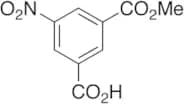
CAS:<p>5-Nitroisophthalic acid monomethyl ester (NIAE) is an acetylating agent that can be used for the preparation of 5-nitroisophthalic acid, which is a precursor to the synthesis of dyes and pharmaceuticals. The acetylation reaction of NIAE with proteins produces an insensitive material. Acetylation also inhibits the activity of serine proteases and virus replication. In addition, it has been found that the catalytic reduction of NIAE with palladium is faster than other synthetic methods. Optimal reaction conditions are obtained by adding chloride ions to the reaction mixture, while reductive conditions are optimal for catalysis. Reaction time can be shortened by using a soluble catalyst such as iodide ion or mercury(II) sulfate. The active site of NIAE contains a nitro group that reacts with substrates in the presence of oxygen, forming a product from which the acetyl group has been removed</p>Fórmula:C9H7NO6Pureza:Min 98%Cor e Forma:PowderPeso molecular:225.16 g/mol2-Methyl-5-nitrobenzoic acid
CAS:<p>2-Methyl-5-nitrobenzoic acid is a synthetic compound that has been shown to inhibit the growth of tumor xenografts in mice. This compound has been shown to inhibit the production of prostate-specific antigen and prostate cancer cells, as well as cause apoptosis in prostate cancer cells. 2-Methyl-5-nitrobenzoic acid also inhibits the activity of vitamin D3 and docetaxel, which are both chemotherapeutic agents used to treat prostate cancer. 2-Methyl-5-nitrobenzoic acid is a thermodynamic inhibitor with an IC50 value of 0.1 mM. It is an inhibitor of cellular respiration and mitochondrial function with a Km value of 1 mM. This agent also inhibits tumor perfusion, which may be due to its ability to induce apoptosis in tumor cells.</p>Fórmula:C8H7NO4Pureza:Min. 95%Cor e Forma:PowderPeso molecular:181.15 g/mol4-Hydroxy-3-nitropyridine
CAS:4-Hydroxy-3-nitropyridine is an organic chemical compound with the molecular formula CHNO. It has a structure that is composed of a nitro group bonded to a pyridine ring. 4-Hydroxy-3-nitropyridine can be found in wastewater and as a byproduct of the production of dyes, drugs, and explosives. It has been shown to react with primary amines to form nitrosamines. In its tautomeric form, 4-hydroxy-3-nitropyridine is more reactive and will react with chloride ions to form hydroxylamine. This reaction is used commercially for the synthesis of hydrazine and other products.Fórmula:C5H4N2O3Pureza:Min. 95%Cor e Forma:PowderPeso molecular:140.1 g/mol2-Fluoro-5-nitrobenzoic acid
CAS:2-Fluoro-5-nitrobenzoic acid is a molecule that can be used in biological studies to measure the proton concentration of a solution. This compound has been shown to bind to caffeine and β-amino acids, which may be due to its ability to form intermolecular hydrogen bonds. 2-Fluoro-5-nitrobenzoic acid has also been shown to enhance reactive oxygen species generation by nitrobenzoic molecules, making it a potential drug for the treatment of cancer.Fórmula:C7H4FNO4Pureza:Min. 95%Cor e Forma:PowderPeso molecular:185.11 g/mol2-Bromo-5-nitrothiazole
CAS:<p>2-Bromo-5-nitro thiazole (2BNIT) is a molecule that is commonly used in pharmaceutical preparations. 2BNIT has been shown to be toxic to mammalian cells, and hydrogen chloride (HCl) is produced as a result of the reaction. The HCl acts as an oxidizing agent that can react with nitrothiazole and nitro compounds, releasing ammonia gas. 2BNIT has been shown to have potent activity against three different species of bacteria, including Trichomonas vaginalis, Salmonella typhimurium, and Micrococcus luteus. The compound also has optical properties that can be observed by vibrational spectroscopy.</p>Fórmula:C3HBrN2O2SPureza:Min. 95%Cor e Forma:PowderPeso molecular:209.02 g/mol1,8-Dinitroanthraquinone
CAS:<p>1,8-Dinitroanthraquinone is an aromatic hydrocarbon that inhibits the growth of bacteria in vitro. This compound has been shown to inhibit telomerase activity and to be a potent inhibitor of monosodium glutamate-induced nitrosative stress in cultured cells. It also inhibits nitrite ion reduction by 2-phenylbutyric acid, which is an acceptor for the nitrite ion. 1,8-Dinitroanthraquinone has been shown to have a kinetic effect on the conversion of nitrite ion to nitrous acid, which is important in the formation of carcinogenic nitrosamines. The paradigm shift in this research was that the inhibition of telomerase activity was not only due to its effects on DNA but also due to its activation energy as well as its effects on protein synthesis.</p>Fórmula:C14H6N2O6Pureza:Min. 96 Area-%Cor e Forma:PowderPeso molecular:298.21 g/mol2-Methoxy-3-nitropyridine
CAS:<p>2-Methoxy-3-nitropyridine is a chemical compound with the molecular formula CHNO. It is classified as an amine and has a molecular weight of 140.24 g/mol. 2-Methoxy-3-nitropyridine is a colorless liquid that can be used to make other compounds, such as nitroarenes, boronic acids, and dyes. The molecule consists of a central carbon atom with four nitrogen atoms at the corners of a tetrahedron. The electron configuration for this molecule is 1s22s22p4. This means that the outer shell electrons are in orbitals with principal quantum numbers s=1 and p=2. These orbitals are located near the middle of the molecule rather than on the periphery as in ethane (CH3CH2). This orientation provides more space for other atoms to attach to the central carbon atom, which increases its affinity for nucleophilic attack. 2-M</p>Fórmula:C6H6N2O3Pureza:Min. 95%Cor e Forma:PowderPeso molecular:154.12 g/mol2-Amino-3-chloro-5-nitrobenzonitrile
CAS:<p>2-Amino-3-chloro-5-nitrobenzonitrile is a hydroxyalkyl compound. It is sensitive to light, sulfamic acid and heat. The compound has been expressed in E. coli, but it is not possible to crystallize it due to its sensitivity to ph changes and organic solvents. The substance can be used as a dyestuff or dye intermediate. Due to its stability in crystal form, this substance can also be used as a raw material for the production of nitrite.</p>Fórmula:C7H4ClN3O2Pureza:Min. 95%Cor e Forma:PowderPeso molecular:197.58 g/mol2,3-Dichloro-6-nitrobenzonitrile
CAS:<p>2,3-Dichloro-6-nitrobenzonitrile is an organic chemical compound that has a nitrile group and a nitro group. It can be synthesized by the cycloalkylation of ethyl bromoacetate with hydroxylamine. The resulting 2,3-dichloro-6-nitrobenzonitrile is extracted from the reaction mixture with water, acidified with dilute hydrochloric acid, and then precipitated as its ethyl ester salt. The 3D structure of this chemical was determined by X-ray crystallography.</p>Fórmula:C7H2Cl2N2O2Pureza:Min. 95%Cor e Forma:Yellow SolidPeso molecular:217.01 g/molWST-1
CAS:<p>WST-1 is a water soluble cell permeable dye. Upon NADH-dependent enzymatic cleavage by cellular mitochondrial dehydrogenases, formazan is released, which can be quantified by colorimetric detection at 450 nm.</p>Fórmula:C19H11IN5NaO8S2Pureza:Min. 95 Area-%Cor e Forma:PowderPeso molecular:651.35 g/mol3-Methyl-2-nitrophenol
CAS:<p>3-Methyl-2-nitrophenol is a hydroxy group that contains a reactive methylene group. It has been shown to be formed by the reaction of nitric acid with alcohols or amines. The rate of formation is influenced by the steric interactions and intramolecular hydrogen bonds present in the reactants. 3-Methyl-2-nitrophenol can react with other molecules to form various reaction products, such as 2-methylphenol, nitrobenzene, and picric acid. 3-Methyl-2-nitrophenol also has phytotoxic properties, which may be due to its ability to inhibit root growth and chlorophyll production in plants.</p>Fórmula:C7H7NO3Pureza:Min. 95%Peso molecular:153.14 g/mol3,5-Dimethyl-4-nitropyridine 1-oxide
CAS:<p>3,5-Dimethyl-4-nitropyridine 1-oxide is a nitro compound with the chemical formula CHNO. It is an organic compound that has been shown to be carcinogenic in animal studies and has caused cancer in humans. 3,5-Dimethyl-4-nitropyridine 1-oxide can be found in the environment as a result of industrial accidents or environmental pollution. It is found in building materials such as acetonitrile and organic solvents. This compound is not soluble in water, which limits its potential for environmental transport.</p>Fórmula:C7H8N2O3Pureza:Min. 95%Cor e Forma:PowderPeso molecular:168.15 g/mol4-Acetamido-2'-amino-2-nitrophenyl sulphide
CAS:<p>4-Acetamido-2'-amino-2-nitrophenyl sulphide is a versatile building block that is used as a reagent, speciality chemical, and useful scaffold. It is a complex compound with CAS No. 1017060-37-5. This compound has been shown to be useful in the synthesis of fine chemicals and other research chemicals. 4-Acetamido-2'-amino-2-nitrophenyl sulphide can also be used as an intermediate in reactions or as a reaction component, making it an important building block for high quality compounds.</p>Fórmula:C14H13N3O3SPureza:Min. 95%Cor e Forma:PowderPeso molecular:303.34 g/mol1-(4-(Methylthio)phenyl)-2-nitropropene
CAS:<p>Please enquire for more information about 1-(4-(Methylthio)phenyl)-2-nitropropene including the price, delivery time and more detailed product information at the technical inquiry form on this page</p>Fórmula:C10H11NO2SPureza:Min. 95%Cor e Forma:PowderPeso molecular:209.27 g/mol3,5-Dinitro-1,2-phenylenediamine
CAS:<p>3,5-Dinitro-1,2-phenylenediamine is an aromatic compound that is used as an anti-cancer drug. 3,5-Dinitro-1,2-phenylenediamine can be synthesized by the reaction of diethyl ester with nitrous acid. This product has been shown to inhibit the growth of cancer cells in culture and is cytotoxic to ovarian cancer cells. 3,5-Dinitro-1,2-phenylenediamine has also been shown to have a synergistic effect with other drugs. It inhibits the synthesis of DNA and RNA by binding to nucleic acids and blocking protein synthesis. This product is not active against bacteria or fungi but may be toxic if ingested.</p>Fórmula:C6H6N4O4Pureza:Min. 95%Cor e Forma:PowderPeso molecular:198.14 g/molMethyl 3-fluoro-4-nitrobenzoate
CAS:<p>Methyl 3-fluoro-4-nitrobenzoate is a volatile, colorless liquid that belongs to the class of alcohols. Methyl 3-fluoro-4-nitrobenzoate has a phenylethyl group and an intramolecular reaction with the carbonyl group. The regioselectivity of this reaction is determined by the electron density on the oxygen atom, which is greater than on the nitrogen atom. This makes methyl 3-fluoro-4-nitrobenzoate an excellent nucleophile and allows it to react with other molecules in order to form esters. Methyl 3-fluoro-4-nitrobenzoate has been shown to be a good solvent for headspace analysis because it is volatile, but not reactive enough to interfere with organic compounds in the headspace.</p>Fórmula:C8H6FNO4Pureza:Min. 95%Cor e Forma:White PowderPeso molecular:199.14 g/mol2-Chloro-3-nitrotoluene
CAS:<p>2-Chloro-3-nitrotoluene (2CNT) is a primary site test compound that is used to determine the activity of enzymes that metabolize nitrate. It has been shown to inhibit inorganic nitrate reductase and plant nitrate reductase, which are important enzymes for the transport of nitrogen. The rate of 2CNT degradation increases with increasing temperature, and it is resistant to heat and oxygen. 2CNT also inhibits tobacco N-acetyltransferase, an enzyme involved in the metabolism of nicotine. 2CNT can be used as an inhibitor to study plant physiology because it evaporation occurs rapidly at room temperature.</p>Fórmula:C7H6ClNO2Pureza:Min. 95%Cor e Forma:Clear LiquidPeso molecular:171.58 g/mol2-Nitro-3,4,5-trimethoxybenzoic acid methyl ester
CAS:<p>2-Nitro-3,4,5-trimethoxybenzoic acid methyl ester is a potential anticancer agent. It has been shown to inhibit the growth of cancer cells in vitro and demonstrates anticancer activity against human tumor xenografts in mice. This compound binds to the epidermal growth factor receptor (EGFR) and inhibits its activity. This binding causes downstream signalling pathways to be suppressed, which ultimately prevents tumor cells from proliferating. 2-Nitro-3,4,5-trimethoxybenzoic acid methyl ester also has directional properties that may allow for selective targeting of cancerous cells.<br>2-Nitro-3,4,5-trimethoxybenzoic acid methyl ester is a white crystalline powder with an orthorhombic crystal system and an amine group on each end of the molecule.</p>Fórmula:C11H13NO7Pureza:Min. 95%Cor e Forma:PowderPeso molecular:271.22 g/molL-Leucine 4-nitroanilide
CAS:<p>L-Leucine 4-nitroanilide serves as a substrate for the colorimetric determination of leucine aminopeptidase. The application of L-Leucine-p-nitroanilide includes its utilization as a substrate in studies assessing the intestinal leucine aminopeptidase activity of juvenile rainbow trout (Oncorhynchus mykiss). Additionally, it plays a role in insulin-regulated aminopeptidase inhibition assays and is employed to determine exopeptidase activity.</p>Fórmula:C12H17N3O3Pureza:(Titration) 99 To 101%Cor e Forma:PowderPeso molecular:251.28 g/molcis-4-Chloro-3-nitrocinnamic acid
<p>Cis-4-Chloro-3-nitrocinnamic acid is an aromatic organic compound with potential utility in biochemical research and synthesis. This compound is typically derived from synthetic chemical processes involving chlorination and nitration reactions on cinnamic acid derivatives. Its molecular structure, characterized by both chloro and nitro functional groups, allows it to interact in unique ways with various biochemical pathways and molecular frameworks.</p>Fórmula:C9H6ClNO4Pureza:Min. 95%Cor e Forma:White PowderPeso molecular:227.6 g/mol3,5-Dinitrobenzenethiol
CAS:<p>3,5-Dinitrobenzenethiol is a chemical that has been used as a building block for the synthesis of other fine chemicals. 3,5-Dinitrobenzenethiol is an intermediate used in the synthesis of research chemicals, such as pharmaceuticals and pesticides. It can also be used as a reaction component or reagent in organic synthesis. 3,5-Dinitrobenzenethiol is an excellent chemical with high quality because it has no impurities and is readily available.</p>Fórmula:C6H4N2O4SPureza:Min. 95%Cor e Forma:PowderPeso molecular:200.17 g/molFmoc-(S)-3-amino-3-(2-nitrophenyl)propionic acid
CAS:<p>Please enquire for more information about Fmoc-(S)-3-amino-3-(2-nitrophenyl)propionic acid including the price, delivery time and more detailed product information at the technical inquiry form on this page</p>Fórmula:C24H20N2O6Pureza:Min. 95%Cor e Forma:White PowderPeso molecular:432.43 g/mol4-tert-Butyl-2,6-dinitroanisole
CAS:<p>4-tert-Butyl-2,6-dinitroanisole is a versatile chemical that can be used for the synthesis of complex molecules. It can be used as a building block in organic synthesis or as a reagent. 4-tert-Butyl-2,6-dinitroanisole is also useful in the production of speciality chemicals and research chemicals. This product has high quality and is a useful intermediate or reaction component.</p>Fórmula:C11H14N2O5Pureza:Min. 95%Cor e Forma:White PowderPeso molecular:254.24 g/mol2-Benzyloxy-6-nitrotoluene
CAS:2-Benzyloxy-6-nitrotoluene is an organic compound that has the formula CHNO. It is a white solid that is soluble in alcohols and ethers, but not in water. The compound is of interest as a precursor to other compounds.Fórmula:C14H13NO3Pureza:Min. 95%Cor e Forma:PowderPeso molecular:243.26 g/mol3-Amino-4-nitrobenzoic acid
CAS:<p>3-Amino-4-nitrobenzoic acid is a synthetic compound, which has been shown to inhibit the activity of trypanothione reductase. This inhibition of the enzyme causes an increase in the level of intracellular trypanothione, which is then acetylated by ATP sulfurylase and converted to trypanothione. 3-Amino-4-nitrobenzoic acid is also a potent inhibitor of fxa, which is a coagulation factor necessary for blood clotting. The active site of 3-amino-4-nitrobenzoic acid contains two nitroarenes that are responsible for its antithrombotic properties.</p>Fórmula:C7H6N2O4Pureza:Min. 95%Cor e Forma:PowderPeso molecular:182.13 g/mol6-Nitrocoumarin
CAS:<p>Substrate to study the nitroreductase activity in the pathogenic fungus Sporothrix schenckii, a thermal dimorphic pathogenic fungus causing a subcutaneous mycosis.</p>Fórmula:C9H5NO4Pureza:Min. 95%Cor e Forma:PowderPeso molecular:191.14 g/mol4-Chloro-3,5-dinitrobenzamide
CAS:<p>4-Chloro-3,5-dinitrobenzamide is a bifunctional molecule that contains a chlorine atom. It has been found to react with dipolar solutes as well as vicinal dioxan arylation. The nucleophilic amide group is also labile and can be hydrolyzed by strong acids or bases. The electron lone pair of the chlorine atom in 4-chloro-3,5-dinitrobenzamide can be used for electrophilic substitution reactions with aromatic rings or amines. This molecule has been found to undergo an arylation reaction with imidazole in the presence of dioxan solvent at room temperature.</p>Fórmula:C7H4ClN3O5Pureza:Min. 95%Peso molecular:245.58 g/mol2-Nitrobenzylcyanide
CAS:<p>2-Nitrobenzylcyanide is a potential use in the synthesis of β-unsaturated ketones, nitroalkanes, and biomolecular compounds. This compound reacts with nitrogen atoms to form an unsymmetrical nitrene group. The reaction selectivity is due to the active methylene group that is acidic, which selectively reacts with amines or cb1 receptor groups.</p>Fórmula:C8H6N2O2Pureza:Min. 95%Cor e Forma:Off-White PowderPeso molecular:162.15 g/mol4-(2-Hydroxyethylamino)-3-nitrophenol
CAS:<p>4-(2-Hydroxyethylamino)-3-nitrophenol is a nitrophenol that can cause toxicity in humans. It has been investigated for its potential use as a treatment for erectile dysfunction. The compound was found to have a long half-life of over 24 hours, which may be due to its slow metabolism by esterases and glucuronidases. 4-(2-Hydroxyethylamino)-3-nitrophenol has been shown to be an allergen and is toxic to the skin, lungs, and muscles. This chemical can cause cancer when it is irradiated or mixed with other chemicals such as 4-amino-2-nitrophenol (ANP).</p>Fórmula:C8H10N2O4Pureza:Min. 95%Cor e Forma:PowderPeso molecular:198.18 g/mol2-Nitro-3,4,5-trimethoxybenzoic acid
CAS:<p>2-Nitro-3,4,5-trimethoxybenzoic acid (2-NTMB) is a potent anticancer agent that has shown cytotoxic effects in human epidermoid carcinoma cells. It inhibits the growth of cancer cells by interfering with their DNA synthesis and repair. 2-NTMB binds to DNA and blocks the action of enzymes involved in DNA synthesis and repair. This binding leads to cancer cell death through irradiation or by blocking the production of new proteins vital for cell division. 2-NTMB is bioisosteric with combretastatin A4, which means it can be substituted for this drug without significant loss of potency. It also has been shown to be an effective chemotherapeutic agent against breast cancer in mice.</p>Fórmula:C10H11NO7Pureza:Min. 95%Cor e Forma:PowderPeso molecular:257.2 g/mol2-Bromo-5-nitroaniline
CAS:<p>2-Bromo-5-nitroaniline is an aminobenzothiazole that is synthesized in an amination reaction with acetonitrile. It is an acidic chemical and can be introduced as a pharmacokinetic probe for studying the uptake of drugs by cells. The properties of 2-bromo-5-nitroaniline have been studied in mice and rats, where it has been shown to be metabolized by nitroreductases. 2-Bromo-5-nitroaniline can also be used as a chemokine receptor antagonist, which could lead to the optimization of other chemokines.</p>Fórmula:C6H5BrN2O2Pureza:Min. 95%Cor e Forma:PowderPeso molecular:217.02 g/mol3-Methyl-2-nitroanisole
CAS:<p>3-Methyl-2-nitroanisole is a synthetic monosubstituted nitro compound that can be produced by the oxidation of 3,4-dimethoxybenzaldehyde. It has three methyl groups and one nitro group on its ring. 3-Methyl-2-nitroanisole has been used in high concentrations as a reactant for the synthesis of other compounds. It can also be used to synthesize anthranilic acid, which is an intermediate in the synthesis of many dyes and pharmaceuticals. 3-Methyl-2-nitroanisole has been characterized using vibrational spectroscopy and NMR spectroscopy with frequency values ranging from 9 to 22 cm/sec, depending on substituents. The molecular weight is estimated at 196 g/mol. 3MNA has been shown to undergo demethylation and hydrolysis under acidic conditions to produce 2,5-dihydroxyanth</p>Fórmula:C8H9NO3Pureza:Min. 95%Cor e Forma:PowderPeso molecular:167.16 g/mol3,4-Dihydroxy-5-nitrobenzaldehyde
CAS:<p>3,4-Dihydroxy-5-nitrobenzaldehyde is a chemical substance that is used in an analytical method to measure the level of methoxy groups in chronic kidney disease. The methanol solvent and hydrochloric acid are used to dissolve the sample, which is then titrated with trifluoroacetic acid. The chloride ion reacts with the methylene group from the 3,4-dihydroxy-5-nitrobenzaldehyde molecule to form a new compound that can be detected by ultraviolet light at 254 nm. The active methylene group is quantified by measuring its absorbance at this wavelength and comparing it with a calibration curve using known concentrations of sodium salts. This test has been shown to be more sensitive than other chromatographic methods for detecting methoxy groups in chronic kidney disease.</p>Fórmula:C7H5NO5Pureza:Min. 95%Cor e Forma:Yellow PowderPeso molecular:183.12 g/molO-(2,4-Dinitrophenyl)hydroxylamine
CAS:<p>O-(2,4-dinitrophenyl)hydroxylamine is a synthetic compound that binds to the enzyme bound site of the cap-dependent endonuclease. It is an inhibitor of influenza virus replication in vitro and has shown inhibitory activity against murine leukemia virus. O-(2,4-dinitrophenyl)hydroxylamine is also a model for the study of aminoglycoside antibiotics. The compound inhibits aminoglycoside-induced protein synthesis in eukaryotic cells and may be useful in understanding the mechanism of action and resistance to these antibiotics.</p>Fórmula:C6H5N3O5Pureza:Min. 98 Area-%Cor e Forma:Yellow PowderPeso molecular:199.12 g/mol2,6-Dichloro-4-nitroaniline
CAS:<p>2,6-Dichloro-4-nitroaniline is an organic compound that has been shown to have anti-inflammatory properties. It can be used for the treatment of inflammatory skin diseases such as psoriasis and eczema. Short-term exposure to 2,6-dichloro-4-nitroaniline showed no toxic effects in cell culture studies and 2,6-dichloro-4-nitroaniline does not cause damage to skin cells or light exposure. The hydroxyl group on the aromatic ring of this molecule can react with hydrochloric acid to form a reactive intermediate. This intermediate reacts with N2H2 molecules to form a molecule called dinitrochlorobenzene. Dinitrochlorobenzene is a highly toxic substance that will react with nitrogen atoms on the cell wall surface in an acidic environment, forming nitrosamines which are highly carcinogenic compounds.</p>Fórmula:C6H4Cl2N2O2Pureza:Min. 95%Cor e Forma:Slightly Yellow PowderPeso molecular:207.01 g/mol2-Chloro-3,5-dinitrobenzoic acid
CAS:<p>2-Chloro-3,5-dinitrobenzoic acid is a chemical reagent that belongs to the group of p2-substituted benzenes. It is used in organic synthesis as a synthon for dimethylnaphthalene, which is an intermediate in the production of polyester fibers and polyurethane. The compound has been shown to induce apoptosis in prostate cancer cells. This effect may be due to its ability to react with amines and form nitrosating species, which may cause DNA damage. 2-Chloro-3,5-dinitrobenzoic acid can also react with 5-nitrosalicylic acid to form a stepwise reaction product.</p>Fórmula:C7H3ClN2O6Pureza:Min. 95%Cor e Forma:PowderPeso molecular:246.56 g/mol3,4-Dihydroxy-2-nitrobenzyl alcohol
CAS:3,4-Dihydroxy-2-nitrobenzyl alcohol is a fine chemical that is useful as a scaffold and building block for organic synthesis. It is also an intermediate in the preparation of other chemicals such as reaction components. 3,4-Dihydroxy-2-nitrobenzyl alcohol has CAS No. 1017060-58-0 and belongs to the speciality chemical category. This compound can be used as a reagent or research chemical in biochemical assays and other applications. 3,4-Dihydroxy-2-nitrobenzyl alcohol is soluble in methanol, ethanol, acetone, dichloromethane, ethyl acetate, and chloroform. It is insoluble in water and ether. It is stable at pH values between 2 and 10 but decomposes when heated to 80°C or above.Fórmula:C7H7NO5Pureza:Min. 95%Peso molecular:185.13 g/mol4-Nitrocinnamaldehyde
CAS:<p>4-Nitrocinnamaldehyde is a diazonium salt that is used as an efficient method for the synthesis of nitro compounds. Nitro compounds are used in the production of explosives, insecticides, and herbicides. 4-Nitrocinnamaldehyde reacts with hydrochloric acid to produce trifluoroacetic acid, which is then reacted with an organic compound to produce a nitro compound. This reaction has been shown to be irreversible and not sensitive to functional groups. 4-Nitrocinnamaldehyde binds to the enzyme cytochrome P450 reductase, inhibiting its function. The binding of 4-nitrocinnamaldehyde to enzymes such as pyruvate kinase and acetylcholinesterase has also been observed in binding experiments.</p>Fórmula:C9H7NO3Pureza:Min. 95%Cor e Forma:PowderPeso molecular:177.16 g/mol3-Nitrophenol
CAS:<p>3-Nitrophenol is an organic compound that is used in wastewater treatment, specifically to remove nitrogenous compounds from the water. It reacts with a hydroxyl group and a nitro group to form a molecule with three nitro groups. The presence of this molecule in wastewater can lead to population growth, which may be reduced by thermal expansion. 3-Nitrophenol is also used as an electrode for gravimetric analysis of metals and as a reagent for the detection of sodium ions. This compound has been shown to have a ph optimum of 7.5, but will react with hydrogen bonds at any ph value.</p>Fórmula:C6H5NO3Pureza:Min. 95%Cor e Forma:PowderPeso molecular:139.11 g/mol2,4-Dichloro-β-methyl-β-nitrostyrene
CAS:2,4-Dichloro-beta-methyl-beta-nitrostyrene is a versatile building block that can be used as a reaction component or reagent for the synthesis of other fine chemicals. It is also a useful intermediate for the production of complex compounds. 2,4-Dichloro-beta-methyl-beta-nitrostyrene has been widely used in research and development due to its high quality and versatility. This compound is also available from Sigma Aldrich at competitive prices.Fórmula:C9H7Cl2NO2Pureza:Min. 95%Peso molecular:232.06 g/mol4-Chloro-3-nitrobenzyl alcohol
CAS:<p>4-Chloro-3-nitrobenzyl alcohol is a synthetic chemical that reacts with hydrochloric acid to form 4-chloro-3-nitrobenzyl chloride and hydrogen. It can be used in the preparation of other chemicals, such as divinylbenzene and chloride. This compound is insoluble in water and soluble in organic solvents, such as acetone and ether. 4-Chloro-3-nitrobenzyl alcohol has two stereoisomers, one of which is more reactive than the other.</p>Fórmula:C7H6ClNO3Pureza:Min. 95%Peso molecular:187.58 g/mol3,5-Dinitro-4-methylbenzoic acid
CAS:<p>3,5-Dinitro-4-methylbenzoic acid is a compound that can be used in the synthesis of many organic compounds. It is an important reagent for the preparation of nitroarenes and it is also used as a precursor to other organic compounds. 3,5-Dinitro-4-methylbenzoic acid has been shown to have a hydrogen bond with malonic acid and can form an asymmetric hydrogen bond with the hydroxyl group of protonated water. 3,5-Dinitro-4-methylbenzoic acid has three different resonance structures and its x-ray diffraction data show that it has a cavity shape. This molecule can be found in the nmr spectra at around 8.3 ppm and its kinetic constants are given as k1 = 0.01 s−1 and k2 = 0.06 s−1 for the two reactions. 3,5-Dinitro-4-methylben</p>Fórmula:C8H6N2O6Pureza:Min. 95%Cor e Forma:PowderPeso molecular:226.14 g/mol2,4-Dinitro-5-methylphenylhydrazine
CAS:<p>2,4-Dinitro-5-methylphenylhydrazine (DMN) is a fine chemical that is used as a versatile building block in the synthesis of complex compounds. It can be used to synthesize high quality reagents and reaction components for research purposes. DMN has been shown to have a number of properties that make it useful in industrial processes, including its stability and resistance to heat and light.</p>Fórmula:C7H8N4O4Pureza:Min. 95%Cor e Forma:PowderPeso molecular:212.16 g/molN-Nitrosobis(2-hydroxypropyl)amine
CAS:<p>N-Nitrosobis(2-hydroxypropyl)amine is a polymerase chain reaction (PCR) enhancer that has been shown to be carcinogenic in experimental animals. It is used as a synthetic retinoid, which results in the conversion of thyroxine to triiodothyronine by the thyroid gland. N-Nitrosobis(2-hydroxypropyl)amine is also used as an experimental model for squamous cell carcinoma and tumors. It causes tumor development by inhibiting DNA synthesis and increasing cellular proliferation, which leads to liver lesions and carcinomas in animal models.</p>Fórmula:C6H14N2O3Pureza:Min. 95%Cor e Forma:Yellow PowderPeso molecular:162.19 g/mol4-Bromo-3-nitrotoluene
CAS:<p>4-Bromo-3-nitrotoluene is a carbazole that has been found to have insecticidal activity. The compound reacts with serotonin to form the reactive intermediate 4-bromo-3-nitrosobenzaldehyde, which is then oxidized to the final product 4-bromo-3-nitrobenzoic acid. The insecticidal activity of 4-Bromo-3-nitrotoluene was found to be due in part to its ability to inhibit serotonin uptake and metabolism by blocking serotonin transporters. It also induces dihedral angles in positron emission tomography (PET) imaging of human brain tissue, suggesting it may be useful for brain imaging studies.</p>Fórmula:C7H6BrNO2Pureza:Min. 95%Cor e Forma:Clear LiquidPeso molecular:216.03 g/molMethyl 4-(2-nitro-4-(trifluoromethyl)phenoxy)benzoate
CAS:<p>Please enquire for more information about Methyl 4-(2-nitro-4-(trifluoromethyl)phenoxy)benzoate including the price, delivery time and more detailed product information at the technical inquiry form on this page</p>Fórmula:C15H10F3NO5Pureza:Min. 95%Cor e Forma:PowderPeso molecular:341.24 g/mol3-Chloro-4-nitrobenzaldehyde
CAS:<p>3-Chloro-4-nitrobenzaldehyde is an aldehyde that is produced by the oxidation of 2-chloro-4-nitrobenzaldehyde. This chemical has been shown to have antitubercular activity in human erythrocytes, and it can be recycled from its reaction product with sodium hypochlorite. 3-Chloro-4-nitrobenzaldehyde has been shown to interact with acidic heterocycles such as oxadiazoles and triazoles. 3-Chloro-4-nitrobenzaldehyde has also been shown to alter the morphology of bacteria, such as subtilis, when exposed to ionic liquids. It is also known to inhibit the growth of Gram positive bacteria and show cytotoxic effects on mammalian cells.</p>Fórmula:C7H4ClNO3Pureza:Min. 95%Peso molecular:185.56 g/mol5-Methyl-2-nitrobenzamide
CAS:<p>5-Methyl-2-nitrobenzamide is a compound that has antiproliferative activity and is used as an anticancer drug. This drug inhibits the polymerization of the protein tubulin in cancer cells, thereby inhibiting cell division. It also inhibits the growth of certain tumor cell lines in vitro. 5-Methyl-2-nitrobenzamide was found to inhibit the proliferation of human ovarian carcinoma cells by binding to DNA, preventing transcription and replication of genetic information. In addition, this agent binds to tubulin and prevents its polymerization, leading to inhibition of cell division.</p>Fórmula:C8H8N2O3Pureza:Min. 95%Cor e Forma:PowderPeso molecular:180.16 g/molTribromonitromethane
CAS:<p>Tribromonitromethane is a fatty acid that is used in analytical chemistry as a standard for calibrating the linear range of analytical methods. It is also used in specific treatments for cancer, such as treatment of carcinomas. Tribromonitromethane has been shown to have carcinogenic potential and may be harmful to humans when ingested or inhaled. The chemical structure of tribromonitromethane consists of a series of three bromine atoms attached to one carbon atom with two hydroxyl groups at either end. This chemical can be oxidized to form tribromo nitro methane, which is more reactive than tribromonitromethane. Tribromonitromethane has no known biological function and does not occur naturally in the environment. It is also known to be potent inducers of transfer reactions, which are reactions where electrons are transferred from one molecule to another. These reactions are important for the synthesis and degradation of various molecules, including amino</p>Fórmula:CBr3NO2Pureza:Min. 95%Cor e Forma:Clear LiquidPeso molecular:297.73 g/mol3,4-(Methylenedioxy)-6-nitrocinnamic acid
CAS:<p>3,4-(Methylenedioxy)-6-nitrocinnamic acid is a cytotoxic molecule that inhibits the growth of cells by interfering with the synthesis of proteins. It binds to DNA and prevents the transcription process from occurring. This molecule has been shown to inhibit endoplasmic reticulum and Golgi apparatus functions in plant cells. 3,4-(Methylenedioxy)-6-nitrocinnamic acid has also been used as a polymerization agent for polyacrylamide gels. A number of modifications have been made to this molecule in order to increase its effectiveness, such as methyl esterification and mutagenesis. This compound has also been shown to enhance Taxol's anti-cancer effects on cell cultures.</p>Fórmula:C10H7NO6Pureza:Min. 90%Cor e Forma:White PowderPeso molecular:237.17 g/mol4-Methyl-3-nitrobenzenesulfonyl chloride
CAS:<p>4-Methyl-3-nitrobenzenesulfonyl chloride (4MNBS) is a fungicide that inhibits the growth of fungi, such as Plasmodiophora brassicae, by inhibiting the enzyme dehydrogenase. 4MNBS has also been shown to inhibit mammalian pyridine nucleotide dehydrogenase and to have low toxicity in mammals. 4MNBS has been found to be an inhibitor of human cytochrome P450 isoforms CYP1A2, CYP2B6, and CYP3A4 with IC50 values ranging from 10 μM to 100 μM. 4MNBS was also shown to be a potent inhibitor of chloroplast dehydrogenases from cruciferous plants with IC50 values between 0.1 μM and 100 nM. This compound has low phytotoxicity and does not accumulate in the leaves of cruciferous plants at a concentration of 500 ppm or higher.</p>Fórmula:C7H6ClNO4SPureza:Min. 95%Peso molecular:235.65 g/mol4-Chloro-2-fluoro-5-nitroaniline
CAS:<p>4-Chloro-2-fluoro-5-nitroaniline is a fine chemical that is used as a reagent and speciality chemical in research, as well as a building block for the synthesis of complex compounds. 4-Chloro-2-fluoro-5-nitroaniline has been shown to be an excellent building block for the synthesis of versatile scaffolds, which can be used in the production of drugs with antibacterial properties. This product is also useful as a reaction component for the synthesis of high quality, complex compounds.</p>Fórmula:C6H4ClFN2O2Pureza:Min. 95%Cor e Forma:PowderPeso molecular:190.56 g/molMethyl 5-hydroxy-2-nitrobenzoate
CAS:<p>Methyl 5-hydroxy-2-nitrobenzoate is a synthetic pesticide that is used to control pests in animals. It has been shown to be an antigen that induces antibody production in mice. This chemical is also a ligand, as it binds with proteins and other molecules. Methyl 5-hydroxy-2-nitrobenzoate has been shown to inhibit the enzymatic activity of the organophosphorus pesticide, which is primarily used for pest control. The chemical was also found to inhibit the growth of plants by inhibiting protein synthesis and cell division at low concentrations.</p>Fórmula:C8H7NO5Pureza:Min. 95%Cor e Forma:White PowderPeso molecular:197.14 g/molEthyl 3-nitrobenzoate
CAS:<p>Ethyl 3-nitrobenzoate is an organic compound that belongs to the methyl ketones group. It is a colorless liquid with a sweet, aromatic odor. Ethyl 3-nitrobenzoate has been shown to interact with benzocaine and other local anesthetics, which may lead to its use as a precursor for these drugs. It can also be used as a carbon source for bacterial cells and can be used in an efficient method for the synthesis of antigenic determinants. This compound has been shown to have anticomplementary properties and may be useful in treatment of bacterial infections.</p>Fórmula:C9H9NO4Pureza:Min. 95%Cor e Forma:PowderPeso molecular:195.17 g/molMethyl 3-methyl-4-nitrobenzoate
CAS:<p>Methyl 3-methyl-4-nitrobenzoate is a potential antitumor agent that has been shown to have minimal inhibitory concentrations against a variety of human tumor cell lines. It also has potent antifungal activity and can be used for the treatment of opportunistic fungal infections in humans. Methyl 3-methyl-4-nitrobenzoate may be modified by substituting or deleting the aromatic ring, which can lead to improved inhibitory properties. Methyl 3-methyl-4-nitrobenzoate can also be modified by replacing the methyl group on the nitro group with a fluorine atom, which changes its structure and enhances its inhibitory potency.</p>Fórmula:C9H9NO4Pureza:Min. 95%Peso molecular:195.17 g/mol4-Methyl-5-nitrocatechol
CAS:<p>4-Methyl-5-nitrocatechol is a nitro compound that has been used in the chemical ionization of samples for mass spectrometric analysis. This compound produces distinct x-ray absorption spectra and emission spectra, which can be used to identify its concentration. 4-Methyl-5-nitrocatechol has been shown to react with 3,5-dinitrosalicylic acid in the presence of light to form an inhibitory product that prevents the growth of bacteria. This reaction is more prevalent at elevated temperatures. The mutant strain of Escherichia coli was found to be resistant to this inhibitory effect, while the wild type strain was not. The mutant strain's resistance to this inhibitory compound may be due to a polymerase chain reaction mutation that increases its ability to replicate DNA at high temperatures.</p>Fórmula:C7H7NO4Pureza:Min. 95%Cor e Forma:Yellow PowderPeso molecular:169.13 g/mol2-Fluoro-5-nitrobenzonitrile
CAS:<p>2-Fluoro-5-nitrobenzonitrile is a reactive chemical that has been used to study the interaction of amines with nitro groups. It can react with serine protease and acetylcholine, forming a lactam intermediate. The reaction of 2-fluoro-5-nitrobenzonitrile with hydrogen peroxide produces oxygen gas, water, and nitrous acid. The reaction of 2-fluoro-5-nitrobenzonitrile with benzamidine produces phenylhydrazine and benzoic acid. This chemical has shown anti-cancer activity in cell culture studies, as well as inhibition of cancer cell growth in vivo. 2-Fluoro-5-nitrobenzonitrile is also an inhibitor of the enzyme nitric oxide synthase (NOS). It reacts with the heme group in NOS, which prevents the formation of NO from L-arginine.</p>Fórmula:C7H3FN2O2Pureza:Min. 95%Cor e Forma:PowderPeso molecular:166.11 g/mol4,6-Diamino-2-nitro-m-xylene
CAS:<p>Please enquire for more information about 4,6-Diamino-2-nitro-m-xylene including the price, delivery time and more detailed product information at the technical inquiry form on this page</p>Fórmula:C8H11N3O2·2ClHPureza:Min. 95%Peso molecular:254.10 g/mol5-(1,1-Dimethylethyl)-3,3-dimethyl-6-nitro-2(3H)-benzofuranone
CAS:Produto Controlado<p>Applications 5-(1,1-Dimethylethyl)-3,3-dimethyl-6-nitro-2(3H)-benzofuranone is an intermediate in synthesizing Ivacaftor Carboxylic Acid (I940605). It is an impurity of Ivacaftor (I940600); a drug used in the treatment of cystic fibrosis.<br>References Clancy, J. et al.: Am. J. Resp. Crit. Care. Med., 186, 593 (2012)<br></p>Fórmula:C14H17NO4Cor e Forma:NeatPeso molecular:263.293-nitrotoluene
CAS:<p>Applications (cas# 1999-08-01) is a useful research chemical.<br></p>Fórmula:C7H7NO2Cor e Forma:YellowPeso molecular:137.14Methyl 3,5-Dinitrosalicylate
CAS:Produto Controlado<p>Applications Derivative of Salicylic acid.<br></p>Fórmula:C8H6N2O7Cor e Forma:NeatPeso molecular:242.17(AlphaS)-α-Amino-4-nitrobenzenepropanamide
CAS:Produto Controlado<p>Applications (αS)-α-Amino-4-nitrobenzenepropanamide (cas# 81677-61-4) is a compound useful in organic synthesis.<br></p>Fórmula:C9H11N3O3Cor e Forma:NeatPeso molecular:209.23-Nitro-4-toluidine
CAS:Produto Controlado<p>Applications 3-Nitro-4-toluidine (cas# 119-32-4) is a compound useful in organic synthesis. Dyes and metabolites, Environmental Testing<br></p>Fórmula:C7H8N2O2Cor e Forma:NeatPeso molecular:152.152-Nitrobenzylcyanide
CAS:Produto Controlado<p>Applications 2-Nitrobenzylcyanide (cas# 610-66-2) is a compound useful in organic synthesis.<br></p>Fórmula:C8H6N2O2Cor e Forma:NeatPeso molecular:162.155-Chloro-4-nitro-2,1,3-benzoselenadiazole
CAS:Produto Controlado<p>Applications 5-Chloro-4-nitro-2,1,3-benzoselenadiazole (cas# 20718-46-1) is a compound useful in organic synthesis.<br>References Turesky, R., et al.: J. Agric. Food Chem., 53, 3248 (2005),<br></p>Fórmula:C6H2ClN3O2SeCor e Forma:NeatPeso molecular:262.51Tris(p-nitrobenzyl) Phosphate
CAS:Produto Controlado<p>Applications Phosphorylating reagent<br></p>Fórmula:C21H18N3O10PCor e Forma:NeatPeso molecular:503.366,7-Dinitro-2,3-dihydro-benzo[1,4]dioxime
CAS:Produto Controlado<p>Applications 6,7-Dinitro-2,3-dihydro-benzo[1,4]dioxime (cas# 57356-48-6) is a compound useful in organic synthesis.<br></p>Fórmula:C8H6N2O6Cor e Forma:YellowPeso molecular:226.142,4-Dinitrobenzenesulfonic Acid xH2O
CAS:Produto Controlado<p>Applications 2,4-Dinitrobenzenesulfonic Acid (cas# 89-02-1) is a useful research chemical.<br></p>Fórmula:C6H4N2O7S·x(H2O)Cor e Forma:NeatPeso molecular:248.173-Formyl-4-nitrobenzonitrile
CAS:Produto Controlado<p>Applications 3-Formyl-4-nitrobenzonitrile is the tri-substitiuted derivative of benzene. 3-Formyl-4-nitrobenzonitrile is an intermediate used in the synthetic preparation of various pharmaceuticals exhibiting large spectrum of activity.<br>References Kunzer, A.R.. et al. Tetrahedron. Letters., 52, 1815 (2011);<br></p>Fórmula:C8H4N2O3Cor e Forma:NeatPeso molecular:176.131,1-Diethoxy-2-nitroethane
CAS:Produto Controlado<p>Applications 1,1-diethoxy-2-nitroethane (cas# 34560-16-2) is a useful research chemical.<br></p>Fórmula:C6H13NO4Cor e Forma:NeatPeso molecular:163.172-Nitro-4-thiocyanato Aniline
CAS:Produto Controlado<p>Impurity Albendazole Impurity 5<br>Applications Albendazole Impurity 5<br></p>Fórmula:C7H5N3O2SCor e Forma:NeatPeso molecular:195.24-Benzyloxy-2-(2’-carbomethoxy)thiophenylnitrobenzene
CAS:Produto Controlado<p>Applications 4-Benzyloxy-2-(2’-carbomethoxy)thiophenylnitrobenzene (cas# 329217-03-0) is a compound useful in organic synthesis.<br></p>Fórmula:C21H17NO5SCor e Forma:YellowPeso molecular:395.43Dimethyl 5-Nitroisophthalate
CAS:Produto Controlado<p>Applications Dimethyl 5-Nitroisophthalate is a useful chemical in organic synthesis.<br>References Senthamarai, T., et al.: ChemCatChem, 10(6), 1235-1240 (2018);Jagadeesh, Rajenahally V., et al.: Green Chem., 17(2), 898-902 (2015);Panwar, Puja, et al.: Bioorg. & Med. Chem., 15(2), 1138-1145 (2007)<br></p>Fórmula:C10H9NO6Cor e Forma:NeatPeso molecular:239.182-(4-Nitro-2-ethoxyphenyl)pthalimide
CAS:Produto Controlado<p>Applications 2-(4-Nitro-2-ethoxyphenyl)pthalimide (cas# 106981-60-6) is a compound useful in organic synthesis.<br></p>Fórmula:C16H12N2O5Cor e Forma:NeatPeso molecular:312.28Methyl 5-Nitroisophthalate
CAS:Produto Controlado<p>Applications Methyl 5-nitroisophthalate is used in the preparation of heterotrifunctional crosslinkers for multiple bioconjugation with peptides and also in the synthesis of histone demethylase LSD1 inhibitors that target cancer cells.<br>References Wang, J. et al.: Cancer Res., 71, 7238 (2011); Viault, G. et al.: Org. Biomol. Chem., 11, 2693 (2013);<br></p>Fórmula:C9H7NO6Cor e Forma:NeatPeso molecular:225.16Methyl 4-Nitrobenzoate
CAS:Produto Controlado<p>Applications Methyl 4-nitrobenzoate (cas# 619-50-1) is a useful research chemical.<br></p>Fórmula:C8H7NO4Cor e Forma:NeatPeso molecular:181.15Methyl 2-(3-Nitrobenzylidene)-3-oxobutanoate (1:1 E/Z Mixture)
CAS:Produto Controlado<p>Applications Methyl 2-(3-Nitrobenzylidene)-3-oxobutanoate is a useful reactant in organic synthesis.<br>References Miao, Chun-Bao, et al.: Heterocycles, 87(4), 853-859 (2013);Kang, Soosung, et al.: Bioorg. & Med. Chem., 21(14), 4365-4373 (2013);Li, Wan, et al.: Archiv der Pharmazie (Weinheim, Germany), 346(9), 635-644 (2013)<br></p>Fórmula:C12H11NO5Cor e Forma:NeatPeso molecular:249.221,2-Dimethoxy-4,5-dinitrobenzene
CAS:Produto Controlado<p>Applications 1,2-Dimethoxy-4,5-dinitrobenzene (cas# 3395-03-7) is a compound useful in organic synthesis.<br> Not a dangerous good if item is equal to or less than 1g/ml and there is less than 100g/ml in the package<br></p>Fórmula:C8H8N2O6Cor e Forma:NeatPeso molecular:228.16(1R,3R,4R)-(-)-3,5-Dinitrobenzoate Menthol
CAS:Produto Controlado<p>Applications (1S,3S,4S)-(-)-3,5-dinitrobenzoate Menthol is an intermediate in the synthesis of (±)-Neoisomenthol (N389960) which is a useful synthetic intermediate. It is used to prepare alkyl and aryl esters by chemoselective acylation of alkyl and aryl alcohols with carboxylic acid anhydrides in the presence of magnesium bis(trifluoromethylsulfonyl)amide under solvent-free conditions.<br>References Chakraborti, A., et al.: J. Org. Chem., 71, 5785 (2006)<br></p>Fórmula:C32H36O8SiCor e Forma:NeatPeso molecular:576.7092-Nitrotoluene
CAS:<p>Applications 1-Methyl-2-nitrobenzene is a toxic pollutant of the environment because of its large scale use in the production of explosives. It is a useful synthetic intermediate. It shows carcinogenic activity in rats.<br> Not a dangerous good if item is equal to or less than 1g/ml and there is less than 100g/ml in the package<br>References Sikandar, M., et al.: Chemosphere, 90, 1920 (2013); Jones, C., et al.: Carcinogen., 24, 779 (2003)<br></p>Fórmula:C7H7NO2Cor e Forma:NeatPeso molecular:137.144-Nitrobenzonitrile
CAS:Produto Controlado<p>Applications 4-Nitrobenzonitrile (cas# 619-72-7) is a useful research chemical.<br></p>Fórmula:C7H4N2O2Cor e Forma:NeatPeso molecular:148.121,3-Diethyl-5-nitroso-6-aminouracil
CAS:Produto Controlado<p>Applications 1,3-Diethyl-5-nitroso-6-aminouracil (cas# 89073-60-9) is a compound useful in organic synthesis.<br></p>Fórmula:C8H12N4O3Cor e Forma:NeatPeso molecular:212.212-Phenyl-4-nitrosophenol
CAS:Produto Controlado<p>Applications 2-Phenyl-4-nitrosophenol is an intermediate in the synthesis of (E)-2-((6-Hydroxy-[1,1'-biphenyl]-3-yl)((6-hydroxy-[1,1'-biphenyl]-3-yl)imino)methyl)benzoic Acid which is an impurity of (S)-Cloperastine (C587195); a drug used in the treatment of chronic non-productive cough. Also antitussive.<br>References Aliprandi, P. et al.: Drugs Exp. Clin. Res., 30, 133 (2004); Aliprandi, P. et al.: Clin. Drug Invest. 22, 209 (2002)<br></p>Fórmula:C8H14OCor e Forma:YellowPeso molecular:126.1962-Chloro-5-nitrotoluene
CAS:<p>2-Chloro-5-nitrotoluene (2CNT) is an organic compound that is used as an intermediate in the synthesis of dyes and pharmaceuticals. It is a potent carcinogen, mutagen, and hepatotoxin. 2CNT can be synthesized from nitrobenzene and hydrochloric acid by a three-step process: nitration to form the corresponding nitro compound, followed by chlorination with chlorine gas to form 2CNT. The industrial preparation of 2CNT includes the following reaction yield:</p>Fórmula:C7H6ClNO2Pureza:Min. 95%Cor e Forma:PowderPeso molecular:171.58 g/mol5-Methyl-2-nitropyridine
CAS:<p>Please enquire for more information about 5-Methyl-2-nitropyridine including the price, delivery time and more detailed product information at the technical inquiry form on this page</p>Fórmula:C6H6N2O2Pureza:Min. 95%Cor e Forma:PowderPeso molecular:138.12 g/mol1-(3-Fluoro-4-methoxyphenyl)-2-nitropropene
CAS:<p>1-(3-Fluoro-4-methoxyphenyl)-2-nitropropene is a chemical compound with the molecular formula CHNO. It is a high quality reagent that is useful for preparing complex compounds, scaffolds and building blocks for use in research and development. 1-(3-Fluoro-4-methoxyphenyl)-2-nitropropene is a fine chemical that can be used as a versatile building block in reactions.</p>Fórmula:C10H10FNO3Pureza:Min. 95%Peso molecular:211.19 g/mol2-(4-Nitrophenoxy)acetic acid
CAS:2-(4-Nitrophenoxy)acetic acid is a chemical compound with the molecular formula CHNO. It has been shown to inhibit the polymerase chain reaction, which is an important technique in molecular biology. The intramolecular hydrogen bond between HN and OO stabilizes the molecule and inhibits its rotation. This allows 2-(4-Nitrophenoxy)acetic acid to function as a competitive inhibitor of DNA polymerase. 2-(4-Nitrophenoxy)acetic acid inhibits bacterial growth by binding to the beta subunit of DNA gyrase, an enzyme that maintains the integrity of bacterial DNA. This inhibition prevents topoisomerase IV from relaxing supercoiled DNA, leading to cell death by inhibiting protein synthesis and cell division.Fórmula:C8H7NO5Pureza:Min. 95%Cor e Forma:PowderPeso molecular:197.14 g/mol4-Nitro-7-(1-piperazinyl)-2,1,3-benzoxadiazole
CAS:<p>4-Nitro-7-(1-piperazinyl)-2,1,3-benzoxadiazole is an analytical method for the determination of human serum and heart tissue. The dextran sulfate derivative of 4-nitro-7-(1-piperazinyl)-2,1,3-benzoxadiazole is fluorescent and reacts with trifluoroacetic acid to form a fluorescent derivative. This fluorescent derivative can be detected by spectrophotometry at excitation and emission wavelengths of 350 nm and 400 nm respectively. 4N7PB binds to fatty acids in biological samples (e.g., serum) through its piperazine moiety and fluoresces when excited by light at 340 nm. This reaction can be used as a probe for the presence of fatty acid metabolites in blood or other body fluids such as urine or cerebrospinal fluid. Chemical structures include: <br>4N7PB <br>cis-(</p>Fórmula:C10H11N5O3Pureza:Min. 95%Cor e Forma:SolidPeso molecular:249.23 g/mol3-Methyl-2-nitrobenzoic acid - 95%
CAS:<p>3-Methyl-2-nitrobenzoic acid is a compound with the molecular formula of C6H5NO2. It is an organic compound that has been shown to be useful in wastewater treatment as an oxidation catalyst and in the photocatalytic oxidation of nitroaromatic compounds. 3-Methyl-2-nitrobenzoic acid can be synthesized by reaction of 2-methyl-6-nitrobenzoic acid with nitrous acid in water. The solubility data for 3-methyl-2-nitrobenzoic acid shows that it is soluble in water, acetone, and ethanol. The thermodynamic properties show that the solubility increases as temperature increases. Soluble compounds are typically more stable than insoluble compounds because they are able to react with other substances more easily. 3-Methyl-2-nitrobenzoic acid is also insoluble in hexane and dichloromethane.</p>Fórmula:C8H7NO4Pureza:Min. 95%Cor e Forma:PowderPeso molecular:181.15 g/mol1,6-Dinitropyrene
CAS:<p>1,6-Dinitropyrene (1,6-DPP) is a potent inducer of the cytochrome P450 enzyme system. It has been shown to have genotoxic effects in CD-1 mice and humans, and has been shown to be carcinogenic in rats. 1,6-DPP also induces detoxification enzymes that may protect against its genotoxic effects. 1,6-DPP is found to bind with high affinity to DNA and can be used as a probe for measuring oxidative stress. This chemical has a redox potential of -0.53 volts and can cause potassium dichromate to oxidize from +2 to +3 in solution.</p>Fórmula:C16H8N2O4Pureza:Min. 95%Cor e Forma:PowderPeso molecular:292.25 g/mol3-Nitrobenzanthrone
CAS:<p>3-Nitrobenzanthrone is a pharmacological agent that is used to induce the activation of various enzymes. It has been shown to be an effective inducer of DNA topoisomerase II, DNA gyrase, and cytochrome P450 in vivo. 3-Nitrobenzanthrone has also been shown to cause DNA adducts in hl-60 cells and dna template in vitro. These effects are observed at low doses of 3-nitrobenzanthrone and not at high doses. The carcinogenic potential of 3-nitrobenzanthrone has been studied using a rat model system and analytical methods. Low doses of nitrosamines such as 3-nitrobenzanthrone can induce cancer by forming DNA adducts, which can lead to mutations that cause uncontrolled cell growth.</p>Fórmula:C17H9NO3Pureza:Min. 95%Cor e Forma:Clear LiquidPeso molecular:275.26 g/mol(5-Nitro-1-naphthyl)amine
CAS:(5-Nitro-1-naphthyl)amine is an aromatic amine that has been used as a dye and as a reagent in organic synthesis. (5-Nitro-1-naphthyl)amine has an electron withdrawing effect on the aromatic ring, which creates an electron rich environment. This allows it to undergo reductive elimination reactions with hydrochloric acid or hydrazine. It can also be converted into nitro groups by reduction with hydrogen and hydrochloric acid, or by oxidation with potassium permanganate. The intramolecular hydrogen bond of (5-nitro-1-naphthyl)amine is stronger than the intermolecular hydrogen bonding of the molecule with water molecules. This means that the solubility of (5-nitro-1-naphthyl)amine in water is low because it cannot easily form hydrogen bonds with other water molecules. The chromatographic separation of (5-nitFórmula:C10H8N2O2Pureza:Min. 95%Cor e Forma:Red PowderPeso molecular:188.18 g/mol1-(Difluoromethyl)-4-nitrobenzene
CAS:1-(Difluoromethyl)-4-nitrobenzene is a versatile building block that can be used as a fine chemical, research chemical, or reagent. It is an intermediate for the production of difluoromethylene-1,4-diamine and 1,1-difluoroethane. This compound has been shown to be useful in the synthesis of complex compounds such as 3-hydroxyazetidine and 4-amino-5H-thiazolo[3,2-a]pyrimidin-2(7H)-one. The high purity of this product makes it excellent for use in laboratory settings.Fórmula:C7H5F2NO2Pureza:Min. 95%Cor e Forma:SolidPeso molecular:173.12 g/mol
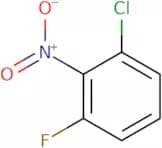

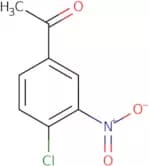
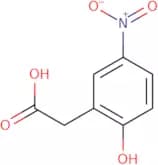
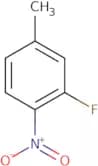
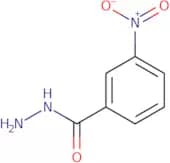
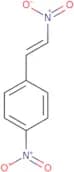
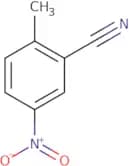
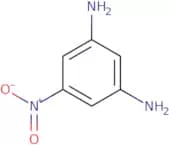
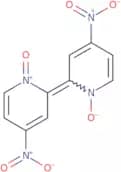
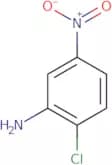
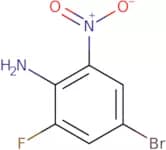
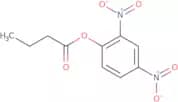
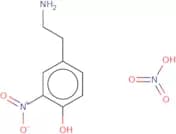
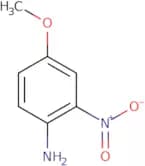
![1-[[5-(p-Nitrophenyl)furfurylidene]amino]-hydantoin sodium](/_next/image/?url=https%3A%2Fstatic.cymitquimica.com%2Fproducts%2F3D%2Fthumb-webp%2FFN44999.webp&w=3840&q=75)
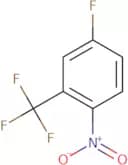
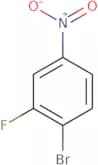
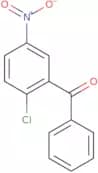
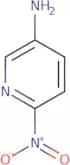
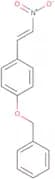
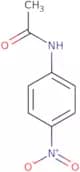
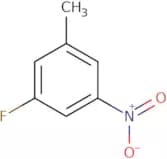
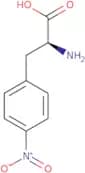
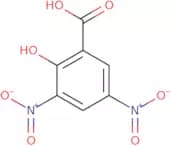

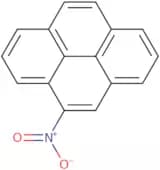
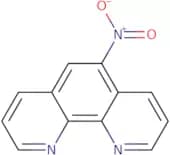

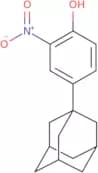
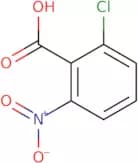
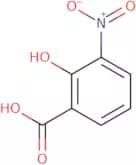
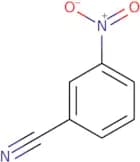
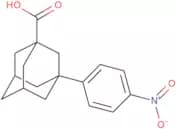
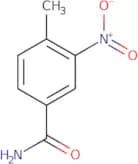
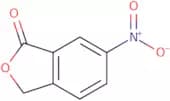
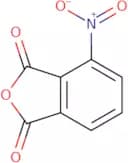
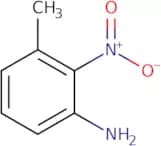
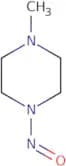
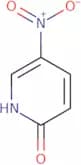
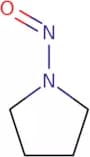
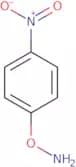
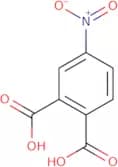
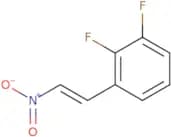
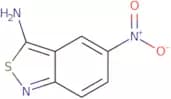
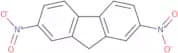
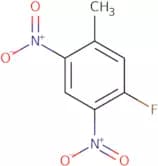

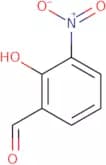
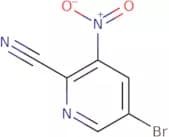
![2-[(Ethylamino)methyl]-4-nitrophenol](/_next/image/?url=https%3A%2Fstatic.cymitquimica.com%2Fproducts%2F3D%2Fthumb-webp%2FFE23132.webp&w=3840&q=75)
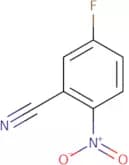
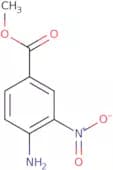
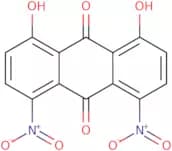
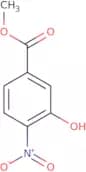
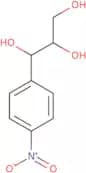
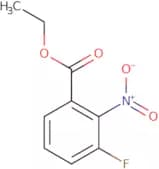
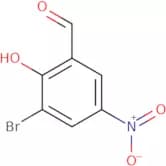
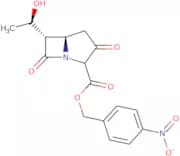
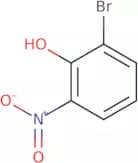
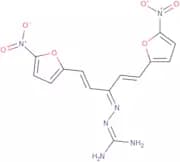
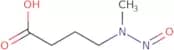
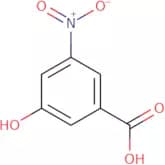
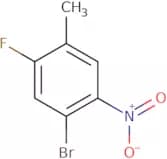
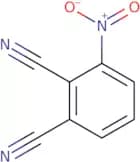
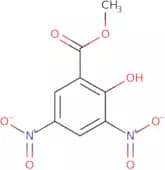
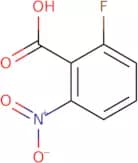

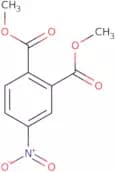
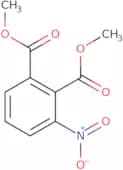
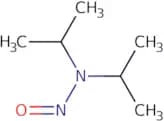
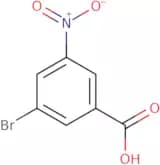
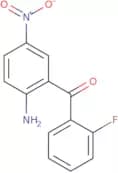
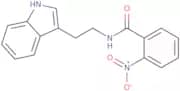
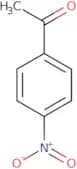
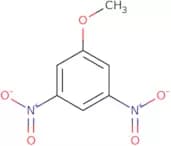

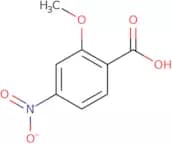
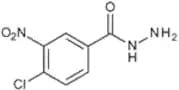
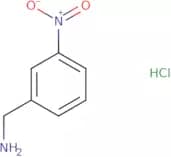
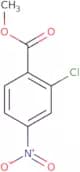
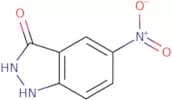
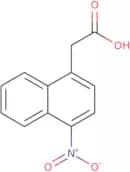
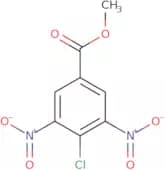
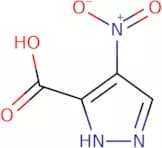
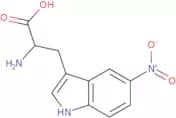
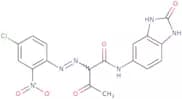
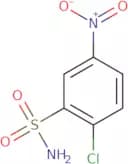
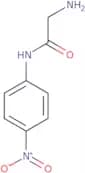
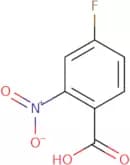
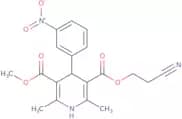
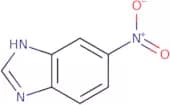
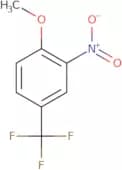
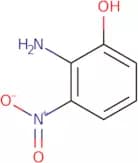
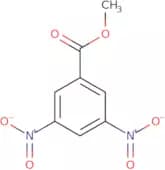
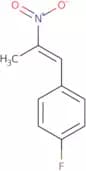
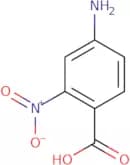
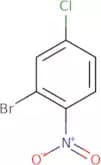
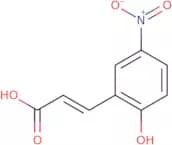
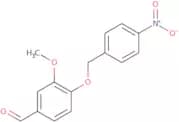
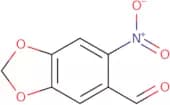
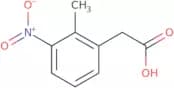
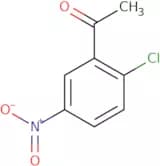
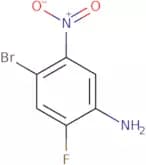
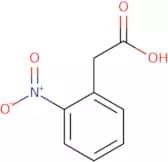
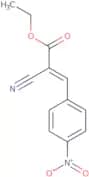
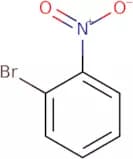
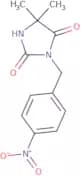
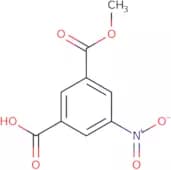
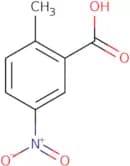
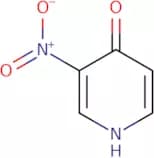
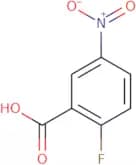
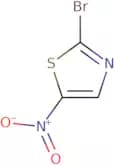
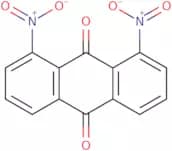
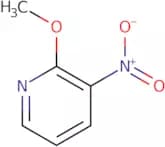

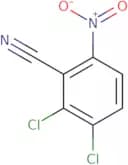
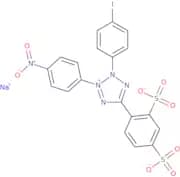
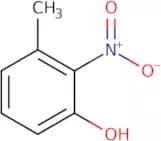
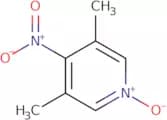
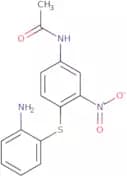
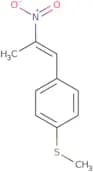
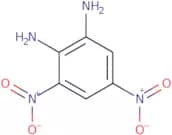
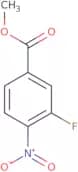
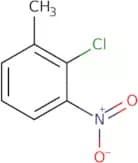
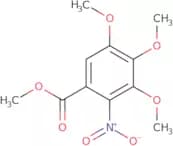
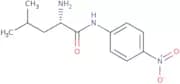
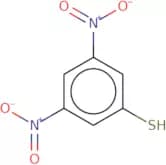
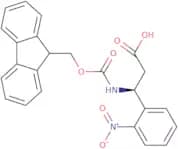
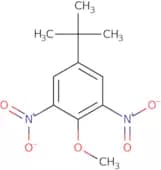
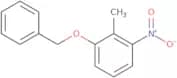
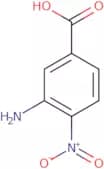

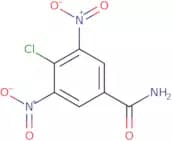
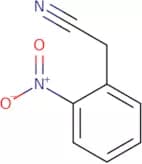
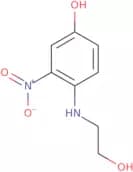
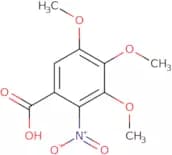

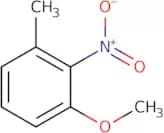
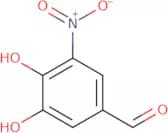
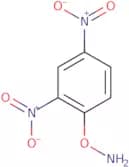
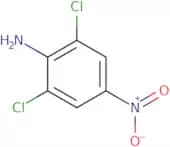
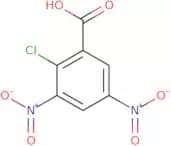
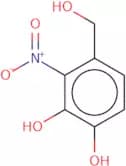
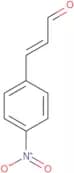
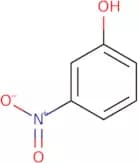

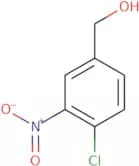
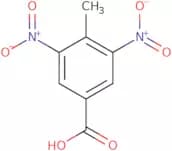
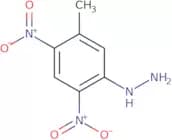
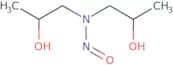
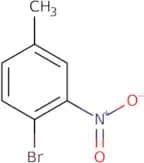

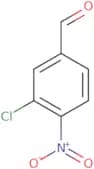
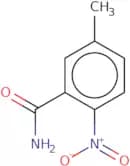

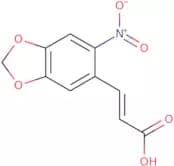
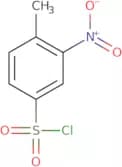
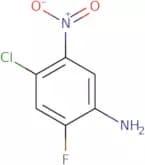
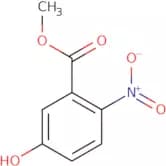
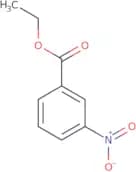
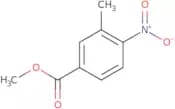
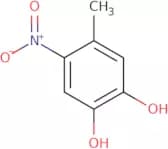
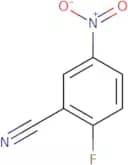
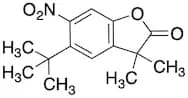

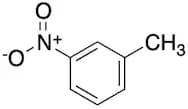
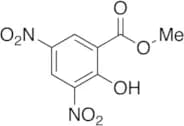

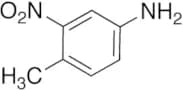


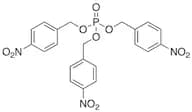
![6,7-Dinitro-2,3-dihydro-benzo[1,4]dioxime](/_next/image/?url=https%3A%2Fstatic.cymitquimica.com%2Fproducts%2FTR%2Fthumb-webp%2FD479780.webp&w=3840&q=75)