Cetonas
Foram encontrados 18871 produtos de "Cetonas"
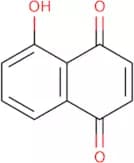
5-Hydroxy-1,4-naphthalenedione
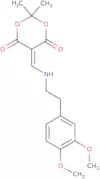
CAS:Blocks RNA polymerases I, II, and III; inhibits PPlasesFórmula:C10H6O3Pureza:Min. 98 Area-%Cor e Forma:PowderPeso molecular:174.15 g/mol5-(((2-(3,4-dimethoxyphenyl)ethyl)amino)methylene)-2,2-dimethyl-1,3-dioxane-4,6-dione
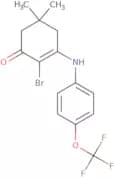
CAS:Please enquire for more information about 5-(((2-(3,4-dimethoxyphenyl)ethyl)amino)methylene)-2,2-dimethyl-1,3-dioxane-4,6-dione including the price, delivery time and more detailed product information at the technical inquiry form on this pagePureza:Min. 95%2-bromo-5,5-dimethyl-3-((4-(trifluoromethoxy)phenyl)amino)cyclohex-2-en-1-one
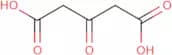
CAS:Please enquire for more information about 2-bromo-5,5-dimethyl-3-((4-(trifluoromethoxy)phenyl)amino)cyclohex-2-en-1-one including the price, delivery time and more detailed product information at the technical inquiry form on this pagePureza:Min. 95%1,3-Acetonedicarboxylic acid
CAS:1,3-Acetonedicarboxylic acid is a crystalline solid that belongs to the group of carboxylic acids. 1,3-Acetonedicarboxylic acid interacts with its receptor by binding to a hydroxyl group and two hydrogen atoms. It has been shown that 1,3-acetonedicarboxylic acid can inhibit HIV infection in vitro by preventing the virus from attaching to cells. It also inhibits malonic acid oxidation and citric acid cycle enzymes in rat liver mitochondria. The synthesis of 1,3-acetonedicarboxylic acid can be achieved through different methods:
1) By reacting sodium carbonate with malonic acid
2) By reacting hydrogen fluoride with malonic acid
3) By reacting sodium carbonate with citric acid (malonic ester) and then hydrolyzing it
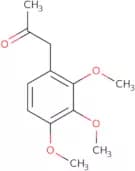
4) By reacting sodium carbonate with malonitrile and then hydroFórmula:C5H6O5Pureza:Min. 95%Cor e Forma:PowderPeso molecular:146.1 g/mol(2,3,4-Trimethoxyphenyl)acetone
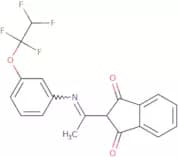
CAS:(2,3,4-Trimethoxyphenyl)acetone is a high quality chemical reagent that is used as a complex intermediate for the synthesis of various fine chemicals. It is also a useful scaffold and building block for the synthesis of speciality chemicals or research chemicals. (2,3,4-Trimethoxyphenyl)acetone can be used as a versatile building block in organic syntheses and has been used as a reaction component in the synthesis of substituted phenols. It is also listed on the Chemical Abstracts Service registry with CAS No. 102119-67-5.Fórmula:C12H16O4Cor e Forma:PowderPeso molecular:224.25 g/mol2-(2-Aza-1-methyl-2-(3-(1,1,2,2-tetrafluoroethoxy)phenyl)vinyl)indane-1,3-dione
CAS:Please enquire for more information about 2-(2-Aza-1-methyl-2-(3-(1,1,2,2-tetrafluoroethoxy)phenyl)vinyl)indane-1,3-dione including the price, delivery time and more detailed product information at the technical inquiry form on this pageFórmula:C19H13F4NO3Pureza:Min. 95%Cor e Forma:PowderPeso molecular:379.3 g/mol4-Methoxy-3-methylphenylacetone
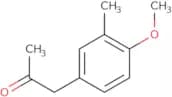
CAS:4-Methoxy-3-methylphenylacetone is an organic chemical that is used as a reaction component, reagent, and useful scaffold. It is a high quality research chemical that can be used as an intermediate in the synthesis of other compounds. 4-Methoxy-3-methylphenylacetone has a CAS number of 16882-23-8 and can be found under the category of speciality chemicals. This compound is versatile and can be used to make complex compounds.Fórmula:C11H14O2Pureza:Min. 95%Cor e Forma:Yellow PowderPeso molecular:178.23 g/mol7-[4-[4-(4-Fluorobenzoyl)Piperidin-1-Yl]Butyl]-1,3-Dimethylpurine-2,6-Dione
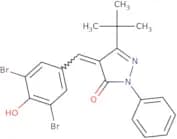
CAS:Produto Controlado7-[4-[4-(4-Fluorobenzoyl)Piperidin-1-Yl]Butyl]-1,3-Dimethylpurine-2,6-Dione is a drug that belongs to the group of adenosine receptor antagonists. It has been shown to inhibit phosphodiesterase activity and is used as a pharmaceutical dosage. 7-[4-[4-(4-Fluorobenzoyl)Piperidin-1-Yl]Butyl]-1,3-Dimethylpurine-2,6-Dione has been shown to bind to the 5HT2C receptor in vitro. This drug may have therapeutic potential for obesity and type 2 diabetes mellitus treatment.Fórmula:C23H28FN5O3Pureza:Min. 95%Peso molecular:441.5 g/mol4-((3,5-dibromo-4-hydroxyphenyl)methylene)-3-(tert-butyl)-1-phenyl-2-pyrazolin-5-one
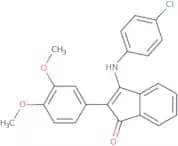
CAS:Please enquire for more information about 4-((3,5-dibromo-4-hydroxyphenyl)methylene)-3-(tert-butyl)-1-phenyl-2-pyrazolin-5-one including the price, delivery time and more detailed product information at the technical inquiry form on this pagePureza:Min. 95%2-(3,4-dimethoxyphenyl)-3-((4-chlorophenyl)amino)inden-1-one
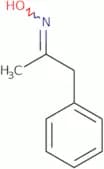
CAS:Please enquire for more information about 2-(3,4-dimethoxyphenyl)-3-((4-chlorophenyl)amino)inden-1-one including the price, delivery time and more detailed product information at the technical inquiry form on this pagePureza:Min. 95%Phenylacetone oxime
CAS:Phenylacetone oxime is a chemical intermediate that can be used in the synthesis of pharmaceuticals. It has a neutral pH and is stable in the presence of alkalis, acids, oxidizing agents, and reducing agents. Phenylacetone oxime reacts with hydrogen chloride to form 1-chloro-2-phenylethanone and 2-chloroethanol. The reaction mechanism is as follows:
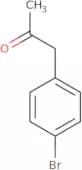
Fórmula:C9H11NOPureza:Min. 95%Cor e Forma:PowderPeso molecular:149.19 g/mol(4-Bromophenyl)acetone
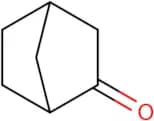
CAS:Produto Controlado4-Bromophenylacetone is a useful building block that is used in the synthesis of fine chemicals, research chemicals, and specialty chemicals. This compound can be used as a reagent or as a speciality chemical and has been shown to be highly reactive. 4-Bromophenylacetone is also a versatile building block with many possible reactions. It has also been shown to be an intermediate for the synthesis of pharmaceuticals and agrochemicals. CAS No. 6186-22-7Fórmula:C9H9BrOPureza:Min. 95%Cor e Forma:Clear LiquidPeso molecular:213.07 g/mol2-Norbornanone
CAS:2-Norbornanone is a chemical compound that has been shown to be toxic to animals. It is used as a solvent and an intermediate in the manufacture of other chemicals. 2-Norbornanone is soluble in water and its toxicity depends on the pH of the solution. The toxicity of this compound increases with increasing acidity. The sodium salt of 2-norbornanone has no effect on the proton concentration at any pH level, while the acetate extract has a slight effect at low pH levels. This suggests that hydrogen bonding interactions are important for 2-norbornanone's toxicity.Fórmula:C7H10OPureza:Min. 95%Cor e Forma:PowderPeso molecular:110.15 g/mol3-(tert-butyl)-2-methyl-6-nitroindeno[3,2-c]pyrazol-4-one
CAS:Please enquire for more information about 3-(tert-butyl)-2-methyl-6-nitroindeno[3,2-c]pyrazol-4-one including the price, delivery time and more detailed product information at the technical inquiry form on this pagePureza:Min. 95%3-(3,4-dimethoxyphenyl)indeno[2,3-d]pyrazol-4-one
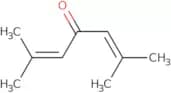
CAS:Please enquire for more information about 3-(3,4-dimethoxyphenyl)indeno[2,3-d]pyrazol-4-one including the price, delivery time and more detailed product information at the technical inquiry form on this pagePureza:Min. 95%2,6-Dimethyl-2,5-heptadien-4-one
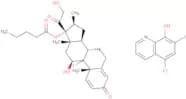
CAS:2,6-Dimethyl-2,5-heptadien-4-one is an organic compound that belongs to a class of compounds called reactive oxygen species (ROS). It is produced by the oxidation of 2,6-dimethyl-2,5-heptadienoic acid. ROS are formed in the mitochondria and have been shown to be involved in many cellular processes including mitochondrial function. ROS can induce oxidative stress leading to cell death. This compound has been shown to enhance the antibacterial efficacy of other antibiotics such as gentamycin and vancomycin. The mechanism of action is not fully understood but appears to involve intracellular glutathione depletion and damage to mitochondrial membrane potential.Fórmula:C9H14OPureza:Min. 95%Cor e Forma:Yellow Clear LiquidPeso molecular:138.21 g/mol(11β,16β)-9-Fluoro-11,21-dihydroxy-16-methyl-17-((1-oxopentyl)oxy)-Pregna-1,4-diene-3,20-dione mixt. with 5-chloro-7-iodo-8-qu inolinol
CAS:Produto ControladoClioquinol is a topical corticosteroid that is used to treat skin disorders such as pemphigoid, psoriasis, and eczema. It is also used to treat the inflammation associated with acne. Clioquinol has been shown to be effective in treating bacterial infections of the skin by inhibiting the growth of bacteria. This drug also has anti-inflammatory properties and can be used for the treatment of various inflammatory skin conditions. Clioquinol is not absorbed through the skin and does not affect the blood's ability to clot.
Fórmula:C36H42ClFINO7Pureza:Min. 95%Peso molecular:782.08 g/molEthyl undecyl ketone
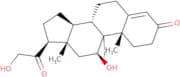
CAS:Ethyl undecyl ketone is the organic compound with the formula (CH3)2C(=O)C(CH3)2. It is a colorless liquid that smells like oranges. It is used as a solvent and in the production of citronella oil, which is used in perfumes, soaps, and insecticides. The reaction vessel can be used to produce mosquitoes by introducing the bacteria Culex pipiens and feeding them with sugar or yeast. The strain of mosquito that develops has been shown to be more resistant to dry weight loss than other strains. Ethyl undecyl ketone also reacts with citratus in a process called esterification, resulting in fatty alcohols such as ethyl oleate and ethyl stearate. Ethyl undecyl ketone contains methyl ketones that are diagnostic for various systemic diseases such as hyperthyroidism and liver disease. These compounds are also found in fatty acids found in AsFórmula:C14H28OPureza:Min. 95%Cor e Forma:SolidPeso molecular:212.37 g/mol(8S,10S,11S,13S,14S,17S)-9-Fluoro-11-Hydroxy-17-(2-Hydroxyacetyl)-10,13-Dimethyl-2,6,7,8,11,12,14,15,16,17-Decahydro-1H-Cyclopenta[a ]Phenanthren-3-One
CAS:Produto Controlado(8S,10S,11S,13S,14S,17S)-9-Fluoro-11-hydroxy-17-(2-hydroxyacetyl)-10,13-dimethyl-2,6,7,8,11,12,14,15,16,17-decahydrocyclopenta[a]phenanthren-3-one (fluorometholone) is a corticosteroid that is used in the treatment of asthma and other respiratory diseases. Fluorometholone has been shown to have strong antiinflammatory activity and inhibit the production of inflammatory cytokines. It also has mineralocorticoid activity and can be used to treat adrenal insufficiency. This drug has potent potencies structurally similar to glucocorticoids and mineralocorticoids.Fórmula:C21H29FO4Pureza:Min. 95%Peso molecular:364.45 g/mol2-Bromophenylacetone
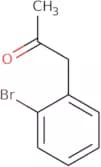
CAS:Produto Controlado2-Bromophenylacetone is a reagent that is used to synthesize sulfonamides. It can be prepared by the reaction of phenylacetic acid with bromine in the presence of sodium hydroxide. The product can then be treated with sulfuric acid and hydrochloric acid to give 2-bromophenylacetone. This compound has been shown to have bacteriostatic activity against Gram-positive bacteria, as well as being an efficient method for synthesizing thiosemicarbazide.Fórmula:C9H9BrOPureza:Min. 95%Cor e Forma:Clear LiquidPeso molecular:213.07 g/mol7-Fluoro-5-Phenyl-1,3-Dihydro-1,4-Benzodiazepin-2-One
CAS:Produto Controlado7-Fluoro-5-phenyl-1,3-dihydro-1,4-benzodiazepin-2-one is a potential drug candidate that has been found to have high affinity for the benzodiazepine receptor. It was synthesized by reacting 7-fluoro-5-(chloromethyl)benzo[b]thiophene with 2,5-dimethoxybenzaldehyde in the presence of sodium hydroxide and acetic acid. The compound was characterized using techniques such as nuclear magnetic resonance (NMR), mass spectrometry (MS) and infrared spectroscopy (IR). The affinity of 7FDBZ was measured at 4 nM. The parameters used for predicting binding affinity were hydrophobicity and hydrogen bond acceptor properties. A predictive model was generated based on these parameters that shows good agreement with experimental data. The probe is hydrophobic in nature and may bind to the receptor due toFórmula:C15H11FN2OPureza:Min. 95%Peso molecular:254.26 g/mol3-[(4-Chlorophenyl)amino]-5,5-dimethylcyclohex-2-en-1-one
CAS:The compound is a chiral molecule, meaning that it has two different structures. One side of the molecule is the mirror image of the other. The translation and conformation of this molecule are asymmetric because the carbon atoms in its chain are not lined up in a straight line. The hydrogen bonds that form between these chains are also asymmetric, as one side of the molecule has more than one hydrogen bond while the other side only has one hydrogen bond.Fórmula:C14H16ClNOPureza:Min. 95%Peso molecular:249.74 g/mol5-Chloro-2-methyl-2H-isothiazol-3-one hydrochloride
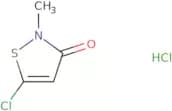
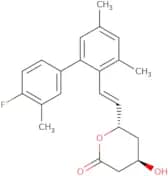
CAS:5-Chloro-2-methyl-2H-isothiazol-3-one hydrochloride (Kathon CG) is a preservative that belongs to the group of sesquiterpene lactones. It is used in cosmetics, pharmaceuticals, and industrial products as an antimicrobial agent. Kathon CG has been shown to be effective against bacteria such as Escherichia coli and Staphylococcus aureus. Kathon CG has also been found to be nontoxic to human cells in vitro at concentrations up to 100%. The optimum concentration for this preservative has been found to be 0.0025% in vivo on human skin and 0.025% in vitro on human skin. This preservative is not toxic to humans or animals when ingested at doses up to 2 g/kg body weight and can cause dermatitis at concentrations of 10%.Fórmula:C4H5Cl2NOSPureza:Min. 95 Area-%Cor e Forma:Red PowderPeso molecular:186.06 g/mol(4α,6β(E))-DL-6-(2-(4'-Fluoro-3,3',5-trimethyl(1,1'-biphenyl)-2-Yl)ethenyl)tetrahydro-4-hydroxy-2H-pyran-2-one
CAS:Produto Controlado(4alpha,6beta(E))-DL-6-(2-(4'-Fluoro-3,3',5-trimethyl(1,1'-biphenyl)-2-Yl)ethenyl)tetrahydro-4-hydroxy-2H-pyran-2-one is a pharmacological agent that binds to and inhibits the HMG CoA reductase enzyme. This enzyme plays a role in the production of cholesterol, which is used to form bile acids and steroid hormones. The ring structure of (4alpha,6beta(E))-DL-6-(2-(4'-Fluoro-3,3',5-trimethyl(1,1'-biphenyl)-2--Yl)ethenyl)tetrahydro -4hydroxy -2H pyran 2 one allows for it to bind to the active site of the reductase enzymeFórmula:C22H23FO3Pureza:Min. 95%Peso molecular:354.41 g/mol2-Azabicyclo[2.2.1]hept-5-en-3-one
CAS:2-Azabicyclo[2.2.1]hept-5-en-3-one is a carbocyclic nucleoside that is synthesized from cyclopentyl and organic solvent, imine, lactam, and fluorine. It has been shown to have potential as a prodrug for the treatment of cancer when it is converted to 2-azabicyclo[2.2.1]heptane by an enzyme called lactamase in the body. Molecular modeling studies show that this compound has a high level of fluidity and can be used in liquid chromatography methods. The enantiomer of this molecule has also been identified and is being studied as a possible drug candidate for the treatment of malaria.
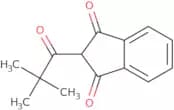
Fórmula:C6H7NOPureza:Min. 95%Cor e Forma:PowderPeso molecular:109.13 g/mol2-Pivaloylindane-1,3-dione
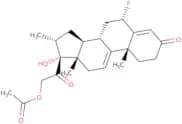
CAS:2-Pivaloylindane-1,3-dione is a coumarin derivative that inhibits the replication of RNA by binding to the enzyme RNA polymerase. It binds to the hydroxyl group in a human serum and intramolecular hydrogen in an aromatic ring. 2-Pivaloylindane-1,3-dione also has a chemical stability and high kinetic data. It is used as an additive to inhibit the growth of bacteria that cause infectious diseases such as tuberculosis, leprosy, and malaria.Pureza:Min. 95%6α-Fluoro-17,21-Dihydroxy-16α-Methylpregna-4,9(11)-Diene-3,20-Dione 21-Acetate
CAS:Produto Controlado6alpha-Fluoro-17,21-Dihydroxy-16alpha-Methylpregna-4,9(11)-Diene-3,20-Dione 21-Acetate is a synthetic angiostatic agent that inhibits the angiogenic process by affecting the growth of new blood vessels. It has been shown to inhibit proteolytic activity and to have an inhibitory effect on tumour necrosis factor-α (TNF-α) induced activation of endothelial cells and their proliferation. 6alpha-Fluoro-17,21-Dihydroxy-16alpha-Methylpregna-4,9(11)-Diene 3,20 Dione 21 Acetate also inhibits the growth of fetal bovine aortic endothelial cells in culture. The drug was also found to significantly reduce the monolayer cell viability after uptake by endothelial cells.Fórmula:C24H31FO5Pureza:Min. 95%Peso molecular:418.5 g/mol4-(2- fluorophenyl)-6,8-dihydro-1,3,8-trimethyl-Pyrazolo[3,4-e][1,4]diazepin-7(1H)-one mixt. with 2-(ethylamino)-2-(2-thienyl)cycloh exanone hydrochloride
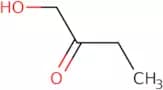
CAS:Produto ControladoTelazol is an anesthetic that belongs to the class of nonbenzodiazepine drugs. It is used as a short-term sedative and analgesic in preoperative, obstetrical, and diagnostic procedures. Telazol is a prodrug that is metabolized in vivo to its active form, 4-(2-fluorophenyl)-6,8-dihydro-1,3,8-trimethyl-Pyrazolo[3,4-e][1,4]diazepin-7(1H)-one (TFD). Telazol has been shown to have low toxicity when administered at low doses (0.5 mg/kg) to rats.Fórmula:C27H33ClFN5O2SPureza:Min. 95%Peso molecular:546.1 g/mol1-Hydroxy-2-butanone
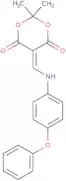
CAS:1-Hydroxy-2-Butanone is an organic compound that is used in the preparation of various fatty acids. It has been shown to be a useful analytical reagent for the determination of calcium and sodium in urine samples. The reaction mechanism is based on the addition of hydroxy groups to fatty acids. This process leads to the formation of 1,2-diols, which are then converted into 1-hydroxy-2-butanones. The reaction proceeds with a constant rate, regardless of the type or amount of the reactants.Fórmula:C4H8O2Pureza:Min. 95%Cor e Forma:Clear LiquidPeso molecular:88.11 g/mol2,2-dimethyl-5-(((4-phenoxyphenyl)amino)methylene)-1,3-dioxane-4,6-dione
CAS:Please enquire for more information about 2,2-dimethyl-5-(((4-phenoxyphenyl)amino)methylene)-1,3-dioxane-4,6-dione including the price, delivery time and more detailed product information at the technical inquiry form on this page
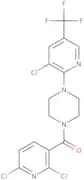
Pureza:Min. 95%2,6-dichloro(3-pyridyl)4-(3-chloro-5-(trifluoromethyl)(2-pyridyl))piperazinyl ketone
CAS:Please enquire for more information about 2,6-dichloro(3-pyridyl)4-(3-chloro-5-(trifluoromethyl)(2-pyridyl))piperazinyl ketone including the price, delivery time and more detailed product information at the technical inquiry form on this pagePureza:Min. 95%2-Methyl-4,9-dihydro-3-thia-4,9-diazabenzo[f]azulene-10-one
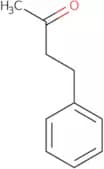
CAS:2-Methyl-4,9-dihydro-3-thia-4,9-diazabenzo[f]azulene-10-one is a high quality reagent that can be used as a useful intermediate or fine chemical. This compound is a complex compound with CAS No. 221176-49-4, which is used as a useful scaffold for the synthesis of other compounds. It also has a variety of uses in research and is versatile building block for organic synthesis. 2-Methyl-4,9-dihydro-3-thia-4,9 -diazabenzo[f]azulene 10 one can be used in reactions such as Friedel Crafts alkylation and amidation reactions to produce valuable substances.Fórmula:C12H10N2OSPureza:Min. 95%Cor e Forma:SolidPeso molecular:230.29 g/mol4-Phenyl-2-butanone
CAS:4-Phenyl-2-butanone is an organic compound that is used as a solvent. It has been shown to be effective against a wide range of bacteria, including Gram positive and Gram negative bacteria. 4-Phenyl-2-butanone disrupts the cell membrane by binding to glycol ether, which is an important part of the lipid bilayer. It also inhibits the synthesis of two important molecules in bacterial cells, dinucleotide phosphate and phospholipids. This process leads to bacterial cell death. 4-Phenyl-2-butanone also has antimicrobial properties due to its ability to destroy water vapor and inhibit growth of microorganisms on skin.
Fórmula:C10H12OPureza:Min. 97.5 Area-%Cor e Forma:Colorless Clear LiquidPeso molecular:148.2 g/mol3,8-Dihydroxy-6H-benzo[c]chromen-6-one
CAS:3,8-Dihydroxy-6H-benzo[c]chromen-6-one (3,8 DHC) is a natural compound that has been shown to have antioxidant and anti-inflammatory properties. It increases the production of ATP (cellular energy) by activating the ATP binding cassette transporter and increasing autophagy. 3,8 DHC may also inhibit apoptosis (cell death), which has been observed in studies involving balloon injury and atherosclerotic lesions. This compound may also have potential therapeutic benefits for bowel disease, cancer, and neuronal death.
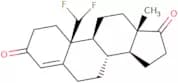
Fórmula:C13H8O4Pureza:Min. 95%Cor e Forma:White To Beige To Yellow To Brown SolidPeso molecular:228.2 g/mol19,19-Difluoroandrost-4-Ene-3,17-Dione
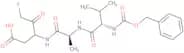
CAS:Produto Controlado19,19-Difluoroandrost-4-Ene-3,17-Dione is a functional group that is incorporated into the biosynthesis of sex hormones and steroids. It has been postulated to be an efficient method for synthesizing 19,19-difluoroandrost-4-ene from 19,19-difluorodienoic acid. The inhibition constant of this functional group has been determined to be 4.8 x 10 M at 37 degrees Celsius and pH 7.0 in the presence of benzoate and hydroxyl groups. 19,19-Difluoroandrost-4-Ene-3,17-Dione can also inhibit enzymes such as esterase and glutathione reductase. Its nmr spectra are consistent with a dione ring structure.Fórmula:C19H24F2O2Pureza:Min. 95%Peso molecular:322.39 g/molZ-Val-Ala-DL-Asp-fluoromethylketone
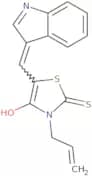
CAS:Z-Val-Ala-DL-Asp-fluoromethylketone is a drug that is used for the treatment of cancer. It can be used in combination with other chemotherapeutic drugs, such as z-vad-fmk, to induce apoptosis in cancer cells. Z-Val-Ala-DL-Asp-fluoromethylketone also inhibits autophagy and neuronal death by inhibiting caspase activation, which prevents the release of proapoptotic proteins from mitochondria into the cytosol. This drug has been shown to have antiinflammatory effects on IL2 receptor signaling pathways and inhibits the production of proinflammatory cytokines by binding to IL2.Fórmula:C21H28FN3O7Pureza:Min. 95%Cor e Forma:PowderPeso molecular:453.46 g/mol5-(indol-3-ylmethylene)-3-prop-2-enyl-2-thioxo-1,3-thiazolidin-4-one
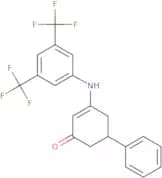
CAS:Please enquire for more information about 5-(indol-3-ylmethylene)-3-prop-2-enyl-2-thioxo-1,3-thiazolidin-4-one including the price, delivery time and more detailed product information at the technical inquiry form on this pageFórmula:C15H12N2OS2Pureza:Min. 95%Cor e Forma:PowderPeso molecular:300.4 g/mol3-((3,5-bis(trifluoromethyl)phenyl)amino)-5-phenylcyclohex-2-en-1-one
CAS:Please enquire for more information about 3-((3,5-bis(trifluoromethyl)phenyl)amino)-5-phenylcyclohex-2-en-1-one including the price, delivery time and more detailed product information at the technical inquiry form on this pagePureza:Min. 95%trans-4,5-Dichloro-4,5-dimethyl-1,3-dioxolan-2-one
CAS:Trans-4,5-Dichloro-4,5-dimethyl-1,3-dioxolan-2-one is a fine chemical that can be used as a versatile building block and as an intermediate. It is also useful in research. Trans-4,5-Dichloro-4,5-dimethyl-1,3-dioxolan-2-one has been shown to be a useful reagent in complex organic synthesis because of its high quality. This compound is used to produce useful scaffolds and reaction components.
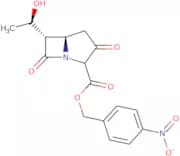
Fórmula:C5H6Cl2O3Pureza:Min. 95%Cor e Forma:PowderPeso molecular:185.01 g/molp-Nitrobenzyl 6-(1'-hydroxyethyl)-azabicyclo(3.2.0)heptane-3,7-dione-2-carboxylate
CAS:p-Nitrobenzyl 6-(1'-hydroxyethyl)-azabicyclo(3.2.0)heptane-3,7-dione-2-carboxylate is a drug substance that is used in the manufacture of carbapenem antibiotics. It can be detected by a chloride ion chromatographic method, and the detection limit is 0.5 mg/L in the presence of zinc powder as a modifier. This material is used to prepare carbapenems using an analytical method that includes reaction monitoring by optical rotation, diastereomer chromatography, and transfer.Fórmula:C16H16N2O7Pureza:Min. 95%Cor e Forma:PowderPeso molecular:348.31 g/mol3-(1,1-Dimethylethyl)-3α,8β-dihydro-8β-hydroxy-4H-indeno[2,1-d]isoxazol-4-one
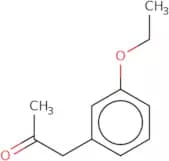
CAS:Please enquire for more information about 3-(1,1-Dimethylethyl)-3α,8β-dihydro-8β-hydroxy-4H-indeno[2,1-d]isoxazol-4-one including the price, delivery time and more detailed product information at the technical inquiry form on this pageFórmula:C14H15NO3Pureza:Min. 95%Cor e Forma:PowderPeso molecular:245.27 g/mol(3-Ethoxyphenyl)acetone
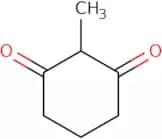
CAS:3-Ethoxyphenylacetone is a white crystalline solid that is soluble in cold water and insoluble in ethanol. It is a chemical reagent that can be used for research purposes such as to study the mechanism of various chemical reactions. 3-Ethoxyphenylacetone can be used as a building block in the synthesis of more complex compounds and as an intermediate in the synthesis of other chemicals. 3-Ethoxyphenylacetone can also be used as a scaffold to create novel compounds with different functional groups.Fórmula:C11H14O2Pureza:Min. 85 Area-%Cor e Forma:Clear LiquidPeso molecular:178.23 g/mol2-Methyl-1,3-cyclohexanedione
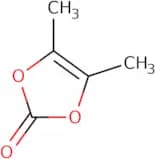
CAS:2-Methyl-1,3-cyclohexanedione is an organic compound that has been used in the synthesis of a variety of drugs. The functional theory for this type of reaction is based on the conformational properties and steric interactions of the reactants. This compound can react with alkyl halides to form ethers or esters by using a lipase or boronic ester as a catalyst. 2-Methyl-1,3-cyclohexanedione has also been used in asymmetric syntheses and radiation damage studies. It is stable under acidic conditions and its carbonyl group can be replaced with a supercritical carbon dioxide group to make it more chemically stable.Fórmula:C7H10O2Pureza:Min. 98%Cor e Forma:PowderPeso molecular:126.15 g/mol4,5-Dimethyl-1,3-dioxol-2-one
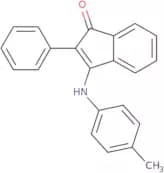
CAS:4,5-Dimethyl-1,3-dioxol-2-one is a cyclohexane ring with a chlorine atom at one of the methyl positions. It has been shown to react with fatty acids under constant pressure in order to form alkynyl groups. The reaction yield can be increased by adding chloride as a catalyst or by using electrochemical methods. This molecule has been shown to be rechargeable and is an aliphatic hydrocarbon that is an important intermediate in the production of polymers and plastics. 4,5-Dimethyl-1,3-dioxol-2-one also forms disaccharides when reacted with water molecules.Fórmula:C5H6O3Pureza:Min. 95%Cor e Forma:PowderPeso molecular:114.1 g/mol3-((4-methylphenyl)amino)-2-phenylinden-1-one
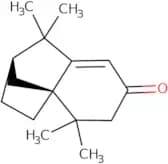
CAS:Please enquire for more information about 3-((4-methylphenyl)amino)-2-phenylinden-1-one including the price, delivery time and more detailed product information at the technical inquiry form on this pagePureza:Min. 95%(-)-Isolongifolen-9-one
CAS:(-)-Isolongifolen-9-one is a sesquiterpenoid compound, which is a type of naturally occurring terpenoid. It is primarily derived from plants and essential oils, particularly those in the Pinaceae family. The compound's molecular structure contributes to its characteristic aromatic properties, making it a subject of interest in both chemical and biological research.Fórmula:C15H22OPureza:Min. 95%Peso molecular:218.33 g/mol1-Indanone
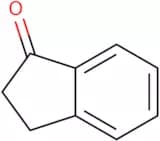
CAS:1-Indanone is a low potency, irreversible inhibitor of NADH-dependent IDO1 that may be useful as an anti-cancer agent. 1-Indanone inhibits the enzyme IDO1 by steric interactions and pyrazinoic acid. This inhibitor has been shown to have cox-2 inhibitory activity in an experimental model system. In addition, 1-indanone also inhibits mitochondrial membrane potential and can be used as a natriuretic agent. The protein target of 1-indanone is unknown at this time, but it has been shown to inhibit sugar transport in animal models.Fórmula:C9H8OCor e Forma:PowderPeso molecular:132.16 g/mol(2,6-Dimethylphenyl)acetone
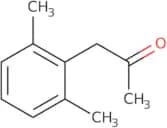
CAS:2,6-Dimethylphenyl)acetone is a high quality chemical that has been used as a reagent and an intermediate for the production of complex compounds. It is also a useful scaffold for the synthesis of new compounds and is a speciality chemical with various applications in research. 2,6-Dimethylphenyl)acetone can be used as a versatile building block for organic syntheses, such as reactions with carbonyl compounds and alcohols. This chemical has been shown to be useful in the production of drugs such as acetaminophen, ibuprofen, and naproxen.
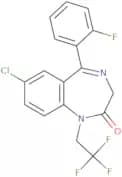
Fórmula:C11H14OPureza:Min. 95%Cor e Forma:Clear LiquidPeso molecular:162.23 g/mol7-Chloro-5-(2-fluorophenyl)-1,3-Dihydro-1-(2,2,2-trifluoroethyl)-2H-1,4-benzodiazepin-2-one
CAS:Produto ControladoQuazepam is a benzodiazepine drug that binds to the benzodiazepine binding site of the GABAA receptor. It has clinical properties as an anxiolytic and anticonvulsant. Quazepam has been determined to have a high affinity for the benzodiazepine binding site in human liver, plasma, and brain tissue. The kinetic data for quazepam show that it is metabolized by oxidation and hydrolysis, which result in two metabolites: N-desmethyldiazepam and oxazepam. Quazepam is also shown to induce sleep, even at doses of 25 mg or less per day. The clinical properties of quazepam are similar to those of other benzodiazepines with a short half-life such as triazolam. However, it does not have significant drug interactions with other drugs like triazolam does.Fórmula:C17H11ClF4N2OPureza:Min. 98 Area-%Cor e Forma:SolidPeso molecular:370.73 g/mol5-Methyl-2,3-hexanedione
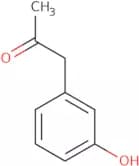
CAS:5-Methyl-2,3-hexanedione is a chemical compound that has been shown to be effective against avian influenza and the influenza virus. 5-Methyl-2,3-hexanedione inhibits the growth of influenza viruses by binding to the virus particles and preventing them from attaching to cells in the respiratory tract. This chemical also prevents the release of infectious viral particles from infected cells. The rate of encapsulation was determined by measuring the amount of 5-methyl-2,3-hexanedione that was adsorbed onto tylosin particles in a plate test. The encapsulation rate is greater than 80%. 5-Methyl-2,3-hexanedione has also been shown to inhibit tylosin resistance in vitro.Fórmula:C7H12O2Pureza:Min. 95%Cor e Forma:Clear LiquidPeso molecular:128.17 g/mol(3-Hydroxyphenyl)acetone
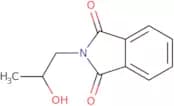
CAS:(3-Hydroxyphenyl)acetone is a chemical that can be used as a reaction component, reagent, or building block for the synthesis of complex compounds. This compound has high quality and is useful in research. It has CAS No. 64479-84-1 and has many uses in the synthesis of speciality chemicals or fine chemicals. (3-Hydroxyphenyl)acetone is a versatile intermediate that can be used to make other compounds such as antihistamines, antibiotics, anticonvulsants, antipsychotics, and antidepressants.Fórmula:C9H10O2Pureza:Min. 95%Cor e Forma:Yellow PowderPeso molecular:150.17 g/mol2-(2-Hydroxypropyl)-1H-isoindole-1,3(2H)-dione
CAS:Please enquire for more information about 2-(2-Hydroxypropyl)-1H-isoindole-1,3(2H)-dione including the price, delivery time and more detailed product information at the technical inquiry form on this pageFórmula:C11H11NO3Pureza:Min. 95%Cor e Forma:PowderPeso molecular:205.21 g/mol(2R,3S,4S,5S)-5-Hydroxy-2,3,4-tris(phenylmethoxy)-5-[(phenylmethoxy)methyl]-cyclohexanone
CAS:(2R,3S,4S,5S)-5-Hydroxy-2,3,4-tris(phenylmethoxy)-5-[(phenylmethoxy)methyl]-cyclohexanone is a fine chemical that is used as a versatile building block in the synthesis of complex compounds. It has been shown to be an intermediate in the synthesis of some useful chemicals and it is one of the most commonly used reagents for organic chemistry reactions. The compound has a CAS number of 115250-38-9 and is soluble in various organic solvents such as dichloromethane or chloroform.Fórmula:C35H36O6Pureza:Min. 95%Cor e Forma:PowderPeso molecular:552.66 g/mol2-(benzo[3,4-d]1,3-dioxolen-5-ylmethylene)indane-1,3-dione
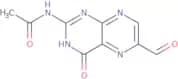
CAS:Please enquire for more information about 2-(benzo[3,4-d]1,3-dioxolen-5-ylmethylene)indane-1,3-dione including the price, delivery time and more detailed product information at the technical inquiry form on this pageFórmula:C17H10O4Pureza:Min. 95%Cor e Forma:PowderPeso molecular:278.26 g/mol2-Acetamido-6-formylpteridin-4-one
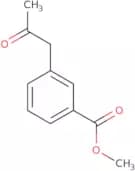
CAS:2-Acetamido-6-formylpteridin-4-one is a reductive amination product of folic acid. It is a stable compound and has been shown to be useful in the treatment of human diseases such as cancer, Alzheimer's disease, and Parkinson's disease. The reductive amination reaction produces formyl groups that can be acetylated or alkylated to produce stable compounds with different properties. This compound also reacts with glutamic acid to produce an amide.Fórmula:C9H7N5O3Pureza:Min. 97 Area-%Cor e Forma:PowderPeso molecular:233.18 g/mol3-Methoxycarbonylphenylacetone
CAS:3-Methoxycarbonylphenylacetone is a high quality, reagent, complex compound. It is a useful intermediate for the production of fine chemicals and speciality chemicals. 3-Methoxycarbonylphenylacetone can be used as a useful scaffold for the synthesis of new compounds and as a reaction component for chemical reactions. This compound has been shown to react with anhydrous hydrazine in the presence of catalysts to yield 2-aminothiazole derivatives. 3-Methoxycarbonylphenylacetone has CAS number 74998-19-9 and is listed on ChemSpider, PubChem, and Chemical Abstracts Service (CAS) databases.Fórmula:C11H12O3Pureza:Min. 95%Cor e Forma:Clear LiquidPeso molecular:192.21 g/molPyridin-3-Yl-[4-[3-(Trifluoromethyl)Phenyl]Piperazin-1-Yl]Methanone Dihydrochloride
CAS:Produto ControladoThis polymer is a high efficiency, low cost particle that can be used to store electricity at temperatures of up to 300 degrees Celsius. It has a cycle life of more than 10,000 cycles and can be recharged in less than one minute. This polymer has been shown to have excellent structural stability and structural reversibility with lithium ion insertion/extraction. The coulombic efficiency is greater than 99%.Fórmula:C17H18Cl2F3N3OPureza:Min. 95%Peso molecular:408.25 g/mol6-Methoxypyrimidine-2,4(1H,3H)-dione
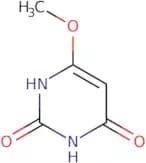
CAS:Produto Controlado6-Methoxypyrimidine-2,4(1H,3H)-dione is a nucleophilic compound that is formed by the reaction of an electron with a carbon atom in an organic molecule. It is used as a reagent in organic synthesis. 6-Methoxypyrimidine-2,4(1H,3H)-dione can be synthesized from 2-amino-5-methoxybenzaldehyde and chloroacetic acid in three steps. The chloride ion reacts with the 6-methoxypyridine to form the desired product. 6-Methoxypyrimidine-2,4(1H,3H)-dione can also be used as a reagent to catalyze chemical reactions such as alkylation and allylation reactions. 6-Methoxypyrimidine-2,4(1H,3H)-dione has been shown to have barbiturate activityFórmula:C5H6N2O3Pureza:Min. 95%Peso molecular:142.11 g/mol1,5-Diphenyl-penta-2,4-dien-1-one
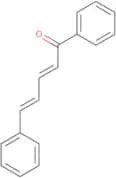
CAS:1,5-Diphenyl-penta-2,4-dien-1-one is a natural compound that has been shown to have cytotoxic activity against human pathogens. It has been shown to inhibit the growth of gram-positive bacterial species by binding to dipole groups and preventing the formation of an enzyme complex required for cell division. 1,5-Diphenyl-penta-2,4-dien-1-one also inhibits the production of pyrazolines from benzoates in bacteria. When this molecule is metabolized by bacteria, it forms an aliphatic hydrocarbon with a chemical structure similar to that found in some carcinogens. 1,5 -Diphenyl penta 2,4 dien 1 one can be detected using NMR spectroscopy because it has a unique molecular structure. This compound also exhibits pharmacokinetic properties that are different from those of other molecules.
Fórmula:C17H14OPureza:Min. 95%Peso molecular:234.29 g/mol17b-(Acetyloxy)-6a-Fluoroandrost-4-En-3-One
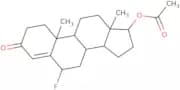
CAS:Produto Controlado17b-(Acetyloxy)-6a-Fluoroandrost-4-En-3-One is a synthetic polymer, with a tensile strength of up to 2.5 GPa and frictional coefficient on the order of 0.2. It has been shown that this material can be used for analytical purposes as it can be easily treated with hydrochloric acid and nitric acid, without affecting its performance. The fibre produced from this polymer also shows good mechanical properties, being able to withstand axial compression at a constant load of up to 1 MPa for more than 15 minutes.Fórmula:C21H29FO3Pureza:Min. 95%Peso molecular:348.45 g/mol2-(2-aza-1-(4-methoxyphenyl)-2-(amino)vinyl)indane-1,3-dione
CAS:Please enquire for more information about 2-(2-aza-1-(4-methoxyphenyl)-2-(amino)vinyl)indane-1,3-dione including the price, delivery time and more detailed product information at the technical inquiry form on this pageFórmula:C17H14N2O3Pureza:Min. 95%Cor e Forma:PowderPeso molecular:294.3 g/mol3,4-Dihydroisoquinolin-1(2H)-one
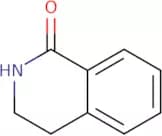
CAS:3,4-Dihydroisoquinolin-1(2H)-one is a potent antagonist of the histamine H1 receptor and has been shown to be safe in animal studies. 3,4-Dihydroisoquinolin-1(2H)-one has also shown efficacy in treating inflammatory diseases, such as asthma and arthritis. This compound was recently tested for its potential to diagnose cancer by targeting the tumor microenvironment. The compound was found to bind to trifluoromethanesulfonic acid (TFMS) with high affinity and selectivity. TFMS is an emerging therapeutic target for cancer therapy because it is highly expressed in the tumor microenvironment and can act as a proton donor for drug delivery systems. 3,4-Dihydroisoquinolin-1(2H)-one has also been observed to have low toxicity profiles in preclinical models, but more research is needed before it can be used clinically.
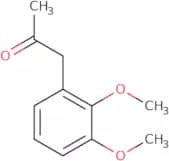
Fórmula:C9H9NOPureza:Min. 95%Cor e Forma:PowderPeso molecular:147.17 g/mol(2,3-Dimethoxyphenyl)acetone
CAS:2,3-Dimethoxyphenylacetone is a synthetic compound that has been used as a precursor to other compounds. The synthesis of 2,3-dimethoxyphenylacetone requires the reaction of lithium aluminum hydride with acrylonitrile and hydriodic acid. The molecule can be cyclized in two different ways to form either 2,3-dimethoxybenzaldehyde or 3-methoxybenzaldehyde. The structure of 2,3-dimethoxyphenylacetone is similar to that of hydrazoic acid which has been used as an intermediate in the synthesis of other compounds such as pyrazines.
Fórmula:C11H14O3Pureza:Min. 95%Cor e Forma:PowderPeso molecular:194.23 g/mol4-(4-(Prop-2-yn-1-yloxy)phenyl)-1,2,4-triazolidine-3,5-dione
CAS:Selective reagent for bioconjugation of tyrosine residuesFórmula:C11H9N3O3Pureza:Min. 96.5 Area-%Cor e Forma:White To Yellow To Beige To Brown SolidPeso molecular:231.21 g/mol3-Octadecanone
CAS:3-Octadecanone is a fatty acid that can be found in the seed oils of Cochlospermaceae. 3-Octadecanone has been shown to inhibit the growth of colorectal carcinoma cells and also has anti-inflammatory properties. It is able to bind to pyridoxal phosphate, which is required for the synthesis of bioactive molecules such as fatty acids and prostaglandins. 3-Octadecanone has also demonstrated antimalarial activity against erythrocytic stages of Plasmodium falciparum, the parasite that causes malaria, and also inhibits cancer cell proliferation in vitro. This compound is an important source of bioactive molecules due to its functional groups and fatty acid content.
Fórmula:C18H36OPureza:Min. 95%Cor e Forma:PowderPeso molecular:268.48 g/mol(3S,4R)-3-[(1R)-1-Hydroxyethyl]-4-[(1R)-1-methyl-3-diazo-3- (p-nitrobenzyloxycarbonyl)-2-oxopropyl]azetidin-2 -one
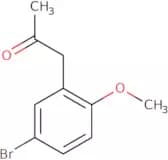
CAS:CAS No. 137391-68-5 is a fine chemical that is used as a building block in organic chemistry research and as a reagent, speciality chemical, or intermediate. This compound has been shown to be useful in the synthesis of complex compounds and can be employed as a versatile building block for the synthesis of pharmaceuticals and other chemicals. This compound has also been shown to be an excellent reaction component, making it an ideal scaffold for the construction of larger molecules.Fórmula:C17H18N4O7Pureza:Min. 96 Area-%Cor e Forma:White PowderPeso molecular:390.35 g/mol(5-Bromo-2-methoxyphenyl)acetone
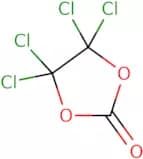
CAS:5-Bromo-2-methoxyphenyl)acetone (BMPA) is a versatile building block used in the synthesis of complex compounds and speciality chemicals. BMPA has been shown to be a useful intermediate for the synthesis of pharmaceuticals, agrochemicals, perfumes, and other products. It is also used as a reagent for research purposes. The compound was first synthesized by the condensation of aniline with acetaldehyde in 1885 by two French chemists, but has since been prepared in various ways. CAS number: 205826-73-9Fórmula:C10H11BrO2Pureza:Min. 95%Peso molecular:243.1 g/mol4,4,5,5-Tetrachloro-1,3-dioxolan-2-one
CAS:4,4,5,5-Tetrachloro-1,3-dioxolan-2-one is a chemical compound that is the product of the reaction between phosphorus pentachloride and amines. This compound has been used as a reagent for the synthesis of nanotubes in an efficient method. The interaction with malonic acid leads to formation of vinylene carbonate ester. Hydrogen chloride and chloride are used as hydrogen donors and acceptors respectively during this process. 4,4,5,5-Tetrachloro-1,3-dioxolan-2-one also reacts with oxalyl in the presence of base to form 4-(4',4'''-dimethoxytrityl)benzoic acid.Fórmula:C3Cl4O3Pureza:(%) Min. 95%Peso molecular:225.84 g/mol(2-Chloro-4-hydroxyphenyl)acetone
CAS:2-Chloro-4-hydroxyphenyl)acetone is a chemical that is used as a reaction component and reagent in organic synthesis. It is also used for the production of fine chemicals, such as pharmaceuticals and pesticides. This chemical has several attractive features, such as its high quality, low toxicity, and versatility. 2-Chloro-4-hydroxyphenyl)acetone can be used to produce a wide range of compounds with different structures. The CAS number for this compound is 1314924-14-5.br>br>
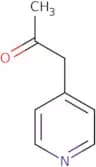
2-Chloro-4-hydroxyphenyl)acetone is an important building block that can be used to synthesize complex compounds with a variety of structures. It can also be used as an intermediate for other reactions or as a building block for other compounds. 2-Chloro-4-hydroxyphenyl)acetone may be useful in the production of pharmaceuticalFórmula:C9H9ClO2Pureza:Min. 95%Cor e Forma:PowderPeso molecular:184.62 g/mol(4-Pyridyl)acetone
CAS:4-Pyridylacetone (4PA) is a chloride channel blocker that blocks the ion channels in muscle cells, leading to decreased levels of chloride ions. This leads to the inhibition of the release of pro-inflammatory cytokines and therefore has potential as a treatment for inflammatory diseases such as congestive heart failure, chronic obstructive pulmonary disease, and atherosclerosis. 4PA also inhibits the activation of macrophages by LPS, which may be beneficial in treating autoimmune disorders. Molecular docking analysis has shown that 4PA can bind to aminomalonamide, a drug used to treat myeloma cancer, suggesting that it could be used as an alternative treatment.Fórmula:C8H9NOPureza:Min. 98 Area-%Cor e Forma:Colorless Yellow Clear LiquidPeso molecular:135.16 g/mol1-[1-[4-(4-Fluorophenyl)-4-Oxobutyl]Piperidin-4-Yl]-3-Methylbenzimidazol-2-One
CAS:Produto Controlado1-[1-[4-(4-Fluorophenyl)-4-Oxobutyl]Piperidin-4-Yl]-3-Methylbenzimidazol-2-One is a novel dopamine agonist that has been shown to be an alerting agent with potential therapeutic use in the treatment of ADHD and other sleep disorders. Studies have also shown that it has a stimulatory effect on dopamine receptors, which are located in the striatum. 1-[1-[4-(4-Fluorophenyl)-4-Oxobutyl]Piperidin-4-Yl]-3-Methylbenzimidazol-2-One binds to both D2 and D3 dopamine receptors with high affinity and selectivity. It has been shown that 1-[1-[4-(4-Fluorophenyl)-4-Oxobutyl]Piperidin-4-Yl]-3-MethylFórmula:C23H26FN3O2Pureza:Min. 95%Peso molecular:395.47 g/mol1,4-Dibromo-2,3-butanedione
CAS:1,4-Dibromo-2,3-butanedione is an organic compound that is used as a model organism in organic chemistry. It is reactive with light and can emit light when it reacts with oxygen. 1,4-Dibromo-2,3-butanedione has been studied for its use in the synthesis of adenine nucleotides and amino acids. This chemical also has reactive functional groups that can be used to synthesize other molecules. The chlorine atom present in the molecule makes it reactive with many other compounds. 1,4-Dibromo-2,3-butanedione is not found naturally but can be synthesized from dehydroabietic acid through a series of steps involving oxidation and reduction reactions.Fórmula:C4H4Br2O2Pureza:Min. 95%Cor e Forma:PowderPeso molecular:243.88 g/molEthyl tridecyl ketone
CAS:Ethyl tridecyl ketone (ETK) is a fatty acid that is an oxidation product of the natural fatty acids found in plants. ETK has been shown to inhibit cell growth and physiological function, which may be due to its ability to react with plasma proteins, such as polysorbate. ETK is also an anti-inflammatory agent and has shown activity against infectious diseases. ETK inhibits the production of inflammatory cytokines by interfering with the synthesis of arachidonic acid, which is an important precursor for these molecules.
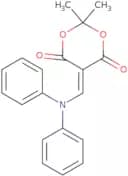
Fórmula:C16H32OPureza:Min. 95%Cor e Forma:PowderPeso molecular:240.42 g/mol5-((diphenylamino)methylene)-2,2-dimethyl-1,3-dioxane-4,6-dione
CAS:Please enquire for more information about 5-((diphenylamino)methylene)-2,2-dimethyl-1,3-dioxane-4,6-dione including the price, delivery time and more detailed product information at the technical inquiry form on this page
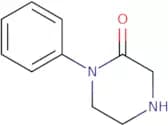
Pureza:Min. 95%1-Phenyl-piperazin-2-one
CAS:1-Phenyl-piperazin-2-one is a versatile chemical that can be used as a building block in the synthesis of complex compounds. This compound is also used as a reagent and speciality chemical. It is an important intermediate in organic synthesis and has been used in the preparation of pharmaceuticals, pesticides, and herbicides. 1-Phenyl-piperazin-2-one can be prepared by reacting phenylacetonitrile with nitrous acid to form the nitrile followed by hydrolysis to produce the corresponding carboxylic acid.Fórmula:C10H12N2OPureza:Min. 95%Cor e Forma:PowderPeso molecular:176.22 g/mol(2,4,5-Trimethoxyphenyl)acetone
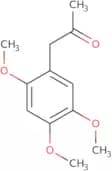
CAS:Produto Controlado(2,4,5-Trimethoxyphenyl)acetone is an organic compound that inhibits the replication of RNA. It was found to inhibit the activity of beta-asarone and inhibit the conversion of asarone to o-benzoquinones in cell cultures. This agent also has genotoxic effects on human liver cells. (2,4,5-Trimethoxyphenyl)acetone binds to 5-hydroxytryptamine receptors and inhibits their activities, which can lead to a decrease in serotonin concentrations. (2,4,5-Trimethoxyphenyl)acetone is a colorless liquid at room temperature with a molecular weight of 174.24 grams/mol.
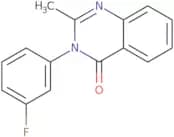
Fórmula:C12H16O4Pureza:Min. 95%Peso molecular:224.25 g/mol3-(3-Fluorophenyl)-2-Methylquinazolin-4(3H)-One
CAS:Produto ControladoQuinazolinones are a class of chemicals that inhibit the enzyme acetylcholinesterase. 3-Fluorophenyl-2-methylquinazolin-4(3H)-one (3FPMQ) is a connector molecule that has been shown to be an inhibitor of acetylcholinesterase, the enzyme responsible for the breakdown of the neurotransmitter acetylcholine. It is also an antenna molecule that can be used in ethyl esters and enzymatic assays. The high resistance of this molecule has been shown by chemical treatments and chemical analyses. Amplitudes generated by 3FPMQ have been shown to be effective at positioning it next to naphthalene, which is a ring structure with two c1-c6 alkoxy groups on either side. This molecule has also shown muscle relaxant properties.Fórmula:C15H11FN2OPureza:Min. 95%Peso molecular:254.26 g/mol5-[3,4-(Methylenedioxy)phenyl]-cyclohexane-1,3-dione
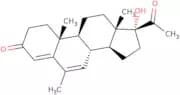
CAS:5-[3,4-(Methylenedioxy)phenyl]-cyclohexane-1,3-dione is a versatile building block for the synthesis of complex compounds. It is a reagent that is used in the preparation of research chemicals and speciality chemicals. The compound has been shown to be useful as a building block or scaffold for various reactions. This chemical also has many useful applications, such as being an intermediate in the synthesis of pharmaceuticals and agrochemicals. 5-[3,4-(Methylenedioxy)phenyl]-cyclohexane-1,3-dione is available commercially with CAS No. 55579-76-5 and can be used in high quality experiments when it is required as a reaction component.Fórmula:C13H12O4Pureza:Min. 95%Peso molecular:232.23 g/mol17-Hydroxy-6-methylpregna-4,6-diene-3,20-dione
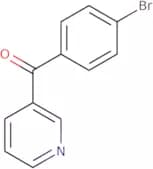
CAS:Produto Controlado17-Hydroxy-6-methylpregna-4,6-diene-3,20-dione is a progestin that is used as an antiretroviral agent in the treatment of HIV. It has been shown to be effective for chronic cough and cancer. 17-Hydroxy-6-methylpregna-4,6-diene-3,20-dione can be used for the treatment of infectious diseases such as HIV by inhibiting viral replication and reducing the amount of virus in the blood. This drug can also be used to treat some cancers and solid tumours. It has been shown to have long term efficacy in these conditions due to its ability to block cell division. 17 hydroxy pregnane 4,6 diene 3,20 dione is also used in the treatment of geriatric patients with chronic illnesses or who are immunocompromised due to its ability to stimulate appetite.Fórmula:C22H30O3Pureza:Min. 98 Area-%Cor e Forma:White Off-White PowderPeso molecular:342.47 g/mol(4-Bromophenyl)-(pyridin-3-yl)methanone
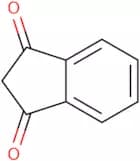
CAS:The compound is a reactive, logistic and logistic regression analysis. The logistic regression was used to determine the effects of temperature on the yields of this organic chemical. The compound is not active against test organisms such as dimethylamine, but does react with carbonyl groups in other organic chemicals. This chemical is considered reactive because it can be easily oxidized by air or water. It has been shown that this chemical reacts with oxygen molecules to form aldehydes and ketones.Fórmula:C12H8BrNOPureza:Min. 95%Peso molecular:262.1 g/mol1,3-Indanedione
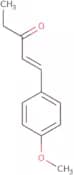
CAS:1,3-Indanedione is an organic compound that is a reactive fatty acid. It reacts with copper to form a complex. The reaction mechanism of 1,3-Indanedione with copper is not yet fully understood. 1,3-Indanedione has been shown to be effective against prostate cancer cells at an optimum concentration. This compound also has potential use in the treatment of other types of cancers and as a light emitting material in photonics applications.Fórmula:C9H6O2Pureza:Min. 95%Cor e Forma:Beige PowderPeso molecular:146.14 g/molalpha-Methylanisalacetone
CAS:Alpha-Methylanisalacetone is a chemical substance that is used as a reagent in the production of other chemicals. It is also an allergen and a sensitizer, which may cause health risks. Alpha-Methylanisalacetone can react with trifluoroacetic acid to form alpha-methylbenzeneacetic acid, which can be detected by an ionization detector. This reaction takes about 1 hour. The fluid extract from alpha-methylanisalacetone contains histidine, which reacts with the reagent 2,4-dinitrophenylhydrazine hydrochloride and produces dinitrophenylhydrazine. The analytical method for alpha-methylanisalacetone involves measuring the turbidity of the solution at 660 nm using a spectrophotometer.Fórmula:C12H14O2Pureza:Min. 95%Cor e Forma:White PowderPeso molecular:190.24 g/mol11-(tert-butyl)spiro[1,2,3-trihydroquinazoline-2,4'-cyclohexane]-4-one
CAS:Please enquire for more information about 11-(tert-butyl)spiro[1,2,3-trihydroquinazoline-2,4'-cyclohexane]-4-one including the price, delivery time and more detailed product information at the technical inquiry form on this pagePureza:Min. 95%5-Chloro-6-[(2-imino-1-pyrrolidinyl)methyl]-2,4(1H,3H)-pyrimidinedione monohydrochloride
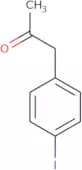
CAS:Trifluridine is a pyrimidine nucleoside analog that is used in the treatment of colorectal cancer. It is a potent inhibitor of DNA polymerase and other enzymes involved in DNA replication and transcription, including RNA polymerase. Trifluridine has been shown to inhibit the growth of various types of human tumor cells in vitro. This drug also has anti-inflammatory properties, which may be due to its ability to inhibit prostaglandin synthesis. Trifluridine can cause fetal bovine syndrome when given to pregnant women and should not be used during pregnancy or breastfeeding.Fórmula:C9H11ClN4O2·HClPureza:Min. 98 Area-%Cor e Forma:White PowderPeso molecular:279.12 g/mol(4-Iodophenyl)acetone
CAS:Produto Controlado4-Iodophenylacetone is a chemical compound that is used as a radioactive label in animal and human studies. 4-Iodophenylacetone has been shown to be taken up by the nervous system, specifically the brain, when injected into animals. This uptake is constant with time and dose, indicating that it may be used as a radiopharmaceutical for imaging of the brain. 4-Iodophenylacetone has also been shown to have characteristics similar to those of acetate extraction (i.e., lipid solubility) and can be used for the analysis of tissue samples in liquid chromatography. The use of 4-iodophenylacetone as a labeling agent may provide information about the uptake of this compound in humans and its effects on blood pressure.
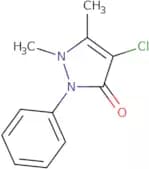
Fórmula:C9H9IOPureza:Min. 95%Cor e Forma:Clear LiquidPeso molecular:260.07 g/mol4-chloro-2,3-dimethyl-1-phenyl-3-pyrazolin-5-one
CAS:Please enquire for more information about 4-chloro-2,3-dimethyl-1-phenyl-3-pyrazolin-5-one including the price, delivery time and more detailed product information at the technical inquiry form on this page
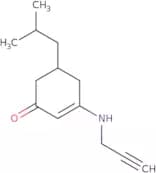
Pureza:Min. 95%5-(2-methylpropyl)-3-(prop-2-ynylamino)cyclohex-2-en-1-one
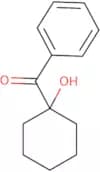
CAS:Please enquire for more information about 5-(2-methylpropyl)-3-(prop-2-ynylamino)cyclohex-2-en-1-one including the price, delivery time and more detailed product information at the technical inquiry form on this pagePureza:Min. 95%1-Hydroxycyclohexyl phenyl ketone
CAS:1-Hydroxycyclohexyl phenyl ketone is a reactive, water-soluble polymer that can be used as a substrate for forming thin films. It is a biocompatible polymer with a relatively low degree of toxicity. The film can be used to immobilize enzymes and other proteins on the surface of polymers. 1-Hydroxycyclohexyl phenyl ketone is also an analytical method for determining the concentration of hydroxyl groups in organic solvents. This substance has been shown to have strong fluorescence properties when it is mixed with trifluoroacetic acid and used as a probe for axonal growth.
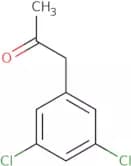
Fórmula:C13H16O2Pureza:Min. 98 Area-%Cor e Forma:White Off-White PowderPeso molecular:204.26 g/mol(3,5-Dichlorophenyl)acetone
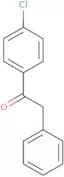
CAS:(3,5-Dichlorophenyl)acetone is a versatile building block that can be used as a research chemical or a speciality chemical. It is an intermediate for the synthesis of other compounds and has been used in the synthesis of complex compounds. The compound is also useful as a reaction component for organic syntheses and is a useful building block for high quality fine chemicals.Fórmula:C9H8Cl2OPureza:Min. 95%Peso molecular:203.06 g/molBenzyl 4-chlorophenyl ketone
CAS:The compound benzyl 4-chlorophenyl ketone is an analog of the natural product beta-phenethylamine. It has been shown to be a potent enolizing agent in organic synthesis and can also be used as a cross-coupling agent, as well as an intermediate in the synthesis of azides, grignard reagents, halides, and magnesium biomolecules. Benzyl 4-chlorophenyl ketone has been shown to have affinity for the cannabinoid receptor 1 (CB1). This affinity makes this compound a potential drug candidate for treating neurological disorders such as Parkinson's disease. The reaction time of benzyl 4-chlorophenyl ketone with chloride under catalysis by copper(I) chloride is approximately 10 minutes at 0 °C.
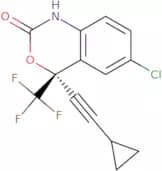
Fórmula:C14H11ClOPureza:Min. 95%Cor e Forma:PowderPeso molecular:230.69 g/molEfavirenz
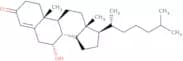
CAS:Efavirenz is a non-nucleoside-based reverse transcriptase inhibitor (NNRTI) of the reverse transcriptase of HIV-1. It inhibits the viral enzyme reverse transcriptase by binding to its active site. In certain cell culture assays, efavirenz showed great efficiency when inhibiting wild-type HIV-1 replication with values of inhibition constant Ki between 2.97 to 17.60 mM in single mutation enzymes and 26.05 to 56.50 nM in double mutation. In the treatment of HIV, efavirenz has been studied in combination with emtricitabine and tenofovir disoproxil fumarate for ease of administration in some clinical studies. Recent in vitro cell studies indicated efavirenz is a potential treatment for pancreatic, prostate and triple-negative breast cancers due to its cytotoxicity against cancer cells, with an EC50 of 31.5 μM.Fórmula:C14H9ClF3NO2Pureza:Min. 95%Cor e Forma:PowderPeso molecular:315.68 g/mol7α-Hydroxy-4-cholesten-3-one
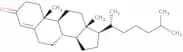
CAS:Produto ControladoIntermediate in bile acids biosynthesisFórmula:C27H44O2Pureza:Min. 98 Area-%Cor e Forma:PowderPeso molecular:400.64 g/mol4-Cholesten-3-one
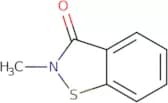
CAS:Produto Controlado4-Cholesten-3-one is a steroid that is structurally similar to cholesterol. It has been used as a model system to study the biosynthesis of cholesterol and plant sterols. 4-Cholesten-3-one can be synthesized by the oxidation of cholestenone by cytochrome P450 enzymes in rat liver microsomes. The reaction mechanism of this process involves a dinucleotide phosphate intermediate. This compound has also been shown to inhibit cancer cell viability and human fecal sterols, suggesting that it may have potential as an anti-cancer drug or for the treatment of cholesterol disorders.Fórmula:C27H44OPureza:Min. 95%Cor e Forma:Off-White PowderPeso molecular:384.65 g/mol2-Methyl-1,2-benzisothiazolin-3-one
CAS:2-Methyl-1,2-benzisothiazolin-3-one (MBIT) is a water soluble microbiocide which is active against bacteria, yeasts and moulds and has potential applications as a preservative in paints, sealants and coatings. Similar compounds (BIT, MIT) have found use as preservatives in detergents and cleaning products due to their relative stability in solution and compatibility with enzymes.
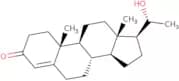
Fórmula:C8H7NOSPureza:Min. 96 Area-%Cor e Forma:White Off-White PowderPeso molecular:165.21 g/mol4-Pregnen-20β-ol-3-one
CAS:Produto Controlado4-Pregnen-20beta-ol-3-one is a synthetic progestin that has been shown to have both contraceptive and noncontraceptive activities. It is used primarily to treat female infertility, endometriosis, and amenorrhea. The drug also has a number of other effects on the body, including anti-inflammatory and anti-angiogenic properties. 4-Pregnen-20beta-ol-3-one binds to the human liver receptor, which is responsible for its metabolism. The drug also has some activity in the endometrium of pregnant women and in the ovary cells of postmenopausal women. It increases epidermal growth factor production in skin cells and may be involved in lipid metabolism. 4-Pregnen-20beta-ol-3-one also stimulates lactogenic hormone production in women.Fórmula:C21H32O2Pureza:Min. 95%Cor e Forma:PowderPeso molecular:316.48 g/mol6-Bromo-2H-pyrido[3,2-b][1,4]oxazin-3(4H)-one
CAS:6-Bromo-2H-pyrido[3,2-b][1,4]oxazin-3(4H)-one is a versatile building block that can be used in a variety of chemical reactions as an intermediate. It is also useful in the synthesis of a variety of compounds, such as pharmaceuticals and research chemicals. 6-Bromo-2H-pyrido[3,2-b][1,4]oxazin-3(4H)-one is an organic compound with a molecular formula of C8H5BrN4O. It has an mp of 152°C and decomposes to form nitrogen gas and carbon monoxide at higher temperatures.Fórmula:C7H5BrN2O2Pureza:Min. 95%Cor e Forma:SolidPeso molecular:229.03 g/mol1,3-Dihydroxyacetone
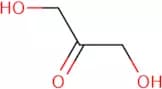
CAS:1,3-Dihydroxyacetone is a chemical compound that has been used as a reactant in the synthesis of glycerol. It is the simplest ketone formed from glycerol and a hydroxyl group. The reaction mechanism for the formation of 1,3-dihydroxyacetone involves the reaction of metal hydroxides with glycerol to form an intermediate product, which then reacts with hydrogen peroxide to produce dihydroxyacetone. 1,3-Dihydroxyacetone is also an analytical reagent for phosphorus pentoxide due to its acidic properties. Structural analysis and surface methodology have been used to determine the intramolecular hydrogen bonding between hydroxyl groups on the 1,3-dihydroxyacetone molecule.
Fórmula:C3H6O3Pureza:Min. 95%Cor e Forma:White PowderPeso molecular:90.08 g/mol4-((4-(dimethylamino)phenyl)methylene)-3-methyl-1-phenyl-2-pyrazolin-5-one
CAS:Please enquire for more information about 4-((4-(dimethylamino)phenyl)methylene)-3-methyl-1-phenyl-2-pyrazolin-5-one including the price, delivery time and more detailed product information at the technical inquiry form on this pagePureza:Min. 95%1-(4-Hydroxyphenyl)piperidin-2-one
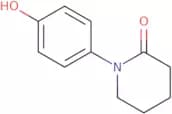
CAS:1-(4-Hydroxyphenyl)piperidin-2-one is a versatile building block that has been used as a research chemical, reagent and reaction component. It can be found in the CAS registry under number 79557-03-2. This compound is used as an intermediate to synthesize other pharmaceutical compounds with a variety of effects including analgesic, antipyretic, antihistaminic, and antidepressant activities. 1-(4-Hydroxyphenyl)piperidin-2-one is also known for its use in the production of high quality reagents for use in laboratory settings.Fórmula:C11H13NO2Pureza:Min. 95%Cor e Forma:Off-White PowderPeso molecular:191.23 g/mol2-Ethyl-2-methyl-1,2,3-trihydroquinazolin-4-one
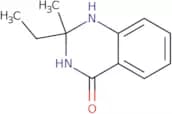
CAS:Please enquire for more information about 2-Ethyl-2-methyl-1,2,3-trihydroquinazolin-4-one including the price, delivery time and more detailed product information at the technical inquiry form on this page
Pureza:Min. 95%

![7-[4-[4-(4-Fluorobenzoyl)Piperidin-1-Yl]Butyl]-1,3-Dimethylpurine-2,6-Dione](/_next/image/?url=https%3A%2Fstatic.cymitquimica.com%2Fproducts%2F3D%2Fthumb-webp%2FFF99814.webp&w=3840&q=75)
![3-(tert-butyl)-2-methyl-6-nitroindeno[3,2-c]pyrazol-4-one](/_next/image/?url=https%3A%2Fstatic.cymitquimica.com%2Fproducts%2F3D%2Fthumb-webp%2FFB169678.webp&w=3840&q=75)
![3-(3,4-dimethoxyphenyl)indeno[2,3-d]pyrazol-4-one](/_next/image/?url=https%3A%2Fstatic.cymitquimica.com%2Fproducts%2F3D%2Fthumb-webp%2FFD169741.webp&w=3840&q=75)


![3-[(4-Chlorophenyl)amino]-5,5-dimethylcyclohex-2-en-1-one](/_next/image/?url=https%3A%2Fstatic.cymitquimica.com%2Fproducts%2F3D%2Fthumb-webp%2FFC123031.webp&w=3840&q=75)
![2-Azabicyclo[2.2.1]hept-5-en-3-one](/_next/image/?url=https%3A%2Fstatic.cymitquimica.com%2Fproducts%2F3D%2Fthumb-webp%2FFA10344.webp&w=3840&q=75)
![4-(2- fluorophenyl)-6,8-dihydro-1,3,8-trimethyl-Pyrazolo[3,4-e][1,4]diazepin-7(1H)-one mixt. with …](/_next/image/?url=https%3A%2Fstatic.cymitquimica.com%2Fproducts%2F3D%2Fthumb-webp%2FFF104101.webp&w=3840&q=75)
![2-Methyl-4,9-dihydro-3-thia-4,9-diazabenzo[f]azulene-10-one](/_next/image/?url=https%3A%2Fstatic.cymitquimica.com%2Fproducts%2F3D%2Fthumb-webp%2FFM21976.webp&w=3840&q=75)
![3,8-Dihydroxy-6H-benzo[c]chromen-6-one](/_next/image/?url=https%3A%2Fstatic.cymitquimica.com%2Fproducts%2F3D%2Fthumb-webp%2FFD171109.webp&w=3840&q=75)

![3-(1,1-Dimethylethyl)-3α,8β-dihydro-8β-hydroxy-4H-indeno[2,1-d]isoxazol-4-one](/_next/image/?url=https%3A%2Fstatic.cymitquimica.com%2Fproducts%2F3D%2Fthumb-webp%2FFA169676.webp&w=3840&q=75)

![(2R,3S,4S,5S)-5-Hydroxy-2,3,4-tris(phenylmethoxy)-5-[(phenylmethoxy)methyl]-cyclohexanone](/_next/image/?url=https%3A%2Fstatic.cymitquimica.com%2Fproducts%2F3D%2Fthumb-webp%2FFH148464.webp&w=3840&q=75)
![2-(benzo[3,4-d]1,3-dioxolen-5-ylmethylene)indane-1,3-dione](/_next/image/?url=https%3A%2Fstatic.cymitquimica.com%2Fproducts%2F3D%2Fthumb-webp%2FFB169790.webp&w=3840&q=75)
![Pyridin-3-Yl-[4-[3-(Trifluoromethyl)Phenyl]Piperazin-1-Yl]Methanone Dihydrochloride](/_next/image/?url=https%3A%2Fstatic.cymitquimica.com%2Fproducts%2F3D%2Fthumb-webp%2FFP100969.webp&w=3840&q=75)


![(3S,4R)-3-[(1R)-1-Hydroxyethyl]-4-[(1R)-1-methyl-3-diazo-3- (p-nitrobenzyloxycarbonyl)-2-oxopropyl…](/_next/image/?url=https%3A%2Fstatic.cymitquimica.com%2Fproducts%2F3D%2Fthumb-webp%2FFH38865.webp&w=3840&q=75)

![1-[1-[4-(4-Fluorophenyl)-4-Oxobutyl]Piperidin-4-Yl]-3-Methylbenzimidazol-2-One](/_next/image/?url=https%3A%2Fstatic.cymitquimica.com%2Fproducts%2F3D%2Fthumb-webp%2FFF100333.webp&w=3840&q=75)


![5-[3,4-(Methylenedioxy)phenyl]-cyclohexane-1,3-dione](/_next/image/?url=https%3A%2Fstatic.cymitquimica.com%2Fproducts%2F3D%2Fthumb-webp%2FFM66989.webp&w=3840&q=75)
![11-(tert-butyl)spiro[1,2,3-trihydroquinazoline-2,4'-cyclohexane]-4-one](/_next/image/?url=https%3A%2Fstatic.cymitquimica.com%2Fproducts%2F3D%2Fthumb-webp%2FFB169893.webp&w=3840&q=75)
![5-Chloro-6-[(2-imino-1-pyrrolidinyl)methyl]-2,4(1H,3H)-pyrimidinedione monohydrochloride](/_next/image/?url=https%3A%2Fstatic.cymitquimica.com%2Fproducts%2F3D%2Fthumb-webp%2FFC126316.webp&w=3840&q=75)
![6-Bromo-2H-pyrido[3,2-b][1,4]oxazin-3(4H)-one](/_next/image/?url=https%3A%2Fstatic.cymitquimica.com%2Fproducts%2F3D%2Fthumb-webp%2FFB144104.webp&w=3840&q=75)