Aldeídos
Os aldeídos são compostos orgânicos que contêm um grupo carbonila (C=O) ligado a pelo menos um átomo de hidrogênio. Esses compostos versáteis são fundamentais em várias reações químicas, incluindo oxidação, redução e adição nucleofílica. Os aldeídos são building blocks essenciais na síntese de produtos farmacêuticos, fragrâncias e polímeros. Na CymitQuimica, oferecemos uma ampla seleção de aldeídos de alta qualidade para apoiar suas aplicações de pesquisa e industriais.
Foram encontrados 8573 produtos de "Aldeídos"
Ordenar por
Pureza (%)
0
100
|
0
|
50
|
90
|
95
|
100
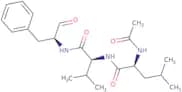
Ac-Leu-Val-Phe-aldehyde
CAS:<p>Ac-Leu-Val-Phe-aldehyde is a synthetic compound that inhibits the catalytic activity of carboxyl enzymes. It binds to the catalytic site of the enzyme via a noncovalent interaction with residues on the polypeptide chain, thereby preventing the formation of an active complex with other cofactors such as metal ions, amino acids, and ATP. Ac-Leu-Val-Phe-aldehyde can be used in analytical chemistry for determination of carboxyl groups in organic compounds or for determining protein content in biological samples. Ac-Leu-Val-Phe-aldehyde has also been shown to bind to antibodies which are specific for carboxyl groups.</p>Fórmula:C22H33N3O4Pureza:Min. 95%Peso molecular:403.52 g/mol3,5-Bis(trifluoromethyl)benzaldehyde
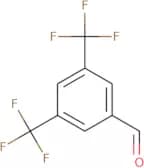
CAS:<p>3,5-Bis(trifluoromethyl)benzaldehyde is a synthetic compound that has been shown to inhibit cancer cell growth. It is a chromatographic reagent and an intermediate in the production of pharmaceuticals. 3,5-Bis(trifluoromethyl)benzaldehyde was shown to bind to the amino group of proteins and inhibit the synthesis of protein inhibitors. This compound also binds to cholesterol esters and causes lipid peroxidation, leading to cell death in cancer cells.</p>Fórmula:C9H4F6OPureza:Min. 95%Cor e Forma:PowderPeso molecular:242.12 g/mol3-Fluoro-2-hydroxybenzaldehyde
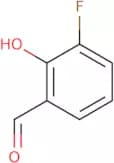
CAS:<p>3-Fluoro-2-hydroxybenzaldehyde is a colorless liquid with a sweet, aromatic odor. It has been shown to be an antibacterial agent against Gram positive bacteria and may have potential as a drug for the treatment of MRSA. 3-Fluoro-2-hydroxybenzaldehyde is used in the production of cellulose acetate and sodium sulfide. It is also used in the chemical reactions that form amines, hydroxyl groups, and chloride ions. It has been shown to inhibit mitochondrial respiration by chelating ring complexes in the respiratory chain. It also inhibits biological processes such as DNA synthesis, protein synthesis, and hydrogen bond formation.</p>Fórmula:C7H5FO2Pureza:Min. 95%Cor e Forma:PowderPeso molecular:140.11 g/mol3,5-Dihydroxybenzaldehyde
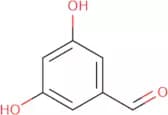
CAS:<p>3,5-Dihydroxybenzaldehyde (DHBA) is a plant metabolite that is classified as a phenolic compound. It is found in many plants and has important biological functions such as the production of carotenoids or the cleavage of carotenoid to form other compounds. DHBA can be extracted from plant tissue with hydrochloric acid or carbon sources. It has been shown that DHBA inhibits the growth of soil bacteria by binding to amines and thus preventing them from reacting with substrates. This may be due to its ability to act as an electron donor, which could also explain its inhibitory activity on carotenoid cleavage.</p>Fórmula:C7H6O3Pureza:Min. 98 Area-%Cor e Forma:Off-White To Beige To Brown SolidPeso molecular:138.12 g/mol3-Hydroxyisonicotinaldehyde
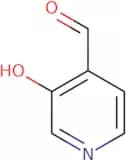
CAS:3-Hydroxyisonicotinaldehyde is a disulfide bond that plays an important role in enzyme catalysis. The active site of the enzyme, which contains a nucleophilic attack on the electrophilic carbon atom, is composed of two cysteine residues with their sulfhydryl group (-SH) bonded to each other through a disulfide bond. This bond can be broken by either an acidic environment or protonation. In the absence of these conditions, the -SH groups are coordinated to metal ions and form a complex. The hydroxyl group (-OH) on one cysteine residue can coordinate to the nitrogen atom on the other cysteine residue and form tautomers. These tautomers correspond to two different configurations of the molecule: one where both sulfur atoms are in a trans configuration (tautomer A), and one where they are in a cis configuration (tautomer B). The biological properties of 3-hydroxyisonFórmula:C6H5NO2Pureza:Min. 95%Peso molecular:123.11 g/molAc-Asp-Glu-Val-Asp-aldehyde (pseudo acid)
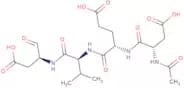
CAS:<p>Ac-Asp-Glu-Val-Asp-aldehyde (pseudo acid) is a pro-apoptotic protein that belongs to the group of pseudo acids. It is able to induce apoptosis. Ac-Asp-Glu-Val-Asp-aldehyde (pseudo acid) can induce neuronal death by activating caspases and apoptosis pathway, which are involved in the process of programmed cell death. This protein also has anti-inflammatory properties, which may be due to its ability to inhibit cyclase activity. Ac-Asp-Glu-Val-Asp (pseudo acid) has been shown to be present at physiological levels in the brain and heart, where it may play an important role in maintaining cell viability.</p>Fórmula:C20H30N4O11Pureza:Min. 95%Peso molecular:502.47 g/mol2-Amino-4-fluorobenzaldehyde
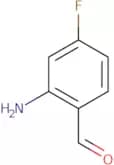
CAS:<p>2-Amino-4-fluorobenzaldehyde is a plant growth regulator that has been shown to be effective at increasing the yield of flowers and fruit crops. It is used as an intermediate in the synthesis of agrochemicals, such as 2-aminobenzaldehyde and anthranilic acid. The biosynthesis of 2-amino-4-fluorobenzaldehyde starts from methanol and intermediates such as anthranilic acid, aminoaldehydes, or alcohols. It can also be produced by oxidative coupling of 2-aminobenzaldehyde with phenylacetone in the presence of sodium hydroxide. 2-Amino-4-fluorobenzaldehyde has been shown to be more efficient than other plant growth regulators such as robinia or aminocyclopentane carboxylic acid (ACC).</p>Fórmula:C7H6FNOPureza:Min. 95%Cor e Forma:SolidPeso molecular:139.13 g/mol2-(Dimethylamino)acetaldehyde sulfite
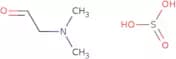
CAS:<p>2-(Dimethylamino)acetaldehyde sulfite is a white crystalline solid with a melting point of around 100°C. It is soluble in water and slightly soluble in organic solvents. 2-(Dimethylamino)acetaldehyde sulfite can be used as a reagent to prepare alkali solutions and acid hydrochlorides. It can also be used as an intermediate for the synthesis of methacrylic acid, methyl acetate, and other organic compounds. 2-(Dimethylamino)acetaldehyde sulfite can be synthesized using a high-yield synthetic method involving lithium, acidification, and an organic solvent.</p>Pureza:Min. 95%Phenylpropargylaldehyde
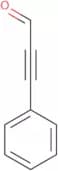
CAS:<p>Phenylpropargylaldehyde is an organic compound that is a chiral molecule, which means it has two enantiomers. It was first synthesized in 1964 by R.B. Woodward and T.W. Rittenberg at the University of Chicago, and is used as a chemical intermediate in the synthesis of other compounds with biological activity such as matrix metalloproteinase inhibitors, for example marimastat. Phenylpropargylaldehyde can be prepared from malonic acid and phenylboronic acid in a reaction mechanism that involves nucleophilic substitutions, carbonyl group activation and hydrogen bonding to lysine residues on proteins. The asymmetric synthesis of this compound has been shown to suppress genes associated with metabolic disorders such as diabetes mellitus type 2, fatty acid metabolism disorders and endocrine disorders (e.g., thyroid). It also has adjuvant therapeutic properties in cancer treatment, especially when combined with synthetic fatty acids such as oleic acid or ar</p>Pureza:Min. 95%3-Thien-2-yl-1H-pyrazole-4-carbaldehyde
CAS:<p>3-Thien-2-yl-1H-pyrazole-4-carbaldehyde is a ligand that can be used to inhibit the activity of nicotine in the human liver. It has been shown to reduce chemical inhibitor activity globally and systematically, and it may have therapeutic potential for preventing death from tobacco use. 3-Thien-2-yl-1H-pyrazole-4-carbaldehyde binds to nicotine receptors by forming hydrogen bonds with the receptor's nicotinic acetylcholine binding sites. This prevents nicotine from binding to those sites, resulting in a reduction of the addictive properties of tobacco. 3TPCA is being developed as a drug candidate for treating tobacco use disorders.</p>Fórmula:C8H6N2OSPureza:Min. 95%Cor e Forma:PowderPeso molecular:178.21 g/mol2-Bromo-6-methylpyridine-3-carboxaldehyde
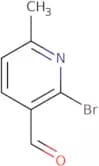
CAS:<p>2-Bromo-6-methylpyridine-3-carboxaldehyde (BMPCA) is a pharmacological agent that belongs to the group of antagonists. It has been shown to be a potent antagonist at the NMDA receptor and may be used for treating neuropathic pain. BMPCA also has been shown to have competitive inhibition at the naphthyridine receptor, which may allow it to act as an antagonist or an agonist depending on its binding site. The regioisomeric analogs of BMPCA are 2-(2,5-dichloropyridyl)-6-methylpyridine-3-carboxaldehyde and 2-(2,5-dimethylpyridyl)-6-methylpyridine-3-carboxaldehyde. These analogs have been shown to inhibit the growth of tumor cells in vitro and in vivo.</p>Fórmula:C7H6BrNOPureza:Min. 95%Peso molecular:200.03 g/mol6-Chloroindole-3-carboxaldehyde
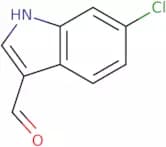
CAS:6-Chloroindole-3-carboxaldehyde is a natural compound with the molecular formula C8H6ClNO2. It has been shown to have anticancer activity against lung cancer cells and has been found to inhibit the growth of metastatic lung cancer cells in mice. 6-Chloroindole-3-carboxaldehyde inhibits the proliferation of human lung cancer cells by arresting cells in the G1 phase of the cell cycle, which may be due to its ability to bind to deoxyhexose and form a complex. This compound also has antimicrobial activity against bacterial strains such as Streptococcus pneumoniae and Mycoplasma pneumoniae.Fórmula:C9H6ClNOPureza:Min. 95%Peso molecular:179.6 g/mol3,5-Dibenzyloxybenzaldehyde
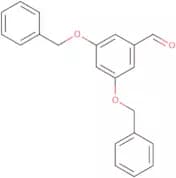
CAS:<p>3,5-Dibenzyloxybenzaldehyde is a molecule that has been shown to induce apoptosis in prostate cancer cells. It binds to the survivin protein and prevents its function. 3,5-Dibenzyloxybenzaldehyde also has anti-cancer properties due to its ability to inhibit the growth of cultured prostate cancer cells in vitro. This compound can be used as a photophysical probe for radiation studies or as a fatty acid monomer for metathesis reactions. The molecule is also active against cox-2 inhibitory activity and has been shown to have clinical efficacy in diazepine synthesis.</p>Fórmula:C21H18O3Pureza:Min. 95%Peso molecular:318.37 g/molPropionaldehyde
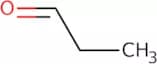
CAS:<p>Propionaldehyde is a simple aliphatic aldehyde that is used in the synthesis of other compounds. It can be synthesized by oxidizing propylene with an oxidation catalyst such as manganese dioxide or platinum metal under pressure. Propionaldehyde can also be formed by the direct oxidation of propanol using ferric chloride, but this reaction has been shown to produce a mixture of products. Propionaldehyde can be produced by the oxidation of acetaldehyde with hydrogen peroxide, which produces formaldehyde and acetone. In addition to its use as a chemical reagent, propionaldehyde has been used as an additive in nutrient solutions for experiments in plant physiology and microbiology.<br>The kinetic data for reactions involving propionaldehyde have been determined using methyl ethyl ketone (MEK) as the solvent and copper(II) sulfate pentahydrate as the catalyst. The redox potential for this molecule is -0.034 volts at pH 7,</p>Fórmula:C3H6OPureza:Min. 95%Cor e Forma:Colorless Clear LiquidPeso molecular:58.08 g/mol2-Bromo-5-hydroxy-4-methoxybenzaldehyde
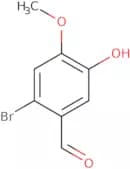
CAS:<p>2-Bromo-5-hydroxy-4-methoxybenzaldehyde is a death pathway inhibitor that has been shown to have radiosensitizing effects in vitro. It has also been found to inhibit the expression of matrix metalloproteinase (MMP) in human glioma cells and in a rat model of cerebral ischemia. This compound may be used as a potential chemotherapeutic agent for the treatment of cancer. 2-Bromo-5-hydroxy-4-methoxybenzaldehyde inhibits cell proliferation by inducing apoptosis, or programmed cell death, which may be due to its ability to suppress MMP activity.</p>Fórmula:C8H7BrO3Pureza:Min. 95%Cor e Forma:PowderPeso molecular:231.04 g/molAc-Val-Asp-Val-Ala-Asp-aldehyde (pseudo acid)
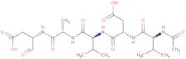
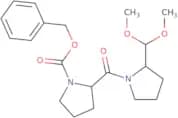
CAS:<p>Ac-Val-Asp-Val-Ala-Asp-aldehyde is a pseudo acid that is used in molecular modeling and kinetic studies. Ac-Val-Asp-Val-Ala-Asp-aldehyde has been shown to be a potent inhibitor of caspase activity and has been shown to inhibit the activity of various other enzymes as well, including cyclohexane ring hydroxylases and nitroreductases. Ac-Val-Asp-Val-Ala-Asp--aldehyde analogs are being studied for their ability to bind to specific proteins or inhibit enzyme activities. Ac-- Val-- Asp-- Val-- Ala-- Asp-- aldehyde binds to the active site of caspase 3 and prevents it from cleaving its target protein, which leads to cell death.</p>Fórmula:C23H37N5O10Pureza:Min. 95%Peso molecular:543.57 g/molZ-Pro-Pro-aldehyde-dimethyl acetal
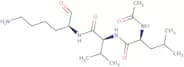
CAS:<p>Z-Pro-Pro-aldehyde-dimethyl acetal is a neurotoxin that can be used to label lysosomal enzymes in cells. The labeling is stable and does not interfere with the enzymatic activity of the enzyme. It has been shown to exacerbate neurological disease in mice, including Alzheimer's disease, Parkinson's disease, and amyotrophic lateral sclerosis. Z-Pro-pro-aldehyde-dimethyl acetal binds to microglia cells and induces reactive oxygen species production, which may contribute to cell damage. This toxin also diffracts light at a wavelength of 630 nm when exposed to X-rays, making it useful for labeling lysosomal enzymes in tissue sections or cell supernatants.</p>Fórmula:C20H28N2O5Pureza:Min. 95%Peso molecular:376.45 g/molAc-Leu-Val-Lys-aldehyde
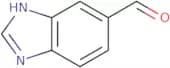
CAS:<p>Please enquire for more information about Ac-Leu-Val-Lys-aldehyde including the price, delivery time and more detailed product information at the technical inquiry form on this page</p>Fórmula:C19H36N4O4Pureza:Min. 95%Peso molecular:384.51 g/molBenzimidazole-5-aldehyde
CAS:<p>Please enquire for more information about Benzimidazole-5-aldehyde including the price, delivery time and more detailed product information at the technical inquiry form on this page</p>Fórmula:C8H6N2OPureza:Min. 95%Cor e Forma:PowderPeso molecular:146.15 g/mol