Padrões Farmacêuticas
Os padrões farmacêuticos são um conjunto abrangente de materiais de referência essenciais para garantir a segurança, eficácia e qualidade dos produtos farmacêuticos. Esta categoria inclui padrões para ingredientes farmacêuticos ativos (APIs), que são os componentes principais responsáveis pelos efeitos terapêuticos. Além disso, abrange compostos e metabólitos relevantes tanto para a indústria farmacêutica quanto veterinária, fornecendo referências para a medição e análise precisa dessas substâncias. Padrões de controle de nitrosaminas são cruciais para detectar e mitigar nitrosaminas potencialmente prejudiciais em formulações de medicamentos. Padrões de toxicologia ajudam a avaliar a segurança e os potenciais efeitos adversos de compostos farmacêuticos. Além disso, padrões de ativadores e inibidores de enzimas são vitais para pesquisa e desenvolvimento, permitindo estudos precisos de vias bioquímicas e mecanismos de ação de medicamentos. Esses padrões farmacêuticos são ferramentas indispensáveis para conformidade regulatória, controle de qualidade e pesquisa, garantindo que os produtos farmacêuticos atendam a rigorosos critérios de segurança e eficácia.
Subcategorias de "Padrões Farmacêuticas"
- APIs para pesquisa e impurezas(273.753 produtos)
- Activadores e Inibidores de Enzimas(2.827 produtos)
- Nitrosaminas(2.606 produtos)
- Compostos e metabolitos farmacêuticos e veterinários(2.603 produtos)
- Toxicologia(13.652 produtos)
Foram encontrados 7836 produtos de "Padrões Farmacêuticas"
Ordenar por
Pureza (%)
0
100
|
0
|
50
|
90
|
95
|
100
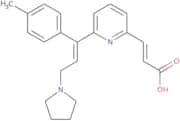
Acrivastine
CAS:<p>Acrivastine is a drug that belongs to the group of combination therapy. It is used in the treatment of autoimmune diseases, such as choroidal neovascularization. Acrivastine inhibits the production of prostaglandin E2 (PGE2) and inhibits the release of histamine from mast cells. Acrivastine also has immunosuppressive effects. It binds to H1 receptors and blocks their activation by histamine, which may be responsible for its therapeutic effect on eye disorders and infectious diseases. Acrivastine is chemically stable in acidic or alkaline conditions, but does not dissolve in organic solvents.</p>Fórmula:C22H24N2O2Pureza:Min. 95%Cor e Forma:PowderPeso molecular:348.44 g/mol2,5-Dichlorocinnamic acid
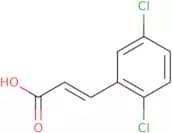
CAS:<p>2,5-Dichlorocinnamic acid is a chemical compound with the formula CHClCOCHCl. It is typically used as a reagent or building block in organic synthesis. 2,5-Dichlorocinnamic acid is an alpha-hydroxycarboxylic acid that exists in two tautomeric forms: the enol form (2,5-dichloro-3-oxopentanoic acid) and the keto form (2,5-dichlorohexanedioic acid). The enol form predominates at pH 7 and above. The keto form predominates at pH 1 and below.</p>Fórmula:C9H6Cl2O2Pureza:Min. 95%Cor e Forma:PowderPeso molecular:217.05 g/molDeltonin
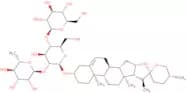
CAS:<p>Deltonin is a natural product with anti-cancer properties. Deltonin induces autophagy in K562 cells and HL-60 cells. It also inhibits the growth of squamous carcinoma cells in mice. Deltonin can induce apoptosis by reducing mitochondrial membrane potential, which leads to the activation of caspase-9, -8, and -3. In addition to inducing autophagy, deltonin can inhibit cell proliferation and migration by attenuating the signal pathways that are responsible for these processes. The mechanism of action for deltonin is not well understood but it may be due to its reactive or activated nature as a chemical structure.</p>Fórmula:C45H72O17Pureza:Min. 95%Cor e Forma:White PowderPeso molecular:885.04 g/mol1-[[5-(p-Nitrophenyl)furfurylidene]amino]-hydantoin sodium
CAS:<p>Dantrolene sodium is a muscle relaxant that belongs to the group of pharmacological agents. It is used to treat muscle spasms and hyperactivity in patients with neuromuscular disorders. Dantrolene sodium inhibits calcium release by blocking the activity of the enzyme ryanodine receptor in skeletal muscle cells. This inhibition prevents uncontrolled contraction of muscles and reduces their energy consumption. The drug also has an effect on malignant hyperthermia, which is caused by an increase in the production of adenosine triphosphate (ATP) due to increased cellular metabolism. Dantrolene sodium can inhibit ATP synthesis, thus reducing energy production and stabilizing cell membranes, thereby preventing cell death in neurons and other tissues.</p>Fórmula:C14H10N4O5•NaPureza:Min. 95%Cor e Forma:Yellow PowderPeso molecular:337.24 g/mol2,4-Dichloro-3-nitrophenol
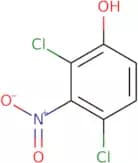
CAS:<p>2,4-Dichloro-3-nitrophenol is a synthetic chemical that is used as an intermediate in the synthesis of chloroamines. It is a derivative of phenol and has a chlorine atom on the 2 position. The alcohol group on the 4 position and the chlorine atom on the 3 position are both substituted with chlorine atoms. 2,4-Dichloro-3-nitrophenol has been shown to be effective for the synthesis of chloroamines resistant to nitro groups. This chemical has been shown to be resistant to amines and thus can be used for immobilization purposes. Furthermore, it can be used as an intermediate for chemists who work with organic chemistry due to its ability to undergo reactions with alcohols and phenols.</p>Fórmula:C6H3Cl2NO3Pureza:Min. 95%Cor e Forma:White Clear LiquidPeso molecular:208 g/molL-Aspartic acid potassium
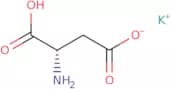
CAS:<p>L-Aspartic acid potassium salt is a pyrazinoic acid derivative that is used for the treatment of bowel disease. L-Aspartic acid potassium salt prevents the formation of toxic metabolites by inhibiting the enzyme aspartate aminotransferase, which converts aspartate to oxaloacetate. This compound also has an inhibitory effect on cell factor and energy metabolism in cells. L-Aspartic acid potassium salt has been shown to have low potency against malignant cells in culture. !--END--></p>Fórmula:C4H7NO4•KPureza:Min. 95%Cor e Forma:PowderPeso molecular:172.2 g/mol2-(2-naphthyloxy)ethanenitrile
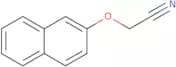
CAS:<p>Please enquire for more information about 2-(2-naphthyloxy)ethanenitrile including the price, delivery time and more detailed product information at the technical inquiry form on this page</p>Fórmula:C12H9NOPureza:Min. 95%Cor e Forma:PowderPeso molecular:183.21 g/molErgosterol peroxide
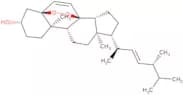
CAS:<p>Ergosterol peroxide is a synthetic compound that binds to DNA and inhibits the growth of human cells. Ergosterol peroxide has been shown to have significant cytotoxicity against HL-60 cells in vitro, with inhibition of DNA synthesis and induction of apoptosis. Ergosterol peroxide also has amoebicidal activity against Acanthamoeba castellanii, which is an opportunistic pathogen of the central nervous system. This compound can be used as a pharmaceutical agent for the treatment of various diseases such as cancer, AIDS, or Alzheimer's disease. It may also be used as a natural compound to kill harmful pathogens in water.</p>Fórmula:C28H44O3Pureza:Min. 95%Cor e Forma:PowderPeso molecular:428.65 g/molL-Threonine
CAS:<p>L-Threonine is an amino acid that is classified as a non-essential amino acid. It is a precursor for the synthesis of proteins and other important compounds in the body, such as neurotransmitters. L-Threonine has been shown to be necessary for the function of enzymes that catalyze reactions in cells. This amino acid also plays a role in protein synthesis and can help regulate transcriptional regulation of genes. L-Threonine has been shown to have antioxidant properties, which may be due to its ability to scavenge anion radicals and inhibit lipid peroxidation.</p>Fórmula:C4H9NO3Pureza:(Titration)Cor e Forma:White PowderPeso molecular:119.12 g/mol4-Acetamido-2'-amino-2-nitrophenyl sulphide
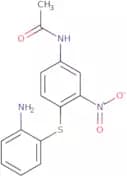
CAS:<p>4-Acetamido-2'-amino-2-nitrophenyl sulphide is a versatile building block that is used as a reagent, speciality chemical, and useful scaffold. It is a complex compound with CAS No. 1017060-37-5. This compound has been shown to be useful in the synthesis of fine chemicals and other research chemicals. 4-Acetamido-2'-amino-2-nitrophenyl sulphide can also be used as an intermediate in reactions or as a reaction component, making it an important building block for high quality compounds.</p>Fórmula:C14H13N3O3SPureza:Min. 95%Cor e Forma:PowderPeso molecular:303.34 g/mol6-Bromo-naphthalen-2-ylamine
CAS:<p>6-Bromo-naphthalen-2-ylamine is a chromophore that has been used for the development of novel imaging techniques. This compound has been shown to have synaptic properties and can be used in the study of neurodegenerative diseases. It has also been shown to be an anticancer drug, with staining properties that are useful for the identification of motoneurons. 6-Bromo-naphthalen-2-ylamine is also useful as a fluorescent probe for studies of mechanisms of reaction yield and optical properties.</p>Fórmula:C10H8BrNPureza:Min. 98%Cor e Forma:PowderPeso molecular:222.08 g/molEdoxaban impurity I
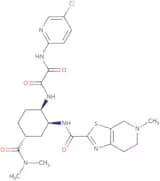
CAS:<p>Edoxaban impurity I is a fine chemical that is a useful building block, reagent, and speciality chemical. It is a complex compound that can be used as a reaction component or as an intermediate in the synthesis of other compounds. Edoxaban impurity I has CAS number 1255529-23-7, which identifies it as a high quality and versatile building block.</p>Fórmula:C24H30ClN7O4SPureza:Min. 95%Peso molecular:548.06 g/molD-Asparagine monohydrate
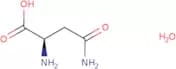
CAS:<p>D-Asparagine monohydrate is a white crystalline powder that is soluble in water and has a molecular weight of 98.1 g/mol. It inhibits the growth of bacteria by preventing the formation of β-lactamase, which can lead to antibiotic resistance. D-Asparagine monohydrate is used as an additive in the preparation of polyacrylamide gel for electrophoresis and other purposes. It has been found that it can be used as an inhibitor of recombinant proteins, such as those produced by E. coli, with high kinetic activity. It also inhibits the crystallization process and growth rate of Mycobacterium licheniformis.</p>Fórmula:C4H8N2O3·H2OCor e Forma:White Off-White PowderPeso molecular:150.13 g/mol1,1,2,2,3,3,4,4,4a,5,5,6,6,7,7,8,8,8a-Octadecafluoronaphthalene; 1,1,2,2,3,3,3-Heptafluoropropan-1-Amine
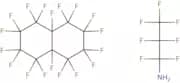
CAS:Produto Controlado<p>1,1,2,2,3,3,4,4a,5-Octadecafluoronaphthalene is a fluorinated derivative of an organic compound that is used as an intestinal antiseptic and as a cardioplegic solution. Sodium salts of this drug are used to treat intestinal disorders such as colitis and Crohn's disease. It is also used to treat cardiac diseases such as myocardial infarction by reducing the size of the infarcted area. The drug has been shown to be effective in preventing muscle degeneration in patients with AIDS. 1,1,2,2,3,3-Heptafluoropropan-1-amine is a chemical that belongs to the group of adjuvant therapies. It is used as a pharmaceutical preparation for kinetic studies and particle characterization.</p>Fórmula:C13H2F25NPureza:Min. 95%Peso molecular:647.12 g/mol4-Chlorocinnamide
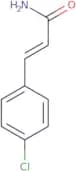
CAS:<p>4-Chlorocinnamide is an organochlorine compound that has been found to have antibacterial properties. It inhibits the shikimate pathway in bacteria, which is essential for bacterial growth. This molecule has been shown to bind with the cation channel of the nerve cells in the trigeminal nerve and inhibit their function. The inhibition of this channel leads to reduced sensitivity to pain. 4-Chlorocinnamide is also a precursor in the synthesis of stilbene derivatives, which are used as anticancer drugs.</p>Fórmula:C9H8ClNOPureza:Min. 95%Cor e Forma:PowderPeso molecular:181.62 g/mol3-Amino-6-nitropyridine
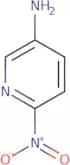
CAS:<p>3-Amino-6-nitropyridine is a nitropyridine and a coupler. It is used as a reagent to synthesize hydroxylamine, aralkyl, and cycloalkyl intermediates. 3-Amino-6-nitropyridine can also be used as an intermediate in the synthesis of medicines such as copper.</p>Fórmula:C5H5N3O2Pureza:Min. 98 Area-%Cor e Forma:PowderPeso molecular:139.11 g/mol27-Hydroxy-7-keto cholesterol
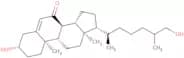
CAS:Produto Controlado<p>Please enquire for more information about 27-Hydroxy-7-keto cholesterol including the price, delivery time and more detailed product information at the technical inquiry form on this page</p>Fórmula:C27H44O3Pureza:Min. 95%Peso molecular:416.64 g/mol5-Azacytosine
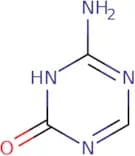
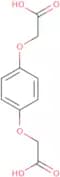
CAS:<p>Intermediate in the synthesis of Decitabine</p>Fórmula:C3H4N4OPureza:Min. 95%Cor e Forma:PowderPeso molecular:112.09 g/molHydroquinone-2,2'-diacetic acid
CAS:<p>Hydroquinone-2,2'-diacetic acid is a labile and water soluble ester with activating properties. It is used in bioconjugate chemistry for the modification of proteins and peptides. Hydroquinone-2,2'-diacetic acid can be reused and has been shown to react with a wide range of synthons or linkers. This compound has been shown to induce apoptosis in cancer cells. Hydroquinone-2,2'-diacetic acid also has fluorescence properties that are sensitive to copper ions, making it useful for analytical applications such as protein quantification and detection of metal ions.</p>Fórmula:C10H10O6Pureza:Min. 98 Area-%Cor e Forma:PowderPeso molecular:226.18 g/mol7-Cyano-7-deaza-2’-deoxyguanosine
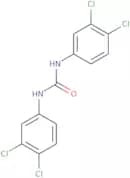
CAS:<p>7-Cyano-7-deaza-2’-deoxyguanosine is a pyrrole nucleoside analog that has been shown to inhibit the replication of herpes simplex virus type 1 and 2 in human cell lines. 7-Cyano-7-deaza-2’-deoxyguanosine is a synthetic nucleoside analog that is structurally similar to deoxyadenosine, but with a cyanide group instead of an oxygen atom. This compound has been shown to have the same biochemical properties as deoxyadenosine, including inhibiting the incorporation of uridine into RNA and DNA. In addition, 7-Cyano-7-deaza-2’-deoxyguanosine inhibits the synthesis of proteins from amino acids by competitive inhibition of ribonucleotide reductase, which catalyzes the conversion of ribonucleotides to deoxyribonucleotides. The enzyme's function</p>Fórmula:C12H13N5O4Pureza:Min. 95%Cor e Forma:PowderPeso molecular:291.26 g/mol3,3',4,4'-Tetrachlorocarbanilide
CAS:<p>3,3',4,4'-Tetrachlorocarbanilide (TCA) is an antimicrobial agent that is used in the wastewater treatment process. It is detectable by analytical methods such as chromatography and electrospray mass spectrometry. TCA has a broad spectrum of activity against bacteria, fungi, viruses and protozoa. It is also used as a biocide in deionized water systems where it can be effective against Gram-positive bacteria, Gram-negative bacteria, yeast and protozoa. TCA has been shown to inhibit the growth of triclosan-resistant bacteria found in wastewater samples. The impurities found in TCA are not known at this time.</p>Pureza:Min. 95%Tiotropium bromide monohydrate
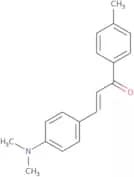
CAS:<p>Muscarinic antagonist; bronchodilator</p>Fórmula:C19H22NO4S2•Br•H2OPureza:Min. 95%Cor e Forma:PowderPeso molecular:490.43 g/mol4-Dimethylamino-4'-methylchalcone
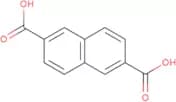
CAS:<p>4-Dimethylamino-4'-methylchalcone is a versatile building block that can be used in synthesis of fine chemicals, research chemicals, and reagents. It can also be used as a speciality chemical or useful intermediate for the preparation of other compounds. 4-Dimethylamino-4'-methylchalcone has been shown to react with many different functional groups and is useful as a scaffold for the synthesis of complex molecules. It has been shown to have high quality, making it an excellent choice for use in reactions.</p>Fórmula:C18H19NOPureza:Min. 95%Cor e Forma:PowderPeso molecular:265.35 g/mol2,6-Naphthalenedicarboxylic acid
CAS:<p>2,6-Naphthalenedicarboxylic acid is a synthetic organic compound that belongs to the group of fatty acids. It is produced by oxidation of 2,6-naphthoquinone with sodium carbonate and glycol ester in the presence of an oxidation catalyst. The reaction mechanism appears to involve hydrogen bonding interactions between the hydroxyl groups on the glycol ester and the carboxyl groups on 2,6-naphthoquinone. 2,6-Naphthalenedicarboxylic acid has been shown to bind to intracellular targets such as transfer reactions and fatty acid synthesis. The analytical method for this compound is based on its formation of an adduct with p-hydroxybenzoic acid in hydrochloric acid solution.</p>Fórmula:C12H8O4Pureza:Min. 95%Cor e Forma:PowderPeso molecular:216.19 g/mol6-Nitrocoumarin
CAS:<p>Substrate to study the nitroreductase activity in the pathogenic fungus Sporothrix schenckii, a thermal dimorphic pathogenic fungus causing a subcutaneous mycosis.</p>Fórmula:C9H5NO4Pureza:Min. 95%Cor e Forma:PowderPeso molecular:191.14 g/mol3,5-Dinitrosalicylic acid
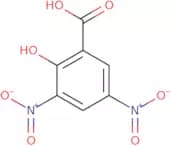
CAS:<p>3,5-Dinitrosalicylic acid is a strong organic acid that is used as a reagent for the detection of starch. It reacts with the amylose and amylopectin in starch to form a blue or violet color. This reaction can be measured using titration calorimetry or complex enzyme solutions. The 3,5-dinitrosalicylic acid is also used in analytical methods to determine the purity of nitro compounds by measuring their proton content. 3,5-Dinitrosalicylic acid can also be used to detect carboxylic acids by forming an intermolecular hydrogen bond with them.</p>Fórmula:C7H4N2O7Pureza:Min. 98 Area-%Cor e Forma:White Yellow PowderPeso molecular:228.12 g/mol(+)-(1R,2R,5R)-2-Hydroxy-3-pinanone
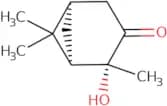
CAS:<p>(+)-(1R,2R,5R)-2-Hydroxy-3-pinanone is an organic compound that can be prepared by a kinetic resolution of the racemic mixture of (+)-(1S,2S,5S)-2-hydroxy-3-pinanone. This reaction is performed in two steps: first the racemic mixture is converted to the corresponding chiral acetylacetonate by reaction with acetic anhydride followed by hydrolysis with sodium hydroxide. The pentane reacts with the ring opening of the acetylacetonate to give (+)-(1R,2R,5R)-2-hydroxypinanone and its enantiomer. The nature of this preparative method means that it is not possible to recover (+)-(1R,2R,5R)-2-hydroxypinanone from the reaction products.</p>Fórmula:C10H16O2Pureza:Min. 95%Cor e Forma:PowderPeso molecular:168.23 g/molPotassium DL-aspartate hemihydrate
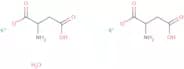
CAS:<p>Potassium DL-aspartate hemihydrate is a versatile building block that can be used as a reagent and as a speciality chemical. It is useful for research and development, as well as for the production of high-quality compounds and intermediates. This compound can be used in organic synthesis reactions and has been shown to be useful in the construction of scaffolds.</p>Fórmula:C4H7NO4H2O·KPureza:Min. 95%Cor e Forma:White PowderPeso molecular:181.21 g/molRosuvastatin triphenylphosphonium bromide
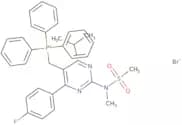
CAS:<p>Rosuvastatin is a high-quality reagent for organic synthesis. It has a CAS number of 885477-83-8 and is used as an intermediate in the production of fine chemicals, research chemicals, and speciality chemicals. Rosuvastatin is also a versatile building block for organic synthesis because it can be used to make many different chemical compounds. It is also used as a reaction component in the production of other chemical compounds.</p>Fórmula:C34H34BrFN3O2PSPureza:Min. 95%Cor e Forma:White PowderPeso molecular:678.59 g/mol2-Amino-4,8-naphthalenedisulfonic acid
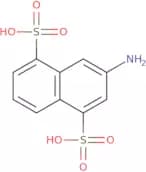
CAS:<p>2-Amino-4,8-naphthalenedisulfonic acid is a structural analog of the natural amino acid phenylalanine. It is an inhibitor of the enzyme tyrosinase, which participates in the oxidation of dopamine to DOPA and subsequent conversion to melanin. 2-Amino-4,8-naphthalenedisulfonic acid has been shown to inhibit the growth of probiotic bacteria and can be used as a food additive. The compound also inhibits the oxidation catalyst that is required for some analytical chemistry tests. 2-Amino-4,8-naphthalenedisulfonic acid has been shown to have toxicological properties in animal studies and this toxicity is exacerbated by its ability to bind with pyridine nucleotides found in cells. The toxicological effects are thought to be related to the inhibition of protein synthesis that leads to cell death.</p>Fórmula:C10H9NO6S2Pureza:Min. 95%Cor e Forma:PowderPeso molecular:303.31 g/molSimvastatin hydroxy acid ammonium salt
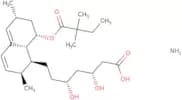
CAS:<p>Simvastatin is a hydrated, acylated statin that is used as a lipid-lowering drug. It inhibits HMG-CoA reductase, an enzyme that plays a central role in cholesterol biosynthesis. The reaction solution can be activated by mixing with an acyltransferase and the desired acyl group. Simvastatin has a toxicity profile that includes myopathy, rhabdomyolysis, and liver failure. Simvastatin also inhibits lipoprotein lipase and prevents the hydrolysis of triglycerides to fatty acids and glycerol. This leads to reduced levels of low-density lipoproteins (LDLs) and increased levels of high-density lipoproteins (HDLs). Simvastatin is converted into an amide form by enzymatic cleavage, which may lead to metabolic inhibition.</p>Fórmula:C25H43NO6Pureza:Min. 98 Area-%Cor e Forma:White PowderPeso molecular:453.61 g/molMelatonin
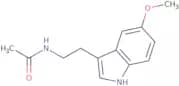
CAS:<p>Melatonin is a neurotransmitter produced by the pineal gland that is involved in the regulation of sleep-wake cycles. It can be used to treat several conditions like shift work disorders, insomnia, jet lag, and alterations of the circadian rhythm. Some authors also proposed the use of melatonin against cognitive disorders. In an interesting research conducted on zebrafish, it was found that memory formation occurs better during daytime compared to nighttime, suggesting a role of melatonin in this process. When melatonin was administered during the daytime it caused reduced memory formation. On the contrary, removing the pineal gland or treating the fish with a melatonin antagonist significantly improves nighttime memory formation.</p>Fórmula:C13H16N2O2Pureza:Min. 98 Area-%Cor e Forma:White Off-White PowderPeso molecular:232.28 g/mol4-Nitropyrene
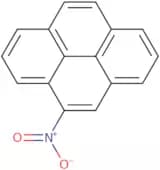
CAS:<p>4-Nitropyrene is a potent carcinogen that binds to the heme of cytochrome P450 and inhibits its activity. This chemical has been shown to inhibit the metabolism of nitroarenes, which are compounds that have been shown to cause cancer in animals. 4-Nitropyrene also produces genotoxic effects on cells in culture by causing DNA damage, including strand breaks, adduct formation, and the formation of pyrimidine dimers. 4-Nitropyrene acts as a tumor promoter in animal models by inducing lung tumors and inhibiting cell differentiation. This chemical is metabolized extensively with metabolic profiles being dependent on the tissue type examined. The analytical methods for this chemical include gas chromatography/mass spectrometry or liquid chromatography/mass spectrometry. Nitrite ion (NO2) is an important metabolite that can be measured using a colorimetric assay.</p>Fórmula:C16H9NO2Pureza:Min. 95%Cor e Forma:Slightly Yellow PowderPeso molecular:247.25 g/molVanillylideneacetone
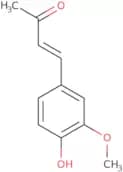
CAS:<p>Vanillylideneacetone (VDA) is a natural compound that belongs to the class of phenylethanoids. It has been shown to have anti-inflammatory properties, which may be due to inhibition of prostaglandin synthesis. VDA also exhibits antimicrobial activity against Gram-positive and Gram-negative bacteria, as well as some fungi and yeast. In vitro antifungal activity has been observed in human serum, cell lysis with the presence of trypsin, and cytotoxicity in carcinoma cell lines. Toxicological studies have shown no adverse effects on locomotor activity or carcinogenicity at high doses.</p>Fórmula:C11H12O3Pureza:Min. 95%Cor e Forma:Yellow PowderPeso molecular:192.21 g/molDL-Homocysteine thiolactone hydrochloride
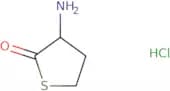
CAS:<p>DL-Homocysteine thiolactone hydrochloride is a compound that has been found in human serum and urine. It is used to measure the concentration of homocysteine in the blood, which may be an indicator of coronary heart disease. DL-Homocysteine thiolactone hydrochloride is used to synthesize the amino acid cysteine, which is vital for cell growth and protein synthesis. DL-Homocysteine thiolactone hydrochloride also has optical properties that make it suitable as a photochromic material. The compound has been shown to be a hydrogen bond donor, which makes it useful for stabilizing proteins in mammalian cells.</p>Fórmula:C4H8ClNOSPureza:Min. 95%Cor e Forma:White PowderPeso molecular:153.63 g/mol4-Carboxycinnamic acid
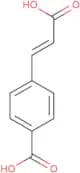
CAS:<p>4-Carboxycinnamic acid is an organic compound that is a derivative of cinnamic acid. It is a colorless solid that is soluble in organic solvents and has high resistance to environmental pollution. 4-Carboxycinnamic acid has been shown to have photocatalytic activity in the presence of UV radiation, with a quantum yield of 0.2% at 365 nm. It also exhibits fluorescence properties, but these are not as strong as the parent compound, cinnamic acid. 4-Carboxycinnamic acid has functional groups that can be activated by hydrogen bonding interactions and uptake into cells. This compound also reacts with sulfonic acids to form sulfinic acids and hydrochloric acid to form chlorocinnamic acids. Chronic pulmonary effects were observed in animals after inhalation of this substance for 30 minutes per day for 10 days. X-ray crystal structures have been determined for 4-carboxycinnamic acid and its</p>Fórmula:C10H8O4Pureza:Min. 95%Cor e Forma:PowderPeso molecular:192.17 g/molFmoc-L-threoninol
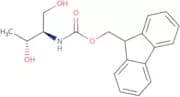
CAS:<p>Fmoc-L-threoninol is a conjugate of L-threoninol with a protecting group, Fmoc. It is synthesized by the solid-phase method on an activated resin and then cleaved from the resin to give the desired product. The linker used in this synthesis is succinic acid diacetate. This compound has been shown to have anti-inflammatory effects in human serum, which may be due to its ability to inhibit prostaglandin synthesis.</p>Fórmula:C19H21NO4Pureza:Min. 95%Cor e Forma:PowderPeso molecular:327.37 g/mol(-)-α-Bisabolol
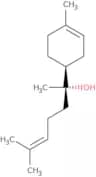
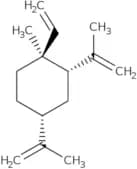
CAS:<p>(-)-α-Bisabolol is a natural compound that can be found in chamomile, which is used as an herbal tea. This compound has been shown to have apoptosis-inducing effects in Candida glabrata, which may be due to its ability to reduce the mitochondrial membrane potential and inhibit protein synthesis. (-)-α-Bisabolol also has anti-inflammatory properties and can inhibit amoeba growth by inhibiting farnesol production.</p>Fórmula:C15H26OPureza:Min. 93 Area-%Cor e Forma:Colorless Clear LiquidPeso molecular:222.37 g/mol6α-Fluoro-11β,17,21-Trihydroxypregna-1,4-Diene-3,20-Dione 17-Valerate
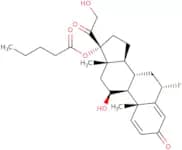
CAS:Produto Controlado<p>6alpha-Fluoro-11beta,17,21-Trihydroxypregna-1,4-Diene-3,20-Dione 17-Valerate is a hydrogenated and esterified form of 6alpha-fluoro-11beta,17,21-trihydroxypregna1,4diene3,20dione. It is an oil with a fatty acid ester that has been synthetically modified to be more hydrophobic. 6alpha-Fluoro-11beta,17,21-Trihydroxypregna1,4diene3,20dione 17valerate is used in the synthesis of pharmaceuticals and hormones. It can also be used as an enhancer for the stability of pharmaceutical preparations.</p>Fórmula:C26H35FO6Pureza:Min. 95%Peso molecular:462.55 g/mol6-Methoxy-2-naphthaldehyde
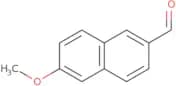
CAS:<p>6-Methoxy-2-naphthaldehyde is a nonsteroidal antiinflammatory drug that belongs to the class of naphthalenes. It inhibits the formation of inflammatory prostaglandins, which are mediators of pain and inflammation. 6-Methoxy-2-naphthaldehyde has been shown to have cytotoxic effects on cancer cells and in vitro studies have shown that it can induce cell lysis. It has also been shown to be a potent fluorescence probe for use in biological applications. This compound binds to human serum proteins by hydrogen bonding interactions, which may affect its pharmacokinetic properties. In addition, this compound has been shown to inhibit the activity of detoxification enzymes such as CYP 2C9 and 2D6 at high concentrations, which may lead to unwanted side effects such as nausea or vomiting. The molecular docking analysis of 6-Methoxy-2-naphthaldehyde with the active site of human liver alcohol dehydrogen</p>Fórmula:C12H10O2Pureza:Min. 98 Area-%Cor e Forma:PowderPeso molecular:186.21 g/mol13-cis-Retinal - 95%
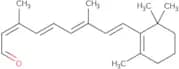
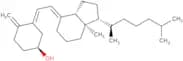
CAS:<p>13-cis-Retinal is a natural compound that is a derivative of retinol. It is biologically active, and a precursor to retinoic acid. Retinal is synthesized from dietary vitamin A, and is converted to retinoic acid in the liver. Retinal binds to the receptor protein opsin, which initiates the photochemical conversion of light into nerve impulses. 13-cis-Retinal has been shown to be effective for restoring vision in people with retinitis pigmentosa and other degenerative diseases of the retina. This molecule also has anticancer properties that are due to its ability to inhibit cell division and induce apoptosis.</p>Fórmula:C20H28OPureza:(%) Min. 95%Cor e Forma:Yellow PowderPeso molecular:284.44 g/molCholecalciferol impurity A
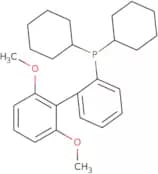
CAS:<p>Cholecalciferol impurity A is a cholecalciferol impurity that is used in oral hypoglycaemic drugs. It has been shown to be effective in the treatment of type 1 and type 2 diabetes, as well as multiple sclerosis, rheumatoid arthritis, and other autoimmune diseases. Cholecalciferol impurity A binds to the response element for vitamin D3 and mediates gene expression. It also activates calcium-dependent signaling pathways, which are important for bone metabolism and the immune system. This drug has been shown to reduce disease activity by increasing blood levels of natriuretic peptide levels and reducing blood sampling times in animal models.</p>Fórmula:C27H44OPureza:Min. 90 Area-%Cor e Forma:White Yellow PowderPeso molecular:384.64 g/mol2-Dicyclohexylphosphino-2',6'-dimethoxybiphenyl
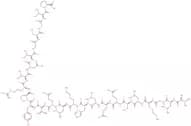
CAS:<p>2-Dicyclohexylphosphino-2',6'-dimethoxybiphenyl is a fluorescent chemical that has been used to study interactions of fatty acids and halides. It is also used in the synthesis of palladium complexes, which have been shown to be effective for hydrogenation reactions. 2-Dicyclohexylphosphino-2',6'-dimethoxybiphenyl can be synthesized from 2,6-dichlorobenzaldehyde and dicyclohexylphosphine by the addition of trifluoroacetic acid. The synthesis proceeds via a substitution reaction with methoxy groups on the aromatic ring. This product fluoresces under ultraviolet light at 351 nm.</p>Fórmula:C26H35O2PPureza:Min. 95%Cor e Forma:PowderPeso molecular:410.53 g/molCalcitonin (8-32) (salmon I) trifluoroacetate salt
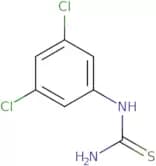
CAS:<p>Please enquire for more information about Calcitonin (8-32) (salmon I) trifluoroacetate salt including the price, delivery time and more detailed product information at the technical inquiry form on this page</p>Fórmula:C119H198N36O37·C2HF3O2Pureza:Min. 98 Area-%Cor e Forma:PowderPeso molecular:2,725.07 g/mol3,5-Dichlorophenylthiourea
CAS:<p>3,5-Dichlorophenylthiourea is an inorganic compound that can be used as a corrosion inhibitor. It is an acidic compound with a magnetic resonance spectrum that contains amide peaks. This substance is also bifunctional and reacts with potassium dichromate to form an ammonium salt. 3,5-Dichlorophenylthiourea has been shown to inhibit the growth of C. neoformans in human serum and may be useful as a chemotherapy agent for this type of infection. The substance has also been shown to have some effect on chloride ions and may be useful as an environmental pollution control agent or as a chemical substance. 3,5-Dichlorophenylthiourea may react with alkanolamines or polyvinyls in order to form new compounds.</p>Pureza:Min. 95%D-Pantolactone
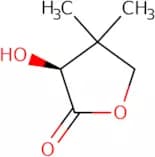
CAS:<p>D-Pantolactone is a lactone that is produced by the bacterial strain Pantoea agglomerans. It is an intermediate in the biosynthesis of pantothenic acid and calcium pantothenate. D-Pantolactone has been shown to have inhibitory properties against HIV infection, but it is not active against other viruses. D-Pantolactone binds to the enzyme hydrolase and blocks the transfer of a proton from ATP to ADP, inhibiting the production of ATP and leading to cell death. The reaction solution for D-pantolactone can be analyzed using nuclear magnetic resonance spectroscopy (NMR) or high performance liquid chromatography (HPLC).</p>Fórmula:C6H10O3Pureza:Min. 98%Cor e Forma:White PowderPeso molecular:130.14 g/molAnthracene
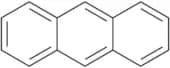
CAS:<p>Anthracene is a fluorescent probe that is used in the detection of hydrochloric acid. The fluorescence intensity of anthracene changes when it interacts with HCl, which makes it a good indicator for detecting this acid. Anthracene has been shown to bind to the bacterial cell wall skeleton and inhibit detoxification enzymes, such as beta-glucuronidase and beta-lactamase. This inhibition can be used to measure the activity of these enzymes. Anthracene has also been shown to have transport properties in inflammatory bowel disease (IBD). Protocatechuic acid has been shown to increase the solubility of anthracene in experimental conditions.</p>Fórmula:C14H10Pureza:(Hplc) Min. 98.5%Cor e Forma:PowderPeso molecular:178.23 g/mol3,3',5-Triiodo-L-thyronine
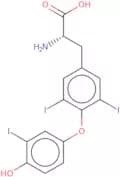
CAS:<p>Triiodothyronine (T3) is a thyroid hormone that has a high affinity for the thyrotropin receptor. It regulates the metabolic rate, cell specific transcriptional regulation, and transcriptional regulation of genes involved in fatty acid synthesis. T3 is synthesized from the amino acid tyrosine through a series of reactions catalyzed by enzymes such as tyrosine hydroxylase, thyroperoxidase, and type 2 iodothyronine deiodinase. The enzyme thyroid peroxidase converts inactive T3 to the active form of T3 (triiodothyronine). In addition, triiodothyronine can be converted to reverse T3 (rT3), which is inactive. Triiodothyronine has an optimal ph of 7.4-8.0 and an optimum igf-i concentration of 100 ng/ml, where it can stimulate growth hormone release from the anterior pituitary gland.</p>Fórmula:C15H12I3NO4Pureza:Min. 95 Area-%Cor e Forma:Off-White PowderPeso molecular:650.97 g/mol(-)-Borneol
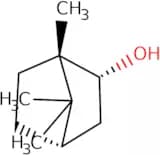
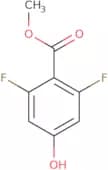
CAS:Produto Controlado<p>(-)-Borneol is a monoterpenoid that is found in plants such as Angelica Dahurica, Salvia Miltiorrhiza, and Rhizoma Gastrodiae. (-)-Borneol has been shown to inhibit the activity of complex enzymes such as fructosyltransferase, which is involved in the synthesis of fructose-1,6-bisphosphate. This compound also displays significant cytotoxicity against cancer cells and induces apoptosis by inhibiting DNA binding activity. (-)-Borneol also has anti-inflammatory properties and can be used for the treatment of inflammatory diseases such as asthma. It inhibits prostaglandin synthesis by blocking cyclooxygenases (COX). Experimental studies have shown that borneol can inhibit the growth of Mycobacterium tuberculosis and Mycobacterium avium complex.</p>Fórmula:C10H18OPureza:Min. 95%Cor e Forma:PowderPeso molecular:154.25 g/mol2,6-Difluoro-4-hydroxybenzoic acid methyl ester
CAS:<p>2,6-Difluoro-4-hydroxybenzoic acid methyl ester is an inhibitor of monoamine oxidase (MAO). It inhibits the oxidation of monoamines such as norepinephrine and serotonin. The inhibition of MAO leads to increase in norepinephrine levels and decrease in serotonin levels. 2,6-Difluoro-4-hydroxybenzoic acid methyl ester has been shown to have antidepressant effects. This drug has also been shown to be effective for treating intraocular hypertension, by inhibiting the formation rate of aqueous humor and lowering intraocular pressure.</p>Fórmula:C8H6F2O3Pureza:Min. 95%Cor e Forma:PowderPeso molecular:188.13 g/molα-Naphthyl butyrate
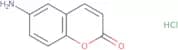
CAS:<p>Alpha-naphthyl butyrate is a monomer of polybutyrate and is used as an intermediate in the production of polybutylene terephthalate. This product is also used for biological studies and has been shown to have acute toxicities. Alpha-naphthyl butyrate has been shown to inhibit esterase and enzyme activities, and it is more toxic than butyric acid. Alpha-naphthyl butyrate can be used for the diagnosis of certain types of chronic viral hepatitis, such as hepatitis B virus or hepatitis C virus, by detecting human immunoglobulin G (IgG) antibodies against this compound.</p>Fórmula:C14H14O2Pureza:Min. 95%Cor e Forma:Clear LiquidPeso molecular:214.26 g/mol6-Aminocoumarin HCl
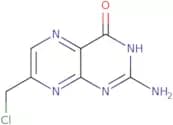
CAS:<p>Use as a positive control when detecting nitroreductase activity</p>Fórmula:C9H7NO2·HClPureza:Min. 95%Peso molecular:197.62 g/molFolic acid impurity F
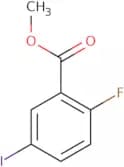
CAS:<p>Folic acid impurity F is a byproduct of the condensation reaction between folic acid and formaldehyde. This impurity is found in synthetic folic acid and is also present in small amounts in natural folates. It has been shown to be an antioxidant that can prevent the oxidation of vitamin B12, which can lead to cell damage. Folic acid impurity F can be isolated from a chromatographic column using acidic conditions, then hydrolyzed with dilute hydrochloric acid or sodium hydroxide to produce the desired product.</p>Fórmula:C7H6ClN5OPureza:Min. 95%Peso molecular:211.61 g/mol2-Fluoro-5-iodobenzoic acid methyl ester
CAS:<p>2-Fluoro-5-iodobenzoic acid methyl ester is a fine chemical that is useful as a building block for the synthesis of complex compounds. It is also used as an intermediate in organic syntheses, and in research and development as a reaction component or speciality chemical. 2-Fluoro-5-iodobenzoic acid methyl ester has been shown to be effective in the synthesis of high quality reagents.</p>Fórmula:C8H6FIO2Pureza:Min. 95%Cor e Forma:Off-White To Yellow SolidPeso molecular:280.03 g/mol(-)-β-Elemene
CAS:<p>(-)-beta-Elemene is a natural product with antifungal and anticancer properties. It has been shown to have strong in vitro activity against myeloma cell lines, HL-60 cells, and K562 cells, which are all human cancer cell lines. (-)-beta-Elemene has also been shown to be active against group P2 bacteria, including Streptococcus pneumoniae and Haemophilus influenzae. This compound has been found to inhibit the growth of solid tumours in vivo. (-)-beta-Elemene inhibits the energy metabolism of cells by altering the mitochondrial membrane potential and blocking ATP synthesis. It also induces apoptosis by regulating key cell signaling pathways, such as caspase activation and Akt/mTOR pathway inhibition.</p>Fórmula:C15H24Pureza:Min. 95%Cor e Forma:Clear LiquidPeso molecular:204.35 g/mol4'-Hydroxy-3,4-methylenedioxychalcone
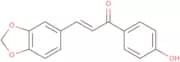
CAS:<p>4'-Hydroxy-3,4-methylenedioxychalcone is a reaction component that belongs to the category of fine chemicals. It is a useful scaffold for the synthesis of complex compounds and can be used as a reagent for the preparation of other chemical substances. 4'-Hydroxy-3,4-methylenedioxychalcone is an intermediate in the manufacture of certain drugs such as taxol, which is used to treat breast cancer. The CAS number for this substance is 19152-39-7.</p>Fórmula:C16H12O4Pureza:Min. 95%Cor e Forma:PowderPeso molecular:268.26 g/mol(1R,2R,3S,5R)-Pinanediol pyrrolidine-2S-boronate hydrochloride
CAS:<p>(1R,2R,3S,5R)-Pinanediol pyrrolidine-2S-boronate hydrochloride is a reagent that can be used in the synthesis of complex compounds. It is a fine chemical with CAS No. 149716-73-4. (1R,2R,3S,5R)-Pinanediol pyrrolidine-2S-boronate hydrochloride has a number of uses including as an intermediate for the preparation of speciality chemicals and as a building block for reactions in research. This compound is also useful as a versatile building block for many reactions.</p>Fórmula:C14H25BClNO2Pureza:Min. 95%Cor e Forma:PowderPeso molecular:285.62 g/mol(-)-2β-Carbomethoxy-3β-(4-iodophenyl)nortropane
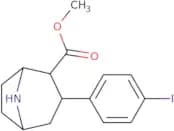
CAS:Produto Controlado<p>(-)-2b-Carbomethoxy-3b-(4-iodophenyl)nortropane is a serotonin agonist that has been shown to be effective in the treatment of dysthymia and depression in women. It is a serotonergic agent that binds to serotonin receptors, as well as dopamine receptors, which are involved in the regulation of mood. (-)-2b-Carbomethoxy-3b-(4-iodophenyl)nortropane inhibits the reuptake of serotonin, which leads to an increase in the extracellular concentration of serotonin. This agent also has alkylation properties and can form adducts with thiol groups on proteins, such as 5-HT receptors. A positron emission tomography (PET) study found that (-)-2b-Carbomethoxy-3b-(4-iodophenyl)nortropane is a potent radiotracer for mapping the serotonin transporter system</p>Fórmula:C15H18INO2Pureza:Min. 95%Cor e Forma:PowderPeso molecular:371.21 g/molethyl 2-(6-bromo-2-naphthyloxy)acetate
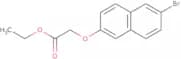
CAS:<p>Please enquire for more information about ethyl 2-(6-bromo-2-naphthyloxy)acetate including the price, delivery time and more detailed product information at the technical inquiry form on this page</p>Pureza:Min. 95%Carbamoyl-guanidine amidino urea salt, hydrochloride salt
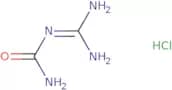
CAS:<p>Carbamoyl-guanidine amidino urea salt, hydrochloride salt is a compound that belongs to the class of amides. It has been used as a pharmacological treatment for autoimmune diseases. Carbamoyl-guanidine amidino urea salt, hydrochloride salt is also used in the preparation of pharmaceutical preparations and diagnostic agents. This drug can be found in tests for the diagnosis of autoimmune diseases and tissue culture. The carbamoyl-guanidine amidino urea salt, hydrochloride salt molecule is hydrophilic and interacts with test samples through hydrogen bonds. Carbamoyl-guanidine amidino urea salt, hydrochloride salt can be analyzed using methods such as pharmacological tests, analytical methods, and vitro assays.</p>Fórmula:C2H7ClN4OPureza:Min. 96 Area-%Cor e Forma:PowderPeso molecular:138.56 g/mol4-Methylcinnamic acid
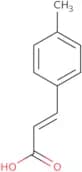
CAS:<p>4-Methylcinnamic acid is a cinnamic acid derivative that is used as an intermediate in the synthesis of various drugs. It can be synthesized from 2-chlorocinnamic acid, which is prepared by reaction with phosphorus pentachloride. 4-Methylcinnamic acid is also able to be oxidized to 4-hydroxycinnamic acid, which has been shown to have anti-aging effects. The molecule can be modeled using molecular dynamics simulations and was found to be polarizable and diffracting.</p>Fórmula:C10H10O2Pureza:Min. 95%Cor e Forma:White PowderPeso molecular:162.19 g/mol5-Hydroxyaloin a 6'-o-acetate
CAS:<p>5-Hydroxyaloin A 6'-O-acetate is a naturally occurring polysubstituted anthraquinone glycoside, which is derived primarily from Aloe species. It is synthesized through biosynthetic pathways in the Aloe vera plant, where anthraquinones are acetylated to enhance their biological activity. This compound is known for its potential bioactive properties, including anti-inflammatory and antioxidant activities, which are attributed to its ability to modulate various biochemical pathways.</p>Fórmula:C23H24O11Pureza:Min. 95%Peso molecular:476.43 g/molIndirubin-3'-monoxime
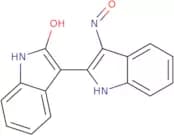
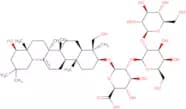
CAS:<p>Inhibitor of YB-1 nuclear translocation; anti-cancer</p>Fórmula:C16H11N3O2Pureza:Min. 95%Cor e Forma:PowderPeso molecular:277.28 g/molSoyasaponin Ba
CAS:<p>Inhibits L-iodose and HNE reduction; aldose reductase inhibitor</p>Fórmula:C48H78O19Pureza:Min. 98 Area-%Cor e Forma:PowderPeso molecular:959.12 g/molChromotrope 2B
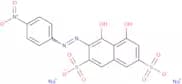
CAS:<p>Chromotrope 2B is a water-soluble dye that is used for the detection of the presence of hydrochloric acid in urine samples. It is also used to detect the presence of biological samples in pharmaceutical preparations. The optimum concentration for this dye is 0.5% with phosphotungstic acid and 3% with human serum. Chromotrope 2B has been shown to be active when exposed to radiation, as well as having an absorption maximum at 381 nm. Chromotrope 2B reacts with plasma proteins to form a blue colored compound called chromoprotein, which can be detected by mass spectrometry.<br>br>br></p>Fórmula:C16H9N3O10S2·2NaPureza:Min. 95%Cor e Forma:PowderPeso molecular:513.37 g/mol9-cis-β-Carotene
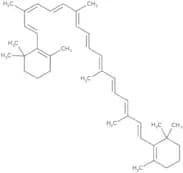
CAS:<p>9-cis-b-Carotene is a carotenoid that is found in plants, animals, and microalgae.</p>Fórmula:C40H56Pureza:Min. 95%Cor e Forma:PowderPeso molecular:536.87 g/molBetaine
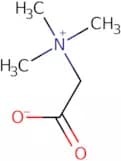
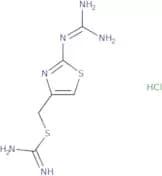
CAS:<p>Osmolyte giving cellular protection against environmental stress</p>Fórmula:C5H11NO2Pureza:99.0 To 101.0%Cor e Forma:White Off-White PowderPeso molecular:117.15 g/mol(S)-(2-Guanidino-4-thiazolyl)methylisothiourea dihydrochloride
CAS:<p>(S)-(2-Guanidino-4-thiazolyl)methylisothiourea dihydrochloride is a fine chemical that is useful as a versatile building block and reaction component in research. It has been extensively used as a high quality reagent for the preparation of complex compounds. (S)-(2-Guanidino-4-thiazolyl)methylisothiourea dihydrochloride has also been used as a speciality chemical, which is not commercially available.</p>Fórmula:C6H12Cl2N6S2Pureza:Min. 95%Cor e Forma:White PowderPeso molecular:303.24 g/molDL-a-Tocopherol acetate - oil
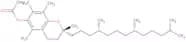
CAS:<p>Stable form of Vitamin E used in cosmetic formulations; antioxidant</p>Fórmula:C31H52O3Pureza:Min. 98%Cor e Forma:Clear LiquidPeso molecular:472.74 g/molCholesterol chloroformate
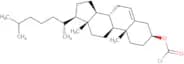
CAS:Produto Controlado<p>Cholesterol chloroformate is a cholesterol derivative that has been shown to have good solubility in water. It is a white crystalline solid that is insoluble in ether, benzene, and chlorinated hydrocarbons. The compound has been used as a phase-transition temperature indicator and has been shown to be more resistant to degradation by enzymes than steric interactions. Cholesterol chloroformate is also an intermediate for the synthesis of other compounds such as cholesteryl sulfate and dextran sulfate. This compound binds to the Toll-like receptor 4 (TLR4) on cells, triggering an inflammatory response and activating the immune system. Cholesterol chloroformate can be used to study tumor cell growth by inhibiting mitosis in mouse tumors with subcutaneous injections of this agent.</p>Fórmula:C28H45ClO2Pureza:Min. 95%Peso molecular:449.11 g/mol3-tert-Butyl-6-methylsalicylic acid
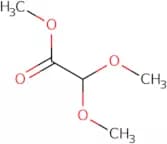
CAS:<p>3-tert-Butyl-6-methylsalicylic acid is a versatile building block that is used in the synthesis of complex compounds. It reacts with amines to form salicylanilides and is also used as a reagent for the synthesis of acetylenes. 3-tert-Butyl-6-methylsalicylic acid can be used as a starting material for the production of pharmaceuticals, pesticides, and dyes. This compound has been shown to be an effective intermediate in the synthesis of new drugs, such as antimalarial agents and analgesics. The high quality of this chemical makes it a useful scaffold for organic synthesis.</p>Fórmula:C12H16O3Pureza:Min. 95%Cor e Forma:PowderPeso molecular:208.25 g/molGlyoxylic acid methyl ester dimethyl acetal
CAS:<p>Glyoxylic acid methyl ester dimethyl acetal is a synthetic chemical that is used as a control agent in the production of pharmaceutical preparations. It has been shown to inhibit the replication of syncytial viruses, including the human respiratory syncytial virus (RSV). Glyoxylic acid methyl ester dimethyl acetal binds to methoxy groups and coagulation factors, which may be responsible for its anti-coagulation properties. The optical properties of this compound are similar to those of glyoxylate. This chemical has also been shown to have an effect on blood pressure.</p>Fórmula:C5H10O4Pureza:Min. 95%Cor e Forma:Clear LiquidPeso molecular:134.13 g/mol3,4,5-Tribromobenzoic acid methyl ester
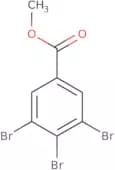
CAS:<p>3,4,5-Tribromobenzoic acid methyl ester is a versatile building block for organic synthesis. It is a boron compound with the chemical formula C6H3Br3O2. It has been shown to be useful as a reagent, reaction component, and intermediate in organic synthesis. 3,4,5-Tribromobenzoic acid methyl ester is a complex compound that can be used as a speciality chemical or fine chemical.</p>Fórmula:C8H5Br3O2Pureza:Min. 95%Cor e Forma:PowderPeso molecular:372.84 g/molPenicillin V potassium salt
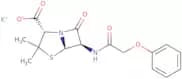
CAS:<p>Penicillin V potassium salt is a penicillin antibiotic that has been used to treat infections caused by bacteria, such as streptococcal throat infections. It is a prodrug of penicillin G and has the same mechanism of action. Penicillin V potassium salt binds to penicillin-binding proteins in the bacterial cell wall by competitive inhibition. This binding prevents the formation of an antibiotic-inhibitor complex with the enzyme cell wall synthesis that is required for cell wall biosynthesis, inhibiting protein synthesis and cell division. Penicillin V potassium salt is often used as an alternative to oral cephalosporins due to its lower incidence of gastrointestinal side effects.</p>Fórmula:C16H17KN2O5SPureza:(Hplc) 95.0 To 102.0%Cor e Forma:White PowderPeso molecular:388.48 g/molAlfuzosin
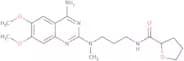
CAS:<p>?-adrenoceptor antagonist; treatment for benign prostatic hyperplasia</p>Fórmula:C19H27N5O4Pureza:Min. 95%Cor e Forma:White PowderPeso molecular:389.45 g/mol5-Bromo-2-cyano-3-nitropyridine
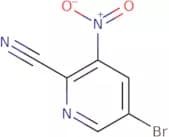
CAS:<p>5-Bromo-2-cyano-3-nitropyridine is a medication that has been shown to be an effective inhibitor of the RET tyrosine kinase. It has been used in clinical studies to treat chronic kidney disease and has been shown to inhibit the growth of cancer cells. The molecular electrostatic potential (MEP) simulations have shown that 5-bromo-2-cyano-3-nitropyridine interacts with the reactive site of RET, inhibiting its function by binding to the nucleophilic substitutions. 5-Bromo-2-cyano-3-nitropyridine is synthesized from 2,5 dibromopyridine and 3 nitrobenzene at high yield. The molecule is chromatographically separated from impurities such as 4 bromo pyridine.</p>Fórmula:C6H2BrN3O2Pureza:Min. 95%Cor e Forma:PowderPeso molecular:228 g/mol4,5-Dimethoxy-2-nitrocinnamic acid
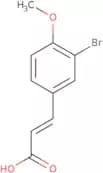
CAS:<p>4,5-Dimethoxy-2-nitrocinnamic acid is a versatile building block that can be used as a reagent or speciality chemical. It is useful for the synthesis of complex compounds, and can be used as a reaction component or scaffold in organic chemistry. 4,5-Dimethoxy-2-nitrocinnamic acid is a high quality intermediate with CAS No. 20567-38-8.</p>Fórmula:C11H11NO6Pureza:Min. 95%Peso molecular:253.21 g/mol3-Bromo-4-methoxycinnamic acid
CAS:<p>3-Bromo-4-methoxycinnamic acid is an organic compound that is used as a reagent, a useful scaffold, and a useful intermediate. It has been shown to be an excellent building block for the synthesis of complex compounds. 3-Bromo-4-methoxycinnamic acid can be used in the production of fine chemicals.</p>Fórmula:C10H9BrO3Pureza:Min. 95%Cor e Forma:PowderPeso molecular:257.08 g/molL-Fucono-γ-lactone
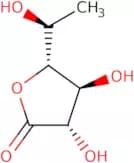
CAS:<p>L-Fucono-gamma-lactone is a compound that has been identified as a possible antibiotic for the treatment of multidrug resistant bacteria. L-Fucono-gamma-lactone inhibits the growth of bacterial cells by binding to the enzyme 4-deoxy-L-fucose dehydrogenase, which catalyzes the conversion of 4-deoxy-L-fucose to L-fuconate. This binding prevents the formation of L-fuconate, which is required for cell growth. The structural biology and bioinformatics analysis have shown that L-Fucono gamma lactone may be an effective inhibitor of bacterial enzymes, such as dehydrogenases and hexokinases. These enzymes are important for maintaining cellular energy levels and preventing cell death.</p>Fórmula:C6H10O5Pureza:Min. 95%Cor e Forma:White PowderPeso molecular:162.14 g/moltrans-4-(Diethylamino)cinnamaldehyde
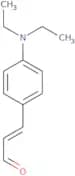
CAS:<p>Trans-4-(Diethylamino)cinnamaldehyde is a molecule that has been systematically studied with several techniques, such as x-ray crystallography. It has been shown to be a fluorophore and can be used as a fluorescent probe. Trans-4-(Diethylamino)cinnamaldehyde can be used in the fluorescence method in which it reacts with other molecules and emits light. This reaction scheme is based on the principle of irradiation by UV light or visible light to produce an excited state. Fluorescence is detected at various wavelengths depending on the dye used. Trans-4-(Diethylamino)cinnamaldehyde also emits fluorescence when irradiated with ultraviolet light, which is often referred to as "violet" fluorescence. The wavelength of this emission is 365 nm and it can be detected using high yield techniques, such as fluorometers.</p>Fórmula:C13H17NOPureza:Min. 95%Cor e Forma:PowderPeso molecular:203.28 g/mol4'-Hydroxychalcone
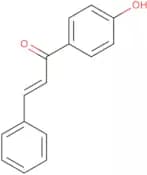
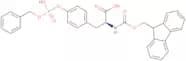
CAS:<p>4'-Hydroxychalcone is a compound that has shown to be an insulin resistance suppressant. It reduces the activity of recombinant cytochrome P450 enzymes and blocks hydroxy group metabolism, which leads to a decrease in ATP levels. This molecule also has biological properties as it can inhibit the expression of β-catenin and induce apoptosis in cancer cells. 4'-Hydroxychalcone has been found to inhibit the transfer mechanism of phosphatidylinositol 3-kinase (PTP1B) and is able to bind with the protein marker p62/SQSTM1. <br>4'-Hydroxychalcone is a potent inhibitor for PTP1B, which is a negative regulator for insulin signaling pathways. In addition, 4'-hydroxychalcone can bind with p62/SQSTM1, which is a marker for autophagy proteins. These properties have been shown to have anti-cancer effects on multiple cancer types including</p>Fórmula:C15H12O2Cor e Forma:PowderPeso molecular:224.25 g/molFmoc-O-benzylphospho-L-tyrosine
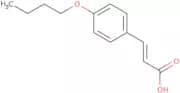
CAS:<p>Fmoc-O-benzylphospho-L-tyrosine is a synthetic amino acid that can be used as a molecular model for tyrosine kinases. Fmoc-O-benzylphospho-L-tyrosine has been shown to inhibit the activity of tyrosine phosphatases. It also binds to phosphate groups in the presence of calcium ions, which may help to immobilize it and prevent its hydrolysis by phosphatases. The binding constants of Fmoc-O-benzylphospho-L-tyrosine with these phosphate groups are determined using analytical chemistry. Fmoc-O-benzylphospho-L-tyrosine has been found to bind to immobilized cells and be expressed at high levels in mammalian cells.</p>Fórmula:C31H28NO8PPureza:Min. 97 Area-%Cor e Forma:White PowderPeso molecular:573.53 g/mol4-N-Butoxycinnamic acid
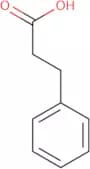
CAS:<p>4-N-Butoxycinnamic acid is a chemical compound with the molecular formula CH3(CH2)7COCH=CH(COOH). It belongs to the group of cinnamic acid derivatives, which are organic compounds that may be synthesized by condensation of malonic acid and benzene. 4-N-Butoxycinnamic acid has been shown to have anti-inflammatory properties in animal models. This compound inhibits inflammatory cytokines and their signaling pathways, thereby preventing the translocation of neutrophils into inflamed tissues.</p>Fórmula:C13H16O3Pureza:Min. 95%Peso molecular:220.26 g/molHydrocinnamic acid
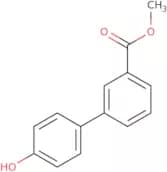
CAS:<p>Hydrocinnamic acid is an inhibitor of the enzyme carboxyl ester lipase. It is used to treat inflammatory bowel disease and autoimmune diseases, such as Crohn's disease. Hydrocinnamic acid has also been shown to inhibit the production of inflammatory mediators, such as prostaglandins, leukotrienes, and cytokines. This anti-inflammatory effect may be related to its ability to inhibit the activity of lipoxygenases and cyclooxygenases. Hydrocinnamic acid has also been shown to act as a broad-spectrum antimicrobial agent against bacteria, fungi, and viruses.</p>Fórmula:C9H10O2Pureza:Min. 95%Cor e Forma:PowderPeso molecular:150.17 g/molMethyl 3-(4-hydroxyphenyl)benzoate
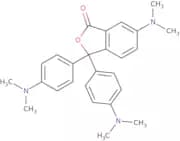
CAS:<p>Please enquire for more information about Methyl 3-(4-hydroxyphenyl)benzoate including the price, delivery time and more detailed product information at the technical inquiry form on this page</p>Fórmula:C14H12O3Pureza:Min. 95%Cor e Forma:PowderPeso molecular:228.24 g/molCrystal violet lactone
CAS:<p>Crystal violet lactone is a hydroxylated derivative of crystal violet that has been shown to exist as a stable complex with metal chelates. The chemical stability of this compound is related to the presence of the hydroxyl group, which can be used to form hydrogen bonding interactions. Crystal violet lactone has been shown to react with p-hydroxybenzoic acid in an electron transfer reaction, resulting in the formation of stable complexes. This chemical property makes it useful for flow assays, such as those used for the detection of glucose in blood plasma.</p>Fórmula:C26H29N3O2Pureza:Min. 95%Cor e Forma:Yellow PowderPeso molecular:415.53 g/mol13-cis-Retinoic acid
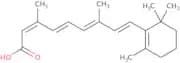
CAS:Produto Controlado<p>An endogenous retinoic acid receptor (RAR) agonist that upregulates forkhead box class O (FoxO) transcription factor. Suppresses activity and proliferation of sebaceous glands. Used for treating nodulocystic acne. Induces differentiation, neurite outgrowth and inhibits proliferation of neuroblastoma cells. A potential chemopreventive agent in non-small cell lung cancer, head and neck squamous cell carcinoma and neuroblastoma.</p>Fórmula:C20H28O2Pureza:Min. 97 Area-%Cor e Forma:Yellow PowderPeso molecular:300.44 g/molIsobavachalcone
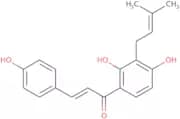
CAS:<p>Isobavachalcone is a natural compound that belongs to the group of flavonoids. It has been shown to be cytotoxic at high concentrations (e.g., 50 μM) in HL-60 cells and induce apoptosis by increasing the expression of pro-apoptotic proteins. Isobavachalcone also has anti-inflammatory properties, which may be due to its ability to inhibit the production of reactive oxygen species and increase the expression of nuclear DNA binding protein DDB2. Isobavachalcone can be used as an analytical tool for determining mitochondrial membrane potential and for identifying compounds with autophagic activity.</p>Fórmula:C20H20O4Pureza:Min. 98 Area-%Peso molecular:324.37 g/mol2-Amino-5-nitro-2'-fluorobenzophenone
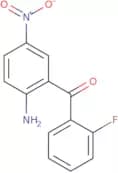
CAS:<p>2-Amino-5-nitro-2'-fluorobenzophenone is a prodrug that is activated by thiourea, a chemical agent that is used to break down the drug. It is an anti-inflammatory drug that acts as a selective COX inhibitor and has been shown to be effective in vivo against primary tumors. 2-Amino-5-nitro-2'-fluorobenzophenone has also been shown to have antiangiogenic properties and has been used to treat inflammatory diseases such as arthritis and psoriasis. This drug can be radiolabeled with carbon, fluorine, or iodine isotopes for use in positron emission tomography (PET) imaging of primary tumors. The drug binds to response elements on cells through electrostatic interactions between the molecular orbitals of the 2 amino groups and the nucleophilic centers of these molecules.</p>Fórmula:C13H9FN2O3Pureza:Min. 95%Cor e Forma:PowderPeso molecular:260.22 g/mol7,8-Dihydroxy-4-phenylcoumarin
CAS:<p>7,8-Dihydroxy-4-phenylcoumarin (7,8-DPC) is a coumarin derivative that inhibits human cytochrome P450 enzymes. It binds to the heme group of the enzyme and is reversible by hydroxylation. 7,8-DPC has been shown to inhibit catalytic activity in rat liver microsomes and recombinant human cytochrome P450 enzymes. This molecule has also been shown to be an irreversible inhibitor of human cytochrome P450 2C9. The carbonyl group found on the 7,8-DPC molecule's structure is responsible for its inhibitory activities.</p>Fórmula:C15H10O4Pureza:Min. 95%Cor e Forma:PowderPeso molecular:254.24 g/mol2-Chloroinosine 3',4',6'-triacetate
CAS:<p>2-Chloroinosine 3',4',6'-triacetate is a reagent, useful intermediate, fine chemical, and speciality chemical. It is used as an important building block in organic synthesis. 2-Chloroinosine 3',4',6'-triacetate can be used as a versatile building block for the synthesis of many other compounds. The high quality and usefulness of this compound make it a good choice for research chemicals.</p>Fórmula:C16H17ClN4O8Pureza:Min. 95%Cor e Forma:White to pale yellow solid.Peso molecular:428.78 g/mol4-Aminosalicylic acid hydrazide
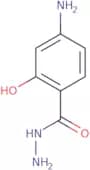
CAS:<p>4-Aminosalicylic acid hydrazide is a reactive functional group that is used as an intermediate in organic synthesis. It has a structural formula of C6H7N3O2 and is a white solid. 4-Aminosalicylic acid hydrazide has been shown to be highly resistant to mycobacterium avium, and can be used for the treatment of tuberculosis. The reactivity of this compound was studied by gravimetric analysis. This reaction is also degradable due to the presence of chloride ions and amido groups.</p>Fórmula:C7H9N3O2Pureza:Min. 95%Cor e Forma:PowderPeso molecular:167.17 g/molN-(2-Indol-3-ylethyl)(2-nitrophenyl)formamide
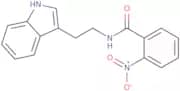
CAS:<p>Please enquire for more information about N-(2-Indol-3-ylethyl)(2-nitrophenyl)formamide including the price, delivery time and more detailed product information at the technical inquiry form on this page</p>Fórmula:C17H15N3O3Pureza:Min. 95%Cor e Forma:PowderPeso molecular:309.32 g/mol2-Hydroxy atorvastatin lactone
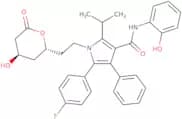
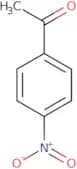
CAS:<p>2-Hydroxyatorvastatin lactone is a prodrug of atorvastatin, which is an HMG-CoA reductase inhibitor. It is used to lower cholesterol and triglycerides in the blood. The drug is administered as a tablet, capsule, or liquid and can be taken with or without food. 2-Hydroxyatorvastatin lactone is metabolized by cytochrome P450 enzymes in the liver to produce active atorvastatin. This metabolism may be inhibited by other drugs that are also metabolized by cytochrome P450 enzymes, such as erythromycin and ketoconazole. 2-Hydroxyatorvastatin lactone has been shown to have an inhibition constant (Ki) of 0.5 μM for human liver microsomes and plasma concentrations of 1 μM or higher are required for therapeutic effect.</p>Fórmula:C33H33FN2O5Pureza:Min. 95%Cor e Forma:Off-White Slightly Yellow PowderPeso molecular:556.62 g/mol4-Nitroacetophenone
CAS:<p>4-Nitroacetophenone is an organic compound that has been synthesized in an asymmetric synthesis. It is a nitro compound and a radiosensitizer. The chemical structure of 4-Nitroacetophenone is similar to the structure of phenol, with one nitro group and two hydroxyl groups at opposite ends of the molecule. 4-Nitroacetophenone reacts with radiation to produce free radicals that can damage DNA, RNA, and proteins. The reaction mechanism involves the formation of nitrosating agent (R−NO) which interacts with DNA to form a covalent bond between the DNA base and the nitrosating agent. This covalent bond inhibits DNA replication, leading to cell death. 4-Nitroacetophenone has been shown to be effective in inhibiting cell growth in culture by triggering apoptosis in cells treated with high doses of this drug.</p>Fórmula:C8H7NO3Pureza:Min. 95%Cor e Forma:Yellow PowderPeso molecular:165.15 g/molD-Methionine
CAS:<p>D-methionine is a form of the amino acid methionine that is synthesized in plants. It has been studied for its potential to help with various metabolic disorders, including osteoarthritis and primary sclerosing cholangitis. D-methionine provides methionine to the body, which is essential for the formation of collagen and elastin. In addition, it has been shown to have a protective effect against neuronal death in a model system. D-methionine may be beneficial for people with liver disease, but more research is needed.</p>Fórmula:C5H11NO2SPureza:Min. 95%Cor e Forma:White Off-White PowderPeso molecular:149.21 g/molDiclofenac impurity F
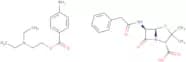
CAS:<p>Please enquire for more information about Diclofenac impurity F including the price, delivery time and more detailed product information at the technical inquiry form on this page</p>Fórmula:C14H10Cl3NOPureza:Min. 95%Cor e Forma:PowderPeso molecular:314.59 g/molPenicillin G procaine
CAS:Produto Controlado<p>Penicillin G procaine is a form of penicillin that is commonly used to treat bacterial infections. It is a prodrug that undergoes hydrolysis in the body to release penicillin, its active form. Penicillin G procaine has been shown to be effective against Streptococcus pyogenes, which causes streptococcal pharyngitis, and other bacteria that are sensitive to penicillin. Penicillin G procaine is less toxic than other forms of penicillin and has minimal side effects. The pharmacological effects of the drug are due primarily to the inhibition of bacterial cell wall synthesis by binding to peptidoglycan precursors and blocking their cross-linking. The concentration–time curve for penicillin G procaine shows that it has a long half-life in humans, making it suitable for continuous treatment in patients with chronic infections.</p>Fórmula:C16H18N2O4S·C13H20N2O2Pureza:Min. 95%Peso molecular:570.7 g/molBis(4-Nitrophenyl)phosphoric acid sodium
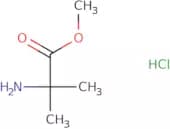
CAS:<p>Bis(4-nitrophenyl)phosphoric acid sodium is a synthetic compound that has been used as an antibiotic. It is a nitro group donor and may be oxidized to p-nitrophenol phosphate. Bis(4-nitrophenyl)phosphoric acid sodium inhibits bacterial growth by binding to the 30S ribosomal subunit, which prevents protein synthesis and cell division. The rate constant of this reaction has been determined using x-ray diffraction data obtained on crystals of the product with signal peptide. Bis(4-nitrophenyl)phosphoric acid sodium also has biochemical properties, such as pyrazinoic acid formation and polymerase chain reactions, which have been reported in recombinant cytochrome P450s from rat liver microsomes. The disulfide bond coordination geometry and mechanism of the reaction are still unknown but it is thought that the reaction proceeds through a single electron transfer mechanism.</p>Fórmula:C12H9N2O8P·NaPureza:Min. 95%Cor e Forma:White PowderPeso molecular:363.17 g/molα-Aminoisobutyric acid methyl ester hydrochloride
CAS:<p>Alpha-aminoisobutyric acid methyl ester hydrochloride (AABME) is an amino acid that is a metabolite of the neurotransmitter GABA. It has been shown to be transported across the blood-brain barrier by a carrier-mediated transport system and is taken up by neurons via a solute carrier family 38 member 2 transporter. AABME has been observed at physiological levels in maternal blood plasma, urine, cerebrospinal fluid, and brain tissue. It has also been studied in vitro using 3T3-L1 preadipocytes as a model for adipogenesis. In this context, it has been shown to increase cell proliferation and inhibit apoptosis.</p>Fórmula:C5H11NO2•HClCor e Forma:PowderPeso molecular:153.61 g/mol

![1-[[5-(p-Nitrophenyl)furfurylidene]amino]-hydantoin sodium](/_next/image/?url=https%3A%2Fstatic.cymitquimica.com%2Fproducts%2F3D%2Fthumb-webp%2FFN44999.webp&w=3840&q=75)