Glicociência
A glicociência é o estudo dos carboidratos e seus derivados, bem como das interações e funções biológicas em que participam. Este campo de pesquisa é crucial para compreender uma ampla variedade de processos biológicos, incluindo o reconhecimento celular, a sinalização, a resposta imune e o desenvolvimento de doenças. A glicociência tem aplicações importantes na biotecnologia, na medicina e no desenvolvimento de novos medicamentos e terapias. Na CymitQuimica, oferecemos uma ampla seleção de produtos de alta qualidade e pureza para pesquisa em glicociência. Nosso catálogo inclui monossacarídeos, oligossacarídeos, polissacarídeos, glicoconjugados e reagentes específicos, projetados para apoiar os pesquisadores em seus estudos sobre a estrutura, função e aplicações dos carboidratos em sistemas biológicos. Esses recursos são destinados a facilitar descobertas científicas e aplicações práticas em diversas áreas das biociências e da medicina.
Subcategorias de "Glicociência"
- Amino açúcares(108 produtos)
- Anticorpos Glico-Relacionados(282 produtos)
- Glicolípidos(46 produtos)
- Glicosaminoglicanos (GAGs)(55 produtos)
- Glicosídeos(419 produtos)
- Monossacáridos(6.624 produtos)
- Oligossacarídeos(3.682 produtos)
- Polissacáridos(503 produtos)
Foram encontrados 11046 produtos de "Glicociência"
Ordenar por
Pureza (%)
0
100
|
0
|
50
|
90
|
95
|
100
Xylitol
CAS:<p>Xylitol is a sugar alcohol that has been shown to have antimicrobial properties. It is also used as a sweetener in chewing gum and toothpaste. Xylitol inhibits the growth of bacteria by binding to the enzyme adenosine triphosphate (ATP) synthase, which is required for energy metabolism. The binding of xylitol to ATP synthase prevents the formation of ATP and blocks bacterial growth, leading to cell death. Xylitol can be produced from xylose, a sugar found in plants and animals, through biochemical reactions that are catalyzed by enzymes such as xylitol dehydrogenase and xylulokinase. This process is anaerobic and does not require oxygen or organic nutrients. Xylitol has been shown to have physiological effects on wild-type strain bacteria such as Aerobacter aerogenes.</p>Fórmula:C5H12O5Pureza:Min. 95%Cor e Forma:White PowderPeso molecular:152.15 g/mol4,6-Di-O-methyl-D-glucose
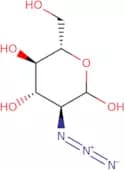
CAS:<p>A partially methylated glucose with the anomeric position free</p>Fórmula:C8H16O6Pureza:Min. 95%Cor e Forma:PowderPeso molecular:208.21 g/mol2-Azido-2-deoxy-L-glucopyranose
<p>2-Azido-2-deoxy-L-glucopyranose is a Custom synthesis, modification and fluorination of methylated glucopyranosides. This compound has been shown to be effective in the synthesis of mono-, oligo-, and polysaccharides. 2-Azido-2-deoxy-L-glucopyranose is used for the preparation of glycosylation reagents. It can also be used to modify saccharide chains with azide or alkyne functionalities. 2-Azido-2-deoxy-L-glucopyranose is an important building block for the synthesis of complex carbohydrates, such as polysaccharides, glycosylation reagents, and click chemistry compounds.</p>Fórmula:C6H11N3O5Pureza:Min. 95%Cor e Forma:White to off-white solid.Peso molecular:205.17 g/molNeoagarobiose
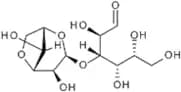
CAS:<p>Agarose is a polysaccharide found in red algae, typically Gelidium and Gracilaria. It is a strictly alternating polysaccharide of α-1,3 linked D-galactose and β-1,4 linked L-3,6 anhydrogalactose, with occasional sulfation at position 6 of the anhydrogalactose residue. Agaro-oligosaccharides result from cleavage at galactose residues and neoagaro-oligosaccharides from cleavage at 3,6-anhydro residues. Neoagarobiose is reported to exhibit skin moisturising and whitening properties.</p>Fórmula:C12H20O10Pureza:Min. 98 Area-%Cor e Forma:PowderPeso molecular:324.28 g/mol3,5-Dideoxy-3,5-imino-1,2-O-isopropylidene-N-butyl-6-O-tert.butyldimethylsilyl-b-L-galactofuranose
3,5-Dideoxy-3,5-imino-1,2-O-isopropylidene-N-butyl-6-O-tert.butyldimethylsilyl-b-L-galactofuranose is a synthetic sugar that can be used as an intermediate for the synthesis of glycosides. This compound has been fluorinated with trifluoromethanesulfonic acid to increase its stability and resistance to hydrolysis. The carbonyl group of the 3,5 position has been converted into an isopropylidene group by reacting with tert.butyldimethylsilyl chloride (TBSCl) in order to increase the reactivity of this functional group. This sugar can be modified at any position on its carbohydrate chain in order to produce desired products. It can also be methylated or acetylated at any position on the carbohydrate chain using reagents such asPureza:Min. 95%1- Deoxy- 3, 4- O- isopropylidene-D- erythro- 2- pentulose
1-Deoxy-3,4-O-isopropylidene-D-erythro-2-pentulose is a sugar that can be custom synthesized. It has a high purity and can be used in synthesis, glycosylation, methylation, or modification of saccharide. It has many uses in the field of chemistry and is an important building block for complex carbohydrates. 1-Deoxy-3,4-O-isopropylidene-D-erythro-2 pentulose can be found on the CAS registry number:Pureza:Min. 95%(2, 4- Anhydro- 6- deoxy- L- mannonoyl)-glycine methyl ester
<p>This is a custom synthesized product. It has been modified to include a methyl group at the 2,4-positions on the anhydro-6-deoxy-L-mannopyranose molecule. This modification is done using Click chemistry and the product contains a high level of purity. The modification can be used to create saccharides with high carbohydrate content and polysaccharides with different degrees of polymerization.</p>Pureza:Min. 95%2,3,4-Tri-O-acetyl-6-deoxy-6,6-difluoro-a-D-mannopyranosyl-1-bis[2-(acetylthio)ethyl]phosphate
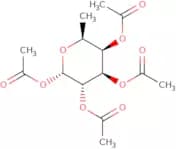
CAS:Fucosylation inhibitorFórmula:C20H29F2O13PS2Peso molecular:610.54 g/molMethyl 2,3,4-tri-O-benzyl-6-O-trityl-a-D-galactopyranoside
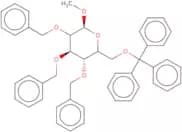
CAS:<p>Methyl 2,3,4-tri-O-benzyl-6-O-trityl-a-D-galactopyranoside is a synthetic modified oligosaccharide. It has been shown to have potent antiplaque activity in animal models of dental caries and has been demonstrated to be an effective inhibitor of the glycosylation reaction. Methyl 2,3,4-tri-O-benzyl-6-O-trityl galactopyranoside is soluble in water and can be used as a fluorinated monosaccharide. The compound can also be used as a click modification with other sugars or saccharides.</p>Fórmula:C47H46O6Pureza:Min. 95%Peso molecular:706.89 g/mol2-Acetamido-2-deoxy-L-mannopyranose
CAS:2-Acetamido-2-deoxy-L-mannopyranose is a sugar that is synthesized by the enzyme arabinofuranosidase. This enzyme catalyzes the hydrolysis of arabinose to form 2-acetamido-2-deoxy-l-mannopyranose. The enzyme has been shown to be thermostable and can be used as an acceptor for other enzymes, such as glycosyltransferases and glucosidases. The biosynthesis of 2-acetamido-2-deoxymannopyranose starts with l -arabinose, which is converted into d -arabinose by the action of aldaribinofuranosidase, followed by conversion into 2 acetamido--2 deoxymannopyranose by the action of arabinofuranosidase. Mutations in these enzymes have been found to affect the stereospecificFórmula:C8H15NO6Pureza:Min. 95%Cor e Forma:PowderPeso molecular:221.2 g/molCroscarmellose sodium
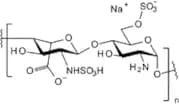
CAS:Superdisintegrant used in pharmaceutical formulationsCor e Forma:White PowderPeso molecular:982.44Heparin disaccharide I-A trisodium salt
CAS:Heparin disaccharide I-A trisodium salt is an oligosaccharide that is a synthetic and modified form of heparin. It is used as a pharmaceutical agent to prevent coagulation, and in the treatment of thrombosis, deep vein thrombosis, pulmonary embolism, and other cardiovascular diseases. This product has been custom synthesized for the modification of sugar structures, fluorination, methylation, sugar modification and click chemistry.Fórmula:C14H21NO17S2·3NaPureza:Min. 95 Area-%Cor e Forma:White Off-White PowderPeso molecular:608.41 g/molMaltodecaose - min 90%
CAS:<p>α 1,4-glucodecasaccharide derived from starch by hydrolysis and chromatography</p>Fórmula:C60H102O51Cor e Forma:White PowderPeso molecular:1,639.42 g/molα-D-Mannose-1-phosphate sodium
CAS:<p>α-D-Mannose-1-phosphate sodium is a synthetically made mannose phosphate. This compound is used in the synthesis of oligosaccharides and glycoproteins.</p>Fórmula:C6H11Na2O9PPureza:Min. 98 Area-%Cor e Forma:White PowderPeso molecular:304.1 g/molMaltose syrup
<p>Used for making baked goods, soft drinks, sweets, alcoholic drinks, and infant food. It is also used to produce the sugar substitute maltitol.</p>Pureza:Min. 95%2,3,4-Tri-O-benzyl-D-glucopyranose
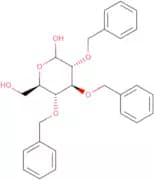
CAS:2,3,4-Tri-O-benzyl-D-glucopyranose is a thioglucoside that can be synthesized from D-glucose and benzyl bromide. This compound is a protonated nucleophile with a hydroxyl group that can interact with the sulfur of a thiol or disulfide group. The interaction between 2,3,4-tri-O-benzyl-D-glucopyranose and S. aureus has been shown to be dependent on the concentration of 2,3,4 tri O benzyl glucopyranose. The reaction between this compound and oligosaccharides led to the formation of dioxane ring structures that were hydrophobic.Fórmula:C27H30O6Pureza:Min. 95%Cor e Forma:PowderPeso molecular:450.52 g/mol1,2:5,6-Di-O-isopropylidene-a-D-allofuranose
CAS:<p>Synthetic building block</p>Fórmula:C12H20O6Pureza:Min. 95%Cor e Forma:White PowderPeso molecular:260.28 g/mol2,4,7,8-Tetra-O-acetyl-9-azido-9-deoxy-N-acetylneuraminic acid methyl ester
CAS:2,4,7,8-Tetra-O-acetyl-9-azido-9-deoxy-N-acetylneuraminic acid methyl ester is a high purity synthetic compound that has been modified for use in Click chemistry. It is a monosaccharide with an acetyl group on the 2' position and an azido group on the 9' position of the sugar. This compound is used in fluoroination reactions to modify sugars and oligosaccharides. It can also be used in glycosylation reactions to attach monosaccharides and saccharides to proteins or other molecules.Fórmula:C20H28N4O12Pureza:One SpotCor e Forma:White PowderPeso molecular:516.46 g/molD-Panose
CAS:<p>Used to determine composition and sequence of glucan-containing mixed linkages</p>Fórmula:C18H32O16Pureza:(%) Min. 95%Cor e Forma:White PowderPeso molecular:504.44 g/molDe-N-sulfated heparin sodium
CAS:Porcine mucosal heparin derivative; no anti-coagulant activityCor e Forma:Powder2,6-Anhydro-D-glycero-D-ido-heptonamide
CAS:<p>2,6-Anhydro-D-glycero-D-ido-heptonamide is a fluorinated carbohydrate that can be synthesized by the reaction of 2,6-anhydro-D-glycero-D-heptonic acid with N,N'-dicyclohexylcarbodiimide and ethyl bromoacetate. This compound is then modified with a methyl group at the C2 position or an acetyl group at the C3 position. The resulting product can be used in a wide variety of applications including biopharmaceuticals, diagnostic reagents, and inorganic chemicals.</p>Pureza:Min. 95%2-Acetamido-2,6-dideoxy-D-galactose
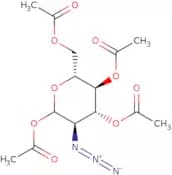
CAS:<p>2-Acetamido-2,6-dideoxy-D-galactose (2ADG) is a structural analogue of the natural monosaccharide 2,6-dideoxy-D-galactose. It has been shown to have an antimicrobial effect against aerobacter aerogenes in vitro. 2ADG is metabolized by glycosidases and methyl glycosides to form 1,4-anhydro-2,3,4,6 tetraacetamido-2,4,6 dideoxy D galactose. This compound inhibits the growth of bacterial strains that are resistant to polymyxin b., such as Pseudomonas aeruginosa. The inhibition of these bacteria is due to the inhibition of the synthesis of their outer membrane lipopolysaccharides by 2ADG. The antibacterial activity is also attributed to its ability to inhibit the metabolism of glycan molecules in some bacteria</p>Fórmula:C8H15NO5Pureza:Min. 95%Cor e Forma:White PowderPeso molecular:205.21 g/mol1,3,4,6-Tetra-O-acetyl-2-azido-2-deoxy-L-mannopyranose
<p>1,3,4,6-Tetra-O-acetyl-2-azido-2-deoxy-L-mannopyranose is a carbohydrate that is synthesized by the modification of the glycosylation process. It is a methylated and fluorinated oligosaccharide with a high purity. This product is available for custom synthesis in order to meet specific customer requirements.</p>Fórmula:C14H19N3O9Pureza:Min. 95%Cor e Forma:White To Off-White SolidPeso molecular:373.32 g/mol5-Deoxy-5-fluoro-1,2-O-isopropylidene-D-iduronic acid-3,6 lactone
<p>5-Deoxy-5-fluoro-1,2-O-isopropylidene-D-iduronic acid is a custom synthesis of oligosaccharide. It is a glycosylation that has been modified with fluorination, methylation, and click modification. This complex carbohydrate has an CAS number. The molecular weight of this polysaccharide is not determined. 5D5FIA3L is a saccharide sugar that has the ability to form glycosidic bonds with other saccharides and proteins in the body. This property makes it an important component in the human diet as well as in biochemistry and structural biology research.</p>Pureza:Min. 95%Man-5 N-Glycan
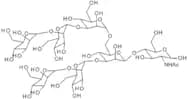
CAS:<p>Man-5 N-glycan is a glycan that is synthesized by the enzyme mannosyltransferase. This glycan contains five mannose residues, one galactose residue, and one N-acetylglucosamine residue. The Man-5 N-glycan is found in eukaryotes, which are organisms whose cells have nuclei and membrane bound organelles. It is often found on the surface of cells or in secretions such as mucus or saliva. Man-5 N-Glycans are involved in cell signaling and may play a role in bladder cancer development. They are also used to generate monoclonal antibodies for diagnostic purposes.</p>Fórmula:C46H78N2O36Pureza:Min. 90.00%Cor e Forma:PowderPeso molecular:1,235.1 g/mol1-Methyl-2,3-O-isopropylidene-1,4-dideoxy-1,4-imino-1-N-dehydro-D-ribitol
CAS:1-Methyl-2,3-O-isopropylidene-1,4-dideoxy-1,4-imino-1-N-dehydroDribitol (LMDDR) is an oligosaccharide that can be synthesized by the modification of dideoxyribitol. LMDDR is a complex carbohydrate with a sugar chain and has a CAS number of 909703-52-2. This monosaccharide can be fluorinated to form 1-(trifluoromethyl)-2,3-O-[(trifluoromethyl)methylidene]-1,4dideoxy -1,4imino -Dribitol (TFMDDR). TFMDDR has been shown to have higher purity and better stability than LMDDR.Fórmula:C9H15NO3Pureza:Min. 95%Peso molecular:185.22 g/mol1-Deoxy-3,4-O-isopropylidene-6-O-tert.butyldimethylsilyl-D-tagatose
<p>1-Deoxy-3,4-O-isopropylidene-6-O-tert.butyldimethylsilyl-D-tagatose (1DOP) is a carbohydrate that can be used in the synthesis of oligosaccharides and polysaccharides. It is a synthetic monosaccharide that has been modified with fluorine and methyl groups to increase its stability. 1DOP can be reacted with other sugars like glucose or mannose to form glycosidic linkages. The resulting product is called an oligosaccharide, which can then be further modified by adding more sugar residues to form a polysaccharide.</p>Pureza:Min. 95%2,3,6-Tri-O-benzoyl-γ-cyclodextrin
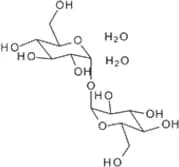
<p>This gamma-cyclodextrin (γ-CD) derivative is a modified cyclic oligosaccharide composed of eight glucose units, featuring a larger cavity size than α- and β-cyclodextrins. This structural characteristic allows γ-CDs to form inclusion complexes with a wider range of guest molecules, making it particularly versatile in various industries. In the food sector, it is used as a carrier and stabilizer for flavors, fat-soluble vitamins, and polyunsaturated fatty acids, protecting volatile compounds from evaporation. In pharmaceuticals, it enhances the solubility and bioavailability of poorly water-soluble drugs and, thanks to its larger ring size, allows for the encapsulation of larger molecules or even entire drug molecules. γ-CDs and derivatives are also used for environmental remediation and, in analytical chemistry, for the extraction and concentration of target substances.</p>Fórmula:C216H176O64Pureza:Min. 95%Peso molecular:3,795.67 g/mol[UL-2H7glc]Lactose monohydrate
<p>Custom synthesis, Modification, Fluorination, Methylation, Monosaccharide, Synthetic, Click modification.<br>Oligosaccharide. Saccharide. CAS No. Polysaccharide. Glycosylation. Sugar. Carbohydrate complex carbohydrate<br>Custom synthesis, Modification, Fluorination, Methylation, Monosaccharide Synthetic Click modification Oligosaccharide saccharide CAS No Polysaccharide Glycosylation sugar Carbohydrate complex carbohydrate</p>Pureza:Min. 95%Medicagenic acid 3,28-di-O-glucoside
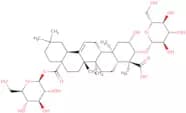
CAS:Medicagenic acid 3,28-di-O-glucoside is a synthetic compound that is the product of a custom synthesis. It is a sugar with 1,2-linked glucose units. Medicagenic acid 3,28-di-O-glucoside is an intermediate in the synthesis of glycoconjugates. Medicagenic acid 3,28-di-O-glucoside can be modified to produce saccharides with various properties and functions. This compound has been modified by fluorination, methylation and click chemistry to produce medicagenic acid 3,28-di-O-[(2-(4′-[N′-(3′,5′'-dimethoxytrityl)-3H]thiophenyl)carbonyl]-6′-(4′-[N′-(3',5'-dimethoxytrityl)-3H]thiophenyl)methyl] glucopyranoside.Fórmula:C42H66O16Pureza:Min. 95%Peso molecular:826.96 g/mol2-Allyloxycarbonylamino-2-deoxy-D-galactose
<p>2-Allyloxycarbonylamino-2-deoxy-D-galactose is a monosaccharide that is synthetically modified for use as a synthetic building block in the synthesis of complex carbohydrates and saccharides. This compound is fluorinated at the 2 position to increase its water solubility, which makes it useful for chemical modifications. It has been shown to be methylated and glycosylated.</p>Pureza:Min. 95%a-D-Glucuronic acid-1-phosphate
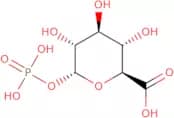
CAS:<p>a-D-Glucuronic acid-1-phosphate is a substrate for alkaline phosphatase. It hydrolyzes phosphate esters and modifies inorganic phosphate, including pyrophosphate. It also catalyzes the hydrolysis of nucleotide monophosphates such as NADPH and UDPglucose to their respective diphosphates. This enzyme is not inhibited by inorganic phosphate, phosphatase, NADP+, or UDP-.</p>Fórmula:C6H11O10PPureza:Min. 95%Cor e Forma:PowderPeso molecular:274.12 g/molHeparin disaccharide IV-S disodium salt
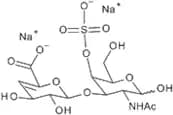
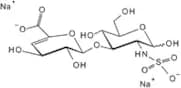
CAS:Heparin is a complex carbohydrate that has been modified by the addition of a sugar and a sulfate group. It is used in the treatment of thrombosis, deep vein thrombosis, pulmonary embolism, and other blood clots. Heparin disaccharide IV-S disodium salt (HDS) is an intravenous form of heparin that consists of sodium salts of two saccharides: heparin disaccharide and sodium disulfate. HDS has been shown to be more potent than unfractionated heparin in animal models, as well as being more effective in preventing clot formation in humans. This drug also exhibits less frequent side effects such as skin rash, itching, or hives.Fórmula:C12H17NO13S·2NaPureza:Min. 95%Cor e Forma:White PowderPeso molecular:461.31 g/molMaltosan
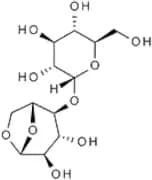
CAS:<p>Anhydro maltose found in the pyrolysis products of cellulose</p>Fórmula:C12H20O10Pureza:Min. 95%Cor e Forma:PowderPeso molecular:324.28 g/molLarch arabinogalactan
CAS:<p>Larch arabinogalactan is extracted from the heartwood of the western larch Larix occidentalis. This compound has a backbone of 1,3-linked β-D-galactopyranosyl units each of which contains a side chain at position C-6. Arabinogalactans are used as emulsifiers, stabilizers and binders in the food, pharmaceutical and cosmetic industries, as low viscosity dietary fibres and as a prebiotic fibres.</p>Pureza:Min. 95%Cor e Forma:Off-White PowderUlvan - Ulva rotondata-Autumn
CAS:<p>Ulvans are structural polysaccharides present in the cell walls of green algae such as Ulva armoricana, Ulva rotondata, Ulva rigida, Ulva lacterca and Ulva pertusa. They are highly sulphated and contain rhamnose 3-sulphate, xylose, xylose 2-sulphate, glucuronic acid and iduronic acid residues. Ulvan has several potentially valuable functionalities such as gel formation for agricultural and food applications. It has also an anticoagulant, antioxidant, antihyperlipidemic and antitumor activities that are attractive for pharmaceutical applications.<br>The image was kindly provided by Prof Mike Guiry from Cork who runs ‘The Seaweed Site’.</p>Pureza:Min. 95%D-Sorbose
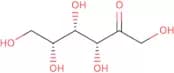
CAS:<p>D-Sorbose is a monosaccharide that belongs to the group of sugar alcohols. It is a reducing sugar that can be used as an alternative for sugar in food and pharmaceutical industries. D-Sorbose has been shown to have potential industrial applications due to its high solubility, low melting point, and resistance to crystallization. The enzyme ribitol dehydrogenase from Escherichia coli was found to be active with D-sorbitol, but not with l-sorbitol. This indicates that D-sorbitol is a better substrate for this enzyme than L-sorbitol.</p>Fórmula:C6H12O6Pureza:Min. 95%Cor e Forma:White PowderPeso molecular:180.16 g/mol6-Deoxy-6-thio-b-cyclodextrin
CAS:<p>This beta-cyclodextrin (β-CD) derivative is a functionalized cyclic oligosaccharide composed of seven glucose units, characterized by a hydrophilic exterior and a lipophilic cavity (bigger than α-CD and smaller than γ-CDs), which allows it to encapsulate various guest molecules. This structural feature facilitates its use in multiple applications, including pharmaceuticals, food enhancement, and cosmetics. In the pharmaceutical industry, it enhances the solubility and stability of poorly water-soluble drugs, improving their bioavailability and efficacy while also masking unpleasant tastes. The food sector utilizes it as a stabilizer for flavors, colors, and nutrients, extending shelf life by protecting sensitive ingredients from degradation. In cosmetics, it serves as a complexing agent for fragrances and active components, ensuring their stability and controlled release. Its use expands to many other fields, including nanotechnology for drug delivery systems, environmental remediation for extracting organic pollutants, textiles for slow-release fragrances, and analytical chemistry for chiral separation.</p>Fórmula:C42H70O28S7Pureza:Min. 95%Cor e Forma:PowderPeso molecular:1,247.45 g/mol2,3,4,6-Tetra-O-acetyl-β-D-thioglucopyranose
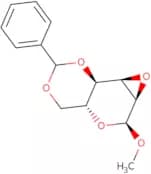
CAS:Inhibits the Maillard reaction between glucose and glycineFórmula:C14H20O9SPureza:Min. 95%Cor e Forma:PowderPeso molecular:364.37 g/molMethyl 2,3-anhydro-4,6-O-benzylidene-α-D-allopyranose
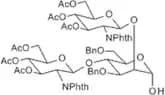
CAS:The device is a leafed, solid-state, responsive device that connects with the user's skin. It measures the user's skin conductance and then produces a signal corresponding to the degree of deliquescence based on a theory that links biophilia to evolutionary circuitry. The device has been shown to be effective in combination with other devices.Fórmula:C14H16O5Pureza:Min. 95%Cor e Forma:PowderPeso molecular:264.27 g/mol4,6-Di-O-(3,4,6-tri-O-acetyl-2-deoxy-2-phthalimido β-D-glucopyranosyl)-3-6-di-O-benzyl-α-D-mannopyranose
<p>This is a custom synthesis of a complex carbohydrate. The CAS number is not available and the polysaccharide has been modified. It has been glycosylated, methylated, and fluorinated. It is high purity and the sugar sequence is a custom synthesis.</p>Fórmula:C60H62N2O24Pureza:Min. 95%Peso molecular:1,195.13 g/mola,a-D-Trehalose dihydrate endotoxin free
CAS:Trehalose is a non-reducing sugar that is naturally found in some plants and animals. It is a disaccharide formed by two glucose molecules linked together with an alpha,alpha glycosidic bond. Trehalose has been shown to inhibit the growth of bacteria through the inhibition of fatty acid biosynthesis and the production of lactic acid. Trehalose has also been shown to have excipients that are used as lubricants or suspending agents in pharmaceuticals, cosmetics, food products, and animal feed. Trehalose can be used as a substitute for propionate in order to create endotoxin-free aqueous solutions.Fórmula:C12H22O11·2H2OPureza:Min. 98 Area-%Cor e Forma:White PowderPeso molecular:378.33 g/molChitobiose octaacetate
CAS:Octacetylated chitobiose derivativeFórmula:C28H40N2O17Pureza:Min. 95%Cor e Forma:White PowderPeso molecular:676.62 g/molMethyl 4,6-O-benzylidene-3-deoxy-α-D-glucopyranoside
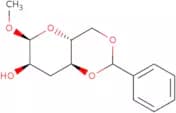
CAS:<p>Methyl 4,6-O-benzylidene-3-deoxy-a-D-glucopyranoside is a synthetically modified high purity carbohydrate. It is an oligosaccharide that can be custom synthesized to meet your requirements. This product can be used as a complex carbohydrate in the food industry.</p>Fórmula:C14H18O5Pureza:Min. 95%Cor e Forma:PowderPeso molecular:266.29 g/molMethyl 2,4-di-O-methyl-α-D-glucopyranoside
CAS:Methyl 2,4-di-O-methyl-α-D-glucopyranoside is a selectively protected glucose glycosideFórmula:C9H18O6Pureza:Min. 95%Cor e Forma:PowderPeso molecular:224.24 g/molN-Azidoacetylglucosamine
CAS:Click reagent for metabolic labeling of GlcNAcFórmula:C8H14N4O6Pureza:Min. 95%Cor e Forma:PowderPeso molecular:262.22 g/molValiolamine
CAS:<p>Inhibitor of alpha-glucosidase</p>Fórmula:C7H15NO5Pureza:Min. 95%Cor e Forma:White PowderPeso molecular:193.2 g/molAllyl 2-acetamido-2-deoxy-β-D-glucopyranoside
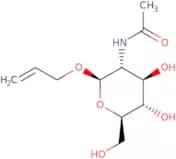
CAS:<p>Allyl 2-acetamido-2-deoxy-β-D-glucopyranoside is a modification of the sugar molecule. It is an oligosaccharide composed of a monosaccharide and one or more other saccharides.</p>Fórmula:C11H19NO6Pureza:Min. 98 Area-%Cor e Forma:PowderPeso molecular:261.27 g/molPolyglycoplex
<p>PolyGlycopleX (PGX) is produced from a mixture containing proprietary proportions of three polysaccharides, konjac glucomannan, xanthan gum and sodium alginate. Recent hydrodynamic, rheological and analytical studies have shown that the unexpectedly high viscosity of solutions of PGX is consistent with an interaction between a konjac glucomannan, xanthan gum complex and sodium alginate to form a new, ternary complex in solution. Human and animal feeding studies have shown that PGX can be used to control weight, lower the glycaemic index of foods and postprandial glycaemia.</p>Pureza:Min. 95%Cor e Forma:PowderD-Sedoheptulose-7-phosphate barium salt-2,3,4,5,6,7-13C6
<p>D-Sedoheptulose-7-phosphate barium salt-2,3,4,5,6,7-13C6 is a high purity synthetic sugar. It is a custom synthesis that has been modified with fluorination and glycosylation. This product can be used in the production of complex carbohydrates such as oligosaccharides and monosaccharides.</p>Pureza:Min. 95%(1R) -1- [(2R, 3S,4S) -4-Hydroxymethyl-3- hydroxy- 1- azetidinyl] -1, 2- ethanediol
<p>1-Azetidinecarboxylic acid, 3-[(2R,3S,4S)-4-hydroxymethyl-3- hydroxy-1-azetidinyl]-, (1R) -1- [(2R, 3S,4S) -4-hydroxymethyl-3- hydroxy-1-azetidinyl] -1, 2-ethanediol is a complex carbohydrate that belongs to the group of polysaccharides. It has been modified by methylation and glycosylation. This product has high purity and is fluorinated for solubility.</p>Pureza:Min. 95%1,3,5-Tri-O-benzoyl-2-deoxy-2-bromo-α-L-arabinofuranose
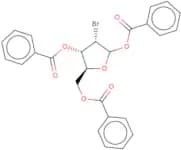
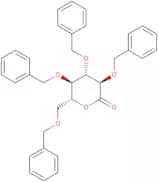
1,3,5-Tri-O-benzoyl-2-deoxy-2-bromo-alpha-L-arabinofuranose is a complex monosaccharide that can be used as a building block in the synthesis of various compounds. It is a derivative of the sugar arabinose, with the addition of benzoyl and bromo groups at specific positions. The compound has potential applications in the fields of organic chemistry and medicinal chemistry and is available for research.Fórmula:C26H21BrO7Pureza:Min. 95%Peso molecular:524.04 g/mol2,3,4,6-Tetra-O-benzyl-D-glucono-1,5-lactone
CAS:<p>Intermediate in the synthesis of tofogliflozin</p>Fórmula:C34H34O6Pureza:Min. 95%Cor e Forma:PowderPeso molecular:538.63 g/molMan6GlcNAc(II)
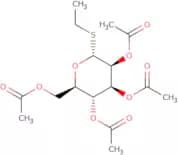
High mannose oligosaccharide found in urine of mannosidosis patientsFórmula:C44H75NO36Pureza:Min. 95%Cor e Forma:PowderPeso molecular:1,194.05 g/molEthyl 2,3,4,6-tetra-O-acetyl-D-thiomannopyranoside - min 80% a-anomer
CAS:<p>Ethyl 2,3,4,6-tetra-O-acetyl-D-thiomannopyranoside is a high purity custom synthesis sugar that can be modified with fluorination, glycosylation and methylation. This compound has CAS No. 79389-52-9. Ethyl 2,3,4,6-tetra-O-acetyl-D-thiomannopyranoside is a complex carbohydrate that is also an oligosaccharide and monosaccharide. It has many applications in the food industry as well as pharmaceuticals.</p>Fórmula:C16H24O9SPureza:Min. 95%Cor e Forma:PowderPeso molecular:392.42 g/molLS-tetrasaccharide a sodium
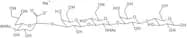
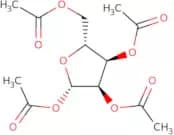
CAS:<p>Sialylated tetrasaccharide found in human milk.Possible health benefits for the neonate, by supporting resistance to pathogens, gut maturation, immune function, and cognitive development.</p>Fórmula:C37H61N2O29•NaHPureza:Min. 95 Area-%Cor e Forma:PowderPeso molecular:1,020.87 g/mol1,2,3,5-Tetra-O-acetyl-β-D-ribofuranose
CAS:Important resource for RNA- and DNA-related syntheses including ribosylationFórmula:C13H18O9Pureza:Min. 95%Cor e Forma:White PowderPeso molecular:318.28 g/molb-Chloralose
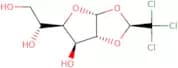
CAS:b-Chloralose is a general anesthetic that is used to induce and maintain anesthesia. It has been shown to decrease the heart rate, respiratory rate, and blood pressure in patients. It also causes a reduction of the glomerular filtration rate and delays the recovery of consciousness. Although b-chloralose has been shown to have negative effects on the cardiovascular system, it can be administered safely in combination with other anesthetics because it does not alter their effects. The use of b-chloralose is limited by its short duration of action and by adverse reactions such as nausea, vomiting, and convulsions.Fórmula:C8H11Cl3O6Pureza:Min. 95%Cor e Forma:PowderPeso molecular:309.53 g/mol6-O-Sulfo-β-cyclodextrin sodium
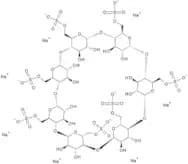
CAS:<p>This beta-cyclodextrin (β-CD) derivative is a functionalized cyclic oligosaccharide composed of seven glucose units, characterized by a hydrophilic exterior and a lipophilic cavity (bigger than α-CD and smaller than γ-CDs), which allows it to encapsulate various guest molecules. This structural feature facilitates its use in multiple applications, including pharmaceuticals, food enhancement, and cosmetics. In the pharmaceutical industry, it enhances the solubility and stability of poorly water-soluble drugs, improving their bioavailability and efficacy while also masking unpleasant tastes. The food sector utilizes it as a stabilizer for flavors, colors, and nutrients, extending shelf life by protecting sensitive ingredients from degradation. In cosmetics, it serves as a complexing agent for fragrances and active components, ensuring their stability and controlled release. Its use expands to many other fields, including nanotechnology for drug delivery systems, environmental remediation for extracting organic pollutants, textiles for slow-release fragrances, and analytical chemistry for chiral separation.</p>Fórmula:C42H63Na7O56S7Pureza:(%) Min. 95%Cor e Forma:PowderPeso molecular:1,849.31 g/molPhenyl 2,3,4,6-tetra-O-acetyl-β-D-thioglucopyranoside
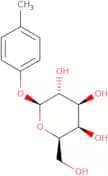
CAS:<p>Phenyl 2,3,4,6-tetra-O-acetyl-β-D-thioglucopyranoside (PTATG) is a synthetic sugar that is used as a building block in the synthesis of complex carbohydrates. It can be fluorinated to form phenyl 2,3,4,6-tetrafluoro-β-D-thioglucopyranoside (PTFFTG). PTATG and PTFFTG are potential anticancer drugs.</p>Fórmula:C20H24O9SPureza:Min. 95%Cor e Forma:PowderPeso molecular:440.47 g/mol4-Methylphenyl b-D-galactopyranoside
CAS:<p>4-Methylphenyl b-D-galactopyranoside is a custom synthesis, modification, fluorination, methylation and monosaccharide. It is also an oligosaccharide and polysaccharide. The CAS number for this compound is 3150-22-9. 4-Methylphenyl b-D-galactopyranoside has a molecular weight of 534.37 g/mol and a chemical formula of C14H14O6. This compound is used in the production of complex carbohydrates with saccharides.</p>Fórmula:C13H18O6Pureza:Min. 95%Cor e Forma:PowderPeso molecular:270.28 g/mol(1S) -1- [(2S, 3R) - 3- Hydroxy- 1- (2-hydroxyethyl) - 2- azetidinyl] -1, 2- ethanediol
<p>(1S) -1- [(2S, 3R) - 3- Hydroxy- 1- (2-hydroxyethyl) - 2- azetidinyl] -1, 2- ethanediol is a carbohydrate that is modified by fluorination and methylation. This product is custom synthesized to your specifications. It has been shown to be effective in glycosylation reactions and click chemistry.</p>Pureza:Min. 95%Hybrid Glycan, 2-AB labelled
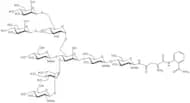
<p>Hybrid Glycan, 2-AB labelled is a custom synthesis of a high purity glycosylation product. This synthetic oligosaccharide includes saccharides that are labelled with 2-AB. The modification is Click chemistry and provides a method for attaching the label to the sugar molecule. This product is not found in nature or existing in cells or organisms. It is used as a research tool in immunology, cell biology, and structural biology applications.</p>Pureza:Min. 95%(3R, 5R) -1-Benzyl-3, 4, 5- piperidinetriol hydrochloride
(3R, 5R) -1-Benzyl-3, 4, 5- piperidinetriol hydrochloride is a synthetic compound that is used for the production of oligosaccharides and saccharides. This molecule is a part of the glycosylation reaction and has been modified to produce a variety of carbohydrate products. The CAS number for this compound is 6078-73-5 and it can be synthesized in various lengths. The chemical name for this compound is (3R, 5R)-1-(benzyloxycarbonyl)-3,4,5-piperidinetriol hydrochloride.Pureza:Min. 95%1,3,4,6-Tetra-O-acetyl-2-azido-2-deoxy-D-glucopyranose
CAS:<p>1,3,4,6-Tetra-O-acetyl-2-azido-2-deoxy-D-glucopyranose is a small molecule that binds to the D1 protein of the glycolytic enzyme phosphofructokinase and inhibits enzymatic activity. This inhibitor is used in diagnostic procedures to identify mutations in the gene encoding for this protein, which is associated with familial and sporadic aneurysms. The inhibitor is also used to study the pathogenic mechanism of aneurysms. 1,3,4,6-Tetra-O-acetyl-2-azido-2-deoxy--D--glucopyranose has been shown to inhibit cell nuclei polymerase in vitro and prevents cell division in vivo.</p>Fórmula:C14H19N3O9Pureza:Min. 95 Area-%Cor e Forma:White PowderPeso molecular:373.32 g/mol3-C-Methyl- 5, 6- O- isopropylidene)-D- mannonic acid g- lactone
<p>3-C-Methyl- 5, 6- O- isopropylidene)-D- mannonic acid g- lactone is a modification of the natural sugar D-mannonic acid. It can be used as an intermediate for the synthesis of oligosaccharides and complex carbohydrates. 3-C-Methyl-5,6 -O-isopropylidene)-D -mannonic acid g -lactone is synthesized by methylation and glycosylation. This product is available in high purity and CAS No.</p>Pureza:Min. 95%4,6-O-Benzylidene-D-maltose
CAS:<p>4,6-O-Benzylidene-D-maltose is an oligosaccharide that is a high purity custom synthesis. It has a Click modification and can be synthesized using the Fluorination and Glycosylation reaction. 4,6-O-Benzylidene-D-maltose is soluble in water and ethanol, but insoluble in ether. This product is listed as CAS No. 93417-41-5 and has a Methylation modification. 4,6-O-Benzylidene-D-maltose is also found in saccharides, carbohydrates, and complex carbohydrates.</p>Fórmula:C19H26O11Pureza:Min. 95%Cor e Forma:PowderPeso molecular:430.4 g/mol1-Deoxy-1-nitro-D-galactitol
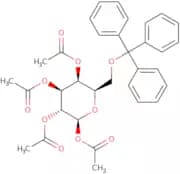
CAS:1-Deoxy-1-nitro-D-galactitol is a methoxide that exhibits mutagenic activity. It reacts with nitromethane to form an intermediate, which then reacts with sodium methoxide to produce the final product. This product can be used as a precursor for other compounds.Fórmula:C6H13NO7Pureza:Min. 95%Peso molecular:211.17 g/mol1,2,3,4-Tetra-O-acetyl-6-O-trityl-b-D-galactopyranose
CAS:1,2,3,4-Tetra-O-acetyl-6-O-trityl-b-D-galactopyranose is a high purity glycosylation product. It has been custom synthesized and modified with Methylation, Click modification, Polysaccharide and Fluorination. The CAS number of this compound is 124648-92-6.Fórmula:C33H34O10Pureza:Min. 95%Peso molecular:590.62 g/molNeoagarodecaose
CAS:<p>Agarose is a polysaccharide found in red algae, typically Gelidium and Gracilaria. It is a strictly alternating polysaccharide of α-1,3 linked D-galactose and β-1,4 linked L-3,6 anhydrogalactose with occasional sulfation at position 6 of the anhydrogalactose residue. Agaro-oligosaccharides result from cleavage at galactose residues and neoagaro-oligosaccharides from cleavage at 3,6-anhydro residues. Neoagarodecaose is reported to have potential for novel cosmeceuticals.</p>Fórmula:C60H92O46Pureza:Min. 95%Cor e Forma:PowderPeso molecular:1,549.34 g/molBlood Group A pentasaccharide
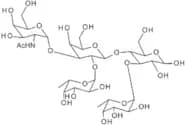
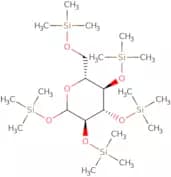
CAS:<p>Core antigen fragment in ABO blood group system</p>Fórmula:C32H55NO24Pureza:Min. 95%Cor e Forma:White PowderPeso molecular:837.77 g/mol1,2,3,4,6-Penta-O-trimethylsilyl-D-glucopyranose
CAS:1,2,3,4,6-Penta-O-trimethylsilyl-D-glucopyranose is a high purity product custom synthesized for research purposes. It is a sugar that has been modified by the Click modification and fluorination. 1,2,3,4,6-Penta-O-trimethylsilyl-D-glucopyranose is an oligosaccharide with a complex carbohydrate structure that can be used in glycosylation reactions. This product is a saccharide with a CAS number of 19126-99-9.Fórmula:C21H52O6Si5Pureza:Min. 95%Cor e Forma:Colorless PowderPeso molecular:541.07 g/molDL-Arabinose
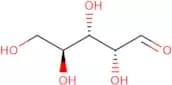
CAS:<p>Arabinose is a pentose sugar that has been shown to have antimicrobial properties. It inhibits the growth of bacteria by binding to their ribosomes and interfering with protein synthesis. Arabinose has also been shown to inhibit the growth of bone cancer cells in mice, which may be due to its ability to stimulate the production of growth factor-β1. The biochemical properties of arabinose are similar to those of d-arabinose, an active analogue that is used as a water vapor pump inhibitor. X-ray crystal structures have been obtained for both compounds, and they show that they differ in the position of one hydrogen atom on the sugar ring.</p>Fórmula:C5H10O5Pureza:Min. 95%Cor e Forma:White Off-White PowderPeso molecular:150.1 g/mol2,4-Dideoxy-2,4-difluoro-D-glucose
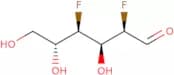
CAS:<p>2,4-Dideoxy-2,4-difluoro-D-glucose is a fluorinated glucose analog that has been synthesized to be used as an imaging agent for positron emission tomography (PET) and single photon emission computed tomography (SPECT). It is labeled with fluorine-18 and can be metabolically incorporated into the cellular glycolytic pathway. 2,4-Dideoxy-2,4-difluoro-D-glucose emits positrons that are detected by PET or SPECT cameras. The incorporation of 2,4-dideoxy-2,4-difluoro--D--glucose into the glycolytic pathway allows it to be used as a marker for positron emission tomography.</p>Fórmula:C6H10F2O4Pureza:Min. 95%Cor e Forma:PowderPeso molecular:184.14 g/molHyaluronic acid tetrasaccharide ammonium
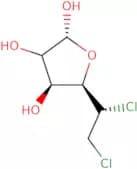
CAS:Hyaluronic acid is a polysaccharide containing repeating disaccharide units of β-1,3-N-acetyl glucosamine and β-1, 4-glucuronicâ¯acid. A series of unsaturated oligosaccharides (oligouronic acids) are released from hyaluronic acid by the action of hyaluronidase on the umbilical cord (Weissman, 1954). This tetrasaccharide ammonium salt and other enzymatically produced polymer homologs have been of value in the study of hyaluronic acid metabolism in both healthy and diseased tissues (Hascall, 2019).Fórmula:C28H42N2O22·xNH3Pureza:Min. 95%Cor e Forma:PowderPeso molecular:758.63 g/mol5,6-Dichloro-5,6-dideoxy-b-L-talofuranose
<p>5,6-Dichloro-5,6-dideoxy-b-L-talofuranose is a carbohydrate. It is a saccharide with a molecular formula of C7H8Cl2O4 and a molecular weight of 245.1. This compound has been modified by fluorination and methylation. 5,6-Dichloro-5,6-dideoxy-b-L-talofuranose is stable in the presence of acid or base at room temperature and has a melting point of >200°C. The CAS number for this compound is 677638-78-0. 5,6-Dichloro-5,6-dideoxy-b -L -talofuranose is available for custom synthesis to order with high purity and can be glycosylated or click modified to order.</p>Fórmula:C6H10Cl2O4Pureza:Min. 95%Peso molecular:217.05 g/mol(D-Galactopyranosyl)-b-D-thiogalactopyranoside
CAS:(D-Galactopyranosyl)-b-D-thiogalactopyranoside is a synthetic disaccharide, specifically used in biochemical and molecular biology research. It is often derived through chemical synthesis using various monosaccharide precursors, designed to mimic natural disaccharides with a modified linkage. This compound acts as a non-metabolizable analog of lactose and can inhibit enzymes like β-galactosidase due to its structural similarity. Importantly, its sulfur-containing thiol linkage imparts unique stability and reactivity characteristics distinct from natural glycosidic bonds.The primary application of (D-Galactopyranosyl)-b-D-thiogalactopyranoside is in research studies exploring carbohydrate-protein interactions, enzyme inhibition assays, and the specificity of galactoside-binding proteins. It serves as a tool to elucidate the mechanics of glycosidases and to develop enzyme assays critical for the study of metabolic pathways involving galactosides. Further, it finds use in diagnostics as a reporter substrate in assays where differentiation from native substrates is necessary. Its role in these applications highlights the compound's utility in advancing scientific knowledge of carbohydrate biochemistry.Fórmula:C12H22O10SPureza:Min. 95%Cor e Forma:White PowderPeso molecular:358.36 g/mol2,3-O-IIsopropylidene-D-allono-1.4-lactone
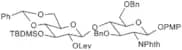
2,3-O-Isopropylidene-D-allono-1.4-lactone is a methylated saccharide that has been modified by the click reaction with a phosphonate group and an isopropylidene group. The synthesis of this product can be customized to suit your needs. This product is offered in high purity, and it is an excellent source of carbohydrates or sugars. 2,3-O-Isopropylidene-D-allono-1.4-lactone also has a fluorinated group on its molecule. It is a complex carbohydrate that can be used for glycosylation or as a click modification substrate.Pureza:Min. 95%4-Methoxyphenyl 4-O-(4,6-O-benzylidene-3-O-tert-butyldimethylsilyl-2-O-levulinoyl-β-D-glucopyranosyl)-3,6-di-O-benzyl-2-deoxy-2-phth alimido-β-D-glucopyranoside
<p>4-Methoxyphenyl 4-O-(4,6-O-benzylidene-3-O-tert-butyldimethylsilyl-2-O-levulinoyl-b-D-glucopyranosyl)-3,6-di-O-benzyl -2,6'-dideoxygalactopyranoside is a modification of the natural carbohydrate galactose. The sugar moiety has been methylated and glycosylated with a levulinate ester and then fluorinated. This compound is highly pure and can be synthesized on custom order.</p>Fórmula:C59H67NO15SiPureza:Min. 95%Peso molecular:1,058.24 g/mol2-Acetamido-2,6-dideoxy-L-mannose
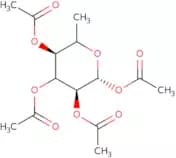
<p>2-Acetamido-2,6-dideoxy-L-mannose is a deoxyhexose that is found in lipopolysaccharides from Gram-negative bacteria. 2-Acetamido-2,6-dideoxy-L-mannose is the only hexose that can be used for O antigen synthesis, which makes it an important component of LPS and O antigens. It has been sequenced in many organisms including animals, plants, and bacteria. 2-Acetamido-2,6-dideoxy-L-mannose may be involved in the translocation of bacteria across the gut epithelium into the bloodstream. The monosaccharide also plays a role in serogrouping and serotyping of bacteria.</p>Pureza:Min. 95%1,2,3,4-Tetra-O-acetyl-L-rhamnopyranose
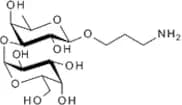
CAS:<p>1,2,3,4-Tetra-O-acetyl-L-rhamnopyranose is an acetylated disaccharide that is glycosylated with mercuric triflate and glycoalkaloid acceptors. It has been shown to be a glycosylation coupling agent for theophylline in solanum species. 1,2,3,4-Tetra-O-acetyl-L-rhamnopyranose can also act as a steroidal glycoalkaloid acceptor and has been identified in Solanum species.</p>Fórmula:C14H20O9Pureza:Min. 95%Cor e Forma:Colorless PowderPeso molecular:332.3 g/mol3-O-(a-D-Galactopyranosyl)-b-D-fucopyranosyl propylamine
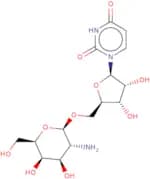
<p>3-O-(a-D-Galactopyranosyl)-b-D-fucopyranosyl propylamine is a custom synthesis. It is a modification of the natural product. This compound has been fluorinated, methylated and monosaccharide modified. <br>3-O-(a-D-Galactopyranosyl)-b-D-fucopyranosyl propylamine is a synthetic compound that has been created by click chemistry. It contains an oligosaccharide and saccharide group. The CAS number for this compound is 5873087-81-8. 3-O-(a-D-Galactopyranosyl)-b-D-fucopyranosyl propylamine is also glycosylated with sugar groups and has complex carbohydrate chains.</p>Fórmula:C15H29NO10Pureza:Min. 95%Peso molecular:383.39 g/mol5'-O-(2-Amino-2-deoxy-D-galactopyranosyl)-uridine
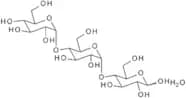
CAS:5'-O-(2-Amino-2-deoxy-D-galactopyranosyl)-uridine is a fluorinated sugar that is synthesized from uridine. 5'-O-(2-Amino-2-deoxy-D-galactopyranosyl)-uridine is used as a building block in the synthesis of saccharide and oligosaccharide molecules. This product can be custom synthesized for customers. It has high purity, methylation, glycosylation and click modification.Fórmula:C15H23N3O10Pureza:Min. 95%Peso molecular:405.36 g/molMaltotriose monohydrate
CAS:Shortest chain oligosaccharide that can be classified as a maltodextrin. A component of liquid glucose (a commercial sweetener composed of glucose, maltose, maltotriose and maltotetrose).Fórmula:C18H32O16•H2OPureza:Min. 90 Area-%Cor e Forma:White Off-White PowderPeso molecular:522.45 g/molPhenyl 2,4,6-Tri-O-acetyl-3-O-allyl-b-D-thioglucopyranoside
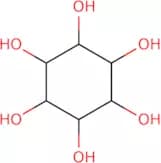
CAS:<p>Phenyl 2,4,6-tri-O-acetyl-3-O-allyl-β-D-thioglucopyranoside is an enantiomer that can be synthesized from the commercially available 2,4,6-triacetylphenyl boronic acid. It has been shown to have a positive effect on insulin sensitivity and uptake in plasma glucose in diabetic patients. Phenyl 2,4,6-tri-O-acetyl-3-O-allyl β D thioglucopyranoside also has a safety profile that is similar to other antidiabetic drugs. This drug has been shown to inhibit influenza virus uptake into cells by competitive inhibition of a transporter type.</p>Fórmula:C21H26O8SPureza:Min. 98 Area-%Cor e Forma:White Off-White PowderPeso molecular:438.49 g/molepi-Inositol
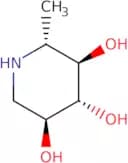
CAS:<p>Epi-inositol, also known as myo-inositol, is a member of the group of molecules known as sugar alcohols. It is a naturally occurring compound that is found in the human body and can be synthesized by the human body from glucose. Epi-inositol has been shown to have a number of biological effects, including inhibition of cell proliferation and energy metabolism in ovarian cancer cells. Epi-inositol has also been used in clinical trials for treatment of mood disorders such as depression.</p>Fórmula:C6H12O6Pureza:Min. 98 Area-%Cor e Forma:White PowderPeso molecular:180.16 g/mol1,6-Dideoxynojirimycin
CAS:<p>Dideoxynojirimycin is a potent hydroxamic acid that inhibits glycosidases. It is used to treat metabolic disorders such as glycogen storage diseases. Dideoxynojirimycin has been shown to inhibit the activity of intestinal maltase, an enzyme involved in the digestion of carbohydrates. This drug also inhibits the synthesis of nucleic acids and proteins, which may be due to its ability to bind nucleophilic groups on enzymes and other biological molecules. The kinetic study showed that 1,6-dideoxynojirimycin has a stereoselective effect on mouse splenocytes, inhibiting their proliferation more effectively than 1,6-dideoxy-N-acetylneuraminic acid.</p>Fórmula:C6H13NO3Pureza:Min. 95%Cor e Forma:PowderPeso molecular:147.17 g/mol2-Azido-((R)-3,5-O-benzylidene)-2,6-dideoxy- L-gluco-hexitol
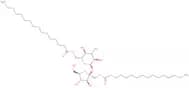
2-Azido-((R)-3,5-O-benzylidene)-2,6-dideoxy-L-gluco-hexitol is a modified sugar that is synthesized from the natural sugar D-glucose. It has been fluorinated at the 2 position of the carbon chain to create an azido group. The chemical modification of this sugar allows for its use in a variety of applications, such as click chemistry, Methylation and Polysaccharide synthesis.Pureza:Min. 95%Sucrose dipalmitate
CAS:<p>Sucrose dipalmitate is a pharmaceutical dosage form that is made of sucrose, a high-energy sugar, and palmitic acid. It has a low energy content and can be used as a diagnostic agent in nuclear medicine. Sucrose dipalmitate can be used as an emulsifier in the preparation of nanoemulsions. The particle size of sucrose dipalmitate can be adjusted to achieve the desired effect. In addition, this compound is used for the treatment of cardiac disease and other conditions such as high blood pressure and diabetes.</p>Fórmula:C44H82O13Pureza:Min. 95%Peso molecular:819.11 g/molSucrose octasulfate potassium salt
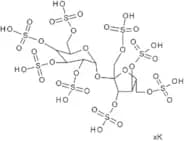
CAS:<p>This comound is generally known as sucralfates and are medications primarily taken to treat active duodenal ulcers. They are also used for the treatment of gastroesophageal reflux disease (GERD) and stress ulcers. Sucralfate is a sucrose sulfate-aluminium complex that binds to the ulcer, creating a physical barrier that protects the gastrointestinal tract from stomach acid and prevents the degradation of mucus. It also promotes bicarbonate production and acts like an acid buffer with cytoprotective properties.</p>Fórmula:C12H22O35S8•(K)xPureza:Min. 95 Area-%Cor e Forma:White PowderPeso molecular:982.81Benzyl 4,6-O-benzylidine-β-D-galactopyranoside
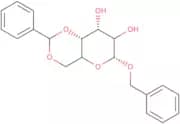
CAS:<p>Benzyl 4,6-O-benzylidine-b-D-galactopyranoside is a benzoylated sugar. It is prepared by reacting benzoyl chloride with benzene and then with the sugar in an equimolar ratio. The reaction proceeds via a nucleophilic substitution at the 2' position of the sugar followed by an elimination of water. Benzyl 4,6-O-benzylidine-b-D-galactopyranoside reacts with dibutyltin to form a benzoylated tin compound that can be used as a catalyst for organic synthesis.</p>Fórmula:C20H22O6Pureza:Min. 95%Cor e Forma:White To Off-White SolidPeso molecular:358.39 g/molMethyl 2,3,4-tri-O-benzoyl-6-O-triisopropylsilyl-a-D-glucopyranoside
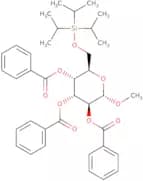
CAS:Methyl 2,3,4-tri-O-benzoyl-6-O-triisopropylsilyl-a-D-glucopyranoside is a Custom synthesis that is a complex carbohydrate. It is an Oligosaccharide with a Polysaccharide that is modified by Methylation and Glycosylation. This saccharide has CAS No. 356060-80-5 and can be found in Click modification and Synthetic. Methyl 2,3,4-tri-O-benzoyl-6-O-triisopropylsilyl-a-D -glucopyranoside has a high purity and fluorination level.Fórmula:C37H46O9SiPureza:Min. 95%Peso molecular:662.86 g/mol1,2,3,4-Tetra-O-acetyl-6-aminobenzoyl-6-deoxy-a-D-glucopyranoside
<p>1,2,3,4-Tetra-O-acetyl-6-aminobenzoyl-6-deoxy-a-D-glucopyranoside is a fluorinated monosaccharide that is synthesized from 6-deoxyglucose through the glycosylation of 1,2,3,4,-tetraaminobenzoyl chloride. It is a white solid with a molecular weight of 242.1 g/mol and a CAS Number of 368737-85-0. This product has been modified with methylation and click chemistry to give it desired properties for use as an intermediate in the synthesis of complex carbohydrates.</p>Fórmula:C21H25NO10Pureza:Min. 95%Peso molecular:451.42 g/molAllyl α-D-Glucopyranoside
CAS:<p>Allyl alpha-D-glucopyranoside is an optical isomer of D-glucose that is used in the synthesis of a number of synthetic trisaccharides, including maltotriose. Allyl alpha-D-glucopyranoside is also a potent antibacterial agent and has been shown to be active against Escherichia coli, Staphylococcus aureus, and Pseudomonas aeruginosa. Allyl alpha-D-glucopyranoside has hydrophilic and hydrophobic properties, which makes it soluble in both water and organic solvents. This compound can also form stable complexes with metal cations such as sodium and potassium, making it useful for tissue culture experiments.</p>Fórmula:C9H16O6Peso molecular:220.22 g/molRef: 3D-W-203706
10gA consultar25gA consultar50gA consultar100gA consultar250gA consultar-Unit-ggA consultarFucoidan - Pelvetia canaliculata
CAS:A fucan sulphate found in brown marine algae (Phaeophyta-typically Fucus serratus, Ascophyllum nodosum, Pelvitiata canaliculata (illustrated) and Macrocystis pyrifyra) and has been shown to have anticoagulant activity. The main constituents are α-1,4 and α-1,2 linked L-fucose sulphates although galactose also occurs and there are many variations of the basic structure found in different species of Phaeophyta. The image was kindly provided by Prof Mike Guiry from Cork who runs ‘The Seaweed Site’.Pureza:Min. 95%1,2,3,4-Tetra-O-acetyl-α-L-fucopyranose
CAS:1,2,3,4-Tetra-O-acetyl-α-L-fucopyranose is a chiral compound and it has been used as a biocatalyst in the industrial production of L-amino acids. The enantiomers are obtained by enzymatic hydrolysis of the racemic mixture with lipases. It has been shown that 1,2,3,4-Tetra-O-acetyl-α-L-fucopyranose is an enantioselective substrate for lipolytic enzymes. Lipolytic enzymes are also screened for lipase activity using this compound as a surrogate.Fórmula:C14H20O9Pureza:Min. 95%Cor e Forma:White Off-White PowderPeso molecular:332.3 g/mol6-Amino-6-deoxy-D-lactosylamine
<p>6-Amino-6-deoxy-D-lactosylamine is a modified sugar that is used to synthesize glycosides. It is also used as a reagent for the methylation of saccharides and polysaccharides. This product can be custom synthesized or ordered from our catalog. We offer high purity 6-amino-6-deoxy-D-lactosylamine, which has been chemically modified with fluorine and has a CAS number of 7092-12-3. It is available in different quantities and can be ordered with other custom modifications, such as Click chemistry.</p>Pureza:Min. 95%Chondroitin disaccharide di-4S disodium
CAS:<p>Chondroitin disaccharide Δdi-4S disodium salt (α-ΔUA-[1→3]-GalNAc-4S) comprises a sulfated N-acetylgalactosamine (GalNAc) and a dehydro glucuronic acid (GlcA) unit by the [1→3] linkage . It can used as a substrate for the identification and characterization of enzymes such as Clostridium perfringens unsaturated glucuronyl hydrolase.</p>Fórmula:C14H19NO14SNa2Pureza:Min. 95 Area-%Cor e Forma:PowderPeso molecular:503.34 g/molZiyuglycoside II
CAS:<p>Ziyuglycoside II is a steroidal alkaloid that has been shown to have anti-angiogenic properties. It is a natural compound extracted from the Chinese herb ziyuglycoside. This compound has been shown to inhibit the activation of toll-like receptor 4, which plays an important role in inflammation and immunity. Ziyuglycoside II also inhibits the production of reactive oxygen species and autophagy, leading to cell death by apoptosis. This compound has been shown to be effective against bowel disease and epithelial mesenchymal transition (EMT). Ziyuglycoside II has also been shown to have matrix effects on the cells Hl-60, which are related to tumor metastasis.</p>Fórmula:C35H56O8Pureza:Min. 95%Cor e Forma:White To Off-White SolidPeso molecular:604.81 g/molMono-2-O-(p-toluenesulfonyl)-γ-cyclodextrin
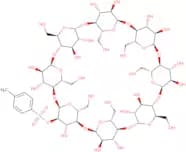
CAS:This gamma-cyclodextrin (γ-CD) derivative is a modified cyclic oligosaccharide composed of eight glucose units, featuring a larger cavity size than α- and β-cyclodextrins. This structural characteristic allows γ-CDs to form inclusion complexes with a wider range of guest molecules, making it particularly versatile in various industries. In the food sector, it is used as a carrier and stabilizer for flavors, fat-soluble vitamins, and polyunsaturated fatty acids, protecting volatile compounds from evaporation. In pharmaceuticals, it enhances the solubility and bioavailability of poorly water-soluble drugs and, thanks to its larger ring size, allows for the encapsulation of larger molecules or even entire drug molecules. γ-CDs and derivatives are also used for environmental remediation and, in analytical chemistry, for the extraction and concentration of target substances.Pureza:Min. 95 Area-%Cor e Forma:Powder




![2,3,4-Tri-O-acetyl-6-deoxy-6,6-difluoro-a-D-mannopyranosyl-1-bis[2-(acetylthio)ethyl]phosphate](/_next/image/?url=https%3A%2Fstatic.cymitquimica.com%2Fproducts%2F3D%2Fthumb-webp%2FMT96598.webp&w=3840&q=75)











![[UL-2H7glc]Lactose monohydrate](/_next/image/?url=https%3A%2Fstatic.cymitquimica.com%2Fproducts%2F3D%2Fthumb-webp%2FOL16276.webp&w=3840&q=75)








![(1R) -1- [(2R, 3S,4S) -4-Hydroxymethyl-3- hydroxy- 1- azetidinyl] -1, 2- ethanediol](/_next/image/?url=https%3A%2Fstatic.cymitquimica.com%2Fproducts%2F3D%2Fthumb-webp%2FMH163381.webp&w=3840&q=75)

![(1S) -1- [(2S, 3R) - 3- Hydroxy- 1- (2-hydroxyethyl) - 2- azetidinyl] -1, 2- ethanediol](/_next/image/?url=https%3A%2Fstatic.cymitquimica.com%2Fproducts%2F3D%2Fthumb-webp%2FMH163536.webp&w=3840&q=75)