Glicociência
Subcategorias de "Glicociência"
- Amino açúcares(108 produtos)
- Anticorpos Glico-Relacionados(283 produtos)
- Glicolípidos(46 produtos)
- Glicosaminoglicanos (GAGs)(55 produtos)
- Glicosídeos(419 produtos)
- Monossacáridos(6.617 produtos)
- Oligossacarídeos(3.718 produtos)
- Polissacáridos(505 produtos)
Foram encontrados 11021 produtos de "Glicociência"
Polysorbate 80
CAS:Polysorbate 80, is a non-ionic surfactant, also known as Tween 80. It also acts as an emulsifier and a solubilizer, making it a useful tool in scientific industries such as pharmaceuticals, food and cosmetics.
Fórmula:C32H60O10Pureza:Min. 95%Cor e Forma:Clear LiquidPeso molecular:604.81 g/molCYMAL-7 neopentyl glycol
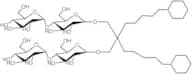
CAS:CYMAL-7 neopentyl glycol is a custom synthesis and is not commercially available. It is a complex carbohydrate that has been modified by methylation, glycosylation, and carbamate formation. CYMAL-7 neopentyl glycol has been modified with a fluorination reaction to give it high purity. This product has CAS No. 1423310-08-0 and is classified as an Oligosaccharide or Polysaccharide.Fórmula:C49H88O22Pureza:Min. 98 Area-%Cor e Forma:PowderPeso molecular:1,029.21 g/molDodecyl b-D-galactopyranoside
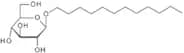
Dodecyl b-D-galactopyranoside is a methylated sugar that can be used to modify glycoproteins and polysaccharides. Dodecyl b-D-galactopyranoside has been shown to be useful for the synthesis of complex carbohydrate oligosaccharides, as well as for click chemistry, which involves the use of copper (II) ions. This product is available in custom synthesis, high purity, and fluorination.Fórmula:C18H36O6Pureza:Min. 95%Peso molecular:348.48 g/molHydroxypropylmethylcellulose acetate succinate
CAS:Produto ControladoHydroxypropylmethylcellulose acetate succinate is a polymer that has been shown to be effective in the treatment of autoimmune diseases. Hydroxypropylmethylcellulose acetate succinate is used as a model system for studying the interactions between polymers and proteins. The structure of this polymer consists of hydroxypropyl, succinate, and hypromellose acetate. This polymer forms hydrogen bonds with other polymers and proteins due to its anhydrous sodium content and amorphous nature.Fórmula:C10H22O9Cor e Forma:White PowderPeso molecular:286.28Octyl α-D-mannopyranoside
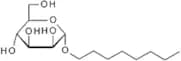
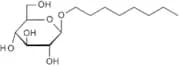
CAS:Octyl α-D-mannopyranoside is an organic chemical compound that is a methylated saccharide. It is the product of the reaction of octanol with mannose and can be used for glycosylation, fluorination, and complex carbohydrate synthesis. This product has high purity, custom synthesis, and CAS No. 124650-29-9. It is also a methylated saccharide that belongs to the group of Polysaccharides. Octyl α-D-mannopyranoside can also be modified by click chemistry or Click modification.Fórmula:C14H28O6Pureza:Min. 95%Cor e Forma:White PowderPeso molecular:292.37 g/molHeptyl 2-acetamido-3,4,6-tri-O-acetyl-2-deoxy-b-D-glucopyranoside
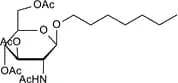
CAS:Heptyl 2-acetamido-3,4,6-tri-O-acetyl-2-deoxy-b-D-glucopyranoside is a chemical compound that binds to the promoter region of genes and regulates their expression. It has been shown to regulate gene expression levels in a variety of cells, including humans. Heptyl 2-acetamido-3,4,6-tri-O-acetyl-2 deoxy -b D glucopyranoside binds to the promoter region of genes and alters their expression levels. The regulation of these genes can be used for research purposes or as a potential treatment for disease.Fórmula:C21H35NO9Pureza:Min. 95%Peso molecular:445.5 g/molOctyldecyl 2-acetamido-2-deoxy-b-D-glucopyranoside
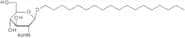
CAS:Octyldecyl 2-acetamido-2-deoxy-b-D-glucopyranoside is a custom synthesis and modification product. It is a high purity, complex carbohydrate with saccharide units that are modified with fluorination. This product has been modified using methylation and click chemistry to produce an oligosaccharide. Octyldecyl 2-acetamido-2-deoxy-b-D-glucopyranoside can be used as a glycosylation substrate in the synthesis of polysaccharides.Fórmula:C26H51NO6Pureza:Min. 95%Cor e Forma:White/Off-White SolidPeso molecular:473.69 g/molMethyl 6-O-(N-heptylcarbamoyl)-a-D-glucopyranoside
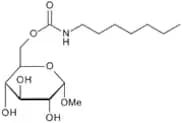
CAS:Non-ionic surfactant; used to study membrane proteinsFórmula:C15H29NO7Pureza:Min. 97 Area-%Cor e Forma:White PowderPeso molecular:335.39 g/molGlycyl-sialyllacto-N-tetraose b
Glycyl-sialyllacto-N-tetraose b is a custom synthesis of an oligosaccharide consisting of four monosaccharides. The monosaccharides are glycyl, sialyllactose and two tetrasaccharides with the configuration of (1,4)-alpha-D-mannopyranosyl-(1,2)-alpha-D-mannopyranosyl-(1,6)-beta-D-glucopyranosyl-(1,4)-alpha-D-mannopyranosyl. Glycyl-sialyllacto-N-tetraose b is a high purity product that can be modified to contain fluorine atoms. This product has been shown to have methylation activity in Methylation reactions.Fórmula:C39H66N4O29Pureza:Min. 95%Peso molecular:1,054.95 g/molNonanoyl-D-glucopyranoside
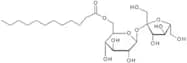
CAS:Nonanoyl-D-glucopyranoside is a custom-synthesized carbohydrate that functions as a glycosylation and fluorination agent. Nonanoyl-D-glucopyranoside can be used to modify oligosaccharides, carbohydrates, or polysaccharides. This product has CAS No. 191039-78-8, is synthesized with high purity, and is available in both monosaccharide and disaccharide forms.Fórmula:C15H28O7Pureza:Min. 95%Peso molecular:320.38 g/molDodecanoyl D-sucrose
CAS:Non-ionic detergent for solubilising membrane proteins; surfactantFórmula:C24H44O12Pureza:Min. 95%Cor e Forma:White PowderPeso molecular:524.6 g/molDL-Glyceraldehyde 3-phosphate - 45-55 mg/mL aqueous solution
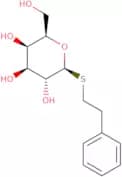
CAS:Glyceraldehyde 3-phosphate (G3P) is an intermediate in the glycolytic pathway. It is also a component of polysaccharides and glycosaminoglycans. G3P is synthesized from glucose by the enzyme triose phosphate isomerase. The synthesis of G3P can be achieved by a number of methods, including methylation, fluorination, and click chemistry. This product contains 45-55 mg/mL of Glyceraldehyde 3-phosphate in water solution at pH 7.0 and at a temperature range of 2-8°C.Fórmula:C3H7O6PPureza:Min. 95 Area-%Peso molecular:170.06 g/molPhenylethyl b-D-thiogalactopyranoside
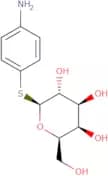
CAS:?-galactosidase inhibitorFórmula:C14H20O5SCor e Forma:PowderPeso molecular:300.37 g/mol4-Aminophenyl β-D-thiogalactopyranoside
CAS:4-Aminophenyl β-D-thiogalactopyranoside is a custom synthesis of a fluorinated saccharide. It is an oligosaccharide that has been modified with a click modification, which is an atom transfer radical polymerization. The chemical name for 4-aminophenyl β-D-thiogalactopyranoside is 2,5-difluorobenzoyl-(1→4)-4-(4'-aminophenoxy)butyryl-(1→2)-β-D-thiogalactopyranoside. The CAS number for 4-aminophenyl β-D-thiogalactopyranoside is 29558-05-2. This product has high purity and can be used as a substitute for saccharides in the synthesis of polysaccharides or oligosaccharides.Fórmula:C12H17NO5SPureza:Min. 95%Cor e Forma:PowderPeso molecular:287.33 g/molDecyl β-D-maltopyranoside
CAS:Non-ionic detergent; solubilises proteins for SDS-PAGE analysisFórmula:C22H42O11Pureza:Min. 97 Area-%Cor e Forma:White PowderPeso molecular:482.56 g/molOctyl b-D-glucopyranoside
CAS:Octyl beta-D-glucopyranoside (OG), also known as octyl glucoside or caprylyl glucoside, is an alkylglycoside non-ionic detergent that is one of the most commonly used reagents in membrane protein isolation. As it is uncharged, OG is unlikely to cause protein denaturation or refolding issues, allowing for the isolation of intact macromolecular complexes without affecting protein-protein interactions. It forms small, uniformed micelles and has an aggregation number of between 27-100. It is readily dialyzable from membrane protein preparations due to its high Critical Micelle Concentration (CMC) of 18-20 mM. Octyl beta-D-glucopyranoside has similar uses and properties to that of another frequently used surfactant, Octyl beta-D-thioglucopyranoside.Fórmula:C14H28O6Pureza:Min. 98 Area-%Cor e Forma:White PowderPeso molecular:292.37 g/mol2-[(2,3,4,6-Tetra-O-acetyl-α-D-mannopyranosyl)oxy]acetic acid
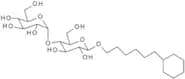
CAS:Please enquire for more information about 2-[(2,3,4,6-Tetra-O-acetyl-α-D-mannopyranosyl)oxy]acetic acid including the price, delivery time and more detailed product information at the technical inquiry form on this pageFórmula:C16H22O12Pureza:Min. 95 Area-%Cor e Forma:PowderPeso molecular:406.34 g/mol6-Cyclohexylhexyl β-D-maltoside
CAS:6-Cyclohexylhexyl b-D-maltoside (6CHBM) is a monoclonal antibody that inhibits the acetylcholine receptor. It binds to the hydroxyl group on the acetylcholine receptor and blocks nicotinic acetylcholine binding, preventing activation of the receptor. 6CHBM is a hydrophobic molecule with a hydroxyl group that can interact with other hydrophobic molecules in the membrane bilayer, such as fatty acids. 6CHBM has been shown to be an allosteric inhibitor of acetylcholine receptors by binding to a site outside of the active site and altering conformational changes required for channel opening. 6CHBM has also been shown to inhibit cation channels.
6CHBM was developed from mouse antibodies and has shown no adverse effects in mice or rabbits.Fórmula:C24H44O11Pureza:Min. 95%Cor e Forma:PowderPeso molecular:508.6 g/molOctyl α-D-thioglucopyranoside
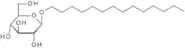
CAS:Octyl α-D-thioglucopyranoside is a custom synthesis that belongs to the group of saccharides. It is a synthetic compound that can be modified with methylation, fluorination, and monosaccharide or oligosaccharide additions. Octyl α-D-thioglucopyranoside has been shown to have complex carbohydrate properties due to its glycosylation and sugar additions.Fórmula:C14H28O5SPureza:Min. 98 Area-%Cor e Forma:PowderPeso molecular:308.43 g/molTetradecyl b-D-glucopyranoside
Tetradecyl b-D-glucopyranoside is a glycosylated, fluorinated, modified monosaccharide that is synthesized by fusing the tetradecyl moiety to the hydroxyl group of a-D-glucopyranose. The synthesis is accomplished by click chemistry, which involves copper catalysis and an azide/alkyne cycloaddition. Tetradecyl b-D-glucopyranoside has been shown to inhibit the growth of Gram-positive bacteria when used in combination with antibiotics such as ampicillin and vancomycin. This compound also has been shown to have antimicrobial properties against mycobacterium tuberculosis. Tetradecyl b-D-glucopyranoside is an excellent substrate for glycosylation reactions with various saccharides including glucose, maltose, lactose, galactose, and trehalose. It can alsoFórmula:C20H40O6Pureza:Min. 95%Cor e Forma:PowderPeso molecular:376.53 g/mol4,6-O-Benzylidene-N-acetyl-D-galactosamine
CAS:Produto ControladoApplications 4,6-O-Benzylidene-N-acetyl-D-galactosamine (cas# 420118-03-2) is a compound useful in organic synthesis.
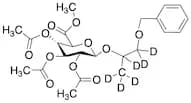
Fórmula:C15H19NO6Cor e Forma:NeatPeso molecular:309.31Propylene Glycol Beta-D-Glucopyranosiduronic Acid Benzyl Ester 2,3,4-Triacetate-d6
Produto ControladoApplications Propylene Glycol β-D-Glucopyranosiduronic Acid Benzyl Ester 2,3,4-Triacetate-d6 s an intermediate in the synthesis of Isotope labelled Propylene Glycol 2-Glucuronide which is a metabolite of propylene glycol, used in the synthesis of N-terminal kinase inhibitors with cellular activity. Acts as a solvent for various pharmaceutical compounds.
References Szczepankiewicz, B. et al.: J. Med. Chem., 49, 3563 (2006); Mateus, R. et al.: Int. J. Pharm., 444, 106 (2013);Fórmula:C23H24D6O11Cor e Forma:NeatPeso molecular:488.512-Acetamido-2-deoxy-D-gluconhydroximo-1,5-lactone 1,3,4,6-te
CAS:Produto ControladoStability Temperature Sensitive, Hygroscopic - Store Refridgerated
Applications An intermediate in the synthesis of PugNAc (Cat. No. A15725), an inhibitor of glucosamidase.
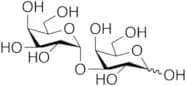
References Beer, D., et al.: Helv. Chim. Acta., 73, 1918 (1990), Horsch, M., et al.: Eur. J. Biochem., 197, 815 (1991), Horsch, M., et al.: J. Enzyme Inhib., 7, 47 (1993),Horsch, M., et al.: Eur. J. Biochem., 237, 476 (1996),Fórmula:C16H22N2O10Cor e Forma:NeatPeso molecular:402.353-O-(a-D-Galactopyranosyl)-D-galactose
CAS:Stability Hygroscopic
Applications 3-O-(α-D-Galactopyranosyl)-D-galactose (cas# 13168-24-6) is a compound useful in organic synthesis.
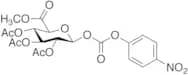
References Abramenko, I.V., et al.: Tsitologiya, 35 (5), 91 (1993), Kelly, R.F., et al.: Mol. Microbiol., 10 (3), 615 (1993), Stortz, C.A., et al.: J. Carbohydr. Chem., 13 (2), 235 (1994), Neethling, F.A., et al.: Transplantation, 57 (6), 959 (1994)Fórmula:C12H22O11Cor e Forma:NeatPeso molecular:342.30Beta-D-Glucopyranuronic Acid Methyl Ester 2,3,4-Triacetate 1-(4-Nitrophenyl Carbonate)
CAS:Produto ControladoApplications Intermediate used in the addition of protected Glucopyranuronic Acid.
Fórmula:C20H21NO14Cor e Forma:NeatPeso molecular:499.38Trigalacturonic Acid (>90%)
CAS:Produto ControladoApplications Trigalacturonic Acid, is the product of polygalacturonic acid degradation. The mixture of Oligogalacturonic Acids has shown to have shoot growth in cockscomb (Celosia argentea L.) seedlings.
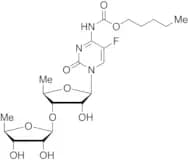
References Suzuki, T., et al.: J. Plant Growth Reg., 21, 209 (2003);Fórmula:C18H26O19Pureza:>90%Cor e Forma:NeatPeso molecular:546.393’-O-(5’-Deoxy-Beta-D-ribofuranosyl) Capecitabine
CAS:Produto ControladoImpurity Capecitabine 3-O-BDR Impurity (USP)
Applications Capecitabine (C175650) impurity. Capecitabine 3-O-BDR Impurity (USP).Fórmula:C20H30FN3O9Cor e Forma:NeatPeso molecular:475.47Spiramycin Embonate
CAS:Produto ControladoApplications Spiramycin Embonate is an antibiotic that is used in biological studies in the role of multidrug resistance of Strenotrophomonas maltophilia.
References Huang, Y., et al.: J. Antimicrob. Chemother., 68, 1987 (2013); Poole, K., et al.: Mol. Microbiol., 21, 713 (1996)Fórmula:C66H90N2O20Cor e Forma:NeatPeso molecular:1231.422-Acetamido-2-deoxy-N-[N-(benzyloxycarbonyl)-ε-aminocaproyl]-β-D-glucopyranosylamine
CAS:Produto ControladoApplications 2-Acetamido-2-deoxy-N-[N-(benzyloxycarbonyl)-ε-aminocaproyl]-β-D-glucopyranosylamine (cas# 56146-89-5) is a compound useful in organic synthesis.
Fórmula:C22H33N3O8Cor e Forma:NeatPeso molecular:467.51Difucosyllacto-N-hexaose (a)
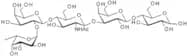
CAS:Neutral octasasaccharide naturally present in human breast milk
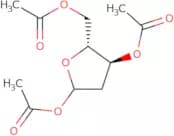
Fórmula:C52H88N2O39Pureza:Min. 95%Cor e Forma:PowderPeso molecular:1,365.25 g/mol1,3,5-Tri-O-acetyl-2-deoxy-D-ribose
CAS:Building block for DNA-related organic synthesisFórmula:C11H16O7Pureza:Min. 95%Cor e Forma:Yellow PowderPeso molecular:260.24 g/molAcidic Sophorolipids mix-acetylated - mixture of C30H54O13, C32H56O14 and C34H58O15
Sophorolipids are produced by various yeast species, notably Starmerella bombicola. Acidic Sophorolipids are amphiphilic molecules and therefore possess the attributes of surfactants; however as bio-surfactants they have several advantages over synthetic surfactants including low toxicity, biodegradability and the potential for low cost manufacture.Pureza:Min. 95%Cor e Forma:White Yellow PowderPeso molecular:622.74. 664.78 and 706.822,3,4,6-Tetra-O-acetyl-a-D-galactopyranosyl trichloroacetimidate
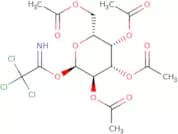
CAS:2,3,4,6-Tetra-O-acetyl-a-D-galactopyranosyl trichloroacetimidate is a disaccharide that is an activated glycoprotein. It is used as a hapten for the production of monoclonal antibodies and as an immunogen in stepwise immunization with bovine serum albumin. This compound has been shown to be specific for the EGF receptor on neoglycoproteins and can be used to detect this receptor. The glycosidic residue of 2,3,4,6-tetra-O-acetyl-a-D-galactopyranosyl trichloroacetimidate allows it to bind to proteins such as albumin and act as a carrier for other molecules.Fórmula:C16H20Cl3NO10Pureza:Min. 95%Cor e Forma:White PowderPeso molecular:492.69 g/molN,N',N'',N'''-Tetraacetylchitotetraose
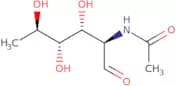
CAS:Tetraose composed of four N-acetylglucosamine residues.Fórmula:C32H54N4O21Pureza:Min. 95 Area-%Cor e Forma:White PowderPeso molecular:830.79 g/molN-Acetyl-D-quinovosamine
CAS:N-Acetyl-D-quinovosamine is a chemical compound that belongs to the group of quinovosamines. It is an acidic molecule with a pKa of 3.5 and is soluble in water, methanol, and acetic acid. N-Acetyl-D-quinovosamine has been shown to inhibit the growth of P. aeruginosa strains, which are human pathogens. This drug binds to the bacterial cell wall by competitive inhibition and prevents the formation of an antibiotic-inhibitor complex with the enzyme cell wall synthesis that is required for cell wall biosynthesis, inhibiting protein synthesis and cell division. N-Acetyl-D-quinovosamine also inhibits the production of hydrogen fluoride (HF) by bacteria as well as their ability to produce ammonia from nitrite or nitrate ions.Fórmula:C8H15NO5Pureza:Min. 95%Cor e Forma:PowderPeso molecular:205.21 g/molL-Threonic acid
CAS:L-Threonic acid is a metabolite of plants that is involved in the synthesis of other molecules. It can be found in the injection solution and magnesium salts that are used for treating osteoporosis and magnesium deficiency. L-Threonic acid can also be found in caffeic acids, which are plant polyphenols that have antioxidant properties. L-Threonic acid has been shown to have structural similarity to calcium and has been shown to have a role in mitochondrial membrane potential, cellular physiology, and oxidative injury. L-Threonic acid may also play a role in energy metabolism. The toxicity of L-Threonic acid has been studied extensively with mixed results.Fórmula:C4H8O5Pureza:Min. 95%Peso molecular:136.1 g/molBlood group H pentaose type II
CAS:Blood group H pentaose type II is a carbohydrate. It is a saccharide with the molecular formula C5H11O4. The saccharide can be modified, for example by fluorination, methylation and glycosylation. The CAS number for this compound is 30517-76-1. This product is custom synthesized and has high purity and good quality.Fórmula:C32H55NO25Pureza:Min. 90%Cor e Forma:PowderPeso molecular:853.77 g/mol6-Amino-6-deoxy-beta-cyclodextrin
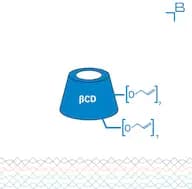
CAS:This beta-cyclodextrin (β-CD) derivative is a functionalized cyclic oligosaccharide composed of seven glucose units, characterized by a hydrophilic exterior and a lipophilic cavity (bigger than α-CD and smaller than γ-CDs), which allows it to encapsulate various guest molecules. This structural feature facilitates its use in multiple applications, including pharmaceuticals, food enhancement, and cosmetics. In the pharmaceutical industry, it enhances the solubility and stability of poorly water-soluble drugs, improving their bioavailability and efficacy while also masking unpleasant tastes. The food sector utilizes it as a stabilizer for flavors, colors, and nutrients, extending shelf life by protecting sensitive ingredients from degradation. In cosmetics, it serves as a complexing agent for fragrances and active components, ensuring their stability and controlled release. Its use expands to many other fields, including nanotechnology for drug delivery systems, environmental remediation for extracting organic pollutants, textiles for slow-release fragrances, and analytical chemistry for chiral separation.
Fórmula:C42H71NO34Peso molecular:1,134 g/molNepetin-7-glucoside
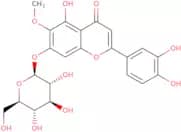
CAS:Nepetin-7-glucoside is a compound found in plants that has been shown to have anti-inflammatory and antiviral properties. Nepetin-7-glucoside inhibits the activity of enzymes such as phospholipase A2, cyclooxygenase, and lipoxygenase. It also reduces the production of inflammatory mediators such as prostaglandins and leukotrienes. Nepetin-7-glucoside may be helpful in the treatment of autoimmune diseases and other inflammatory disorders. This compound also has antiviral effects by inhibiting the replication of herpes simplex virus type 1 (HSV1) in a cell culture system. Nepetin-7-glucoside also has been shown to inhibit the expression of genes related to inflammation and other inflammatory diseases, such as rheumatoid arthritis, colitis ulcerosa, psoriasis, and Crohn's disease.Fórmula:C22H22O12Pureza:Min. 95%Cor e Forma:PowderPeso molecular:478.4 g/mol6'-Sialyllactose-sp-biotin
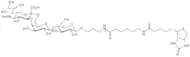
CAS:6'-Sialyllactose-sp-biotin is a custom synthesis of a 6'-sialyllactose with a biotin moiety attached to the reducing end. The modification was done through fluorination, methylation, and monosaccharide synthesis. This product has CAS No. 1384441-62-6 and is an oligosaccharide saccharide that is polysaccharide containing glycosylated sugar. It is also a complex carbohydrate that contains many sugars in one molecule.
Fórmula:C42H71N5O22SPureza:Min. 95%Cor e Forma:White PowderPeso molecular:1,030.1 g/mol1,6-Dichloro-1,6-dideoxy-D-fructose
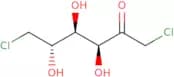
CAS:1,6-Dichloro-1,6-dideoxy-D-fructose (1,6DD) is a synthetic spermicide that prevents the fusion of the egg and sperm. It has been shown to be effective in reducing fertility in male rats. The pharmacological effects of 1,6DD are due to its benzalkonium chloride content. 1,6DD is a reactive chemical that can damage cellular membranes and lead to cell death. Benzalkonium chloride is toxic to human cells and can cause necrosis or apoptosis. The toxicity of 1,6DD on the brain has been demonstrated using human liver cells as well as human brain cells. This agent also has an effect on mineralization and causes an increase in calcium influx into cells by activating calcium channels.Pureza:Min. 95%1,4-Anhydro-D-mannitol
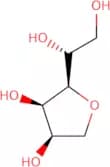
CAS:1,4-Anhydro-D-mannitol is a sugar alcohol that belongs to the group of alditols. It is a tautomer of galactitol, which is found in fetal bovine serum. The dehydrated form of this compound has been shown to have an inhibitory effect on tyrosinase activity. 1,4-Anhydro-D-mannitol may be used as an intermediate in the production of polymers or as a cosmeceutical agent due to its high water solubility and low toxicity.
Fórmula:C6H12O5Pureza:Min. 95%Cor e Forma:PowderPeso molecular:164.16 g/molMannide monooleate
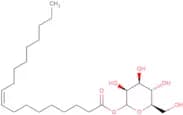
CAS:Mannide monooleate is a naturally occurring fatty acid that is found in the lipid bilayer of cell membranes. It has shown to be effective in the treatment of a number of chronic inflammatory diseases, such as arthritis and inflammatory bowel disease. Mannide monooleate is also being explored as an adjuvant for vaccines, and has shown efficacy against leishmania infection.Fórmula:C24H44O6Pureza:Min. 95%Cor e Forma:PowderPeso molecular:428.61 g/molN-Glycolylneuraminic acid-spacer-BSA
N-Glycolylneuraminic acid-spacer-BSA is a synthetic, monosaccharide oligosaccharide, complex carbohydrate. The glycosylation of BSA with N-glycolylneuraminic acid has been shown to be an effective method for the protection of biomolecules against fluoroquinolones. Glycosylation with N-glycolylneuraminic acid can be used as a method for the protection of biomolecules from fluoroquinolone antibiotics and other chemical reagents that are known to react with sugars.Pureza:Min. 95%Cor e Forma:PowderL-(+)-Fructose
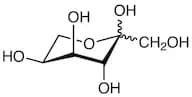
CAS:Fórmula:C6H12O6Pureza:>95.0%(HPLC)Cor e Forma:White to Almost white powder to crystalPeso molecular:180.16Galβ(1-3)[Neu5Acα(2-6)]GalNAc-α-pNP
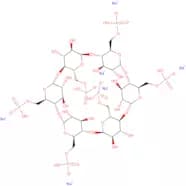
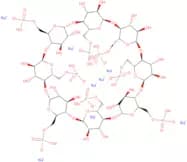
CAS:Fórmula:C31H45N3O21Pureza:>95.0%(HPLC)Cor e Forma:White to Almost white powder to crystalPeso molecular:795.70a-Cyclodextrin dihydrogen phosphate sodium salt
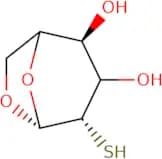
CAS:Alpha-cyclodextrin (α-CD) derivative with a hydrophilic exterior and lipophilic cavity (smaller than β-CDs and γ-CDs) to allocate certain guest molecules. This structural characteristic enables applications in molecular encapsulation, solubility enhancement, and stabilization across multiple industries. In pharmaceuticals, it serves as a drug delivery vehicle, enhancing the bioavailability and stability of active ingredients. The food industry utilizes it as a stabilizer for flavors, colors, and nutrients, as well as a functional ingredient for its effects on lipid metabolism. In cosmetics, it acts as a complex agent for fragrances and active components. Its applications extend to analytical chemistry for chiral separation and to materials science for developing smart materials and nanosystems.Fórmula:C36H60O30Pureza:Min. 95%Peso molecular:972.84 g/mol1,6-Anhydro-2-deoxy-2-thio-β-D-glucopyranose
CAS:An anhydro thio sugar
Fórmula:C6H10O4SPureza:Min. 95%Peso molecular:178.21 g/molSugammadex
CAS:Sugammadex is a modified gamma-cyclodextrin specifically designed to reverse the effects of steroidal non-depolarizing neuromuscular blocking drugs, particularly rocuronium and vecuronium. In anesthesiology, it offers a novel approach to neuromuscular blockade reversal by directly encapsulating and inactivating these muscle relaxants. Sugammadex forms tight 1:1 complexes with free plasma rocuronium or vecuronium molecules, rapidly reducing their concentration at the neuromuscular junction. This mechanism allows for fast and predictable reversal of neuromuscular blockade, even from deep levels, without the need for anticholinesterases or antimuscarinic agents. Sugammadex has also shown promise in special populations, including pregnancy, pediatrics, and patients with renal or hepatic impairment.
Fórmula:C72H112O48S8Pureza:Min. 95%Peso molecular:2,002.16 g/molMaltotetraosyl-b-cyclodextrin
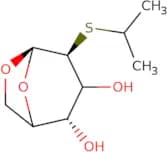
This beta-cyclodextrin (β-CD) derivative is a functionalized cyclic oligosaccharide composed of seven glucose units, characterized by a hydrophilic exterior and a lipophilic cavity (bigger than α-CD and smaller than γ-CDs), which allows it to encapsulate various guest molecules. This structural feature facilitates its use in multiple applications, including pharmaceuticals, food enhancement, and cosmetics. In the pharmaceutical industry, it enhances the solubility and stability of poorly water-soluble drugs, improving their bioavailability and efficacy while also masking unpleasant tastes. The food sector utilizes it as a stabilizer for flavors, colors, and nutrients, extending shelf life by protecting sensitive ingredients from degradation. In cosmetics, it serves as a complexing agent for fragrances and active components, ensuring their stability and controlled release. Its use expands to many other fields, including nanotechnology for drug delivery systems, environmental remediation for extracting organic pollutants, textiles for slow-release fragrances, and analytical chemistry for chiral separation.Pureza:Min. 95%1,6-Anhydro-2-deoxy-2-isopropylthio-β-D-glucopyranose
An anhydro thio sugar
Fórmula:C9H16O4SPureza:Min. 95%Peso molecular:220.29 g/molgamma-Cyclodextrin dihydrogen phosphate sodium salt
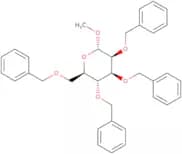
CAS:This gamma-cyclodextrin (γ-CD) derivative is a modified cyclic oligosaccharide composed of eight glucose units, featuring a larger cavity size than α- and β-cyclodextrins. This structural characteristic allows γ-CDs to form inclusion complexes with a wider range of guest molecules, making it particularly versatile in various industries. In the food sector, it is used as a carrier and stabilizer for flavors, fat-soluble vitamins, and polyunsaturated fatty acids, protecting volatile compounds from evaporation. In pharmaceuticals, it enhances the solubility and bioavailability of poorly water-soluble drugs and, thanks to its larger ring size, allows for the encapsulation of larger molecules or even entire drug molecules. γ-CDs and derivatives are also used for environmental remediation and, in analytical chemistry, for the extraction and concentration of target substances.Fórmula:C48H80O40Pureza:Min. 95%Peso molecular:1,297.12 g/molMethyl 2,3,4,6-tetra-O-benzyl-a-D-mannopyranoside
CAS:Methyl 2,3,4,6-tetra-O-benzyl-a-D-mannopyranoside is a glycosylation product that can be used in chemical synthesis. This compound is an example of a complex carbohydrate and can be modified with methyl or fluorine groups. Methyl 2,3,4,6-tetra-O-benzyl-a-D-mannopyranoside is also a sugar and an oligosaccharide. This compound has been custom synthesized to meet customer specifications and is available in high purity.Fórmula:C35H38O6Pureza:Min. 95%Cor e Forma:Clear Viscous LiquidPeso molecular:554.67 g/molBenzyl 2-azido-3,6-di-O-benzyl-2-deoxy-β-D-glucopyranoside
CAS:Please enquire for more information about Benzyl 2-azido-3,6-di-O-benzyl-2-deoxy-β-D-glucopyranoside including the price, delivery time and more detailed product information at the technical inquiry form on this page
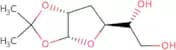
Fórmula:C27H29N3O5Peso molecular:475.54 g/mol1,2-O-Isopropylidene-3-deoxy-α-D-allofuranose
CAS:1,2-O-Isopropylidene-3-deoxy-a-D-allofuranose is a custom synthesis that is a complex carbohydrate. It has been modified by methylation and glycosylation. The product is an Oligosaccharide, Polysaccharide and Modification of saccharide. The product has high purity with a CAS No. 4494-96-6.Fórmula:C9H16O5Pureza:Min. 95%Cor e Forma:Off-White PowderPeso molecular:204.22 g/molLactose-6'-phosphate
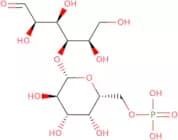
CAS:Lactose-6'-phosphate is a sugar phosphateFórmula:C12H23O14PPureza:Min. 95%Peso molecular:422.28 g/molFructosyl-lysine
CAS:Fructosyl-lysine is a substituted lysine that is formed through the glycation of proteins by sugars. It can be detected by fluorescence spectrometry and has been shown to inhibit the activity of receptor tyrosine kinases, which are involved in physiological functions such as cell growth and differentiation. Fructosyl-lysine also inhibits collagen synthesis and reduces the amount of glucose in human serum. This compound may be used as a model system to study glycation reactions with lysine, fatty acids, and other amino acids. The concentration of fructosyl-lysine found in human serum is at physiological levels and may not have any effect on antibody response.Fórmula:C12H24N2O7Pureza:Min. 95%Cor e Forma:PowderPeso molecular:308.33 g/molL-Gulurono-6,3-lactone
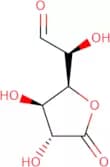
CAS:L-Gulurono-6,3-lactone is a methylated carbohydrate that can be modified with a variety of functional groups. It is used in the synthesis of saccharides and oligosaccharides. L-Gulurono-6,3-lactone has been shown to bind to a variety of proteins, including amyloid beta protein and human serum albumin. This compound is synthesized by reacting L-glucose with 2 equivalents of anhydrous hydrogen fluoride in acetic acid at room temperature. It is also fluorinated by reacting it with sodium borohydride and hydrogen fluoride in methanol at -78°C.Fórmula:C6H8O6Pureza:Min. 95%Cor e Forma:PowderPeso molecular:176.12 g/mol6-Chloro-6-deoxy-gamma-cyclodextrin
CAS:This gamma-cyclodextrin (γ-CD) derivative is a modified cyclic oligosaccharide composed of eight glucose units, featuring a larger cavity size than α- and β-cyclodextrins. This structural characteristic allows γ-CDs to form inclusion complexes with a wider range of guest molecules, making it particularly versatile in various industries. In the food sector, it is used as a carrier and stabilizer for flavors, fat-soluble vitamins, and polyunsaturated fatty acids, protecting volatile compounds from evaporation. In pharmaceuticals, it enhances the solubility and bioavailability of poorly water-soluble drugs and, thanks to its larger ring size, allows for the encapsulation of larger molecules or even entire drug molecules. γ-CDs and derivatives are also used for environmental remediation and, in analytical chemistry, for the extraction and concentration of target substances.Fórmula:C48H72Cl8O32Pureza:Min. 95%Peso molecular:1,444.69 g/mol2,3-Di-O-allyl-b-cyclodextrin
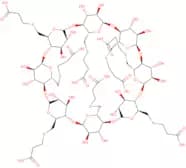
This beta-cyclodextrin (β-CD) derivative is a functionalized cyclic oligosaccharide composed of seven glucose units, characterized by a hydrophilic exterior and a lipophilic cavity (bigger than α-CD and smaller than γ-CDs), which allows it to encapsulate various guest molecules. This structural feature facilitates its use in multiple applications, including pharmaceuticals, food enhancement, and cosmetics. In the pharmaceutical industry, it enhances the solubility and stability of poorly water-soluble drugs, improving their bioavailability and efficacy while also masking unpleasant tastes. The food sector utilizes it as a stabilizer for flavors, colors, and nutrients, extending shelf life by protecting sensitive ingredients from degradation. In cosmetics, it serves as a complexing agent for fragrances and active components, ensuring their stability and controlled release. Its use expands to many other fields, including nanotechnology for drug delivery systems, environmental remediation for extracting organic pollutants, textiles for slow-release fragrances, and analytical chemistry for chiral separation.Fórmula:C84H126O35Pureza:Min. 95%Peso molecular:1,695.88 g/mol(2-Carboxyethyl)-a-cyclodextrin
Alpha-cyclodextrin (α-CD) derivative with a hydrophilic exterior and lipophilic cavity (smaller than β-CDs and γ-CDs) to allocate certain guest molecules. This structural characteristic enables applications in molecular encapsulation, solubility enhancement, and stabilization across multiple industries. In pharmaceuticals, it serves as a drug delivery vehicle, enhancing the bioavailability and stability of active ingredients. The food industry utilizes it as a stabilizer for flavors, colors, and nutrients, as well as a functional ingredient for its effects on lipid metabolism. In cosmetics, it acts as a complex agent for fragrances and active components. Its applications extend to analytical chemistry for chiral separation and to materials science for developing smart materials and nanosystems.Fórmula:C45H72O39Pureza:Min. 95%Peso molecular:1,237.03 g/molCellulose - Arbocel
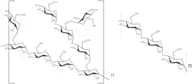
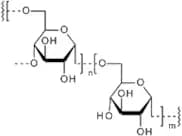
CAS:Cellulose is a linear polysaccharide of β 1-4 linked glucose residues. The polysaccharide chains are bundled as microfibrils in cell walls and provide the essential structural components within growing plants. Each microfibril exhibits a high degree of three-dimensional internal bonding resulting in a crystalline structure that is insoluble in water, resistant to reagents and very strong.Cor e Forma:PowderStarch from potato
CAS:Starch is an energy storing polysaccharide produced by higher plants and some algae. Pure starch is a white, tasteless and odorless powder that is insoluble in cold water or alcohol. It consists of two types of polysaccharide: the linear and helical amylose (α-1,4-linked glucose) and the branched amylopectin (α-1,4 and α-1,6-linked glucose). Depending on the plant, starch generally contains 20 to 25% amylose and 75 to 80% amylopectin by weight.Cor e Forma:White Powder6-bromo-6-deoxy-gamma-cyclodextrin
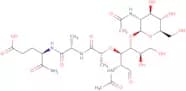
CAS:This gamma-cyclodextrin (γ-CD) derivative is a modified cyclic oligosaccharide composed of eight glucose units, featuring a larger cavity size than α- and β-cyclodextrins. This structural characteristic allows γ-CDs to form inclusion complexes with a wider range of guest molecules, making it particularly versatile in various industries. In the food sector, it is used as a carrier and stabilizer for flavors, fat-soluble vitamins, and polyunsaturated fatty acids, protecting volatile compounds from evaporation. In pharmaceuticals, it enhances the solubility and bioavailability of poorly water-soluble drugs and, thanks to its larger ring size, allows for the encapsulation of larger molecules or even entire drug molecules. γ-CDs and derivatives are also used for environmental remediation and, in analytical chemistry, for the extraction and concentration of target substances.Fórmula:C48H72Br8O32Pureza:Min. 95%Peso molecular:1,800.3 g/molN-Acetyl-β-D-glucosaminyl-(1→4)-N-acetylmuramoyl-L-alanyl-D-isoglutamine
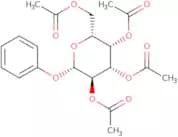
CAS:Please enquire for more information about N-Acetyl-β-D-glucosaminyl-(1→4)-N-acetylmuramoyl-L-alanyl-D-isoglutamine including the price, delivery time and more detailed product information at the technical inquiry form on this pageFórmula:C27H45N5O16Pureza:Min. 95%Cor e Forma:PowderPeso molecular:695.67 g/molPhenyl 2,3,4,6-tetra-O-acetyl-b-D-galactopyranoside
CAS:Phenyl 2,3,4,6-tetra-O-acetyl-b-D-galactopyranoside (TTA) is a synthetic monosaccharide that is used in the synthesis of complex carbohydrates. TTA is also known as Fluorination, Monosaccharide, Synthetic, Oligosaccharide, complex carbohydrate and has CAS No. 2872-72-2. TTA can be custom synthesized for research purposes or for commercial use and can be glycosylated to form polysaccharides. TTA is modified through methylation or click chemistry and can be used to modify sugar molecules or other carbohydrates. It is also high purity with less than 1% impurities.Fórmula:C20H24O10Pureza:Min. 95%Cor e Forma:PowderPeso molecular:424.4 g/mol6-deoxy-6-iodo-gamma-cyclodextrin
CAS:This gamma-cyclodextrin (γ-CD) derivative is a modified cyclic oligosaccharide composed of eight glucose units, featuring a larger cavity size than α- and β-cyclodextrins. This structural characteristic allows γ-CDs to form inclusion complexes with a wider range of guest molecules, making it particularly versatile in various industries. In the food sector, it is used as a carrier and stabilizer for flavors, fat-soluble vitamins, and polyunsaturated fatty acids, protecting volatile compounds from evaporation. In pharmaceuticals, it enhances the solubility and bioavailability of poorly water-soluble drugs and, thanks to its larger ring size, allows for the encapsulation of larger molecules or even entire drug molecules. γ-CDs and derivatives are also used for environmental remediation and, in analytical chemistry, for the extraction and concentration of target substances.Fórmula:C48H72I8O32Pureza:Min. 95%Cor e Forma:PowderPeso molecular:2,176.3 g/mol2-[4-(tert-Butyldimethylsilyloxymethyl)-2-nitrophenoxy]acetic Acid
CAS:Fórmula:C15H23NO6SiPureza:>98.0%(T)(HPLC)Cor e Forma:White - Yellow Solid FormPeso molecular:341.44L-Sorbose-1-phosphate potassium salt
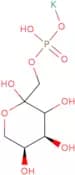
CAS:L-Sorbose-1-phosphate potassium salt is a sugar phosphateFórmula:C6H12KO9PPureza:Min. 95%Peso molecular:298.23 g/molG418 Disulfate
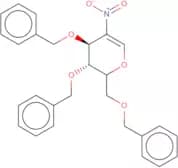
CAS:Fórmula:C20H40N4O10·2H2SO4Pureza:>90.0%(HPLC)(N)Cor e Forma:White to Almost white powder to crystalPeso molecular:692.703,4,6-Tri-O-benzyl-2-nitro-D-galactal
CAS:3,4,6-Tri-O-benzyl-2-nitro-D-galactal is a nitro compound that is used in the synthesis of glycopeptide antibiotics. It reacts with threonine, forming an intramolecular hydrogen bond to yield the corresponding methyl ester. The nitrate ion can also be used as a nucleophile to form an ether with alcohols or amines. This reaction is stereoselective and yields the desired product in high yields.Fórmula:C27H27NO6Pureza:Min. 98 Area-%Cor e Forma:PowderPeso molecular:461.51 g/molMethyl 3,5-di-O-acetyl-2-deoxy-D-ribofuranoside
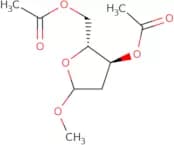
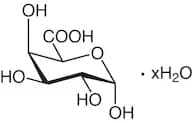
CAS:Methyl 3,5-di-O-acetyl-2-deoxy-D-ribofuranoside is a synthetic, fluorinated monosaccharide. It is an important building block for the synthesis of complex carbohydrates. The compound is also used for glycosylation reactions, click modification reactions and methylation reactions. Methyl 3,5-di-O-acetyl-2-deoxy-D-ribofuranoside can be used as an intermediate to make other products or as a custom synthesis.Fórmula:C10H16O6Pureza:Min. 95%Peso molecular:232.23 g/molα-D-Galacturonic Acid Hydrate
CAS:Fórmula:C6H10O7·xH2OPureza:>95.0%(T)Cor e Forma:White to Light yellow to Light orange powder to crystalPeso molecular:194.14 (as Anhydrous)Methyl β-L-arabinopyranoside
CAS:Methyl β-L-arabinopyranoside is a monomer that is used for the synthesis of polymers. It has been shown to be an effective polymerization catalyst, with long-term stability and good storage properties. Methyl β-L-arabinopyranoside has been used in gas chromatographic analysis as an analyte to identify hydroxy groups, although it may also interfere with the detection of certain other analytes. This monomer is often used in the production of plastics and rubbers because it enhances bonding between rubber molecules and plasticizers. Methyl β-L-arabinopyranoside has also been shown to have tailing enhancements and extracts that are due to hydroxy groups, which can lead to signal enhancement in gas chromatography. Additives such as ammonium acetate can be added if there is a need to increase sensitivity or reduce tailing effects.Fórmula:C6H12O5Pureza:Min. 95%Cor e Forma:PowderPeso molecular:164.16 g/mol3'-Sialyl Lewis A
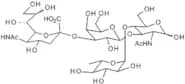
CAS:Tetrasaccharide; tumor-associated antigen; prognostic factor
Fórmula:C31H52N2O23Pureza:Min. 95%Cor e Forma:White PowderPeso molecular:820.74 g/mol6-Deoxy-6-iodo-b-cyclodextrin
CAS:This beta-cyclodextrin (β-CD) derivative is a functionalized cyclic oligosaccharide composed of seven glucose units, characterized by a hydrophilic exterior and a lipophilic cavity (bigger than α-CD and smaller than γ-CDs), which allows it to encapsulate various guest molecules. This structural feature facilitates its use in multiple applications, including pharmaceuticals, food enhancement, and cosmetics. In the pharmaceutical industry, it enhances the solubility and stability of poorly water-soluble drugs, improving their bioavailability and efficacy while also masking unpleasant tastes. The food sector utilizes it as a stabilizer for flavors, colors, and nutrients, extending shelf life by protecting sensitive ingredients from degradation. In cosmetics, it serves as a complexing agent for fragrances and active components, ensuring their stability and controlled release. Its use expands to many other fields, including nanotechnology for drug delivery systems, environmental remediation for extracting organic pollutants, textiles for slow-release fragrances, and analytical chemistry for chiral separation.
Fórmula:C42H63I7O28Pureza:Min. 95%Cor e Forma:White PowderPeso molecular:1,904.26 g/molTri-O-acetyl-b-cyclodextrin
CAS:This beta-cyclodextrin (β-CD) derivative is a functionalized cyclic oligosaccharide composed of seven glucose units, characterized by a hydrophilic exterior and a lipophilic cavity (bigger than α-CD and smaller than γ-CDs), which allows it to encapsulate various guest molecules. This structural feature facilitates its use in multiple applications, including pharmaceuticals, food enhancement, and cosmetics. In the pharmaceutical industry, it enhances the solubility and stability of poorly water-soluble drugs, improving their bioavailability and efficacy while also masking unpleasant tastes. The food sector utilizes it as a stabilizer for flavors, colors, and nutrients, extending shelf life by protecting sensitive ingredients from degradation. In cosmetics, it serves as a complexing agent for fragrances and active components, ensuring their stability and controlled release. Its use expands to many other fields, including nanotechnology for drug delivery systems, environmental remediation for extracting organic pollutants, textiles for slow-release fragrances, and analytical chemistry for chiral separation.
Fórmula:C84H112O56Pureza:Min. 95%Cor e Forma:PowderPeso molecular:2,017.75 g/molGM2-Ganglioside
CAS:GM2 ganglioside (sodium salt) has a core trisaccharide structure (GalNAcβ1,4Galβ1,4Glc) with sialic acid linked α2,3 to the central galactose residue and ceramide linked β to position 1 on the reducing terminal glucose residue (Ledeen, 2009). GM2 ganglioside is present on neuronal cells and plays a key role in the regulation of dendritogenesis in cortical pyramidal neurons. In lysosomal storage disorders, such as, Tay-Sachs and Sandhoff disease, where hexosaminases A and B are deficient, GM2 ganglioside accumulates in the nervous system (Cachon-Gonzalez, 2018). GM2 ganglioside is also overexpressed in melanomas and other tumours of neuro-ecto origin (Yoshida, 2020). Moreover, the sugar moiety of the GM2 ganglioside is a receptor allowing the viral infection of cells with reovirus and rotavirus (Zhu, 2018).Pureza:Min. 96%Cor e Forma:Powder1,4:3,6-Dianhydro-2-O-acetyl-D-glucitol
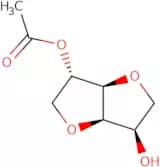
CAS:1,4:3,6-Dianhydro-2-O-acetyl-D-glucitol is an isosorbide intermediateFórmula:C8H12O5Pureza:Min. 95%Cor e Forma:PowderPeso molecular:188.18 g/molDextran 150 - MW: 135,000 to 165,000
CAS:Complex glucan (a 1-6) from Leuconostoc spp.; extender in blood transfusionsCor e Forma:PowderMonoammonium Glycyrrhizinate
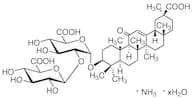
CAS:Fórmula:C42H65NO16Pureza:>75.0%(HPLC)Cor e Forma:White to Light yellow powder to crystalPeso molecular:839.97Rengasin-3'-O-glucoside
Rengasin-3'-O-glucoside is a fine chemical, useful building block, and research chemical. It is a versatile building block that can be used in the synthesis of complex compounds. Rengasin-3'-O-glucoside is also a useful intermediate or scaffold for reactions. This compound has been shown to react with 1,2-ethanediol and form an ester, which can be hydrolyzed to release glycerol and the original rengasin-3'-O-glucoside.
Fórmula:C22H22O11Pureza:(%) Min. 75%Peso molecular:462.4 g/mol6-O-a-D-Glucosyl-a-cyclodextrin
CAS:Alpha-cyclodextrin (α-CD) derivative with a hydrophilic exterior and lipophilic cavity (smaller than β-CDs and γ-CDs) to allocate certain guest molecules. This structural characteristic enables applications in molecular encapsulation, solubility enhancement, and stabilization across multiple industries. In pharmaceuticals, it serves as a drug delivery vehicle, enhancing the bioavailability and stability of active ingredients. The food industry utilizes it as a stabilizer for flavors, colors, and nutrients, as well as a functional ingredient for its effects on lipid metabolism. In cosmetics, it acts as a complex agent for fragrances and active components. Its applications extend to analytical chemistry for chiral separation and to materials science for developing smart materials and nanosystems.Fórmula:C42H70O35Pureza:Min. 95%Peso molecular:1,134.98 g/molD-Glycero-D-talo-heptitol
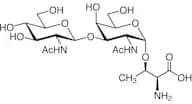
CAS:D-Glycero-D-talo-heptitol is a natural product that is found in plants and bacteria. It is an alditol, which is created by the glycosidic bond of a carbohydrate and a hydroxyl group. D-Glycero-D-talo-heptitol has shown to inhibit the activity of enzymes involved in fatty acid synthesis, such as 3-hydroxyacyl coenzyme A dehydrogenase, and carbohydrate synthesis, such as fructose 1,6 bisphosphatase. This compound also inhibits the borohydride reduction of glycan precursors. This may be due to its hydrophilic interactions with water molecules and its hydrophobic interactions with other lipid molecules.Fórmula:C7H16O7Pureza:Min. 95%Cor e Forma:White Off-White PowderPeso molecular:212.2 g/molGlcNAcβ(1-3)GalNAc-α-Thr
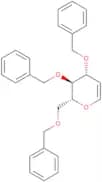
CAS:Fórmula:C20H35N3O13Pureza:>97.0%(HPLC)Cor e Forma:White to Almost white powder to crystalPeso molecular:525.513,4,6-Tri-O-benzyl-D-glucal
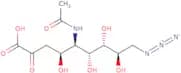
CAS:3,4,6-Tri-O-benzyl-D-glucal is a benzyl protected, 2,3 unsaturated glucal used as a chiral intermediate. The C2-C3 double bond of the pyranose ring can be modified via a variety of reactions including: hydrogenation, oxidation, hydroxylation, and aminohydroxylation, to generate structural complexity. 3,4,6-Tri-O-benzyl-D-glucal also minimizes tedious protecting-group strategies required for fully oxygenated sugars. The products of 2,3 unsaturated glycosides as chiral intermediates have played a role in the synthesis of many biologically active compounds, such as, nucleosides and modified sugar derivatives.Fórmula:C27H28O4Pureza:Min. 98 Area-%Cor e Forma:White PowderPeso molecular:416.51 g/molN-Acetyl-9-azido-9-deoxy-neuraminic acid
CAS:N-Acetyl-9-azido-9-deoxy-neuraminic acid (also known as 9AzNeu5Ac) is used as a sialic acid substitute for metabolic glycan labelling, which allows glycan-protein interactions and sialylations to be interrogated. Naturally occurring glycans can be di-sialylated by sialidase and replaced by a sialyl analogue, such as N-acetyl-9-azido-9-deoxy-neuraminic acid, using sialyltransferase. The modified glycans are then resistant to sialidase. Reduction of the azide functionality of N-acetyl-9-azido-9-deoxy-neuraminic acid affords access to an additional 9-amino sialic acid analogue which can be further elaborated to 9-amido analogues.Fórmula:C11H18N4O8Pureza:Min. 90 Area-%Cor e Forma:Off-White PowderPeso molecular:334.28 g/mol1,2,3,4-Tetra-O-acetyl-5-alkynyl-L-fucose
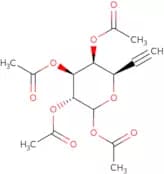
CAS:1,2,3,4-Tetra-O-acetyl-5-alkynyl-L-fucose is a per-O-acetylated version of 5-alkynyl-L-fucose, an inhibitor of the cellular fucosylation pathway. 1,2,3,4-Tetra-O-acetyl-5-alkynyl-L-fucose can pass through the eukaryotic cell membrane somewhat better than 5-alkynyl-L-fucose can itself, is deacetylated by cellular esterases and interferes with the biosynthesis of the fucosyl-donor and fucosyltransferase substrate GDP-Fuc, thus reducing fucosylation levels during glycoprotein biosynthesis (Dekkers, 2016).
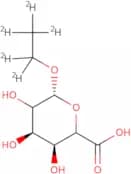
Fórmula:C15H18O9Pureza:Min. 95%Cor e Forma:Colorless Clear LiquidPeso molecular:342.3 g/mold5-Ethyl b-D-glucuronide
CAS:Produto ControladoEthyl b-D-glucuronide is a modification of the carbohydrate. It is used in the synthesis of oligosaccharides, polysaccharides, and other complex carbohydrates with high purity. This compound can be synthesized by methylation and glycosylation, or by fluorination and saccharide.Fórmula:C8H9D5O7Pureza:Min. 95%Cor e Forma:PowderPeso molecular:227.22 g/molCarboxymethyl-dextran sodium 20-30% COOH - Average molecular weight 70000
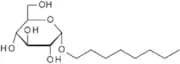
CAS:Drug carrier for cancer therapy & imaging, biocompatible, soluble, biodegradableCor e Forma:PowderOctyl a-D-glucopyranoside
CAS:The enzyme alcohol dehydrogenase, which is located in the cytosol of cells, catalyzes the conversion of ethanol to acetaldehyde. In this reaction, a hydrogen ion (H+) is abstracted from ethanol and two electrons (e-) are added to the molecule. The addition of these electrons results in the formation of a hydrogen bond between the alcohol and an electron-donating species such as water or octyl glucopyranoside. Octyl glucopyranoside is a detergent that has been used as a substrate for measuring rates of alcohol dehydrogenase. This detergent also has been shown to be effective at removing glycol ethers from biological samples.
The biochemical research on octyl glucopyranoside includes its use as an equilibrative nucleoside and its effect on bowel disease.Fórmula:C14H28O6Pureza:Min. 95%Cor e Forma:White PowderPeso molecular:292.37 g/molGM4-Ganglioside
CAS:GM4-ganglioside (sodium salt) is a disaccharide of sialic acid linked α2,4 to galactose and ceramide linked β to position 1 on the galactose (Ledeen, 2009). Demyelinated plaques in multiple sclerosis have decreased amounts of GM4-ganglioside, localized in myelin and oligodendroglia of the central nervous system. It has been found that the myelin basic protein is capable of releasing large quantities of entrapped [14C]glucose from multilamellar liposomes containing GM4. If the conformation of GM4 ganglioside in liposomal membranes resembles that of GM4 ganglioside in its natural environment, basic protein and GM4 may be associated within the myelin sheath of the central nervous system and their interactions are altered in demyelinating diseases, such as, multiple sclerosis (Mullin, 1981).Fórmula:C57H106N2O17·xNaPureza:Min. 95%Peso molecular:1,091.45 g/molL-Arabinose-BSA
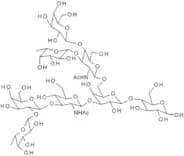
L-Arabinose-BSA is a Glycosylation, Oligosaccharide, sugar, Synthetic, Fluorination, Custom synthesis, Methylation, Monosaccharide, Polysaccharide, saccharide. It is a Click modification. L-Arabinose-BSA has CAS No. 1590-84-3 and Modification of complex carbohydrate. This product has High purity.Pureza:Min. 95%Difucosyl (1-2,1-2)-iso-lacto-N-octaose (DFiLNO (1-2,1-2))
Difucosyl (1-2,1-2)-iso-lacto-N-octaose (DFiLNO (1-2,1-2)) is an oligosaccharide that is found in human milk
Pureza:Min. 95%N-Acetyl-D-[2-¹³C]neuraminic acid
CAS:N-Acetyl-D-[2-13C]neuraminic acid is a glycan that is found in human serum. The chemical structure of N-acetyl-D-[2-13C]neuraminic acid has been analyzed using nuclear magnetic resonance (NMR) and mass spectrometry, showing that it contains two 13C atoms. N-acetyl--D-[2-13C]neuraminic acid is a sialic acid that is bound to a protein called surface glycoprotein. It may be involved in the transport of adenosine triphosphate (ATP) across the membrane by an ATP-dependent transport system. It also acts as an enzyme inhibitor for glycoside hydrolases, which are enzymes that break down glycans. N-acetyl--D-[2-13C]neuraminic acid has been shown to have properties similar to those of other sialic acids and can beFórmula:CC10H19NO9Pureza:Min. 95%Peso molecular:310.26 g/molNeodiosmin
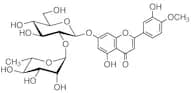
CAS:Fórmula:C28H32O15Pureza:>95.0%(HPLC)Cor e Forma:Light yellow to Yellow to Orange powder to crystalinePeso molecular:608.55Rengasin-4'-O-glucoside
Rengasin-4'-O-glucoside (RG4G) is a natural glycoside that belongs to the category of sugar derivatives. It has versatile uses and can be used as a building block for complex compounds, as well as in research chemicals, pharmaceuticals, and cosmetics. RG4G also has many applications in chemistry, including being used as a reagent or speciality chemical. RG4G is also an important intermediate in organic synthesis, which can be used to synthesize many useful compounds. The compound is often used as a scaffold for larger molecules.
Pureza:Min. 95%1-Deoxy-1-morpholino-D-fructose
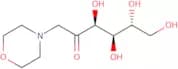
CAS:1-Deoxy-1-morpholino-D-fructose is a drug that has been shown to have an inhibitory effect on the production of dinitrophenol, leading to a decrease in the level of reactive oxygen species. The drug binds to lysine residues of proteins and forms adducts with physiological function. 1-Deoxy-1-morpholino-D-fructose also inhibits human serum albumin concentration, which may be due to its ability to inhibit oxidative DNA damage. This drug has been shown to be effective in vivo for treating autoimmune diseases and diabetes.Fórmula:C10H19NO6Pureza:Min. 95%Peso molecular:249.26 g/molIsomaltulose
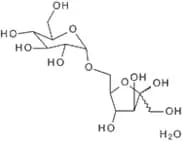
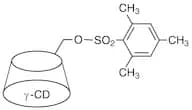
CAS:Occurs by epimerisation of maltose and transglucosylationFórmula:C12H22O11Pureza:Min. 95%Cor e Forma:White PowderPeso molecular:342.3 g/molMono-6-O-mesitylenesulfonyl-γ-cyclodextrin
CAS:Fórmula:C57H90O42SPureza:>90.0%(HPLC)Cor e Forma:White to Almost white powder to crystalPeso molecular:1,479.37





![2-[(2,3,4,6-Tetra-O-acetyl-α-D-mannopyranosyl)oxy]acetic acid](/_next/image/?url=https%3A%2Fstatic.cymitquimica.com%2Fproducts%2F3D%2Fthumb-webp%2FFA183571.webp&w=3840&q=75)






![2-Acetamido-2-deoxy-N-[N-(benzyloxycarbonyl)-ε-aminocaproyl]-β-D-glucopyranosylamine](/_next/image/?url=https%3A%2Fstatic.cymitquimica.com%2Fproducts%2FTR%2Fthumb-webp%2FA151050.webp&w=3840&q=75)




![Galβ(1-3)[Neu5Acα(2-6)]GalNAc-α-pNP](/_next/image/?url=https%3A%2Fstatic.cymitquimica.com%2Fproducts%2F3B%2Fthumb-webp%2FG0377.webp&w=3840&q=75)




![2-[4-(tert-Butyldimethylsilyloxymethyl)-2-nitrophenoxy]acetic Acid](/_next/image/?url=https%3A%2Fstatic.cymitquimica.com%2Fproducts%2F3B%2Fthumb-webp%2FB2322.webp&w=3840&q=75)






![N-Acetyl-D-[2-¹³C]neuraminic acid](/_next/image/?url=https%3A%2Fstatic.cymitquimica.com%2Fproducts%2F3D%2Fthumb-webp%2FMA15585.webp&w=3840&q=75)