Glicociência
A glicociência é o estudo dos carboidratos e seus derivados, bem como das interações e funções biológicas em que participam. Este campo de pesquisa é crucial para compreender uma ampla variedade de processos biológicos, incluindo o reconhecimento celular, a sinalização, a resposta imune e o desenvolvimento de doenças. A glicociência tem aplicações importantes na biotecnologia, na medicina e no desenvolvimento de novos medicamentos e terapias. Na CymitQuimica, oferecemos uma ampla seleção de produtos de alta qualidade e pureza para pesquisa em glicociência. Nosso catálogo inclui monossacarídeos, oligossacarídeos, polissacarídeos, glicoconjugados e reagentes específicos, projetados para apoiar os pesquisadores em seus estudos sobre a estrutura, função e aplicações dos carboidratos em sistemas biológicos. Esses recursos são destinados a facilitar descobertas científicas e aplicações práticas em diversas áreas das biociências e da medicina.
Subcategorias de "Glicociência"
- Amino açúcares(108 produtos)
- Anticorpos Glico-Relacionados(282 produtos)
- Glicolípidos(46 produtos)
- Glicosaminoglicanos (GAGs)(55 produtos)
- Glicosídeos(419 produtos)
- Monossacáridos(6.622 produtos)
- Oligossacarídeos(3.682 produtos)
- Polissacáridos(503 produtos)
Foram encontrados 11041 produtos de "Glicociência"
Ordenar por
Pureza (%)
0
100
|
0
|
50
|
90
|
95
|
100
Acemetacin-acyl-β-D-glucuronide
CAS:<p>Acemetacin-acyl-b-D-glucuronide is a synthetic, fluorinated, glycosylated carbohydrate. It is a custom synthesis and has high purity. The CAS No. 1260603-31-3.</p>Fórmula:C27H26ClNO12Pureza:Min. 95%Cor e Forma:PowderPeso molecular:591.96 g/molKetoprofen acyl-β-D-glucuronide
CAS:<p>Ketoprofen acyl-β-D-glucuronide is a nonsteroidal anti-inflammatory drug that inhibits prostaglandin synthesis. It binds to the enzyme cyclooxygenase, which prevents the formation of prostaglandins and thromboxanes. The binding constants have been measured using radiolabeled ketoprofen acyl-β-D-glucuronide in urine samples from patients taking ketoprofen. Ketoprofen acyl-β-D-glucuronide has also been shown to be stereoselective for liver cells and fatty acid metabolism in humans. This drug has not been shown to produce covalent adducts with DNA or RNA.</p>Fórmula:C22H22O9Pureza:Min. 97 Area-%Cor e Forma:White Off-White PowderPeso molecular:430.4 g/mol8-Hydroxymirtazapine b-D-glucuronide
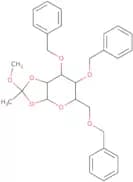
CAS:<p>8-Hydroxymirtazapine b-D-glucuronide is a fluorinated, monosaccharide, synthetic oligosaccharide. It is a complex carbohydrate that has been custom synthesized with glycosylation and polysaccharides. The sugar structure has been modified by methylation and click modification in order to produce a high purity product. CAS No. 155239-47-7</p>Fórmula:C23H27N3O7Pureza:Min. 95%Peso molecular:457.49 g/mol1,2,3,6-Tetra-O-benzyl-4-O-(2,3-di-O-benzyl-4,6-O-benzylidene-a-D-mannopyranosyl)-b-D-glucopyranoside
CAS:<p>Tetra-O-benzyl-4-O-(2,3-di-O-benzyl-4,6-O-benzylidene)-a-D-mannopyranosyl)-b-D-glucopyranoside is a carbohydrate that has been modified with fluorination and methylation. It is a saccharide with an oligosaccharide group, which is attached to the 1-, 2-, 3-, 6-, and 4'-positions of the sugar. This product is synthesized by custom synthesis and is available in high purity. Tetra-O-benzyl-4-O-(2,3-di-O--benzyl--4,6--O--benzylidene)-a--D--mannopyranosyl)-b--D--glucopyranoside can be used as a glycosylation or click modification agent.</p>Fórmula:C61H62O11Pureza:Min. 95%Peso molecular:971.14 g/mol3,4,6-Tri-O-acetyl-2-azido-2-deoxy-D-galactopyranosyl trichloroimidate
CAS:<p>3,4,6-Tri-O-acetyl-2-azido-2-deoxy-D-galactopyranosyl trichloroimidate is a carbohydrate that is custom synthesized. It is a complex carbohydrate that is modified with methylation and glycosylation. This product has high purity, fluorination, and synthetic properties.</p>Pureza:Min. 95%Globo-H-b-N-acetyl propargyl
<p>Intermediate in the development of anti-cancer vaccines</p>Fórmula:C43H70N2O30Pureza:Min. 95%Peso molecular:1,095.01 g/molD-Myo-inositol-1,3,5-triphosphate
CAS:<p>D-myo-inositol-1,3,5-triphosphate is a carbohydrate that is modified with fluorine. It is a custom synthesis and can be synthesized in high purity. D-myo-inositol-1,3,5-triphosphate has several glycosylations and methylations. The modification of this compound includes click chemistry for the synthesis of oligosaccharides and saccharides. D-myo-inositol-1,3,5-triphosphate can be used as a sugar or an oligosaccharide in the modification of proteins or carbohydrates.</p>Pureza:Min. 95%Phosphatidyl 1-(3-deoxy-2-O-methyl-D-myo-inositol)
CAS:<p>Phosphatidyl 1-(3-deoxy-2-O-methyl-D-myo-inositol), also known as phosphatidylinositol (PI) is a lipid molecule that is the main component of cell membranes. PI is synthesized from glucose in the cytosol and then transported to the Golgi where it is converted into its final form, phosphatidylcholine. PI has been shown to inhibit chitinase activity in human HL60 cells and leukemia cells and may be an effective treatment for cancer.</p>Fórmula:C29H59O10PPureza:Min. 95%Peso molecular:598.75 g/molb-D-Mannopyranosyl nitromethane
CAS:<p>b-D-Mannopyranosyl nitromethane is a fluorinated monosaccharide. It is used in the synthesis of oligosaccharides and polysaccharides. This compound is also used for glycosylation, methylation, and click modification of sugar molecules. b-D-Mannopyranosyl nitromethane has CAS No. 93302-92-2 and can be custom synthesized to meet your needs.</p>Fórmula:C7H13NO7Pureza:Min. 95%Peso molecular:223.61 g/mol1,4:3,6-Dianhydro- 2- O- methyl-D- glucitol
CAS:<p>1,4:3,6-Dianhydro-2-O-methyl-D-glucitol is a modified sugar that belongs to the group of carbohydrates. It is synthesized by the modification of 1,4:3,6-dianhydro-2,5-diO-methyl D glucitol with methyl iodide and sodium methoxide. The compound is used in pharmaceuticals as an excipient and in cosmetics as a moisturizer. It has been shown to be effective against influenza A virus.</p>Fórmula:C7H12O4Pureza:Min. 95%Peso molecular:160.17 g/mol2,4-O-Benzylidene-1-O-tosyl-D-threitol
CAS:<p>2,4-O-Benzylidene-1-O-tosyl-D-threitol is a synthetic sugar that has been modified. It can be used in the synthesis of oligosaccharides and monosaccharides as well as complex carbohydrates. 2,4-O-Benzylidene-1-O-tosyl-D-threitol is a high purity product with a purity level of 99%. This product can be custom synthesized to meet your needs.</p>Fórmula:C18H20O6SPureza:Min. 95%Peso molecular:364.41 g/molEthyl a-L-thiorhamnopyranoside
<p>Ethyl a-L-thiorhamnopyranoside is a synthetic, fluorinated monosaccharide. It is an oligosaccharide with a complex carbohydrate structure and can be used as a building block for the synthesis of glycosides, polysaccharides, and other sugar derivatives. This product can also be modified by methylation, click reactions, or other chemical reactions to produce desired structures. The purity of this product is >98%.</p>Pureza:Min. 95%D-Glucose diethyl mercaptal
CAS:<p>D-Glucose diethyl mercaptal is a homogeneous catalyst that can be used to acetylate galactitol to produce D-arabinose. It acts as an efficient and selective catalyst for the reaction of nitrous acid with hydrochloric acid, which produces acetyl chloride. Acetyl chloride is a reactive compound that can be used in the synthesis of many other compounds. <br>D-Glucose diethyl mercaptal has been used in chromatographic methods to separate d-arabinose from L-arabinose. The ring-opening polymerization of D-glucopyranose by mercaptals leads to the formation of polyols, which are useful materials for the production of plastics and rubber products. Chloride ions are required for this reaction, while hydrogen chloride is produced as a byproduct.</p>Fórmula:C10H22O5S2Pureza:Min. 95%Peso molecular:286.41 g/mol2,3,6,2',3',4',6'-Hepta-O-acetyl-a-D-cellobiosyl fluoride
CAS:<p>2,3,6,2',3',4',6'-Hepta-O-acetyl-a-D-cellobiosyl fluoride is a glycosylation product of cellobiose. It has been synthesized by the Click reaction between 2,3,6,2',3',4',6'-hepta-O-acetyl-a-D-cellobiosylamine and ethylene oxide. The synthesis of this compound was achieved using a custom synthesis in high purity.</p>Fórmula:C26H35FO17Pureza:Min. 95%Peso molecular:638.54 g/mol1,3,6-Tri-O-benzoyl-2-deoxy-a-D-glucopyranoside
<p>1,3,6-Tri-O-benzoyl-2-deoxy-a-D-glucopyranoside is a glycosylation molecule that is synthesized by the addition of a benzoyl group to the C1 position of glucose. This product is an example of an oligosaccharide with a triester linkage. The synthesis of this product involves methylation and fluorination reactions. 1,3,6-Tri-O-benzoyl-2-deoxy-a-D-glucopyranoside is stable in acidic environments and can be custom synthesized at high purity level.</p>Fórmula:C27H30O5Pureza:Min. 95%Peso molecular:434.52 g/mol1-Deoxy-L-erythrulose
CAS:<p>1-Deoxy-L-erythrulose is an electron acceptor that is a non-essential cofactor for the enzyme reductoisomerase. It binds to the active site of the enzyme and stabilizes its conformation, which leads to the formation of a dianion. 1-Deoxy-L-erythrulose also acts as an activator for phosphite, which is a transition state analog. This activation leads to the formation of ATP and NADPH as products.</p>Fórmula:C4H8O3Pureza:Min. 95%Peso molecular:104.1 g/mol3-Desmethylthiocolchicine-3-O-D-glucuronide
CAS:<p>3-Desmethylthiocolchicine-3-O-D-glucuronide is a compound that has been custom synthesized, with a purity of >95%. The compound is an oligosaccharide and polysaccharide containing saccharides and carbohydrates.</p>Fórmula:C27H31NO11SPureza:Min. 95%Peso molecular:577.6 g/molNGA4F N-Glycan
CAS:<p>NGA4F N-Glycan is a modification of the N-glycan structure. It is an oligosaccharide composed of a single monosaccharide, methylated and glycosylated to form a polysaccharide with sugar groups on every other carbon. This product can be custom synthesized by our chemists at your request.</p>Fórmula:C72H120N6O50Pureza:Min. 95%Peso molecular:1,869.73 g/molThiosophorose
CAS:<p>Thiosophorose is a nutrient that is found in microalgae. It is also known as d-arabinose and has been shown to be an inactivating agent for viruses, such as HIV-1. Thiosophorose has been used in skin care products due to its ability to produce fatty acids, which are important for healthy skin. It is also useful for the production of biofuels from microalgae. This molecule can be used to catalyze the reaction between amines and triflates and it is insoluble in water. The viscosity of this compound will increase with increasing temperature.</p>Fórmula:C12H22O10SPureza:Min. 95%Peso molecular:358.4 g/molN’-Nitrosonornicotine N-β-D-glucuronide (mixture of diastereomers) hydrate
CAS:<p>Please enquire for more information about N’-Nitrosonornicotine N-β-D-glucuronide (mixture of diastereomers) hydrate including the price, delivery time and more detailed product information at the technical inquiry form on this page</p>Fórmula:C15H19N3O7•(H2O)xPureza:Min. 95%Methyl D-glucofuranoside
CAS:<p>Methyl D-glucofuranoside is a model compound of a sugar that has been modified with an acyl group. The hydroxy group in this molecule is the site of attachment for other molecules that can modify the sugar. In impure samples, methyl glycosides are frequently observed due to their high solubility in water. Methyl glycosides have been used as a synthetic intermediate in the production of empagliflozin, an anti-diabetic drug. Protocatechuic acid and nucleophilic reagents are often used during synthesis to convert the hydroxyl group into an ether or ester linkage. This modification makes methyl D-glucofuranoside more soluble in organic solvents. Methyl D-glucofuranoside has two stereoisomers: (S) and (R). The erythro form is most common, but there are also traces of the threo form present in some samples.</p>Fórmula:C7H14O6Pureza:Min. 95%Cor e Forma:SolidPeso molecular:194.18 g/molDextran 70 - MW 64,000 to 76,000, EP
CAS:<p>Complex glucan (a 1-6) from Leuconostoc spp.; extender in blood transfusions.</p>Pureza:Min. 95%1,2,4,6-Tetra-O-acetyl-3-azido-3-deoxy-D-glucopyranose
<p>1,2,4,6-Tetra-O-acetyl-3-azido-3-deoxy-D-glucopyranose is a custom synthesis that has been fluorinated and modified with methyl groups. It is used to synthesize complex carbohydrates and it can be used as a raw material for the production of oligosaccharides. 1,2,4,6-Tetra-O-acetyl-3-azido-3-deoxy--D--glucopyranose is soluble in water and ethanol and has a CAS number.</p>Fórmula:C14H19N3O9Pureza:Min. 95%Peso molecular:373.32 g/molMethyl-4-deoxy-a-L-threo-hex-4-enopyranosiduronic acid
CAS:<p>Methyl-4-deoxy-a-L-threo-hex-4-enopyranosiduronic acid is a sugar that belongs to the group of complex carbohydrates. This compound is made up of a saccharide and a monosaccharide, which are glycosylated with other saccharides. Methylation and glycosylation of this molecule create an oligosaccharide. The structure of this molecule has been modified by fluorination, methylation, and glycosylation. This product is synthesized from raw materials, such as sugar.<br>Methyl - 4 - deoxy - a - L - threo - hex - 4 - enopyranosiduronic acid is used in Click modification reactions to modify the carbohydrate chain. This product is also used in the synthesis of various compounds with different functions, such as fluoroquinolones or antibiotics.</p>Fórmula:C7H10O6Pureza:Min. 95%Peso molecular:190.15 g/mol6-O-Benzyl-D-glucose
CAS:<p>6-O-Benzyl-D-glucose is an aglycon of 6-O-benzylglycosides, which are synthesized from glucose by alkaline hydrolysis in the presence of silver oxide. The benzyl group can be removed by a variety of methods, including treatment with hydrogen chloride gas. 6-O-Benzyl-D-glucose has been used in research to demonstrate that carbohydrates have a common structural feature that can be identified by looking at their molecular structure. This molecule has also been used to study the synthesis and reactivity of benzyl groups.</p>Fórmula:C13H18O6Pureza:Min. 95%Peso molecular:270.28 g/molEthyl 2-deoxy-2-phthalimido-b-D-thioglucopyranoside
CAS:<p>Ethyl 2-deoxy-2-phthalimido-b-D-thioglucopyranoside is a synthetic, custom synthesis carbohydrate that is modified with fluorine. Ethyl 2-deoxy-2-phthalimido-b-D-thioglucopyranoside is a polysaccharide that has been shown to have high purity and good stability in solution. This compound is used as a versatile building block for the synthesis of glycosides and other saccharides. Ethyl 2-deoxy-2-phthalimido-b-D-thioglucopyranoside can be modified by methylation or glycosylation to produce different derivatives. It can also be used for the synthesis of complex carbohydrates, such as oligosaccharides and saccharides.</p>Pureza:Min. 95%Tetrasaccharide dp4
<p>Tetrasaccharide dp4 is a custom synthesis that is modified with fluorination, methylation, and click modification of the monosaccharides. It can be used for the synthesis of oligosaccharides and saccharides. Tetrasaccharide dp4 is a glycosylated carbohydrate that belongs to the group of polysaccharides. This product has CAS number 87392-00-6.</p>Fórmula:C24H62N10O38S6Pureza:Min. 95%Peso molecular:1,291.19 g/mol2,3,4-Tri-O-acetyl-α-L-fucopyranosyl bromide
CAS:<p>2,3,4-Tri-O-acetyl-alpha-L-fucopyranosyl bromide is a methylated alpha-L-fucopyranosyl bromide that is used as a glycosylation reagent for the synthesis of complex carbohydrates. It is also used in Click chemistry and has been shown to be an effective and selective glycosylation agent.<br>2,3,4-Tri-O-acetyl-alpha-L-fucopyranosyl bromide is available at high purity and can be custom synthesized to your specifications. This compound has CAS number 16741-27-8 and is listed on the FDA Inactive Ingredient Database (IID).</p>Fórmula:C12H17BrO7Peso molecular:353.16 g/molRef: 3D-T-5921
1gA consultar5gA consultar250mgA consultar500mgA consultar2500mgA consultar-Unit-ggA consultar1,2-Dideoxy-2-fluoronojirimycin
CAS:<p>1,2-Dideoxy-2-fluoronojirimycin is a synthetic alkenyl compound that inhibits the HIV-1 virus by competitively inhibiting the enzyme reverse transcriptase. It has been shown to inhibit the synthesis of viral DNA and RNA. 1,2-Dideoxy-2-fluoronojirimycin is an aralkyl compound with a hydroxyl group at position 1 and a fluorine atom at position 2. It also has sulfinyl groups in positions 3 and 4. The natural product is synthesised from glucose via glycosidase inhibition. This compound has shown potent antiviral activity against HIV-1 strains with high levels of resistance to other compounds such as AZT.</p>Fórmula:C6H12NO3FPureza:Min. 95%Peso molecular:165.16 g/molMethyl 3,6-di-O-benzyl-2-deoxy-2-phthalimido-b-D-glucopyranoside
CAS:<p>Methyl 3,6-di-O-benzyl-2-deoxy-2-phthalimido-b-D-glucopyranoside is a custom synthesis product that is used to modify saccharides. This compound is an oligosaccharide and polysaccharide that can be fluorinated to form a complex carbohydrate. Methyl 3,6-di-O-benzyl-2-deoxy-2-phthalimido-b-D--glucopyranoside has been shown to react with monosaccharides and sugars in the presence of base to form a modified sugar.</p>Fórmula:C29H29NO7Pureza:Min. 95%Peso molecular:503.54 g/mol3-Deoxy-1,2:5,6-di-O-isopropylidene-a-L-gulofuranose
<p>3-Deoxy-1,2:5,6-di-O-isopropylidene-a-L-gulofuranose is a synthetic monosaccharide that is used in the synthesis of oligosaccharides and polysaccharides. The chemical has been modified with fluorination, methylation, and click chemistry to produce a range of products. This product can be custom synthesized to meet the needs of customers. It has a CAS No. and purity of >99%.</p>Fórmula:C12H20O5Pureza:Min. 95%Peso molecular:244.28 g/mol3,4,6-Tri-O-acetyl-2-O-(2,3,4-tri-O-benzoyl-a-L-fucopyranosyl)-D-galactopyranose
<p>3,4,6-Tri-O-acetyl-2-O-(2,3,4-tri-O-benzoyl-a-L-fucopyranosyl)-D-galactopyranose (TFP) is a fluorinated carbohydrate synthesized by the reaction of 3,4,6 trihydroxyacetophenone with 2,3,4 trihydroxypentanediol and acetyl chloride. TFP is a complex carbohydrate that can be used to modify proteins and glycoproteins. The methylation of TFP has been shown to decrease the binding affinity between lectins and glycoproteins.</p>Fórmula:C39H40O16Pureza:Min. 95%Peso molecular:764.73 g/mol1,2,3-Tri-O-benzoyl-4,6-O-(4-methoxybenzylidene)-a-D-mannopyranose
<p>1,2,3-Tri-O-benzoyl-4,6-O-(4-methoxybenzylidene)-a-D-mannopyranose is a carbonyl compound that is an intermediate in the synthesis of saccharides. The chemical modification of this compound can be used to synthesize complex carbohydrates. This compound has been fluorinated and methylated to produce a variety of derivatives with different properties. It also has been glycosylated and click modified for use in research and development.</p>Fórmula:C35H30O10Pureza:Min. 95%Peso molecular:610.61 g/molL-Glycero-D-gluco-heptose
CAS:<p>L-Glycero-D-gluco-heptose is a hexadecanoic acid that is used as a synthetic intermediate. L-Glycero-D-gluco-heptose can be synthesized from benzyl alcohol and galactose in a two step process. The first step involves the esterification of benzyl alcohol with galactose to form an acetal, while the second step involves hydrolysis of this acetal to form L-Glycero-D-gluco-heptose. The chemical data for L-Glycero-D-gluco-heptose has been determined by gas chromatography (GC) and mass spectrometry (MS). GC allows for the separation and identification of fatty acids, oligosaccharides, and other organic compounds, which are then identified by MS.</p>Fórmula:C7H14O7Pureza:Min. 95%Cor e Forma:PowderPeso molecular:210.18 g/molIsopropyl-β-D-thioglucopyranoside
CAS:<p>Isopropyl-beta-D-thioglucopyranoside is a carbohydrate derivative that has the same chemical formula as glucose but with a different spatial arrangement. It is also known as beta-D-thioglucose or thioisopropylglucose, and it is an intermolecular hydrogen bond donor and acceptor. Isopropyl-beta-D-thioglucopyranoside absorbs light at wavelengths of 265 nm, 280 nm, and 320 nm. Carbohydrates are compounds containing carbon, hydrogen and oxygen atoms in a ratio of 1:2:1 by weight, with the general formula CHON. They consist of many isomers that differ from each other in the configurations of their carbonyl group and hydroxyl group. The molecular system for isopropyl-beta-D-thioglucopyranoside consists of one molecule with two hydrogen bonds to two other molecules.</p>Fórmula:C9H18O5SPeso molecular:238.3 g/molD-Cellohexaose
CAS:<p>Substrate for β-glucosidase</p>Fórmula:C36H62O31Pureza:Min. 95%Cor e Forma:White Off-White PowderPeso molecular:990.86 g/mol2,3,5-Tri-O-benzyl-1-O-(4-nitrobenzoyl)-L-arabinofuranose
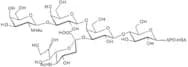
<p>2,3,5-Tri-O-benzyl-1-O-(4-nitrobenzoyl)-L-arabinofuranose is a custom synthesis that is modified with fluorination, methylation, and monosaccharide. It is synthesized to be a carbohydrate molecule. This product has CAS No. and can be used in the modification of other molecules that are carbohydrates. This product can be found in oligosaccharides and saccharides as well as complex carbohydrates.</p>Pureza:Min. 95%Lewis Y tetrasaccharide-APE-HSA
<p>Lewis Y tetrasaccharide-APE-HSA is a synthetic, high purity glycosylated oligosaccharide. It is composed of a Lewis Y tetrasaccharide linked to an APE peptide and HSA. The Lewis Y tetrasaccharide has been custom synthesized with click modification and fluorination. The APE peptide has been modified with glycosylation and methylation. The HSA has been modified with glycosylation, methylation, and acetylation. The oligosaccharide was synthesized using the solid phase method on a CEM Liberty Star Column. This glycoconjugate is CAS No., which can be found at Pubchem CID: 10609300.</p>Pureza:Min. 95%Trandolaprilat acyl-D-glucuronide
CAS:<p>Trandolaprilat acyl-D-glucuronide is a synthetic compound that has been designed for the treatment of hypertension. Trandolaprilat acyl-D-glucuronide is an active metabolite of trandolapril, which is a prodrug of trandolaprilat. Trandolaprilat acyl-D-glucuronide is glycosylated and has high purity with low impurities. It can be custom synthesized to meet your requirements. The CAS number for this compound is 1260610-97-6.</p>Fórmula:C28H38N2O11Pureza:Min. 95%Peso molecular:578.61 g/mol2-Deoxy-a-L-ribofuranose
CAS:<p>2-Deoxy-a-L-ribofuranose is a monosaccharide that can be modified by either fluorination or methylation. It is an important building block in the synthesis of complex carbohydrates and saccharides, such as oligosaccharides and polysaccharides. 2-Deoxy-a-L-ribofuranose has been shown to have excellent purity, high quality, and custom synthesis for use in pharmaceuticals.<br>2-Deoxy-a-L-ribofuranose can be used in the production of nucleotides, which are essential for DNA replication and transcription. These nucleotides are also involved in protein synthesis, as they contain nitrogenous bases which provide the amino acids needed for proteins.</p>Fórmula:C5H10O4Pureza:Min. 95%Peso molecular:134.13 g/molN-Acetyl-D-glucosamine-d3
CAS:<p>N-acetyl-D-glucosamine is a regiospecific and stereoselective hydrochloride of D-glucosamine. It is used as a building block for the synthesis of peptides, proteins, and other biological molecules. N-Acetyl-D-glucosamine is synthesized by reacting ethylene diamine with trifluoroacetic acid in the presence of hydrochloric acid. The proton at C2 in the NMR spectrum was found to be diagnostic for the compound. Solid phase microextraction (SPME) was used to extract this compound from a mixture of many components, and it was then analyzed using magnetic resonance spectroscopy (NMR).</p>Fórmula:C8H12D3NO6Pureza:Min. 95%Peso molecular:224.23 g/molSialyllacto-N-fucopentaose V-APD-HSA
<p>Sialyllacto-N-fucopentaose V-APD-HSA is a methylated, fluorinated, click modified oligosaccharide. It is an Oligosaccharide and Polysaccharide. It also has a saccharide, Carbohydrate, and Monosaccharide. This product is Custom synthesized with High purity and Modification.</p>Pureza:Min. 95%Phenyl 3,6-diazido-2,4-di-O-benzyl-3,6-dideoxy-b-D-thioglucopyranoside
CAS:<p>Phenyl 3,6-diazido-2,4-di-O-benzyl-3,6-dideoxy-b-D-thioglucopyranoside is a custom synthesis. It is a fluorinated sugar that is modified by methylation and monosaccharides. Phenyl 3,6-diazido-2,4-di-O-benzyl-3,6-dideoxy -bD thioglucopyranoside is an oligosaccharide that can be used as a carbohydrate or polysaccharide. It has an CAS number of 68874461 8.</p>Fórmula:C26H32N6O3SPureza:Min. 95%Peso molecular:508.64 g/mol2-Acetamido-6-azido-2,6-dideoxy-D-galactopyranose
CAS:<p>2-Acetamido-6-azido-2,6-dideoxy-D-galactopyranose is a synthetic, unnatural monosaccharide bearing an azido biorthogonal reaction group. This compound can enter the cell and is processed by biosynthetic enzymes, in a manner similar to the natural O-linked N-acetyl-β-D-glucosamine. The glycans produced bear the azido functional group which can be chemically tagged with fluorescent dyes or biotin for visualisation or affinity.</p>Fórmula:C8H14N4O5Pureza:Min. 95%Peso molecular:246.22 g/mol1,2,3-Tri-O-benzyl-4,6-O-(4-methoxybenzylidene)-b-D-glucopyranoside
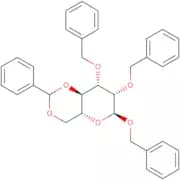
CAS:<p>1,2,3-Tri-O-benzyl-4,6-O-(4-methoxybenzylidene)-b-D-glucopyranoside is a synthetic compound that has been fluorinated and methylated. It is used as a glycosylation reagent for oligosaccharides, sugar and polysaccharides. The product is soluble in organic solvents such as acetone and chloroform. 1,2,3-Tri-O-benzyl-4,6-O-(4-methoxybenzylidene)-b-D-glucopyranoside is also a custom synthesis that can be modified to meet the specific needs of the customer.</p>Fórmula:C35H36O7Pureza:Min. 95%Peso molecular:568.66 g/mol1-Oxododecyl-D-glucopyranoside
CAS:<p>1-Oxododecyl-D-glucopyranoside is a custom synthesis that contains an oligosaccharide and polysaccharide. The monosaccharides are modified with methylation, glycosylation, or fluorination. The complex carbohydrate is prepared by the click modification of a sugar. 1-Oxododecyl-D-glucopyranoside is synthesized with high purity and high quality. It can be used in medicine as an anti-inflammatory drug and for treatment of diabetes.</p>Fórmula:C18H34O7Pureza:Min. 95%Cor e Forma:SolidPeso molecular:362.4 g/molNorethindrone b-D-glucuronide
CAS:<p>Norethindrone b-D-glucuronide is a synthetic steroid that has been modified to include a sugar group. This modification increases the solubility of the compound, which is necessary for its use as a progestogen in oral contraceptives. Norethindrone b-D-glucuronide is an orally active contraceptive that contains two sugar molecules that are attached to the hormone norethindrone. One sugar molecule is linked to the C2 carbon and the other is linked to the C3 carbon of norethindrone, forming a glucuronide ester. The glucuronide esters are more soluble than unconjugated norethindrone and this increased solubility allows for better absorption through mucous membranes.</p>Fórmula:C26H34O8Pureza:Min. 95%Peso molecular:474.54 g/molEthyl 2-amino-b-D-glucuronide
<p>Ethyl 2-amino-b-D-glucuronide is a Carbohydrate, Modification, saccharide, Oligosaccharide, sugar. The CAS number for this compound is 6058-91-9. This product can be synthesized in the lab using Custom synthesis and High purity. Ethyl 2-amino-b-D-glucuronide is a Synthetic and Monosaccharide. This product has Click modification and Methylation. Ethyl 2-amino-b-D-glucuronide is also Glycosylated.</p>Fórmula:C8H15NO6Pureza:Min. 95%Peso molecular:221.21 g/molAtreleuton Glucuronide
<p>Atreleuton Glucuronide is a custom synthetic carbohydrate with an atreleuton core and a glucuronic acid moiety. It has been modified by fluorination, methylation, glycosylation, and click chemistry. Atreleuton Glucuronide is a high-purity product that can be synthesized in complex carbohydrate form or in monosaccharide form. This product is available for custom synthesis on request.</p>Fórmula:C22H22FN2O8SPureza:Min. 95%Peso molecular:493.48 g/molSialylglycan
<p>Sialylglycan is a glycan that is found on the surface of cells and is important in cell-cell interactions. It is involved in the binding of influenza virus to its receptor, and sialylglycan has been shown to be bifunctional, meaning it can act as both an antigen and an antibody. Sialylglycan oligosaccharides are found in muscle tissue, which is where influenza viruses are most likely to attach. The molecule's fluorimetric properties have also been used to study outbreaks of avian influenza. <br>Sialylglycan has been used for gene analysis by attaching fluorescent tags to the molecule that can be detected using fluorescence microscopy techniques. In vivo assays have also been performed with sialylglycan as a model antigen.</p>Fórmula:C76H125N5O57Pureza:Min. 95%Cor e Forma:PowderPeso molecular:2,020.81 g/molMaltosyl trehalose
CAS:<p>Maltosyltransferase, involved in the biosynthesis of α-glucans, has been genetically validated as a potential therapeutic target against Mycobacterium tuberculosis. Trehalose derivatives are potential tools for the targeting of trehalose pathways in the cell wall of Mycobacterium tuberculosis.</p>Fórmula:C24H42O21Pureza:Min. 95%Cor e Forma:PowderPeso molecular:666.58 g/molPyridoxal galactoside
CAS:<p>Pyridoxal galactoside is a synthetic carbohydrate that is glycosylated and methylated. It is soluble in water and sparingly soluble in ethanol and acetone. Pyridoxal galactoside has a CAS number of 644-88-2. The chemical formula for pyridoxal galactoside is C6H7NO3, with a molecular weight of 171.12 g/mol. This product can be custom synthesized to meet customer specifications.</p>Fórmula:C14H19O8NPureza:Min. 95%Cor e Forma:Pale brown solid.Peso molecular:329.31 g/molNeocarrahexaose-24,41,3,5-tetra-O-sulfate sodium salt
<p>Neocarrahexaose-24,41,3,5-tetra-O-sulfate sodium salt is a glycosylation agent that is used in the synthesis of polysaccharides and oligosaccharides. It is a complex carbohydrate that contains 24% of galactose, 41% of mannose, 3% of glucose and 5% of fructose. This compound has been modified by methylation, click modification and fluorination. Neocarrahexaose-24,41,3,5-tetra-O-sulfate sodium salt has CAS No. 66894-00-2 and can be custom synthesized to meet customer specifications.</p>Fórmula:C36H52Na4O40S4Pureza:Min. 95%Cor e Forma:White/Off-White SolidPeso molecular:1,345 g/molMethyl 2,3,4,6-tetra-O-acetyl-b-D-mannopyranoside
CAS:<p>Methyl 2,3,4,6-tetra-O-acetyl-b-D-mannopyranoside is a high purity methylated glycosylated oligosaccharide. This product has been custom synthesized on demand using state of the art technology and is available in a variety of purities and modifications.<br> Methyl 2,3,4,6-tetra-O-acetyl-b-D-mannopyranoside is used as a fluorescent probe for carbohydrate binding proteins. It has also been used in the synthesis of glycoproteins.</p>Fórmula:C15H22O10Pureza:Min. 95%Peso molecular:362.33 g/mol3,4-Di-O-acetyl-1,6-anhydro-2-deoxy-2-iodo-b-D-glucopyranose
CAS:<p>3,4-Di-O-acetyl-1,6-anhydro-2-deoxy-2-iodo-b-D-glucopyranose is a synthetic sugar that is used in the synthesis of polysaccharides. It can be methylated at C3 and C4 to yield 3,4,5'-triacetyl 1,6 anhydro 2 deoxy 2 iodo b D glucopyranose. This compound has been shown to have antiulcerogenic activity due to its ability to inhibit gastric acid secretion and reduce the incidence of gastric ulcers. 3,4 Di acetyl 1 6 anhydro 2 deoxy 2 iodo b D glucopyranose has also been shown to selectively inhibit the growth of cancer cells. The compound is fluorinated at C3 and C4 with a high purity which allows for modification of the molecular structure.</p>Fórmula:C10H13IO6Pureza:Min. 95%Peso molecular:356.11 g/mol8-Methoxycarbonyloctyl-6-O-(a-L-fucopyranosyl)-N,N'-diacetyl-chitobioside
CAS:<p>8-Methoxycarbonyloctyl-6-O-(a-L-fucopyranosyl)-N,N'-diacetylchitobioside is a synthetic carbohydrate that has been fluorinated at the 8 position and acetylated at the 6 position. It is a custom synthesis that can be modified with methylation and other modifications. This compound is used in biochemical research as well as for medical purposes. It has a CAS number of 106445-35-6, and has been shown to have glycosylation, oligosaccharide, sugar, methylation, monosaccharide, polysaccharide, saccharide click modification properties.</p>Fórmula:C32H56N2O17Pureza:Min. 95%Peso molecular:740.79 g/mol1,2,3,4,5,6-Hexa-O-acetyl-myo-inositol
CAS:<p>Myo-inositol is a naturally occurring organic compound that belongs to the group of sugars and polyols. It has been isolated from plants, where it is found in the form of its solubilized acetate ester. Myo-inositol is important as a component of cell membranes, as well as being an essential part of intracellular signaling pathways. This compound has also been shown to have an inhibitory effect on cervical cancer cells and can be used in the treatment of this condition. Myo-inositol binds iron and has been shown to have anti-inflammatory properties.</p>Fórmula:C18H24O12Pureza:Min. 95%Peso molecular:432.16 g/mol2-Acetamido-3,4-di-O-acetyl-6-O-[a-2-(4,7,8,9-tetra-O-acetyl-N-acetyl-D-neuraminic acid methyl ester)]-2-deoxy-a-D-galactopyranosyl Fmocthreonine
<p>This is a custom synthesis for a polysaccharide. The CAS number is not available. It is a complex carbohydrate that contains an oligosaccharide. This polysaccharide has been modified with methylation and glycosylation, as well as click modification. It can be fluorinated to increase the purity. It is a sugar with high purity.</p>Fórmula:C51H63N3O24Pureza:Min. 95%Peso molecular:1,102.05 g/molL-Galacturonic acid
CAS:<p>L-Galacturonic acid is an acidic polysaccharide that is a constituent of many plants, especially in the cell walls of pectin. L-Galacturonic acid has biochemical properties, such as growth factor activity and anticoagulant properties. It also has nucleophilic properties, which means it can be used to extract other substances. The chemical structures of L-galacturonic acid are C6H8O7 with hydroxyl groups on both carbons 1 and 4. The hydroxyl group on carbon 1 makes it a good reactant for nucleophilic attack by sodium carbonate. This reaction increases the number of negative charges on the molecule, which make it a good carbohydrate chemistry reagent. L-Galacturonic acid is not soluble in water but can be dissolved in hydrochloric acid or sodium carbonate solution. It is not toxic when ingested orally and has been shown to have anti-coagulant properties in</p>Pureza:Min. 95%Man-3-F N-Glycan
CAS:<p>Man-3-F N-Glycan is a custom synthesis of an oligosaccharide. It is a polysaccharide that is modified with methylation, glycosylation and click modification. Man-3-F N-Glycan is a high purity product that has been fluorinated for use in synthetic biology.</p>Fórmula:C40H68N2O30Pureza:Min. 95%Peso molecular:1,056.96 g/mol1,2,3,4,6-Penta-O-pivaloyl-β-D-mannopyranose
CAS:<p>1,2,3,4,6-Penta-O-pivaloyl-β-D-mannopyranose is an oligosaccharide which is a type of complex carbohydrate. It has the chemical formula C(13)H(22)O(12). 1,2,3,4,6-Penta-O-pivaloyl-β-D-mannopyranose can be synthesized by methylation and glycosylation of pentaerythritol. The molecular weight of 1,2,3,4,6-Penta-O-pivaloyl-β-D-mannopyranose is 391.5 g/mol. 1,2,3,4,6 -Penta -O -pivaloyl - β - D - mannopyranose has been shown to inhibit the growth of Staphylococcus aureus in vitro</p>Fórmula:C31H52O11Pureza:Min. 95%Cor e Forma:White PowderPeso molecular:600.74 g/mol3'-Sialyl Lewis x-HSA
<p>3'-Sialyl Lewis x-HSA is a custom synthesis of a high purity, complex carbohydrate that has been modified to include fluorination. This product is synthesized from a monosaccharide and an oligosaccharide. It has been shown to have anti-inflammatory properties and is useful in the treatment of type II diabetes.</p>Pureza:Min. 95%Cor e Forma:PowderDelphinidin 3-glucoside chloride
CAS:<p>Delphinidin 3-glucoside chloride is a natural, water-soluble compound that exhibits antimicrobial activity against Staphylococcus aureus. It has been shown to inhibit the growth of this bacteria by inhibiting detoxification enzymes and intracellular cGMP production. Delphinidin 3-glucoside chloride also inhibits uptake of this bacterium by human cells, which may be due to its synergistic interaction with other compounds such as cinnamic acid derivatives. This compound has been shown to have cardiac effects in animals and is being studied for its potential use in treating heart disease.</p>Fórmula:C21H21O12ClPureza:Min. 95%Cor e Forma:PowderPeso molecular:500.84 g/molA2F Glycan, 2-AB labelled
<p>A2F Glycan is an oligosaccharide that is synthesized from 2-AB labelled methylated saccharides. It can be used in the synthesis of polysaccharides and as a click modification. A2F Glycan has a CAS number, which allows for custom synthesis, and it is available in high purity. The glycosylation of this product can be modified to suit the needs of the customer. The fluorination of A2F Glycan helps with the synthesis process and provides a complex carbohydrate with few impurities.</p>Pureza:Min. 95%Man-7D1 N-Glycan
CAS:<p>Man-7D1 N-glycan is a synthetic, fluorinated, monosaccharide oligosaccharide that is custom synthesized for glycosylation. It has been shown to be an effective substrate for glycosylation and can be used in the synthesis of complex carbohydrates. The modification of Man-7D1 N-glycan includes fluorination, methylation, and click chemistry. This product is available in high purity and with a CAS number 83178-05-6.</p>Fórmula:C58H98N2O46Pureza:Min. 95%Cor e Forma:White to off-white solid.Peso molecular:1,559.38 g/molMogroside IVe
CAS:<p>Mogroside IVe is a natural compound that belongs to the group of polyphenols. It is a derivative of mogrosides, which are found in the fruit of the plant Glycosmis pentaphylla. Mogroside IVe has been shown to have minimal toxicity and can be used in tissue culture as a growth factor-β1 inducer. The drug also has hypoglycemic effects and may be useful for treating diabetes mellitus type 2. Mogroside IVe activates AMP-activated protein kinase (AMPK) by inhibiting toll-like receptor 4 (TLR4), which prevents tumor necrosis factor-α (TNF-α) production, leading to apoptosis. This drug also inhibits polymerase chain reaction (PCR) and fatty acid synthase activity, which may lead to potential anticancer effects against cervical cancer cells.</p>Pureza:Min. 95%Cor e Forma:SolidHyaluronate rhodamine - Molecular Weight - 500kDa
<p>Hyaluronate is a naturally occurring glycosaminoglycan (GAG) found in the extracellular matrix of animal tissues. It is a linear polymer composed of alternating units of N-acetylglucosamine and glucuronic acid. The molecular weight of hyaluronate ranges from 10,000 Da to 1,000,000 Da. Hyaluronate has been modified by fluorination, methylation, and click modification reactions. These modifications affect the physical properties of hyaluronate, including its reactivity with other molecules. Click modification reactions are often used to link two different molecules together. This may include linking an oligosaccharide or saccharide to the hydroxyl groups on the glucuronic acid residues in hyaluronate.</p>Pureza:Min. 95%Naringenin-7-O-b-D-glucuronide
CAS:<p>Naringenin-7-O-b-D-glucuronide is a metabolite of naringenin. It has been shown to have hypoglycemic effects in mice and humans, as well as anti-oxidant properties. Naringenin 7-O-b-D-glucuronide is found in urine samples, which may be due to the ingestion of naringenin or from the metabolism of other drugs that contain it. Naringenin 7-O-b-D glucuronide is also found in the fruit fructus and has been associated with both diabetes and obesity. It was extracted from acetate extract and purified by LC/MS/MS. The method used for sample preparation included electrospray ionization quadrupole time of flight mass spectrometry (ESIQTOF). Clinical studies on this compound have shown that it can be used as a pharmacological treatment for metabolic disorders, such as diabetes</p>Fórmula:C21H20O11Pureza:Min. 95%Cor e Forma:PowderPeso molecular:448.38 g/mol2-Acetamido-1,2-dideoxynojirimycin hydrochloride
CAS:<p>2-Acetamido-1,2-dideoxynojirimycin hydrochloride is used in the treatment of human ovarian carcinoma. It has been shown to inhibit glycosidase enzymes with binding constants in the micromolar range. 2-Acetamido-1,2-dideoxynojirimycin hydrochloride has been shown to be a potential inhibitor of mammalian cell transport involving complex oligosaccharides. This drug also inhibits the enzymatic degradation of glycoproteins and other proteins by glycosidases. 2-Acetamido-1,2-dideoxynojirimycin hydrochloride is a synthetic analog of nijirimycin, which is a naturally occurring antibiotic obtained from cultures of Streptomyces nijirimensis. The clinical significance of this drug is that it can be used as an antiangiogenic agent and chemo sensitizing</p>Fórmula:C8H16N2O4·HClPureza:(%) Min. 97%Cor e Forma:White PowderPeso molecular:204.22 g/mol6-o-Benzyl D-mannose
CAS:<p>Please enquire for more information about 6-o-Benzyl D-mannose including the price, delivery time and more detailed product information at the technical inquiry form on this page</p>Fórmula:C12H16O6Pureza:Min. 95%Peso molecular:256.25 g/mol4-Methylumbelliferyl 2,3,4-tri-O-benzoyl-6-O-(tert-butyldiphenylsilyl)-b-D-galactopyranoside
CAS:<p>This is a fluorinated monosaccharide that is synthesized by glycosylation. It is a synthetic oligosaccharide with a complex carbohydrate structure, which has been modified with click chemistry. This product has CAS No. 920975-58-2 and can be custom synthesized to meet your needs. It is methylated and high purity and can be used for glycosylation, polysaccharides, or custom synthesis.</p>Fórmula:C53H48O11SiPureza:Min. 95%Peso molecular:889.03 g/mol1,2,3,4-Tetra-O-acetyl-a-D-galacturonic acid methyl ester
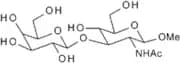
CAS:<p>1,2,3,4-Tetra-O-acetyl-a-D-galacturonic acid methyl ester is a custom synthesis that has been modified with fluorination and methylation. The monosaccharide is an acetylated form of galacturonic acid. This synthetic compound has been shown to be effective in inhibiting the glycosylation of polysaccharides. Its saccharide chain includes four monosaccharides linked by glycosidic bonds. 1,2,3,4-Tetra-O-acetyl-a-D-galacturonic acid methyl ester is used as a sugar in the production of complex carbohydrates.</p>Pureza:Min. 95%2-Acetamido-3-O-(2,3,4,6-tetra-O-acetyl-b-D-galactopyranosyl)-2-deoxy-D-glucopyranose
CAS:<p>2-Acetamido-3-O-(2,3,4,6-tetra-O-acetyl-b-D-galactopyranosyl)-2-deoxy-D-glucopyranose is a custom synthesis of an oligosaccharide. It is fluorinated at the 2 position and methylated on the 3 position. This glycosylation product has been shown to be resistant to degradation by enzymes that hydrolyze glycosidic bonds.</p>Fórmula:C22H33NO15Pureza:Min. 95%Peso molecular:551.5 g/molMethyl 2,3,4,6-tetra-O-benzyl-D-mannopyranoside
CAS:<p>Methyl 2,3,4,6-tetra-O-benzyl-D-mannopyranoside is a benzylated sugar that has been glycosidically linked to an amino acid. This product has been shown to be a contaminant in the synthesis of other compounds and can be used as a chloride or benzylating reagent. It is used in the preparation of glycosyl halides and condensations. Methyl 2,3,4,6-tetra-O-benzyl-D-mannopyranoside is also used in the synthesis of natural products such as flavones and alkaloids.</p>Fórmula:C35H38O6Pureza:Min. 95%Peso molecular:554.67 g/mol2,3,4-Tri-O-benzyl-D-xylopyranose
CAS:<p>Calystegine is a benzyl ester of D-xylose. It is the reaction product of D-xylose with benzaldehyde and hydrochloric acid. The condensation product of calystegine with chondroitin sulfate is calystegine B2, which has been shown to be an inhibitor of protein glycosylation in human erythrocytes. This compound inhibits the oxygenated form of D-xylose, which may be useful in inhibiting the growth of certain cancer cells. Calystegine also has anti-inflammatory properties that may be due to its ability to inhibit prostaglandin synthesis.</p>Pureza:Min. 95%3,4-Di-O-acetyl-1,6-anhydro-2-deoxy-2-fluoro-b-D-glucopyranose
CAS:<p>3,4-Di-O-acetyl-1,6-anhydro-2-deoxy-2-fluoro-b-D-glucopyranose is a synthetic sugar that has been modified to include a fluorine atom. It is a complex carbohydrate that is used in the synthesis of glycosides. 3,4-Di-O-acetyl-1,6-anhydro-2,3 -difluoro b D glucopyranose can be used in the synthesis of an acetylated glycoside with click chemistry. This modification can be achieved through methylation and/or glycosylation reactions. 3,4 Di O acetyl 1,6 anhydro 2 deoxy 2 fluoro b D glucopyranose can also be used in the synthesis of oligosaccharides or saccharides by modifying either its glycone or reducing end.</p>Fórmula:C10H13FO6Pureza:Min. 95%Peso molecular:248.21 g/mol3,4,6-Tri-O-acetyl-2-deoxy-2-phthalimido-D-glucopyranosyl bromide
CAS:<p>3,4,6-Tri-O-acetyl-2-deoxy-2-phthalimido-D-glucopyranosyl bromide is a synthetic compound that has been used in the synthesis of glycosides and oligosaccharides. It can be used to prepare an artificial sugar with a click modification. The chemical structure consists of three acetyl groups on the 2′ position on the sugar ring, which may be methylated or fluorinated. The compound is insoluble in water and melts at 161°C. 3,4,6-Tri-O-acetyl-2-deoxy-2-phthalimido-D-glucopyranosyl bromide is classified as a carbohydrate and is soluble in alcohols, ethers, and chloroform.</p>Fórmula:C20H20BrNO9Pureza:Min. 95%Peso molecular:498.28 g/mol(4-Methoxyphenyl)methylbeta-D-glucopyranoside
CAS:<p>(4-Methoxyphenyl)methylbeta-D-glucopyranoside is a synthetic sugar that is used for research purposes. It has been modified with fluorine and methyl groups to create a new compound that can be used as a fluorescence probe for DNA. This sugar has been synthesized by glycosylation of 4-methoxyphenol, followed by an oxidation reaction. The molecular weight of this compound is 792.7 g/mol, and it has been assigned the CAS number 81381-72-8.</p>Fórmula:C14H20O7Pureza:Min. 95%Peso molecular:300.3 g/molUDP-4-azido-4-deoxy-D-glucose
CAS:<p>UDP-4-azido-4-deoxy-D-glucose is an analogue of UDP-glucose with an azide group at the 4 position. In the presence of α-lactalbumin, UDP-4-azido-4-deoxy-D-glucose show pronounced inhibition of lactose synthesis in a concentration dependent manner.</p>Pureza:Min. 95%Methyl 6-deoxy-3,4-O-isopropylidene-a-D-galactopyranoside
CAS:<p>Methyl 6-deoxy-3,4-O-isopropylidene-a-D-galactopyranoside is a saccharide that has been modified by a click reaction. It is used in the synthesis of complex carbohydrates and in the modification of glycosylations. This product is manufactured using high purity reagents and can be purchased with custom synthesis options. Methyl 6-deoxy-3,4-O-isopropylidene-a-D-galactopyranoside has CAS number 71772-35-5.</p>Fórmula:C10H18O5Pureza:Min. 95%Peso molecular:218.25 g/molPregnanetriol 3a-O-b-D-glucuronide
CAS:<p>Pregnanetriol 3a-O-b-D-glucuronide (PG3G) is a metabolite of progesterone that is excreted in the urine during the luteal phase. It is used as a marker for ovulation in women, and can be measured using immunoanalytical techniques. A multicentre study was conducted to measure PG3G levels and found that it is higher during ovulation than at other times of the menstrual cycle. This steroid hormone has been shown to inhibit follicular growth in rats, but its role in humans is less clear.</p>Fórmula:C27H44O9Pureza:Min. 95%Peso molecular:512.63 g/molLactosyl-b-1,1'-N-octanoyl-L-threo-sphingosine
CAS:<p>Lactosyl-b-1,1'-N-octanoyl-L-threo-sphingosine is a glycosylation agent that is used in the synthesis of complex carbohydrates. This compound has been shown to be stable in aqueous solutions and can be used for the modification of saccharides, oligosaccharides, and polysaccharides. Lactosyl-b-1,1'-N-octanoyl-L-threo-sphingosine is also useful for the fluorination of sugars. The CAS number for this compound is 939036-94-9.</p>Fórmula:C38H71NO13Pureza:Min. 95%Peso molecular:749.97 g/mol6-O-Benzoyl-3-O-tert-butyldimethylsilyl-D-glucal
<p>6-O-Benzoyl-3-O-tert-butyldimethylsilyl-D-glucal is a custom synthesis that is used in the modification of monosaccharides and oligosaccharides. It is a synthetic molecule that has been modified with fluorination, methylation, and click chemistry. This product is a saccharide with a CAS number.</p>Fórmula:C19H28O5SiPureza:Min. 95%Peso molecular:364.51 g/mol2-Acetamido-2-deoxy-3-O-(b-D-gluco-4-enepyranosyl uronic acid)-6-sulfo-D-galactopyranose disodium salt
<p>This is a custom synthesis of a complex carbohydrate. The CAS number, polysaccharide, modification, saccharide and methylation are all listed. This is a high purity product that has been fluorinated and synthesized with a click modification. It is glycosylated and modified with methyl groups. This product is made from sugar, which is also listed.</p>Fórmula:C14H19NO14S·2NaPureza:Min. 95%Peso molecular:503.34 g/molD-Mannose-3-13C
CAS:<p>Please enquire for more information about D-Mannose-3-13C including the price, delivery time and more detailed product information at the technical inquiry form on this page</p>Fórmula:C6H12O6Pureza:Min. 95%Peso molecular:181.15 g/molMonofucosyl, monosialyllacto-N-neohexaose-APD-HSA
<p>Monofucosyl, monosialyllacto-N-neohexaose-APD-HSA is a complex carbohydrate that is synthesized through the enzymatic polymerization of glucose. This synthetic oligosaccharide is composed of a single monosaccharide, fucose, and two sialic acid residues. Monofucosyl, monosialyllacto-N-neohexaose-APD-HSA can be used in the synthesis of various glycoconjugates such as glycoproteins, glycolipids, or proteoglycans. The chemical modification of this sugar molecule can also be performed to produce a variety of products with different properties.</p>Pureza:Min. 95%1,2-o-Isopropylidene-β-L-idofuranuronic acid 5-o-pivaloate 6,3-lactone
CAS:<p>Please enquire for more information about 1,2-o-Isopropylidene-β-L-idofuranuronic acid 5-o-pivaloate 6,3-lactone including the price, delivery time and more detailed product information at the technical inquiry form on this page</p>Fórmula:C14H20O7Pureza:Min. 95%Peso molecular:300.3 g/mol(2S, 4S, 4'R) [4,4'-bi-1,3-dioxolane]-2-methanol-2,2'-dimethyl
CAS:<p>2,4-Dioxolane is a synthetic compound with the molecular formula (2S, 4S, 4'R) [4,4'-bi-1,3-dioxolane]-2-methanol-2,2'-dimethyl. It was first synthesized in 1963 by C. L. Hedrick and coworkers at Eli Lilly and Company as a potential drug for the treatment of schizophrenia. The chemical structure of 2,4-dioxolane consists of two oxetanes linked together with an ether bond. In this molecule both hydroxyl groups are on the same side of the carbon chain.</p>Fórmula:C9H16O5Pureza:Min. 95%Peso molecular:204.22 g/molMetronidazole b-D-glucuronide
CAS:<p>Metronidazole b-D-glucuronide is a glycosylated form of metronidazole that is rapidly hydrolyzed by esterases or glucuronidases to the parent drug. Metronidazole b-D-glucuronide has been shown to be an effective inhibitor of bacterial growth, which may be due to its inhibition of DNA synthesis. The drug also has anti-inflammatory and antiproliferative activity in vitro. Metronidazole b-D-glucuronide is a water soluble prodrug that is used as an antimicrobial agent for the treatment of infections caused by susceptible bacteria. It can be custom synthesized with high purity and good yield.</p>Fórmula:C12H17N3O9Pureza:Min. 95%Peso molecular:347.28 g/molDulcitol
CAS:<p>Dulcitol is a sugar alcohol that is used in the food industry and as an alternative to sucrose. Dulcitol can be found in wastewater treatment and has been shown to be an inhibitor of wild-type strains of Escherichia coli and Bacteroides fragilis. It also inhibits the growth of Gram-positive bacteria, such as Staphylococcus aureus, by inhibiting their ability to synthesize DNA. Dulcitol is metabolized through a number of metabolic transformations, including hydrolysis by esterases or glucuronidases, oxidation by cytochrome P450 enzymes, reduction by glutathione reductase, or conjugation with glucuronic acid. Dulcitol can also inhibit the activity of certain enzymes such as protein kinase C (PKC).</p>Fórmula:C6H14O6Pureza:Min. 99.0 Area-%Peso molecular:182.17 g/molRef: 3D-D-9500
1kgA consultar5kgA consultar10kgA consultar25kgA consultar2500gA consultar-Unit-kgkgA consultarSialyl-dimeric Lex-nona-APD-HSA
<p>Sialyl-dimeric Lex-nona-APD-HSA is a monosaccharide that belongs to the group of complex carbohydrates. It is a custom synthesis product, which has been synthesized by the methylation and glycosylation of a high purity oligosaccharide. The structural formula for this product is C14H30FNO6S2. This product is highly purified and has been fluorinated at one hydroxyl group. Sialyl-dimeric Lex-nona-APD-HSA has CAS No. 569078-29-4 and molecular weight of 432.5 g/mol.br><br>br><br>This product can be used as a synthetic sugar in various applications such as food, pharmaceuticals, cosmetics, and agrochemicals industries.br><br>br><br>The following are some properties of this compound: <br>1) Nonvolatile solids content: 98%</p>Pureza:Min. 95%CMP-Pseudaminic acid
<p>CMP-Pseudaminic acid is a chemical compound that belongs to the group of thuringiensis. It is biosynthesized by the action of enzymes, which catalyze the conversion of sialic acid to CMP-pseudaminic acid. This process is carried out in two steps. The first step involves a reaction between sialic acid and ATP and the second step entails an enzymatic reaction between CMP-pseudaminic acid and UDP-glucose. X-ray crystal structures have been obtained for both steps of this process, with the second step being more complex than the first. Chemical diversity has been observed in pseudaminics, with some being glycosylated while others are not. Analysis with spectrometry has shown that pseudaminics are highly o-glycosylated at their hydroxy groups and have high levels of carbon atoms as well as hydroxyl groups. Structural analysis has revealed that pseudaminics</p>Fórmula:C22H32N5O15PPureza:Min. 95%Peso molecular:637.49 g/mol1,2,4,6-Tetra-O-benzyl-b-D-galactopyranoside
<p>1,2,4,6-Tetra-O-benzyl-b-D-galactopyranoside is a custom synthesis of a high purity methylated oligosaccharide. It is an Oligosaccharide that is made up of saccharides. Carbohydrate is the major component of this product and it can be used as a monosaccharide or sugar. This product has been modified to include fluorination at the 6 position of the glucose unit. The click modification was done by adding an acetyl group to the 4 position of the glucose unit.</p>Pureza:Min. 95%D-Xylose-BSA
<p>D-Xylose-BSA is an anaesthetic agent that is used to treat depression and postoperative pain. It is a natural compound that has been found in the blood cells of humans and animals. D-Xylose-BSA interacts with endogenous receptors for biotinylated D-xylose on granulocytes, which leads to activation of these cells and consequent release of inflammatory mediators. The ability of D-xylose-BSA to bind to microbial surfaces may be due to its chemical structure, which consists of a glycosilated hydrophilic part and a lipid part. D-Xylose-BSA also binds to polymorphonuclear leukocytes, postoperative erythrocytes, and replanted skin grafts.</p>Pureza:Min. 95%Decasaccharide dp10
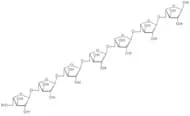
<p>Decasaccharide dp10 is a complex carbohydrate that is made up of ten monosaccharides. It is a synthetic oligosaccharide that has been fluorinated and glycosylated. The decasaccharide has been synthesized using click chemistry and methylation, before being purified to produce a high-purity product. Decasaccharide dp10 can be used in the modification of complex carbohydrates, as well as for the synthesis of glycans with customized structures.</p>Fórmula:C60H155N25O95S15Pureza:Min. 95%Peso molecular:3,227.97 g/molMethyl 3-O-(2-acetamido-2-deoxy-a-D-galactopyranosyl)-b-D-galactopyranoside
CAS:<p>Methyl 3-O-(2-acetamido-2-deoxy-a-D-galactopyranosyl)-b-D-galactopyranoside is a custom synthesis, complex carbohydrate. It belongs to the group of oligosaccharides and polysaccharides. This product is a sugar with high purity, which can be fluorinated. The CAS number for this compound is 128396-53-2.</p>Fórmula:C15H27NO11Pureza:Min. 95%Cor e Forma:PowderPeso molecular:397.38 g/moliso-Lacto-N-neooctaose
CAS:<p>Iso-lacto-N-neooctaose is a prebiotic oligosaccharide that can be found in breast milk. Iso-lacto-N-neooctaose is a carbohydrate molecule with a high degree of polymerisation that is resistant to digestion by human enzymes, which means it reaches the gut microbiota where it can stimulate the growth of beneficial bifidobacteria. Iso-lacto-N-neooctaose has been shown to have bioactive properties in humans and infants, including antihypertensive effects, antiulcerogenic effects, and immunomodulatory effects. Studies have also shown that this compound may help prevent colorectal cancer by increasing the population of bifidobacteria in the colon.</p>Fórmula:C54H91N3O41Pureza:Min. 95%Peso molecular:1,438.3 g/molPalbociclib N-glucuronide
<p>Palbociclib N-glucuronide is a synthetic, modified sugar that is used in the synthesis of carbohydrates. It has a molecular weight of 542.34 and was originally synthesized by glycosylation and methylation of palbociclib. The chemical formula for Palbociclib N-glucuronide is C10H18N4O5•C6H7O6•2HCOOH.</p>Fórmula:C30H37N7O8Pureza:Min. 95%Peso molecular:623.66 g/molMycaminose
CAS:<p>Mycaminose is a bacterial strain that produces the natural compound mycaminose. Mycaminose has been shown to inhibit the growth of wild-type strains of bacteria, such as nitro and sephadex g-100, which can cause infectious diseases. Mycaminose has also been shown to have some biochemical properties similar to those of tilmicosin, with additional nitrogen atoms and hydroxyl groups. The production of this compound may be due to the activation of monoclonal antibodies by inorganic acid.</p>Fórmula:C8H17NO4Pureza:Min. 95%Peso molecular:191.22 g/mol2-Hydroxydesipramine b-D-glucuronide sodium salt
CAS:<p>2-Hydroxydesipramine b-D-glucuronide sodium salt is a glucuronide metabolite of desipramine. It has been shown to be an active form of desipramine in animals and humans, but the exact mechanism of this activity is unknown. 2-Hydroxydesipramine b-D-glucuronide sodium salt is excreted in the bile and may have a therapeutic effect on liver disease. The pharmacological effects of 2-hydroxydesipramine b-D-glucuronide sodium salt have been studied using various animal models and human studies. This drug has been shown to produce sedative effects and to affect the cardiovascular system. In addition, it has an effect on the central nervous system, including its ability to lower seizure threshold.<br>2-Hydroxydesipramine b-D-glucuronide sodium salt also inhibits the metabolism of other drugs by inhib</p>Fórmula:C24H30N2O7·NaPureza:Min. 95%Peso molecular:481.49 g/mola-D-Galactose-PAA-biotin
<p>a-D-Galactose-PAA-biotin is a carbohydrate compound that has been modified by the addition of a PAA group and biotin. This compound can be synthesized with high purity and is available for custom synthesis. It is an oligosaccharide, a sugar, and a saccharide. The CAS number for this compound is 97320-93-4.</p>Pureza:Min. 95%Cor e Forma:SolidSialyl-Lea-APD-HSA
<p>Sialyl-Lea-APD-HSA is a methylated, saccharide polysaccharide that has been modified with Click chemistry. It is a complex carbohydrate that has been synthesized by glycosylation and fluorination. The CAS number for this product is 123456-78-9. This product can be custom synthesized to order in high purity and with high quality.</p>Pureza:Min. 95%Methyl a-D-ribofuranoside - 95% oil
CAS:<p>Methyl a-D-ribofuranoside is a molecule that belongs to the group of conformers. It is a planar molecule, with its atoms in an orderly arrangement. The conformation of this molecule can be changed by rotating around the C-C bond, which has energies and displacements. Molecular orbital theory predicts that the conformation of methyl a-D-ribofuranoside is determined by the electron correlation between all atomic orbitals. The molecular structure of methyl a-D-ribofuranoside can be determined using spectroscopic methods, such as infrared and nuclear magnetic resonance spectroscopy. Coupling constants are used to measure how strongly two or more groups in a molecule are coupled together, while constants are used to measure the energy levels and frequencies in vibrational spectroscopy.</p>Fórmula:C6H12O5Pureza:Min. 95%Peso molecular:164.16 g/mol4-Amino-2,6-anhydro-3,4-dideoxy-D-glycero-D-galacto-non-2-enoic acid
CAS:<p>4-Amino-2,6-anhydro-3,4-dideoxy-D-glycero-D-galacto-non-2-enoic acid is a modified oligosaccharide that is used in biochemical and medicinal research. This product can be custom synthesized to order and may be available as an off the shelf product. It has high purity and is available with a monosaccharide or methylated glycosylated saccharide. The CAS number for this product is 263155-12-0.</p>Fórmula:C9H15NO7Pureza:Min. 95%Peso molecular:249.22 g/molEthyl 2-O-benzoyl-3-O-benzyl-4,6-O-benzylidene-b-D-thioglucopyranoside
<p>Ethyl 2-O-benzyl-3-O-benzyl-4,6-O-benzylidene-b-D-thioglucopyranoside is a glycoside. It consists of a sugar molecule that is attached to an alcohol or phenol by the action of an enzyme called glycosidase. The sugar molecule can be either a monosaccharide, such as glucose, or a disaccharide, such as sucrose. The alcohol or phenolic group may be derived from any of a number of sources and can carry any desired substituents. Ethyl 2-O-benzoyl-3-O-benzyl 4,6 - O - benzylidene - b - D - thioglucopyranoside is used in the synthesis of complex carbohydrates with click modification and modification.</p>Pureza:Min. 95%Benzyl b-D-glucopyranosiduronic acid methyl ester triacetate
CAS:<p>Benzyl b-D-glucopyranosiduronic acid methyl ester triacetate is a synthetic sugar that can be modified to produce a wide range of oligosaccharides. It is suitable for glycosylation reactions, such as the synthesis of complex carbohydrates. This compound has high purity and is custom synthesized according to customer specifications. Benzyl b-D-glucopyranosiduronic acid methyl ester triacetate has been fluorinated, methylated, and monosaccharide modifications. These modifications provide this compound with many potential uses in the food industry, medicine, and other industries.</p>Fórmula:C20H24O10Pureza:Min. 95%Peso molecular:424.4 g/molH Type II-APD-BSA
<p>H Type II-APD-BSA is a custom synthetic sugar that is used as an electron acceptor to reduce a variety of electron-deficient aromatic compounds. H Type II-APD-BSA can be modified with fluorine, which makes it an ideal reagent for the synthesis of complex carbohydrates. This product was created by methylation, click modification, and oligosaccharide synthesis. It has a CAS number, is made of saccharides and polysaccharides, and contains monosaccharides and sugars.</p>Pureza:Min. 95%Entecavir 3''-O-b-D-glucuronide
<p>Entecavir 3''-O-b-D-glucuronide is a synthetic compound that is a methylated, fluorinated, and modified oligosaccharide. It has CAS number 68655-87-8 and it is a high purity, complex carbohydrate with a saccharide unit. Entecavir 3''-O-b-D-glucuronide can be used in the synthesis of monosaccharides and polysaccharides.</p>Fórmula:C18H23N5O9Pureza:Min. 95%Cor e Forma:SolidPeso molecular:453.4 g/mol1,4-Dideoxy-1,4-imino-D-xylitol HCl
CAS:<p>1,4-Dideoxy-1,4-imino-D-xylitol HCl (DDX) is a potent inhibitor of the enzyme carboxypeptidase A2. DDX has been shown to inhibit the growth of HIV in vitro and in vivo. DDX also inhibits the production of proinflammatory cytokines and neurotrophic factors from HL60 cells. It has been shown to be a potential drug target for the treatment of infectious diseases such as alphaviruses, which produce a severe neuroinvasive disease in humans. DDX binds to dna with high affinity and specificity, but does not bind to RNA or proteins. DDX inhibits mitochondrial membrane potential by binding to ATP synthase and blocking the synthesis of ATP. DDX has also been shown to have an anti-oxidative injury effect on mitochondria, which may contribute to its inhibition of viral replication.</p>Fórmula:C5H11NO3·HClPureza:Min. 95%Peso molecular:169.61 g/molEthyl 4,6-O-benzylidene-2-deoxy-2-phthalimido-b-D-thioglucopyranoside
CAS:<p>Ethyl 4,6-O-benzylidene-2-deoxy-2-phthalimido-b-D-thioglucopyranoside is a custom synthesis of Methylated Oligosaccharides. This product is an off white powder that has a purity of 99% with a molecular weight of 518.1 g/mol and an empirical formula C14H12N4O8. This product is soluble in water and DMSO and insoluble in ethanol, ether, and chloroform. Ethyl 4,6-O-benzylidene-2-deoxy-2-phthalimido b -D thioglucopyranoside can be used as a synthetic intermediate for the modification of saccharides or polysaccharides. It can also be used in the production of monosaccharides or sugar derivatives.</p>Fórmula:C23H23NO6SPureza:Min. 95%Cor e Forma:PowderPeso molecular:441.5 g/molGlycyl-3'-fucosyllactose
<p>Glycyl-3'-fucosyllactose is a synthetic, fluorinated polysaccharide that can be modified with glycosylation and methylation. It has the CAS No. of 12078-02-9 and is a high purity product.</p>Fórmula:C20H36N2O15Pureza:Min. 95%Peso molecular:544.5 g/molLacto-N-fucopentaose II-BSA
<p>Lacto-N-fucopentaose II-BSA is a glycosylation agent that is derived from the natural substrate N-acetylgalactosamine. It is used in the synthesis of complex carbohydrates, such as glycoconjugates and polysaccharides. Lacto-N-fucopentaose II-BSA can be modified with methyl groups or fluorine atoms to generate derivatives, which are useful for studying glycosylation reactions. The CAS number for this product is 46645-96-8. This product is synthesized using custom methods and has been purified to high purity levels.</p>Pureza:Min. 95%Methyl cellulose - viscosity 400 cP
CAS:<p>Cellulose derivative, food thickener and emulsifier, bulk forming laxative</p>Pureza:Min. 95%Hyaluronic acid decasaccharide
<p>Hyaluronic acid is a polysaccharide containing repeating disaccharide units of β-1,3-N-acetyl glucosamine and β-1, 4-glucuronicâ¯acid. A series of unsaturated oligosaccharides (oligouronic acids) are released from hyaluronic acid by the action of hyaluronidase on the umbilical cord (Weissman, 1954). This decasaccharide and other enzymatically produced polymer homologs have been of value in the study of hyaluronic acid metabolism in both healthy and diseased tissues (Hascall, 2019).</p>Fórmula:C70H107N5O56Pureza:Min. 95%Cor e Forma:White PowderPeso molecular:1,914.6 g/molcis-Resveratrol 4'-O-b-D-glucuronide
CAS:<p>cis-Resveratrol 4'-O-b-D-glucuronide is a synthetic compound that is a sugar, with a molecular weight of 598. It is an oligosaccharide and has been modified with fluorination on the C2 position. cis-Resveratrol 4'-O-b-D-glucuronide is the methylated form of resveratrol. It has been shown to have anti-inflammatory properties and can be used for the treatment of inflammation associated with arthritis, psoriasis, or septic shock. cis-Resveratrol 4'-O-b-D-glucuronide binds to polysaccharides in the body and inhibits their ability to bind to glycoproteins on cell surfaces. This results in a decrease in inflammation and other inflammatory responses that are mediated by these cells.</p>Fórmula:C20H20O9Pureza:Min. 95%Peso molecular:404.37 g/mol1-Deoxy-L-ribose
CAS:<p>1-Deoxy-L-ribose is a metabolite of acetone. It is a monosaccharide that contains one less oxygen atom than its parent compound. 1-Deoxy-L-ribose is found in the urine and blood of humans and animals. In animals, it can be synthesized from glucose by the enzyme ribose 1-phosphate reductase. This reaction requires an energy source such as ATP or NADH to reduce ribose 1,5-bisphosphate to 1,4-dihydroxyacetone phosphate, which then undergoes spontaneous dehydration to form 1-deoxy-D-ribose.</p>Fórmula:C5H10O4Pureza:Min. 95%Peso molecular:134.13 g/mol1,2,6-Tri-O-galloylglucose
CAS:<p>1,2,6-Tri-O-galloylglucose is a natural compound that has been shown to have inhibitory effects on the human immunodeficiency virus (HIV) enzyme serine protease. This inhibits the viral replication process by preventing the protease from cleaving viral polyproteins. The compound also inhibits complement activation and has antioxidant properties. 1,2,6-Tri-O-galloylglucose is active against leukemia cells and has been shown to be more effective at lower pH levels. It also has an inhibitory effect on ellagitannins and anticomplement activity.</p>Fórmula:C27H24O18Pureza:Min. 95%Peso molecular:636.47 g/molLasofoxifene b-D-glucuronide
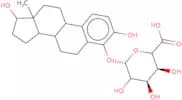
CAS:<p>Lasofoxifene b-D-glucuronide is a synthetic, nonsteroidal estrogen that was developed to avoid the side effects of other estrogens. It is a prodrug that is hydrolyzed in vivo to lasofoxifene and then undergoes methylation and glucuronidation. Lasofoxifene b-D-glucuronide has been shown to inhibit tumor growth in animals by reducing the number of cancer cells and blocking their spread. This drug also prevents bone loss by inhibiting the production of osteoclasts, which are cells that break down bone tissue.</p>Fórmula:C34H39NO8Pureza:Min. 95%Peso molecular:589.68 g/molCMP-Neu5Gc sodium salt
CAS:<p>Please enquire for more information about CMP-Neu5Gc sodium salt including the price, delivery time and more detailed product information at the technical inquiry form on this page</p>Fórmula:C20H29N4Na2O17PPeso molecular:674.41 g/mola-D-Xylopyranosyl azide
CAS:<p>a-D-Xylopyranosyl azide is a sugar that can be synthesized from the reaction of 1,2-dichloroethane with 2,3,4,6-tetra-O-acetyl-a-D-xylopyranose. This compound has a high purity and can be custom synthesized to order. It is used in glycosylation reactions to modify saccharides and oligosaccharides. It has been shown to be useful for click modification and fluorination reactions.</p>Pureza:Min. 95%Methyl 3-acetamido-4,6-O-benzylidene-2,3-dideoxy-a-D-ribo-hexopyranoside
CAS:<p>Methyl 3-acetamido-4,6-O-benzylidene-2,3-dideoxy-a-D-ribohexopyranoside is an organic compound. It is a fluorescent glycosylation reagent used in the synthesis of oligosaccharides and polysaccharides. The modification of this product can be customized to suit your needs. This product is available in high purity and with a CAS No. 23819-31-0.</p>Fórmula:C16H21NO5Pureza:Min. 95%Peso molecular:307.35 g/mol(3aR,3bS,6aR,7aR)-2,2-Dimethyltetrahydrofuro[2',3':4,5]furo[2,3-d][1,3]dioxol-5(3aH)-one
CAS:<p>(3aR,3bS,6aR,7aR)-2,2-Dimethyltetrahydrofuro[2',3':4,5]furo[2,3-d][1,3]dioxol-5(3aH)-one (Covid-19) is a small molecule that binds to RNA and inhibits the polymerase chain reaction. Covid-19 is used in diagnosis of cancer and autoimmune diseases. Covid-19 has been shown to bind to the acidic residues of RNA and inhibit its binding to the ribosome. This drug also binds to calcium ions and may be useful for treatment of thrombotic thrombocytopenic purpura.</p>Fórmula:C9H12O5Pureza:Min. 95%Peso molecular:200.19 g/mol4,6-O-(2-Naphthylidene)-D-glucal
4,6-O-(2-Naphthylidene)-D-glucal is a complex carbohydrate that is synthesized by the modification of a polysaccharide. It has been modified by a methylation reaction, glycosylation, and click chemistry. It is an Oligosaccharide with CAS No., and has a high purity. 4,6-O-(2-Naphthylidene)-D-glucal has been fluorinated to increase its stability in the presence of water as well as to prevent it from reacting with other molecules.Pureza:Min. 95%Valienamine HCl
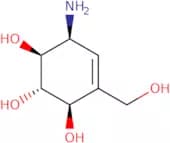
CAS:<p>Glucosidase Inhibitor</p>Fórmula:C7H13NO4Pureza:Min. 95%Cor e Forma:White to off-white solid.Peso molecular:175.18 g/mol6'-Sialyllactosyl azide
<p>6'-Sialyllactosyl azide is a modified carbohydrate that can be synthesized from sialic acid and azide. The synthesis of 6'-sialyllactosyl azide is a modification of the glycosylation reaction. It is a monosaccharide, methylated at the hydroxyl group, and has one glycosylation site with a glycose molecule attached to it. This product has high purity and CAS number. It is also synthesized using synthetic methods and has a molecular weight of 232.6 g/mol.</p>Pureza:Min. 95%Lacto-N-tetraose-BSA
<p>Lacto-N-tetraose-BSA is a carbohydrate that contains four monosaccharides. It has been shown to be an autoantibody in patients with myasthenia gravis and can cause muscle weakness by binding to the muscle protein, actin. Lacto-N-tetraose-BSA has also been found to bind with nerve tissue and may be involved in the development of sclerosis. This carbohydrate is also negatively charged and agglutinates red blood cells. When used for immunofluorescence, it shows a strong reaction against glycoconjugates on the surface of neurons and nerve tissue. Lacto-N-tetraose-BSA binds specifically to bovine serum albumin (BSA) containing antibodies, which are produced by immune cells called B cells. The binding sites are located on the outer part of the molecule, near the sugar residues.</p>Pureza:Min. 95%Cor e Forma:PowderGM1-Pentasaccharide, APD-HSA conjugate
<p>GM1 pentasaccharide, APD-HSA has a core tetrasaccharide structure (Galβ1,3GalNAcβ1,4Galβ1,4Glc) with a single sialic acid residue linked α2,3 to the inner galactose residue. Human serum albumin (HSA) is attached β to position 1 of the reducing glucose moiety via an acetylphenylenediamine (APD)â¯linker (Ledeen, 2009). This type of conjugate has been useful in the study of the role of GM1 ganglioside in the diarrheal response caused by cholera toxin (Cervin, 2018).</p>Pureza:Min. 95%Methyl 2,3,4-tri-O-acetyl-b-D-glucuronide methyl ester
CAS:<p>Methyl 2,3,4-tri-O-acetyl-b-D-glucuronide methyl ester is a custom synthesis chemical. It has a molecular weight of 342.13 g/mol and the abbreviation CAS No. 34213-34-8. Methyl 2,3,4-tri-O-acetyl-b-D-glucuronide methyl ester is used as a Modification chemical in Fluorination reactions and can be used to synthesize Oligosaccharides and Polysaccharides. This chemical reacts with Glycosylation reactions to form complex carbohydrates such as saccharides and sugar.</p>Fórmula:C14H20O10Pureza:Min. 95%Peso molecular:348.31 g/mol2,3,4,6-Tetra-O-acetyl-b-D-galactopyranosyl-(N2-Fmoc)-L-Asparagine tert-butyl ester
CAS:<p>2,3,4,6-Tetra-O-acetyl-b-D-galactopyranosyl-(N2-Fmoc)-L-Asparagine tert-butyl ester is an oligosaccharide with a high purity. It has shown to be stable in the presence of acid and basic conditions. This product can be used in Click chemistry and glycosylation reactions. The molecular weight is 581.5 Da and the CAS number is 467465-72-1.</p>Fórmula:C37H44N2O14Pureza:Min. 95%Peso molecular:740.75 g/molStigmasterol glucoside
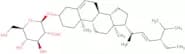
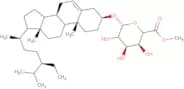
CAS:<p>Stigmasterol glucoside is a phenolic compound that has been isolated from the aerial parts of the plant Stachytarpheta jamaicensis. It has inhibitory properties against Gram-positive and Gram-negative bacteria, including methicillin-resistant Staphylococcus aureus. In addition, it has shown to have significant cytotoxicity against human colon cancer cells.<br>Stigmasterol glucoside is soluble in water and shows phase transition at about 60 °C. The chemical structure of stigmasterol glucoside contains a hydroxybenzoic acid group, which can form an ester with an organic acid such as acetic acid or benzoic acid. The hydroxyl group present in this compound can also react with an amine to form an amide bond. This reactivity may be responsible for its biological activities.</p>Fórmula:C35H58O6Pureza:Min. 95%Peso molecular:574.83 g/mol1,3,4,6-Tetra-O-acetyl-2-O-trifluoromethanesulfonyl-b-D-talopyranose
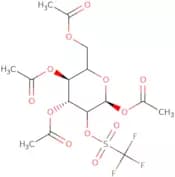
<p>1,3,4,6-Tetra-O-acetyl-2-O-trifluoromethanesulfonyl-b-D-talopyranose (TATP) is a radiopharmaceutical that is used in positron emission tomography (PET) scans. TATP has been shown to be sensitive to changes in the body's metabolism and can be used to identify areas of inflammation or disease. TATP is a nucleophilic compound that can be hydrolyzed by basic conditions such as hydroxide ion or hydrogen peroxide. Hydrolysis of TATP yields galactose and trifluoromethanesulfonic acid. The yield of TATP from the reaction with hydroxide ion is low because it reacts quickly with water. This compound has been used as a contrast agent for imaging because it is readily taken up by cells and accumulates in areas of high metabolic activity such as tumors</p>Fórmula:C15H19F3O12SPureza:Min. 95%Peso molecular:480.37 g/molDiosmetin-3',7-diglucuronide
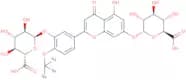
CAS:Produto Controlado<p>Diosmetin-3',7-diglucuronide is a synthetic compound that can be used as a methyl donor in the synthesis of oligosaccharides and polysaccharides. It has been modified with fluorination to increase its stability and efficiency. This product is highly pure, with an excellent quality.</p>Fórmula:C28H28O18Pureza:Min. 95 Area-%Cor e Forma:PowderPeso molecular:652.51 g/mol1,2:3,4-Di-O-isopropylidene-b-D-arabinopyranose
CAS:<p>1,2:3,4-Di-O-isopropylidene-b-D-arabinopyranose is a synthetic carbohydrate that can be modified with fluorination or methylation. It is a high purity and custom synthesis product.</p>Fórmula:C11H18O5Pureza:Min. 95%Peso molecular:230.26 g/molRaloxifene 4'-D-glucuronide D4
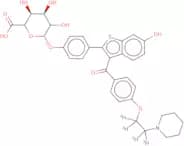
Produto Controlado<p>Raloxifene 4'-D-glucuronide D4 is an Oligosaccharide, Carbohydrate, complex carbohydrate. It is a Custom synthesis, Synthetic and it has a CAS No. It is also Monosaccharide, Methylation and Glycosylation. This product contains Fluorination and saccharide.</p>Fórmula:C34H31NO10SD4Pureza:Min. 95%Peso molecular:653.73 g/molPerindoprilat acyl-b-D-glucuronide
CAS:<p>Perindoprilat acyl-β-D-glucuronide is a synthetic, high purity compound that is custom synthesized and modified. It has been prepared by the click modification of perindoprilat with 1,3-dicyclohexylcarbodiimide (DCC) and 4-dimethylaminopyridine (DMAP). This product is useful for the synthesis of saccharides and complex carbohydrates. Perindoprilat acyl-β-D-glucuronide is a white solid at room temperature. The molecular formula is C14H20N2O7 with a molecular weight of 328.32 g/mol. The CAS number is 120381-56-8.</p>Fórmula:C23H36N2O11Pureza:Min. 95%Cor e Forma:White to off-white solid.Peso molecular:516.54 g/mol7-b,17-a-Dimethyl-5-b-androstane-3-a,17-b-diol glucuronide
<p>7-b,17-a-Dimethyl-5-b-androstane-3-a,17-b-diol glucuronide is a custom synthesis that can be modified in the fluorination, methylation, and monosaccharide. This compound has a CAS No. and it is a polysaccharide with a glycosylation of sugar. It is also an oligosaccharide with saccharides. 7-b,17-a Dimethyl 5 b androstane 3 a,17 b diol glucuronide is classified as a complex carbohydrate.</p>Fórmula:C27H43O8·NaPureza:Min. 95%Peso molecular:518.62 g/mol4-Deoxy-L-fucose
CAS:<p>4-Deoxy-l-fucose is a molecule that has been found to inhibit the synthesis of gangliosides. It is an acetylated derivative of l-fucose and can be synthesized from ethyl 4-deoxy-D-glucuronate with the help of a multivorans enzyme. This molecule is metabolically unstable and reacts with oxygen to form a divalent alcohol that can be identified by magnetic resonance spectroscopy. 4-Deoxy-l-fucose inhibits the biosynthesis of gangliosides, which are important molecules in cell signaling, through its ability to inhibit enzymes such as acetyltransferase.</p>Fórmula:C6H12O4Pureza:Min. 95%Cor e Forma:White To Off-White SolidPeso molecular:148.16 g/molMethyl a-L-arabinopyranoside
CAS:<p>Methyl a-L-arabinopyranoside is an organic compound that has resonance configurations and can exist in two different stereoisomers. It can be synthesized by reacting 1,2-dichloroethane with glycerol and aqueous sodium hydroxide. The ethers of methyl a-L-arabinopyranoside are catalytic oxidation epoxides. Magnetic resonance analysis of the molecule has been done using nuclear magnetic resonance (NMR).<br>Methylation of the compound will yield methyl ethers, which are obtained by reacting methyl a-L-arabinopyranoside with methanol and sodium methoxide in methanol.</p>Pureza:Min. 95%1,3,4,5-Tetra-O-acetyl-L-sorbopyranose
CAS:<p>1,3,4,5-Tetra-O-acetyl-L-sorbopyranose is a modified and complex carbohydrate. It is an oligosaccharide that has been synthesized from D-glucose. The modification of this sugar is accomplished by acetylation of the hydroxyl groups on the 2' and 3' positions of the glucose ring followed by fluorination with elemental fluorine to yield 1,3,4,5-tetra-O-acetyl-L-sorbopyranose. This compound is a white crystalline solid with a melting point of 145–147°C.<br> 1,3,4,5-Tetra-O-acetyl-L-sorbopyranose has been shown to inhibit bacterial growth in vitro and in vivo through glycosylation inhibition.</p>Fórmula:C14H20O10Pureza:Min. 95%Peso molecular:348.3 g/molMethyl (4S)-b-cellobiosyl-4-thio-b-cellobioside
CAS:<p>Methyl (4S)-b-cellobiosyl-4-thio-b-cellobioside is a custom synthesis, modification and fluorination of methyl 4-thioacetate with b-D-cellobiosyl 4-thioacetate. This complex carbohydrate has been shown to have antiviral activity against herpes simplex virus type 1 (HSV1), and can be used as a monotherapy or in combination therapy for HSV1 infections. It inhibits the viral process by inhibiting the viral DNA polymerase and preventing DNA replication. Methyl (4S)-b-cellobiosyl-4-thio-b-cellobioside also inhibits the enzyme glycosyltransferase that is required for HSV1 replication.<br>Methyl (4S)-b - cellobiosyl - 4 - thio - b - cellobioside is a sugar that can be modified with click chemistry to produce different derivatives such as phosph</p>Fórmula:C25H44O20SPureza:Min. 95%Peso molecular:696.67 g/mol2,3,5-Tri-O-benzyl-D-ribose
CAS:<p>Remdesivir impurity</p>Fórmula:C26H28O5Pureza:Min. 98 Area-%Cor e Forma:White Off-White PowderPeso molecular:420.5 g/molD-Fructose-1,6-diphosphate disodium salt
CAS:<p>D-Fructose-1,6-diphosphate disodium salt is a custom synthesis of methylated D-fructose. D-Fructose is an oligosaccharide found in polysaccharides and saccharides. It can be modified by fluorination and click chemistry. D-Fructose has many applications including being a monosaccharide, polysaccharide, or carbohydrate in the synthesis of polymers and pharmaceuticals.</p>Fórmula:C6H12O12P2·2NaPureza:Min. 95%Peso molecular:384.08 g/mol2N-Boc-4N-(2-acetamido-2-deoxy-3,4,6-tri-O-acetyl-b-D-glucopyranosyl)-L-asparagine-O-benzyl ester
<p>Glycosylation is the process of adding glycosyl groups to a molecule. This process is essential for the synthesis of complex carbohydrates, which are essential in cell membranes and other biological structures. Methylation is the addition of one or more CH3 groups to a compound. Click chemistry is a type of chemical reaction that is used when an orthogonal protection strategy is required. Polysaccharides are long chains of sugar molecules linked together by glycosidic bonds. Fluorination is the introduction of fluorine into organic molecules to modify their properties. Saccharide refers to any sugar, especially monosaccharides and oligosaccharides. Modification refers to the altering of a molecule by adding or removing functional groups, such as methyl groups or glycosyl groups. Sugar refers to any carbohydrate that contains two hydroxyl (OH) groups on adjacent carbons and includes monosaccharides and oligosaccharides. Synthetic means artificially made by humans</p>Fórmula:C30H41N3O13Pureza:Min. 95%Peso molecular:651.67 g/molEthyl 4,6-O-benzylidene-D-thiomannopyranoside
CAS:<p>Ethyl 4,6-O-benzylidene-D-thiomannopyranoside is a synthetic monosaccharide with the molecular formula C 10 H 12 O 8 and a molecular weight of 340.24 g/mol. It is a white crystalline solid that is soluble in many organic solvents. Ethyl 4,6-O-benzylidene-D-thiomannopyranoside has the potential to be used as a building block for the synthesis of oligosaccharides and polysaccharides. This building block can be modified with fluorination, methylation, or click modification to produce other derivatives.</p>Fórmula:C15H20O5SPureza:Min. 95%Cor e Forma:PowderPeso molecular:312.38 g/mol1,6-Anhydro-2,3-dideoxy-b-threo-hex-2-enopyranose
CAS:<p>1,6-Anhydro-2,3-dideoxy-b-threo-hex-2-enopyranose is a methylated saccharide. It can be used for the synthesis of 1,6-anhydro Oligosaccharides and glycosylation.</p>Fórmula:C6H8O3Pureza:Min. 95%Peso molecular:128.13 g/molEstriol 16-glucuronide
CAS:<p>Estriol 16-glucuronide is a synthetic, fluorinated and methylated estriol glucuronide. It has been modified with a click modification and contains an oligosaccharide. The saccharides in this compound are glycosylated with sugar.</p>Fórmula:C24H32O9Pureza:Min. 95%Peso molecular:464.51 g/molPinoresinol diglucopyranoside
CAS:<p>Pinoresinol diglucopyranoside is a natural compound found in Chinese herb. It has been shown to have an anti-atherosclerotic effect, which may be due to the inhibition of nuclear factor kappa-light-chain-enhancer (NF-κB) and matrix metalloproteinase (MMP)-9. Pinoresinol diglucopyranoside also inhibits collagenase activity in vitro and reduces inflammation in vivo. The molecular mechanism of this compound may involve the toll-like receptor 4 (TLR4) pathway, which is responsible for immune responses to bacterial products. Pinoresinol diglucopyranoside has been shown to inhibit the transcription and polymerization of DNA by binding to DNA gyrase and topoisomerase IV, respectively.</p>Fórmula:C32H42O16Pureza:Min. 96.0 Area-%Peso molecular:682.67 g/molRef: 3D-Q-100734
1gA consultar5gA consultar250mgA consultar500mgA consultar2500mgA consultar-Unit-ggA consultarMethyl 2,3,4-tri-O-acetyl-β-L-thiofucopyranoside
CAS:<p>Methyl 2,3,4-tri-O-acetyl-b-L-thiofucopyranoside is a ferrite that is important for the growth of cells. It can be used as a growth factor to promote the growth of cells. Covid®-19 pandemic A/Aureus strain is resistant to this drug and it has been shown to inhibit cellular transformation in human epidermal cells. The drug also reduces the size and number of cancerous lesions in mice by inhibiting tumor angiogenesis. Methyl 2,3,4-tri-O-acetyl-b-L-thiofucopyranoside can cause an overload of Ca2+ ions in the cell, which may lead to apoptosis or necrosis.</p>Fórmula:C13H20O7SPureza:Min. 95%Peso molecular:320.36 g/molMan-a-2-Man-a-3-Man-b-4-GlcNAc
<p>Man-a-2-Man-a-3-Man-b-4-GlcNAc is a custom synthesis of an oligosaccharide that belongs to the group of polysaccharides. It has a CAS number and can be modified with methylation, glycosylation, and click modification. This product is a sugar that can be used in pharmaceuticals and other applications. It is fluorinated, which makes it resistant to degradation by bacteria. Man-a-2-Man-a-3-Man-b-4-GlcNAc has high purity and is a synthetic carbohydrate.</p>Pureza:Min. 95%Methyl 2,3,4-tri-O-benzyl-6-O-trityl-a-D-glucopyranoside
CAS:<p>Methyl 2,3,4-tri-O-benzyl-6-O-trityl-a-D-glucopyranoside is a modification of the sugar molecule. This modification process is completed by reacting the sugar with a derivative of benzyl alcohol. The result is an increase in the number of functional groups on the sugar molecule and a change in its physical properties. Methyl 2,3,4-tri-O-benzyl-6-O-trityl-a -D glucopyranoside has been used in the synthesis of oligosaccharides and polysaccharides.<br>Methyl 2,3,4 -tri -O -benzyl -6 -O -trityl--a D glucopyranoside is an organic compound that belongs to the class of carbohydrates. It is a white powder that contains water solubility and has a melting point of about 145°C. Methyl</p>Fórmula:C47H46O6Pureza:Min. 95%Peso molecular:706.89 g/mol5-O-tert-Butyldimethylsilyl-2,3-O-isopropylidene-D-lyxono-1,4-lactone
CAS:<p>5-O-tert-Butyldimethylsilyl-2,3-O-isopropylidene-D-lyxono-1,4-lactone is a synthetic monosaccharide that has been modified with fluorine. It is an oligosaccharide that has been synthesized from D-lyxose by glycosylation and methylation. The CAS number for this product is 1266546-70-6. This chemical can be used in the synthesis of complex carbohydrates such as polysaccharides or glycoconjugates. 5SDMTDSL is a white crystalline powder that can be custom synthesized to meet the requirements of customers.</p>Fórmula:C14H26O5SiPureza:Min. 95%Peso molecular:302.45 g/mol2,3,4,6-Tetrabenzoate D-glucopyranose
CAS:<p>Please enquire for more information about 2,3,4,6-Tetrabenzoate D-glucopyranose including the price, delivery time and more detailed product information at the technical inquiry form on this page</p>Fórmula:C34H28O10Pureza:Min. 95%Peso molecular:596.6 g/mol4-Methylphenyl 2,3,4-tri-O-benzyl-b-D-thioglucuronide
CAS:<p>4-Methylphenyl 2,3,4-tri-O-benzyl-b-D-thioglucuronide is a carbohydrate that has been modified with a methyl group and fluorine atom. This compound was synthesized using click chemistry to modify the hydroxyl groups of an oligosaccharide in order to create a new saccharide. The compound is also available as a high purity custom synthesis.</p>Fórmula:C34H34O6SPureza:Min. 95%Peso molecular:570.71 g/molMethyl-4,6-O-benzyliden-2-amino-b-D-mannopyranoside
<p>Methyl-4,6-O-benzyliden-2-amino-b-D-mannopyranoside is a synthetic glycosylation agent for the synthesis of oligosaccharides and polysaccharides. It has been modified with fluorination and methylation. Methyl 4,6-O-benzyliden amino b D mannopyranoside is used as a monomer in the preparation of complex carbohydrates. The chemical name for this compound is 1,3,5,7,-tetraoxaheptane 3,7,9,11 tetrahydroxybutyric acid methyl ester.</p>Pureza:Min. 95%Lewis A tetrasaccharide-BSA
<p>Lewis A tetrasaccharide-BSA is a synthetic oligosaccharide complex carbohydrate. It is a high purity custom synthesis that has been modified with click chemistry, methylation, and fluorination. Lewis A tetrasaccharide-BSA is a glycosylated polysaccharide that has been shown to have antiviral activity against human cytomegalovirus. This product can be used in research as a model for studying the structure of glycoproteins, including their interactions with other molecules in biological systems.</p>Cor e Forma:White Powder4-Hydroxyestradiol-4-O-b-D-glucuronide
CAS:<p>4-Hydroxyestradiol-4-O-b-D-glucuronide is a custom synthesis of a sugar, Click modification, fluorination, glycosylation, synthetic, methylation, modification and oligosaccharide. It has CAS No. 90746-95-5. 4-Hydroxyestradiol-4-O-b-D-glucuronide is a saccharide with a complex carbohydrate structure.</p>Fórmula:C24H32O9Pureza:Min. 95%Peso molecular:464.51 g/molMethyl 2,3-di-O-benzyl-5-deoxy-5-iodo-D-xylofuranoside
CAS:<p>Methyl 2,3-di-O-benzyl-5-deoxy-5-iodo-D-xylofuranoside is a sugar derivative that is a glycosylation product of the sugar xylose. It has been methylated and fluorinated to generate a complex carbohydrate. This product has been modified with click chemistry, which is a reaction that generates an alkyne on the C2 position of the xylose. The oligosaccharides were synthesized using custom synthesis and high purity was confirmed by HPLC analysis.</p>Pureza:Min. 95%Maltododecaose
CAS:<p>α-1,4-glucododecasaccharide derived from starch by hydrolysis and chromatography</p>Fórmula:C72H122O61Pureza:Min. 95%Cor e Forma:Clear Liquid PowderPeso molecular:1,962 g/molPhenyl 2,3,4,6-tetra-O-benzoyl-b-D-thiogalactopyranoside
CAS:Phenyl 2,3,4,6-tetra-O-benzoyl-b-D-thiogalactopyranoside is a sugar that can be custom synthesized. It has a high purity and can be fluorinated or glycosylated. This compound is used for the synthesis of oligosaccharides and saccharides. Phenyl 2,3,4,6-tetra-O-benzoyl-b-D-thiogalactopyranoside is used in the modification of complex carbohydrates.Pureza:Min. 95%6-O-Benzyl-D-glucal
CAS:<p>6-O-Benzyl-D-glucal is an Oligosaccharide, Carbohydrate, complex carbohydrate. It is a custom synthesis of 6-O-benzylated D-glucal. This product is synthesized by the methylation and glycosylation of D-glucose. The molecular weight of this product ranges from 300 to 500 Da. It is also a synthetic compound that can be used in the modification of oligosaccharides and polysaccharides. 6-O-Benzyl-D-glucal has high purity, which can be confirmed by analyzing its melting point and IR spectrum. The CAS number for this product is 1655248566. It reacts with fluoride to produce fluorinated saccharide products that are soluble in water or organic solvents.</p>Fórmula:C13H16O4Pureza:Min. 95%Peso molecular:236.26 g/mol3,4,6-Tri-O-acetyl-2-deoxy-2-phthalimido-b-D-glucopyranosyl azide
CAS:<p>3,4,6-Tri-O-acetyl-2-deoxy-2-phthalimido-b-D-glucopyranosyl azide is a carbohydrate that has been modified by acetylation and fluorination. Carbohydrates are saccharides and oligosaccharides that have the general formula (CH2O)n. 3,4,6-Tri-O-acetyl-2-deoxy-2-phthalimido b -D -glucopyranosyl azide is an example of a high purity custom synthesis glycosylation product. This modification is a methylation reaction in which the hydroxymethyl group of the sugar alcohol reacts with methanol to produce methyl alcohol. The methyl group then reacts with an organic acid to yield the desired product.</p>Fórmula:C20H20N4O9Pureza:Min. 95%Peso molecular:460.39 g/mol2,3-Di-O-benzyl-5-O-tert-butyldimethylsilyl-L-arabinofuranose
<p>2,3-Di-O-benzyl-5-O-tert-butyldimethylsilyl-L-arabinofuranose is a silyl ether of an arabinofuranose. It is a glycosylation that can be used in the synthesis of complex carbohydrates. This product has been modified with methylation and click chemistry to introduce fluorine atoms on the sugar ring. This compound can also be used for the synthesis of oligosaccharides or saccharides. The CAS number for this product is 104085-96-2.</p>Fórmula:C25H36O5SiPureza:Min. 95%Peso molecular:444.65 g/mol4-Iodophenyl 2-acetamido-2-deoxy-b-D-glucopyranoside
CAS:<p>4-Iodophenyl 2-acetamido-2-deoxy-b-D-glucopyranoside is a modification of an oligosaccharide. It is synthesized using custom chemistry and purified to high purity. This compound is a monosaccharide that is methylated and glycosylated. CAS No. 38229-81-1</p>Fórmula:C14H18INO6Pureza:Min. 95%Peso molecular:423.2 g/molMethyl 2,3,4-tri-O-benzyl ribopyranose
CAS:<p>Methyl 2,3,4-tri-O-benzyl ribopyranose is a glycosylation product of Riboflavin. It is an oligosaccharide that is used in the synthesis of saccharides and polysaccharides. Methyl 2,3,4-tri-O-benzyl ribopyranose has a CAS number of 20787-20-6. It can be modified with fluorination or methylation. This product can be custom synthesized to meet your requirements.</p>Pureza:Min. 95%Gala1-3Galb1-4Glc-HSA
<p>Gala1-3Galb1-4Glc-HSA is a high purity, synthetic galactosylated glycosaminoglycan. Gala1-3Galb1-4Glc-HSA is an important component of the mucin layer that coats the gastrointestinal tract and protects it from infection. It also has a role in promoting epithelial cell growth and repair. The product is available in custom synthesis or can be modified to meet specific requirements.</p>Pureza:Min. 95%Monofucosyl-para-lacto-N-neohexaose IV
CAS:<p>Monofucosyl-para-lacto-N-neohexaose IV is a monofucosylated glycan consisting of a single pyranose ring. It is a synthetic oligosaccharide that has been modified with Click chemistry to introduce an alkyne group at the reducing end. The alkyne group can be further modified by nucleophilic substitution reactions, such as fluorination, or glycosylation. Monofucosyl-para-lacto-N-neohexaose IV is used in the synthesis of complex carbohydrates.</p>Fórmula:C46H78N2O35Pureza:Min. 95%Peso molecular:1,219.1 g/molN-(5-Carboxypentyl)-deoxynojirimycin
CAS:<p>N-(5-Carboxypentyl)-deoxynojirimycin is a synthetic glycosylation agent that is used in the preparation of oligosaccharides, polysaccharides and saccharide complexes. This compound is also a potential therapeutic agent for cancer, as it can inhibit tumor cell growth by inhibiting protein synthesis. N-(5-Carboxypentyl)-deoxynojirimycin can be used as an intermediate in the synthesis of other fluorinated sugars. When modified with methyl groups, this compound has shown anticancer activity against human breast cancer cells.</p>Fórmula:C12H23NO6Pureza:Min. 95 Area-%Cor e Forma:Beige PowderPeso molecular:277.31 g/mol1D-1-O-Butyryl-4,6-O-dibenzoyl-myo-inositol
CAS:<p>1D-1-O-Butyryl-4,6-O-dibenzoyl-myo-inositol is an oligosaccharide that has been modified with fluoride. It is a custom synthesis of a complex carbohydrate and its CAS number is 153265-90-8. 1D-1-O-Butyryl-4,6-O-dibenzoyl-myo-inositol is used in the synthesis of saccharides and polysaccharides.</p>Fórmula:C24H26O9Pureza:Min. 95%Peso molecular:458.46 g/molMethyl-O-(2-azido-3,4-di-O-benzyl-2-deoxy-a-D-glucopyranosyl)-(1-4)-O-(2,3-di-O-benzyl-b-D-glucopyranosyluronicacid)- (1-4)-O-(2-azi do-2-deoxy-a-D-glucopyranosyl)-(1-4)-O-(3-O-benzyl-a-L-idopyranosyluronic acid)-(1-4)-3-O-benzyl- 2-benzyloxycarbonyla
CAS:<p>Maltodextrin is a polysaccharide that is made up of glucose units linked together by alpha-glycosidic bonds. Maltodextrin is commonly used as a food additive, but it also has several industrial applications. It can be used to produce escherichia coli, which is a bacterium that produces maltose and amylopectin. Maltodextrin can also be used as an animal feed supplement or as an ingredient in baby food. The glycosidic bond between the glucose units are metabolized by mouse enzymes to produce maltose and glycogen, which are both plant metabolites. Maltodextrin consists of unbranched subunits with linear chains of alpha-1,4-linked glucose residues that have alpha-1,6-linked branches at every second residue. This means that maltodextrin has a glycosidic linkage between the two glucose molecules in the chain and one of these links will always be an alpha-</p>Fórmula:C81H91N7O27Pureza:Min. 95%Peso molecular:1,594.62 g/molCatechol a-D-glucopyranoside
<p>Catechol a-D-glucopyranoside is a synthetic monosaccharide, which can be used as the starting material for the synthesis of polysaccharides and oligosaccharides. It has the same molecular formula as glucose, but with an additional hydroxyl group on carbon 2.</p>Fórmula:C12H16O7Pureza:Min. 95%Peso molecular:272.25 g/mol6-O-Tosyl-D-glucopyranose
CAS:<p>6-O-Tosyl-D-glucopyranose is an Oligosaccharide, Carbohydrate and Custom synthesis. It is a complex carbohydrate. This product is a monosaccharide that has been methylated, glycosylated, and polysaccharide modified. The CAS No. for this product is 26391-80-0 and its molecular weight is 598.6 g/mol. This product can be used in the synthesis of 6-O-Tosyl-D-[3H]glucopyranose (CAS No. 131552-01-8) which can be used as a radioactive marker in biological research or in the diagnosis of diseases such as cancer.</p>Pureza:Min. 95%N-Acetyl-D-lactosamine-sp-biotin
<p>N-Acetyl-D-lactosamine-sp-biotin is an oligosaccharide that is synthesized by the condensation of N-acetylglucosamine and sphingosine. It is a complex carbohydrate that can be modified with fluorination, monosaccharide, and polysaccharides. N-Acetyl-D-lactosamine-sp-biotin has been shown to have a high purity and can be used in the synthesis of glycosylation, methylation, or click chemistry.</p>Fórmula:C33H57N5O15SPureza:Min. 95%Cor e Forma:PowderPeso molecular:795.9 g/molN-(4'-Sulfamidophenyl)-1,2:3,4-di-O-isopropylidene-a-D-galactopyranosyluronamide
CAS:<p>N-(4'-Sulfamidophenyl)-1,2:3,4-di-O-isopropylidene-a-D-galactopyranosyluronamide is a chemical compound that belongs to the class of carbohydrates. It is a high purity chemical with custom synthesis and modification capabilities. This product can be used in glycosylation, methylation, and oligosaccharide synthesis. N-(4'-Sulfamidophenyl)-1,2:3,4-di-O-isopropylidene-a-D-galactopyranosyluronamide has been shown to have anti cancer properties when combined with other compounds.</p>Fórmula:C18H23NO8SPureza:Min. 95%Peso molecular:413.44 g/molTri-b-GalNAc-C12-amido-C3-azide
<p>Tri-b-GalNAc-C12-amido-C3-azide is a unique bifunctional ligand for ASGPR-targeted applications. The three terminal GalNAc sugars can bind to ASGPR receptors that permit hepatocyte uptake, the C12-amide linker offers a stable spacer and the C3-azide moiety enables tailored bioconjugation via CuAAC click chemistry. This design has the potential for targeted delivery of therapeutic cargo (drugs, siRNA, nanoparticles) to hepatocytes, development of LYTACs for selective protein degradation, and creation of in vivo ASGPR imaging probes.</p>Fórmula:C76H136N14O29Pureza:Min. 95%Peso molecular:1,709.97 g/molBenzyl 2-azido-2-deoxy-a-D-galactopyranoside
CAS:<p>Benzyl 2-azido-2-deoxy-a-D-galactopyranoside (α-OBn GalN3) is a compound based on the structural features of α-OBn GalNAc. It features an azide functionality at C2 instead of the N-acetyl. α-OBn GalN3 inhibits glycosyltransferases responsible for O-GalNAc-type glycosylation and induces apoptosis in PC/AA/C1/SB10C and HCA7/C29 cells. The compound was tested at 0.5 mM for 4 days with different colorectal cell lines and showed an inhibition of cell growth. α-OBn GalN3 was also used as an intermediate for the total synthesis of (+)-Neocarzinostatin chromophore.</p>Fórmula:C13H17N3O5Pureza:Min. 95%Peso molecular:295.29 g/mol9-Amino-N-acetylneuraminic acid
CAS:<p>9-Amino-N-acetylneuraminic acid (9AAN) is a neuraminidase inhibitor. It blocks the activity of neuraminidase, which is an enzyme that hydrolyzes sialic linkages in glycoproteins and glycolipids. 9AAN prevents the release of influenza virus particles from infected cells. This drug can also inhibit toxins that target the nervous system, such as botulinum neurotoxin and tetanus toxin. 9AAN has been shown to have a stabilizing effect on the conformation of proteins and has been used to study conformational changes in enzymes involved in metabolism. 9AAN is synthesized by recombinant DNA technology and acts as a competitive inhibitor for the enzymatic reaction.</p>Fórmula:C11H20N2O8Pureza:Min. 95%Cor e Forma:PowderPeso molecular:308.29 g/molTri-b-GalNAc-triazolyl-C5-amine
CAS:<p>Tri-b-GalNAc-triazolyl-C5-amine is used for ASGPR-targeted delivery research. This molecule features three ASGPR-binding groups connected by a five-carbon alkyl (C5-alkyl) linker and a reactive amine group for attaching other molecules. When tri-b-GalNAc-triazolyl-C5-amine binds to ASGPR on cells, the entire complex is efficiently taken up into the cell and allows easy conjugation to various cargos such as RNA or Cas9 complexes, specifically to liver cells (hepatocytes). Additionally, tri-GalNAc-C5-amine can be used to create targeted chimeric molecules (LYTACs) or be attached to dyes for cellular imaging.</p>Fórmula:C67H118N14O31Pureza:Min. 95%Peso molecular:1,615.73 g/mol2,3-O-Carbonyl-4,6-O-isopropylidene-a-D-mannopyranoside
CAS:<p>2,3-O-Carbonyl-4,6-O-isopropylidene-a-D-mannopyranoside is a custom synthesis of a monosaccharide with a fluorinated methyl group. It is an oligosaccharide with a saccharide that contains an oxygen atom and two carbon atoms. This carbohydrate is polysaccharide which has glycosylation. 2,3-O-Carbonyl-4,6-O-isopropylidene-a-D-mannopyranoside is also known as CAS No. 669730 - 3,6'-diacetoxyacetone</p>Fórmula:C10H14O7Pureza:Min. 95%Peso molecular:246.21 g/mol6-O-tert-Butyldimethylsilyl-3,4-O-carbonyl-D-galactal
CAS:<p>6-O-tert-Butyldimethylsilyl-3,4-O-carbonyl-D-galactal is a modification of the sugar galactal. It is an oligosaccharide that can be synthesized from galactose and 6-O-tert-butyldimethylsilylchloride. It is used as a starting material for the synthesis of complex carbohydrates, as well as polysaccharides. This product has an average purity of 98% and is available in quantities of 50 grams.</p>Pureza:Min. 95%Tri-b-GalNAc-b-alanine-PEG3-FITC
<p>Tri-b-GalNAc-b-alanine-PEG3-FITC is a synthetic probe consisting of three GalNAc ( N-acetylgalactosamine) residues linked to a beta-alanine spacer, followed by a PEG3 linker and a fluorescein isothiocyanate (FITC) fluorophore. This probe is designed to mimic the natural glycosylation patterns found in mucins and other glycoproteins, allowing for the investigation of carbohydrate-protein interactions, particularly those involving the asialoglycoprotein receptor (ASGPR) expressed on hepatocytes. The PEG3 linker provides flexibility and spacing between the glycan and the fluorescent tag, while the FITC moiety enables the detection and tracking of the probe using fluorescence-based techniques such as flow cytometry, fluorescence microscopy, and high-throughput screening assays. This versatile tool is valuable for researchers studying glycobiology, cell-cell interactions, and the development of targeted drug delivery systems.</p>Fórmula:C94H143N13O37SPureza:Min. 95%Peso molecular:2,079.3 g/molb-Sitosterol b-D-glucuronide methyl ester
<p>b-Sitosterol b-D-glucuronide methyl ester is a carbohydrate that is a modification of saccharides. It is a sugar with the molecular formula C23H36O11 and molecular weight of 594.71. It has CAS No. 64432-41-7 and was first synthesized in the laboratory by custom synthesis in 2007. This compound is highly pure and has been shown to have high purity. It has been modified using fluorination, glycosylation, and methylation reactions. The carbohydrate has been shown to have anti-inflammatory activities, which may be due to its ability to inhibit prostaglandin synthesis.</p>Fórmula:C36H60O7Pureza:Min. 95%Peso molecular:604.86 g/mol1,5-a-L-Arabinoheptaose
CAS:<p>1,5-a-L-Arabinoheptaose is a sugar that is found in the cell walls of bacteria. The chemical modification of this sugar has been studied extensively. The modification of this sugar with methyl groups and click chemistry has been shown to alter its properties, such as binding affinity and solubility. This modified sugar can be used for glycosylation reactions or custom synthesis. 1,5-a-L-Arabinoheptaose is also available in high purity and with a custom synthesis.</p>Fórmula:C35H58O29Pureza:Min. 95%Cor e Forma:PowderPeso molecular:942.82 g/molMethyl 2-acetamido-2-deoxy-3-O-(b-D-galactopyranosyl)-b-D-glucopyranoside
CAS:<p>Methyl 2-acetamido-2-deoxy-3-O-(b-D-galactopyranosyl)-b-D-glucopyranoside is a modification of the carbohydrate, which is a complex carbohydrate. It has been synthesized using Custom synthesis and Oligosaccharide. This product is highly pure, with a purity of 99%. Methyl 2-acetamido-2-deoxy-3-O-(b-D-galactopyranosyl)-b-Dpglucopyranoside is used in the synthesis of Monosaccharide and Methylation. It can also be used in Glycosylation and Polysaccharide as well as for sugar or Fluorination.</p>Fórmula:C15H27NO11Pureza:Min. 95%Cor e Forma:White To Off-White SolidPeso molecular:397.38 g/mol2-Furanylmethylbeta-D-glucopyranoside
CAS:<p>2-Furanylmethylbeta-D-glucopyranoside is a glycosylation agent that is used in complex carbohydrate synthesis. It can be synthesized by the addition of two molecules of methyl bromide to 2,3,4-trihydroxybenzoic acid followed by fluorination with sulfur tetrafluoride. This compound can also be modified with an acetate group at the para position on the furan ring. This modification has been shown to increase the binding affinity to polysaccharides and Oligosaccharides. 2-Furanylmethylbeta-D-glucopyranoside is typically supplied as a white powder and is CAS No. 141360-95-4.</p>Fórmula:C11H16O7Pureza:Min. 95%Peso molecular:260.24 g/mol5-O-Benzyl-1-deoxy-D-xylulose
CAS:<p>5-O-Benzyl-1-deoxy-D-xylulose is a sugar which is obtained by the catalytic hydrogenolysis of 5-o-benzyl-1,5-pentanediol. It is an intermediate in the synthesis of xylitol from sorbitol and can be used in the production of benzaldehyde. The reaction mechanism involves aldol condensation with elimination of water to form hydroxyacetone, followed by chemoenzymatic dehydration to give 1,5 pentanediol. This compound is also used as an intermediate for the synthesis of D-xylulose.</p>Fórmula:C12H16O4Pureza:Min. 95%Peso molecular:224.25 g/molTri-b-GalNAc-gly-biotin
<p>Tri-b-GalNAc-Gly-biotin is used for studying ASGPR-mediated processes. This molecule combines three terminal beta-N-acetylgalactosamine (GalNAc) sugars for efficient ASGPR binding with a glycine (Gly) spacer and a biotin moiety. The GalNAc moiety facilitates specific targeting to hepatocytes, while the glycine spacer provides flexibility. The terminal biotin group serves a dual purpose: it allows for straightforward purification of ASGPR-interacting molecules via affinity chromatography and enables further bioconjugation via established streptavidin-biotin conjugation strategies. This combination makes tri-b-GalNAc-Gly-biotin valuable for isolating ASGPR-binding ligands from complex mixtures, studying ASGPR-ligand interactions, and potentially developing targeted probes for in vitro and in vivo applications.</p>Fórmula:C73H127N13O30SPureza:Min. 95%Peso molecular:1,698.93 g/molD-Glucose-6-18O
CAS:<p>D-Glucose-6-18O is a modified form of glucose, which is an important monosaccharide. It can be synthesized by the methylation and glycosylation of glucose. This compound has a CAS number of 7978-38-1. D-Glucose-6-18O is used in the synthesis of oligosaccharides and polysaccharides, and can be fluorinated to form 6Fluoro-3-indoxylglucopyranoside or 3Fluoro D Glucopyranoside.</p>Fórmula:OC6H12O5Pureza:Min. 95%Peso molecular:182.16 g/mol2-Deoxy-D- arabino- hexonic acid calcium
CAS:<p>2-Deoxy-D-arabino-hexonic acid calcium is a fluorinated monosaccharide with a molecular weight of 348.09 g/mol. It can be used for the synthesis of oligosaccharides, glycosylations, and polysaccharides. Click modification, methylation, sugar modification are all possible modifications for this compound. This product has been custom synthesized by our company and is available in high purity.</p>Fórmula:C6H12O6·xCaPureza:Min. 95%Gala1-2Gal-HSA
<p>Gala1-2Gal-HSA is a modified, complex carbohydrate. The carbohydrate is synthesized by methylating, glycosylating and polysaccharide synthesis to produce Gala1-2Gal-HSA. It has CAS No. and can be custom synthesized with high purity. Gala1-2Gal-HSA is a monosaccharide that can be fluorinated or saccharide that can be glycosylated or methylated. Gala1-2Gal-HSA has many applications in the biomedical field such as inhibiting inflammation and preventing cancer metastasis.</p>Pureza:Min. 95%Heparin disaccharide III-H disodium salt
CAS:<p>Heparin is a polysaccharide consisting of repeating units of glucosamine and glucuronic acid that has been shown to have anti-coagulant, antithrombotic, and anti-inflammatory properties. Heparin disaccharide III-H disodium salt is a heparin disaccharide that has been modified by the addition of sodium ions. This heparin disaccharide has been shown to inhibit the proliferation of leukaemia cells in vitro, which may be due to its inhibition of DNA synthesis or cell cycle progression. The mechanism by which this heparin disaccharide inhibits cell growth is not yet known. Research into this mechanism could lead to new treatments for cancer and other diseases.</p>Fórmula:C12H18NNaO13SPureza:Min. 95%Peso molecular:439.33 g/mol7-Hydroxy coumarin b-D-glucuronide methyl ester
CAS:<p>7-Hydroxy coumarin b-D-glucuronide methyl ester is a custom synthesis used in the modification of saccharides. This compound can be used to modify monosaccharides, oligosaccharides, and polysaccharides. It has been shown to fluorinate, methylate, and click-modify saccharides. 7-Hydroxy coumarin b-D-glucuronide methyl ester is also known as CAS No. 1176514-11-6.</p>Fórmula:C16H16O9Pureza:Min. 95%Peso molecular:352.29 g/mol2,3,5-Tri-O-benzyl-D-arabinofuranosyl chloride
CAS:<p>2,3,5-Tri-O-benzyl-D-arabinofuranosyl chloride is an antitumour drug that is a purine nucleoside analogue. It is a synthetic compound and has been shown to have chemotherapeutic and antitumor activities. This drug binds to the enzyme RNA polymerase II, leading to inhibition of DNA synthesis and cell death. 2,3,5-Tri-O-benzyl-D-arabinofuranosyl chloride has potential as an antitumor agent.</p>Fórmula:C26H27ClO4Pureza:Min. 95%Peso molecular:438.94 g/mol2,3,4-Tri-O-benzoyl-L-fucopyranose
CAS:<p>2,3,4-Tri-O-benzoyl-L-fucopyranose is a sugar that belongs to the class of carbohydrates. It is a glycosylation product that has been modified by Click chemistry. This sugar has also been fluorinated and methylated. 2,3,4-Tri-O-benzoyl-L-fucopyranose can be used in the synthesis of oligosaccharides and monosaccharides.</p>Fórmula:C27H24O8Pureza:Min. 95%Peso molecular:476.47 g/mol2,3,4-Tri-O-acetyl-b-D-arabinopyranosyl cyanide
CAS:<p>2,3,4-Tri-O-acetyl-b-D-arabinopyranosyl cyanide is a synthetic sugar used in the synthesis of complex carbohydrates. It is a white to light yellow powder that is soluble in water and alcohol. This compound can be used to modify saccharides, such as monosaccharides and oligosaccharides. It has been shown that 2,3,4-tri-O-acetyl-b-D-arabinopyranosyl cyanide can be used for the fluorination of saccharides with high purity and modification.</p>Fórmula:C11H15N3O7Pureza:Min. 95%Peso molecular:301.3 g/mol(R,R)-(+)-1,4-Dimethoxy-2,3-butanediol
CAS:<p>(R,R)-(+)-1,4-Dimethoxy-2,3-butanediol is a modification of the sugar 1,4-dimethoxy-2,3-butanediol. It is a carbohydrate that can be synthesized and purified to high purity. The synthesis of (R,R)-(+)-1,4-dimethoxy-2,3-butanediol starts with the methylation of glycerol followed by the addition of an alpha hydroxyl group. The final product is produced by glycosylation and polysaccharide synthesis. This modification has been shown to be effective in treating cancer cells and may have potential applications in other areas as well.</p>Fórmula:C6H14O4Pureza:Min. 95%Peso molecular:150.17 g/mol4-Methylphenyl 2,3-O-isopropylidene-1-thio-α-L-rhamnopyranoside
CAS:<p>4-Methylphenyl 2,3-O-isopropylidene-1-thio-α-L-rhamnopyranoside is a custom synthetic sugar that can be modified with different fluorination and modifications. It is an Oligosaccharide, Polysaccharide, saccharide, sugar, Carbohydrate. CAS No. 903906-55-8.</p>Fórmula:C16H22O4SPureza:Min. 95%Peso molecular:310.41 g/mol4-Methoxyphenyl 2,6-di-O-benzyl-β-D-galactopyranoside
CAS:<p>4-Methoxyphenyl 2,6-di-O-benzyl-b-D-galactopyranoside is a prodrug that is metabolized by esterases to the active form, 6-fluoro-3-indoxyl beta D galactopyranoside. This drug inhibits cancer cells and has been shown to cause cell death by inhibiting the production of proteins vital for cell division. It also induces inflammatory responses in cancer cells, which may be due to its ability to bind with cyclin D2 and uptake ternary complexes. 4MPBG also inhibits repair genes in human protein synthesis and microstructural changes in cancer cells.</p>Fórmula:C27H30O7Pureza:Min. 95%Peso molecular:466.52 g/mol3,4,6-Tri-O-benzyl-a-D-galactopyranose 1,2-(methyl orthoacetate)
CAS:<p>3,4,6-Tri-O-benzyl-a-D-galactopyranose 1,2-(methyl orthoacetate) is a synthetic glycoside. It is a triaryl ether of D-galactopyranose and a methyl orthoacetate. This product can be used for the modification of saccharides and oligosaccharides. It also has high purity.</p>Fórmula:C30H34O7Pureza:Min. 95%Peso molecular:506.59 g/mol1,2,3-Tri-O-benzyl-4,6-O-benzylidene-a-D-mannopyranose
CAS:<p>1,2,3-Tri-O-benzyl-4,6-O-benzylidene-a-D-mannopyranose is a custom synthesis of a sugar. It is modified with fluorination, methylation and glycosylation. This sugar has an average molecular weight of 586.5 g/mol and is composed of three monosaccharides: D-(+)-mannose, D-(+)-glucose and D-(+)-galactose. 1,2,3-Tri-O-benzyl-4,6-O-benzylidene--a--D--mannopyranose can be used in the synthesis of oligosaccharides and polysaccharides.</p>Fórmula:C34H34O6Pureza:Min. 95%Peso molecular:538.63 g/molb-D-Galactopyranosyl-(1,4)-O-b-D-glucopyranosyl-(1,4)-D-glucose
<p>This custom synthesis complex carbohydrate has a CAS number and is a polysaccharide. It is modified by methylation, glycosylation, click modification, and fluorination. This carbohydrate has high purity and is synthesized synthetically.</p>Pureza:Min. 95%
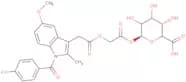

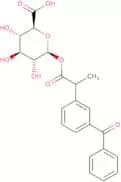
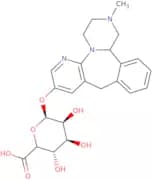
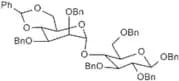
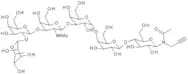
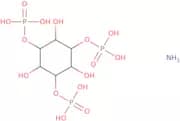

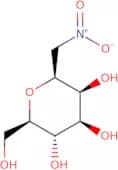


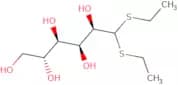
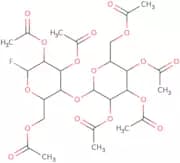
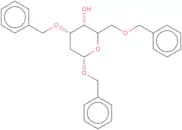
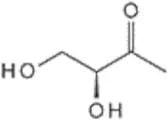
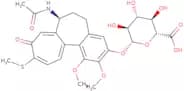

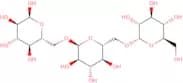
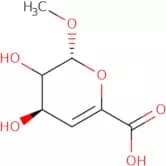


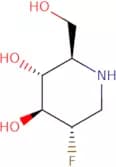
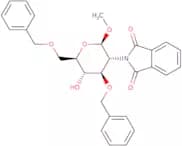

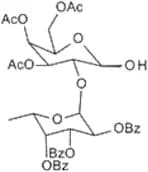

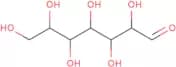
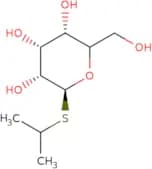


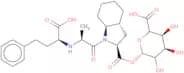
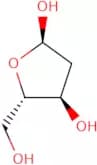
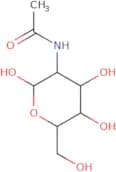

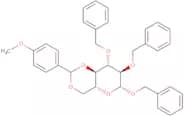
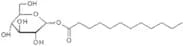

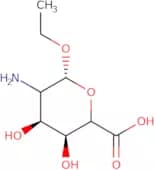
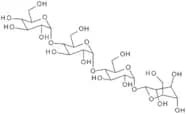
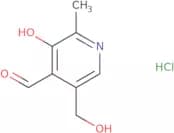


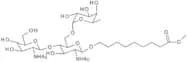
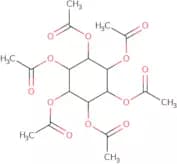
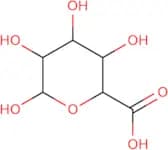
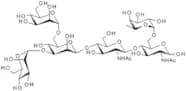
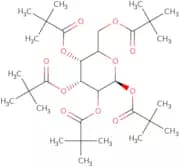
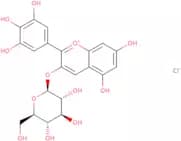
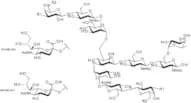
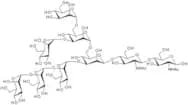
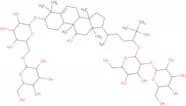
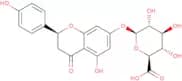
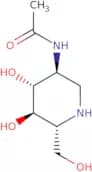
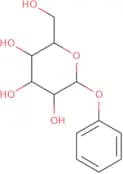
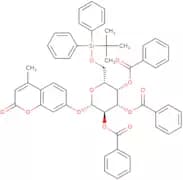

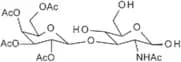
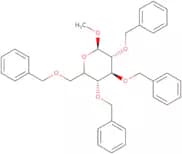
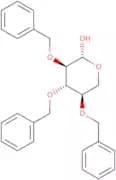
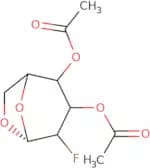
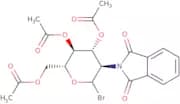
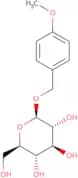


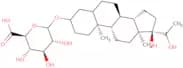

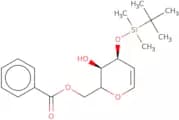

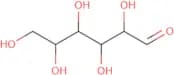
![(2S, 4S, 4'R) [4,4'-bi-1,3-dioxolane]-2-methanol-2,2'-dimethyl](/_next/image/?url=https%3A%2Fstatic.cymitquimica.com%2Fproducts%2F3D%2Fthumb-webp%2FMM44925.webp&w=3840&q=75)

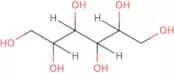

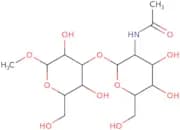
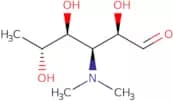

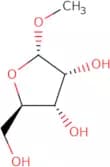
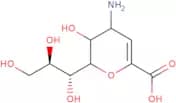

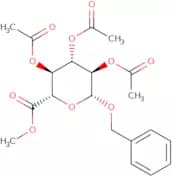

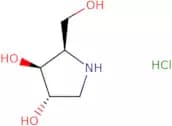
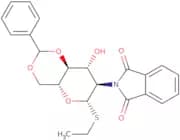
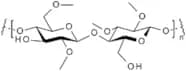

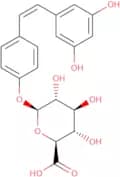
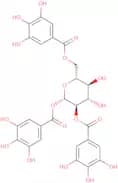

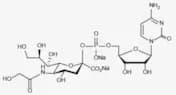
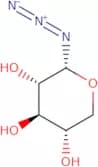
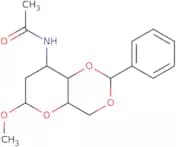
![(3aR,3bS,6aR,7aR)-2,2-Dimethyltetrahydrofuro[2',3':4,5]furo[2,3-d][1,3]dioxol-5(3aH)-one](/_next/image/?url=https%3A%2Fstatic.cymitquimica.com%2Fproducts%2F3D%2Fthumb-webp%2FMD45371.webp&w=3840&q=75)