Glicociência
A glicociência é o estudo dos carboidratos e seus derivados, bem como das interações e funções biológicas em que participam. Este campo de pesquisa é crucial para compreender uma ampla variedade de processos biológicos, incluindo o reconhecimento celular, a sinalização, a resposta imune e o desenvolvimento de doenças. A glicociência tem aplicações importantes na biotecnologia, na medicina e no desenvolvimento de novos medicamentos e terapias. Na CymitQuimica, oferecemos uma ampla seleção de produtos de alta qualidade e pureza para pesquisa em glicociência. Nosso catálogo inclui monossacarídeos, oligossacarídeos, polissacarídeos, glicoconjugados e reagentes específicos, projetados para apoiar os pesquisadores em seus estudos sobre a estrutura, função e aplicações dos carboidratos em sistemas biológicos. Esses recursos são destinados a facilitar descobertas científicas e aplicações práticas em diversas áreas das biociências e da medicina.
Subcategorias de "Glicociência"
- Amino açúcares(108 produtos)
- Anticorpos Glico-Relacionados(282 produtos)
- Glicolípidos(46 produtos)
- Glicosaminoglicanos (GAGs)(55 produtos)
- Glicosídeos(419 produtos)
- Monossacáridos(6.624 produtos)
- Oligossacarídeos(3.682 produtos)
- Polissacáridos(503 produtos)
Foram encontrados 11046 produtos de "Glicociência"
Ordenar por
Pureza (%)
0
100
|
0
|
50
|
90
|
95
|
100
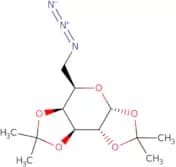
6-Azido-6-deoxy-1,2:3,4-di-O-isopropylidene-a-D-galactopyranose
CAS:<p>6-Azido-6-deoxy-1,2:3,4-di-O-isopropylidene-a-D-galactopyranose is a copper complex that is soluble in water. It is used as an initiator for the polymerization of galactose monomers. 6AIDOGAL reacts with azide or diazo compounds to form a cycloaddition reaction and can be used to prepare copolymers by reacting with other monomers such as D-glucose. The temperature range for this reaction is between 20°C and 100°C. This compound has been shown to form stable complexes with Cu(II) ions at temperatures below 0°C.</p>Fórmula:C12H19N3O5Pureza:Min. 98 Area-%Cor e Forma:Colorless Clear LiquidPeso molecular:285.3 g/mola-D-Glucoheptonic acid sodium salt dihydrate
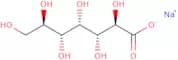
CAS:a-D-Glucoheptonic acid sodium salt dihydrate is a diagnostic agent that can be used to diagnose myocardial infarct. It is a glycol ether with a molecular weight of 168, which is used in the preparation of diagnostic agents for the detection of cardiac lesions. The compound is also used as an excipient in pharmaceutical preparations. In addition, it has been shown to have anti-inflammatory properties due to its ability to inhibit prostaglandin synthesis.Fórmula:C7H13O8NaPureza:Min. 95%Cor e Forma:White Off-White PowderPeso molecular:248.16 g/mol(1R) -1- [(2S, 3R) - 3- Hydroxy- 1- ((4-methoxyphenyl)methyl) - 2- azetidinyl] -1, 2- ethanediol
<p>(1R) -1- [(2S, 3R) - 3- Hydroxy- 1- ((4-methoxyphenyl)methyl) - 2- azetidinyl] -1, 2- ethanediol is a sugar compound that can be methylated and modified to make other compounds. The compound's CAS number is 440636-00-0. This product is a carbohydrate that can be used as a modification for saccharides and polysaccharides. It can also be used as a glycosylation agent or an Oligosaccharide. This product is available in high purity and custom synthesis with the desired modifications.</p>Pureza:Min. 95%N-[2-(2'-Hydroxyphenylacetonitrile)]-2,3,4,6-tetra-O-pivaloyl-D-glucopyranoside
CAS:N-[2-(2'-Hydroxyphenylacetonitrile)]-2,3,4,6-tetra-O-pivaloyl-D-glucopyranoside is a custom synthesis that is a complex carbohydrate. It has CAS No. 55580-06-8. This is an Oligosaccharide that has been modified with saccharides and methylated with glycosylation. Carbohydrate modification includes click modification of sugar and fluorination of synthetic sugars. High purity of this product ensures it will not inhibit reactions in downstream applications as well as be free from contaminants such as endotoxins or heavy metals.Fórmula:C34H50N4O10Pureza:Min. 95%Peso molecular:674.78 g/mol1,4-β-D-Xylotriitol
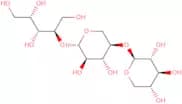
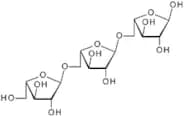
CAS:<p>1,4-B-D-Xylotriitol is a synthetic carbohydrate that has been modified with fluorine. The use of the methylation reaction enables the synthesis of oligosaccharides with up to six glucose units. This product is available in high purity and can be custom synthesized to meet specific needs. 1,4-B-D-Xylotriitol is used for glycosylation reactions and may be useful for modifying carbohydrates and saccharides.</p>Fórmula:C15H28O13Pureza:Min. 95%Peso molecular:416.38 g/molMethyl 2,3,6-tri-O-benzoyl-4-deoxy-4-chloro-α-D-glucopyranoside
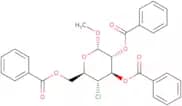
CAS:<p>Methyl 2,3,6-tri-O-benzoyl-4-deoxy-4-chloro-a-D-glucopyranoside is a modification of the sugar monosaccharide. It is an Oligosaccharide with Carbohydrate and Complex carbohydrate. Methyl 2,3,6-tri-O-benzoyl-4-deoxy-4-chloro--a D glucopyranoside is a Custom synthesis that is Synthetic and High purity. It has CAS No. 41881 07 6 and Polysaccharide as its sugar type. This Modification has Fluorination and saccharide as its modification type.</p>Fórmula:C28H25ClO8Pureza:Min. 95%Cor e Forma:PowderPeso molecular:524.96 g/mol1-Cyano-1-methylethyl b-D-glucopyranosiduronic acid
CAS:<p>1-Cyano-1-methylethyl b-D-glucopyranosiduronic acid (1CMEG) is a synthetic monosaccharide that has been modified with fluorination. It is an oligosaccharide, which is a complex carbohydrate made up of many sugar molecules. The CAS number for 1CMEG is 78662-58-5. This product can be custom synthesized to meet customer specifications and needs. It has been shown to have glycosylation and polysaccharide properties, and it can be modified with methylation or sugar binding. This product's purity level is high, making it ideal for use in pharmaceuticals or other applications where purity matters.</p>Fórmula:C10H15NO7Pureza:Min. 98 Area-%Cor e Forma:PowderPeso molecular:261.23 g/mol1,2,3,4,6-Penta-O-acetyl-b-D-glucopyranose
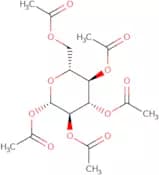
CAS:1,2,3,4,6-Penta-O-acetyl-b-D-glucopyranose, also known as beta-D-glucose pentaacetate, has high chemical stability and long shelf life. This protected form of glucose is a key building block of any chemical synthesis of glucose-containing oligosaccharides or glycoconjugates. In the presence of Lewis acids it can be used as a glycosyl donor to make simple glycosides. In order to perform more complex glycosylations, it can be converted into more reactive donors, such as glycosyl halides or thioglycosides. Beta-D-glucose pentaacetate is also used as a food additive and flavouring agent.Fórmula:C16H22O11Pureza:Min. 97.5 Area-%Cor e Forma:White PowderPeso molecular:390.34 g/mol2-Acetamido-3,4,6-tri-O-acetyl-2-deoxy-α-D-galactopyranosyl-Fmoc threonine
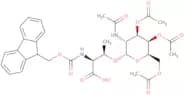
CAS:<p>2-Acetamido-3,4,6-tri-O-acetyl-2-deoxy-α-D-galactopyranosyl-Fmoc threonine is a glycoside that has been synthesized on a solid phase. The synthesis of this compound has been accomplished by the stepwise addition of Fmoc protected amino acids to the growing peptide chain. Cleavage from the resin and deprotection of the side chains are followed by purification by RP HPLC.</p>Fórmula:C33H38N2O13Pureza:Min. 95 Area-%Peso molecular:670.67 g/molIbuprofen acyl-b-D-glucuronide
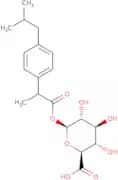
CAS:Ibuprofen acyl-b-D-glucuronide is a biologically active molecule. It is metabolized in humans by first being hydrolyzed to ibuprofen and then glucuronidated. The enzyme that catalyzes this reaction is uridine 5'-diphosphate glucuronosyltransferase 1A1 (UGT1A1). Ibuprofen acyl-b-D-glucuronide has been shown to have an inhibitory effect on inflammation in vitro assays, such as the rat paw edema assay. This drug also has a reactive and chromatographic profile that allows it to be used in wastewater treatment.Fórmula:C19H26O8Pureza:Min. 95%Cor e Forma:White PowderPeso molecular:382.4 g/mol2-Acetamido-1,6-anhydro-2-deoxy-β-D-glucopyranose
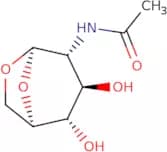
CAS:<p>2-Acetamido-1,6-anhydro-2-deoxy-b-D-glucopyranose is widely used in carbohydrate chemistry. It is used as reagent for the synthesis of oligosaccharides and also as a precursor in the synthesis of oligopeptides. 2-Acetamido-1,6-anhydro-2-deoxy-b-D-glucopyranose is an analog of levoglucosan, a compound that is often used to trace for biomass burning in enviromental chemistry studies.</p>Fórmula:C8H13NO5Pureza:Min. 95%Cor e Forma:PowderPeso molecular:203.19 g/mol4-Methoxyphenyl 2-acetamido-4-O-(2,3,4,6-tri-O-acetyl-b-D-glucopyranosyl)-3,6-di-O-benzyl-2-deoxy-b-D-glucopyranoside
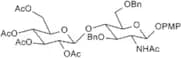
<p>4-Methoxyphenyl 2-acetamido-4-O-(2,3,4,6-tri-O-acetyl-b-D-glucopyranosyl)-3,6-di-O-benzyl-2,3′:6′,4′:5″,6′″:5″′:3″″:4″″′:5″″′:6′″′-[1]benzothiadiazole (MTBT) is a synthetic monosaccharide sugar that is modified to have a 1,2,3,4,5 and 6 benzothiadiazole group. MTBT is a complex carbohydrate that is synthesized through methylation of the sugar followed by a click modification. It has been used in the synthesis of oligosaccharides and polysaccharides.</p>Fórmula:C43H51NO16Pureza:Min. 95%Peso molecular:837.86 g/molMethyl 2,4-di-O-methyl-β-D-glucopyranoside
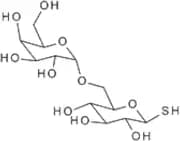
CAS:Methyl 2,4-di-O-methyl-b-D-glucopyranoside is a selectively protected glucose glycosideFórmula:C9H18O6Pureza:Min. 95%Peso molecular:222.24 g/mol6-O-(α-D-Galactopyranosyl)-β-D-thioglucopyranose
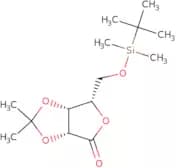
<p>6-O-(a-D-Galactopyranosyl)-b-D-thioglucopyranose is a complex carbohydrate that is used in the synthesis of oligosaccharides and polysaccharides. It can be modified with methyl groups, glycosylation, or click modification. This product has been fluorinated and is available in high purity.</p>Fórmula:C12H22O10SPureza:Min. 95%Cor e Forma:PowderPeso molecular:358.36 g/mol5-O-tert-Butyldimethylsilyl-2,3-O-isopropylidene-L-lyxono-1,4-lactone
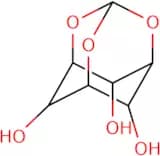
CAS:<p>5-O-tert-Butyldimethylsilyl-2,3-O-isopropylidene-L-lyxono-1,4-lactone is an oligosaccharide that is used as a building block for the synthesis of complex carbohydrates. It can be customized to suit your needs. 5-O-tert-Butyldimethylsilyl-2,3-O-isopropylidene-L-lyxono-1,4--lactone has been modified with fluorine atom and methyl group to form a glycosylation product. It is available in CAS No. 1044813 -00 -4 and can be synthesized in purity of > 95%.</p>Fórmula:C13H24O5SiPureza:Min. 95%Peso molecular:288.42 g/mol1,3,5-O-Methylidyne-myo-inositol
CAS:<p>1,3,5-O-Methylidyne-myo-inositol is a cyclic sugar alcohol, which is naturally derived from various plant sources, including certain fruits and grains. As a stereoisomer of inositol, it represents a specific structural form that contributes to its unique properties and potential biological activities. The compound operates through modulating cellular signaling pathways, particularly those related to phosphoinositide metabolism, influencing intracellular calcium levels, and affecting lipid signaling cascades.This compound is primarily explored for its potential role in neurological health and its capacity to influence insulin signaling pathways. It has been investigated for applications in managing conditions such as polycystic ovary syndrome (PCOS), mood disorders, and neurodegenerative diseases. Due to its intricate involvement in cellular signaling networks, 1,3,5-O-Methylidyne-myo-inositol holds promise in furthering understanding of complex biological processes and for therapeutic development in metabolic and neurological disorders. Research continues to explore its efficacy and mechanisms of action to better establish its role in health and disease.</p>Fórmula:C7H10O6Pureza:Min. 95%Cor e Forma:PowderPeso molecular:190.15 g/mol1,2,3,4,6-Penta-O-trimethylsilyl-a-D-galactopyranose
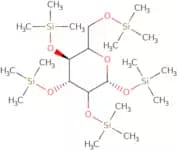
CAS:1,2,3,4,6-Penta-O-trimethylsilyl-a-D-galactopyranose is a modification of the sugar galactose. It is a complex carbohydrate and an oligosaccharide that has been custom synthesized. The molecular weight of 1,2,3,4,6-Penta-O-trimethylsilyl-a-D-galactopyranose is 592.77 g/mol. The purity of this compound is >99%. This compound has been fluorinated and saccharide methylated.Fórmula:C21H52O6Si5Pureza:Min. 95%Peso molecular:541.07 g/molD-Talose
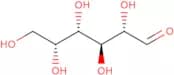
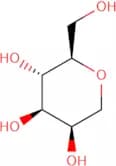
CAS:<p>Unnatural hexose used for the investigation of clostridial Rib-5-P-isomerases</p>Fórmula:C6H12O6Pureza:Min. 99 Area-%Cor e Forma:White PowderPeso molecular:180.16 g/molBenzyl 4-O-(2,6-di-O-benzyl-b-D-galactopyranosyl)-2,3,6-tri-O-benzyl-D-glucopyranoside
<p>Benzyl 4-O-(2,6-di-O-benzyl-b-D-galactopyranosyl)-2,3,6-tri-O-benzyl-D-glucopyranoside is a carbohydrate that belongs to the oligosaccharide class of saccharides. It is a synthetic compound with a CAS number (CAS No.: 128364-79-5) and a high purity. The carbohydrate has been synthesized by methylation, glycosylation, and click modification. Its chemical name is benzyl 4-[(2,6-di-[3'-O-(4,4'-dimethoxytrityl)butyldimethylsilyl]benzoyl)-a -D--galactopyranosyl]-2,3,6-[3'-O-(4',4''dimethoxytrityl)butyl]tri[3',5']</p>Fórmula:C34H88O11Pureza:Min. 98 Area-%Cor e Forma:PowderPeso molecular:673.06 g/mol(1R) -1- [(2S, 3R,4S) -4-(Acetylamino)methyl-3- hydroxy- 1- azetidinyl] -1, 2- ethanediol hydrochloride
(1R) -1- [(2S, 3R,4S) -4-(Acetylamino)methyl-3- hydroxy- 1- azetidinyl] -1, 2- ethanediol hydrochloride is a custom synthesis of a fluorinated and methylated saccharide. It is modified with a click modification reaction to introduce an azetidine ring at the C6 position of the sugar. This saccharide has been shown to inhibit glycosylation in vitro and in vivo.Pureza:Min. 95%Tri-O-benzyl-isofagomine hydrochloride
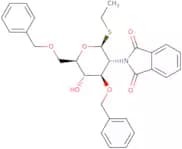
<p>Tri-O-benzyl-isofagomine hydrochloride is a modification of an oligosaccharide and a carbohydrate. It is synthesized by the methylation and glycosylation of isofagomine. Tri-O-benzyl-isofagomine hydrochloride has been shown to have high purity and can be used in the treatment of cancer, as well as being a potential drug for diabetes mellitus. This drug also prevents the formation of glycosaminoglycan polymers, which are responsible for cartilage rigidity. The CAS number for this drug is 569287-73-2.</p>Pureza:Min. 95%Ethyl 3,6-di-O-benzyl-2-deoxy-2-N-phthalamido-β-D-thioglucopyranoside
CAS:Ethyl 3,6-di-O-benzyl-2-deoxy-2-N-phthalamido-β-D-thioglucopyranoside is a modification of 2,6 anhydro sugar. It is a white crystalline powder with a melting point of 142°C. This compound has been synthesized by the custom synthesis method and has been shown to be high purity. It has also been methylated and glycosylated. The molecular weight of this compound is 572.81 g/mol.Fórmula:C30H31NO6SPureza:Min. 95%Peso molecular:533.64 g/molD-Ribose-5-phosphate disodium salt hydrate
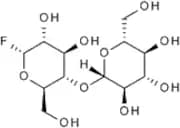
CAS:Precursor for the synthesis of nucleotides;Fórmula:C5H9Na2O8PCor e Forma:White Yellow PowderPeso molecular:274.07 g/molCellobiosyl fluoride
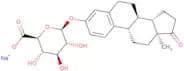
CAS:Cellobiosyl fluoride has importance as a substrate and inhibitor in enzymatic reactions and shows a good combination of stability and reactivity.Fórmula:C12H21FO10Pureza:Min. 95%Cor e Forma:PowderPeso molecular:344.29 g/molEstrone b-D-glucuronide sodium salt
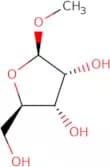
CAS:<p>Estrone b-D-glucuronide sodium salt (EBGG) is a steroid hormone that is synthesized in the ovaries. EBGG has been shown to be effective against bacterial vaginosis and polycystic ovarian syndrome. It is not active against other types of vaginal infections, such as yeast vaginitis or candida vulvovaginitis. EBGG has also been used to treat infertility in women, with promising results. The compound may work by increasing the metabolic rate and suppressing the production of progesterone and testosterone, which are important for fertility. EBGG binds to an estrogen receptor on cells in the uterus, stimulating the growth of uterine tissue and increasing blood flow to the uterus. EBGG binds to a specific site on the surface of cells called a monoclonal antibody, which can inhibit cell proliferation. This binding leads to an increase in progesterone receptor expression on uterine cells and inhibits the production of progesterone receptors on breast cancer</p>Fórmula:C24H29O8·NaPureza:Min. 95%Cor e Forma:PowderPeso molecular:468.47 g/molMethyl b-D-ribofuranoside
CAS:<p>Methyl b-D-ribofuranoside is a compound that has been found to be a substrate for the phosphodiesterase enzyme. This natural product can be used to study the function of this enzyme and its effect on cellular processes. The rate of hydrolysis at 25 degrees Celsius is about 0.03 min-1, which is about one order of magnitude faster than the rate at 37 degrees Celsius, which is about 0.003 min-1. In addition, methyl b-D-ribofuranoside hydrolyzes more rapidly in anaerobic conditions than in aerobic conditions. It also has a constant sedimentation coefficient of 1.10 ± 0.01 Svedbergs, which indicates that it consists of long unbranched chains with a high molecular weight (e.g., dodecyl). Methyl b-D-ribofuranoside has been found to inhibit intramolecular hydrogen transfer reactions, such as those catalyzed</p>Fórmula:C6H12O5Pureza:Min. 95%Cor e Forma:White PowderPeso molecular:164.16 g/mol(1S) -1- [(2S, 3R) - 3-Hydroxy- 1- ((4-methoxyphenyl)methyl) - 2- azetidinyl] -1, 2- ethanediol
CAS:<p>Ai Product Descriptions 50 Creative</p>Fórmula:C13H19NO4Pureza:Min. 95%Peso molecular:253.29 g/molStreptozocin
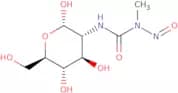
CAS:A toxic glucosamine derivative, widely used for the induction of diabetes in experimental animals. The compound enters the pancreatic β cells in Langerhans islets via glucose transporter GLUT2. It has the ability to alkylate DNA and trigger the production of ROS and nitric oxide, which contribute to DNA and mitochondrial damage. Moreover, streptozocin inhibits N-acetyl-β-D-glucosaminidase and disrupts O-GlcNAc cycling. This molecule has also been used as antimicrobial compound and chemotherapeutic agent for some types of pancreatic cancer.Fórmula:C8H15N3O7Pureza:Min. 98 Area-%Cor e Forma:Off-White PowderPeso molecular:265.2 g/mol1,2,3,4-Tetra-O-acetyl-D-galacturonic acid
CAS:<p>1,2,3,4-Tetra-O-acetyl-D-galacturonic acid is a carbohydrate that belongs to the group of oligosaccharides and sugars. It is used as a synthetic intermediate in the production of complex carbohydrates and glycosylations. 1,2,3,4-Tetra-O-acetyl-D-galacturonic acid is also used as an active ingredient in some topical medications. The fluorination of this product leads to increased solubility and stability. It has been shown to be resistant to degradation by enzymes such as alpha amylase or beta amylase. This product can be customized for customers requirements with high purity and custom synthesis services.</p>Fórmula:C14H18O11Pureza:Min. 95%Cor e Forma:PowderPeso molecular:362.29 g/molL-Galactono-1,4-lactone
CAS:<p>L-Galactono-1,4-lactone is a biochemical compound that is found in plants and some living cells. It is an intermediate in the Krebs cycle and can be used as a nutrient solution for plant science research. L-Galactono-1,4-lactone has been shown to have enzyme activities on chronic exposure to sephadex g-100. This compound also has an optimum pH of 5.2 and shows acid formation with titration calorimetry. L-Galactono-1,4-lactone is also used in vitro assays for polymerase chain reactions (PCR).</p>Fórmula:C6H10O6Pureza:Min. 98%Cor e Forma:White Off-White PowderPeso molecular:178.14 g/molMethyl(methyl 2,3,4-tri-O-methyl-α-D-galactopyranoside)uronate
CAS:<p>A methyl galactoside analogue</p>Fórmula:C11H20O7Pureza:Min. 95%Cor e Forma:PowderPeso molecular:264.27 g/molXylitol
CAS:<p>Xylitol is a sugar alcohol that has been shown to have antimicrobial properties. It is also used as a sweetener in chewing gum and toothpaste. Xylitol inhibits the growth of bacteria by binding to the enzyme adenosine triphosphate (ATP) synthase, which is required for energy metabolism. The binding of xylitol to ATP synthase prevents the formation of ATP and blocks bacterial growth, leading to cell death. Xylitol can be produced from xylose, a sugar found in plants and animals, through biochemical reactions that are catalyzed by enzymes such as xylitol dehydrogenase and xylulokinase. This process is anaerobic and does not require oxygen or organic nutrients. Xylitol has been shown to have physiological effects on wild-type strain bacteria such as Aerobacter aerogenes.</p>Fórmula:C5H12O5Pureza:Min. 95%Cor e Forma:White PowderPeso molecular:152.15 g/mol4,6-Di-O-methyl-D-glucose
CAS:<p>A partially methylated glucose with the anomeric position free</p>Fórmula:C8H16O6Pureza:Min. 95%Cor e Forma:PowderPeso molecular:208.21 g/molBenzyl 2-acetamido-2-deoxy-3-O-(b-D-galactopyranosyl)-a-D-glucopyranoside
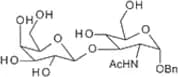
CAS:Benzyl 2-acetamido-2-deoxy-3-O-(b-D-galactopyranosyl)-a-D-glucopyranoside is a synthetic substrate that is used in the synthesis of disaccharides. It is catalytic and has an efficient method for the preparation of acetonitrile, which can be eluted with acetic acid. It is a reagent that reacts with halides to form equimolar acetates. Acetylated benzyl 2-acetamido-2 deoxy 3 O-(b D galactopyranosyl) a D glucopyranoside can be obtained by reacting benzyl 2 acetamido 2 deoxy 3 O-(b D galactopyranosyl) a D glucopyranoside with acetic anhydride.Fórmula:C21H31NO11Pureza:Min. 95%Cor e Forma:PowderPeso molecular:473.47 g/mol2,7-Anhydro-D-sedoheptulose-2,3,4,5,6,7-13C6
<p>2,7-Anhydro-D-sedoheptulose-2,3,4,5,6,7-13C6 is a custom synthesis of a complex carbohydrate. It is an oligosaccharide that is modified with methylation and glycosylation. This compound has been synthesized by Click modification and fluorination. 2,7-Anhydro-D-sedoheptulose-2,3,4,5,6,7-13C6 is water soluble and has a high purity. It is used as a research tool in the field of saccharides and carbohydrates.</p>Pureza:Min. 95%Disialyllacto-N-tetraose
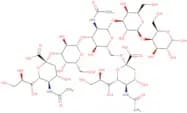
CAS:Disialyllacto-N-tetraose is a medicinal compound that has shown promising anticancer properties. It is an analog of a human urinary glycoprotein and has been found to induce apoptosis in cancer cells. Disialyllacto-N-tetraose acts as a tumor inhibitor by blocking the activity of certain protein kinases, which are enzymes that play a role in cell growth and division. This compound has been studied extensively in Chinese medicine and has shown potential as an effective anticancer agent. Its unique structure and mechanism of action make it a promising candidate for further research into cancer treatment.Fórmula:C48H79N3O37Pureza:Min. 85%Peso molecular:1,290.16 g/mol1,5-Anhydro-D-mannitol
CAS:<p>1,5-Anhydro-D-mannitol is a monosaccharide that is used as an active ingredient in many pharmaceuticals. It is synthesized by the reaction of benzyl chloride with galactose. The compound has been shown to have radical scavenging activities and to inhibit the formation of carbonyl groups and hydroxyl radicals. 1,5-Anhydro-D-mannitol has also been shown to be effective against dendrobium candidum. This substance is tasteless and has a sweet taste at high concentrations.br><br>1,5-Anhydro-D-mannitol is a molecule that consists of two hydroxyl groups and one deuterium atom. The molecule has a basic ph and can exist in six different forms depending on the orientation of the hydrogen atoms on the hydroxyl group. In addition, it contains one acidic ph because it contains a carboxylic acid group on one side.</p>Fórmula:C6H12O5Pureza:Min. 97 Area-%Cor e Forma:PowderPeso molecular:164.16 g/molPectic acid
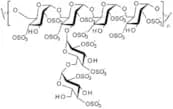
CAS:<p>Pectic acid is non water-soluble β (1,4)-linked polygalacturonic acid. In its gel form, is water-soluble, transparent and gelatinous, and exists in ripe fruit and some vegetables. It is a product of pectin degradation in plants, and is produced via the interaction between pectinase and pectin (the latter being common in the wine-making industry).</p>Pureza:Min. 95%Cor e Forma:PowderDextran sulfate sodium, MW 20,000
CAS:<p>Sodium carboxymethyl dextran (CM-dextran) is a white, odourless and tasteless powder, which is freely soluble in water or electrolyte solutions. The product has a pronounced polyanionic character, due to the high degree of carboxyl substitution. Applications that have been described for CM-dextran include carriers of paramagnetic contrast agents, preparation of conjugates of pharmacologically active compounds and CM-dextrans in biosensors. A number of other uses in cosmetics, agriculture, foods, paints and textiles have been the subject of patent applications.</p>Cor e Forma:PowderFructosazine
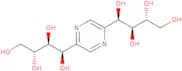
CAS:<p>Fructosazine is a natural compound that is found in the bark of the fructus quinquefoliae tree. It has been shown to have antimicrobial properties when it reacts with hydrochloric acid. Fructosazine inhibits the growth of bacteria by reacting with their cell walls and interfering with their metabolism. Fructosazine may also have physiological effects, such as reducing blood pressure and body weight gain, which are not fully understood. The reaction mechanism for fructosazine is not yet known, but it may be due to its reactive nature. More research needs to be done on this compound before we can understand its full potential.</p>Fórmula:C12H20N2O8Pureza:Min. 96 Area-%Cor e Forma:PowderPeso molecular:320.3 g/mol3,5-Dideoxy-3,5-imino-1,2-O-isopropylidene-N-butyl-6-O-tert.butyldimethylsilyl-b-L-galactofuranose
3,5-Dideoxy-3,5-imino-1,2-O-isopropylidene-N-butyl-6-O-tert.butyldimethylsilyl-b-L-galactofuranose is a synthetic sugar that can be used as an intermediate for the synthesis of glycosides. This compound has been fluorinated with trifluoromethanesulfonic acid to increase its stability and resistance to hydrolysis. The carbonyl group of the 3,5 position has been converted into an isopropylidene group by reacting with tert.butyldimethylsilyl chloride (TBSCl) in order to increase the reactivity of this functional group. This sugar can be modified at any position on its carbohydrate chain in order to produce desired products. It can also be methylated or acetylated at any position on the carbohydrate chain using reagents such asPureza:Min. 95%Glucomannan oligosaccharides - from Konjac MW <10KDa
<p>Glucomannan oligosaccharides are modified polysaccharides of plant origin. They are not digested in the small intestine and are instead fermented by the large intestine to produce short-chain fatty acids. This is a novel approach to weight control. The modified monosaccharide backbone provides for a more complex carbohydrate than found in other dietary fibers, and this complex carbohydrate is resistant to digestion by mammalian enzymes. Glucomannan oligosaccharides can be used as a replacement for high-calorie sweeteners in many food applications and as a bulk laxative.</p>Pureza:Min. 95%Cor e Forma:Powder1,5-α-L-Arabinotriose
CAS:1,5-α-L-Arabinotriose is a sugar that is found in the cell walls of plants. It is a trisaccharide composed of three L-arabinose units linked by α-(1→5) bonds. 1,5-α-L-Arabinotriose has been shown to be adsorbed on cellulose acetate and can be used to measure the molecular weight of the adsorbate. This sugar also undergoes optical rotations when it interacts with some dyes such as germanium tetrachloride. 1,5-α-L-Arabinotriose has many uses including: as a solute in chloride ion chromatography; as an absorbent in filtration experiments; and as a parameter for calculating thermodynamics for reactions involving hydrogen transfer.Fórmula:C15H26O13Pureza:Min. 95 Area-%Cor e Forma:Clear LiquidPeso molecular:414.36 g/mola-D-Glucose-1-phosphate disodium salt hydrate
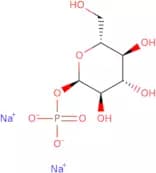
CAS:<p>a-D-Glucose-1-phosphate disodium salt hydrate (aGPD) is a bacterial strain that has been shown to produce fatty acids from glucose. The production of fatty acids has been shown to be dependent on transfer reactions involving tagatose, which is an intermediate product of the process optimization of aGPD. The final product of these reactions is lactic acid, which is formed in an acidic environment. This bacterial strain has also been used as a model system for studying kidney bean phosphatase and photosynthetic activity in monoclonal antibody production.</p>Fórmula:C6H11O9P·2Na·xH2OPureza:Min. 97%Cor e Forma:White PowderPeso molecular:304.1 g/molOligogalactosyllactose
<p>Oligogalactosyllactose is a polysaccharide made from galactose and glucose. Oligogalactosyllactose has been shown to have an inhibitory effect on the growth of Staphylococcus aureus strains. Oligogalactosyllactose also has anti-inflammatory properties, which may be due to its ability to bind to free fatty acids and reduce the production of pro-inflammatory cytokines. This dietary ingredient is found in inulin, which is a type of carbohydrate that can be found in some vegetables. Oligogalactosyllactose is composed of short chains of sugar molecules, making it easier for the body to absorb. It is also more readily metabolized by bacteria in the gut than other types of carbohydrates like celluloses or starches.</p>Pureza:Min. 95%Cor e Forma:Powder2,3,4-Tri-O-acetyl-6-deoxy-6,6-difluoro-a-D-mannopyranosyl-1-bis[2-(acetylthio)ethyl]phosphate
CAS:Fucosylation inhibitorFórmula:C20H29F2O13PS2Peso molecular:610.54 g/mol2,3,5-Tri-O-benzyl-b-D-ribofuranose
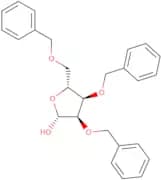
CAS:<p>2,3,5-Tri-O-benzyl-b-D-ribofuranose is a synthetic monosaccharide that is used in the synthesis of complex carbohydrates such as glycosylation and polysaccharides. One use for this chemical is to modify the sugar moiety with methyl groups, yielding 2,3,5-tri-O-methyl b-D-ribofuranose. This modification helps prevent the sugar from being metabolized by enzymes in the body. The chemical can also be fluorinated to yield 2,3,5-trifluoro b-D-ribofuranose.</p>Fórmula:C26H28O5Pureza:Min. 95%Cor e Forma:White PowderPeso molecular:420.5 g/molMethyl 2,3,4-tri-O-benzyl-6-O-trityl-a-D-galactopyranoside
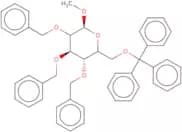
CAS:<p>Methyl 2,3,4-tri-O-benzyl-6-O-trityl-a-D-galactopyranoside is a synthetic modified oligosaccharide. It has been shown to have potent antiplaque activity in animal models of dental caries and has been demonstrated to be an effective inhibitor of the glycosylation reaction. Methyl 2,3,4-tri-O-benzyl-6-O-trityl galactopyranoside is soluble in water and can be used as a fluorinated monosaccharide. The compound can also be used as a click modification with other sugars or saccharides.</p>Fórmula:C47H46O6Pureza:Min. 95%Peso molecular:706.89 g/mol2-Acetamido-2-deoxy-L-mannopyranose
CAS:2-Acetamido-2-deoxy-L-mannopyranose is a sugar that is synthesized by the enzyme arabinofuranosidase. This enzyme catalyzes the hydrolysis of arabinose to form 2-acetamido-2-deoxy-l-mannopyranose. The enzyme has been shown to be thermostable and can be used as an acceptor for other enzymes, such as glycosyltransferases and glucosidases. The biosynthesis of 2-acetamido-2-deoxymannopyranose starts with l -arabinose, which is converted into d -arabinose by the action of aldaribinofuranosidase, followed by conversion into 2 acetamido--2 deoxymannopyranose by the action of arabinofuranosidase. Mutations in these enzymes have been found to affect the stereospecificFórmula:C8H15NO6Pureza:Min. 95%Cor e Forma:PowderPeso molecular:221.2 g/molCroscarmellose sodium
CAS:Superdisintegrant used in pharmaceutical formulationsCor e Forma:White PowderPeso molecular:982.44

![(1R) -1- [(2S, 3R) - 3- Hydroxy- 1- ((4-methoxyphenyl)methyl) - 2- azetidinyl] -1, 2- ethanediol](/_next/image/?url=https%3A%2Fstatic.cymitquimica.com%2Fproducts%2F3D%2Fthumb-webp%2FMH163535.webp&w=3840&q=75)
![N-[2-(2'-Hydroxyphenylacetonitrile)]-2,3,4,6-tetra-O-pivaloyl-D-glucopyranoside](/_next/image/?url=https%3A%2Fstatic.cymitquimica.com%2Fproducts%2F3D%2Fthumb-webp%2FMH08452.webp&w=3840&q=75)

![(1R) -1- [(2S, 3R,4S) -4-(Acetylamino)methyl-3- hydroxy- 1- azetidinyl] -1, 2- ethanediol hydrochl…](/_next/image/?url=https%3A%2Fstatic.cymitquimica.com%2Fproducts%2F3D%2Fthumb-webp%2FMA163412.webp&w=3840&q=75)

![(1S) -1- [(2S, 3R) - 3-Hydroxy- 1- ((4-methoxyphenyl)methyl) - 2- azetidinyl] -1, 2- ethanediol](/_next/image/?url=https%3A%2Fstatic.cymitquimica.com%2Fproducts%2F3D%2Fthumb-webp%2FMH163553.webp&w=3840&q=75)




![2,3,4-Tri-O-acetyl-6-deoxy-6,6-difluoro-a-D-mannopyranosyl-1-bis[2-(acetylthio)ethyl]phosphate](/_next/image/?url=https%3A%2Fstatic.cymitquimica.com%2Fproducts%2F3D%2Fthumb-webp%2FMT96598.webp&w=3840&q=75)