Glicociência
Subcategorias de "Glicociência"
- Amino açúcares(108 produtos)
- Anticorpos Glico-Relacionados(282 produtos)
- Glicolípidos(46 produtos)
- Glicosaminoglicanos (GAGs)(55 produtos)
- Glicosídeos(419 produtos)
- Monossacáridos(6.616 produtos)
- Oligossacarídeos(3.718 produtos)
- Polissacáridos(505 produtos)
Foram encontrados 11017 produtos de "Glicociência"
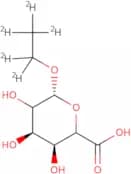
d5-Ethyl b-D-glucuronide
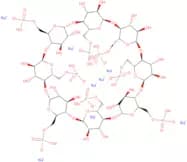
CAS:Produto ControladoEthyl b-D-glucuronide is a modification of the carbohydrate. It is used in the synthesis of oligosaccharides, polysaccharides, and other complex carbohydrates with high purity. This compound can be synthesized by methylation and glycosylation, or by fluorination and saccharide.Fórmula:C8H9D5O7Pureza:Min. 95%Cor e Forma:PowderPeso molecular:227.22 g/molgamma-Cyclodextrin dihydrogen phosphate sodium salt
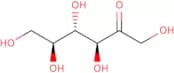
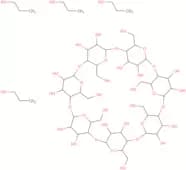
CAS:This gamma-cyclodextrin (γ-CD) derivative is a modified cyclic oligosaccharide composed of eight glucose units, featuring a larger cavity size than α- and β-cyclodextrins. This structural characteristic allows γ-CDs to form inclusion complexes with a wider range of guest molecules, making it particularly versatile in various industries. In the food sector, it is used as a carrier and stabilizer for flavors, fat-soluble vitamins, and polyunsaturated fatty acids, protecting volatile compounds from evaporation. In pharmaceuticals, it enhances the solubility and bioavailability of poorly water-soluble drugs and, thanks to its larger ring size, allows for the encapsulation of larger molecules or even entire drug molecules. γ-CDs and derivatives are also used for environmental remediation and, in analytical chemistry, for the extraction and concentration of target substances.Fórmula:C48H80O40Pureza:Min. 95%Peso molecular:1,297.12 g/molL-Psicose
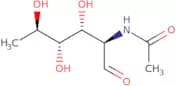
CAS:L-Psicose is a monosaccharide that is the only metabolite of D-fructose. It is found in many living organisms, such as bacteria and fungi. L-Psicose has been shown to inhibit ribitol dehydrogenase, an enzyme involved in the production of ribitol, which catalyzes the conversion of ribitol to ribulose 5-phosphate. Ribulose 5-phosphate is an important precursor molecule for glycolysis and pentose phosphate pathways. In addition, L-psicose has been shown to bind to proteins through hydrogen bonding, which may prevent the protein from folding properly or interacting with other molecules. This binding can lead to cell death if it inhibits essential cellular functions.Fórmula:C6H12O6Pureza:Min. 95%Cor e Forma:White PowderPeso molecular:180.16 g/mol2-[(Azidoacetyl)amino]-2-deoxy-D-galactose
CAS:Azide funcationalised galactosamine. Can be used in click chemistry.Pureza:Min. 95%Peso molecular:262.22 g/molL-Arabinose-BSA
L-Arabinose-BSA is a Glycosylation, Oligosaccharide, sugar, Synthetic, Fluorination, Custom synthesis, Methylation, Monosaccharide, Polysaccharide, saccharide. It is a Click modification. L-Arabinose-BSA has CAS No. 1590-84-3 and Modification of complex carbohydrate. This product has High purity.Pureza:Min. 95%Glycosaminoglycans
CAS:Glycosaminoglycans (GAGs) are polysaccharides that are found in the extracellular matrix and on the surface of cells. GAGs consist of a linear chain of repeating disaccharide units, with one or more sugar molecules linked by a glycosidic bond. They have been shown to be important for the function and structure of tissues, including those in the gastrointestinal tract. GAGs have been shown to stimulate cellular growth, regulate inflammatory responses, and promote wound healing. They have also been shown to inhibit activity of polymorphonuclear leucocytes (PMN), which play an important role in inflammation. One type of GAG is dextran sulfate, which has been used as a biological scaffold for tissue engineering applications. Glycosaminoglycans may also play a role in regulating immune responses through interaction with toll-like receptor 4 (TLR4).Pureza:Min. 95%1-O-Methyl-α-D-galactopyranoside monohydrate - Crude
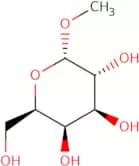
CAS:Inhibitor of Gal-dependent lectin binding; used for synthesis of galactosesFórmula:C7H16O7Pureza:Min. 95%Cor e Forma:PowderPeso molecular:212.2 g/molLewis B pentasaccharide
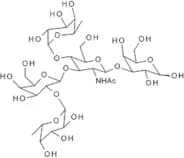
CAS:Lewis B pentasaccharide is a custom-synthesized carbohydrate that belongs to the Modification, saccharide, Oligosaccharide, sugar category. It is an oligosaccharide with a non-reducing end and a reducing end. Lewis B pentasaccharide is a complex carbohydrate that is synthesized from monosaccharides by glycosylation and methylation reactions. This product has high purity and it can be used in research for its fluoroquinolone resistance properties.Fórmula:C32H55NO24Pureza:Min. 95%Cor e Forma:White SolidPeso molecular:837.79 g/molGDP-2-deoxy-2-fluoro-L-fucose ammonium salt
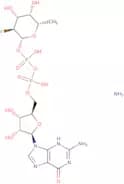
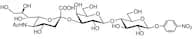
CAS:Competitive inhibitor of fucosyltransferases FUT3, FUT5, FUT6 and FUT7 with Ki values in low micromolar range. This fluorinated GDP-fucose analog inhibits oligosaccharide core fucosylation of N-linked glycans in animal and plant cells.Fórmula:C16H30FN7O14P2Pureza:Min. 95%Cor e Forma:PowderPeso molecular:625.39 g/molNeu5Acα(2-6)Galβ(1-3)GlcNAc-β-pNP
Fórmula:C31H45N3O21Pureza:>97.0%(HPLC)Cor e Forma:White to Light yellow to Green powder to crystalPeso molecular:795.7013-cis-Retinoyl b-D-glucuronide
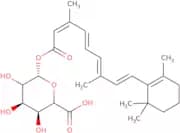
CAS:Produto Controlado13-cis-Retinoyl b-D-glucuronide is a synthetic compound that can be modified to create a wide range of potential products. 13-cis-Retinoyl b-D-glucuronide is an oligosaccharide with a carbohydrate that may be glycosylated or polysaccharided. It has been custom synthesized and fluorinated, methylated, and monosaccharided. This product is extremely pure and can be used for many applications in the biomedical field.
Fórmula:C26H36O8Pureza:Min. 95%Peso molecular:476.56 g/molL-Glycero-D-manno-heptose
CAS:L-Glycero-D-manno-heptose is a polymyxin B antimicrobial agent that has been shown to have significant activity against Gram-positive bacteria, including Staphylococcus aureus and Streptococcus pneumoniae. This compound also has an inhibitory effect on the growth of Gram-negative species such as Salmonella enterica. L-Glycero-D-manno-heptose inhibits the synthesis of bacterial cell wall peptidoglycan by binding to the terminal residues of oligosaccharides, which are linked to D-alanine in the peptidoglycan chain. The terminal residues of oligosaccharides are transferred from the lipid carrier to L-glycero-D manno heptose, forming a stable acylated glycoside. This reaction mechanism is similar to that of polymyxin B, but with a difference in reactivity due to steric hindrance.
Fórmula:C7H14O7Pureza:Min. 95%Cor e Forma:White PowderPeso molecular:210.18 g/molMethyl β-L-arabinopyranoside
CAS:Methyl β-L-arabinopyranoside is a monomer that is used for the synthesis of polymers. It has been shown to be an effective polymerization catalyst, with long-term stability and good storage properties. Methyl β-L-arabinopyranoside has been used in gas chromatographic analysis as an analyte to identify hydroxy groups, although it may also interfere with the detection of certain other analytes. This monomer is often used in the production of plastics and rubbers because it enhances bonding between rubber molecules and plasticizers. Methyl β-L-arabinopyranoside has also been shown to have tailing enhancements and extracts that are due to hydroxy groups, which can lead to signal enhancement in gas chromatography. Additives such as ammonium acetate can be added if there is a need to increase sensitivity or reduce tailing effects.Fórmula:C6H12O5Pureza:Min. 95%Cor e Forma:PowderPeso molecular:164.16 g/molLewis Y tetrasaccharide
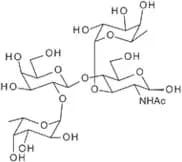
CAS:Lewis Y tetrasaccharide is a type of antigen that is used as a pharmacological agent. It has been shown to be effective in treating carcinoma cell lines and primary sclerosing cholangitis. Lewis Y tetrasaccharide has also been shown to be an antigen for the mouse monoclonal antibody, which is used in cancer research. The Lewis Y tetrasaccharide stimulates the immune system by interacting with certain cells called dendritic cells and macrophages, which are responsible for activating T-cells. This interaction promotes the production of chemoattractant proteins, which are proteins that attract white blood cells to fight infection and promote healing. Lewis Y tetrasaccharide has also been shown to cause cancer cell death by lysing cells through apoptosis or necrosis depending on the tissue type.Fórmula:C26H45NO19Pureza:(%) Min. 95%Cor e Forma:PowderPeso molecular:675.64 g/molD-Glycero-D-talo-heptitol
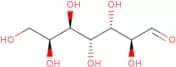
CAS:D-Glycero-D-talo-heptitol is a natural product that is found in plants and bacteria. It is an alditol, which is created by the glycosidic bond of a carbohydrate and a hydroxyl group. D-Glycero-D-talo-heptitol has shown to inhibit the activity of enzymes involved in fatty acid synthesis, such as 3-hydroxyacyl coenzyme A dehydrogenase, and carbohydrate synthesis, such as fructose 1,6 bisphosphatase. This compound also inhibits the borohydride reduction of glycan precursors. This may be due to its hydrophilic interactions with water molecules and its hydrophobic interactions with other lipid molecules.Fórmula:C7H16O7Pureza:Min. 95%Cor e Forma:White Off-White PowderPeso molecular:212.2 g/mol1,3-Dihydroxyacetone
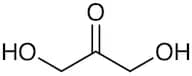
CAS:Fórmula:C3H6O3Pureza:>97.0%(GC)Cor e Forma:White to Almost white powder to crystalPeso molecular:90.081,2-O-Isopropylidene-3-deoxy-α-D-allofuranose
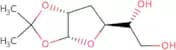
CAS:1,2-O-Isopropylidene-3-deoxy-a-D-allofuranose is a custom synthesis that is a complex carbohydrate. It has been modified by methylation and glycosylation. The product is an Oligosaccharide, Polysaccharide and Modification of saccharide. The product has high purity with a CAS No. 4494-96-6.Fórmula:C9H16O5Pureza:Min. 95%Cor e Forma:Off-White PowderPeso molecular:204.22 g/molUDP-L-galactose diammonium salt
UDP-L-galactose diammonium salt is a modification of the sugar UDP-galactose. It is an oligosaccharide that is found in glycoproteins and glycolipids. It is synthesized by the addition of a methyl group to the galactose ring and a fluorine atom to the hydroxyl group on carbon 4. UDP-L-galactose diammonium salt is used as a synthetic sugar in laboratory settings, although it can also be found in nature. This compound has been shown to have anti-inflammatory properties, which may be due to its ability to inhibit prostaglandin synthesis.Fórmula:C15H22N2O17P2·N2H8Pureza:Min. 95%Peso molecular:600.37 g/molL-Sorbose-1-phosphate potassium salt
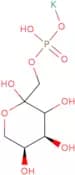
CAS:L-Sorbose-1-phosphate potassium salt is a sugar phosphateFórmula:C6H12KO9PPureza:Min. 95%Peso molecular:298.23 g/molIsomaltohexaose
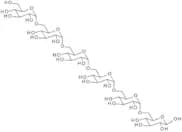
CAS:Produced from high maltose syrup by treatment with transglucosidaseFórmula:C36H62O31Pureza:Min. 90 Area-%Cor e Forma:White PowderPeso molecular:990.9 g/mol2,3-Di-O-acetyl-b-cyclodextrin
This beta-cyclodextrin (β-CD) derivative is a functionalized cyclic oligosaccharide composed of seven glucose units, characterized by a hydrophilic exterior and a lipophilic cavity (bigger than α-CD and smaller than γ-CDs), which allows it to encapsulate various guest molecules. This structural feature facilitates its use in multiple applications, including pharmaceuticals, food enhancement, and cosmetics. In the pharmaceutical industry, it enhances the solubility and stability of poorly water-soluble drugs, improving their bioavailability and efficacy while also masking unpleasant tastes. The food sector utilizes it as a stabilizer for flavors, colors, and nutrients, extending shelf life by protecting sensitive ingredients from degradation. In cosmetics, it serves as a complexing agent for fragrances and active components, ensuring their stability and controlled release. Its use expands to many other fields, including nanotechnology for drug delivery systems, environmental remediation for extracting organic pollutants, textiles for slow-release fragrances, and analytical chemistry for chiral separation.
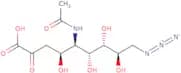
Fórmula:C70H98O49Pureza:Min. 95%Peso molecular:1,723.5 g/molN-Acetyl-9-azido-9-deoxy-neuraminic acid
CAS:N-Acetyl-9-azido-9-deoxy-neuraminic acid (also known as 9AzNeu5Ac) is used as a sialic acid substitute for metabolic glycan labelling, which allows glycan-protein interactions and sialylations to be interrogated. Naturally occurring glycans can be di-sialylated by sialidase and replaced by a sialyl analogue, such as N-acetyl-9-azido-9-deoxy-neuraminic acid, using sialyltransferase. The modified glycans are then resistant to sialidase. Reduction of the azide functionality of N-acetyl-9-azido-9-deoxy-neuraminic acid affords access to an additional 9-amino sialic acid analogue which can be further elaborated to 9-amido analogues.Fórmula:C11H18N4O8Pureza:Min. 90 Area-%Cor e Forma:Off-White PowderPeso molecular:334.28 g/mol3,4,6-Tri-O-benzyl-D-glucal
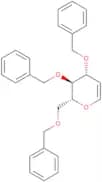
CAS:3,4,6-Tri-O-benzyl-D-glucal is a benzyl protected, 2,3 unsaturated glucal used as a chiral intermediate. The C2-C3 double bond of the pyranose ring can be modified via a variety of reactions including: hydrogenation, oxidation, hydroxylation, and aminohydroxylation, to generate structural complexity. 3,4,6-Tri-O-benzyl-D-glucal also minimizes tedious protecting-group strategies required for fully oxygenated sugars. The products of 2,3 unsaturated glycosides as chiral intermediates have played a role in the synthesis of many biologically active compounds, such as, nucleosides and modified sugar derivatives.Fórmula:C27H28O4Pureza:Min. 98 Area-%Cor e Forma:White PowderPeso molecular:416.51 g/molD-(+)-Melibiose Monohydrate
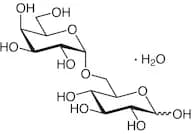
CAS:Fórmula:C12H22O11·H2OPureza:>99.0%(HPLC)Cor e Forma:White to Almost white powder to crystalPeso molecular:360.322-Acetamido-3-O-(b-D-galactopyranosyl)-2-deoxy-D-thiogalactopyranose
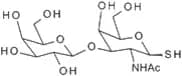
2-Acetamido-3-O-(b-D-galactopyranosyl)-2-deoxy-D-thiogalactopyranose is a synthetic disaccharide analog designed for research in glycoscience and biochemistry, particularly for applications in glycosylation-related studies. This compound is synthesized in the laboratory and is not derived from natural sources, allowing for precise structural modifications that facilitate detailed analyses of glycan interactions.The mode of action of this compound involves its role as a mimic of natural glycans, enabling the examination of carbohydrate-protein interactions, enzymatic activity, and glycan recognition processes with high specificity. It can be leveraged as a probe in structural biology to elucidate the mechanisms underlying biological recognition and signaling events mediated by carbohydrate molecules.This compound finds applications in the study of enzymatic hydrolysis, as an inhibitor of glycosidases, and in the synthesis of glycan-based drugs. It is of particular interest in the field of glycobiology for developing therapeutic agents and probing molecular pathways. The high specificity and structural fidelity of 2-Acetamido-3-O-(b-D-galactopyranosyl)-2-deoxy-D-thiogalactopyranose make it an invaluable tool for advancing our understanding of the intricate roles glycans play in biology.Fórmula:C14H25NO10SPureza:Min. 95%Peso molecular:399.42 g/mol1,6-Dichloro-1,6-dideoxy-D-fructose
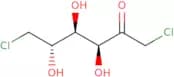
CAS:1,6-Dichloro-1,6-dideoxy-D-fructose (1,6DD) is a synthetic spermicide that prevents the fusion of the egg and sperm. It has been shown to be effective in reducing fertility in male rats. The pharmacological effects of 1,6DD are due to its benzalkonium chloride content. 1,6DD is a reactive chemical that can damage cellular membranes and lead to cell death. Benzalkonium chloride is toxic to human cells and can cause necrosis or apoptosis. The toxicity of 1,6DD on the brain has been demonstrated using human liver cells as well as human brain cells. This agent also has an effect on mineralization and causes an increase in calcium influx into cells by activating calcium channels.Pureza:Min. 95%Octyl D-galactofuranoside
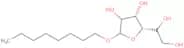
CAS:Octyl D-galactofuranoside is a disaccharide that is found in the plant Gossypium hirsutum. It has been shown to have antibacterial activity and can be used as an alternative to antibiotics. Octyl D-galactofuranoside has been shown to inhibit the growth of bacteria by binding to chloride ions and inhibiting bacterial cell wall synthesis. It also acts synergistically with other antibiotics, such as penicillin, ampicillin, sulfonamides, tetracycline, erythromycin, and cefadroxil. This compound has been shown to be biodegradable and o-glycosylated. Octyl D-galactofuranoside also has anti-leishmanial activity.Fórmula:C14H28O6Pureza:Min. 95%Cor e Forma:White PowderPeso molecular:292.37 g/mol2-Hydroxypropyl-b-cyclodextrin - Endotoxin level below 20 EU/g
CAS:2-Hydroxypropyl-b-cyclodextrin is a water-soluble drug that is chemically stable in aqueous media. It has been shown to be safe for use in the eye, with no significant side effects. 2-Hydroxypropyl-b-cyclodextrin has been shown to have anti-inflammatory properties and will not cause hemolytic activity. 2-Hydroxypropyl-b-cyclodextrin binds to retinoic acid receptors, which are found on cells of the corneal surface and in human spermatozoa. The binding of retinoic acid inhibits the production of enzymes that break down retinoids and prevents cell proliferation. This agent also interacts with other cellular components such as proteins, lipids, carbohydrates, nucleic acids, and hormones.
Fórmula:C42•(H)70n•O35•(C3H7)nPureza:Min. 95%1,4:3,6-Dianhydro-2,5-di-O-methyl-D-glucitol
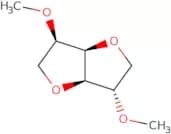
CAS:Sustainable solvent used widely in cosmetic and pharmaceutical formulationsFórmula:C8H14O4Pureza:Min. 95%Cor e Forma:PowderPeso molecular:174.19 g/molMannide monooleate
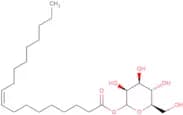
CAS:Mannide monooleate is a naturally occurring fatty acid that is found in the lipid bilayer of cell membranes. It has shown to be effective in the treatment of a number of chronic inflammatory diseases, such as arthritis and inflammatory bowel disease. Mannide monooleate is also being explored as an adjuvant for vaccines, and has shown efficacy against leishmania infection.Fórmula:C24H44O6Pureza:Min. 95%Cor e Forma:PowderPeso molecular:428.61 g/molA,D-6-di-acetyl-beta-Cyclodextrin
This beta-cyclodextrin (β-CD) derivative is a functionalized cyclic oligosaccharide composed of seven glucose units, characterized by a hydrophilic exterior and a lipophilic cavity (bigger than α-CD and smaller than γ-CDs), which allows it to encapsulate various guest molecules. This structural feature facilitates its use in multiple applications, including pharmaceuticals, food enhancement, and cosmetics. In the pharmaceutical industry, it enhances the solubility and stability of poorly water-soluble drugs, improving their bioavailability and efficacy while also masking unpleasant tastes. The food sector utilizes it as a stabilizer for flavors, colors, and nutrients, extending shelf life by protecting sensitive ingredients from degradation. In cosmetics, it serves as a complexing agent for fragrances and active components, ensuring their stability and controlled release. Its use expands to many other fields, including nanotechnology for drug delivery systems, environmental remediation for extracting organic pollutants, textiles for slow-release fragrances, and analytical chemistry for chiral separation.Fórmula:C46H74O37Pureza:Min. 95%Cor e Forma:PowderPeso molecular:1,219.06 g/molHexakis-(6-azido-6-deoxy)-a-cyclodextrin
Alpha-cyclodextrin (α-CD) derivative with a hydrophilic exterior and lipophilic cavity (smaller than β-CDs and γ-CDs) to allocate certain guest molecules. This structural characteristic enables applications in molecular encapsulation, solubility enhancement, and stabilization across multiple industries. In pharmaceuticals, it serves as a drug delivery vehicle, enhancing the bioavailability and stability of active ingredients. The food industry utilizes it as a stabilizer for flavors, colors, and nutrients, as well as a functional ingredient for its effects on lipid metabolism. In cosmetics, it acts as a complex agent for fragrances and active components. Its applications extend to analytical chemistry for chiral separation and to materials science for developing smart materials and nanosystems.Fórmula:C36H54N18O24Pureza:Min. 95%Cor e Forma:PowderPeso molecular:1,122.92 g/mol1,3-α-1,6-α-D-Mannotriose 1-O-propylamine acetate
1,3-a-1,6-a-D-Mannotriose 1-O-propylamine acetate salt is a modified oligosaccharide. It has been synthesized by the reaction of 1,3-a-1,6-a-D-mannopyranosyl bromide with proline amine acetate. This product is 98% pure and can be used as a complex carbohydrate in research or as a food additive. The CAS number for this product is 712092-14-8.Fórmula:C23H43O18NPureza:Min. 95%Cor e Forma:PowderPeso molecular:621.58 g/molNeodiosmin
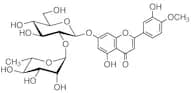
CAS:Fórmula:C28H32O15Pureza:>95.0%(HPLC)Cor e Forma:Light yellow to Yellow to Orange powder to crystalinePeso molecular:608.552-Acetamido-2,4-dideoxy-4-fluoro-α-D-glucopyranose
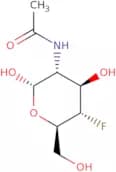
CAS:2-Acetamido-2,4-dideoxy-4-fluoro-a-D-glucopyranose is a synthetic, fluorinated carbohydrate. It is a monosaccharide that is made by the substitution of an acetamido group with a fluoro group at C2 and C4 of the glucose molecule. This product has been synthesized using Click chemistry to modify the 2’ position and methylation at C5. The target use for this product is as a sugar in order to glycosylate or polysaccharide. This compound has been shown to have high purity and can be custom synthesized, depending on the needs of the customer.Fórmula:C8H14FNO5Pureza:Min. 95 Area-%Cor e Forma:PowderPeso molecular:223.2 g/molLactosylceramide
CAS:Asialylated glycosphingolipid and precursor for ganglioside biosynthesis. The compound is a major glycosphingolipid in human neutrophils and is involved in the regulation of superoxides as well as nitric oxide. Moreover, lactosylceramide accumulates in atherosclerotic plaques and is also found elevated in familial hypercholesterolemia and polycystic kidney disease. Animal studies revealed that lactosylceramide induces hypertrophy in cardiomyocytes via signal transduction pathway that is oxygen-sensitive.
Fórmula:C53H101NO13Pureza:Min. 90 Area-%Cor e Forma:White Yellow PowderPeso molecular:960.37 g/molD-Melezitose, monohydrate
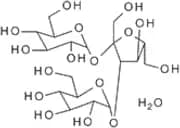
CAS:Melezitose is a non-reducing trisaccharide that is produced by many plant sap-consuming insects, such as aphids (e.g. Cinara pilicornis). Melezitose is a component of honeydew which acts as an attractant for ants and also as food for bees. Partial hydrolysis of melizitose releases glucose and turanose, an isomer of sucrose.Fórmula:C18H34O17Pureza:Min. 98 Area-%Cor e Forma:White PowderPeso molecular:522.45 g/molCellulose, particle size 20μm
CAS:Cellulose with a particle size of 20μm is an industrial biomass material that has various applications. It is commonly used in the production of paper, textiles, and biofuels. Cellulose is a complex carbohydrate that provides structural support to plant cell walls. It can also be used as an excipient in pharmaceutical formulations, such as in the production of tablets.Pureza:Min. 95%Cor e Forma:PowderLacto-N-fucopentaose I-BSA
Lacto-N-fucopentaose I-BSA is a Glycosylation, Oligosaccharide, sugar, Synthetic, Fluorination, Custom synthesis, Methylation, Monosaccharide, Polysaccharide, saccharide.Pureza:Min. 95%N-Acetyl-D-quinovosamine
CAS:N-Acetyl-D-quinovosamine is a chemical compound that belongs to the group of quinovosamines. It is an acidic molecule with a pKa of 3.5 and is soluble in water, methanol, and acetic acid. N-Acetyl-D-quinovosamine has been shown to inhibit the growth of P. aeruginosa strains, which are human pathogens. This drug binds to the bacterial cell wall by competitive inhibition and prevents the formation of an antibiotic-inhibitor complex with the enzyme cell wall synthesis that is required for cell wall biosynthesis, inhibiting protein synthesis and cell division. N-Acetyl-D-quinovosamine also inhibits the production of hydrogen fluoride (HF) by bacteria as well as their ability to produce ammonia from nitrite or nitrate ions.Fórmula:C8H15NO5Pureza:Min. 95%Cor e Forma:PowderPeso molecular:205.21 g/mol6-O-a-D-Glucosyl-a-cyclodextrin
CAS:Alpha-cyclodextrin (α-CD) derivative with a hydrophilic exterior and lipophilic cavity (smaller than β-CDs and γ-CDs) to allocate certain guest molecules. This structural characteristic enables applications in molecular encapsulation, solubility enhancement, and stabilization across multiple industries. In pharmaceuticals, it serves as a drug delivery vehicle, enhancing the bioavailability and stability of active ingredients. The food industry utilizes it as a stabilizer for flavors, colors, and nutrients, as well as a functional ingredient for its effects on lipid metabolism. In cosmetics, it acts as a complex agent for fragrances and active components. Its applications extend to analytical chemistry for chiral separation and to materials science for developing smart materials and nanosystems.Fórmula:C42H70O35Pureza:Min. 95%Peso molecular:1,134.98 g/mol6-Deoxy-6-thio-a-cyclodextrin
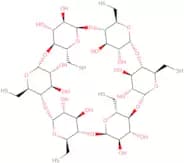
CAS:Alpha-cyclodextrin (α-CD) derivative with a hydrophilic exterior and lipophilic cavity (smaller than β-CDs and γ-CDs) to allocate certain guest molecules. This structural characteristic enables applications in molecular encapsulation, solubility enhancement, and stabilization across multiple industries. In pharmaceuticals, it serves as a drug delivery vehicle, enhancing the bioavailability and stability of active ingredients. The food industry utilizes it as a stabilizer for flavors, colors, and nutrients, as well as a functional ingredient for its effects on lipid metabolism. In cosmetics, it acts as a complex agent for fragrances and active components. Its applications extend to analytical chemistry for chiral separation and to materials science for developing smart materials and nanosystems.Fórmula:C36H60O24S6Pureza:Min. 95%Peso molecular:1,069.24 g/molMonofucosyl (1-2)-iso-lacto-N-octaose I
Monofucosyl (1-2)-iso-lacto-N-octaose I is an oligosaccharide found in human milkPureza:Min. 95%Neu5Acα(2-3)Galβ(1-4)Glc-β-pNP
CAS:Fórmula:C29H42N2O21Pureza:>97.0%(HPLC)Cor e Forma:White to Light yellow to Green powder to crystalinePeso molecular:754.655-(Acetylamino)-2,6-anhydro-3,4,5-trideoxy-4-[[(1,1-dimethylethoxy)carbonyl]amino]-D-glycero-D-galacto-non-2-enonic acid
CAS:5-(Acetylamino)-2,6-anhydro-3,4,5-trideoxy-4-[[(1,1-dimethylethoxy)carbonyl]amino]-D-glycero-D-galacto-non-2-enonic acid is an oligosaccharide sugar. It is a complex carbohydrate that contains a methylated glycosylation site and is fluorinated. The CAS number for 5-(Acetylamino)-2,6-anhydro-3,4,5-trideoxy-4-[(1,1dimethylethoxy)carbonyl]amino]-DglyceroDgalacto non 2 enonic acid is 16683074. This product can be custom synthesized to your specifications and has high purity.Fórmula:C16H26N2O9Pureza:Min. 95%Peso molecular:390.39 g/molDiclofenac acyl-D-glucuronide
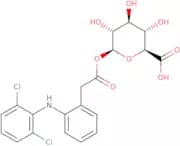
CAS:Diclofenac acyl-D-glucuronide is a nonsteroidal anti-inflammatory drug that inhibits the enzyme activity of aminotransferase. This leads to a decrease in the production of prostaglandins, which are responsible for the inflammatory response. Diclofenac acyl-D-glucuronide has been shown to have antiulcer effects in vitro and in vivo. It also decreases the uptake of diclofenac by human tubule cells, which may be due to its reactive nature. The clinical relevance of this drug is still under investigation, but it is believed that diclofenac acyl-D-glucuronide could play a role in wastewater treatment because it can be easily extracted from water samples with analytical chemistry techniques.Fórmula:C20H19Cl2NO8Pureza:Min. 95 Area-%Cor e Forma:Off-White Yellow PowderPeso molecular:472.27 g/molSugammadex
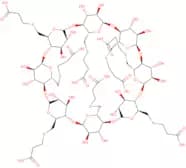
CAS:Sugammadex is a modified gamma-cyclodextrin specifically designed to reverse the effects of steroidal non-depolarizing neuromuscular blocking drugs, particularly rocuronium and vecuronium. In anesthesiology, it offers a novel approach to neuromuscular blockade reversal by directly encapsulating and inactivating these muscle relaxants. Sugammadex forms tight 1:1 complexes with free plasma rocuronium or vecuronium molecules, rapidly reducing their concentration at the neuromuscular junction. This mechanism allows for fast and predictable reversal of neuromuscular blockade, even from deep levels, without the need for anticholinesterases or antimuscarinic agents. Sugammadex has also shown promise in special populations, including pregnancy, pediatrics, and patients with renal or hepatic impairment.
Fórmula:C72H112O48S8Pureza:Min. 95%Peso molecular:2,002.16 g/molRengasin-4'-O-glucoside
Rengasin-4'-O-glucoside (RG4G) is a natural glycoside that belongs to the category of sugar derivatives. It has versatile uses and can be used as a building block for complex compounds, as well as in research chemicals, pharmaceuticals, and cosmetics. RG4G also has many applications in chemistry, including being used as a reagent or speciality chemical. RG4G is also an important intermediate in organic synthesis, which can be used to synthesize many useful compounds. The compound is often used as a scaffold for larger molecules.
Pureza:Min. 95%UDP-N-acetyl-D-mannosamine
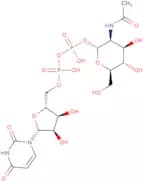
CAS:UDP-N-acetyl-D-mannosamine is a precursor of the sugar nucleotide UDP-N-acetylglucosamine. It is synthesized in the cytoplasm by the enzyme UDP-N-acetylglucosamine 2-epimerase, which converts UDP-N-acetylglucosamine to UDP-N-acetylmannosamine. This enzyme also catalyzes the conversion of UDP-N-[3′,5′]-diacetamido mannosamine to UDP-[3′,5′]-diacetamido glucuronic acid. The enzyme has been found in Streptococcus spp., including Streptococcus pneumoniae and Streptococcus pyogenes serogroup A (group A streptococci). It has also been detected in other bacteria, including Neisseria meningitidis and Staphylococcus aureus.Fórmula:C17H27N3O17P2Pureza:Min. 95%Peso molecular:607.35 g/mol1-Deoxy-1-morpholino-D-fructose
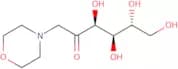
CAS:1-Deoxy-1-morpholino-D-fructose is a drug that has been shown to have an inhibitory effect on the production of dinitrophenol, leading to a decrease in the level of reactive oxygen species. The drug binds to lysine residues of proteins and forms adducts with physiological function. 1-Deoxy-1-morpholino-D-fructose also inhibits human serum albumin concentration, which may be due to its ability to inhibit oxidative DNA damage. This drug has been shown to be effective in vivo for treating autoimmune diseases and diabetes.Fórmula:C10H19NO6Pureza:Min. 95%Peso molecular:249.26 g/mol

![2-[(Azidoacetyl)amino]-2-deoxy-D-galactose](/_next/image/?url=https%3A%2Fstatic.cymitquimica.com%2Fproducts%2F3D%2Fthumb-webp%2FMA32519.webp&w=3840&q=75)











![5-(Acetylamino)-2,6-anhydro-3,4,5-trideoxy-4-[[(1,1-dimethylethoxy)carbonyl]amino]-D-glycero-D-gal…](/_next/image/?url=https%3A%2Fstatic.cymitquimica.com%2Fproducts%2F3D%2Fthumb-webp%2FMA58736.webp&w=3840&q=75)