Glicociência
Subcategorias de "Glicociência"
- Amino açúcares(108 produtos)
- Anticorpos Glico-Relacionados(283 produtos)
- Glicolípidos(46 produtos)
- Glicosaminoglicanos (GAGs)(55 produtos)
- Glicosídeos(419 produtos)
- Monossacáridos(6.617 produtos)
- Oligossacarídeos(3.718 produtos)
- Polissacáridos(505 produtos)
Foram encontrados 11021 produtos de "Glicociência"
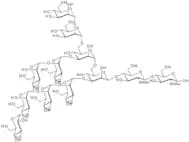
GT2-Oligosaccharide
GT2 oligosaccharide (free acid) has a core trisaccharide structure (GalNAcβ1,4Galβ1,4Glc) with three sialic acid residues (NeuAc) linked α2,8/α2,8/α2,3 to the inner galactose residue (Ledeen, 2009). GT2 oligosaccharide is the carbohydrate moiety in the GT2 ganglioside. A key role has been reported for gangliosides, such as, GT1b and GT2 as modulators in the interaction between microglia (resident cells of the brain that regulate brain development) and brain tumors. It is possible that they will be important targets for therapeutical intervention in the near future (Daniele, 2020). In addition, C-series gangliosides, such as GT3, GT2, GQ1c, and CP1c are expressed in normal pancreatic tissue but are practically lost in the pancreas of diabetic animals (Saito, 1999).Fórmula:C53H83N4O40Na3Pureza:Min. 95%Peso molecular:1,485.2 g/mol22-Dehydroclerosterol glucoside
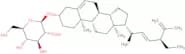
CAS:22-Dehydroclerosterol glucoside is a biochemical that has been shown to have antihepatotoxic activity. It has been shown to inhibit the production of glutamate and oxaloacetate in the liver, as well as phosphatase activity, which may be due to its ability to inhibit glutamate oxaloacetate transaminase. 22-Dehydroclerosterol glucoside can be extracted from clerodendrum species or synthesized from 22-dehydrocholesterol. This product is an alkaline substance with a chemical structure similar to that of cholesterol. It is used in parameters for determining glutamic oxaloacetic transaminase (GOT).Pureza:Min. 95%N-Acetyl-D-glucosamine 6-acetate
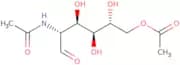
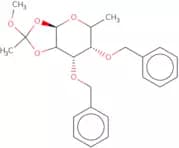
CAS:N-Acetyl-D-glucosamine 6-acetate is a modification of the sugar N-acetyl-D-glucosamine. It is an Oligosaccharide, which is a complex carbohydrate consisting of two or more simple sugars. N-Acetyl-D-glucosamine 6-acetate can be custom synthesized and is available in high purity. The CAS number for this compound is 131832-93-4. Synthetic modifications of this compound include methylation, glycosylation and fluorination. This compound can also be considered a polysaccharide because it consists of many saccharides connected together by glycosidic bonds.Fórmula:C10H17NO7Pureza:Min. 97 Area-%Cor e Forma:White PowderPeso molecular:263.24 g/mol3,4-Di-O-benzyl-1,2-O-(1-methoxyethylidene)-b-L-rhamnopyranose
3,4-Di-O-benzyl-1,2-O-(1-methoxyethylidene)-b-L-rhamnopyranose is a custom synthesis of high purity. It is a sugar with click modification and fluorination. 3,4-Di-O-benzyl-1,2-O-(1-methoxyethylidene)-b-L-rhamnopyranose has been synthesized by glycosylation, methylation, and modification of the carbohydrate moiety. This product is an oligosaccharide or monosaccharide that belongs to the group of carbohydrates. 3,4-Di-O-benzyl 1,2 O-(1 methoxyethylidene) b L rhamnopyranose is also known as CAS No., which is a number assigned to chemicals for identification purposes.Fórmula:C23H28O6Pureza:Min. 95%Peso molecular:400.48 g/molNorfluoxetine b-D-glucuronide
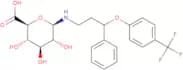
CAS:Norfluoxetine is a selective serotonin reuptake inhibitor (SSRI) that is metabolized to the active metabolite, norfluoxetine b-D-glucuronide. The metabolism of norfluoxetine b-D-glucuronide has been shown to be inhibited by estradiol. Norfluoxetine b-D-glucuronide also exhibits antioxidant activity, which may be related to its ability to modulate expression of genes encoding antioxidant proteins. Norfluoxetine b-D-glucuronide has been found in wastewater and wastewater treatment plant effluents, suggesting this drug may have an environmental impact. The transcriptome of organisms exposed to norfluoxetine b-D-glucuronide has been studied and it was found that there are some genes that are responsive to this drug.
Fórmula:C22H24F3NO7Pureza:Min. 95%Cor e Forma:White PowderPeso molecular:471.42 g/mol2'-Fucosyllactose-BSA
2'-Fucosyllactose-BSA is a high purity, custom synthesis, synthetic oligosaccharide. It is a glycosylated and methylated monosaccharide that can be used for Click modification with azido-functionalized molecules. 2'-Fucosyllactose-BSA has a CAS number of 113959-06-8 and an Oligosaccharide content of >95%. It is soluble in water and has a Glycosylation content of >95% and a Carbohydrate content of >95%.Pureza:Min. 95%2,3,4-Tri-O-acetyl-a-L-rhamnopyranosyl azide
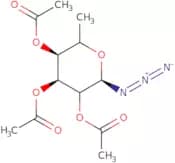
CAS:2,3,4-Tri-O-acetyl-a-L-rhamnopyranosyl azide (AraG) is a triazole glycoside that is synthesized by the reaction of an acetylene glycosyl donor with a glycosyl acceptor. It has been shown to have high purity and custom synthesis. 2,3,4-Tri-O-acetyl-a-L-rhamnopyranosyl azide has been used for click modification and fluorination. It can be used to modify saccharides such as oligosaccharides and monosaccharides.Fórmula:C12H17N3O7Pureza:Min. 95%Peso molecular:315.28 g/mol2,3,5-Tri-O-p-chlorobenzoyl-b-D-ribofuranosyl chloride
CAS:2,3,5-Tri-O-p-chlorobenzoyl-b-D-ribofuranosyl chloride is a glycosylation inhibitor that inhibits the synthesis of complex carbohydrates. It is used in the preparation of oligosaccharides and sugar derivatives. 2,3,5-Tri-O-p-chlorobenzoyl-b-D-ribofuranosyl chloride is synthesized by reacting an activated glycosylin with chloroformic acid in the presence of sodium hydroxide. This reaction can also be carried out with a variety of sugars including dextrose, fructose and glucose. Methylation at the 2 position of the benzoyl group can be accomplished by refluxing 2,3,5 -tri -O -p -chlorobenzoyl b -D -ribofuranosyl chloride with methyl iodide in dry acetone for 4 hrs. The methylated product can be purifiedFórmula:C26H18Cl4O7Pureza:Min. 95%Peso molecular:584.23 g/molFucoidan - Alaria
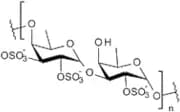
CAS:A fucan sulphate found in brown marine algae (Phaeophyta-typically Fucus serratus, Ascophyllum nodosum, Alaria (illustrated) and Macrocystis pyrifyra and has been shown to have anticoagulant activity. The main constituents are α-1,4 and α-1,2 linked L-fucose sulphates although galactose also occurs and there are many variations of the basic structure found in different species of Phaeophyta. The image was kindly provided by Prof Mike Guiry from Cork who runs ‘The Seaweed Site’.Pureza:Min. 95%Cor e Forma:Powder2'-O-a-D-Ribofuranosyladenosine
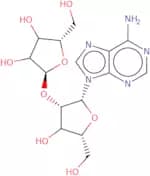
CAS:2'-O-a-D-Ribofuranosyladenosine is a synthetic carbohydrate. It has the molecular formula C5H6N2O4 and a molecular weight of 207.14. 2'-O-a-D-Ribofuranosyladenosine is an Oligosaccharide, with the chemical name of 2'-O-a-D-Ribofuranosyladenosine and the CAS number of 82481-73-0. This product is in the Carbohydrate, Modification category and can be used as a Custom synthesis or Synthetic product.Fórmula:C15H21N5O8Pureza:Min. 95%Peso molecular:399.36 g/mol1,6:2,3-Dianhydro-4-O-(2',3',4',6'-tetra-O-acetyl-b-D-glucopyranosyl)-b-D-mannopyranose
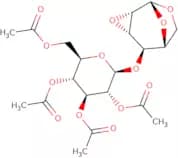
CAS:1,6:2,3-Dianhydro-4-O-(2',3',4',6'-tetra-O-acetyl-b-D-glucopyranosyl)-b-D-mannopyranose is a custom synthesis of an oligosaccharide that contains a saccharide. It belongs to the class of carbohydrates and can be used in research as a fluorinated complex carbohydrate for modification. This product is not intended for human or animal consumption.
Fórmula:C20H26O13Pureza:Min. 95%Peso molecular:474.41 g/mol4-O-Benzyl-D-glucal
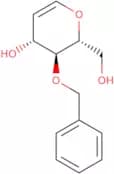
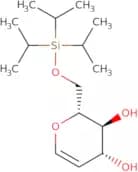
CAS:4-O-Benzyl-D-glucal is an organic solvent and a reactive intermediate, which has been used as a reagent for allylic oxidation. It reacts with halogens, such as chlorine or bromine, to form the corresponding halohydrin or halonium salt in high yield. 4-O-Benzyl-D-glucal is soluble in acetonitrile, benzene, and other solvents and can be used as a solvent for organic synthesis. The compound also reacts with oxygen to form solvents such as acetone or acetic acid. END>Fórmula:C13H16O4Pureza:Min. 95%Peso molecular:236.26 g/mol6-O-Triisopropylsilyl-D-glucal
CAS:6-O-Triisopropylsilyl-D-glucal is a silyl ether that can be used as a protecting group for benzyl alcohol. It is an efficient, large-scale synthesis of the benzyl alcohol and d-glucuronolactone. 6-O-Triisopropylsilyl-D-glucal accelerates the reaction by removing water as a byproduct of the reaction, simplifying the synthesis to just two steps. This product is also useful for synthesizing other products with similar structures.
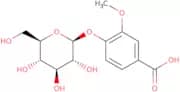
Fórmula:C15H30O4SiPureza:Min. 95%Peso molecular:302.48 g/molVanillic acid 4-beta-D-glucoside
CAS:Vanillic acid 4-beta-D-glucoside is a Custom synthesis that is used as an Oligosaccharide. It is Polysaccharide and Modification of the natural product vanillin. Vanillic acid 4-beta-D-glucoside has CAS No. 32142-31-7, Methylation, Glycosylation, Carbohydrate, Click modification, saccharide, sugar, High purity and Fluorination. It is also Synthetic.Fórmula:C14H18O9Pureza:Min. 95%Peso molecular:330.29 g/molD-Arabinose phenylhydrazone
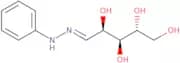
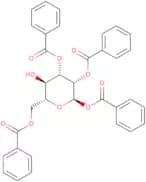
CAS:D-Arabinose phenylhydrazone is a synthetic compound that is used in the study of stereoisomers. It has a D-arabinose and a phenylhydrazine group, which are connected through an amide linkage. D-Arabinose phenylhydrazone is structurally similar to the natural ligand for phosphatase, bovine serum albumin (BSA). This similarity allows it to be used as a substrate for BSA, and also as a ligand for phosphatase enzymes. The acidic functional groups on this molecule allow it to react with tissues and tissue samples that contain carboxylic acid groups. This makes it useful in the study of human urine and tissue samples from other mammals.Fórmula:C11H16N2O4Pureza:Min. 95%Peso molecular:240.26 g/mol1,2,3,6-Tetra-O-benzoyl-a-D-mannopyranose
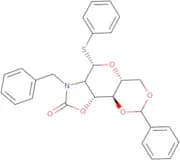
CAS:1,2,3,6-Tetra-O-benzoyl-a-D-mannopyranose is a modification of the sugar mannose. It is an oligosaccharide that contains four mannoses and one D-mannopyranose. This product is custom synthesized to order and can be modified with fluorination or saccharide methylation. It is available in high purity and can be used as a monosaccharide or polysaccharide.Fórmula:C34H28O10Pureza:Min. 95%Peso molecular:596.58 g/molPhenyl N-Benzyl-2-amino-4,6-O-benzylidene-2-N,3-O-carbonyl-2-deoxy-1-thio-b-D-glucopyranoside
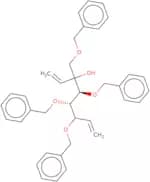
CAS:Phenyl N-Benzyl-2-amino-4,6-O-benzylidene-2-N,3-O-carbonyl-2-deoxy-1-thio-b -D -glucopyranoside is a custom synthesis of a complex carbohydrate with an Oligosaccharide and Polysaccharide. It has been modified in the saccharide moiety by Methylation and Glycosylation. Phenyl N -Benzyl -2 amino 4,6 O benzylidene 2 N 3 O carbonyl 2 deoxy 1 thio b D glucopyranoside has CAS No. 910805 49 1 and is fluorinated at the phenolic hydroxyl group. The sugar is synthesized with a high purity, fluorination and synthetic modification.Fórmula:C27H25NO5SPureza:Min. 95%Peso molecular:475.56 g/mol4,5,6-Tri-O-benzyl-3-benzyloxymethyl-octa-1,7-dien-3-ol
4,5,6-Tri-O-benzyl-3-benzyloxymethyl-octa-1,7-dien-3-ol is an oligosaccharide that is synthesized by the modification of a simple sugar with two benzyloxymethyl groups. It can be used as a carbohydrate in pharmaceuticals and other applications.
Fórmula:C37H40O5Pureza:Min. 95%Peso molecular:564.71 g/molBlood group B trisacchharide-APE-HSA
Blood group B trisacchharide-APE-HSA is a synthetic carbohydrate that inhibits the synthesis of complex carbohydrates. The methylation of saccharides and polysaccharides can be accomplished by the addition of an amine to the 3′ hydroxyl group. In this reaction, the sugar is attached to a protein carrier (e.g., human serum albumin) via an amide bond, which prevents its degradation by proteases in the body. The modification of saccharides and polysaccharides is also accomplished through click chemistry, which is based on copper catalysis. This process involves attaching two functional groups through a copper-mediated reaction, forming a new carbon-carbon bond. Modification of saccharides and oligosaccharides can be accomplished using either chemical or enzymatic methods. Sugar modification can be achieved using high purity enzymes that have been custom synthesized for specific purposes (e.g., glycosylation). Carbohydrate modification can
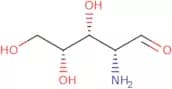
Pureza:Min. 95%2-Amino-2-deoxy-D-xylose
CAS:2-Amino-2-deoxy-D-xylose is a metal chelator that can be used in the treatment of infections caused by bacteria. It has been shown to have synergistic effects with metaperiodate, a compound that inhibits bacterial growth by blocking the synthesis of folic acid. 2-Amino-2-deoxy-D-xylose also chelates and removes heavy metals such as mercury and lead from the bloodstream and other tissues. In addition, this drug is an efficient method for producing amino function pyrimidine nucleosides, which are precursors to DNA and RNA synthesis. The metal chelate ring is formed through dehydration of a furanose molecule with a chloride ion. This leads to an advanced carbohydrate product that contains chlorine.
Pureza:Min. 95%Fluphenazine b-D-glucuronide
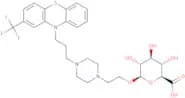
CAS:Produto ControladoFluphenazine is a phenothiazine antipsychotic agent that is metabolized by the liver to form fluphenazine b-D-glucuronide. This compound has been shown to have high yield and an electron affinity. Fluphenazine b-D-glucuronide is a primary alcohol with a phenolic hydroxyl group. It can be synthesized using immobilized enzyme, which is an electron donor, and an aliphatic substrate such as methanol. The reaction product is incubated for six hours before it undergoes glucuronidation.Fórmula:C28H34F3N3O7SPureza:Min. 95%Peso molecular:613.65 g/mol4'-Hydroxytrazodone b-D-glucuronide
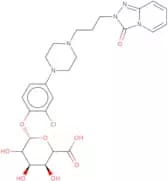
CAS:4'-Hydroxytrazodone b-D-glucuronide is a modification of the drug 4'-hydroxytrazodone, which is used to treat hypertension and depression. The modification prevents the degradation of 4'-hydroxytrazodone by glucuronyl transferase enzymes in the liver, prolonging its half-life. It is synthesized from the glycogen or starch of plants such as corn, wheat, or potatoes. This compound can also be found in natural sources such as honey and fruit juices.
Fórmula:C25H30ClN5O8Pureza:Min. 95%Peso molecular:564 g/molSucralose-d6
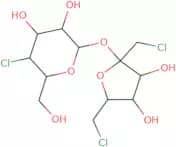
CAS:Sucralose is a non-nutritive artificial sweetener that has no calories and is used in place of sugar. It is made from sucrose by substituting three hydrogen-oxygen groups with three chlorine atoms. The deuterium isotope, D6, was used to prepare this compound for analysis because it only emits positrons that can be detected using a PET scanner. Sucralose-d6 was shown to have high resistance to degradation due to its strong bond between the carbon and oxygen atoms in the molecule. This property makes it more stable than other sugars and carbohydrates which are subject to hydrolysis by enzymes in wastewater treatment plants. Deionized water can be used as a sample preparation solvent for sucralose-d6 because it does not contain any ions that may react with this compound.
Fórmula:C12H19Cl3O8Pureza:Min. 95%Peso molecular:403.7 g/mol2-Naphthylmethyl 2-acetamido-2-deoxy-b-D-glucopyranoside
CAS:2-Naphthylmethyl 2-acetamido-2-deoxy-b-D-glucopyranoside is a synthetic, fluorinated monosaccharide. It is a custom synthesis that can be glycosylated and methylated to produce polysaccharides. It has been shown to inhibit cancer cell growth in vitro and in vivo by inhibiting protein synthesis.Fórmula:C19H23NO6Pureza:Min. 95%Peso molecular:361.39 g/molUDP-a-D-Xylose disodium
CAS:UDP-a-D-Xylose disodium is a fluorinated synthetic monosaccharide that has been synthesized to produce an oligosaccharide. It is a complex carbohydrate with glycosylation and polysaccharide modifications, which can be modified by methylation or click chemistry. This product is usually used as a custom synthesis for research purposes.
Pureza:Min. 95%Methyl b1-4-D-xylobioside
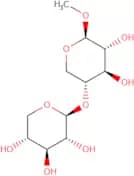
CAS:Methyl b1-4-D-xylobioside is a bioreactor that binds to the carbohydrate binding domain of the enzyme. It has been shown to be reactive with galactose and other glycosides, and is used as a substrate for electrophotographic analysis. This product also has immobilized properties, which make it suitable for use in an acceptor column in order to purify oligosaccharides or gene products with similar sequences. Methyl b1-4-D-xylobioside is used as a selective inhibitor of tuberculosis by binding to the enzyme mycobactin synthase, which is involved in the biosynthesis of mycolic acids.Fórmula:C11H20O9Pureza:Min. 95%Peso molecular:296.27 g/molN-Acetylmuramic acid methyl ester
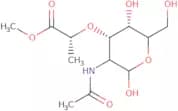
CAS:N-Acetylmuramic acid methyl ester is a methylated form of saccharides that are used in the synthesis of polysaccharides. It is synthesized by the addition of methanol to N-acetylmuramic acid, and can be used as a raw material for glycosylation reactions. This compound has been shown to have high purity and can be custom synthesized. The fluorination of this compound has been reported to improve its reactivity and stability.Fórmula:C12H21NO8Pureza:Min. 95%Peso molecular:307.3 g/mol5-O-Benzyl-2,3-O-Isopropylidene-L-lyxonic acid-1,4-lactone
5-O-Benzyl-2,3-O-isopropylidene-L-lyxonic acid-1,4-lactone is a modification of the Oligosaccharide. It is an oligomeric sugar that has a complex carbohydrate structure. The 5-O-Benzyl group is a methylation of the hydroxyl group on C5 in the sugar. This compound has been synthetically prepared and is available for custom synthesis. It can also be found as a CAS No., which is assigned to a substance that has been assigned an International Chemical Identifier (CAS) number. The CAS number for 5-O-Benzyl-2,3-O-isopropylidene - L - lyxonic acid - 1,4 - lactone is 90160–28–9. The monosaccharide form of this compound is methylated at C5 and glycosylated at C6Pureza:Min. 95%Methyl 6-O-(b-D-galactopyranosyl)-b-D-galactopyranoside
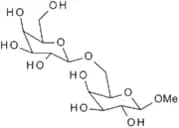
Methyl 6-O-(b-D-galactopyranosyl)-b-D-galactopyranoside is a white crystalline solid that belongs to the category of carbohydrates. It is a synthetic carbohydrate with a molecular weight of 496.06 and a CAS number of 3489-94-3. This product has been custom synthesized for research purposes, and can be purchased in high purity (>98%) from various suppliers. It is an oligosaccharide that contains a single sugar unit, which is galactose. This product has been modified with fluorination and methylation to prevent hydrolysis by esterases and glucuronidases, respectively. It also has glycosylation sites on the terminal glucose residues that allow for further modification with other carbohydrates or proteins. The methyl 6-O-(b-D-galactopyranosyl)-b-D-galactopyranoside can be used as an affinity ligandFórmula:C13H24O11Pureza:Min. 95%Peso molecular:356.32 g/mol(4-Chlorophenyl)methyl-beta-D-glucopyranoside
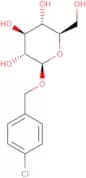
CAS:4-Chlorophenyl)methyl-beta-D-glucopyranoside is a modified saccharide that is used as a synthetic building block in the synthesis of complex carbohydrates. It is also possible to use 4-chlorophenyl)methyl-beta-D-glucopyranoside as an intermediate in the synthesis of oligosaccharides. The compound has been shown to be stable under acidic conditions, making it useful for the modification of polysaccharides.Fórmula:C13H17ClO6Pureza:Min. 95%Peso molecular:304.72 g/mol2-O-Benzyl-D-mannose
2-O-Benzyl-D-mannose is a monosaccharide that is glycosylated with glucose in the 2-position. It is also known as benzylmannoside and can be methylated at the C6 position or fluorinated at the C2 position. It has been shown to be synthetically modified with benzaldehyde, nitrobenzene, or thioacetamide. The CAS number for this compound is 51179-25-4.Pureza:Min. 95%1,2,3,6-Tetra-O-acetyl-4-O-(2,3,4,6-tetra-O-acetyl-b-D-mannopyranosyl)-D-glucopyranose
CAS:1,2,3,6-Tetra-O-acetyl-4-O-(2,3,4,6-tetra-O-acetyl-b-D-mannopyranosyl)-D-glucopyranose is a synthetic sugar that has been modified by the methylation of the hydroxyl groups at C1 and C6 with acetaldehyde. This sugar is used in glycosylation reactions to modify proteins and other biomolecules. The product is a white crystalline solid that has a CAS number of 132341-46-9. It can be custom synthesized for research purposes or as a high purity material for commercial use.Fórmula:C28H38O19Pureza:Min. 95%Peso molecular:678.59 g/molD-Gluconic acid calcium salt monohydrate
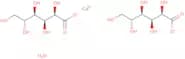
CAS:D-Gluconic acid calcium salt monohydrate (DGC) is a metabolite of the digestion of glucose. It is a calcium salt that is usually formed in the gut due to the neutralization of acids by sodium bicarbonate. DGC has been shown to be effective for treatment of bowel diseases such as ulcerative colitis, but has not been tested for other conditions. DGC has been shown to have antioxidant properties, which may be responsible for its therapeutic effects in treating bowel disease. The structural analysis of DGC show that it can form stable complexes with many drugs and therefore may interfere with their absorption and distribution into tissue cells. It also can increase the risk of drug interactions because it inhibits P-glycoprotein, an efflux pump protein that pumps drugs out of cells. DGC also may cause metabolic disorders due to its ability to inhibit enzymes involved in glycolysis and gluconeogenesis, including pyruvate kinase, phosphofructokinFórmula:C12H22CaO14·H2OPureza:Min. 95%Peso molecular:448.39 g/molGlobotriose-GEL
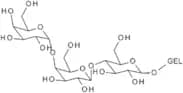
Immobilised on Fractogel with glycosylamine formation of the monosaccharide
Pureza:Min. 95%Cor e Forma:White Liquid6'-Sulpho Lewisx-BSA
6'-Sulpho Lewisx-BSA is a complex carbohydrate that contains a saccharide moiety with a sulfated Lewisx epitope. It has been synthesized using click chemistry and modified with methylation and fluorination to yield the desired structure. The carbohydrate is of high purity and can be used in research as a model for glycosylation and glycosidic linkage. The carbohydrate also has properties that are analogous to those observed in glycoconjugates, such as antibodies and lectins.
Pureza:Min. 95%3-[(2,3,4,6-Tetra-O-acetyl-b-D-galactopyranosyl)thio]-propanoic acid
CAS:3-[(2,3,4,6-Tetra-O-acetyl-b-D-galactopyranosyl)thio]-propanoic acid is a modified carbohydrate with the chemical formula (C14H12O4S). It is an oligosaccharide composed of a saccharide and a sugar. The saccharide portion of 3-[(2,3,4,6-Tetra-O-acetyl-b-D-galactopyranosyl)thio]-propanoic acid is classified as a carbohydrate and has CAS number 79360-05-7. The sugar portion of 3-[(2,3,4,6-Tetra-O-acetyl-b-DFórmula:C17H24O11SPureza:Min. 95%Peso molecular:436.43 g/mol2,3,6,2',3',4',6'-Hepta-O-acetyl-b-D-cellobiosyl azide
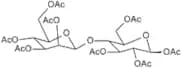
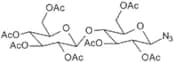
CAS:2,3,6,2',3',4',6'-Hepta-O-acetyl-b-D-cellobiosyl azide is a sugar that belongs to the group of carbohydrates. It is modified with fluorination and glycosylation. The CAS number for this compound is 33012-50-9. 2,3,6,2',3',4',6'-Hepta-O-acetyl-b-D-cellobiosyl azide has been synthesized and its chemical modification has been studied. This compound has an average degree of polymerization (DP) of 10. The molecular weight of 2,3,6,2',3',4',6'-Hepta-O-acetyl-b -D -cellobiosyl azide is 569.27 g/mol.Fórmula:C26H35N3O17Pureza:Min. 95 Area-%Cor e Forma:PowderPeso molecular:661.6 g/mol4,6-O-Benzylidene-1,3-di-O-methyl-a-D-mannopyranoside
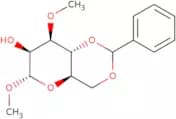
CAS:4,6-O-Benzylidene-1,3-di-O-methyl-a-D-mannopyranoside is an antiviral agent that has been shown to inhibit the replication of a number of RNA and DNA viruses. The compound binds to the active site of the virus and reacts with nucleophilic groups on the sugar ring. This reaction leads to a nitro group being introduced into the sugar ring of the virus. This nitro group is then alkylated by nucleophilic groups in proteins and other cellular components. 4,6-O-Benzylidene-1,3-di-O-methyla D mannopyranoside has been shown to inhibit hepatitis A virus (HAV) infection in vitro and in vivo.Fórmula:C15H20O6Pureza:Min. 95%Peso molecular:296.32 g/molLaminarioctaose
CAS:Ex algal/bacterial polysaccharides-value in b1-3 glucanase assays & diagnosticsFórmula:C48H82O41Pureza:Min. 95%Peso molecular:1,315.14 g/mol1-Hydroxypyrene-d9
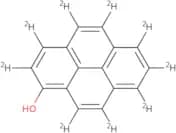
CAS:Produto Controlado1-Hydroxypyrene-d9 is a genotoxic aromatic hydrocarbon that can be found in the environment as a byproduct of combustion and cigarette smoke. It has been shown to cause DNA damage through oxidative stress and genotoxicity. This compound can be used for the detection of naphthalene in bile samples and urine samples. 1-Hydroxypyrene-d9 also has potential use in cancer research as it can be used to detect oxidative damage to DNA in cells. It has been shown to have synchronous fluorescence with DNA, which makes it useful for quantification of DNA. 1-Hydroxypyrene-d9 is analysed using analytical methods such as fluorescence spectrometry, synchronous fluorescence, and sample preparation.Fórmula:C16HD9OPureza:Min. 95%Cor e Forma:PowderPeso molecular:227.3 g/molN-Glycinyl-1-deoxy-D-glucitol
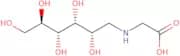
CAS:N-Glycinyl-1-deoxy-D-glucitol is a custom synthesis product. It is an oligosaccharide that can be modified to produce polysaccharides or saccharides. The chemical name of this product is methyl 2,6-anhydro-2,6-dideoxyglucitol and the molecular weight is 242.17 g/mol. The CAS number for this compound is 57195-13-8 and it has a purity level of >99%. This compound can be used in a wide variety of applications such as Methylation, Click modification, Carbohydrate chemistry, Oligosaccharide chemistry, Polysaccharide chemistry, saccharide chemistry, Fluorination chemistry, complex carbohydrate chemistry and Monosaccharide chemistry.Fórmula:C8H17NO7Pureza:Min. 95%Peso molecular:239.22 g/mol4-O-Acetyl-3,6-di-O-(3,4,6-tri-O-acetyl-1,2-ethylidene-b-D-mannopyranosyl)-1,2-ethylidene-b-D-mannopyranose
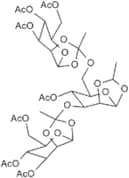
CAS:Methylation of 4-O-acetyl-3,6-di-O-(3,4,6-tri-O-acetyl-1,2-ethylidene bDmannopyranosyl)-1,2-ethylidene bDmannopyranose with methyl iodide and potassium carbonate in the presence of sodium hydroxide leads to the formation of 4-O-acetyl 3,6 di O-(3,4,6 tri O acetyl 1 , 2 ethylene b D mannopyranosyl)-1 , 2 ethylene b D mannopyranose. This compound is a polysaccharide that is similar to cellulose. It is used in the synthesis of complex carbohydrates.Fórmula:C38H52O25Pureza:Min. 95%Peso molecular:908.8 g/molL-[6-13C]Sorbose
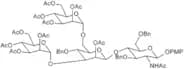
CAS:L-[6-13C]Sorbose is a modified sugar that is synthesized from D-glucose, L-sorbose, and 13C-labeled methyl groups. This compound can be used to study the methylation and glycosylation of polysaccharides and oligosaccharides.Fórmula:C513CH12O6Pureza:Min. 95%Peso molecular:181.15 g/mol4-Methoxyphenyl 2-acetamido-4-O-[2-O-acetyl-3,6-di-O-(2,3,4,6-tetra-O-acetyl-a-D-mannopyranosyl)-4-O-benzyl-b-D-mannopyranosyl]-3,6- di-O-benzyl-2-deoxy-b-D-glucopyranoside
This product is a custom synthesis and modification of a natural product. The chemical name is 4-Methoxyphenyl 2-acetamido-4-O-[2-O-acetyl-3,6-di-O-(2,3,4,6-tetra-O-acetyl-aDmannopyranosyl)-4-ObenzylbDmannopyranosyl]-3,6diOBenzyl2deoxybDglucopyranoside. This molecule has been fluorinated with trifluoromethanesulfonic acid in the presence of polystyrene as an initiator to form the desired compound. The molecular weight of this molecule is 1,895.09 g/mol. This product was synthesized by methylation using methanol and ammonium chloride as reagents in the presence of tetrapropylammonium perruthenate as catalyst for the process.Fórmula:C72H87NO31Pureza:Min. 95 Area-%Cor e Forma:PowderPeso molecular:1,462.45 g/mol4-Methylphenyl 3,4,6-tri-O-acetyl-2-O-benzyl-b-D-thiogalactopyranoside
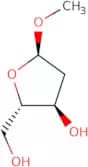
CAS:4-Methylphenyl 3,4,6-tri-O-acetyl-2-O-benzyl-b-D-thiogalactopyranoside is a synthetically produced saccharide typically used as a building block in oligo-saccharide synthesis.Fórmula:C26H30O8SPureza:Min. 95%Peso molecular:502.58 g/molMethyl 2-deoxy-a-L-ribofuranoside
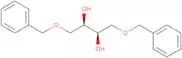
CAS:Methyl 2-deoxy-a-L-ribofuranoside is a modification of a monosaccharide. It is synthesized by reacting 2,3,4,6-tetra-O-methylglucose with sodium nitrite in the presence of hydrochloric acid. Methyl 2-deoxy-a-L-ribofuranoside is used to modify saccharides and polysaccharides.Fórmula:C6H12O4Pureza:Min. 95%Peso molecular:148.16 g/mol(+)-1,4-Di-O-benzyl-D-threitol
CAS:(+)-1,4-Di-O-benzyl-D-threitol is a carbohydrate which is an enantiomer of D-threitol. It has been used as a model membrane to investigate the interaction of divalent cations with the lipid bilayer. The (+) form of this compound has been shown to be catalytic in the desymmetrization of racemic mixtures of carbohydrates. This enantiomer can be readily chromatographically separated from its mirror image by chiral chromatography techniques.Fórmula:C18H22O4Pureza:Min. 95%Peso molecular:302.36 g/mol2-Acetamido-2-deoxy-a-D-galactopyranosyl-(N-Fmoc)-L-threonine tert-butyl ester
CAS:2-Acetamido-2-deoxy-a-D-galactopyranosyl-(N-Fmoc)-L-threonine tert-butyl ester is a fluorinated carbohydrate that is synthesized from 2,3,4,6-tetraacetylorthoquinone and L-threonine tert butyl ester. It has a purity of 99%.Fórmula:C31H40N2O10Pureza:Min. 95%Peso molecular:600.66 g/mol2,3,4,6-Tetra-O-acetyl-1-O-(2,3,4-tri-O-benzoyl-a-L-fucopyranosyl)-D-galactopyranoside
2,3,4,6-Tetra-O-acetyl-1-O-(2,3,4-tri-O-benzoyl-a-L-fucopyranosyl)-D-galactopyranoside is a glycosylated polysaccharide that has been modified by methylation and fluorination. It is synthesized from the monosaccharide D galactopyranose with a 2,3,4,6 tetra O acetyl group at the 1 position.
Fórmula:C41H42O17Pureza:Min. 95%Peso molecular:806.76 g/molMan-9-Glc N-Glycan
CAS:Man-9-Glc N-Glycan is a synthetic carbohydrate that is a modification of the natural sugar, Man-9-GlcNAc. It can be used as an ingredient in pharmaceutical products, such as vaccines and other therapeutic agents. This product is a custom synthesis that can be produced to order.Fórmula:C76H128N2O61Pureza:Min. 95%Peso molecular:2,045.81 g/mol




![3-[(2,3,4,6-Tetra-O-acetyl-b-D-galactopyranosyl)thio]-propanoic acid](/_next/image/?url=https%3A%2Fstatic.cymitquimica.com%2Fproducts%2F3D%2Fthumb-webp%2FMT04253.webp&w=3840&q=75)
![L-[6-13C]Sorbose](/_next/image/?url=https%3A%2Fstatic.cymitquimica.com%2Fproducts%2F3D%2Fthumb-webp%2FMS35536.webp&w=3840&q=75)