Glicociência
Subcategorias de "Glicociência"
- Amino açúcares(108 produtos)
- Anticorpos Glico-Relacionados(284 produtos)
- Glicolípidos(46 produtos)
- Glicosaminoglicanos (GAGs)(55 produtos)
- Glicosídeos(419 produtos)
- Monossacáridos(6.622 produtos)
- Oligossacarídeos(3.693 produtos)
- Polissacáridos(506 produtos)
Foram encontrados 11036 produtos de "Glicociência"
2-Allyloxycarbonylamino-2-deoxy-D-galactose
2-Allyloxycarbonylamino-2-deoxy-D-galactose is a monosaccharide that is synthetically modified for use as a synthetic building block in the synthesis of complex carbohydrates and saccharides. This compound is fluorinated at the 2 position to increase its water solubility, which makes it useful for chemical modifications. It has been shown to be methylated and glycosylated.
Pureza:Min. 95%Octyl b-D-thiogalactopyranoside
CAS:Octyl b-D-thiogalactopyranoside is a methylated derivative of galactose. It is a polysaccharide that is used to modify saccharides and oligosaccharides for research purposes. The product is used in glycosylation reactions and can be custom synthesized to meet specific requirements. Octyl b-D-thiogalactopyranoside has been modified with fluorine, which increases its stability against hydrolysis. The product is also available in high purity, making it ideal for use in synthesis reactions.
Fórmula:C14H28O5SCor e Forma:PowderPeso molecular:308.44 g/molRef: 3D-DO08841
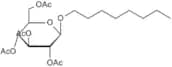
Produto descontinuadoOctyl 2,3,4,6-tetra-O-acetyl-b-D-glucopyranoside
CAS:Octyl 2,3,4,6-tetra-O-acetyl-b-D-glucopyranoside is an analog of 6-(trifluoromethyl)indoxyl beta-D-galactopyranoside. It is a potent antituberculosis agent that inhibits the growth of Mycobacterium tuberculosis and has been shown to be active against other bacteria in vitro. Octyl 2,3,4,6-tetra-O-acetyl-b-D-glucopyranoside inhibits bacterial growth by binding to DNA dependent RNA polymerase and prevents transcription and replication. This compound has been tested for its ability to inhibit neoplastic cell proliferation in humans.Fórmula:C22H36O10Pureza:(%) Min. 95%Cor e Forma:PowderPeso molecular:460.52 g/mol2-Deoxy-2-fluoro-D-arabinofuranose
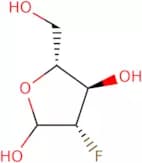
CAS:2-Deoxy-2-fluoro-D-arabinofuranose is a purine nucleoside that is used in the diagnosis and treatment of herpes simplex virus infection. It inhibits viral replication by competitively inhibiting acycloguanosine, an enzyme that catalyzes the conversion of 2’-deoxyguanosine to deoxyadenosine. 2-Deoxy-2-fluoro-D-arabinofuranose has been shown to be active against cancer cells and can be used as chemotherapeutic agent. This drug may also be used for the diagnosis of cancer by detecting the presence of activated T cells in patients with tumor necrosis factor α (TNFα) receptor gene polymorphism.
Fórmula:C5H9FO4Pureza:Min. 95%Cor e Forma:PowderPeso molecular:152.12 g/molRef: 3D-MD06006
Produto descontinuado1,2:3,4:5,6-Tri-O-isopropylidene-D-glycero-L-gulo-heptitol
1,2:3,4:5,6-Tri-O-isopropylidene-D-glycero-L-gulo-heptitol is a fluorinated monosaccharide that is synthesized from D-glucose. It is used as an experimental carbohydrate for glycosylation and modification reactions with other compounds. 1,2:3,4:5,6-Tri-O-isopropylidene-D-glycero-L-gulo-heptitol has a CAS number of 152400–59–1.
Pureza:Min. 95%L-Idonic acid sodium
CAS:L-Idonic acid sodium is a plant hormone that regulates carbohydrate metabolism. It has been shown to regulate the synthesis of galacturonic acid and malic acid, which are important for the production of glucose. L-Idonic acid sodium also regulates the synthesis of fatty acids, which are important for cell membrane formation. L-Idonic acid sodium is an intermediate in the biosynthesis of l-tartaric acid, which is an enzyme substrate. The gene product that encodes this molecule has been characterized as a protein with a molecular weight of approximately 9,000 daltons and a hydroxyl group on C-3.
Fórmula:C6H11O7NaPureza:Min. 95%Cor e Forma:PowderPeso molecular:218.15 g/molRef: 3D-MI170962
Produto descontinuado3-Epicasuarine
CAS:3-Epicasuarine is an Oligosaccharide, which is a carbohydrate with a low molecular weight. It has two monosaccharides, which are the structural units of carbohydrates. 3-Epicasuarine is a glycosylation product of sucrose and glycine and has been fluorinated at the 8-position. The chemical formula for 3-Epicasuarine is C6H14FO4S2. This compound can be custom synthesized to meet your specifications or it can be purchased from us at a reasonable price.
A variety of modifications are available including methylation, click chemistry, and modification with saccharride residues such as maltose or glucose.
3-Epicasuarine may be used in the synthesis of oligosaccharides or as an intermediate in the synthesis of complex carbohydrates. It has been shown to have high purity and can be synthesized at any desired purity level.Fórmula:C8H15NO5Pureza:Min. 95%Peso molecular:205.21 g/molα-D-Mannose-1-phosphate sodium
CAS:α-D-Mannose-1-phosphate sodium is a synthetically made mannose phosphate. This compound is used in the synthesis of oligosaccharides and glycoproteins.
Fórmula:C6H11Na2O9PPureza:Min. 98 Area-%Cor e Forma:White PowderPeso molecular:304.1 g/molMaltodecaose - min 90%
CAS:α 1,4-glucodecasaccharide derived from starch by hydrolysis and chromatography
Fórmula:C60H102O51Cor e Forma:White PowderPeso molecular:1,639.42 g/mol2,3-O-Isopropylidene-hamamelono-1,4-lactone
2,3-O-Isopropylidene-hamamelono-1,4-lactone is an Oligosaccharide with a Glycosylation that is Synthetic and Fluorinated. It has a Custom synthesis and Methylation. This product is Monosaccharide and Polysaccharide. It has a Click modification, a complex carbohydrate, and is High purity. The CAS number for this product is 62968-07-1.
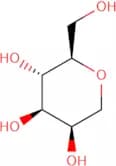
Pureza:Min. 95%1,5-Anhydro-D-mannitol
CAS:1,5-Anhydro-D-mannitol is a monosaccharide that is used as an active ingredient in many pharmaceuticals. It is synthesized by the reaction of benzyl chloride with galactose. The compound has been shown to have radical scavenging activities and to inhibit the formation of carbonyl groups and hydroxyl radicals. 1,5-Anhydro-D-mannitol has also been shown to be effective against dendrobium candidum. This substance is tasteless and has a sweet taste at high concentrations.br>
1,5-Anhydro-D-mannitol is a molecule that consists of two hydroxyl groups and one deuterium atom. The molecule has a basic ph and can exist in six different forms depending on the orientation of the hydrogen atoms on the hydroxyl group. In addition, it contains one acidic ph because it contains a carboxylic acid group on one side.Fórmula:C6H12O5Pureza:Min. 97 Area-%Cor e Forma:PowderPeso molecular:164.16 g/molRef: 3D-MA06625
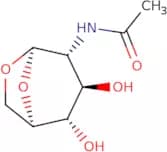
Produto descontinuado2-Acetamido-1,6-anhydro-2-deoxy-β-D-glucopyranose
CAS:2-Acetamido-1,6-anhydro-2-deoxy-b-D-glucopyranose is widely used in carbohydrate chemistry. It is used as reagent for the synthesis of oligosaccharides and also as a precursor in the synthesis of oligopeptides. 2-Acetamido-1,6-anhydro-2-deoxy-b-D-glucopyranose is an analog of levoglucosan, a compound that is often used to trace for biomass burning in enviromental chemistry studies.
Fórmula:C8H13NO5Pureza:Min. 95%Cor e Forma:PowderPeso molecular:203.19 g/molFucoidan, fucus serratus
CAS:A fucan sulphate found in brown marine algae (Phaeophyta-typically Fucus serratus, Ascophyllum nodosum (illustrated), Laminaria japonica and Macrocystis pyrifyra) and has been shown to have anticoagulant activity. The main constituents are α-1,4 and α-1,2 linked L-fucose sulphates although galactose also occurs and there are many variations of the basic structure found in different species of Phaeophyta.
The image was kindly provided by Prof Mike Guiry from Cork who runs ‘The Seaweed Site’.Pureza:Min. 95%Cor e Forma:White PowderRef: 3D-YF09360
Produto descontinuado1-Deoxy- 6- O- tert.butyl dimethylsilyl]- 3, 4- O- isopropylidene-D- Psicofuranose
This complex carbohydrate is a modification of the 6-O-tert.butyl dimethylsilyl]psicofuranose. It is an Oligosaccharide that has been modified with methylation, glycosylation, and Click modification of the sugar moieties. The CAS number for this complex carbohydrate is 10963-29-3, and it has a purity of 99%.
Pureza:Min. 95%1-Amino-D-butane-2,3,4-triol
1-Amino-D-butane-2,3,4-triol is a custom synthesis of 1,2,3,4-1-amino butane. It has been modified with fluorination and methylation. This product has a CAS number of 20897-16-0. The molecular weight is 152.17 g/mol and the molecular formula is C6H11NO3. This product is a synthetic compound that consists of monosaccharides and oligosaccharides. The glycosylation is Oligosaccharide and saccharide. It can be found in the carbohydrate category as it contains complex carbohydrates.
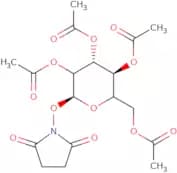
Pureza:Min. 95%O-(2,3,4,6-Tetra-O-acetyl-b-D-galactopyranosyl)-N-hydroxysuccinimide
CAS:O-(2,3,4,6-Tetra-O-acetyl-b-D-galactopyranosyl)-N-hydroxysuccinimide is a synthetic glycosylation reagent. It has the CAS number 896730-84-0 and is available for custom synthesis. O-(2,3,4,6-Tetra-O-acetyl-b-D-galactopyranosyl)-N-hydroxysuccinimide is used in the synthesis of oligosaccharides and saccharides. It is also used in click chemistry to modify proteins and other biomolecules. This product has a purity of 99% or higher and can be modified at any position with fluorination or methylation.
Fórmula:C18H23NO12Pureza:Min. 95%Peso molecular:445.37 g/molL-Xylosamine
L-Xylosamine is a carbohydrate that has been modified with fluorine. It is a monosaccharide and is found in plant cell walls. L-Xylosamine can be custom synthesized and has a high purity level. It is also methylated and glycosylated, which makes it an ideal compound for click chemistry.
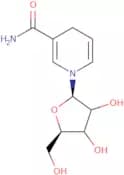
Fórmula:C5H11NO4Pureza:Min. 95%Peso molecular:149.15 g/molReduced nicotinamide riboside
CAS:The reduced form of nicotinamide riboside or NRH is a potent NAD+ precursor that helps to replenish its levels in the cell. The reduced nicotinamide riboside form has shown high tolerance against degradation in plasma, which is why it is beneficial as a metabolite for the synthesis of NAD/NADH.
Fórmula:C11H16N2O5Pureza:Min. 95 Area-%Cor e Forma:Clear Viscous LiquidPeso molecular:256.26 g/molRef: 3D-MR31174
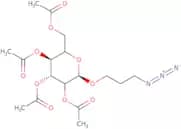
Produto descontinuado3-Azidopropyl 2,3,4,6-tetra-O-acetyl-b-D-galactopyranoside
CAS:3-Azidopropyl 2,3,4,6-tetra-O-acetyl-b-D-galactopyranoside is a Custom synthesis of the monosaccharide galactose. It is modified with fluorine at the 3 and 4 positions on the carbon chain and also has an acetyl group at the 6 position. 3-Azidopropyl 2,3,4,6-tetra-O-acetyl-b-D-galactopyranoside is synthesized from the sugar glucose by methylation of the hydroxyl groups on C1 and C2. The chemical formula for this compound is C8H14N2O5. This molecule has a molecular weight of 204.22 g/mol and its CAS number is 819053-49-1.
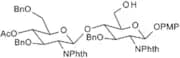
Fórmula:C17H25N3O10Pureza:Min. 95%Cor e Forma:Colorless PowderPeso molecular:431.39 g/mol4-Methoxyphenyl 4-O-(4-O-acetyl-3,6-di-O-benzyl-2-deoxy-2-phthalimido-b-D-glucopyranosyl)-3-O-benzyl-2-deoxy-2-phthalimido-b-D-gluco pyranoside
4-Methoxyphenyl 4-O-(4-O-acetyl-3,6-di-O-benzyl-2-deoxy-2-phthalimido-b-D-glucopyranosyl)-3,6,2′,4′″triphosphate (4MPP) is a methylated saccharide. It can be modified with click chemistry and has been shown to inhibit the synthesis of glycogen in the liver. 4MPP is a high purity product that has been synthesized from naturally occurring carbohydrates. It is also fluorinated for use in research.
Fórmula:C58H54N2O15Pureza:Min. 95%Peso molecular:1,019.05 g/molLincosamine
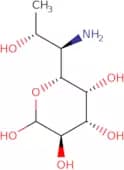
CAS:Lincosamine is a nitrogen nucleophile that reacts with the electrophilic carbon of an activated aromatic ring in a chemical reaction. Lincosamine has been shown to be effective against infectious diseases caused by bacteria, such as Staphylococcus and Streptococcus, but not against viruses. The glycosidic bond between lincosamine and glucose is stereoselective. Lincosamine binds to the hybridoma cell strain through its monoclonal antibody and can be used for pharmacokinetic properties studies. Lincosamine has been used as an antimicrobial agent in biological samples such as urine, blood, and sputum.
Fórmula:C8H17NO6Pureza:Min. 95%Peso molecular:223.22 g/mol1,3,5-Tri-O-benzoyl-2-deoxy-2-fluoro-a-D-ribofuranose
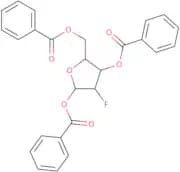
CAS:1,3,5-Tri-O-benzoyl-2-deoxy-2-fluoro-a-D-ribofuranose is a synthetic saccharide that can be used as a fluorinated carbohydrate. This compound has been shown to have high purity and can be custom synthesized with various functional groups. 1,3,5-Tri-O-benzoyl-2-deoxy-2-fluoro--aD ribofuranose is a methylated sugar that can be modified to include glycosylation or modification of the sugar with click chemistry. It has CAS number 704916121.Fórmula:C26H21FO7Pureza:Min. 95%Cor e Forma:White PowderPeso molecular:464.44 g/mol4-Acetamido-4-deoxy-D-glucose
CAS:4-Acetamido-4-deoxy-D-glucose is a custom synthesis of a monosaccharide that is modified with fluorine and methyl groups. It is synthesized by the Click modification, which involves the addition of an azide to an alkyne in a copper catalyzed reaction. 4-Acetamido-4-deoxy-D-glucose can be used as a building block for complex carbohydrate synthesis. 4-Acetamido-4-deoxy-D-glucose has shown effectiveness against fluoroquinolone resistance, as well as activity against methicillin resistant Staphylococcus aureus (MRSA) and Clostridium perfringens.
Fórmula:C8H15NO6Pureza:Min. 95%Cor e Forma:PowderPeso molecular:221.21 g/molRef: 3D-MA161350
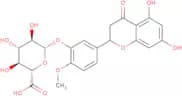
Produto descontinuadoHesperetin 3'-O-b-D-glucuronide
CAS:Hesperetin 3'-O-b-D-glucuronide is a natural product that is synthesized by glycosylation of hesperidin with 3,4,5-trihydroxybenzoic acid. It is a synthetic and complex carbohydrate that can be modified to include fluorination, monosaccharide, oligosaccharide, methylation, and click modification. Hesperetin 3'-O-b-D-glucuronide can also be used in the synthesis of polysaccharides with glycosylations. This product has high purity and can be custom synthesized for customers.
Fórmula:C22H22O12Pureza:Min. 95%Cor e Forma:Slightly Yellow PowderPeso molecular:478.4 g/molRef: 3D-MH44424
Produto descontinuadoN-Acetylmuramyl-L-alanyl-D-isoglutamine hydrate
CAS:Muramyl dipeptide is a component of the bacterial cell wall and is found in mycobacteria, mycoplasmas, spirochetes, and gram-positive bacteria. Muramyl dipeptide has been shown to induce the activation of macrophages and other cells by stimulating toll-like receptor 4. It also has significant cytotoxicity against various cancer cells, as well as potent inducers of ubiquitin ligases. The use of muramyl dipeptide in vitro was shown to inhibit replication of HIV-1 virus in human lymphocytes. This agent has also been used for the treatment of bowel disease.Fórmula:C19H32N4O11·xH2OPureza:Min. 96 Area-%Cor e Forma:PowderPeso molecular:492.48 g/molRef: 3D-MA58738
Produto descontinuadoXylitol - BP/EP
CAS:Xylitol is a sugar alcohol that has been shown to have antimicrobial properties. It has been found to be effective in inhibiting the growth of bacteria, yeast, and fungi by disrupting their cell membranes. In addition, xylitol appears to have the ability to reduce plasma glucose levels in animals and humans. Xylitol has also been shown to inhibit the growth of bacteria in acidic environments by binding with proteins on the bacterial cell membrane. This binding prevents the transport of nutrients into the cell and results in cell death. Xylitol is not metabolized by human cells because it cannot be broken down into acetaldehyde or acetate. However, xylitol can be metabolized by certain types of liver cells.
Xylitol BP/EP is a drug that belongs to the class of antidiabetic agents used for lowering blood sugar levels in patients with diabetes mellitus type II (insulin-dependent diabetes). It is an exogenous insulin secretagogue that stimulates insulin secretion from pancreaticFórmula:C5H12O5Pureza:Min. 95%Peso molecular:152.15 g/molRef: 3D-MX01244
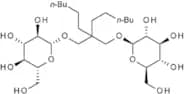
Produto descontinuadoOctyl glucose neopentyl glycol
CAS:Octyl glucose neopentyl glycol is a ubiquitin ligase inhibitor that prevents the ubiquitination and degradation of target proteins. It has been shown to inhibit protein synthesis in bacteria. Octyl glucose neopentyl glycol has been used to study the role of cytosolic proteins in emphysema. It was found that octyl glucose neopentyl glycol inhibits the production of these proteins by preventing the interaction between an ubiquitin-like protein and its substrate, thereby inhibiting protein synthesis. Octyl glucose neopentyl glycol also inhibits cancer cells by blocking fatty acid synthase, which is necessary for cell proliferation. This inhibitor can be used as a structural probe to determine enzyme-substrate interactions, such as those that occur with bacterial strain and protein synthesis. It can also be used to study the structure of proteins by exposing them to light or using inhibitors drugs.
Fórmula:C27H52O12Pureza:Min. 98 Area-%Cor e Forma:PowderPeso molecular:568.69 g/molRef: 3D-DO14034
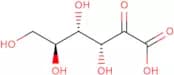
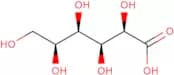
Produto descontinuado3-Deoxy-L- threo- 2- hexulosaric acid
CAS:3-Deoxy-L-threo-2-hexulosaric acid is a sugar that is modified by the addition of a fluorine atom to one of its hydroxyl groups. 3-Deoxy-L-threo-2-hexulosaric acid is used in the synthesis of complex carbohydrates and oligosaccharides. It is also used in the modification of saccharides, sugars, and polysaccharides. 3-Deoxy-L-threo-2-hexulosaric acid can be custom synthesized according to your specifications. It can be synthesized with high purity at our labs.
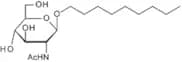
Pureza:Min. 95%Nonyl 2-acetamido-2-deoxy-b-D-glucopyranoside
CAS:Nonyl 2-acetamido-2-deoxy-b-D-glucopyranoside is a new type of cycle control method that has been developed for the stabilization of dynamically coordinated systems. It is based on the observation that stable cycles can be generated by coordinating the system with an electrode. The power consumption of this control method is lower than that of other methods, which makes it suitable for applications requiring high efficiency and low power consumption.Fórmula:C17H33NO6Pureza:Min. 95%Peso molecular:347.45 g/molL-Xylose
CAS:L-Xylose is a monosaccharide that is found in many plants. It is used as a sweetener, and also has been shown to be beneficial in the treatment of diabetic neuropathy. L-Xylose can be metabolized by the enzyme xylitol dehydrogenase to produce energy for the cell. The enzyme catalyzes the conversion of xylitol to D-xylulose and then D-xylulose 1-phosphate, which can be converted into ATP for use by cells. L-Xylose is not metabolized by bacterial enzymes and does not affect blood sugar levels. L-Xylose has been shown to have an effect on taste perception, with a sweet taste at concentrations of 10 milligrams per liter (mg/L). This sweet taste is due to its hydroxymethyl group on the C2 position, which reacts with sodium ions in the mouth. The optimum pH for L-xylose
Fórmula:C5H10O5Pureza:Min. 99.0 Area-%Peso molecular:150.13 g/molRef: 3D-X-8000
Produto descontinuado1-O-Methyl-α-D-glucopyranoside
CAS:Methyl α-D- glucopyranoside is a methylated sugar used as an inhibitor of lectin-conjugate binding. Methyl α-D- glucopyranoside is commonly used in protein purification for eluting glycoproteins and other glycoconjugates from affinity chromatography columns of agarose lectin. Methyl α-D- glucopyranoside is also known as Methyl alpha-D-glucoside or alpha-Methyl-glucoside.
Fórmula:C7H14O6Pureza:Min. 99.0 Area-%Peso molecular:194.19 g/molRef: 3D-M-3593
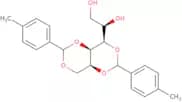
Produto descontinuadoBis(p-methylbenzylidene)sorbitol
CAS:Bis(p-methylbenzylidene)sorbitol is an organic solvent that has been used in a variety of applications, including polyolefin production, as an additive for plastics, and as a surface treatment for metals. Bis(p-methylbenzylidene)sorbitol also has been used to reduce the weight of paper and textiles. It is synthesized by the reaction of vinyl alcohol with dibenzylidene sorbitol in the presence of base. Bis(p-methylbenzylidene)sorbitol can be identified by its crystalline structure, which consists of three molecules of glucose linked together. Bis(p-methylbenzylidene)sorbitol is a colorless liquid that has no odor or taste and it has a low viscosity. This chemical is also soluble in organic solvents such as benzene or ethylene glycol ethers.
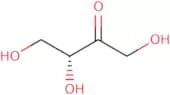
Fórmula:C22H26O6Pureza:Min. 95%Cor e Forma:PowderPeso molecular:386.44 g/molD-Erythrulose - 1M Aqueous solution
CAS:D-erythrulose is a monosaccharide with the chemical structure of erythrose. It is structurally related to glycolaldehyde, which is a precursor in the biosynthesis of ribose. D-Erythrulose has been used for diagnosis and identification of various bacteria, such as C. glutamicum and Brucella species, by serological tests, as well as for the detection of gene products in E. coli K-12 cells. The determination of ATP levels in Brucella species has also been performed using magnetic resonance spectroscopy (MRS) after incubation with D-erythrulose.
Fórmula:C4H8O4Pureza:Min. 90 Area-%Cor e Forma:Clear LiquidPeso molecular:120.1 g/molRef: 3D-MD178896
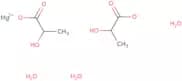
Produto descontinuadoMagnesium L-lactate
CAS:Magnesium L-lactate is a form of magnesium that is found in the human body, and it is often used to treat women with depressive disorders. This drug works by reducing the synthesis of cholesterol and increasing the level of serotonin in the brain. Magnesium L-lactate is not readily absorbed by the body, so it has low bioavailability. It also has an adverse effect on heart rate and cardiac rhythm, so people who have these conditions should avoid using this drug. The particle size of this drug is high, which can lead to low bioavailability.
Fórmula:C6H10MgO6Pureza:Min. 95%Peso molecular:202.45 g/molCarboxymethyl curdlan
CAS:Carboxymethyl curdlan is widely used in the preparation of nanoparticles for biomedical applications. Following the synthesis of superparamagnetic iron oxide nanoparticles (SPIN) capped with carboxymethyl curdlan for use in cellular and in vivo imaging applications, the stability and dispersibility of SPIN in water were greatly improved with the introduction of the carboxymethyl curdlan moiety. Recently, a green and simple route was proposed to synthesize Ag nanoparticles using carboxymethylcurdlan under UV irradiation.
Cor e Forma:PowderRef: 3D-YC46079
Produto descontinuadoMethyl 3-O-benzyl-b-D-xylopyranoside
Methyl 3-O-benzyl-b-D-xylopyranoside is a modified oligosaccharide that is used in the synthesis of complex carbohydrate structures. It has been shown to be a good substrate for glycosylation. Methyl 3-O-benzyl-b-D-xylopyranoside is also a monosaccharide, and can be fluorinated to produce a saccharide with potential antiholistic properties.
Pureza:Min. 95%2,5-Anhydro-D-mannitol
CAS:2,5-Anhydro-D-mannitol is a glucose analogue that is metabolized by the body to produce energy. It has been shown to inhibit the proliferation of HL-60 cells in vitro, and also inhibits glucose uptake and utilization in liver cells. 2,5-Anhydro-D-mannitol has been shown to have a direct effect on cellular metabolism and ATP levels. This molecule interacts with cell surface glycoproteins and nitrous oxide (NO) through hydrogen bonding interactions. 2,5-Anhydro-D-mannitol also appears to regulate peptide hormone production in the liver. The hydroxyl group on this molecule is responsible for its redox potential. In addition, 2,5-Anhydro-D-mannitol can induce cell lysis by interfering with protein synthesis due to its enzyme activities.
Fórmula:C6H12O5Pureza:Min. 98 Area-%Cor e Forma:PowderPeso molecular:164.16 g/molD-Tagatose
CAS:D-Tagatose is a sugar that is found naturally in some dairy products such as yogurt. It is a complex carbohydrate that can be modified by methylation, fluorination, and click chemistry. D-Tagatose has been shown to have anti-inflammatory properties in animal studies and can inhibit the growth of bacteria such as Escherichia coli and Helicobacter pylori.
D-tagatose is water soluble, stable at high temperatures, and does not react with other compounds; it also has a CAS number of 87-81-0. D-tagatose can be custom synthesized to meet your needs.Fórmula:C6H12O6Pureza:Min. 98.5 Area-%Peso molecular:180.16 g/molRef: 3D-W-200517
Produto descontinuado2-Keto-L-gluconic acid
CAS:Please enquire for more information about 2-Keto-L-gluconic acid including the price, delivery time and more detailed product information at the technical inquiry form on this page
Fórmula:C6H10O7Pureza:Min. 95%Peso molecular:194.14 g/molColchicoside
CAS:Colchicoside is a natural compound that belongs to the chemical family of phenylpropanoids. It is used in the treatment of gout and pseudogout, and has been shown to be effective against demecolcine-induced hemolytic activity. Colchicoside has also shown to be an analog for other compounds with toxicological studies, such as hydrochloric acid and potassium dichromate. The toxicity studies performed on colchicoside have shown that it can cause damage to cells in culture by inhibiting DNA repair mechanisms.
Fórmula:C27H33NO11Pureza:Min. 95%Cor e Forma:PowderPeso molecular:547.55 g/molb-D-Galactosylceramide
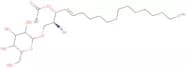
CAS:Inducer of cytochine and chemochine production in blood cells
Pureza:Min. 95%5-Thio-a-D-mannose
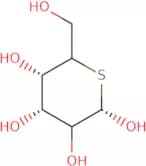
CAS:5-Thio-a-D-mannose is a disaccharide that contains a sulfhydryl group. It has been shown to be a cellular and trackable molecule, which can be acetylated by mercuric chloride. The glycosidases of this molecule are mannosidases, which cleave the 5th carbon from the glycosidic linkage of the sugar. This is an important process for a variety of biological functions, such as the synthesis of DNA and proteins. In addition, this disaccharide is involved in various metabolic pathways, including glycolysis and gluconeogenesis.
Fórmula:C6H12O5SPureza:Min. 95%Peso molecular:196.22 g/mol6-Azido-6-deoxy-b-cyclodextrin
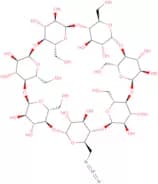
CAS:This beta-cyclodextrin (β-CD) derivative is a functionalized cyclic oligosaccharide composed of seven glucose units, characterized by a hydrophilic exterior and a lipophilic cavity (bigger than α-CD and smaller than γ-CDs), which allows it to encapsulate various guest molecules. This structural feature facilitates its use in multiple applications, including pharmaceuticals, food enhancement, and cosmetics. In the pharmaceutical industry, it enhances the solubility and stability of poorly water-soluble drugs, improving their bioavailability and efficacy while also masking unpleasant tastes. The food sector utilizes it as a stabilizer for flavors, colors, and nutrients, extending shelf life by protecting sensitive ingredients from degradation. In cosmetics, it serves as a complexing agent for fragrances and active components, ensuring their stability and controlled release. Its use expands to many other fields, including nanotechnology for drug delivery systems, environmental remediation for extracting organic pollutants, textiles for slow-release fragrances, and analytical chemistry for chiral separation.
Fórmula:C42H69N3O34Pureza:Min. 98 Area-%Cor e Forma:PowderPeso molecular:1,160 g/molRef: 3D-OA44686
Produto descontinuadoEthyl 2-acetamido-2-deoxy-b-D-galactopyranoside
Ethyl 2-acetamido-2-deoxy-b-D-galactopyranoside is a custom synthesis, fluorinated, modified with methyl and acetamido groups, monosaccharide with a CAS number. It is synthesized by the modification of galactose with an acetamido group and then reacting it with ethyl bromoacetate. It is a saccharide that can be used to modify glycoproteins. This compound has been used in the synthesis of oligosaccharides and polysaccharides. Ethyl 2-acetamido-2-deoxy-b-D-galactopyranoside is also known as a sugar or carbohydrate.
Fórmula:C10H19NO6Pureza:Min. 95%Cor e Forma:SolidPeso molecular:249.26 g/molD-Altrose
CAS:D-Altrose is an alpha-hydroxy acid that is synthesized from D-arabinose and trifluoroacetic acid. It has been shown to be a substrate for the synthesis of oligosaccharides, which are important in carbohydrate chemistry. This molecule can also be used as a reagent in the preparation of carbohydrates with a specific configuration at C2. One use of this product is in generating analytical methods that can distinguish between D-altrose and D-arabinose by monitoring the ratio of hydrogen fluoride to carbonyl group signals. D-Altrose may also be used in asymmetric synthesis, where it is a useful chiral building block for the construction of galacturonic acid derivatives.
Fórmula:C6H12O6Pureza:Min. 98 Area-%Cor e Forma:White PowderPeso molecular:180.16 g/molRef: 3D-MA06614
Produto descontinuado(3S, 4R) -3, 4- Dihydroxy- 2- methyl-D- proline
(3S, 4R) -3, 4-Dihydroxy-2-methyl-D-proline is a synthetic monosaccharide. It is an intermediate in the synthesis of (3S, 4R)-3,4-dihydroxy-2-methyl-D-proline and can be used for the production of glycosylated products. This carbohydrate has been synthesized by fluorination followed by methylation and glycosylation. This is a high purity product that can be custom synthesized to meet your needs.
Pureza:Min. 95%Sucrose stearate - 25-33% monostearate
CAS:The "tallowate" esters are probably the best known derivatives of sucrose and many attempts have been made to commercialise them in order to exploit their excellent surfactant functionalities. The most functional products are the mono- and diesters of the tallow acids (stearic, palmitic, oleic) with hydrophile-lipophile balance (HLB) values that lend themselves to surfactant applications in foods and cosmetics. They also have other uses, for example in coating fruits with a semipermeable membrane that acts as a preservative. Manufacturing economics have prevented these products from mass production and they remain in niche applications.
Fórmula:C30H56O12Cor e Forma:White PowderPeso molecular:608.77 g/molRef: 3D-OS15187
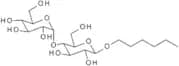
Produto descontinuadoHexyl b-D-maltopyranoside
CAS:Hexyl b-D-maltopyranoside is a biopharmaceutical that is used in drug development. It is used as a ligand for the μ-opioid receptor, which is a class of opioid receptors that are activated by morphine and endogenous peptides such as endorphins, dynorphins, and enkephalins. This ligand can be immobilized on a surface for use in immunoassays or other methods of detection. Hexyl b-D-maltopyranoside has been shown to have pharmacological effects in animal studies, although it has not yet been approved for clinical use in humans.
Fórmula:C18H34O11Pureza:Min. 95%Cor e Forma:White PowderPeso molecular:426.46 g/molRef: 3D-DH05113
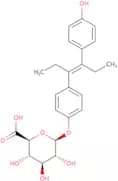
Produto descontinuadoDiethyl stilbestrol β-D-glucuronide
CAS:Diethylstilbestrol (DES) is an endogenous substance that has been shown to be a potent estrogen. It is metabolized in the body to form stilbestrol glucuronide, which is excreted in the urine. Radiolabeling studies have shown that DES has a chemical structure similar to estradiol, although its pharmacologic effects are not as potent. Diethylstilbestrol glucuronide can be used for the diagnosis of cancer and other diseases by using nuclear medicine techniques such as positron emission tomography (PET) and single-photon emission computed tomography (SPECT). Studies have also demonstrated that DES can induce erythropoietic protoporphyria in animals.
Fórmula:C24H28O8Pureza:Min. 95%Cor e Forma:White to off-white powder.Peso molecular:444.47 g/molRef: 3D-MD10197
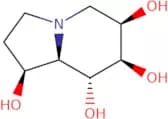
Produto descontinuado6-Epi-castanospermine
CAS:6-Epi-castanospermine is a nitro compound that is synthesized by the allylic oxidation of castanospermine. It has been shown to inhibit glycosidases and glycosidase inhibitors in vitro, including those from the families of α-amylase, α-L-arabinofuranosidases, β-hexosaminidases, α-glucuronidases, and phytases. 6-Epi-castanospermine has also been used as an intermediate for the synthesis of chiral polyhydroxylated compounds. The 13C NMR spectrum of this compound was found to be diagnostic for its structural assignment.
Fórmula:C8H15NO4Pureza:Min. 95 Area-%Cor e Forma:White Off-White PowderPeso molecular:189.21 g/molRef: 3D-ME09488
Produto descontinuado







![1-Deoxy- 6- O- tert.butyl dimethylsilyl]- 3, 4- O- isopropylidene-D- Psicofuranose](/_next/image/?url=https%3A%2Fstatic.cymitquimica.com%2Fproducts%2F3D%2Fthumb-webp%2FMD170320.webp&w=3840&q=75)