Glicociência
Subcategorias de "Glicociência"
- Amino açúcares(108 produtos)
- Anticorpos Glico-Relacionados(283 produtos)
- Glicolípidos(46 produtos)
- Glicosaminoglicanos (GAGs)(55 produtos)
- Glicosídeos(419 produtos)
- Monossacáridos(6.617 produtos)
- Oligossacarídeos(3.715 produtos)
- Polissacáridos(505 produtos)
Foram encontrados 11023 produtos de "Glicociência"
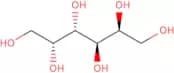
Dulcitol
CAS:A metabotoxin, a neurotoxin, and a hepatotoxin at high levels
Fórmula:C6H14O6Pureza:Min. 98 Area-%Cor e Forma:White PowderPeso molecular:182.17 g/mol3-Acetamido-3-deoxy-D-glucose
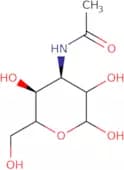
CAS:3-Acetamido-3-deoxy-D-glucose (3ADG) is a trisaccharide that is an acceptor for glycosidic reactions. It has been shown to be a good substrate for glycosidases, which hydrolyze it by cleaving the glycosidic bond between the 3rd and 4th carbon from the 3rd carbon of the D-glucose residue. The enzyme specificity for this reaction has been shown to be dependent on the stereospecificity of the enzyme. 3ADG can also be used as a synthetic precursor for oligosaccharides, such as GalNAC, where it is used as a starting material in place of glucose.Fórmula:C8H15NO6Pureza:Min. 95%Cor e Forma:PowderPeso molecular:221.21 g/molD-Cellobiose
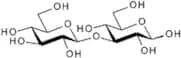
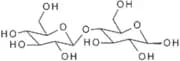
CAS:D-Cellobiose, also known as cellose, is a reducing disaccharide consisting of two β(1-4)-linked glucopyranose units. It is produced by the hydrolysis of cellulose, a homopolysaccharide of glucose with β(1-4)-linkages. Cellobiose constitutes the polar part of cellobiose lipids (CLs) that are secreted by yeasts and mycelia fungi. Their various biological activities have led to a range of applications in the food industry, pharmaceutical industry and in medicine. Cellobiose itself has been used as an indicator carbohydrate for Crohn's disease and malabsorption syndrome. In biotechnology, cellobiose is one of the sugars explored for the synthesis of biotensides.Fórmula:C12H22O11Pureza:Min. 97 Area-%Cor e Forma:White Off-White Crystalline PowderPeso molecular:342.30 g/molD-Lyxono-1,4-lactone
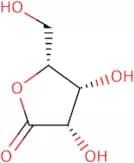
CAS:D-Lyxono-1,4-lactone is an inhibitor of the enzyme fucosidase. It competitively inhibits the enzyme, but does not inhibit other hydroxamic acids such as enantiomers of D-lyxono-1,4-lactone. D-Lyxono-1,4-lactone has been used to treat HIV and AIDS because it prevents viral replication by blocking the synthesis of glycoproteins in the virus's envelope. It also has inhibitory effects on tumor cells that are not dependent on fucosidase activity. Magnetic resonance spectroscopy (NMR) studies have shown that d-lyxono-1,4-lactone binds to human liver cells and blocks the binding site for cytotoxic molecules in these cells. The molecular modelling study has demonstrated that d-lyxono 1,4 lactone binds to a specific site on human HLA class II molecule and reduces itsFórmula:C5H8O5Pureza:(%) Min. 97%Cor e Forma:PowderPeso molecular:148.11 g/molUDP-D-glucose disodium salt
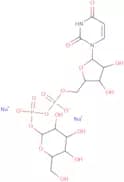
CAS:UDP-D-glucose disodium salt is a sugar-nucleotide substrate of glucosyltransferases. It’s used as the donor of glucose in the biosyntheses of glycoproteins, glycolipids and polysaccharides. It’s also used with its membrane receptor, P2RY14, to investigate innate mucosal immune responses in preventing infection in the female reproductive tract (FRT).Fórmula:C15H22N2Na2O17P2Pureza:Min. 85 Area-%Cor e Forma:White PowderPeso molecular:610.27 g/mol5-O-Acetyl-a-L-arabinofuranose
CAS:5-O-Acetyl-a-L-arabinofuranose (5OAA) is an acetylated aldonic acid. It is a custom synthesized, high purity, complex carbohydrate that has been modified by fluorination, monosaccharide modification, and glycosylation. This compound can be used to modify proteins and nucleic acids. 5OAA can be used in the synthesis of oligosaccharides and polysaccharides. 5OAA has been shown to have click chemistry modifications with methyl groups and sugars.Fórmula:C7H12O6Pureza:Min. 95%Peso molecular:192.17 g/molDextran 60, MW: 54,000 to 66,000
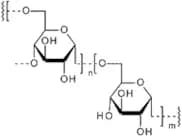
CAS:Complex glucan (a 1-6) from Leuconostoc spp.; extender in blood transfusionsFórmula:(C6H10O5)nCor e Forma:White PowderD-Ribose
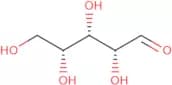
CAS:D-ribose is a pentose that is used in the metabolism of plants and humans. It has been shown to inhibit binding of inhibitors to ribose and to exhibit significant cytotoxicity against tumor cells. D-Ribose also has an important role in energy metabolism, where it is involved in the synthesis of ATP. D-Ribose has been shown to be beneficial for patients with congestive heart failure, as it improves cardiac function and reduces the size of the heart. D-Ribose may also have a role in the treatment of infectious diseases by inhibiting viral replication, as well as preventing neuronal death.Fórmula:C5H10O5Pureza:Min. 99.0 Area-%Peso molecular:150.13 g/molRef: 3D-R-5500
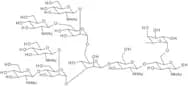
25gA consultar5kgA consultar10kgA consultar25kgA consultar2500gA consultar-Unit-kgkgA consultar2-Acetamido-4-O-{2-acetamido-4-O-[[3-O-[2,4-di-O-(2-acetamido-2-deoxy-β-D-glucopyranosyl)-α-D-mannopyranosyl]-6-O-[2,6-di-O-(2-aceta mido-2-deoxy-β-D-glucopyranosyl)-β-D-mannopyranosyl]-β-D-mannopyranosyl]]-2-deoxy-β-D-glucopyranosyl}-6-O-(α-L-fucopy
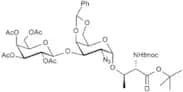
2-Acetamido-4-O-{2-acetamido-4-O-[3-O-[2,4-di-O-(2-acetamido-2,6-dideoxyb -D-glucopyranosyl)-a,D -mannopyranosyl]-6-O-[2,6 -di(2 -acetamido)-b -D -glucopyranosyl]-b D mannopyranosyl]] b D mannopyranosyl} 2,6 dideoxy b D glucopyranosyl} 6 O-(a L fucopyranosyl)}Fórmula:C72H120N6O49SPureza:Min. 95%Peso molecular:1,885.8 g/mol3-O-(2,3,4,6-Tetra-O-acetyl-b-D-galactopyranosyl)-2-azido-4,6-O-benzylidene-2-deoxy-a-D-galactopyranosyl-Fmoc threonine tert-butyl e ster
CAS:3-O-(2,3,4,6-Tetra-O-acetyl-b-D-galactopyranosyl)-2-azido-4,6-O-benzylidene-2-deoxy-a-D--galactopyranosyl (TBS) is a synthetic carbohydrate that has been modified with fluorine and methyl groups. It is a complex carbohydrate that can be used as an intermediate in the synthesis of oligosaccharides and other saccharides. TBS is a monosaccharide that can be glycosylated or methylated to form many different products. This product can be custom synthesized to meet specific customer needs.Fórmula:C50H58N4O18Pureza:Min. 95%Peso molecular:1,003.01 g/molBlood group A type 3/4 linear trisaccharide
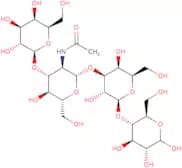
GalNAca1-3Galb1-3GalNAcFórmula:C22H38N2O16Pureza:Min. 95%Peso molecular:586.54 g/molMaltopentadecaose
CAS:Produced from starch by transglycosylation-15 a-(1,4) linked glucose residues
Fórmula:C90H152O76Pureza:Min. 85 Area-%Cor e Forma:White PowderPeso molecular:2,450.12 g/mol(3S, 5S) -1-Isopropyl-3, 4, 5- piperidinetriol
(3S, 5S) -1-Isopropyl-3, 4, 5- piperidinetriol is a synthetic oligosaccharide that has been modified by fluorination and glycosylation. It is synthesized from a sugar that is then methylated. This compound has a CAS number of 85314-88-5. It is used as an ingredient in food products to provide sweetness and bulk to baked goods.Pureza:Min. 95%4-Cyclohexylbutyl-4-O-(α-D-glucopyranosyl)-β-D-glucopyranoside
CAS:For more than two decades, there has been substantial interest in developing novel membrane mimics specifically targeted for the biochemical and biophysical characterization of membrane proteins. Examples include new types of detergents, such as cycloalkyl maltosides (CYMAL detergents).
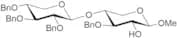
Fórmula:C22H40O11Cor e Forma:PowderPeso molecular:480.55 g/molMethyl 3-O-benzyl-4-O-(2,3,4-tri-O-benzyl-β-D-xylopyranosyl)-β-D-xylopyranoside
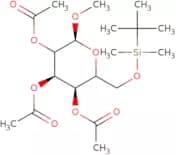
CAS:A protected xylobiose analogueFórmula:C39H44O9Pureza:Min. 95%Cor e Forma:PowderPeso molecular:656.76 g/molMethyl 2,3,4-tri-O-acetyl-6-O-tert-butyldimethylsilyl-a-D-mannopyranoside
Methyl 2,3,4-tri-O-acetyl-6-O-tert-butyldimethylsilyl-a-D-mannopyranoside is a fluorinated monosaccharide. It is used in the synthesis of oligosaccharides and polysaccharides. This chemical can also be used for glycosylation and click modifications. Methyl 2,3,4-tri-O-acetyl-6-O-tert-butyldimethylsilyl--a--D--mannopyranoside has CAS No.Fórmula:C19H34O9SiPureza:Min. 95%Peso molecular:434.56 g/mol2, 4- Anhydro- 6- deoxy- L- mannonic acid methyl ester
CAS:2, 4-Anhydro-6-deoxy-L-mannonic acid methyl ester is a modified oligosaccharide that is synthesized from D-mannose. This compound can be used as a building block for the synthesis of complex carbohydrates and glycosides. It can also be used for the fluorination of saccharides and glucose derivatives. 2,4-Anhydro-6-deoxy-L-mannonic acid methyl ester is an important intermediate in the production of fluoroquinolones and other pharmaceuticals. It is also a precursor to antihistamines, antiarrhythmics, antibiotics, anticancer drugs, and antimalarial drugs.Fórmula:C7H12O5Pureza:Min. 95%Peso molecular:176.17 g/mol3,4,6-Tri-O-acetyl-D-galactal
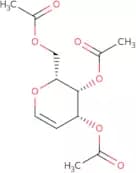
CAS:3,4,6-Tri-O-acetyl-D-galactal is a versatile building block used for the synthesis of mono- and oligosaccharides. The galactal double bond affords a ready means through which to introduce new functionality or introduce deoxy positions at the C1 and C2 positions to afford functionalised monosaccharides and also allows galactals to be used as glycosylation donors.Fórmula:C12H16O7Pureza:Min. 98 Area-%Cor e Forma:Slightly Yellow Clear LiquidPeso molecular:272.25 g/mol1,6-Anhydro-b-D-mannopyranose
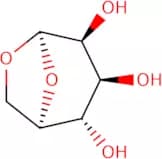
CAS:Organic tracer generated by burning cellulose; used for ageing wines and spiritsFórmula:C6H10O5Pureza:Min. 90 Area-%Cor e Forma:White Off-White PowderPeso molecular:162.14 g/mol2-Hydroxypropyl-b-cyclodextrin
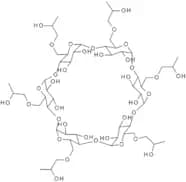
CAS:This beta-cyclodextrin (β-CD) derivative is a functionalized cyclic oligosaccharide composed of seven glucose units, characterized by a hydrophilic exterior and a lipophilic cavity (bigger than α-CD and smaller than γ-CDs), which allows it to encapsulate various guest molecules. This structural feature facilitates its use in multiple applications, including pharmaceuticals, food enhancement, and cosmetics. In the pharmaceutical industry, it enhances the solubility and stability of poorly water-soluble drugs, improving their bioavailability and efficacy while also masking unpleasant tastes. The food sector utilizes it as a stabilizer for flavors, colors, and nutrients, extending shelf life by protecting sensitive ingredients from degradation. In cosmetics, it serves as a complexing agent for fragrances and active components, ensuring their stability and controlled release. Its use expands to many other fields, including nanotechnology for drug delivery systems, environmental remediation for extracting organic pollutants, textiles for slow-release fragrances, and analytical chemistry for chiral separation.Fórmula:C42Hn)O35·(C3H7O)nPureza:Min. 98.0 Area-%Cor e Forma:PowderCarboxymethyl-dextran sodium salt - Average MW 70,000
CAS:Sodium carboxymethyl dextran is a white, odourless and tasteless powder, which is freely soluble in water or electrolyte solutions. Applications that have been described for carboxymethyl dextran include carriers of paramagnetic contrast agents, preparation of conjugates of pharmacologically active compounds and carboxymethyl dextrans in biosensors. A number of other uses in cosmetics, agriculture, foods, paints and textiles have been the subject of patent applications.Cor e Forma:PowderDabigatran 2-Acyl Glucuronide-D3
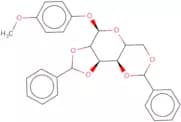
Dabigatran 2-Acyl Glucuronide-D3 is a Methylation, Custom synthesis, Click modification, CAS No., Oligosaccharide, Polysaccharide, saccharide, Carbohydrate, Fluorination, complex carbohydrate, High purity, Modification, Monosaccharide sugar that is synthetically produced. This product has a purity of >98% and is used as an research reagent in the field of chemistry. It can also be used as an intermediate in the production of other products.Pureza:Min. 95%4-Methoxyphenyl 2,3:4,6-di-O-benzylidene-α-D-mannopyranoside
CAS:4-Methoxyphenyl 2,3:4,6-di-O-benzylidene-a-D-mannopyranoside is a water soluble polysaccharide that is a methylated derivative of mannose. It has been fluorinated at the 4 position and modified with benzyl groups at the 2, 3, and 6 positions. This compound is used in custom synthesis to synthesize oligosaccharides or polysaccharides.Fórmula:C27H26O7Pureza:Min. 95%Peso molecular:462.49 g/molL-Gulose
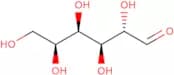
CAS:L-Gulose is a carbohydrate that is used in biochemical research. It can be found in plant sources such as sugar cane, sugar beet, and fruit, but it is not naturally present in mammals. L-Gulose has antioxidant properties and can act as an antiviral agent. It also has some structural similarities to vitamin C. L-Gulose can be synthesized from D-glucose by oxidation of the hydroxyl group with sodium hypochlorite or hydrogen peroxide. L-Gulose is a structural analog of D-mannitol, which has been shown to have transcriptional regulation activity. L-Gulose has been shown to inhibit the growth of tumor cells and induce apoptosis in vitro by increasing intracellular reactive oxygen species (ROS) levels.Fórmula:C6H12O6Pureza:Min. 98 Area-%Cor e Forma:PowderPeso molecular:180.16 g/mol4-O-(2-Acetamido-2-deoxy-D-[UL-13C6]glucopyranosyl)-D-ribitol
4-O-(2-Acetamido-2-deoxy-[UL-13C6]glucopyranosyl)-D-ribitol is a custom synthesis of an oligosaccharide, monosaccharide, and polysaccharide. It is a high purity and CAS No. custom synthesis with a high degree of modification. This product has been synthesized by methylation and glycosylation for use in the study of the structure and function of complex carbohydrates. The fluorination was done to the saccharide to give it the desired properties for use in various applications.
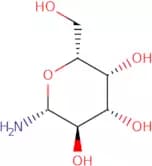
Fórmula:C713C6H25NO10Pureza:Min. 95%Peso molecular:361.29 g/molβ-D-Galactopyranosyl amine
CAS:Inhibitor of β-galactosidase
Fórmula:C6H13NO5Pureza:(¹H-Nmr) Min. 95 Area-%Cor e Forma:White PowderPeso molecular:179.17 g/mol6-Deoxy- 3, 5- O- [(R) - benzylidene] -L- mannonic acid g- lactone
6-Deoxy- 3, 5- O- [(R) - benzylidene] -L- mannonic acid g- lactone is an intermediate in the synthesis of a polysaccharide. It is also used as a click modification agent and can be used to synthesize oligosaccharides with custom modifications. This compound has been shown to be stable under high temperatures and gives high purity products after synthesis. The synthesis of this product can be done using only two steps and can be modified for glycosylation or fluorination.Pureza:Min. 95%Trehalose-6-phosphate disodium salt
Trehalose-6-phosphate disodium salt is a complex carbohydrate that can be modified to create a variety of products. Trehalose-6-phosphate disodium salt is made by the methylation of sugar, which creates an alpha-D-glucopyranosyl unit. This product can be used in the synthesis of oligosaccharides and polysaccharides, as well as other carbohydrates. Trehalose-6-phosphate disodium salt is also fluorinated to produce trehalose 6 phosphate fluoride, which has properties similar to those of trehalose 6 phosphate.Fórmula:C12H21O14PNa2Pureza:Min. 95%Cor e Forma:White PowderPeso molecular:466.24 g/molLaminaribiose
CAS:Disaccharide; substrate for glucanases and laminaribiose phosphorylase
Fórmula:C12H22O11Pureza:Min. 95%Cor e Forma:PowderPeso molecular:342.3 g/molSucrose distearate - 30% monostearate
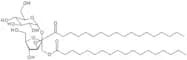
CAS:The ‘tallowate’ esters are probably the best known derivatives of sucrose and many attempts have been made to commercialise them in order to exploit their excellent surfactant functionalities. The most functional products are the mono- and diesters of the tallow acids (stearic, palmitic, oleic) with hydrophile-lipophile balance (HLB) values that lend themselves to surfactant applications in foods and cosmetics. They also have other uses, for example in coating fruits with a semipermeable membrane that acts as a preservative. Manufacturing economics have prevented these products from mass production and they remain in niche applications.Fórmula:C48H90O13Pureza:Min. 95%Cor e Forma:PowderPeso molecular:875.24 g/mol7-O-Galloyl-D-sedoheptulose
7-O-Galloyl-D-sedoheptulose is a synthetic immunosuppressant that is orally administered. It has been shown to be synergistic with pro-inflammatory factors and fructus in mice. 7-O-Galloyl-D-sedoheptulose inhibits the production of pro-inflammatory factors by binding to the receptor α, which prevents the activation of transcription factor NFκB. This drug also inhibits the synthesis of urea nitrogen and pro-apoptotic protein. 7-O-Galloyl-D -sedoheptulose has been shown to be more effective than cyclosporine A in suppressing immune responses in mice and rats with rheumatoid arthritis.Pureza:Min. 95%N-Acetyl-2-O-methyl-α-D-neuraminic acid
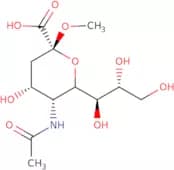
CAS:N-acetylneuraminic acid derivative and a useful tool for the study of sialic acid binding to its ligands. It was previously used for such purpose in studies on the influenza binding to hemagglutinin. This compound was also used for investigation of Clostridium botulinum toxin binding to various sugars.Fórmula:C12H21NO9Pureza:Min. 95%Cor e Forma:White PowderPeso molecular:323.3 g/molL-Erythrulose
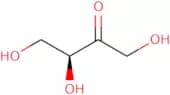
CAS:L-Erythrulose is an organic compound that is a sugar alcohol. It can be synthesized from the aldol reaction of glycolaldehyde and dehydroascorbic acid, which are both found in natural sources. L-Erythrulose has shown to have intramolecular hydrogen transfer (H-transfer) reactions, where the hydroxyl group migrates from one C atom to another. This kinetic data was obtained using surface methodology on model systems containing l-erythrulose and bacteria with wild-type or mutant strains. The conformational properties of L-erythrulose were also investigated by comparing its chemical structures with those of other sugars.
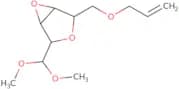
Fórmula:C4H8O4Pureza:Min. 95%Cor e Forma:Yellow Clear LiquidPeso molecular:120.1 g/mol2,5:3,4-Dianhydro-6-O-2-propenyl-dimethyl acetal-L-talose
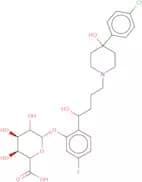
CAS:2,5:3,4-Dianhydro-6-O-2-propenyl-dimethyl acetal-L-talose is a fluorinated sugar that is synthesized by the reaction of an acetal with glycosylation. It has been modified to contain a methyl group and a click modification. 2,5:3,4-Dianhydro-6-O-2-propenyl-dimethyl acetal-L-talose is used as a fluorescent probe for the detection of nucleic acids in living cells. It has high purity and can be custom synthesized to meet customer specifications.Fórmula:C11H18O5Pureza:Min. 95%Peso molecular:230.26 g/molHaloperidol-1-hydroxy-2'-b-D-glucuronide
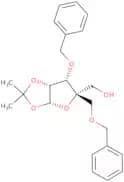
CAS:Haloperidol-1-hydroxy-2'-b-D-glucuronide is a modified carbohydrate that is synthesized from the sugar glucose. This product has been custom synthesized and is fluorinated at the 1 position of the sugar ring. The glycosylation of this product can be customized to your specifications. Haloperidol-1-hydroxy-2'-b-D-glucuronide has a CAS number of 100442-86-2.Fórmula:C27H33ClFNO9Pureza:Min. 95%Peso molecular:570 g/mol3-O-Benzyl-1,2-O-isoproylidene-4-C-(phenylmethoxy)methyl-β-L-lyxofuranose
CAS:3-O-Benzyl-1,2-O-isoproylidene-4-C-(phenylmethoxy)methyl-b-L-lyxofuranose is a monosaccharide that belongs to the group of carbohydrates. It is used as a raw material in the synthesis of complex carbohydrates by click chemistry, glycosylation and methylation. 3-O-Benzyl--1,2--O--isoproylidene--4--C-(phenylmethoxy)methyl--b--L--lyxofuranose has been modified for use in fluoroformations and glycosylations. This compound can also be used as an intermediate for the synthesis of other saccharides.Fórmula:C23H28O6Pureza:Min. 95%Cor e Forma:PowderPeso molecular:400.46 g/mol2'-Fucosyllactose - Synthetic
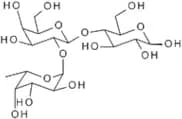
CAS:2'-Fucosyllactose (2'-FL) is the most abundant human milk oligosaccharide (HMO) with multiple functions including: acting as a prebiotic, protecting against infections and inflammation, modulating the immune system, supporting brain development, and reducing the risk of necrotizing enterocolitis. The commercial availability of synthetic fucosyllactose is important because HMOs were previously only found at significant levels in human milk, however they are now available in several infant formulas. It has been given Generally Recognized As Safe (GRAS) status and the European Union has approved the use of 2'-Fucosyllactose in infant formula products (Reverri, 2018).Fórmula:C18H32O15Pureza:(2'-Fucosyllactose) Min. 94.0%Cor e Forma:White PowderPeso molecular:488.44 g/molD-Glucono-1,4-lactone
CAS:D-Glucono-1,4-lactone is a sugar that is produced by the action of glucoamylase on starch or cellulose. It can be used as a source of food for yeast, in the production of polyesters and plastics, and as a precursor to vitamin C. The pH optimum for D-glucono-1,4-lactone production is between 3.5 and 4.5. X-ray crystal structures have shown that the enzyme binds to crystalline cellulose via hydrogen bonding interactions, which are formed by hydroxyl groups on the enzyme and carboxyl groups on crystalline cellulose. These interactions are important for the cleavage of glucose from crystalline cellulose by D-glucono-1,4-lactone. D-glucono-1,4-lactone has been shown to reduce blood glucose levels in rats with metabolic disorders when administered orally at doses
Fórmula:C6H10O6Pureza:Min. 95%Cor e Forma:White PowderPeso molecular:178.14 g/mol2-Acetamido-2-deoxy-4-O-(a-L-fucopyranosyl)-D-glucopyranose
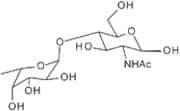
CAS:2-Acetamido-2-deoxy-4-O-(a-L-fucopyranosyl)-D-glucopyranose is a methylated, custom synthesized oligosaccharide. It has been modified to include a fluorine atom at the C4 position on the glucose residue. The product is highly pure and in crystalline form, with a CAS number of 76211-71-7.Fórmula:C14H25NO10Pureza:90%Cor e Forma:White PowderPeso molecular:367.35 g/molGlucose spacer fluorescein
Glucose spacer fluorescein is a sugar that is used in glycosylation reactions. It has a molecular weight of 368.2 g/mol, CAS No. 605-85-8, and the chemical formula C6H10O5. Glucose spacer fluorescein is synthesized by reacting glucose with an activator such as sodium borohydride or tris(dibenzylideneacetone)dipalladium(0) (Pd). The synthesis of glucose spacer fluorescein can be modified to include methylation, glycosylation, or other modifications. Glucose spacer fluorescein is composed of two monosaccharides and one saccharide residue. This sugar consists of a glucose molecule linked to a fluorinated 1-deoxy-D-ribofuranose via an ether bond at position 3' and a glucosamine residue attached to the 5Pureza:Min. 95%D-Xylose - Syrup
CAS:Xylose (Xyl) is an aldopentose also known as wood sugar (Collins, 2006). The main sources of xylose are hemicelluloses found in hardwood and perennial plants, such as, grasses, cereals, and herbs (Petzold-Welcke, 2014) and some algae. Xylose is used in the production of xylitol, a low calory sugar substitute. Xylose is used in glycosaminoglycan (GAG) biosynthesis, which is initiated by peptide O-xylosyltransferases, which transfer xylose onto selected serine residues in the core proteins. The first enzyme in the pathway, peptide O-xylosyltransferase, catalyzes the transfer of xylose from uridine diphosphate (UDP)-α-D-xylose onto serine and thus determines the site(s) of GAG attachment on the core protein (Briggs, 2018).Fórmula:C5H10O5Pureza:Min. 95%Peso molecular:150.13 g/molN-(Succinyl)-O-b-D-glucopyranosylhydroxylamine
N-(Succinyl)-O-b-D-glucopyranosylhydroxylamine is a glycosylation agent that is used in the synthesis of complex carbohydrates, such as oligosaccharides and polysaccharides. It is synthesized by reacting enzymatically with glycogen or a glycogen derivative, such as amyloglucosidase, to release glucose from the glycogen molecule. The resulting product can be methylated or fluorinated to generate different derivatives. This product can be custom synthesized to meet the needs of your application.Pureza:Min. 95%Lacto-N-tetraose - 90%
CAS:Core human milk oligosaccharideFórmula:C26H45NO21Pureza:Min. 90 Area-%Cor e Forma:White PowderPeso molecular:707.63 g/molFucoidan, cladosiphon
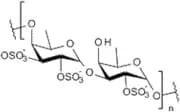
CAS:A fucan sulphate found in brown marine algae (Phaeophyta-typically Fucus vesiculotus, Ascophyllum nodosum, Alaria and Cladosiphon (illustrated) and has been shown to have anticoagulant activity. The main constituents are α-1,4 and α-1,2 linked L-fucose sulphates although galactose also occurs and there are many variations of the basic structure found in different species of Phaeophyta. The image was kindly provided by Prof Mike Guiry from Cork who runs ‘The Seaweed Site’.Pureza:(Fucoidan) Reported (%)Cor e Forma:White PowderRibitol
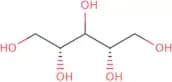
CAS:Non-cariogenic sweetener; part of carbohydrate-based, biodegradable tensides
Fórmula:C5H12O5Pureza:Min. 98 Area-%Cor e Forma:White Off-White PowderPeso molecular:152.15 g/molEzetimibe b-D-glucuronide
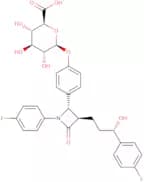
CAS:Ezetimibe b-D-glucuronide is a glucuronide conjugate of ezetimibe. It can be found in human serum, as well as in the liver and small intestine. Ezetimibe b-D-glucuronide has been shown to inhibit uptake of uridine into Caco2 cells, which may be due to its ability to inhibit the activity of drug transporters such as P-glycoprotein and organic anion transporting polypeptides. This drug also inhibits the production of creatine kinase in the liver and lowers cholesterol levels by inhibiting dietary cholesterol absorption. The drug interactions with statins are still unclear and require further investigation. Ezetimibe b-D-glucuronide is metabolized by glucuronidation in the liver and small intestine.Fórmula:C30H29F2NO9Pureza:Min. 95%Cor e Forma:PowderPeso molecular:585.55 g/molPhloridzin dihydrate
CAS:Phloridzin is a phenolic acid that is found in the cell walls of plants. It has been shown to be a potent antioxidant, with anti-inflammatory and anti-tumour properties. Phloridzin is also an inhibitor of the divalent metal ion-dependent diphenolase activity that causes oxidative DNA damage. The dihydrate form of phloridzin has been shown to inhibit cisplatin-induced nephrotoxicity in mice by reducing oxidative stress.Fórmula:C21H24O10·2H2OPureza:Min. 95%Cor e Forma:Off-White PowderPeso molecular:472.44 g/molN-Acetylneuraminic acid-OVA
N-Acetylneuraminic acid-OVA refers to ovalbumin that has been conjugated with N-acetylneuraminic acid (Neu5Ac), a type of sialic acid. Sialic acids are important components of glycan structures and play various roles in biological processes, such as cell-cell interactions, immune response, and pathogen recognition. Conjugation of ovalbumin with N-acetylneuraminic acid can be used as a tool to study sialic acid-mediated biological phenomena or as an immunogen to elicit a specific immune response.Cor e Forma:Powder4-Acetylphenyl-β-D-glucopyranoside
CAS:4-Acetylphenyl-β-D-glucopyranoside (4APG) is a natural compound that belongs to the group of p-hydroxybenzoic acid. It has been shown to have antibacterial properties, with an optimum pH of 5.0 and an MIC of 1.0 μg/mL. 4APG was found to be active against Gram-positive bacteria, including Staphylococcus aureus, Bacillus subtilis, and Clostridium perfringens. This compound also inhibits the growth of Gram-negative bacteria such as Escherichia coli, Salmonella enteritidis, and Shigella dysenteriae. The chemical structure of 4APG was determined by NMR spectroscopy analysis and HPLC analysis. Analysis by GCMS revealed that 4APG contains protocatechuic acid, 5-caffeoylquinic acid, and other unknown compounds.
Fórmula:C14H18O7Pureza:Min. 95%Cor e Forma:Off-White Slightly Yellow PowderPeso molecular:298.29 g/mol4-Chloro-2-cyclopentylphenyl b-D-galactopyranoside
CAS:4-Chloro-2-cyclopentylphenyl b-D-galactopyranoside is a synthetic monosaccharide with a methylated, fluorinated, and glycosylated backbone. It is often used as an artificial sweetener or sugar substitute in foods and beverages. The saccharide can be modified to contain one or more click modifications and/or polysaccharides. This product has been custom synthesized for high purity.Fórmula:C17H23ClO6Pureza:Min. 95%Cor e Forma:PowderPeso molecular:358.81 g/mol








![4-O-(2-Acetamido-2-deoxy-D-[UL-13C6]glucopyranosyl)-D-ribitol](/_next/image/?url=https%3A%2Fstatic.cymitquimica.com%2Fproducts%2F3D%2Fthumb-webp%2FOA44753.webp&w=3840&q=75)
![6-Deoxy- 3, 5- O- [(R) - benzylidene] -L- mannonic acid g- lactone](/_next/image/?url=https%3A%2Fstatic.cymitquimica.com%2Fproducts%2F3D%2Fthumb-webp%2FMD163979.webp&w=3840&q=75)