Compostos Relacionados com Enzimas, Peptídeos e Proteínas
Os compostos relacionados a enzimas, peptídeos e proteínas são críticos para o estudo e manipulação de vias bioquímicas. Estes compostos incluem enzimas que catalisam reações bioquímicas, peptídeos que atuam como hormônios e moléculas de sinalização, e proteínas que desempenham uma ampla gama de funções nos organismos. Esta categoria abrange inibidores, ativadores, substratos e outros reagentes essenciais para enzimologia, proteômica e pesquisa de peptídeos. Na CymitQuimica, oferecemos uma ampla seleção de compostos de alta qualidade para facilitar a sua pesquisa em cinética enzimática, função proteica e síntese de peptídeos, garantindo resultados precisos e confiáveis.
Subcategorias de "Compostos Relacionados com Enzimas, Peptídeos e Proteínas"
- Aminoácidos (AA)(40.509 produtos)
- Enzimas(3.560 produtos)
- Peptídeos(30.719 produtos)
- Proteínas(15.022 produtos)
Foram encontrados 1312 produtos de "Compostos Relacionados com Enzimas, Peptídeos e Proteínas"
Ordenar por
Pureza (%)
0
100
|
0
|
50
|
90
|
95
|
100
4-(2-(Dimethylamino)-1-(1-hydroxycyclohexyl)ethyl)phenol
CAS:Produto Controlado<p>Venlafaxine is a selective serotonin and norepinephrine reuptake inhibitor (SNRI) that is used to treat depression. Venlafaxine inhibits the reuptake of serotonin and norepinephrine into the presynaptic neuron, increasing their availability in the synaptic cleft. Venlafaxine has been shown to be effective in treating major depressive disorder and other depressive disorders, such as dysthymia and post-partum depression. The antidepressant effects of venlafaxine are believed to be due to its ability to block the uptake of serotonin and norepinephrine in the brain, resulting in an increased concentration of these neurotransmitters. Venlafaxine is metabolized by CYP2D6, CYP3A4, CYP1A2 and CYP2C19 enzymes, which may result in drug interactions with other drugs metabolized by these enzymes. To control for this effect, venlafaxine blood</p>Fórmula:C16H25NO2Pureza:Min. 97 Area-%Cor e Forma:PowderPeso molecular:263.38 g/molDL-Kynurenine sulfate monohydrate
CAS:<p>Dl-Kynurenine sulfate is a reaction component that is used in the synthesis of many other chemicals. It is a reagent that can be used to synthesize useful scaffolds. Dl-Kynurenine sulfate is also a high quality, research chemical and speciality chemical that is versatile for use as an intermediate or building block. Dl-Kynurenine sulfate can be used as a useful scaffold in the synthesis of complex compounds and fine chemicals. The following product descriptions were generated: Rifapentine Rifapentine is an anti-tuberculosis drug that belongs to the class of rifamycins. It is the most active of the rifamycins for the treatment of tuberculosis. Rifapentine inhibits bacterial growth by binding to DNA-dependent RNA polymerase, thereby preventing transcription and replication. The high frequency of human activity has been shown using a patch-clamp</p>Fórmula:C10H12N2O3•H2O•H2SO4Pureza:Min. 95%Cor e Forma:PowderPeso molecular:324.31 g/molSDF-1α (human) trifluoroacetate salt
CAS:<p>Please enquire for more information about SDF-1alpha (human) trifluoroacetate salt including the price, delivery time and more detailed product information at the technical inquiry form on this page</p>Fórmula:C356H578N106O93S4Pureza:Min. 95%Peso molecular:7,959.32 g/molL-Lysine hydrate
CAS:<p>L-Lysine hydrate is a water-soluble amino acid that is used as an additive in animal feed. L-Lysine has been shown to have minimal toxicity, and can be used for the prevention of colds, flu, and fever. It also has anti-inflammatory effects in humans, which may be due to its ability to inhibit the production of prostaglandins that are involved in pain and inflammation. L-Lysine hydrate binds to several drugs such as nonsteroidal antiinflammatory drugs (NSAIDs) and ethylene diamine dihydrochloride (EDDH), forming stable complexes with them. This binding prevents the NSAID from being broken down by enzymes in the liver and intestines, which can lead to decreased blood levels of these drugs.</p>Fórmula:C6H14N2O2•H2OPureza:Min. 95%Cor e Forma:White PowderPeso molecular:146.19 g/molCadmium chloride hemipentahydrate - ACS
CAS:<p>Cadmium chloride hemipentahydrate is a chemical compound that has been shown to have genotoxic effects on animals and humans. Cadmium chloride hemipentahydrate has been shown to inhibit protein synthesis and enzyme activity in vitro and in vivo. It also has been shown to cause cell death and cytotoxicity in brain cells. This chemical compound is used as a model system for the study of cadmium toxicity, because it can be administered to animals without causing any adverse effects. When cadmium chloride hemipentahydrate is injected into rodents, it causes DNA damage, oxidative stress, inhibition of energy metabolism, and induction of apoptosis in brain cells.</p>Fórmula:CdCl2•(H2O)2Pureza:(Titration) 79.5 To 81.0%Cor e Forma:White PowderPeso molecular:228.35 g/molMethyl 4-aminobutyrate HCl
CAS:<p>Methyl 4-aminobutyrate HCl is an ester hydrochloride that is used as a chiral auxiliary in the synthesis of aminobutyric acid. It has been shown to have cognitive enhancing effects and to increase brain levels of l-glutamic acid. Methyl 4-aminobutyrate HCl also inhibits the uptake of chloride ions into synaptic vesicles, which may be due to its ability to bind with plasma proteins. This drug has been shown to have pharmacological effects on rats when administered at a dose of 1mg/kg.</p>Fórmula:C5H12ClNO2Cor e Forma:White Off-White PowderPeso molecular:153.61 g/molStrontium chloride hexahydrate
CAS:<p>Strontium chloride hexahydrate is a chemical compound that belongs to the group of strontium compounds. It is used as an injection solution and reaction solution, and has been shown to have a beneficial effect on liver lesions in mice. Strontium chloride hexahydrate can be injected intravenously or intraperitoneally to treat patients with hypercalcemia or hypophosphatemia. This drug also has a toll-like receptor (TLR) agonistic effect, which may be due to its ability to stimulate the production of proinflammatory cytokines such as IL-1β, IL-6, IL-8, and TNF-α in macrophages. The optimum concentration for this drug is 1 mmol/L. Strontium chloride hexahydrate binds to plasma proteins through ionic interactions with chloride ions. This binding makes it difficult for the drug to pass through cell membranes, which limits its effectiveness.</p>Fórmula:SrCl2•(H2O)6Pureza:Min 99%Cor e Forma:Colorless PowderPeso molecular:266.62 g/molrec PDGF AA (human)
<p>Please enquire for more information about rec PDGF AA (human) including the price, delivery time and more detailed product information at the technical inquiry form on this page</p>Pureza:Min. 95%Calcium 2-oxoglutarate
CAS:<p>Calcium 2-oxoglutarate (Ca2OG) is a metabolite of the TCA cycle and has been shown to regulate energy metabolism. It can be used as a precursor for the synthesis of glutamate, which is an important neurotransmitter in the central nervous system. Ca2OG also has inhibitory properties on many enzymes, including enzymes involved in the synthesis of amino acids and fatty acids. Ca2OG has been shown to have a role in transcriptional regulation, acting as a transcriptional activator or repressor depending on cell type and stimulus. Ca2OG also affects plant metabolism by regulating caproic acid levels. This compound is structurally similar to oxoglutarate, which is found in vivo, but it is more stable than this form of glutamic acid due to the presence of calcium ions. Ca2OG has been synthesized in vitro using x-ray crystallography and biochemical properties have been determined through various biochemical assays.br>br></p>Fórmula:C5H4O5·CaPureza:Min 98%Cor e Forma:PowderPeso molecular:184.16 g/molPamidronic acid sodium salt hydrate
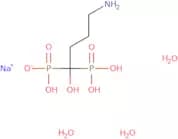
CAS:<p>Farnesyl diphosphate synthase inhibitor</p>Fórmula:C3H9NNa2O7P2·xH2OPureza:Min. 95%Cor e Forma:PowderPeso molecular:279.03 g/molDL-Ethyl 2-bromovalerate
CAS:<p>DL-Ethyl 2-bromovalerate is a fatty acid that inhibits the activity of enzymes involved in fatty acid synthesis. DL-Ethyl 2-bromovalerate has been shown to have anti-inflammatory properties, which may be due to its ability to inhibit prostaglandin synthesis. It also has been found to inhibit the growth of microorganisms such as HIV and Mycobacterium tuberculosis. DL-Ethyl 2-bromovalerate has been used in the treatment of inflammatory bowel disease, as well as congestive heart failure and cardiovascular diseases. This drug also has a pharmacokinetic effect on human population growth, because it can inhibit cell proliferation.</p>Fórmula:C7H13BrO2Pureza:Min. 95%Cor e Forma:Clear LiquidPeso molecular:209.08 g/mol3-Nitrophenylguanidine nitrate
CAS:<p>3-Nitrophenylguanidine nitrate is a drug that targets the enzyme kinases, which are involved in the regulation of cell growth and division. It has been shown to inhibit the activity of stromal tumor cells, as well as chronic myeloid leukemia cells. 3-Nitrophenylguanidine nitrate inhibits protein synthesis by inhibiting demethylation and efflux, which enables imatinib to bind to the target site. This drug also has a rapid onset of action and can be used for monitoring chronic myeloid leukemia patients without the need for positron emission tomography (PET) scanning.</p>Fórmula:C7H8N4O2•HNO3Pureza:Min. 95%Cor e Forma:PowderPeso molecular:243.18 g/molEflornithine HCl monohydrate
CAS:<p>Inhibitor of ornithine decarboxylase</p>Fórmula:C6H12F2N2O2·HCl·H2OPureza:(Hplc) Min. 98%Cor e Forma:White Off-White PowderPeso molecular:236.64 g/molDL-4-Hydroxy-2-ketoglutarate dilithium salt
CAS:<p>DL-4-Hydroxy-2-ketoglutarate dilithium salt (DL4KG) is a lysine analogue that is used as a substrate for the enzyme aldolase. DL4KG has a hydroxyl group, which can react with the amino group of lysine residues on proteins to produce an unstable intermediate. This process eventually leads to the production of glutamate and glyceraldehyde 3-phosphate, which are needed in the synthesis of ATP. DL4KG has been shown to be an inhibitor of bacterial enzymes such as glutamate dehydrogenase, which catalyzes the conversion of L-glutamic acid to L-glutamine. Inhibition by DL4KG has been demonstrated in vitro at concentrations between 2 and 10 mM.</p>Fórmula:C5H4O6Li2Pureza:90%MinCor e Forma:White to off-white solid.Peso molecular:173.96 g/molIpratropium bromide
CAS:<p>Muscarinic antagonist</p>Fórmula:C20H30BrNO3Pureza:Min. 95%Cor e Forma:PowderPeso molecular:412.36 g/molDextromethorphan hydrobromide monohydrate
CAS:Produto Controlado<p>Dextromethorphan is a drug that is used for the treatment of cough and cold symptoms. It has been shown to be effective in human studies, and has minimal side effects. Dextromethorphan hydrobromide monohydrate is a pseudoephedrine prodrug that is metabolized in the liver through demethylation and hydroxylation before being excreted in urine. Dextromethorphan has been shown to have anti-inflammatory properties, which may be due to its ability to inhibit prostaglandin synthesis. The pharmacological mechanism of action of dextromethorphan remains unclear.</p>Fórmula:C18H25NO•HBr•H2OPureza:Min. 98 Area-%Cor e Forma:White PowderPeso molecular:370.32 g/mol3-Isopropylamino-1,2-propanediol
CAS:<p>Metoprolol tartrate impurity N is an impurity of metoprolol succinate and has been shown to have photocatalytic activity. Metoprolol tartrate impurity N has been found in commercially available pharmaceutical products. It has been validated by both phase chromatography and hydrophilic interaction chromatography, with the latter providing a more detailed separation of the compound's various reaction intermediates. Impurities such as metoprolol tartrate impurity N may be present in commercial products due to the use of pyridinium salt as a solvent in the manufacturing process. The enantiomeric purity of metoprolol tartrate impurity N was determined to be 99%.</p>Fórmula:C6H15NO2Pureza:Min. 95%Cor e Forma:PowderPeso molecular:133.19 g/molAmmonium iron(II) sulfate hexahydrate
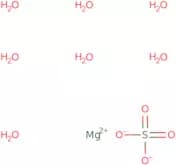
CAS:<p>Ammonium iron(II) sulfate hexahydrate is a salt that contains the metal ion ammonium and iron (II). It is used in cancer research as an electron-radiating agent. The drug molecules are encapsulated into the cavity of mesoporous silica nanoparticles by ionizing radiation. This process immobilizes the drug molecule and prevents it from diffusing away from the particle surface. Ammonium iron(II) sulfate hexahydrate has been shown to be effective against estrone and 17β-estradiol, which are types of estrogen.</p>Fórmula:Fe(NH4)2(SO4)2•6H2OCor e Forma:PowderPeso molecular:392.14 g/molCitric acid monohydrate
CAS:<p>Citric acid monohydrate is an organic compound that is used in biochemical research. It can be converted to citrate, which is a potential drug for chronic coughs. It has been shown to bind to toll-like receptor 4 and 5 (TLR4 and TLR5), reducing the activation of these receptors. Citric acid monohydrate also has a high rate constant, which makes it a good candidate for use in control analysis. This compound has been shown to have disease-modifying properties by altering iron homeostasis and ameliorating symptoms of inflammatory bowel disease. Citric acid monohydrate is also used as an analytical reagent for benzalkonium chloride in water samples.</p>Fórmula:C6H8O7·H2OPureza:Min. 95%Cor e Forma:White Clear LiquidPeso molecular:210.14 g/molEthyl 4-coumarate
CAS:<p>Ethyl 4-coumarate is a versatile building block that is used in the synthesis of complex compounds. It is a reagent and can be used as a speciality chemical or useful scaffold in research chemicals. This chemical has been found to be a useful building block for the production of high quality and useful intermediates. Ethyl 4-coumarate is also a reaction component and can be used in the synthesis of fine chemicals.</p>Fórmula:C11H12O3Pureza:Min. 99 Area-%Cor e Forma:PowderPeso molecular:192.21 g/molCrustacean Erythrophore Concentrating Hormone Pyr-Leu-Asn-Phe-Ser-Pro-Gly-Trp-NH2
CAS:<p>Crustacean Erythrophore Concentrating Hormone Pyr-Leu-Asn-Phe-Ser-Pro-Gly-Trp-NH2 is a polypeptide hormone that belongs to the family of peptide hormones. It is a type of neurohormone that has been found in crustaceans. Crustacean Erythrophore Concentrating Hormone Pyr-Leu-Asn-Phe-Ser-Pro-Gly-Trp-NH2 shows high affinity for cardiac tissue and blocks the uptake of calcium ions into cells by binding to intracellular receptors. This peptide has been shown to have neurotrophic effects, which may be due to its ability to stimulate the production of nerve growth factor (NGF).</p>Fórmula:C45H59N11O11Pureza:Min. 95%Peso molecular:930.02 g/molAtrial Natriuretic Factor (4-28) (human, bovine, porcine)
CAS:<p>Atrial natriuretic factor (ANF) is a hormone that plays an important role in the regulation of sodium excretion and blood pressure. It binds to two different receptor sites, which are located on the cell membrane. The ANF-A receptor is found in the atria of the heart and the ANF-B receptor is found in the kidneys. ANF has been shown to increase water excretion from the kidneys and decrease blood pressure by increasing sodium excretion from the kidneys and decreasing salt retention. Atrial natriuretic factor (4-28) is a disulfide form of ANF that has a high affinity for its receptors. This agent can be labeled with a radioactive atom for use as an experimental tool for determining binding sites. Atrial natriuretic factor (4-28) can also be chemically conjugated with polymers, such as polyethylene glycol, to make it more water soluble and therefore more useful as a drug candidate.</p>Fórmula:C112H175N39O35S3Pureza:Min. 95%Cor e Forma:SolidPeso molecular:2,724.03 g/molHuman growth hormone (1-43)
CAS:<p>Human growth hormone is a polypeptide hormone that stimulates the growth of tissues and organs. It also plays a role in the regulation of the metabolism of carbohydrates, fats, and proteins. It is produced by cells in the anterior pituitary gland and acts on cells in many different parts of the body to regulate cell function. Growth hormone is used as a research tool in endocrinology and cell biology. It can be used to study how hormones affect cells both in vitro and in vivo.<br>A recombinant form of human growth hormone (r-hGH) has been approved for treatment of children with deficient or insufficient growth due to idiopathic short stature, chronic renal insufficiency, Turner syndrome, Prader-Willi syndrome, or familial short stature.<br>HGH may also be used to treat adults who are experiencing age-related muscle loss or wasting associated with HIV/AIDS or cancer cachexia.</p>Fórmula:C240H358N62O67SPureza:Min. 95%Peso molecular:5,215.85 g/mol2,5-Diphenyl-3-(4-methoxyphenyl)pyronium tetrafluoroborate
CAS:<p>2,5-Diphenyl-3-(4-methoxyphenyl)pyronium tetrafluoroborate is a chemical compound that can be used as a reagent or building block for the synthesis of other chemical compounds. It is also useful for research and as a versatile building block in organic chemistry. 2,5-Diphenyl-3-(4-methoxyphenyl)pyronium tetrafluoroborate is classified as a speciality chemical product. This compound has CAS Number 2907-20-2 and a molecular weight of 244.12 g/mol.</p>Fórmula:C24H19O2·BF4Pureza:90%Cor e Forma:PowderPeso molecular:426.21 g/molN-Benzyl-2,4,6-triphenyl pyridinium tetrafluoroborate
CAS:<p>N-Benzyl-2,4,6-triphenyl pyridinium tetrafluoroborate is a molecule that regulates transcriptional activity. It can be used to isolate regulatory genes from different organisms and identify the specific genes that regulate the expression of other genes. The algorithm for this process is a stepwise, stereoselective, aerobic search. This process starts with an algorithm that identifies the best possible match between the gene sequence and the database sequences. The algorithm then transfers to another stepwise and stereoselective search of the database until it finds a match. The process ends when there are no more matches in the database or when all possible combinations have been searched. N-Benzyl-2,4,6-triphenyl pyridinium tetrafluoroborate has been shown to activate Staphylococcus aureus at very low concentrations but does not cause activation of mammalian cells at these concentrations.</p>Fórmula:C30H24N·BF4Pureza:Min. 95%Peso molecular:485.32 g/molrec Monocyte IL-8 (human)
CAS:<p>Polymerase chain reaction (PCR) is a technique for amplifying a single copy of a piece of DNA across several orders of magnitude, generating thousands to millions of copies. PCR is used to amplify DNA from samples containing only one or a few copies, such as blood or tissue samples. The polymerase chain reaction can also be performed on RNA, but RNA amplification may produce different results because the structure and function of RNA are different from those of DNA. This product is an IL-8 primer pair that amplifies human IL-8 gene sequences in vitro. It has been validated by testing it on various animals including cattle and pigs.<br>br>br><br>IL-8 is a proinflammatory cytokine that induces cell migration and proliferation, especially in skin cells after injury. This product can be used to detect and quantify IL-8 expression in patients with cancer or skin injuries.</p>Fórmula:C372H600N106O106S4Pureza:Min. 95%Peso molecular:8,381.66 g/molAbiraterone isopropyl ether
Produto Controlado<p>Abiraterone is a fine chemical that can be used as a building block in the synthesis of complex molecules. It is also used as a reagent and speciality chemical in research and development. Abiraterone is an important intermediate in organic synthesis because it is versatile, easy to handle and has high quality. This compound can be used as a reaction component or scaffold for the preparation of useful molecules.</p>Fórmula:C27H37NOPureza:Min. 95%Cor e Forma:PowderPeso molecular:391.59 g/molNeuropeptide W-23 (human)
CAS:<p>Neuropeptide W-23 (human) is an antibody that recognizes the neuropeptide receptor, specifically the Neuropeptide Y receptor 1. The antibody binds to the Npy1 receptor and inhibits its activity. Neuropeptide W-23 (human) can be used as a research tool in cell biology and pharmacology studies.</p>Fórmula:C119H183N35O28SPureza:Min. 95%Peso molecular:2,584.01 g/molLoratadine N-oxide
CAS:<p>Loratadine N-oxide is an organic chemical compound that is used as a reagent, complex compound, and useful intermediate. It has CAS No. 165739-62-8 and a molar mass of 280.2 g/mol. The solid form is white to pale yellow in color. It can be used as a building block for other compounds or as a versatile building block for reactions such as the synthesis of pharmaceuticals, pesticides, agrochemicals, and polymers. Loratadine N-oxide is also used in research chemicals and speciality chemicals due to its wide range of applications in various industries.</p>Fórmula:C22H23ClN2O3Pureza:Min. 95%Peso molecular:398.88 g/molSilver nitrate
CAS:<p>Silver nitrate is an experimental model. It has inhibitory properties against a number of human pathogens, including bacteria, fungi, and viruses. Silver nitrate has been shown to have antimicrobial activity against human pathogens by disrupting the microbial cell membrane and preventing cellular respiration. Silver nitrate is also used as a photographic agent in the darkroom. In addition, it can be used to produce hydrogen bonding interactions with proteins and nucleic acids. The optimum concentration of silver nitrate is 0.05%.</p>Fórmula:Ag·NO3Pureza:Min. 95%Cor e Forma:White Clear LiquidPeso molecular:169.87 g/mol2-(4-Aminophenoxy)acetic acid hydrate
CAS:<p>2-(4-Aminophenoxy)acetic acid hydrate is a synthetic, chlorine atom, primary amino compound that has been used as a lysine analogue in the production of lysine-deficient media. It also has been shown to be an inhibitor of the uptake of L-lysine by rat liver cells. 2-(4-Aminophenoxy)acetic acid hydrate can also be used to synthesize conjugates with other compounds such as fluorescein and luciferin. This compound is acidic and can form hydrogen bonds with other molecules. 2-(4-Aminophenoxy)acetic acid hydrate has shown novartis in fluorescence techniques, which may be due to its ability to emit light when excited at specific wavelengths.</p>Fórmula:C8H9NO3·H2OPureza:Min. 95%Cor e Forma:Off-White PowderPeso molecular:185.18 g/molCidofovir dihydrate
CAS:<p>Anti-viral; DNA polymerase inhibitor</p>Fórmula:C8H14N3O6P•(H2O)2Pureza:Min. 98 Area-%Cor e Forma:White Off-White PowderPeso molecular:315.22 g/molSodium carbonate monohydrate
CAS:Produto Controlado<p>Sodium carbonate monohydrate is a versatile chemical that can be used as a building block in the synthesis of complex compounds. It is also used as an intermediate in the production of research chemicals or as a reagent. Sodium carbonate monohydrate has high quality and is useful in many reactions. This compound can be used to make various scaffolds, which are structures that provide stability for molecules or atoms during a reaction.</p>Fórmula:Na2CO3·H2OPureza:Min. 95%Cor e Forma:PowderPeso molecular:124 g/molEnalaprilat dihydrate
CAS:<p>Enalaprilat is an angiotensin-converting enzyme (ACE) inhibitor that prevents the formation of angiotensin II, a potent vasoconstrictor. It is used to treat high blood pressure and congestive heart failure. Enalaprilat is metabolized to enalapril, which has been found to act as an active inhibitor of DNA polymerase. This drug is also capable of inhibiting the synthesis of other proteins, such as those involved in protein transport and cell wall biogenesis.</p>Fórmula:C18H28N2O7Pureza:Min. 98 Area-%Cor e Forma:PowderPeso molecular:384.42 g/molKetotifen fumarate
CAS:<p>Ketotifen fumarate is an anti-inflammatory drug that belongs to the class of histamine H1 receptor antagonists. It has been shown to be effective in the treatment of inflammatory bowel diseases, such as Crohn’s disease and ulcerative colitis. Ketotifen fumarate also has biological properties, such as eosinophil cationic protein release inhibition, that are important for its therapeutic effects. In vitro studies have shown that ketotifen fumarate can inhibit h1-receptor mediated responses in a dose-dependent manner. The drug is metabolized by the liver enzyme CYP3A4 and has been shown to interact with other drugs metabolized through this pathway. Ketotifen fumarate is currently being used as a research tool in experimental models of infectious diseases, such as tuberculosis and influenza A virus infection.</p>Fórmula:C23H23NO5SPureza:Min. 95%Cor e Forma:White PowderPeso molecular:425.5 g/molrec IL-2 (human)
CAS:<p>Please enquire for more information about rec IL-2 (human) including the price, delivery time and more detailed product information at the technical inquiry form on this page</p>Pureza:Min. 95%L-Malic acid disodium salt monohydrate
CAS:<p>L-Malic acid disodium salt monohydrate is a versatile building block that can be used in the production of research chemicals, reagents and speciality chemicals. It is also a useful building block for the synthesis of complex compounds with high quality. L-Malic acid disodium salt monohydrate has been used as a reagent in organic syntheses, as well as in the production of pharmaceuticals. In addition, it is an intermediate for the synthesis of polymers and other materials. The CAS number for L-Malic acid disodium salt monohydrate is 207511-06-6.</p>Fórmula:C4H4O5Na2·H2OPureza:Min. 95%Cor e Forma:PowderPeso molecular:196.07 g/mol1,1'-Dioctadecyl-3,3,3',3'-tetramethylindodicarbocyanine perchlorate
CAS:<p>1,1'-Dioctadecyl-3,3,3',3'-tetramethylindodicarbocyanine perchlorate (DiI) is a useful scaffold for the synthesis of complex compounds. It is a high-quality research chemical that is used in the synthesis of speciality chemicals and fine chemicals. DiI reacts with diazonium salts to produce blue or red fluorescent compounds. This compound can be used as a reagent for the production of amino acids or amines. It also reacts with other organic compounds to form complexes. The CAS number for DiI is 127274-91-3.</p>Fórmula:C61H99N2•ClO4Pureza:Min. 95%Cor e Forma:Red To Brown SolidPeso molecular:959.9 g/molOndansetron hydrochloride dihydrate
CAS:<p>Serotonin receptor 5-HT3 antagonist</p>Fórmula:C18H24N3O3ClPureza:Min. 95%Cor e Forma:PowderPeso molecular:365.85 g/molCreatine phosphate, disodium salt tetrahydrate, pH > 8.00
CAS:<p>Creatine phosphate, disodium salt tetrahydrate, is a fine chemical that is used as a versatile building block for the synthesis of other compounds. Creatine phosphate is useful in research because it can be converted to creatine, which can then be converted to phosphocreatine. Creatine phosphate has been shown to have a number of biological activities including the promotion of cell proliferation and differentiation. This product is an extremely high quality reagent for use in laboratory experiments.</p>Fórmula:C4H16N3Na2O9PPureza:Min. 95.0 Area-%Peso molecular:327.14 g/molrec FGF acidic (human)
CAS:<p>Please enquire for more information about rec FGF acidic (human) including the price, delivery time and more detailed product information at the technical inquiry form on this page</p>Pureza:Min. 95%Diflucortolone valerate
CAS:Produto Controlado<p>Diflucortolone valerate is a corticosteroid that is used to treat inflammatory skin diseases. It is a prodrug that is hydrolyzed in vivo to diflucortolone, its active form. Diflucortolone valerate has been shown to be effective against alopecia areata and mycological skin infections. The optimum concentration of this drug for treating these conditions is 0.5% or less, with side effects such as erythema, scaling, and burning at the application site occurring at higher concentrations. Diflucortolone valerate also has broad-spectrum antimicrobial activity against bacteria and fungi, including methicillin-resistant Staphylococcus aureus (MRSA) isolates.</p>Fórmula:C27H36F2O5Pureza:Min. 95%Cor e Forma:PowderPeso molecular:478.57 g/molTamoxifen citrate
CAS:Produto Controlado<p>Estrogen receptor modulator; protein kinase C inhibitor</p>Fórmula:C26H29NO·C6H8O7Pureza:Min. 98 Area-%Cor e Forma:White PowderPeso molecular:563.64 g/mol1-Fluoro-2,4,6-trimethylpyridinium tetrafluoroborate
CAS:<p>1-Fluoro-2,4,6-trimethylpyridinium tetrafluoroborate is a reactive compound that is used in the synthesis of organic compounds. It can be used as a precursor to introduce fluorine into organic molecules. This reagent may also be used in reductive eliminations and dehydrogenative coupling reactions. 1-Fluoro-2,4,6-trimethylpyridinium tetrafluoroborate is thermodynamically stable and can be stored at room temperature for long periods of time.</p>Fórmula:C8H11BF5NPureza:Min. 98 Area-%Cor e Forma:PowderPeso molecular:226.98 g/molDibenzoyl-L-tartaric acid monohydrate
CAS:<p>Dibenzoyl-L-tartaric acid monohydrate is a chiral molecule that can be found in nature. It is soluble in organic solvents, but insoluble in water. Dibenzoyl-L-tartaric acid monohydrate has an affinity for carboxylate ligands and absorbs at 360 nm. The optical rotation of this compound is +20° to -50°, depending on the concentration and pH of the solution. This molecule is a potential pollutant because it can be degraded by oxidation or photolysis, yielding environmentally hazardous compounds. Its conformation may be changed by light or heat and, as a result, its properties may also change.</p>Fórmula:C18H14O8·H2OPureza:Min. 95%Cor e Forma:PowderPeso molecular:376.31 g/mol(+/-)-Synephrine tartrate
CAS:<p>Synephrine is a drug that is used as an appetite suppressant and weight-loss aid. It can be found in dietary supplements, where it is marketed as a stimulant. Synephrine has been shown to have an inhibitory effect on the carotid sinus reflexes, which are nerve impulses that regulate blood pressure. This drug also has a pressor effect on the heart and causes an increase in systolic and diastolic blood pressures. The enantiomers of synephrine are (+)synephrine or (-)-synephrine tartrate, which differ only in the stereochemistry of their chiral centers. The hydrochloric acid present in synephrine tartrate breaks down into amines such as histamine and serotonin, which cause swelling of smooth muscles found in the walls of blood vessels. When taken orally, this drug is metabolized by hydrolysis to picric acid or (+)-synephrine or (-)-synephrine tartrate,</p>Fórmula:(C9H13NO2)2•C4H6O6Pureza:Min. 95%Cor e Forma:PowderPeso molecular:484.5 g/molMethyl 12-ketostearate
CAS:<p>Methyl 12-ketostearate is an organic compound with the formula CH(CH)COCH=CHCOCH=CHCOOCH3. It is a colorless liquid with a fishy odor. The compound is used as a precursor to other compounds, such as esters and amides. It can be prepared by the reaction of methyl mercaptoacetate and copper chromite in dimethylformamide: Methyl 12-ketostearate + CuCrO4 → Methyl 12-ketostearate + CuCrO4 → Methyl 12-ketostearate + CuCrO4 → Methyl 12-ketostearate + CuCrO4 → Methyl 12-ketostearate + CuCrO4 → Methyl 12-ketostearate + CuCrO4 →</p>Fórmula:C19H36O3Pureza:Min. 97 Area-%Cor e Forma:White PowderPeso molecular:312.49 g/molManganese citrate decahydrate
CAS:<p>Manganese citrate decahydrate is a diagnostic agent that reacts with human serum to form a complex. The reaction is catalyzed by citric acid and sodium carbonate. The solution containing the manganese citrate decahydrate, which has been dissolved in water and treated with magnesium salt (Mn++), reacts with fatty acids in the serum to form a complex of Mn++, citric acid and sodium carbonate. Manganese citrate decahydrate can be used as an indicator of peroxidase activity, which is an enzyme that catalyzes the oxidation of hydrogen peroxide to produce water vapor and oxygen gas. Manganese citrate decahydrate also acts as a structural analysis tool for the detection of iron-containing proteins such as ferritin or myoglobin.</p>Fórmula:C12H10Mn3O14·10H2OPureza:Min. 96.5%Cor e Forma:Off-White PowderPeso molecular:723.17 g/molGhrelin (human) trifluoroacetate
CAS:<p>Ghrelin is a peptide hormone that is produced by cells in the stomach, but is also found in other tissues and organs. It regulates appetite and plays a role in glucose metabolism and energy homeostasis. Ghrelin is synthesized as a preprohormone with a molecular weight of 3,500 daltons. The trifluoroacetate salt has been shown to be useful as a building block for complex compounds with properties such as high purity, excellent solubility, and good stability.</p>Fórmula:C149H249N47O42•C2HF3O2Pureza:Min. 95%Cor e Forma:White/Off-White SolidPeso molecular:3,484.89 g/molThiamine monophosphate chloride dihydrate
CAS:<p>Thiamine monophosphate chloride dihydrate is a form of the vitamin thiamine. It has been used in control analysis to measure the activity of enzymes that require thiamine as a cofactor, such as transketolase and pyruvate kinase. Thiamine monophosphate chloride dihydrate has also been studied in biochemical properties, where it was found that this compound can be cleaved by picolinic acid to form thiazole phosphate. The matrix effect is an important factor in polymerase chain reactions and has been shown to be dependent on the presence of dinucleotide phosphate. This compound is an essential component of energy metabolism and plays a role in protein synthesis. Thiamine monophosphate chloride dihydrate also has toxicological studies, including a model system using wild-type strains of yeast. These studies have shown that this compound leads to physiological effects such as inhibition of glycolysis and lactic acid production.</p>Fórmula:C12H18N4O4PS•Cl•(H2O)2Pureza:Min. 99 Area-%Cor e Forma:PowderPeso molecular:416.82 g/molSodium metasilicate pentahydrate
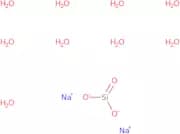
CAS:<p>Sodium metasilicate pentahydrate is a white powder that is soluble in water and alcohol. It is used as an acidity regulator, sequestering agent, and buffer in detergent compositions. Sodium metasilicate pentahydrate has been shown to inhibit the growth of bacteria by binding to fatty acids in their cell walls and preventing the formation of cell walls. The molecule also inhibits the polymerase chain reaction (PCR) by binding to DNA-dependent RNA polymerase, thereby preventing transcription and replication. Electrochemical impedance spectroscopy has been used to measure the effect of this compound on particle size distribution and flow system performance.</p>Fórmula:Na2SiO3•(H2O)5Pureza:(Na₂O) 28.8 To 29.8%Cor e Forma:White PowderPeso molecular:212.14 g/molN-Ethyl-N-(2-hydroxy-3-sulfopropyl)-3,5-dimethylaniline sodium monohydrate
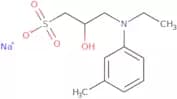
CAS:<p>N-Ethyl-N-(2-hydroxy-3-sulfopropyl)-3,5-dimethylaniline (NAHSDMA) is a coumarin derivative that inhibits protein synthesis and necrotic cell death. NAHSDMA was found to inhibit the growth of colorectal adenocarcinoma cells in culture and has been shown to have anti-inflammatory properties. NAHSDMA binds to the amine group of monoamine neurotransmitters, which are vital for brain function. This drug also has antimicrobial properties, inhibiting bacterial growth by binding to the enzyme DNA gyrase and topoisomerase IV, which maintain the integrity of bacterial DNA. Linear calibration curves were obtained in human serum with an IC50 value of 0.87 μM. NAHSDMA was shown to be metabolized through hydrolysis by esterases or glucuronidases, oxidation by cytochrome P450 enzymes,</p>Fórmula:C13H22NNaO5SPureza:Min. 95%Peso molecular:327.37 g/molClofibrate
CAS:<p>Clofibrate is a lipid-lowering agent that is used for the treatment of hyperlipidemia. It is a non-selective inhibitor of fatty acid synthesis and has been shown to inhibit cancer cell growth in vitro. Clofibrate inhibits tumor cell proliferation and induces apoptosis, which may be due to its ability to inhibit protein synthesis in cancer cells. This drug also suppresses the growth of breast cancer cells by inhibiting their ability to proliferate.</p>Fórmula:C12H15ClO3Pureza:Min. 95%Cor e Forma:Colorless Clear LiquidPeso molecular:242.7 g/molManganese(II) chloride monohydrate
CAS:<p>Manganese(II) chloride monohydrate is a high quality, reagent grade chemical that is used as a complexing agent and intermediate in the production of fine chemicals. It can also be used as a versatile building block for the synthesis of speciality chemicals. Manganese(II) chloride monohydrate is a useful scaffold with which to build other molecules and has been found to be an important reaction component for the synthesis of various organic compounds.</p>Fórmula:Cl2Mn·H2OPureza:Min. 95%Cor e Forma:PowderPeso molecular:143.86 g/molZinc sulfate monohydrate
CAS:<p>Zinc sulfate monohydrate is a white crystalline solid that is soluble in water. It is used as a nutrient supplement, such as in the form of zinc sulfate. The compound is also used to prepare zinc citrate, which can be used as a buffer or reaction solution. Zinc sulfate monohydrate reacts with other compounds to produce zinc salts and water vapor. In the presence of calcium pantothenate and phosphorus pentoxide, it forms zinc phosphate and zinc carbonate. This compound has been shown to increase locomotor activity when injected into rats at an optimum concentration. Zinc sulfate monohydrate has been shown to have cardiac effects in rats at higher doses, including delayed repolarization and reduced contractility. Structural analysis of this compound has shown that it contains a complex enzyme-like site that may be involved in the catalytic process. Thermodynamic data for this compound has been obtained by differential scanning calorimetry and X-ray powder diffraction analysis,</p>Fórmula:ZnSO4•H2OPureza:Min. 95%Cor e Forma:PowderPeso molecular:179.46 g/molBrimonidine L-tartrate
CAS:<p>Brimonidine L-tartrate is a cyclase inhibitor that blocks the enzyme cyclic guanosine monophosphate (cGMP) phosphodiesterase. It has been shown to be effective in vivo in humans and has been shown to inhibit the production of neurotrophic factors in human HL-60 cells. Brimonidine L-tartrate is also effective as an anti-inflammatory agent and has long-term efficacy when used as a control analysis. This drug significantly reduced the rate constant of the 2-adrenergic receptor, which may lead to decreased risk of heart disease.</p>Fórmula:C15H16BrN5O6Pureza:Min. 95%Cor e Forma:White To Off-White SolidPeso molecular:442.22 g/molS(-)-Raclopride (+)-tartrate salt
CAS:<p>Dopamine (D2 and D3) receptor antagonist</p>Fórmula:C15H20Cl2N2O3·C4H6O6Pureza:Min. 95%Cor e Forma:White PowderPeso molecular:497.32 g/molIrinotecan hydrochloride trihydrate
CAS:<p>Inhibitor of DNA topoisomerase I</p>Fórmula:C33H38N4O6•HCl•(H2O)3Pureza:Min. 97 Area-%Cor e Forma:Yellow PowderPeso molecular:677.18 g/molMethysergide maleate monohydrate
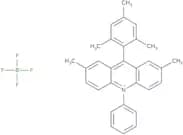
CAS:Produto Controlado<p>Methylergide maleate monohydrate is a high-quality reagent that is useful as an intermediate for the synthesis of complex compounds. It is also a fine chemical that can be used in research and development. Methylergide maleate monohydrate has CAS No. 129-49-7, and it can be used to produce speciality chemicals or reaction components. It has a wide range of applications, such as being a versatile building block in organic synthesis and being a reaction component for the production of pharmaceuticals or agrochemicals.</p>Fórmula:C25H33N3O7Pureza:Min. 95%Cor e Forma:White PowderPeso molecular:487.55 g/mol3,6-Bis(1,1-dimethylethyl)-10-phenyl-9-(2,4,6-trimethylphenyl)-acridinium tetrafluoroborate
CAS:<p>3,6-Bis(1,1-dimethylethyl)-10-phenyl-9-(2,4,6-trimethylphenyl)-acridinium tetrafluoroborate is a high quality reagent that is used as an intermediate in the synthesis of other compounds. It has CAS No. 1810004-87-5 and a molecular weight of 345.7 g/mol. This compound is useful for the synthesis of complex compounds and can be used in fine chemicals. 3,6-Bis(1,1-dimethylethyl)-10-phenyl-9-(2,4,6-trimethylphenyl)-acridinium tetrafluoroborate is also useful for research purposes and can be used as a scaffold for drug discovery. It is also a versatile building block that can be used in reactions to produce speciality chemicals and reaction components such as esters or amides.</p>Fórmula:C36H40BF4NPureza:Min 95%Cor e Forma:PowderPeso molecular:573.51 g/molButyrylcholine perchlorate
CAS:<p>Butyrylcholine perchlorate is an acetylcholine esterase inhibitor that is used as a fluorescent probe for the detection of choline esters. It specifically reacts with acetylcholine and other cholinergic compounds, such as butyrylcholine, p-nitrophenyl phosphate, and chlorogenic acids. The fluorescence intensity can be measured in order to determine the concentration of these compounds in a biological sample. Butyrylcholine perchlorate has been shown to inhibit the synthesis of phosphatidylinositol 4-phosphate (PIP) by inhibiting the enzyme responsible for this reaction, phosphatidylinositol 4-kinase (PI4K). This inhibition leads to decreased brain function.</p>Fórmula:C9H20NO2·ClO4Pureza:Min. 95%Cor e Forma:PowderPeso molecular:273.71 g/mol1-Bromo-3,4-dihydroxy-5-methoxybenzene monohydrate
CAS:<p>1-Bromo-3,4-dihydroxy-5-methoxybenzene monohydrate is a versatile building block for the creation of complex compounds. It is a useful intermediate and can be used as a reagent in organic synthesis. This chemical is also used as an additive in plastics and rubber production. 1-Bromo-3,4-dihydroxy-5-methoxybenzene monohydrate is synthesized from 3,4,5-trimethoxyphenol and bromine. It has been assigned the CAS number 205748-04-5.</p>Fórmula:C7H7BrO3·H2OPureza:Min. 95%Cor e Forma:PowderPeso molecular:237.05 g/mol3-Chloro-4-hydroxybenzoic acid hemihydrate
CAS:<p>3-Chloro-4-hydroxybenzoic acid hemihydrate is an analog of forskolin that is used in cancer research. It has been shown to inhibit the growth of lung cancer cells, which may be due to its ability to activate protein kinase A and phosphatase enzymes. 3-Chloro-4-hydroxybenzoic acid hemihydrate is being studied as a potential treatment for multiple sclerosis and other autoimmune disorders, although it has not yet been approved for these conditions. This drug inhibits the proliferation of tumor suppressor protein p53 and reverses the effects of a synthetic form of fty720 on the activation of the p38 mitogen activated protein kinase.</p>Fórmula:C7H5ClO3·H2OPureza:Min. 98 Area-%Cor e Forma:PowderPeso molecular:363.15 g/molHydrindantin hydrate
CAS:<p>Hydrindantin hydrate is a reactive nitrogenous compound. It has broad-spectrum antimicrobial activity against bacteria, fungi and viruses. The nature of the compound is unknown, but it is thought to be an antibiotic. Hydrindantin hydrate has been found to inhibit the growth of bacteria when used in high concentrations. This property is due to its ability to bind with the enzyme ribonucleotide reductase (an enzyme that converts ribonucleotides into deoxyribonucleotides), which prevents DNA synthesis and replication. Hydrindantin hydrate also exhibits antibacterial properties against foot-and-mouth disease virus, a virus that infects livestock causing illness and death in cattle, pigs, sheep, and goats.</p>Fórmula:C18H14O8Pureza:Min. 98 Area-%Cor e Forma:White PowderPeso molecular:358.3 g/molTetramethylammonium fluoride tetrahydrate
CAS:<p>Tetramethylammonium fluoride tetrahydrate (TMF) is an ionic liquid that is a reaction product of tetraethylammonium and hydrochloric acid. TMF has been shown to react reversibly with water to produce aqueous hydrogen fluoride, which can be detected at low concentrations with a variety of analytical techniques such as gas chromatography. TMF has also been shown to have selectivities for the transport of silicon and calcium carbonate ions, which are useful in electrochemical studies. The activation energies for the reaction of TMF with water were determined by electrochemical studies to be around -0.4 eV.</p>Fórmula:C4H12FN·4H2OCor e Forma:White PowderPeso molecular:165.2 g/molInterferon-Inducible T Cell a-Chemoattractant (human)
CAS:<p>Please enquire for more information about Interferon-Inducible T Cell a-Chemoattractant (human) including the price, delivery time and more detailed product information at the technical inquiry form on this page</p>Fórmula:C368H619N107O98S6Pureza:Min. 95%Peso molecular:8,302.91 g/molC-Undecylcalix[4]resorcinarene monohydrate
CAS:<p>C-Undecylcalix[4]resorcinarene monohydrate (CUR-M) is a fine chemical that can be used in the synthesis of a variety of organic compounds. CUR-M is a versatile building block and useful intermediate as it reacts easily with different reagents, such as alcohols, amines, halides, and nitriles. This compound can also be used as a reaction component in the synthesis of complex compounds.</p>Fórmula:C72H112O8·H2OPureza:Min. 95%Cor e Forma:PowderPeso molecular:1,123.67 g/molSodium tungstate dihydrate
CAS:<p>Sodium tungstate dihydrate (STDH) is a sodium salt that has been shown to be effective against the MCL-1 protein. This protein is involved in regulating energy metabolism and cell death. STDH binds to the MCL-1 protein, preventing it from forming an oligomer with other proteins. This prevents the MCL-1 protein from translocating into the mitochondria and disrupting the mitochondrial membrane potential, which leads to cell death. STDH has been shown to be effective against wild-type strains of bacteria as well as against bacterial strains that have developed resistance to antibiotics such as molybdenum and tungsten. STDH also inhibits axonal growth in vitro and human serum, leading to physiological effects such as blood coagulation.</p>Fórmula:Na2WO4•(H2O)2Cor e Forma:PowderPeso molecular:329.85 g/molMethyl 2-coumarate
CAS:<p>Methyl 2-coumarate is a chemotherapeutic agent that inhibits the growth of cancer cells by binding to their cell membranes. It is an analog of coumarin and has been shown to be more potent than the parent compound. Methyl 2-coumarate binds to the acceptor site on the cell membrane, which prevents other molecules from entering or leaving the cell and eventually leading to cell death. The residue of methyl 2-coumarate is believed to play a role in its anticancer activity, as it forms a pharmacophore with paraformaldehyde.</p>Fórmula:C10H10O3Pureza:Min. 95%Cor e Forma:PowderPeso molecular:178.18 g/molIpratropium bromide monohydrate
CAS:<p>Muscarinic antagonist</p>Fórmula:C20H32BrNO4Pureza:Min. 95%Cor e Forma:White/Off-White SolidPeso molecular:430.38 g/molButamirate citrate
CAS:<p>Butamirate citrate is a pharmacological agent that has been shown to be effective in the treatment of chronic cough, inflammatory bowel disease, and bowel disease. It is an antitussive and antidiarrheal drug with both opioid and non-opioid mechanisms of action. The drug binds to fatty acid receptors in the intestine and lungs, which causes a decrease in smooth muscle tone. This reduces airway resistance, making breathing easier. Butamirate citrate may also work by inhibiting sodium citrate transport across the cell membrane, thereby reducing oxygen transport into cells. This drug can be used to treat symptoms of chronic coughs such as postnasal drip, sinus congestion, sore throat, hoarseness or laryngitis.</p>Fórmula:C24H37NO10Pureza:Min. 95%Cor e Forma:PowderPeso molecular:499.55 g/molBradykinin triacetate trihydrate
CAS:<p>Bradykinin is a naturally occurring peptide hormone that has been found to have a wide variety of uses. It can be used as a fine chemical, useful scaffold, versatile building block, and useful intermediate in the synthesis of complex compounds. Bradykinin can also act as a reaction component for the synthesis of speciality chemicals, such as pharmaceuticals and research chemicals. Bradykinin is used in the manufacture of medicines for high blood pressure and pain relief, among other things. It is also used in research studies to study the effects of drugs on cell cultures and animals.</p>Fórmula:C50H73N15O11•(C2H4O2)3•(H2O)3Pureza:Min. 95%Cor e Forma:PowderPeso molecular:1,294.41 g/mol1,10-Phenanthroline monohydrate
CAS:<p>1,10-Phenanthroline monohydrate is a metal chelate that binds to DNA by hydrogen bonds. It has been shown to have an intramolecular hydrogen and a linear calibration curve with a coefficient of determination (r2) of 0.998. The rate constant for the reaction of 1,10-phenanthroline monohydrate with DNA is 5.00 x 10 M-1 s-1 at 25°C in water and pH 7.4 buffer. The coordination geometry for 1,10-phenanthroline monohydrate is octahedral with the axial ligands occupying the equatorial positions and the equatorial ligands occupying the axial positions. This compound has been shown to be active against HL-60 cells, which causes cancerous transformations in vitro. Fluorescence spectrometry data shows that 1,10-phenanthroline monohydrate can bind to DNA in vitro but not in vivo.</p>Fórmula:C12H10N2OPureza:Min. 95%Cor e Forma:Off-White PowderPeso molecular:198.22 g/molSodium 3-phosphoglycerate hydrate
CAS:<p>Sodium 3-phosphoglycerate hydrate is a salt of sodium and phosphoglycerate. It is used as a pharmaceutical ingredient to treat metabolic disorders such as hypoglycemia, hyperglycemia, and diabetes mellitus. The chemical structure of 3PGA consists of three phosphate groups and one glycerate group attached to the carbon backbone. This compound's three phosphate groups are critical for its function in energy metabolism and storage. One phosphate group is involved in the synthesis of ATP (adenosine triphosphate), while two phosphate groups are involved in the breakdown of glucose (glycolysis). The enzyme inhibitors that inhibit the enzymes phosphofructokinase and pyruvate kinase are also present in this compound, which may be responsible for its effects on insulin secretion. Sodium 3-phosphoglycerate hydrate contains redox potentials that can be measured by cyclic voltammetry or potentiometry. This study provides structural analysis of this</p>Fórmula:C3H8O6P•Nax•(H2O)yCor e Forma:PowderPeso molecular:194.06 g/molBetaine monohydrate
CAS:<p>Betaine is a group P2 compound that is an organic acid. It has been shown to improve the performance of polymerases, which are enzymes in cells that are responsible for synthesizing DNA. Betaine also helps with energy metabolism and in the synthesis of fatty acids. This compound can be found in plants and animals, as well as being manufactured synthetically. The melting point of betaine is between -6°C (21.2°F) and -13°C (8.6°F). When this compound is dissolved in water, it undergoes a phase transition from a solid state to a liquid state at its melting point. The boiling point of betaine is between 148°C (300.4°F) and 149°C (301.2°F). Betaine interacts with other molecules through hydrogen bonding interactions or by forming an acid-complex with sodium carbonate or malonic acid.</p>Fórmula:C5H11NO2·H2OCor e Forma:White PowderPeso molecular:135.16 g/molTrimagnesium Dicitrate Nonahydrate
CAS:<p>Trimagnesium Dicitrate Nonahydrate is a magnesium citric acid, which is the active ingredient in the medication Citracal®. This drug is used to treat or prevent low levels of magnesium in the blood and maintain proper muscle function. It can also be used to make up for a lack of citric acid in the diet, as well as to relieve occasional constipation due to reduced muscle activity in the intestines. Trimagnesium Dicitrate Nonahydrate has antiviral properties, which means it can inhibit viral replication by preventing viral nucleic acid synthesis. It also interacts with other drugs and may have interactive effects on their metabolism and excretion. The particles are small and dry and can be seen by microscopy.</p>Fórmula:C12H10Mg3O14·9H2OPureza:(Chelometric Titration) Min. 98%Cor e Forma:PowderPeso molecular:613.25 g/moltrans-Resveratrol-3,4',5-trisulfate trisodium salt
CAS:<p>Trans-resveratrol-3,4',5-trisulfate trisodium salt is a fine chemical that can be used as a building block for research chemicals and pharmaceuticals. It is often used as a reagent in organic synthesis, due to its solubility in organic solvents. This compound has been shown to have activity against Alzheimer's disease. Trans-resveratrol-3,4',5-trisulfate trisodium salt also has anti-inflammatory properties.</p>Fórmula:C14H9Na3O12S3Pureza:Min. 95%Cor e Forma:PowderPeso molecular:534.38 g/molTriammonium phosphate trihydrate
CAS:<p>Triammonium phosphate trihydrate is a white or yellowish solid that is chemically stable. It is primarily used as a molybdenum-containing coating for animal feed and in the production of hydrogen fluoride. This compound has been shown to be toxic to animals, but has low toxicity and no carcinogenicity in humans. Triammonium phosphate trihydrate has been shown to have surface properties that are conducive to the adsorption of hydroxyapatite, which may be due to its high affinity for hydrogen bonds. Triammonium phosphate trihydrate can also be used as an acid catalyst and as a precursor in the production of lithium. It can be synthesized by reacting ammonium nitrate with plasma mass spectrometry or by heating lithium chloride with ammonium nitrate. This compound is also an optical material that can be used in lithium ion batteries.</p>Fórmula:H12N3PO4•(H2O)3Pureza:Min. 95%Cor e Forma:PowderPeso molecular:203.13 g/molN-Ethylbenzene-2,4,6-triphenyl pyridinium tetrafluoroborate
CAS:<p>N-Ethylbenzene-2,4,6-triphenyl pyridinium tetrafluoroborate is a reagent that can be used in chemical reactions. It is a fine chemical and research chemicals with high quality and a versatile scaffold. It is useful as an intermediate in the synthesis of complex compounds. N-Ethylbenzene-2,4,6-triphenyl pyridinium tetrafluoroborate has CAS number 66310-06-3.</p>Fórmula:C31H26N·BF4Pureza:Min. 95%Cor e Forma:PowderPeso molecular:499.35 g/molPAR-3 (1-6) (human) trifluoroacetate salt
CAS:<p>Please enquire for more information about PAR-3 (1-6) (human) trifluoroacetate salt including the price, delivery time and more detailed product information at the technical inquiry form on this page</p>Fórmula:C29H45N9O8Pureza:Min. 95%Peso molecular:647.72 g/molTrimeprazine hemitartrate
CAS:Produto Controlado<p>Trimeprazine hemitartrate is a polymer drug that has been used to treat bowel disease, congestive heart failure, and inflammatory bowel disease. This drug is also a specific treatment for pediatric patients. Trimeprazine hemitartrate belongs to the class of drugs known as long-chain fatty acid drugs. It is a prodrug of trimeprazine and has an acyl chain that is resistant to oxidation by cytochrome P450 enzymes. It also binds to prostate cancer cells and has been used in the treatment of cancer. Trimeprazine hemitartrate can be used as a pharmaceutical preparation in combination with monoclonal antibodies for the treatment of autoimmune disorders such as rheumatoid arthritis or psoriasis.</p>Fórmula:C20H25N2O3SPureza:Min. 95%Cor e Forma:PowderPeso molecular:373.49 g/molL-Arginine a-ketoglutarate (1:1)
CAS:<p>L-Arginine a-ketoglutarate (1:1) is a water soluble compound that is used as a precursor for the synthesis of polyamines. It is also an intermediate in the urea cycle and can be used to synthesize glutamate, glutamine, and argininosuccinic acid. L-Arginine a-ketoglutarate (1:1) has been shown to improve myocardial function and reduce infarct size in animal models. This drug has also been shown to augment neuroprotective properties of metoprolol succinate on cerebellar Purkinje neurons in vitro. The degradation of L-arginine a-ketoglutarate (1:1) by monoamine oxidase B produces hydrogen peroxide, which may be responsible for its cardioprotective effects.</p>Fórmula:C6H14N4O2·C5H6O5Pureza:Min. 95%Cor e Forma:PowderPeso molecular:320.3 g/molL-Cysteine hydrochloride hydrate
CAS:<p>L-Cysteine hydrochloride hydrate is an amino acid that belongs to the group of antimicrobial agents. It is a precursor in the biosynthesis of proteins and nucleic acids. L-Cysteine hydrochloride hydrate inhibits bacterial growth by reacting with iron and forming an insoluble complex that cannot be used for metabolic processes. Cysteine also reacts with dehydroascorbic acid to form a fluorescent compound, which can be detected using fluorescence probe and fluorometric methods. This reaction is pH dependent, with a lower pH favoring the formation of the fluorescent product. The optimum pH for this reaction is approximately 7.0-8.5, at which point it is most effective against bacteria such as Escherichia coli, Pseudomonas aeruginosa, and Staphylococcus aureus.</p>Fórmula:C3H7NO2S·HCl·xH2OCor e Forma:PowderPeso molecular:157.62 g/molDocetaxel trihydrate
CAS:<p>A cytotoxic taxane and anti-microtubule agent with anti-proliferative activity. Docetaxel binds to the β-subunit of tubulin, which results in increased polymerisation and stabilisation of microtubules. The compound interferes with microtubule dynamics, which leads to the cell cycle arrest in the G2/M phase and apoptosis. The compound has significant inhibitory activity in solid tumors either alone or in combination with other chemotherapeutic agents.</p>Fórmula:C43H53NO14•(H2O)3Pureza:Min. 98 Area-%Cor e Forma:PowderPeso molecular:861.93 g/molSodium tetrakis[3,5-bis(trifluoromethyl)phenyl]borate
CAS:<p>Tetrakis(3,5-bis(trifluoromethyl)phenyl)borate is a boron compound that has the formula [(CH)B] and is an ionic compound. It is a model system for studying conformational properties of organic compounds in solution. A reaction solution containing sodium tetrakis(3,5-bis(trifluoromethyl)phenyl)borate reacts with coumarin derivatives to form stable complexes. These complexes are then detected by infrared spectroscopy, mass spectrometry, and nuclear magnetic resonance (NMR). This method has been applied to urine samples and plasma from healthy subjects as well as human serum. The stable complexes can be used to measure the concentration of free coumarin derivatives in these samples. The cationic polymerization of polystyrene was studied using tetrakis(3,5-bis(trifluoromethyl)phenyl)borate</p>Fórmula:C32H12BF24•NaPureza:(%) Min. 95%Cor e Forma:PowderPeso molecular:886.2 g/molHexaketocyclohexane octahydrate
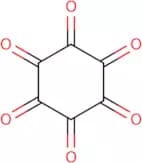
CAS:<p>Hexaketocyclohexane octahydrate (HXK) is a model system that has been used to investigate the binding of peptides. It has been shown to bind with both proteins and other compounds, such as human serum albumin, and it is chemically stable in aqueous solution. HXK is also a good model system for studying the conformational changes in peptides that are important for their function. The protein-binding properties of HXK have been investigated by NMR spectroscopy and x-ray diffraction data, which provide information about the chemical structure of this compound. HXK can be used to study reactions involving nitrogen atoms, such as those involved in autoimmune diseases or growth factors. Reaction solutions containing HXK can be used as a model for high salt conditions and the reaction mechanism can be investigated using trifluoroacetic acid.</p>Fórmula:C6O6·8H2OPureza:Min. 97 Area-%Cor e Forma:White PowderPeso molecular:312.18 g/molCisapride monohydrate
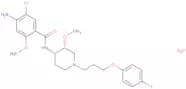
CAS:Produto Controlado<p>Serotonin receptor (5-HT4) agonist</p>Fórmula:C23H29ClFN3O4·H2OPureza:Min. 95%Cor e Forma:PowderPeso molecular:483.96 g/mol3,3',5,5'-Tetramethylbenzidine dihydrochloride dihydrate
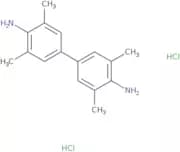
CAS:<p>3,3',5,5'-Tetramethylbenzidine dihydrochloride dihydrate is a hydrophilic, non-fluorescent, and water-soluble chemical that is used as an enzyme-linked immunosorbent assay (ELISA) substrate. It has been shown to be reactive with peroxide and hydrogen peroxide in vitro and in vivo. 3,3',5,5'-Tetramethylbenzidine dihydrochloride dihydrate also has peroxidase-like activity when interacting with monomers to form polymers. The monomers are recombinantly human proteins that have been modified to increase the molecule's solubility. This increased solubility increases the interaction of the monomers with oxidants such as hydrogen peroxide or peroxides.</p>Fórmula:C16H20N2·2HCl·2H2OPureza:Min. 95%Cor e Forma:PowderPeso molecular:349.3 g/molHomoveratramide
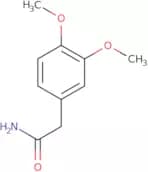
CAS:<p>Homoveratramide is a synthetic drug that is used as an antibacterial agent. It has a broad spectrum of activity against bacteria, fungi, and protozoa. Homoveratramide has been shown to be effective against both Gram-positive and Gram-negative bacteria, including Staphylococcus aureus, Streptococcus pneumoniae, Escherichia coli, Salmonella enterica, Pseudomonas aeruginosa, and Klebsiella pneumoniae. Homoveratramide inhibits the synthesis of DNA by binding to the enzyme ribonucleotide reductase. This produces a bacteriostatic effect on the cell by halting DNA replication and transcription.</p>Fórmula:C10H13NO3Pureza:Min. 95%Cor e Forma:PowderPeso molecular:195.22 g/molCalcium folinate pentahydrate
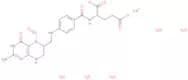
CAS:<p>Calcium folinate pentahydrate is a drug that is used to treat overexertion. It is also used as a pharmacological treatment for cancer and as a drug repositioning agent. Calcium folinate pentahydrate has been shown to be effective in treating the symptoms of overexertion, including muscle cramps, pain, and fatigue. This drug binds to the casein in the bloodstream and forms calcium citrate, which is then excreted from the body. In cancer patients, this drug prevents tumor cells from dividing by inhibiting DNA synthesis and RNA synthesis. It does not affect normal cells because it cannot diffuse through membranes that are impenetrable by ions (e.g., cell membrane).</p>Fórmula:C20H21CaN7O7·5H2OPureza:Min. 95%Cor e Forma:Yellow PowderPeso molecular:601.58 g/molTipepedine citrate
CAS:<p>Tipepedine citrate is a peptide that inhibits the binding of antibodies to their antigen. Tipepedine citrate is a ligand that binds to the receptor, which can be an ion channel or a receptor. It is also used as a research tool in cell biology and pharmacology. Tipepedine citrate has been shown to have inhibitory activity against several receptors, ion channels, and enzymes. Tipepedine citrate has high purity and can be used as an activator for other reagents.</p>Fórmula:C15H17NS2C6H8O7Pureza:Min. 95%Peso molecular:467.56 g/molDimethyl glutarate
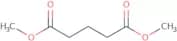
CAS:<p>Dimethyl glutarate is a white crystalline solid that is soluble in water, ethanol, and methanol. It has a neutral pH and a high resistance to hydrolysis. Dimethyl glutarate is produced by the reaction of glutarate with phenolic acid and dimethyl acetate. The reaction mechanism involves the formation of an intermediate compound called oxalyl chloride which reacts with the phosphorous acid to form the desired product. Experimental solubility data shows that dimethyl glutarate has a solubility at 25°C of 1.2 g/100 mL in water and 0.6 g/100 mL in chloroform.</p>Fórmula:C7H12O4Pureza:Min. 98%Cor e Forma:Clear LiquidPeso molecular:160.17 g/mol1,2,3-Benzenetricarboxylic acid hydrate
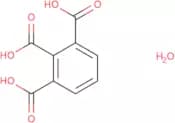
CAS:<p>1,2,3-Benzenetricarboxylic acid hydrate (BTAH) is a molecule that has been studied as a potential photosensitizer for photodynamic therapy. This compound is an organic semiconductor with a wide absorption spectrum and a large quantum yield in the visible region. It also has high charge carrier mobility, which makes it suitable for use in electronic devices. BTAH is an additive that can be used to inhibit the formation of cancer cells and reduce inflammation. BTAH has been shown to have anti-inflammatory properties by inhibiting prostaglandin synthesis. The molecular structure of BTAH consists of three benzene rings joined together by two carboxyl groups. The central ring in this molecule is also known as 1,2,3-benzenetricarboxylic acid or 3,4-dihydroxybenzoic acid.</p>Fórmula:C9H6O6·xH2OPureza:Min. 98 Area-%Cor e Forma:PowderPeso molecular:210.14 g/mol2-Chloro-1-methylquinolinium tetrafluoroborate
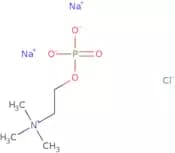
CAS:<p>2-Chloro-1-methylquinolinium tetrafluoroborate (2CQBF) is a synthetic compound that inhibits protein synthesis. It has been used as an analytical reagent for the determination of proteins, including those in urine samples. 2CQBF has been shown to be effective in the treatment of cancer and other diseases, such as lupus erythematosus, arthritis, and psoriasis.</p>Fórmula:C10H9ClN•BF4Pureza:Min. 95%Cor e Forma:White PowderPeso molecular:265.44 g/molPhosphocholine chloride calcium salt tetrahydrate
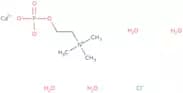
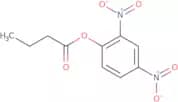
CAS:<p>Phosphocholine chloride calcium salt tetrahydrate is a lipid-regulating agent that can be used in health-care products. It has a safety profile and does not cause any adverse reactions when taken orally. The uptake of phosphocholine chloride calcium salt tetrahydrate is pH dependent, and it has been shown to inhibit lipoprotein lipase activity at acidic pH levels (below 4.5). This drug is used in the preparation of samples for fluorescence assays, such as monoclonal antibodies or density lipoprotein, which requires hydrophobic substances to bind with the fluorescent dye. Phosphocholine chloride calcium salt tetrahydrate can also be used as an emulsifying agent in enzymatic methods, such as calcium carbonate or chloride.</p>Fórmula:C5H13CaClNO4P·4H2OCor e Forma:White PowderPeso molecular:329.73 g/molα-Naphthyl butyrate
CAS:<p>Alpha-naphthyl butyrate is a monomer of polybutyrate and is used as an intermediate in the production of polybutylene terephthalate. This product is also used for biological studies and has been shown to have acute toxicities. Alpha-naphthyl butyrate has been shown to inhibit esterase and enzyme activities, and it is more toxic than butyric acid. Alpha-naphthyl butyrate can be used for the diagnosis of certain types of chronic viral hepatitis, such as hepatitis B virus or hepatitis C virus, by detecting human immunoglobulin G (IgG) antibodies against this compound.</p>Fórmula:C14H14O2Pureza:Min. 95%Cor e Forma:Clear LiquidPeso molecular:214.26 g/molBerberine sulfate trihydrate
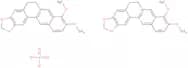
CAS:<p>Berberine sulfate trihydrate is a bioactive alkaloid compound, which is derived from various plant species such as Berberis, Coptis, and Phellodendron. Its mode of action involves interacting with cellular signaling pathways, including the activation of AMP-activated protein kinase (AMPK), modulation of gut microbiota, and influencing glucose and lipid metabolism.</p>Fórmula:C40H42N2O15SPureza:Min. 95%Cor e Forma:PowderPeso molecular:822.83 g/molPefloxacin mesylate dihydrate
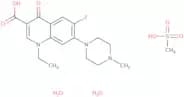
CAS:<p>Pefloxacin mesylate is a prodrug of pefloxacin that is hydrolyzed to the active form in vivo. Pefloxacin is an antibiotic that inhibits bacterial growth by interfering with DNA synthesis by binding to the bacterial ribosome, thereby blocking protein synthesis. This drug has been shown to be effective against gram-positive bacteria such as Streptococcus pneumoniae and Staphylococcus aureus. However, it is not active against gram-negative bacteria such as Escherichia coli or Pseudomonas aeruginosa. Pefloxacin mesylate dihydrate can be administered intravenously at a low dose without any adverse effects on healthy adults. It has also been shown to inhibit the growth of antibiotic-resistant strains of many species, including methicillin-resistant Staphylococcus aureus (MRSA) and Enterococcus faecium.</p>Fórmula:C17H20FN3O3·CH4O3S·2H2OPureza:Min. 95%Peso molecular:465.49 g/molHuman-24, human
CAS:<p>This antibody is a mouse IgG2a monoclonal antibody to human 24, a protein of unknown function. It blocks the binding of this protein to its ligand, inhibiting the function of this protein.</p>Pureza:Min. 95%Rivastigmine tartrate
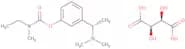
CAS:Produto Controlado<p>Acetylcholinesterase and butyrylcholinesterase inhibitor</p>Fórmula:C18H28N2O8Pureza:Min. 95%Cor e Forma:White PowderPeso molecular:400.42 g/molPhosphocholine chloride sodium salt hydrate
CAS:<p>Phosphocholine chloride sodium salt hydrate is an organic compound that is used as a cross-linking agent in the production of polymers. It is also used as a reactant in ring-opening reactions and as an intermediate in the synthesis of pyridinium salts. This product has been shown to be metabolized by human serum to form fatty acids, which may play a role in metabolic disorders such as obesity and diabetes. The reagent can also be used for the chromatographic determination of cholesterol and other lipids.</p>Fórmula:C5H13ClNNa2O4P·xH2OPureza:Min. 95%Cor e Forma:White PowderPeso molecular:263.58 g/molN-Benzyl-4-phenyl pyridinium tetrafluoroborate
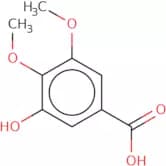
CAS:<p>N-Benzyl-4-phenyl pyridinium tetrafluoroborate is a fine chemical that can be used as a building block in the synthesis of complex compounds. It has been shown to have versatile applications in organic synthesis, such as being a useful intermediate and reaction component. N-Benzyl-4-phenyl pyridinium tetrafluoroborate is an extremely high quality reagent with few side effects and low toxicity.</p>Fórmula:C18H16N•BF4Pureza:Min. 95%Peso molecular:333.13 g/mol5-Hydroxyveratric acid
CAS:<p>5-Hydroxyveratric acid is a chemical compound that belongs to the group of useful building blocks and can be used as a research reagent, speciality chemical, or high quality intermediate. It is a versatile building block that can be used in reactions involving carboxylic acids, amides, alcohols, and thiols. 5-Hydroxyveratric acid is also a useful scaffold for the synthesis of complex organic molecules. CAS No. 1916-08-1</p>Fórmula:C9H10O5Pureza:Min. 98 Area-%Cor e Forma:White Off-White PowderPeso molecular:198.17 g/molDisuccinimidyl suberate
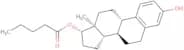
CAS:<p>Disuccinimidyl suberate is a water-soluble, non-toxic compound that has been used as a cross-linking agent in the preparation of proteins for immunological and biochemical studies. Disuccinimidyl suberate reacts with carboxyl groups of proteins and exhibits chemiluminescence upon hydrolysis. This reaction can be used to measure the amount of protein present in samples. Disuccinimidyl suberate has been shown to inhibit virus growth by interfering with viral membrane fusion. It also inhibits the replication of human immunodeficiency virus type 1 (HIV-1) by binding to gp120, which is an envelope glycoprotein on the surface of HIV-1. Disuccinimidyl suberate also binds to neurotrophic factors, such as nerve growth factor (NGF), brain-derived neurotrophic factor (BDNF), and glial cell line-derived neurotrophic factor (GDNF</p>Fórmula:C16H20N2O8Pureza:Min. 98 Area-%Cor e Forma:White PowderPeso molecular:368.34 g/molEstradiol 17-valerate
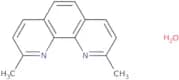
CAS:<p>Estradiol is a form of the hormone estrogen that has been modified to be more lipophilic. It is used in combination with other drugs to treat menopausal symptoms and as an adjuvant for the treatment of breast cancer in women. Estradiol 17-valerate is also used in the treatment of schizophrenia, although not as often as estradiol valerate, because it has a shorter duration of action. The mechanism of action is thought to be due to its ability to increase the concentration of dopamine at nerve terminals by blocking reuptake or inhibiting its metabolism. This may result in relief from distal tubule dysfunction and an improvement in urinary tract symptoms associated with benign prostatic hypertrophy. There are many other possible mechanisms of action including the prevention of bone loss, increased bone age, and increased NMDA receptor binding potentials.</p>Fórmula:C23H32O3Pureza:Min. 95%Cor e Forma:PowderPeso molecular:356.5 g/mol2,9-Dimethyl-1,10-phenanthroline hydrate
CAS:<p>Chelating agent used to detect aqueous copper ions by electrochemiluminescence</p>Fórmula:C14H12N2•(H2O)xPureza:Min. 95%Cor e Forma:PowderPeso molecular:208.26 g/molSodium metasilicate nonahydrate
CAS:<p>Sodium metasilicate nonahydrate is a chemical that is used as a surfactant in water treatment and as a food additive. It has been shown to reduce the surface tension of water, which allows for more efficient cleaning. Sodium metasilicate nonahydrate has been used to remove heavy metals from wastewater, such as potassium dichromate and sodium citrate. This chemical also reacts with hydroxides of metals such as sodium carbonate and glycol ethers to form soluble silicates. The solubility data for this compound was obtained by measuring the solubility of anhydrous sodium metasilicate in water at different temperatures using a particle technique.</p>Fórmula:Na2SiO3•(H2O)9Pureza:Min. 95%Cor e Forma:PowderPeso molecular:284.2 g/molXanthine sodium salt monohydrate
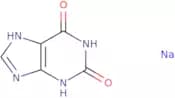
CAS:<p>Xanthine sodium salt monohydrate is a dietary supplement that is used to treat metabolic disorders such as hyperuricemia and gout. It also has antiviral effects against herpes simplex virus-1 (HSV-1) and type-2 (HSV-2). Xanthine sodium salt monohydrate inhibits the production of viral DNA polymerase, which causes cell death by inhibiting the synthesis of proteins vital for cell division. Xanthine sodium salt monohydrate can be used to inhibit the growth of cancer cells in vitro. The mechanism of action is not yet fully understood, but it is thought that xanthine may inhibit phosphodiesterase activity or have a direct effect on the cell membrane.</p>Fórmula:C5H3N4NaO2•H2OPureza:Min. 95 Area-%Cor e Forma:PowderPeso molecular:192.11 g/molDesloratadine
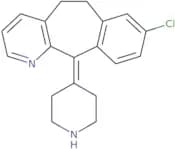
CAS:<p>Histamine (H1) receptor antagonist; anti-inflammatory</p>Fórmula:C19H19ClN2Pureza:Min. 95%Cor e Forma:Off-White PowderPeso molecular:310.82 g/molSodium phosphate monobasic monohydrate
CAS:<p>Sodium phosphate monobasic monohydrate is a nonsteroidal anti-inflammatory drug that belongs to the class of sodium salts. It is used to treat bowel disease and has been shown to reduce the production of prostaglandins in the stomach, which are mediators of inflammation. Sodium phosphate monobasic monohydrate can also be used for its anti-inflammatory effects on other parts of the body, such as joints or muscles. This drug is often used for rheumatoid arthritis, osteoarthritis, or ankylosing spondylitis. The molecular weight of this compound is 288.3 g/mol and it has a melting point of 519°C. Sodium phosphate monobasic monohydrate can be administered orally or intravenously and should not be given with food or antacids due to its high solubility in water. Sodium phosphate monobasic monohydrate also has potential cytotoxicity and significant cytotoxicity against human cells in vitro</p>Fórmula:H2NaO4P·H2OPureza:Min. 98 Area-%Cor e Forma:PowderPeso molecular:137.99 g/mol2-Veratramide
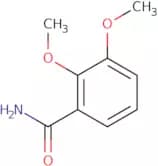
CAS:<p>2-Veratramide is a drug that belongs to the group of amides. It is a highly soluble, water-soluble and lipophilic molecule. The molecular modeling study revealed that it has a hydroxyl group in its structure and a hydrogen bond with the intramolecular hydrogen atom. 2-Veratramide has been observed to inhibit protein synthesis and cellular proliferation by binding to cancer cells or inflammatory cells. It also binds to dopamine receptors, inhibiting uptake of dopamine and subsequent activation of downstream signaling pathways. 2-Veratramide is an inhibitor of nitric oxide synthase (NOS), which plays an important role in inflammation, vascular tone, neurotransmission, and cell proliferation.<br>2-Veratramide inhibits NOS by competitively binding to the heme moiety at the active site of the enzyme, thereby blocking access to substrate arginine.</p>Fórmula:C9H11NO3Pureza:Min. 97%Cor e Forma:PowderPeso molecular:181.19 g/molDiquat dibromide monohydrate
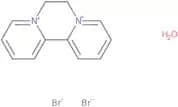
CAS:<p>Diquat is a herbicide that belongs to the family of herbicides called contact herbicides. It is used to control weeds and grasses in many agricultural crops such as soybeans, wheat, corn, cotton, sugar cane, and sorghum. Diquat dibromide monohydrate is a chemical compound that can be prepared by reacting trifluoroacetic acid with quaternary ammonium bromide. Diquat has been shown to have a matrix effect on analytical methods for urine samples when silver ions are used for detection. It also enhances Raman spectroscopy for detecting toxicities in multi-walled carbon nanotubes (MWCNTs).</p>Fórmula:C12H14Br2N2OPureza:Min. 95%Cor e Forma:PowderPeso molecular:362.06 g/mol2-Cyanoethyl phosphate barium salt hydrate
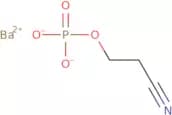
CAS:<p>2-Cyanoethyl phosphate barium salt hydrate is an alkaline compound that is soluble in water. It has been used to synthesize phosphodiesters, benzene, dioxan and alcohols. The chemical was originally developed as a reagent for the quantitative conversion of ethyl acetate esters to their corresponding acid chlorides. This reaction can be carried out quantitatively in tetrahydrofuran at room temperature with yields of about 95%. 2-Cyanoethyl phosphate barium salt hydrate also converts alcohols to their corresponding monophosphates quantitatively in alkaline conditions. Crystalline forms are obtained by reacting the compound with triethylamine and benzene.</p>Fórmula:C3H6BaNO4P•xH2OPureza:Min. 95%Cor e Forma:PowderPeso molecular:324.42 g/molCalcium-D-galactonate hydrate
CAS:<p>Calcium-D-galactonate hydrate is a reagent that is used in organic synthesis as a complex compound. It can also be used as an intermediate for the synthesis of calcium-D-galactonate, which is a useful scaffold for the construction of bioactive molecules. Calcium-D-galactonate hydrate has been shown to have many uses in the pharmaceutical and fine chemical industries. This compound is also an important reactant in research, due to its versatility and usefulness in organic synthesis.</p>Fórmula:C12H22CaO14·5H2OPureza:Min. 98%Cor e Forma:White PowderPeso molecular:520.45 g/molN-Acetamidorhodanine monohydrate
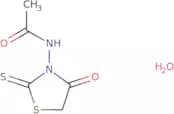
CAS:<p>N-Acetamidorhodanine monohydrate is a reagent that has been used as a precursor to the compound N,N'-diacetyl-N,N'-bis(2-hydroxybenzyl)rhodanine. This chemical is a useful intermediate for the production of fine chemicals, such as agricultural and pharmaceuticals. It is also a versatile building block for organic synthesis and can be used as a reaction component in the production of other compounds.</p>Fórmula:C5H6N2O2S2•H2OPureza:Min. 95%Cor e Forma:PowderPeso molecular:208.26 g/mol1,5-Naphthalenedisulfonic acid tetrahydrate
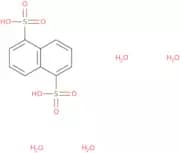
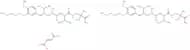
CAS:<p>1,5-Naphthalenedisulfonic acid tetrahydrate is an acidic molecule that has been observed in the form of nanodots. It has a molecular weight of 212.2g/mol and a water solubility of 0.01g/L at 20°C. 1,5-Naphthalenedisulfonic acid tetrahydrate is soluble in ethanol and methanol, but insoluble in acetone, diethyl ether, ethyl acetate, and chloroform. 1,5-Naphthalenedisulfonic acid tetrahydrate is a hydrogen bond acceptor and donor in its interactions with other molecules. It interacts synergistically with 3,5-dinitrosalicylic acid to produce a red coloration when dissolved in water or alcohols.</p>Fórmula:C10H6(SO3H)2•(H2O)4Pureza:Min. 95%Cor e Forma:PowderPeso molecular:360.36 g/molAliskiren hemifumarate
CAS:<p>Non-peptide renin inhibitor; anti-hypertensive</p>Fórmula:C30H53N3O6·C4H4O4Pureza:Min. 95%Cor e Forma:White PowderPeso molecular:1,219.59 g/molEdetate calcium disodium dihydrate
CAS:<p>Edetate calcium disodium dihydrate is an antidote for poisoning by lead, mercury, or arsenic. It is a chelating agent that binds to the metal ions and prevents their absorption into the body. The chemical reaction of edetate calcium disodium dihydrate with lead, mercury, or arsenic produces a stable precipitate that is eliminated in urine. This drug has been shown to be effective when given as a single dose and has been used in clinical trials for long-term efficacy and optimum concentration. Edetate calcium disodium dihydrate has also been used to treat bowel disease and symptoms of lead toxicity such as abdominal pain, nausea, vomiting, constipation, headache, and muscle weakness.</p>Fórmula:C10H12CaN2O8·2H2O·2NaCor e Forma:White PowderPeso molecular:410.3 g/molMagnesium hypophosphite hydrate
CAS:Produto Controlado<p>Magnesium hypophosphite hydrate is a chemical compound that is used to produce polymeric matrices. It reacts with hydrochloric acid and a hydroxyl group to form magnesium chloride and phosphoric acid, which then react with calcium stearate to form the desired polymer. Magnesium hypophosphite hydrate has been shown to be stable in the presence of water vapor and metal hydroxides. This product has been used as an additive in rubber compounds, such as paresis, sodium carbonate, and thermal expansion. Magnesium hypophosphite hydrate also reacts with dimethyl fumarate and fatty acids to form magnesium salts.</p>Fórmula:MgH4P2O4·xH2OPureza:Min. 95%Cor e Forma:PowderPeso molecular:154.28 g/molAmfenac sodium salt hydrate
CAS:<p>Amfenac sodium salt hydrate is a nonsteroidal anti-inflammatory drug that inhibits prostaglandin synthesis. It has been shown to have minimal toxicity and inhibit the production of PGE2 in vitro. Amfenac sodium salt hydrate has also been shown to have anti-inflammatory properties in vivo, as it was able to inhibit bowel disease in rats. Amfenac sodium salt hydrate also has a protective effect against mitochondrial membrane depolarization in basic fibroblasts, which may be due to its ability to maintain levels of ATP.</p>Fórmula:C15H14NNaO4Pureza:Min. 95%Cor e Forma:PowderPeso molecular:295.27 g/molL-Serine β-lactone tetrafluoroborate
CAS:<p>L-Serine beta-lactone tetrafluoroborate salt is a fine chemical that is used as a reagent, complex compound and building block in the synthesis of other compounds. It is also an important intermediate for the production of pharmaceuticals and agrochemicals. L-Serine beta-lactone tetrafluoroborate salt has been shown to be a versatile building block in organic synthesis. This product may react with acids to produce hydrogen fluoride gas, which can cause injury or death through inhalation or contact with skin, eyes or clothing.</p>Fórmula:C3H5NO2•BF4•HPureza:Min. 95%Cor e Forma:White/Off-White SolidPeso molecular:174.89 g/molNaloxone hydrochloride dihydrate
CAS:Produto Controlado<p>Naloxone hydrochloride dihydrate is a drug that blocks the effects of opioids. It is administered by injection and has a short half-life. Naloxone hydrochloride dihydrate binds to opioid receptors in the central nervous system, which prevents binding by other opioids. This results in an increased metabolic rate, which can be used as a marker for effectiveness of treatment. Naloxone hydrochloride dihydrate has been shown to have an inhibitory effect on monoamine neurotransmitters, including dopamine, serotonin and norepinephrine. The use of this drug should be limited to outpatients because it produces less physical dependence than other opioids. Naloxone hydrochloride dihydrate can also be used as a sample preparation agent for urine samples or as an effective dose for pharmaceutical preparations.END></p>Fórmula:C19H26NO6ClPureza:98 To 100%Cor e Forma:White Off-White PowderPeso molecular:399.87 g/molSodium disulfitoaurate(I) - aqueous solution
CAS:<p>Sodium disulfitoaurate(I) - aqueous solution is a triamine that is used for the chemical fixation of gold nanoparticles onto fabric. It is also used in the production of solar cells, where it serves as an absorber layer. Sodium disulfitoaurate(I) - aqueous solution has been shown to be able to remove cyanogen from the air and water, which makes it useful in the diagnosis of cyanide poisoning. This agent can be prepared by reacting hydrochloric acid with sodium sulphite or sodium hydrosulphite.</p>Fórmula:AuNa3O6S2Pureza:Min. 95%Cor e Forma:Colorless Clear LiquidPeso molecular:426.06 g/molL-Asparagine monohydrate
CAS:<p>L-Asparagine monohydrate (LAM) is a water-soluble amino acid that is used in the treatment of metabolic disorders such as diabetes. LAM has been shown to be effective in cell culture and tissue culture experiments, where it was found to increase the production of growth factors, such as insulin and keratinocyte growth factor. This amino acid also has a high degree of kinetic stability and can be used for magnetic resonance spectroscopy studies. LAM is soluble in water, but not in organic solvents. It forms hydrogen bonds with other molecules and is able to form dehydrated crystals. The experimental solubility data for LAM can be found in table 1 below.</p>Fórmula:C4H10N2O4Pureza:(Titration) Min. 99%Cor e Forma:White Clear LiquidPeso molecular:150.13 g/molRopivacaine hydrochloride monohydrate
CAS:Produto Controlado<p>Reversible inhibitor of voltage-gated sodium channels</p>Fórmula:C17H29ClN2O2Pureza:Min. 95%Cor e Forma:White Off-White PowderPeso molecular:328.88 g/mol4-(4,6-Dimethoxy-1,3,5-triazin-2-yl)-4-morpholinium tetrafluoroborate
CAS:<p>4-(4,6-Dimethoxy-1,3,5-triazin-2-yl)-4-morpholinium tetrafluoroborate is a modulating agent that is used in the treatment of infectious and metabolic disorders. The compound has been shown to increase the activity of fatty acid oxidation and decrease the production of inflammatory mediators. 4-(4,6-Dimethoxy-1,3,5-triazin-2-yl)-4-morpholinium tetrafluoroborate interacts with a variety of proteins by binding to their Nterminal domains. It can be conjugated to other molecules and then used as probes for kinetic studies or as antiinflammatory compounds.</p>Fórmula:C10H17N4O3•BF4Pureza:Min. 97 Area-%Cor e Forma:PowderPeso molecular:328.07 g/molBarium tetracyanoplatinate(II) hydrate
CAS:Produto Controlado<p>Please enquire for more information about Barium tetracyanoplatinate(II) hydrate including the price, delivery time and more detailed product information at the technical inquiry form on this page</p>Fórmula:C4H2BaN4OPtPureza:Min. 95%Peso molecular:454.5 g/molVeratric acid
CAS:<p>Veratric acid is a natural compound that is found in plants such as Vitis vinifera and Vaccinium myrtillus. It has been shown to have antimicrobial activity against Gram-positive bacteria, including Staphylococcus aureus and Streptococcus pneumoniae. Veratric acid binds to toll-like receptor 4 (TLR4), which activates the transcription factor nuclear factor kappa B (NF-κB) and increases expression of bacterial genes. It also inhibits pro-inflammatory cytokines by preventing the acetylation of histones at position H3, which are involved in transcriptional regulation. Veratric acid has synergistic effects when combined with p-hydroxybenzoic acid or ester hydrochloride. These compounds inhibit cell wall synthesis by inhibiting the enzyme peptidoglycan synthetase, leading to cell death. Veratric acid has also been shown to increase glomerular filtration rate and improve coordination</p>Fórmula:C9H10O4Pureza:Min. 95%Cor e Forma:White/Off-White SolidPeso molecular:182.17 g/molToremifene citrate
CAS:Produto Controlado<p>Estrogen receptor modulator</p>Fórmula:C32H36ClNO8Pureza:Min. 95%Cor e Forma:PowderPeso molecular:598.08 g/molDimethylglyoxime disodium salt octahydrate
CAS:<p>Dimethylglyoxime is a pesticide that has been used to control insects and nematodes. It has been found to be effective in controlling mosquitoes, flies, and other pests. This compound is also used as an extractor in microextraction. Dimethylglyoxime is not toxic to humans and does not cause any adverse effects on the environment or human health. It can be used with chlorine for wastewater treatment.</p>Fórmula:C4H8N2Na2O2·8H2OPureza:Min. 95%Cor e Forma:PowderPeso molecular:306.22 g/molCyclopentadienyldicarbonyl(tetrahydrofuran)iron(II) tetrafluoroborate
CAS:<p>Cyclopentadienyldicarbonyl(tetrahydrofuran)iron(II) tetrafluoroborate is a chemical that is used as a building block in research and speciality chemical synthesis. The compound has been shown to be versatile, with many possible reactions, including the formation of a complex. This compound can also be used as an intermediate for another chemical or as a scaffold for other compounds. Cyclopentadienyldicarbonyl(tetrahydrofuran)iron(II) tetrafluoroborate is a high quality reagent that can be used in reaction processes with low toxicity.</p>Fórmula:C11H13FeO3•BF4Pureza:Min. 95%Cor e Forma:SolidPeso molecular:335.87 g/molSuramin hexasodium salt hydrate
CAS:<p>Treatment of trypanosomiasis in heamolytic stage</p>Fórmula:C51H34N6O23S6·6Na·13H2OPureza:Min. 95%Cor e Forma:PowderPeso molecular:1,663.38 g/molNesfatin-1 (mouse) trifluoroacetate salt
CAS:<p>Please enquire for more information about Nesfatin-1 (mouse) trifluoroacetate salt including the price, delivery time and more detailed product information at the technical inquiry form on this page</p>Fórmula:C424H683N117O137Pureza:Min. 95%Peso molecular:9,611.67 g/molrec IL-4 (human)
<p>Please enquire for more information about rec IL-4 (human) including the price, delivery time and more detailed product information at the technical inquiry form on this page</p>Pureza:Min. 95%Calcium β-hydroxy-β-methylbutyrate monohydrate
CAS:<p>Calcium b-hydroxy-b-methylbutyrate monohydrate is a dietary supplement that has been shown to be effective in the treatment of skin conditions such as eczema. It is a calcium salt of the natural fatty acid, b-hydroxy-b-methylbutyrate, which is naturally found in kidney beans. This product may also be used for kidney disease and other health care products. The extract from this compound has been shown to increase collagen production in skin cells, as well as protein synthesis and casein production. Calcium b-hydroxy-b-methylbutyrate monohydrate can also bind with acetate (a chemical compound) and form calcium acetate, which has been shown to have antihypertensive effects.</p>Fórmula:C5H10O3•Ca0•(H2O)0Pureza:Min 97%Cor e Forma:White PowderPeso molecular:294.36 g/molCerium trichloride heptahydrate
CAS:<p>Cerium trichloride heptahydrate is a reactive compound. It reacts with amines, forming salts and other compounds. Cerium trichloride heptahydrate is highly toxic and can cause death in humans by inhalation or ingestion. This chemical has been shown to be effective against choroidal neovascularization (CNV) in a mouse model of age-related macular degeneration by intravitreal injection. The preparative method for this compound is precipitation from a solution of ceric nitrate, sodium carbonate, and hydrochloric acid. Cerium trichloride heptahydrate has an average particle diameter of about 0.4 micrometers and contains functional groups that are covalently bonded to the lanthanum atom. The reaction yield for this compound is 100%.</p>Fórmula:CeCl3•(H2O)7Pureza:Min. 98%Cor e Forma:PowderPeso molecular:372.58 g/molrec Glial Cell Line-Derived Neurotrophic Factor (human)
<p>Please enquire for more information about rec Glial Cell Line-Derived Neurotrophic Factor (human) including the price, delivery time and more detailed product information at the technical inquiry form on this page</p>Pureza:Min. 95%7-Keto abiraterone acetate
<p>7-Keto abiraterone acetate is a chemical compound that is used as a reagent in organic chemistry. It reacts with various electrophiles to form useful scaffolds for the synthesis of complex compounds. 7-Keto abiraterone acetate is a versatile building block, which can be used as a starting material or intermediate in the synthesis of many speciality chemicals. It has been reported to react with other reagents such as diazomethane and ethyl chloroformate to form good quality products. The CAS number for 7-keto abiraterone acetate is 383482-35-5.</p>Fórmula:C26H31NO3Pureza:Min. 97 Area-%Cor e Forma:PowderPeso molecular:405.53 g/molTri-sodium citrate
CAS:<p>Sodium citrate is widely used as an excipient in the pharmaceutical industry. It helps regulate the pH as a stabilizer or an alkalizing agent. Sodium citrate can also bind to certain metal ions in drug formulations providing stability and avoiding ht interference with the drug's main activity. In the food industry, its main use is as a food preservative.</p>Fórmula:C6H5Na3O7Pureza:Min. 98%Cor e Forma:White Off-White PowderPeso molecular:258.07 g/molrec IL-10 (human)
CAS:<p>Please enquire for more information about rec IL-10 (human) including the price, delivery time and more detailed product information at the technical inquiry form on this page</p>Fórmula:C828H1307N229O245S12Pureza:Min. 95%Peso molecular:18,774.43 g/molDimethyl(methylthio)sulfonium Tetrafluoroborate
CAS:<p>Dimethyl(methylthio)sulfonium Tetrafluoroborate (DMTSBF) is a synthetic, activated, nucleophilic reagent that has the ability to cleave disulfide bonds in proteins. DMTSBF is used for the synthesis of fatty acids and other organic compounds. It can also be used as an analytical reagent for determining the blood group of proteins. The chloride ion is necessary for this reaction. DMTSBF reacts with a nucleophile (e.g., hydroxyl, amine, thiol) to form a new bond and release sodium carbonate and silver trifluoromethanesulfonate.</p>Fórmula:C3H9BF4S2Pureza:Min. 95%Cor e Forma:PowderPeso molecular:196.04 g/molSildenafil citrate
CAS:<p>Sildenafil is an inhibitor of phosphodiesterase type-5 (PDE-5). It is used in the treatment of erectile dysfunction. Sildenafil inhibits the enzyme phosphodiesterase type-5, which prevents the conversion of cyclic guanosine monophosphate to cyclic adenosine monophosphate, and this results in relaxation of smooth muscle cells and increased blood flow to the corpus cavernosum. The PDE-5 inhibitors are selective for human PDE-5 and do not inhibit PDEs 1, 2, 3, or 6. The inhibition of PDE-5 by sildenafil is reversible. Sildenafil has been shown to be a potent inhibitor of cyclase activity in vitro. br> The LC/MS/MS method was developed to measure the concentration of sildenafil in human serum. This analytical method provides a linear calibration curve with limits of quant</p>Fórmula:C28H38N6O11SPureza:Min. 95%Cor e Forma:White PowderPeso molecular:666.7 g/molIbutilide fumarate
CAS:<p>Ibutilide is a class III antiarrhythmic drug that acts by inhibiting the rapid influx of calcium ions into cardiac cells. It has been shown to reduce fibrillation in patients with structural heart disease, and also to control ventricular rate in atrial fibrillation. Ibutilide has been found to have synergistic effects when combined with other pharmacological agents, such as amiodarone, procainamide, or lidocaine. This drug should be used cautiously in patients who are on concomitant therapy with digoxin or drugs that may decrease the levels of potassium or magnesium in the blood. The model system for ibutilide-induced torsades de pointes is an analytical method based on reaction solution and a model system.</p>Fórmula:C22H38N2O5SPureza:Min. 95%Cor e Forma:White/Off-White SolidPeso molecular:442.61 g/molAcevaltrate
CAS:<p>Acevaltrate is an analytical method that can be used to determine the dry weight of a material. It is based on the reaction of isovaleric acid with acetate extract in the presence of epoxides and a catalyst. The product, methyl eicosanoate, is reconstituted in tissue culture media and drug metabolites are detected using gas chromatography-mass spectrometry. Acevaltrate has been used for determination of didrovaltrate, which is a pharmaceutical preparation containing 10% valerian root extract and 90% lactose. The dosage form contains 2 g of acevaltrate per tablet and thus contains 200 mg didrovaltrate per tablet. This analytical method has also been shown to have stimulant properties in mice.</p>Fórmula:C24H32O10Pureza:Min. 95%Cor e Forma:PowderPeso molecular:480.5 g/molrec β-Defensin 1 (human)
<p>Please enquire for more information about rec beta-Defensin 1 (human) including the price, delivery time and more detailed product information at the technical inquiry form on this page</p>Pureza:Min. 95%Formyltetrathiafulvalene
CAS:<p>Formyltetrathiafulvalene is an amide that contains a radical form. It is synthesized by the coordination of a copper complex with l-tartaric acid and imine. The optical properties of this molecule are sensitive to changes in its environment, such as pH and light intensity. Formyltetrathiafulvalene has been shown to absorb light and emit it again at a longer wavelength, which is the basis for its use in organic light-emitting diodes (OLEDs). Functional groups on the molecule can be used for hydrogen tartrate detection, electrochemical studies, or significant interactions with other molecules.</p>Fórmula:C7H4OS4Pureza:Min. 98%Cor e Forma:PowderPeso molecular:232.35 g/molMagnesium sulfate heptahydrate
CAS:<p>Magnesium sulfate heptahydrate is a white crystalline solid that appears in the form of flakes or granules. It is the magnesium salt of sulfuric acid, with a chemical formula MgSO4.7H2O. Magnesium sulfate heptahydrate has a thermal expansion coefficient of about 2.6 x 10⁻⁵ K-1 and water vapor absorption coefficients of about 0.008 cm3/g at 25 °C and relative humidity of 100%. It is soluble in alkanoic acids and reacts with proteases to form products that are hydrolyzed to amino acids.</p>Fórmula:MgO4S•(H2O)7Cor e Forma:PowderPeso molecular:246.48 g/molMagnesium aspartate dihydrate
CAS:<p>Magnesium aspartate dihydrate is a chemical compound that is used to treat high blood pressure and heart disease. It is a salt of magnesium and L-aspartic acid, which are both active substances in the drug. Magnesium aspartate dihydrate has been shown to have a treatment effect on elevated levels of c-reactive protein (CRP) in men with normal kidney function. The drug has also been shown to be effective for the treatment of cavity, although it does not work for everyone. Magnesium aspartate dihydrate is chemically stable and can be used for diagnosis of magnesium deficiency, but it should not be given to women who are pregnant or breast-feeding. This drug may also inhibit the action of proton pumps, which are found in the body's cells that produce stomach acid.</p>Fórmula:C8H12N2O8Mg·2H2OCor e Forma:White PowderPeso molecular:324.53 g/molrac-Metoprolol hemitartrate
CAS:Produto Controlado<p>Metoprolol is a beta-adrenergic receptor blocker that is used in the treatment of high blood pressure and congestive heart failure. It also has an effect on the regulation of energy metabolism, decreasing myocardial oxygen consumption, and increasing myocardial contractility. The drug binds to erythrocyte membrane proteins, including albumin and alpha-1-acid glycoprotein, which are responsible for transporting metoprolol from plasma to the tissue. Metoprolol succinate is a prodrug that is metabolized by esterases to release metoprolol in vivo. Metoprolol has been shown to reduce systolic blood pressure in patients with hypertension. It has been found to be effective in reducing symptoms of cardiac arrhythmias, such as atrial fibrillation or ventricular tachycardia, when combined with other antiarrhythmic drugs. Metoprolol can also be used for the treatment of metabolic disorders such</p>Fórmula:C34H56N2O12Cor e Forma:White PowderPeso molecular:684.81 g/molN-Ethyl-N-(2-hydroxy-3-sulfopropyl)-3-methylaniline sodium salt dihydrate
CAS:<p>N-Ethyl-N-(2-hydroxy-3-sulfopropyl)-3-methylaniline sodium salt dihydrate (NMS) is a functional group with a side effect profile that is characterized by low incidence of adverse events. This drug has been shown to be well tolerated in clinical use, and there is evidence that it may be useful for the treatment of infectious diseases. Clinical studies have demonstrated that NMS can improve fatty acid and cholesterol levels, as well as reducing carnitine palmitoyltransferase activity. These effects are due to the inhibition of lipoprotein lipase, cholesterol esterase and carnitine palmitoyltransferase enzymes. In addition, NMS has been shown to be effective against dermatitis caused by atopic dermatitis or psoriasis.</p>Fórmula:C12H18NNaO4S·2H2OPureza:Min. 98 Area-%Cor e Forma:White PowderPeso molecular:331.36 g/molZinc benzenesulfinate dihydrate
CAS:<p>Zinc benzenesulfinate dihydrate is a white crystalline powder. It is soluble in water and has a molecular weight of 306.3. Zinc benzenesulfinate dihydrate can be used as a research chemical, reagent, or speciality chemical in the synthesis of other compounds. Zinc benzenesulfinate dihydrate can also be used as a reaction component in the synthesis of other compounds, or as an intermediate or scaffold for complex compounds.</p>Fórmula:C6H6O2S•(H2O)2•Zn0Pureza:Min. 95%Cor e Forma:White To Off-White SolidPeso molecular:421.81 g/molEstratetraenol
CAS:<p>Estratetraenol is a synthetic estrogen that has the same structure as 17β-estradiol, but with three additional hydroxyl groups. It is used in research to study the effects of estrogens on humans and animals. Estratetraenol has been shown to activate the cell membrane receptors, which leads to a physiological response. This drug also causes an increase in oxygen consumption and inhibits ovulation. Estratetraenol binds to estrogen receptor cells and is metabolized by chemical substances in the liver into 17β-estradiol, which is then excreted by the kidneys. The drug does not bind to other types of receptor cells in humans or animals, such as those for progesterone or testosterone.</p>Fórmula:C18H22OPureza:Min. 98 Area-%Cor e Forma:PowderPeso molecular:254.37 g/molEthyl S-(+)-4-cyano-3-hydroxybutyrate
CAS:<p>Ethyl S-(+)-4-cyano-3-hydroxybutyrate is a chiral molecule that can be used as a catalyst in the transesterification reaction. It acts by binding to the enzyme and immobilizing it on a solid support, which increases its catalytic activity. The hydroxybutanoate is converted into butyric acid, which is produced at high yield using this method. This process of immobilization increases the kinetic rate of the reaction, making it possible for the product to be obtained more quickly.</p>Fórmula:C7H11NO3Pureza:Min. 95%Peso molecular:157.17 g/molMalonic acid disodium salt monohydrate
CAS:<p>Malonic acid disodium salt monohydrate is a water-soluble alkanoic acid that is used as a cross-linking agent in the manufacture of polymers. Malonic acid disodium salt monohydrate is also used to produce immunogenic antigens for cancer research and as a synthetic intermediate in the synthesis of pharmaceuticals or agricultural chemicals. Malonic acid disodium salt monohydrate is converted to malic acid by the enzyme cytosolic malate dehydrogenase. Malonic acid disodium salt monohydrate has an acidic pH and can be used to neutralize sodium salts such as sodium bicarbonate. Cell culture studies have shown that exposure to malonic acid disodium salt monohydrate inhibits protein synthesis and cell growth, which may be due to its ability to bind with DNA during transcription.</p>Fórmula:C3H2Na2O4·H2OPureza:Min 98%Cor e Forma:White PowderPeso molecular:166.04 g/molSibutramine hydrochloride monohydrate
CAS:Produto Controlado<p>Serotonin receptor 5-HT antagonist; noradrenaline reuptake inhibitor</p>Fórmula:C17H29Cl2NOPureza:Min. 95%Cor e Forma:PowderPeso molecular:334.32 g/molCocarboxylase tetrahydrate
CAS:<p>Cocarboxylase tetrahydrate is a coenzyme form of vitamin B1; cofactor for enzymes involved in carbohydrate catabolism</p>Fórmula:C12H18N4O7P2S·4H2OPureza:Min 96%Cor e Forma:White PowderPeso molecular:496.37 g/mol5-Fluoroorotic acid hydrate
CAS:<p>Selection reagent for orotidine 5'-phosphate decarboxylase mutants</p>Fórmula:C5H3FN2O4·xH2OPureza:(%) Min. 97%Cor e Forma:Off-White Yellow PowderPeso molecular:174.09 g/molrec Oncostatin M (human)
CAS:<p>Please enquire for more information about rec Oncostatin M (human) including the price, delivery time and more detailed product information at the technical inquiry form on this page</p>Pureza:Min. 95%1-Cyano-4-(dimethylamino)pyridinium tetrafluoroborate
CAS:<p>1-Cyano-4-(dimethylamino)pyridinium tetrafluoroborate (CDAP) is an organic cyanylating agent. It is reactive under acidic conditions giving CDAP an advantage over other sulfhydryl labeling agents, as it can avoid potential thiol-disulfide exchange.</p>Fórmula:C8H10N3BF4Pureza:Min. 98 Area-%Cor e Forma:PowderPeso molecular:234.99 g/mol(R)-Apomorphine hydrochloride hemihydrate
CAS:<p>Apomorphine hydrochloride is the salt form of apomorphine, a morphine derivative D2 dopamine agonist. The high selectivity for D2, D3, D4 and D5 receptors makes apomorphine hydrochloride a possible drug candidate and it is in clinical trials for diagnosis and treatment of Parkinsons disease. Moreover, apomorphine and apomorphine hydrochloride have been investigated in diverse studies for treating movement disorders.</p>Fórmula:C17H17NO2•HCl•(H2O)0Pureza:Min. 95%Cor e Forma:White PowderPeso molecular:312.79 g/molN-Succinimidyl 4-(p-maleimidophenyl)butyrate
CAS:<p>N-Succinimidyl 4-(p-maleimidophenyl)butyrate is a fatty acid that has been shown to regulate the effector proteins of cell surface receptors. It has been shown to be site specific, with water permeability and a molecule size of about 200 Daltons. It is able to bind to the regulatory sites on proteins and inhibit their function. The binding of N-succinimidyl 4-(p-maleimidophenyl)butyrate to antibodies can cause an antibody response in humans and other mammals. Additionally, this fatty acid can also be used as a substrate for protein synthesis. N-Succinimidyl 4-(p-maleimidophenyl)butyrate binds to the subunits of proteins by hydrogen bonding or hydrophobic interactions, which are necessary for protein synthesis. This compound has been shown to inhibit the messenger RNA (mRNA) production in Galleria mellonella larvae,</p>Fórmula:C18H16N2O6Pureza:Min. 95%Cor e Forma:PowderPeso molecular:356.33 g/mol2,4-Dinitrophenyl butyrate
CAS:<p>2,4-Dinitrophenyl butyrate is a plant-derived compound that belongs to the group of fatty acids. It has shown radical scavenging activity in a homogeneous assay and has been found to be a strong inhibitor of pancreatic lipase. 2,4-Dinitrophenyl butyrate has also been used as a marker for proteolytic enzymes and has been shown to have inhibitory effects on pancreatic lipase. This compound is not only useful for studying enzyme inhibition, but it can also be used as an ingredient in food products.</p>Fórmula:C10H10N2O6Pureza:Min. 98 Area-%Cor e Forma:PowderPeso molecular:254.2 g/molManganese(III) acetate hydrate
CAS:<p>Manganese(III) acetate hydrate is a compound that is used as an oxidant in organic synthesis. It can be prepared by the reaction of manganese dioxide with acetic acid, followed by drying and crystallization. The product is a white powder that dissolves in water or alcohol. Manganese(III) acetate hydrate is soluble in organic solvents such as benzene and chloroform. Preparative methods include the use of aqueous potassium permanganate for oxidation reactions or hydrolysis for solvent extraction. Manganese (III) acetate hydrate is also used as a reagent for carboxylic acids, dihydrate, and alkenes.</p>Fórmula:C6H9MnO6·xH2OCor e Forma:PowderPeso molecular:232.07 g/molSodium stearyl fumarate
CAS:<p>Sodium stearyl fumarate is a pharmaceutical excipient that is used as an anti-caking agent, lubricant, and flow agent in tablet production. It is also used as an additive to improve the stability of some drugs. Sodium stearyl fumarate can be used in diagnosis of metabolic disorders and prognosis of cardiovascular diseases. It reacts with hydrogen peroxide to form a particle which may be responsible for its anti-oxidant properties. The reaction mechanism for this drug has been elucidated using electron paramagnetic resonance spectroscopy on the hydroxyl radical.</p>Fórmula:C22H39NaO4Pureza:Min. 95%Cor e Forma:PowderPeso molecular:390.53 g/molN-Propyl-1-ene-2,6-diethyl-4-phenylpyridinium tetrafluoroborate
CAS:<p>N-Propyl-1-ene-2,6-diethyl-4-phenylpyridinium tetrafluoroborate (NPEEDPBF) is a fine chemical that has been used as a building block in research and industrial chemistry. The synthesis of NPEEDPBF typically involves the reaction of diethyl phenylpyridinium bromide with n propyl iodide. It can be used as a reagent for organic syntheses and as an intermediate for other compounds. NPEEDPBF is also a versatile building block for complex compounds.</p>Fórmula:C18H22N•BF4Pureza:Min. 95%Peso molecular:339.18 g/molChloral hydrate
CAS:Produto Controlado<p>Chloral hydrate is a sedative and hypnotic drug that is used in the treatment of insomnia, anxiety disorders, and seizure disorders. It has also been used as an anticonvulsant and muscle relaxant. Chloral hydrate binds to the 5-HT2 receptors on neurons to produce its sedative effects. The therapeutic dose of chloral hydrate ranges from 1 to 3 g per day in adults, with a maximum dose of 12 g per day. Clinical studies have shown that chloral hydrate can cause liver damage when combined with other drugs such as acetaminophen or alcohol.</p>Fórmula:C2H3Cl3O2Pureza:Min. 95%Cor e Forma:PowderPeso molecular:165.4 g/molSodium ammonium phosphate tetrahydrate
CAS:<p>Sodium ammonium phosphate tetrahydrate is an inorganic compound that is a salt. It is used as a test compound to measure the inhibition of viral growth. The test compound binds to the virus and prevents it from binding to cells, thus inhibiting viral replication. Sodium ammonium phosphate tetrahydrate can also be used as a means of preventing cavities by lowering the pH level in the mouth and inhibiting bacterial growth. Selenium compounds have been shown to have antiviral properties when tested on the typhimurium virus. Selenium compounds are not active against herpes simplex virus, but protocatechuic acid has been shown to inhibit herpes simplex virus replication in vitro and in vivo. Protocatechuic acid has also been shown to inhibit fatty acid synthesis and chloride ion uptake into cells, which may be responsible for its anti-viral properties.</p>Fórmula:NaNH5PO4·4H2OPureza:Min. 95%Cor e Forma:PowderPeso molecular:209.07 g/molAlendronic acid monosodium salt trihydrate - USP
CAS:<p>Farnesyl diphosphate synthase inhibitor; inhibits bone resorption</p>Fórmula:C4H18NNaO10P2Pureza:Min. 95%Cor e Forma:White PowderPeso molecular:325.12 g/molrec RANTES (human)
<p>Please enquire for more information about rec RANTES (human) including the price, delivery time and more detailed product information at the technical inquiry form on this page</p>Pureza:Min. 95%Ferrocenium Tetrafluoroborate
CAS:<p>Ferrocenium tetrafluoroborate is a chiral, unreactive compound that is synthesized through the reaction of ferrocene and tetrafluoroboric acid. Ferrocenium tetrafluoroborate is a kinetic polymer that can be used as a linker in the synthesis of polymeric materials. This compound has been shown to catalyze the epoxidation of aliphatic alcohols to yield epoxides. Ferrocenium tetrafluoroborate has also been shown to catalyze the epoxidation of cyclic olefins, such as 1-octene. Ferrocenium tetrafluoroborate is an achiral catalyst and does not change during the course of the reaction.</p>Fórmula:C10H2BF4FeCor e Forma:Brown PowderPeso molecular:264.77 g/mol9-Mesityl-2,7-dimethyl-10-phenylacridinium tetrafluoroborate
CAS:<p>9-Mesityl-2,7-dimethyl-10-phenylacridinium tetrafluoroborate is a versatile building block and reagent for organic synthesis. It is a fine chemical that is used in the production of research chemicals and speciality chemicals. 9-Mesityl-2,7-dimethyl-10-phenylacridinium tetrafluoroborate can be used as a reaction component to synthesize complex compounds with various functional groups. It has been reported to have high quality, being both useful and stable. CAS NO: 1621020-00-5</p>Fórmula:C30H28BF4NCor e Forma:Yellow PowderPeso molecular:489.35 g/mol17α-Estradiol 17-valerate
CAS:<p>Please enquire for more information about 17α-Estradiol 17-valerate including the price, delivery time and more detailed product information at the technical inquiry form on this page</p>Fórmula:C23H32O3Pureza:Min. 95%Cor e Forma:PowderPeso molecular:356.5 g/molHydroxycitric acid tripotassium monohydrate
CAS:<p>Hydroxycitric acid tripotassium salt monohydrate is a reagent that is used as a starting material in organic synthesis. It can be used as an intermediate in the preparation of complex compounds. Hydroxycitric acid tripotassium salt monohydrate has been shown to be useful for research purposes, as it has a versatile scaffold and can be used as a building block in the preparation of speciality chemicals. The compound also has a high quality and is considered to be a fine chemical. It is CAS No. 232281-44-6 and can be found on ChemSpider at <a href="http://www.chemspider.com/Chemical-Structure.232281-44-6.html" target="_blank" rel="noreferrer noopener">http://www.chemspider.com/Chemical-Structure.232281-44-6.html</a></p>Fórmula:C6H5K3O8•H2OPureza:Min. 95%Cor e Forma:PowderPeso molecular:340.41 g/molGallic acid monohydrate
CAS:<p>Gallic acid monohydrate is a natural phenolic compound present in plants, such as oak and sumac. It has been shown to have anticarcinogenic properties in animal models of cancer. Gallic acid monohydrate inhibits the growth of tumor cells by binding to the DNA of tumor cells and inhibiting the synthesis of RNA and proteins. It also possesses antioxidant properties, which may be due to its ability to scavenge free radicals. Gallic acid monohydrate is soluble in water, but not in organic solvents such as ether or chloroform. It exists as two crystalline polymorphs: one anhydrous form that occurs at room temperature and a hydrated form that appears when heated above 40 degrees Celsius. In vitro assays have shown that gallic acid monohydrate is stable when exposed to heat, light, and pH changes.END></p>Fórmula:C7H8O6Pureza:Min. 95%Cor e Forma:White PowderPeso molecular:188.13 g/mol5-Acetamido-6-amino-3-methyluracil hydrate
CAS:<p>5-Acetamido-6-amino-3-methyluracil hydrate (AAU) is a drug that is used as an analytical reagent in the determination of caffeine, 5-hydroxytryptophan, and other compounds. It can be used to assess interactions between drugs and enzyme activities. AAU has been shown to be a suitable substrate for many enzymes, including alcohol dehydrogenase, acetylcholinesterase, catalase, and glucose oxidase. The sample preparation procedure is performed by dissolving the compound in water or ethanol. The sample is then filtered before it is analyzed using high performance liquid chromatography (HPLC). The chemical properties of AAU are such that it can be easily transported from one place to another without undergoing significant changes in physical properties. AAU has been shown to have no effect on biological samples when exposed to radiation.</p>Fórmula:C7H10N4O3·H2OPureza:Min. 95%Cor e Forma:Slightly Yellow PowderPeso molecular:216.2 g/molDL-Isocitric acid trisodium
CAS:<p>DL-Isocitric acid trisodium salt hydrate is a nutrient solution that is used to provide energy for bacterial growth. DL-Isocitric acid trisodium salt hydrate provides sodium citrate, sodium succinate, and sodium carbonate which are essential for the metabolism of fatty acids. It also stabilizes chemical compounds and can be used as an alternative to the use of antibiotics. DL-Isocitric acid trisodium salt hydrate has been shown to inhibit enzyme activity in bacteria by binding to the active site of enzymes, inhibiting protein synthesis and cell division. The addition of colloidal gold particles can enhance its effectiveness in preventing bacterial growth.</p>Fórmula:C6H8O7•Na3Pureza:Min. 95%Cor e Forma:PowderPeso molecular:261.09 g/mol(5S)-N-(5-Amino-1-carboxypentyl) iminodiacetic acid hydrate
CAS:<p>(5S)-N-(5-Amino-1-carboxypentyl) iminodiacetic acid hydrate is a sophisticated chelating agent, designed for precise control in various biochemical applications. The reactive moieties of this compound are particularly useful in affinity chromatography and surface functionalization, making it a valuable tool in both protein purification and the development of biosensors or other biotechnological applications. Affinity chromatography: As a metal-chelator, it is particularly adept at binding divalent metal cations such as Ni²⁺, Co²⁺, and Cu²⁺, which are instrumental in stabilizing protein structures or facilitating enzyme activity. When complexed with Ni²⁺ (nickel) ions (5S)-N-(5-Amino-1-carboxypentyl) iminodiacetic acid forms a surface that can specifically capture proteins engineered with a polyhistidine tag (His-tag). Such interactions facilitate the purification and isolation of target proteins with high specificity, allowing immobilization in a controlled orientation without compromising functional integrity.Surface functionalization: The free amine group allows for conjugation via strong covalent bonds to surfaces such as glass, silica, gold (e.g., electrodes), polymers, hydrogels and magnetic beads. This creates metal-functionalized surfaces for biospecific interactions with His-tagged proteins. Examples of potential applications of this include Surface Plasmon Resonance (SPR), fluorescence microscopy and use in artificial cell systems with hydrogel-based cell-mimicking environments. Thus giving (5S)-N-(5-Amino-1-carboxypentyl) iminodiacetic acid a broad scope in its application in advanced biochemical assays and materials science.</p>Fórmula:C10H18N2O6·xH2OPureza:Min. 95 Area-%Cor e Forma:White PowderPeso molecular:262.26 g/molTrimethylamine-N-oxide dihydrate
CAS:<p>Trimethylamine-N-oxide dihydrate (TMAO) is the anhydrous form of trimethylamine oxide (TMAO). It has a number of applications in industry and research. TMAO is used as a diagnostic agent for metal carbonyls, such as lead and arsenic, and also for hydrogen bond. In addition, it can be used to determine the presence of hydroxyl groups in organic compounds, such as fatty acids. The hydroxyl group reacts with Iodosobenzene to form an iodide ion that can be measured by nmr spectroscopy. This reaction is affected by the presence of other atoms or molecules that have electron donating properties, such as an oxygen atom or a carbonyl group. TMAO can also be used in cancer research to study how tumors develop resistance to chemotherapy drugs.</p>Fórmula:C3H13NO3Cor e Forma:White PowderPeso molecular:111.14 g/mol2,3-Dimethylphenylhydrazine hydrochloride hydrate
CAS:<p>2,3-Dimethylphenylhydrazine hydrochloride hydrate is a fine chemical that is used as a building block for research chemicals and speciality chemicals. It is also a high quality reagent and useful scaffold for the synthesis of complex compounds. 2,3-Dimethylphenylhydrazine hydrochloride hydrate is versatile, being able to be used in reactions involving nucleophilic substitution or elimination reactions. This product can be used in reactions involving the formation of carbon-carbon bonds.</p>Fórmula:C8H12N2•HCl•(H2O)xPureza:Min. 95%Cor e Forma:PowderPeso molecular:172.66 g/molL-Noradrenaline bitartrate monohydrate
CAS:<p>L-Noradrenaline is the major precursor of norepinephrine, a neurotransmitter that regulates blood pressure and heart rate. L-Noradrenaline bitartrate monohydrate is a potent vasopressor drug that has been shown to increase blood pressure. The effects in animals are biphasic, with an initial pressor phase followed by a second phase with vasodilator effects. L-Noradrenaline bitartrate monohydrate has been shown to stimulate transcription of proteins, such as model protein and dopamine receptor D1 (D1R). This stimulation has been shown to be mediated through the activation of protein kinase C (PKC) and Ca2+/calmodulin-dependent protein kinase II (CaMKII). It has also been shown to have antioxidant effects in the presence of hydroxyl radicals. L-Noradrenaline bitartrate monohydrate can cause symptoms such as nausea, vomiting, and diarrhea in humans at high doses.</p>Fórmula:C12H19NO10Pureza:Min. 98 Area-%Cor e Forma:PowderPeso molecular:337.28 g/molSodium 3-nitrobenzoate
CAS:<p>Sodium 3-nitrobenzoate trihydrate is a salt of the chemical compound sodium 3-nitrobenzoate. It is an analytical chemistry reagent that is commonly used as a standard in solute analysis. Sodium 3-nitrobenzoate trihydrate has been shown to be soluble in water vapor, but not in anhydrous sodium. The hydrogen bond between this molecule and water molecules has been observed using vibrational spectroscopy and quantum theory. This solubility data can be used to calculate an activation energy for the dissociation of the hydrogen bond with water molecules.</p>Fórmula:C7H5NO4•NaPureza:Min. 95%Cor e Forma:PowderPeso molecular:190.11 g/molErythromycinacistrate
CAS:<p>Erythromycinacistrate is a macrolide antibiotic, which is derived from the bacterium *Saccharopolyspora erythraea*. Its mode of action involves binding to the 50S ribosomal subunit of susceptible bacteria, thereby inhibiting protein synthesis. This action effectively halts bacterial growth and replication, making it particularly effective against a wide range of Gram-positive and some Gram-negative bacteria.</p>Fórmula:C39H69NO14·C18H36O2Pureza:Min. 95%Peso molecular:1,060.44 g/molrec Monocyte Chemotactic Protein-1 (human)
<p>Please enquire for more information about rec Monocyte Chemotactic Protein-1 (human) including the price, delivery time and more detailed product information at the technical inquiry form on this page</p>Pureza:Min. 95%4-Methoxybenzoic acid sodium
CAS:<p>4-Methoxybenzoic acid sodium is an amide that has been used as a preservative and antimicrobial agent in food products. It is also a second-order rate constant with a Ca2+ concentration of 0.1 mM for staphylococcus. The fatty acids of 4-methoxybenzoic acid sodium are hydrophobic and inhibit the growth of microorganisms by disrupting the cell membrane, which leads to leakage of cellular content. This compound also inhibits the activity of fatty acyl coenzyme A reductase and has been shown to have a microbicidal effect on gram-positive bacteria, such as Staphylococcus aureus. 4-Methoxybenzoic acid sodium has also been shown to be effective against Candida albicans, Streptococcus pyogenes, and Bacillus subtilis when combined with an antimicrobial peptide or cationic surfactant.</p>Fórmula:C8H7NaO3Pureza:Min. 98 Area-%Cor e Forma:PowderPeso molecular:174.13 g/molDimethylammonium tetrafluoroborate
CAS:Produto Controlado<p>Dimethylammonium tetrafluoroborate is a reagent that is used in organic chemistry. It is a solid with a melting point of -56°C and can be synthesized by the reaction of ethyl amine and hexafluoro-2-butyne. This reagent has been used to synthesize quaternary ammonium salts, anions, and aliphatic hydrocarbons. Dimethylammonium tetrafluoroborate is also employed as a solvent for some devices due to its physicochemical properties, including its low boiling point and high dielectric constant.</p>Fórmula:C2H8BF4NPureza:Min. 95%Peso molecular:132.9 g/molAlizarin complexone dihydrate
CAS:<p>Alizarin complexone dihydrate reacts with Lanthanum or Cesium(III) ions to form a red chelate, which, in turn, reacts with fluoride ions to give a blue ternary complex (Alizarin Fluorine Blue); to detect fluoride.</p>Fórmula:C19H15NO8·2H2OCor e Forma:PowderPeso molecular:421.35 g/mol1-Octanesulfonic sodium salt monohydrate
CAS:<p>1-Octanesulfonic acid sodium salt monohydrate is an animal drug that has been used for the long-term treatment of chronic exposure to animals. It can be used as a component of a chromatographic method for the analysis of dopamine in biological fluids. 1-Octanesulfonic acid sodium salt monohydrate has also been shown to have antipsychotic effects, which may be due to its ability to increase dopaminergic neurotransmission by inhibiting the reuptake of dopamine. This drug is not active against human cancer cells, but it does inhibit imatinib (the active form) and other tyrosine kinase inhibitors at micromolar concentrations, making it a potential candidate for use in pharmaceutical dosages as an adjunct therapy for chronic myeloid leukemia.</p>Fórmula:C8H17O3SNa•H2OPureza:Min. 95%Cor e Forma:White PowderPeso molecular:234.29 g/mol6α-Fluoro-11β,17,21-Trihydroxypregna-1,4-Diene-3,20-Dione 17-Valerate
CAS:Produto Controlado<p>6alpha-Fluoro-11beta,17,21-Trihydroxypregna-1,4-Diene-3,20-Dione 17-Valerate is a hydrogenated and esterified form of 6alpha-fluoro-11beta,17,21-trihydroxypregna1,4diene3,20dione. It is an oil with a fatty acid ester that has been synthetically modified to be more hydrophobic. 6alpha-Fluoro-11beta,17,21-Trihydroxypregna1,4diene3,20dione 17valerate is used in the synthesis of pharmaceuticals and hormones. It can also be used as an enhancer for the stability of pharmaceutical preparations.</p>Fórmula:C26H35FO6Pureza:Min. 95%Peso molecular:462.55 g/molCholesteryl isobutyrate
CAS:Produto Controlado<p>Cholesteryl isobutyrate is a diagnostic target tissue for cancer. It is a fatty acid that is metabolized by 3β-hydroxysteroid dehydrogenase, which converts it to the corresponding alcohol. Cholesteryl isobutyrate can be detected in urine samples with a chromatographic method and coatings. The fusogenic properties of cholesteryl isobutyrate make it an excellent film-forming polymer for drug delivery systems. The phase transition temperature of cholesteryl isobutyrate has been determined to be around 27°C, which makes it an ideal candidate for cellular drug delivery applications.</p>Fórmula:C31H52O2Pureza:Min. 95%Cor e Forma:PowderPeso molecular:456.74 g/mol2-Chloroethanesulfonic acid sodium hydrate
CAS:<p>2-Chloroethanesulfonic acid sodium hydrate is a chemical compound that belongs to the class of primary amines. It has a strong tendency to adsorb on surfaces, which can be seen in its FTIR spectra. 2-Chloroethanesulfonic acid sodium hydrate is a white crystalline solid and is insoluble in water. This compound has been found to have a high reactivity with metal ions, such as Na+, K+, Ca2+, and Mg2+. 2-Chloroethanesulfonic acid sodium hydrate reacts slowly with chloropropane, but more quickly with chloroacetic acid. The reaction time depends on the concentration of the reactants and the temperature at which it is heated.</p>Fórmula:C2H4ClO3SNa·H2OPureza:Min. 98%Cor e Forma:White PowderPeso molecular:184.58 g/mol4-Bromoveratrole
CAS:<p>4-Bromoveratrole is a triphenylene with a molecular weight of 454.42 g/mol and a melting point of 90°C. It has been shown that this molecule binds to the receptor for acetylcholine, which is found in the central nervous system and on muscles. The binding of 4-bromoveratrole to this receptor leads to the release of chloride ions from the cell, which increases the activity of acetylcholine. The detection sensitivity of 4-bromoveratrole in solution was determined by adding malonic acid or hydrochloric acid, which led to an increase in fluorescence intensity. This molecule also has fatty acid and hydroxyl groups that have been shown to have anti-inflammatory properties.</p>Fórmula:C8H9BrO2Pureza:Min. 95%Cor e Forma:Clear LiquidPeso molecular:217.06 g/molNeratinib
CAS:<p>Irreversible ErbB receptor tyrosine kinase inhibitor</p>Fórmula:C30H29ClN6O3Pureza:Min. 95%Cor e Forma:White PowderPeso molecular:557.04 g/molPramipexole 2HCl monohydrate
CAS:Produto Controlado<p>Dopamine (D2 and D3) receptor agonist; has anti-parkinson effects</p>Fórmula:C10H17N3S·2HCl·H2OPureza:Min. 95%Cor e Forma:PowderPeso molecular:302.27 g/molDibenzotetrathiafulvalene
CAS:<p>Dibenzotetrathiafulvalene is an organic molecule that is a hydrogen-bond donor. It has been found to have the ability to bind with itself and form rings. Dibenzotetrathiafulvalene has been shown to be stable in various solvents, as well as in aqueous solutions at high temperatures and low pH values. This compound has also shown the ability to act as an electron donor or acceptor, depending on the oxidation state of its bonds. The photoelectron spectrum of this molecule indicates it has a redox potential of 1.78 V and can easily transfer electrons to other molecules. Dibenzotetrathiafulvalene exhibits structural analysis by x-ray crystal structures, which provide information about its molecular structure and properties including transport pathways.</p>Fórmula:C14H8S4Pureza:Min. 95%Cor e Forma:Orange PowderPeso molecular:304.48 g/molMethyl homoveratrate
CAS:<p>Methyl homoveratrate is a synthetic compound that belongs to the group of anticancer agents. Methyl homoveratrate inhibits the topoisomerase II enzyme, which is involved in DNA replication and transcription. It has been shown to have an inhibitory effect on the growth of cancer cells in cell culture and animal experiments. Methyl homoveratrate is also able to induce apoptosis by inhibiting fatty acid synthase, which contributes to its anti-cancer activity.</p>Fórmula:C11H14O4Pureza:Min. 95%Cor e Forma:Clear LiquidPeso molecular:210.23 g/molLithium tetraborate
CAS:<p>Lithium tetraborate (LiBO) is a compound used in the preparation of samples for laser ablation. It can be synthesized by reacting lithium carbonate with boron nitride in a hydrochloric acid solution at room temperature. Lithium tetraborate is often used as a buffer to increase the pH of the solution and to maintain it at a constant level during reactions. This compound has been studied extensively, and its spectroscopic properties have been well documented. The thermal expansion coefficient of LiBO is high, which makes it suitable for use in radiation experiments. Lithium tetraborate has also been shown to be an effective catalyst for organic synthesis reactions that require high activation energies, such as the synthesis of phenol from benzene and formaldehyde.</p>Fórmula:Li2B4O7Pureza:Min. 95%Cor e Forma:PowderPeso molecular:169.12 g/molVeratramine
CAS:<p>Veratramine is a natural drug that is used as an anti-inflammatory agent and for the treatment of autoimmune diseases. It has been shown to have significant cytotoxicity in epithelial cells, but not in mesenchymal cells. Veratramine also has a matrix effect on these cell types. Veratramine's surface methodology can be used to measure the degree of inflammation by measuring the level of cytokines at the site of injury. This technique also allows for analysis of human serum samples using LC-MS/MS techniques to identify acute toxicities and steroid alkaloids that may be present.</p>Fórmula:C27H39NO2Pureza:Min. 95%Cor e Forma:PowderPeso molecular:409.60 g/molOrexin A (human) TFA
CAS:<p>Orexin A (human) TFA is a high quality reagent that can be used as an intermediate in the synthesis of complex compounds, useful for research and development. It has many potential uses, including as a fine chemical, speciality chemical and reaction component. Orexin A (human) TFA is a versatile building block with many applications, such as being a useful scaffold or building block in reactions where it can be used in the synthesis of other compounds. It is also a valuable research chemical that can be used to study orexin receptors and their ligands.</p>Fórmula:C152H243N47O44S4•C2HF3O2Pureza:Min. 95 Area-%Cor e Forma:White Off-White PowderPeso molecular:3,675.13 g/molrec Endothelial IL-8 (human)
CAS:<p>Please enquire for more information about rec Endothelial IL-8 (human) including the price, delivery time and more detailed product information at the technical inquiry form on this page</p>Fórmula:C397H644N114O111S4Pureza:Min. 95%Peso molecular:8,918.33 g/molEotaxin (human)
CAS:<p>Eotaxin is a human basic protein that belongs to the eosinophil cationic protein family. It stimulates the growth of cells and promotes tissue repair. Eotaxin also has a role in the immune response, as it is able to bind to and activate macrophages, neutrophils, and lymphocytes. Eotaxin is found in increased concentrations in inflammatory bowel disease (IBD), where it may play a role in the recruitment of inflammatory cells. The signal peptide sequence of eotaxin is cleaved by signal peptidase I and II during transit through the Golgi apparatus, yielding an active form that can be processed into mature eotaxin by several proteases. This active form can be detected by polymerase chain reaction (PCR) amplification of DNA isolated from human peripheral blood leukocytes or colonic biopsies. Eotaxin has been shown to have anti-inflammatory effects on both healthy tissues and those with</p>Fórmula:C372H609N105O103S5Pureza:Min. 95%Peso molecular:8,360.79 g/mol
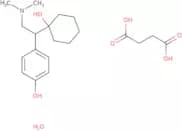


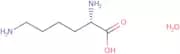
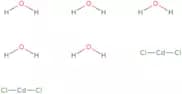
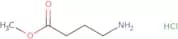
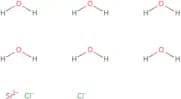


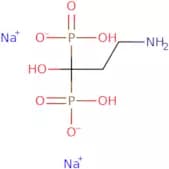
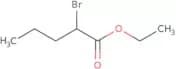
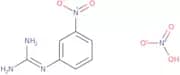
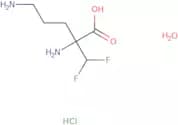

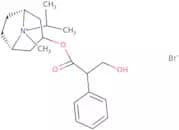

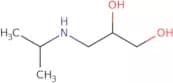
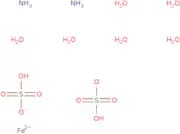
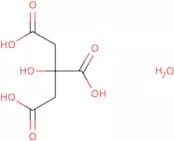
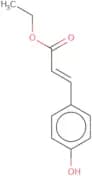
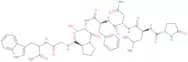


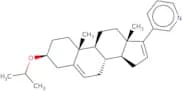
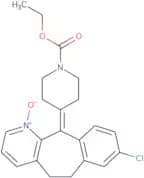

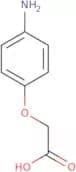
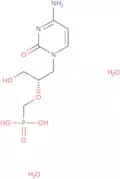
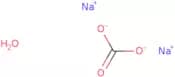
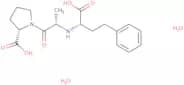
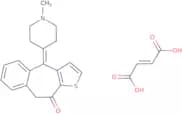

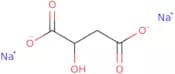

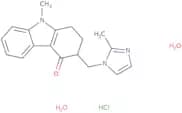


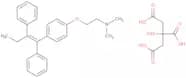
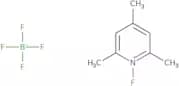
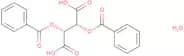
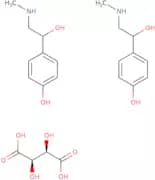

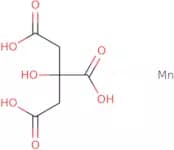

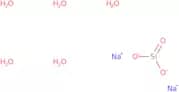
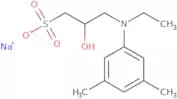
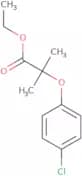

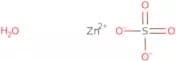
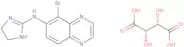
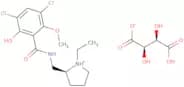
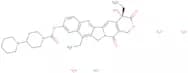
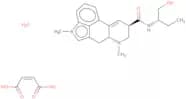
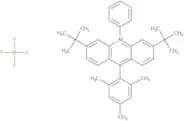


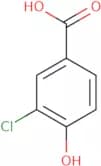

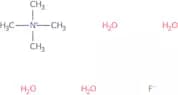

![C-Undecylcalix[4]resorcinarene monohydrate](/_next/image/?url=https%3A%2Fstatic.cymitquimica.com%2Fproducts%2F3D%2Fthumb-webp%2FFU62103.webp&w=3840&q=75)
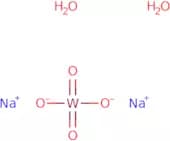
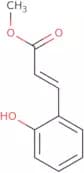
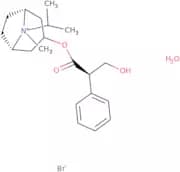
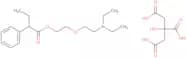
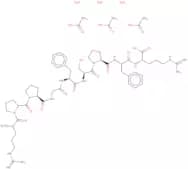
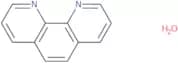
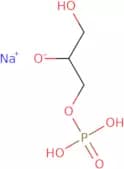
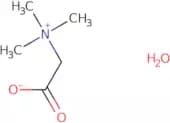
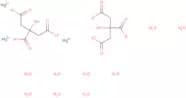
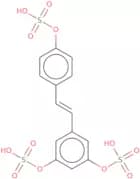
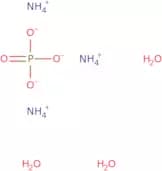
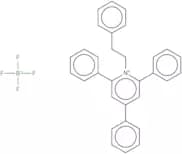
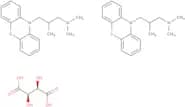

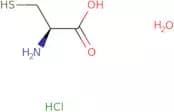
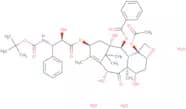
![Sodium tetrakis[3,5-bis(trifluoromethyl)phenyl]borate](/_next/image/?url=https%3A%2Fstatic.cymitquimica.com%2Fproducts%2F3D%2Fthumb-webp%2FFS93415.webp&w=3840&q=75)