Compostos Relacionados com Enzimas, Peptídeos e Proteínas
Os compostos relacionados a enzimas, peptídeos e proteínas são críticos para o estudo e manipulação de vias bioquímicas. Estes compostos incluem enzimas que catalisam reações bioquímicas, peptídeos que atuam como hormônios e moléculas de sinalização, e proteínas que desempenham uma ampla gama de funções nos organismos. Esta categoria abrange inibidores, ativadores, substratos e outros reagentes essenciais para enzimologia, proteômica e pesquisa de peptídeos. Na CymitQuimica, oferecemos uma ampla seleção de compostos de alta qualidade para facilitar a sua pesquisa em cinética enzimática, função proteica e síntese de peptídeos, garantindo resultados precisos e confiáveis.
Subcategorias de "Compostos Relacionados com Enzimas, Peptídeos e Proteínas"
- Aminoácidos (AA)(40.509 produtos)
- Enzimas(3.560 produtos)
- Peptídeos(30.719 produtos)
- Proteínas(15.022 produtos)
Foram encontrados 1312 produtos de "Compostos Relacionados com Enzimas, Peptídeos e Proteínas"
Ordenar por
Pureza (%)
0
100
|
0
|
50
|
90
|
95
|
100
Ammonium ferric citrate
CAS:<p>Ammonium ferric citrate is a solution of ammonium ferric citrate, which is a mixture of ammonium and ferric ions. It is used in biological research as a reaction solution for the determination of mitochondrial membrane potential. The chemical composition of the solution is such that it can be used to determine the iron homeostasis in human serum samples and other biological samples. Ammonium ferric citrate reacts with sodium citrate to form a polymerase chain reaction product that generates light signals proportional to the concentration of electron transfer agents in the system. This process can be monitored using an optical sensor or by measuring electrochemical impedance spectroscopy (EIS) data on the solution.</p>Fórmula:C6H8O7·xFe·xH3NPureza:Min. 95%Cor e Forma:PowderZoledronic acid trihydrate
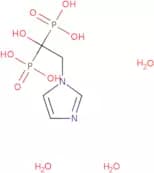
CAS:<p>Farnesyl pyrophosphate synthase inhibitor; hepatic de novo lipogenesis inhibitor</p>Fórmula:C5H16N2O10P2Pureza:Min. 95%Peso molecular:326.14 g/molTriethyl Orthovalerate
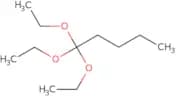
CAS:<p>Triethyl orthovalerate is an amide with a cyclic structure. It is used as a model protein for the study of the effects of structural modifications on protein stability and function. Triethyl orthovalerate has been shown to be an inhibitor of prostaglandin synthesis in human cells, which may be due to its ability to inhibit the enzyme amidase.</p>Fórmula:C11H24O3Pureza:Min. 95%Peso molecular:204.31 g/molGHRF, mouse
<p>Please enquire for more information about GHRF, mouse including the price, delivery time and more detailed product information at the technical inquiry form on this page</p>Fórmula:C220H365N69O64SPureza:Min. 95%Peso molecular:5,032.74 g/molDiethylcarbamazine citrate
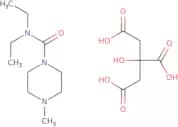
CAS:<p>Diethylcarbamazine citrate is an anthelmintic drug that is used to treat helminth infections. It inhibits the growth of nematodes by binding to the polymerase chain and inhibiting protein synthesis. Diethylcarbamazine citrate has been shown to be effective in treating bowel disease, which may be due to its ability to inhibit inhibitor molecules. This drug also has low potency for a number of bacterial species, such as Escherichia coli, Klebsiella pneumoniae, and Bacillus cereus, making it a good choice for use in vitro assays. Diethylcarbamazine citrate has a pyrazole ring in its structure that can be hydrolyzed by esterases or glucuronidases, oxidized by cytochrome P450 enzymes, reduced by glutathione reductase or conjugated with glucuronic acid.</p>Fórmula:C16H29N3O8Pureza:Min. 95%Peso molecular:391.42 g/molNoratropine
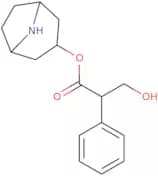
CAS:<p>Noratropine is a drug that belongs to the group of anticholinergic drugs. It is used as a pharmaceutical preparation for the treatment of urinary incontinence and other conditions that are caused by overactivity of the bladder muscles. Noratropine has been shown to have a significant effect on symptoms such as increased urination, urgency, frequency, and nocturia. In addition, it reduces the amount of urine produced at night and during the day. Noratropine can be found in pueraria lobata (Kudzu) and angelicae dahuricae (Angelica). These plants contain natural compounds with anticholinergic properties. Noratropine can also be synthesized from benzalkonium chloride and n-oxide. The synthesis involves two steps: first, benzalkonium chloride reacts with an alcohol to form an acid which then reacts with n-oxide to produce noratropine. This compound can also be obtained from tissue</p>Fórmula:C16H21NO3Pureza:Min. 95%Peso molecular:275.34 g/molDiammonium hydrogen citrate
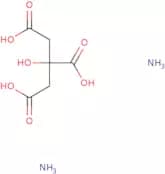
CAS:<p>Diammonium hydrogen citrate is a nutrient solution that contains copper chloride, sodium citrate, and hydrogen fluoride. It is used in surface methodology to separate hydroxyl groups from the surface of an object. Diammonium hydrogen citrate has been shown to be effective in enhancing iron homeostasis in skin cells. It also has been shown to have anti-malarial properties that are due to its ability to chelate copper ions and prevent the formation of free radicals. The reaction solution can be used for the synthesis of diammonium citrate, which is a monoclonal antibody.</p>Fórmula:C6H14N2O7Pureza:Min. 95%Cor e Forma:White PowderPeso molecular:226.18 g/molSuccinimidyl-[4-(psoralen-8-yloxy)]butyrate
CAS:<p>Succinimidyl-[4-(psoralen-8-yloxy)]butyrate (SMB) is a photoactive compound that has been used in the treatment of cancer. It is an analog of psoralen, which is able to produce DNA lesions in cells when exposed to UV light. When SMB is administered intravenously, it has been observed that it accumulates in lung cells and secretes proteins called cytokines, which are important for the repair and maintenance of lung tissue. In addition, SMB is shown to be active against influenza virus strains that have developed resistance to antiviral drugs. The use of this drug has increased as researchers have found it to be more effective than other drugs at destroying tumor cells. This drug also has antibacterial activity and can be used as a supplement for treating bacterial infections such as those caused by methicillin-resistant Staphylococcus aureus or Mycobacterium tuberculosis. SMB kills bacteria by binding</p>Fórmula:C19H15NO8Pureza:Min. 95%Peso molecular:385.32 g/molAcetyl-ACTH (3-24) (human, bovine, rat) trifluoroacetate salt
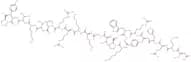
CAS:<p>Please enquire for more information about Acetyl-ACTH (3-24) (human, bovine, rat) trifluoroacetate salt including the price, delivery time and more detailed product information at the technical inquiry form on this page</p>Fórmula:C126H198N38O28SPureza:Min. 95%Peso molecular:2,725.23 g/molAngiotensin I [Des-Asp1-](Human)
CAS:<p>Please enquire for more information about Angiotensin I [Des-Asp1-](Human) including the price, delivery time and more detailed product information at the technical inquiry form on this page</p>Fórmula:C58H84N16O11Pureza:Min. 95%Peso molecular:1,181.39 g/molMethixene hydrochloride hydrate
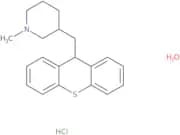
CAS:Produto Controlado<p>Methixene hydrochloride hydrate is a drug that is used to treat inflammatory bowel disease. It works by inhibiting the activity of enzymes involved in the production of epidermal growth factor, which is a protein that stimulates the growth of cells in the lining of the intestine. Methixene hydrochloride hydrate may also be used for other purposes not listed here. Methixene hydrochloride hydrate can cause liver damage and bone cancer and should not be taken by people with infectious diseases or those who are pregnant. This medication has an effect on dopamine levels and may help with Parkinson's disease. Although methixene hydrochloride hydrate is used to treat many different illnesses, it cannot cure them all.</p>Fórmula:C20H26ClNOSPureza:Min. 95%Cor e Forma:PowderPeso molecular:363.95 g/molCopper(II) acetate monohydrate
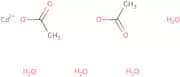
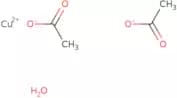
CAS:<p>Copper acetate is a chemical compound that is composed of copper and acetic acid. Copper acetate monohydrate, the form used in this product, is an ionic salt that has the chemical formula Cu(CHCO)2. The copper atom has a coordination geometry of 4.5 and is surrounded by six oxygen atoms and two hydrogen atoms. The reaction mechanism for this compound involves methyl ethyl malonic acid as shown below: The first step in the reaction mechanism is the formation of a carbanion intermediate with the loss of a proton from one of the methyl groups on malonic acid. This carbanion attacks the copper atom to form an intermediate with two positive charges on it, which then breaks down into two molecules of malonic acid and one molecule of water. The other methyl group then reacts with another molecule of malonic acid to form methyl ethyl dicarboxylate and release another proton. This proton can be accepted by water or react with</p>Fórmula:C4H6CuO4·H2OPureza:Min. 95%Cor e Forma:Blue Clear LiquidPeso molecular:199.65 g/molLithium thiocyanate hydrate
CAS:<p>Lithium thiocyanate hydrate is a crystalline compound that consists of lithium, sulfur, and oxygen. It has been shown to have antihypertensive activity, which may be due to the inhibition of the enzyme angiotensin-converting enzyme (ACE). Lithium thiocyanate hydrate is used in pharmaceutical preparations as a coagulant and solvent. Crystals of this compound are formed by reacting lithium chloride with hexafluoroisopropanol in an aqueous solution containing metal ions. The crystals are macrocyclic structures consisting of alternating layers of lithium thiocyanate and sulfoxide groups. These groups form hydrogen bonds between adjacent layers, leading to the formation of the crystals' crystalline structure.</p>Fórmula:LiSCN·xH2OPureza:(%) Min. 99.9%Cor e Forma:White Powder5-Ethylcyclohexane-1,3-dione, hydrate
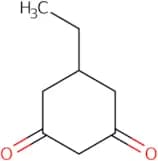
CAS:<p>5-Ethylcyclohexane-1,3-dione is a hydrate of 5-ethylcyclohexane-1,3-dione. It has been shown to be an allosteric modulator of the metabotropic glutamate receptor and has been used in the synthesis of juglone. The modification of 5-ethylcyclohexane-1,3-dione has been studied using a number of methodologies, which have led to its optimization and the development of novel derivatives that may have applications in the treatment of dyskinesia. 5-Ethylcyclohexane-1,3-dione is also a key intermediate for the synthesis of dimethyldioxirane (DMDO), a reagent that can be used for Diels–Alder reactions.</p>Fórmula:C8H12O2•(H2O)xPureza:Min. 95%Cor e Forma:PowderPeso molecular:140.18 g/molSodium L-glutamate monohydrate
CAS:<p>L-glutamic acid is a nonessential amino acid that is used as a food additive. L-glutamic acid is found in the form of sodium salt, called monosodium glutamate (MSG), and is used to enhance the flavor of foods. L-glutamic acid has been shown to be essential for the growth of certain bacteria, such as corynebacteria. The l-glutamic acid gene can be found in corynebacteria and corynebacterium glutamicum. It has been shown that l-glutamic acid can be synthesized by these organisms under conditions of low magnesium concentration, high pH, and high temperature.</p>Fórmula:C5H8NNaO4·H2OPureza:Min. 95%Cor e Forma:PowderPeso molecular:187.13 g/molEstradiol 3-valerate
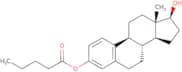
CAS:Produto Controlado<p>Please enquire for more information about Estradiol 3-valerate including the price, delivery time and more detailed product information at the technical inquiry form on this page</p>Fórmula:C23H32O3Pureza:Min. 95%Cor e Forma:PowderPeso molecular:356.5 g/molCalcium nitrate tetrahydrate
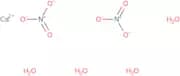
CAS:Produto Controlado<p>Calcium nitrate tetrahydrate (CNT) is a calcium salt of nitric acid that has been used in the past to control insects. It is an oxidizing agent and is used as a fertilizer. CNT reacts with water to produce heat and water vapor, which can be used for heating or cooking. When heated, CNT decomposes into calcium nitrite and nitrogen dioxide. The structural analysis of CNT was carried out by X-ray diffraction and thermodynamic data were obtained by differential scanning calorimetry. The thermal expansion coefficient of CNT was determined by DTA experiments.</p>Fórmula:Ca(NO3)2•(H2O)4Pureza:Min. 95%Peso molecular:236.15 g/mol[Asp371] Tyrosinase(369-377), human
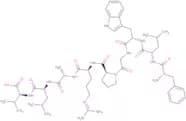
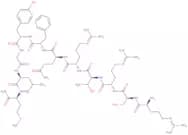
CAS:<p>H-YMDGTMSQVA-OH peptide, corresponding to 369-377 amino acids of enzyme tyrosinase. As a member of the tyrosinase family the corresponding enzyme catalyzes monopheol hydroxylation, dihydroxyindole and catechol dehydrogenation. It is a key enzyme in the conversion of tyrosine to melanin.</p>Fórmula:C42H66N10O16S2Pureza:Min. 95%Peso molecular:1,031.16 g/molIron bis(tetrafluoroborate) hexahydrate
CAS:<p>Iron bis(tetrafluoroborate) hexahydrate is a ferrimagnetic, thermally stable coordination compound that has been shown to interact with bidentate ligands. Iron bis(tetrafluoroborate) hexahydrate can be used as a mononuclear section in analogy to the octahedral section of nickel bis(tetrafluoroborate) hexahydrate. The ligands are methyl groups, which are diffracted at 2θ values of 12.8° and 18.3°. The compound is stable in solvents such as dimethylsulfoxide and tetrahydrofuran. It also has chelate ligand transfer properties, which are due to the presence of two hydroxyl groups on each iron atom.</p>Fórmula:Fe(BF4)2•(H2O)6Pureza:Min. 95%Cor e Forma:SolidPeso molecular:337.55 g/molOlanzapine pamoate monohydrate
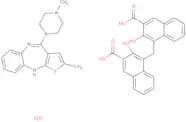
CAS:Produto Controlado<p>Olanzapine pamoate monohydrate is a prodrug of the antipsychotic drug Olanzapine. It is used for the treatment of schizophrenia and bipolar disorder. The prodrug is converted to Olanzapine in vivo, which binds to histamine H1 receptors and blocks dopamine D2 receptors. This results in an antipsychotic effect, as well as a reduction in manic episodes associated with bipolar disorder. Olanzapine pamoate has been shown to be effective in treating schizophrenia, bipolar disorder, and major depressive disorder with psychotic features. The prodrug has also been shown to have a high oral bioavailability, good tissue distribution, and low toxicity.</p>Fórmula:C40H38N4O7SPureza:Min. 95%Peso molecular:718.82 g/molAmoxicillin trihydrate impurity B
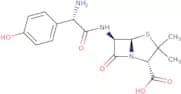
CAS:<p>Amoxicillin trihydrate impurity B is an impurity of amoxicillin trihydrate, a penicillin antibiotic. Impurities are substances that are not intentionally added to the drug and may be formed during the manufacturing process. Impurities can affect the quality and safety of drugs, although their presence does not necessarily indicate a problem with the drug. Impurities in amoxicillin trihydrate include clavulanate potassium (impurity A) and heptane-2-carboxylic acid (impurity C). Impurity A is present in small quantities, typically less than 1% of the total amount of amoxicillin trihydrate. Impurity C is present in larger quantities and can make up to 10% of the total amount of amoxicillin trihydrate.</p>Fórmula:C16H19N3O5SPureza:Min. 95%Peso molecular:365.41 g/molTris(2-acryloyloxyethyl) Isocyanurate
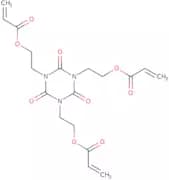
CAS:<p>Tris(2-acryloyloxyethyl) isocyanurate (TAAI) is a polyester that can be used for the treatment of water. It is made from acrylate, acrylic acid, and polyethylene glycol. TAAI has been shown to be effective in the removal of chromophoric organic matter from water. It can also be used as an immobilizing agent for various materials, such as dyes, metals, and semiconductors. TAAI can be cross-linked with a variety of reactive groups including amino groups, hydroxyl groups, carboxyl groups, thiols and amines. This process may lead to microstructural changes in the material being treated. It has been shown that TAAI may have supramolecular properties that are important for its function as a cross-linking agent.</p>Fórmula:C18H21N3O9Pureza:80%MinPeso molecular:423.37 g/molPeptide YY (canine, mouse, porcine, rat)
CAS:<p>Peptide YY (PYY) is a peptide hormone that inhibits gastric emptying and increases intestinal transit time. This peptide can be given as an intubation, perfusion, or intravenous infusion to increase the absorption of nutrients. It also has the potential to reduce body weight in obese people. PYY is a potent activator of protein synthesis and it has been shown to stimulate lipolysis in adipocytes. PYY is found in the ileum and colon, where it may have its effects on appetite suppression and regulation of gastrointestinal motility.</p>Fórmula:C190H288N54O57Pureza:Min. 95%Cor e Forma:PowderPeso molecular:4,240.65 g/molSodium acetate trihydrate
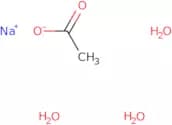
CAS:<p>Sodium acetate trihydrate is a salt that is used in the production of sodium salts and surface methodology, as well as in analytical methods. It is also used to prepare anhydrous sodium. Sodium acetate trihydrate can be used as a cell lysis agent for water vapor.</p>Fórmula:CH3COONa·3H2OPureza:Min. 95%Cor e Forma:White/Off-White SolidPeso molecular:136.08 g/mol(2,4-Dichlorophenoxy)acetic acid sodium salt monohydrate
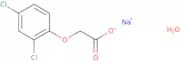
CAS:<p>(2,4-Dichlorophenoxy)acetic acid sodium salt monohydrate is a chemical that belongs to the phenoxy herbicides. It is used as a selective herbicide for control of annual and perennial grasses and broadleaf weeds in noncrop areas. This compound has been detected by gas chromatography/mass spectrometric analysis after a dispersive solid-phase extraction procedure. The target analytes were found to be acidic with an unknown molecular weight.</p>Fórmula:C8H5Cl2O3·Na·H2OPureza:Min. 95%Cor e Forma:PowderPeso molecular:261.03 g/molTriisopropanolamine Borate
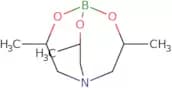
CAS:<p>Triisopropanolamine borate is an organic compound with the formula (CH3)3N(CH2)3OH. It is a colorless liquid with a sweet, amine-like odor. Triisopropanolamine borate is widely used as a cross-linking agent in coatings, and as a reactive functional group in polycarboxylic acid synthesis and cationic polymerization. It also has been used as a blood pressure lowering agent and to treat high calcium levels in the blood. The chemical structure of triisopropanolamine borate can be seen below: Triisopropanolamine Borate, Chemical Structure The chemical formula for triisopropanolamine borate is CH3N(CH2)3OH. Triisopropanolamine borate has many applications due to its reactive functional groups, including cross-linking agents for coatings and polycarboxylic acid synthesis</p>Fórmula:C9H18BNO3Pureza:Min. 95%Peso molecular:199.06 g/molPotassium vinyltrifluoroborate
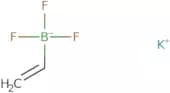
CAS:<p>Potassium vinyltrifluoroborate is a salt that contains the inorganic anion potassium and the organic ligand vinyltrifluoroborate. It is used as an electrolyte in electrochemical cells, such as fuel cells, to increase power output by increasing the conductivity of the electrolyte. This compound has been shown to be effective against chronic kidney disease and infectious diseases such as HIV and malaria. Potassium vinyltrifluoroborate also has anti-cancer properties due to its ability to inhibit cellular proliferation and induce apoptosis in cancer cells. The mechanism of action of this drug is still unclear but may be due to its ability to inhibit proteases, such as ns3 protease found in human erythrocytes.</p>Fórmula:C2H3BF3KPureza:Min. 95%Cor e Forma:PowderPeso molecular:133.95 g/molMAGE-3 Antigen (271-279) (human) trifluoroacetate salt
CAS:<p>ALPHA FACTOR SIGNALING PEPTIDE</p>Fórmula:C53H79N13O10Pureza:Min. 95%Peso molecular:1,058.28 g/molReinecke salt monohydrate
CAS:<p>Reinecke salt monohydrate is a potentiometric titrant for use in automated titration. It consists of a mixture of choline chloride and polyvinyl chloride and is used in the analysis of polyvinyl chloride. Reinecke salt monohydrate has been optimized for injection analysis and has a response time of less than one minute.</p>Fórmula:NH4•Cr•(SCN)4•(NH3)2•H2OPureza:Min. 95%Peso molecular:354.44 g/molMono-2-O-(p-toluenesulfonyl)-b-cyclodextrin hydrate
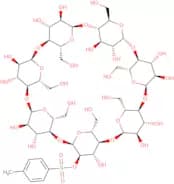
CAS:<p>This beta-cyclodextrin (β-CD) derivative is a functionalized cyclic oligosaccharide composed of seven glucose units, characterized by a hydrophilic exterior and a lipophilic cavity (bigger than α-CD and smaller than γ-CDs), which allows it to encapsulate various guest molecules. This structural feature facilitates its use in multiple applications, including pharmaceuticals, food enhancement, and cosmetics. In the pharmaceutical industry, it enhances the solubility and stability of poorly water-soluble drugs, improving their bioavailability and efficacy while also masking unpleasant tastes. The food sector utilizes it as a stabilizer for flavors, colors, and nutrients, extending shelf life by protecting sensitive ingredients from degradation. In cosmetics, it serves as a complexing agent for fragrances and active components, ensuring their stability and controlled release. Its use expands to many other fields, including nanotechnology for drug delivery systems, environmental remediation for extracting organic pollutants, textiles for slow-release fragrances, and analytical chemistry for chiral separation.</p>Fórmula:C49H76O37S•(H2O)xPureza:Min. 97 Area-%Cor e Forma:PowderPeso molecular:1,289.17 g/molMercurous(I) nitrate diydrate
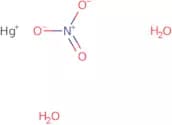
CAS:Produto Controlado<p>Please enquire for more information about Mercurous(I) nitrate diydrate including the price, delivery time and more detailed product information at the technical inquiry form on this page</p>Fórmula:Hg•HNO3•(H2O)2Pureza:Min. 95%Cor e Forma:PowderPeso molecular:599.28 g/molTrisodium citrate dihydrate
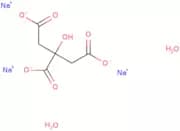
CAS:<p>Trisodium citrate dihydrate is a chemical compound that is used as a buffer and to maintain the pH of solutions. It is often used as an acidity regulator in pharmaceutical formulations and food products. Trisodium citrate dihydrate has been shown to be effective at reducing the matrix effect and increasing the concentration response, which can lead to better analytical results. This compound has also been shown to have anti-inflammatory properties, which may be due to its ability to prevent fatty acid production by inhibiting the enzyme lipase.</p>Fórmula:C6H5Na3O7·2H2OPureza:(Titration) Min. 98%Cor e Forma:White Off-White PowderPeso molecular:294.1 g/molRuthenium(III) chloride trihydrate
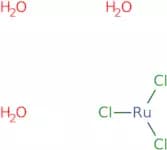
CAS:<p>Ruthenium(III) chloride trihydrate is a ruthenium carbonyl that is used as an oxidation catalyst. It has been used to prepare diagnostic agents for the detection of hydrochloric acid, sodium carbonate, or pharmaceutical preparations. The mechanism of the reaction was studied using potassium dichromate as an oxidant and the transfer reactions were determined by high-resolution electron microscopy. Ruthenium(III) chloride trihydrate is also a matrix effect reagent that has been used in conjunction with water vapor.</p>Fórmula:RuCl3·3H2OPureza:Min. 95%Cor e Forma:PowderPeso molecular:261.47 g/molMono(lactosylamido) mono(succinimidyl)suberate
<p>Please enquire for more information about Mono(lactosylamido) mono(succinimidyl)suberate including the price, delivery time and more detailed product information at the technical inquiry form on this page</p>Fórmula:C24H38N2O15Pureza:Min. 95%Cor e Forma:SolidPeso molecular:594.56 g/molParathion-ethyl
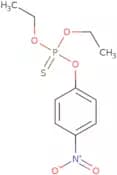
CAS:Produto Controlado<p>Parathion-ethyl is a member of the organophosphate class of pesticides. It inhibits acetylcholinesterase and is used to control insects in agriculture, homes, and other areas. The compound can be detected by both the polymerase chain reaction (PCR) and the in vitro method for detecting enzyme activities. Parathion-ethyl has been shown to have minimal toxicity in animal studies, with acute toxicities ranging from mild to moderate. This pesticide has been shown to inhibit signal peptide cleavage and energy metabolism in cells. It also inhibits transcriptional activity when it binds to DNA, which may be due to its interaction with enzymes that are involved in transcriptional regulation or chromatographic analysis. Parathion-ethyl also has minimal toxicity in animals and shows acute toxicities ranging from mild to moderate. It has been shown to inhibit signal peptide cleavage and energy metabolism as well as transcriptional activity when it binds to DNA, possibly due to its interactions with</p>Fórmula:C10H14NO5PSPureza:Min. 95%Peso molecular:291.26 g/molChelidonic acid monohydrate
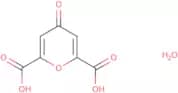
CAS:<p>Chelidonic acid monohydrate is an organometallic compound that can be synthesized by reacting 4-hydroxybenzoic acid with an organometallic reagent. Chelidonic acid monohydrate has antihypertensive activity and is used in the treatment of viral infections. Chelidonic acid monohydrate has a hydroxy group on the skeleton, which is a molecule that contains two or more amino groups. It also has a carboxylic group and alkynyl group, which are both organic functional groups that contain at least one carbon atom bonded to a hydroxyl group. Chelidonic acid monohydrate is a metal complex with calixarenes as ligands, which are heterocycles that have six members in their ring system. Chelidonic acid monohydrate is also cisplatin-resistant and can be used for the treatment of cancers such as breast cancer and leukemia.</p>Pureza:Min. 95%(Asp371)-Tyrosinase (369-377) (human) acetate salt
CAS:<p>Tyrosinase protein:<br>Peptide Tyrosinase (Asp371) – HLA-A*0201 (YMDGTMSQV) is a human tyrosinase-derived (369-377) peptide by posttranslational conversion of the sequence YMNGTMSQV. Tyrosinase is an oxidase membrane-bound protein. Tyrosinase play a key role in the melanin synthesis pathway. Tyrosinase is presented on the surface of HLA-A*02:01 melanomas and also expressed in melanocytes. Tyrosinase has been still suggested to be a tumor antigen and might be implicated in improvement of immunotherapeutic strategies such as for efficient anticancer vaccine development.<br>Applications of Peptide Tyrosinase (Asp371) – HLA-A*0201 (YMDGTMSQV):<br>Peptide Tyrosinase (Asp371) – HLA-A*0201 (YMDGTMSQV) is used to stimulate specific cytotoxic T lymphocytes (CTL) in PBMCs and then to analyze CTL response especially the cytokine production by ELISPOT assay. Peptide Tyrosinase (Asp371) – HLA-A*0201 (YMDGTMSQV) is also involved in experimental therapies of metastatic melanoma by allogeneic hematopoietic stem cell transplantation. In fact, cytotoxic T cells were generated from peripherical blood mononuclear cells (PBMCs) of HLA-A*02:01 healthy donors after being stimulated by injection of Asp371 antigen (2). This strategy raises issues which concern the graft versus tumor (GvT) effect and graft versus host disease (GvHD).</p>Fórmula:C42H66N10O16S2Pureza:Min. 95%Peso molecular:1,031.16 g/molD-Glyceric acid calcium dihydrate
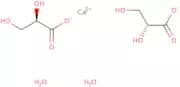
CAS:<p>Please enquire for more information about D-Glyceric acid calcium dihydrate including the price, delivery time and more detailed product information at the technical inquiry form on this page</p>Fórmula:C3H6O4•Ca0•H2OPureza:Min. 95%Peso molecular:288.26 g/molTrimethyl orthobutyrate
CAS:<p>Trimethyl orthobutyrate is a heterocycle that is used in the synthesis of pharmaceuticals. It is synthesized by reacting trimethyl orthoformate with hydrochloric acid. Trimethyl orthobutyrate has been shown to inhibit 3t3-l1 preadipocytes proliferation, which may be due to its ability to bind with the receptor and inhibit protein synthesis. Trimethyl orthobutyrate also has tumor treatment properties and can be useful in amide pharmaceutical preparations.</p>Fórmula:C7H16O3Pureza:Min. 95%Cor e Forma:Clear LiquidPeso molecular:148.2 g/molCitronellal hydrate
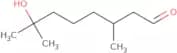
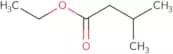
CAS:<p>Citronellal hydrate is a chemical substance that is found in many essential oils, such as citronella, lemon grass, and citronella. It has been shown to have significant effects on the human metabolism and urine samples. Citronellal hydrate can be used as a preservative due to its ability to inhibit bacterial growth, including bacteria that are resistant to benzalkonium chloride. Citronellal hydrate also has been shown to have an effect on cell maturation, which may be predictive for the development of cancer cells. Citronellal hydrate is present in many natural products that are used in cosmetics and personal care products. It is a good analytical method for identifying the presence of other chemicals in a sample because it has been shown to react with molecules such as alcohols, amines, ketones, esters, and ethers. Citronellal hydrate reacts with these molecules by altering their mass through an electron-transfer process called triple-</p>Fórmula:C10H20O2Pureza:Min. 95%Peso molecular:172.26 g/molEthyl isovalerate
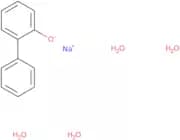
CAS:<p>Ethyl isovalerate is a chemical with the formula CH3CH2CH2C(O)CH=CH2. It is an ester of acetic acid and valeric acid. It has a boiling point of 114°C and a density of 0.8994 g/mL at 20°C. Ethyl isovalerate has been shown to be thermally unstable, with significant expansion occurring when heated to 100°C. This chemical has been shown to have antibacterial properties against bacterial strains that are resistant to carvacrol, thymol, and cinnamaldehyde. Ethyl isovalerate also produces propionic acid when mixed with benzoic acid in liquid phase microextraction (LPME). The production of propionic acid may be due to the reaction between ethyl isovalerate and hydrogen fluoride on the surface of activated carbon particles in LPME. Ethyl decanoate can also be produced from this reaction by adding ethyl dec</p>Fórmula:C7H14O2Pureza:Min. 95%Cor e Forma:Clear LiquidPeso molecular:130.18 g/mol2-Hydroxybiphenyl sodium salt tetrahydrate
CAS:<p>2-Hydroxybiphenyl sodium salt tetrahydrate is an inorganic, colorimetric mediator that is used for the determination of symbiotic N 2 fixation. It is a salt of 2-hydroxybiphenyl and sodium hydroxide. The color change from yellow to violet is indicative of the presence of nitrogenase activity. This mediator can be used to measure the efficiency of immobilized N 2 -fixing bacteria on various surfaces or to determine the uptake of nutrients by bacteria.</p>Fórmula:C12H17NaO5Pureza:Min. 95%Peso molecular:264.25 g/molCobalt chloride hexahydrate
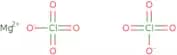
CAS:<p>Cobalt chloride is the inorganic compound with the chemical formula CoCl2.6H2O. It is a salt of cobalt in the form of a hexahydrate, which means that it contains six water molecules per molecule of cobalt. Cobalt chloride can be used as a chelate ligand to bind metal ions and prevent them from reacting with other substances. In this way, it can be used in wastewater treatment to remove heavy metals such as copper and zinc, or to remove nitrogen from waste water. The cobalt ion binds reversibly to two oxygen atoms on each molecule of hydrogen peroxide, forming HCoO3HO. This process converts one mole of hydrogen peroxide into one mole of water vapor and one mole of oxygen gas. It also catalyzes reactions involving organic compounds containing ammonia, such as ammonium salts or urea-ammonia solutions - reactions that are used for industrial purposes or for agricultural fertilizers. Cobalt chloride hexahydrate has</p>Fórmula:Cl2Co•(H2O)6Pureza:Min. 95%Peso molecular:237.93 g/molMagnesium perchlorate
CAS:<p>Magnesium perchlorate is a magnesium salt of perchloric acid. It is a metal chelate that has been reported to be used for detecting water vapor in the atmosphere, and as an electrolyte in electrochemical impedance spectroscopy. Magnesium perchlorate has also been used as a catalyst in chemical reactions. It has a redox potential of -2.8 V and can be used as an oxidizing agent at lower temperatures. In addition, it is sensitive to hydrogen bonding with amines, which can be used for detection purposes.</p>Fórmula:Cl2MgO8Pureza:Min. 95%Peso molecular:223.21 g/molSulconazole Nitrate
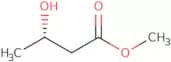
CAS:<p>Sulconazole Nitrate is a broad-spectrum antimicrobial agent that inhibits the growth of fungi by interfering with the synthesis of ergosterol, an important component of fungal cell membranes. Sulconazole Nitrate has been shown to possess in vitro antifungal activity against dimorphic fungi such as Candida albicans and Cryptococcus neoformans. It also has been shown to inhibit the growth of bacteria and other microbes through inhibition of fatty acid synthesis. This drug may be used as an adjuvant therapy for autoimmune diseases or infections caused by resistant strains of bacteria. Sulconazole Nitrate binds to fatty acids in the plasma membrane and prevents their incorporation into the phospholipid bilayer. The disruption of this process results in decreased cell membrane fluidity, which leads to a loss of structural integrity and cell permeability.</p>Fórmula:C18H15Cl3N2S·HNO3Pureza:Min. 95%Peso molecular:460.76 g/molMethyl (S)-(+)-3-hydroxybutyrate
CAS:<p>Methyl (S)-(+)-3-hydroxybutyrate is an amino acid that is used as a building block in the synthesis of chiral compounds. It is an important intermediate in the synthesis of pharmaceuticals, agrochemicals, and other organic compounds. Methyl (S)-(+)-3-hydroxybutyrate has been shown to be a useful substrate for lipases and escherichia coli cells with hydrolytic activity. The reaction between methyl (S)-(+)-3-hydoxybutyrate and aluminum oxide produces hydrogen gas, which can be used as a carbon source for kinetic studies.</p>Fórmula:C5H10O3Pureza:Min. 95%Peso molecular:118.13 g/molEthyl (R)-(+)-4-chloro-3-hydroxybutyrate
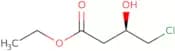
CAS:<p>Ethyl (R)-(+)-4-chloro-3-hydroxybutyrate is a chiral compound with two stereoisomers, one of which is the natural form. It can be synthesized by asymmetric synthesis from ethylene diamine and acetaldehyde. This reaction is catalysed by enzymes such as dehydrogenase, which are used in the biosynthesis of other compounds. The enzyme catalysis results in a high activation energy. Ethyl (R)-(+)-4-chloro-3-hydroxybutyrate also has an organic solvent that is required for its synthesis, d-xylose. The enzyme expression plasmid that is used to express this compound requires recombinant cells.</p>Fórmula:C6H11ClO3Pureza:Min. 95%Cor e Forma:Clear LiquidPeso molecular:166.6 g/molHemokinin 1 (mouse, rat) trifluoroacetate salt
CAS:<p>Hemokinin 1 is a protein that is encoded by the NK1R gene. It has been shown to be associated with insulin resistance, inflammatory diseases, and pain control. Hemokinin 1 is also a potential treatment for viral infections such as HIV and hepatitis C. Hemokinin 1 interacts with nicotinic acetylcholine receptors (nAChRs) in the brain and blood vessels, which leads to an increase in blood pressure. This protein also interacts with hematopoietic cells, which may be responsible for its function as an antinociceptive agent. Hemokinin 1 has been implicated in autoimmune diseases such as arthritis and atrial fibrillation. This protein is expressed mainly in the brain, liver, heart, kidneys and spleen.</p>Fórmula:C61H100N22O15SPureza:Min. 95%Peso molecular:1,413.65 g/molCobalt(II) acetate tetrahydrate
CAS:<p>Cobalt(II) acetate tetrahydrate is a model system that can be used to study the structures of coordination complexes. The cobalt ion has a coordination geometry with two water molecules, two oxygen atoms from the acetate anion, and one proton from the hydroxide anion. The crystal structure is composed of six-membered rings of alternating metal ions and oxygen atoms. The reaction solution contains excess sodium hydroxide and water vapor. It was determined that cobalt(II) acetate tetrahydrate reacts electrochemically at low frequencies as well as with 5-hmf, an oxidizing agent, in the presence of sodium citrate as an oxidation catalyst.</p>Fórmula:C4H6CoO4·4H2OPureza:Min. 95%Cor e Forma:Pink To Red SolidPeso molecular:249.08 g/mol4-Chloro bupropion fumarate
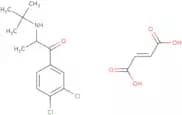
CAS:Produto Controlado<p>Please enquire for more information about 4-Chloro bupropion fumarate including the price, delivery time and more detailed product information at the technical inquiry form on this page</p>Fórmula:C17H21Cl2NO5Pureza:Min. 95%Peso molecular:390.26 g/mol



![Succinimidyl-[4-(psoralen-8-yloxy)]butyrate](/_next/image/?url=https%3A%2Fstatic.cymitquimica.com%2Fproducts%2F3D%2Fthumb-webp%2FFS52761.webp&w=3840&q=75)
](/_next/image/?url=https%3A%2Fstatic.cymitquimica.com%2Fproducts%2F3D%2Fthumb-webp%2FFA73186.webp&w=3840&q=75)

![[Asp371] Tyrosinase(369-377), human](/_next/image/?url=https%3A%2Fstatic.cymitquimica.com%2Fproducts%2F3D%2Fthumb-webp%2FFA73646.webp&w=3840&q=75)