Antimicrobianos
Subcategorias de "Antimicrobianos"
- Antibióticos(4.502 produtos)
- Antifúngicos(939 produtos)
- Antiparasitários(807 produtos)
- Antivíricos(1.056 produtos)
Foram encontrados 2643 produtos de "Antimicrobianos"
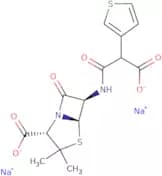
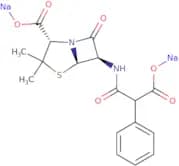
Ticarcillin disodium salt - 80%
CAS:Ticarcillin disodium salt is a beta-lactam antibiotic that has in vitro activity against Gram-positive and Gram-negative bacteria. Ticarcillin is active against penicillinase-producing strains of Staphylococcus aureus, Enterobacter aerogenes, Proteus mirabilis, Escherichia coli, Pseudomonas aeruginosa, Klebsiella pneumoniae, Serratia marcescens, Streptococcus pyogenes, Streptococcus faecalis, and Streptococcus pneumoniae. Furthermore, it inhibits transpeptidase activity of the cell wall of bacteria which prevents peptidoglycan synthesis. It is bactericidal for many bacteria at low concentrations.
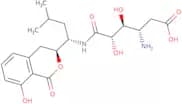
Fórmula:C15H14N2Na2O6S2Pureza:Min. 90 Area-%Cor e Forma:PowderPeso molecular:428.4 g/molAmicoumacin B
CAS:Amicoumacin B is a potent antibiotic, which is isolated from the bacterial species Bacillus pumilus. It acts by inhibiting protein synthesis, targeting the ribosomal 30S subunit and disrupting translational fidelity in bacterial cells. This interference in protein production leads to the effective elimination of various Gram-positive and certain Gram-negative bacteria.
Pureza:Min. 95%2-Methyl-4-isothiazolin-3-one hydrochloride
CAS:Methyl-4-isothiazolin-3-one HCl, also known as MIT hydrochloride is often used as a preservative in personal care products and other industrial applications. The product has shown to act as an antimicrobial and antifungal agent.
Fórmula:C4H6ClNOSPureza:Min. 99 Area-%Peso molecular:151.62 g/molAmicoumacin A
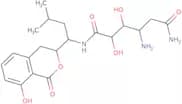
CAS:Amicoumacin A is an antibiotic compound, which is derived from the bacterium Bacillus subtilis. This natural source is known for its production of a variety of biologically active compounds that contribute to its utility in numerous scientific contexts. The mode of action of Amicoumacin A involves the inhibition of bacterial protein synthesis by targeting the ribosomal subunit. Specifically, it interferes with the translation process, effectively disrupting the growth and proliferation of susceptible bacterial strains.
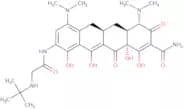
Amicoumacin A is primarily utilized in research settings to study bacterial resistance mechanisms, as well as to explore novel antibacterial therapies. Its application in scientific research extends to examining its potential synergistic effects with other antimicrobial agents, and it serves as a model compound for understanding ribosomal inhibition. The study of Amicoumacin A not only contributes to the broader field of antibiotic development but also offers insights into the molecular interactions that underlie bacterial protein synthesis and antibiotic resistance. This compound's unique properties make it an important subject of investigation for microbiologists and pharmacologists alike, emphasizing its relevance in the ongoing battle against antibiotic-resistant pathogens.Fórmula:C20H29N3O7Pureza:Min. 95%Cor e Forma:PowderPeso molecular:423.46 g/molTigecycline hydrochloride
CAS:Inhibitor of protein synthesis; glycylcycline class
Fórmula:C29H39N5O8·HClPureza:Min. 95%Peso molecular:622.11 g/moliso-Nystatin
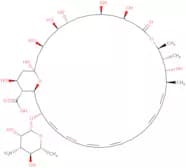
CAS:iso-Nystatin is an antifungal compound, which is derived from the bacterium *Streptomyces noursei*. This specific strain of actinobacteria produces polyene macrolide antifungals, and iso-Nystatin is a derivative that exhibits similar bioactivity as its parent compound, Nystatin. Its mode of action is based on binding ergosterol, a crucial component of fungal cell membranes. This binding disrupts the membrane's structural integrity, inducing pore formation, which leads to ion leakage and ultimately cell lysis and fungal cell death.
Fórmula:C47H75NO17Pureza:Min. 95%Peso molecular:926.09 g/molLedipasvir D-tartrate
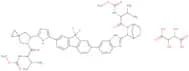
CAS:Ledipasvir D-tartrate is an antiviral compound, which is a direct-acting antiviral agent used in the treatment of hepatitis C virus (HCV) infection. It originates from synthetic sources designed to inhibit the replication of specific viral proteins. Ledipasvir functions by targeting the NS5A protein of the hepatitis C virus, a key component necessary for viral replication. By binding to this protein, Ledipasvir disrupts and inhibits the HCV replication complex, effectively suppressing the viral load in patients.
Fórmula:C53H60F2N8O12Pureza:Min. 95%Peso molecular:1,039.1 g/molPazufloxacin hydrochloride
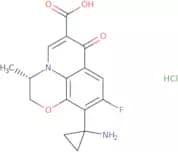
CAS:Pazufloxacin hydrochloride is a synthetic antibacterial agent, which is derived from the fluoroquinolone class of antibiotics with a broad-spectrum activity against various bacterial pathogens. This compound, sourced through chemical synthesis, functions primarily by inhibiting bacterial DNA gyrase and topoisomerase IV, which are critical enzymes for DNA replication, transcription, repair, and recombination. The inhibition of these enzymes leads to the disruption of bacterial DNA processes, ultimately resulting in bacterial cell death.
Fórmula:C16H15FN2O4•HClPureza:Min. 95%Peso molecular:354.76 g/molPotassium clavulanate
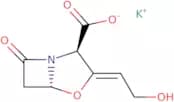
CAS:Potassium clavulanate is a beta-lactamase inhibitor and an antibacterial agent. The presence of potassium clavulanate in culture media inhibits the activity of beta-lactamases, which are enzymes that confer resistance to penicillin and other beta-lactam antibiotics. It also has been shown to be active against bacterial infections such as tuberculosis, sepsis, and pneumonia, where it can inhibit the growth of bacteria by interfering with their ability to form cell walls. Potassium clavulanate is also used as an antimicrobial agent for blood culture technique and antimicrobial treatment.
Fórmula:C8H8NO5·KPureza:Min. 95%Cor e Forma:White PowderPeso molecular:237.25 g/molTomopenem
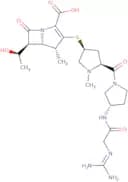
CAS:Tomopenem is a carbapenem antibiotic, which is a product of synthetic origin with broad-spectrum antibacterial properties. It acts by inhibiting the synthesis of bacterial cell walls through binding to penicillin-binding proteins, thereby disrupting the structural integrity of the cell wall and leading to bacterial cell lysis and death.
Fórmula:C23H35N7O6SPureza:Min. 95%Peso molecular:537.63 g/molValidoxylamine A
CAS:Validoxylamine A is an antibiotic, which is a secondary metabolite produced by certain strains of the Actinomyces species. It functions as a potent inhibitor of the enzyme glucose isomerase, which plays a crucial role in the isomerization of glucose to fructose, an important biochemical reaction in various microbial and plant systems.
Fórmula:C14H25NO8Pureza:Min. 95%Peso molecular:335.35 g/molCarbenicillin monosodium salt
CAS:Inhibitor of bacterial cell wall biogenesis; penicillin class
Fórmula:C17H17N2NaO6SPureza:Min. 90 Area-%Cor e Forma:PowderPeso molecular:400.38 g/molAmoscanate
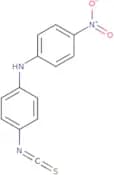
CAS:Amoscanate is an antiparasitic compound derived from synthetic chemical processes, which acts by disrupting the mitochondrial function of parasitic organisms. This compound intervenes in the energy metabolism of endoparasites, leading to their incapacitation and eventual death. Its action is selective for parasitic species, minimizing effects on the host organism.
Fórmula:C13H9N3O2SPureza:Min. 95%Peso molecular:271.3 g/molEthambutol
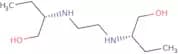
CAS:Ethambutol is an antimicrobial compound, specifically an antitubercular agent, which is a synthetic derivative of ethylenediamine. It is classified as a bacteriostatic agent that primarily targets Mycobacterium tuberculosis. The mode of action of Ethambutol involves the inhibition of arabinosyl transferases, enzymes essential for the polymerization of arabinogalactan, a critical component of the mycobacterial cell wall. By disrupting cell wall biosynthesis, Ethambutol effectively hampers the growth and proliferation of the bacteria.
Fórmula:C10H24N2O2Pureza:Min. 95%Peso molecular:204.31 g/molAmphotericin A
CAS:Amphotericin A is a polyene macrolide antibiotic, which is derived primarily from the soil bacterium *Streptomyces nodosus*. This compound functions by binding to ergosterol, an essential component of fungal cell membranes. This binding creates pores in the membrane, increasing its permeability and ultimately leading to cell death. Unlike its more widely used counterpart Amphotericin B, Amphotericin A is less frequently utilized but is critical in the study and understanding of antifungal activity.
Fórmula:C47H75NO17Pureza:Min. 95%Peso molecular:926.09 g/molSTAADIUM™ PeptiZide L-Ala
CAS:STAADIUM⢠PeptiZide L-Ala is a targeted inhibitor for L-alanine aminopeptidase-producing bacteria. The antibacterial activity of STAADIUM⢠PeptiZide L-Ala is triggered by the enzyme L-alanine aminopeptidase, an enzyme located in the bacterial cell wall and is a characteristic of Gram-negative bacteria. L-alanine aminopeptidase has not been experimentally detected in Campylobacter species, anaerobic bacilli, Gram-positive and Gram-variable bacteria. More details in the application notes document.
Fórmula:C15H18ClN3O2SPureza:Min. 95.0 Area-%Peso molecular:339.84 g/molCarbomycin
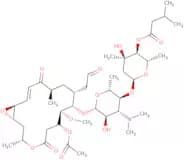
CAS:Carbomycin is a macrolide antibiotic, which is derived from the bacterium Streptomyces halstedii. This antibiotic functions by binding to the 50S ribosomal subunit, thereby inhibiting bacterial protein synthesis. Through this mechanism, carbomycin effectively disrupts the growth and replication of susceptible bacterial strains, making it a potent tool in combating bacterial infections.
Fórmula:C42H67NO16Pureza:Min. 95%Peso molecular:841.98 g/molViramidine
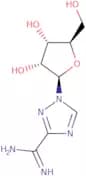
CAS:Viramidine is a nucleotide analogue prodrug, which is derived from naturally occurring nucleosides, specifically optimized for enhanced therapeutic profiles. Its mode of action involves conversion into ribavirin triphosphate within the body. This active form inhibits viral RNA polymerase, a critical enzyme necessary for viral replication. By disrupting the synthesis of viral RNA, Viramidine effectively reduces viral proliferation within host cells.
Pureza:Min. 95%GSK 8175
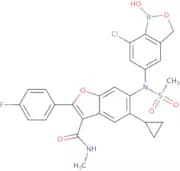
CAS:Inhibitor of viral protein NS5B
Fórmula:C27H23BClFN2O6SPureza:Min. 95%Peso molecular:568.81 g/molHerbicidin B
CAS:Herbicidin B is a natural herbicidal compound, which is a secondary metabolite produced through the fermentation of certain Streptomyces species. This compound functions as a potent inhibitor of plant growth by interfering with essential physiological processes within the plant cells. The mode of action of Herbicidin B primarily involves disruption of metabolic pathways that are critical for the development and survival of plants, leading to effective control of undesired vegetation.
Fórmula:C18H23N5O9Pureza:Min. 95%Peso molecular:453.4 g/mol