Antimicrobianos
Subcategorias de "Antimicrobianos"
- Antibióticos(4.503 produtos)
- Antifúngicos(939 produtos)
- Antiparasitários(807 produtos)
- Antivíricos(1.056 produtos)
Foram encontrados 2643 produtos de "Antimicrobianos"
Casein
CAS:Casein is a phosphoprotein, which is derived from milk. It originates primarily from cow's milk, where it constitutes about 80% of the total protein content. The mode of action for casein involves its ability to form a gel or clot in the stomach, which makes it highly efficient in nutrient delivery, especially the slow release of amino acids. This process is facilitated by its unique structural features, such as the presence of multiple phosphoryl groups that can bind calcium ions.
Pureza:Min. 95%Cor e Forma:PowderN-Acetylamphotericin B
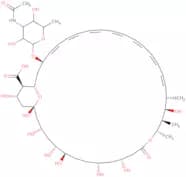
CAS:N-Acetylamphotericin B is a derivative of the well-known antifungal agent Amphotericin B, which is derived from the bacterium *Streptomyces nodosus*. This compound is an acetylated version of Amphotericin B, designed to improve certain pharmacokinetic properties. It operates by binding to ergosterol, a key component of fungal cell membranes, leading to the formation of pores that disrupt membrane integrity, causing cell death. The acetylation is intended to reduce the compound's cytotoxicity and improve its solubility in aqueous solutions, potentially allowing for enhanced therapeutic applications.Fórmula:C49H75NO18Pureza:(%) Min. 75%Cor e Forma:Yellow To Brown SolidPeso molecular:966.12 g/molDesoxymycin
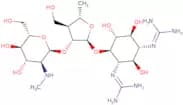
CAS:Desoxymycin is an antibiotic product that belongs to the class of aminoglycosides, which is derived from natural sources such as certain species of Streptomyces bacteria. This compound exhibits its mode of action by specifically binding to the bacterial ribosomal RNA, interfering with protein synthesis. As a result, it inhibits the replication and growth of susceptible bacterial strains.Fórmula:C21H41N7O11Pureza:Min. 95%Peso molecular:567.59 g/molLinearmycin A
CAS:Linearmycin A is an antibiotic compound, which is a secondary metabolite produced by the bacterium Streptomyces sp. Its mode of action involves disrupting bacterial protein synthesis, leading to the inhibition of bacterial growth. This compound exhibits strong efficacy against various Gram-positive and some Gram-negative bacteria, making it valuable in microbiological research.Fórmula:C64H101NO16Pureza:Min. 95%Peso molecular:1,140.5 g/molSebuthylazine-2-hydroxy
CAS:Sebuthylazine-2-hydroxy is a selective pre-emergent herbicide, which is a derivative of the sym-triazine compound family synthesized through chemical processes. It functions primarily as a soil-acting agent that inhibits photosynthesis by binding to the D1 protein in the photosystem II complex, thereby disrupting the electron transport chain. This biochemical action effectively curtails the growth of susceptible weed species by preventing their development, particularly annual grasses and broadleaf weeds.
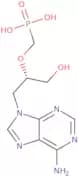
Fórmula:C9H17N5OPureza:Min. 95%Peso molecular:211.26 g/mol(S)-HPMPA
CAS:(S)-HPMPA is a nucleotide analogue, which is a chemically synthesized compound designed to mimic nucleotides. It acts as both an antiviral and an antitumor agent, sourced primarily through synthetic chemistry involving the modification of naturally occurring nucleotide structures. The mode of action of (S)-HPMPA involves mimicking natural substrates of various viral polymerases and cellular enzymes, thereby inhibiting viral DNA synthesis and disrupting the replication cycle of DNA viruses. Additionally, it can interfere with certain cellular pathways contributing to its antitumor effects.Fórmula:C9H14N5O5PPureza:Min. 95%Peso molecular:303.21 g/molQuinofumelin
CAS:Quinofumelin is a fungicide, which is synthetically derived with a novel mode of action targeting specific biochemical pathways in fungi. Its unique mechanism disrupts crucial cellular processes within pathogenic fungi, thereby halting their growth and spread. This fungicide has been meticulously developed through advanced chemical synthesis to ensure high efficacy and specificity against a broad spectrum of fungal pathogens affecting various crops.Fórmula:C20H16F2N2Pureza:Min. 95%Peso molecular:322.4 g/molAmicoumacin C
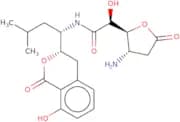
CAS:Amicoumacin C is a biological product derived from certain strains of the Bacillus species, specifically fermented by Bacillus subtilis. It is recognized as a potent antibiotic compound, noted for its ability to inhibit bacterial protein synthesis, primarily by interacting with the 30S ribosomal subunit, thereby hindering the translation process.Fórmula:C20H26N2O7Pureza:Min. 95%Peso molecular:406.43 g/molTigecycline Impurity 8
Tigecycline Impurity 8 is a chemical impurity associated with Tigecycline, which is a glycylcycline antibiotic. This impurity is typically synthesized or isolated as a part of pharmaceutical development and quality control processes. Its source is inherently linked to the chemical synthesis of Tigecycline, where it may arise as a byproduct or degradation product.Fórmula:C29H37N5O8Pureza:Min. 95%Peso molecular:583.65 g/molHalauxifen
CAS:Halauxifen is a synthetic herbicide, which is a product of chemical synthesis used in agricultural practices. Derived from advanced chemical research and development, its primary source is a laboratory setting where it is engineered to exhibit specific properties for plant management.
Fórmula:C13H9Cl2FN2O3Pureza:Min. 95%Peso molecular:331.12 g/mol4-Hydroxyvoriconazole
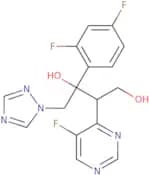
CAS:Metabolite of voriconazole; sterol 14?-demethylase inhibitorPureza:Min. 95%Bacitracin B1
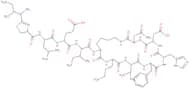
CAS:Bacitracin B1 is a polypeptide antibiotic and is used for the treatment of bacterial infections. Its mode of action is similar to bacitracin.
Fórmula:C65H101N17O16SPureza:90%MinCor e Forma:PowderPeso molecular:1,408.67 g/molMeayamycin B
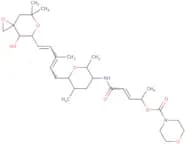
CAS:Meayamycin B is a synthetic macrolide, a complex organic compound, which is derived from the natural product FR901464. This compound functions as an antagonist of the spliceosome, the cellular machinery responsible for pre-mRNA splicing. By binding to specific components of the spliceosome, Meayamycin B disrupts the splicing process, leading to the accumulation of unspliced precursor mRNA. This action effectively induces apoptosis in cancer cells, making it a notable candidate for cancer therapy research.
Fórmula:C31H48N2O8Pureza:Min. 95%Peso molecular:576.72 g/molSTAADIUM™ GlucuroniZide
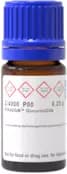
CAS:STAADIUM⢠GlucuroniZide is a targeted inhibitor of glucuronidase-producing bacteria, which is activated by E. coli-specific glucuronidase enzyme. Glucuronidases are enzymes catalysing the cleavage of complex carbohydrates and E. coli is a well-known producer. In complex cultures, E. coli strains often outcompete bacteria that present at lower titre and STAADIUM⢠GlucuroniZide can help to selectively reduce the growth of E. coli. STAADIUM⢠GlucuroniZide can be used in microbiome studies, food control, environmental safety, hygiene, and clinical diagnostics. More details can be found in the application notes document.
Fórmula:C18H19NO8SPureza:Min. 95.0 Area-%Peso molecular:409.41 g/molCefsulodin sodium salt (SCE-129), Antibiotic for Culture Media Use Only
CAS:Cefsulodin sodium salt is a beta lactam antibiotic in the third-generation cephalosporin family that inhibits penicillin-binding proteins (PBPs) to disrupt bacterial cell wall synthesis.
Fórmula:C22H19N4NaO8S2Pureza:Min. 97.0 Area-%Peso molecular:554.53 g/molNitrocycline
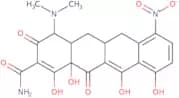
CAS:Nitrocycline is a broad-spectrum antibiotic, which is a synthetic derivative of tetracycline with enhanced antibacterial properties. As a chemically synthesized compound, nitrocycline has been engineered to overcome resistance mechanisms common in bacterial pathogens. Its mode of action involves the inhibition of protein synthesis, achieved by binding to the 30S ribosomal subunit, effectively preventing the addition of new amino acids to nascent peptide chains. This binding action interrupts bacterial growth and replication, providing robust activity against both Gram-positive and Gram-negative bacteria.
Fórmula:C21H21N3O9Pureza:Min. 95%Peso molecular:459.4 g/molKanamycin sulfate, Antibiotic for Culture Media Use Only
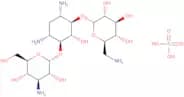
CAS:Kanamycin sulfate is a water-soluble antibiotic. Genes encoding kanamycin resistance are commonly used as selection markers in molecular biology .It acts during the translation mechanism in prokaryotic ribosomes to avoid bacterial cell growth.
Fórmula:C18H38N4O15SPeso molecular:582.58 g/molRepromicin
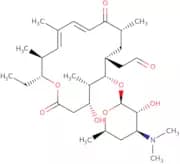
CAS:Repromicin is a novel antibiotic, which is derived from a unique strain of actinobacteria. This organism is known for its ability to produce a wide range of bioactive compounds. Repromicin operates by inhibiting bacterial protein synthesis, a mode of action that involves binding to the bacterial ribosome and interfering with the translation process. This leads to an effective halt in bacterial growth and proliferation.
Fórmula:C31H51NO8Pureza:Min. 95%Peso molecular:565.74 g/molAnthracycline
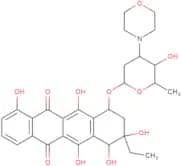
CAS:Anthracycline is a class of chemotherapy drugs, which are anthraquinone antibiotics derived from the bacterial genus Streptomyces. They exert their therapeutic effects primarily through intercalation into DNA, disrupting the function of enzymes such as topoisomerase II, thus preventing the transcription and replication processes in rapidly dividing cancer cells. Furthermore, they generate free radicals, leading to oxidative stress and subsequent cell damage. These mechanisms collectively result in apoptosis of malignant cells. Anthracyclines are utilized extensively in oncology for the treatment of various malignancies, including leukemias, lymphomas, breast cancer, and sarcomas. The efficacy of anthracyclines in inhibiting tumor growth must be balanced against their cardiotoxic potential, which is a significant consideration in their clinical use. This dual nature makes them both pivotal and challenging in chemotherapy regimens, necessitating careful management and monitoring throughout treatment.
Fórmula:C30H35NO11Pureza:Min. 95%Peso molecular:585.60 g/molEnduracidin hydrochloride
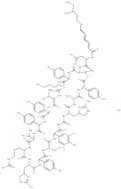
CAS:Enduracidin hydrochloride is an antimicrobial compound, which is a lipopeptide antibiotic derived from the genus Streptomyces, specifically Streptomyces fungicidicus or Streptomyces roseosporus. The compound exerts its antimicrobial activity by inhibiting the synthesis of bacterial cell walls, primarily targeting the lipid II cycle, a critical precursor in the peptidoglycan synthesis pathway. This inhibition disrupts the construction of peptidoglycan layers, ultimately leading to bacterial cell lysis and death.
Fórmula:C107H138Cl2N26O31HClPureza:Min. 95%Peso molecular:2,391.76 g/mol