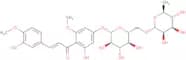
Flavonóides
Os flavonoides são um grupo de metabólitos vegetais com propriedades antioxidantes que contribuem para a cor de frutas e flores. Eles desempenham um papel importante na proteção das plantas contra radiação UV e patógenos. Os flavonoides são estudados por seus potenciais benefícios à saúde, incluindo propriedades anti-inflamatórias, antivirais e anticancerígenas. Eles são amplamente pesquisados nos campos da farmacologia, nutrição e biologia molecular.
Subcategorias de "Flavonóides"
- Antocianidinas(46 produtos)
- Antocianinas(46 produtos)
- Catequinas(88 produtos)
- Chalconas(237 produtos)
- Pterocarpanos(28 produtos)
Foram encontrados 2408 produtos de "Flavonóides"
Ordenar por
Pureza (%)
0
100
|
0
|
50
|
90
|
95
|
100
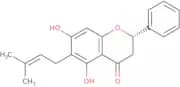
3'-Prenylnaringenin
CAS:3'-Prenylnaringenin is a potent phytoestrogen, a type of compound that is found in hops (Humulus lupulus), specifically in the female flowers or cones. This prenylflavonoid is particularly notable for its strong estrogenic activity attributed to its binding affinity to estrogen receptors. As such, it functions as an agonist, modulating estrogen receptor-mediated pathways and influencing gene expression related to estrogenic activity.Pureza:Min. 95%Hinokiflavone
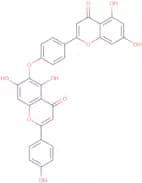
CAS:<p>A cytotoxic biflavonoid from Toxicodendron succedaneum, Juniperus sp., and Chamaecyparis obtusa (hinoki).</p>Fórmula:C30H18O10Pureza:Min. 97 Area-%Cor e Forma:PowderPeso molecular:538.46 g/molDimoxystrobin
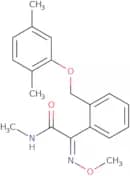
CAS:Dimoxystrobin is a fungicidal compound, which is a synthetic chemical derived from the strobilurin class of fungicides. It is sourced from natural antifungal compounds originally discovered in certain mushroom species. Dimoxystrobin's mode of action involves inhibiting mitochondrial respiration in fungi by binding to the Qo site of the cytochrome bc1 complex. This interference disrupts energy production in fungal cells, leading to their effective control and eventual death.Fórmula:C19H22N2O3Pureza:Min. 95%Peso molecular:326.39 g/mol5-Hydroxy-7,8-dimethoxyflavanone
CAS:<p>5-Hydroxy-7,8-dimethoxyflavanone is a naturally occurring flavanone, which is typically sourced from various plant species known for their bioactive compounds. This compound falls under the category of flavonoids and exhibits distinct structural features that contribute to its biochemical activities. The source plants for this flavanone are often part of traditional medicinal systems, owing to their rich profile of secondary metabolites.</p>Fórmula:C17H16O5Pureza:Min. 95%Peso molecular:300.3 g/molIsoflavone - 40%
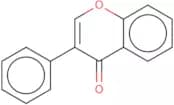
CAS:Isoflavone - 40% is a phytochemical compound, specifically classified as a type of polyphenolic plant-derived compound. It is sourced primarily from soybeans and other legumes, where it naturally occurs as part of the plant's secondary metabolites. The mode of action of isoflavones involves their ability to mimic estrogen. Due to their structural similarity to estrogen, isoflavones can bind to estrogen receptors and exert weak estrogenic effects, which are particularly relevant in humans and animals.Fórmula:C15H10O2Pureza:Min. 95%Cor e Forma:Off-White Clear LiquidPeso molecular:222.24 g/molMorelloflavone
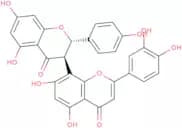
CAS:Morelloflavone is a natural biflavonoid compound, which is primarily isolated from the Garcinia species, belonging to the Clusiaceae family. This compound is derived from plant sources that have been traditionally used in various medicinal systems. Morelloflavone exhibits its mode of action through multiple biochemical pathways, prominently including its antioxidant activity. It effectively scavenges free radicals, thereby protecting cells from oxidative stress, which is implicated in numerous pathological conditions.Pureza:Min. 95%Isoscutellarein
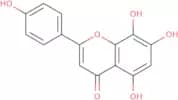
CAS:<p>Isoscutellarein is a flavonoid compound, which is naturally derived from various plant sources, including herbs and certain vegetables. It functions primarily as an antioxidant, scavenging free radicals and reducing oxidative stress within biological systems. This activity is attributed to its ability to donate hydrogen atoms or electrons, thus stabilizing reactive oxygen species (ROS).</p>Fórmula:C15H10O6Pureza:Min. 95 Area-%Cor e Forma:PowderPeso molecular:286.24 g/mol3,5-Dihydroxyflavone
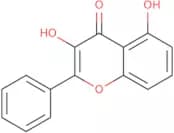
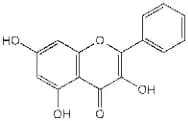
CAS:<p>3,5-Dihydroxyflavone is a flavonoid compound, which is a type of natural product commonly found in plants. This compound is derived from various plant sources, where it serves as a secondary metabolite involved in plant defense mechanisms. 3,5-Dihydroxyflavone exerts its effects through several mechanisms, including modulating oxidative stress and interacting with cellular signaling pathways. Its antioxidant properties allow it to scavenge free radicals, thereby protecting cells from oxidative damage. Additionally, it can influence various enzymes and receptors involved in cellular processes, leading to a range of biological effects.</p>Fórmula:C15H10O4Pureza:Min. 95%Cor e Forma:Off-White PowderPeso molecular:254.24 g/molFlavanone hydrazone, 93%
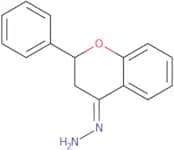
CAS:<p>Flavanone hydrazone (FH) is a natural compound that has been found to have antiviral activity against a number of viruses, including the papilloma virus and picornavirus. The antiviral activity of FH is due to its ability to inhibit the shikimate pathway, which is required for the synthesis of aromatic amino acids from chorismate. This inhibition prevents the production of viral proteins, leading to cell death. FH also has an inhibitory effect on hepatitis C virus and leukoplakia by inhibiting fatty acid synthesis. It may also be used in the treatment of inflammatory diseases such as rheumatoid arthritis and ulcerative colitis.</p>Fórmula:C15H14N2OPureza:(%) Min. 93%Cor e Forma:PowderPeso molecular:238.28 g/mol6-Methoxyflavone
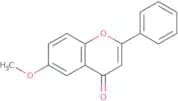
CAS:<p>6-Methoxyflavone is a flavonoid compound, which is a naturally occurring product found in certain plants. It is characterized by the presence of a methoxy group attached to the flavone backbone. This compound is typically extracted from plant sources such as citrus fruits and certain herbs that have a high content of polyphenolic compounds. Its mode of action involves modulating various biochemical pathways, including the inhibition of specific enzymes and interaction with cellular receptors, potentially affecting oxidative stress and inflammation pathways.</p>Fórmula:C16H12O3Pureza:Min. 95%Cor e Forma:White PowderPeso molecular:252.26 g/molDiosmetin-7-neohesperidoside
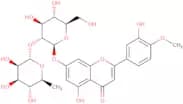
CAS:Diosmetin-7-neohesperidoside is a flavonoid glycoside, which is a secondary metabolite predominantly found in citrus fruits. This compound acts through various biochemical pathways, importantly exhibiting potent antioxidant and anti-inflammatory activities. Its mode of action involves the scavenging of free radicals and modulation of enzyme activities that contribute to inflammatory responses.Fórmula:C28H32O15Pureza:Min. 95%Peso molecular:608.54 g/molVelutin
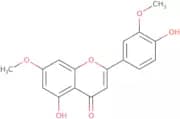
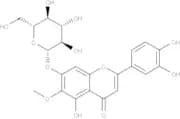
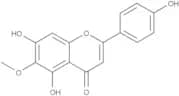
CAS:<p>Velutin is a natural flavonoid, which is derived from the leaves of certain plant species, specifically from the Asteraceae family. This compound demonstrates a unique mode of action by modulating various signaling pathways involved in inflammation and oxidative stress. Velutin effectively inhibits the activation of nuclear factor kappa-light-chain-enhancer of activated B cells (NF-κB) and reduces the expression of pro-inflammatory cytokines, contributing to its anti-inflammatory properties.</p>Fórmula:C17H14O6Pureza:Min. 95%Cor e Forma:PowderPeso molecular:314.29 g/molKaempferol-3-O-glucorhamnoside
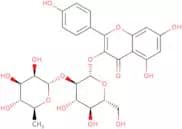
CAS:<p>Kaempferol-3-O-glucorhamnoside is a bioactive flavonoid glycoside, which is a naturally occurring compound found in a variety of plants. It serves as a significant molecule in the study of plant biochemistry and pharmacology. This compound is sourced from various plant species such as tea, broccoli, and other common vegetables and fruits, where it contributes to the plant's defense mechanisms against environmental stresses.</p>Fórmula:C27H30O15Pureza:Min. 95%Cor e Forma:PowderPeso molecular:594.52 g/molQuercetin
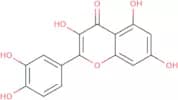
CAS:<p>Inhibitor of HSP70 and HSP27 expression</p>Fórmula:C15H10O7Pureza:Min. 95 Area-%Cor e Forma:Yellow PowderPeso molecular:302.24 g/molMyricetin-3-galactoside
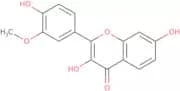
CAS:Myricetin-3-galactoside is a flavonoid glycoside, which is a type of secondary metabolite originating from various plant sources, including fruits, vegetables, and certain herbs. This compound forms when the flavonol, myricetin, is glycosylated with a galactose molecule. Its structure enhances the stability and solubility of myricetin, thereby modulating its bioavailability and biological activity.Fórmula:C21H20O13Pureza:Min. 95%Cor e Forma:Slightly Yellow PowderPeso molecular:480.38 g/mol3'-Methoxy-3,7,4'-trihydroxyflavone
CAS:<p>3'-Methoxy-3,7,4'-trihydroxyflavone is a naturally occurring flavonoid compound, which is derived from various plant sources, such as fruits, vegetables, and medicinal herbs. This compound is known for its potent antioxidant activity, which is primarily achieved through the scavenging of reactive oxygen species and the inhibition of oxidative stress pathways.</p>Fórmula:C16H12O6Pureza:Min. 95%Cor e Forma:PowderPeso molecular:300.26 g/molJamaicin
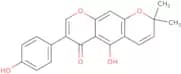
CAS:Jamaicin (AnCoA4), an isoflavone derived from the chickweed plant, is an inhibitor of the STIM1-Orai1 channel that blocks calcium ion influx.Fórmula:C22H18O6Pureza:99.32%Cor e Forma:SolidPeso molecular:378.37Alpinumisoflavone
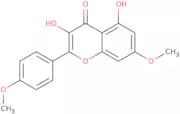
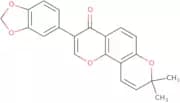
CAS:<p>Alpinumisoflavone is a naturally occurring isoflavone, which is derived from plants, particularly those in the Leguminosae family. Structurally, isoflavones are a class of phytoestrogens, plant-derived compounds with estrogenic activity. Alpinumisoflavone exerts its effects primarily through its antioxidant and anti-inflammatory activities. It modulates key signaling pathways by interacting with cellular components to reduce oxidative stress and inhibit inflammatory responses, making it a valuable compound in studying cellular protection mechanisms.</p>Fórmula:C20H16O5Pureza:Min. 95%Cor e Forma:White PowderPeso molecular:336.34 g/molKaempferol-7,4'-dimethyl ether
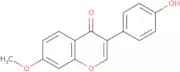
CAS:<p>Kaempferol-7,4'-dimethyl ether is a flavonoid derivative, which is a naturally occurring compound predominantly found in certain plant species. As a derivative of kaempferol, it is an O-methylated flavonoid, often isolated from various members of the Leguminosae family. Its mode of action involves interacting with multiple biological pathways, typically exhibiting antioxidant and anti-inflammatory properties. This potent flavonoid modulates signaling pathways and can influence cellular energy metabolism, often impacting reactive oxygen species (ROS) levels.</p>Fórmula:C17H14O6Pureza:Min. 95 Area-%Cor e Forma:PowderPeso molecular:314.29 g/mol4'-Hydroxy-7-methoxyisoflavone
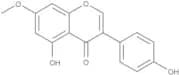
CAS:4'-Hydroxy-7-methoxyisoflavone is a naturally occurring isoflavone, which is a type of phytoestrogen found in various plants. It is synthesized typically from plant sources and is part of a broader class of compounds known for their presence in legumes, especially soy and red clover. The mode of action of 4'-Hydroxy-7-methoxyisoflavone is primarily through its interaction with estrogen receptors, where it can exhibit weak estrogenic activity. This attribute allows it to modulate estrogenic signaling pathways, influencing cellular processes related to growth and metabolism.Fórmula:C16H12O4Pureza:Min. 95%Cor e Forma:PowderPeso molecular:268.26 g/molIridin
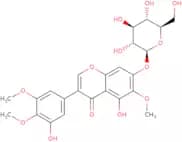
CAS:<p>Iridin is an isoflavone glycoside derived primarily from the rhizomes of certain species of the Iris plant. As a phytochemical compound, its source is botanical, particularly extracted from Iris versicolor, known commonly as the Blue Flag plant. The mode of action for Iridin involves its role as a glycoside compound, which influences various biochemical pathways in the body. Glycosides like Iridin are known for their potential to modulate enzyme activities, interact with cellular signals, and participate in the process of detoxification within the liver.</p>Fórmula:C24H26O13Pureza:Min. 98 Area-%Cor e Forma:Off-White Yellow PowderPeso molecular:522.46 g/molBaicalin 7-b-D-glucuronide
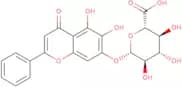
CAS:<p>Baicalin 7-b-D-glucuronide is a flavonoid metabolite, which is primarily derived from the root of the plant *Scutellaria baicalensis*, commonly known as Chinese skullcap. This compound occurs as part of the extensive array of flavonoids in traditional medicinal plants used in various ethnic medicine systems.</p>Fórmula:C21H18O11Pureza:Min. 95 Area-%Cor e Forma:White PowderPeso molecular:446.36 g/molLuteolin 7-diglucuronide
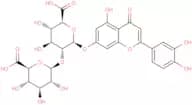
CAS:<p>Luteolin 7-diglucuronide is the major flavonoid isolated from Verbena officinalis and Aloysia triphylla.</p>Fórmula:C27H26O18Pureza:98.24% - 98.44%Cor e Forma:SolidPeso molecular:638.48Fluoxastrobin
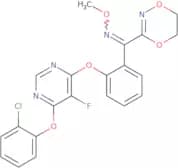
CAS:<p>Fluoxastrobin is a fungicide, which is a synthetic agricultural chemical developed primarily to combat fungal infections in crops. It belongs to the strobilurin class, derived from natural compounds produced by certain fungi. The mode of action of fluoxastrobin involves the inhibition of mitochondrial respiration in fungal cells. By targeting the cytochrome bc1 complex in the mitochondria, it effectively disrupts energy production within the pathogen, leading to its death.</p>Fórmula:C21H16CIFN4O5Pureza:Min. 95%Peso molecular:562.29 g/mol6-Prenylpinocembrin
CAS:<p>6-Prenylpinocembrin is a prenylated flavonoid compound, which is derived from various natural sources, particularly plants such as those found in the Leguminosae family. This compound is characterized by the addition of a prenyl group to the flavonoid pinocembrin, enhancing its lipophilicity and potential biological activity.</p>Fórmula:C20H20O4Pureza:Min. 95%Peso molecular:324.37 g/mol(S)-Naringenin
CAS:<p>(S)-Naringenin is a naturally occurring flavonoid compound, which is found predominantly in citrus fruits, such as grapefruits and oranges. Its source lies within the plant secondary metabolites known for their diverse biological activities. As a flavanone, (S)-naringenin acts primarily as an antioxidant, effectively scavenging reactive oxygen species and thereby protecting cells from oxidative stress. Additionally, it exhibits anti-inflammatory actions by modulating various signaling pathways and inhibiting the production of pro-inflammatory cytokines.</p>Fórmula:C15H12O5Pureza:Min. 95%Cor e Forma:Grey SolidPeso molecular:272.25 g/molKaempferol 6-C-glucoside
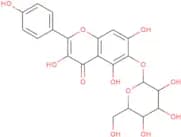
CAS:<p>Kaempferol 6-C-glucoside is a flavonoid glycoside, which is a natural compound found in various plant sources, particularly in leaves and fruits. It is a type of C-glycosyl flavonoid, where the glucose moiety is bound directly to the carbon atom of the flavonoid skeleton, differentiating it from the more common O-glycosides.</p>Fórmula:C21H20O11Pureza:Min. 95%Peso molecular:448.38 g/mol7-Hydroxy-2',4'-dimethoxyisoflavone
CAS:<p>7-Hydroxy-2',4'-dimethoxyisoflavone is a synthetic isoflavone, which is derived from the structural modification of natural isoflavones found in various plants, such as soybeans and other legumes. It exerts its biological activity primarily through its interaction with cellular signaling pathways related to oxidative stress and inflammation. This compound functions by modulating enzyme activity, influencing the expression of genes involved in antioxidant defenses, and suppressing pro-inflammatory cytokines.</p>Fórmula:C17H14O5Pureza:Min. 95%Peso molecular:298.29 g/mol5,7,3'-Trihydroxyflavone
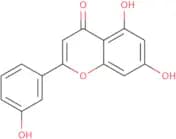
CAS:<p>5,7,3'-Trihydroxyflavone is a flavonoid compound, which is a type of polyphenolic molecule found in plants. This compound is derived from various plant sources such as fruits, vegetables, and certain herbs, where it naturally occurs as part of the plant's secondary metabolites. It exhibits several biochemical actions, predominantly due to its antioxidant properties. This involves scavenging free radicals and chelating metal ions, which contribute to oxidative stress reduction. Additionally, it may influence various signaling pathways related to cell survival and inflammation.</p>Fórmula:C15H10O5Pureza:Min. 95%Peso molecular:270.24 g/molVitexin-4'-rhamnoside
CAS:Vitexin-4'-rhamnoside is a flavonoid glycoside, which is a compound derived from plants such as hawthorn and certain types of buckwheat. This compound belongs to the class of natural products known as flavonoid glycosides, which are well-regarded for their diverse biological activities. Vitexin-4'-rhamnoside is characterized by its ability to scavenge free radicals, thanks to its antioxidant properties. This action is primarily achieved by donating hydrogen atoms or electrons to neutralize reactive oxygen species, thereby mitigating oxidative stress.Pureza:Min. 95%Sumatrol
CAS:<p>Sumatrol is a selective herbicide, which is a compound derived from synthetic sources designed to inhibit the growth of unwanted vegetation. It functions primarily by disrupting specific physiological processes in plants, specifically targeting the enzymatic pathways critical for the growth of broadleaf weeds and grasses. Its action mechanism involves the inhibition of key enzymes that lead to the cessation of cellular division and growth within the targeted plant species.</p>Fórmula:C23H22O7Pureza:(%) Min. 95%Cor e Forma:White PowderPeso molecular:410.42 g/molCajanol
CAS:<p>Cajanol is a naturally occurring compound, which is a flavonoid isolated from the plant *Cajanus cajan* (commonly known as pigeon pea). This compound is primarily extracted from the leaves and seeds of the plant through various chromatographic techniques, ensuring high purity and bioactive consistency. Cajanol functions by interacting with cellular pathways, exhibiting antioxidant and anti-inflammatory properties. It achieves this through the scavenging of free radicals and modulation of signaling pathways involved in cellular stress responses.</p>Fórmula:C17H16O6Pureza:Min. 95%Cor e Forma:PowderPeso molecular:316.31 g/molBromoflavone
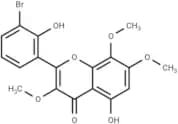
CAS:Bromoflavone (CJ-19784) is a flavonoid isolated from Aspergillus candidus. It demonstrates antitubercular activity against Mycobacterium tuberculosis (MTB) with an MIC90 of 1.2 μM. Additionally, Bromoflavone acts as an antifungal agent, inhibiting the growth of pathogenic fungi such as Candida albicans, Cryptococcus neoformans, and Aspergillus fumigatus with IC50 values of 0.11 μg/mL, 20 μg/mL, and 0.54 μg/mL, respectively.Fórmula:C18H15BrO7Cor e Forma:SolidPeso molecular:423.21Azicemicin B
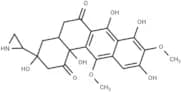
CAS:<p>Azicemicin B exhibits mild antibacterial activity, and when administered to mice via intraperitoneal injection at a dosage of 150 mg/kg, it does not result in any acute toxicity.</p>Fórmula:C22H23NO9Cor e Forma:SolidPeso molecular:445.419Calopogoniumisoflavone B
CAS:<p>Calopogoniumisoflavone B is a naturally occurring isoflavone, which is a type of phytochemical compound derived primarily from Calopogonium species. This product is isolated from the plant's roots and stems, where it functions as a secondary metabolite. Isoflavones are well known for their phytoestrogenic properties, meaning they can mimic or modulate the action of estrogen in the body by binding to estrogen receptors. This mode of action allows isoflavones to potentially influence various biological pathways related to hormone regulation and cellular growth.</p>Fórmula:C21H16O5Pureza:Min. 95%Peso molecular:348.35 g/mol4',5,7-Trihydroxyflavone, 97%
CAS:<p>4',5,7-Trihydroxyflavone is a nonmutagenic flavonoid shown to inhibit cell proliferation, angiogenesis and protein kinase. Also induces apoptosis in breast cancer cells. It inhibit topoisomerase I-catalyzed DNA re-ligation and enhance gap junctional intercellular communication. This Thermo Scientif</p>Fórmula:C15H10O5Pureza:97%Cor e Forma:Cream to yellow to brown, PowderPeso molecular:270.243,5,7-Trihydroxyflavone, 97%
CAS:<p>This Thermo Scientific Chemicals brand product was originally part of the Alfa Aesar product portfolio. Some documentation and label information may refer to the legacy brand. The original Alfa Aesar product / item code or SKU reference has not changed as a part of the brand transition to Thermo Sci</p>Fórmula:C15H10O5Pureza:97%Cor e Forma:Powder, White to cream to yellowPeso molecular:270.242'-Amino-3'-methoxyflavone, 99%
CAS:<p>A MAP kinase inhibitor</p>Fórmula:C16H13NO3Pureza:99%Peso molecular:267.28Nepetin-7-O-glucoside
CAS:<p>Nepetin-7-O-glucoside analytical standard provided with w/w absolute assay, to be used for quantitative titration.</p>Fórmula:C22H22O12Pureza:(HPLC) ≥98%Cor e Forma:PowderPeso molecular:478.41Ipriflavone
CAS:<p>Ipriflavone analytical standard provided with chromatographic purity, to be used as reference material for qualitative determination.</p>Fórmula:C18H16O3Pureza:(HPLC) ≥90%Cor e Forma:PowderPeso molecular:280.33Hispidulin
CAS:<p>Hispidulin analytical standard provided with w/w absolute assay, to be used for quantitative titration.</p>Fórmula:C16H12O6Pureza:(HPLC) ≥98%Cor e Forma:PowderPeso molecular:300.27Prunetin
CAS:<p>Prunetin analytical standard provided with chromatographic purity, to be used as reference material for qualitative determination.</p>Fórmula:C16H12O5Pureza:(HPLC) ≥95%Cor e Forma:PowderPeso molecular:284.28Hispidulin-7-O-glucoside
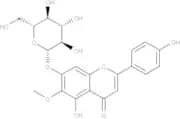
CAS:<p>Hispidulin-7-O-glucoside analytical standard provided with w/w absolute assay, to be used for quantitative titration.</p>Fórmula:C22H22O11Pureza:(HPLC) ≥98%Cor e Forma:PowderPeso molecular:462.41Flavone
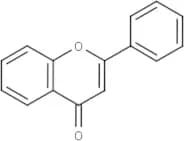
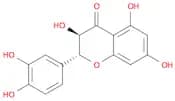
CAS:Flavone analytical standard provided with chromatographic purity, to be used as reference material for qualitative determination.Fórmula:C15H10O2Pureza:(HPLC) ≥95%Cor e Forma:PowderPeso molecular:222.25(2R,3R)-3,3',4',5,7-Pentahydroxyflavanone
CAS:Fórmula:C15H12O7Pureza:98%Cor e Forma:SolidPeso molecular:304.2516Naringin
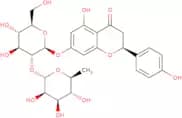
CAS:<p>Naringin is a bioflavonoid, which is a secondary metabolite predominantly found in citrus fruits, particularly in grapefruits and oranges. This compound is sourced from the peels and juices of these fruits, where it serves as a major constituent contributing to their distinct bitter taste.</p>Fórmula:C27H32O14Pureza:Min. 95.0 Area-%Cor e Forma:White PowderPeso molecular:580.53 g/mol6,7-Dimethoxy-2',4'-dihydroxyisoflavone
CAS:<p>6,7-Dimethoxy-2',4'-dihydroxyisoflavone is a naturally occurring isoflavone, which is typically derived from various plant sources, such as legumes or medicinal herbs. It belongs to a class of polyphenolic compounds known for their antioxidative capabilities. This compound acts primarily by scavenging free radicals and reducing oxidative stress, thus protecting cellular structures from damage. Its mode of action involves the modulation of cellular antioxidant pathways and potential interaction with estrogen receptors, contributing to its biological effects.</p>Fórmula:C17H14O6Pureza:Min. 95%Peso molecular:314.29 g/mol7,8,3'-Trihydroxyflavone
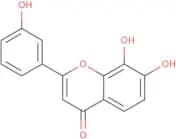
CAS:<p>7,8,3'-Trihydroxyflavone is a type of flavonoid, which is a class of polyphenolic compounds. It is primarily derived from various plant sources, including certain fruits, vegetables, and herbs known for their antioxidant properties. Its mode of action involves selective agonism of the tropomyosin receptor kinase B (TrkB), a receptor associated with the brain-derived neurotrophic factor (BDNF).</p>Fórmula:C15H10O5Pureza:Min. 95%Cor e Forma:PowderPeso molecular:270.24 g/molRef: 3D-XT183040
Produto descontinuadoMonoxerutin
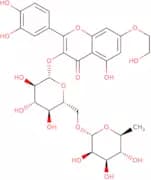
CAS:<p>Monoxerutin is a bioflavonoid derivative, which is sourced from plant-based compounds known for their beneficial effects on vascular function. Bioflavonoids are naturally occurring compounds present in various fruits, vegetables, and plants, playing a crucial role in plant defense mechanisms and offering significant health benefits when used in medicinal applications. The mode of action of Monoxerutin involves enhancing endothelial function and stabilizing capillary walls, thus improving vascular health. It achieves this by reducing capillary permeability and fragility, which in turn aids in enhancing circulation and providing anti-inflammatory benefits.</p>Pureza:Min. 95%Ref: 3D-FM176239
Produto descontinuadoHesperidin methylchalcone
CAS:<p>Hesperidin methylchalcone is a specialized flavonoid product, which is derived from citrus fruits, predominantly oranges. It is chemically modified from its natural form to enhance its solubility and bioavailability, making it more effective in biological systems. The mode of action of hesperidin methylchalcone involves the modulation of oxidative stress and inflammation within the body, primarily by acting as an antioxidant and anti-inflammatory agent. It achieves these effects by scavenging free radicals and inhibiting pro-inflammatory enzymes, which contributes to cellular protection and stabilization of connective tissues.</p>Fórmula:C29H36O15Pureza:Min. 98.0%Cor e Forma:PowderPeso molecular:624.59 g/molRef: 3D-OH34622
Produto descontinuado