Flavonóides
Os flavonoides são um grupo de metabólitos vegetais com propriedades antioxidantes que contribuem para a cor de frutas e flores. Eles desempenham um papel importante na proteção das plantas contra radiação UV e patógenos. Os flavonoides são estudados por seus potenciais benefícios à saúde, incluindo propriedades anti-inflamatórias, antivirais e anticancerígenas. Eles são amplamente pesquisados nos campos da farmacologia, nutrição e biologia molecular.
Subcategorias de "Flavonóides"
- Antocianidinas(46 produtos)
- Antocianinas(46 produtos)
- Catequinas(88 produtos)
- Chalconas(237 produtos)
- Pterocarpanos(28 produtos)
Foram encontrados 2408 produtos de "Flavonóides"
Ordenar por
Pureza (%)
0
100
|
0
|
50
|
90
|
95
|
100
Morin dihydrate
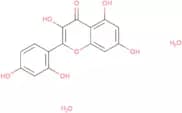
CAS:<p>Morin dihydrate is a flavonoid compound, which is a type of polyphenolic molecule. It is primarily sourced from the Moraceae family of plants, including mulberry leaves and certain fruits. As a flavonoid, Morin exerts its biochemical effects mainly through its capacity to scavenge free radicals, thus exhibiting significant antioxidant activity. This mode of action is attributed to its structure, which allows it to donate electrons and neutralize reactive oxygen species, consequently reducing oxidative stress at the cellular level.</p>Pureza:Min. 95%Dihydrokaempferol-3-O-glucoside
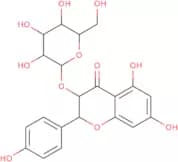
CAS:Dihydrokaempferol-3-O-glucoside is a flavonoid glucoside, which is derived from plant sources, notably found in various fruits and vegetables. This compound is part of the flavonoid family, characterized by its polyphenolic structure and pivotal role in plant physiology and human health. The mode of action of dihydrokaempferol-3-O-glucoside predominantly involves its antioxidant properties. It neutralizes free radicals, thereby reducing oxidative stress and potentially mitigating damage at the cellular level.Fórmula:C21H22O11Pureza:Min. 95%Cor e Forma:PowderPeso molecular:450.39 g/molKaempferol-3-rhamnoglucoside-7-glucoside
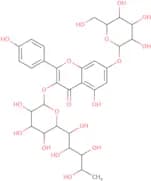
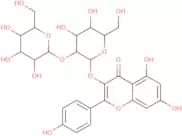
CAS:<p>Kaempferol-3-rhamnoglucoside-7-glucoside is a flavonoid glycoside, which is a type of bioactive compound. It is commonly derived from plant sources such as certain fruits, vegetables, and herbs, where it occurs naturally as part of the plant’s secondary metabolites. This compound is structurally characterized by its glycosidic linkages, where sugar moieties such as rhamnose and glucose are attached to the kaempferol backbone.</p>Fórmula:C33H40O20Pureza:Min. 95%Peso molecular:756.66 g/molSteppogenin
CAS:<p>Steppogenin is a metabolic modulator, which is derived from natural plant sources known for their enzymatic properties. Its mode of action involves the induction of cytochrome P450 enzymes, facilitating various oxidative reactions within biological systems. As an enzyme inducer, Steppogenin modulates metabolic pathways, making it invaluable for the study of drug metabolism and pharmacokinetics.</p>Fórmula:C15H12O6Pureza:Min. 95%Peso molecular:288.25 g/molPenduletin
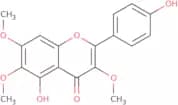
CAS:<p>Penduletin is a flavonoid compound, which is a type of natural phenolic product, primarily sourced from various plant species. This compound occurs naturally as part of the plant's secondary metabolites and plays a crucial role in defense mechanisms. Penduletin exerts its effects primarily through its antioxidant activity, modulating various signaling pathways involved in cellular protection processes. It acts by scavenging free radicals and reducing oxidative stress, which is pivotal in its therapeutic applications.</p>Fórmula:C18H16O7Pureza:Min. 95%Cor e Forma:White PowderPeso molecular:344.32 g/molPanasenoside
CAS:<p>Please enquire for more information about Panasenoside including the price, delivery time and more detailed product information at the technical inquiry form on this page</p>Fórmula:C27H30O16Pureza:Min. 95%Peso molecular:610.5 g/mol7-Methoxyflavanone
CAS:<p>7-Methoxyflavanone is a bioactive compound, specifically a methoxylated flavanone, which is derived from various plant sources. This compound plays a role in the modulation of several biological pathways due to its structural attributes. As a flavanone, it is known to interact with various cellular mechanisms including enzyme inhibition, receptor binding, and antioxidant activity. These interactions result in diverse pharmacological effects, such as anti-inflammatory and neuroprotective properties.</p>Fórmula:C16H14O3Pureza:Min. 95%Cor e Forma:PowderPeso molecular:254.28 g/molSophoraflavanone H
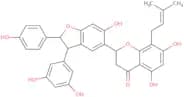
CAS:Sophoraflavanone H is a prenylated flavonoid, which is a natural compound isolated primarily from plants of the Sophora species. The source of this bioactive compound is predominantly the root extracts of these plants, which have been traditionally utilized in herbal medicine systems for their therapeutic properties.Fórmula:C34H30O9Pureza:Min. 95%Peso molecular:582.6 g/molLicoflavonol
CAS:Licoflavonol is a bioactive compound that serves as an antioxidant, which is derived from plant sources, particularly flavonoid-rich species. Its mode of action involves scavenging free radicals and modulating pathways involved in oxidative stress and inflammation. By reducing oxidative damage, Licoflavonol can stabilize cellular environments and protect macromolecules such as DNA, proteins, and lipids from degenerative changes.Fórmula:C20H18O6Pureza:Min. 95%Peso molecular:354.35 g/molWighteone
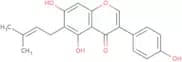
CAS:Please enquire for more information about Wighteone including the price, delivery time and more detailed product information at the technical inquiry form on this pageFórmula:C20H18O5Pureza:Min. 95%Peso molecular:338.35 g/molHomoferreirin
CAS:<p>Homoferreirin is a biochemical siderophore, which is a low-molecular-weight iron-chelating compound derived from plant sources. Its mechanism of action involves binding ferric iron (Fe^3+) ions with high affinity, forming a stable complex. This complex aids in the solubilization and transport of iron across cellular membranes, which is crucial in environments where iron availability is limited, such as in soil and certain biological niches.</p>Fórmula:C17H16O6Pureza:Min. 95%Peso molecular:316.31 g/molBavachinin A
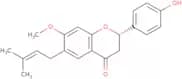
CAS:<p>Bavachinin A is a prenylated flavanone, which is a type of natural compound. It is sourced from the seeds of Psoralea corylifolia, a plant commonly found in traditional Chinese and Indian medicine. The compound exhibits its mode of action primarily through the modulation of specific cellular pathways, including the inhibition of certain enzymes and interaction with receptor sites that play a crucial role in inflammatory and oxidative stress responses.</p>Fórmula:C21H22O4Pureza:Min. 95%Cor e Forma:SolidPeso molecular:338.4 g/molEuchrestaflavanone A
CAS:<p>Euchrestaflavanone A is a naturally occurring flavanone, which is a type of polyphenolic compound. It is sourced from plants, specifically derived from the roots of Euchresta formosana, a species used traditionally in herbal medicine. The mode of action of Euchrestaflavanone A involves its interaction with various molecular pathways, influencing antioxidant activity and modulating enzyme function. It exhibits bioactive properties, including anti-inflammatory, antioxidant, and potential anticancer effects.</p>Fórmula:C25H28O5Pureza:Min. 95%Peso molecular:408.50 g/mol5,7,3'-Trihydroxy-6,4',5'-trimethoxyflavanone
CAS:<p>5,7,3'-Trihydroxy-6,4',5'-trimethoxyflavanone is a specialized flavanone derivative, which is a type of plant secondary metabolite found in various botanical sources. This compound originates primarily from citrus fruits and certain medicinal plants where it contributes to the plant’s defense mechanisms. As a flavonoid, its mode of action involves the modulation of enzyme activity, interaction with cell membranes, and potential antioxidant properties, allowing it to scavenge free radicals and reduce oxidative stress.</p>Fórmula:C18H18O8Pureza:Min. 95%Peso molecular:362.3 g/molLupinalbin B
CAS:<p>Lupinalbin B is a bioactive compound, specifically classified as an alkaloid, which is derived from the seeds of the Lupinus plant species. These plants, commonly known as lupins, are a part of the legume family and are cultivated primarily for their seeds that contain high protein content. The presence of alkaloids like Lupinalbin B in lupin seeds is a result of the plant's secondary metabolism, which serves various ecological functions, including defense against herbivores.</p>Fórmula:C20H16O6Pureza:(%) Min. 95%Cor e Forma:PowderPeso molecular:352.34 g/mol4'-o-Methyllicoflavanone
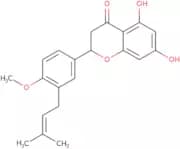
CAS:<p>4'-O-Methyllicoflavanone is a flavonoid compound, which is a naturally occurring chemical typically found in various plants. It belongs to a class of secondary metabolites known for their wide array of biological activities. The source of 4'-O-Methyllicoflavanone is primarily from plant species, where it serves as a part of the plant’s defense mechanism against environmental stressors and pathogens.</p>Fórmula:C21H22O5Pureza:Min. 95%Peso molecular:354.4 g/molKazinol B
CAS:<p>Kazinol B is an isoprenylated flavonoid, which is a secondary metabolite derived from plants, predominantly found in members of the Moraceae family. It is synthesized through the plant's natural biochemical pathways, involving the modification of basic flavonoid structures via prenylation, resulting in increased lipophilicity and potential bioactivity.</p>Fórmula:C25H28O4Pureza:Min. 95%Peso molecular:392.49 g/molMilldurone
CAS:<p>Please enquire for more information about Milldurone including the price, delivery time and more detailed product information at the technical inquiry form on this page</p>Fórmula:C19H16O7Pureza:Min. 95%Cor e Forma:PowderPeso molecular:356.33 g/mol3,5,7,2',6'-Pentahydroxyflavanone
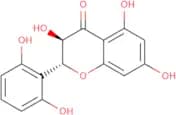
CAS:<p>3,5,7,2',6'-Pentahydroxyflavanone is a flavonoid derivative, which is a type of polyphenolic compound known for its potential health benefits. Typically sourced from various plants, flavonoids like 3,5,7,2',6'-Pentahydroxyflavanone are abundant in fruits, vegetables, and certain medicinal herbs. The mode of action of this compound primarily involves its ability to exert antioxidant and anti-inflammatory effects. It achieves this by scavenging free radicals and modulating pathways associated with oxidative stress and inflammation.</p>Fórmula:C15H12O7Pureza:Min. 95%Peso molecular:304.25 g/mol3',5-Dihydroxy-4',6,7-trimethoxyflavanone
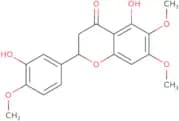
CAS:3',5-Dihydroxy-4',6,7-trimethoxyflavanone is a naturally occurring flavonoid, which is a type of polyphenolic compound. This product is primarily sourced from various plant species known to produce flavonoids as secondary metabolites. Its mode of action involves the inhibition of specific enzymes and modulation of signaling pathways, which can lead to antioxidant and anti-inflammatory effects.Fórmula:C18H18O7Pureza:Min. 95%Peso molecular:346.3 g/mol