Flavonóides
Os flavonoides são um grupo de metabólitos vegetais com propriedades antioxidantes que contribuem para a cor de frutas e flores. Eles desempenham um papel importante na proteção das plantas contra radiação UV e patógenos. Os flavonoides são estudados por seus potenciais benefícios à saúde, incluindo propriedades anti-inflamatórias, antivirais e anticancerígenas. Eles são amplamente pesquisados nos campos da farmacologia, nutrição e biologia molecular.
Subcategorias de "Flavonóides"
- Antocianidinas(46 produtos)
- Antocianinas(46 produtos)
- Catequinas(88 produtos)
- Chalconas(237 produtos)
- Pterocarpanos(28 produtos)
Foram encontrados 2408 produtos de "Flavonóides"
Ordenar por
Pureza (%)
0
100
|
0
|
50
|
90
|
95
|
100
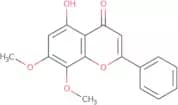
5-Hydroxy-7,8-dimethoxyflavone
CAS:5-Hydroxy-7,8-dimethoxyflavone is a naturally occurring flavonoid compound, which is typically isolated from plant sources, most notably citrus fruits. The compound functions primarily as a modulator of various biological pathways through its interaction with enzyme systems and receptor sites. This includes the modulation of signaling pathways involved in inflammation, oxidative stress, and cellular apoptosis.Fórmula:C17H14O5Pureza:Min. 95%Peso molecular:298.29 g/molKaempferol-3-rutinoside-7-rhamnoside
CAS:Kaempferol-3-rutinoside-7-rhamnoside is a flavonoid glycoside, which is an organic compound derived from specific plant species like tea, onions, and broccoli. It primarily exists as a complex molecule formed by the bonding of kaempferol with sugar moieties—rutinoside and rhamnoside. This compound functions by modulating various cellular signaling pathways, including those involved in oxidation-reduction processes, apoptosis, and inflammation. It combats oxidative stress by scavenging free radicals, thereby providing a protective effect against cellular damage.Fórmula:C33H40O19Pureza:Min. 95%Cor e Forma:Off-White PowderPeso molecular:740.66 g/molLeucoside
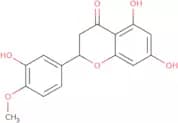
CAS:<p>Leucoside is a biochemical compound, which is derived from activated human leucocytes. This product is obtained through a meticulous extraction process that isolates specific bioactive molecules. Its mode of action involves the modulation of immune responses, potentially by influencing cytokine signaling pathways. Leucoside interacts with immune cells, potentially enhancing or dampening specific activities to achieve desired immunomodulatory effects.</p>Pureza:Min. 95%(S)-Hesperetin
CAS:<p>(S)-Hesperetin is a flavonoid compound, which is a naturally occurring polyphenolic structure. It is predominantly derived from citrus fruits, including oranges and lemons, through the metabolic breakdown of its glycoside form, hesperidin. This transformation occurs in the human body, where hesperidin is hydrolyzed to release hesperetin and other metabolites.</p>Fórmula:C16H14O6Pureza:Min. 95%Peso molecular:302.28 g/mol7-O-Ethyldaidzein
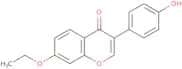
CAS:<p>7-O-Ethyldaidzein is a synthetic flavonoid derivative, which is primarily sourced from modifications of the naturally occurring isoflavone daidzein. Daidzein itself is found in soy products and other legumes. Through a chemical process, 7-O-ethyl groups are introduced to enhance its biological activity.</p>Fórmula:C17H14O4Pureza:Min. 95%Cor e Forma:PowderPeso molecular:282.29 g/molAmentoflavone-7,7'',4',4''- tetramethyl ether
CAS:<p>Amentoflavone-7,7'',4',4''-tetramethyl ether is a specialized bioflavonoid derivative, which is synthesized from the natural biflavonoid amentoflavone found in various plant sources, such as Ginkgo biloba and St. John's Wort. The structural modification involving methylation enhances its pharmacokinetic properties, such as bioavailability and metabolic stability, making it a subject of interest in the scientific community.</p>Fórmula:C34H26O10Pureza:Min. 95%Peso molecular:594.56 g/mol5,7,4'-Trihydroxyisoflavanone
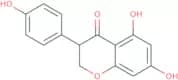
CAS:5,7,4'-Trihydroxyisoflavanone is a bioactive isoflavonoid, which is typically derived from various plant sources, including legumes and certain medicinal herbs. This compound belongs to the class of natural products known as isoflavonoids, which are structurally characterized by the presence of a 3-phenylchroman skeleton.Fórmula:C15H12O5Pureza:Min. 95%Cor e Forma:White to beige solid.Peso molecular:272.25 g/mol3,7,4-Trihydroxy-5-methoxy-8-prenylflavanone, (2R,3S)
CAS:3,7,4-Trihydroxy-5-methoxy-8-prenylflavanone, (2R,3S), is a prenylated flavanone, which is a type of polyphenolic compound. This compound is typically derived from various plant sources, particularly those that produce flavonoids as secondary metabolites. Its structure is characterized by the presence of hydroxyl and methoxy groups, as well as a prenylated side chain, which contribute to its physicochemical properties.Fórmula:C21H22O6Pureza:Min. 95%Peso molecular:370.4 g/molGardenin B
CAS:<p>Gardenin B is a microbial biocontrol agent that originates from Streptomyces bacteria. It functions as a secondary metabolite deriving from its microbial source. The mode of action involves inhibiting the growth of plant-pathogenic fungi by disrupting their cellular processes and interfering with spore germination or hyphal proliferation. Gardenin B is primarily utilized in agricultural settings to control fungal diseases in crops, reducing reliance on synthetic chemical fungicides. Its application is integrated into plant protection programs to enhance agricultural sustainability and improve crop yields while minimizing the environmental impact. Scientists are investigating its mechanisms and potential for broader applications.</p>Fórmula:C19H18O7Pureza:Min. 95%Peso molecular:358.34 g/molPinobanksin acetate
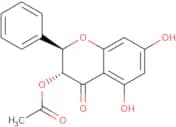
CAS:Pinobanksin acetate is a flavonoid compound, which is naturally sourced from bee propolis. Propolis, a resinous substance collected by bees from tree buds, is renowned for its complex chemical composition integrated from various botanical sources. Pinobanksin acetate is one of the active polyphenolic constituents identified within propolis, exhibiting intriguing bioactive properties.Fórmula:C17H14O6Pureza:Min. 95%Peso molecular:314.29 g/mol4-O-Methylhelichrysetin
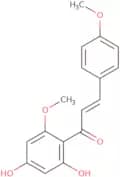
CAS:<p>4-O-Methylhelichrysetin is a flavonoid compound, which is a naturally occurring polyphenolic molecule. It is sourced from plants, particularly those in the Helichrysum genus, a group known for their medicinal properties. The mode of action encompasses its ability to modulate various biological pathways, including the inhibition of key enzymes and interference with cell signaling cascades. 4-O-Methylhelichrysetin has shown potential in downregulating pro-inflammatory cytokines and inducing apoptosis in certain cancer cell lines.</p>Fórmula:C17H16O5Pureza:Min. 95%Peso molecular:300.31 g/mol6,7,4'-Trihydroxyflavanone
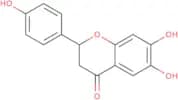
CAS:<p>6,7,4'-Trihydroxyflavanone is a naturally occurring flavonoid, which is found in various plant sources, particularly in citrus fruits and certain medicinal herbs. This compound is characterized by its presence of hydroxyl groups, enhancing its reactivity and interaction with biological systems. The mode of action of 6,7,4'-Trihydroxyflavanone primarily involves its antioxidant activity. It can scavenge free radicals and chelate metal ions, thereby reducing oxidative stress within cellular environments. This property is critical in maintaining cellular integrity and preventing damage caused by reactive oxygen species.</p>Fórmula:C15H12O5Pureza:Min. 95%Peso molecular:272.25 g/molDaidzein bis-tert-butyldimethylsilyl ether
CAS:<p>Daidzein bis-tert-butyldimethylsilyl ether is a synthetic derivative of the isoflavone daidzein, which is primarily sourced from soybeans and other legumes. It’s modified through the attachment of tert-butyldimethylsilyl ether groups, enhancing its stability and facilitating its use in various experimental conditions. This compound acts as a precursor or an intermediate in the synthesis of other complex molecules, allowing detailed structural or functional studies on isoflavones in biochemical pathways.</p>Fórmula:C27H38O4Si2Pureza:Min. 95%Peso molecular:482.76 g/molEuropetin
CAS:<p>Europetin is a flavonoid, a type of naturally occurring compound, which is derived from various plant sources. The compound functions as an anti-inflammatory agent by modulating signaling pathways involved in inflammatory responses, such as the NF-kB pathway. Its efficacy in reducing inflammatory mediators makes it a subject of interest for exploring therapeutic interventions.</p>Fórmula:C16H12O8Pureza:Min. 95%Peso molecular:332.26 g/molOmbuin
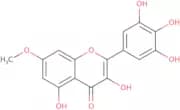
CAS:Ombuin is a flavonoid compound, which is a naturally occurring substance found in a variety of plants. It functions primarily as an antioxidant by scavenging free radicals and inhibiting oxidative stress within biological systems. This mode of action is pivotal in mitigating cellular damage, thereby contributing to anti-inflammatory processes.Fórmula:C17H14O7Pureza:Min. 95%Cor e Forma:SolidPeso molecular:330.29 g/mol2,3-Dehydrokievitone
CAS:<p>2,3-Dehydrokievitone is a phytoalexin, which is a naturally occurring antimicrobial compound. It is derived from leguminous plants, such as those in the Fabaceae family. Phytoalexins are synthesized de novo by plants in response to pathogen attack, and 2,3-Dehydrokievitone plays a role in the plant’s defense mechanisms.</p>Fórmula:C20H18O6Pureza:Min. 95%Peso molecular:354.35 g/molAlpinumisoflavone-4'-methyl ether
CAS:<p>Alpinumisoflavone-4'-methyl ether is a methoxyisoflavone, which is a type of naturally occurring phenolic compound. It is derived from specific plant sources, including certain species within the Fabaceae family, known for their rich isoflavonoid content. These compounds are synthesized in plants as part of their defense mechanisms against environmental stresses and pathogens.</p>Fórmula:C21H18O5Pureza:Min. 95%Cor e Forma:PowderPeso molecular:350.36 g/mol3',4',7-Trihydroxyflavanone
CAS:<p>3',4',7-Trihydroxyflavanone is a natural flavonoid compound, which is predominantly found in various plant sources, such as flowers, fruits, and leaves. This compound is known for its significant antioxidative properties, attributed to its polyphenolic structure. The mechanism of action involves the scavenging of free radicals, thereby reducing oxidative stress within biological systems. Additionally, its molecular configuration allows it to interact with various cellular pathways that modulate inflammation and cellular signaling.</p>Fórmula:C15H12O5Pureza:Min. 95%Peso molecular:272.25 g/molIsomedicarpin
CAS:<p>Isomedicarpin is a flavonoid compound, which is naturally derived from plant sources. It is isolated predominantly from certain species within the Leguminosae family, where these compounds often play a role in the plant's defense mechanisms. The mode of action of isomedicarpin involves disrupting microbial cell membranes and interfering with essential biochemical pathways, which contributes to its antimicrobial efficacy.</p>Fórmula:C16H14O4Pureza:Min. 95%Peso molecular:270.28 g/molIsoetin
CAS:<p>Rare natural product belonging to the flavone sub-group of flavonoids</p>Fórmula:C15H10O7Pureza:Min. 95%Peso molecular:302.24 g/mol