Flavonóides
Os flavonoides são um grupo de metabólitos vegetais com propriedades antioxidantes que contribuem para a cor de frutas e flores. Eles desempenham um papel importante na proteção das plantas contra radiação UV e patógenos. Os flavonoides são estudados por seus potenciais benefícios à saúde, incluindo propriedades anti-inflamatórias, antivirais e anticancerígenas. Eles são amplamente pesquisados nos campos da farmacologia, nutrição e biologia molecular.
Subcategorias de "Flavonóides"
- Antocianidinas(46 produtos)
- Antocianinas(46 produtos)
- Catequinas(88 produtos)
- Chalconas(237 produtos)
- Pterocarpanos(28 produtos)
Foram encontrados 2408 produtos de "Flavonóides"
Ordenar por
Pureza (%)
0
100
|
0
|
50
|
90
|
95
|
100
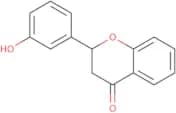
3'-Hydroxyflavanone
CAS:<p>3'-Hydroxyflavanone is a naturally occurring flavanone, which is a type of polyphenolic compound found in various plants and fruits. Known for its presence in citrus fruits and certain herbal sources, 3'-Hydroxyflavanone is characterized by its unique structural configuration, featuring a hydroxyl group that is crucial for its bioactivity.</p>Fórmula:C15H12O3Pureza:Min. 95%Peso molecular:240.26 g/molPratensein 7-O-glucoside
CAS:<p>Pratensein 7-O-glucoside is a naturally occurring flavonoid glucoside, which is extracted from various plant sources such as red clover, Trifolium pratense. This compound is formed when the flavonoid pratensein is glycosylated at the 7th position with glucose. As a member of the isoflavone group, Pratensein 7-O-glucoside may exert its effects primarily through antioxidant mechanisms, neutralizing reactive oxygen species and reducing oxidative stress.</p>Fórmula:C22H22O11Pureza:Min. 95%Peso molecular:462.4 g/mol7,4'-Dihydroxyflavanone
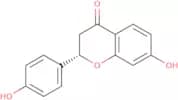
CAS:<p>7,4'-Dihydroxyflavanone is a naturally occurring flavonoid, which is primarily sourced from various plant species. This compound is a type of polyphenolic molecule that often manifests in fruits, vegetables, and certain herbs. Its biosynthesis in plants is part of their secondary metabolism, where it plays roles in plant defense against pathogens and UV radiation.</p>Fórmula:C15H12O4Pureza:Min. 95%Peso molecular:256.25 g/molGossypetin-8-glucuronide
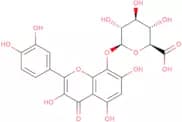
CAS:<p>Gossypetin-8-glucuronide is a flavonoid glucuronide, which is a type of plant secondary metabolite. It is derived from flowering plants, particularly those within the Hibiscus genus, where it serves as a glycosylated form of the flavonoid gossypetin. The glucuronidation process enhances the solubility and potential bioavailability of the compound. The mode of action of Gossypetin-8-glucuronide involves its role as a potent antioxidant, neutralizing free radicals and reducing oxidative stress at the cellular level. This activity is crucial in preventing damage to cellular structures such as lipids, proteins, and nucleic acids.</p>Fórmula:C21H18O14Pureza:Min. 95%Peso molecular:494.36 g/molEuchrestaflavanone B
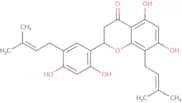
CAS:Euchrestaflavanone B is a naturally occurring flavonoid, which is a type of polyphenolic compound. It is primarily sourced from various plant species, particularly those found in the Leguminosae family. The mode of action of Euchrestaflavanone B involves its interaction with cellular signaling pathways, where it exhibits a broad spectrum of bioactive effects. These include anti-inflammatory, antioxidant, and anticancer properties, potentially through modulation of enzyme activities and gene expression.Fórmula:C25H28O6Pureza:Min. 95%Peso molecular:424.5 g/molVitexin-2''-xyloside
CAS:Vitexin-2''-xyloside is a bioactive flavonoid glycoside, which is derived from various plant sources such as Hawthorn and Passiflora species. This compound is part of a class of natural products known for their significant pharmacological activities. The mode of action primarily involves antioxidative mechanisms, where it mitigates oxidative stress by scavenging free radicals and modulating antioxidant enzyme activity. Additionally, it exhibits anti-inflammatory effects through the inhibition of pro-inflammatory cytokines and pathways.Fórmula:C26H28O14Pureza:Min. 95%Peso molecular:564.49 g/mol(-)-Epiafzelechin
CAS:(-)-Epiafzelechin is a flavan-3-ol compound, which is a type of flavonoid. It is derived primarily from plant sources, including various tea leaves and cocoa. The compound is known for its potent antioxidant properties, which act by neutralizing free radicals and thereby reducing oxidative stress within biological systems. This action helps in maintaining cellular integrity and function, which is crucial in preventing various oxidative damage-related diseases.Fórmula:C15H14O5Pureza:Min. 95%Cor e Forma:PowderPeso molecular:274.27 g/molBavachin
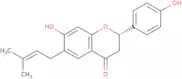
CAS:Phytoestrogen; estrogen receptor agonist; PPARγ ligandFórmula:C20H20O4Pureza:Min. 95%Cor e Forma:SolidPeso molecular:324.37 g/molDaidzein diacetate
CAS:Daidzein diacetate is a synthetic derivative of the isoflavone daidzein, which is a bioactive compound found primarily in soybeans and other legumes. The acetylation process enhances the compound's stability and solubility, potentially improving its bioavailability compared to its parent compound. Daidzein itself is naturally occurring and has been studied for its various health-promoting properties, including estrogenic and antioxidant activities.Fórmula:C19H14O6Pureza:Min. 95%Peso molecular:338.31 g/molCirsimarin
CAS:<p>Cirsimarin is a natural flavonoid compound, which is extracted from certain plant species, primarily in the Asteraceae family. It functions by modulating various biochemical pathways through its potent anti-inflammatory, antioxidant, and hepatoprotective activities. Cirsimarin exerts its effects by scavenging free radicals, inhibiting inflammatory mediators, and supporting liver function through upregulation of detoxifying enzymes.</p>Fórmula:C23H24O11Pureza:Min. 95%Cor e Forma:PowderPeso molecular:476.43 g/mol5,6,7,2'-Tetrahydroxyflavone
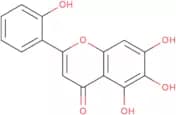
CAS:<p>5,6,7,2'-Tetrahydroxyflavone is a naturally occurring flavonoid, which is commonly found in various plants. As a bioactive compound, it is typically derived from the leaves, stems, or fruits of these plants, where it plays a crucial role in plant defense. The mode of action of 5,6,7,2'-Tetrahydroxyflavone is primarily through its potent antioxidant activity. It scavenges free radicals and reduces oxidative stress, thereby contributing to cellular protection and stability.</p>Fórmula:C15H10O6Pureza:Min. 95%Peso molecular:286.24 g/molRhamnetin-3-rutinoside
CAS:<p>Rhamnetin-3-rutinoside is a specialized bioflavonoid, a type of plant-derived polyphenolic compound. It is typically sourced from various plant species, where it naturally occurs as part of the plant’s secondary metabolites. This compound functions primarily as an antioxidant, where its mode of action involves scavenging free radicals and stabilizing reactive oxygen species, thereby protecting cells from oxidative stress.</p>Fórmula:C28H32O16Pureza:Min. 95%Peso molecular:624.54 g/molPetanin
CAS:Petanin is a natural compound isolated from the fruit of Lycium barbarum. It has been shown to have anti-inflammatory and antioxidant properties, as well as protective effects against UV radiation. Petanin is used in dietary supplements and works in synergy with other nutrients to help protect cells and repair skin damage.Pureza:Min. 95%Dihydrokaempferol-3-glucoside
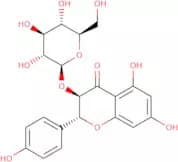
CAS:<p>Dihydrokaempferol-3-glucoside is a flavonoid glucoside, which is primarily derived from various plant sources including fruits, vegetables, and certain medicinal herbs. Its molecular structure consists of a kaempferol core attached to a glucose moiety, enhancing its solubility and stability in biological systems. This compound exhibits antioxidant activity, acting to scavenge free radicals and reduce oxidative stress within cells. By neutralizing reactive oxygen species, dihydrokaempferol-3-glucoside helps to protect cellular components such as DNA, proteins, and lipids from oxidative damage.</p>Fórmula:C21H22O11Pureza:Min. 95%Cor e Forma:White PowderPeso molecular:450.39 g/molR,S equol 4'-sulfate sodium salt
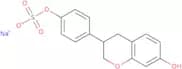
CAS:<p>R,S equol 4'-sulfate sodium salt is a synthetic derivative of equol, which is a type of flavonoid metabolite. This compound is primarily sourced from the biotransformation of the isoflavone daidzein through gut microbiota activity. As a sulfate salt, it is more soluble in aqueous environments, which may facilitate its use in various biological contexts.</p>Fórmula:C15H13NaO6SPureza:Min. 95%Peso molecular:344.32 g/molCudraflavanone B
CAS:<p>Cudraflavanone B is a bioactive flavonoid, which is a type of polyphenolic compound. It is derived from natural sources, prominently found in the roots of Cudrania tricuspidata, a plant known for its traditional use in herbal medicine. The mode of action of Cudraflavanone B involves various biochemical pathways, including the modulation of enzyme activity and signaling pathways. It exhibits antioxidant, anti-inflammatory, and antimicrobial properties by interacting with cellular mechanisms that regulate oxidative stress and inflammatory responses.</p>Fórmula:C20H20O6Pureza:Min. 95%Peso molecular:356.40 g/mol6'-Prenylpiscidone
CAS:<p>6'-Prenylpiscidone is an isoflavone derivative, which is a class of polyphenolic compounds primarily found in plants, particularly legumes. It is sourced from natural botanical origins, often derived from specific species known for their rich isoflavone content. The mode of action of 6'-Prenylpiscidone involves interactions with cellular targets that may influence a variety of biological pathways. These pathways are often associated with antioxidant activity, modulation of enzyme function, and potential estrogenic or anti-estrogenic effects due to its structural similarity to estrogen hormones.</p>Fórmula:C26H28O7Pureza:Min. 95%Cor e Forma:SolidPeso molecular:452.5 g/molQuercetin 3-O-rutinoside-7-O-glucoside
CAS:<p>Quercetin 3-O-rutinoside-7-O-glucoside is a flavonoid derivative, which is a specialized plant metabolite known for its diverse bioactive properties. Extracted primarily from plant sources, this compound is a glycoside derivative of quercetin, a well-known flavonoid found abundantly in fruits and vegetables. The specific glycosylation at the 3-O-rutinoside and 7-O-glucoside positions enhances its solubility and bioavailability compared to its aglycone form.</p>Fórmula:C33H40O21Pureza:Min. 95%Peso molecular:772.66 g/molHydroxygenkwanin
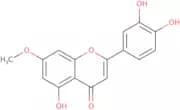
CAS:<p>Hydroxygenkwanin is a type of flavonoid, which is a natural compound extracted from various plant sources, particularly those within the Asteraceae family. It functions predominantly through its ability to modulate multiple signaling pathways, including antioxidant, anti-inflammatory, and apoptosis-inducing activities. Hydroxygenkwanin acts by influencing cellular signaling cascades, enhancing or inhibiting the expression of specific proteins and genes related to cell cycle regulation and immune response.</p>Fórmula:C16H12O6Pureza:Min. 95%Peso molecular:300.26 g/molErythrinin A
CAS:<p>Erythrinin A is an alkaloid compound, which is an isolated bioactive substance derived from the Erythrina plant species. This compound is primarily sourced from the beans and bark of Erythrina plants, which are native to tropical and subtropical regions. Erythrinin A exhibits its mode of action by interacting with neurotransmitter systems within the central nervous system, possessing properties that may influence receptors such as GABA and others related to neuromodulation.</p>Fórmula:C20H16O4Pureza:Min. 95%Peso molecular:320.34 g/mol