Flavonóides
Os flavonoides são um grupo de metabólitos vegetais com propriedades antioxidantes que contribuem para a cor de frutas e flores. Eles desempenham um papel importante na proteção das plantas contra radiação UV e patógenos. Os flavonoides são estudados por seus potenciais benefícios à saúde, incluindo propriedades anti-inflamatórias, antivirais e anticancerígenas. Eles são amplamente pesquisados nos campos da farmacologia, nutrição e biologia molecular.
Subcategorias de "Flavonóides"
- Antocianidinas(46 produtos)
- Antocianinas(46 produtos)
- Catequinas(88 produtos)
- Chalconas(237 produtos)
- Pterocarpanos(28 produtos)
Foram encontrados 2408 produtos de "Flavonóides"
Ordenar por
Pureza (%)
0
100
|
0
|
50
|
90
|
95
|
100
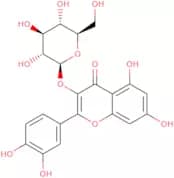
Quercetin-3-O-beta-glucopyranoside
CAS:<p>Mitochondrial ATPase and phosphodiesterase inhibitor</p>Fórmula:C21H20O12Pureza:Min. 90 Area-%Cor e Forma:PowderPeso molecular:464.38 g/mol7,4'-Dimethoxyflavone
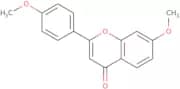
CAS:<p>7,4'-Dimethoxyflavone is a naturally occurring flavonoid derivative, which is found predominantly in certain plants, particularly within the citrus family. This compound is characterized by the presence of two methoxy groups attached to its flavone backbone. It functions by interacting with various biological pathways, including those involved in antioxidant and anti-inflammatory responses. Its molecular structure allows it to modulate enzyme activities and receptor interactions, although the exact mechanisms are still under study.</p>Fórmula:C17H14O4Pureza:Min. 98 Area-%Cor e Forma:PowderPeso molecular:282.29 g/mol(±)-Eriodictyol
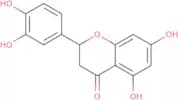
CAS:<p>(±)-Eriodictyol is a flavonoid compound, which is a type of bioactive polyphenol. It is derived primarily from certain plant sources, notably within the Ericaceae and Solanaceae families. The compound exhibits its mode of action through its potent antioxidant and anti-inflammatory activities, mechanisms that involve the scavenging of free radicals and the inhibition of pro-inflammatory pathways.</p>Fórmula:C15H12O6Pureza:Min. 95%Cor e Forma:PowderPeso molecular:288.25 g/molDihydromyricetin
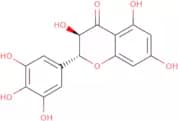
CAS:<p>Dihydromyricetin is a flavonoid compound, which is derived from the tree Hovenia dulcis. This plant, commonly known as the Japanese raisin tree, serves as the primary natural source for this bioactive substance. The mode of action of dihydromyricetin involves modulation of neurotransmitter receptors, particularly GABA_A receptors, wherein it contributes to alleviating alcohol-induced neuroinhibition. Additionally, it enhances the liver's ability to metabolize alcohol and reduces oxidative stress by acting as an antioxidant.</p>Fórmula:C15H12O8Pureza:Min. 95%Cor e Forma:PowderPeso molecular:320.25 g/molPiscerythrone
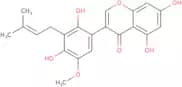
CAS:Piscerythrone is a specialized chemical compound derived from certain marine organisms, which is primarily sourced from vibrant crustaceans. It acts through biochemical interactions that modulate pigmentation processes at the cellular level. The compound's mode of action involves binding to specific receptors involved in the enzymatic pathways of pigment production, influencing the synthesis and deposition of pigments such as astaxanthin.Fórmula:C21H20O7Pureza:Min. 95%Peso molecular:384.38 g/molDemethoxysudachitin
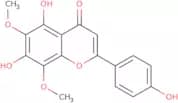
CAS:Demethoxysudachitin is a flavonoid compound, which is naturally sourced from the peel of the sudachi fruit, a type of small citrus fruit native to Japan. This compound exhibits a mode of action primarily through its potent antioxidant activity, which involves scavenging free radicals and reducing oxidative stress within biological systems. It also plays a role in modulating various enzymatic pathways, contributing to its pharmacological properties.Pureza:Min. 95%7,8-Dimethoxyflavone
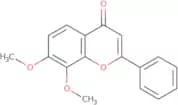
CAS:<p>7,8-Dimethoxyflavone is a synthetic flavonoid compound, which is derived from natural flavones found in various plant species. As a structurally modified version of naturally occurring flavonoids, it exhibits a range of biological activities. The mode of action of 7,8-Dimethoxyflavone involves interaction with various cellular pathways, including modulation of kinase and receptor activity, potentially impacting signal transduction processes.</p>Fórmula:C17H14O4Cor e Forma:PowderPeso molecular:282.29 g/molPinostrobin
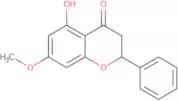
CAS:<p>Pinostrobin is a natural flavonoid compound, which is derived primarily from the rhizomes of plants such as the fingerroot (Boesenbergia rotunda) and various species of the Pinus genus. Its mode of action involves potent antioxidant activity, where it scavenges free radicals, thus reducing oxidative stress. Additionally, Pinostrobin exhibits antimicrobial properties by disrupting microbial cell membranes and inhibiting essential microbial enzymes.</p>Fórmula:C16H14O4Cor e Forma:PowderPeso molecular:270.28 g/mol5,6-Dihydroxy-7-methoxyflavone
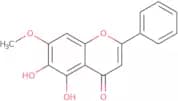
CAS:<p>5,6-Dihydroxy-7-methoxyflavone is a naturally occurring flavonoid compound, which is predominantly sourced from various plants, often found in the leaves, stems, or roots. This compound belongs to the broader class of flavonoids, which are known for their diverse biochemical activities. As a flavone derivative, its structure includes hydroxyl and methoxy functional groups that contribute to its biological activity.</p>Fórmula:C16H12O5Pureza:Min. 95%Cor e Forma:Yellow PowderPeso molecular:284.26 g/molTilianin
CAS:Tilianin is a flavonoid glycoside, which is a natural compound derived from the plant **Dracocephalum moldavica**. It is primarily sourced from the leaves and flowers of this herbaceous plant, belonging to the Lamiaceae family. Tilianin exerts its effects through several biochemical pathways, most notably by inhibiting inflammatory mediators and modulating oxidative stress pathways. This mode of action suggests its potential as an anti-inflammatory and antioxidant agent.Fórmula:C22H22O10Pureza:Min. 98 Area-%Cor e Forma:White Off-White PowderPeso molecular:446.4 g/molMyricetin
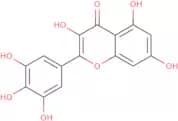
CAS:Myricetin is a naturally occurring flavonoid, which is primarily sourced from various fruits, vegetables, teas, and medicinal plants. It is found abundantly in the bark of the Myrica species, as well as in grapes, onions, and berries. Myricetin functions as an antioxidant by scavenging free radicals, thus mitigating oxidative stress. It also exerts anti-inflammatory effects through modulation of signaling pathways, including the inhibition of nuclear factor-κB (NF-κB) and downregulation of pro-inflammatory cytokines.Fórmula:C15H10O8Pureza:Min. 95%Cor e Forma:Yellow Green PowderPeso molecular:318.24 g/mol2',4'-Dimethoxy-6-methylflavanol
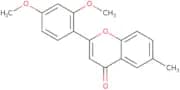
CAS:2',4'-Dimethoxy-6-methylflavanol is a specialized flavonoid compound, which is a type of secondary metabolite primarily found in various plants. These compounds are often extracted from plants recognized for their rich phytochemical profiles, such as those in the Fabaceae or Rutaceae families. Flavonoids, including 2',4'-Dimethoxy-6-methylflavanol, are known for their diverse biological activities, including antioxidant, anti-inflammatory, and potential anti-cancer properties.Fórmula:C18H16O4Pureza:Min. 95%Peso molecular:296.32 g/molGenistein-5,4'-dimethyl ether
CAS:<p>Genistein-5,4'-dimethyl ether is a methylated isoflavone, which is a naturally occurring compound primarily extracted from various plant sources, particularly legumes. This bioactive compound is a derivative of the well-known isoflavone genistein, with methyl groups added at specific positions on the aromatic ring structure, altering its chemical properties and biological activity.</p>Fórmula:C17H14O5Pureza:Min. 95%Peso molecular:298.29 g/mol5,7-Dimethoxy-4'-hydroxyflavanone
CAS:<p>5,7-Dimethoxy-4'-hydroxyflavanone is a synthetic flavonoid compound, which is derived from the structural modification of naturally occurring flavonoids found in plants. Alterations in its chemical structure provide enhanced properties for various scientific applications. The mode of action of this compound primarily involves its ability to act as a potent antioxidant. By scavenging free radicals, it protects biological systems from oxidative stress, thereby playing a pivotal role in cellular protection and homeostasis.</p>Fórmula:C17H16O5Pureza:Min. 95%Cor e Forma:PowderPeso molecular:300.31 g/mol3-Hydroxy-6,2',4',5'-tetramethoxyflavone
CAS:3-Hydroxy-6,2',4',5'-tetramethoxyflavone is a naturally occurring flavone, which is a type of polyphenolic compound predominantly found in certain plants. This compound belongs to the broader class of flavonoids, often isolated from plant sources like tropical herbs and medicinal plants renowned for their rich bioactive profiles.Fórmula:C19H18O7Pureza:Min. 95%Peso molecular:358.34 g/mol6-Methoxyflavanone
CAS:6-Methoxyflavanone is a naturally occurring flavonoid compound, which is typically derived from plant sources, particularly those high in flavonoids such as certain fruits and herbs. The compound is characterized by the presence of a methoxy group, which distinguishes it from other flavanones and may influence its bioactivity and solubility properties. Its mode of action often involves interactions with biological pathways that regulate inflammation, oxidative stress, and cellular metabolism, potentially through mechanisms such as enzyme inhibition or modulation of receptor activity.Fórmula:C16H14O3Pureza:Min. 95%Cor e Forma:PowderPeso molecular:254.28 g/mol7-O-Prenyloxyflavanone
CAS:7-O-Prenyloxyflavanone is a bioactive compound, specifically a flavanone, which is isolated from various plant sources known for their rich flavonoid content. The compound is characterized by the attachment of a prenyl group at the 7-O position of the flavanone structure, which imparts unique biological activities.Fórmula:C20H20O3Pureza:Min. 95%Peso molecular:308.37 g/mol4',7-Dihydroxyflavone
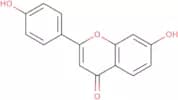
CAS:4',7-Dihydroxyflavone is a flavonoid compound, which is naturally found in various plants. This compound is sourced predominantly from the plant kingdom, particularly in leaves and flowers, where it plays a crucial role in plant defense mechanisms. The mode of action of 4',7-dihydroxyflavone involves modulation of various signaling pathways, most notably its interaction with the tropomyosin receptor kinase B (TrkB), which is known for its involvement in neuronal survival and synaptic plasticity.Fórmula:C15H10O4Pureza:Min. 95%Cor e Forma:Yellow PowderPeso molecular:254.24 g/molSyringetin
CAS:<p>Syringetin is a flavonoid compound, which is derived from natural sources such as grapes and other plants. This compound belongs to the class of polyphenolic compounds known as flavonols, which are secondary metabolites found abundantly in nature. Syringetin exhibits its mode of action primarily through its strong antioxidant properties, which allow it to neutralize free radicals and reduce oxidative stress in biological systems. This activity can contribute to the protection of cells and biomolecules from oxidative damage, a process implicated in aging and various diseases.</p>Fórmula:C17H14O8Pureza:Min. 95%Cor e Forma:PowderPeso molecular:346.29 g/mol6-Methylflavone
CAS:6-Methylflavone is a synthetic flavonoid, which is derived from the structural modification of natural flavonoids commonly found in various plants. This compound has garnered interest due to its pharmacological potential, particularly as a modulator of the central nervous system. The mode of action of 6-Methylflavone involves its interaction with the GABA_A receptors, where it is believed to function as a positive allosteric modulator. This interaction enhances the inhibitory effects of GABA, a primary neurotransmitter in the brain, thereby potentially exerting anxiolytic (anxiety-reducing) effects.Fórmula:C16H12O2Pureza:Min. 95%Cor e Forma:PowderPeso molecular:236.27 g/mol