Açúcares e Nucleobases da Espinha Dorsal
Foram encontrados 1000 produtos de "Açúcares e Nucleobases da Espinha Dorsal"
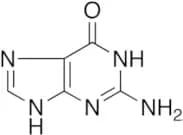
Guanine
CAS:Impurity Aciclovir EP Impurity B
Applications Guanine is one of the five nucleobases incorporated into biological nucleic acids. Guanine, along with adenine and cytosine, is present in both DNA and RNA, whereas thymine is usually seen only in DNA, and uracil only in RNA. Aciclovir EP Impurity B.
References Geslain, R., et al.: J. Biol. Chem., 284, 27760 (2009); Manini, P., et al.: Toxicol. Lett., 190, 41 (2009); Gong, B., et al.: Biochem., 48, 11961 (2009); Sugimoto, M., et al.: J. Agric. Food Chem., 58, 374 (2010);Fórmula:C5H5N5OCor e Forma:White To Off-WhitePeso molecular:151.132-Thiouracil
CAS:Applications Reagent used in the preparation of Antithyroid agents.
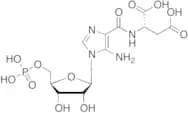
References Toropov, A., et al.: Eur. J. Med. Chem., 45, 3581 (2010), Daniels, C., et al>.: J. Bacteriol., 192, 2169 (2010), Castillo-Garit, J., et al.: Eur. J. Pharm. Sci., 39, 30 (2010),Fórmula:C4H4N2OSCor e Forma:ColourlessPeso molecular:128.15N-Succinyl-5-aminoimidazole-4-carboxamide Ribose 5’-Phosphate
CAS:Applications N-Succinyl-5-aminoimidazole-4-carboxamide Ribose 5’-Phosphate is a metabolite of Purine. Since adenosine is a potent inhibitor of neuronal function, depressing the release of several excitatory transmitters and causing direct hyperpolarization of neurons, it was possible that the symptoms seen in adenylosuccinate lyase (ASase) deficient patients could reflect an interference of succinylpurines with neurotransmission.
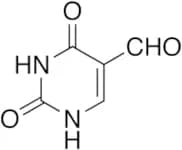
References Gollub, E.G., et al.: J. Bacteriol., 78, 320 (1959), Srivastava, P.C., et al.: J. Med. Chem., 17, 1207 (1974),Fórmula:C13H19N4O12PCor e Forma:NeatPeso molecular:454.285-Formyl Uracil
CAS:Produto ControladoApplications Nucleoside derivatives of 5-substituted uracil have been explored for their potential application as anti-viral agents and in the treatment of tumors.
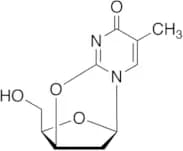
References Ressner, E.C., et al.: J. Med. Chem., 19, 1, 194 (1976)Fórmula:C5H4N2O3Cor e Forma:NeatPeso molecular:140.12,3’-Anhydrothymidine
CAS:Produto ControladoApplications An intermediate in the preparation of thymidine derivatives
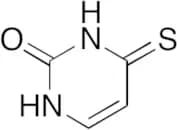
References el Kouni, M., et al.: Biochem. Pharmacol., 51, 1687 (1996),Fórmula:C10H12N2O4Cor e Forma:NeatPeso molecular:224.214-Thiouracil
CAS:Applications 4-Thiouracil is a derivative of Uracil (U801000), which is a nitrogenous base in RNA nucleic acid. 4-Thiouracil is used for tagging in cell type-specific RNA isolation from intact complex tissues.
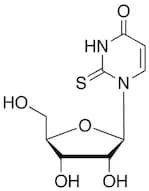
References Miller, M., et al.: Nat. Methods, 6, 439 (2009); Seth, P., et al.: J. Med. Chem., 53, 8309 (2010); Cui, H., et al.: Eur. J. Med. Chem., 45, 5140 (2010);Fórmula:C4H4N2OSCor e Forma:NeatPeso molecular:128.1522-Thiouridine
CAS:Produto ControladoApplications Modified nucleotide, essential for normal cell growth in some bacterial species. This compound is also able to chelate several metal ions.
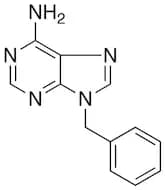
References Ikeuchi, Y., et al.: Mol. Cell, 21, 97 (2006), Odani, A., et al.: J. Inorg. Biochem., 101, 727 (2007), Wohlgamuth-Benedum, J., et al.: J. Biol. Chem., 284, 23947 (2009),Fórmula:C9H12N2O5SCor e Forma:NeatPeso molecular:260.279-Benzyladenine
CAS:Produto ControladoApplications A useful intermediate in the synthesis of 1-substituted adenines.
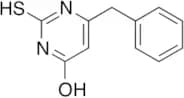
References Laufer, S., et al.: J. Med. Chem., 48, 710 (2005), Lambertucci, C., et al.: Bioorg. Med. Chem., 17, 2812 (2009),Fórmula:C12H11N5Cor e Forma:NeatPeso molecular:225.256-Benzyl-2-thiouracil
CAS:Produto ControladoApplications 6-Benzyl-2-thiouracil (cas# 6336-50-1) is a useful research chemical.
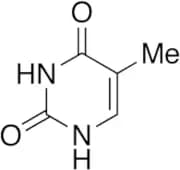
Fórmula:C11H10N2OSCor e Forma:Off-WhitePeso molecular:218.27Thymine
CAS:Produto ControladoImpurity Zidovudine EP Impurity C
Applications Thymine (Zidovudine EP Impurity C) is a nitrogenous base component in the nucleic acid of DNA.
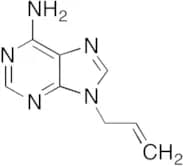
References Keum, Y., et al.: App. Microbiol. Biotechnol., 80, 863 (2008); Redzic, Z., et al.: Neurochem. Res., 34, 566 (2009); Lanevskij, K., et al.: J. Pharm. Sci., 98, 122 (2009); Rajendar, B., et al.: Bioorg. Med. Chem., 17, 351 (2009);Fórmula:C5H6N2O2Cor e Forma:WhitePeso molecular:126.119-(2-Propenyl)adenine
CAS:Produto ControladoApplications 9-(2-Propenyl)adenine is an N-substituted purine used in the preparation of mesityl dihydroisoxazolyl homo-N-nucleosides.
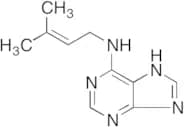
References Thalassitis, A. et al.: Bioorg. Med. Chem. Lett., 19, 6433 (2009); Chiacchio, U. et al.: Tetrahedron, 60, 441 (2004)Fórmula:C8H9N5Cor e Forma:NeatPeso molecular:175.19N6-(2-Isopentenyl)adenine
CAS:Produto ControladoApplications N6-(2-Isopentenyl)adenine can be used in biological study for cytokinins stimulated expression of stress-related proteins and transcripts in Arabidopsis thaliana with isopentenyltransferase overexpression.
References Skalak, J., et al.: J. Exp. Bot., 67, 2861-2873 (2016)Fórmula:C10H13N5Cor e Forma:White To Off-WhitePeso molecular:203.241,3-Diethyl-5-nitroso-6-aminouracil
CAS:Produto ControladoApplications 1,3-Diethyl-5-nitroso-6-aminouracil (cas# 89073-60-9) is a compound useful in organic synthesis.
Fórmula:C8H12N4O3Cor e Forma:NeatPeso molecular:212.21Adenine Hemisulfate
CAS:Produto ControladoStability Hygroscopic
Applications Adenine Hemisulfate can be one of the factors that influence in vitro growth and shoot multiplication of pomegranate. It can be used in biological study along with varied levels of sucrose, light intensity, and MS medium hydrogen ion concentration where those factors can all significantly influence multiplication and growth of Punica granatum shoots.
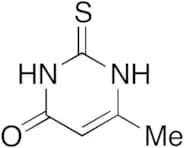
References Singh, P., & Patel, R., M.: Bioscan, 9, 1031-1035 (2014)Fórmula:C5H5N5·SO4H2Cor e Forma:NeatPeso molecular:368.336-Methyl-2-thiouracil
CAS:Produto ControladoApplications 6-Methyl-2-thiouracil is a derivative of methylthiouracil (M330710), a competitive inhibitor of Nitric Oxide Synthase (NOS). Potential anti-inflammatory agent.
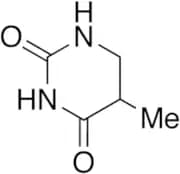
References Palumbo, A. et al.: Biochem. Bioph. Res. Co. 282, 793(2001), Ku, S. et al.: Toxicol. App. Pharmacol., 288, 374 (2015);Fórmula:C5H6N2OSCor e Forma:WhitePeso molecular:142.185,6-Dihydro Thymine
CAS:Produto ControladoApplications 5,6-Dihydrothymine is a derivative of Thymine, a nucleobase in the nucleic acid of DNA . 5,6-Dihydrothymine is a radiolysis product of DNA.
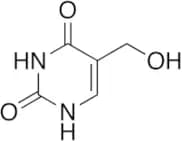
References Hubbard, K. et al.: Biochemistry, 28, 4382 (1989); Cadet, J. et al.: Int. J. Rad. Biol. Rel. Stud. Phys. Chem. Med., 39, 119 (1981);Fórmula:C5H8N2O2Cor e Forma:NeatPeso molecular:128.135-Hydroxymethyluracil
CAS:Produto ControladoApplications 5-Hydroxymethyluracil (cas# 4433-40-3) is a compound useful in organic synthesis.
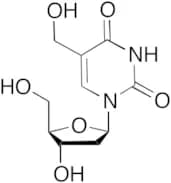
Fórmula:C5H6N2O3Cor e Forma:NeatPeso molecular:142.115-Hydroxymethyl-2’-deoxyuridine
CAS:Produto ControladoStability Hygroscopic
Applications 5-Hydroxymethyl-2’-deoxyuridine acts as a biomarker for the diagnosis for oxidative stress in humans. Used as a diagnostic to for propensitiy for the development of breast cancer.
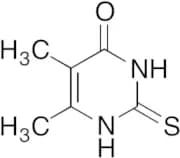
References McAnulty, L. et al.: App. Physiol. Nutr. Metab., 36, 976 (2011); Djuric Z. et al.: Cancer Epidemiol. Biomarkers. Prev., 10, 147 (2001); Frenkel, K. et al.: 7, 49, (1998);Fórmula:C10H14N2O6Cor e Forma:White To Off-WhitePeso molecular:258.2285,6-Dimethylthiouracil
CAS:Applications 5,6-Dimethylthiouracil is a heterocyclic building block.
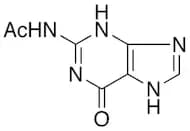
Fórmula:C6H8N2OSCor e Forma:Off-WhitePeso molecular:156.21N2-Acetylguanine
CAS:Produto ControladoApplications Protected guanine
References Tretyakova, N., et al.: Chem. Res. Toxicol., 20, 284 (2007), Rana, S., et al.: Bioorg. Med. Chem. Lett., 19, 670 (2009),Fórmula:C7H7N5O2Cor e Forma:NeatPeso molecular:193.16Guanidinoacetic Acid
CAS:Applications Guanidinoacetic Acid is an important marker for renal failure, in kidney transplantation, and for the renal metabolic activity.
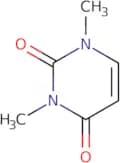
References Zugno, A., et al.: Neurochem. Res., 33, 1804 (2008), Debray, F., et al.: Neurol., 71, 44 (2008), da Silva, R., et al.: Am. J. Physiol., 296, E256 (2009),Fórmula:C3H7N3O2Cor e Forma:WhitePeso molecular:117.111,3-Dimethyluracil
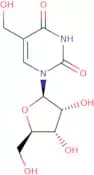
CAS:1,3-Dimethyluracil is a uracil derivative that is used as a hydrogen-bond donor, which helps to repair DNA. It has been shown to have a kinetic isotope effect in the deuterium isotope effect studies. The carbonyl group of 1,3-dimethyluracil can form hydrogen bonds with the guanine base in DNA and lead to the formation of an adduct. This adduct can be repaired by nucleotide excision repair when it forms a dimer with another 1,3-dimethyluracol molecule or by base excision repair when it forms a dimer with another purine or pyrimidine base. Aqueous solutions of 1,3-dimethyluracil are stable for short periods of time but decompose rapidly on heating. X-ray crystal structures show that 1,3-dimethyluracil binds to hydrochloric acid and x-ray crystallographic analysisFórmula:C6H8N2O2Pureza:Min. 95%Cor e Forma:Off-White Slightly Brown PowderPeso molecular:140.14 g/mol5-Hydroxymethyluridine
CAS:5-Hydroxymethyluridine is a nucleoside that is synthesized from uridine. It has shown to be effective in the treatment of inflammatory diseases, such as rheumatoid arthritis, and also has antiviral activity against herpes simplex virus. 5-Hydroxymethyluridine has been shown to have a high affinity for hydrophilic interaction chromatography (HIC) and can be used to purify glycosylases. This compound can also inhibit the formation of cancer cells by inhibiting the transcriptional activity of RNA polymerase II. 5-Hydroxymethyluridine has been found to demethylate DNA while maintaining its ability to bind with DNA-dependent RNA polymerase II. This process is catalyzed by glycosylases and hydroxylases that are found in the body.
Fórmula:C10H14N2O7Pureza:Min. 95%Cor e Forma:PowderPeso molecular:274.23 g/mol2,6-Diaminopurine hemisulfate
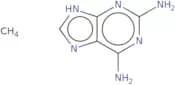
CAS:2,6-Diaminopurine hemisulfate salt is a fine chemical that can be used as a building block for research chemicals, reagents, and specialty chemicals. It has been shown to be useful in the synthesis of various types of complex compounds. 2,6-Diaminopurine hemisulfate salt is also versatile in the sense that it can be used as an intermediate in reactions or as a scaffold for chemical synthesis. This product has CAS number 69369-16-0.Fórmula:C5H6N6•(H2O4S)0Pureza:Min. 95%Cor e Forma:PowderPeso molecular:398.36 g/molN2-Acetylguanine
CAS:N2-Acetylguanine is a reactive compound that inhibits the growth of cancer cells in leukemia. It is an antimicrobial agent that has significant cytotoxicity against leukemia cells and other bacterial cells. N2-Acetylguanine reacts with dihydrozeatin to form acyclic nucleoside phosphonate, which inhibits the synthesis of DNA, RNA, and protein. This reaction yields a high yield of this product in a short period of time. The modification process also creates a more efficient method for synthesizing this compound. N2-Acetylguanine can be used to treat dyslipidemia by decreasing cholesterol levels in the blood and can also be used as an active substance in the treatment of diabetes mellitus type II and insulin resistance.Fórmula:C7H7N5O2Pureza:Min. 95%Cor e Forma:PowderPeso molecular:193.17 g/mol2-Thioxanthine
CAS:2-Thioxanthine is a hydrated form of xanthine, which is a purine base that occurs in all living cells. This compound has been shown to be able to inhibit the growth of resistant mutants and the formation of atherosclerotic lesions in mice. 2-Thioxanthine also inhibits the transfer reactions that are required for bacterial DNA synthesis. The stability of 2-thioxanthine can be increased by forming stable complexes with hydrochloric acid and by reducing the pH to less than 7. 2-Thioxanthine has been shown to have genotoxic effects on mouse liver cells and human fibroblasts, as well as pharmacological properties against cardiovascular disease.Fórmula:C5H4N4OSPureza:Min. 95%Cor e Forma:PowderPeso molecular:168.18 g/molN2-Acetyl-O6-diphenylcarbamoylguanine
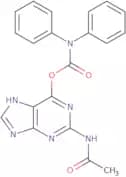
CAS:N2-Acetyl-O6-diphenylcarbamoylguanine is an amide nucleoside that is a potent antiviral agent. It inhibits the synthesis of viral DNA by inhibiting viral DNA polymerase. N2-Acetyl-O6-diphenylcarbamoylguanine also has reactive functional groups that can react with other molecules, such as human serum albumin, to form conjugates that are more stable and can be used for long periods of time. This nucleoside is synthesized by reacting uridine with chloroacetamide and then reacting the resulting product with diphenylcarbamoyl chloride in the presence of triethylamine. The ring opening reaction leads to the formation of a glycosidic linkage between N2-Acetyl-O6-diphenylcarbamoylguanine and the sugar molecule. This nucleoside has been shown toFórmula:C20H16N6O3Pureza:Min. 95%Cor e Forma:PowderPeso molecular:388.38 g/mol3’,5’-Di-O-acetyl-2’-azido-2’-deoxyuridine
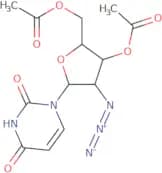
CAS:Please enquire for more information about 3’,5’-Di-O-acetyl-2’-azido-2’-deoxyuridine including the price, delivery time and more detailed product information at the technical inquiry form on this pagePureza:Min. 95%6-Mercaptopurine
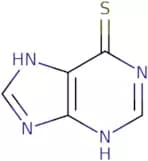
CAS:6-Mercaptopurine is an antigen binding molecule that is biocompatible with the human body. It binds to 6-mercaptopurine and inhibits the oxidation of proteins. The inhibition of protein oxidation has been shown to decrease disease activity in patients with inflammatory bowel disease. 6-Mercaptopurine also inhibits the production of inhibitor molecules, which are responsible for the development of cardiac effects such as arrhythmias and cardiomyopathy. 6-Mercaptopurine has inhibitory properties against polymerase chain reactions, which may be due to its ability to bind with protein thiols at high rates.Fórmula:C5H4N4SPureza:Min. 98 Area-%Cor e Forma:PowderPeso molecular:152.18 g/mol9-Methylxanthine
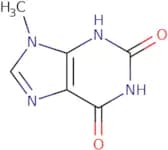
CAS:Produto Controlado9-Methylxanthine is a purine alkaloid that is structurally related to caffeine. It is used as a bronchodilator and to treat cardiac arrhythmias. 9-Methylxanthine has been shown to have an effect on the rate of DNA replication by binding to the enzyme xanthosine phosphorylase, which converts xanthosine monophosphate (XMP) to xanthosine diphosphate (XDP). The drug's effect on other nucleobases, such as adenosine monophosphate (AMP), cannot be ruled out. 9-Methylxanthine also has a strong affinity for macrochelates, which are compounds that contain chelating agents with a large number of ethylenediaminetetraacetic acid (EDTA) groups. This property is due to the high number of nitrogen atoms in the molecule and its ability to form hydrogen bonds between water moleculesFórmula:C6H6N4O2Pureza:Min. 95%Cor e Forma:PowderPeso molecular:166.14 g/mol5,6-Diamino-1,3-dipropyluracil
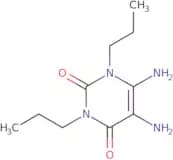
CAS:5,6-Diamino-1,3-dipropyluracil (DAU) is a synthetic drug that acts as an adenosine receptor antagonist. DAU binds to the adenosine receptors in the brain and inhibits the binding of adenosine, which may result in an anti-congestive effect. DAU has been found to be a potent inhibitor of the A2A adenosine receptor at nanomolar concentrations. This inhibition may be due to its ability to form covalent bonds with the receptor or its affinity for or blocking of agonist binding sites on the receptor. It also has been shown to have affinity for dopamine receptors, although it is not yet known if this activity contributes to its anti-congestive effects.Fórmula:C10H18N4O2Pureza:Area-% Min. 95 Area-%Cor e Forma:PowderPeso molecular:226.28 g/mol9-Deazaguanine
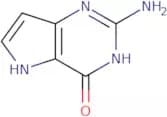
CAS:9-Deazaguanine is an analog of guanine, which has inhibitory properties. It reacts with the hydrogen bond of the enzyme and prevents its reaction with a substrate. 9-Deazaguanine binds to the target enzymes trifluoroacetic acid (TFA) and hydrogen bond interactions with water molecules. The reaction mechanism is based on the competitive inhibition of TFA, which is an important enzyme in DNA synthesis. 9-Deazaguanine inhibits the growth of k562 cells by inhibiting protein synthesis at specific sites in the ribosome. 9-Deazaguanine also shows inhibitory properties against autoimmune diseases and infectious diseases because it inhibits immune system reactions that are mediated by antibodies and T cells.
Fórmula:C6H6N4OPureza:Min. 95%Cor e Forma:PowderPeso molecular:150.14 g/mol5-Acetylamino-6-formylamino-3-methyluracil
CAS:5-Acetylamino-6-formylamino-3-methyluracil is an analysis method that can be used to determine the effectiveness of certain contraceptives. This drug has shown a potential to interact with other drugs, such as caffeine and amphetamines. It is also used to measure the enzyme activities of polymorphic human erythrocytes. 5-Acetylamino-6-formylamino-3-methyluracil is used in the preparation of blood samples for DNA sequencing and polymerase chain reaction (PCR) amplification. The concentration of intracellular calcium ions in humans has been shown to increase when this drug is administered, which leads to hyperproliferative diseases like cancer or HIV infection.Fórmula:C8H10N4O4Pureza:(%) Min. 95%Cor e Forma:Slightly Yellow PowderPeso molecular:226.19 g/mol3’,5’-Bis-O-benzoyl-2’-deoxy-2’-fluoro-β-D-arabino-6-azidouridine
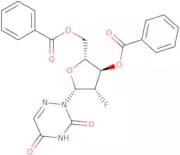
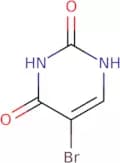
CAS:Please enquire for more information about 3’,5’-Bis-O-benzoyl-2’-deoxy-2’-fluoro-beta-D-arabino-6-azidouridine including the price, delivery time and more detailed product information at the technical inquiry form on this pagePureza:Min. 95%5-Bromouracil
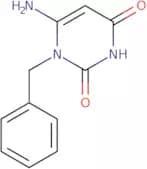
CAS:5-Bromouracil is a cytotoxic agent that inhibits the synthesis of DNA by inhibiting the enzyme thymine-5-bromo-2'-deoxyribonucleotide synthetase. It also has genotoxic effects on the organism, which can be observed in transfection experiments with human lymphocytes and polymerase chain reaction (PCR) experiments. 5-Bromouracil binds to the hydroxyl group of thymine and interacts with the nucleic acid bases, blocking the process of DNA synthesis. This drug is used to treat cancer in humans, but it is also toxic to eosinophils, which are white blood cells that produce chemicals such as peroxidases that help fight infections. The mechanism of action for 5-Bromouracil is not yet fully understood.Fórmula:C4H3BrN2O2Pureza:Min. 95%Cor e Forma:Yellow PowderPeso molecular:190.98 g/mol6-Amino-1-benzyluracil
CAS:6-Amino-1-benzyluracil is a triethyl orthoformate that reacts with an aldehyde to form an imine. This reaction is known as alkylation. The imine reacts with benzamidine to form an anticancer drug called lumazine, which has been shown to be effective against cancer cells. 6-Amino-1-benzyluracil had low solubility in water and was therefore refluxed with ethyl acetoacetate and elemental acetoacetate. 6-Amino-1-benzyluracil is insoluble in the organic phase and can be removed by filtration.
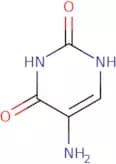
Fórmula:C11H11N3O2Pureza:Min. 95%Cor e Forma:PowderPeso molecular:217.22 g/mol5-Aminouracil
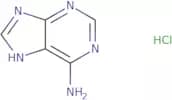
CAS:5-Aminouracil is a pyrimidine nucleoside that is used in the treatment of cancer, psoriasis and other autoimmune disorders. 5-Aminouracil is a prodrug that undergoes intracellular transformation to become an inhibitor of DNA synthesis. It promotes apoptosis by inhibiting the production of RNA and protein synthesis, leading to cell death. 5-Aminouracil has been shown to be effective against malignant cells in tissue culture as well as various types of cancer cells. A study using hydrogen bonding interactions showed that 5-aminouracil binds to the ribosomal protein L10 and inhibits its function in the polymerase chain reaction (PCR). Molecular docking studies have also shown that this drug can bind with redox potentials in both the active site and ligand binding site of human topoisomerase II alpha, which may lead to inhibition of enzyme activity or cell death.Fórmula:C4H5N3O2Pureza:Min. 95%Cor e Forma:White PowderPeso molecular:127.1 g/molAdenine hydrochloride
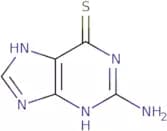
CAS:Purine nucleobase; component of nucleic acids and coenzymesFórmula:C5H6ClN5Pureza:Min. 98 Area-%Cor e Forma:Off-White PowderPeso molecular:171.59 g/mol6-Thioguanine
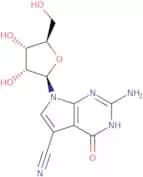
CAS:Phosphoribosyltransferase inhibitor; photocytotoxicFórmula:C5H5N5SPureza:Min. 95%Cor e Forma:PowderPeso molecular:167.19 g/mol7-Cyano-7-deazaguanosine
CAS:7-Cyano-7-deazaguanosine is a nucleoside that belongs to the category of 7-deazapurines. It is an optimized nucleic acid analogue that has been shown to act as a translational inhibitor in vitro and in vivo. This compound has been shown to have high yields in chemical synthesis, which makes it an attractive candidate for optimization and future research. 7-Cyano-7-deazaguanosine is a synthetic nucleotide with anticodon properties, which may be useful for the development of new drugs against bacterial infections.Fórmula:C12H13N5O5Pureza:Min. 95%Cor e Forma:PowderPeso molecular:307.26 g/molN2,9-Diacetylguanine
CAS:N2,9-Diacetylguanine is a synthetic molecule that can be used to inhibit the replication of herpes simplex virus. It has been found to inhibit the growth of viruses in vitro by binding to the viral DNA and inhibiting viral RNA synthesis. N2,9-Diacetylguanine is also a substrate for acetylation and may undergo this reaction with acetyl coenzyme A to form N4,9-diacetylguanine. The acetylated form of guanine inhibits the virus by blocking its ability to replicate DNA. The potential mechanism for this drug's anti-viral activity includes inhibition of the enzyme ribonucleotide reductase, which converts ribonucleotides into deoxyribonucleotides.Fórmula:C9H9N5O3Pureza:Min. 95%Cor e Forma:Off-White PowderPeso molecular:235.2 g/mol9-Ethylguanine
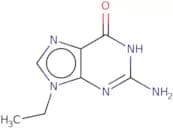
CAS:9-Ethylguanine is a protonated guanine derivative that has significant cytotoxicity. It is an analog of the natural nucleobase guanosine and is structurally similar to the group P2 purine base, hypoxanthine. 9-Ethylguanine specifically binds with nitrogen atoms in DNA, forming hydrogen bonds with adjacent bases. The compound has low potency and therefore must be administered at high doses for it to be effective. 9-Ethylguanine has been shown to have anticancer activity against cervical cancer cells in cell cultures, but no biological studies have been conducted on other cancer types.Fórmula:C7H9N5OPureza:Min. 95%Cor e Forma:PowderPeso molecular:179.18 g/mol5-Propyl-2-thiouracil
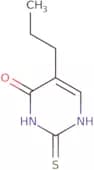
CAS:5-Propyl-2-thiouracil (PTU) is a drug used in the treatment of various types of cancer. It is a chemical analogue of thiouracil, but has a different mechanism of action. PTU inhibits the production of tropomyosin, which leads to inhibition of transcriptional regulation and expression of protein genes. PTU also blocks the hydrogen bond between the amino acid glutamine and deoxyribose phosphate backbone, thereby inhibiting translation. Clinical studies have shown that PTU is effective in treating cardiac hypertrophy, renal proximal tubule cells and clinical nephropathy. The use of PTU as a chemotherapeutic agent for cancer treatment has been limited due to its toxicity to animals.
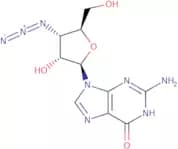
Fórmula:C7H10N2OSPureza:Min. 95%Cor e Forma:PowderPeso molecular:170.23 g/mol3’-Azido-3’-deoxyguanosine
CAS:Please enquire for more information about 3’-Azido-3’-deoxyguanosine including the price, delivery time and more detailed product information at the technical inquiry form on this page
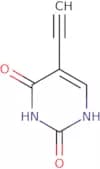
Fórmula:C10H12N8O4Pureza:Min. 95%Peso molecular:308.09815Eniluracil
CAS:Eniluracil is a prodrug of 5-fluorouracil, which is an anticancer drug. It is not active when taken orally and must be hydrolyzed by esterases in the stomach to produce 5-fluorouracil. The x-ray diffraction data for eniluracil was collected from untreated human serum samples. Eniluracil has been shown to have matrix effects on solid tumours in mice, leading to increased antitumor activity. This compound also inhibits the enzyme dihydropyrimidine dehydrogenase, which leads to decreased levels of diphosphate nucleotides and accumulation of dinucleotide phosphate. Enlargement of the tumor is also inhibited by this drug due to its ability to inhibit DNA replication and transcription.
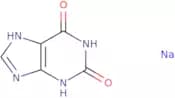
Fórmula:C6H4N2O2Pureza:Min. 95%Cor e Forma:White PowderPeso molecular:136.1 g/molXanthine sodium salt monohydrate
CAS:Xanthine sodium salt monohydrate is a dietary supplement that is used to treat metabolic disorders such as hyperuricemia and gout. It also has antiviral effects against herpes simplex virus-1 (HSV-1) and type-2 (HSV-2). Xanthine sodium salt monohydrate inhibits the production of viral DNA polymerase, which causes cell death by inhibiting the synthesis of proteins vital for cell division. Xanthine sodium salt monohydrate can be used to inhibit the growth of cancer cells in vitro. The mechanism of action is not yet fully understood, but it is thought that xanthine may inhibit phosphodiesterase activity or have a direct effect on the cell membrane.Fórmula:C5H3N4NaO2•H2OPureza:Min. 95 Area-%Cor e Forma:PowderPeso molecular:192.11 g/mol3-Methyladenine
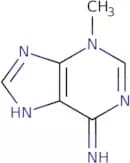
CAS:3-Methyladenine is a glycosylase that cleaves the glycosidic bond between the 3rd and 4th carbon of the ribose ring of the nucleotide 3-methyladenine. It also has synergistic effects with other agents that induce autophagy, such as rapamycin, and increases the expression of a response element in mouse monoclonal antibody. 3-Methyladenine inhibits growth factor-β1 and neuronal death by inducing apoptosis in cells overexpressing nuclear DNA polymerase. This drug is also used to study apoptosis by using a model system.
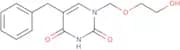
Fórmula:C6H7N5Pureza:Min. 90 Area-%Cor e Forma:PowderPeso molecular:149.15 g/mol5-Benzyl-1-(2-hydroxyethoxymethyl)uracil
CAS:5-Benzyl-1-(2-hydroxyethoxymethyl)uracil is a cytostatic drug that has been shown to inhibit the growth of cancer cells by inhibiting the enzyme activities necessary for DNA replication and transcription. This compound has been found to be effective in treating metastatic colorectal cancer in experimental models, as well as skin cancers in mice. 5-Benzyl-1-(2-hydroxyethoxymethyl)uracil is also an inhibitor of HIV infection, which may be due to its ability to block the synthesis of uridine. The symptoms that are caused by this drug are not yet known.Fórmula:C14H16N2O4Pureza:Min. 95%Cor e Forma:PowderPeso molecular:276.29 g/mol8-Bromoguanine
CAS:8-Bromoguanine is a nucleoside analog drug that is used as an antileukemic agent. It is a synthetic derivative of guanine and has been shown to inhibit the growth of leukemic cells by interfering with the synthesis of DNA. 8-Bromoguanine has also been shown to be reactive with eosinophil peroxidase and other electron-rich substances, which may be due to its hydroxyl group. The analytical method for 8-bromoguanine includes fluorescence spectroscopy, high pressure liquid chromatography (HPLC), and thin layer chromatography (TLC). Chemical diversity studies have shown that 8-bromoguanine can react with glycosylase or hydroxy groups, forming reaction products.
Fórmula:C5H4BrN5OPureza:Min. 97 Area-%Cor e Forma:PowderPeso molecular:230.02 g/mol