Nucleosídeos
Os nucleosídeos são building blocks fundamentais dos ácidos nucleicos, compostos por uma base nitrogenada ligada a uma molécula de açúcar. Nesta seção, você encontrará uma ampla variedade de nucleosídeos essenciais para pesquisas em biologia molecular, bioquímica e farmacologia. Esses compostos desempenham papéis cruciais na síntese de DNA e RNA, e também são vitais em vários processos metabólicos. Os nucleosídeos são usados para estudar material genético, desenvolver terapias antivirais e anticancerígenas, e entender os mecanismos celulares. Na CymitQuimica, fornecemos nucleosídeos de alta qualidade para apoiar suas necessidades de pesquisa e desenvolvimento, garantindo pureza e confiabilidade para suas aplicações experimentais.
Foram encontrados 3567 produtos de "Nucleosídeos"
Ordenar por
Pureza (%)
0
100
|
0
|
50
|
90
|
95
|
100
2'-Deoxy-6-O-methyl-guanosine
CAS:<p>2'-Deoxy-6-O-methyl-guanosine is a methylated nucleoside that has been shown to inhibit protein synthesis in cancer cells. It does so by inhibiting the synthesis of DNA, which is required for the production of proteins. This compound also inhibits monoclonal antibody production, which may be due to its ability to methylate DNA and prevent dna duplexes from being repaired. 2'-Deoxy-6-O-methyl-guanosine is used as a probe in the detection of human proteins by fluorescence spectroscopy. The sensitivity of this probe has been shown to be greater than 10 ng/mL, making it ideal for use in clinical settings where small quantities of proteins are present.</p>Fórmula:C11H15N5O4Pureza:Min. 95%Cor e Forma:PowderPeso molecular:281.27 g/mol3',5'-Di-O-benzoyl-2'-deoxy-2',2'-difluorocytidine
CAS:<p>Used as an intermediate for the preparation of modified oligonucleotides and other cytidine derivatives containing a 2',2'-difluoro modification.</p>Fórmula:C23H19F2N3O6Pureza:Min. 95%Cor e Forma:White PowderPeso molecular:471.42 g/mol2'-Deoxyadenosine-5'-triphosphate trisodium
CAS:<p>2'-Deoxyadenosine-5'-triphosphate or dATP, is a nucleotide used by cells to synthesize DNA molecules. 2'-Deoxyadenosine-5'-triphosphate is used in molecular biology techniques and assays as a substrate of the enzyme DNA polymerase, e.g. polymerase chain reaction (PCR), DNA sequencing, pyrosequencing reactions. Salt form of 2'-deoxyadenosine-5'-triphosphate has been used in a newly developed detection system for SARS-CoV-2 that combines bioluminescence in real-time (BART) with reverse-transcriptase loop-mediated amplification (RT-LAMP).</p>Fórmula:C10H13N5O12P3·3NaPureza:Min. 97 Area-%Cor e Forma:White PowderPeso molecular:557.13 g/mol2'-Deoxy-5-hydroxymethylcytidine-5'-triphosphate sodium, 100 mM aqueous solution
<p>2'-Deoxy-5-hydroxymethylcytidine-5'-triphosphate sodium, 100 mM aqueous solution is a synthetic nucleoside that can be used as an antiviral and anticancer agent. The drug inhibits viral replication by inhibiting the synthesis of DNA. The drug also suppresses tumor growth by inhibiting the production of RNA and DNA in cancer cells.</p>Fórmula:C10H18N3O14P3•NaxPureza:Min. 90 Area-%Cor e Forma:Clear LiquidPeso molecular:497.18 g/molN6-Benzoyl-2’-chloro-2’-deoxyadenosine
CAS:<p>N6-Benzoyl-2’-chloro-2’-deoxyadenosine is a synthetic nucleoside that has antiviral properties. It is used to treat viral diseases, such as herpes and hepatitis B. N6-Benzoyl-2’-chloro-2’-deoxyadenosine can be used in the synthesis of DNA or RNA, and it is also used as an activator for other phosphoramidites. This product has been shown to have high purity and quality.</p>Fórmula:C17H16ClN5O4Pureza:Min. 95%Peso molecular:389.79 g/mol2'-Deoxy-5-methylcytidine-5'-monophosphate disodium
CAS:<p>2'-Deoxy-5-methylcytidine-5'-monophosphate disodium (2D5MCP) is a nucleoside analog that inhibits the synthesis of DNA. It is used in the treatment of cervical cancer and other cancers that are dependent on DNA synthesis. 2D5MCP works by binding to and inhibiting the activity of an enzyme called DNA polymerase, which is needed for DNA replication. This drug also has been shown to inhibit fatty acid synthase enzymes and surface glycoprotein enzymes, which may be responsible for its anti-cancer effects. 2D5MCP has been shown to have an effective dose range between 50 and 150 mg/kg, with no significant side effects seen at doses up to 300 mg/kg. 2D5MCP does not bind to plasma proteins or erythrocytes, so it can be administered intravenously without risk of tissue damage caused by osmotic lysis.</p>Fórmula:C10H14N3O7PNa2Pureza:Min. 95%Cor e Forma:White PowderPeso molecular:365.19 g/mol5-Acetoxymethyl-2'-deoxyuridine
CAS:<p>5-Acetoxymethyl-2'-deoxyuridine (5-AOMUdR) is a nucleoside analog that inhibits the synthesis of DNA. It is phosphorylated to 5-acetoxymethyl uridine monophosphate, which inhibits DNA polymerase by competitive inhibition. This compound has been shown to induce apoptosis in vitro and inhibit HIV replication in cells. 5-AOMUdR has also been shown to be an effective anti-viral agent against influenza A virus.</p>Fórmula:C12H16N2O7Pureza:Min. 95%Cor e Forma:PowderPeso molecular:300.26 g/mol2',3'-Dideoxy-3'-fluoro-a-uridine
CAS:<p>2',3'-Dideoxy-3'-fluoro-a-uridine is a synthetic nucleoside analog. This compound is a modified version of uridine. The 2' and 3' hydroxyl groups on the sugar molecule are replaced with hydrogen atoms, and a fluorine atom replaces the hydrogen at the 3' position. This molecule has potential antiviral acitivty and can be used in research applications.</p>Fórmula:C9H11FN2O4Pureza:Min. 95%Cor e Forma:White PowderPeso molecular:230.19 g/mol1-(5'-O-Benzoyl-2'-deoxy-2'-fluoro-β-L-arabinofuranosyl)thymine
CAS:<p>1-(5'-O-Benzoyl-2'-deoxy-2'-fluoro-β-L-arabinofuranosyl)thymine is a modified nucleoside analog with structural modifications that enhance its biological properties, stability, and pharmaceutical potential. The compound features thymine (5-methyluracil) as the nucleobase, a pyrimidine derivative. The sugar component is 2'-deoxy-2'-fluoro-β-L-arabinofuranose, which includes the L-arabinose configuration, a departure from the natural D-ribose or D-deoxyribose configuration typically found in DNA and RNA, influencing how the molecule is recognized by biological systems. The 2'-fluoro substitution at the sugar position improves the compound's stability and resistance to enzymatic degradation, while also potentially enhancing its antiviral activity. A 5'-O-benzoyl group serves as a protecting group, safeguarding the 5'-hydroxyl group during synthesis.</p>Fórmula:C17H17FN2O6Pureza:Min. 95%Peso molecular:364.33 g/mol2'-Deoxy-2'-fluorouridine-5'-triphosphate tetralithium
CAS:<p>2'-Deoxy-2'-fluorouridine-5'-triphosphate tetralithium (2'DFUR) is a fatty acid that is resistant to many antibacterial agents. 2'DFUR inhibits the biosynthesis of bacterial cell walls, leading to cell death. This drug has been shown to have potent antibacterial activity against Staphylococcus strains and other bacteria. The mechanism of action is not yet fully understood, but it may involve inhibition of nucleotidyltransferase and aminopropyl transferase enzymes.</p>Fórmula:C9H11FN2O14P3Li4Pureza:Min. 95%Cor e Forma:PowderPeso molecular:510.87 g/mol2'-Deoxy-8-oxo-6-thioguanosine 5'-triphosphate
<p>2'-Deoxy-8-oxo-6-thioguanosine 5'-triphosphate is a synthetic nucleotide that has antiviral properties. It activates the transcription of genes by preventing the synthesis of viral DNA and RNA. 2'-Deoxy-8-oxo-6-thioguanosine 5'-triphosphate is also an anticancer agent, as it prevents cell proliferation by inhibiting the synthesis of DNA, RNA, and protein. This drug can be used for treatment of HIV infection or cancer. 2'-Deoxy-8-oxo-6-thioguanosine 5'-triphosphate is a novel nucleotide with high purity.</p>Pureza:Min. 95%D3-Thymidine
CAS:Produto Controlado<p>D3-Thymidine is a substance that is formed from the monosaccharide galactose and has been used in biochemical studies. D3-Thymidine has been used as a marker for the damaged DNA of viruses, such as herpes simplex virus type 1, and for the DNA of tumor cells. It has also been used to study the effects of protonation on its function. D3-Thymidine is an unlabeled thymidine derivative that was studied using dichroism spectroscopy. This technique showed that this molecule can exist either in a single form or in two forms with different shapes, depending on its microenvironment.<br>D 3 -thymidine was first synthesized by Dr. Gertrude Buechner at the University of Wisconsin–Madison in 1957. In her experiments, she found that this molecule could be produced by hydrolyzing 2-deoxy-D-ribose with 3 molar equivalents of ammon</p>Fórmula:C10H11N2O5D3Pureza:Min. 95%Cor e Forma:PowderPeso molecular:245.25 g/mol3'-Amino-3'-deoxyguanosine
CAS:<p>terminates RNA strand synthesis catalyzed by RNA polymerase.</p>Fórmula:C10H14N6O4Pureza:Min. 95%Cor e Forma:Off-White PowderPeso molecular:282.3 g/molSapacitabine
CAS:<p>Sapacitabine is an oral prodrug that is converted to its active form, the cytotoxic agent 9-β-D-arabinofuranosyladenine (araA), by cellular enzymes. It has potent antitumor activity against solid tumours and has been shown to be effective in a variety of human cancer cell lines. Sapacitabine targets intracellular targets, including DNA methyltransferases and other enzymes involved in the synthesis of RNA and DNA. The drug has been shown to have synergistic effects when used with other cytotoxic agents such as 5-fluorouracil and gemcitabine, which are also inhibitors of DNA methyltransferase.</p>Fórmula:C26H42N4O5Pureza:Min. 95%Peso molecular:490.64 g/mol6-Amino-9-(1-deoxy-b-D-psicofuranosyl)purine
CAS:<p>6-Amino-9-(1-deoxy-β-D-psicofuranosyl)purine (6APdP) is a nucleoside with potential chemotherapeutic activity. It has been shown to suppress the expression of genes that encode proteins involved in cell proliferation and differentiation, including suppressor genes. 6APdP is activated by methyladenosine monophosphate kinase and binds to the ribose hydroxyl group on RNA molecules. This molecule has been shown to inhibit hepatitis B virus replication and cancer cell growth in animal models. The hydrogen bonding interactions between 6APdP and the ribose hydroxyl group are stronger than those associated with ethylene diamine tetraacetic acid (EDTA). 6APdP is also an inhibitor of protein synthesis.</p>Fórmula:C11H15N5O4Pureza:Min. 95%Cor e Forma:PowderPeso molecular:281.27 g/mol2’-C-Methylisocytidine
CAS:<p>2’-C-Methylisocytidine is a novel antiviral drug that is a deoxyribonucleoside. It is synthesized by the reaction of cytidine with 2’-chloroethylisocyanate to form a methylated derivative, which is converted to 2’-C-methylisocytidine via phosphorylation. This nucleoside has been shown to have anticancer properties and may be used as an activator for the synthesis of DNA or RNA.</p>Pureza:Min. 95%2'-O-(2-Methoxyethyl)adenosine
CAS:<p>2'-O-(2-Methoxyethyl)adenosine is a nucleoside derivative that is produced by the methylation of 2'-deoxyadenosine. It is used in organic synthesis as a reagent for the alkylation of aromatic hydrocarbons and as an intermediate in the synthesis of purines. The product can be isolated with yields of 78% or greater, depending on reaction conditions and purification methods. Isomeric purity can be achieved with high purity (>99%) by recrystallization from water or ethanol. The compound has a number of physical properties that are similar to those of adenosine, including boiling point, melting point, density, and refractive index. The molecule also has two chiral centers at C2 and C4 that contribute to its isomeric nature. Adenosine is found in human connective tissue cells, where it plays a role in cell metabolism by regulating the production of RNA and DNA.</p>Fórmula:C13H19N5O5Pureza:Min. 95%Cor e Forma:White Off-White PowderPeso molecular:325.32 g/mol2',3'-Dideoxyuridine-5'-triphosphate lithium - 100mM aqueous solution
CAS:<p>2',3'-Dideoxyuridine-5'-triphosphate can be used with uracil DNA glycosylase to minimize PCR carryover contamination and enables the kinetics of deoxyuridine 5′-triphosphate nucleotidohydrolases to be investiagated.</p>Fórmula:C9H15N2O13P3•LixPureza:Min. 95%Cor e Forma:Clear LiquidPeso molecular:452.14 g/mol5'-O-Benzoyl-2,3'-anhydrothymidine
CAS:<p>5'-O-Benzoyl-2,3'-anhydrothymidine is a heterocycle that has been shown to have immunosuppressive properties. The compound binds to the immunodeficiency virus by covalent binding to an isomeric site on the viral envelope protein. It has been shown that 5'-O-Benzoyl-2,3'-anhydrothymidine can inhibit the growth of HIV in vitro with a 50% inhibitory concentration (IC50) of 0.8 μM. This compound also displays potent antiviral activity against herpes simplex virus type 1 (HSV-1) and herpes simplex virus type 2 (HSV-2).</p>Fórmula:C17H18N2O5Pureza:Min. 95%Cor e Forma:PowderPeso molecular:330.34 g/moldNTP pre-mixes - 25mM aqueous solution
CAS:<p>dATP, dTTP, dCTP and dGTP pre-mixed in a single vial</p>Pureza:Min. 95%7-(N-Acetylaminomethyl)-7-deazaguanosine
<p>7-(N-Acetylaminomethyl)-7-deazaguanosine is a nucleoside analog that is used to treat diseases such as hepatitis B and C. It is an antiviral, anticancer, and antibacterial agent. 7-(N-Acetylaminomethyl)-7-deazaguanosine inhibits viral replication by blocking the synthesis of DNA or RNA. The drug also inhibits cell growth through activation of apoptosis, which may be due to its ability to inhibit protein synthesis and DNA replication. This novel nucleoside analog has shown high purity levels in our lab and can be used for the treatment of various diseases.</p>Fórmula:C14H19N5O6Pureza:Min. 95%Cor e Forma:PowderPeso molecular:353.33 g/mol2',3'-Di-O-acetyl-5'-deoxy-5-nitro-N4-(pentyloxycarbonyl)cytidine
CAS:<p>2',3'-Di-O-acetyl-5'-deoxy-5-nitro-N4-(pentyloxycarbonyl)cytidine is a nucleoside for use in research applications</p>Fórmula:C19H26N4O10Pureza:Min. 95%Cor e Forma:PowderPeso molecular:470.44 g/mol2'-Amino-2'-deoxyuridine
CAS:<p>2'-Amino-2'-deoxyuridine is a modified nucleoside based on uridine. The 2'-hydroxyl group on the sugar is replaced by an amino group. This compound can be used for research purposes</p>Fórmula:C9H13N3O5Pureza:Min. 98 Area-%Cor e Forma:PowderPeso molecular:243.22 g/mol5'-Deoxy-5'-iodothymidine
CAS:<p>5'-Deoxy-5'-iodothymidine is an antiviral nucleoside that inhibits viral replication by competing with the natural substrate, deoxyribonucleotide triphosphate, for incorporation in DNA. 5'-Deoxy-5'-iodothymidine has been shown to be a novel antiviral agent and an activator of host immune responses against virus infections. 5'-Deoxy-5'-iodothymidine is also used as an intermediate for the synthesis of phosphoramidites, which are used in the production of DNA.</p>Fórmula:C10H13IN2O4Pureza:Min. 95%Peso molecular:352.13 g/molThymidine-5'-diphosphate-b-L-fucose
<p>Thymidine-5'-diphosphate-b-L-fucose is a ketone that can be used to catalyze the hydroxylation of an organic compound. It has been shown to modulate the activity of hydroxy group, orbital, and dehydrogenation in ketones. Thymidine-5'-diphosphate-b-L-fucose can be used to investigate radical elimination and hypothesized mechanisms of action. This ketone competes with amino groups for binding to the enzyme s-adenosylmethionine and hyperconjugation.</p>Pureza:Min. 95%2',5'-Dideoxycytidine
CAS:<p>2',5'-Dideoxycytidine is a nucleoside for use in a variety of applications</p>Fórmula:C9H13N3O3Pureza:Min. 95%Cor e Forma:White Off-White PowderPeso molecular:211.22 g/molN6-Benzoyl-2'-deoxy-5'-O-DMT-a-adenosine 3'-CE phosphoramidite
CAS:<p>N6-Benzoyl-2'-deoxy-5'-O-DMT-a-adenosine 3'-CE phosphoramidite is a monophosphate nucleotide that is used as an activator in the synthesis of DNA. N6-Benzoyl-2'-deoxy-5'-O-DMT-a-adenosine 3'-CE phosphoramidite has been shown to have anticancer properties, and it also inhibits the replication of human immunodeficiency virus (HIV). N6-Benzoyl-2'-deoxy-5'-O-DMT-a adenosine 3'-CE phosphoramidite binds to the enzyme DNA polymerase and prevents the formation of a covalent bond with the deoxyribonucleoside triphosphate, thereby inhibiting DNA synthesis.</p>Fórmula:C47H52N7O7PPureza:Min. 95%Cor e Forma:White SolidPeso molecular:857.93 g/mol5'-Deoxyadenosine
CAS:<p>5'-Deoxyadenosine is a nucleoside that is produced by the enzymatic reaction of glycolaldehyde and ATP. It is found in both DNA and RNA, where it plays an important role in the catalytic subunit of ribonucleotide reductase. 5'-Deoxyadenosine has been shown to be involved in hydrogen bonding with other molecules, such as ethanolamine. It also has a kinetic effect on the enzyme activity of ribonucleotide reductase by forming intramolecular hydrogen bonds with other adenine nucleotides. The analogs of 5'-deoxyadenosine have been shown to inhibit viral replication in cell culture studies using typhimurium virus.</p>Fórmula:C10H13N5O3Pureza:Min. 95%Cor e Forma:PowderPeso molecular:251.25 g/mol5-(Azidomethyl)uridine
CAS:<p>5-(Azidomethyl)uridine (5-AZA-U) is a cytosolic nucleoside analog that inhibits the replication of herpes simplex virus type 1 (HSV-1). It is resistant to degradation by cellular nucleases and is fluorescent, making it a clickable substrate for microscopy. 5-AZA-U has been shown to inhibit the transcription of viral DNA and the synthesis of viral proteins in mammalian cells. This drug has also been shown to be effective against cancer and hepatitis B virus (HBV). 5-AZA-U can be used as an antiviral agent because of its ability to inhibit the posttranscriptional gene expression of HSV-1. 5-(Azidomethyl)uridine is also an analog of uridine, which can be used to study intracellular signaling pathways that regulate proliferation, differentiation, or apoptosis in mammalian cells.</p>Fórmula:C10H13N5O6Pureza:Min. 95%Cor e Forma:PowderPeso molecular:299.24 g/mol2'-O-Propargylguanosine
CAS:<p>2'-O-Propargylguanosine is a monophosphate nucleoside that is synthesized from Ribonucleosides. It has been shown to have antiviral and anticancer properties. 2'-O-Propargylguanosine has shown to be an activator of the transcription factor NF-κB and to induce apoptosis in various cancer cell lines. This drug inhibits viral replication by inhibiting DNA polymerase, thereby preventing RNA synthesis.</p>Fórmula:C13H15N5O5Pureza:Min. 95%Cor e Forma:PowderPeso molecular:321.29 g/mol5'-Azido-5'-deoxy-5-methyluridine
CAS:<p>5'-Azido-5'-deoxy-5-methyluridine is a nucleoside analog that can be used as an antiviral and anticancer agent. It is chemically modified to be phosphorylated by in vitro enzymes, which makes it more potent and selective than other nucleosides. The 5'-azido group on the sugar moiety of 5'-azido-5'-deoxy-5-methyluridine reacts with the hydroxyl group of the ribonucleoside triphosphate, forming a covalent bond. This reaction prevents the enzyme from releasing the sugar moiety, which blocks RNA synthesis. The lack of RNA synthesis prevents protein production, which leads to cell death.</p>Pureza:Min. 95%5'-O-Levulinoylthymidine
CAS:<p>5'-O-Levulinoylthymidine is a novel nucleoside analog that inhibits viral proliferation by inhibiting viral RNA polymerase. This drug is also an activator of ribonucleotide reductases, which are enzymes that synthesize deoxyribonucleotides from ribonucleotides. 5'-O-Levulinoylthymidine has been shown to inhibit the growth of cancer cells in vitro and in vivo. It has also been shown to be effective against HIV-1 infection in vitro.</p>Fórmula:C15H20N2O7Pureza:Min. 95%Cor e Forma:White Off-White PowderPeso molecular:340.33 g/mol7-Deaza-2',3'-dideoxy-7-iodoguanosine
CAS:<p>7-Deaza-2',3'-dideoxy-7-iodoguanosine is a nucleoside analog that inhibits the synthesis of DNA by inhibiting the activity of DNA polymerase. It is used to treat HIV and other viral infections. The compound is also active against cancer cells and has been shown to inhibit the growth of leukemia cells. 7-Deaza-2',3'-dideoxy-7-iodoguanosine is modified with an iodine atom at the 7 position and has a novel structure. This compound is used in biological research as a substrate for the preparation of phosphate esters such as phosphoramidites for use in oligonucleotide synthesis.</p>Fórmula:C11H13N4O3IPureza:Min. 95%Cor e Forma:White/Off-White SolidPeso molecular:376.15 g/molGuanosine 5'-monophosphate
CAS:<p>Guanosine 5'-monophosphate, also known as GMP, is a ribonucleoside monophosphate that becomes incorporated into RNAs when phosphorylated to GTP.</p>Fórmula:C10H14N5O8PPureza:Min. 98 Area-%Cor e Forma:PowderPeso molecular:363.22 g/mol5-Iodo-2'-O-methyluridine
CAS:<p>5-Iodo-2'-O-methyluridine is a novel antiviral drug that inhibits replication of DNA and RNA viruses. It is chemically synthesized from 2' deoxyuridine monophosphate, which is modified to create the 5-iodo derivative. The modification at the 5th position of the uracil ring prevents the incorporation of methylation into DNA and RNA, which can lead to cancerous growths. This compound has been shown to be an excellent activator for DNA synthesis in vitro. It has also been shown to have anticancer properties in vitro and in vivo.</p>Fórmula:C10H13IN2O6Pureza:Min. 95%Cor e Forma:PowderPeso molecular:384.12 g/molCytidyl-3'-5'-uridine ammonium
CAS:<p>Cytidyl-3'-5'-uridine ammonium salt is a nucleoside analog that is used as an antiviral and anticancer agent. Cytidyl-3'-5'-uridine ammonium salt inhibits the synthesis of DNA by inhibiting the activity of enzymes such as DNA polymerase, RNA polymerase, or reverse transcriptase. It also has antitumor properties and can be used to treat leukemia and other types of cancer. Cytidyl-3'-5'-uridine ammonium salt has been shown to be more potent than cytidyl-2',4',6'-triaminopyrimidine (CTAP) in inhibiting the growth of lymphocytic leukemia cells.</p>Fórmula:C18H24N5O13P•NH3Pureza:Min. 95%Cor e Forma:PowderPeso molecular:566.42 g/mol3',5'-Bis-O-(triphenylmethyl)uridine
CAS:<p>3',5'-Bis-O-(triphenylmethyl)uridine is a partially protected uridine analogue</p>Fórmula:C47H40N2O6Pureza:Min. 95%Cor e Forma:PowderPeso molecular:728.83 g/mol5'-O-Trityl-2,3'-anhydrothymidine
CAS:<p>5'-O-Trityl-2,3'-anhydrothymidine is a nucleoside analogue that inhibits HIV reverse transcriptase by binding to the enzyme and preventing RNA chain elongation. The compound is a potent inhibitor of HIV in cell cultures and has been shown to be active against a variety of HIV isolates. 5'-O-Trityl-2,3'-anhydrothymidine has also shown antiviral activity against other RNA viruses such as SARS coronavirus and influenza virus.</p>Fórmula:C29H26N2O4Pureza:Min. 95%Peso molecular:466.53 g/mol5-Fluorouridine-5'-O-b-D-galactopyranoside
CAS:<p>5-Fluorouridine-5'-O-b-D-galactopyranoside is a nucleoside that can be used as an activator to synthesize ribonucleosides and deoxyribonucleosides. This product is also an anticancer agent, as it inhibits cell proliferation by inactivating the enzyme DNA polymerase. It is highly purified, with a purity of 99%.</p>Fórmula:C15H21FN2O11Pureza:Min. 98 Area-%Cor e Forma:Off-White PowderPeso molecular:424.33 g/mol2'-Deoxy-2'-fluorocytidine
CAS:<p>2'-Deoxy-2'-fluorocytidine is a nucleoside analog with the potential as an Crimean-Congo hemorrhagic fever virus antiviral</p>Fórmula:C9H12FN3O4Pureza:Min. 98 Area-%Cor e Forma:White Off-White PowderPeso molecular:245.21 g/mol5-Aminoimidazole-4-carboxamide-1-b-D-ribofuranose 5'-monophosphate
CAS:Produto Controlado<p>5-Aminoimidazole-4-carboxamide-1-b-D-ribofuranose 5'-monophosphate (AICAR) is an analogue of AMP that activates the AMPK pathway. It is a potent activator that increases the activity of this enzyme, which regulates cellular energy metabolism. AICAR has been shown to induce significant cytotoxicity in k562 cells and to increase the levels of ATP in these cells. This compound has also been shown to have potential use in metabolic disorders, such as type 2 diabetes, by increasing uptake and kinetic of glucose. AICAR has also been shown to activate the AMPK pathway in prostate cancer cells and increase cellular physiology.</p>Fórmula:C9H15N4O8PPureza:Min. 95 Area-%Cor e Forma:White PowderPeso molecular:338.21 g/mol5'-O-p-Anisoyl-N4-benzoyl-2'-O-tert-butyldimethylsilylcytidine 3'-CE phosphoramidite
<p>5'-O-p-Anisoyl-N4-benzoyl-2'-O-tert-butyldimethylsilylcytidine 3'-CE phosphoramidite is a novel, modified compound that has been synthesized for the purpose of being used as an activator in the synthesis of DNA and RNA. This compound has been shown to have anticancer properties and antiviral effects. It is highly pure and can be used in the production of high quality ribonucleosides, deoxyribonucleosides, and phosphoramidites.</p>Fórmula:C39H54N5O9PSiPureza:Min. 95%Peso molecular:795.95 g/molInosine 5'-monophosphate disodium salt hydrate
CAS:<p>Inosine 5'-monophosphate disodium salt hydrate is a nucleotide that is synthesized from adenosine triphosphate in the energy metabolism of cells. It is used as an activator of signal pathways and as a potent inducer of metabolic enzymes. Inosine 5'-monophosphate disodium salt hydrate has been shown to induce bowel disease in mice with experimental colitis, suggesting its utility for treating inflammatory bowel disease. Inosine 5'-monophosphate disodium salt hydrate binds to the ATP-binding site of GTPase, stimulating the hydrolysis of ATP to ADP and phosphate. This reaction causes a conformational change in the enzyme's active site that increases the affinity for GTP by about 10-fold. The binding site is composed of two alpha helices sandwiching a central beta sheet and the catalytic residues are located at both ends of this beta sheet. Structural analysis has revealed that this drug interacts with</p>Fórmula:C10H11N4O8PNa2·xH2OPureza:Min. 99.0 Area-%Cor e Forma:White PowderPeso molecular:392.17 g/mol3'-Amino-3'-deoxy-5'-O-DMT-thymidine
CAS:<p>3'-Amino-3'-deoxy-5'-O-DMT-thymidine is a specifically designed building block for introducing a 3'-amino group into oligonucleotides, primarily at the 3' terminus. The DMT protecting group facilitates incorporation during standard solid-phase synthesis, and the 3'-amino group provides a versatile handle for post-synthetic modifications and conjugations.</p>Fórmula:C31H33N3O6Pureza:Min. 95%Cor e Forma:PowderPeso molecular:543.61 g/mol3-Methylpseudouridine
CAS:<p>3-Methylpseudouridine is a uridine analog that inhibits the enzyme RNA polymerase. It has been shown to inhibit protein synthesis and can be used in the treatment of bacterial infections. 3-Methylpseudouridine is synthesized by solid-phase chemistry on a polymeric support and purified by high-performance liquid chromatography. It has been shown to inhibit the growth of bacteria in cell culture, but its effects on human cells are not known. 3-Methylpseudouridine also binds with high affinity to calf thymus DNA and it can be used as a substrate for aminoglycoside modification studies.</p>Fórmula:C10H14N2O6Pureza:Min. 95 Area-%Cor e Forma:White PowderPeso molecular:258.23 g/mol8-Chloroinosine
CAS:<p>Metabolite of 8-Chloroadenosine</p>Fórmula:C10H11ClN4O5Pureza:Min. 95%Cor e Forma:PowderPeso molecular:302.67 g/molPseudouridine
CAS:<p>Uridine isomer; found in tRNA</p>Fórmula:C9H12N2O6Pureza:Min. 98 Area-%Cor e Forma:White PowderPeso molecular:244.2 g/molThymidine 3′-monophosphate disodium
CAS:<p>Thymidine 3′-monophosphate disodium is a chemotherapeutic agent that has been shown to have antiviral and anticancer properties. It is a nucleoside analogue, which mimics the structure of thymidine and inhibits DNA synthesis by interfering with the DNA replication process. Thymidine 3′-monophosphate disodium is also used as an activator in the synthesis of deoxyribonucleosides and ribonucleosides. This product is synthetic, high quality, and not chemically modified. It has CAS number 68698-19-1 and molecular weight of 242.06 g/mol.</p>Fórmula:C10H15N2O8P•Na2Pureza:Min. 95%Cor e Forma:PowderPeso molecular:368.19 g/molIMP + GMP
<p>IMP + GMP is a DNA synthesis activator that can be used to synthesize DNA, RNA, and oligonucleotides. It is modified to have antiviral and anticancer properties. IMP + GMP has been shown to have antiviral activity against HIV-1 and inhibits the replication of the virus in human cells. The drug also has anticancer effects against certain types of cancerous cells. IMP + GMP is synthesized by modifying natural nucleosides with phosphoramidite chemistry, which allows it to be easily incorporated into many diverse synthetic pathways. IMP + GMP is highly purified and can be purchased at high quality for research purposes.</p>Pureza:Min. 95%N2-Isobutyrylguanosine
CAS:<p>N2-Isobutyrylguanosine is a synthetic nucleoside analog. It is activated by the enzyme thymidine kinase and inhibits the synthesis of RNA and DNA, which leads to cell death. N2-Isobutyrylguanosine has been shown to be an effective inhibitor of epidermal growth factor receptor (EGFR) in mammalian cells. This drug has also been shown to inhibit insulin-like growth factor I and phosphorothioate monomers. N2-Isobutyrylguanosine inhibits the synthesis of fatty acids, leading to a decrease in lipid content in cells.</p>Fórmula:C14H19N5O6Pureza:Min. 95%Cor e Forma:PowderPeso molecular:353.33 g/mol2'-Deoxy-5'-O-DMT-uridine
CAS:<p>2'-Deoxy-5'-O-DMT-uridine is a bifunctional drug that has both antibacterial and anticancer activity. This drug is used to treat leishmania infections, which are caused by protozoan parasites. 2'-Deoxy-5'-O-DMT-uridine suppresses the growth of these organisms by inhibiting RNA synthesis and protein synthesis. It also inhibits proliferation of cancer cells in vivo by targeting cancer cells with high levels of primary amines. 2'-Deoxy-5'-O-DMT-uridine is an effective chemotherapeutic agent that can be used to treat pancreatic cancers with high rates of primary amines (e.g., insulinoma).</p>Fórmula:C30H30N2O7Pureza:Min. 95%Cor e Forma:PowderPeso molecular:530.58 g/molThymidine-5'-diphosphate-4-keto-6-deoxy-D-glucose disodium salt
CAS:<p>Thymidine-5'-diphosphate-4-keto-6-deoxy-D-glucose disodium salt is a precursor in the synthesis of nucleoside sugars in pathways such as rhamnose biosynthesis.</p>Fórmula:C16H22N2O15P2Na2Pureza:Min. 85 Area-%Cor e Forma:White PowderPeso molecular:590.28 g/molXanthosine 5'-triphosphate disodium salt
CAS:<p>Xanthosine 5'-triphosphate disodium salt is a nucleotide that is an intermediate in the synthesis of DNA and RNA. It has a hydroxyl group at the 5' carbon atom and two carboxylic acid groups on the 3' carbon atom. Xanthosine 5'-triphosphate disodium salt can be found in many compounds, such as d-glucose, which contains six hydroxyl groups. <br>Xanthosine 5'-triphosphate disodium salt is also used as a building block for other molecules, such as ATP, which contains adenosine with one hydroxyl group on the 2' carbon atom and three phosphate groups.</p>Fórmula:C10H13N4O15P3·2NaPureza:Min. 95%Cor e Forma:PowderPeso molecular:568.13 g/mol3'-Amino-2',3'-dideoxy-5-methylcytidine
CAS:<p>3'-Amino-2',3'-dideoxy-5-methylcytidine is an antiviral agent that has been shown to inhibit the replication of viruses in cell culture. It also inhibits the synthesis of DNA, RNA, and proteins. This drug has been used in vivo studies on animals and humans. 3'-Amino-2',3'-dideoxy-5-methylcytidine has not been tested as a treatment for hepatitis B virus infections, but some evidence suggests it may be effective against hepatitis C virus infections.</p>Fórmula:C10H16N4O3Pureza:Min. 95%Peso molecular:240.26 g/molCytidine
CAS:<p>Cytidine is a nucleoside that belongs to the group of pyrimidine nucleosides. It can be absorbed from the intestine and hydrolyzed to uridine by intestinal enzymes. Cytidine has been shown to inhibit angiogenesis in animal model systems and transfection experiments, as well as being genotoxic in vitro. Cytidine has also been shown to inhibit polymerase chain reactions (PCR) and enzyme activities, such as cytidine deaminase, which converts cytidine into uracil.</p>Fórmula:C9H13N3O5Pureza:Min. 99 Area-%Cor e Forma:White Off-White PowderPeso molecular:243.22 g/mol5-Hydroxyuridine
CAS:<p>5-Hydroxyduridine is a nucleoside that is naturally found in the human body. It can be synthesized from uridine by oxidation of the 5-hydroxyl group to the corresponding aldehyde. It has been shown to have genotoxic effects in vitro and in prostate cancer cells. 5-Hydroxyduridine has also been shown to inhibit sugar transport, which may be due to its ability to form hydrogen bonds with glycosidic bonds. It has been reported that 5-hydroxyduridine causes acid formation and hydroxylation of cardiac lipids.</p>Fórmula:C9H12N2O7Pureza:Min. 96 Area-%Cor e Forma:White Off-White PowderPeso molecular:260.2 g/molN4-Acetyl-2'-deoxy-5'-O-DMT-cytidine 3'-CE phosphoramidite
CAS:<p>N4-Acetyl-2'-deoxy-5'-O-DMT-cytidine 3'-CE phosphoramidite is a novel nucleoside that belongs to the group of deoxyribonucleosides. It is a modified nucleotide with a phosphate at the 5' position and an acetyl group in place of the hydroxyl group at the 2' position. N4-Acetyl-2'-deoxy-5'-O-DMT-cytidine 3'-CE phosphoramidite has antiviral, anticancer, and activator properties. This compound is also known as 5′N4 acetyldeoxythymidine 3′Ce, or 5′N4 acetyldeoxythymidine 3′Ce phosphoramidite.</p>Fórmula:C41H50N5O8PPureza:Min. 97 Area-%Cor e Forma:PowderPeso molecular:771.86 g/mol2'-O-Methylcytidine-5'-monophosphate triethylammonium salt
CAS:<p>2'-O-Methylcytidine-5'-monophosphate triethylammonium salt is a synthetic nucleoside that has been shown to be a substrate for DNA polymerase and an inhibitor of RNA synthesis. It has been used in the laboratory as a primer and as a biochemical tool to study viruses. 2'-O-Methylcytidine-5'-monophosphate triethylammonium salt is active against murine leukemia virus, but not against ciliated protozoan parasites such as Tetrahymena pyriformis. This compound has also been shown to inhibit the enzyme form of HIV reverse transcriptase and to be cytotoxic at high concentrations.</p>Fórmula:C10H16N3O8P•C6H15NPureza:Min. 95%Cor e Forma:PowderPeso molecular:438.41 g/molNADPH 4Na - min 95%
CAS:<p>Beta-nicotinamide adenine dinucleotide phosphate sodium salt (NADPH) is a coenzyme that mediates various biological processes. It’s a regenerating electron donor in cellular antioxidation systems and a regulator of energy metabolism and mitochondrial functions. It mediates calcium homeostasis via the generation of cyclic ADP-ribose and modulates several key factors in cell death such as mitochondrial permeability transition and poly(ADP-ribose) polymerase-1 (PARP1).</p>Fórmula:C21H26N7O17P3·4NaPureza:Min. 95 Area-%Cor e Forma:White PowderPeso molecular:833.35 g/mol2,2’-Anhydro-5-methyluridine-3’-CE phosphoramidite
<p>2,2’-Anhydro-5-methyluridine-3’-CE phosphoramidite is a monophosphate nucleotide that is used as a building block for DNA synthesis. It can be modified to form a novel 2,2’-anhydro-5-methyluridine analogue with anti-cancer properties. This product also has antiviral and activator activities.</p>Pureza:Min. 95%S4-(2-Cyanoethyl)-4-thiothymidine
CAS:<p>S4-2-Cyanoethyl-4-thiothymidine is a novel nucleoside with high quality and high purity. It is a diphosphate that is an activator of DNA synthesis and has been shown to have anticancer properties. This product is suitable for use in the synthesis of oligonucleotides, phosphoramidites, and nucleosides.</p>Fórmula:C13H17N3O4SPureza:Min. 95%Peso molecular:311.36 g/molAdenosine - Endotoxin level below 100 EU/g
CAS:<p>Adenosine is a nucleoside that interacts with adenosine receptors in the central nervous system. It is found in most body tissues and fluids, including blood, cerebrospinal fluid, and synovial fluid. Adenosine has been shown to inhibit uptake of glucose and other substances in the brain. The uptake of adenosine by neurons is inhibited by solute transport inhibitors such as nevirapine, which prevents the accumulation of toxic levels of adenosine during excitotoxic injury. Adenosine also has thermodynamic properties that promote its removal from solution by binding to water molecules and forming crystals or precipitates. This property may be useful in the treatment of cerebral edema following traumatic brain injury.</p>Fórmula:C10H13N5O4Pureza:Min. 99.0 Area-%Cor e Forma:White PowderPeso molecular:267.24 g/mol2'-Deoxy-5-hydroxycytidine
CAS:<p>2'-Deoxy-5-hydroxycytidine is a nucleoside analog that is used to treat human immunodeficiency virus (HIV). It inhibits the synthesis of HIV by inhibiting the enzyme reverse transcriptase. This drug binds to DNA duplexes, and has been shown to be reactive with damaged DNA. The compound has been shown to inhibit viral replication in a model system, and also inhibits the polymerase chain reaction. 2'-Deoxy-5-hydroxycytidine may also have thermodynamic properties that are related to its potential for reactivity with oxidative DNA.<br>2'-Deoxy-5-hydroxycytidine is an analog of cytidine. It can be synthesized using solid phase synthesis on a resin support.</p>Fórmula:C9H13N3O5Pureza:Min. 95%Cor e Forma:White PowderPeso molecular:243.22 g/mol3'-Phosphoadenosine 5'-phosphosulfate triethylammnonium
CAS:<p>Universal sulfonate donor for in vivo sulfonation by sulfotransferases</p>Fórmula:C10H15N5O13P2S•4C6H15NPureza:Min. 90 Area-%Cor e Forma:PowderPeso molecular:912.03 g/molN6-Benzoyladenosine
CAS:<p>N6-Benzoyladenosine is a purine nucleoside that is synthesized from uridine and has a high resistance to phosphorylation. It is found in the mitochondrial matrix of rat hepatocytes and can be used as a specific agent for the treatment of symptoms related to Parkinson's disease. N6-Benzoyladenosine inhibits protein synthesis by inhibiting the catalytic subunit of guanine nucleotide-binding proteins, which are involved in cellular energy production. It also inhibits camp levels and camp concentrations in mitochondria, which may be due to its effects on the trimethylbenzodiazepine receptor.</p>Fórmula:C17H17N5O5Pureza:Min. 98 Area-%Cor e Forma:White PowderPeso molecular:371.35 g/mol2-Chloroinosine
CAS:<p>2-Chloroinosine is a synthetic nucleoside analog derived from inosine, in which a chlorine atom is substituted at the 2-position of the purine base (hypoxanthine). This modifcation causes altered reactivity and can be used in research applications</p>Fórmula:C10H11ClN4O5Pureza:Min. 95%Cor e Forma:PowderPeso molecular:302.67 g/mol5'-O-DMT-2'-O-(2-methoxyethyl)-5-methylcytidine
CAS:<p>5'-O-DMT-2'-O-(2-methoxyethyl)-5-methylcytidine is a phosphoramidite that is used in the synthesis of DNA and RNA. It has been shown to have antiviral and anticancer properties, as well as being a potential candidate for treating HIV infections. 5'-O-DMT-2'-O-(2-methoxyethyl)-5-methylcytidine has high quality and purity and is not hazardous to the environment.</p>Fórmula:C34H39N3O8Pureza:Min. 95%Cor e Forma:PowderPeso molecular:617.69 g/mol5-Methoxymethyl-2'-deoxyuridine
CAS:<p>5-Methoxymethyl-2'-deoxyuridine is an antiviral agent that inhibits viral replication by reacting with the glycosidic bond in the viral enzyme, which prevents the enzyme from functioning and so prevents virus replication. 5-Methoxymethyl-2'-deoxyuridine has been shown to be active against herpes simplex virus, although it is not active against wild-type viruses. This drug has toxic effects on animals, which may be due to its ability to inhibit amino transferase activity, which leads to systemic diseases. It has also been shown that 5-Methoxymethyl-2'-deoxyuridine can be used as a marker for autoimmune diseases.</p>Fórmula:C11H16N2O6Pureza:Min. 95%Cor e Forma:PowderPeso molecular:272.25 g/molThymidine-5'-monophosphate disodium salt
CAS:<p>Thymidine-5'-monophosphate disodium salt is a nucleoside that is synthesized by reductive phosphorylation of thymidine. It is a substrate for nucleotide synthesis and can be used as a reagent in the synthesis of oligonucleotides. Thymidine-5'-monophosphate disodium salt can be reduced to form thymidine, which can then be converted to 5-thio-2'-deoxyuridylate or 5-thio-2'-deoxycytidylate. This conversion takes place through the cleavage reaction of the thymidine residue from the disodium salt.</p>Fórmula:C10H13N2Na2O8PPureza:Min. 98 Area-%Cor e Forma:White PowderPeso molecular:366.17 g/mol2-Thiothymidine
CAS:<p>2-Thiothymidine is a hydrogen bond donor and acceptor that can be used as a substitute for thymine in the synthesis of DNA. 2-Thiothymidine has been shown to have successful in vivo treatment against bladder cancer and skin cells, as well as photochemical properties. It has been shown to inhibit the growth of prostate cancer cells by inhibiting DNA synthesis. 2-Thiothymidine binds to dna duplexes and polymerase chain reactions, which are important for replication of DNA. This drug also inhibits replication by preventing intramolecular hydrogen bonds from forming.<br>2-Thiothymidine is a nucleoside analog that is substituted for thymine during DNA synthesis. It inhibits the growth of prostate cancer cells by inhibiting DNA synthesis. It binds to dna duplexes and polymerase chain reactions, which are important for replication of DNA. This drug also inhibits replication by preventing intramolecular hydrogen bonds from forming.</p>Fórmula:C10H14N2O4SPureza:Min. 95%Cor e Forma:White PowderPeso molecular:258.3 g/mol7-Deaza-2’-C-methylinosine
<p>7-Deaza-2’-C-methylinosine is an antiviral agent that inhibits the replication of DNA or RNA. It is a nucleoside analog that can be phosphorylated to form a diphosphate or monophosphate. 7-Deaza-2’-C-methylinosine has been shown to have anticancer effects in vitro and in vivo, as well as inhibit the proliferation of cancer cells. This agent also has novel properties due to the presence of the methyl group at position 2’ on the deoxyribose ring.</p>Fórmula:C11H11N3O6Pureza:Min. 95%Cor e Forma:PowderPeso molecular:281.22 g/mol2’-Deoxy-8-methoxyadenosine
CAS:<p>2’-Deoxy-8-methoxyadenosine is a synthetic nucleoside that is structurally similar to the natural nucleosides adenosine and cytidine. It can be used for antiviral and anticancer purposes, as well as in the treatment of HIV/AIDS by inhibiting viral replication. This compound has been shown to activate the immune system, stimulate the production of cytokines, and inhibit tumor cell growth. 2’-Deoxy-8-methoxyadenosine is also capable of inducing apoptosis in cancer cells, which may be due to its ability to inhibit DNA synthesis and protein synthesis.</p>Pureza:Min. 95%2-Methyladenosine-5'-triphosphate
CAS:<p>2-Methyladenosine-5'-triphosphate (2-MeATP) is an inhibitor of the purinergic receptor P2X. It is a competitive antagonist of ATP at the P2X receptor, blocking ATP binding and inhibiting ATP-mediated signal transduction. 2-MeATP has been shown to inhibit angiotensin-mediated hyperpolarization in wild type and mutant strains of M. smegmatis, as well as m. tuberculosis perfusion in mesenteric lymph nodes and vasoconstriction in wildtype and mutant strains of AT1 receptors.</p>Fórmula:C11H18N5O13P3Pureza:Min. 95%Peso molecular:521.21 g/mol8-azido-ATP sodium salt - 10mM aqueous solution
CAS:<p>8-Azidoadenosine 3',5'-cyclic monophosphosphate is used for nucleotide labelling via a click reaction involving the azide moiety and a terminal alkyne conjugated to a label. The reaction generates a stable nucleotide labelled adduct containing a triazole link.</p>Fórmula:C10H12N8O13P3·Na3Pureza:Min. 95 Area-%Cor e Forma:PowderPeso molecular:614.14 g/mol7-Deaza-2'-C-methyladenosine
CAS:<p>Anti-HCV agent; inhibitor of viral RNA polymerases</p>Fórmula:C12H16N4O4Pureza:Min. 95 Area-%Cor e Forma:Off-White PowderPeso molecular:280.29 g/molp-Topolin riboside
CAS:<p>p-Topolin riboside is a potent antibacterial agent that binds to the receptor binding site of wild-type mice. This hydrogen bond inhibits the activity of cellular p-topolin riboside, which is required for the synthesis of carotenoids and nitro compounds in mitochondria. p-Topolin riboside has been shown to have anti-aging properties and can inhibit locomotor activity in vivo. It has also been shown to have potent antibacterial effects against bacteria such as MRSA, Pseudomonas aeruginosa, and Enterococcus faecalis.</p>Fórmula:C17H19N5O5Pureza:Min. 95%Cor e Forma:White PowderPeso molecular:373.36 g/mol2',3'-Dideoxy-5-iodocytidine
CAS:<p>2',3'-Dideoxy-5-iodocytidine is a modified nucleoside analog based on cytidine, one of the four standard nucleosides found in DNA and RNA. It has been chemically altered to interfere with DNA or RNA synthesis, making it potentially useful as an antiviral or anticancer agent.</p>Fórmula:C9H12N3IO3Pureza:Min. 95%Peso molecular:337.11 g/mol2’-Deoxy-N3-methylcytidine
CAS:<p>2’-Deoxy-N3-methylcytidine is a novel nucleoside with antiviral and anticancer properties. It has been shown to inhibit the replication of HIV, Hepatitis C, and HSV. This drug can be used in the treatment of cancer, such as leukemia and lymphoma. 2’-Deoxy-N3-methylcytidine is also an effective inhibitor of DNA synthesis in cells that are resistant to other drugs. In addition, this drug also has a high purity level and a CAS number 5040-21-1.</p>Fórmula:C10H15N3O4Pureza:Min. 95%Peso molecular:241.24 g/mol2,4-Dithiouridine
CAS:<p>2,4-Dithiouridine is a nucleoside for use in a variety of applications</p>Fórmula:C9H12N2O4S2Pureza:Min. 95%Cor e Forma:PowderPeso molecular:276.33 g/mol5-Bromo-2-fluoronicotinic acid
CAS:<p>5-Bromo-2-fluoronicotinic acid is a crystalline compound with an orthorhombic crystal system. The crystal structure of 5-bromo-2-fluoronicotinic acid monohydrate was determined by X-ray diffraction and refined to 2.5 Å resolution. The space group was found to be P212121 and the unit cell dimensions are a = 9.716 Å, b = 10.867 Å, c = 12.242 Å and β = 106.9°. The molecular weight of 5-bromo-2-fluoronicotinic acid monohydrate was found to be 277.3 g/mol with an elemental analysis of C: 67% H: 7% F: 16%.</p>Fórmula:C6H3BrFNO2Pureza:Min. 95%Cor e Forma:PowderPeso molecular:220 g/molN6-Benzoyl-5'-O-DMT-2'-O-(2-ethoxy-2-oxoethyl)adenosine 3'-CE phosphoramidite
<p>N6-Benzoyl-5'-O-DMT-2'-O-(2-ethoxy-2-oxoethyl)adenosine 3'-CE phosphoramidite is a novel nucleoside analog which is a potent activator of the immune system. It is synthesized by reacting adenosine with N,N'-diisopropylcarbodiimide and 2,4,6-trichlorobenzoyl chloride in dichloromethane at room temperature. This product has antiviral and anticancer properties.</p>Fórmula:C52H60N7O10PPureza:Min. 95%Peso molecular:974.06 g/molp-Coumaryl-coenzyme A
CAS:<p>Please enquire for more information about p-Coumaryl-coenzyme A including the price, delivery time and more detailed product information at the technical inquiry form on this page</p>Fórmula:C30H42N7O18P3SPureza:Min. 95%Cor e Forma:PowderPeso molecular:913.68 g/mol2'-O-Methyl-5-methyluridine
CAS:<p>2'-O-Methyl-5-methyluridine is a nucleoside that is involved in the synthesis of RNA. It is a component of the 5-methyluridine (5MU) and 2'-O-methyl-5-hydroxymethyluridine (2'OMMU) families of nucleotides. This compound has been shown to be effective against organisms such as E. coli, S. typhimurium, and C. parapsilosis, which are amide sensitive. The amide group of 2'-O-methyl-5-methyluridine can be cleaved by reagents such as hydrazine or tris(2,4,6,-trimethlyphenyl)phosphonium bromide to form 5MU and 2'OMMU respectively. The modifications to the ribose ring are important for its activity and function in cells. The modification of the ribose ring is catalyzed by enzymes called</p>Fórmula:C11H16N2O6Pureza:Min. 95%Cor e Forma:PowderPeso molecular:272.25 g/mol2',3'-O-Isopropylideneadenosine
CAS:<p>2',3'-O-Isopropylideneadenosine is a nucleoside that has a possible usage as an organic chemical synthesis intermediate</p>Fórmula:C13H17N5O4Pureza:Min. 98 Area-%Cor e Forma:White PowderPeso molecular:307.31 g/mol1'-13CCytidine
CAS:<p>Cytidine is a nucleotide molecule formed through the attachment of cytosine to a ribose ring</p>Fórmula:CC8H13N3O5Pureza:Min. 95%Peso molecular:244.21 g/mol1-deaza-2’-deoxyadenosine
CAS:<p>1-Deaza-2'-deoxyadenosine is a modified nucleoside that is used as an anticancer agent. It inhibits DNA and RNA synthesis, which are required for cell division. 1-Deaza-2'-deoxyadenosine is also a novel activator of the enzyme ribonucleotide reductase, which converts ribonucleotides to deoxyribonucleotides. Ribonucleotides are needed for the production of DNA and RNA. 1-Deaza-2'-deoxyadenosine has been shown to kill cells by inhibiting the synthesis of DNA and RNA, which are needed for cell division.</p>Fórmula:C11H14N4O3Pureza:Min. 95%Peso molecular:250.25 g/mol4-Amino-1-(2-deoxy-α-D-erythro-pentofuranosyl)-5-methyl-2(1H)-pyrimidinone
CAS:<p>4-Amino-1-(2-deoxy-α-D-erythro-pentofuranosyl)-5-methyl-2(1H)-pyrimidinone is a novel phosphate derivative of ribonucleosides, including 2'-deoxyadenosine and 2'-deoxycytidine. 4ADP has antiviral and anticancer activities, and can be used as a substrate for the synthesis of phosphoramidites. These derivatives are modified by the introduction of substituents at the 5' position of the pentose sugar. The monophosphate form is synthesized by reacting with sodium hydroxide followed by hydrolysis with dilute acid. The diphosphate form is synthesized by reacting with phosphorus oxychloride in presence of pyridine.</p>Fórmula:C10H15N3O4Pureza:Min. 95%Peso molecular:241.24 g/mol6-(2-Pyridylmethylthio)-9-(b-D-ribofuranosyl)purine
<p>6-(2-Pyridylmethylthio)-9-(b-D-ribofuranosyl)purine is a nucleoside that has antiviral activity and is a potent activator of the immune system. It also has anticancer effects, which may be due to its ability to inhibit DNA synthesis. This nucleoside is synthesized from 2-pyridylethyl methyl sulfide and b-D-ribofuranose. 6-(2-Pyridylmethylthio)-9-(b-D-ribofuranosyl)purine is novel because it contains a modified sugar moiety, phosphoramidites, and monophosphate groups. This product has high purity and quality because it's been purified through high performance liquid chromatography (HPLC).</p>Fórmula:C16H17N5O4SPureza:Min. 95%Peso molecular:375.4 g/molToyocamycin monohydrate
CAS:<p>Toyocamycin is a macrolide antibiotic that inhibits protein synthesis by binding to the 50S ribosomal subunit. Toyocamycin monohydrate (TM) has been shown to have significant cytotoxicity against HL-60 cells, which may be due to its ability to inhibit mitochondrial membrane potential and induce apoptosis. The drug also has inhibitory properties against wild-type strains of bacteria, such as diastatochromogenes, and is active against high-resistant strains of bacteria, such as E. coli. Toyocamycin monohydrate has been shown to inhibit transcriptional regulation in hl-60 cells and k562 cells by binding to RNA polymerase II and blocking RNA synthesis.</p>Fórmula:C12H13N5O4•H2OPureza:Min. 95%Cor e Forma:White PowderPeso molecular:309.28 g/molAdenosine 5'-diphosphate
CAS:<p>Adenosine 5'-diphosphate (ADP) is a nucleoside that is an important component of the cell's energy pathways. ADP plays a role in platelet activation and nitrate reductase, which are enzymes that maintain the integrity of bacterial DNA. Adenosine 5'-diphosphate also has been shown to inhibit neural cell injury and protein oxidation.</p>Fórmula:C10H15N5O10P2Pureza:Min. 95 Area-%Cor e Forma:White Off-White PowderPeso molecular:427.2 g/molN1-Methyladenosine-5’-monophosphate triethylammonium salt
CAS:<p>N1-Methyladenosine-5’-monophosphate is a RNA modified nucleotide.</p>Fórmula:C11H16N5O7P·xC6H15NPureza:Min. 95 Area-%Cor e Forma:PowderPeso molecular:361.25 g/mol5-(Methoxycarbonyl)methyl-2’-O-methyluridine
CAS:<p>5-(Methoxycarbonyl)methyl-2’-O-methyluridine is a nucleoside that is a precursor of cytidine. It is synthesized by the enzyme UMP synthase, which converts 5-methoxycarbonylmethyl-2-thiouridine to uridine and 2′-O-methyluridine. The synthesis of 5-(Methoxycarbonyl)methyl-2’-O-methyluridine occurs in both mammalian cells and Xenopus oocytes. This compound has been shown to be a potential biomarker for cancer and may be useful as an indicator of detoxification enzymes activity.</p>Fórmula:C13H18N2O8Pureza:Min. 95%Cor e Forma:White Off-White PowderPeso molecular:330.29 g/mol1-(2'-Chloro-2'-deoxy-β-L-arabinofuranosyl)thymine
CAS:<p>1-(2`-Chloro-2`-deoxy-beta-L-arabinofuranosyl)thymine is a thymine molecule attached to a modified arabinose sugar. Scientists create and study these nucleoside analogs because they can have antiviral or anticancer properties. The changes in the sugar can affect how the molecule interacts with enzymes and other biological components.</p>Fórmula:C10H13ClN2O5Pureza:Min. 95%Peso molecular:276.67 g/molRiboflavin 5'-(trihydrogen diphosphate) P'5'-ester with N-(2-Aminoethyl)adenosine
CAS:<p>Riboflavin 5'-(trihydrogen diphosphate) P'5'-ester with N-(2-Aminoethyl)adenosine is a nucleoside that is an active form of riboflavin. It is a monophosphate that is synthesized from riboflavin and adenosine. Riboflavin 5'-(trihydrogen diphosphate) P'5'-ester with N-(2-Aminoethyl)adenosine has been shown to have anticancer, antiviral, and antitumor properties in vitro and in vivo. In addition, this compound has been shown to inhibit the growth of various tumor cells by inhibiting DNA synthesis.</p>Fórmula:C29H38N10O15P2Pureza:Min. 95%Peso molecular:828.62 g/molN2-Isobutyryl-O6-cyanoethyl-7’-OH-N-trityl-morpholino guanine
CAS:<p>N2-Isobutyryl-O6-cyanoethyl-7’-OH-N-trityl-morpholino guanine is a nucleoside, ribonucleoside, and anti-cancer drug. It is modified with two acyl groups at the 2′ position of the sugar moiety and contains a phosphoramidite group in the 5′ position. N2-Isobutyryl-O6-cyanoethyl-7’-OH-N-trityl -morpholino guanine is an activator of DNA synthesis in vitro. In vivo studies have shown that N2-Isobutyryl O6 cyanoethyl 7' OH N trityl morpholino guanine can be used as an anticancer agent against human breast cancer cells.</p>Fórmula:C36H37N7O4Pureza:Min. 95%Peso molecular:631.7 g/mol2'-Deoxyguanosine-5'-triphosphate trisodium
CAS:<p>2'-Deoxyguanosine-5'-triphosphate or dGTP, is a nucleotide used by the cell to synthesize DNA molecules. 2'-Deoxyguanosine-5'-triphosphate is used in molecular biology techniques and assays as a substrate of the enzyme DNA polymerase, e.g. polymerase chain reaction (PCR), DNA sequencing, pyrosequencing reactions.</p>Fórmula:C10H13N5Na3O13P3Pureza:Min. 97 Area-%Cor e Forma:White PowderPeso molecular:573.13 g/molUridine 5'-triphosphate disodium
CAS:<p>Uridine 5'-triphosphate disodium salt is a supramolecular complex that binds to gold nanoparticles. The binding of uridine 5'-triphosphate disodium salt to gold nanoparticles can be used for the detection of metal ions through the photometric method. Uridine 5'-triphosphate disodium salt has been shown to inhibit the glutathione-dependent reduction of vitamin B12, which is a key step in methionine synthesis and folate metabolism. This inhibition may lead to a decrease in protein synthesis, ATP production, and cell division.</p>Fórmula:C9H15N2O15P3•Na2Pureza:Min. 95%Cor e Forma:PowderPeso molecular:530.12 g/molPoly(2'-O-Methyladenosine 5'-monophosphate) sodium
CAS:<p>Please enquire for more information about Poly(2'-O-Methyladenosine 5'-monophosphate) sodium including the price, delivery time and more detailed product information at the technical inquiry form on this page</p>Fórmula:(C11H16N5O7P)x•NaxPureza:Min. 95%N1-Methyladenosine-5’-monophosphate
CAS:<p>The N1-methyladenosine is a reversible modification in tRNA, mRNA and long non-coding RNA</p>Fórmula:C11H16N5O7PPureza:Min. 95%Cor e Forma:PowderPeso molecular:361.25 g/molN6-Propargyladenosine-5'-triphosphate sodium salt
<p>N6-Propargyladenosine-5'-triphosphate sodium salt is a phosphoramidite that is useful in the synthesis of oligodeoxyribonucleotides and DNA. This novel nucleotide has been shown to be an activator for mammalian cells and to inhibit tumor growth in mice. N6-Propargyladenosine-5'-triphosphate sodium salt is synthesized by reacting propargylamine with ATP, which produces a novel nucleotide with anti-cancer properties.</p>Fórmula:C13H18N5O13P3Pureza:Min. 95%Peso molecular:545.23 g/mol2,6-Dichloro-9-(2',3',5'-tri-O-acetyl-b-D-ribofuranosyl)purine
CAS:<p>2,6-Dichloro-9-(2',3',5'-tri-O-acetyl-b-D-ribofuranosyl)purine is a protected nucleoside analog which can possibly be used as a synthetic intermediate in the preparation of purine-based nucleosides, especially in medicinal chemistry and nucleic acid synthesis. This compound is composed of 2,6-Dichloropurine – a modified purine base where chlorine atoms replace the hydrogen atoms at positions 2 and 6 and a β-D-ribofuranose. The 2', 3', and 5' hydroxyl groups on the ribose are protected with acetyl groups (–OAc). These tri-O-acetyl protections prevent unwanted reactions during synthetic steps.</p>Fórmula:C16H16Cl2N4O7Pureza:Min. 95%Cor e Forma:White PowderPeso molecular:447.23 g/mol2'-O-Methylguanosine 5'-monophosphate triethylammonium
CAS:<p>2'-O-Methylguanosine 5'-monophosphate triethylammonium salt is a phosphate group containing nucleotide that is found in human urine. It can be used as a biomarker for the detection of non-Hodgkin's lymphoma. 2'-O-Methylguanosine 5'-monophosphate triethylammonium salt has been shown to coelute with guanosine in urine samples from patients with cancer, and also shows sensitivity to elements such as arsenic, mercury, and lead. This nucleotide is methylated in many types of cancer cells, which makes it useful for radioimmunoassays and antibody production.</p>Fórmula:C11H16N5O8PPureza:Min. 95%Cor e Forma:PowderPeso molecular:377.25 g/mol1-(8-Phosphonooctyl)-7-deazaxanthine
CAS:<p>1-(8-Phosphonooctyl)-7-deazaxanthine is an organic compound that inhibits endothelial cell growth. It has been shown to inhibit the phosphorylation of intracellular proteins, leading to a reduction in the activity of tyrosine kinases and protein kinase C. 1-(8-Phosphonooctyl)-7-deazaxanthine is also a noncompetitive inhibitor of phosphonate metabolism, with an inhibitory potency of 0.1 μM. This compound has been shown to be an anticancer agent in vitro and in vivo, but not as potent as other known drugs such as doxorubicin or cisplatin.</p>Fórmula:C14H22N3O5PPureza:Min. 95%Peso molecular:343.32 g/mol2′-O-(2-Methoxy-2-oxoethyl)-5-methyl-uridine
CAS:<p>2′-O-(2-Methoxy-2-oxoethyl)-5-methyl-uridine is a nucleoside that can be used as an anticancer drug and antiviral agent. It has shown potent in vitro cytotoxic activity against human leukemia cells and other cancer cell lines, including breast, prostate, ovarian, and colon cancers. 2′-O-(2-Methoxy-2-oxoethyl)-5-methyl-uridine also has good antiherpetic potential. This compound is a novel and synthetic nucleoside with high purity, high quality, and excellent stability. It is soluble in water, methanol, ethanol, acetone, acetonitrile; slightly soluble in chloroform; insoluble in ether or hexane. CAS No. 149301-23-5</p>Fórmula:C13H18N2O8Pureza:Min. 95%Peso molecular:330.29 g/mol2′-O-[2-(Methylamino)-2-oxoethyl]adenosine
CAS:<p>2′-O-[2-(Methylamino)-2-oxoethyl]adenosine is a nucleoside that can be used as an anticancer, antiviral, and anticoagulant. It is synthesized from the natural nucleosides adenosine and cytidine. 2′-O-[2-(Methylamino)-2-oxoethyl]adenosine has been shown to inhibit the growth of tumor cells in vitro. This compound also inhibits viral replication by inhibiting DNA synthesis through inhibition of ribonucleotide reductase and deoxyribonucleotide reductase. 2′-O-[2-(Methylamino)-2-oxoethyl]adenosine is phosphorylated by ATP to produce 2′-O-[2-(methylamino)-2-oxoethyl]adenosinophosphate (AMP). AMP then binds to the purinergic receptor P1, which leads to</p>Fórmula:C13H18N6O5Pureza:Min. 95%Peso molecular:338.32 g/mol9-(b-D-Arabinofuranosyl)guanine - Bio-X ™
CAS:<p>9-(b-D-Arabinofuranosyl) guanine is a purine nucleoside in which guanine is attached to arabinofuranose via a beta-N(9)-glycosidic bond. 9-(b-D-Arabinofuranosyl) guanine binds to the phosphate groups in DNA and inhibits the synthesis of DNA causing cell death. It also has antineoplastic properties.</p>Fórmula:C10H13N5O5Pureza:Min. 95%Cor e Forma:PowderPeso molecular:283.24 g/mol4',5'-Didehydro-5'-deoxy-2'-O-methyluridine
CAS:<p>4',5'-Didehydro-5'-deoxy-2'-O-methyluridine is a novel nucleoside phosphoramidite. It is a monophosphate, high purity and high quality. 4',5'-Didehydro-5'-deoxy-2'-O-methyluridine is an activator of DNA polymerase and can be used in the synthesis of DNA. 4',5'-Didehydro-5'-deoxy-2'-O-methyluridine also has antiviral properties and can be used to synthesize deoxyribonucleosides. It has been modified to have a diphosphate group at the 5' end, which allows it to be incorporated into DNA during synthesis.</p>Fórmula:C11H13NO5Pureza:Min. 95%Peso molecular:239.22 g/molInosine 5'-diphosphate trisodium
CAS:<p>Inosine 5'-diphosphate trisodium salt is an antiviral compound that is used to inhibit the replication of many viruses, including herpes, influenza, and HIV. It has been shown to be effective against cancer cells in vitro. Inosine 5'-diphosphate trisodium salt is a modified nucleotide that is used as a phosphoramidite for DNA synthesis. This compound can also be used as an activator for deoxyribonucleoside triphosphates. It has been shown to have anticancer activity in vivo and in vitro and also inhibits viral DNA synthesis by preventing the formation of ribonucleotide triphosphates from ribonucleotides. The molecular weight of this compound is 390.4 g/mol and its CAS number is 81012-88-6.</p>Fórmula:C10H11N4O11P2•Na3Pureza:Min. 95%Cor e Forma:PowderPeso molecular:494.13 g/mol2'-O-Methyladenosine 5'-triphosphate lithium - 100 mM aqueous solution
CAS:<p>2'-O-Methyladenosine 5'-triphosphate lithium is a novel nucleotide that has been synthesized to act as an antiviral and anticancer agent. It can be used in the production of ribonucleosides, deoxyribonucleosides, and modified DNA. It is also a high quality phosphoramidite that can be used in the synthesis of DNA and RNA. 2'-O-Methyladenosine 5'-triphosphate lithium has been shown to inhibit the replication of HIV-1 and other viruses by inhibiting viral transcription. It is also active against cancer cells, with an IC50 value of 0.2 μM for HL-60 cells.</p>Fórmula:C11H18N5O13P3•Li3Pureza:Min. 95%Peso molecular:542 g/molAcetyl coenzyme A trilithium
CAS:<p>Acetyl coenzyme A trilithium salt (ACAT) is a prodrug that is metabolized in vivo to the active form, acetyl coenzyme A. Acetyl coenzyme A has been shown to inhibit the growth of human carcinoma cells and some typhimurium strains. It binds to cytochrome P450, which is involved in the oxidation of acetate and other organic substrates. ACAT has also been shown to be effective against squamous cell carcinoma by inhibiting the production of reactive oxygen species (ROS) in these cells. The anticancer activity of ACAT may be due to its ability to inhibit the conversion of amines into heterocyclic amines, which are known carcinogens.</p>Fórmula:C23H35Li3N7O17P3SPureza:Min. 95%Cor e Forma:White PowderPeso molecular:827.37 g/molAdenosine 5'-phosphosulfate triethylamine salt
<p>Please enquire for more information about Adenosine 5'-phosphosulfate triethylamine salt including the price, delivery time and more detailed product information at the technical inquiry form on this page</p>Fórmula:C16H30N6O10PSPureza:Min. 95%Peso molecular:529.46 g/mol2′-O-2-Methoxy-2-oxoethyl-5-methyl-cytidine
<p>2′-O-2-Methoxy-2-oxoethyl-5-methylcytidine (2′OMeC) is a synthetic ribonucleoside that is used in DNA synthesis. 2′OMeC is a nucleotide analog that inhibits DNA and RNA synthesis by competitively inhibiting the enzyme activity of DNA polymerase, RNA polymerase, and other enzymes involved in the process. This drug has been shown to inhibit the replication of human immunodeficiency virus type 1 (HIV-1) and hepatitis C virus (HCV). It also has anticancer properties through its ability to inhibit protein synthesis. The novel structure of this drug gives it high quality and purity.</p>Fórmula:C13H19N3O7Pureza:Min. 95%Peso molecular:329.31 g/molXanthosine dihydrate
CAS:Produto Controlado<p>Xanthosine dihydrate is a crystalline polymorph of xanthosine. It has been shown to have anti-inflammatory effects in animal models and also inhibits the production of pro-inflammatory cytokines and nitric oxide. Xanthosine dihydrate binds to benzimidazole compounds and caffeine, which are involved in the inflammatory process. This drug also inhibits the production of nitric oxide and prostaglandins by inhibiting cyclooxygenase enzymes. Xanthosine dihydrate is a solute that can be used in cell culture experiments to study how cells respond to different concentrations of it.</p>Fórmula:C10H12N4O6·2H2OPureza:Min. 99 Area-%Cor e Forma:PowderPeso molecular:320.26 g/mol2'-C-Methylguanosine 5'-triphosphate triethyl ammonium salt - Aqueous solution
CAS:<p>2'-C-Methylguanosine 5'-triphosphate triethyl ammonium salt - Aqueous solution is a synthetic nucleotide analog for use in research</p>Fórmula:C11H18N5O14P3·4C6H15NPureza:Min. 95%Cor e Forma:PowderPeso molecular:941.97 g/molN4-Benzoyl-2'-deoxy-5'-O-DMT-a-cytidine
CAS:<p>N4-Benzoyl-2'-deoxy-5'-O-DMT-a-cytidine is a modified nucleoside that is synthesized by the reaction of the 2'-deoxyribonucleoside with 4-benzoylchloroformate and dimethoxytrityl. It has antiviral activity against a variety of DNA viruses, including herpes simplex virus type 1 (HSV), herpes simplex virus type 2 (HSV), varicella zoster virus, human cytomegalovirus, Epstein Barr virus, and human immunodeficiency virus. N4-Benzoyl-2'-deoxy-5'-O-DMT-a-cytidine also has anticancer properties and may be used for the treatment of melanoma. This compound shows good results in animal models and clinical trials.</p>Fórmula:C37H35N3O7Pureza:Min. 95%Cor e Forma:PowderPeso molecular:633.71 g/molMethyl 6-((((2-cyanoethoxy)(diisopropylamino)phosphanyl)-oxy)methyl) nicotinate
CAS:<p>Methyl 6-((((2-cyanoethoxy)(diisopropylamino)phosphanyl)-oxy)methyl) nicotinate is a novel, modified nucleoside that is phosphorylated by T4 kinase. It is an activator of the antiviral ribonucleotide reductase and has been shown to have anticancer activity. Methyl 6-((((2-cyanoethoxy)(diisopropylamino)phosphanyl)-oxy)methyl) nicotinate is a monophosphate or diphosphate prodrug that can be used for the treatment of viral infections and cancer. This drug also inhibits the synthesis of RNA and DNA, blocks protein synthesis, and causes cell death by apoptosis.</p>Pureza:Min. 95%N6-Benzoyl-2'-deoxy-5'-O-DMT-2'-fluoroadenosine
CAS:<p>N6-Benzoyl-2'-deoxy-5'-O-DMT-2'-fluoroadenosine is a sulfur containing compound that is an antibiotic. It has been shown to inhibit the growth of bacteria by binding to their ribosomes, which prevents protein synthesis and cell division. N6-Benzoyl-2'-deoxy-5'-O-DMT-2'-fluoroadenosine also inhibits chemotaxis in roseobacters, which is the movement of cells or organisms in response to certain factors. This antibiotic may be useful for preventing symbiosis between marine bacteria and other organisms, as it inhibits the motility of these bacteria and their cycling. N6-Benzoyl-2'-deoxy-5'-O-DMT-2'-fluoroadenosine also has a genetic determinant that regulates enteric bacteria and clades of ocean bacteria.</p>Fórmula:C38H34FN5O6Pureza:Min. 95%Cor e Forma:White PowderPeso molecular:675.72 g/mol2'-C-Methylcytidine 5'-diphosphate triethylammonium salt
CAS:<p>2'-C-Methylcytidine 5'-diphosphate triethylammonium salt is a synthetic nucleotide analog derived from cytidine, modified at the 2'-carbon of the sugar (ribose) and carrying a 5'-diphosphate group. It has potential application as an intermediate in the synthesis of antiviral agents and for studying RNA-dependent RNA polymerase (RdRP) activity, particularly in RNA viruses.</p>Fórmula:C10H17N3O11P2Pureza:Min. 95%Cor e Forma:PowderPeso molecular:417.2 g/mol5'-O-tert-Butyldiphenylsilyl-7-deaza-2'-deoxy-7-iodoguanosine
<p>5'-O-tert-Butyldiphenylsilyl-7-deaza-2'-deoxy-7-iodoguanosine is a nucleotide that is used in the synthesis of oligonucleotides. 5'-O-tert-Butyldiphenylsilyl-7-deaza-2'-deoxy-7-iodoguanosine is a novel deoxyribonucleotide that can be activated to form a phosphate linker. The high purity and quality of this nucleotide are ensured by the use of state of the art purification techniques.</p>Fórmula:C27H31IN4O4SiPureza:Area-% Min. 95 Area-%Cor e Forma:PowderPeso molecular:630.55 g/mol5'-O-Benzoyl-2'-deoxy-N2-isobutyrylguanosine
CAS:<p>5'-O-Benzoyl-2'-deoxy-N2-isobutyrylguanosine is a novel nucleoside that is synthesized by the modification of 5'-O-benzoyl-2'-deoxyguanosine with 2',3' -diisobutyrylaminopropylidene. It has shown anticancer, antiviral, and antiretroviral properties in vitro. In addition, this compound has been shown to inhibit the growth of human leukemia cells in vivo in a dose dependent manner. The structure of 5'-O-benzoyl-2'-deoxy-N2-isobutyrylguanosine is similar to that of the natural nucleosides adenosine and guanosine.</p>Fórmula:C21H23N5O6Pureza:Min. 97 Area-%Cor e Forma:Off-White PowderPeso molecular:441.45 g/mol3'-Amino-N4-benzoyl-5'-O-tert-butyldimethylsilyl-2',3'-dideoxycytidine
CAS:<p>3'-Amino-N4-benzoyl-5'-O-tert-butyldimethylsilyl-2',3'-dideoxycytidine (3'-ABT) is a novel diphosphate nucleoside that has been used in clinical trials as an activator of anticancer drugs. 3'-ABT is also used as a building block for synthesis of 2',3'-dideoxyuridine, which has antiviral properties. 3'-ABT can be synthesized by reacting N4-benzoyl-5'-O-tert-butyldimethylsilylcytosine with sodium bis(trimethylsilyl)amide and 2,6,8,10,-dodecatriene.</p>Fórmula:C22H32N4O4SiPureza:Min. 95%Peso molecular:444.6 g/mol2'-Deoxyuridine-5'-monophosphate free acid
CAS:<p>2'-Deoxyuridine-5'-monophosphate free acid is a nucleotide that is found in biological samples. It has been shown to have high values for x-ray crystallography and hyperproliferative disease. 2'-Deoxyuridine-5'-monophosphate free acid inhibits the activity of DNA polymerase, which may be due to its ability to act as a competitive inhibitor of thymidylate synthase. This nucleotide also has potential as a drug target because it inhibits the growth of cells infected with fungi and bacteria. 2'-Deoxyuridine-5'-monophosphate free acid prevents bacterial and fungal replication by blocking DNA synthesis through inhibition of the enzyme thymidylate synthetase.</p>Fórmula:C9H13N2O8PPureza:Min. 95%Peso molecular:308.18 g/mol1,5-Anhydro-4,6-O-benzylidene-2,3-dideoxy-2-(N2-isobutyrylguanidin-1-yl)-D-glucitol
<p>1,5-Anhydro-4,6-O-benzylidene-2,3-dideoxy-2-(N2-isobutyrylguanidin-1-yl)-D-glucitol is an activator that can be used in the synthesis of DNA and RNA. It is a novel compound with antiviral properties and anticancer effects. It has been shown to have high purity and quality. This activator is a phosphoramidite that can be used in the synthesis of DNA or RNA and has been modified to have antiviral properties. It is synthesized using deoxyribonucleosides as starting materials, which are obtained from natural sources such as yeast extract or tryptophan.</p>Fórmula:C22H25N5O5Pureza:Min. 95%Peso molecular:439.48 g/mol5-Aminoallyl 2'-deoxyuridine 5'-triphosphate lithium salt - 100mM aqueous solution
CAS:<p>5-Aminoallyl 2'-deoxyuridine 5'-triphosphate lithium salt - 100mM aqueous solution is a novel nucleoside analog with antiviral and anticancer activity. It has been shown to inhibit the replication of HIV-1 in human peripheral blood mononuclear cells and to inhibit tumor growth in mice. This drug also inhibits DNA synthesis, which may be due to its ability to inhibit ribonucleotide reductase and deoxynucleotide reductase, enzymes that are necessary for DNA synthesis.</p>Fórmula:C12H20N3O14P3·xLiPureza:Min. 95%Cor e Forma:Colorless PowderPeso molecular:523.22 g/mol2-Amino-6-chloro-9-(2'-deoxy-3',5'-di-O-toluoyl-b-D-ribofuranosyl)purine
CAS:<p>2-Amino-6-chloro-9-(2'-deoxy-3',5'-di-O-toluoyl-b-D-ribofuranosyl)purine is a purine nucleoside analog where the purine base has a 2-amino group at position 2 and a chlorine at position 6. The sugar is 2'-deoxy, meaning it lacks the 2'-hydroxyl group (like in DNA), and has two toluoyl protection groups attached to the 3' and 5' positions on the sugar.</p>Fórmula:C26H24ClN5O5Pureza:Min. 95%Cor e Forma:Off-white solid.Peso molecular:521.95 g/mol2'-Deoxy-N7-methylguanosine
CAS:<p>2'-Deoxy-N7-methylguanosine is a hydrogenolysis product of guanosine. It can be synthesized in four steps from glycosyl chloride, glycosylamine, and methyl iodide. The catalytic hydrogenolysis of 2'-deoxy-N7-methylguanosine with Raney Ni gives the corresponding 6-amino derivative. Hydrolysis of this amino group converts it to a nucleoside. This nucleoside has been shown to hydrolyze with half-life of about 1 hour at pH 8.5 and 37°C. The hydrolysis of purines by 2'-deoxy-N7-methylguanosine is inhibited by adenosine analogues like 2',3'-dideoxyadenosine and 3',4'-dideoxyadenosine.</p>Fórmula:C11H17N5O4Pureza:Min. 95%Peso molecular:283.28 g/molNicotinamide-β-D-riboside bromide
CAS:<p>A precursor to the indispensable cofactor nicotinamide adenine dinucleotide (NAD+).</p>Fórmula:C11H15BrN2O5Pureza:Min. 90 Area-%Peso molecular:335.15 g/molRef: 3D-N-2553
1gA consultar5gA consultar250mgA consultar500mgA consultar2500mgA consultar-Unit-ggA consultar5-Carboxy-2’-deoxycytidine
CAS:<p>Please enquire for more information about 5-Carboxy-2’-deoxycytidine including the price, delivery time and more detailed product information at the technical inquiry form on this page</p>Fórmula:C10H13N3O6Peso molecular:271.23 g/mol3′-UMP
CAS:<p>3′-UMP is a modified nucleoside that has antiviral activity, and is synthesized by the phosphoramidite method. It is a novel compound, which has not been previously reported. 3′-UMP is an activator of ribonucleotide reductase and can be used to treat viral infections. This drug also has anticancer effects and can be used as a chemotherapeutic agent for the treatment of leukemia. 3′-UMP has high purity and high quality.</p>Fórmula:C9H13N2O9PPureza:Min. 95%Peso molecular:324.18 g/mol4’,5’-Didehydro-2’-O-methyl-5-methyluridine
CAS:<p>4,5-Didehydro-2'-O-methyl-5'-methyluridine (4,5-DdUMP) is a monophosphate nucleoside that has antiviral and anticancer properties. It is an activator of DNA polymerase alpha and can be used to synthesize DNA. 4,5-DdUMP is a precursor to the nucleosides in the synthesis of deoxyribonucleic acid (DNA). This compound also inhibits DNA gyrase and topoisomerase IV.<br>4,5-DdUMP has been shown to be active against HIV, herpes simplex virus type 1 (HSV1), HSV type 2 (HSV2), human cytomegalovirus (CMV), Epstein Barr virus (EBV), influenza A virus, vesicular stomatitis virus (VSV), mouse leukemia L1210 cells, and human leukemia HL60 cells. It also inhibits proliferation of tumor</p>Pureza:Min. 95%6-Chloro-7-deaza-9-(2',3',5'-tri-O-acetyl-β-D-ribofuranosyl)purine
CAS:<p>6-Chloro-7-deaza-9-(2',3',5'-tri-O-acetyl-β-D-ribofuranosyl)purine is a monophosphate nucleoside analog that is used as an antiviral agent. It is a synthetic compound that is activated by phosphorylation to form the triphosphate, which inhibits viral DNA synthesis by binding to the RNA polymerase enzyme. 6-Chloro-7-deaza-9-(2',3',5'-tri-O-acetyl-β-D-ribofuranosyl)purine has been shown to be effective against cancer cells in vitro and in vivo and may be useful for the treatment of human immunodeficiency virus (HIV).</p>Fórmula:C17H18ClN3O7Pureza:Min. 97 Area-%Cor e Forma:Clear LiquidPeso molecular:411.79 g/molN(4)-(N-(6-Trifluoroacetylamidocaproyl)-2-aminoethyl)-5'-O-DMT-5-methyl-2'-deoxycytidine-3'-N,N-diisopropylmethylphosphoramidite
CAS:<p>N(4)-(N-(6-Trifluoroacetylamidocaproyl)-2-aminoethyl)-5'-O-DMT-5-methyl-2'-deoxycytidine-3'-N,N-diisopropylmethylphosphoramidite (CAS No. 117032-52-7) is a novel anticancer, antiviral and high quality ribonucleoside phosphoramidite. The product is chemically modified to avoid the incorporation of radioactive isotopes and can be used in DNA synthesis for research purposes. N(4)-(N-(6-Trifluoroacetylamidocaproyl)-2-aminoethyl)-5'-O-DMT-5-methyl-2'-deoxycytidine 3'-N,N-diisopropylmethylphosphoramidite has been shown to inhibit the replication of RNA virus in vitro</p>Fórmula:C48H64F3N6O10PPureza:Min. 95%Peso molecular:973.03 g/mol2',3'-Dideoxy-2',3'-didehydro-5-fluoro-uridine,
CAS:<p>2',3'-Dideoxy-2',3'-didehydro-5-fluoro-uridine is a nucleoside that is used as an antiviral agent. This drug has been shown to inhibit the replication of HIV in vitro and in vivo. It has also been shown to be nontoxic and well tolerated in humans, with no adverse effects on white blood cell counts, liver function, or kidney function. The mechanism of action of 2',3'-dideoxy-2',3'-didehydro-5-fluoro-uridine is not known. It may inhibit viral DNA synthesis by blocking the incorporation of uracil into DNA or by inhibiting the activity of RNA polymerase.</p>Fórmula:C9H9FN2O4Pureza:Min. 95%Peso molecular:228.18 g/mol2′-O-[2-(Methylamino)-2-oxoethyl]guanosine
CAS:<p>2′-O-[2-(Methylamino)-2-oxoethyl]guanosine is a monophosphate nucleoside with anticancer properties. It has been shown to activate the transcription of genes that regulate cell growth and differentiation, and to induce apoptosis in tumor cells. This compound is an analog of guanosine, which is not modified at the 2′ position. It has been used to synthesize phosphoramidites for oligonucleotide synthesis, and may be useful as a novel therapeutic agent for cancer treatment.</p>Fórmula:C13H18N6O6Pureza:Min. 95%Peso molecular:354.32 g/mol2'-Deoxy-5’-O-DMT-N4-Fmoc-5-methylcytidine
CAS:<p>2'-Deoxy-5'O-DMT-N4-Fmoc-5-methylcytidine is a modified nucleoside that is used to synthesize antiviral ribonucleosides and deoxyribonucleosides. It can be used to synthesize novel anticancer drugs, which are effective against tumor cells.</p>Pureza:Min. 95%3’-Deoxy-3’-a-C-methyl-N6-dimethyladenosine
CAS:<p>3’-Deoxy-3’-a-C-methyl-N6-dimethyladenosine is a modified nucleoside that is an activator of phosphoramidite. It has anticancer, antiviral, and antiretroviral properties. 3’-Deoxy-3’-a-C-methyl-N6-dimethyladenosine is used as a building block in the synthesis of DNA and RNA. 3’-Deoxy-3’-a-C methyl N6 dimethyladenosine has been shown to be cytotoxic against cancer cells and HIV infected cells.</p>Pureza:Min. 95%2'-Deoxy-2'-fluoroadenosine-5'-diphosphate
CAS:<p>2'-Deoxy-2'-fluoroadenosine-5'-diphosphate (FAD) is an irreversible enzyme inhibitor that binds to the active site of the decarboxylase enzyme. FAD binds to cytochrome P450 and inhibits aromatase, which is an enzyme responsible for the conversion of testosterone to estradiol. It has been shown that FAD inactivates the enzyme by protonation at the active site. The protonated form of FAD is a nucleophile and forms a covalent bond with the substrate, thereby inhibiting decarboxylases. This inhibition can be reversed by fluoride ions, which are also used as catalysts in organic synthesis reactions involving carboxylic acid derivatives.</p>Fórmula:C10H14FN5O9P2Pureza:Min. 95%Peso molecular:429.19 g/mol3’,5’-Bis-O-benzoyl-2’-deoxy-2’-fluoro-β-D-arabino-6-azidouridine
CAS:<p>Please enquire for more information about 3’,5’-Bis-O-benzoyl-2’-deoxy-2’-fluoro-beta-D-arabino-6-azidouridine including the price, delivery time and more detailed product information at the technical inquiry form on this page</p>Pureza:Min. 95%5'-Azido-N6-Boc-5'-deoxy-2',3'-O-isopropylideneadenosine
CAS:<p>5'-Azido-N6-Boc-5'-deoxy-2',3'-O-isopropylideneadenosine is an antiviral and anticancer agent that inhibits the replication of RNA and DNA. It inhibits viral infection by inhibiting the synthesis of viral genomes, which are made up of DNA or RNA. 5'-Azido-N6-Boc-5'-deoxy-2',3'-O-isopropylideneadenosine is a novel modified nucleoside analog that blocks the incorporation of ribonucleotides into viral DNA or RNA. The drug has been shown to be effective against Hepatitis B, Hepatitis C, HIV, and other viruses. This compound can also be used as a chemotherapeutic agent for cancer treatment due to its inhibition of DNA synthesis.</p>Fórmula:C18H24N8O5Pureza:Min. 95%Peso molecular:432.43 g/mol5'-Ethylcarboxamido-2-iodo-2',3'-O-isopropylideneadenosine
CAS:<p>5'-Ethylcarboxamido-2-iodo-2',3'-O-isopropylideneadenosine is a phosphoramidite nucleoside that is synthesized by the reaction of 5'-ethoxycarbonyl-N,N-diisopropylaminomethylene adenosine with 2,3'-O-(1,1'-biphenyl)-2'-propionic acid ethyl ester. It is used as an antiviral agent and has shown anticancer activity. This novel synthetic nucleoside is structurally related to the natural nucleosides adenosine and inosine.</p>Fórmula:C15H19IN6O4Pureza:Min. 95%Peso molecular:474.26 g/mol[1,2,4]Triazolo[1,5-a]pyrimidine-2-carboxylic acid
CAS:<p>[1,2,4]Triazolo[1,5-a]pyrimidine-2-carboxylic acid is a heterocyclic compound made up of a pyrimidine ring and a triazole ring. It can be used in research applications</p>Fórmula:C6H4N4O2Pureza:Min. 95%Cor e Forma:White PowderPeso molecular:164.12 g/mol3,5-Dichloro-4-pyridone-1-acetic acid
CAS:<p>3,5-Dichloro-4-pyridone-1-acetic acid is a chlorinated derivative of 7-aminocephalosporanic acid that is synthesized from hydrochloric acid and chloroacetic anhydride. It is used in the pharmaceutical industry as a reagent to produce medicines such as antibiotics and anti-inflammatory agents. The product yield of this reaction is high, which makes it an excellent choice for industrial use. 3,5-Dichloro-4-pyridone-1-acetic acid also has a low toxicity profile and can be easily degraded by bacteria in the environment.</p>Fórmula:C7H5Cl2NO3Pureza:Min. 95%Peso molecular:222.02 g/mol2'-Deoxy-5-fluorouridine 5'-monophosphate sodium salt
CAS:<p>2'-Deoxy-5-fluorouridine 5'-monophosphate sodium salt is a prodrug that is converted to fluorouracil in the body. Fluorouracil inhibits the activity of thymidylate synthase and other enzymes involved in DNA synthesis, which are associated with cancer. It is also an inhibitor binding to the enzyme RNA polymerase II, which may contribute to its anti-cancer effects. 2'-Deoxy-5-fluorouridine 5'-monophosphate sodium salt has been shown to inhibit the growth of human tumor cells in culture and in animal models. The matrix effect may be responsible for this activity. 2'-Deoxy-5-fluorouridine 5'-monophosphate sodium salt can be used as a model system for studying cancer tissues.</p>Fórmula:C9H12FN2O8P·xNaPureza:Min. 85 Area-%Cor e Forma:White Off-White PowderPeso molecular:326.17 g/mol9-(2',3',5'-Tri-O-benzoyl-2'C-methyl-b-D-ribofuranosyl)purine
CAS:<p>9-(2',3',5'-tri-O-benzoyl-2'C-methyl-β-D-ribofuranosyl)purine is a nucleoside that was synthesized and patented in 1993. It is a novel modified nucleoside with antiviral, anticancer, and DNA activating properties. 9-(2',3',5'-tri-O-benzoyl-2'C-methyl-β-D-ribofuranosyl)purine has been shown to inhibit HIV replication by inhibiting the viral reverse transcriptase enzyme. It also inhibits the growth of human cancer cells in culture and has been studied as an anticancer drug. This nucleoside is a substrate for ribonucleotide reductase and phosphoramidite synthase, which convert it into its monophosphate form. The monophosphate form can be converted into the triphosphate form by phosphatases or polymerases</p>Pureza:Min. 95%2'-Deoxy-5'-O-DMT-2'-fluoro-5-methyluridine 3'-CE phosphoramidite
CAS:<p>2'-Deoxy-5'-O-DMT-2'-fluoro-5-methyluridine 3'-CE phosphoramidite is a novel antiviral agent that inhibits the synthesis of DNA, RNA, and proteins. It is synthesized by the reaction of 5-fluoro-2'-deoxyuridine with 2',3' -dideoxyadenosine 5'-O-(4,4'-dimethoxytrityl)-3',5' -cyanoethyl phosphate in an organic solvent. The product is purified by column chromatography and crystallized from ethyl acetate. 2'-Deoxy-5'-O-DMT-2'-fluoro-5-methyluridine 3'-CE phosphoramidite has been shown to be an anticancer agent against breast cancer cells in vitro and in vivo.</p>Fórmula:C40H48FN4O8PPureza:Min. 95%Cor e Forma:PowderPeso molecular:762.82 g/mol5-Chloro-2-pyridinecarboxylic acid methyl ester
CAS:<p>5-Chloro-2-pyridinecarboxylic acid methyl ester is a monophosphate nucleoside that can be used in the synthesis of DNA and RNA. It is also an antiviral, anticancer, and anticoagulant agent. 5-Chloro-2-pyridinecarboxylic acid methyl ester has been shown to inhibit DNA replication and transcription by inhibiting the activity of enzymes involved in these processes. It can be used as a building block for the synthesis of DNA and RNA. The purity of this product is high, with no detectable impurities at levels above 0.1%.</p>Fórmula:C7H6ClNO2Pureza:Min. 95%Cor e Forma:PowderPeso molecular:171.58 g/mol2’,3’,5’-Tri-O-benzoyl-5-difluoromethyluridine
CAS:<p>2’,3’,5’-Tri-O-benzoyl-5-difluoromethyluridine is a novel modified nucleoside. It is a high quality monophosphate that can be used as an activator for DNA synthesis. This compound has shown anticancer activity in various cell lines and has antiviral properties. It can be used as a phosphoramidite for the synthesis of oligonucleotides.<br>2’,3’,5’-Tri-O-benzoyl-5-difluoromethyluridine is synthesized by using 5'-DMT-2',3',5' -triphosphate as the starting material. The diphosphate is then oxidized to form the corresponding triphosphate (the active form).</p>Fórmula:C31H24F2N2O9Pureza:Min. 95%Peso molecular:606.53 g/mol3',5'-O-(1,1,3,3-Tetraisopropyl-1,3-disiloxanediyl)cytidine
CAS:<p>Used as a protected cytidine nucleoside in RNA synthesis. Similar to its adenosine counterpart, the 1,1,3,3-tetraisopropyl-1,3-disiloxanediyl (TIPDS or TBDPSi2) group serves as a bulky and selectively acid-labile protecting group for the 3' and 5' hydroxyl groups of the cytidine ribonucleoside during RNA oligonucleotide synthesis.</p>Fórmula:C21H39N3O6Si2Pureza:Min. 95 Area-%Cor e Forma:PowderPeso molecular:485.72 g/molUridine-2',3'-cyclic monophosphate sodium salt
CAS:<p>Uridine-2',3'-cyclic monophosphate sodium salt (CAS No. 15718-50-0) is a novel anticancer agent that has been shown to inhibit the growth of cancer cells in vitro and in vivo. It is a nucleoside analog that inhibits the synthesis of DNA by inhibiting ribonucleotide reductase and deoxyribonucleotide reductase, two enzymes involved in the production of DNA. Uridine-2',3'-cyclic monophosphate sodium salt is also an antiviral agent used to treat herpesvirus infections, such as herpes simplex type 1 and 2. This drug binds to viral RNA polymerase, which prevents viral replication by preventing mRNA synthesis.</p>Fórmula:C9H10N2NaO8PPureza:Min. 98 Area-%Cor e Forma:PowderPeso molecular:328.15 g/molN6-Benzoyl-3'-O-tert-butyldiphenylsilyl-2'-Deoxy-2'-fluoroadenosine
<p>N6-Benzoyl-3'-O-tert-butyldiphenylsilyl-2'-Deoxy-2'-fluoroadenosine is a modified nucleoside that is an antiviral and anticancer agent. It inhibits the replication of DNA and RNA, and has shown to be effective in treating leukemia and other cancers. N6-Benzoyl-3'-O-tert-butyldiphenylsilyl-2'-Deoxy-2'-fluoroadenosine has also been used as a starting material for the synthesis of phosphoramidites, which are used in the production of DNA. This product is available at high purity with a modified structure.</p>Fórmula:C34H38FN5O2SiPureza:Min. 95%Peso molecular:595.78 g/mol2'-Deoxy-5'-O-DMT-N2-isobutyrylguanosine 3'-thiophosphoramidite
<p>2'-Deoxy-5'-O-DMT-N2-isobutyrylguanosine 3'-thiophosphoramidite is a novel antiviral agent that inhibits the replication of viruses. It acts by competitively inhibiting the activity of viral DNA polymerase, preventing the addition of nucleotides to the growing DNA strand and thereby halting viral replication. This product is a deoxyribonucleoside monophosphate that is synthesized from an antiviral ribonucleoside monophosphate. 2'-Deoxy-5'-O-DMT-N2-isobutyrylguanosine 3'-thiophosphoramidite has been shown to have anticancer properties in vitro. It also has immunostimulating effects, which may be due to its ability to activate cells involved in immune responses.</p>Fórmula:C48H53N6O8PS2Pureza:Min. 95%Peso molecular:937.08 g/mol2’,3’,5’-Tri-O-benzoyl-2’C-methyl-5-fluorouridine
CAS:<p>2’,3’,5’-Tri-O-benzoyl-2’C-methyl-5-fluorouridine is a nucleoside that inhibits the synthesis of RNA by inhibiting the enzyme RNA polymerase. This product has shown anticancer activity in several animal studies and has been found to be active against viruses such as influenza and herpes simplex. 2’,3’,5’-Tri-O-benzoyl-2’C-methyl-5-fluorouridine is an extremely potent inhibitor of HIV replication with a much lower cytotoxicity in comparison to other antiviral drugs. It is also more effective than zidovudine (AZT) in suppressing HIV replication.</p>Pureza:Min. 95%9-(2',3',5'-Tri-O-acetyl-β-D-ribofuranosyl)-6-chloropurine
CAS:<p>9-(2',3',5'-Tri-O-acetyl-b-D-ribofuranosyl)-6-chloropurine is an anticancer drug that belongs to the class of nucleosides. It is a modified nucleoside with a 2'-deoxyribose sugar and a 6-chloropurine base. The synthesis of 9-(2',3',5'-tri-O-acetyl-b-D-ribofuranosyl)-6-chloropurine can be achieved by phosphoramidite chemistry. Modified nucleosides have been found to have high antiviral and antitumour activities, as well as being promising for the treatment of HIV infections. 9-(2',3',5'-tri-O acetyl b D ribofuranosyl)-6 chloropurine has also been shown to inhibit the replication of RNA in cells infected with HIV, although it has not yet been used in humans.</p>Fórmula:C16H17ClN4O7Pureza:Min. 95%Cor e Forma:Yellow PowderPeso molecular:412.78 g/molRibavirin 5'-diphosphate lithium
CAS:<p>Ribavirin is an antiviral drug that inhibits the production of viral RNA. Ribavirin 5'-diphosphate is formed in the liver through sequential actions of kinases.</p>Fórmula:C8H14N4O11P2•Li2Pureza:Min. 95%Cor e Forma:PowderPeso molecular:418.03 g/molN4-Benzoyl-5'-O-DMT-2'-O-propargyl adenosine
CAS:<p>N4-Benzoyl-5'-O-DMT-2'-O-propargyl adenosine is a novel nucleoside that was synthesized by converting the ribonucleoside 5'-O-DMT to its deoxyribonucleoside form. N4-Benzoyl-5'-O-DMT-2'-O-propargyl adenosine is an antiviral and antiproliferative agent that inhibits DNA synthesis. It also has anticancer activity, but does not have any effect on RNA synthesis. This product is available in high quality and high purity with CAS No. 171486-51-4.</p>Fórmula:C41H37N5O7Pureza:Min. 95%Cor e Forma:PowderPeso molecular:711.76 g/mol2',3',5'-Tri-O-benzoyl-2'-C-methylcytidine
CAS:<p>2',3',5'-Tri-O-benzoyl-2'-C-methylcytidine is a modified cytidine analog. Cytidine is a pyrimidine nucleoside, composed of cytosine attached to a ribose sugar via a β-glycosidic bond. The hydroxyl groups on the ribose sugar at the 2′, 3′, and 5′ positions are protected with benzoyl groups which can prevent side reactions during chemical synthesis. A methyl group is also added to the 2′ carbon of the sugar ring.</p>Fórmula:C31H27N3O8Pureza:Min. 95%Cor e Forma:PowderPeso molecular:569.56 g/mol1-(2’,3’,5’-Tri-O-benzyl-4’-thio-b-D-arabinofuranosyl)uracil
CAS:<p>Ribonucleosides are a type of nucleoside that contains ribose sugar in its structure. Ribonucleosides have been synthesized from 1-(2’,3’,5’-tri-O-benzyl-4’-thio-b-D-arabinofuranosyl)uracil using phosphoramidites. These compounds are novel nucleosides and deoxyribonucleosides with the potential to be used as anticancer agents and antiviral drugs. Ribonucleosides can also act as activators for DNA polymerases, which may be useful in the treatment of cell proliferation disorders. They are modified nucleotides that are high purity, high quality and CAS No. 267665-69-0.</p>Pureza:Min. 95%Thymidine-5'-diphosphate-D-viosamine disodium salt
CAS:<p>Thymidine-5'-diphosphate-D-viosamine disodium salt is a nucleoside that has been conjugated to a carrier molecule. This compound is an anomeric, pyranose, and conjugate acid. It has been shown to have antiviral activity in vitro and in vivo against herpes simplex virus type 1 (HSV-1), herpes simplex virus type 2 (HSV-2), and human cytomegalovirus (CMV). Thymidine-5'-diphosphate-D-viosamine disodium salt inhibits the synthesis of viral DNA by inhibiting the incorporation of uracil into the viral DNA strand. This inhibition prevents the production of new viruses by preventing replication.</p>Fórmula:C16H25N3O14P2Na2Pureza:Min. 95 Area-%Cor e Forma:White Off-White PowderPeso molecular:591.31 g/mol3',5'-Di-O-acetyl-2'-deoxy-2'-fluorouridine
CAS:<p>3',5'-Di-O-acetyl-2'-deoxy-2'-fluorouridine is a nucleoside monophosphate with antiviral activity. It is a synthetic nucleoside that has been modified to be resistant to degradation by ribonucleases. 3',5'-Di-O-acetyl-2'-deoxy-2'-fluorouridine inhibits the synthesis of DNA, RNA and protein and is used for treatment of cancer. This drug is not active against other types of viruses such as herpes simplex virus or cytomegalovirus.</p>Fórmula:C13H15FN2O7Pureza:Min. 95%Cor e Forma:White PowderPeso molecular:330.27 g/mol2'-Deoxy-5'-O-DMT-5-(methylthio)-uridine 3'-CE phosphoramidite
CAS:<p>2'-Deoxy-5'-O-DMT-5-(methylthio)-uridine 3'-CE phosphoramidite is a novel anticancer agent that inhibits DNA synthesis and RNA transcription. It is a nucleoside analog, which is not metabolized by the body, and can therefore be used in combination with other drugs to treat cancer. This drug has been shown to be active against influenza virus and herpes simplex virus, as well as inhibiting the production of HIV. 2'-Deoxy-5'-O-DMT-5-(methylthio)-uridine 3'-CE phosphoramidite has also been shown to inhibit the growth of tumor cells when combined with other chemotherapeutic agents.</p>Fórmula:C40H49N4O8PSPureza:Min. 95%Peso molecular:776.88 g/mol3'-Amino-2',3'-dideoxy-5'-O-DMT-N2-isobutyrylguanosine
<p>a specifically designed building block for introducing a 3'-amino group into oligonucleotides. The dideoxy sugar ensures the amino group is the primary functionality at the 3' end, while the DMT and isobutyryl protecting groups ensure controlled reactivity during oligonucleotide synthesis and subsequent modification steps.</p>Fórmula:C35H38N6O6Pureza:Min. 95%Peso molecular:638.71 g/mol5’-Azido-5’-deoxy-2’-O,4’-C-methyleneuridine
CAS:<p>5’-Azido-5’-deoxy-2’-O,4’-C-methyleneuridine is a novel modified nucleoside that is phosphorylated to the 5′ position. It can be used as a purine analogue in the synthesis of DNA and RNA. This compound has antiviral activity, which may be due to its ability to inhibit viral DNA polymerase and/or viral RNA polymerase. 5’-Azido-5’-deoxy-2’-O,4’-C methyleneuridine also has anticancer properties by inhibiting DNA synthesis and cell division.</p>Fórmula:C10H11N5O5Pureza:Min. 95%Peso molecular:281.22 g/mol3’-Deoxy-N6,N6-dimethyladenosine
CAS:<p>Please enquire for more information about 3’-Deoxy-N6,N6-dimethyladenosine including the price, delivery time and more detailed product information at the technical inquiry form on this page</p>Pureza:Min. 95%1-Methyl-3-(3-amino-3-carboxypropyl)pseudouridine
CAS:<p>1-Methyl-3-(3-amino-3-carboxypropyl)pseudouridine is a nucleoside analog for use in research into biological functions. Pseudouridine is a modified version of uridine found in certain types of RNA e.g. tRNA. This nucleoside analog could be used for research into how alteration to RNA structures can impact cellular function.</p>Fórmula:C14H21N3O8Pureza:Min. 95%Cor e Forma:PowderPeso molecular:359.33 g/mol5'-o-(Dimethoxytrityl)-5,6-dihydro-2'-deoxyuridine
CAS:<p>5'-O-Dimethoxytrityl-5,6-dihydro-2'-deoxyuridine is a nucleoside that is used as an anticancer drug. It is a modified nucleoside with a dimethoxytrityl group at the 5'-position and a phosphate group at the 2' position. This modification makes it resistant to degradation by phosphodiesterases. 5'-O-Dimethoxytrityl-5,6-dihydro-2'-deoxyuridine is used as a precursor in the synthesis of DNA or RNA and has been shown to be effective against some human cancer cell lines.</p>Fórmula:C30H32N2O7Pureza:Min. 95%Peso molecular:532.6 g/mol2'-Deoxy-5'-O-DMT-N2-isobutyryl-O6-methylguanosine 3'-CE phosphoramidite
<p>2'-Deoxy-5'-O-DMT-N2-isobutyryl-O6-methylguanosine 3'-CE phosphoramidite is a modified nucleoside that can be used in the synthesis of DNA. It is a modified nucleoside with a methyl group at the 2' position and an isobutyryl group at the 6' position. The methyl group is attached to the 5' carbon atom of the ribose sugar, and the isobutyryl group is attached to the 2' carbon atom. This product has anticancer activity, as well as antiviral, antibacterial, and antifungal properties. It has been shown to inhibit transcription by binding to RNA polymerase II in vitro and in vivo. This product also has high purity and high quality for research purposes.</p>Fórmula:C45H56N7O8PPureza:Min. 95%Cor e Forma:Off-White To Light (Or Pale) Brown SolidPeso molecular:853.96 g/molN4-Acetyl-2'-O-acetyl-5'-O-DMT-arabinosyl cytosine 3'-CE phosphoramidite
<p>N4-Acetyl-2'-O-acetyl-5'-O-DMT-arabinosyl cytosine 3'-CE phosphoramidite is a prodrug that is activated by intracellular enzymes. It has been shown to be an immunostimulatory agent, which modulates the immune system for the treatment of cancer and autoimmune disorders. N4-Acetyl-2'-O-acetyl-5'-O-DMT-arabinosyl cytosine 3'-CE phosphoramidite can also act as a ligand for various cell surface receptors and transporters, including CD28, interleukin 2 receptor alpha chain, CD40, CD84, and MHC class II. The compound has been shown to inhibit tumor cells in culture and induces apoptosis in these cells.</p>Pureza:Min. 95%N-Succinyl-5-aminoimidazole-4-carboxamide ribose 5'-phosphate dibarium salt
CAS:<p>N-Succinyl-5-aminoimidazole-4-carboxamide ribose 5'-phosphate dibarium salt is a novel, modified, and synthetic nucleotide that belongs to the group of ribonucleosides. It is an activator of DNA and has antiviral properties. This compound was developed for use in high quality pharmaceuticals for the treatment of cancer and as an antiviral drug. The synthesis of this compound is based on the incorporation of phosphoramidites in place of deoxyribonucleosides. This process yields high purity compounds that are used in various research applications.</p>Fórmula:C13H15Ba2N4O12PPureza:Min. 95%Peso molecular:724.91 g/molN6-Benzoyl-3'-O-tert-butyldimethylsilyl-5'-O-DMT-adenosine
CAS:<p>N6-Benzoyl-3'-O-tert-butyldimethylsilyl-5'-O-DMT-adenosine is a modified nucleoside that is used in the synthesis of oligonucleotides. It is an activator of DNA and RNA synthesis, which has antiviral and antitumor properties. The CAS number for this compound is 81256-88-4.</p>Fórmula:C44H49N5O7SiPureza:Min. 95%Cor e Forma:PowderPeso molecular:787.97 g/mol8-Bromo-9-(b-D-xylofuranosyl)guanine
CAS:<p>8-Bromo-9-(beta-D-xylofuranosyl)guanine (8BrG) is a modified nucleoside that has been shown to inhibit DNA and RNA synthesis in cells. This compound is also an antiviral agent with activity against herpes simplex virus type 1, herpes simplex virus type 2, and HIV. 8BrG inhibits the production of viral diphosphate and ribonucleosides by competitive inhibition of cellular enzymes involved in nucleotide biosynthesis. 8BrG is not active against bacterial cells, which lack these enzymes. 8BrG is synthesized by the addition of a bromine to the 9th position of guanine. It is a novel nucleotide that may have applications as an activator for other drugs or as a cancer treatment.</p>Fórmula:C10H12BrN5O5Pureza:Min. 95%Peso molecular:362.14 g/molN6-Methyladenosine-5'-monophosphate sodium
CAS:<p>N6-Methyladenosine-5'-monophosphate sodium is a synthetic nucleoside that has antiviral and anticancer activity. It is an activator of DNA polymerase α, which is involved in the synthesis of DNA. N6-Methyladenosine-5'-monophosphate sodium has been shown to inhibit the replication of human immunodeficiency virus type 1 (HIV-1) in cultured cells and to induce apoptosis in cancer cells. This drug also inhibits the growth of certain bacteria, such as methicillin-resistant Staphylococcus aureus (MRSA) or Mycobacterium tuberculosis. N6-Methyladenosine-5'-monophosphate sodium may be used for the treatment of HIV/AIDS or cancer.</p>Fórmula:C11H16N5O7P·2NaPureza:Min. 98 Area-%Cor e Forma:White PowderPeso molecular:407.23 g/mol8-Bromoadenosine 3',5'-cyclic monophosphate
CAS:<p>8-Bromoadenosine 3',5'-cyclic monophosphate (8-Br-cAMP) is a cyclic nucleotide that is involved in the regulation of energy metabolism. It is a pharmacological agent that regulates the intracellular levels of cAMP and plays an important role in regulating cell proliferation, differentiation, and survival. 8-Br-cAMP binds to specific protein kinases and alters their activity. It also inhibits the enzymatic activity of DNA polymerase II. 8-Br-cAMP has been shown to inhibit tumor growth in mice with bone cancer. The mechanism by which this drug exerts its antitumor effect appears to be related to increased expression of basic proteins and decreased expression of phosphatase 2A, leading to increased activation of protein kinase A. 8-Br-cAMP also causes cellular accumulation of Ca2+ ions by stimulating an increase in the activity of phospholipase C, which hydrolyzes phosphat</p>Fórmula:C10H11BrN5O6PPureza:Min. 98 Area-%Cor e Forma:Beige PowderPeso molecular:408.11 g/molMorpholino O6-(p-nitrophenethyl) G monomer
CAS:<p>Morpholino O6-(p-nitrophenethyl) G monomer is a sub-unit used to prepare morpholino oligomers</p>Fórmula:C43H46ClN8O7PPureza:Min. 98 Area-%Cor e Forma:PowderPeso molecular:853.3 g/mol2'-Deoxy-5-trifluoromethyluridine-5'-monophosphate
CAS:<p>2'-Deoxy-5-trifluoromethyluridine-5'-monophosphate is a prodrug that has been shown to inhibit the growth of endothelial cells. It has also been shown to be effective against cancer cells, specifically those that are resistant to other chemotherapeutic agents. The mechanism of action is not yet known, but it may be due to inhibition of thymidylate synthase and DNA synthesis. 2'-Deoxy-5-trifluoromethyluridine-5'-monophosphate is a potential drug for use in the treatment of cancer. Clinical trials have shown that it can promote tumor regression in patients with advanced solid tumors.</p>Fórmula:C10H12F3N2O8PPureza:Min. 95%Peso molecular:376.18 g/mol9-(3'-Deoxy-3'-fluoro-b-D-ribofuranosyl)-6-(thiophen-3-yl)purine
CAS:<p>9-(3'-Deoxy-3'-fluoro-b-D-ribofuranosyl)-6-(thiophen-3-yl)purine is a novel monophosphate nucleotide analog, which has been shown to be an activator of anticancer activity. It has been found to inhibit the activity of deoxyribonucleoside kinase, ribonucleotide reductase, and DNA polymerase in vitro. 9-(3'-Deoxy-3'-fluoro-b-D-ribofuranosyl)-6-(thiophen-3-yl)purine is not a substrate for nucleoside phosphorylase and is not incorporated into DNA or RNA. This compound can be used as a precursor for the synthesis of modified nucleotides and phosphoramidites.</p>Pureza:Min. 95%8-Azidoadenosine 3',5'-cyclic monophosphosphate free acid
CAS:<p>8-Azidoadenosine 3',5'-cyclic monophosphosphate is used for nucleotide labelling via a click reaction involving the azide moiety and a terminal alkyne conjugated to a label. The reaction generates a stable nucleotide labelled adduct containing a triazole link.</p>Fórmula:C10H11N8O6PPureza:Min. 95%Cor e Forma:White to pale yellow solid.Peso molecular:370.22 g/mol2'/3'-O-(N-Methyl-anthraniloyl)-adenosine-5'-(γ-thio)-triphosphate triethylammonium salt
CAS:<p>2'/3'-O-(N-Methyl-anthraniloyl)-adenosine-5'-(gamma-thio)-triphosphate triethylammonium salt is a nucleoside phosphoramidite that is used to synthesize oligonucleotides for use in research, diagnostics, and other applications. 2'/3'-O-(N-Methyl-anthraniloyl)-adenosine-5'-(gamma-thio)-triphosphate triethylammonium salt has antiviral properties, anticancer effects, and can be used for synthesis of modified DNA and RNA. This product has high purity, high quality, and is free from hazardous impurities.</p>Fórmula:C18H23N6O13P3SPureza:Min. 95%Peso molecular:656.4 g/molP1-(5'-Adenosyl) P3-(5'-adenosyl) triphosphate sodium salt
CAS:<p>P1-(5'-Adenosyl) P3-(5'-adenosyl) triphosphate sodium salt is an intermediate in the biosynthesis of ATP. It is also a cofactor for adenylate kinase and pyruvate kinase. The synthesis of this compound takes place in human serum and requires the enzyme synthetase as well as sephadex g-100. Synthetase catalyzes the condensation of ATP with 5-AMP to yield P1-(5'-adenosyl) P3-(5'-adenosyl) triphosphate sodium salt. This reaction is reversible, and can be catalyzed by phosphohydrolases that hydrolyze ATP to AMP and inorganic phosphate. The physiological function of this compound is not yet clear, but it has been shown to increase intracellular Ca2+ levels in cardiac cells, leading to congestive heart failure. This compound has low potency, so it does not have any</p>Fórmula:C20H27N10O16P3•(Na)xPureza:Min. 95 Area-%Cor e Forma:PowderPeso molecular:756.41 g/mol1-(2’-Deoxy-2’-fluoro-b-D-arabinofuranosyl)-2-thiouracil
<p>1-(2’-Deoxy-2’-fluoro-b-D-arabinofuranosyl)-2-thiouracil is an antiviral agent that is a modified monophosphate ribonucleoside. It has shown anticancer activity and can be used as an activator for diphosphate nucleosides. 1-(2’-Deoxy-2’-fluoro-b-D-arabinofuranosyl)-2-thiouracil can also be used in the synthesis of deoxyribonucleosides and phosphoramidites. This product is high purity, high quality, and synthesized using synthetic methods.</p>Pureza:Min. 95%4-C-Hydroxymethyl-1,2-O-isopropylidine-3-O-(4-methoxybenzyl)-a-D-ribofuranose
CAS:<p>4-C-Hydroxymethyl-1,2-O-isopropylidine-3-O-(4-methoxybenzyl)-a-D-ribofuranose is a novel antiviral drug with an IC50 of 0.01 μM. It inhibits the replication of viruses such as human immunodeficiency virus (HIV) and hepatitis B virus (HBV). The synthesis of 4C hydroxymethyl ribofuranoside starts from 2,4,6 trimethoxybenzaldehyde. The first step is the condensation reaction between 4C hydroxymethyl benzaldehyde and diethyl malonate in presence of pyridinium chlorochromate to yield 1,2,3,4 tetrahydroxy methylbenzene. In the next step, 1,2,3,4 tetrahydroxy methylbenzene is converted to 1,2,3 trihydroxy methylben</p>Pureza:Min. 95%5-(Ferrocene-1-yl-ethynyl)-2'-deoxyuridinetriphosphate sodium
CAS:<p>Please enquire for more information about 5-(Ferrocene-1-yl-ethynyl)-2'-deoxyuridinetriphosphate sodium including the price, delivery time and more detailed product information at the technical inquiry form on this page</p>Fórmula:C21H19FeN2O14P3·4NaPeso molecular:764.11 g/molDecitabine
CAS:<p>A synthetic cytosine analogue that incorporates into DNA and prevents DNA methylation via DNA (cytosine-5)-methyltransferase 1 (DNMT1) inhibition. Demonstrated potent anti-leukaemic effects attributed to cell cycle arrest and induction of apoptosis. Has anti-growth effects on solid tumor cell lines.</p>Fórmula:C8H12N4O4Pureza:Min. 98 Area-%Cor e Forma:White PowderPeso molecular:228.21 g/molCladribine
CAS:<p>Deoxyadenosine analog resistant to adenosine deaminase</p>Fórmula:C10H12ClN5O3Pureza:Min. 97 Area-%Cor e Forma:PowderPeso molecular:285.69 g/molAdenylyl-(3'-5')-guanosine
CAS:<p>Please enquire for more information about Adenylyl-(3'-5')-guanosine including the price, delivery time and more detailed product information at the technical inquiry form on this page</p>Fórmula:C20H25N10O11P·H3NPureza:Min. 95%Peso molecular:629.48 g/molTenofovir disoproxil
CAS:<p>Anti-viral; reverse transcriptase inhibitor</p>Fórmula:C19H30N5O10PPureza:Min. 95%Cor e Forma:White PowderPeso molecular:519.44 g/molZidovudine
CAS:<p>Inhibitor of reverse transcriptase</p>Fórmula:C10H13N5O4Pureza:Min. 95%Cor e Forma:Off-White PowderPeso molecular:267.24 g/molAbacavir sulfate
CAS:<p>Anti-viral; reverse transcriptase inhibitor</p>Fórmula:C14H18N6OH2SO4Pureza:Min. 98 Area-%Cor e Forma:PowderPeso molecular:670.75 g/molAbacavir
CAS:<p>Abacavir is a carbocyclic 2'-deoxyguanosine nucleoside reverse transcriptase (RT) inhibitor with anti-retroviral activity against HIV. Good oral bioavailability, high aqueous solubility and good cerebrospinal fluid penetrance. Synergistic with other nucleoside RT inhibitors such as AZT.</p>Fórmula:C14H18N6OPureza:Min. 98 Area-%Cor e Forma:White PowderPeso molecular:286.33 g/molTenofovir
CAS:<p>Tenofovir is an acyclic nucleoside phosphonate that exhibits anti-viral properties through its inhibition of reverse transcriptases. In particular, Tenofovir is a potent inhibitor of Human Immunodeficiency Virus (HIV) and chronic Hepatitis B Virus (HBV) reverse transcriptases, thus preventing the replication of genetic viral material. This property is beneficial in virus research areas and developing antiviral treatments. Once inside the body tenofovir is metabolized into its active form, tenofovir diphosphate, by the lysosomal protease cathepsin A, nucleotide kinases and adenylate kinases. An oral prodrug, used in the treatment of HIV, is tenofovir alafenamide (TAF) hemifumerate and this has improved stability, greater antiviral activity and reduces the risk of side effects such as loss of kidney function. Furthermore, TAF is easily metabolized into tenofovir in the lymphocytes allowing increased drug accumulation in HIV cells.</p>Fórmula:C9H14N5O4PPureza:Min. 95%Cor e Forma:White Clear LiquidPeso molecular:287.21 g/molStavudine
CAS:<p>Anti-viral; reverse transcriptase inhibitor</p>Fórmula:C10H12N2O4Pureza:Min. 95%Cor e Forma:White PowderPeso molecular:224.22 g/molN-Acetyl-5'-O-DMT-2'-O-[[[tris(1-methylethyl)silyl]oxy]methyl]-adenosine 3'-CE phosphoramidite
CAS:<p>N-Acetyl-5'-O-DMT-2'-O-[[[tris(1-methylethyl)silyl]oxy]methyl]-adenosine 3'-CE phosphoramidite is a modified nucleoside with antiviral and antitumor activity. It is synthesized by modifying the ribonucleotide to an acetylated ribonucleotide. This compound is used in the synthesis of oligodeoxyribonucleotides as a synthetic DNA activator, antiretroviral agent, and anticancer agent. N-[5'-O-DMT-2'-O-[(tris(1-methylethyl)silyl]oxy]-methyl]-adenosine 3'-CE phosphoramidite has been shown to be effective against various types of human cancer cells in vitro, including prostate cancer cells.</p>Fórmula:C52H72N7O9PSiPureza:Min. 95%Peso molecular:998.23 g/molN6-Benzoyl-2'-deoxy-5'-O-DMT-adenosine 3'-Sp-oxazaphospholidine
<p>N6-Benzoyl-2'-deoxy-5'-O-DMT-adenosine 3'-Sp-oxazaphospholidine is a modified nucleoside that is synthesized from the amino acid phenylalanine. It has anticancer activity and is an activator of ribonucleosides. This compound also has novel properties, including high purity and high quality. N6-Benzoyl-2'-deoxy-5'-O-DMT-adenosine 3'-Sp-oxazaphospholidine can be used as a phosphoramidite to synthesize DNA or deoxyribonucleosides and diphosphates.</p>Pureza:Min. 95%Cytarabine
CAS:<p>Anti-viral; anti-neoplastic</p>Fórmula:C9H13N3O5Pureza:Min. 95%Cor e Forma:White PowderPeso molecular:243.22 g/molOleoyl coenzyme A potassium salt
CAS:<p>Ribonuclesides are a class of modified nucleosides that have been shown to be effective against cancer cells. Oleoyl CoA potassium salt is a Ribonucleoside that inhibits the growth of cancer cells by inhibiting DNA synthesis and RNA synthesis. The Ribonucleosides inhibit the formation of DNA by preventing the conversion of ribose-5-phosphate to deoxyribose-5-phosphate, which is required for DNA synthesis. Oleoyl CoA potassium salt also binds to the enzyme ribonucleotide reductase, which converts ribonucleotides into deoxyribonucleotides, thereby inhibiting DNA synthesis. This drug has been studied in preclinical animal trials.</p>Fórmula:C39H67N7O17P3S·xKPureza:Min. 95%Peso molecular:1,070.07 g/molTenofovir disoproxil fumarate
CAS:<p>Anti-viral; reverse transcriptase inhibitor</p>Fórmula:C23H34N5O14PPureza:Min. 97.5 Area-%Cor e Forma:White Off-White PowderPeso molecular:635.52 g/mol(2’OMe-5’P-A)pG
CAS:<p>A nucleoside product for research purposes</p>Fórmula:C39H73N13O14P2Peso molecular:1,010.02 g/mol2'-Deoxyuridine-5'-diphosphate triethylammonium, 10 mM aqueous solution
CAS:<p>a deoxynucleotide diphosphate</p>Fórmula:C9H14N2O11P2•C6H15NPeso molecular:489.35 g/mol3N’-Boc-α-(aminoacetyl)propyl-N-2’,3’,5’-tri-O-acetyluridine
<p>Based functionalised uridine</p>Fórmula:C25H35N3O13Peso molecular:585.56 g/mol1-Methylxanthosine
CAS:Produto Controlado<p>1-Methylxanthosine is a caffeine derivative that was first isolated from xanthosine in 1887. It is an acidic compound and has been shown to have antiinflammatory effects, which may be due to its inhibition of prostaglandin synthesis. 1-Methylxanthosine has also been shown to have anticarcinogenic properties, possibly through the inhibition of the enzyme nitrous oxide synthase.</p>Fórmula:C11H14N4O6Pureza:Min. 95%Peso molecular:298.25 g/molAminoallyl-UTP trisodium
<p>Please enquire for more information about Aminoallyl-UTP trisodium including the price, delivery time and more detailed product information at the technical inquiry form on this page</p>Fórmula:C12H20N3O15P3•Na3Pureza:Min. 95%Peso molecular:608.22 g/mol
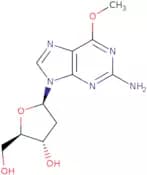

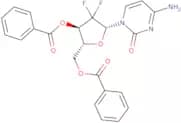
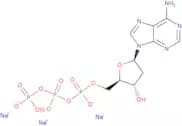


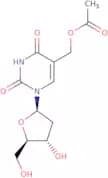

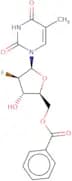


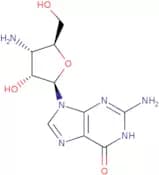

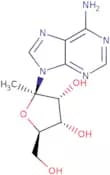

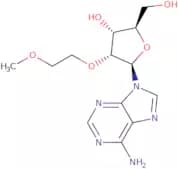
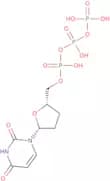

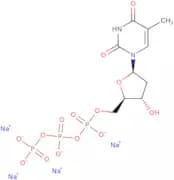


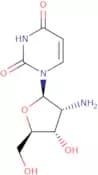
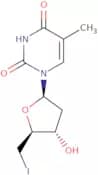

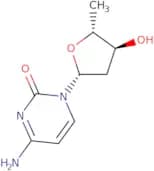
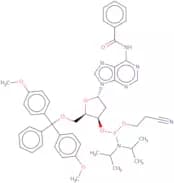
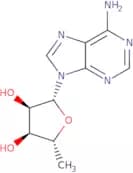
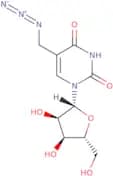
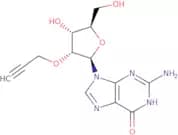


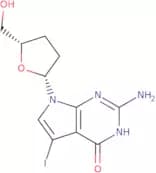

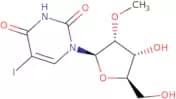
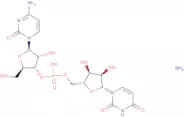
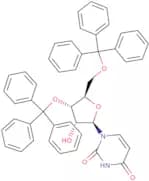

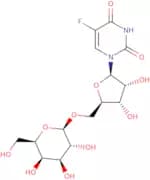

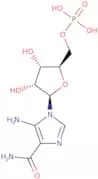
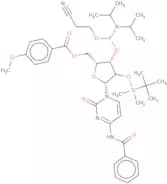
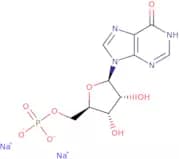
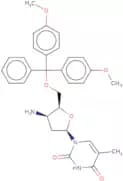
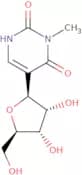

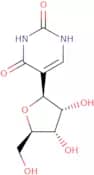
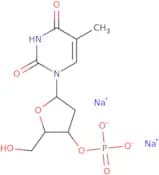

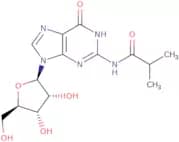

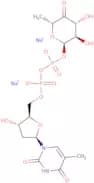
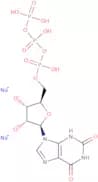
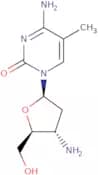
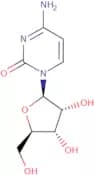
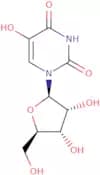
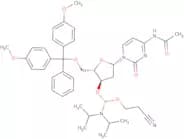
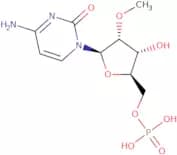
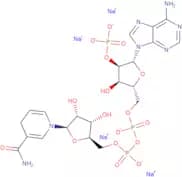

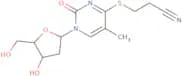
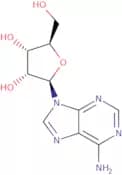
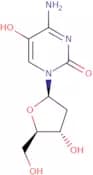


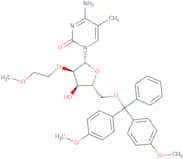
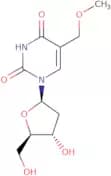
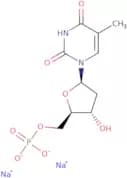
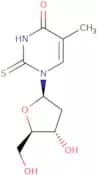

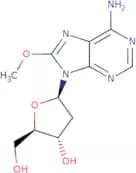

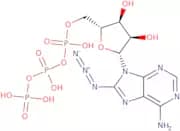


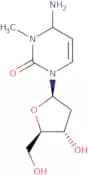
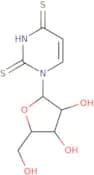
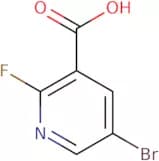


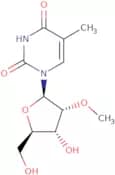
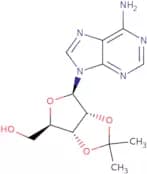
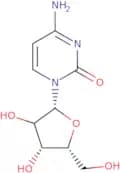


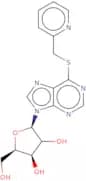
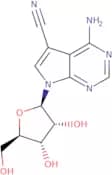


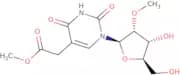
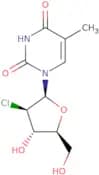

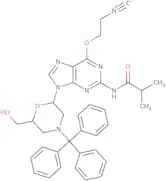

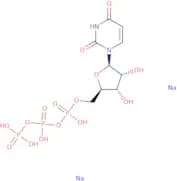



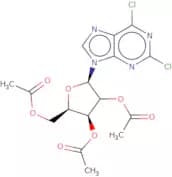
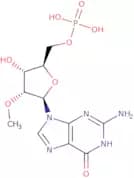


![2′-O-[2-(Methylamino)-2-oxoethyl]adenosine](/_next/image/?url=https%3A%2Fstatic.cymitquimica.com%2Fproducts%2F3D%2Fthumb-webp%2FNM182883.webp&w=3840&q=75)
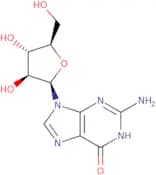

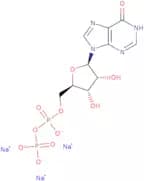

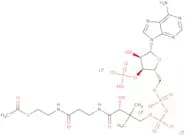


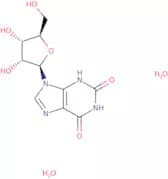
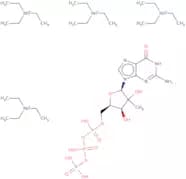
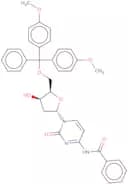

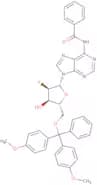

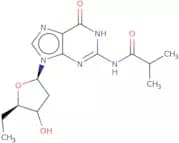
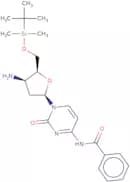
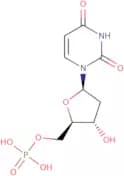
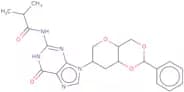
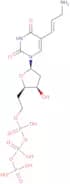
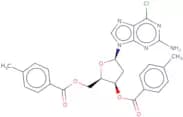
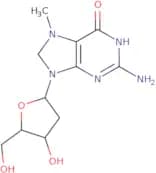


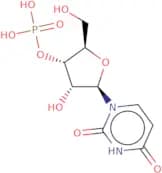

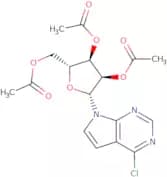
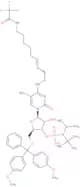
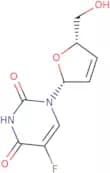
![2′-O-[2-(Methylamino)-2-oxoethyl]guanosine](/_next/image/?url=https%3A%2Fstatic.cymitquimica.com%2Fproducts%2F3D%2Fthumb-webp%2FNM182884.webp&w=3840&q=75)
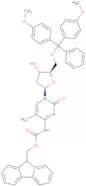

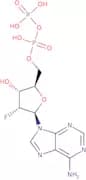
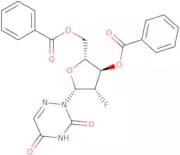
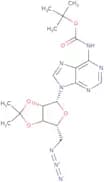
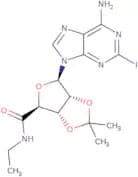
![[1,2,4]Triazolo[1,5-a]pyrimidine-2-carboxylic acid](/_next/image/?url=https%3A%2Fstatic.cymitquimica.com%2Fproducts%2F3D%2Fthumb-webp%2FNT57365.webp&w=3840&q=75)

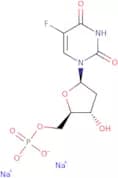

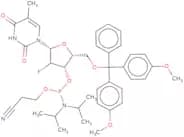

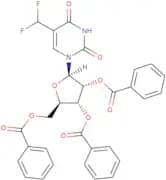






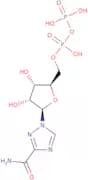
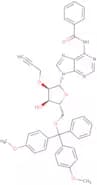
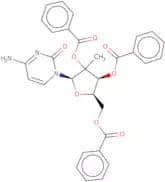
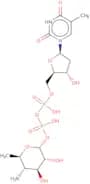
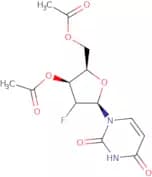
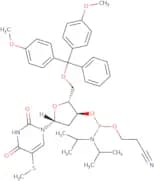
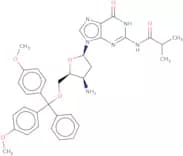

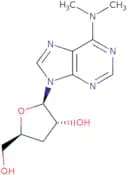
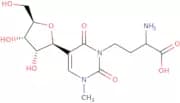
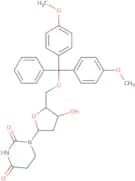
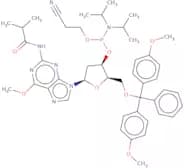

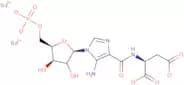
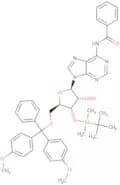
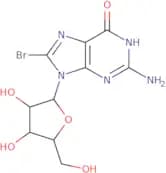
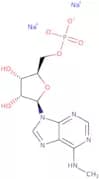
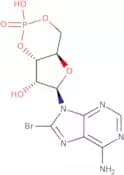
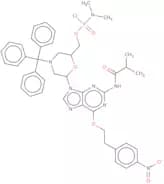
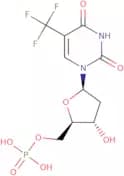
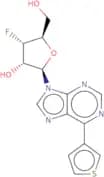
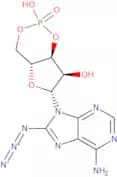
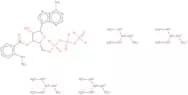
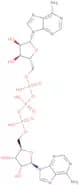


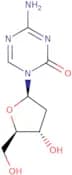
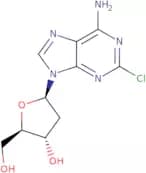
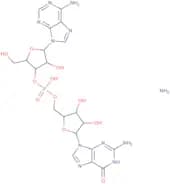
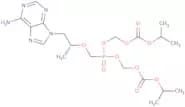
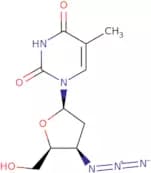
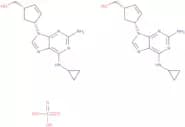
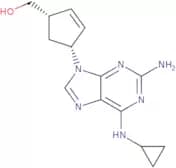
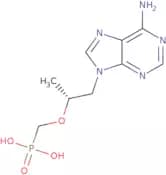
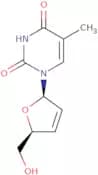
![N-Acetyl-5'-O-DMT-2'-O-[[[tris(1-methylethyl)silyl]oxy]methyl]-adenosine 3'-CE phosphoramidite](/_next/image/?url=https%3A%2Fstatic.cymitquimica.com%2Fproducts%2F3D%2Fthumb-webp%2FPA157358.webp&w=3840&q=75)