Monossacáridos
Subcategorias de "Monossacáridos"
- Aloses(11 produtos)
- Arabinoses(21 produtos)
- Eritroses(11 produtos)
- Frutoses(9 produtos)
- Fucoses(36 produtos)
- Galactosamina(41 produtos)
- Galactoses(261 produtos)
- Glucoses(365 produtos)
- Ácidos Glucurónicos(52 produtos)
- Glico-substratos para enzimas(78 produtos)
- Guloses(6 produtos)
- Idoses(4 produtos)
- Inositóis(15 produtos)
- Lixoses(4 produtos)
- Mannoses(65 produtos)
- O-Glicanos(48 produtos)
- Psicoses(3 produtos)
- Ramnoses(10 produtos)
- Riboses(61 produtos)
- Ácidos siálicos(100 produtos)
- Sorboses(4 produtos)
- Açúcares(173 produtos)
- Tagatoses(4 produtos)
- Taloses(8 produtos)
- Xiloses(20 produtos)
Foram encontrados 6088 produtos de "Monossacáridos"
1-Deoxy-D-xylulose - Aqueous solution
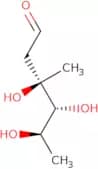
CAS:1-Deoxy-D-xylulose is a potent inhibitor of the enzyme xylulokinase, which catalyses the first step in the metabolism of D-xylulose to form 5-phosphate. This prevents the conversion of D-xylulose to xylitol and inhibits body formation. The 1-deoxy--D-xylulose molecule has been shown to bind selectively to sodium citrate by x-ray diffraction data. Sodium citrate is an antimicrobial agent used for food preservation and as a preservative in pharmaceuticals. It also has been shown to control enzyme activities that are involved in infectious diseases such as malaria, tuberculosis, and leprosy. 1-Deoxy--D--xylulose is one of many high purity steviol glycosides that have been identified as potential drug targets for inhibiting body formation or growth.Fórmula:C5H10O4Pureza:Min. 97 Area-%Cor e Forma:Clear LiquidPeso molecular:134.13 g/molTopiramate impurity D
CAS:Topiramate impurity D is a custom synthesis with CAS number. It is an oligosaccharide that has been modified by methylation and glycosylation. Topiramate impurity D is a complex carbohydrate with saccharide units, which are modified by fluorination and click chemistry. This product is high purity and has been synthesized using the synthetic method of glycosylation, Oligosaccharide, Methylation, and Carbohydrate.Fórmula:C12H20O6Pureza:Min. 95%Peso molecular:260.28 g/molN-Acetyl-D-galactosamine
CAS:N-Acetyl-D-galactosamine (GalNAc) is an aldohexose (2-acetamido-2-deoxygalactose) in which the hydroxyl group at position 2 is replaced by a N-Acetyl group (Collins, 2006). GalNAc forms a key part of both N- and O-linked glycoproteins, glycolipids, gangliosides, blood groups, glycosaminoglycans (chondroitin and dermatan sulfate) and human milk oligosaccharides. The number of acetylgalactosamine residues attached to the IgA O-linked glycans of Crohn'sdisease patients is significantly decreased, and strongly correlated with clinical activity. It is suggested that alterations of GalNAc attachment in IgA may be useful as a novel diagnostic and prognostic marker of Crohn's disease (Inoue, 2012).Fórmula:C8H15NO6Pureza:Min. 98%Cor e Forma:White PowderPeso molecular:221.21 g/mol1,3,5-O-Methylidyne-myo-inositol
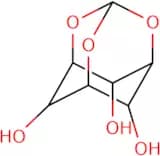
CAS:1,3,5-O-Methylidyne-myo-inositol is a cyclic sugar alcohol, which is naturally derived from various plant sources, including certain fruits and grains. As a stereoisomer of inositol, it represents a specific structural form that contributes to its unique properties and potential biological activities. The compound operates through modulating cellular signaling pathways, particularly those related to phosphoinositide metabolism, influencing intracellular calcium levels, and affecting lipid signaling cascades.This compound is primarily explored for its potential role in neurological health and its capacity to influence insulin signaling pathways. It has been investigated for applications in managing conditions such as polycystic ovary syndrome (PCOS), mood disorders, and neurodegenerative diseases. Due to its intricate involvement in cellular signaling networks, 1,3,5-O-Methylidyne-myo-inositol holds promise in furthering understanding of complex biological processes and for therapeutic development in metabolic and neurological disorders. Research continues to explore its efficacy and mechanisms of action to better establish its role in health and disease.Fórmula:C7H10O6Pureza:Min. 95%Cor e Forma:PowderPeso molecular:190.15 g/mol1-Octylamino-1-deoxy-D-glucitol
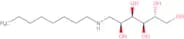
CAS:1-Octylamino-1-deoxy-D-glucitol is a natural product that is extracted from the bark of the tree Streptomyces griseorubens. It has been shown to have a diastereomeric ratio of 97:3 and an optical purity of 98%. The thermodynamic properties of this compound are determined by the reaction time, which can vary from 1 to 24 hours. The enantiomers are separated by chromatography or crystallization, and the solubility data is determined at 25°C.Fórmula:C14H31NO5Pureza:Min. 95%Cor e Forma:PowderPeso molecular:293.4 g/molPhenyl b-D-thioglucuronide
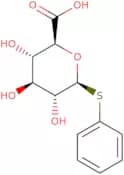
CAS:Phenyl b-D-thioglucuronide is a synthetic molecule that has been used in studies of the carotid, abdominal and symmetric techniques. It can be used to study water absorption and squamous cell growth. Phenyl b-D-thioglucuronide has been used as a crosslinking agent for optical imaging techniques, such as fluorescence microscopy and confocal microscopy. The basic protein form of phenyl b-D-thioglucuronide is found in the human brain and spinal cord. There have been reports that phenyl b-D-thioglucuronide causes death and teratomas in mice when injected into the sigmoid colon or teratoma. Phenyl b-D-thioglucuronide also causes neuroinflammation, which may be due to its ability to induce matrix metalloproteinase production.Fórmula:C12H14O6SPureza:(%) Min. 95%Peso molecular:286.3 g/molD-Lyxose
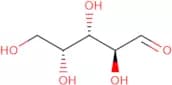
CAS:Starting material for chiral-pool based synthesis of modified nucleosides
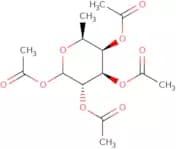
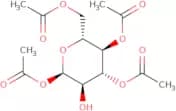
Fórmula:C5H10O5Pureza:Min. 99 Area-%Cor e Forma:White PowderPeso molecular:150.13 g/mol1,2,3,4-Tetra-O-acetyl-L-fucopyranose
CAS:Intermediate for the anomeric modification of Fuc, including fucosylationFórmula:C14H20O9Pureza:Min. 97 Area-%Cor e Forma:White PowderPeso molecular:332.3 g/molD-Galactose-6-O-sulphate sodium
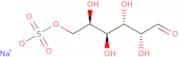
CAS:D-Galactose-6-O-sulphate sodium salt is used as a diagnostic agent to measure the level of galactose in blood and tissues. The enzyme that hydrolyzes D-galactose-6-O-sulphate, galactose oxidase, is present in leukocytes and chorionic villi. The enzymatic assay for this chemical is based on the reaction between D-galactose and sulfite to form D-galactosulfonic acid. This reaction is catalysed by a sulphatase enzyme. A fluorimetric method can be used to measure the formation of D-galactosulfonic acid.Fórmula:C6H11O9SNaPureza:Min. 95%Cor e Forma:White PowderPeso molecular:282.2 g/mol5-Thio-D-glucose-6-phosphate diammonium salt
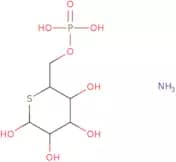
CAS:Glucose 6-phosphatase substrateFórmula:C6H11O8PS·N2H8Pureza:Min. 95%Cor e Forma:PowderPeso molecular:310.26 g/mol1,3,4,6-Tetra-O-acetyl-a-D-glucopyranose
CAS:1,3,4,6-Tetra-O-acetyl-a-D-glucopyranose is a synthon that is used as a synthetic intermediate for the synthesis of other compounds. It is also a reactive compound that can be used to synthesize carboxylic acids and hydroxy ketones by reaction with water or alcohols. 1,3,4,6-Tetra-O-acetyl-a-D-glucopyranose can also be converted into esters by reaction with alcohols.Fórmula:C14H20O10Pureza:Min. 93 Area-%Cor e Forma:White Off-White PowderPeso molecular:348.3 g/molD-Tagatose
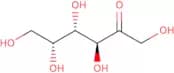
CAS:Low-calorie sweetener; additive in detergents, cosmetics, and pharmaceuticalsFórmula:C6H12O6Pureza:Min. 99 Area-%Cor e Forma:PowderPeso molecular:180.16 g/molPropyl b-D-glucuronide
CAS:Propyl b-D-glucuronide is a synthetic compound that belongs to the family of carbohydrates. It has a fluorinated hydroxyl group at the C3 position and an esterified carboxylic acid at the C1 position. This compound can be used as a building block for oligosaccharides and polysaccharides, which are complex carbohydrates. Propyl b-D-glucuronide is soluble in water and has a molecular weight of 176.Fórmula:C9H16O7Pureza:Min. 95%Cor e Forma:Tan To Brown SolidPeso molecular:236.22 g/mol4-Acetamidophenyl b-D-glucuronide sodium salt
CAS:4-Acetamidophenyl b-D-glucuronide sodium salt is a pharmaceutical drug that is a metabolite of acetaminophen. It can be detected in the urine by biochips, which are microarrays that contain immobilized binding sites for specific analytes. The analysis of 4-acetamidophenyl b-D-glucuronide sodium salt in urine is used to screen for the use of acetaminophen and to identify cytochrome P450 2C19 (CYP2C19) activity. This drug can also be detected by spectrometric methods using biochemical assays on plates or hepatocytes and mass spectrometric detection methods using liquid chromatography/mass spectrometry (LC/MS). Acetaminophen has been shown to have toxic effects on the liver, kidneys, and lungs in humans, as well as on diode photoluminescence.Fórmula:C14H16NNaO8Pureza:Min. 95%Cor e Forma:PowderPeso molecular:349.27 g/molMethyl 4,6-O-benzylidene-2-benzyloxycarbonylamino-2-deoxy-a-D-glucopyranose
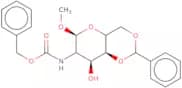
CAS:Methyl 4,6-O-benzylidene-2-benzyloxycarbonylamino-2-deoxy-a-D-glucopyranose is a custom synthesized compound. It is a polysaccharide that is modified with fluorine and methyl groups. The chemical structure of this compound includes a glucose molecule with an amino group at the C1 position and an acetyl group at the C4 position. This modification increases the solubility and stability of this compound. Methyl 4,6-O-benzylidene-2-benzyloxycarbonylamino-2-deoxy--A D glucopyranose has been used in research as a model for glycosylation.Fórmula:C22H25NO7Pureza:Min. 95%Peso molecular:415.44 g/molMethyl 4,6-O-benzylidene-a-D-mannopyranoside
CAS:Methyl 4,6-O-benzylidene-a-D-mannopyranoside is a hexadecanoic acid that is mediated by the target cell. It has been shown to inhibit the growth of bacteria and cancer cells in vitro. Methyl 4,6-O-benzylidene-a-D-mannopyranoside also possesses an antibacterial activity with a low mammalian toxicity. This compound is hydrolyzed by esterases or glucuronidases, oxidized by cytochrome P450 enzymes, reduced by glutathione reductase, or conjugated with glucuronic acid. The residue of this compound has been shown to be carcinogenic in vivo and in vitro. Anticancer activity of this compound may be due to its ability to disrupt DNA synthesis and induce apoptosis of cancer cells.Fórmula:C14H18O6Pureza:Min. 95%Cor e Forma:PowderPeso molecular:282.29 g/moln-Octyl-β-D-glucopyranoside
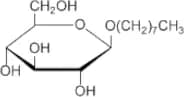
CAS:Octyl-beta-D-glucopyranoside is an alkylglycoside non-ionic detergent and is one of the most commonly used in membrane protein isolation. As it is uncharged, it is unlikely to cause protein denaturation or refolding issues, allowing for the isolation of intact macromolecular complexes without affecting protein-protein interactions. Octyl-beta-D-glucopyranoside, also known as octylglucoside or OG, forms small, uniformed micelles and has an aggregation number of between 27-100. It is readily dialyzable from membrane protein preparations due to its high Critical Micelle Concentration (CMC) of 18-20mM. Octyl-beta-D-glucopyranoside has similar uses and properties to that of another frequently used surfactant, Octyl-beta-D-thioglucopyranoside.Fórmula:C14H28O6Peso molecular:292.38 g/molRef: 3D-O-2000
-Unit-ggA consultar1gA consultar25gA consultar50gA consultar100gA consultar250gA consultar1,3,5-Tri-O-benzoyl-2-deoxy-2-fluoro-a-D-arabinofuranose
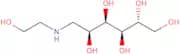
CAS:Resource for the synthesis of Clofarabine and other bioactive arabinosidesFórmula:C26H21FO7Pureza:Min. 98 Area-%Cor e Forma:White Off-White PowderPeso molecular:464.44 g/mol1-Deoxy-1-(hydroxyethylamino)-D-glucitol
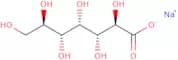
CAS:1-Deoxy-1-(hydroxyethylamino)-D-glucitol (DEG) is a sugar alcohol that has been used as a transport inhibitor for the efflux of galactitol. It competitively inhibits the uptake of galactitol in the cell, resulting in a decrease in intracellular levels of this sugar. The uptake of other sugars is not affected by DEG, which makes it an effective tool for studying the transport mechanisms for these sugars. DEG is also chiral and has been used to study the uptake of chiral molecules. This research was done by using Drosophila melanogaster as an animal model, showing that DEG can be used to investigate how cells take up different molecules. These studies have led to insights into how cells metabolize different sugars and fats.Fórmula:C8H19NO6Pureza:Min. 95%Cor e Forma:PowderPeso molecular:225.24 g/mola-D-Glucoheptonic acid sodium salt dihydrate
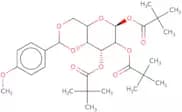
CAS:a-D-Glucoheptonic acid sodium salt dihydrate is a diagnostic agent that can be used to diagnose myocardial infarct. It is a glycol ether with a molecular weight of 168, which is used in the preparation of diagnostic agents for the detection of cardiac lesions. The compound is also used as an excipient in pharmaceutical preparations. In addition, it has been shown to have anti-inflammatory properties due to its ability to inhibit prostaglandin synthesis.Fórmula:C7H13O8NaPureza:Min. 95%Cor e Forma:White Off-White PowderPeso molecular:248.16 g/mol4,6-O-(4-Methoxybenzylidene)-1,2,3-tri-O-pivaloyl-b-D-glucopyranose
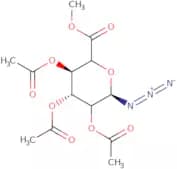
4,6-O-(4-Methoxybenzylidene)-1,2,3-tri-O-pivaloyl-b-D-glucopyranose is a Glycosylation compound that has been modified with methyl groups on the 4 and 6 carbons of the sugar. It is a complex carbohydrate that has been fluorinated at the C5 position. This product is available for custom synthesis in quantities of 10g or more. The CAS number for this compound is 13357007.Fórmula:C29H42O10Pureza:Min. 95%Peso molecular:550.65 g/molMethyl 2,3,4-tri-O-acetyl-b-D-galactopyranuronosyl azide
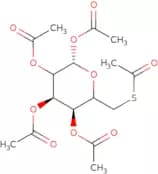
This is a custom synthesis of a carbohydrate. It is a methylated, glycosylated, fluorinated, complex carbohydrate that can be synthesized to any desired degree of substitution. This product has been designed for use as a fluorescent tag or label in biochemistry and cell biology research. It is modified at the anomeric position with an acetyl group and an azide group. The acetyl group confers solubility in water, while the azide group confers fluorescence. The modifications also allow for click chemistry reactions, which are used in protein labeling and activation studies.Fórmula:C13H17N3O9Pureza:Min. 95%Cor e Forma:PowderPeso molecular:359.29 g/mol1,2,3,4-Tetra-O-acetyl-6-S-acetyl-6-deoxy-6-thio-b-D-glucopyranose
1,2,3,4-Tetra-O-acetyl-6-S-acetyl-6-deoxy-6-thio-b-D-glucopyranose is a synthetic compound that is used as a building block for the synthesis of other compounds. It is an acetylated oligosaccharide that can be modified with fluorine atoms to form 1,2,3,4-tetra-[F]fluoro-[F]deoxy-[F]thio-[F]hexose. This product has high purity and can be used in glycosylation reactions.
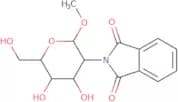
Fórmula:C16H22O10SPureza:Min. 95%Peso molecular:406.41 g/molMethyl 2-deoxy-2-phthalimido-β-D-glucopyranoside
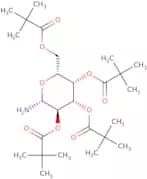
CAS:Methyl 2-deoxy-2-phthalimido-b-D-glucopyranoside is a synthetic sugar that has been modified with fluorine. It is an important building block for the synthesis of complex carbohydrates. Methyl 2-deoxy-2-phthalimido-b-D-glucopyranoside can be used to modify saccharides and oligosaccharides, as well as to add fluorine atoms to glycosyl units. This modification can be done using a click chemistry reaction with azide functionalized molecules. The chemical structure of Methyl 2-deoxy-2-phthalimido-b-D-glucopyranoside is shown below:Fórmula:C15H17NO7Pureza:Min. 95%Cor e Forma:White to off-white solid.Peso molecular:323.3 g/mol2,3,4,6-Tetra-O-pivaloyl-b-D-galactopyranosyl amine
CAS:2,3,4,6-Tetra-O-pivaloyl-b-D-galactopyranosyl amine is a glycosylated monosaccharide with four pivaloyl groups. It is an important component of the glycoconjugate family and has been used in research as a model for glycoprotein synthesis. This compound is synthesized from 2,3,4,6-tetra-O-pivaloylglucose through the use of Click chemistry and fluorination. The 2,3,4,6-Tetra-O-pivaloylglucose can be modified to produce a variety of sugar derivatives including methylated sugars and polysaccharides. This product is custom synthesized to meet customer specifications. 2,3,4,6-Tetra-O-pivaloylglucose can be obtained by reacting 2 equivalents of triacetinFórmula:C26H45NO9Pureza:Min. 95%Cor e Forma:PowderPeso molecular:515.64 g/molSalicylic acid 2-O-β-D-glucoside
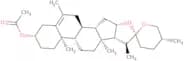
CAS:Predominant glycosylated metabolite of Salicylic AcidFórmula:C13H16O8Pureza:Min. 95%Cor e Forma:PowderPeso molecular:300.26 g/mol6-Methyldiosgenin Acetate
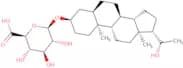
CAS:6-Methyldiosgenin acetate is a saponin that is found in the plant Balanites aegyptiaca. It has been shown to have anti-inflammatory and anti-tumor effects, as well as antioxidant properties. 6-Methyldiosgenin acetate also has been shown to stimulate the production of nitric oxide (NO) in endothelial cells, which may contribute to its anti-inflammatory effects. The chemical structure of 6-methyldiosgenin acetate is similar to that of furostanol and spirostanol, which are both saponins found in plants that can be used for the treatment of cancer. In addition, sapogenols are known to have a variety of therapeutic activities including antidiabetic, antiviral and anticancer activity.Fórmula:C30H46O4Pureza:Min. 95%Peso molecular:470.68 g/molPregnanediol 3α-O-β-D-glucuronide
CAS:Pregnanediol 3α-O-β-D-glucuronide is a glucuronide metabolite of progesterone, which is a key steroid hormone in the reproductive system. This compound is derived from the metabolic conversion of progesterone, primarily within the liver, where it undergoes glucuronidation. This process involves the addition of glucuronic acid, mediated by the enzyme UDP-glucuronosyltransferase, enhancing the compound’s solubility for renal excretion.
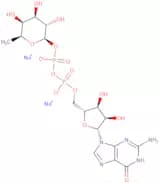
Fórmula:C27H44O8Pureza:Min. 95%Cor e Forma:PowderPeso molecular:496.63 g/molGDP-L-fucose disodium - low endotoxin grade
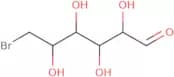
CAS:GDP-L-fucose is a natural fucosyl donor and substrate for fucosyltransferases (FUT) that catalyses the fucosylation of, for example, human milk oligosaccharides or glycoproteins. GDP-L-fucose is widely used in (chemo)enzymatic synthesis of glycans. Cymit Quimicaesis of GDP-L-fucose, a nucleotide sugar consisting of an L-fucose that is β-glycosidically linked to the nucleotide guanosine diphosphate (GDP), is achieved either through de novo synthesis via GDP-mannose or through a salvage pathway from free fucose. Fucosylation is catalysed by fucosyltransferases (~ 13 FUT genes have been identified in the human genome to date) to generate α-1,2, α-1,3, α-1-4 and α-1-6 linkages of fucose to other sugars, as well as direct linkages to peptides, with release of GDP (Lairson, 2008).Fórmula:C16H23N5O15P2Na2Pureza:Min. 95%Cor e Forma:White PowderPeso molecular:633.31 g/mol6-Bromo-6-deoxy-D-glucose
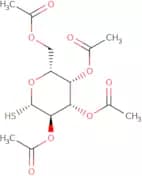
CAS:6-Bromo-6-deoxy-D-glucose is a sugar that is used to study the function of glucose transporters in cellular membranes. This compound has been shown to be a substrate for glucose transporters, where it binds in a nucleophilic manner. 6-Bromo-6-deoxy-D-glucose has been used as an inhibitor of glucose transport and as an x-ray crystal structure model for studying the binding mechanism of glucose transporters. 6-Bromo-6-deoxy-D-glucose has also been used to study the reaction system between glucose and sodium hydrogen carbonate, which is important for understanding how cells regulate blood sugar levels.Fórmula:C6H11BrO5Pureza:Min. 95%Cor e Forma:White PowderPeso molecular:243.05 g/mol2,3,4,6-Tetra-O-acetyl-b-D-thiogalactopyranose
CAS:2,3,4,6-Tetra-O-acetyl-b-D-thiogalactopyranose is a synthetic sugar that is prepared by the fluorination of D-galactopyranose and subsequent acetylation. This compound can be used for glycosylation reactions and as a substrate for click chemistry. It is an oligosaccharide with four monosaccharides in its backbone. The CAS number of 2,3,4,6-Tetra-O-acetyl-b-D-thiogalactopyranose is 50615-66-2.Fórmula:C14H20O9SPureza:Min. 95%Cor e Forma:PowderPeso molecular:364.37 g/molPhenyl 2-O-benzoyl-4,6-O-benzylidene-3-O-(2-naphthylmethyl)-b-D-thioglucopyranoside
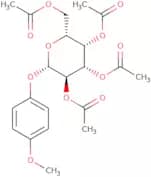
CAS:Phenyl 2-O-benzoyl-4,6-O-benzylidene-3-O-(2-naphthylmethyl)-b-D-thioglucopyranoside is a synthetic sugar with a complex carbohydrate structure. It has been modified by methylation, fluorination, and glycogenation. This product is used in the synthesis of saccharides and oligosaccharides for various purposes. Phenyl 2-O-benzoyl-4,6-O-benzylidene-3-- O-(2--naphthylmethyl)-b--D--thioglucopyranoside is CAS No. 1352561--95--5 and can be custom synthesized to meet your specifications.Fórmula:C37H32O6SPureza:Min. 95%Cor e Forma:PowderPeso molecular:604.71 g/mol4-Methoxyphenyl 2,3,4,6-tetra-O-acetyl-β-D-galactopyranoside
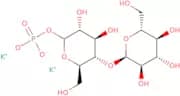
CAS:4-Methoxyphenyl 2,3,4,6-tetra-O-acetyl-b-D-galactopyranoside is a white crystalline powder. It is soluble in water and ethanol. This chemical has been used as a reagent for the methylation of saccharides and oligosaccharides with 4-methoxybenzene sulfonate. It is also an excellent substrate for click chemistry reactions.Fórmula:C21H26O11Pureza:Min. 95%Cor e Forma:White to off-white solid.Peso molecular:454.42 g/molD-Maltose 1-phosphate dipotassium salt
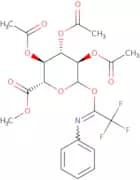
CAS:D-Maltose 1-phosphate dipotassium salt is a disaccharide that can be used in the synthesis of oligosaccharides and polysaccharides. It is also an excellent candidate for further modification.Fórmula:C12H21O14PK2Pureza:Min. 95%Peso molecular:498.46 g/mol1-(2,2,2-Trifluoro-N-phenylethanimidate)-2,3,4-tri-O-acetyl-D-glucopyranuronic acid methyl ester
CAS:1-(2,2,2-Trifluoro-N-phenylethanimidate)-2,3,4-tri-O-acetyl-D-glucopyranuronic acid methyl ester is a methylated variant of an oligosaccharide. It has been synthesized by the click modification of an oligosaccharide with a monosaccharide and a fluorinated saccharide. This compound has been shown to have antiviral activity against the influenza virus in vitro. The antiviral activity may be due to its ability to inhibit the viral polymerase and RNA synthesis or to prevent virus assembly and release.Fórmula:C21H22F3NO10Pureza:Min. 95%Peso molecular:505.4 g/molValidamine acetate
CAS:Inhibitor of beta-glucosidaseFórmula:C17H25NO9Pureza:Min. 95%Peso molecular:387.38 g/mol1,2,3,4-Tetra-O-benzoyl-6-O-triisopropylsilyl-b-D-glucopyranose
1,2,3,4-Tetra-O-benzoyl-6-O-triisopropylsilyl-b-D-glucopyranose is a synthetic compound that belongs to the class of carbohydrates. It is a high purity custom synthesis that can be modified with fluorination, glycosylation, methylation, and modification. This product has CAS number 541087-49-0. 1,2,3,4-Tetra-O-benzoyl-6-O-triisopropylsilyl-b -D -glucopyranose is used in the synthesis of oligosaccharides and monosaccharides.Fórmula:C46H54O10SiPureza:Min. 95%Peso molecular:795.02 g/molD-Glucurono-3,6-lactone
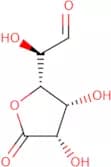
CAS:Glucose metaboliteFórmula:C6H8O6Pureza:Min 98%Cor e Forma:White PowderPeso molecular:176.12 g/mol1-O-Methyl-α-D-mannopyranoside
CAS:Methyl alpha-D-mannopyranoside is a methylated sugar used as an inhibitor of lectin-conjugate binding. It is commonly used in protein purification for eluting glycoproteins and other glycoconjugates from affinity chromatography columns of agarose lectin. In addition, Methyl alpha-D-mannopyranoside can be used in the mannosylation of lipid nanoparticles (LNPs) for vaccine or drug delivery which targets Antigen Presenting Cells (APCs) through mannose receptors. Methyl alpha-D-mannopyranoside is also known as Methyl alpha-D-mannoside or alpha-Methyl-D-mannoside.Fórmula:C7H14O6Pureza:Min. 99.0 Area-%Peso molecular:194.18 g/molRef: 3D-M-4150
-Unit-kgkgA consultar1kgA consultar100gA consultar250gA consultar500gA consultar2500gA consultarMethyl 3-O-benzyl-D-glucopyranoside
CAS:Methyl 3-O-benzyl-D-glucopyranoside is a custom synthesis. It is a complex carbohydrate that is an oligosaccharide, polysaccharide, and modified saccharide. Methyl 3-O-benzyl-D-glucopyranoside can be synthesized from glucose with the use of methylation, glycosylation, or carbonylation reactions. The product has been fluorinated to yield a high purity product. This product can be used for click modifications or sugar chemistry experiments.Pureza:Min. 95%2,3,4,6-Tetra-O-pivaloyl-D-glucopyranosyl amine
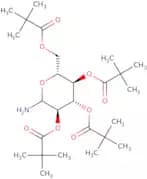
CAS:2,3,4,6-Tetra-O-pivaloyl-D-glucopyranosyl amine is a monosaccharide that is custom synthesized and modified with fluorination. It also has saccharide properties such as methylation and glycosylation. This product can be used in the synthesis of complex carbohydrates or polysaccharides. It is a high purity compound with CAS No. 888963-33-5.Fórmula:C26H45NO9Pureza:Min. 95%Peso molecular:515.64 g/mol2,3,5-Tri-O-benzoyl-a-D-arabinofuranosyl bromide
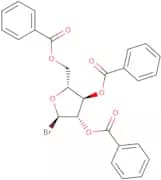
CAS:2,3,5-Tri-O-benzoyl-a-D-arabinofuranosyl bromide is a glycosylation reagent that can be used in the synthesis of polysaccharides and oligosaccharides. It is also used to modify sugars with methyl and fluorination reagents. 2,3,5-Tri-O-benzoyl-a-D-arabinofuranosyl bromide has CAS number 434868 9.Fórmula:C26H21BrO7Pureza:Min. 95%Cor e Forma:PowderPeso molecular:525.34 g/mol4,6-O-Benzylidene-D-glucal
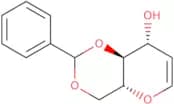
CAS:Glucal is a carbohydrate that is used as a synthon in organic synthesis. It has been shown to be anomeric and can be synthesized by acetylation of the corresponding aldose, or by the glycosidic bond reaction with borohydride reduction. Glucal is not stable at high pH and can undergo ring-opening reactions with nucleophiles such as sodium borohydride. Glucal also reacts with glycoconjugates to form new molecules, which are called glycosidic products.
Fórmula:C13H14O4Pureza:Min. 95%Cor e Forma:White PowderPeso molecular:234.25 g/mol2,6-Dideoxy-D-arabino-hexose
CAS:2,6-Dideoxy-D-arabino-hexose is a hydrogenolysis product of 2,6-dideoxy-D-ribo-hexose. It has been shown to have a solvolytic activity and can be used for the dehalogenation of several halogenated compounds. 2,6-Dideoxy-D-arabino-hexose is also stereoselective and can be used as an estimator in population genetics. This sugar is also regulatory, catalytic, and crystalline. It is found in many carbohydrates, including weighting disaccharides such as sucrose.
Pureza:Min. 95%Methyl 2,3-di-O-benzoyl-4,6-O-(4-methoxybenzylidene)-a-D-galactopyranoside
Methyl 2,3-di-O-benzoyl-4,6-O-(4-methoxybenzylidene)-a-D-galactopyranoside is a fluorinated and methylated synthetic carbohydrate. It is an oligosaccharide that is synthesized from galactose and glucose by glycosylation and click modification. Methyl 2,3-di-O-benzoyl-4,6-O-(4-methoxybenzylidene)-a-D-galactopyranoside has CAS number: 6079410.Fórmula:C29H28O9Pureza:Min. 95%Peso molecular:520.54 g/molD-Galactono-1,4-lactone
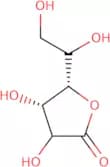
CAS:D-Galactono-1,4-lactone is an intermediate in the galactose catabolism pathway. It is an acidic compound that can be found in plants and bacteria. D-Galactono-1,4-lactone has been shown to inhibit enzyme activities when it is present at high concentrations. This compound also inhibits the enzyme carbon source, which is involved in the conversion of glucose to energy. The deuterium isotope effect on the inhibition of enzyme activity by D-galactono-1,4-lactone has been studied extensively using plant phytochemicals such as triticum aestivum.Fórmula:C6H10O6Pureza:Min. 95%Cor e Forma:White PowderPeso molecular:178.14 g/mol2,3-O-Isopropylidene-2-C-methyl-D-ribono-1,4-lactone
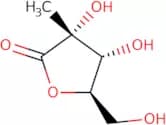
CAS:2,3-O-Isopropylidene-2-C-methyl-D-ribono-1,4-lactone is a crystalline compound that is obtained by the reaction of dimethylamine with epichlorohydrin. The compound has an asymmetric carbon atom and exists in two enantiomeric forms. It can be used as an acceptor in crystallographic analysis. The chemical structure of 2,3-O-Isopropylidene-2-C-methyl-D-ribono-1,4 -lactone is a lactone form of episulfide. Episulfides are lactones with episulfide groups attached to the C2 and C3 positions on the D ring. The episulfide group is formed by the reaction between the alcohol and sulfhydryl group from cysteamine with sulfur trioxide. The chemical formula for this compound is C13H20N2O8SFórmula:C9H14O5Pureza:Min. 95%Cor e Forma:PowderPeso molecular:202.2 g/molD-Glucuronamide
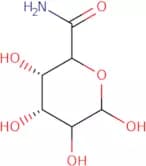
CAS:D-Glucuronamide is a kinetic model system for the glycosylation reaction, which is an important step in the biosynthesis of complex oligosaccharides and polysaccharides. It has been shown to be an amide analog that can be acetylated with acetic anhydride in a reaction mechanism that involves nucleophilic attack by the amino group of D-glucuronamide on the electrophilic carbonyl carbon of acetic anhydride. The second-order rate constants for this reaction were determined to be 2.3×10 M-1s-1 at pH 7 and 25°C. NMR spectra showed that the product was not a simple amide but rather a glycopolymer with a distribution of different sugar residues, including D-glucose, D-galactose, and D-mannose.Fórmula:C6H11NO6Pureza:Min. 95%Cor e Forma:PowderPeso molecular:193.15 g/mol3-Deoxy-3-fluoro-D-glucose
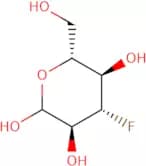
CAS:Fluorinated glucose analogFórmula:C6H11FO5Pureza:Min. 95%Cor e Forma:White PowderPeso molecular:182.15 g/mol3-O-Benzyl-D-glucopyranose
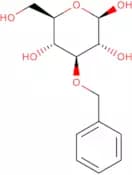
CAS:3-O-Benzyl-D-glucopyranose is a molecule that has been optimized for its autodock score. It binds to the active site of peptidases, which are enzymes that break down proteins in the body. 3-O-Benzyl-D-glucopyranose is a nauclea that can be used as a pharmacokinetic (PK) or pharmacodynamic (PD) inhibitor. Nauclea have shown effectiveness against diabetes by preventing the breakdown of glucose, which is an important energy source for cells. 3-O-Benzyl-D-glucopyranose has also been found to be an effective inhibitor of DPPIV, which is an enzyme involved in breaking down insulin and other hormones in blood circulation. In vitro studies have shown that it may also have antiaging properties due to its ability to inhibit production of inflammatory cytokines such as IL1β, IL6, and TNFα.Fórmula:C13H18O6Pureza:Min. 95%Cor e Forma:PowderPeso molecular:270.28 g/molD-Mannose
CAS:Mannose (Man) is the C2 epimer of glucose with one hydroxyl group axial which by Hudsons rules makes it slightly less stable than glucose (Hudson, 1948). However, mannose is very common in plants and animals, and occurs in many polysaccharides, such as, galactomannans (e.g. Guar, Locust Bean Gum), mananns (e.g. Ivory Nut Mannan), Spruce Galactoglucomannan, Gum Ghatti (Whistler, 1993) and bakerâs yeast (Saccharomyces cerevisiae) (Manners, 1973). Mannose is one of the key mammalian monosaccharides (Glucose, Galactose, Mannose, Fucose, N-Acetyl Glucosamine, N-Acetyl galactosamine and Sialic acid) and occurs in N-linked glycans where it is a core oligosaccharide (Gabius, 2009).Fórmula:C6H12O6Pureza:Min. 98 Area-%Cor e Forma:White PowderPeso molecular:180.16 g/mol3-Deoxy-D-fructose
CAS:3-Deoxy-D-fructose is a neutral sugar that is found in the human liver and has been shown to be metabolized by cells in the target tissue. 3-Deoxy-D-fructose is used as a marker for diabetic patients, as it is present in high quantities in their blood plasma. 3-Deoxy-D-fructose can be detected with liquid chromatography coupled with mass spectrometry (LC/MS) methods. It has been shown to induce necrotic cell death, which may be due to its ability to produce reactive oxygen species. 3-Deoxy-D-fructose also inhibits protein synthesis by inhibiting the activity of polymerase chain reaction and hydroxylation reactions.
Fórmula:C6H12O5Pureza:Min. 95%Cor e Forma:Off-White Beige PowderPeso molecular:164.16 g/molN-Butyldeoxygalactonojirimycin
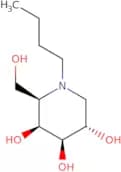
CAS:Competitive inhibitor of glucosylceramidase (GlcCer), which catalyses the first step in glycosphingolipid (GSL) synthesis. This compound is a promising candidate for substrate reduction therapy in Sandhoff disease, where it decreases the rate of GSL biosynthesis and counterbalances the impaired rate of ganglioside catabolism.
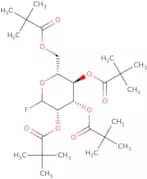
Fórmula:C10H21NO4Pureza:Min. 95%Cor e Forma:PowderPeso molecular:219.28 g/mol2,3,4,6-Tetra-O-pivaloyl-D-mannopyranosyl fluoride
CAS:2,3,4,6-Tetra-O-pivaloyl-D-mannopyranosyl fluoride is a carbohydrate that is synthesized by the modification of D-mannose with 4,6-dichlorohexanoic acid. It is a white powder with a melting point of 170°C. 2,3,4,6-Tetra-O-pivaloyl-D-mannopyranosyl fluoride can be used as a monosaccharide for glycosylation reactions or as an intermediate for custom synthesis. This product has been methylated and glycosylated before the final purification process. It has a high purity level and can be used in Click chemistry reactions.
Fórmula:C26H43FO9Pureza:Min. 95%Cor e Forma:White PowderPeso molecular:518.61 g/molL-Ribose
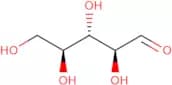
CAS:Constituent of RNA; important resource for RNA- and DNA-related syntheses
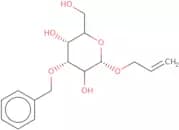
Fórmula:C5H10O5Pureza:Min. 98 Area-%Cor e Forma:White PowderPeso molecular:150.13 g/molAllyl 3-O-benzyl-a-D-glucopyranoside
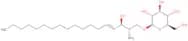
CAS:Allyl 3-O-benzyl-a-D-glucopyranoside is a synthetic, monosaccharide carbohydrate. The product is a modification of the natural polysaccharide allyl 3-O-benzyl-a-D-glucopyranoside. Allyl 3-O-benzyl-a -D glucopyranoside is an Oligosaccharide with CAS No. 145454-72 -4 and has the molecular formula C14H20O6 and molecular weight of 312.32 g/mol. The product is available in high purity and can be synthesized to order. Allyl 3-O -benzyl -a D glucopyranosides are useful as a Fluorination, saccharide for use in glycosylation or methylation reactions or as a complex carbohydrate in the synthesis of oligosaccharides, polysaccharides, or sugar chains.Fórmula:C16H22O6Pureza:Min. 95%Peso molecular:310.34 g/molGlucosyl-C18-sphingosine
CAS:Glucosyl-C18-sphingosine is a sphingolipid that has been shown to inhibit the activity of Gaucher's enzyme, which is responsible for the synthesis of glucosylceramide. It has been demonstrated in a model system that glucosyl-C18-sphingosine inhibits mitochondrial membrane potential and decreases ATP levels, leading to cell death. The molecular pathogenesis of Gaucher disease is not well understood but it is believed to be related to defective lysosomal function. Glucosyl-C18-sphingosine may be used as a diagnostic agent for Gaucher disease and other metabolic disorders involving glucosylceramide accumulation.Fórmula:C24H47NO7Pureza:Min. 95%Cor e Forma:PowderPeso molecular:461.63 g/molD-Glucose-13C6
CAS:D-Glucose-13C6 is a complex carbohydrate, which is composed of a glucose molecule with one carbon atom labeled as C6. It is used to study the structure of carbohydrates and their interactions with proteins. D-Glucose-13C6 also has applications in the study of diseases such as Alzheimer's disease, Parkinson's disease, diabetes mellitus type 2, and cancer. In addition, this molecule can be used to measure plasma glucose concentrations in humans or animals. D-Glucose-13C6 is not active against bacteria such as Pseudomonas aeruginosa or Escherichia coli. The synthesis of D-glucose-13C6 requires anhydrous dextrose and unlabeled glucose.Fórmula:C6H12O6Pureza:Min. 98 Area-%Cor e Forma:White PowderPeso molecular:186.11 g/mol4-Methoxyphenyl 2,3:4,6-di-O-benzylidene-α-D-mannopyranoside
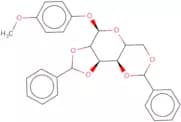
CAS:4-Methoxyphenyl 2,3:4,6-di-O-benzylidene-a-D-mannopyranoside is a water soluble polysaccharide that is a methylated derivative of mannose. It has been fluorinated at the 4 position and modified with benzyl groups at the 2, 3, and 6 positions. This compound is used in custom synthesis to synthesize oligosaccharides or polysaccharides.Fórmula:C27H26O7Pureza:Min. 95%Peso molecular:462.49 g/mol4'-Hydroxypropanolol D-glucuronide D5
Produto Controlado4'-Hydroxypropanolol D-glucuronide D5 is a custom synthesis.
Fórmula:C22H24NO9D5Pureza:Min. 95%Peso molecular:456.51 g/molHyacinthacine B3
CAS:Hyacinthacine B3 is a compound that was synthesized by the Sharpless asymmetric dihydroxylation of polyhydroxylated aldehyde. It has inhibitory activities against nitrogen atoms and amines, which are important for the synthesis of proteins. The compounds with petasis amines have been shown to be effective in the treatment of influenza A virus.Fórmula:C9H17NO4Pureza:Min. 95%Peso molecular:203.24 g/molUDP-3-O-(R-3-hydroxydecanoyl)-GlcNAc sodium salt
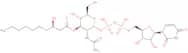
CAS:Substrate for UDP-3-O-acyl-GlcNAc deacetylase
Fórmula:C27H43N3O19P2·xNaPureza:Min. 90 Area-%Cor e Forma:White Off-White Solidified MassPeso molecular:777.6 g/mol2-Acetamido-1,3,4,6-tetra-O-acetyl-2-deoxy-a-D-glucopyranose
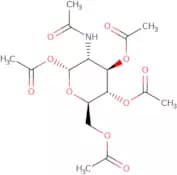
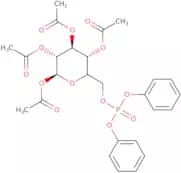
CAS:2-Acetamido-1,3,4,6-tetra-O-acetyl-2-deoxy-a-D-glucopyranose (2AAT) is a synthetic nucleoside that binds to the same sequence of n-acetylgalactosamine in the cell wall of Gram positive bacteria. It was found to be effective against bacterial strains that produce beta lactamase enzymes. 2AAT has been shown to inhibit the growth of Gram positive bacteria and is able to penetrate tissues. It also prevents bacterial DNA gyrase and topoisomerase IV from binding with their respective substrates. 2AAT is made up of four parts: two ribose molecules, one deoxyribose molecule and one acetamido group. This last part is what makes it bind to the bacterial cell wall and inhibits protein synthesis by preventing mRNA from being translated into proteins.Fórmula:C16H23NO10Pureza:Min. 98 Area-%Cor e Forma:White PowderPeso molecular:389.36 g/mol1,2,3,4-Tetra-O-acetyl-6-diphenylphosphoryl-b-D-mannopyranose
CAS:This product is custom synthesized. The synthesis of this product was accomplished by modification, fluorination, methylation and monosaccharide synthesis. It is a synthetic oligosaccharide that has been modified with click chemistry. This product is made up of saccharides in a glycosylation configuration. It is a complex carbohydrate that contains sugar units in various configurations. This product has high purity and can be used as an intermediate for the synthesis of other products.Fórmula:C26H29O13PPureza:Min. 95%Cor e Forma:White PowderPeso molecular:580.47 g/molPerseitol
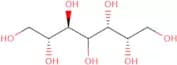
CAS:Perseitol is a nutrient solution that contains fatty acids and is used in tissue culture to supplement the growth of cells. It can be used as a substitute for animal serum, which is usually derived from bovine or porcine sources. Perseitol provides all essential components required for cell growth, including amino acids, vitamins, minerals, and lipids. Perseitol is also used in vitro assay systems to determine the redox potential of substances. This solution has been shown to have anti-inflammatory properties due to its ability to inhibit prostaglandin synthesis.Fórmula:C7H16O7Pureza:Min. 95%Cor e Forma:White Off-White PowderPeso molecular:212.2 g/molβ,β-Trehalose
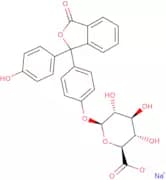
CAS:β,β-Trehalose is a carbohydrate that is synthesized by the expression of a trehalose synthase enzyme from the yeast Saccharomyces cerevisiae. β,β-Trehalose is an acidic sugar with two glucose subunits. It has been shown to have an enzymatic mechanism similar to that of glucose. β,β-Trehalose has been found to increase the solubility and stability of proteins in acidic phs (pHs) by binding to hydroxyl groups on protein surfaces. β,β-Trehalose also binds to alcohols such as ethanol and methanol, which may be due to its ability to form hydrogen bonds between oxygen atoms. This sugar also forms hexamers in solution, which may contribute to its effectiveness as a stabilizer for proteins and other molecules. The optimum ph for β,β-trehalose synthesis is around 5.5-6.0 and it can be used at higher phFórmula:C12H22O11Pureza:Min. 99 Area-%Cor e Forma:White Off-White PowderPeso molecular:342.3 g/molPhenolphthalein b-D-glucuronic acid sodium salt
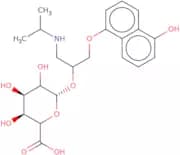
CAS:beta-glucuronidase substrateFórmula:C26H22O10NaPureza:Min. 95 Area-%Cor e Forma:Yellow PowderPeso molecular:517.44 g/mol5'-Hydroxypropranolol-b-D-glucuronoside
5'-Hydroxypropranolol-b-D-glucuronoside is a synthetic glycosylate of 5'-hydroxypropranolol. It can be modified with fluorine, methyl or click chemistry. The chemical name is O-(2,3,4,5-tetrafluorobenzoyl)glycine and the CAS number is 878183-10-6. This compound has a molecular weight of 471.8 g/mol and an empirical formula of C14H9F5NO5. It can be used in the synthesis of oligosaccharides and polysaccharides.Fórmula:C22H29NO9Pureza:Min. 95%Peso molecular:451.47 g/molQuercetin-3-O-b-D-glucose-7-O-b-D-gentiobioside
CAS:Quercetin-3-O-b-D-glucose-7-O-b-D-gentiobioside is a flavonoid that is found in fruits and vegetables. Quercetin has been shown to have antioxidative activity and can be used as a dietary supplement for the prevention of cardiovascular disease. Quercetin has also been shown to inhibit the oxidation of cholesterol, which may help prevent atherosclerosis. Quercetin has been shown to have antiinflammatory properties in women with symptoms of premenstrual syndrome (PMS). Quercetin inhibits the production of prostaglandins, which are inflammatory mediators that are associated with PMS. Quercetin also blocks the inflammatory effects of methyl linoleate, a fatty acid found in meat, dairy products, and vegetable oils. Quercetin has also been shown to bind with specific proteins on white blood cells called immunoglobulins or antibodies. TheFórmula:C33H40O22Pureza:Min. 95%Cor e Forma:White PowderPeso molecular:788.66 g/molN-Dodecyldeoxynojirimycin
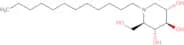
CAS:Dodecyldeoxynojirimycin is a polyketide natural product that has been shown to be a potent inhibitor of the synthesis of mannose-containing glycoproteins, including glucans and chitooligosaccharides. It binds to the active site of glucan synthetase and prevents the formation of glucose residues, which blocks glucan biosynthesis. Dodecyldeoxynojirimycin has also been shown to have anti-inflammatory properties.
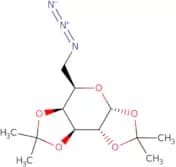
Fórmula:C18H37NO4Pureza:Min. 95 Area-%Cor e Forma:White PowderPeso molecular:331.49 g/mol6-Azido-6-deoxy-1,2:3,4-di-O-isopropylidene-a-D-galactopyranose
CAS:6-Azido-6-deoxy-1,2:3,4-di-O-isopropylidene-a-D-galactopyranose is a copper complex that is soluble in water. It is used as an initiator for the polymerization of galactose monomers. 6AIDOGAL reacts with azide or diazo compounds to form a cycloaddition reaction and can be used to prepare copolymers by reacting with other monomers such as D-glucose. The temperature range for this reaction is between 20°C and 100°C. This compound has been shown to form stable complexes with Cu(II) ions at temperatures below 0°C.Fórmula:C12H19N3O5Pureza:Min. 98 Area-%Cor e Forma:Colorless Clear LiquidPeso molecular:285.3 g/mol2-Acetamido-2-deoxy-D-mannono-1,4-lactone
CAS:2-Acetamido-2-deoxy-D-mannono-1,4-lactone is a chemical compound that is an aldonic acid and is classified as an ester. It has a molecular formula of C8H10O5 and it has the following structural formula: This product can be synthesized from benzoic acid and glyceraldehyde. 2-Acetamido-2-deoxy-D-mannono-1,4-lactone is also known as benzoylated mannose. It has been reconfirmed to have high yield in acetylation reactions with molybdate. 2-Acetamido-2deoxy-Dmannono1,4lactone can also undergo epimerization to form the optical antipode of 2,3,4,6tetraacetyloxybenzoic acid (2,3,4,6tetraacetylFórmula:C8H13NO6Pureza:Min. 95%Cor e Forma:White to off-white solid.Peso molecular:219.19 g/mol3,5-Di-O-benzoyl-2-deoxy-2,2-difluoro-D-ribonic acid-1,4-lactone
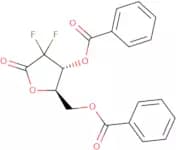
CAS:3,5-Di-O-benzoyl-2-deoxy-2,2-difluoro-D-ribonic acid-1,4-lactone (3DBR) is a nucleoside that has been shown to have antiaging properties. It has been found to be an effective scavenger of peroxyl radicals and reactive oxygen species (ROS). 3DBR also inhibits the formation of aluminum oxide and styrene by catalyzing the salt formation reaction. This compound also has anti-tumour activity and can be used as a chemotherapeutic agent for the treatment of cancer. It is heat resistant and can be combined with gemcitabine hydrochloride in chemotherapy.Fórmula:C19H14F2O6Pureza:Min. 95%Cor e Forma:White PowderPeso molecular:376.31 g/molMethyl 2,3,6-tri-O-benzoyl-4-deoxy-4-fluoro-a-D-glucopyranoside
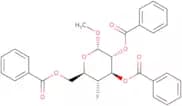
CAS:Methyl 2,3,6-tri-O-benzoyl-4-deoxy-4-fluoro-a-D-glucopyranoside is a sugar that is synthetically modified. This product has been fluorinated and glycosylated with a benzoyl group at C2 position. It contains methyl groups attached to the ring carbons at C1 and C6 positions. The product is also an oligosaccharide that contains two monosaccharides (sugar units) linked by an alpha (1→4) glycosidic bond. Methyl 2,3,6-tri-O-benzoyl-4-deoxy-4-fluoro-a-Dglucopyranoside can be used as a synthetic building block for the synthesis of complex carbohydrate structures.Fórmula:C28H25FO8Pureza:Min. 95%Cor e Forma:White PowderPeso molecular:508.49 g/mol4-Methoxyphenyl 3-O-benzyl-6-O-tert-butyldimethylsilyl-2-deoxy-2-phthalimido-b-D-glucopyranoside
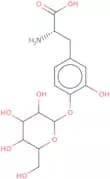
CAS:C3-Benzyl-6-O-tert-butyldimethylsilyl-2-deoxy-2-phthalimido-b-D-glucopyranoside is a synthetic glycosylation agent that converts carbohydrates to sugar derivatives. It is a fluorinated sugar with a benzyl group and can be used in the synthesis of complex polysaccharides and saccharides. C3BzTBDMSG has been shown to have high purity, which makes it an ideal choice for Click chemistry and modification.Fórmula:C34H41NO8SiPureza:Min. 95%Peso molecular:619.78 g/mol4'-O-(β-D-Glucopyranosyl)-L-DOPA
Produto Controlado4'-O-(b-D-Glucopyranosyl)-L-DOPA is a custom synthesis, modification, fluorination, methylation, monosaccharide, synthetic, click modification, oligosaccharide saccharide. 4'-O-(b-D-Glucopyranosyl)-L-DOPA may be used in the treatment of certain cancers and for other conditions as determined by your doctor. 4'-O-(b-D-Glucopyranosyl)-L-DOPA may also be used for purposes not listed in this medication guide.Fórmula:C15H21NO9Pureza:Min. 95%Cor e Forma:White to off-white solid.Peso molecular:359.33 g/mol2’-(N-Hexadecanoylamino)-4’-nitrophenyl-β-D-galactopyranoside
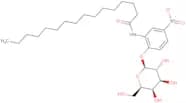
CAS:2’-(N-Hexadecanoylamino)-4’-nitrophenyl-b-D-galactopyranoside is a synthetic substrate that is used to diagnose and monitor brain diseases. It can be used in the diagnosis of Alzheimer's disease by measuring the amount of amniotic fluid that leaks into the brain. The rate of hydrolysis of this substrate has been shown to be higher in patients with Alzheimer's disease than in healthy controls. This synthetic substrate is also useful for monitoring the activity of taurocholate galactohydrolase, which is an enzyme that breaks down bile salts and plays a role in cholesterol metabolism. The rate of hydrolysis has been found to be increased in patients with Parkinson's disease, but not in those with Alzheimer's disease or healthy controls. 2’-(N-Hexadecanoylamino)-4’-nitrophenyl-b-D-galactop
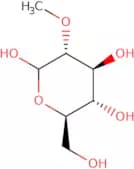
Fórmula:C28H46N2O9Pureza:Min. 95%Cor e Forma:PowderPeso molecular:554.67 g/mol2-O-Methyl-D-glucose
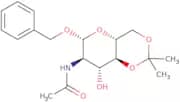
CAS:2-O-Methyl-D-glucose is an aldohexose that is used in the synthesis of a number of biological compounds. It has been shown to inhibit the growth of cancer cells by interfering with the synthesis of fatty acids and proteins.Fórmula:C7H14O6Pureza:Min. 95%Cor e Forma:PowderPeso molecular:194.18 g/molBenzyl 2-acetamido-2-deoxy-4,6-O-isopropylidene-b-D-glucopyranoside
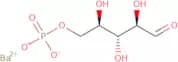
CAS:Benzyl 2-acetamido-2-deoxy-4,6-O-isopropylidene-b-D-glucopyranoside is a surfactant that is used in the measurement of polymers. It is soluble in water and has a low concentration. This surfactant can be used as a copolymer with terephthalate to form polyurethane foam. Benzyl 2-acetamido-2-deoxy-4,6-O-isopropylidene b -D -glucopyranoside also has high concentrations for sedimentation and sulfonate properties.Fórmula:C18H25NO6Pureza:Min. 95%Cor e Forma:PowderPeso molecular:351.39 g/molD-Ribose-5-phosphate barium salt hexahydrate
CAS:D-Ribose-5-phosphate barium salt hexahydrate is a Modification, Oligosaccharide, Carbohydrate, complex carbohydrate. It is a Custom synthesis, Synthetic, High purity, Monosaccharide, Methylation, Glycosylation and Polysaccharide. D-Ribose-5-phosphate barium salt hexahydrate has CAS No. 15673-79-7 and Fluorination. It is an saccharide sugar.Fórmula:C5H9BaO8P·6H2OPureza:Min. 95%Cor e Forma:White PowderPeso molecular:473.51 g/mol4-N-Trifluoroacetamidophenyl 2-azido-2-deoxy-a-D-galactopyranoside
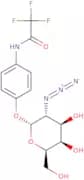
CAS:4-N-Trifluoroacetamidophenyl 2-azido-2-deoxy-a-D-galactopyranoside is a custom synthesis. It is a complex carbohydrate that can be modified with glycosylation, methylation, and fluorination. The chemical formula for 4-N-Trifluoroacetamidophenyl 2-azido-2-deoxy-a-D-galactopyranoside is C12H22FN3O8. The CAS number for 4Ntrifluoroacetamidophenyl 2azido2deoxyadgalactopyranose is 2104260323. This product has high purity and is synthetic.Fórmula:C14H15F3N4O6Pureza:Min. 95%Peso molecular:392.29 g/molD-myo-Inositol 1,4,5-triphosphate sodium salt
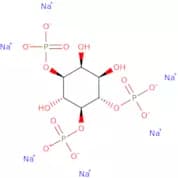
CAS:D-myo-Inositol 1,4,5-triphosphate sodium salt is a diacylglycerol that is involved in intracellular signaling. It is synthesized by the hydrolysis of phosphatidylinositol 4,5-bisphosphate and dephosphorylation of inositol 1,4,5-trisphosphate. D-myo-Inositol 1,4,5-triphosphate sodium salt has been shown to be a potent agonist at the ryanodine receptor and can protect against neuronal death induced by glutamate or NMDA. It also has been shown to have beneficial effects on bowel disease and cytosolic Ca2+ levels.Fórmula:C6H9Na6O15P3Pureza:Min. 95%Cor e Forma:Orange To Red SolidPeso molecular:551.99 g/molMethyl 2,3,5-tri-O-(p-chlorobenzoyl)-β-D-ribofuranoside
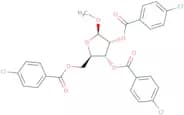
CAS:Methyl 2,3,5-tri-O-(p-chlorobenzoyl)-b-D-ribofuranoside is a custom synthesis that has been modified with fluorination and methylation. It is a monosaccharide that can be synthesized by the reaction of 3,5-di-O-(p-chlorobenzoyl)ribose with formaldehyde. Methyl 2,3,5-tri-O-(p-chlorobenzoyl)-b-D-ribofuranoside can be used in saccharide or glycosylation reactions to produce oligosaccharides or polysaccharides. This chemical is also useful for click chemistry modifications.Fórmula:C27H21Cl3O8Pureza:Min. 95%Cor e Forma:White to off-white solid.Peso molecular:579.81 g/mol1,2-O-Isopropylidene-α-D-glucofuranurono-6,3-lactone
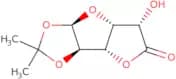
CAS:1,2-O-Isopropylidene-a-D-glucofuranurono-6,3-lactone is a compound with hepatocyte growth factor activity that is used in the diagnosis of liver diseases. It can also be used as a reagent for the detection of lactones and as an industrial chemical. 1,2-O-Isopropylidene-a-D-glucofuranurono-6,3-lactone has been shown to activate the hepatocyte growth factor receptor (HGFR) and induce cell proliferation in human hepatocytes. This compound is not toxic to cells at concentrations up to 100 mM.Fórmula:C9H12O6Pureza:Min. 98%Cor e Forma:PowderPeso molecular:216.19 g/mol4-O-Methyl-D-glucuronic acid
CAS:Component of plant, especially grape, glucuronoxylans
Fórmula:C7H12O7Pureza:Min. 95%Cor e Forma:Colorless PowderPeso molecular:208.17 g/molMethyl 2,3:4,6-di-O-isopropylidene-D-mannopyranoside
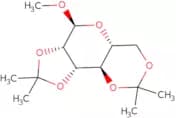
CAS:Methyl 2,3:4,6-di-O-isopropylidene-D-mannopyranoside is a synthetic glycosylate sugar that has been modified with fluorination. It is a monosaccharide that is used in the synthesis of complex carbohydrates. Click modification of this molecule has been performed to yield high purity and desired modifications. CAS number 50705-56-1.Fórmula:C13H22O6Pureza:Min. 95%Cor e Forma:PowderPeso molecular:274.31 g/mol1,4:3,6-Dianhydro-D-mannitol
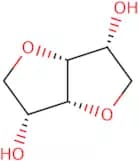
CAS:Building block for polymers synthesis, ionic liquids and chiral auxiliaries
Fórmula:C6H10O4Pureza:Min. 95%Cor e Forma:PowderPeso molecular:146.14 g/mol4-Methoxyphenyl 3-O-benzyl-4,6-O-benzylidene-2-deoxy-2-phthalimido-β-D-glucopyranoside
CAS:4-Methoxyphenyl 3-O-benzyl-4,6-O-benzylidene-2-deoxy-2-phthalimido-b-D-glucopyranoside is a complex carbohydrate that has been modified with methylation and glycosylation. It has been synthesized using the following reactants: 4-(methoxy)phenol, benzaldehyde, and 2,3,4,6,-tetraacetylpiperidine. This product has a CAS number of 129575–88–8 and is available for custom synthesis in quantities from 1 gram to 50 kilograms. This product is used as a custom synthesis for oligosaccharides or polysaccharides.Fórmula:C35H31NO8Pureza:Min. 95%Peso molecular:593.62 g/molD-Ribose, 99.0%+
CAS:D-Ribose is a pentose sugar that is the ribose sugar of D-arabinose. It is an inhibitor of bacterial growth and has been shown to inhibit binding of adenine nucleotides to their receptors in the human erythrocyte membrane. Ribose plays a vital role in energy metabolism, as it is a component of ATP and NADH. It also participates in the synthesis of DNA and RNA. Ribose can be found in many foods, such as pears, apples, potatoes, and rice. D-ribose has been shown to have significant cytotoxicity against cancer cells that are dependent on glycolysis for their energy needs. D-Ribose may also be used as a polymerase chain reaction (PCR) substrate to determine the presence of infectious diseases such as HIV or hepatitis C virus in human serum samples.Fórmula:C5H10O5Pureza:Min. 99.0 Area-%Peso molecular:150.13 g/molRef: 3D-R-5495
-Unit-kgkgA consultar1kgA consultar100gA consultar250gA consultar500gA consultar2500gA consultarD-Sorbitol hexaacetate
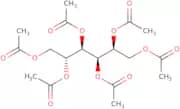
CAS:Sorbitol hexaacetate is a low-energy compound that has a hydroxyl group and a phenolic acid. It is used as an intermediate in the production of detergents, surfactants, and other industrial chemicals. In addition to this, sorbitol hexaacetate can be used as a radiation shield and an effective dose for radiation therapy. Sorbitol hexaacetate is also used as an ingredient in lipolytic enzymes. It has been shown to inhibit the activity of lipolytic enzymes by forming hydrogen bonds with the enzyme active site. Magnetic resonance spectroscopy studies have revealed that sorbitol hexaacetate has a cavity that can be filled with water molecules, which may explain its ability to act as an optical polarizer.Fórmula:C18H26O12Pureza:Min. 97 Area-%Cor e Forma:White PowderPeso molecular:434.39 g/mol5-Aldo-1,2-O-isopropylidene-b-D-arabinofuranose
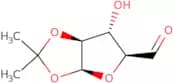
CAS:5-Aldo-1,2-O-isopropylidene-b-D-arabinofuranose is a sugar that is synthesized from D-glucose. It has been modified with fluorine to produce an analogue of 5-fluoroarabinofuranose. The methylation and glycosylation of this compound have also been investigated. This chemical can be used for the synthesis of complex carbohydrates.Fórmula:C8H12O5Pureza:Min. 95%Cor e Forma:PowderPeso molecular:188.18 g/molD-Glucose - monohydrate
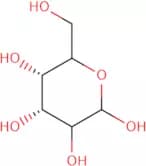
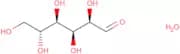
CAS:D-Glucose - monohydrate is a glucose molecule that is found in the blood stream. It is the preferred source of energy for the brain and has been shown to enhance brain function. Glucose is also used to maintain the water balance of cells and tissues, as well as to prevent or treat hypoglycemia. This molecule can be found in many foods, such as honey, corn syrup, molasses, fruits and fruit juices. D-Glucose - monohydrate has antibacterial efficacy against a number of bacteria including staphylococcus aureus, Escherichia coli, Pseudomonas aeruginosa and Bacillus subtilis. It can also inhibit squamous cell carcinoma growth in vivo by preventing the proliferation of cancer cells. D-Glucose - monohydrate is structurally similar to adenosine diphosphate (ADP), which binds to dinucleotide phosphate (DP) enzymes that are involved in energy metabolismFórmula:C6H12O6·H2OPureza:(%) Min. 95%Cor e Forma:White PowderPeso molecular:198.17 g/mol2,3,4,6-Tetra-O-acetyl-1-S-acetyl-b-D-thiogalactopyranose
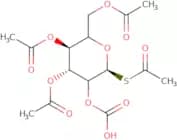
2,3,4,6-Tetra-O-acetyl-1-S-acetyl-b-D-thiogalactopyranose is a synthetic sugar that is used in the synthesis of complex carbohydrates. It has been modified with methylation and acetylation reactions. The CAS number for this compound is 112724-71-8.Fórmula:C15H20O11SPureza:Min. 95%Peso molecular:408.38 g/molCotinine-N-b-glucuronide-D3
Produto ControladoCotinine-N-b-glucuronide-D3 is a modification of the natural product cotinine, which is a methylated form of nicotine and can be synthesized from the plant Nicotiana tabacum. Cotinine-N-b-glucuronide-D3 is a complex carbohydrate that has been custom synthesized for the purpose of modifying an oligosaccharide. This modification will allow for the synthesis of high purity monosaccharides. Cotinine has been shown to have antiinflammatory properties, which may be due to its inhibition of prostaglandin synthesis.Fórmula:C16H17N2O7D3Pureza:Min. 95%Peso molecular:355.36 g/mol2,3:4,5-Di-O-isopropylidene-D-xylitol
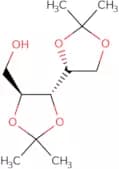
CAS:2,3:4,5-Di-O-isopropylidene-D-xylitol is an acceptor for the Stannic Chloride Reaction. It is a lacto-n-biose derivative of D-xylitol that has been shown to have antibiotic activity against Streptococcus section A and B. The temporary protection of the hydroxyl group in 2,3:4,5diOisopropylidene-Dxylitol with methyl glycosides provides a convenient method for glycosylations. The chloride ion can be replaced by hexaacetate to yield 1amino1deoxyDxylitol hydrochloride, which is a benzyl derivative. This reaction allows for research into the transfer of 2,3:4,5diOisopropylideneDxylitol.Fórmula:C11H20O5Pureza:Min. 95%Cor e Forma:Solidified MassPeso molecular:232.27 g/mol1-O-Methyl-beta-D-glucuronic acid, sodium salt
CAS:1-O-Methyl-β-D-glucuronic acid is a β-glucuronidase inducer.Fórmula:C7H11NaO7Peso molecular:230.15 g/molMethyl 2,3,6-tri-O-benzoyl-α-D-galactopyranoside
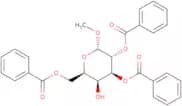
CAS:Methyl 2,3,6-tri-O-benzoyl-α-D-galactopyranoside is a water soluble white powder. It has a molecular weight of 370.62 and a melting point of 199°C. This product is used as an intermediate in the synthesis of complex carbohydrates and is also used in the production of glycosylations and polysaccharides. The purity of this product is >98%.Fórmula:C28H26O9Pureza:Min. 95%Cor e Forma:White PowderPeso molecular:506.5 g/mol(2R,2'R,3S,3'S,4R,4'R,5S,5'S)-6,6'-(1,4-Phenylenebis(ethyne-2,1-diyl))bis(2-(hydroxymethyl)tetrahydro-2H-pyran-3,4,5-triol
CAS:Please enquire for more information about (2R,2'R,3S,3'S,4R,4'R,5S,5'S)-6,6'-(1,4-Phenylenebis(ethyne-2,1-diyl))bis(2-(hydroxymethyl)tetrahydro-2H-pyran-3,4,5-triol including the price, delivery time and more detailed product information at the technical inquiry form on this pageFórmula:C22H26O10Peso molecular:450.44 g/molD-Galactosamine-1-phosphate
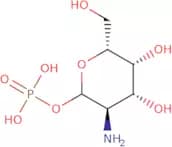
CAS:D-Galactosamine-1-phosphate is a precursor of UDP-glucose and is used in the synthesis of fatty acids. D-Galactosamine-1-phosphate is synthesized by the enzyme UDP-glucose pyrophosphorylase, which catalyzes the reaction between UDP and D-galactose. It is expressed in strains that have been engineered to produce recombinant proteins. This product can be produced in vitro by a number of methods, including enzymatic or chemical synthesis. The enzyme activity of D-galactosamine 1 phosphate synthase is temperature dependent, with optimal activity at 40°C. This product has been shown to inhibit hepatitis virus production and lipid formation in vitro.Fórmula:C6H14NO8PPureza:Min. 95%Cor e Forma:PowderPeso molecular:259.15 g/molD-Glucosamine-2-N-sulfate sodium
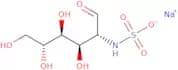
CAS:D-Glucosamine-2-N-sulfate sodium is a synthetic, high purity carbohydrate with a custom synthesis. It is an oligosaccharide that is also a sugar and a saccharide. The methylation of D-glucosamine 2-N-sulfate sodium can be achieved by glycosylation or click modification. Click modification is the addition of a carbon atom to the molecule through the reaction with an electrophile, such as N-hydroxysuccinimide ester. This modification can be used to introduce fluorine atoms into the molecules, which can improve their solubility and stability. The product has shown anti-inflammatory activities in animal models, which may be due to its ability to inhibit prostaglandin synthesis.Fórmula:C6H12NNaO8SPureza:Min. 95 Area-%Cor e Forma:White Off-White PowderPeso molecular:281.22 g/mol