Monossacáridos
Subcategorias de "Monossacáridos"
- Aloses(11 produtos)
- Arabinoses(21 produtos)
- Eritroses(11 produtos)
- Frutoses(9 produtos)
- Fucoses(36 produtos)
- Galactosamina(41 produtos)
- Galactoses(261 produtos)
- Glucoses(365 produtos)
- Ácidos Glucurónicos(52 produtos)
- Glico-substratos para enzimas(78 produtos)
- Guloses(6 produtos)
- Idoses(4 produtos)
- Inositóis(15 produtos)
- Lixoses(4 produtos)
- Mannoses(65 produtos)
- O-Glicanos(48 produtos)
- Psicoses(3 produtos)
- Ramnoses(10 produtos)
- Riboses(61 produtos)
- Ácidos siálicos(100 produtos)
- Sorboses(4 produtos)
- Açúcares(173 produtos)
- Tagatoses(4 produtos)
- Taloses(8 produtos)
- Xiloses(20 produtos)
Foram encontrados 6088 produtos de "Monossacáridos"
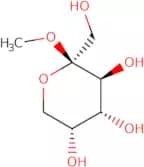
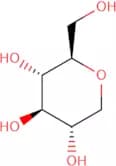
Methyl β-D-fructopyranoside
CAS:Methyl β-D-fructopyranoside is a glycoside that is made up of a pyranose ring and the sugar d-fructose. This molecule is stable because of its hydrogen bonds, which are formed between the oxygen atom of the hydroxyl group and the hydrogen atom of the methyl group. Methyl β-D-fructopyranoside has two chiral centers, so it can exist as two enantiomers. The most common form is D-(+)-methyl β-d-fructopyranoside, which has a configuration of R (right) and S (left).
Fórmula:C7H14O6Pureza:One SpotCor e Forma:PowderPeso molecular:194.18 g/molRef: 3D-MM168138
Produto descontinuado(+)-syringaresinol-4,4'-bis-O-b-D-glucopyranoside
(+)-syringaresinol-4,4'-bis-O-b-D-glucopyranoside is a synthetic compound that is fluorinated with (2,2,2-trifluoroethyl)trimethylsilane. It is a sugar molecule that is an oligosaccharide. This compound has been synthesized from syringic acid and (+)-syringaresinol by glycosylation and methylation. It is insoluble in water and has a melting point of 129°C. The CAS number for this compound is 73987-07-8.
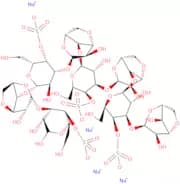
Pureza:Min. 95%Neocarraoctaose-4¹,4³,4⁵,4⁷-tetra-O-sulfate sodium
CAS:Neocarraoctaose-41,3,5,7-tetra-O-sulfate sodium salt is a synthetic carbohydrate compound that is used in the synthesis of oligosaccharides and polysaccharides. The chemical name of this product is Neocarraoctaose-41,3,5,7-tetra-O-sulfate sodium salt. It has a molecular weight of 598.34 g/mol and a CAS number of 133647-94-6. This product can be synthesized by methylation, custom synthesis, click modification and fluorination.
Fórmula:C48H74O49S4•Na4Pureza:Min. 95%Cor e Forma:PowderPeso molecular:1,655.3 g/molRef: 3D-MN01692
Produto descontinuado2,3-O-Isopropylidene-5-O-tosyl-D-ribonic acid-1,4-lactone
CAS:2,3-O-Isopropylidene-5-O-tosyl-D-ribonic acid-1,4-lactone is a synthetic 2,3:5,6-diisopropylidene glycoside of D-ribose. It is a methylated sugar with an alpha-(2,3)-linked D-(+)-glucopyranosyl moiety and an alpha-(2,5)-linked L(+)-fucopyranosyl moiety. This compound can be used as a building block for the synthesis of polysaccharides and glycoconjugates. 2,3:5,6-Diisopropylidene glycoside of D-ribose is also used to synthesize oligosaccharides in carbohydrate chemistry.
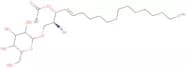
Fórmula:C12H14O7SPureza:Min. 95%Cor e Forma:White PowderPeso molecular:302.04 g/molb-D-Galactosylceramide
CAS:Inducer of cytochine and chemochine production in blood cells
Pureza:Min. 95%2,5-Anhydro- 3- deoxy-D- ribo- hexonic acid
2,5-Anhydro-3-deoxy-D-ribohexonic acid is a fluorinated monosaccharide. It is synthesized by the modification of 2,5-anhydro-3-deoxyglucose with N-(2'-fluoroethyl)trimethoxysilane (FETS). This synthetic compound can be used as a glycosylation or polysaccharide building block in the synthesis of complex carbohydrates. The FETS modification allows for the introduction of various functional groups on C1 and C2 while maintaining the high purity.
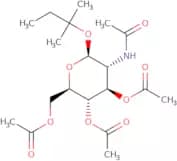
Pureza:Min. 95%tert-Amyl 2-acetamido-3,4,6-tri-O-acetyl-2-deoxy-b-D-glucopyranoside
CAS:Tert-Amyl 2-acetamido-3,4,6-tri-O-acetyl-2-deoxy-b-D-glucopyranoside is a custom synthesis that has not been reported in the literature or commercialized. The compound is an oligosaccharide with a fluorinated saccharide unit. It is synthesized by methylation of glycosylation and click modification of the sugar. Tert-Amyl 2-acetamido-3,4,6-tri-O-acetyl-2DGPA has been shown to be resistant to enzymatic digestion and hydrolysis by esterases. The compound can also be used as a fluorescent probe for studying carbohydrate metabolism.
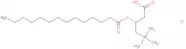
Fórmula:C19H31NO9Pureza:Min. 95%Peso molecular:417.45 g/molMyristoyl-DL-carnitine chloride
CAS:Myristoyl-DL-carnitine chloride (MC) is a prodrug that is hydrolyzed to form L-carnitine and myristic acid. The drug has been shown to be absorbed intranasally, and its absorption kinetics are enhanced by the presence of lipids. MC was found to increase the level of human growth hormone in Sprague-Dawley rats. It also decreased the amount of chloride excreted in the urine by inhibiting intestinal epithelial cells from absorbing chloride ions. This drug may be used as a nasal spray for treatment of gastrointestinal disorders such as chronic constipation.
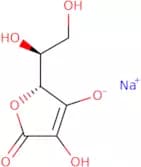
Fórmula:C21H42ClNO4Pureza:Min. 95%Cor e Forma:PowderPeso molecular:408.02 g/molL(+)-Ascorbic acid sodium salt
CAS:L(+)-Ascorbic acid sodium salt is the L-isomer of ascorbic acid. It is an essential nutrient for humans and animals, and a cofactor for many enzymes involved in cellular metabolism. Ascorbic acid is an effective metal chelator, which can be used to treat infectious diseases such as tuberculosis. L(+)-Ascorbic acid sodium salt has been shown to have antioxidant properties. It also has antineoplastic activity against skin tumors when used at optimum concentration.
Fórmula:C6H7NaO6Pureza:Min. 97 Area-%Cor e Forma:White PowderPeso molecular:198.11 g/molRef: 3D-MA29975
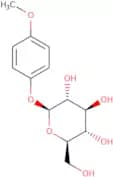
Produto descontinuado4-Methoxyphenyl β-D-glucopyranoside
CAS:Bearberry has been used for centuries to treat various disorders of the urinary tract and prostate. The active ingredient in bearberry is a flavonol glycoside called arbutin, which is converted to hydroquinone during metabolism. As an antioxidant, hydroquinone inhibits the oxidation of LDL cholesterol and may reduce the risk of atherosclerosis. Hydroquinone has also been shown to have anti-inflammatory properties in rat liver microsomes and tissue culture, inhibiting prostaglandin synthesis by blocking cyclooxygenase activity. In vitro, bearberry extracts have been shown to inhibit bacterial growth on agar plates with pH levels from 4-7 and at concentrations between 0.1-1%. It was found that bearberry extracts were most effective against Pseudomonas aeruginosa strains, with MIC values ranging from 2-4 mg/mL. Bearberry extract was observed to be more effective than ampicillin against these strains in a chromatographic assay.
Fórmula:C13H18O7Pureza:Min. 95%Cor e Forma:PowderPeso molecular:286.28 g/molRef: 3D-MM07132
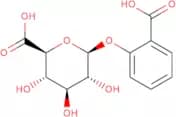
Produto descontinuadoSalicylic acid D-glucuronide
CAS:Salicylic acid D-glucuronide is the major metabolite of aspirin, which is formed by hydrolysis of acetylsalicylic acid. It has been demonstrated to have anti-inflammatory and analgesic effects. Salicylic acid D-glucuronide is excreted in urine and can be detected in human serum. The formation rate of this metabolite varies with the individual's age, sex, and kidney function.
Salicylic acid D-glucuronide can be formed in vitro using hydrochloric acid and acetylsalicylic acid as substrates. This reaction is catalyzed by the enzyme uridine diphosphate glucuronyltransferase (UGT). Salicylic acid D-glucuronide has been shown to form covalent adducts with hydroxyl groups from other molecules in vivo and in vitro, including proteins (e.g., albumin) and DNA bases (e.g.,Fórmula:C13H14O9Pureza:Min. 95%Cor e Forma:PowderPeso molecular:314.24 g/molRef: 3D-MS09950
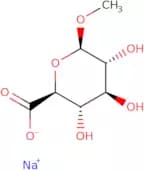
Produto descontinuadoMethyl b-D-glucuronide sodium salt
CAS:1-O-Methyl-β-D-glucuronic acid is a β-glucuronidase inducer.
Fórmula:C7H11NaO7Pureza:(Titration) Min 99.0%Cor e Forma:White Slightly Yellow PowderPeso molecular:230.15 g/mol2-Acetamido-1,3,6-tri-O-benzyl-2-deoxy-b-D-glucopyranoside
CAS:2-Acetamido-1,3,6-tri-O-benzyl-2-deoxy-b-D-glucopyranoside is a synthetic monosaccharide that can be modified to the desired structures. It is used as a building block for the synthesis of polysaccharides and oligosaccharides. It is also used as an intermediate in the preparation of saccharides. 2 - Acetamido - 1,3,6 - tri - O - benzyl - 2 - deoxy - b - D - glucopyranoside is available in high purity and custom synthesis.
Fórmula:C29H33NO6Pureza:Min. 95%Cor e Forma:PowderPeso molecular:491.58 g/molTetra- O- benzoyl- b- D- xylofuranose
CAS:Tetra-O-benzoyl-b-D-xylofuranose is a custom synthesis. It is an oligosaccharide with a saccharide chain of four sugar units that are linked by glycosylation. The first and third sugars have a benzoyl group, while the second and fourth sugars are xylopyranosyl residues. The molecule has been modified with fluorination, methylation, and click chemistry. Tetra-O-benzoyl-b-D-xylofuranose is soluble in water, methanol, acetone, chloroform, ethanol, ethylene glycol ethers, and acetonitrile.
Tetra-O-benzoyl-b-D-xylofuranose has CAS number 18530–90–0.Fórmula:C33H26O9Pureza:Min. 95%Peso molecular:566.55 g/molD-Glucosamine sulfate
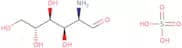
CAS:D-Glucosamine sulfate is a pharmacological agent that has been shown to have activity against oxidative injury in vitro and in vivo. It inhibits the production of reactive oxygen species and lipid peroxidation, which are believed to be responsible for the development of liver disease. D-Glucosamine sulfate has also been shown to have activity against infectious diseases, with a particular focus on the inhibition of Toll-like receptor 4 signaling. The polymerase chain reaction (PCR) technique was used to detect the expression of glucosamine synthetase and other genes encoding enzymes that synthesize glucosamine in Mycobacterium tuberculosis. This drug may also be useful for treatment of inflammatory diseases such as rheumatoid arthritis, as it has been shown to inhibit prostaglandin synthesis, which is involved in the inflammatory response.
Fórmula:C6H13NO5•H2SO4Pureza:Min. 95%Cor e Forma:White PowderPeso molecular:277.25 g/molRef: 3D-MG05263
Produto descontinuadoUDP-GlcNAc disodium salt
CAS:Substrate for N-acetylglucosaminyltransferases
Fórmula:C17H25N3O17P2Na2Pureza:Min. 98 Area-%Cor e Forma:White PowderPeso molecular:651.32 g/molPropofol-4-Hydroxy-1-D-glucuronide
Propofol-4-Hydroxy-1-D-glucuronide is a modification of propofol, which is commonly used as an intravenous anesthetic. It is a synthetic compound that can be custom synthesized by adding the sugar group to propofol. Propofol-4-Hydroxy-1-D-glucuronide has been shown to be a high purity and pure oligosaccharide with a CAS number. It also contains methylated and glycosylated saccharides.
Fórmula:C18H26O8Pureza:Min. 95%Peso molecular:370.39 g/molO-(2,3,4,6-Tetra-O-acetyl-b-D-galactopyranosyl)-N-hydroxysuccinimide
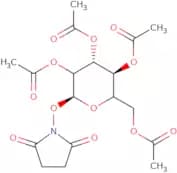
CAS:O-(2,3,4,6-Tetra-O-acetyl-b-D-galactopyranosyl)-N-hydroxysuccinimide is a synthetic glycosylation reagent. It has the CAS number 896730-84-0 and is available for custom synthesis. O-(2,3,4,6-Tetra-O-acetyl-b-D-galactopyranosyl)-N-hydroxysuccinimide is used in the synthesis of oligosaccharides and saccharides. It is also used in click chemistry to modify proteins and other biomolecules. This product has a purity of 99% or higher and can be modified at any position with fluorination or methylation.
Fórmula:C18H23NO12Pureza:Min. 95%Peso molecular:445.37 g/molLentinan
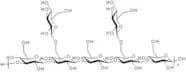
CAS:The polysaccharide Lentinan is isolated from the mushroom L. edodes (shitake mushroom). The primary structure is a β-(1–3)-glucose backbone with two (1–6)-β-glucose branches for each five glucose resiodues. Lentinan is clinically used for cancer treatment both in China and Japan. According to the clinical studies published in and outside of China, lentinan-based drugs are used for the treatment of various cancers, including lung, gastric, colorectal and other cancers. In addition, lentinan-based drugs are also used for treating HIV, hepatitis and malignant pleural effusion.
Cor e Forma:Brown PowderRef: 3D-FL33321
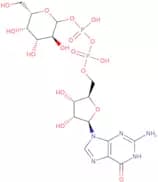
Produto descontinuadoGDP-D-mannose diammonium salt
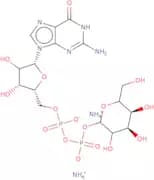
GDP-D-mannose diammonium salt is a custom synthesis. It has been modified with fluorination, methylation, and monosaccharide substitution. The structure of this compound consists of a glucose molecule bonded to a D-mannose molecule by an oxygen linkage at the 1-position. This product has been synthetically modified to include a click modification and oligosaccharides. GDP-D-mannose diammonium salt is used for the production of polysaccharides as well as glycosylation reactions.
Fórmula:C16H23N5O16P2·N2H8Pureza:Min. 95%Peso molecular:639.4 g/molN-(3-Hydroxypropropyl phthalimido 2,3,4,6-tetra-O-acetyl-α-D-mannopyranoside
N-(3-Hydroxypropropyl phthalimido 2,3,4,6-tetra-O-acetyl-a-D-mannopyranoside is a custom synthesis of an oligosaccharide. This product contains 3 hydroxyl groups and is modified with fluorine. It has a CAS number and can be used in the synthesis of polysaccharides or saccharides.Pureza:Min. 95%Methyl 4-azido-4-deoxy-2,3-O-isopropylidene-a-D-mannopyranoside
Methyl 4-azido-4-deoxy-2,3-O-isopropylidene-a-D-mannopyranoside is a glycosylation reagent that is used to synthesize complex carbohydrates. This product is a monosaccharide with CAS No. 682487-41-6 and has a custom synthesis. It can be fluorinated and saccharified, resulting in an oligosaccharide. The synthesis of this product is based on the Click reaction, which is an efficient way to modify sugar molecules. This product has high purity and can be custom synthesized to meet your needs.
Pureza:Min. 95%2-Azido- 2- deoxy- 2- C- methyl-D- ribono-1,5- lactone
2-Azido-2-deoxy-2-C-methyl-D-ribono-1,5-lactone is a custom synthesized carbohydrate. It is an oligosaccharide that is modified by methylation and glycosylation. The carbohydrate has been fluorinated to provide the desired properties of this product. 2-Azido-2-deoxy-2-C-methyl-Dribono1,5 -lactone is a high purity product that is synthesized in a controlled environment with strict quality control measures. It has been synthesized using Click chemistry and is available for purchase in bulk quantities.
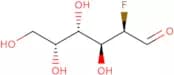
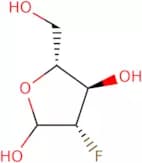
Pureza:Min. 95%2-Deoxy-2-fluoro-D-galactose
CAS:2-Deoxy-2-fluoro-D-galactose, also called 3-fluoro-6-hydroxymethyl-tetrahydro-pyran-2,4,5-triol, can be added to the medium of primary cultured rat hepatocytes to inhibit N-glycosylation of proteins. Immunoglobulin G (IgG) is the most common antibody found in blood and 2-deoxy-2-fluoro-D-galactose modifies the galactosylation of the N-linked glycan in the IgG-Fc receptor. We also have this product from a non-animal origin, MD71984.
Fórmula:C6H11FO5Pureza:Min. 97 Area-%Cor e Forma:White PowderPeso molecular:182.15 g/mol2-Deoxy-2-fluoro-D-arabinofuranose
CAS:2-Deoxy-2-fluoro-D-arabinofuranose is a purine nucleoside that is used in the diagnosis and treatment of herpes simplex virus infection. It inhibits viral replication by competitively inhibiting acycloguanosine, an enzyme that catalyzes the conversion of 2’-deoxyguanosine to deoxyadenosine. 2-Deoxy-2-fluoro-D-arabinofuranose has been shown to be active against cancer cells and can be used as chemotherapeutic agent. This drug may also be used for the diagnosis of cancer by detecting the presence of activated T cells in patients with tumor necrosis factor α (TNFα) receptor gene polymorphism.
Fórmula:C5H9FO4Pureza:Min. 95%Cor e Forma:PowderPeso molecular:152.12 g/molRef: 3D-MD06006
Produto descontinuadoPropargyl a-D-glucopyranoside
CAS:Propargyl a-D-glucopyranoside is a high purity custom synthesis sugar. It is synthesized by Click modification, fluorination, and glycosylation followed by methylation. Propargyl a-D-glucopyranoside can be used for the modification of oligosaccharides and monosaccharides to produce complex carbohydrates.
Fórmula:C9H14O6Pureza:Min. 95%Cor e Forma:PowderPeso molecular:218.2 g/molRef: 3D-MP31404
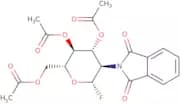
Produto descontinuado3,4,6-Tri-O-acetyl-2-deoxy-2-phthalimido-b-D-glucopyranosyl fluoride
CAS:3,4,6-Tri-O-acetyl-2-deoxy-2-phthalimido-b-D-glucopyranosyl fluoride is a synthetic glycoside that has been synthesized by the click modification of a fluorinated saccharide. The compound has an acetyl group at C3 and C6 positions with an OCH3 group at the C4 position. This compound has been used in glycosylation reactions to modify the carbohydrate moiety of peptides and proteins. It has also been used in research on complex carbohydrate chemistry.
Fórmula:C20H20FNO9Pureza:Min. 95%Peso molecular:437.37 g/molN-Benzyl-3,5-dideoxy-3,5-imino-D-lyxofuranose
N-Benzyl-3,5-dideoxy-3,5-imino-D-lyxofuranose is a fluorinated sugar with a complex carbohydrate. It is synthesized by glycosylation of N-benzylglycine and D-lyxofuranose. This compound can be used for the synthesis of glycoproteins, polysaccharides and other complex carbohydrates. It has been modified using methylation and click chemistry to produce a wide range of derivatives. The compound can be used for research purposes in glycobiology, biochemistry, and materials science.
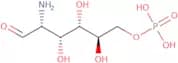
Pureza:Min. 95%D-Glucosamine 6-phosphate
CAS:D-Glucosamine 6-phosphate is a non-essential amino acid that belongs to the group of nucleotide sugar phosphates. It is a metabolite of the sugar D-glucose and it plays an important role in the energy metabolism of bacteria, plants, and animals. It has been shown to have anti-cancer effects on prostate cancer cells. D-Glucosamine 6-phosphate inhibits methyltransferase activity by binding to the enzyme's active site. This inhibition prevents DNA synthesis, leading to cell death. The structural analysis has been done using NMR spectroscopy on d-arabinose as a model substrate.
Fórmula:C6H14NO8PPureza:Min. 98 Area-%Cor e Forma:White PowderPeso molecular:259.15 g/molRef: 3D-MG09772
Produto descontinuado2,3:5,6-Di-O-isopropylidene-D-talose
2,3:5,6-Di-O-isopropylidene-D-talose is a custom synthesis of methylated oligosaccharides. It is a complex carbohydrate that contains both a monosaccharide and a polysaccharide. 2,3:5,6-Di-O-isopropylidene-D-talose is a modification of the sugar D(+)-talose (a pentasaccharide), which has been fluorinated to make it more stable. This product has high purity, and can be used in many different applications such as click chemistry, oligosaccharide synthesis, or fluorination reactions.
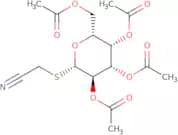
2,3:5,6-Di-O-isopropylidene-D-talose is an Oligosaccharide that is a Polysaccharide. It can be used as an inhibitor for DNA polymerase α and β enzymes in PCR reactionsFórmula:C10H16O6Pureza:Min. 95%Peso molecular:232.23 g/molCyanomethyl 2,3,4,6-tetra-O-acetyl-b-D-thiogalactopyranoside
CAS:Cyanomethyl 2,3,4,6-tetra-O-acetyl-b-D-thiogalactopyranoside is an important reagent for the synthesis of glycosides and oligosaccharides. This substance has been used to synthesize a variety of modified saccharides, such as methylated sugars and fluorinated saccharides. It also has been applied to the synthesis of complex carbohydrates with the click modification.Fórmula:C16H21NO9SPureza:Min. 98 Area-%Cor e Forma:White Off-White PowderPeso molecular:403.41 g/molRef: 3D-MC04530
Produto descontinuadoDeoxygalactonojirimycin acetonide
Deoxygalactonojirimycin acetonide is a custom-synthesized, complex carbohydrate that belongs to the group of Oligosaccharides. It is a modified saccharide with methylation and glycosylation. Deoxygalactonojirimycin acetonide is an active ingredient that has been synthesized for use in cancer research. This compound is a high-purity, fluorinated sugar with Click modification that can be used to study the structure-activity relationships of carbohydrate-based drugs.
Pureza:Min. 95%3-Epicasuarine
CAS:3-Epicasuarine is an Oligosaccharide, which is a carbohydrate with a low molecular weight. It has two monosaccharides, which are the structural units of carbohydrates. 3-Epicasuarine is a glycosylation product of sucrose and glycine and has been fluorinated at the 8-position. The chemical formula for 3-Epicasuarine is C6H14FO4S2. This compound can be custom synthesized to meet your specifications or it can be purchased from us at a reasonable price.
A variety of modifications are available including methylation, click chemistry, and modification with saccharride residues such as maltose or glucose.
3-Epicasuarine may be used in the synthesis of oligosaccharides or as an intermediate in the synthesis of complex carbohydrates. It has been shown to have high purity and can be synthesized at any desired purity level.Fórmula:C8H15NO5Pureza:Min. 95%Peso molecular:205.21 g/mol(2R, 3R, 4R, 5S) -3, 4, 5- Trihydroxy- N- methyl- 2- piperidinecarboxamid e
CAS:(2R, 3R, 4R, 5S) -3, 4, 5- Trihydroxy- N- methyl- 2- piperidinecarboxamide is a synthetic compound that can be used in the synthesis of complex carbohydrates. This compound is fluorinated at the C4 position and glycosylated at the C5 position to make it more stable. It is also methylated at the C6 position and modified by Click chemistry to make it easier to synthesize. The sugar chain has a polysaccharide structure with oligosaccharides linked through alpha 1,6 linkages. This sugar chain is then modified by oxidation of its terminal hydroxyl group to produce a reactive aldehyde that reacts with an amine on an adjacent saccharide unit. This process results in the formation of an alpha 1,2 linkage between two saccharides units.
Fórmula:C7H14N2O4Pureza:Min. 95%Peso molecular:190.2 g/molD-Allose pentaacetate
CAS:D-Allose pentaacetate is a modified oligosaccharide that can be used as a synthetic intermediate in the production of complex carbohydrates. It has been shown to have high purity and is easily synthesized in a laboratory setting. D-Allose pentaacetate is a monosaccharide with five acetate groups that can be methylated or glycosylated, which makes it an ideal candidate for modification. D-Allose pentaacetate has CAS No. 144071-49-8 and can be found on PubChem CID: 1215965.
Fórmula:C16H22O11Pureza:Min. 95%Cor e Forma:PowderPeso molecular:390.34 g/molD-Glucose - anhydrous
CAS:D-Glucose is a monosaccharide that is used as an energy source. D-glucose is transported across the cell membrane by a sodium-dependent transporter. It has been shown to have antibacterial activity against Escherichia coli and staphylococcus in rat liver microsomes, as well as an inhibiting effect on the growth of squamous carcinoma cells in rats. D-glucose has also been shown to have hypoglycemic effects in diabetic rats, which may be due to its ability to stimulate insulin release from the pancreas.
Fórmula:C6H12O6Peso molecular:180.16 g/mol3-Deoxy-D-gluconic acid
CAS:3-Deoxy-D-gluconic acid is a chemical compound that has the chemical structure of C6H12O6. It is a white crystalline solid that can be found in nature as a reaction product of glucose and oxygen. 3-Deoxy-D-gluconic acid can also be synthesized by reacting D-glucose with nitrous acid or sulfur dioxide. 3-Deoxy-D-gluconic acid is an organic acid and has been shown to inhibit the growth of filamentous fungi by acting on their glycosidic bonds. This chemical compound has not been shown to have any adverse health effects in humans, although it may cause irritation if it comes into contact with skin or eyes.
Fórmula:C6H12O6Pureza:Min. 95%Peso molecular:180.16 g/mol3-Azido-3-deoxy-5,6-O-isopropylidene-D-allonic acid g-lactone
CAS:3-Azido-3-deoxy-5,6-O-isopropylidene-D-allonic acid g-lactone is a modification of the sugar allose. It is an oligosaccharide that contains a complex carbohydrate. It can be custom synthesized and has high purity, making it suitable for use in pharmaceuticals. 3-Azido-3-deoxy-5,6-O-isopropylidene-D allonic acid g lactone is a methylated sugar, which means that it has had one of its hydroxyl groups replaced with a methyl group. It is also glycosylated, meaning that it has been modified by the addition of carbohydrates to its structure. The carbons in 3ADODAGL are found in the form of ring structures, which are known as saccharides.
Pureza:Min. 95%Methyl 3,5-di-O-(p-chlorobenzoyl)-2-deoxy-b-D-ribofuranoside
Methyl 3,5-di-O-(p-chlorobenzoyl)-2-deoxy-b-D-ribofuranoside is a synthetic oligosaccharide. It has been synthesized by the modification of the glycosylation site on an existing saccharide with a methyl group and fluorination at the 3’ position. This molecule is a monosaccharide with a p-chlorobenzoyl group attached to its 2’ position.
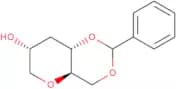
Pureza:Min. 95%1,5-Anhydro-4,6-O-benzylidene-3-deoxy-D-glucitol
CAS:1,5-Anhydro-4,6-O-benzylidene-3-deoxy-D-glucitol (1,5BPG) is a form compound that is conformationally restricted to the chair conformation. It has inhibitory activity against human macrophages and low activity against thp-1 cells. The 1,5BPG inhibits the activation of Nlrp3 and induces apoptosis in macrophages. These effects are mediated through binding to the hydroxyl group of C2 on the glucose moiety of 1,5BPG. The 1,5BPG also has high activity against marrow derived macrophages. This is due to its ability to inhibit the synthesis of phosphatidic acid and other lipids in these cells.
Fórmula:C13H16O4Pureza:Min. 95%Cor e Forma:PowderPeso molecular:236.26 g/molRef: 3D-MA05144
Produto descontinuadoPhenyl 3-deoxy-3-fluoro-α-D-glucopyranoside
Phenyl 3-deoxy-3-fluoro-a-D-glucopyranoside is a modified oligosaccharide, which is synthesized by the glycosylation of 3,6-diaminohexanoic acid with phenyl boronic acid. This compound is also known as an anti-tuberculosis drug. It has been shown to inhibit bacterial growth by binding to DNA dependent RNA polymerase, thereby preventing transcription and replication. The high frequency of human activity has been shown using a patch clamp technique on human erythrocytes. Phenyl 3-deoxy-3-fluoro-a-D-glucopyranoside also specifically binds to markers expressed at high levels in Mycobacterium tuberculosis strains (e.g., ESX1 secretion system protein) and inhibits cell growth in culture.
Fórmula:C12H15FO5Pureza:Min. 95%Cor e Forma:White to off-white solid.Peso molecular:258.24 g/molRef: 3D-MP11443
Produto descontinuado1,2:3,5-Di-O-isopropylidene-b-L-apiose
CAS:1,2:3,5-Di-O-isopropylidene-b-L-apiose is a sugar that is used in the production of glycosylation and methylation. It is an oligosaccharide of the monosaccharide apiose and has a molecular weight of 432.06 g/mol. 1,2:3,5-Di-O-isopropylidene-b-L-apiose can be synthesized by the modification of natural apiose with chloromethyl groups at C3 and C5 positions. It is also possible to modify 1,2:3,5-Di-O-isopropylidene apiose with other functional groups such as fluorine or glycosylation. This compound can be used in the synthesis of complex carbohydrates such as heparin, hyaluronic acid, and chitin.
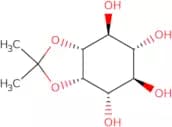
Fórmula:C11H18O5Pureza:Min. 95%Peso molecular:230.26 g/mol1,2-Isopropylidene-D,L-myo-inositol
CAS:1,2-Isopropylidene-D,L-myo-inositol is a modification of the natural product myo-inositol. It is synthesized by methylation and glycosylation of inositol with methanol. This chemical compound has been modified to include fluorination and saccharide.
Fórmula:C9H16O6Pureza:Min. 95%Cor e Forma:White PowderPeso molecular:220.22 g/molRef: 3D-MI04760
Produto descontinuadoD-Fructose 1-phosphate disodium
CAS:Please enquire for more information about D-Fructose 1-phosphate disodium including the price, delivery time and more detailed product information at the technical inquiry form on this page
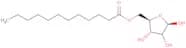
Fórmula:C6H11Na2O9PPureza:90%Cor e Forma:PowderPeso molecular:304.1 g/mol5-O-Lauryl-D-xylofuranose
CAS:5-O-Lauryl-D-xylofuranose is a lipase that can hydrolyze pentoses and hexoses. This enzyme has been shown to be active at temperatures between 0°C and 40°C, with optimal activity at 30°C. 5-O-Lauryl-D-xylofuranose is also thermostable and can be immobilized on silica gel or alumina. It is used in the manufacture of lysine, L-arabinose, and D-xylose. The enzyme catalyzes the reaction by removing a hydroxyl group from the pentoses or hexoses through an ester linkage with a dodecanoate group. The aliphatic chain of 5-O-lauryl dodecanoate is attached to the pentose or hexose molecule in an ester linkage by a thioether bond.
Fórmula:C17H32O6Pureza:Min. 95%Peso molecular:332.43 g/mol1,4-Anhydro-D-glucitol
CAS:Intermediate in the synthesis of prostaglandins
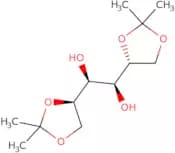
Fórmula:C6H12O5Pureza:Min. 97 Area-%Cor e Forma:White Off-White PowderPeso molecular:164.16 g/mol1,2:5,6-Di-O-isopropylidene-D-mannitol
CAS:1,2:5,6-Di-O-isopropylidene-D-mannitol (IDM) is a chemical compound that has been shown to have physiological activities. It has been studied for its potential use as an antimicrobial agent against bacteria and fungi. IDM is structurally similar to 2,3:5,6-Tri-O-methylenetetrahydrofolate (THF), which can be used in the synthesis of polysaccharides and DNA bases. IDM also has properties that may be beneficial in treating congenital heart disease.
Fórmula:C12H22O6Pureza:Min. 98 Area-%Cor e Forma:White PowderPeso molecular:262.3 g/molRef: 3D-MD03323
Produto descontinuado6-Epi-castanospermine
CAS:6-Epi-castanospermine is a nitro compound that is synthesized by the allylic oxidation of castanospermine. It has been shown to inhibit glycosidases and glycosidase inhibitors in vitro, including those from the families of α-amylase, α-L-arabinofuranosidases, β-hexosaminidases, α-glucuronidases, and phytases. 6-Epi-castanospermine has also been used as an intermediate for the synthesis of chiral polyhydroxylated compounds. The 13C NMR spectrum of this compound was found to be diagnostic for its structural assignment.
Fórmula:C8H15NO4Pureza:Min. 95 Area-%Cor e Forma:White Off-White PowderPeso molecular:189.21 g/molRef: 3D-ME09488
Produto descontinuado2-Allyloxycarbonylamino-2-deoxy-D-galactose
2-Allyloxycarbonylamino-2-deoxy-D-galactose is a monosaccharide that is synthetically modified for use as a synthetic building block in the synthesis of complex carbohydrates and saccharides. This compound is fluorinated at the 2 position to increase its water solubility, which makes it useful for chemical modifications. It has been shown to be methylated and glycosylated.
Pureza:Min. 95%Di-O-isopropylidene psicose
Di-O-isopropylidene psicose is a synthetic sugar that is a modification of the natural compound, psicose. It can be used for the synthesis of oligosaccharides, polysaccharides and other complex carbohydrates. Di-O-isopropylidene psicose can be methylated and glycosylated to form other sugar derivatives or fluorinated to form fluoroquinolones. This sugar has been shown to have high purity and stability under a wide range of conditions.
Pureza:Min. 95%1,5-Anhydro-D-glucitol
CAS:Short-term marker of glycemic control
Fórmula:C6H12O5Pureza:Min. 95%Cor e Forma:White Off-White PowderPeso molecular:164.16 g/mol2,3-O-Isopropylidene-hamamelono-1,4-lactone
2,3-O-Isopropylidene-hamamelono-1,4-lactone is an Oligosaccharide with a Glycosylation that is Synthetic and Fluorinated. It has a Custom synthesis and Methylation. This product is Monosaccharide and Polysaccharide. It has a Click modification, a complex carbohydrate, and is High purity. The CAS number for this product is 62968-07-1.
Pureza:Min. 95%2-Azido-2-deoxy-L-lyxono-1,4-lactone
2-Azido-2-deoxy-L-lyxono-1,4-lactone is a fluorinated monosaccharide. It is synthesized using the Curtius rearrangement of 2-azidoethyl 4,6-dioxohexanoate and a Lewis acid. This compound is used as an intermediate in the synthesis of glycosylides and polysaccharides. The methylation of this molecule has been shown to be useful for the modification of carbohydrates, such as polysaccharides. The product purity can be as high as 98% when it is custom synthesized to order.
Pureza:Min. 95%2-Keto-L-gluconic acid
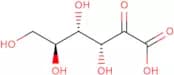
CAS:Please enquire for more information about 2-Keto-L-gluconic acid including the price, delivery time and more detailed product information at the technical inquiry form on this page
Fórmula:C6H10O7Pureza:Min. 95%Peso molecular:194.14 g/molVarenicline N-glucoside
CAS:Varenicline N-glucoside is a modification of varenicline, which is an antagonist of the nicotinic acetylcholine receptor. This compound has been synthesized using custom synthesis and glycosylation to obtain high purity. It has been methylated and fluorinated in order to remove any impurities. Varenicline N-glucoside is a carbohydrate with a molecular weight of 581.5 g/mol, consisting of one monosaccharide and one disaccharide. It also contains a complex carbohydrate with an oligosaccharide chain that is composed of glycosylation and saccharide units. The CAS number for this compound is 873302-31-9.
Fórmula:C19H23N3O5Pureza:Min. 95%Cor e Forma:PowderPeso molecular:373.4 g/molRef: 3D-MV16891
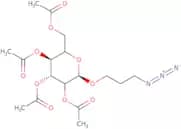
Produto descontinuado3-Azidopropyl 2,3,4,6-tetra-O-acetyl-b-D-galactopyranoside
CAS:3-Azidopropyl 2,3,4,6-tetra-O-acetyl-b-D-galactopyranoside is a Custom synthesis of the monosaccharide galactose. It is modified with fluorine at the 3 and 4 positions on the carbon chain and also has an acetyl group at the 6 position. 3-Azidopropyl 2,3,4,6-tetra-O-acetyl-b-D-galactopyranoside is synthesized from the sugar glucose by methylation of the hydroxyl groups on C1 and C2. The chemical formula for this compound is C8H14N2O5. This molecule has a molecular weight of 204.22 g/mol and its CAS number is 819053-49-1.
Fórmula:C17H25N3O10Pureza:Min. 95%Cor e Forma:Colorless PowderPeso molecular:431.39 g/molα-Chloralose (max. 20% β-anomer)
CAS:Alpha-Chloralose (max. 20% beta-anomer) is a chemical compound primarily used as a sedative and for rodent control. It is synthesized through a chemical reaction involving glucose and chloral, creating a substance with unique physiological properties. Its mode of action primarily involves depressing the central nervous system, leading to reduced responsiveness and hypothermia in targeted organisms. Alpha-Chloralose induces symptoms that facilitate its application as a tranquilizer, particularly in small mammals and birds during scientific research. Additionally, due to its efficacy in lowering metabolic rates, it is utilized as a rodenticide. Within this context, it serves to humanely control rodent populations by inducing hypothermic conditions, leading to a humane death. Its dual functionality—both as a sedative and a rodenticide—makes it a versatile tool in scientific research and pest management. The specification of a maximum 20% beta-anomer content ensures a standardized formulation, enhancing its reliability and consistency for experimental and practical applications.
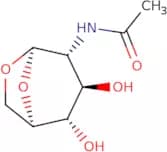
Fórmula:C8H11Cl3O6Peso molecular:309.53 g/mol2-Acetamido-1,6-anhydro-2-deoxy-β-D-glucopyranose
CAS:2-Acetamido-1,6-anhydro-2-deoxy-b-D-glucopyranose is widely used in carbohydrate chemistry. It is used as reagent for the synthesis of oligosaccharides and also as a precursor in the synthesis of oligopeptides. 2-Acetamido-1,6-anhydro-2-deoxy-b-D-glucopyranose is an analog of levoglucosan, a compound that is often used to trace for biomass burning in enviromental chemistry studies.
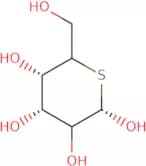
Fórmula:C8H13NO5Pureza:Min. 95%Cor e Forma:PowderPeso molecular:203.19 g/mol5-Thio-a-D-mannose
CAS:5-Thio-a-D-mannose is a disaccharide that contains a sulfhydryl group. It has been shown to be a cellular and trackable molecule, which can be acetylated by mercuric chloride. The glycosidases of this molecule are mannosidases, which cleave the 5th carbon from the glycosidic linkage of the sugar. This is an important process for a variety of biological functions, such as the synthesis of DNA and proteins. In addition, this disaccharide is involved in various metabolic pathways, including glycolysis and gluconeogenesis.
Fórmula:C6H12O5SPureza:Min. 95%Peso molecular:196.22 g/molCyclohexyl b-D-glucopyranoside
Cyclohexyl b-D-glucopyranoside is a synthetic sugar that is modified with fluorine. Cyclohexyl b-D-glucopyranoside can be custom synthesized to meet your specific needs. This product has a high purity and is methylated and glycosylated. Cyclohexyl b-D-glucopyranoside's CAS number is 113488-25-8.
Pureza:Min. 95%1,3,4,6-Tetra-O-acetyl-N-propanoyl-D-mannosamine
CAS:1,3,4,6-Tetra-O-acetyl-N-propanoyl-D-mannosamine is a sugar that is used for the synthesis of novel glycosides. It is prepared by the methylation of D-mannose with acetic anhydride in the presence of sodium methoxide. This reaction can also be carried out on a variety of other sugars and carbohydrates, such as D-galactose, D-xylose, or L-arabinose. 1,3,4,6-Tetra-O-acetyl-N-propanoyl-D-mannosamine has been shown to react with 4-(pyridinium)butanoic acid to produce 4-(pyridinium)butanal (1), which reacts with glycine to produce 1-(pyridinium)butanediamide (2). The carbonyl group in 2 can
Fórmula:C17H25NO10Pureza:Min. 95%Peso molecular:403.38 g/molRef: 3D-MT162101
Produto descontinuadoa-D-Arabinopyranosyl azide
CAS:a-D-Arabinopyranosyl azide is a new modified sugar that has been synthesized by the Click chemistry method. It is a complex carbohydrate with different substituents at the C2, C4, and C6 positions. This compound can be used for methylation, saccharide, polysaccharide, glycosylation or other custom synthesis. The CAS No. for this product is 138892-04-3, and it has a purity of >99%.
Fórmula:C5H9N3O4Pureza:Min. 95%Peso molecular:175.14 g/molSimvastatin acyl-b-D-glucuronide
CAS:Simvastatin acyl-b-D-glucuronide is a modification of simvastatin that has been synthesized and modified to provide high purity. It is a white, crystalline solid with a melting point of about 200°C. This compound can be used as an intermediate in the synthesis of oligosaccharides, polysaccharides, or other carbohydrate derivatives.
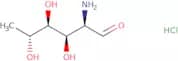
Fórmula:C31H48O12Pureza:Min. 97 Area-%Cor e Forma:White Off-White PowderPeso molecular:612.71 g/molD-Quinovosamine hydrochloride
CAS:Quinovosamine hydrochloride (QNH) is a fatty acid that belongs to the group of galacturonic acid. It has been shown to be biologically active in wild-type strains and in some bacterial strains, including Pseudomonas aeruginosa. QNH has also been used for preparation of monoclonal antibodies directed against receptor activity, which are activated by QNH.
Fórmula:C6H13NO4·HClPureza:Min. 95%Cor e Forma:PowderPeso molecular:199.63 g/molRef: 3D-MQ31639
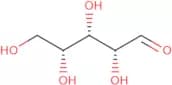
Produto descontinuadoD-Xylose
CAS:Xylose (Xyl) is an aldopentose also known as wood sugar (Collins, 2006). The main sources of xylose are hemicelluloses found in hardwood and perennial plants, such as, grasses, cereals, and herbs (Petzold-Welcke, 2014) and some algae. Xylose is used in the production of xylitol, a low calory sugar substitute. Xylose is used in glycosaminoglycan (GAG) biosynthesis, which is initiated by peptide O-xylosyltransferases, which transfer xylose onto selected serine residues in the core proteins. The first enzyme in the pathway, peptide O-xylosyltransferase, catalyzes the transfer of xylose from uridine diphosphate (UDP)-α-D-xylose onto serine and thus determines the site(s) of GAG attachment on the core protein (Briggs, 2018).
Fórmula:C5H10O5Pureza:Min. 98.0 Area-%Cor e Forma:White PowderPeso molecular:150.13 g/molRef: 3D-MX00355
Produto descontinuado1-Amino-D-butane-2,3,4-triol
1-Amino-D-butane-2,3,4-triol is a custom synthesis of 1,2,3,4-1-amino butane. It has been modified with fluorination and methylation. This product has a CAS number of 20897-16-0. The molecular weight is 152.17 g/mol and the molecular formula is C6H11NO3. This product is a synthetic compound that consists of monosaccharides and oligosaccharides. The glycosylation is Oligosaccharide and saccharide. It can be found in the carbohydrate category as it contains complex carbohydrates.
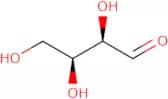
Pureza:Min. 95%L-Threose - aqueous solution
CAS:L-Threose is a sugar molecule that is used as a structural component of DNA and RNA. It is also an important part of the energy metabolism in cells. L-Threose can be enzymatically inactivated by glycosidases, which are enzymes that hydrolyze glycosidic bonds. The inhibition of glycosidases by L-threose may be useful for the prevention or treatment of diseases associated with enzyme activity, such as diabetes mellitus type II. L-Threose has been shown to have inhibitory properties against sephadex G-100, a membrane protein found in bacteria. L-Threose may be useful as a control agent for research into the response element of polymerase chain reaction (PCR).
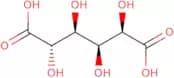
Fórmula:C4H8O4Pureza:Min. 60 Area-%Cor e Forma:Clear LiquidPeso molecular:120.1 g/molCalcium D-saccharate tetrahydrate
CAS:Calcium D-saccharate is the calcium salt of saccharic acid, also known as glucaric acid. Calcium D-saccharate has been evaluated for chemopreventive activity in a rat tracheal epithelial cell following exposure to the carcinogen benzo[a]pyrene. Addition of calcium D-saccharate to sugarcane juice during liming enhanced clarification as high molecular weight components were removed by filtration.
Fórmula:C6H8O8·Ca·(H2O)4Cor e Forma:PowderPeso molecular:320.26 g/molRef: 3D-MC04536
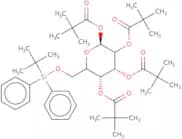
Produto descontinuado1,2,3,4-Tetra-O-pivaloyl-6-O-(tert-butyldiphenylsilyl)-b-D-glucopyranose
1,2,3,4-Tetra-O-pivaloyl-6-O-(tert-butyldiphenylsilyl)-b-D-glucopyranose is a custom synthesis of an oligosaccharide with a polysaccharide. The carbohydrate is modified with fluorination and methylation. This product has high purity and is synthesized using click chemistry. Monosaccharides are attached to the sugar backbone in order to form complex carbohydrates. This product can be used as a synthetic sugar or in the production of other oligosaccharides.
Fórmula:C42H62O10SiPureza:Min. 95%Peso molecular:755.04 g/mol3-Deoxy-L- threo- 2- hexulosaric acid
CAS:3-Deoxy-L-threo-2-hexulosaric acid is a sugar that is modified by the addition of a fluorine atom to one of its hydroxyl groups. 3-Deoxy-L-threo-2-hexulosaric acid is used in the synthesis of complex carbohydrates and oligosaccharides. It is also used in the modification of saccharides, sugars, and polysaccharides. 3-Deoxy-L-threo-2-hexulosaric acid can be custom synthesized according to your specifications. It can be synthesized with high purity at our labs.
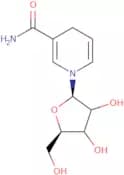
Pureza:Min. 95%Reduced nicotinamide riboside
CAS:The reduced form of nicotinamide riboside or NRH is a potent NAD+ precursor that helps to replenish its levels in the cell. The reduced nicotinamide riboside form has shown high tolerance against degradation in plasma, which is why it is beneficial as a metabolite for the synthesis of NAD/NADH.
Fórmula:C11H16N2O5Pureza:Min. 95 Area-%Cor e Forma:Clear Viscous LiquidPeso molecular:256.26 g/molRef: 3D-MR31174
Produto descontinuado4-(3-(2,3-O-Isopropylidene-lyxofuranos-5-yl)propan-2-one-1-yl)piperidine-2,6-dione
4-(3-(2,3-O-Isopropylidene-lyxofuranos-5-yl)propan-2-one-1-yl)piperidine-2,6-dione is a high purity custom synthesis sugar. It is synthesized by Click modification, Fluorination, Glycosylation and Synthetic. 4-(3-(2,3-O-Isopropylidene-lyxofuranos-5-yl)propan-2-one 1 - yl)piperidine 2,6 dione has CAS No., Oligosaccharide and Carbohydrate as its properties. It is a saccharide which belongs to the class of complex carbohydrate.
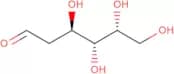
Pureza:Min. 95%2-Deoxy-D-galactose
CAS:2-Deoxy-D-galactose is a metabolite of the carbohydrate galactose. It is found in the rat striatum and has been shown to inhibit glutamate dehydrogenase activity. 2-Deoxy-D-galactose also inhibits 2,3,4,5 tetrahydropyridine (MPTP) induced neurotoxicity in mice by increasing levels of uridine and nucleotides in the brain. This agent also has an effect on glomerular filtration rate and on protein synthesis. The glycoside derivatives of 2-deoxy-D-galactose are formed by joining a sugar molecule to hydroxyl group. These derivatives are then transported into cells via glucose transport proteins.
Fórmula:C6H12O5Pureza:(%) Min. 99.0%Cor e Forma:White PowderPeso molecular:164.16 g/mol2-C-Methyl- 2, 3- O- isopropylidene - D- ribonic acid g- lactone
2-C-Methyl- 2, 3- O- isopropylidene - D- ribonic acid g- lactone (2CMP) is a modification of the sugar D- ribose that has been found to be useful in the synthesis of oligosaccharides. It can be synthesized from 2,3-O-isopropylidene -D-ribofuranose and methyl iodide. 2CMP is used as a building block for glycosylation reactions because it is easily converted to different sugars by methylation, fluorination, or saccharide modification.
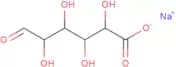
Pureza:Min. 95%L-Iduronic acid sodium salt
CAS:L-iduronic acid (IdoA) (Collins, 2006) is the major uronic acid component of the glycosaminoglycans dermatan sulfate, chondroitin sulfate and heparin. Iduronic acid is also present in heparan sulfate, although in a minor amount relative to glucuronic acid. Glycosaminoglycans represent a physiologically important group of molecules involved in a variety of biological functions, such as, cell proliferation, cell-to-cell communication, wound healing, coagulation, morphogenesis, and pathogenesis. Glycosaminoglycans present an intriguing target for the design of new approaches for diagnostic and therapeutic agents against various infectious diseases (Kamhi, 2013).
Fórmula:C6H9NaO7Pureza:Min. 95%Cor e Forma:Slightly Yellow PowderPeso molecular:216.12 g/molRef: 3D-MI05148
Produto descontinuado(2R, 3R, 4R, 5S) -3, 4- Dihydroxy- 5- (hydroxymethyl) - N- methyl-2- pyrrolidinecarboxami de
CAS:Methylation of a saccharide with a methyl group is called methylation. The process is used in the synthesis of many important molecules, including biomedically-relevant compounds such as drugs and natural products. Methylation can be achieved by using various methods, such as by using an organometallic (e.g., Grignard reagent) or electrophilic reagent (e.g., dimethyl sulfate).
Pureza:Min. 95%3,4,6-Tri-O-acetyl-b-D-mannopyranose 1,2-(methyl orthoacetate)
CAS:3,4,6-Tri-O-acetyl-b-D-mannopyranose 1,2-(methyl orthoacetate) is a glycosylation product that is used in the synthesis of oligosaccharides. 3,4,6-Tri-O-acetyl-b-D-mannopyranose 1,2-(methyl orthoacetate) is synthesized by the reaction of 3,4,6-triacetyl b D mannopyranose with methyl orthoacetate in aqueous solution containing an acid catalyst. This compound can be used to modify saccharides and complex carbohydrates. It is also used in click chemistry to create modified sugars. The molecular weight of this compound ranges from 200 to 600 grams per mole and it has a CAS number of 4435 05 6.Fórmula:C15H22O10Pureza:Min. 95%Cor e Forma:PowderPeso molecular:362.33 g/molRef: 3D-MT04874
Produto descontinuadoD-Xylonic-1,4-lactone
CAS:D-Xylonic acid-1,4-lactone is a substrate that participates in the synthesis of glyceric acid. It has been shown to be a synthetic substrate for benzyl groups and leukemia HL-60 cells. D-Xylonic acid-1,4-lactone can react with chloride ions to form D-xylose. The product of this reaction is an epimerization reaction that occurs when the hydroxyl group on the carbon atom adjacent to the carbonyl group (C1) reacts with a proton from water to form a double bond at C2. This conversion produces xylonic acid and lactone.
Fórmula:C5H8O5Pureza:Min. 97 Area-%Cor e Forma:White PowderPeso molecular:148.11 g/molRef: 3D-MX00474
Produto descontinuadoXylitol - BP/EP
CAS:Xylitol is a sugar alcohol that has been shown to have antimicrobial properties. It has been found to be effective in inhibiting the growth of bacteria, yeast, and fungi by disrupting their cell membranes. In addition, xylitol appears to have the ability to reduce plasma glucose levels in animals and humans. Xylitol has also been shown to inhibit the growth of bacteria in acidic environments by binding with proteins on the bacterial cell membrane. This binding prevents the transport of nutrients into the cell and results in cell death. Xylitol is not metabolized by human cells because it cannot be broken down into acetaldehyde or acetate. However, xylitol can be metabolized by certain types of liver cells.
Xylitol BP/EP is a drug that belongs to the class of antidiabetic agents used for lowering blood sugar levels in patients with diabetes mellitus type II (insulin-dependent diabetes). It is an exogenous insulin secretagogue that stimulates insulin secretion from pancreaticFórmula:C5H12O5Pureza:Min. 95%Peso molecular:152.15 g/molRef: 3D-MX01244
Produto descontinuadoL-Rhamnose diethyl mercaptal
CAS:L-Rhamnose diethyl mercaptal is an antiperspirant and deodorant that is used in combination with other ingredients to reduce or eliminate body odor. It is a supplement, often found in combinations with other compounds such as neodymium and radium. This compound works by preventing the formation of sweat from the apocrine glands, which reduces underarm wetness and body odor. L-Rhamnose diethyl mercaptal also has antimicrobial properties that help prevent bacterial growth on the skin surface.
Fórmula:C10H22O4S2Pureza:Min. 95%Cor e Forma:PowderPeso molecular:270.41 g/molRef: 3D-MR05237
Produto descontinuadoD-Glucuronolactone
CAS:D-Glucuronolactone is supposed to be involved in detoxification processes.
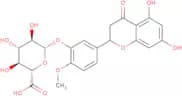
Fórmula:C6H8O6Peso molecular:176.13 g/molHesperetin 3'-O-b-D-glucuronide
CAS:Hesperetin 3'-O-b-D-glucuronide is a natural product that is synthesized by glycosylation of hesperidin with 3,4,5-trihydroxybenzoic acid. It is a synthetic and complex carbohydrate that can be modified to include fluorination, monosaccharide, oligosaccharide, methylation, and click modification. Hesperetin 3'-O-b-D-glucuronide can also be used in the synthesis of polysaccharides with glycosylations. This product has high purity and can be custom synthesized for customers.
Fórmula:C22H22O12Pureza:Min. 95%Cor e Forma:Slightly Yellow PowderPeso molecular:478.4 g/molRef: 3D-MH44424
Produto descontinuado2-Azidomethyl-2-deoxy-D-ribono-1.5-lactone
2-Azidomethyl-2-deoxy-D-ribono-1.5-lactone is a custom synthesis of an oligosaccharide with a carbohydrate chain that has been modified by methylation and glycosylation. It is a high purity product that can be used in the synthesis of complex carbohydrates, such as polysaccharides, and has been fluorinated to create a click modification. This compound has an CAS number and can be used in the synthesis of saccharides or sugars. It can also be used for the preparation of complex carbohydrates, such as polysaccharides, and has been fluorinated to create a click modification.
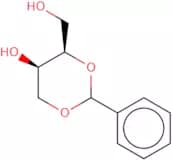
Pureza:Min. 95%1,3-O-Benzylidene-4-O-trityl-D-threitol
CAS:1,3-O-Benzylidene-4-O-trityl-D-threitol is a carbohydrate that is modified with fluorine and contains a trityl group. It is used as a reagent in oligosaccharide synthesis, sugar modification, and glycosylation reactions. The compound can be custom synthesized to meet the desired specifications, such as high purity and low cost. The compound can also be methylated or glycosylated for custom synthesis.
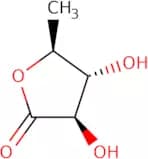
Fórmula:C30H28O4Pureza:Min. 95%Peso molecular:452.54 g/mol5-Deoxy-L-arabonic acid 1,4-lactone
CAS:5-Deoxy-L-arabonic acid 1,4-lactone is a phytochemical present in the flowers of some plants. It has been shown to have anti-cancer properties in lung cancer cells by inhibiting the growth of these cells. 5-Deoxy-L-arabonic acid 1,4-lactone inhibits cell division and induces apoptosis by binding to DNA, preventing replication. This compound also inhibits the production of prostaglandins that promote inflammation, which may be related to its anti-cancer effects. 5-Deoxy-L-arabonic acid 1,4-lactone has been shown to inhibit the production of phenolic compounds such as vanillic acid and apigenin in lung cancer cell lines. These compounds have been shown to have chemopreventive activities against various cancers including breast cancer and colon cancer.
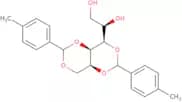
Fórmula:C5H8O4Pureza:Min. 95%Cor e Forma:PowderPeso molecular:132.12 g/molBis(p-methylbenzylidene)sorbitol
CAS:Bis(p-methylbenzylidene)sorbitol is an organic solvent that has been used in a variety of applications, including polyolefin production, as an additive for plastics, and as a surface treatment for metals. Bis(p-methylbenzylidene)sorbitol also has been used to reduce the weight of paper and textiles. It is synthesized by the reaction of vinyl alcohol with dibenzylidene sorbitol in the presence of base. Bis(p-methylbenzylidene)sorbitol can be identified by its crystalline structure, which consists of three molecules of glucose linked together. Bis(p-methylbenzylidene)sorbitol is a colorless liquid that has no odor or taste and it has a low viscosity. This chemical is also soluble in organic solvents such as benzene or ethylene glycol ethers.
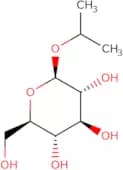
Fórmula:C22H26O6Pureza:Min. 95%Cor e Forma:PowderPeso molecular:386.44 g/molIsopropyl beta-D-glucopyranoside
CAS:Isopropylbeta-D-glucopyranoside is a chemical compound that has been studied for its antibacterial activity. It has been shown to inhibit the growth of bacteria by reacting with fatty acids in the cell membrane, which leads to the disruption of the cell membrane and death. Isopropylbeta-D-glucopyranoside is a member of the sugar alcohols class, and it can be synthesized from glucose, fatty acid, and hydrochloric acid using an acid catalyst. The reaction system is typically carried out in microcapsules.
Fórmula:C9H18O6Pureza:Min. 95%Cor e Forma:PowderPeso molecular:222.24 g/molRef: 3D-FI152923
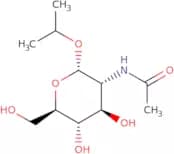
Produto descontinuadoIsopropyl 2-acetamido-2-deoxy-α-D-glucopyranoside
CAS:Isopropyl 2-acetamido-2-deoxy-α-D-glucopyranoside is a modification of an oligosaccharide. It has been synthesized and characterized by NMR spectroscopy. This carbohydrate is custom synthesized as a complex carbohydrate. It is also a synthetic carbohydrate. Isopropyl 2-acetamido-2-deoxy-α-D-glucopyranoside is used as a monosaccharide, in glycosylation, methylation, polysaccharides, and other sugar chemistry reactions. Isopropyl 2-acetamido-2-deoxy-α-D-glucopyranoside can be used for fluorination or saccharides.
Fórmula:C11H21NO6Pureza:Min. 95%Cor e Forma:PowderPeso molecular:263.29 g/molD-Mannosaminuronic acid
D-Mannosaminuronic acid is a monosaccharide that has been isolated from the seed of the African plant, Acacia drepanolobium. It is found to be an antigenic component of shigella and related enterobacteria and plays an important role in the biosynthesis of glycolipids. D-Mannosaminuronic acid can be hydrolyzed by acidic enzymes such as lipases, esterases, phosphatases, or proteases. This process may lead to the liberation of fatty acids and sugars. The purified enzyme preparations have been shown to catalyze the synthesis of D-mannosaminuronic acid from mannose and fructose.
Pureza:Min. 95%Raloxifene-4'-D-glucuronide D4 lithium salt
Produto ControladoRaloxifene-4'-D-glucuronide D4 lithium salt is a synthetic glycosylate drug, which belongs to the group of anti-estrogens. Raloxifene-4'-D-glucuronide D4 lithium salt is used for the treatment of postmenopausal osteoporosis and prevention of osteoporotic fractures in women with intact uterus. It has been shown to inhibit bone resorption, increase bone mineral density and reduce the incidence of vertebral fractures in postmenopausal women. Raloxifene-4'-D-glucuronide D4 lithium salt can be synthesized using a click chemistry reaction which involves the addition of an azide to an alkyne followed by copper catalysis and subsequent reduction with sodium borohydride. Synthesis of this compound can be achieved without any purification steps due to its high purity.
Fórmula:C34H30NO10SD4·LiPureza:Min. 95%Peso molecular:659.66 g/mol(2R, 3S, 4S, 5S) - 2-Methyl- 3, 4, 5- piperidinetriol
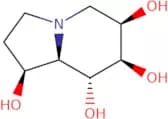
CAS:D-Methylated pentaerythritol has been synthesized for the first time. The synthesis of D-methylated pentaerythritol was achieved via a modified version of the Click reaction, which is a three-component coupling reaction that involves an electrophilic carbonyl compound, an azide and a nucleophile. This product is suitable for use in the synthesis of oligosaccharides and polysaccharides. It can be used as a raw material for modification or as a sugar in the synthesis of complex carbohydrates, such as saccharides or carbohydrates.
Fórmula:C6H13NO3Pureza:Min. 95%Peso molecular:147.17 g/mol6-Deoxy-L-psicose
CAS:6-Deoxy-L-psicose is a d-arabinose analog that can be used as a substrate in the enzymatic synthesis of L-arabinose. It has been shown to inhibit the activity of phosphatase and glutamicum enzymes in vitro. 6-Deoxy-L-psicose binds to the active site of the enzyme through its phosphate group, which prevents access by an incoming substrate. The phosphate group also acts as an electron donor for the enzyme, stabilizing it through hydrogen bonding interactions. X-ray structures of 6-deoxy-L-psicose bound to corynebacterium glutamicum have revealed a ternary complex with two molecules of corynebacterium glutamicum and one molecule of 6-deoxy-L-psicose.
Fórmula:C6H12O5Pureza:Min. 95%Peso molecular:164.16 g/mol2,3,5-Tri-O-benzyl-D-arabino-1,4-lactone
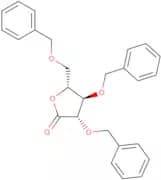
CAS:2,3,5-Tri-O-benzyl-D-arabino-1,4-lactone is a carbonyl compound that has been used to synthesize carbonyl compounds. It has been shown to catalyze the formation of benzaldehyde from acetoacetic ester in the presence of hydrochloric acid. The melting point of 2,3,5-tri-O-benzyl-D-arabino-1,4--lactone is reported to be between 138° and 141°C.Fórmula:C26H26O5Pureza:Min. 95%Cor e Forma:PowderPeso molecular:418.48 g/molRef: 3D-MT05389
Produto descontinuado4,6-O-Benzylidene-D-glucose
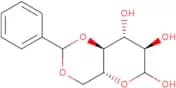
CAS:4,6-O-Benzylidene-D-glucose is a potent inhibitor of the enzyme dibutyltin oxide, which is involved in the synthesis of energy. It has been shown to have clinical activity in rat cardiomyocytes and has been tested in clinical studies. 4,6-O-Benzylidene-D-glucose inhibits enzymes by forming hydrogen bonds with their substrates. This compound also interacts with hydrochloric acid to form a stable complex that prevents it from interacting with other molecules. 4,6-O-Benzylidene-D-glucose is rapidly broken down into glucose and benzaldehyde when it reacts with carbonyl groups or amines. The asymmetric synthesis of this compound can be achieved using an intramolecular hydrogen transfer reaction.
4,6-O-Benzylidene glucose is derived from D-mannose derivatives and contains a hydroxyl group on the central carbonFórmula:C13H16O6Pureza:Min. 98 Area-%Cor e Forma:White PowderPeso molecular:268.26 g/molRef: 3D-MB03806
Produto descontinuadoGDP-L-galactose sodium salt
CAS:GDP-L-galactose is a sugar molecule that is an intermediate in the biosynthesis of ascorbate. GDP-L-galactose is synthesized from GDP-D-mannose and GDP-L-glucose by the enzyme GDP-mannose 4,6 dehydratase. The enzyme GDP-L-galactose dehydrogenase then converts GDP-L-galactose to ascorbic acid (vitamin C). Ascorbate is essential for many biological functions such as synthesis of collagen and neurotransmitters, regulation of gene expression, and protection against oxidative stress. The biosynthesis of ascorbate occurs in a light dependent reaction involving L -galactono 1,4 diphosphate synthase and UDP glucose 6 phosphate uridylyl transferase. This process is regulated by transcriptional factors such as MYB and NAC2/NAC4.
Fórmula:C16H23N5O16P2Na2Pureza:(Hplc-Ms) Min. 95 Area-%Cor e Forma:White Off-White PowderPeso molecular:649.3 g/molRef: 3D-MG01735
Produto descontinuadoPetunidin 3-glucoside chloride
CAS:Petunidin 3-glucoside chloride is a natural compound found in the human serum and in kidney beans. It is structurally similar to chlorogenic acid, a major phenolic acid in coffee. Petunidin 3-glucoside chloride is extracted using hydrochloric acid and then purified by a surface methodology. The main degradation products of this compound are protocatechuic acid, fluorescence detector, procyanidin B4, and malonic acid. This compound can be used as an antioxidant or chemoattractant protein. It has been shown to have high levels of anthocyanins and trifluoroacetic acid (TFA) when exposed to sunlight.
Fórmula:C22H23O12ClPureza:Min. 95%Cor e Forma:PowderPeso molecular:514.86 g/molRef: 3D-MP44898
Produto descontinuado1-Deoxy-L-allitol
CAS:1-Deoxy-L-allitol is a naturally occurring compound found in human urine. It has been shown to have a role in the regulation of glucose metabolism, as it is catalysed by liver enzymes and can affect the synthesis of glycogen. 1-Deoxy-L-allitol also has been found to be an activator of t-cells, which are immune cells that help regulate the body's response to infection.
Fórmula:C6H14O5Pureza:Min. 95%Peso molecular:166.17 g/mol6-Chloro-6-deoxy-D-mannono-1,4-lactone
6-Chloro-6-deoxy-D-mannono-1,4-lactone is a saccharide that belongs to the group of polysaccharides. It can be custom synthesized and modified to meet your needs. 6CMDL is a synthetic carbohydrate product with high purity, which can be used in the synthesis of glycosylations or as a fluorinated mannose analogue.
6CMDL has been shown to have a methylation activity that can be used for the modification of carbohydrates or oligosaccharides.Fórmula:C6H9ClO5Pureza:Min. 95%Peso molecular:196.59 g/mol2,5-Dideoxy-2,5-imino-glycero-D,L-mannoheptitol
2,5-Dideoxy-2,5-imino-glycero-D,L-mannoheptitol is a methylated saccharide that has been modified with a click reaction. It is used in the synthesis of oligosaccharides and glycosylations. This product is an excellent choice for custom synthesis projects due to its high purity, low cost, and short lead time.
Pureza:Min. 95%