Monossacáridos
Subcategorias de "Monossacáridos"
- Aloses(11 produtos)
- Arabinoses(21 produtos)
- Eritroses(11 produtos)
- Frutoses(9 produtos)
- Fucoses(36 produtos)
- Galactosamina(41 produtos)
- Galactoses(261 produtos)
- Glucoses(365 produtos)
- Ácidos Glucurónicos(52 produtos)
- Glico-substratos para enzimas(78 produtos)
- Guloses(6 produtos)
- Idoses(4 produtos)
- Inositóis(15 produtos)
- Lixoses(4 produtos)
- Mannoses(65 produtos)
- O-Glicanos(48 produtos)
- Psicoses(3 produtos)
- Ramnoses(10 produtos)
- Riboses(61 produtos)
- Ácidos siálicos(100 produtos)
- Sorboses(4 produtos)
- Açúcares(173 produtos)
- Tagatoses(4 produtos)
- Taloses(8 produtos)
- Xiloses(20 produtos)
Foram encontrados 6088 produtos de "Monossacáridos"
L-Iduronic Acid Sodium Salt
CAS:Stability Hygroscopic
Applications A constituent of certain mucopolysaccharides.
References Hoffman, P., et al.: Science, 124, 1252 (1956), Meyer, K: Biochim et Biophys. Acta, 21, 506 (1956), Cifonelli, J.A., et al.: Federation Proc., 16, 165 (1957), Cifonelli, J.A., et al.: J. Biol. Chem., 233, 541 (1958)Fórmula:C6H9NaO7Cor e Forma:Light Orange Colour To Dark BrownPeso molecular:216.121,6-Anhydro-β-D-galactose
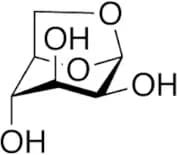
CAS:Produto ControladoApplications 1,6-Anhydro-β-D-glucopyranose is a carbohydrate contains in liquid smoke flavorings.
References Kim, K., et al.: Agric. Biol. Chem., 38, 53 (1974), Guillen, M., et al.: Food Chem., 58, 97 (1997), Guillen, M., et al.: J. Agric. Food Chem., 46, 1276 (1998),Fórmula:C6H10O5Cor e Forma:White To BeigePeso molecular:162.14Ethyl β-D-Thiogalactopyranoside
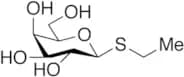
CAS:Produto ControladoApplications Ethyl β-D-Thiogalactopyranoside (cas# 56245-60-4) is a compound useful in organic synthesis.
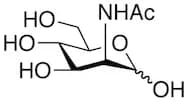
Fórmula:C8H16O5SCor e Forma:NeatPeso molecular:224.27N-Acetyl-D-mannosamine
CAS:Produto ControladoStability Hygroscopic
Applications A derivative of D-Mannosamine (M167000).
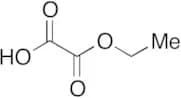
References Pukanud, P. et al.: Drug Delivery, 16, 289 (2009);Fórmula:C8H15NO6Cor e Forma:NeatPeso molecular:221.21Oxalic Acid Ethyl Ester
CAS:Produto ControladoApplications Oxalic Acid Ethyl Ester is a useful synthetic intermediate. It is used to synthesize 2-substituted 3-aryl-4(3H)-quinazolinones with anticonvulsant activities. It is also used to prepare nonbenzamidine tetrazole derivatives as factor Xa inhibitors.
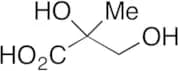
References Wolfe, J., et al.: J. Med. Chem., 33, 161 (1009); Quan, M., et al.: bioorg. Med. Chem. Lett., 13, 369 (2003)Fórmula:C4H6O4Cor e Forma:NeatPeso molecular:118.09α-Methylglyceric Acid
CAS:Produto ControladoApplications α-Methylglyceric Acid is a biogenic secondary organic aerosol used in air quality diagnosis.
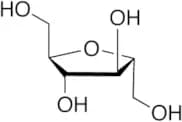
References Ru, P., et. al.: Environ. Sci. Technol., 48, 8491 (2014); Napelenok, S.L., et. al.: Environ. Sci. Technol., 48, 464 (2014); Stone, E.A., et. al.: Environ. Chem., 9, 263 (2012)Fórmula:C4H8O4Cor e Forma:NeatPeso molecular:120.12,5-Anhydro-D-mannitol
CAS:Produto ControladoApplications A carbohydrate metabolism regulator that has been shown to inhibit gluconeogenesis from lactate plus pyruvate and from substrates that enter the gluconeogenic pathway as triose phosphate.
References Joet, T., et al.: Biochem. J., 381, 905 (2004), Girardin, E., et al.: J. Biol. Chem., 280, 38059 (2005), Nghiem, N., et al.: App. Biochem. Biotechnol., 141, 335 (2007),Fórmula:C6H12O5Cor e Forma:NeatPeso molecular:164.161,6-Anhydro-β-D-mannopyranose
CAS:Produto ControladoApplications Monosaccharide anhydrides, new markers of toasted oak wood used for ageing wines and distillates.
References Goldberg, D., et al.: J. Agric. Food Chem., 47, 3978 (1999), Fu, P., et al.: Environ. Sci. Technol., 43, 286 (2009),Fórmula:C6H10O5Cor e Forma:Off-WhitePeso molecular:162.14D-Gulose
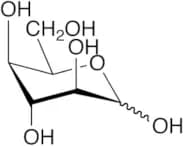
CAS:Applications D-Glucose is a aldohexose sugar that is very rare in nature but has been found in archaea, bacteria and other eukaryotes. Gulose is the C-3 Epimer of galactose (G155250).
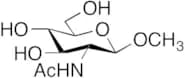
References Sun, Y.X., et al.: Biosci. Biotech. Biochem., 70, 598 (2006); Bhuiyan, S.H., et al.: J. Biosci. Bioengin., 88, 567 (1999);Fórmula:C6H12O6Cor e Forma:Off White SolidPeso molecular:180.1559Methyl 2-Acetamido-2-deoxy-β-D-glucopyranoside
CAS:Produto ControladoFórmula:C9H17NO6Cor e Forma:NeatPeso molecular:235.23Ethylmalonic Acid
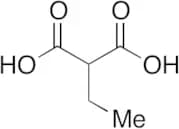
CAS:Applications Ethylmalonic Acid is used as a diagnostic agent used in the diagnosis of Ethylmalonic encephalopathy which is a rare autosomal recessive inborn error of metabolism.
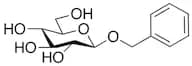
References Baertling, F. et al.: Eur. J. Pediat., 173, 1719 (2014); Sudo, Y. et al.: Hu,am Genome Var., 1, 15016 (2014);Fórmula:C5H8O4Cor e Forma:NeatPeso molecular:132.12Benzyl beta-D-Glucopyranoside
CAS:Produto ControladoApplications Benzyl β-D-Glucopyranoside (cas# 4304-12-5) is a compound useful in organic synthesis.
References Yoshikawa, M., et al.: Chem. Pharm. Bull., 56, 1297 (2008), Takeda, Y., et al.: J. Nat. Med., 62, 476 (2008),Fórmula:C13H18O6Cor e Forma:Off WhitePeso molecular:270.28D-Idose (0.141M Solution)
CAS:Applications D-Idose is a monosaccharide that is an important component of dermatan sulfate and heparan sulfate.
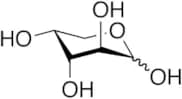
References Olsen, S.G., et al.: J. Biol. Chem., 264, 15982 (1989);Fórmula:C6H12O6Cor e Forma:Single SolutionPeso molecular:180.1559D-Arabinose
CAS:Applications An inhibitor of the enzyme glucose dehydrogenase.
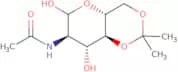
References Cozier, G.E. et al.: Biochem. J., 340, 639 (1999);Fórmula:C5H10O5Cor e Forma:White SolidPeso molecular:150.132-Acetamido-2-deoxy-4,6-O-isopropylidene-D-glucopyranose
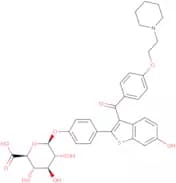
CAS:2-Acetamido-2-deoxy-4,6-O-isopropylidene-D-glucopyranose is a modification of 2,3,4,5,6 tetraacetamido 1,2,3,4,5 pentaoxo 1,2 deoxy D glucose. It is an oligosaccharide that has been synthesized for the first time in 1977. The monosaccharide can be methylated and glycosylated to form polysaccharides such as mannans and galactans. The chemical structure of this product can be modified with fluorination or saccharide substitution.Fórmula:C11H19NO6Pureza:Min. 95%Peso molecular:261.27 g/molRaloxifene 4'-D-glucuronide
CAS:Raloxifene 4'-D-glucuronide is a drug that is a prodrug of raloxifene, and it can be used to treat osteoporosis. The compound is metabolized by glucuronidation in the liver, and it has been found to have bioequivalence with the parent drug. Raloxifene 4'-D-glucuronide is marketed under the trade name Evista.Fórmula:C34H35NO10SPureza:Min. 95%Cor e Forma:PowderPeso molecular:649.71 g/mol1,2,3,4,6-Penta-O-acetyl-a-D-mannopyranose
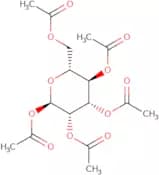
CAS:1,2,3,4,6-Penta-O-acetyl-α-D-mannopyranose is an acetylated sugar which is used as an intermediate in the mannosylation of glycoproteins or glycoconjugates. It can be used in the production of mannosylated glycoconjugate vaccines or lipid nanoparticles (LNPs) which have been investigated for improving antigen up-take mediated, via the mannose receptor (MR) of human antigen presenting cells (APCs). 1,2,3,4,6-Penta-O-acetyl-a-D-mannopyranose, also known as α-D-Mannose pentaacetate, has also been used in the study of isolated rat pancreatic islets where it stimulates insulin release.
Fórmula:C16H22O11Pureza:Min. 98 Area-%Cor e Forma:White Off-White PowderPeso molecular:390.34 g/molAllyl β-D-galactopyranoside
CAS:Allyl β-D-galactopyranoside is a complex carbohydrate that is modified by methylation, glycosylation, and fluorination. It can be synthesized using the Carbohydrate-Click reaction. Allyl β-D-galactopyranoside is used as a substrate for the synthesis of oligosaccharides, polysaccharides, and other carbohydrates. This product has high purity and is available in custom synthesis.Fórmula:C9H16O6Pureza:Min. 95%Cor e Forma:White PowderPeso molecular:220.22 g/molMetrizamide
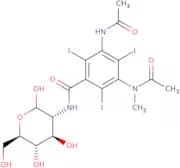
CAS:Radiopaque contrast agent; diagnostic aid for myelographyFórmula:C18H22I3N3O8Pureza:(%) Min. 95%Cor e Forma:White PowderPeso molecular:789.1 g/molMucic acid
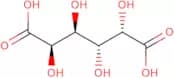
CAS:Mucic acid is a metal chelate that stimulates the metabolism of carbohydrates, fats and proteins. It also plays a role in the production of energy in the body. Mucic acid has been shown to have a protective effect against infectious diseases, as it activates toll-like receptor 2 (TLR2) and TLR4, which are molecules involved in innate immunity. Mucic acid has been shown to protect against influenza virus infection by increasing the expression of interferon-gamma (IFN-γ) and IL-12, which are cytokines that inhibit viral replication. Mucic acid can be used as a fluorescence probe for detection of polymorphonuclear leucocytes in blood samples.Fórmula:C6H10O8Pureza:Min. 95%Cor e Forma:White PowderPeso molecular:210.14 g/mol1,2,3,4,6-Penta-O-benzyl-β-D-thiogalactopyranoside
CAS:1,2,3,4,6-Penta-O-benzyl-b-D-thiogalactopyranoside is a custom synthesis that is a complex carbohydrate. It has a CAS number of 210358-01-3 and a molecular weight of 603. It is modified with saccharide, methylation, glycosylation, and carbonyl groups. This product is available in high purity and without fluorination or synthetic modification.
Fórmula:C41H42O5SPureza:Min. 95%Cor e Forma:PowderPeso molecular:646.84 g/mol2,3,4,6-Tetra-O-benzoyl-D-galactopyranose
CAS:2,3,4,6-Tetra-O-benzoyl-D-galactopyranose is a glycoside. It is synthesized by the glycosylation of galactose with benzoic acid chloride in the presence of sodium carbonate. This compound is a natural product that can be found in plants and animals. 2,3,4,6-Tetra-O-benzoyl-D-galactopyranose has been shown to inhibit topoisomerase I and II activity in mammalian cells and induce the uptake of galactose into human adenocarcinoma cells. The yields of this compound are low and it has not been studied extensively due to its limited availability.Fórmula:C34H28O10Pureza:Min. 95%Cor e Forma:White PowderPeso molecular:596.58 g/mol4,6-O-Ethylidene-D-glucopyranose
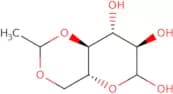
CAS:4, 6-O-Ethylidene-D-glucopyranose is a glucose analogue that inhibits sugar transport. It has been shown to inhibit glucose transport by binding to the hydroxyl group on the red cell membrane. This binding prevents the sugar from entering the cell and as a result, glucose accumulates in the blood. 4, 6-O-Ethylidene-D-glucopyranose also binds to tryptophan fluorescence and inhibits cytochalasin B binding to tryptophans that are located on the plasma membrane of eukaryotic cells.Fórmula:C8H14O6Pureza:Min. 90 Area-%Cor e Forma:PowderPeso molecular:206.19 g/molDapagliflozin propanediol monohydrate
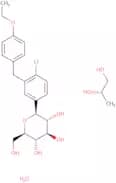
CAS:Dapagliflozin is an oral antidiabetic drug that acts by inhibiting the SGLT2 enzyme. The SGLT2 enzyme is responsible for reabsorbing glucose from the kidney, so by inhibiting this enzyme, glucose will be excreted in the urine and blood glucose levels will decrease. Dapagliflozin also has a low bioavailability in vivo, which can be improved by administration with food. This drug has been shown to have a longer elimination half-life than canagliflozin and empagliflozin. Dapagliflozin has been shown to have a higher potency than metformin hydrochloride in vitro.Fórmula:C24H35ClO9Pureza:(Hplc) Min. 99.0%Cor e Forma:PowderPeso molecular:502.98 g/mol1,3,4,6-Tetra-O-benzoyl-α-D-fructofuranose
CAS:1,3,4,6-Tetra-O-benzoyl-a-D-fructofuranose is a fluorinated monosaccharide. It is an artificial sugar that has been modified with a benzoyl group at the 1 position and a tetra-O-benzoyl group at the 3 position. This compound has been synthesized using a custom synthesis. The compound is soluble in water and ethanol and can be used as a glycosylation or polysaccharide modification reagent. Click chemistry reactions have been performed on this compound to introduce methyl groups to the 4 and 6 positions of the sugar ring. The purity of this product is >99%.
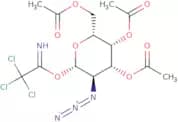
Fórmula:C34H28O10Pureza:Min. 95%Cor e Forma:White To Off-White SolidPeso molecular:596.58 g/mol3,4,6-Tri-O-acetyl-2-azido-2-deoxy-b-D-galactopyranosyl trichloroacetimidate
CAS:Glycosyl-donor for syntheses of N-acetylgalactosamine-glycoconjugatesFórmula:C14H17Cl3N4O8Pureza:(%) Min. 80%Cor e Forma:White PowderPeso molecular:475.67 g/molD-Xylonic acid calcium salt hydrate
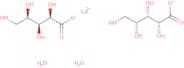
CAS:D-Xylonic acid calcium salt hydrate is a product that is made from the hydrolysis of cellulose. It is a byproduct of the production of d-xylose and can be used as a nutritional supplement or an additive in animal feed. D-Xylonic acid calcium salt hydrate has been shown to have an uptake rate in aerobic conditions that is ten times higher than glucose, which makes it more economical for use in the production of d-xylose. D-Xylonic acid calcium salt hydrate can be catalyzed to produce yields for d-glucose and d-xylose, which are both important monosaccharides. The catalytic process also produces d-gluconic acid and aerobic oxidation produces d-xylose, making it possible to recycle these products.Fórmula:C10H18O12·Ca·xH2OPureza:Min. 97%Cor e Forma:White PowderPeso molecular:370.32 g/mol2,3,4,6-Tetra-O-benzyl-a-D-glucopyranosyl chloride
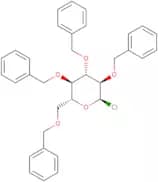
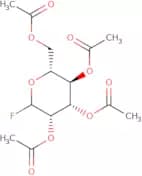
CAS:2,3,4,6-Tetra-O-benzyl-a-D-glucopyranosyl chloride is a cholic acid derivative that is used as a bile acid. It has been shown to be effective in the treatment of gallstones and other conditions involving hypercholesterolemia and cholesterol gallstones. 2,3,4,6-Tetra-O-benzyl-a-D-glucopyranosyl chloride is synthesized by coupling acetyl chloride with 2,3,4,6 tetra O benzyl a D glucopyranoside. The acetate group is then removed to form the desired product.Fórmula:C34H35ClO5Pureza:Min. 95%Cor e Forma:PowderPeso molecular:559.09 g/mol2,3,4,6-Tetra-O-acetyl-D-mannopyranosyl fluoride
CAS:2,3,4,6-Tetra-O-acetyl-D-mannopyranosyl fluoride is a methylated, fluorinated oligosaccharide. It is a custom synthesis and can be used as a monosaccharide to modify polysaccharides or saccharides. The modification of the sugar with 2,3,4,6-Tetra-O-acetyl-D-mannopyranosyl fluoride increases the water solubility of the complex carbohydrate and its ability to be synthesized into other compounds. This product is high purity and has been modified with fluorine for better stability.
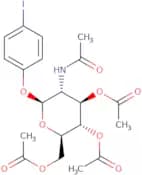
Fórmula:C14H19FO9Pureza:Min. 95%Peso molecular:350.29 g/mol4-Iodophenyl 2-acetamido-3,4,6-tri-O-acetyl-2-deoxy-b-D-glucopyranoside
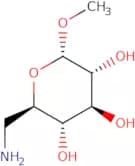
CAS:4-Iodophenyl 2-acetamido-3,4,6-tri-O-acetyl-2-deoxy-b-D-glucopyranoside is a white crystalline powder. It is a glycosylation product of 4-(iodophenyl)-2-(acetamido)-3,4,6,-triacetylaminohexose. This compound can be used for the synthesis of complex carbohydrates and saccharides. This compound is also used in the modification of polysaccharides and oligosaccharides. The purity of this compound is greater than 98%.Fórmula:C20H24INO9Pureza:Min. 95%Cor e Forma:PowderPeso molecular:549.31 g/molMethyl 6-amino-6-deoxy-a-D-glucopyranoside
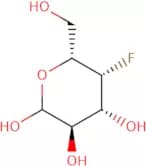
CAS:Methyl 6-amino-6-deoxy-a-D-glucopyranoside is a saccharide with a molecular weight of 362.4 g/mol. This carbohydrate is fluorinated and modified with an amine group on the C1 position, which makes it a complex carbohydrate. It can be custom synthesized to order and has high purity. CAS No. 5155-47-5Fórmula:C7H15NO5Pureza:Min. 98 Area-%Cor e Forma:Clear LiquidPeso molecular:193.2 g/mol4-Deoxy-4-fluoro-D-galactose
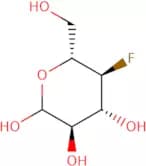
CAS:4-Deoxy-4-fluoro-D-galactose (FUDG) is a modification of the sugar galactose. It is an inhibitor of glucosyltransferases, and it is used in the synthesis of oligosaccharides. FUDG has been shown to be a substrate for recombinant proteins that bind to 2-deoxy-2-fluoro-d-mannose, which are involved in the regulation of blood group expression. The binding affinity and specificity of FUDG for these proteins was examined using electrophysiology techniques. These results may help to rationalize how FUDG binds to these proteins and its potential as a glucose sensor.Fórmula:C6H11FO5Pureza:Min. 95 Area-%Cor e Forma:PowderPeso molecular:182.15 g/molPhenyl 4,6-O-benzylidene-a-D-thiomannopyranoside
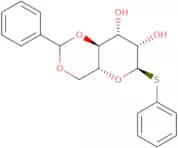
CAS:Phenyl 4,6-O-benzylidene-a-D-thiomannopyranoside is a custom synthesis that is modified with fluorination, methylation and click modification. It is a monosaccharide that is used in the preparation of polysaccharides and glycosylations. Phenyl 4,6-O-benzylidene-a-D-thiomannopyranoside also has saccharide and carbohydrate properties.Fórmula:C19H20O5SPureza:Min. 95%Cor e Forma:White PowderPeso molecular:360.43 g/molD-Mannose - F (from birch)
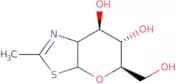
CAS:Abundant and critical component of natural glycans and glycoproteinsFórmula:C6H12O6Pureza:Min. 98 Area-%Cor e Forma:White PowderPeso molecular:180.16 g/molN-Acetyl-glucosaminyl thiazoline
CAS:Inhibitor of O-GlcNAcase
Fórmula:C8H13NO4SPureza:Min. 97 Area-%Cor e Forma:White PowderPeso molecular:219.26 g/molD-Glucuronic acid
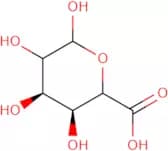
CAS:D-Glucuronic acid (GlcA) is D-glucose with position six oxidised to a carboxyl group (Collins, 2006). It is a common component of a number of gums and mucilages structurally related to pectins, where it is can be present as a terminal non reducing end residue (Renard, 1999). Glucuronic acid is also found in bacterial polysaccharides, such as, xanthan gum produced by Xanthomonas campestris (Faria, 2011), and in glycosaminoglycans, such as, heparan sulfate (Casale, 2020).Fórmula:C6H10O7Pureza:Min. 98%Cor e Forma:White Off-White PowderPeso molecular:194.14 g/mol1,2,3,4-Tetra-O-acetyl-6-O-triphenylmethyl-b-D-glucopyranose
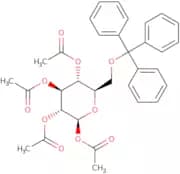
CAS:1,2,3,4-Tetra-O-acetyl-6-O-triphenylmethyl-b-D-glucopyranose (TATPG) is a carbohydrate that belongs to the family of saccharides. It is a synthetic sugar with a modified glycosidic linkage between the hexoses 1 and 2. The preparation of TATPG is through the modification of sugar with fluorination and glycosylation. TATPG has been used in Click chemistry to attach polymers and proteins to oligosaccharides or monosaccharides. This modification can be achieved through methylation or substitution reactions with other chemical groups such as acetate, phosphates, and thiols. This molecule has also been used in the synthesis of complex carbohydrates by modifying the glucose unit with glucose oxidase, which leads to the formation of D-arabinitol 1,5-.Fórmula:C33H34O10Pureza:Min. 95%Cor e Forma:PowderPeso molecular:590.62 g/molPropargyl a-D-galactopyranoside
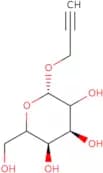
CAS:Propargyl a-D-galactopyranoside (PGAL) is a synthetic compound that belongs to the group of oligosaccharides. PGAL can be used in the synthesis of glycosylated saccharides, such as glycoproteins and glycolipids. The modification of PGAL with fluorine atoms is known to increase its stability. It has been shown that PGAL can be modified with methyl groups without affecting its chemical properties. Furthermore, PGAL can be modified with click chemistry reactions, which are chemoselective reactions that are catalyzed by copper(I) ions.Fórmula:C9H14O6Pureza:Min. 95%Cor e Forma:White to off-white oily solid.Peso molecular:218.21 g/molscyllo-Inositol
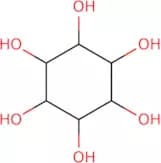
CAS:Scyllo-inositol is a sugar alcohol that is an effective inhibitor of inositol monophosphatase and phosphatidylinositol-4,5-bisphosphate 3-kinase. It has been shown to inhibit the activity of these enzymes in a model system, which may be due to its structural similarity to inositol. Scyllo-inositol has also been shown to have physiological effects on cell lysis and metabolic disorders. The inhibitory properties of scyllo-inositol have been evaluated using microdialysis probes and x-ray crystal structures.Fórmula:C6H12O6Pureza:Min. 98 Area-%Cor e Forma:White Off-White PowderPeso molecular:180.16 g/mol4-O-Methyl-D-glucose
CAS:4-O-Methyl-D-glucose is an acidic sugar that is found in the cell walls of plants. It has been shown to have structural studies on plant cells, with ion-exchange and ester linkages. 4-O-Methyl-D-glucose is metabolized by microorganisms, including bacteria, fungi, and yeast. This sugar can be oxidized to form acid or oligosaccharides as well as oxidation products such as methylglyoxal. 4-O-Methyl-D-glucose is also used in the synthesis of mucopolysaccharides which make up the connective tissue of tumor cells. This sugar can be synthesized from D-mannose by a diazonium salt reaction followed by oxidation with sodium hypochlorite. The hydroxyl group on this sugar can be acetylated to form acetylated 4-O methyl glucose.Fórmula:C7H14O6Pureza:Min. 95%Cor e Forma:White PowderPeso molecular:194.18 g/molD-Mannose-6-phosphate disodium salt hydrate
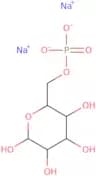
CAS:D-Mannose-6-phosphate disodium salt hydrate (DMDSP) is an endogenous pentose phosphate metabolite that is found in the human body. DMDSP is generated from the metabolism of mannose and glucose and functions as a regulator of metabolic intermediates. It has also been shown to inhibit bacterial growth and function as a competitive inhibitor of bacterial DNA gyrase, an enzyme that maintains the integrity of bacterial DNA. Genetic polymorphism in the DMDP gene may be associated with changes in response to DMDSP. The reductive amination reaction can be used to synthesize this compound from L-aspartic acid, malic enzyme, and nicotinamide adenine dinucleotide phosphate.Fórmula:C6H11O9PNa2·H2OPureza:Min. 95 Area-%Cor e Forma:White PowderPeso molecular:322.11 g/molN-Acetyl-D-mannosamine
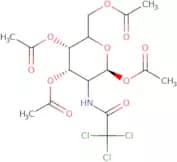
CAS:N-Acetyl D-mannosamine (ManNAc) is an aldohexose (2-acetamido-2-deoxymannose) in which the axial hydroxyl group at position 2 is replaced by a N-acetyl group (Collins, 2006). It has been reported that N-acetyl D-mannosamine supplementation, may provide novel means to break the link between obesity and hypertension (Peng, 2019). N-Acetyl-D-mannosamine and N-acetyl-D-glucosamine are the essential precursors of sialic acid, the specific monomer of polysialic acid, a bacterial pathogenic determinant, for example, Escherichia coli K1 uses both amino sugars as carbon sources. Glycoproteins normally have some level of glycan sialylation, but incomplete sialylation can reduce their therapeutic effect when produced recombinantly. To improve performance, cell lines and culture media can be adjusted. The GNE enzyme controls the efficiency of sialylation in human cell lines, making it crucial for producing effective recombinant glycoprotein drugs. Adding ManNAc and other supplements to culture media improves sialylation, which boosts drug yield, increases stability and half-life, and lowers immune reactions by reducing antibody formation.It has also been reported that ManNAc can be used as a treatment for hereditary inclusion body myopathy, an adult-onset, progressive neuromuscular disorder and also for renal disorders involving proteinuria and hematuria due to podocytopathy and/or segmental splitting of the glomerular basement membrane (Galeano, 2007).Fórmula:C8H15NO6Pureza:Min. 97.5 Area-%Peso molecular:221.21 g/mol1,3,4,6-Tetra-O-acetyl-2-deoxy-2-trichloroacetamido-b-D-glucopyranose
CAS:1,3,4,6-Tetra-O-acetyl-2-deoxy-2-trichloroacetamido-b-D-glucopyranose is a synthetic polysaccharide. It is a monosaccharide that has been custom synthesized and modified with methylation and fluorination. The chemical structure of this product is an oligosaccharide composed of six glucose units linked by acetal bonds. 1,3,4,6-Tetra-O-acetyl-2-deoxy-2-trichloroacetamido b D glucopyranose is available for sale as a research chemical in the US and Canada.
1,3,4,6 Tetra O Acetyl 2 Deoxy 2 Trichloroacetamido b D Glucopyranose (1)Fórmula:C16H20Cl3NO10Pureza:Min. 95%Cor e Forma:White To Off-White SolidPeso molecular:492.69 g/molN-Acetyl-L-xylosamine
N-Acetyl-L-xylosamine is a custom synthesis of a glycosylation product that contains an acetyl group and a xylosamine. It is used as a building block for the synthesis of complex carbohydrates. N-Acetyl-L-xylosamine can be modified with fluorination, saccharide, modification, sugar, or oligosaccharide to create custom products.Fórmula:C7H13NO5Pureza:Min. 95%Cor e Forma:Yellow PowderPeso molecular:191.18 g/mol1,2-Dideoxy-D-ribofuranose
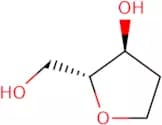
CAS:Precursor for the preparation of abasic nucleoside analoguesFórmula:C5H10O3Pureza:Min. 98 Area-%Cor e Forma:Clear LiquidPeso molecular:118.13 g/molMethyl 3,4:5,6-di-O-isopropylidene-D-gluconate
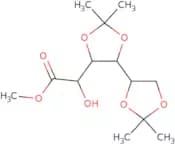
CAS:Methyl 3,4:5,6-di-O-isopropylidene-D-gluconate is a modification of the oligosaccharide, carbohydrate. It is a complex carbohydrate that has been custom synthesized and is available in high purity. This product can be used as a monosaccharide or as a methylated glycosylated saccharide. Methyl 3,4:5,6-di-O-isopropylidene-D-gluconate can be found under CAS No. 114743-85-0 and has the molecular formula C12H22O11.Fórmula:C13H22O7Pureza:Min. 98 Area-%Cor e Forma:Colorless PowderPeso molecular:290.31 g/mol2-Amino-b-L-arabinofurano[1,2:4,5]oxazoline
CAS:2-Amino-b-L-arabinofurano[1,2:4,5]oxazoline is a custom synthesis. It is a white to off-white powder with a molecular weight of 264.50 and a melting point of about 160°C. The purity of this compound is >98% by HPLC analysis. This product has been modified with glycosylation, methylation, click modification, fluorination, saccharide modification, sugar modification, and oligosaccharide modification.Fórmula:C6H10N2O4Pureza:Min. 95%Cor e Forma:PowderPeso molecular:174.15 g/mol2,3-O-Isopropylidene-D-glyceraldehyde - 50% solution in DCM
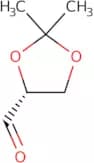
CAS:2,3-O-Isopropylidene-D-glyceraldehyde is an acetal protected glyceraldehyde building block for use in organic chemistry. The aldehyde group of 2,3-O-Isopropylidene-D-glyceraldehyde is left unprotected which allows for a range of reactions to be performed. These include aldol condensations, olefinations, Grignard reactions and imine formation, including reductive amination.Fórmula:C6H10O3Pureza:Min. 95%Cor e Forma:Colorless Clear LiquidPeso molecular:130.14 g/mol5,6-O-Isopropylidene-L-gulonic acid-1,4-lactone
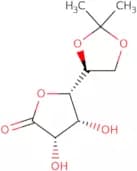
CAS:5,6-O-Isopropylidene-L-gulonic acid-1,4-lactone is a synthetic monosaccharide with the molecular formula C8H14O5. It has a CAS number of 94697-68-4 and is available for custom synthesis. The chemical structure of 5,6-O-Isopropylidene-L-gulonic acid-1,4-lactone consists of a methyl group attached to the hydroxyl at position 1 and a fluoro group attached to the hydroxyl at position 4. 5,6--O--Isopropylidene--L--gulonic acid--1,4--lactone is not naturally occurring and is made by modification of glycosides. This compound can be used in click chemistry or complex carbohydrate reactions.
Fórmula:C9H14O6Pureza:Min. 99 Area-%Cor e Forma:White PowderPeso molecular:218.2 g/mol3,4-Di-O-methyl-D-glucose
CAS:3,4-Di-O-methyl-D-glucose is a partially protected glucose .It is found in the exudates of certain plants.Fórmula:C8H16O6Pureza:Min. 95%Cor e Forma:PowderPeso molecular:208.21 g/mol11-Dehydroxygrevilloside B
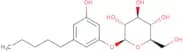
CAS:11-Dehydroxygrevilloside B is a natural glycoside compound, which is primarily isolated from the plant genus Grevillea. This genus is known for its rich diversity of secondary metabolites with various biological activities. The mode of action of 11-Dehydroxygrevilloside B involves interactions with specific molecular targets, potentially influencing biochemical pathways associated with inflammation, oxidative stress, or other cellular processes. Its exact mechanism is still under research, aiming to unravel its potential therapeutic or protective effects. Applications of 11-Dehydroxygrevilloside B are mainly within the realm of biochemical and pharmacological research, where it serves as a subject for in vitro or in vivo experiments to explore its efficacy and safety profile. Its study contributes to understanding how plant-derived compounds can be harnessed for medicinal purposes and augments the exploration of novel drug candidates from natural sources.Fórmula:C17H26O7Pureza:Min. 95 Area-%Cor e Forma:PowderPeso molecular:342.38 g/mol1-O-Methyl-β-D-glucopyranoside
CAS:1-O-Methyl-β-D-glucopyranoside is a β-glucosidase inducer.
Fórmula:C7H14O6Pureza:Min. 98.0 Area-%Peso molecular:194.19 g/molRef: 3D-M-3592
5gA consultar25gA consultar50gA consultar100gA consultar250gA consultar-Unit-ggA consultar1,3,5-O-Methylidyne-myo-inositol
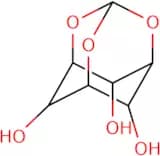
CAS:1,3,5-O-Methylidyne-myo-inositol is a cyclic sugar alcohol, which is naturally derived from various plant sources, including certain fruits and grains. As a stereoisomer of inositol, it represents a specific structural form that contributes to its unique properties and potential biological activities. The compound operates through modulating cellular signaling pathways, particularly those related to phosphoinositide metabolism, influencing intracellular calcium levels, and affecting lipid signaling cascades.This compound is primarily explored for its potential role in neurological health and its capacity to influence insulin signaling pathways. It has been investigated for applications in managing conditions such as polycystic ovary syndrome (PCOS), mood disorders, and neurodegenerative diseases. Due to its intricate involvement in cellular signaling networks, 1,3,5-O-Methylidyne-myo-inositol holds promise in furthering understanding of complex biological processes and for therapeutic development in metabolic and neurological disorders. Research continues to explore its efficacy and mechanisms of action to better establish its role in health and disease.Fórmula:C7H10O6Pureza:Min. 95%Cor e Forma:PowderPeso molecular:190.15 g/molMethyl 2-deoxy-2-phthalimido-β-D-glucopyranoside
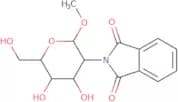
CAS:Methyl 2-deoxy-2-phthalimido-b-D-glucopyranoside is a synthetic sugar that has been modified with fluorine. It is an important building block for the synthesis of complex carbohydrates. Methyl 2-deoxy-2-phthalimido-b-D-glucopyranoside can be used to modify saccharides and oligosaccharides, as well as to add fluorine atoms to glycosyl units. This modification can be done using a click chemistry reaction with azide functionalized molecules. The chemical structure of Methyl 2-deoxy-2-phthalimido-b-D-glucopyranoside is shown below:Fórmula:C15H17NO7Pureza:Min. 95%Cor e Forma:White to off-white solid.Peso molecular:323.3 g/mol2,3,5-Tri-O-benzyl-D-ribofuranose
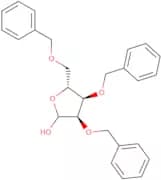
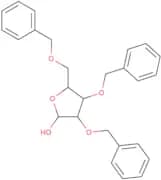
CAS:2,3,5-Tri-O-benzyl-D-ribofuranose is a carbohydrate that can be synthesized through an efficient method. It is a glycoside with an oxotitanium (oxo) group. The synthesis of this compound requires magnesium as the activating agent and o-glycosylation. The glycoconjugates of this compound are found in organisms such as fungi, yeast, and bacteria. In addition to its carbohydrate function, 2,3,5-Tri-O-benzyl-D-ribofuranose has been shown to have antimicrobial properties. This sugar has also been shown to have antiviral properties due to its ability to inhibit the enzyme ribonucleotide reductase (RNR).Fórmula:C26H28O5Pureza:Min. 95%Cor e Forma:White PowderPeso molecular:420.5 g/molValidamine acetate
CAS:Inhibitor of beta-glucosidaseFórmula:C17H25NO9Pureza:Min. 95%Peso molecular:387.38 g/mol1-O-Methyl-α-D-mannopyranoside
CAS:Methyl alpha-D-mannopyranoside is a methylated sugar used as an inhibitor of lectin-conjugate binding. It is commonly used in protein purification for eluting glycoproteins and other glycoconjugates from affinity chromatography columns of agarose lectin. In addition, Methyl alpha-D-mannopyranoside can be used in the mannosylation of lipid nanoparticles (LNPs) for vaccine or drug delivery which targets Antigen Presenting Cells (APCs) through mannose receptors. Methyl alpha-D-mannopyranoside is also known as Methyl alpha-D-mannoside or alpha-Methyl-D-mannoside.Fórmula:C7H14O6Pureza:Min. 99.0 Area-%Peso molecular:194.18 g/molRef: 3D-M-4150
1kgA consultar100gA consultar250gA consultar500gA consultar2500gA consultar-Unit-kgkgA consultar1,2,3,4-Tetra-O-acetyl-b-D-glucuronide
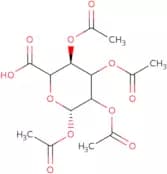
CAS:1,2,3,4-Tetra-O-acetyl-b-D-glucuronide is a chemical compound that is used as an acetylating agent in organic synthesis. It is produced by the reaction of pyridine and acetic anhydride with sodium hydroxide as a catalyst. The acetylation process takes place in two steps: first, the pyridine reacts with the acetic anhydride to form 4-(pyridinium) acetate; second, this intermediate reacts with sodium hydroxide to form 1,2,3,4-tetra-O-acetyl-b-D-glucuronide. Acetylation reactions are important because they can be used to introduce functional groups onto molecules that would not otherwise have them. Acetylated compounds are also often more soluble in water than nonacetylated compounds. This product is used in medicines and other chemical processes.Fórmula:C14H18O11Pureza:Min. 95 Area-%Cor e Forma:White Clear LiquidPeso molecular:362.29 g/mol3-Amino-3-deoxy-1,2:5,6-di-O-isopropylidene-α-D-glucofuranose
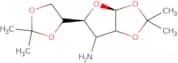
CAS:3-Amino-3-deoxy-1,2:5,6-di-O-isopropylidene-a-D-glucofuranose is a synthetic, custom carbohydrate with a saccharide backbone. The modification of this molecule includes methylation and fluorination. 3-Amino-3-deoxy-1,2:5,6-di-O-isopropylidene is a modification on the saccharide backbone. This molecule is also synthesized with click chemistry to produce an amine functionality at the reducing end of the sugar. This product has high purity and can be used in research or as an intermediate for other compounds.Fórmula:C12H21NO5Pureza:Min. 95%Cor e Forma:Pale yellow solid.Peso molecular:259.3 g/mol(2R,2'R,3S,3'S,4R,4'R,5S,5'S)-6,6'-(1,4-Phenylenebis(ethyne-2,1-diyl))bis(2-(hydroxymethyl)tetrahydro-2H-pyran-3,4,5-triol
CAS:Please enquire for more information about (2R,2'R,3S,3'S,4R,4'R,5S,5'S)-6,6'-(1,4-Phenylenebis(ethyne-2,1-diyl))bis(2-(hydroxymethyl)tetrahydro-2H-pyran-3,4,5-triol including the price, delivery time and more detailed product information at the technical inquiry form on this pageFórmula:C22H26O10Peso molecular:450.44 g/mol1,3,4,6-Tetra-O-acetyl-2-azido-2-deoxy-L-mannopyranose
1,3,4,6-Tetra-O-acetyl-2-azido-2-deoxy-L-mannopyranose is a carbohydrate that is synthesized by the modification of the glycosylation process. It is a methylated and fluorinated oligosaccharide with a high purity. This product is available for custom synthesis in order to meet specific customer requirements.Fórmula:C14H19N3O9Pureza:Min. 95%Cor e Forma:White To Off-White SolidPeso molecular:373.32 g/molEthyl 2,3-di-O-benzoyl-4,6-O-benzylidene-β-D-thiogalactopyranoside
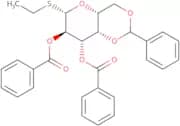
CAS:Ethyl 2,3-di-O-benzoyl-4,6-O-benzylidene-b-D-thiogalactopyranoside is a high purity custom synthesis sugar. This product contains the Click modification, fluorination and glycosylation modifications. It can be used in the synthesis of oligosaccharides, monosaccharides and saccharides. Ethyl 2,3-di-O-benzoyl-4,6-O-benzylidenebDthiogalactopyranoside is used to synthesize complex carbohydrates.Fórmula:C29H28O7SPureza:Min. 98 Area-%Cor e Forma:PowderPeso molecular:520.59 g/mol2-Acetamido-3,4,6-tri-O-acetyl-2-deoxy-D-glucohydroximo-1,5-lactone
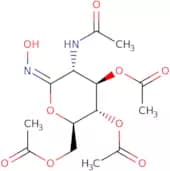
CAS:2-Acetamido-3,4,6-tri-O-acetyl-2-deoxy-D-glucohydroximo-1,5-lactone is a methylated sugar. It is a white to off white powder with a molecular weight of 518. The chemical formula for 2-Acetamido-3,4,6-tri-O-acetyl-2-deoxy--D--glucohydroximo--1,5--lactone is C16H26N2O8 and the structural formula is as follows:br>Fórmula:C14H20N2O9Pureza:Min. 95%Cor e Forma:White PowderPeso molecular:360.32 g/molL-Guluronic acid sodium
CAS:L-Guluronic acid sodium is a monosaccharide that plays a crucial role in cardiac health. It is involved in the uptake and utilization of polyene carbohydrates, carotenoids, and fatty acids by human myocardial cells. L-Guluronic acid sodium has been shown to enhance the bioavailability of these essential nutrients, promoting optimal heart function. Additionally, this compound acts as a reactive analog, mimicking the effects of certain molecules involved in mammalian cell signaling pathways. This unique property makes L-Guluronic acid sodium a potential therapeutic agent for various cardiovascular conditions and may have implications in other areas such as stent technology and cancer research.
Fórmula:C6H9O7NaPureza:Min. 98 Area-%Cor e Forma:PowderPeso molecular:216.12 g/molD-Talose
CAS:Unnatural hexose used for the investigation of clostridial Rib-5-P-isomerasesFórmula:C6H12O6Pureza:Min. 99 Area-%Cor e Forma:White PowderPeso molecular:180.16 g/mol1,2,3,4-Tetra-O-acetyl-D-lyxopyranose
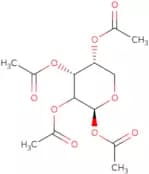
CAS:1,2,3,4-Tetra-O-acetyl-D-lyxopyranose (LXT) is a human lymphocyte growth factor that stimulates the proliferation of human lymphocytes. It also exhibits antiviral activity against murine leukemia and murine viruses in cell culture. LXT has been shown to inhibit the replication of the virus that causes human breast carcinoma. This compound also exhibits anti-inflammatory effects on murine leukemia cells and can stimulate the production of interferon from mouse spleen cells.
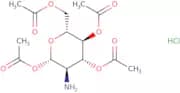
Fórmula:C13H18O9Pureza:Min. 95%Peso molecular:318.3 g/mol1,3,4,6-Tetra-O-acetyl-b-D-glucosamine HCl
CAS:1,3,4,6-Tetra-O-acetyl-b-D-glucosamine HCl is a compound that can be used in the production of bacterial cellulose. It is a white powder with a molecular weight of 536.2. 1,3,4,6-Tetra-O-acetyl-b-D-glucosamine HCl has been shown to be effective in the cultivation of microorganisms such as bacteria and fungi. This product is also an additive for deionized water and deionized sucrose solutions. Tetraacetylated glucosamine hydrochloride is used to produce bacterial cellulose through the action of cellulase enzymes on sucrose solutions containing NaOH. In addition, this product has been shown to inhibit the proliferation of fibroblasts and epithelial cells when cultured in vitro.Fórmula:C14H21NO9·HClPureza:Min. 95.0 Area-%Cor e Forma:PowderPeso molecular:383.78 g/mol1,2-O-Isopropylidene-3-deoxy-3-fluoro-a-D-xylofuranose
CAS:1,2-O-Isopropylidene-3-deoxy-3-fluoro-a-D-xylofuranose is a synthetic compound that has been modified by methylation, saccharide and glycosylation. It is a fluorinated sugar that can be used for Click modification, such as for oligosaccharide synthesis or other modifications. 1,2-O-Isopropylidene-3-deoxy-3-fluoro-a-D-xylofuranose is a high purity compound that can be custom synthesized to your specifications. It has CAS No. 1853084 2 and is listed under the Glycosylation section in the Carbohydrate database.Fórmula:C8H13FO4Pureza:Min. 95%Peso molecular:192.18 g/mol3,4,5,7-Tetra-O-acetyl-2,6-anhydro-D-lyxo-hept-2-enononitrile
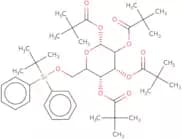
CAS:3,4,5,7-Tetra-O-acetyl-2,6-anhydro-D-lyxo-hept-2-enononitrile is a synthetic compound that is used in the synthesis of glycosylation and oligosaccharide. This product has been modified with fluorine and methyl groups. The purity of this product is greater than 99%. 3,4,5,7-Tetra-O-acetyl-2,6-anhydro-D-lyxo-hept-2 -enononitrile is also known as CAS No. 120085–67–8.Fórmula:C15H17NO9Pureza:Min. 95%Cor e Forma:PowderPeso molecular:355.3 g/mol1,2,3,4-Tetra-O-pivaloyl-6-O-(tert-butyldiphenylsilyl)-a-D-mannopyranose
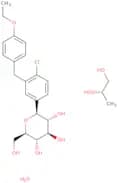
1,2,3,4-Tetra-O-pivaloyl-6-O-(tert-butyldiphenylsilyl)-a-D-mannopyranose is a glycosylated sugar that can be methylated and fluorinated. It has high purity and is custom synthesized for the synthesis of oligosaccharides. This sugar has CAS number 29091-01-9 and is used in the synthesis of polysaccharides.Fórmula:C42H62O10SiPureza:Min. 95%Peso molecular:755.02 g/molDapagliflozin propanediol monohydrate - Bio-X ™
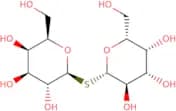
CAS:Dapagliflozin is a sodium-glucose cotransporter subtype 2 (SGLT2) inhibitor that can be used in the treatment of diabetes mellitus type 2. It inhibits glucose reabsorption in the proximal tubule of the nephron and results in glycosuria, which helps to improve glycaemic control. Also, Dapagliflozin is used to lower the risk of sustained eGFR decline, end-stage renal disease, cardiovascular death, and hospitalization for heart failure in patients with chronic kidney disease who are at risk of progression.Fórmula:C21H25ClO6•C3H8O2•H2OPureza:Min. 95%Cor e Forma:PowderPeso molecular:502.98 g/molThiodigalactoside - Bio-X ™
CAS:This product is part of our Bio-X ™ Range. These products are aimed at life science researchers who need high quality ready-to-use products for assay development, screening or other R&D work. With a solubility datasheet and convenient vials, all of our Bio-X ™ products are in stock across our global warehouses for rapid delivery and ease of use.Fórmula:C12H22O10SPureza:Min. 95%Cor e Forma:PowderPeso molecular:358.36 g/molDabigatran 4-Acyl Glucuronide
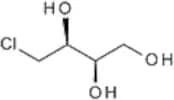
Dabigatran 4-Acyl Glucuronide is a synthetic, fluorinated glycosylation of Dabigatran etexilate. It is modified by methylation at the 2 and 3 positions to increase its stability and half-life. This compound also has a high purity with less than 0.5% of impurities and can be custom synthesized to meet specific requirements.Pureza:Min. 95%1-Chloro-1-deoxythreitol
1-Chloro-1-deoxyribitol is a methylating agent that can be used for the synthesis of complex carbohydrates, such as oligosaccharides and polysaccharides. It is also used in click chemistry to modify saccharides with fluoride or other reagents. 1-Chloro-1-deoxyribitol is highly pure and stable, and is available in monosaccharide form. This compound is a synthetic sugar that has been modified to contain chlorine atoms at both the hydroxyl groups.
Fórmula:C4H9ClO3Pureza:Min. 95%Peso molecular:140.57 g/molHesperetin 7,3'-O-b-D-glucuronide
Hesperetin 7,3'-O-b-D-glucuronide is a custom synthesis that can be synthesized with a variety of modifications including the addition of fluorine atoms. It is an oligosaccharide or polysaccharide consisting of saccharides. Hesperetin 7,3'-O-b-D-glucuronide is a white crystalline powder that has high purity and low impurities. It is an effective topical treatment for acne vulgaris and other skin conditions.
Fórmula:C28H30O18Pureza:Min. 95%Peso molecular:654.53 g/mol2,3,5-Tri-O-benzyl-L-lyxofuranose
CAS:2,3,5-Tri-O-benzyl-L-lyxofuranose is an acetal that is prepared by hydrolysis of 2,3,5-tri-O-benzylglycol with sodium methoxide in methanol. It can be made from the dimethyl acetal by displacement with sulphonate. The aldehyde group can be converted to an acetal by reaction with ethylene glycol and hydrochloric acid. The displacement of the aldehyde group with methoxide produces the acetal. Dimethyl acetals are also displaced by methyl iodide to produce aldehydes. Acetals are readily hydrolysed and acidic hydrolysis produces the corresponding alcohols.Fórmula:C26H28O5Pureza:Min. 95%Peso molecular:420.5 g/molHesperetin-d3 7-O-β-D-glucuronide
Hesperetin-d3 7-O-beta-D-glucuronide is a novel glycosylated hesperetin derivative that has been synthesized for the first time. It is a synthetic sugar with an Oligosaccharide structure, which is a saccharide composed of three to nine monosaccharides. Hesperetin-d3 7-O-beta-D-glucuronide has been fluorinated and methylated on the sugar moiety. It has been prepared in high purity and it is available at CAS No. 1407813-41-5. This product can be custom synthesized according to your specifications and needs.Pureza:Min. 95%1,2,4-Tri-O-acetyl-3-O-benzyl-D-xylopyranoside
1,2,4-Tri-O-acetyl-3-O-benzyl-D-xylopyranoside is a carbohydrate that has been modified with fluorine. The chemical formula is C12H21FO5. It has CAS number: 90693-24-9 and molecular weight of 356.35 g/mol. There are many uses for this compound, including being a synthetic sugar for use in pharmaceuticals, being a custom synthesis for research purposes, or as an intermediate in the production of other compounds. 1,2,4-Tri-O-acetyl-3-O-benzyl--D--xylopyranoside is also used as a fluorescence probe to detect saccharides and oligosaccharides because it emits light when bound to these compounds due to its high purity. 1,2,4 Tri O acetyl 3 O benzyl D xylopyranoside can be used toPureza:Min. 95%1,2,3,4-Tetra-O-pivaloyl-6-O-trityl-b-D-glucopyranose
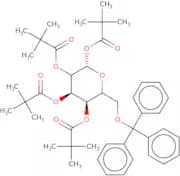
CAS:1,2,3,4-Tetra-O-pivaloyl-6-O-trityl-b-D-glucopyranose is a trityl derivative of glucose that can be used as a diagnostic agent for the assessment of cancer. When labeled with radioactive iodine, 1,2,3,4-Tetra-O-pivaloyl-6-O-trityl-b-D-glucopyranose has been shown to accumulate in bile and esophageal cancer cells. Magnetic resonance imaging (MRI) was used to evaluate the distribution of 1,2,3,4 tetra O pivaloyl 6 O trityl b D glucopyranose in patients with cirrhosis. The results suggest that this compound can be used as an indicator for the diagnosis of liver disease.Fórmula:C45H58O10Pureza:Min. 95%Peso molecular:758.94 g/mol4-Aminophenyl a-D-glucopyranoside
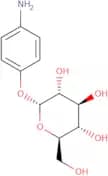
CAS:4-Aminophenyl a-D-glucopyranoside is an alkoxycarbonyl analog that can be used in the preparation of antigens. It is a small, water-soluble molecule that can be used to induce antibody production and to identify antigenic determinants. 4-Aminophenyl a-D-glucopyranoside has been shown to react with glutamicum and corynebacterium cells in vitro. The compound binds to the bacterial cell surface by reacting with amino groups, inducing the production of acid molecules, which leads to bacterial death. 4-Aminophenyl a-D-glucopyranoside also reacts with methoxy residues on the ribosomal RNA molecule and corynebacterium DNA molecules. This allows it to be used as an expression vector for proteins and nucleic acids in Corynebacterium glutamicum (a bacterium commonly found in soil). SpectroscFórmula:C12H17NO6Pureza:Min. 95%Cor e Forma:PowderPeso molecular:271.27 g/mol4-Deoxy-4-fluoro-D-glucose
CAS:4-Deoxy-4-fluoro-D-glucose is a biochemical compound that is used to bind to the carbon source in target tissues. It has a fluorine atom and two hydroxy groups, which are responsible for its biological properties. 4-Deoxy-4-fluoro-D-glucose binds to the 6 phosphate in bacterial enzymes and inhibits their activity, leading to cell death. It also binds to the hydroxyl group of proteins and alters their function. 4-Deoxy-4-fluoro-D-glucose is an inhibitor of bacterial enzymes, but has no effect on eukaryotic cells due to its inability to bind with these types of enzymes.Fórmula:C6H11FO5Pureza:Min. 95%Cor e Forma:PowderPeso molecular:182.15 g/moln-Octyl-β-D-thiogalactopyranoside
CAS:n-Octyl-beta-D-thiogalactopyranoside is a modification of the sugar Galactose. It is a mono saccharide that can be found in the form of an oligosaccharide or polysaccharide. The modification of the sugar is done by methylation, glycosylation and fluorination. n-Octyl-beta-D-thiogalactopyranoside has CAS No. 42891-16-7 and can be found on PubChem CID: 5135624.
Fórmula:C14H28O5SPeso molecular:308.44 g/molRef: 3D-O-2700
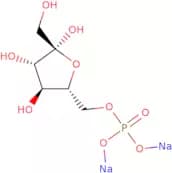
5gA consultar10gA consultar25gA consultar50gA consultar100gA consultar-Unit-ggA consultarD-Fructose 6-phosphate, disodium salt dihydrate
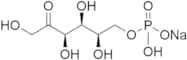
CAS:D-Fructose 6-phosphate, disodium salt dihydrate (DFP) is a compound that is used as an extender in the preparation of semen extenders and as a plasma membrane stabilizer in cryopreserved spermatozoa. It has shown to preserve fertility in bubalus, which may be due to its ability to maintain mitochondrial transmembrane potential. DFP also has been shown to protect against acrosome reactions. This drug also has been found to increase sperm motility and maintain supravitality of spermatozoa.Fórmula:C6H15Na2O11PPureza:Min. 97.0 Area-%Peso molecular:340.14 g/mol2-O-Benzyl-2,4-di-C-methyl-L-arabinopyranose
2-O-Benzyl-2,4-di-C-methyl-L-arabinopyranose is a high purity, complex carbohydrate that is custom synthesized for use in glycosylation reactions. It is a synthetic compound that is sold by the CAS number. 2-O-Benzyl-2,4-di-C-methyl-L-arabinopyranose is a carbohydrate that has been modified with fluorination and methylation to provide an active site for glycosylation reactions. This product can be used to synthesize oligosaccharides and polysaccharides.Pureza:Min. 95%Allyl D-glucuronate
CAS:Used for the synthesis of 1β-O-acyl glucuronidesFórmula:C9H14O7Pureza:Min. 95 Area-%Cor e Forma:White PowderPeso molecular:234.2 g/molMethyl (E)-2-(a-D-ribosfuranosyl)acrylate
Methyl (E)-2-(a-D-ribosfuranosyl)acrylate is a synthetic monomer that undergoes glycosylation to form a complex carbohydrate. It is used in the synthesis of saccharides and oligosaccharides, as well as the modification of proteins and nucleic acids. This product is highly pure with low impurity levels.Pureza:Min. 95%2,3,4-Tri-O-benzyl-L-fucopyranose
CAS:2,3,4-Tri-O-benzyl-L-fucopyranose is a synthetic compound that activates the selectin receptor on the surface of white blood cells. It has been shown to activate the cell surface receptors for the lectin mannose and mannose-binding protein which are involved in the recognition of pathogens. 2,3,4-Tri-O-benzyl-L-fucopyranose is also able to inhibit magnesium ion binding to its target site on the bacterial surface. This inhibition prevents bacteria from attaching themselves to host tissues or other cells by binding with these sites. The compound was synthesized by a stereoselective method using silver trifluoromethanesulfonate as an activating reagent and can be used as an antimicrobial agent in mammals.Fórmula:C27H30O5Pureza:Min. 95%Cor e Forma:White PowderPeso molecular:434.52 g/mol3,4,6-Tri-O-acetyl-2-deoxy-2-phthalimido-D-glucopyranose
CAS:3,4,6-Tri-O-acetyl-2-deoxy-2-phthalimido-D-glucopyranose is a modified sugar that belongs to the group of carbohydrates. It is a monosaccharide that has been synthesized by the modification of 2,3,4,6-tetraacetyl glucose with 3,4,6-trihydroxybenzaldehyde. The compound is an off white powder and can be used in glycosylation reactions. This product has been shown to have high purity and can be custom synthesized to meet your needs.Fórmula:C20H21NO10Pureza:Min. 95%Peso molecular:435.38 g/mol1,2:5,6-Di-O-isopropylidene-α-D-gulofuranose
CAS:1,2:5,6-Di-O-isopropylidene-alpha-D-gulofuranose is a sugar molecule that has a carbon and oxygen atoms in the 1,2 positions and an oxygen atom in the 5,6 position. It is an intermediate in the synthesis of lipids. The kinetic and clinical relevance of this compound have not been fully studied. 1,2:5,6-Di-O-isopropylidene-alpha-D-gulofuranose binds to fatty acid receptors on liver cells and initiates a cascade of events that lead to inflammation and cell death. This sugar molecule also inhibits hepatitis C virus RNA replication by binding to specific sequences on the virus’s RNA genome. The molecular interactions between 1,2:5,6-Di-O-isopropylidene alpha D gulofuranose and other molecules are determined by steric interactions with its hydroxyl group asFórmula:C12H20O6Pureza:Min. 98.0 Area-%Peso molecular:260.28 g/molRef: 3D-W-200121
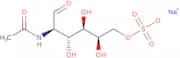
5gA consultar10gA consultar25gA consultar50gA consultar100gA consultar-Unit-ggA consultarN-Acetyl-D-galactosamine-6-O-sulphate sodium salt - 95%
CAS:N-Acetyl-D-galactosamine-6-O-sulphate sodium salt is a glycosylation product that can be used in the synthesis of oligosaccharides and saccharides. It is also used for the modification of proteins, polysaccharides, fluorination reactions, and click reactions. This compound has been synthesized from D-galactose and acetylated with sulfuric acid to form an ester. N-Acetyl-D-galactosamine-6-O-sulphate sodium salt has a molecular weight of 584.12 g/mol and a melting point of 236°C.Fórmula:C8H14NO9SNaPureza:Min. 95 Area-%Cor e Forma:PowderPeso molecular:323.25 g/mol1,3-O-Benzylidene-4-O-DMT-D-threitol
1,3-O-Benzylidene-4-O-DMT-D-threitol is an oligosaccharide that is used as a synthetic building block for the synthesis of complex carbohydrates. This compound has been modified to include fluorine and methyl groups. It can be synthesized via a click reaction with 3,4,5,6-tetraiodoacetone. 1,3-O-Benzylidene-4-O-DMT-D-threitol is soluble in water and aqueous solutions and can be used as a carbohydrate marker. The modification of this compound allows it to be detected by electrophoresis or chromatography due to changes in its mobility and charge.Pureza:Min. 95%Sucrose octaacetate
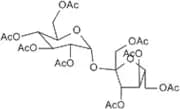
CAS:Sucrose octaacetate is used commercially and industrially in a variety of applications including as an inert ingredient in pesticides and herbicides and has been approved by the EPA as an inert ingredient in pesticides due to its low toxicity. It has also been approved by the FDA as a food additive. It has a bitter taste and is used as a bitterant to deter accidental ingestion.Fórmula:C28H38O19Pureza:Min. 95%Cor e Forma:PowderPeso molecular:678.59 g/molα-D-Glucose-1-phosphate disodium salt hydrate
CAS:Alpha-D-glucose-1-phosphate disodium salt hydrate is a sugar that is used to provide the carbohydrate in the diet. It is an important monosaccharide and can be found in many fruits, vegetables, and dairy products. The optimum pH for alpha-D-glucose-1-phosphate disodium salt hydrate is 7.5. Alpha-D-glucose-1-phosphate disodium salt hydrate has been shown to have antifungal properties, which are due to its ability to inhibit the growth of fungi by interfering with their metabolism. Alpha D glucose 1 phosphate disodium salt hydrate also inhibits the growth of bacteria such as E coli K 12 and C coli K 12, which are microorganisms that can cause food poisoning in humans. This compound also has been shown to have antihypertensive properties, which may be due to its ability to stimulate nitric oxide synthesis.Fórmula:C6H11O9PNa2(anhydrousbasis)Peso molecular:304.1 g/mol











![2-Amino-b-L-arabinofurano[1,2:4,5]oxazoline](/_next/image/?url=https%3A%2Fstatic.cymitquimica.com%2Fproducts%2F3D%2Fthumb-webp%2FMA06535.webp&w=3840&q=75)