Monossacáridos
Monossacarídeos são a forma mais simples de carboidratos e servem como building blocks fundamentais para açúcares mais complexos e polissacarídeos. Essas moléculas de açúcar único desempenham papéis críticos no metabolismo energético, na comunicação celular e nos componentes estruturais das células. Nesta seção, você encontrará uma ampla variedade de monossacarídeos essenciais para pesquisas em bioquímica, biologia molecular e glicociência. Esses compostos são cruciais para estudar vias metabólicas, processos de glicosilação e desenvolvimento de agentes terapêuticos. Na CymitQuimica, oferecemos monossacarídeos de alta qualidade para apoiar suas necessidades de pesquisa, garantindo precisão e confiabilidade em suas investigações científicas.
Subcategorias de "Monossacáridos"
- Aloses(11 produtos)
- Arabinoses(21 produtos)
- Eritroses(11 produtos)
- Frutoses(9 produtos)
- Fucoses(36 produtos)
- Galactosamina(41 produtos)
- Galactoses(260 produtos)
- Glucoses(365 produtos)
- Ácidos Glucurónicos(51 produtos)
- Glico-substratos para enzimas(77 produtos)
- Guloses(6 produtos)
- Idoses(4 produtos)
- Inositóis(15 produtos)
- Lixoses(4 produtos)
- Mannoses(65 produtos)
- O-Glicanos(48 produtos)
- Psicoses(3 produtos)
- Ramnoses(10 produtos)
- Riboses(61 produtos)
- Ácidos siálicos(100 produtos)
- Sorboses(4 produtos)
- Açúcares(173 produtos)
- Tagatoses(4 produtos)
- Taloses(8 produtos)
- Xiloses(20 produtos)
Exibir 17 mais subcategorias
Foram encontrados 6088 produtos de "Monossacáridos"
Ordenar por
Pureza (%)
0
100
|
0
|
50
|
90
|
95
|
100
1,2,3-Tri-O-acetyl-5-deoxy-b-D-ribofuranose
CAS:<p>1,2,3-Tri-O-acetyl-5-deoxy-b-D-ribofuranose is a fluoropyrimidine prodrug. It can be converted to 5-fluorocytosine in vivo and has been shown to have antitumor properties. The positron emission from 1,2,3-triacetyl-5-deoxyribofuranose is used as a radiotracer for colorectal cancer.</p>Fórmula:C11H16O7Pureza:Min. 95%Cor e Forma:White PowderPeso molecular:260.24 g/molLiothyronine-acyl-D-glucuronide
<p>Liothyronine-acyl-D-glucuronide is a synthetic compound that is used as a replacement therapy for hypothyroidism. It has been shown to be effective in the treatment of myxedema coma and thyroid storm. Liothyronine-acyl-D-glucuronide is a complex carbohydrate with a sugar moiety attached to its side chain, which may be modified by reactions such as fluorination, monosaccharide synthesis, oligosaccharide synthesis, glycosylation, polysaccharide synthesis, or click modification. This product has high purity and is custom synthesized to your specifications for research purposes only.</p>Fórmula:C21H20I3NO10Pureza:Min. 95%Peso molecular:827.1 g/mol1-O-Methyl-α-D-galactopyranoside monohydrate
CAS:<p>Inhibitor of Gal-dependent lectin binding; used for synthesis of galactoses</p>Fórmula:C7H16O7Pureza:Min. 98 Area-%Cor e Forma:PowderPeso molecular:212.2 g/molPhenyl-β-D-glucopyranoside
CAS:<p>Phenyl-beta-D-glucopyranoside is a phenolic compound that can be found in plant cell walls. It is a monosaccharide with an ester linkage, which is hydrolyzed by esterases to yield protocatechuic acid. Phenyl-beta-D-glucopyranoside is an inhibitor of sugar transport and has been shown to have protective effects on the liver when it is exposed to toxic substances. This sugar also binds to proteins, which may alter the function of these proteins. Phenyl-beta-D-glucopyranoside has been shown to inhibit glycolysis in hepatic tissues and tannins are released from erythrocytes treated with this substance. Phenyl-beta-D-glucopyranoside has been shown to be chemically stable under acidic conditions.</p>Fórmula:C12H16O6Peso molecular:256.26 g/mol2,6-Dideoxy-D-arabino-hexose
CAS:<p>2,6-Dideoxy-D-arabino-hexose is a hydrogenolysis product of 2,6-dideoxy-D-ribo-hexose. It has been shown to have a solvolytic activity and can be used for the dehalogenation of several halogenated compounds. 2,6-Dideoxy-D-arabino-hexose is also stereoselective and can be used as an estimator in population genetics. This sugar is also regulatory, catalytic, and crystalline. It is found in many carbohydrates, including weighting disaccharides such as sucrose.</p>Pureza:Min. 95%1-Deoxy-D-tagatose
CAS:<p>1-Deoxy-D-tagatose (1Dt) is a competitive inhibitor of glycolysis, which blocks the conversion of glucose to pyruvate. 1Dt has been shown to inhibit the growth of strain CAEN on media containing l-arabinose and d-xylose as carbon sources. 1Dt also inhibits the activity of dehydrogenase enzymes in C. elegans, leading to inhibition of mitochondrial respiration and impaired locomotion. It has been shown that 1Dt can be used as a substrate for bioproduction, with hydrazone as an intermediate product. Larger molecules are produced after hydrolysis and decarboxylation of 1Dt. The most common products are tagatose, l-fucitol, and l-arabinose.<br>1Dt has been shown to have anti-inflammatory properties in animal models by inhibiting the production of reactive oxygen species that are generated during inflammation</p>Fórmula:C6H12O5Pureza:Min. 95%Peso molecular:164.16 g/mol2-Acetamido-2-deoxy-D-glucono-1,5-lactone
CAS:<p>2-Acetamido-2-deoxy-D-glucono-1,5-lactone is a diagnostic agent that inhibits the activities of enzymes such as protein synthesis and cell division. It can be used to identify viral infections in animals, plants and marine microorganisms. 2-Acetamido-2-deoxy-D-glucono-1,5-lactone has been shown to inhibit the biochemical activity of enzymes in cells grown in culture. 2AADG is also a diagnostic agent that can be used to detect tumors in subcutaneous tissues due to its ability to inhibit the production of proteins essential for cell division.</p>Fórmula:C8H13NO6Pureza:Min. 95%Cor e Forma:PowderPeso molecular:219.19 g/mol3,4,6-Tri-O-acetyl-1,2-O-ethylidene-b-D-mannopyranose
<p>3,4,6-Tri-O-acetyl-1,2-O-ethylidene-b-D-mannopyranose is a synthetic glycoside that has been fluorinated and methylated. The compound is a versatile building block for the synthesis of complex carbohydrates. It is most commonly used in the synthesis of Oligosaccharides as well as sugar derivatives such as Methylation and Monosaccharide. 3,4,6-Tri-O-acetyl-1,2-O-ethylidene-b-D-mannopyranose has a CAS number of 118810.</p>Pureza:Min. 95%(2R, 3R, 4R) -3, 4- Dihydroxy- 2- (hydroxymethyl) - 1- pyrrolidineacetic acid
CAS:<p>(2R, 3R, 4R) -3, 4- Dihydroxy- 2- (hydroxymethyl) - 1- pyrrolidineacetic acid is a synthetic monosaccharide that can be modified with fluorine and methylation. This compound is a carbohydrate that can be used for the synthesis of oligosaccharides and polysaccharides. It has been shown to be useful for glycosylation reactions and in the synthesis of complex carbohydrates.</p>Pureza:Min. 95%2, 4-Anhydro-5-O-tert.butyldimethylsilyl- 6- deoxy- L- mannonic acid methyl ester
<p>2, 4-Anhydro-5-O-tert.butyldimethylsilyl-6-deoxy-L-mannonic acid methyl ester is a modification of mannose. It is an oligosaccharide with a complex carbohydrate structure. 2, 4-Anhydro-5-O-tert.butyldimethylsilyl-6-deoxy-L-mannonic acid methyl ester has been synthesized using custom synthesis methods. This product has high purity and CAS number: 29674–84–3.</p>Pureza:Min. 95%Ethyl 2-acetamido-2-deoxy-β-D-thioglucopyranoside
CAS:<p>Ethyl 2-acetamido-2-deoxy-b-D-thioglucopyranoside is a sugar that is used in the synthesis of glycosylates. It has been shown to be modified by Click chemistry, which allows for the introduction of fluorine atoms onto the sugar molecule. This compound can also be modified with methyl groups, which are added to the hydroxyl group on C2. Ethyl 2-acetamido-2-deoxy-b-D-thioglucopyranoside is an oligosaccharide that can be used as a building block for polysaccharides and saccharides. This product is typically used in high purity and in custom synthesis.</p>Fórmula:C10H19NO5SPureza:Min. 95%Cor e Forma:White To Off-White SolidPeso molecular:265.33 g/mol7'-Hydroxypropranolol-b-D-glucuronide
<p>7'-Hydroxypropranolol-b-D-glucuronide is a synthetic compound with a molecular formula of C21H28F3NO6. It has a melting point of 155 °C, and it is soluble in water. 7'-Hydroxypropranolol-b-D-glucuronide is an intermediate in the synthesis of other compounds, and it can be used as a building block for custom synthesis. This compound can be modified with click chemistry or saccharide linkages, providing additional opportunities for modification.</p>Fórmula:C22H29NO9Pureza:Min. 95%Peso molecular:451.47 g/mol1,5-Diepi-adenophorine
<p>1,5-Diepi-adenophorine is a fluorinated monosaccharide. It is synthesized by an asymmetric glycosylation with 1,5-dideoxyadenosine and α-D-mannose as the donors. The synthesis of this compound requires custom synthesis and high purity. 1,5-Diepi-adenophorine can be modified with methyl groups or click chemistry to make it more suitable for use in biochemistry research.</p>Pureza:Min. 95%b-D-Glucopyranosyl fluoride
CAS:<p>b-D-Glucopyranosyl fluoride is a kinetic inhibitor of the enzyme fatty acid synthase that is commonly found in human serum. It inhibits the activity of this enzyme by irreversible inhibition, which means that it binds to the active site of the enzyme and prevents it from functioning. The rate at which this inhibitor reacts with the enzyme depends on pH, as well as concentrations of other substances in solution, such as hydrogen fluoride and methyl glycosides. b-D-Glucopyranosyl fluoride has been shown to inhibit HIV infection by inhibiting viral maturation and protease activity. This drug also inhibits cell growth in culture by affecting cellular metabolism.</p>Fórmula:C6H11FO5Pureza:Min. 95%Peso molecular:182.15 g/mol6-Deoxy-L-piscose
<p>6-Deoxy-L-piscose is a synthetic monosaccharide that has been fluorinated to 6-fluoro-D-piscose. It is a complex carbohydrate that has been synthesized from D-glucose and D-ribose. The glycosylation reaction was conducted with N,N'-diacetylchitobioglycine and the methylation reaction with sodium methoxide. Click modification was performed by reacting 6-deoxy L-piscose with 2-(2′,4′,5′,7′,8′)-octamethyltrigonal bipyramid (OMeTBP) in dry DMF at 120°C for 10 minutes. The chemical structure of this sugar is shown below:</p>Pureza:Min. 95%1-O-Benzoyl-2,4-O-benzylidene-D-threitol
<p>1-O-Benzoyl-2,4-O-benzylidene-D-threitol is a high purity custom synthesis sugar with click modification, fluorination, glycosylation, and methylation. It has CAS number and is an Oligosaccharide. 1-O-Benzoyl-2,4-O-benzylidene-D-threitol Monosaccharide saccharide Carbohydrate complex carbohydrate. It is also Glycosylated and Synthetic.</p>Pureza:Min. 95%Benzyl D-glucopyranoside
CAS:<p>Benzyl D-glucopyranoside is a synthetic reagent that is used in the synthesis of carbohydrates. The benzyl group is an important part of this molecule, as it can be used to synthesize homologues by substituting the hydroxyl group with other groups. This chemical has been shown to inhibit bacterial disease and carbohydrate antigen production in cells. The stereoisomers are not active against bacteria, but the D-glucopyranoside form is more effective than the L-glucopyranoside form. Benzyl D-glucopyranoside also inhibits lipid peroxidation, which is an indication of its antioxidant activity.</p>Fórmula:C13H18O6Pureza:Min. 95%Cor e Forma:White To Off-White SolidPeso molecular:270.28 g/mol(3R, 5R) -1-Benzyl-3, 4, 5- piperidinetriol hydrochloride
<p>(3R, 5R) -1-Benzyl-3, 4, 5- piperidinetriol hydrochloride is a synthetic compound that is used for the production of oligosaccharides and saccharides. This molecule is a part of the glycosylation reaction and has been modified to produce a variety of carbohydrate products. The CAS number for this compound is 6078-73-5 and it can be synthesized in various lengths. The chemical name for this compound is (3R, 5R)-1-(benzyloxycarbonyl)-3,4,5-piperidinetriol hydrochloride.</p>Pureza:Min. 95%D-Gluconic acid calcium salt
CAS:<p>D-Gluconic acid calcium salt is a chemical that inhibits the activity of enzymes in the pathway of methyl glycosides. It has been shown to inhibit cortisol production and reduce the concentration of this hormone in cell culture. D-Gluconic acid calcium salt also inhibits enzyme activities, such as cholesterol esterase and lipase, which are involved in lipid metabolism. This chemical has been shown to be an effective inhibitor of benzalkonium chloride (a disinfectant used for sterilization) and chinese herb (used as a traditional medicine). D-Gluconic acid calcium salt can also inhibit locomotor activity and lower cholesterol levels in mice.</p>Fórmula:C6H11O7CaPureza:Min. 95%Cor e Forma:White PowderPeso molecular:215.19 g/molD-Talono-1,4-lactone
CAS:<p>D-Talono-1,4-lactone is a stereoselective drug that inhibits the synthesis of c-glycosides and is used to study the mechanisms of action of these compounds. It has been shown to have antibacterial activity against gram-negative pathogens such as Escherichia coli, Salmonella typhi, Klebsiella pneumoniae, and Acinetobacter baumannii. D-Talono-1,4-lactone also has inhibitory activities against gram negative bacteria. This compound may be a potential biomarker for the detection of gram negative bacteria in water samples. The mechanism of action of this drug is not known but it is likely due to its ability to inhibit bacterial growth.</p>Fórmula:C6H10O6Pureza:Min. 95%Cor e Forma:PowderPeso molecular:178.14 g/mol4'-Demethylpodophyllotoxin-2,3-Di-O-dichloroacetyl-4,6-O-ethylidene-b-D-glucopyranoside
<p>4'-Demethylpodophyllotoxin-2,3-Di-O-dichloroacetyl-4,6-O-ethylidene-b-D-glucopyranoside is a glycoside of podophyllotoxin with an OCHOCHCHCl group. It is a modification of the natural product and can be used as a building block for the synthesis of polysaccharides. It has CAS number 109710-33-5 and can be custom synthesized to meet your specifications. This compound is very pure and has been modified to have high purity. It is also very stable in solution due to its chemical stability. This compound is a synthetic sugar that can be used in glycosylation reactions, making it applicable for many uses including the synthesis of oligosaccharides.</p>Pureza:Min. 95%1,6-Bis- O- Tert.butyldimethylsilyl- 3, 4- O-isopropylidene)-2,5-O-methanesulfonyl-D- mannitol
<p>1,6-Bis-O-tert.butyldimethylsilyl-3,4-O-isopropylidene)-2,5-O-methanesulfonyl-D-mannitol is a sugar that is used as a starting material for the synthesis of glycosides. This compound has been shown to react with click chemistry and undergo fluorination, glycosylation, methylation, and modification reactions. It has been shown to be useful in the synthesis of oligosaccharides and monosaccharides. The chemical formula for 1,6-Bis-O-tert.butyldimethylsilyl-3,4-O-[isopropylidene)-2,5 - O]-methanesulfonyl--D--mannitol is C14H30OSiMesO8S2.</p>Pureza:Min. 95%Ixoroside
CAS:<p>Ixoroside is a coumarin derivative that has been shown to inhibit the activity of an enzyme called epidermal growth factor receptor. The chemical diversity of this compound has made it difficult to study its biological properties and mechanisms. Ixoroside has been studied in vitro for its effects on eye disorders and for its potential to be used as a monoclonal antibody. It has also been shown to have toxicological studies with no significant adverse effects observed. Ixoroside is found in the genus Nepeta, where it is mainly found in Nepeta cataria and Fructus ixorii species plants, which are used in traditional Chinese medicine. It can also be found in other plants such as Eucalyptus globulus, which is commonly used in cough suppressants.</p>Fórmula:C16H24O9Pureza:Min. 95%Peso molecular:360.36 g/mol(2a, 3b, 4a) -N-Benzyl-3- benzyloxy-2, 4-azetidinedimethanol
<p>(2a, 3b, 4a) -N-Benzyl-3- benzyloxy-2, 4-azetidinedimethanol is a custom synthesis of glycosylation. It is an oligosaccharide that has been synthesized by reacting methylated glycosylations with a fluorinated saccharide. The molecular weight of this product is approximately 540 g/mol and the CAS No. is 82408-19-8. This product can be used for Methylation and Click modification. This product is highly pure and has been custom synthesized to meet your specifications.</p>Pureza:Min. 95%D-Mannose
CAS:<p>D-mannose is an organic compound and a naturally occurring sugar that is found in many plants. It has been shown to inhibit the growth of bacteria such as Escherichia coli, Staphylococcus aureus, and Klebsiella pneumoniae by binding to bacterial cells. D-mannose inhibits bacterial cell wall synthesis by acting as an alternative substrate for glycolysis, which leads to inhibition of protein synthesis. D-mannose may also act as a competitive inhibitor of certain enzymes such as proteases. This product has been shown to be effective against drug-resistant strains of bacteria by inhibiting the production of fatty acid synthase and other proteins involved in the synthesis of antimicrobial resistance.</p>Fórmula:C6H12O6Pureza:Min. 99 Area-%Peso molecular:180.16 g/molRef: 3D-M-1001
1kgA consultar5kgA consultar250gA consultar500gA consultar2500gA consultar-Unit-kgkgA consultar2,3-Di-O-benzyl-L-threonic acid-1,4-lactone
CAS:<p>2,3-Di-O-benzyl-L-threonic acid-1,4-lactone is a custom synthesis of an Oligosaccharide. It has CAS No. 150575-74-9 and is Polysaccharide, Modification, saccharide, Methylation, Glycosylation, Carbohydrate. 2,3-Di-O-benzyl-L-threonic acid-1,4-lactone has Click modification and is Fluorination and Synthetic.</p>Fórmula:C18H18O4Pureza:Min. 95%Peso molecular:298.33 g/molD-myo-inositol 3-phosphate
CAS:<p>D-myo-inositol 3-phosphate (IP3) is a molecule that is involved in the metabolism of carbohydrates, fats, and proteins. It is synthesized from D-myo-inositol 1,4,5-trisphosphate through the action of an enzyme called phosphatidylinositol kinase. IP3 binds to the calmodulin protein and has been shown to have biological properties, such as cytosolic or chloroplastic localization and transcriptional regulation. IP3 also participates in the synthesis of DNA and RNA. The sequence of IP3 has been determined for plants such as Solanum tuberosum and Arabidopsis thaliana.</p>Fórmula:C6H13O9PPureza:Min. 95%Peso molecular:260.14 g/mol1,2,3,4-Tetra-O-benzoyl-6-O-trityl-b-D-galactopyranose
CAS:<p>1,2,3,4-Tetra-O-benzoyl-6-O-trityl-b-D-galactopyranose is a custom synthetic sugar that can be modified using a variety of glycosylation and modification techniques. This product has been synthesized and purified to high purity standards. It is an Oligosaccharide, Polysaccharide, Modification, saccharide with CAS No. 100740-75-8.</p>Fórmula:C53H42O10Pureza:Min. 95%Peso molecular:838.89 g/molCalcium L(-)-arabonate tetrahydrate
CAS:<p>Calcium L-Arabonate is a calcium salt of arabic acid. Calcium L-Arabonate is an absorbable form of calcium that has been shown to be effective in the prevention and treatment of osteoporosis. This compound was discovered in 1867, but was not used for medicinal purposes until the early 1900s when it was found to be effective in treating the symptoms of rickets.</p>Fórmula:C10H20O12·Ca·(H2O)4Pureza:Min. 95%Cor e Forma:White PowderPeso molecular:444.38 g/molPropargyl b-D-galactopyranoside
CAS:<p>Propargyl b-D-galactopyranoside is a custom synthesis that is a modified form of galactose. The modification was accomplished by adding fluorine to the sugar. Methylation of the sugar was also done, and it has been shown to have anti-tuberculosis properties. It also has been shown to inhibit the growth of bacteria in vitro and in vivo, including Mycobacterium tuberculosis.</p>Fórmula:C9H14O6Pureza:Min. 95%Cor e Forma:PowderPeso molecular:218.2 g/mol2,3-O-Isopropylidene-L-gulonic acid-1,4-lactone
CAS:<p>2,3-O-Isopropylidene-L-gulonic acid-1,4-lactone is a synthetic sugar that has been fluorinated. The methyl group at the C2 position of this compound can be modified by various methods to give different derivatives. 2,3-O-Isopropylidene-L-gulonic acid-1,4-lactone is an oligosaccharide that is found in natural glycosides and saccharides. It is also used for click chemistry modifications in complex carbohydrate chemistry. This compound is CAS number 94840-08-1.</p>Fórmula:C9H14O6Pureza:Min. 95%Cor e Forma:White To Off-White SolidPeso molecular:218.21 g/mol2-Acetamido-1,3,6-tri-O-acetyl-2-deoxy-a-D-glucopyranose
CAS:<p>2-Acetamido-1,3,6-tri-O-acetyl-2-deoxy-a-D-glucopyranose is a synthetic monosaccharide that can be used as an intermediate in the preparation of oligosaccharides. The compound is fluorinated and then reacted with acetyl chloride to produce an acetamido derivative. This product can be used for glycosylation reactions with polysaccharides. It has been shown to react with diols and triols to form methyl ethers via the Click chemistry reaction. 2-Acetamido-1,3,6-tri-O-acetyl-2,5,6,-triiodohexanoic acid is a modification of this product that has been shown to inhibit bacterial growth in vitro.</p>Fórmula:C14H21NO9Pureza:Min. 95%Cor e Forma:Clear oil.Peso molecular:347.32 g/molPhenylethyl β-D-galactopyranoside
CAS:<p>Phenylethyl b-D-galactopyranoside is a galactose compound that can be hydrolyzed by esterases in the presence of water. It is toxic to organisms, such as E. coli and S. typhimurium, at high concentrations and can be used for the treatment of infections caused by these bacteria. Phenylethyl b-D-galactopyranoside has been shown to have a permeability effect on cells, which may be due to its ability to inhibit the production of ATP in the cell membrane by blocking specific enzymes that are responsible for ATP synthesis.</p>Fórmula:C14H20O6Pureza:Min. 95%Cor e Forma:PowderPeso molecular:284.31 g/molN-(Phenyl-1-propenyl)imino-2,3,4,6-tetra-O-pivaloyl-D-glucopyranoside
<p>N-(Phenyl-1-propenyl)imino-2,3,4,6-tetra-O-pivaloyl-D-glucopyranoside (NPG) is a synthetic oligosaccharide. It is an Methylation and Click modification of the natural glycosylation product of glucose with pivalic acid. NPG has been shown to inhibit the Glycosylation enzyme by methylating it and preventing it to be able to catalyze the attachment of a sugar molecule to an amino acid residue. This inhibition prevents the production of complex carbohydrates in bacteria. NPG is also fluorinated at the 2,3,4,6 positions on the glucose ring which allows for better binding to bacterial cells. NPG has been shown to bind specifically to mycobacterial cell wall glycolipids and inhibit their synthesis as well as other bacterial cells such as staphylococcus aureus.</p>Fórmula:C35H51NO9Pureza:Min. 95%Peso molecular:629.78 g/molPregnanediol 3a-O-b-D-glucuronide BSA conjugate
<p>Pregnanediol 3a-O-b-D-glucuronide BSA conjugate is a complex carbohydrate, which is a synthetic glycosylation of the natural methylated pregna-3a,20-dienolide (pregnanediol) and the BSA carrier. The chemical modification of this compound has been accomplished by Click chemistry to form an oligosaccharide. This product can be utilized as a biomaterial for various applications in biotechnology, such as gene therapy and drug delivery. It can also be used to study its biological function in biological systems.</p>Pureza:Min. 95%2-Amino-2-deoxy-L-arabinose hydrochloride
CAS:<p>2-Amino-2-deoxy-L-arabinose hydrochloride is an amino sugar that is used in the synthesis of glycoproteins and polysaccharides. This compound has been shown to be a potential lead for novel anticancer agents, as it can inhibit the growth of tumor cells by impairing glycolysis. 2-Amino-2-deoxy-L-arabinose hydrochloride has also been used in click chemistry to modify proteins with alkyne groups.</p>Fórmula:C5H11NO4·HClPureza:Min. 95%Peso molecular:185.61 g/molEthyl 3,5,6-tri-O-benzyl-D-glucofuranoside
CAS:<p>Ethyl 3,5,6-tri-O-benzyl-D-glucofuranoside is a modification of the natural carbohydrate D-glucose and has been synthesized by methylation. This product has a purity of 99% and is made up of three monosaccharides: D-glucose, D-mannose, and D-galactose. It also contains an oligosaccharide chain that consists of 6 sugar units. Ethyl 3,5,6-tri-O-benzyl-D-glucofuranoside is insoluble in water but soluble in acetone. The molecular weight of this product is 522.2 g/mol.</p>Fórmula:C29H34O6Pureza:Min. 95%Cor e Forma:Yellow Clear LiquidPeso molecular:478.58 g/mol1,2,3-Tri-O-methyl-α-D-glucopyranose
CAS:<p>1,2,3-Tri-O-methyl-a-D-glucopyranose is a sugar that is used in glycosylation and fluorination reactions. This product can be custom synthesized to your specifications. It is available in high purity and with a variety of modifications. 1,2,3-tri-O-methyl-a-D-glucopyranose has been modified with methyl groups at the C1 and C6 positions. These modifications are useful for studies on glycosylation and fluorination reactions.</p>Fórmula:C9H18O6Pureza:Min. 95%Cor e Forma:PowderPeso molecular:222.24 g/mol5-Azido- 5, 6- dideoxy- 2, 3- O-isopropylidene- D- gulonic acid-1,4-lactone
CAS:<p>5-Azido-5,6-dideoxy-2,3-O-isopropylidene-D-gulonic acid-1,4-lactone is a carbohydrate that belongs to the group of saccharides. It is a synthetic sugar that has been modified with fluorine atoms on the 2 and 3 position of the sugar. 5-Azido-5,6-dideoxygulonic acid 1,4lactone has been shown to be resistant to enzymatic degradation by α amylase and β amylase. The compound also has a high level of purity (>98%) and custom synthesis capabilities.</p>Pureza:Min. 95%(1R) -1- [(2S, 3R) - 3- Hydroxy- 1- methyl - 2- azetidinyl] -1, 2- ethanediol
<p>(1R) -1- [(2S, 3R) - 3- Hydroxy- 1- methyl - 2- azetidinyl] -1, 2- ethanediol is a fluorinated sugar that is used in the synthesis of oligosaccharides and polysaccharides. This synthetic monosaccharide can be modified by glycosylation, methylation, and click chemistry. It has an CAS number and a high purity.</p>Pureza:Min. 95%(3aS, 6aS) -Dihydro- 2, 2, 6a- trimethyl-furo[3, 4- d] - 1, 3- dioxol- 4(3aH) - one
<p>(3aS, 6aS) -Dihydro-2,2,6a-trimethyl-furo[3,4-d]-1,3-dioxol-4(3aH)-one is a white crystalline powder that is soluble in chloroform and ether. It can be used as a synthetic intermediate for the preparation of other products. It has been shown to be effective in methylation reactions on saccharides and polysaccharides. This product is available with custom synthesis options and can be modified with click chemistry or fluorination. This product is also available with high purity levels and fluorescence properties.</p>Pureza:Min. 95%4-(4-(2-(trifluoromethyl)phenyl)-3-(E)-buten-2-one-1-yl)piperidine-2,6-dione
<p>4-(4-(2-(trifluoromethyl)phenyl)-3-(E)-buten-2-one-1-yl)piperidine-2,6-dione is a custom synthesis that can be modified to include fluorination, methylation, and monosaccharide modifications. This molecule has been shown to have click modification and oligosaccharide modifications with saccharides. It is a polysaccharide that is glycosylated with carbohydrate.</p>Pureza:Min. 95%3,4-Di-O-benzyl-1,2-O-(1-methoxyethylidene)-b-L-rhamnopyranose
<p>3,4-Di-O-benzyl-1,2-O-(1-methoxyethylidene)-b-L-rhamnopyranose is a custom synthesis of high purity. It is a sugar with click modification and fluorination. 3,4-Di-O-benzyl-1,2-O-(1-methoxyethylidene)-b-L-rhamnopyranose has been synthesized by glycosylation, methylation, and modification of the carbohydrate moiety. This product is an oligosaccharide or monosaccharide that belongs to the group of carbohydrates. 3,4-Di-O-benzyl 1,2 O-(1 methoxyethylidene) b L rhamnopyranose is also known as CAS No., which is a number assigned to chemicals for identification purposes.</p>Fórmula:C23H28O6Pureza:Min. 95%Peso molecular:400.48 g/molDapagliflozin
CAS:<p>Dapagliflozin is a sodium-glucose cotransporter subtype 2 (SGLT2) inhibitor that can be used in the treatment of diabetes mellitus type 2. SGLT2 is located in the proximal convoluted tubule and when it is inhibited the reabsorption of glucose into the kidneys is prevented and instead glucose is excreted in the urine. As a result glucose levels are reduced. Dapagliflozin is metabolized into to its inactive metabolite 3-O-glucuronide by the UGT1A9 enzyme present in the liver and the kidneys. In addition, dapagliflozin has been shown to cause weight loss and decrease the risk of cardiovascular events such as congestive heart failure.</p>Fórmula:C21H25ClO6Pureza:Min. 98 Area-%Cor e Forma:White Yellow PowderPeso molecular:408.87 g/mol1,2,3,4-Tetra-O-acetyl-6-O-(tert-butyldiphenylsilyl)-b-D-galactopyranose
<p>1,2,3,4-Tetra-O-acetyl-6-O-(tert-butyldiphenylsilyl)-b-D-galactopyranose is a custom synthesis of an oligosaccharide. It is a polysaccharide saccharide that is a carbohydrate with the molecular formula C18H29NO9. This compound can be fluorinated or modified to create a high purity monosaccharide sugar. The methylation of this compound will lead to the production of Methyl 1,2,3,4-Tetra-O-acetyl-6-O-(tert-butyldiphenylsilyl)-b-D galactopyranoside.</p>Fórmula:C20H34O10SiPureza:Min. 95%Peso molecular:462.56 g/mol6-Deoxy-1,2:3,4-di-O-isopropylidene-6-iodo-α-D-galactopyranose
CAS:<p>This is a carbohydrate compound with the CAS number 4026-28-2. It is a modification of the sugar galactose, which has been modified by a process called fluorination. This modification has increased its stability and resistance to hydrolysis.</p>Fórmula:C12H19IO5Pureza:Min. 95%Cor e Forma:White to off-white solid.Peso molecular:370.18 g/mol2-Deoxy-2-fluoro-3,4:5,6-di-O-isopropylidene-L-idonic acid methyl ester
<p>2-Deoxy-2-fluoro-3,4:5,6-di-O-isopropylidene-L-idonic acid methyl ester is a synthetic compound that has been used as an intermediate in the synthesis of saccharides and oligosaccharides. It can also be used to modify carbohydrate structures. 2DFFDLIEME is a white crystalline solid with a melting point of 190°C. This product is soluble in water and ethanol.</p>Pureza:Min. 95%1,2-Di-O-benzyl-4,6-O-benzylidene-a-D-mannopyranoside
CAS:<p>1,2-Di-O-benzyl-4,6-O-benzylidene-a-D-mannopyranoside is a custom synthesis that belongs to the class of polysaccharides. It is a synthetic modification of D-mannose. The 1,2 position on the glucose moiety has been fluorinated and the 6 position on the mannose moiety has been methylated. This sugar is a monosaccharide with a molecular weight of 587. The glycosylation pattern includes saccharide units linked by glycosidic bonds between the 1 and 2 positions on adjacent sugars in linear or branched chains. This product can be used as an intermediate for other syntheses or as a pharmaceutical drug.</p>Fórmula:C27H28O6Pureza:Min. 95%Peso molecular:448.51 g/mol1,2-Di-O-acetyl-5-O-benzoyl-3-deoxy-3-fluoro-D-ribofuranose
CAS:<p>1,2-Di-O-acetyl-5-O-benzoyl-3-deoxy-3-fluoro-D-ribofuranose is a methylated saccharide. It has been modified with a click modification and has been synthesized using glycosylation and Oligosaccharides. This product can be used for custom synthesis and is available in high purity and with a CAS No. 159099-24-8. The molecular weight of this compound is 386.14 g/mol.</p>Pureza:Min. 95%1,2,3,4-Tetra-O-pivaloyl-6-O-trityl-b-D-galactopyranose
<p>Tetra-O-pivaloyl-6-O-trityl-b-D-galactopyranose is a sugar that can be used in the synthesis of glycosylation, complex carbohydrate, methylation, click modification, polysaccharide, fluorination, saccharide and modification. Tetra-O-pivaloyl-6-O-trityl-b-D-galactopyranose is a white or colorless crystalline powder that has a melting point of about 160°C. The chemical formula for this compound is C24H34N2O4 and its molecular weight is 432.53 g/mol. Tetra -O -pivaloyl -6 - O -trityl -b - D -galactopyranose has CAS No. 15892–06–8 (EINECS No. 259–737–3) and it can be custom</p>Fórmula:C45H58O10Pureza:Min. 95%Peso molecular:758.94 g/mol1-Deoxy-1-nitro-D-mannitol
CAS:<p>1-Deoxy-1-nitro-D-mannitol is an inorganic molecule that has a proton and a voltammetry. It is used to monitor the transport of d-arabinose across the blood vessels in the femoral vein. This compound is synthesized by the reaction of sodium nitrite with mannitol in the presence of hydrochloric acid. It can be detected using optical techniques, such as UV/VIS spectroscopy, fluorescence spectroscopy, and absorption spectroscopy. 1-Deoxy-1-nitro-D-mannitol has been shown to have a cotton effect on neurotransmitters in the frontoparietal cortex.</p>Fórmula:C6H13NO7Pureza:Min. 95%Peso molecular:211.17 g/molUDP-D-glucose disodium salt
CAS:<p>UDP-D-glucose disodium salt is a sugar-nucleotide substrate of glucosyltransferases. It’s used as the donor of glucose in the biosyntheses of glycoproteins, glycolipids and polysaccharides. It’s also used with its membrane receptor, P2RY14, to investigate innate mucosal immune responses in preventing infection in the female reproductive tract (FRT).</p>Fórmula:C15H22N2Na2O17P2Pureza:Min. 85 Area-%Cor e Forma:White PowderPeso molecular:610.27 g/mol1,5-Anhydro-4,6-O-benzylidene-D-glucitol
CAS:<p>1,5-Anhydro-4,6-O-benzylidene-D-glucitol is a type of d-mannitol that is used as an intermediate in organic chemistry. It can be converted to a number of other compounds such as epoxides and nucleophilic agents. 1,5-Anhydro-4,6-O-benzylidene-D-glucitol is also an inhibitor of thrombin. It has been shown to inhibit the activity of trypsin and epoxide by forming hydrogen bonds with the enzyme's active sites. This molecule has been studied using molecular modeling and simulations with axial hydrogens found on the purine ring. In addition, 1,5-Anhydro-4,6-O-benzylidene -D -glucitol can be synthesized in organic chemistry through different routes. One method starts from dibenzoylmethane and 3-(</p>Fórmula:C13H16O5Pureza:Min. 95%Cor e Forma:PowderPeso molecular:252.26 g/mol2-Amino-2-N-carbobenzoxy-2-deoxy-D-mannose
CAS:<p>2-Amino-2-N-carbobenzoxy-2-deoxy-D-mannose is a custom synthesis product that can be produced with high purity. It has a CAS number of 137157-50-7 and is an oligosaccharide, polysaccharide, and carbohydrate. 2-Amino-2-N-carbobenzoxy-2-deoxy-D-mannose is synthesized by the methylation of 2,3,4,6 tetraaminopyrimidine with formaldehyde to give 1,4 diaminocyclohexane. This compound is then reacted with carbonyl chloride to give carbamoyl chloride. The last step in the synthesis process is reacting this compound with 2,3,4,6 tetraaminopyrimidine to give the final product.</p>Fórmula:C14H19NO7Pureza:Min. 95%Cor e Forma:White PowderPeso molecular:313.3 g/mol4-Toluoyl 2,3-di-O-benzyl-4,6-O-benzylidene-b-D-thioglucopyranoside
<p>4-Toluoyl 2,3-di-O-benzyl-4,6-O-benzylidene-b-D-thioglucopyranoside is a modified carbohydrate. It is an oligosaccharide that can be synthesized through the chemical modification of a saccharide molecule. The synthesis of this compound may involve methylation, saccharide, and click modification. This product has CAS No. 627072 and its molecular weight is 574.5. This product is available for custom synthesis in order to meet your needs.</p>Pureza:Min. 95%Allyl α-D-mannopyranoside
CAS:<p>Allyl α-D-mannopyranoside (AAM) is a custom synthesis that can be used in the modification of oligosaccharides and polysaccharides. It is also a monosaccharide with a methylation and glycosylation pattern that can be used for Click modification. AAM has been fluorinated to provide high purity and is synthesized from allyl alcohol, acetone, and hydrochloric acid.</p>Fórmula:C9H16O6Pureza:Min. 95%Cor e Forma:White PowderPeso molecular:220.22 g/mol(-)-4-epi-Lyoniresinol-3a-O-b-D-glucopyranoside
<p>(-)-4-epi-Lyoniresinol-3a-O-b-D-glucopyranoside is a modification of the natural product, lyoniresinol, which is an Oligosaccharide. It is a Carbohydrate and its structure is complex due to the presence of a number of monosaccharides, including glucose. (-)-4-epi-Lyoniresinol-3a-O-b-D-glucopyranoside can be synthesized by methylating lyoniresinol with methanethiol in the presence of sodium methoxide to yield methyl lyoniresinolate. The methyl group is then removed by heating in boiling water to yield (-)-4-epi -lyoniresinol 3a -O -b -D -glucopyranoside. This compound has been shown to have antimicrobial activity against gram positive bacteria such as Mycob</p>Pureza:Min. 95%Benzylidene -a- D- glucofuranuronic acid g- lactone
<p>Benzylidene-a-D-glucofuranuronic acid g-lactone is a custom synthesis that can be modified with fluorination, methylation, and monosaccharide modification. The CAS number for this compound is 717492-06-8. Benzylidene-a-D-glucofuranuronic acid g-lactone is an oligosaccharide that contains saccharide units of both sugar and polysaccharides. It has a molecular weight of 574.81 grams per mole and a carbohydrate content of 79%. This compound has been shown to have glycosylation activity in the presence of the enzyme UDP GalNAc: α-(1,4)-galactosyltransferase.</p>Pureza:Min. 95%Ethyl 2,3,4,6-tetra-O-benzyl-b-D-thiogalactopyranoside
CAS:<p>Ethyl 2,3,4,6-tetra-O-benzyl-b-D-thiogalactopyranoside is a synthetically produced saccharide typically used as a building block in oligo-saccharide synthesis.</p>Fórmula:C36H40O5SPureza:Min. 98 Area-%Peso molecular:584.77 g/mol5-O-Carbomethoxy-1,2-O-isopropylidene-a-D-xylofuranose
CAS:<p>5-O-Carbomethoxy-1,2-O-isopropylidene-a-D-xylofuranose is a compound that is found in the venom of the Chinese scorpion Buthus martensii. This compound has been shown to induce death in mice.</p>Fórmula:C10H16O7Pureza:Min. 95%Cor e Forma:PowderPeso molecular:248.23 g/mola-D-Mannose-1-phosphate 3-LINKER-FITC
<p>a-D-Mannose-1-phosphate 3-LINKER-FITC is a custom synthesis, modification, and fluorination of the natural a-D-mannose monosaccharide. It is synthesized from a mixture of D-mannitol (1) and pyridine hydrochloride in the presence of triphenylphosphine (2). The methylation of 2,4,6 trichloroacetophenone with sodium methoxide in methanol yields the desired product 3. This product is then reacted with an excess of N-(3-dimethylaminopropyl)-N'-ethylcarbodiimide hydrochloride to yield 4. The reaction between 4 and 5 results in 6 which is then converted to 7 by treatment with diazomethane. 7 is then reacted with 8 to produce 9. The final product 10 is obtained by reacting 9 with three equivalents of N-(7-azab</p>Pureza:Min. 95%N-(3-Hydroxypropropyl phthalimido 2,3,4,6-tetra-O-acetyl-α-D-mannopyranoside
<p>N-(3-Hydroxypropropyl phthalimido 2,3,4,6-tetra-O-acetyl-a-D-mannopyranoside is a custom synthesis of an oligosaccharide. This product contains 3 hydroxyl groups and is modified with fluorine. It has a CAS number and can be used in the synthesis of polysaccharides or saccharides.</p>Pureza:Min. 95%3,4,6-Tri-O-benzyl-β-D-mannopyranose 1,2-(methyl orthoacetate)
CAS:<p>3,4,6-Tri-O-benzyl-b-D-mannopyranose 1,2-(methyl orthoacetate) (CAS No. 16697-49-7) is a methylated saccharide that is used as an intermediate in the synthesis of complex carbohydrates. It is also used for custom synthesis of oligosaccharides and glycosylation. 3,4,6-Tri-O-benzyl-b-D-mannopyranose 1,2-(methyl orthoacetate) has high purity and a molecular formula of C12H24O8.</p>Fórmula:C30H34O7Pureza:Min. 95%Cor e Forma:PowderPeso molecular:506.59 g/mol3-O-Benzyl 4-C-(methanesulfonyloxymethyl)-5-O-methanesulfonyl-1,2-O-isopropylidene-a-D-ribofuranose
CAS:<p>3-O-Benzyl 4-C-(methanesulfonyloxymethyl)-5-O-methanesulfonyl-1,2-O-isopropylidene-a-D-ribofuranose is an Oligosaccharide with a CAS number of 293751-01-6. It has been synthesized by Click modification and has a purity of greater than 98%. The glycosylation is custom synthesis. Glycosylations are modifications to saccharides that are added to the sugar chain in order to increase the biological activity or improve the pharmacokinetics of the drug.</p>Fórmula:C18H26O10S2Pureza:Min. 98 Area-%Cor e Forma:White PowderPeso molecular:466.53 g/molDaidzein-D3-7-O-b-D-glucopyranoside
CAS:Produto Controlado<p>Daidzein-D3-7-O-b-D-glucopyranoside is a fluorinated, monosaccharide, synthetic oligosaccharide, carbohydrate complex carbohydrate. Daidzein has been modified with glycosylation and methylation. It is a custom synthesis that can be ordered in different quantities. It is also available in high purity.</p>Fórmula:C22H19O8D3Pureza:Min. 95%Peso molecular:417.43 g/mol5-Thio-D-glucose
CAS:<p>Thiosugar hexokinase inhibitor; inhibits cellular transport of D-glucose</p>Fórmula:C6H12O5SPureza:Min. 97 Area-%Cor e Forma:White PowderPeso molecular:196.22 g/mol5-Azido-5,6-dideoxy-2,3-O-isopropylidene-D-glucono-1.4-lactone
<p>5-Azido-5,6-dideoxy-2,3-O-isopropylidene-D-glucono-1.4-lactone is a synthetic carbohydrate. It is an oligosaccharide that has been modified with methylation, saccharide and Click modification. It is a complex carbohydrate that is synthesized by glycosylation and fluorination. 5-Azido-5,6-dideoxy-2,3-O-isopropylidene--D--glucono--1.4--lactone can be used in the treatment of diabetes mellitus type 2 and other conditions associated with metabolic syndrome.</p>Pureza:Min. 95%Methyl(methyl 3,4-di-O-methyl-α-D-galactopyranoside)uronate
CAS:<p>A uronic acid of galactose</p>Fórmula:C10H18O7Pureza:Min. 95%Cor e Forma:PowderPeso molecular:250.25 g/mol4-Formylphenyl b-D-allopyranoside
CAS:<p>4-Formylphenyl b-D-allopyranoside is a natural drug that has been shown to have biological properties. It has shown to inhibit the transcriptional regulation of genes via the matrix effect and p-hydroxybenzoic acid, which may be due to its ability to form stable complexes with DNA. The stability of these complexes may be due in part to their interaction with the surface methodology. 4-Formylphenyl b-D-allopyranoside has also been shown to increase locomotor activity in mice, as well as inducing secretion from gland cells in human serum.</p>Fórmula:C13H16O7Pureza:Min. 95%Cor e Forma:PowderPeso molecular:284.26 g/mol2,3,4,6-Tetra-O-benzoyl-D-mannopyranose
CAS:<p>2,3,4,6-Tetra-O-benzoyl-D-mannopyranose is a methylated saccharide with a molecular weight of 596. It is easily modified and can be used in the synthesis of complex carbohydrates. This product has been synthesized by Click chemistry and it is fluorinated. The purity of this product is >99%. CAS No. 627466-98-2.</p>Fórmula:C34H28O10Pureza:Min. 95%Cor e Forma:PowderPeso molecular:596.58 g/molNAcDGJ
<p>NAcDGJ is a glycosylation-derived, synthetic, complex carbohydrate with methylation, click modification, fluorination, saccharide and sugar modifications. NAcDGJ has shown to have anticancer activity in vitro and in vivo. This compound can be custom synthesized with high purity and CAS number.</p>Pureza:Min. 95%2-Amino-4-hydroxy-1,4-butanedioic acid
<p>2-Amino-4-hydroxy-1,4-butanedioic acid is a synthetic monosaccharide with the chemical formula HOOCCH(NH)COH. It has an empirical formula of CHNO and a molecular weight of 146.14 g mol−1. 2-Amino-4-hydroxy-1,4-butanedioic acid is soluble in water and has no odor or taste. This product can be used for Glycosylation, Oligosaccharide, sugar, Synthetic, Fluorination, Custom synthesis, Methylation, Monosaccharide, Polysaccharide and saccharide modification. 2-Amino-4 hydroxy butanedioic acid can also be used as a building block in Click modification reactions.</p>Fórmula:C4H7NO5Pureza:Min. 95%Peso molecular:149.1 g/mol3,5-Dideoxy-3,5-imino-1,2-O-isopropylidene-N-methyl-6-O-tert.butyldimethylsilyl-b-L-glucofuranose
<p>3,5-Dideoxy-3,5-imino-1,2-O-isopropylidene-N-methyl-6-O-tert.butyldimethylsilyl-b-L-glucofuranose is a modified sugar that is used as a chemical intermediate for the synthesis of saccharides, oligosaccharides, and other carbohydrate molecules. It can be synthesized from 3,5,-dichloroisonicotinic acid by the reaction with sodium methylate in methanol. This compound has been shown to form glycosidic bonds with sugars such as glucose and galactose and is used in click chemistry reactions.</p>Pureza:Min. 95%D-Galactose - non-animal origin
CAS:<p>D-Galactose is a monosaccharide that is found in the form of a white, odorless powder. It has many applications, including as an additive in foods and beverages, as an intermediate in the production of other modified sugars, and as an important component of glycoproteins. D-Galactose is also used to produce glycogen or lactose by modifying it with phosphate or acetate groups. The synthesis of D-galactose is done by methylation of D-glucose followed by glycosylation reactions. This product can be custom synthesized to meet your needs.</p>Fórmula:C6H12O6Pureza:Min. 99 Area-%Peso molecular:180.16 g/molMethyl [(R)-4,6-O-benzylidene-]-2,3-di-O-toluensulfonyl-a-D-glucopyranoside
CAS:<p>Methyl [(R)-4,6-O-benzylidene-]-2,3-di-O-toluensulfonyl-a-D-glucopyranoside is a complex carbohydrate compound that is composed of a sugar molecule and a methoxy group. It has been custom synthesized for use in glycosylation reactions, which are used to produce oligosaccharides and polysaccharides. This compound is also useful in the production of therapeutic drugs and other chemical compounds due to its high purity.</p>Fórmula:C28H30O10S2Pureza:Min. 95%Peso molecular:590.66 g/moltert-Amyl 2-acetamido-3,4,6-tri-O-acetyl-2-deoxy-b-D-glucopyranoside
CAS:<p>Tert-Amyl 2-acetamido-3,4,6-tri-O-acetyl-2-deoxy-b-D-glucopyranoside is a custom synthesis that has not been reported in the literature or commercialized. The compound is an oligosaccharide with a fluorinated saccharide unit. It is synthesized by methylation of glycosylation and click modification of the sugar. Tert-Amyl 2-acetamido-3,4,6-tri-O-acetyl-2DGPA has been shown to be resistant to enzymatic digestion and hydrolysis by esterases. The compound can also be used as a fluorescent probe for studying carbohydrate metabolism.</p>Fórmula:C19H31NO9Pureza:Min. 95%Peso molecular:417.45 g/mol5-Azido-5-deoxy-2-C-(hydroxymethyl)-L-lyxono-1.4-lactone
<p>5-Azido-5-deoxy-2-C-(hydroxymethyl)-L-lyxono-1.4-lactone (5AZDOL) is a modified oligosaccharide with a molecular weight of 558. It is synthesized from L-lyxonic acid, which is obtained from the hydrolysis of L-xylose. The methylation and glycosylation reactions are carried out in the presence of DMSO and ammonium hydroxide respectively. The final product is purified by crystallization and characterized by IR and NMR spectroscopy. 5AZDOL has CAS No. 607634-06-7, an M 1 monosaccharide, an Oligosaccharide, a Carbohydrate, a complex carbohydrate, and Synthetic.br>br></p>Pureza:Min. 95%Neocarraoctaose-4¹,4³,4⁵,4⁷-tetra-O-sulfate sodium
CAS:<p>Neocarraoctaose-41,3,5,7-tetra-O-sulfate sodium salt is a synthetic carbohydrate compound that is used in the synthesis of oligosaccharides and polysaccharides. The chemical name of this product is Neocarraoctaose-41,3,5,7-tetra-O-sulfate sodium salt. It has a molecular weight of 598.34 g/mol and a CAS number of 133647-94-6. This product can be synthesized by methylation, custom synthesis, click modification and fluorination.</p>Fórmula:C48H74O49S4•Na4Pureza:Min. 95%Cor e Forma:PowderPeso molecular:1,655.3 g/molMethyl 2,4-di-O-benzyl-a-D-mannopyranoside
CAS:<p>Methyl 2,4-di-O-benzyl-a-D-mannopyranoside is a monosaccharide that is used in the synthesis of complex carbohydrates and polysaccharides. It can be custom synthesized to meet specific requirements. This product has been fluorinated at the 2, 4, and 6 positions with a purity of 99%. Methyl 2,4-di-O-benzyl-a-D-mannopyranoside can be modified by methylation or glycosylation, which can change its properties such as solubility or reactivity. The product is also available in an Oligosaccharide form. This product has been successfully used for Click modification.</p>Fórmula:C21H26O6Pureza:Min. 95%Peso molecular:374.43 g/mol1,2:3,4-Di-O-isopropylidene-a-D-galacturonide methyl ester
CAS:<p>1,2:3,4-Di-O-isopropylidene-a-D-galacturonide methyl ester is a synthetic monosaccharide that is used in the synthesis of oligosaccharides and polysaccharides. This product has been synthesized by fluorination of galacturonic acid and methylation of the resulting alcohol with methanol. The desired product can be obtained through glycosylation using a variety of sugars or click modification using an azide building block. This product has been shown to have high purity, which is determined by HPLC analysis.</p>Fórmula:C13H20O7Pureza:Min. 95%Peso molecular:288.29 g/mol5-Deoxy-3,4-di-O-methyl-L-arabinose
<p>5-Deoxy-3,4-di-O-methyl-L-arabinose is a sugar building block that is used as a monosaccharide or polysaccharide. It can be modified with fluorination, methylation, and click chemistry to produce glycosylations and oligosaccharides. 5DAMOL can also be used in the synthesis of complex carbohydrates. The CAS number for 5DAMOL is 107879-64-2.</p>Pureza:Min. 95%(2R, 3S, 4R, 5S) -3,4-Dihydroxy-2, 5- pyrrolidinedimethano l
CAS:<p>(2R, 3S, 4R, 5S) -3,4-Dihydroxy-2,5-pyrrolidinedimethanol is a methylated form of levoglucosan. It is a synthetic compound that can be produced by the modification of glucose or by the fluorination of glycerol. This white crystalline solid can be used in various applications such as the synthesis of oligosaccharides and polysaccharides or as a sugar for use in high purity experiments. This product is available for custom synthesis and has been shown to have an excellent quality.</p>Pureza:Min. 95%Ethyl 2-deoxy-2-fluoro-L-thiofucopyranoside
<p>Ethyl 2-deoxy-2-fluoro-L-thiofucopyranoside is a synthetic sugar that has been modified to include fluorine atoms. It is a custom synthesis and is available in quantities of 50 grams or more. It can be used as an ingredient in glycoprotein synthesis, where it is used to produce oligosaccharides. Ethyl 2-deoxy-2-fluoro-L-thiofucopyranoside may also be useful for the modification of sugars and polysaccharides, which are complex carbohydrates. The chemical can be modified with methyl groups and click chemistry, making it suitable for use in the production of monosaccharides or saccharides. This chemical can also be used for the synthesis of drugs that target specific cells, such as cancer cells.</p>Pureza:Min. 95%Methyl β-D-fructopyranoside
CAS:<p>Methyl β-D-fructopyranoside is a glycoside that is made up of a pyranose ring and the sugar d-fructose. This molecule is stable because of its hydrogen bonds, which are formed between the oxygen atom of the hydroxyl group and the hydrogen atom of the methyl group. Methyl β-D-fructopyranoside has two chiral centers, so it can exist as two enantiomers. The most common form is D-(+)-methyl β-d-fructopyranoside, which has a configuration of R (right) and S (left).</p>Fórmula:C7H14O6Pureza:One SpotCor e Forma:PowderPeso molecular:194.18 g/molTriclosan-β-D-glucopyranoside
<p>Triclosan-beta-D-glucopyranoside is a sugar that is custom synthesized to your specifications. The sugar can be modified by fluorination, glycosylation, methylation, or modification. Triclosan-beta-D-glucopyranoside is an oligosaccharide that has a molecular weight of 534.2 and is soluble in water. This compound has CAS number 6051-08-4.</p>Fórmula:C18H17Cl3O7Pureza:Min. 98.0 Area-%Peso molecular:451.68 g/mol1,2-O-Benzylidene -β- L- idofuranuronic acid γ-lactone
<p>1,2-O-Benzylidene -beta- L- idofuranuronic acid gamma-lactone is a custom synthesis of a fluorinated monosaccharide. The modification of the sugar is accomplished by methylation and click chemistry. The monosaccharide can be used as a building block for oligosaccharides and polysaccharides. It is also used as an intermediate in the glycosylation process that produces complex carbohydrates.</p>Pureza:Min. 95%N-Benzyl-3,5-dideoxy-3,5-imino-L-arabinofuranose
<p>N-Benzyl-3,5-dideoxy-3,5-imino-L-arabinofuranose is a modification of the sugar arabinofuranose. It is an oligosaccharide that is synthesized by the transfer of a benzyl group from C6 to C2 in L-arabinofuranose. The methylation and glycosylation reactions on this sugar are also possible. N-Benzyl-3,5-dideoxy-3,5-imino-L-arabinofuranose is soluble in water and can be easily modified with fluorination or saccharide additions.</p>Pureza:Min. 95%2-O-Benzoyl-3,4-O-benzylidene-D-ribopyranose
<p>2-O-Benzoyl-3,4-O-benzylidene-D-ribopyranose is a fluorinated monosaccharide that has been synthesized and modified. The molecular formula is C11H14FO7 and the molecular weight is 307.27. It can be used in glycosylation reactions to produce oligosaccharides or polysaccharides. 2-O-Benzoyl-3,4-O-benzylidene-D-ribopyranose can also be methylated to produce methylated carbohydrates. This product is of high purity and has a CAS number.</p>Pureza:Min. 95%1,3,4,6-Tetra-O-acetyl-N-azidoacetylglucosamine
CAS:<p>1,3,4,6-Tetra-O-acetyl-N-azidoacetylglucosamine (GlcNAz) is an azido-tagged analogue of N-acetylglucosamine (GlcNAC). It features azide functionality on the N-acyl side chain and is acetylated to aid in cell membrane permeation. Once in the cell, the acetylated compound is deprotected and takes part in the hexosamine biosynthetic pathway by action of GlcNAc kinase. The resulting modified proteins are detected by the addition of fluorescent tags under Cu(I)-catalyzed azide-alkyne cycloaddition conditions.</p>Fórmula:C16H22N4O10Pureza:Min. 95%Cor e Forma:White PowderPeso molecular:430.37 g/molOndansetron 8-D-glucuronide (mixture of isomers)
CAS:<p>Ondansetron 8-D-glucuronide is a complex carbohydrate that belongs to the glycosylation category. It is a high purity custom synthesis of Ondansetron. This compound has been modified by fluorination, glycosylation, and methylation. It has a molecular weight of 706.5 Da and chemical formula C29H44N2O12F2O6Glu8Na2. Ondansetron 8-D-glucuronide is used in research as an inhibitor for sugar metabolism, click modification, and oligosaccharide synthesis.</p>Fórmula:C24H27N3O8Pureza:Min. 95%Peso molecular:485.49 g/molD-Galactosamine-2-N-sulphate sodium salt
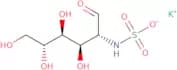
CAS:<p>D-Galactosamine-2-N-sulphate sodium salt is a glycosylation agent that is used to modify saccharides. It has the ability to attach sugars to the chemical structure of other molecules and can be used in the synthesis of oligosaccharides. D-Galactosamine-2-N-sulphate sodium salt can be fluorinated, methylated, and modified with click chemistry reactions. This product is CAS No. 188296-31-3 and has a monomer weight of 613.6 g/mol. This product is available for custom synthesis and has a purity of >99% by HPLC analysis.</p>Fórmula:C6H12NO8SNaPureza:Min. 95%Cor e Forma:PowderPeso molecular:281.21 g/mol1,2-Di-O-acetyl-3,5-di-O-benzoyl-3-b-C-methyl-D-ribofuranose
CAS:<p>1,2-Di-O-acetyl-3,5-di-O-benzoyl-3-b-C-methyl-D-ribofuranose is a fluorinated monosaccharide that is synthesized by the glycosylation of 2,6 anhydrofructose with benzaldehyde and acetone. It has a CAS number of 22672-43-1. This product can be used in the modification of polysaccharides or as a synthetic glycoside. It can also be used for click chemistry modification of sugars or as a high purity custom synthesis.</p>Pureza:Min. 95%5-Fluoropyrimidin-2-One β-Ribofuranoside
CAS:<p>5-Fluoropyrimidin-2-One beta-Ribofuranoside is a subunit of the enzyme cytidine deaminase. It interacts with a substrate binding site, which is located at the active site of cytidine deaminase. This molecule has been shown to stabilize the enzyme and increase its rate of reaction with the substrate. 5-Fluoropyrimidin-2-One beta-Ribofuranoside can also bind with a water molecule, which may be important for enzymatic activity.<br>5-Fluoropyrimidin-2-One beta-Ribofuranoside is homologous to other molecules that are involved in DNA synthesis, such as adenosine monophosphate (AMP), ribose, and uracil.</p>Fórmula:C9H11FN2O5Pureza:Min. 95%Peso molecular:246.19 g/mol5-Deoxy-5-fluoro-D-galactose
<p>5-Deoxy-5-fluoro-D-galactose is an oligosaccharide that can be used as a custom synthesis. It is a modification of the natural monosaccharide D-galactose. 5-Deoxy-5-fluoro-D-galactose has the following chemical structure:</p>Pureza:Min. 95%7-Deoxy-D-glycero-L-ido-heptitol
<p>7-Deoxy-D-glycero-L-ido-heptitol is a synthetic carbohydrate that is a methylated, saccharide and polysaccharide. It is a custom synthesis and can be modified with Click chemistry. This product has CAS number 90319-73-6 and can be modified with fluorination. 7DGHLH is a high purity product that has been synthesized from carbon dioxide and hydrogen gas. It is an oligosaccharide that has been glycosylated and is available in the form of a powder or liquid.</p>Pureza:Min. 95%3-O-Hydroxyethyl-D-glucose
CAS:<p>3-O-Hydroxyethyl-D-glucose (3HEG) is a hexose sugar that can be synthesized from D-glucose and glycerol. It is an important precursor for the synthesis of polyethylene glycols for drug delivery and has been shown to be a potent inhibitor of glucose uptake in Xenopus oocytes. 3HEG is also a good carbon source for cell growth, but it can only be metabolised by cells with the appropriate enzymes. Glucofuranose, which is structurally similar to 3HEG, can inhibit uptake of glucose by binding to glucose transporters on the cell membrane surface. This inhibition may be due to the structural similarities between these two sugars. Mechanistic studies indicate that this inhibition may occur as a result of competitive inhibition or allosteric modulation, but further research is required to elucidate this mechanism.</p>Fórmula:C8H16O7Pureza:Min. 98 Area-%Cor e Forma:Yellow PowderPeso molecular:224.21 g/mol1-Amino-2,4-O-benzylidene-D-butane-2,3,4-triol
<p>1-Amino-2,4-O-benzylidene-D-butane-2,3,4-triol is a custom synthesis. This compound is an oligosaccharide that has been modified with methylation, glycosylation, and click modification. Carbohydrate molecules are saccharides that have a sugar as their backbone. Saccharides can be classified as monosaccharides (simple sugars) or polysaccharides (complex carbohydrates). This compound is a high purity synthetic that has been fluorinated and has undergone glycose chemistry to produce a desired product.</p>Pureza:Min. 95%4-Methoxyphenyl 2,4,6-tri-O-benzoyl-a-D-mannopyranoside
<p>4-Methoxyphenyl 2,4,6-tri-O-benzoyl-a-D-mannopyranoside is a glycosylation product of mannose with 4-methoxybenzoic acid. It is a complex carbohydrate that has been modified by methylation and click modification. The fluorination increases the reactivity of the hydroxyl groups on the sugar ring. This product can be synthesized in high purity and custom synthesis.</p>Fórmula:C34H30O10Pureza:Min. 95%Peso molecular:598.6 g/mol(2S,3S,4R,5R)-3,4-O-Benzylidene-2-cyano-N-(4-methoxybenzyl)-3,4,5-trihydroxy-piperidine
<p>The modification of a polysaccharide with an oligosaccharide, which is the process of adding one or more sugar residues to the polysaccharide. This can be done enzymatically or chemically. The addition of a carbohydrate residue to another carbohydrate-bearing molecule. This can be done enzymatically or chemically. The synthesis of an organic compound that contains only carbon, hydrogen, and oxygen atoms in its molecular structure. This can be done enzymatically or chemically. The process of adding a methyl group to an organic compound. This can be done enzymatically or chemically. A monosaccharide is a simple sugar that cannot be hydrolyzed into simpler sugars by chemical means. It is one of the three main types of biomolecules found in living things (along with lipids and nucleic acids). Methylation is a chemical reaction involving the transfer of a methyl group from one chemical entity to another one; for example, from methanol to dim</p>Pureza:Min. 95%Allyl 2-O-acetyl-3-O-benzyl-a-L-rhamnopyranoside
CAS:<p>Allyl 2-O-acetyl-3-O-benzyl-a-L-rhamnopyranoside is a synthetic monosaccharide that is used in the synthesis of complex carbohydrates. It has a CAS number of 940274-20-4 and may be modified with fluorine or methyl groups. Synthetic allyl 2-O-acetyl-3-O-benzyl-a -L -rhamnopyranoside is also known as "Methylated, Custom synthesis, Click modification, Oligosaccharide, Polysaccharide, saccharide, sugar."</p>Fórmula:C18H24O6Pureza:Min. 95%Peso molecular:336.39 g/molEthyl 4,6-O-benzylidene-β-D-thiogalactopyranoside
CAS:<p>Ethyl 4,6-O-benzylidene-b-D-thiogalactopyranoside is a synthetically produced carbohydrate typically used as a building block in oligo-saccharide synthesis.</p>Fórmula:C15H20O5SPureza:Min. 95%Cor e Forma:PowderPeso molecular:312.39 g/mol(2R, 3R, 4S, 5R) -3, 4- Dihydroxy- 5- (hydroxymethyl) - N- methyl-2- pyrrolidinecarboxami de
CAS:<p>(2R, 3R, 4S, 5R) -3, 4- Dihydroxy- 5- (hydroxymethyl) - N- methyl-2- pyrrolidinecarboxami de is an Methylation product of 2-pyrrolidinone. It is a white to off-white solid. This product has been modified with Click chemistry to create a glycosylation site at the C6 position. It is soluble in water and alcohols. The CAS number for this product is 1591783-03-7.</p>Pureza:Min. 95%N-[2-(4'-Dimethylaminophenyl)-1-cyano-3-butene]-2,3,4,6-tetra-O-pivaloyl-D-glucopyranoside
<p>2-(4'-Dimethylaminophenyl)-1-cyano-3-butene-2,3,4,6-tetra-O-pivaloyl-D-glucopyranoside is a synthetic compound. It is an oligosaccharide that can be modified to produce various sugar derivatives. The modification process includes fluorination and methylation. 2-(4'-Dimethylaminophenyl)-1-cyano-3-butene-2,3,4,6 tetra O pivaloyl D glucopyranoside is a white powder with a melting point of 110°C and an optical rotation of +33°C.</p>Fórmula:C39H59N2O9Pureza:Min. 95%Peso molecular:699.91 g/mol2-C-(2,3,4,6-Tetra-O-acetyl-b-D-glucopyranosyl) ethyne
CAS:<p>2-C-(2,3,4,6-Tetra-O-acetyl-b-D-glucopyranosyl) ethyne is a fluorescent reagent that is used to detect glycosylation. It reacts with the glucose residue of an oligosaccharide or polysaccharide to form a fluorescent product. This product can be detected by fluorescence spectroscopy. 2-C-(2,3,4,6-Tetra-O-acetyl-b-D-glucopyranosyl) ethyne has been shown to react with Oligo 1 and Oligo 2 in the following reaction:<br>2-[(2,3,4,6 Tetra -O -acetyl -b -D -glucopyranosyl )ethynyl]</p>Fórmula:C16H20O9Pureza:Min. 95%Peso molecular:356.32 g/molMethyl 2,3,4-tri-O-benzyl-6-O-tert-butyldimethylsilyl-a-D-mannopyranoside
CAS:<p>Methyl 2,3,4-tri-O-benzyl-6-O-tert-butyldimethylsilyl-a-D-mannopyranoside is a synthetic carbohydrate that has been modified with fluorination. The structure of this compound is a complex carbohydrate consisting of a monosaccharide and two oligosaccharides. This product can be custom synthesized to meet the specific needs of customers and offers high purity.</p>Fórmula:C34H46O6SiPureza:Min. 95%Peso molecular:578.83 g/molD-Allose
CAS:<p>Anti-proliferative in cancer cells</p>Fórmula:C6H12O6Pureza:Min. 95%Cor e Forma:White PowderPeso molecular:180.16 g/molMethyl (benzyl 2,3-di-O-benzyl-4-O-methyl-β-D-glucopyranoside)uronate
CAS:<p>A useful glucuronide building block</p>Fórmula:C29H32O7Pureza:Min. 95%Cor e Forma:PowderPeso molecular:492.56 g/molDL-Apiose - Aqueous solution
CAS:<p>DL-Apiose, also known as D-apiose, is a carbohydrate that is found in the bark of the tree Dolichandrone. It can be synthesized from verbascoside, a product of the thermally and irradiation degradation of verbascoside. This compound has been shown to have anti-inflammatory properties. DL-Apiose has two stereoisomers: alpha and beta. Alpha-DL-apiose is an intramolecular hydrogen bond donor while beta-DL-apiose is an intramolecular hydrogen bond acceptor. The alpha form can be converted to the beta form by ring opening. The alpha form of this compound has a hydroxyl group at carbon 2 and the beta form does not have this group. The alpha form of DL-apiose is more soluble than the beta form and may be more biologically active than its counterpart.</p>Fórmula:C5H10O5Pureza:Min. 95%Cor e Forma:Clear LiquidPeso molecular:150.13 g/mol2,3-O-Isopropylidene-5-O-triphenylmethyl-D- ribonic acid γ-lactone
<p>2,3-O-Isopropylidene-5-O-triphenylmethyl-D-ribonic acid gamma-lactone is a modified and synthetic oligosaccharide. It is also known as 2,3:5,6:7,8:5',6'-O-isopropylidene-D-riboaldonic acid gamma lactone or 2,3:5,6:7,8:5',6'-0-(2,2,2,-trimethyl)propane. It is an important precursor for the synthesis of complex carbohydrates such as polysaccharides and glycosylation reactions. This product can be used in research on carbohydrate chemistry and in pharmaceuticals.<br>1. <br>2. <br>3.<br>4. <br>5. <br>6. <br>7.</p>Pureza:Min. 95%L-Arabinose - Syrup
CAS:<p>L-arabinose is a monosaccharide that is found in many plants, but not in humans. It is metabolized by the liver to produce L-arabinose-1-phosphate and L-ribulose-1,5-bisphosphate. L-Arabinose syrup is used for the treatment of bacterial infections such as escherichia coli or listeria monocytogenes.</p>Fórmula:C5H10O5Pureza:Min. 95%Peso molecular:150.13 g/mol3-Azido-3-deoxy-5, 6- O- isopropylidene- D- gulonic acid g- lactone
CAS:<p>3-Azido-3-deoxy-5, 6-O-isopropylidene-Dgulonic acid g-lactone is a fluorinated monosaccharide. It is synthesized by the reaction between 3,4,6,7 tetra fluorobenzaldehyde and 5,6 O isopropylidene Dgulonic acid. It can be used for glycosylation reactions in order to produce oligosaccharides. The modification of this product can be achieved through methylation and sugar modification techniques. This product has CAS No. 244057-17-8 and is highly pure with a purity of 99%.</p>Fórmula:C9H13N3O5Pureza:Min. 95%Peso molecular:243.22 g/mol2-Azido-2-deoxy-3,5-di-O-tert-butylsimethyl-D-xylitol
<p>2-Azido-2-deoxy-3,5-di-O-tert-butylsimethyl-D-xylitol is a monosaccharide with the molecular formula C8H12N2O6. It is an important intermediate for the synthesis of saccharides and oligosaccharides. A major application of 2AA2DTBSX is in the modification of complex carbohydrates such as polysaccharides and glycoproteins. This carbohydrate can be fluorinated to produce 2-(azido)-2-(deoxy) -3,5-(di)O-(tert) butylsulfonylmethyl -D-xylitol. 2AA2DTBSX can also be methylated to produce 2-[(methylthio)methyl]-2,3,5,6 tetraiodo -D-xylitol.</p>Pureza:Min. 95%Methyl 6-O-tert.butyldiphenylsilyl-a-D-galactopyranoside
<p>Methyl 6-O-tert.butyldiphenylsilyl-a-D-galactopyranoside is an organic chemical compound that belongs to the class of sugar derivatives. This substance is a high purity, custom synthesis and can be modified by fluorination, glycosylation, and methylation. The CAS number for this substance is 52793-71-0.<br>Methyl 6-O-tert.butyldiphenylsilyl-a-D-galactopyranoside is an oligosaccharide with a molecular formula of C14H21NO4S and a molecular weight of 299.38 g/mol. It has a monosaccharide sequence of D -Galp1,6(Galp)2,3GlcNAc(Galp)2,4GlcNAc(Galp)2,5GlcNAc(Galp)2</p>Pureza:Min. 95%Methyl 3,4-di-O-acetyl-β-D-xylopyranoside
CAS:<p>Acetyl protected xyloside</p>Fórmula:C10H16O7Pureza:Min. 95%Cor e Forma:PowderPeso molecular:248.2 g/mol2,3,4,6-Tetra-O-acetyl-a-D-thiomannopyranse sodium salt
<p>2,3,4,6-Tetra-O-acetyl-a-D-thiomannopyranse sodium salt is a synthetic compound that is used as an intermediate in the production of glycosaminoglycans. It is a complex carbohydrate with four mannose units and two acetyl groups. This compound can be methylated, fluorinated, or modified with click chemistry to produce various derivatives. 2,3,4,6-Tetra-O-acetyl-a-D-thiomannopyranse sodium salt has been shown to have antiviral and anti cancer properties and can be custom synthesized for specific needs.</p>Fórmula:C14H19O9SNaPureza:Min. 95%Peso molecular:386.35 g/mol7-Deoxy- 6- O- tert.butyldimethylsilyl - 1, 2- O- isopropylidene -L- glycero- a- D- gluco- heptofuranose
<p>7-Deoxy-6-O-tert.butyldimethylsilyl-1,2-O-isopropylidene -L-glucoheptofuranose is a fluorinated monosaccharide that is used as a synthetic intermediate for the production of oligosaccharides and polysaccharides. 7DGTS can be modified with methyl groups and/or click chemistry to form various derivatives. The CAS Number for this product is 58959-14-8. This product has been shown to have a purity of 99% or higher.</p>Pureza:Min. 95%Ethyl 2,3,4-tri-O-benzyl-β-L-thiofucopyranoside
CAS:<p>Ethyl 2,3,4-tri-O-benzyl-beta-L-thiofucopyranoside is a sugar that is used in the synthesis of complex carbohydrates. It can be custom synthesized to meet your specifications. Ethyl 2,3,4-tri-O-benzyl-beta-L-thiofucopyranoside is a monosaccharide that has been fluorinated and methylated. The CAS number for this compound is 99409-34-4.</p>Fórmula:C29H34O4SPureza:Min. 98 Area-%Peso molecular:478.64 g/molMethyl 2,3,4-tri-O-acetyl-6-O-tert-butyldiphenylsilyl-a-D-mannopyranoside
<p>Methyl 2,3,4-tri-O-acetyl-6-O-tert-butyldiphenylsilyl-a-D-mannopyranoside is a custom synthesis of an oligosaccharide. It is modified by fluorination, methylation and acetylation. This compound can be used in the production of glycosylated proteins for use as pharmaceuticals. The CAS number for this compound is 568792–66–8.</p>Fórmula:C29H38O9SiPureza:Min. 95%Peso molecular:558.71 g/mol(3aS, 4S, 6aR) Tetrahydro- 2, 2, 6a- trimethyl- 4H- 1, 3- dioxolo[4, 5- c] pyrrole- 4- methanol
<p>(3aS, 4S, 6aR) Tetrahydro- 2, 2, 6a- trimethyl- 4H- 1, 3- dioxolo[4, 5- c] pyrrole- 4- methanol is a synthetic compound that is a member of the class of compounds known as tetrahydropyrroloquinolines. It is a monosaccharide sugar with an alkyl group at C6 and an amine group at C2. The compound has been shown to inhibit bacterial growth by inhibiting DNA synthesis. This inhibition leads to the production of less nucleotides and nucleic acids necessary for DNA replication. The methylation at C2 is critical for this inhibitory effect.</p>Pureza:Min. 95%meso-D-glycero-D-gulo-heptitol
CAS:<p>Meso-D-glycero-D-gulo-heptitol is an enzyme inhibitor that is used in food composition. It has a redox potential of +0.5 V and can be used to inhibit the growth of metal hydroxides through chelation. This compound was found to have skin cell protective effects, as well as an ability to inhibit protein synthesis. Meso-D-glycero-D-gulo-heptitol is also a natural compound with physiological function, such as the prevention of dmannnoheptulose from being converted into D-mannitol. The hydrochloric acid or alcohol residue on this compound does not cause any adverse effects on human cells because it does not affect their redox potentials.</p>Fórmula:C7H16O7Pureza:Min. 95%Peso molecular:212.2 g/mol2-Azidoethyl 2-acetamido-2-deoxy-b-D-glucopyranoside
CAS:<p>2-Azidoethyl 2-acetamido-2-deoxy-b-D-glucopyranoside is a toxic compound that inhibits protein synthesis by binding to the enzyme glucokinase. It has been shown to inhibit the release of fatty acids in hepatocytes and to inhibit triglyceride lipase activity in cell culture. This chemical also has a damaged sequence, which is a factor that may lead to toxicity. 2-Azidoethyl 2-acetamido-2-deoxy-b-D-glucopyranoside also has been shown to have physiological activities, such as inhibition of cardiac cells and symptoms such as inflammation. These effects are thought to be mediated by its ability to bind with DNA and RNA, altering their function.</p>Fórmula:C10H18N4O6Pureza:Min. 95%Cor e Forma:White PowderPeso molecular:290.27 g/mol1-Deoxy- 4- C- methyl- 3, 4-isopropylidene-L- erythro- 2- pentulose
<p>1-Deoxy-4-C-methyl-3,4-isopropylidene-L-erythro-2-pentulose is a custom synthesis of saccharide in nature. It has fluorination and methylation modification. It is a monosaccharide, which can be modified to form an oligosaccharide or polysaccharide. The CAS number for this compound is</p>Pureza:Min. 95%D-Mannoheptulose
CAS:<p>Inhibitor of glucokinases and hexokinases</p>Fórmula:C7H14O7Pureza:Min. 98.0 Area-%Cor e Forma:White PowderPeso molecular:210.18 g/molFructosyl-lysine
CAS:<p>Fructosyl-lysine is a substituted lysine that is formed through the glycation of proteins by sugars. It can be detected by fluorescence spectrometry and has been shown to inhibit the activity of receptor tyrosine kinases, which are involved in physiological functions such as cell growth and differentiation. Fructosyl-lysine also inhibits collagen synthesis and reduces the amount of glucose in human serum. This compound may be used as a model system to study glycation reactions with lysine, fatty acids, and other amino acids. The concentration of fructosyl-lysine found in human serum is at physiological levels and may not have any effect on antibody response.</p>Fórmula:C12H24N2O7Pureza:Min. 95%Cor e Forma:PowderPeso molecular:308.33 g/mol5-Ketomannose
CAS:<p>5-Ketomannose is a catalytic α-d-mannopyranoside that is used as a glycosidase inhibitor. It binds to the active site of glycosidases, blocking their activity and inhibiting the breakdown of carbohydrates. 5-Ketomannose has been shown to inhibit the action of a number of enzyme types, including glycosidases, glycoprocessing enzymes, and catalytic hydrogenation. This compound also inhibits deoxymannojirimycin, which is an inhibitor of glycosidase. 5-Ketomannose has anti-inflammatory effects and may be useful for treatment in inflammatory bowel disease (IBD) or ulcerative colitis.</p>Fórmula:C6H10O6Pureza:Min. 95%Cor e Forma:PowderPeso molecular:178.14 g/mol4-Azido-4-deoxy-D-glucose
CAS:<p>4-Azido-4-deoxy-D-glucose (4A4DG) is a potential inhibitor of lactose synthase, which is an enzyme that catalyzes the synthesis of lactose from glucose. 4A4DG is an azide analogue of D-glucose and acts as an acceptor substrate for the enzyme. It has been found to be crystalline in nature and is composed of a monosaccharide. 4A4DG has been used in syntheses of several analogues of D-glucose and can be used as a potential inhibitor for lactose synthase.</p>Fórmula:C6H11N3O5Pureza:Min. 95%Cor e Forma:White PowderPeso molecular:205.17 g/mol(-)-2,3-O-Isopropylidene-L-threitol-1,4-dimethane sulfonate
CAS:<p>(-)-2,3-O-Isopropylidene-L-threitol-1,4-dimethane sulfonate is a methylated saccharide that can be used as a raw material for the synthesis of oligosaccharides. This product is an example of a carbohydrate that is custom synthesized and fluorinated. The glycosylation reaction will produce a higher purity product.</p>Fórmula:C9H18O8S2Pureza:Min. 95%Peso molecular:318.37 g/mol1,2,3,4-Tetra-O-acetyl-6-O-triisopropylsilyl-a-D-mannopyranose
<p>1,2,3,4-Tetra-O-acetyl-6-O-triisopropylsilyl-a-D-mannopyranose (1,2,3,4TAMS) is a custom synthesis of an oligosaccharide. It is a complex carbohydrate that has been modified with methylation and glycosylation. 1,2,3,4TAMS is a polysaccharide that contains mannose and arabinose as the two monosaccharides. 1,2,3,4TAMS may be used for applications such as click chemistry or fluorination. 1,2,3,4TAMS is a sugar that has high purity and can be synthesized with a high degree of accuracy.</p>Fórmula:C23H40O10SiPureza:Min. 95%Peso molecular:504.66 g/mol1,6-Di-O-acetyl-2-azido-2-deoxy-3-O-benzyl-4-O-(4-methoxybenzyl)-a-D-glucopyranose
CAS:<p>1,6-Di-O-acetyl-2-azido-2-deoxy-3-O-benzyl-4-O-(4-methoxybenzyl)-a-D-glucopyranose is a modification of the alpha anomer of a glucopyranoside. It is a synthetic compound that has been used in carbohydrate research. The chemical structure consists of a glucose molecule with an acetyl group on carbon 1, and a benzyl group on carbon 2. This modification has been shown to inhibit bacterial growth, specifically Mycobacterium tuberculosis and Mycobacterium avium complex. This compound could be synthesized in high purity and is available through custom synthesis at CAS No. 635683-74-8.</p>Fórmula:C25H29N3O8Pureza:Min. 95%Peso molecular:499.51 g/mol7-Deoxy-L-glycero-D-gluco-heptitol
<p>7-Deoxy-L-glycero-D-gluco-heptitol is a custom synthesis of an oligosaccharide that has been fluorinated and modified. This product is made up of seven sugar molecules, including three monosaccharides and four disaccharides. It is a complex carbohydrate with a high purity level. The modification process includes methylation, click modification, and fluorination.</p>Pureza:Min. 95%N-Benzylidenimino 2,3,4,6-tetra-O-pivaloyl-D-glucopyranoside
<p>N-Benzylidenimino 2,3,4,6-tetra-O-pivaloyl-D-glucopyranoside is a custom synthesis that is used for glycosylation. It is an oligosaccharide with a sugar unit at the nonreducing end of the molecule. The glycone moiety of this compound is O-(2,3,4,6-tetra-O-pivaloyl)-D-glucopyranosyl-(1→2)-α--D--glycero--Hexose. This product can be used as a sugar in the synthesis of complex carbohydrate.</p>Fórmula:C33H49NO9Pureza:Min. 95%Peso molecular:603.74 g/mol2,3,4-Tri-O-acetyl-b-L-arabinopyranosyl azide
<p>2,3,4-Tri-O-acetyl-b-L-arabinopyranosyl azide is a custom synthesis that is modified with fluorination, methylation, and monosaccharide. It can be synthesized using click modification and oligosaccharide. This compound is a carbohydrate that has saccharide as its main component. Carbohydrate is the most abundant organic molecule in the human body. Complex carbohydrates are polysaccharides made up of many monosaccharides linked together. Polysaccharides are also called glycans or glycosaminoglycans (GAGs). Glycosylation is the process by which sugars are attached to proteins or lipids.</p>Fórmula:C5H9N3O4Pureza:Min. 95%Peso molecular:175.14 g/mol3-Amino-3-deoxy-D-mannose HCl
CAS:<p>3-Amino-3-deoxy-D-mannose HCl is a synthetic, fluorinated monosaccharide. It is a complex carbohydrate that can be found in glycosylations and polysaccharides. 3-Amino-3-deoxy-D-mannose HCl is synthesized through the use of Click chemistry and methylation methods. 3-Amino-3-deoxy-D-mannose HCl is used as a sugar modification for glycoconjugates and proteins, which are natural substances made up of sugars. This product has been purified to high purity standards and can be used in a variety of applications, including pharmaceuticals, biotechnology, diagnostics, and cell biology.</p>Fórmula:C6H13NO5·HClPureza:Min. 95%Cor e Forma:PowderPeso molecular:215.63 g/mol(2S, 3S, 4R) -3- [[[(2S, 3S, 4R) - 3- [[[(2S, 3S, 4R) - 3- Azido- 4- [[[(1, 1- dimethylethyl) dimethylsilyl] oxy] methyl] - 1- (phen ylmethyl) - 2- azetidinyl] carbonyl] amino] - 4- [[[(1, 1- dimethylethyl) dimethylsilyl] oxy] methyl] - 1- (phenylmeth
CAS:<p>The compound has been shown to be a methylating agent, which is used in the synthesis of saccharides and oligosaccharides. The compound can also be used as a fluorinating reagent. It is an effective synthesis of complex carbohydrates. The compound has been shown to be an excellent protecting group for carbonyl groups. The compound is not very soluble in water, but it is soluble in organic solvents such as DMSO or DMF.</p>Fórmula:C55H86N8O7Si3Pureza:Min. 95%Peso molecular:1,055.58 g/mol1-Deoxy-D-fructose
CAS:<p>1-Deoxy-D-fructose is a sugar that is found in plants. It has been shown to stimulate insulin release from the pancreas and regulate glucose levels. 1-Deoxy-D-fructose has been used as a pharmaceutical preparation for the treatment of diabetes mellitus. 1-Deoxy-D-fructose is not metabolized by cells, but is taken up by cells and reacts with reactive oxygen species (ROS) to produce hydrogen peroxide. This reaction may be responsible for the biological effects of 1-deoxy-d-fructose.</p>Fórmula:C6H12O5Pureza:Min. 97%Cor e Forma:Colorless Clear LiquidPeso molecular:164.16 g/mol2-Acetamido-2-deoxy-D-galacturonamide
CAS:<p>2-Acetamido-2-deoxy-D-galacturonamide is a potential drug candidate that exhibits potent activity against gram-negative bacteria. It has been shown to exhibit structural similarity to the antigen in the outer membrane of bacteria, and is an amide with a potential use as a protein glycosylation inhibitor. 2-Acetamido-2-deoxy-D-galacturonamide has been shown to be effective against P. aeruginosa, which is a major cause of hospital acquired infections. This drug candidate inhibits the synthesis of proteins by interfering with the biosynthesis of peptidoglycan, which is an essential component of the bacterial cell wall and outer membrane. 2-Acetamido-2-deoxy-D-galacturonamide also can be used for detection sensitivity testing and identification of bacterial strains by hydrogen fluoride treatment or expressed recombinant proteins.</p>Fórmula:C8H14N2O6Pureza:Min. 95%Cor e Forma:PowderPeso molecular:234.21 g/mol2,3-Di-O-benzyl-D-glucopyranose
CAS:<p>Taxol is a natural product that is isolated from the bark of the Pacific Yew tree. It has been found to have antitumor activity against human and murine sarcoma, as well as human cancer cell lines. Taxol has been shown to inhibit the growth of cancer cells by binding to the β-subunit of tubulin, preventing polymerization into microtubules and therefore affecting mitosis. Taxol also inhibits glucose uptake and utilization by cancer cells, which may in part account for its anti-tumor activity. Taxol also contains galloyl groups that are responsible for its antifungal activity.</p>Fórmula:C20H24O6Pureza:Min. 95%Cor e Forma:Off-White PowderPeso molecular:360.4 g/mol(1S) -1- [(2S, 3R,4R) -N-Benzyl-3- benzyloxy- 4-hydroxymethyl-1- azetidinyl] -1, 2- ethanediol
<p>(1S) -1- [(2S, 3R,4R) -N-Benzyl-3- benzyloxy- 4-hydroxymethyl-1- azetidinyl] -1, 2- ethanediol is a water soluble, white to off-white powder that can be used as a synthetic carbohydrate. It has the CAS number of 112065-78-8 and can be custom synthesized for specific modifications. The purity of this product is high and it is methylated and glycosylated. This product can be used in click chemistry to make other compounds.</p>Pureza:Min. 95%3,4,6-Tri-O-acetyl-2-deoxy-2-fluoro-D-glucopyranosyl fluoride
CAS:<p>3,4,6-Tri-O-acetyl-2-deoxy-2-fluoro-D-glucopyranosyl fluoride is a fluorine containing compound. It has been analyzed using spectroscopic techniques and found to be a white crystalline solid with an empirical formula of C12H14F3O11.</p>Fórmula:C12H16F2O7Pureza:Min. 95%Peso molecular:310.25 g/mol3,4:5,6-Di-O-Isopropylidene-L-idonic acid methyl ester
<p>3,4:5,6-Di-O-Isopropylidene-L-idonic acid methyl ester (DIPIM) is a synthetic carbohydrate that is used in the modification of saccharides and oligosaccharides. DIPIM is a fluorinated monosaccharide that can be synthesized by the click chemistry reaction. It is highly pure, with a purity level of 99.9%. DIPIM has been shown to react with glycosyl acceptors to form glycosyl derivatives. This compound also has potential in the design of new therapeutic agents for cancer treatment.</p>Pureza:Min. 95%Methyl 2,3-di-O-benzyl-a-D-galactopyranoside
<p>Methyl 2,3-di-O-benzyl-a-D-galactopyranoside is a fluorination reagent that can be used to introduce fluorine atoms in the sugar backbone of a carbohydrate. It has been used for the synthesis of complex carbohydrates and oligosaccharides. Methyl 2,3-di-O-benzyl-a-D-galactopyranoside can also be used to modify glycosylation or polysaccharide structures by methylating or chlorinating the sugar moiety. The chemical is available from various suppliers at different purity levels.</p>Pureza:Min. 95%1-Deoxygalactonojirimycin
CAS:<p>Specific and potent inhibitor of lysosomal α-galactosidase with IC50 in nanomolar range. It acts as pharmacological chaperone and assists folding of the wild type and mutant versions of the enzyme. It places itself in the instable active site and prevents the damage to the enzyme during the passage through Golgi apparatus, endoplasmatic reticulum and lysosome axis. The exposure to this compound leads to increased levels of functional α-galactosidase in models for lysosomal storage disorders and brings therapeutic benefits to patients with Fabry disease.</p>Fórmula:C6H13NO4Pureza:Min. 95%Peso molecular:163.17 g/mol1,2:5,6-Di-O-isopropylidene-D-mannitol
CAS:<p>1,2:5,6-Di-O-isopropylidene-D-mannitol is an organic compound that belongs to the group of mesoporous materials. It has a high surface area and is capable of absorbing large amounts of water. 1,2:5,6-Di-O-isopropylidene-D-mannitol has been shown to be able to absorb chloride ions in acidic environments due to its acidic hydrolysis properties. The water that is absorbed by this material can then be released when the solution becomes neutral again. This material can also act as a proton sponge and may have applications in the treatment of acid mine drainage or other industrial pollution. 1,2:5,6-Di-O-isopropylidene-D-mannitol may be used for chromatography techniques such as gas chromatography and liquid chromatography due to its functional groups that are sensitive to changes in pH levels.</p>Fórmula:C12H22O6Pureza:Min. 97 Area-%Peso molecular:262.31 g/mol3-Deoxy-D-glucose
CAS:<p>3-Deoxy-D-glucose (3DG) is a molecule that belongs to the class of carbohydrates. It is an analog of D-glucose, which is the key substrate for the production of energy in mammalian cells. 3DG has been shown to inhibit the uptake of glucose by trypanosomes and also inhibits glycolysis in mammalian cells. The inhibition of glycolysis may be due to its ability to prevent the phosphorylation of glucose by hexokinase, thus blocking the conversion of glucose into glucose 6-phosphate. 3DG is biosynthesized from d-xylose, which is a five carbon sugar that can be oxidized to form CO2 and H2O.</p>Fórmula:C6H12O5Pureza:Min. 98 Area-%Cor e Forma:White Off-White PowderPeso molecular:164.16 g/mol1,,2-ene-glucose
<p>1,2-ene-glucose is a methylated glucose that can be custom synthesized. It has been modified with a click modification and fluorination. It is an Oligosaccharide and Polysaccharide that is used as a Carbohydrate in the synthesis of complex carbohydrates. The purity of 1,2-ene-glucose is high and it can be modified with Monosaccharides or sugar.</p>Fórmula:C6H10O5Pureza:Min. 95%Peso molecular:162.14 g/molBenzyl-2,3,3,6-tetra-O-acetyl-tio-D-glucopyranoside
<p>This compound is a custom synthesis, modification and fluorination of an acetylated glycoside. It is a methylated monosaccharide with a saccharide at the reducing end. This product can be used in the synthesis of oligosaccharides, glycosylation and sugar modifications. The CAS number for this compound is 58907-27-3.</p>Pureza:Min. 95%D-[UL-13C6]Galacturonic acid potassium salt
CAS:<p>D-[UL-13C6]Galacturonic acid potassium salt is a fatty acid that is used as a feedstock in the production of monoclonal antibodies. The 13C isotope provides information on the structure and function of proteins, such as enzyme activities and covalent linkages. D-[UL-13C6]Galacturonic acid potassium salt has been shown to inhibit the growth of bacteria and can be used for the treatment of infectious diseases. D-[UL-13C6]Galacturonic acid potassium salt binds to bacterial cell surfaces by interacting with hydroxyl groups on lipopolysaccharides, which are found on the outer membrane of Gram-negative bacteria, preventing their replication and inhibiting their ability to form biofilms. D-[UL-13C6]Galacturonic acid potassium salt has also been shown to be effective against hyperproliferative disease cells, such as prostate cancer cells.</p>Fórmula:C6H9O7·KPureza:Min. 95%Cor e Forma:PowderPeso molecular:238.19 g/molMethyl 2,3,4-tri-O-pivaloyl-6-O-triisopropylsilyl-a-D-mannopyranoside
<p>Methyl 2,3,4-tri-O-pivaloyl-6-O-triisopropylsilyl-a-D-mannopyranoside is a custom synthesis of an oligosaccharide with high purity. It is a complex carbohydrate that has been modified to have fluorination. The modification of the saccharide was done by Click chemistry, which is a type of radical reaction. Methyl 2,3,4-tri-O-pivaloyl-6-O-triisopropylsilyl-a-D-mannopyranoside is a monosaccharides and sugar that has been synthesized.</p>Fórmula:C31H58O9SiPureza:Min. 95%Peso molecular:602.89 g/mol2,3:4,6-Di-O-cyclohexylidene-a-D-mannopyranose
CAS:<p>2,3:4,6-Di-O-cyclohexylidene-a-D-mannopyranose is a custom synthesis product. It can be modified with fluorination, methylation or monosaccharide substitution. The synthesis of 2,3:4,6-Di-O-cyclohexylidene-a-D-mannopyranose involves an oxidative coupling of glycerol and acetone to the corresponding 1,1,2,2 tetraacetate. The latter is then converted to the desired product by means of an acid catalyzed cyclization reaction. This compound is also synthetically derived from the sugar mannose via a series of reactions including methylation and glycosylation.</p>Fórmula:C18H28O6Pureza:Min. 95%Cor e Forma:PowderPeso molecular:340.41 g/mol1,2:5,6-Di-O-isopropylidene-3-O-methanesulfonyl-α-D-glucofuranose
CAS:<p>A protected glucofuranose.</p>Fórmula:C13H22O8SPureza:Min. 95%Cor e Forma:White To Off-White SolidPeso molecular:338.37 g/molMethyl 2,3,4-tri-O-pivaloyl-6-O-trityl-a-D-glucopyranoside
<p>Methyl 2,3,4-tri-O-pivaloyl-6-O-trityl-a-D-glucopyranoside is a custom synthesis of an oligosaccharide. The sugar is attached to the glycosylation site of the peptidoglycan cell wall of bacteria. This modification prevents bacterial growth by interfering with the cell wall biosynthesis that is required for protein synthesis and cell division.</p>Fórmula:C41H52O9Pureza:Min. 95%Peso molecular:688.87 g/mol5-O-Carbomethoxy-1,2-O-isopropylidene-3-O-p-toluenesulfonyl-α-D-xylofuranose
CAS:<p>5-O-Carbomethoxy-1,2-O-isopropylidene-3-O-p-toluenesulfonyl-a-D-xylofuranose is a synthetic chemical that is used in antiperspirant and deodorant products. It works by inhibiting the activity of the eccrine glands and causing a temporary blockage of sweat release. This chemical also decreases the production of bacteria on the skin surface, which can cause bad odors. 5OCMPTOSF is a combination product that includes both an antiperspirant and a deodorant.br><br>br><br>Antiperspirants are substances applied to the skin to prevent sweating. They work by blocking sweat from reaching the skin's surface or by masking body odor with their own fragrance. Antiperspirants are most effective when applied to dry skin and can be combined with other cosmetics such as moisturizers or sunscreens</p>Fórmula:C17H22O9SPureza:Min. 95%Peso molecular:402.42 g/molAllyl 3-O-benzyl-2-O-chloroacetyl-a-L-rhamnopyranoside
CAS:<p>Allyl 3-O-benzyl-2-O-chloroacetyl-a-L-rhamnopyranoside is a carbohydrate that belongs to the group of modified saccharides. It is a synthetic monosaccharide that can be used in the synthesis of complex carbohydrates and oligosaccharides. The fluorination at C1 position gives this compound high water solubility and improved stability. CAS No. 943307-50-4, Custom synthesis, High purity, Methylation, Glycosylation, Click modification.</p>Fórmula:C18H23ClO6Pureza:Min. 95%Peso molecular:370.83 g/mol4-Methoxyphenyl 6-O-tert-butyldimethylsilyl-2-deoxy-2-(2,2,2-trichloroethoxyformamido)-b-D-glucopyranoside
<p>4-Methoxyphenyl 6-O-tert-butyldimethylsilyl-2-deoxy-2-(2,2,2-trichloroethoxyformamido)-b-D-glucopyranoside is a synthetic oligosaccharide that is used as an intermediate in the synthesis of glycosylation products. This product can be custom synthesized and is provided with high purity. The CAS number for this product is 56874-06-1.</p>Pureza:Min. 95%N- [(3S, 4R, 5S, 6R) - 4, 5- Dihydroxy- 6- (hydroxymethyl) - 3- piperidinyl] -acetamide
<p>N- [(3S, 4R, 5S, 6R) - 4, 5- Dihydroxy- 6- (hydroxymethyl) - 3- piperidinyl] -acetamide is a fluorinated monosaccharide that has been synthesized in the laboratory. The compound is a synthetic oligosaccharide with an acetamide group at position 2. N- [(3S, 4R, 5S, 6R) - 4, 5- Dihydroxy- 6- (hydroxymethyl) - 3- piperidinyl] -acetamide is also a glycosylated polysaccharide that has been modified by methylation and click chemistry.</p>Pureza:Min. 95%7-Deoxy-1,2:3,4:5,6-tri-O-isopropylidene-L-glycero-L-gulo-heptitol
<p>7-Deoxy-1,2:3,4:5,6-tri-O-isopropylidene-L-glycero-L-guloheptitol is a synthetic oligosaccharide. It is a complex carbohydrate that has been synthesized from glucose and galactose. The sugar's CAS number is 81271-78-9. This product can be custom synthesized to customer specifications and it is available in high purity and high quality. 7-Deoxy-1,2:3,4:5,6 -tri -O -isopropylidene -L -glycero -L -guloheptitol has been fluorinated with chlorine gas to produce the desired product. It has also undergone methylation and glycosylation reactions.</p>Pureza:Min. 95%2,3,4,6-Tetra-O-acetyl-b-D-galactopyranosyl ethylxanthate
<p>2,3,4,6-Tetra-O-acetyl-b-D-galactopyranosyl ethylxanthate is a carbohydrate that has been modified through the process of fluorination and methylation. It is a synthetic compound that has been custom synthesized to produce high purity. The CAS number for this compound is 56923-48-8. This compound is used in the modification of saccharides and oligosaccharides as well as other sugar compounds. 2,3,4,6-Tetra-O-acetyl-b-D-galactopyranosyl ethylxanthate is also glycosylated and click modified.</p>Fórmula:C17H24O10S2Pureza:Min. 95%Peso molecular:452.5 g/mol3, 4:5, 6- Di- O-isopropylidene -D- gluconic acid methyl ester
<p>3, 4:5, 6- Di- O-isopropylidene -D- gluconic acid methyl ester is a modification of the natural product D-glucose. It is an oligosaccharide with a complex carbohydrate structure. This product can be custom synthesized to meet your requirements and specifications. In addition, it has high purity and CAS No.</p>Pureza:Min. 95%2,3,5,6-Tetra-O-trimethylsilyl-D-glucono-1,4-lactone
<p>2,3,5,6-Tetra-O-trimethylsilyl-D-glucono-1,4-lactone is a monosaccharide that has been modified with trimethylsilyl groups. This modification protects the molecule from undesired degradation and enables various chemical reactions to be performed. 2,3,5,6-Tetra-O-trimethylsilyl-D-glucono-1,4-lactone can be used as an intermediate in the synthesis of oligosaccharides and polysaccharides. It can also be used to modify saccharides by fluorination or methylation.</p>Fórmula:C18H42O6Si4Pureza:Min. 95%Peso molecular:466.86 g/mol3-Azido-3-deoxy-4-hydroxymethyl-1,2-O-isopropylidene-a-D-ribofuranose
CAS:<p>Carbohydrate building block</p>Fórmula:C9H15N3O5Pureza:Min. 95%Cor e Forma:PowderPeso molecular:245.23 g/mol1,2:4,5-Di-O-isopropylidene-D-glycero-D-manno-heptitol
<p>1,2:4,5-Di-O-isopropylidene-D-glycero-D-manno-heptitol is a synthetic monosaccharide that can be used as a methylation substrate. The compound can be custom synthesized and has been shown to have good purity. It is found in polysaccharides and saccharides and can be modified with fluorination. This product is a complex carbohydrate with high purity and can serve as an intermediate for the synthesis of oligosaccharides and polysaccharides.</p>Pureza:Min. 95%(1R) -1- [(2S, 3R,4S) -4-Hydroxymethyl-3- hydroxy- 1- azetidinyl] -1, 2- ethanediol hydrochloride
<p>(1R) -1- [(2S, 3R,4S) -4-Hydroxymethyl-3- hydroxy- 1- azetidinyl] -1, 2- ethanediol hydrochloride is a synthetic modification of oligosaccharides and polysaccharides. It is an oligosaccharide with a high degree of polymerization (DP) and a high purity. The fluorination of saccharides can be used for the synthesis of this product.</p>Pureza:Min. 95%2,3-O-Isopropylidene-D-erythrofuranose
CAS:<p>2,3-O-Isopropylidene-D-erythrofuranose is a synthetic anticancer agent that inhibits the synthesis of proteins. It binds to the sulfhydryl group of cysteine, which is an amino acid that is essential for protein synthesis. 2,3-O-Isopropylidene-D-erythrofuranose has been shown to be potent in inhibiting cancer cells and has been used in the treatment of leukemia and other cancers. This drug can also be used as a means of treating lysosomal storage diseases such as Gaucher's disease. Its anticancer activity may be due to its ability to inhibit glutamate dehydrogenase and glutathione reductase enzymes, which are required for the synthesis of glutathione, an important antioxidant enzyme.<br>2,3-O-Isopropylidene-D-erythrofuranose has been synthesised from l -tartaric</p>Fórmula:C7H12O4Pureza:Min. 95%Peso molecular:160.17 g/mol(1S) -1- [(2S, 3R) - 3- Hydroxy- 1- azetidinyl] -1, 2- ethanediol hydrochloride
CAS:<p>(1S) -1- [(2S, 3R) - 3- Hydroxy- 1- azetidinyl] -1, 2- ethanediol hydrochloride is a custom synthesis that has been modified with fluorination, methylation, and monosaccharide modification. It is a synthetic compound that has been developed for use in the synthesis of oligosaccharides and saccharides. This product also has CAS No. 1338054-24-2 and is listed as Polysaccharide, Glycosylation, sugar, Carbohydrate, complex carbohydrate.</p>Fórmula:C5H11NO3·HClPureza:Min. 95%Peso molecular:169.61 g/molMethyl 2,3,4-tri-O-benzoyl-6-O-tert-butyldimethylsilyl-a-D-galactopyranoside
<p>Methyl 2,3,4-tri-O-benzoyl-6-O-tert-butyldimethylsilyl-a-D-galactopyranoside is an oligosaccharide that is used as a synthetic intermediate for the synthesis of other glycosylated compounds. This compound is fluorinated at the C2 position to provide a reactive site for further modification. Methyl 2,3,4-tri-O-benzoyl-6-O-(tert butyldimethylsilyl)-a D galactopyranoside can be modified with click chemistry to introduce new functional groups such as hydroxyl and amine groups. The methyl group on this compound can also be removed using methanolysis to produce methyl 2,3,4 tri - O benzoyl - 6 - O tert butyldimethylsilyl - a D galactopyranoside.</p>Fórmula:C34H40O9SiPureza:Min. 95%Peso molecular:620.78 g/mol2-Acetamido-1,3,4-tri-O-butanoyl-2-deoxy-D-mannopyranose
CAS:<p>2-Acetamido-1,3,4-tri-O-butanoyl-2-deoxy-D-mannopyranose is a protected mannosamine carbohydrate.</p>Fórmula:C23H39NO9Pureza:Min. 95%Peso molecular:473.56 g/mol4-Hydroxyestradiol 4-O-β-D-glucuronide sodium Salt
CAS:<p>4-Hydroxyestradiol 4-O-beta-D-glucuronide sodium salt is a custom synthesis of complex carbohydrates. This product is an Oligosaccharide, Polysaccharide, and Modification. It is made up of saccharides (sugar) and Carbohydrate. It has the CAS number 85359-06-4, which can be found on the Chemical Abstracts Service website. 4-Hydroxyestradiol 4-O-beta-D-glucuronide sodium salt is also Click modified with fluorine and synthetic. It has a purity of high purity and can be used for methylation and glycosylation reactions.</p>Fórmula:C24H32O9NaPureza:Min. 95%Peso molecular:487.5 g/mol2, 4- Anhydro-5-O-benzyl- 6- deoxy- L- mannonic acid methyl ester
<p>2, 4-Anhydro-5-O-benzyl-6-deoxy-L-mannonic acid methyl ester is a synthetic oligosaccharide that can be used as a fluorinated carbohydrate. It is modified by the addition of methyl groups to the hydroxyl group of an anhydro sugar moiety. It can be used in various applications such as glycosylation and click chemistry. 2, 4-Anhydro-5-O-benzyl-6-deoxy--L--mannonic acid methyl ester has CAS number 167801–91–9 and molecular weight of 538.4 g/mol. It is soluble in water and ethanol.</p>Pureza:Min. 95%1-Amino-1-deoxy-D-fructose hydrochloride
CAS:<p>1-Amino-1-deoxy-D-fructose hydrochloride is a chemical compound that has been used to study the effects of DNA damage on the rate of protein synthesis. 1-Amino-1-deoxy-D-fructose hydrochloride has been shown to be a strong inhibitor of DNA replication, particularly at sites where there is a high frequency of damaged bases. It also damages the DNA by cleaving it into fragments and inhibits protein synthesis by altering the sequences of DNA. The extent of damage caused by 1-amino-1-deoxy D fructose hydrochloride can be determined by analyzing the sequences in polyacrylamide gels after denaturing them. The reaction time for this chemical is short, so it can be used in studies with short reaction times.</p>Fórmula:C6H13NO5·HClPureza:Min. 95%Cor e Forma:White PowderPeso molecular:215.63 g/molN- [(Phenylmethoxy) carbonyl] glycylglycyl- 2- amino- 2- deoxy-a- D- manno- 2- heptulofuranosonic acid methyl ester
CAS:<p>N- [(Phenylmethoxy) carbonyl] glycylglycyl- 2- amino- 2- deoxy-a- D- manno- 2- heptulofuranosonic acid methyl ester is a custom synthesis of an oligosaccharide, polysaccharide, and a complex carbohydrate. It is modified with methylation, glycosylation, and click modification. The CAS number for this compound is 161086-37-9. This product is highly pure, fluorinated, and synthetic.</p>Pureza:Min. 95%Methyl 2,3,4-tri-O-benzyl-6-O-trityl-a-D-mannopyranoside
CAS:<p>Methyl 2,3,4-tri-O-benzyl-6-O-trityl-a-D-mannopyranoside is a complex carbohydrate that contains a glycosylation site. This compound has a CAS number of 40653-13-2, and is available for custom synthesis. Methyl 2,3,4-tri-O-benzyl-6-O-trityl-aD mannopyranoside is water soluble and has high purity. The chemical structure of this compound can be modified to include fluorination or Click modification. This compound is also an oligosaccharide containing sugar residues and monosaccharides with a molecular weight of approximately 1000 Da.</p>Fórmula:C47H46O6Pureza:Min. 95%Peso molecular:706.89 g/mol2-C-(tert.Butyldimethylsilyloxy)methyl-2,3:5,6-di-O-isopropylidene-D-allono-1.4-lactone
<p>2-C-(tert.Butyldimethylsilyloxy)methyl-2,3:5,6-di-O-isopropylidene-D-allono-1.4-lactone is a custom synthesis that is a complex carbohydrate with the molecular formula C24H42O8 and molecular weight of 432. It has a CAS number of 71026-13-2 and can be found in the Polysaccharide category. The chemical modification of this compound includes methylation, glycosylation, and fluorination. This product is high purity and has been synthesized by Click chemistry.</p>Pureza:Min. 95%3,4,6-Trideoxy-3-(dimethylamino-b-D-xylo-hexopyranose)
CAS:<p>3,4,6-Trideoxy-3-(dimethylamino-b-D-xylo-hexopyranose) is a carbohydrate that belongs to the group of saccharides. It is a sugar that has been modified with fluorine groups. Fluorination increases the hydrophilicity of the sugar and makes it more soluble in water. 3,4,6-Trideoxy-3-(dimethylamino-b-D-xylo-hexopyranose) has been custom synthesized and can be ordered as a high purity material. The synthesis process includes methylation and glycosylation steps. 3,4,6-Trideoxy-3-(dimethylamino-b-D-xylo -hexopyranose) is used as a click modification for proteins.</p>Fórmula:C8H17NO3Pureza:Min. 95%Peso molecular:175.23 g/molPhenylethyl b-D-thiogalactopyranoside
CAS:<p>?-galactosidase inhibitor</p>Fórmula:C14H20O5SCor e Forma:PowderPeso molecular:300.37 g/mol6-Azido-6-deoxy-1,2-O-isopropylidene-α-D-glucofuranose
CAS:<p>6-Azido-6-deoxy-1,2-O-isopropylidene-a-D-glucofuranose is a Custom synthesis, Modification, Fluorination, Methylation, Monosaccharide, Synthetic, Click modification, Oligosaccharide, saccharide that is CAS No. 65371-16-6. It is a sugar or Carbohydrate and complex carbohydrate.</p>Fórmula:C9H15N3O5Pureza:Min. 95%Cor e Forma:PowderPeso molecular:245.23 g/mol(2S, 3R, 4S) -2- [(1S) - 1, 2-Dihydroxyethyl] - 1- methyl- 3, 4- pyrrolidinediol
<p>(2S, 3R, 4S) -2- [(1S) - 1, 2-Dihydroxyethyl] - 1- methyl- 3, 4- pyrrolidinediol is a glycosylate compound that is synthesized by the chemical modification of polysaccharides. It has many modifications like fluorination, saccharide and modification. This product can be custom synthesized to fit the requirements of the customer. The CAS number for this product is 1118-71-4. The molecular formula for this compound is C6H14O3 and it has a molecular weight of 192.19 g/mol. The purity level for this product is >99%.</p>Pureza:Min. 95%3,4:5,6-Di-O-isopropylidene-D-idonic acid methyl ester
<p>3,4:5,6-Di-O-isopropylidene-D-idonic acid methyl ester is a modified sugar. It is a complex carbohydrate which is synthesized from D-glyceraldehyde and D-ribose. This product can be used in the production of glycosylated proteins or as an intermediate for custom synthesis. 3,4:5,6-Di-O-isopropylidene-D-idonic acid methyl ester has high purity and can be ordered with custom synthesis.<br>3,4:5,6-Di-O-isopropylidene-D-idonic acid methyl ester is soluble in water and alcohols. It can be used as a reagent for click chemistry modification.</p>Pureza:Min. 95%Methyl 4-C-Hydroxymethyl-2,3-O-isopropylidene-b-D-ribofuranoside
CAS:<p>Methyl 4-C-Hydroxymethyl-2,3-O-isopropylidene-b-D-ribofuranoside is a modification of the monosaccharide, D-ribose. It is synthesized by the selective methylation of the hydroxymethyl group at position C4. The synthesis of this compound starts with the oxidation of D-ribose to form 2,3'-diisopropylidene boronate ester (1). This compound is then reacted with methyl iodide in the presence of an acid to form 4-(methyloxy)benzaldehyde (2). The final step involves conversion of 2 to 4-(methyloxy)benzylidene boronate ester (3), which is then hydrolyzed to yield methyl 4-C-hydroxymethyl-2,3-O-isopropylidene ribofuranoside.</p>Pureza:Min. 95%2,3-Anhydro-3,4-O-ispropylidene-7-O-triphenylmethyl-D-glycero-D-altro-heptonic acid diethylamide
<p>2,3-Anhydro-3,4-O-ispropylidene-7-O-triphenylmethyl-D-glycero-D-altroheptonic acid diethylamide is a custom synthesis that has been modified by fluorination and methylation. The compound is a monosaccharide with an Oligosaccharide chain. It is a synthetic molecule that can be found in the CAS No. 899072. This compound is a saccharide and a carbohydrate. It is complex carbohydrate that consists of glucose and galactose units.</p>Pureza:Min. 95%Ethyl 2-O-benzoyl-3-O-benzyl-4-O-levulinoyl-b-D-thioglucopyranoside
<p>Ethyl 2-O-benzoyl-3-O-benzyl-4-O-levulinoyl-b-D-thioglucopyranoside is a glycosylation product of ethyl levulinate and 3,4,6,7,8,9,10,11,12-hexahydroxybenzoate. This compound has undergone methylation at the C2 position of the benzoic acid moiety and click modification at the C1 position of the benzoyl group. It is a polysaccharide that is used as a fluorinating agent in organic synthesis. Ethyl 2-O-benzoyl-3-O-benzyl-4-O-levulinoyl b -D--thioglucopyranoside is an oligosaccharide with six monosaccharides attached to each other by glycosidic bonds. The CAS No</p>Pureza:Min. 95%D-Gluconate 6-phosphate trisodium salt dihydrate
CAS:<p>D-Gluconate 6-phosphate trisodium salt dihydrate is an oxidoreductase enzyme that catalyzes the conversion of D-gluconate 6-phosphate to D-glucono-6,1'-lactone. It is found in animals, where it is located in the cytoplasm and mitochondria. D-Gluconate 6-phosphate trisodium salt dihydrate has been shown to have a high kinetic activity in homogenates of rat liver and kidney, as well as in microsomes from rat liver. The enzyme also has a high affinity for phosphatidylethanolamine and low affinity for other lipids. This enzyme is inhibited by tetrazolium chloride and fatty acids.</p>Fórmula:C6H10O10P·3Na·2H2OPureza:Min. 97%Cor e Forma:White PowderPeso molecular:378.11 g/molN-(4-Chlorobenzyliden)imino-2,3,4,6-tetra-O-pivaloyl-D-glucopyranoside
<p>This product is a complex carbohydrate that is custom synthesized by our experts. It is made of Oligosaccharide, Carbohydrate, Custom synthesis, Synthetic, High purity, CAS No., Monosaccharide, Methylation, Glycosylation and Polysaccharide. This product has the following properties: Fluorination, saccharide.</p>Fórmula:C33H48ClNO9Pureza:Min. 95%Peso molecular:638.19 g/mol2-Allyloxycarbonylamino-1,6-anhydro-2-deoxy-b-D-glucopyranose
<p>2-Allyloxycarbonylamino-1,6-anhydro-2-deoxy-b-D-glucopyranose is a synthetic saccharide that has been modified with 2,5-difluoroacetophenone. This modification generates a fluorine atom at the C2 position of the glucose ring. The synthesis of this compound is performed by custom synthesis for Click chemistry. The desired reaction product is obtained in high purity and with good yield. The chemical formula for 2,5-difluoroacetophenone is C8H7F3O2 and the molecular weight is 191.19 g/mol.<br>2,5-Difluoroacetophenone has been shown to be an efficient reagent in glycosylation reactions because it can react selectively with primary alcohols and amines without affecting other functional groups present in the molecule. In addition, 2,5-difluoroacetophenone</p>Pureza:Min. 95%2-C-Hydroxymethyl-2,3:5,6-di-O-isopropylidene-L-gulono-1.4-lactone
<p>2-C-Hydroxymethyl-2,3:5,6-di-O-isopropylidene-L-gulono-1.4-lactone is a Custom synthesis that is used in the production of polysaccharides and other carbohydrates. It is a polysaccharide that contains many glycosylated sugars; it can be modified with methyl groups or fluorine atoms. Carbohydrates are polymers of monosaccharides linked together by glycosidic bonds. The basic structure of a carbohydrate consists of a central carbon atom to which two hydroxyl (OH) groups are attached, and three on each side. This molecule also has an oxo group, which reduces the glycosidic bond to an ether linkage. 2CGHGL is used as an additive for food products and pharmaceuticals due to its high purity and low cost.</p>Pureza:Min. 95%1,2:4,6-Di-O-isopropylidene-α-L-sorbofuranose
CAS:<p>1,2:4,6-Di-O-isopropylidene-a-L-sorbofuranose is a synthetic glycoside that can be used as a carbohydrate in the synthesis of oligosaccharides and polysaccharides. It can be methylated at the C1 position to form 1,2:4,6-di-O-methylidene-a-L-sorbofuranose and then glycosylated with various saccharides at the O3 position. Fluorination of this compound at the C2 position yields 1,2:4,6-diO-(trifluoromethyl)idenea L sorbofuranose. This product has a melting point of 178°C.</p>Fórmula:C12H20O6Pureza:Min. 95%Cor e Forma:White To Off-White SolidPeso molecular:260.28 g/mol2-13C-a-D-Mannose-1-phosphate dipotassium salt
<p>2-13C-a-D-Mannose-1-phosphate dipotassium salt is a custom synthesis of a complex carbohydrate. It is a monosaccharide that can be used as a substrate for glycosylation, methylation, or click modification. This product is available in high purity and good quality.</p>Pureza:Min. 95%N- [[(2R, 3R, 4S) - 4- [(Acetyloxy) methyl] - 3- (phenylmethoxy) - 1- (phenylmethyl) - 2- azetidinyl] methyl] -acetamide
CAS:<p>N-[[(2R, 3R, 4S) - 4- [(Acetyloxy) methyl] - 3- (phenylmethoxy) - 1- (phenylmethyl) - 2- azetidinyl] methyl] -acetamide is a modified carbohydrate with the molecular formula C14H19NO5. This product is a white to off-white crystalline solid, which can be used in the synthesis of various carbohydrates and sugars. It has been shown that this compound has good solubility in water and DMSO. N-[[(2R, 3R, 4S) - 4- [(Acetyloxy) methyl] - 3- (phenylmethoxy) - 1- (phenylmethyl) - 2- azetidinyl] methyl] -acetamide is an acetamide derivative of N-[2-(acetoxymethyl)-1-[3-(4′′′′′′′′′′</p>Fórmula:C23H28N2O4Pureza:Min. 95%Peso molecular:396.48 g/molN-Acetyl-D-[1,2,3-¹³C3]neuraminic acid
CAS:<p>N-Acetyl-D-[1,2,3-¹³C3]neuraminic acid is a modification of the natural sugar N-acetylneuraminic acid. It can be synthesized by reacting 1,2,3-¹³C3]cytidine with sodium hydroxide and acetic anhydride in methanol. It is a carbohydrate that can be found in many plants and animals. This compound has been shown to inhibit glycosylation and methylation reactions. N-Acetyl-D-[1,2,3-¹³C3]neuraminic acid is also a monosaccharide that belongs to the group of sugars. Due to its high purity and availability, this substance can be used as a substitute for sialic acid in research experiments.</p>Fórmula:C3C8H19NO9Pureza:Min. 95%Cor e Forma:PowderPeso molecular:312.25 g/mol(1S) -1- [(2S, 3R) - 3- Hydroxy- 1- (phenylmethyl) - 2- azetidinyl] -1, 2- ethanediol
CAS:<p>(1S) -1- [(2S, 3R) - 3- Hydroxy- 1- (phenylmethyl) - 2- azetidinyl] -1, 2- ethanediol is an enantiomerically pure sugar with a CAS number of 1322748-34-4. It is a synthetic sugar that contains a saccharide. The sugar has been modified to contain an azetidinyl and an ethanediol group. This modification gives the sugar a glycosylation and methylation pattern. The product was synthesized in the lab, unlike natural sugars which are derived from plants or animals.</p>Fórmula:C12H17NO3Pureza:Min. 95%Peso molecular:223.27 g/molUDP-2-acetamido - 2- deoxy- 5- thio- D- glucopyranose
<p>UDP-2-acetamido - 2- deoxy- 5- thio- D- glucopyranose is a monosaccharide that is used in glycosylation reactions to produce oligosaccharides or polysaccharides. It is synthesized by the addition of a sugar to UDP using an acetylating agent such as acetic anhydride. The resulting product can be methylated, fluorinated, and click modified. This product can also be used for complex carbohydrate synthesis.</p>Pureza:Min. 95%2, 5- Anhydro- 3- azido- 3- deoxy- D- altronic acid methyl ester
CAS:<p>2, 5-Anhydro-3-azido-3-deoxy-D-altronic acid methyl ester is a Carbohydrate that belongs to the saccharide class. It is an Oligosaccharide containing 2 Monosaccharides and 1 Disaccharide. This product is custom synthesized, high purity, and has been Fluorinated and Methylated. The modification of this product includes Click chemistry.</p>Fórmula:C7H11N3O5Pureza:Min. 95%Peso molecular:217.18 g/mol5-Deoxy-1,2-O-ispropylidene-([4-ethoxycarbonyl]-1,2,3-triazol-1-yl)-a-L-galactofuranose
<p>5-Deoxy-1,2-O-ispropylidene-[4-ethoxycarbonyl]-1,2,3-triazol-1-yl)-a-L-galactofuranose is a carbohydrate with the formula C(6)H(8)O(10). It is a modified saccharide with a fluorinated alpha position and an ethoxycarboxylic acid side chain. The compound can be used as a pharmaceutical intermediate or as an analytical reagent. This product is available for custom synthesis and modification.</p>Pureza:Min. 95%5-O-tert-Butyldimethylsilyl-2,3-O-isopropylidene-2-C-methyl-D-ribofuranose
<p>5-O-tert-Butyldimethylsilyl-2,3-O-isopropylidene-2-C-methyl-D-ribofuranose is a 2'C methyl ribose derivative.</p>Fórmula:C15H30O5SiPureza:Min. 95%Peso molecular:318.49 g/mol3-Deoxy-1,2-O-isopropylidene-5-p-toluoyl-a-D-glycero-pent-3-enofuranose
CAS:<p>3-Deoxy-1,2-O-isopropylidene-5-p-toluoyl-a-D-glycero-pent-3-enofuranose is a modified sugar that is synthesized by click chemistry. The chemical modification of this sugar consists of fluorination and glycosylation. This compound has been used in the synthesis of complex carbohydrates. 3 Deoxy 1,2 O isopropylidene 5 p toluoyl a D glycero pent 3 enofuranose has CAS No. 75096 63 8. This product can be used as a replacement for fluorescein in many applications because it fluoresces under UV light.</p>Pureza:Min. 95%Methyl 6-O-tert-butyldimethylsilyl-2,3,4-tri-O-pivaloyl-a-D-galactopyranoside
<p>Methyl 6-O-tert-butyldimethylsilyl-2,3,4-tri-O-pivaloyl-a-D-galactopyranoside is a synthetic saccharide that can be used as a monosaccharide building block in the synthesis of complex carbohydrates. It has a CAS number and can be custom synthesized to meet the customer's needs. It is also fluorinated and can be modified with Click chemistry. This product is high purity and has been synthesized from glycosylation and fluorination.</p>Fórmula:C28H52O9SiPureza:Min. 95%Peso molecular:560.81 g/mol2-Azido- 2- deoxy- 3, 4:5, 6- bis- O- isopropylidene-D- mannonic acid methyl ester
<p>2-Azido-2-deoxy-3,4:5,6-bis-O-isopropylidene-D-mannonic acid methyl ester is a synthetic carbohydrate molecule that has been synthesized from 2,2'-azido-2,2'-dideoxyribose. The monosaccharide moiety of the molecule has been fluorinated to create a reactive site for modification with other molecules. This modification can be done by glycosylation or polysaccharide attachment. The azido group on the sugar can be modified with any number of different methyl groups and this is done through a process called Click chemistry. The chemical formula for 2ADDMEM is C8H12N4O8F. <br>The CAS Number for 2ADDMEM is 103510-60-1 and it has an average purity of 99%.</p>Pureza:Min. 95%Hexahydro- 1, 2, 8- tris-acetoxy- [1S- (1a, 2a, 8a, 8ab) ]-5(1H) -indolizinone
CAS:<p>Hexahydro-1,2,8-tris-acetoxy-[1S-(1a,2a,8a, 8ab)]-5(1H)-indolizinone is a custom synthesis of a complex carbohydrate. It has been modified by fluorination and methylation. The CAS number for this chemical is 107741-72-0. Hexahydro-1,2,8-tris-acetoxy-[1S-(1a,2a,8a, 8ab)]-5(1H)-indolizinone is soluble in water and ethanol and insoluble in ether. This product can be used as an intermediate for the preparation of oligosaccharides and polysaccharides.</p>Fórmula:C14H19NO7Pureza:Min. 95%Peso molecular:313.3 g/molGlucosamine sulfate potassium chloride
CAS:<p>Glucosamine sulfate potassium chloride is a reaction solution that contains glucosamine and hydrochloric acid. It is used in the treatment of osteoarthritis and related diseases, as well as for the prevention of cardiovascular disease. Glucosamine sulfate potassium chloride has been shown to reduce pain and improve the clinical response in patients with osteoarthritis. The synergic effect of glucosamine sulfate potassium chloride may be due to its ability to inhibit the degradation of collagen by hydrochloric acid. This drug also increases the production of glycoside derivatives from glucose, which are important for basic protein synthesis. Glucosamine sulfate potassium chloride can be used as a dietary supplement for infants, who have fatty acid deficiencies.</p>Fórmula:(C6H14NO5)2SO4•(KCl)2Pureza:Min. 95%Peso molecular:605.52 g/mol2-Azido-2-deoxy-3,5-O-benzylidene-D-xylono-1,4-lactone
<p>2-Azido-2-deoxy-3,5-O-benzylidene-D-xylono-1,4-lactone is a synthetic sugar that is used in the synthesis of glycosylation, methylation and click modification reactions. It has been shown to be a potential precursor for polysaccharides and fluorinated saccharides. This product can be custom synthesized and is available at high purity.</p>Pureza:Min. 95%2N-Boc-amino-2- deoxy- b- D- galactopyranosylamine
<p>2N-Boc-amino-2-deoxy-b-D-galactopyranosylamine is a synthetic sugar that can be used in the synthesis of oligosaccharides and glycosylations. It is a modification of galactose, which is an important saccharide in the synthesis of polysaccharides. 2N-Boc-amino-2-deoxy-b-D-galactopyranosylamine is also an excellent fluorinating agent that can be used for complex carbohydrate syntheses.</p>Fórmula:C11H22N2O6Pureza:Min. 95%Peso molecular:278.3 g/mol
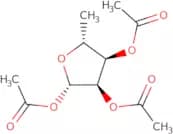

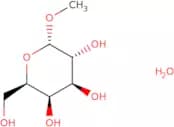

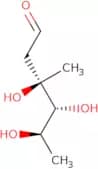

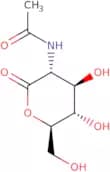

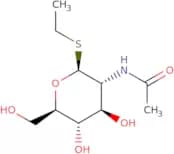
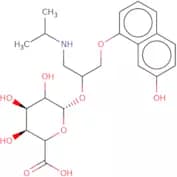
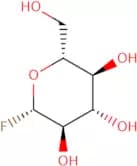
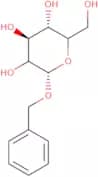

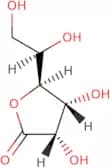


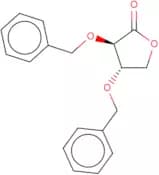
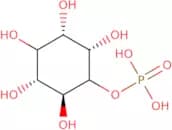
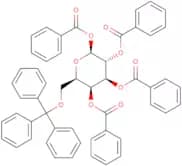


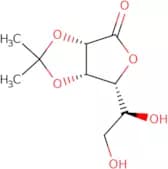
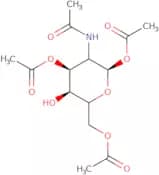
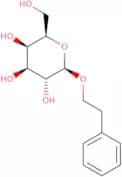
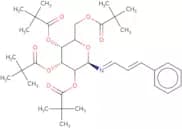
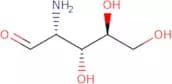
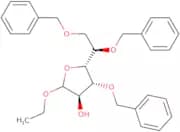

![(1R) -1- [(2S, 3R) - 3- Hydroxy- 1- methyl - 2- azetidinyl] -1, 2- ethanediol](/_next/image/?url=https%3A%2Fstatic.cymitquimica.com%2Fproducts%2F3D%2Fthumb-webp%2FMH163529.webp&w=3840&q=75)
![(3aS, 6aS) -Dihydro- 2, 2, 6a- trimethyl-furo[3, 4- d] - 1, 3- dioxol- 4(3aH) - one](/_next/image/?url=https%3A%2Fstatic.cymitquimica.com%2Fproducts%2F3D%2Fthumb-webp%2FMD170601.webp&w=3840&q=75)

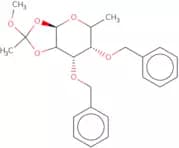
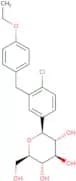
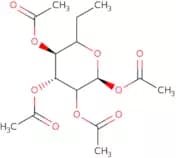
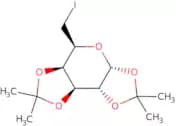

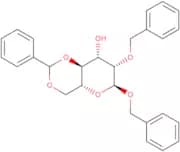
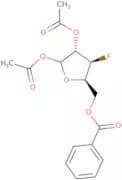

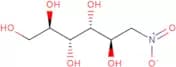
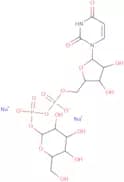





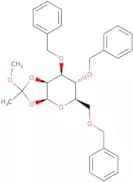
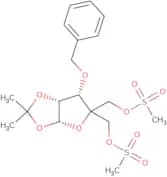
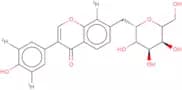
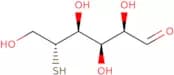

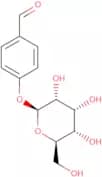



![Methyl [(R)-4,6-O-benzylidene-]-2,3-di-O-toluensulfonyl-a-D-glucopyranoside](/_next/image/?url=https%3A%2Fstatic.cymitquimica.com%2Fproducts%2F3D%2Fthumb-webp%2FMM163567.webp&w=3840&q=75)
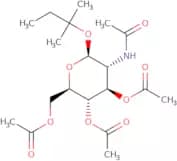

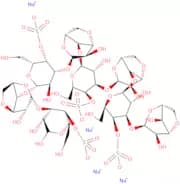
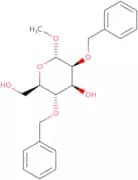


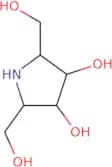
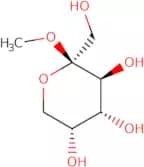


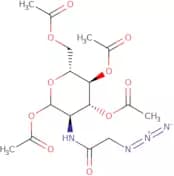
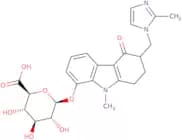
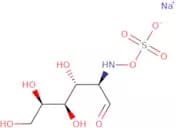
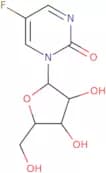
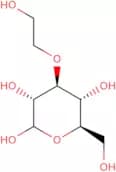


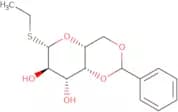
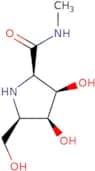
![N-[2-(4'-Dimethylaminophenyl)-1-cyano-3-butene]-2,3,4,6-tetra-O-pivaloyl-D-glucopyranoside](/_next/image/?url=https%3A%2Fstatic.cymitquimica.com%2Fproducts%2F3D%2Fthumb-webp%2FMD08488.webp&w=3840&q=75)
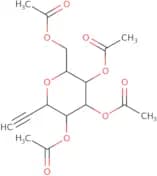


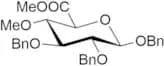
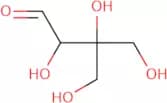
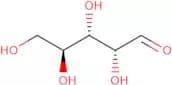
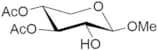
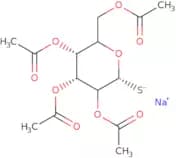

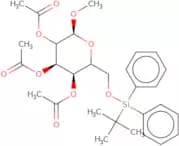
![(3aS, 4S, 6aR) Tetrahydro- 2, 2, 6a- trimethyl- 4H- 1, 3- dioxolo[4, 5- c] pyrrole- 4- methanol](/_next/image/?url=https%3A%2Fstatic.cymitquimica.com%2Fproducts%2F3D%2Fthumb-webp%2FMT168716.webp&w=3840&q=75)
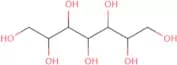
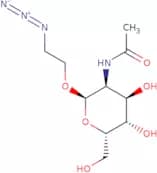
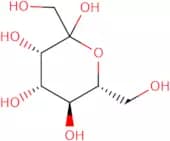


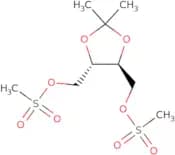
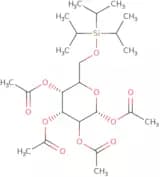
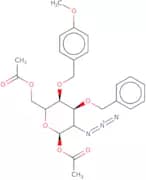
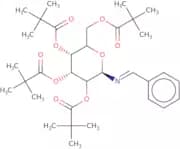
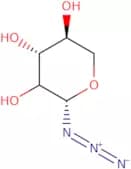
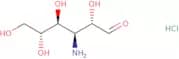

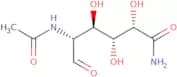
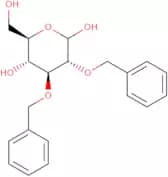
![(1S) -1- [(2S, 3R,4R) -N-Benzyl-3- benzyloxy- 4-hydroxymethyl-1- azetidinyl] -1, 2- ethanediol](/_next/image/?url=https%3A%2Fstatic.cymitquimica.com%2Fproducts%2F3D%2Fthumb-webp%2FMB163355.webp&w=3840&q=75)
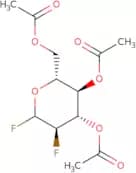
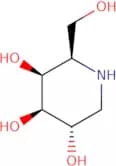

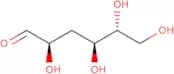
![D-[UL-13C6]Galacturonic acid potassium salt](/_next/image/?url=https%3A%2Fstatic.cymitquimica.com%2Fproducts%2F3D%2Fthumb-webp%2FMG106395.webp&w=3840&q=75)
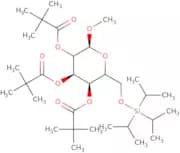
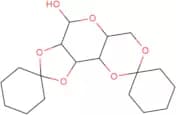
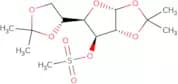
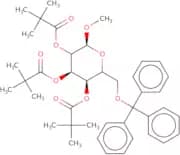
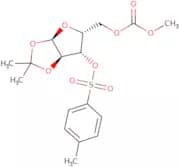
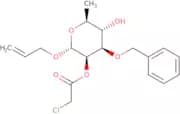
![N- [(3S, 4R, 5S, 6R) - 4, 5- Dihydroxy- 6- (hydroxymethyl) - 3- piperidinyl] -acetamide](/_next/image/?url=https%3A%2Fstatic.cymitquimica.com%2Fproducts%2F3D%2Fthumb-webp%2FMD163935.webp&w=3840&q=75)
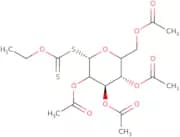
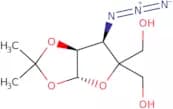
![(1R) -1- [(2S, 3R,4S) -4-Hydroxymethyl-3- hydroxy- 1- azetidinyl] -1, 2- ethanediol hydrochloride](/_next/image/?url=https%3A%2Fstatic.cymitquimica.com%2Fproducts%2F3D%2Fthumb-webp%2FMH163402.webp&w=3840&q=75)
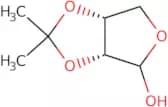
![(1S) -1- [(2S, 3R) - 3- Hydroxy- 1- azetidinyl] -1, 2- ethanediol hydrochloride](/_next/image/?url=https%3A%2Fstatic.cymitquimica.com%2Fproducts%2F3D%2Fthumb-webp%2FMH163414.webp&w=3840&q=75)


![N- [(Phenylmethoxy) carbonyl] glycylglycyl- 2- amino- 2- deoxy-a- D- manno- 2- heptulofuranosonic …](/_next/image/?url=https%3A%2Fstatic.cymitquimica.com%2Fproducts%2F3D%2Fthumb-webp%2FMP163942.webp&w=3840&q=75)


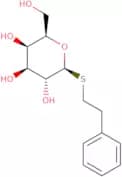
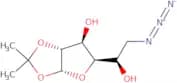
![(2S, 3R, 4S) -2- [(1S) - 1, 2-Dihydroxyethyl] - 1- methyl- 3, 4- pyrrolidinediol](/_next/image/?url=https%3A%2Fstatic.cymitquimica.com%2Fproducts%2F3D%2Fthumb-webp%2FMD163936.webp&w=3840&q=75)



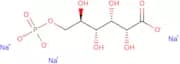
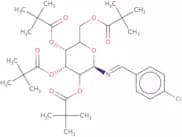
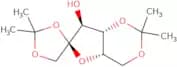

![N- [[(2R, 3R, 4S) - 4- [(Acetyloxy) methyl] - 3- (phenylmethoxy) - 1- (phenylmethyl) - 2- azetidin…](/_next/image/?url=https%3A%2Fstatic.cymitquimica.com%2Fproducts%2F3D%2Fthumb-webp%2FMA163471.webp&w=3840&q=75)
![N-Acetyl-D-[1,2,3-¹³C3]neuraminic acid](/_next/image/?url=https%3A%2Fstatic.cymitquimica.com%2Fproducts%2F3D%2Fthumb-webp%2FMA182016.webp&w=3840&q=75)
![(1S) -1- [(2S, 3R) - 3- Hydroxy- 1- (phenylmethyl) - 2- azetidinyl] -1, 2- ethanediol](/_next/image/?url=https%3A%2Fstatic.cymitquimica.com%2Fproducts%2F3D%2Fthumb-webp%2FMH163545.webp&w=3840&q=75)

![5-Deoxy-1,2-O-ispropylidene-([4-ethoxycarbonyl]-1,2,3-triazol-1-yl)-a-L-galactofuranose](/_next/image/?url=https%3A%2Fstatic.cymitquimica.com%2Fproducts%2F3D%2Fthumb-webp%2FMD170288.webp&w=3840&q=75)
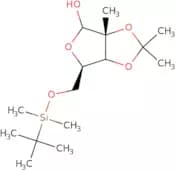
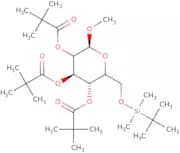
![Hexahydro- 1, 2, 8- tris-acetoxy- [1S- (1a, 2a, 8a, 8ab) ]-5(1H) -indolizinone](/_next/image/?url=https%3A%2Fstatic.cymitquimica.com%2Fproducts%2F3D%2Fthumb-webp%2FMH163921.webp&w=3840&q=75)