Monossacáridos
Monossacarídeos são a forma mais simples de carboidratos e servem como building blocks fundamentais para açúcares mais complexos e polissacarídeos. Essas moléculas de açúcar único desempenham papéis críticos no metabolismo energético, na comunicação celular e nos componentes estruturais das células. Nesta seção, você encontrará uma ampla variedade de monossacarídeos essenciais para pesquisas em bioquímica, biologia molecular e glicociência. Esses compostos são cruciais para estudar vias metabólicas, processos de glicosilação e desenvolvimento de agentes terapêuticos. Na CymitQuimica, oferecemos monossacarídeos de alta qualidade para apoiar suas necessidades de pesquisa, garantindo precisão e confiabilidade em suas investigações científicas.
Subcategorias de "Monossacáridos"
- Aloses(11 produtos)
- Arabinoses(21 produtos)
- Eritroses(11 produtos)
- Frutoses(9 produtos)
- Fucoses(36 produtos)
- Galactosamina(41 produtos)
- Galactoses(261 produtos)
- Glucoses(365 produtos)
- Ácidos Glucurónicos(51 produtos)
- Glico-substratos para enzimas(77 produtos)
- Guloses(6 produtos)
- Idoses(4 produtos)
- Inositóis(15 produtos)
- Lixoses(4 produtos)
- Mannoses(65 produtos)
- O-Glicanos(48 produtos)
- Psicoses(3 produtos)
- Ramnoses(10 produtos)
- Riboses(61 produtos)
- Ácidos siálicos(100 produtos)
- Sorboses(4 produtos)
- Açúcares(173 produtos)
- Tagatoses(4 produtos)
- Taloses(8 produtos)
- Xiloses(20 produtos)
Exibir 17 mais subcategorias
Foram encontrados 6088 produtos de "Monossacáridos"
Ordenar por
Pureza (%)
0
100
|
0
|
50
|
90
|
95
|
100
Neocarrahexaose-41,3,5-tri-O-sulfate sodium
CAS:<p>Neocarrahexaose-41,3,5-tri-O-sulfate sodium salt is a high purity custom synthesis that has been modified with a click modification and fluorination. It can also be glycosylated and methylated. The CAS number for this product is 133628-76-9. This product is a saccharide that belongs to the group of complex carbohydrates.</p>Fórmula:C36H56O37S3•Na3Pureza:Min. 95%Cor e Forma:White SolidPeso molecular:1,245.98 g/molBenzyl 2-acetamido-6-O-benzoyl-2-deoxy-a-D-muramic acid methyl ester
<p>Benzyl 2-acetamido-6-O-benzoyl-2-deoxy-a-D-muramic acid methyl ester is a high purity, custom synthesis, monosaccharide that can be used to modify saccharides and oligosaccharides. It has been shown to be effective in glycosylation reactions and click chemistry. The CAS number for this compound is 84778-00-3.</p>Fórmula:C26H31NO9Pureza:Min. 95%Peso molecular:501.53 g/mol2-Deoxy-D-glucose 1-14C
CAS:<p>2-Deoxy-D-glucose 1-14C is a radioactive isotope of glucose. It is synthesized by the fluorination and methylation of D-glucose, followed by the addition of a 14C atom. The compound can be used in the study of glycosylations, oligosaccharides, and saccharides.<br>2-Deoxy-D-glucose 1-14C has been shown to react with various sugars to form new compounds that are used in glycobiology research. This compound is highly purified, as it does not undergo any reactions with other compounds or impurities. It is also available for custom synthesis and modification.</p>Pureza:Min. 95%2-Acetamido-2-deoxy-b-D-galactopyranosyl serine
<p>2-Acetamido-2-deoxy-b-D-galactopyranosyl serine is a glycosylation agent that can be used as a sugar donor in glycoprotein synthesis. This product is available as custom synthesis and has been modified with fluorination, saccharide, and modification. It also has CAS number: 3897-78-5. 2 Acetamido-2 deoxy b D galactopyranosyl serine is a monosaccharide that is synthesized from D galactose and L serine. It can be used to produce complex carbohydrates for Methylations, Click modifications, Polysaccharides, or Fluorinations.</p>Pureza:Min. 95%4-Methylphenyl 2,3,4,6-tetra-O-acetyl-β-D-thiogalactopyranoside
CAS:<p>4-Methylphenyl 2,3,4,6-tetra-O-acetyl-b-D-thiogalactopyranoside is a custom synthesis of an oligosaccharide with a polysaccharide. It is a high purity glycosylated carbohydrate with a CAS number of 28244-99-7. The sugar has been modified by methylation and fluorination, as well as the Click modification.</p>Fórmula:C21H26O9SPureza:Min. 95%Cor e Forma:PowderPeso molecular:454.49 g/molDimethylthexylsilyl 2,3,6-tri-O-benzyl-b-D-galactopyranoside
<p>Dimethylthexylsilyl 2,3,6-tri-O-benzyl-b-D-galactopyranoside is a synthetic oligosaccharide with a fluorinated benzene ring. It is an important intermediate for glycosylation and can be modified with methyl groups or click chemistry. This product is of high purity and has been custom synthesized. Dimethylthexylsilyl 2,3,6-tri-O-benzyl-b-D-galactopyranoside has CAS number 69422-24-2.</p>Pureza:Min. 95%Bromoxynil D-glucuronide methyl ester
<p>Bromoxynil D-glucuronide methyl ester is a synthetic, high-purity chemical with a CAS number of 2512-06-3. It is an Oligosaccharide and sugar that is Glycosylated and Click modified. This product can be used in Custom synthesis or as a Modification to saccharides.</p>Fórmula:C14H13Br2NO7Pureza:Min. 95%Peso molecular:467.06 g/mol2,3,4,6-Tetra-O-benzoyl-D-glucopyranose
CAS:<p>2,3,4,6-Tetra-O-benzoyl-D-glucopyranose is an aldehyde that has been synthesized by the oxidation of D-glucofuranose with nitric acid. It has been shown to act as a competitive inhibitor of lipase and c-glycosidases. The acetal group in 2,3,4,6-tetra-O-benzoyl-D-glucopyranose is activated with acetyl chloride to form an acetal derivative. This compound can be used as a chemoenzymatic glycosidic bond formation method for the synthesis of various glycosides.</p>Fórmula:C34H28O10Pureza:Min. 95%Peso molecular:596.6 g/mol5-Azido-5-deoxy-1,2-O-isopropylidene-b-D-fructose
CAS:<p>5-Azido-5-deoxy-1,2-O-isopropylidene-b-D-fructose is an oligosaccharide that is custom synthesized to your specifications. This compound has been modified with a methyl group at position C1 and has been fluorinated at C2. It has also undergone glycosylation at the reducing end of the molecule and can be used as a saccharide in the synthesis of complex carbohydrates.</p>Fórmula:C9H15N3O5Pureza:Min. 95%Peso molecular:245.23 g/molMethyl 2-acetamido-3,6-di-O-benzyl-2-deoxy-b-D-glucopyranoside
CAS:<p>Methyl 2-acetamido-3,6-di-O-benzyl-2-deoxy-b-D-glucopyranoside is a modified oligosaccharide. It has been shown to be useful for the synthesis of complex carbohydrates and sugar derivatives. The synthesis of this product involves the use of click chemistry, which is a chemoselective reaction that uses copper as a catalyst. This product can be used in the production of polysaccharides and saccharides, as well as other related compounds. Methyl 2-acetamido-3,6-di-O-benzyl-2-deoxy -b -D -glucopyranoside is synthesized from methyl 3,6 di O benzyl 2 deoxy b D glucopyranoside by reacting with acetamide in the presence of palladium acetate and ammonium formate in DMF at room temperature.</p>Fórmula:C23H29NO6Pureza:Min. 95%Peso molecular:415.48 g/mol1,2:5,6-Di-O-cyclohexylidene-myo-inositol
CAS:<p>1,2:5,6-Di-O-cyclohexylidene-myo-inositol is an experimental solvent that has been shown to form hydrogen bonds with solutes. It crystallizes in the monoclinic system and shows a single crystal x-ray diffraction pattern. The molecule consists of two vicinal cyclohexane rings linked by a six carbon chain. The molecule has two conformations: one where the hydroxyl group is on the top of the ring and one where it is on the bottom. The former conformation is more favorable because it stabilizes the molecule by covering its hydroxyl group and uncovers its other functional groups. This conformation also makes the dihedral angle between C1 and C2 larger than that between C1 and C3, which causes conformational strain. In addition, this conformation creates polarities in different areas of the molecule, which may be due to intramolecular bonding or vic</p>Pureza:Min. 95%2-Acetamido-3-O-allyl-4,6-O-benzylidene-2-deoxy-b-D-glucopyranosyl azide
CAS:<p>2-Acetamido-3-O-allyl-4,6-O-benzylidene-2,3-deoxy-bDglucopyranosyl azide is a sugar that can be synthesized from an acetamido group and an allyl group. It is used in the synthesis of complex carbohydrates. 2A3BPGA is a monosaccharide with a glycosylation pattern of alpha 1,2. The methylation of the hydroxyl groups on the glucose rings leads to the formation of 2A3BPGAM. This modification has been shown to alter the solubility and reactivity of this sugar.</p>Fórmula:C18H22N4O5Pureza:Min. 95%Peso molecular:374.4 g/mol2,3,4-Tri-O-acetyl-b-L-fucopyranosyl dibenzyl phosphate
CAS:<p>2,3,4-Tri-O-acetyl-b-L-fucopyranosyl dibenzyl phosphate is a fluorinated carbohydrate that can be custom synthesized to order. The compound is a modification of the pentose sugar, D-ribose and contains an acetyl group at C2' position of the sugar. The compound has been shown to have anti-inflammatory activities in rats.</p>Fórmula:C26H31O11PPureza:Min. 95%Peso molecular:550.49 g/molQuinovic acid 3-O-(3',4'-O-isopropylidene)-b-D-fucopyranoside
CAS:<p>Quinovic acid 3-O-(3',4'-O-isopropylidene)-b-D-fucopyranoside is a monocyclic aromatic hydrocarbon that belongs to the class of phthalic acids. It is a white or light yellow crystalline solid that has been used as an absorber for rubber, polyester, and other organic solvents. This compound has been shown to be carcinogenic in animal studies with leukemia cells in mice and rats. Quinovic acid 3-O-(3',4'-O-isopropylidene)-b-D-fucopyranoside also induces bone resorption in animals.</p>Pureza:Min. 95%3,4,6-Tri-O-acetyl-a-D-galactopyranose 1,2-(methyl orthoacetate)
CAS:<p>The survey was conducted to understand the current workforce and their feedback on the automated testing. The median number of respondents exceeded the number that was needed for a statistically significant result. The automated testing has helped to reduce the time it takes to test new features and has also improved the resilience of the developers. Feedback from testers has been positive, with many saying that they would recommend automated testing to other companies. This survey was conducted by an analyst who had an understanding of human-computer interaction and software development.</p>Fórmula:C15H22O10Pureza:Min. 95%Peso molecular:362.33 g/molBenzyl 2-acetamido-4,6-O-benzylidene-3-O-(carboxymethyl)-2-deoxy-a-D-glucopyranoside
CAS:<p>Benzyl 2-acetamido-4,6-O-benzylidene-3-O-(carboxymethyl)-2-deoxy-a-D-glucopyranoside is a custom synthesized, complex carbohydrate. It is a polysaccharide that has been modified with methylation and glycosylation. This product can be used for research purposes only and cannot be used in diagnostic procedures.</p>Fórmula:C24H27NO8Pureza:Min. 95%Peso molecular:457.47 g/mol1,3,4-Tri-O-benzoyl-2-deoxy-b-D-ribopyranose
CAS:<p>1,3,4-Tri-O-benzoyl-2-deoxy-b-D-ribopyranose is a synthetic sugar that is used as a methylation substrate for the synthesis of polysaccharides. It is a white solid that can be dissolved in water and organic solvents. This product has been shown to have good reactivity with various polysaccharide templates, including glycosylation and glycosyltransferase.</p>Fórmula:C26H22O7Pureza:Min. 95%Peso molecular:446.45 g/mol6-Chloro-6-deoxy-D-galactitol
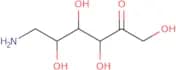
<p>6-Chloro-6-deoxy-D-galactitol is a sugar with the molecular formula C6H12O6. It is a modification of galactose and has the same chemical structure as 6-chloro-D-mannitol. It can be used in the synthesis of complex carbohydrates, and it is also an intermediate for producing oligosaccharides or polysaccharides. 6-Chloro-6-deoxy-D-galactitol is also known as Lactotriose. This product has been modified by fluorination, which increases its stability and reduces its reactivity to other compounds.</p>Fórmula:C6H13ClO5Pureza:Min. 95%Peso molecular:200.62 g/molAcetylsalicylic acid-acyl-β-D-glucuronide
CAS:<p>Acetylsalicylic acid-acyl-b-D-glucuronide is a glycosylation product of acetylsalicylic acid. It is a complex carbohydrate that can be methylated, fluorinated, or modified by click chemistry. Acetylsalicylic acid-acyl-b-D-glucuronide has been shown to be an effective inhibitor of the MMPs metalloproteinases and collagenase in vitro. It also inhibits the growth of Staphylococcus aureus, Streptococcus agalactiae, and Group A Streptococcus. Acetylsalicylic acid-acyl-b-D-glucuronide can be synthesized using monosaccharides, oligosaccharides, or custom synthesis. This product is available in high purity (99%) and CAS No. 24719-72-0.</p>Fórmula:C15H16O10Pureza:Min. 95%Cor e Forma:White PowderPeso molecular:356.28 g/molO-(2-Acetamido-3,4,6-tri-O-acetyl-D-glucopyranosylidene)amino N-phenyl carbamate
CAS:<p>O-(2-Acetamido-3,4,6-tri-O-acetyl-D-glucopyranosylidene)amino N-phenyl carbamate (3,4,6-OAAC) is a custom synthesis that can be modified with fluorination and methylation. 3,4,6OAAC is an oligosaccharide that contains a saccharide with glycosylation. The saccharides in the oligosaccharide are polysaccharides and complex carbohydrates.</p>Fórmula:C21H25N3O10Pureza:Min. 95%Peso molecular:479.44 g/molPhenyl 4-O-acetyl-3,6-di-O-benzyl-2-deoxy-2-phthalimido-b-D-thioglucopyranoside
CAS:<p>Phenyl 4-O-acetyl-3,6-di-O-benzyl-2-deoxy-2-phthalimido-b-D-thioglucopyranoside is an oligosaccharide that has been modified with a click modification. The sugar is synthesized in high purity and the modification of this compound was achieved by fluorination. Phenyl 4O acetyl 3,6 di O benzyl 2 deoxy 2 phthalimido b D thioglucopyranoside is a carbohydrate that can be used as a monosaccharide or polysaccharide and has a complex structure. This chemical can also be used for methylation and is CAS No. 159734 71 1.</p>Pureza:Min. 95%O-(2-Acetamido-3,4,6-tri-O-acetyl-2-deoxy-D-glucopyranosylidene)amino N-(4-nitrophenyl)carbamate
CAS:<p>O-(2-Acetamido-3,4,6-tri-O-acetyl-2-deoxy-D-glucopyranosylidene)amino N-(4-nitrophenyl)carbamate is a modification of an oligosaccharide that is synthesized by the reaction of an alpha, beta unsaturated nitrophenyl carbamate with a 2,6-anhydro glucose. The product is a white solid that can be used as a source for polysaccharides and monosaccharides. It has been shown to be modified by methylation, glycosylation and fluorination.</p>Fórmula:C21H23N3O12Pureza:Min. 95%Peso molecular:509.42 g/mol3,4,6-Tri-O-acetyl-2-deoxy-2-phthalimido-a-D-galactopyranosyl fluoride
CAS:<p>3,4,6-Tri-O-acetyl-2-deoxy-2-phthalimido-a-D-galactopyranosyl fluoride is a synthetic glycoside of anhydrogalactose. It is a white crystalline powder and is soluble in water. 3,4,6-Tri-O-acetyl-2-deoxygalactofuranose has been used to study the reaction of glycosides with fluorinating agents. This product can be custom synthesized.</p>Fórmula:C20H20FNO9Pureza:Min. 95%Peso molecular:437.37 g/mol(-)-1,4-Di-O-benzyl-L-threitol
CAS:<p>(-)-1,4-Di-O-benzyl-L-threitol is an organic compound that belongs to the group of homochiral compounds. It can be synthesized from l-tartaric acid and benzaldehyde. The reaction starts with a base addition to the carbonyl group of the acid, followed by nucleophilic attack at the carbonyl carbon by a hydroxyl group on the benzaldehyde. This reaction is mechanistic, showing electron transfer as well as desymmetrization. (-)-1,4-Di-O-benzyl-L-threitol can be used for asymmetric synthesis of alkanes and tetrahydrofurans without requiring any chiral reagents or catalysts. It has also been shown to react with acetone and ethylene glycol in dioxolane and alkylation reactions.</p>Fórmula:C18H22O4Pureza:Min. 95%Peso molecular:302.36 g/molSertraline carbamoyl glucuronide
CAS:<p>Sertraline is a selective serotonin reuptake inhibitor (SSRI) that is used primarily in the treatment of depression and anxiety. It inhibits the serotonin transporter protein, making more serotonin available for binding to postsynaptic receptors. Sertraline also has a minor inhibitory effect on norepinephrine and dopamine reuptake, but its primary function is as a selective serotonin reuptake inhibitor. The major metabolite of sertraline is sertraline carbamoyl glucuronide, which is formed through glucuronidation by UGT2B7. This metabolite has been found to be bifurcated with one half being excreted in urine and the other half being excreted in faeces. The half that undergoes urinary excretion has been shown to have a half-life of 24 hours whereas the other half has a much shorter half-life of 2 hours. Carbamoylation of sertraline may</p>Fórmula:C24H25Cl2NO8Pureza:Min. 95%Peso molecular:526.36 g/mol5-Deoxy-L-lyxose
CAS:<p>5-Deoxy-L-lyxose is a marine bioactive molecule that belongs to the group of 5-deoxy sugars. Its ring structure is similar to that of ribulose, and it has been found in marine sponges. This compound has a hydroxyl group in its structure and can be oxidized to produce orange pigments. The compound's nmr spectra show it to be an isomer of benzoate, with the sodium salt being more soluble in water than the sodium salts of other 5-deoxy sugars. 5-Deoxy-L-lyxose is also conjugated with amino acids or peptides.</p>Fórmula:C5H10O4Pureza:Min. 95%Peso molecular:134.13 g/mol5-Azido-5-deoxy-2,3-O-isopropylidene-D-lyxono-1,4-lactone
CAS:<p>5-Azido-5-deoxy-2,3-O-isopropylidene-D-lyxono-1,4-lactone is a synthetic monosaccharide. It is used in the synthesis of glycosylated saccharides and oligosaccharides. This product can be custom synthesized at high purity.</p>Fórmula:C8H11N3O4Pureza:Min. 95%Cor e Forma:PowderPeso molecular:213.19 g/molMuraglitazar acyl-b-D-glucuronide
CAS:<p>Muraglitazar acyl-b-D-glucuronide is a complex carbohydrate that has been modified with fluorination. The compound is synthesized from methylation, glycosylation, and carbamylation reactions with saccharides. The saccharide modification includes the attachment of various sugars such as glucose, galactose, and mannose. Muraglitazar acyl-b-D-glucuronide can be used in the synthesis of oligosaccharides and polysaccharides. It is also used for Click modification of sugar molecules.</p>Fórmula:C36H38N2O12Pureza:Min. 95%Peso molecular:690.71 g/molMethyl 2-deoxy-a-D-ribofuranoside
CAS:<p>Methyl 2-deoxy-a-D-ribofuranoside is an atypical nucleoside, which is a component of the thiourea cofactors. It can be synthesized from chloroacetic acid and hydantoin, which are used as starting materials for the production of this compound. The methyl group in this compound is obtained from the methylation of glucose. Methyl 2-deoxy-a-D-ribofuranoside can be identified by its chromatographic properties, such as dimethylformamide (DMF) and chloride. It also contains anomeric substituents that are necessary for nucleosidation reactions. This nucleoside has been shown to have antiinflammatory activity against carrageenan in mice and rats.</p>Fórmula:C6H12O4Pureza:Min. 95%Peso molecular:148.16 g/molBenzyl 2-acetamido-2-deoxy-3-O-methyl-a-D-glucopyranoside
CAS:<p>Benzyl 2-acetamido-2-deoxy-3-O-methyl-a-D-glucopyranoside is a fluorinated monosaccharide that has been synthesized and Oligosaccharides. It is a complex carbohydrate and can be used in the synthesis of glycosylation, polysaccharide, or click modification. The CAS No. 93215-41-9 is custom synthesis with high purity and good quality.</p>Fórmula:C16H23NO6Pureza:Min. 95%Peso molecular:325.36 g/molC-(2,3,4,6-Tetra-O-acetyl-1-bromo-1-deoxy-b-D-galactopyranosyl)formamide
CAS:<p>C-(2,3,4,6-Tetra-O-acetyl-1-bromo-1-deoxy-b-D-galactopyranosyl)formamide is a custom synthesis that is used as a building block for the synthesis of oligosaccharides, polysaccharides and other complex carbohydrates. It is also used for the modification of saccharide chains with methylation or glycosylation. This compound has CAS number 159895-07-5 and can be synthesized by click chemistry. It has high purity and fluoro in order to make it synthetically more stable.</p>Fórmula:C15H20BrNO10Pureza:Min. 95%Peso molecular:456.3 g/molPhenyl 2-azido-3-O-benzyl-4,6-O-benzylidene-2-deoxy-b-D-thioglucopyranoside
<p>Phenyl 2-azido-3-O-benzyl-4,6-O-benzylidene-2-deoxy-b-D-thioglucopyranoside is a synthetically modified carbohydrate. It is a saccharide with an Oligosaccharide structure and has been fluorinated. The CAS No. for this compound is 104984-61-5. Phenyl 2-azido-3,6,2″′′′′′′′'-O-(benzylidene)-b-[D]thioglucopyranoside is a methylated glycoside which has been click modified.</p>Pureza:Min. 95%(3aR,3bS,6aR,7aR)-2,2-Dimethylhexahydrofuro[2',3':4,5]furo[2,3-d][1,3]dioxol-5-ol
CAS:<p>(3aR,3bS,6aR,7aR)-2,2-Dimethylhexahydrofuro[2',3':4,5]furo[2,3-d][1,3]dioxol-5-ol is a novel compound that induces the expression of an inducible gene. This compound has been shown to activate guanine and guanosine receptors and modulate the activity of guanosine triphosphatase. It has been shown to be effective in cancer cells and may have diagnostic applications. The mechanism of action for this drug is not fully understood but it has been suggested that it may act as a neuromodulator.</p>Pureza:Min. 95%2-Acetamido-1,2-dideoxynojirimycin hydrochloride
CAS:<p>2-Acetamido-1,2-dideoxynojirimycin hydrochloride is used in the treatment of human ovarian carcinoma. It has been shown to inhibit glycosidase enzymes with binding constants in the micromolar range. 2-Acetamido-1,2-dideoxynojirimycin hydrochloride has been shown to be a potential inhibitor of mammalian cell transport involving complex oligosaccharides. This drug also inhibits the enzymatic degradation of glycoproteins and other proteins by glycosidases. 2-Acetamido-1,2-dideoxynojirimycin hydrochloride is a synthetic analog of nijirimycin, which is a naturally occurring antibiotic obtained from cultures of Streptomyces nijirimensis. The clinical significance of this drug is that it can be used as an antiangiogenic agent and chemo sensitizing</p>Fórmula:C8H16N2O4·HClPureza:(%) Min. 97%Cor e Forma:White PowderPeso molecular:204.22 g/molO-Butanoyl-2,3-O-isopropylidene-a-D-mannofuranoside
CAS:<p>O-Butanoyl-2,3-O-isopropylidene-a-D-mannofuranoside is a high purity sugar with CAS No. 177562-15-1. It is synthesized by the modification of saccharides with methyl groups, glycosylation, and click chemistry. This chemical has a complex structure and can be used as a raw material for the production of complex carbohydrates.</p>Fórmula:C14H26O7Pureza:Min. 95%Peso molecular:304.38 g/molMethyl a-D-mannofuranoside
CAS:<p>Methyl a-D-mannofuranoside is a synthetic sugar that has been modified by the addition of fluorine at C-1 and methylation at C-2. This modification provides the compound with desired physical properties, such as increased stability and solubility. Methyl a-D-mannofuranoside can be used in the synthesis of oligosaccharides, which are complex carbohydrates consisting of three to ten monosaccharides linked together by glycosidic bonds. It is also used for click chemistry modifications.</p>Fórmula:C7H14O6Pureza:Min. 95%Peso molecular:194.18 g/mol(R)-Ketoprofen b-D-glucuronide
CAS:<p>(R)-Ketoprofen b-D-glucuronide is a synthetic modified sugar that is produced by the glucuronidation of ketoprofen, a nonsteroidal anti-inflammatory drug. The modification of ketoprofen with glucuronic acid can be achieved through an enzymatic process, which is catalyzed by UDP-glucuronyltransferase. This modification increases the solubility of ketoprofen and its ability to penetrate cells. (R)-Ketoprofen b-D-glucuronide has been shown to have antibacterial properties against Gram positive bacteria such as Staphylococcus aureus and Streptococcus pyogenes. It has also shown antiviral activity against HIV-1 due to its inhibition of reverse transcriptase, which is an enzyme important for viral replication.</p>Fórmula:C22H22O9Pureza:Min. 95%Cor e Forma:White to off-white solid.Peso molecular:430.4 g/mol2-Acetamido-3-O-benzoyl-4,6-O-benzylidene-2-deoxy-D-glucopyranose
CAS:<p>This is a custom synthesized oligosaccharide that is a complex carbohydrate. This is an Oligosaccharide, Polysaccharide, and CAS No. 1486465-81-9. It has been modified by methylation, glycosylation, and carbamylation. This product has high purity and has been fluorinated. It is a saccharide and a sugar with Click modification.</p>Fórmula:C22H23NO7Pureza:Min. 95%Peso molecular:413.42 g/mol2-O-Acetyl-1,3,4,6-tetra-O-benzyl-b-D-galactopyranoside
CAS:<p>2-O-Acetyl-1,3,4,6-tetra-O-benzyl-b-D-galactopyranoside is a custom synthesis that belongs to the class of complex carbohydrates. This compound contains a saccharide with a sugar group and is fluorinated at the 2 position. It has been modified by methylation on the C2 position and has an acetyl group on the C3 position.</p>Fórmula:C36H38O7Pureza:Min. 95%Peso molecular:582.68 g/molMethyl 4,6-O-benzylidene-2-deoxy-2-phthalimido-b-D-glucopyranoside
CAS:<p>Methyl 4,6-O-benzylidene-2-deoxy-2-phthalimido-b-D-glucopyranoside is a custom synthesis that is fluorinated, methylated and monosaccharided. This compound has a CAS number of 97276-95-4, which indicates that this is an oligosaccharide. Methyl 4,6-O-benzylidene-2-deoxy-2-phthalimido (4,6) b D glucopyranoside is polysaccharide that is glycosylated and sugar. It is also complex carbohydrate with saccharide and carbonyl groups.</p>Fórmula:C22H21NO7Pureza:Min. 95%Peso molecular:411.42 g/molBenzyl 2,3:4,6-di-O-benzylidene-a-D-mannopyranoside
CAS:<p>The benzyl 2,3:4,6-di-O-benzylidene-a-D-mannopyranoside is a synthetic fluorinated carbohydrate. It is a complex carbohydrate that is synthesized by glycosylation and methylation of the sugar. The CAS number for this compound is 58650-53-6. This product can be custom synthesized to meet your specifications.</p>Fórmula:C27H26O6Pureza:Min. 95%Peso molecular:446.49 g/molDaidzein 7-b-D-glucuronide 4'-sulfate disodium salt
CAS:<p>Daidzein 7-b-D-glucuronide 4'-sulfate disodium salt (DAI) is a flavonoid that has significant antioxidant activity and is an inhibitor of the release of inflammatory cytokines. DAI has been shown to inhibit the production of necrotizing factor (NF)-κB and induce apoptosis in cultured dendritic cells. It also possesses anti-inflammatory properties, which may be due to its ability to inhibit phagocytosis and degranulation of mast cells. The major metabolites of DAI are glucuronides, sulfates, or sulfonates. These metabolites are excreted in urine and bile or hydrolyzed back into DAI by various enzymes such as esterases or glucuronidases.</p>Fórmula:C21H16Na2O13SPureza:Min. 95%Peso molecular:554.39 g/molD-Mannose-6-phosphate barium salt hydrate
CAS:<p>D-Mannose-6-phosphate barium salt hydrate is a glycosylation agent, which can be used in the synthesis of complex carbohydrates and other saccharides. It is also a methylation agent and can be used to modify polysaccharides. D-Mannose-6-phosphate barium salt hydrate is fluorinated with trifluoromethanesulfonic acid to introduce Fluorination groups, which can then be modified with other reagents. The compound has been shown to have Click modification activity. D-Mannose-6-phosphate barium salt hydrate is a synthetic sugar that can be custom synthesized according to the customer’s requirements. This compound has CAS number 104872-94-8 and is available in high purity, which makes it suitable for use in pharmaceutical applications.</p>Fórmula:C6H11BaO9P·2H2OPureza:Min. 95%Cor e Forma:SolidPeso molecular:395.45 g/molSinapaldehyde glucoside
CAS:<p>Sinapaldehyde glucoside is a phenolic compound found in the leaves of Sinapis alba. This compound has been shown to have antiviral and antibacterial properties. It has been shown to inhibit staphylococcal growth, with the most effective concentration being 0.5-2% w/v. The chemical structure of sinapaldehyde glucoside is similar to that of pomolic acid, which was also found to have anti-staphylococcal effects. Syringaresinol, a constituent of S. alba, may be responsible for the anti-staphylococcal activity due to its ability to inhibit bacterial protein synthesis. Sinapaldehyde glucoside can also be extracted from S. alba using ethanol or water as solvents and is soluble in both water and alcohols. Sinapaldehyde glucoside can also be extracted from eleutherococcus (Eleutherococcus senticosus) using</p>Pureza:Min. 95%Mannose pentasulfate pentapotassium salt - technical grade
CAS:<p>Mannose pentasulfate pentapotassium salt - technical grade is a white crystalline powder that is soluble in water. This product is a synthetic, high purity, custom synthesis, and glycosylation reagent for the preparation of oligosaccharides and carbohydrates. The CAS number for this product is 359436-63-8.</p>Fórmula:C6H7K5O21S5Pureza:Min. 95%Peso molecular:770.93 g/molBenzyl 2,3,4,6-tetra-O-acetyl-b-D-glucopyranoside
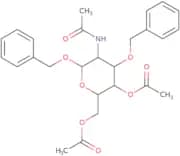
CAS:<p>Benzyl 2,3,4,6-tetra-O-acetyl-b-D-glucopyranoside is a synthetic compound that is used as a reagent to modify oligosaccharides and polysaccharides. It is also used in the synthesis of complex carbohydrates. Benzyl 2,3,4,6-tetra-O-acetyl-b-D-glucopyranoside can be fluorinated to yield benzyl 4,6-(O)fluoro-(2R)-2,3,4,6 tetra -O acetyltetra -O acetyl b D glucopyranoside. This product has high purity with a CAS number of 10343-13-2.</p>Fórmula:C21H26O10Pureza:Min. 95%Peso molecular:438.43 g/mol4-Aminophenyl b-D-thiomannopyranoside HCl
CAS:<p>4-Aminophenyl b-D-thiomannopyranoside HCl is a synthetic glycosylation agent that has been modified with fluorination, saccharide modification, and methylation. It can be used in the synthesis of complex carbohydrates, such as oligosaccharides and polysaccharides. This compound also has applications in click chemistry and fluoroquinolone resistance. 4-Aminophenyl b-D-thiomannopyranoside HCl is soluble in organic solvents such as dichloromethane or chloroform. The purity level of this product is high and the CAS number is 1174234-26-4.</p>Fórmula:C12H17NO5S·HClPureza:Min. 95%Peso molecular:323.79 g/molD(+)-Lactose monohydrate
CAS:<p>D(+)-Lactose monohydrate is a crystalline, water-soluble sugar that is used as a pharmaceutical excipient. It is the most soluble of the lactose forms and has an optimum concentration of 1.0%. D(+)-Lactose monohydrate can be used in solid dosage forms such as tablets, capsules, or powders. It is also used in liquid dosage forms such as suspensions, syrups, or elixirs. D(+)-Lactose monohydrate has been shown to have anti-carcinogenic effects and may inhibit growth factor activity. It is not known to be an allergen or cause any infectious diseases.</p>Fórmula:C12H24O12Pureza:Min. 95%Peso molecular:360.31 g/molDexibuprofen-acyl-b-D-glucuronide
CAS:<p>Dexibuprofen-acyl-b-D-glucuronide is a complex carbohydrate that is synthesized by the acylation of dexibuprofen with b-D-glucuronic acid. The complex is then modified to increase its water solubility and stability. Dexibuprofen-acyl-b-D-glucuronide has been shown to have antiinflammatory activity in mice, which may be due to its ability to inhibit prostaglandin synthesis.</p>Fórmula:C19H26O8Pureza:Min. 95%Peso molecular:382.4 g/molPropofol-D-glucuronide methyl ester
<p>Propofol-D-glucuronide methyl ester is a modification of propofol, which is an anesthetic drug. It is also known as a polysaccharide or saccharide. The modification is made by the addition of methyl groups to the phenolic hydroxyl group on the sugar ring. This modification has been shown to have properties that are similar to those of propofol, but with greater solubility in water and a longer duration of action. Propofol-D-glucuronide methyl ester is synthesized from D-glucuronic acid, which is obtained from glucose through Oligosaccharide synthesis. This compound can be used for glycosylation reactions.</p>Fórmula:C19H28O7Pureza:Min. 95%Peso molecular:368.42 g/mol2-Acetamido-1,3-di-O-acetyl-4,6-O-benzylidene-2-deoxy-D-glucopyranose
CAS:<p>2-Acetamido-1,3-di-O-acetyl-4,6-O-benzylidene-2-deoxy-D-glucopyranose is a custom synthesized sugar with a high purity. It is used in glycosylation reactions and has been shown to be resistant to methylation reactions. This product can be modified by click chemistry, fluorination, and saccharide modification. It has been shown to be resistant to Methylation, Click Modification, Polysaccharide, Fluorination, and Saccharide Modification. This product is often used as an intermediate for the synthesis of complex carbohydrate oligosaccharides.</p>Fórmula:C19H23NO8Pureza:Min. 95%Cor e Forma:White to off-white solid.Peso molecular:393.4 g/molGlucosamine sulfate potassium salt
CAS:<p>Glucosamine sulfate potassium salt is a natural amino sugar that is synthesized by the body and can be found in animal tissue. Glucosamine sulfate potassium salt, as well as chondroitin sulfate, are important components of cartilage and synovial fluid. Both substances are necessary for the production of collagen, which provides strength and elasticity to connective tissues. Glucosamine sulfate potassium salt has been shown to be an efficient method for treating osteoarthrosis, alleviating pain and improving function. It has also been shown to reduce the symptoms of metabolic disorders such as diabetes mellitus type II by increasing insulin sensitivity, decreasing inflammation, and reducing oxidative stress. This product is often used in combination with other medicines such as vitamin D3 for adjuvant therapy.</p>Fórmula:C6H12KNO8SPureza:Min. 95%Peso molecular:297.33 g/molNicotinic acid acyl-b-D-glucuronide
CAS:<p>Nicotinic acid acyl-b-D-glucuronide is a carbohydrate that is synthesized by the condensation of nicotinic acid with b-D-glucuronic acid. It can be modified by fluorination, methylation, glycosylation, or click modification. The CAS Number for this product is 24719-73-1 and it has a purity of >98%. It has been custom synthesized at our lab and it is available in high purity.</p>Fórmula:C12H13NO8Pureza:Min. 95%Peso molecular:299.23 g/mol2-Azidoethyl b-D-glucopyranosiduronic acid
CAS:<p>2-Azidoethyl b-D-glucopyranosiduronic acid is a synthetic, fluorinated sugar that is used as a click modification to saccharides. It has the ability to be modified with methyl groups and glycosylation, which provide potential for synthesis of complex carbohydrates. The CAS number for 2-azidoethyl b-D-glucopyranosiduronic acid is 128095-64-7.</p>Fórmula:C8H13N3O7Pureza:Min. 95%Peso molecular:263.2 g/molD-Glucose-(toluene-4-sulfonylhydrazone)
CAS:<p>D-Glycose-(Toluene-4-sulfonylhydrazone) is a modified sugar that is used as a building block for glycosylation. It has been used in the synthesis of complex carbohydrates, methylation, click chemistry and polysaccharides. The sulfonyl group on the toluene ring makes this compound a good candidate for fluorination, saccharide modification and Oligosaccharide synthesis. This product can be custom synthesized with high purity and CAS No. 5328-51-8.</p>Pureza:Min. 95%Ethyl 3,4,6-tri-O-benzyl-b-D-thiogalactopyranoside
CAS:<p>Ethyl 3,4,6-tri-O-benzyl-b-D-thiogalactopyranoside is a sugar that has been modified by Click chemistry and fluorination. It is used in the synthesis of glycosides and oligosaccharides. The monosaccharide, saccharide, and complex carbohydrate are found in nature and are used as food additives.</p>Fórmula:C29H34O5SPureza:Min. 95%Peso molecular:494.64 g/mol3-Pyridinylmethylbeta-D-glucopyranoside
CAS:<p>3-Pyridinylmethylbeta-D-glucopyranoside is a sugar that can be custom synthesized. It is a white to off-white crystalline powder with an odorless taste and is soluble in water. 3-Pyridinylmethylbeta-D-glucopyranoside is used in the synthesis of glycosides, saccharides, oligosaccharides, and monosaccharides. This compound can also be modified with fluorination or methylation reactions. The use of this product has been shown to produce high purity compounds for use in pharmaceuticals, agrochemicals, and other chemical industries.</p>Fórmula:C12H17NO6Pureza:Min. 95%Peso molecular:271.27 g/molEthyl 2,4,6-tri-O-acetyl-3-O-benzyl-b-D-thioglucopyranoside
<p>Ethyl 2,4,6-tri-O-acetyl-3-O-benzyl-b-D-thioglucopyranoside is a synthetic carbohydrate with a molecular weight of 592. It has been fluorinated at the C2 position and acetylated at the C3 position. This product is used in the synthesis of oligosaccharides and polysaccharides. It is also used in click chemistry and as an intermediate in carbohydrate modifications and fluorination reactions.</p>Fórmula:C21H28O8SPureza:Min. 95%Peso molecular:440.51 g/mol1,2,3,4,6-Penta-O-benzoyl-D-galactopyranoside
CAS:<p>1,2,3,4,6-Penta-O-benzoyl-D-galactopyranoside is a custom synthesis of an oligosaccharide. It is a polysaccharide that is modified by methylation and glycosylation. This product has been fluorinated and has been modified with a click reaction. The final product is highly pure with a CAS number of 3006-48-2.</p>Fórmula:C41H32O11Pureza:Min. 95%Peso molecular:700.69 g/molPhenyl a-D-thiogalactopyranoside
<p>Phenyl a-D-thiogalactopyranoside is a sugar with a galactose and thioglucose residue linked by an alpha-1,6 glycosidic bond. It is obtained from the hydrolysis of starch or starch derivatives such as maltodextrin. This compound can be modified through various reactions, including fluorination, glycosylation, methylation, and modification. Phenyl a-D-thiogalactopyranoside has CAS number 5664-77-5 and molecular weight of 288.24 g/mol.</p>Fórmula:C12H16O5SPureza:Min. 95%Peso molecular:272.32 g/mol3,4,6-Tri-O-acetyl-2-azido-2-deoxy-a-D-glucopyranosyl fluoride
<p>3,4,6-Tri-O-acetyl-2-azido-2-deoxy-a-D-glucopyranosyl fluoride is a custom synthesis that can be synthesized with a range of modifications. It is an azide glycosylation product that has been modified with fluorination and methylation. This compound is high purity and can be used in the synthesis of oligosaccharides or saccharides.</p>Pureza:Min. 95%Benzyl 2-acetamido-2-deoxy-6-O-DMT-a-D-galactopyranoside
<p>Benzyl 2-acetamido-2-deoxy-6-O-DMT-a-D-galactopyranoside is a synthetic monosaccharide that has been modified with fluorine and acetamide groups. It has shown to have a high degree of purity, which is an indication of its quality. This product is used in the modification of complex carbohydrates, such as saccharides and oligosaccharides, for research purposes. Benzyl 2-acetamido-2-deoxy-6-O-DMT-a-D-galactopyranoside is available for custom synthesis upon request.</p>Fórmula:C36H39NO8Pureza:Min. 95%Peso molecular:613.7 g/mol(4-Methylphenyl)methylbeta-D-glucopyranoside
CAS:<p>4-Methylphenyl)methylbeta-D-glucopyranoside is a modified monosaccharide that is synthesized by the methylation of D-glucose. It is a white powder with a molecular weight of 328.4 g/mol and chemical formula C14H22O9. The product's purity level is 99%.</p>Fórmula:C14H20O6Pureza:Min. 95%Peso molecular:284.31 g/mol1,2-Dideoxy-2-fluoro-galactonojirimycin
CAS:<p>1,2-Dideoxy-2-fluoro-galactonojirimycin is a synthetic glycoside derived from galactonojirimycin. It has been modified to include fluorine and methyl groups. 1,2-Dideoxy-2-fluoro-galactonojirimycin is an oligosaccharide with a complex carbohydrate structure. It can be synthesized by Click modification of the sugar moiety with fluoroacetate followed by glycosylation and methylation of the saccharide chain.</p>Fórmula:C6H12NO3FPureza:Min. 95%Peso molecular:165.16 g/molMethyl-O-(2-azido-3,4-di-O-benzyl-2-deoxy-a-D-glucopyranosyl)-(1-4)-O-(2,3-di-O-benzyl-b-D-glucopyranosyluronicacid)- (1-4)-O-(2-azi do-2-deoxy-a-D-glucopyranosyl)-(1-4)-O-(3-O-benzyl-a-L-idopyranosyluronic acid)-(1-4)-3-O-benzyl- 2-benzyloxycarbonyla
CAS:<p>Maltodextrin is a polysaccharide that is made up of glucose units linked together by alpha-glycosidic bonds. Maltodextrin is commonly used as a food additive, but it also has several industrial applications. It can be used to produce escherichia coli, which is a bacterium that produces maltose and amylopectin. Maltodextrin can also be used as an animal feed supplement or as an ingredient in baby food. The glycosidic bond between the glucose units are metabolized by mouse enzymes to produce maltose and glycogen, which are both plant metabolites. Maltodextrin consists of unbranched subunits with linear chains of alpha-1,4-linked glucose residues that have alpha-1,6-linked branches at every second residue. This means that maltodextrin has a glycosidic linkage between the two glucose molecules in the chain and one of these links will always be an alpha-</p>Fórmula:C81H91N7O27Pureza:Min. 95%Peso molecular:1,594.62 g/molMethyl 1-(5-fluoro-1H-2-oxopyrimidin-4-yl)-b-D-glucopyranuronate
CAS:<p>Methyl 1-(5-fluoro-1H-2-oxopyrimidin-4-yl)-b-D-glucopyranuronate is an anticancer drug that inhibits β-glucuronidase. Methyl 1-(5-fluoro-1H-2-oxopyrimidin-4-yl)-b-D-glucopyranuronate is a colorless solid that has been recrystallized, purified, and analyzed for its chloride content. The function of this compound has been tested in vitro using tissue cultures and animal models. The reaction vessel used for the test was an acetonitrile solution with a pH between 7 and 8. The methylester form of methyl 1-(5-fluoro-1H--2--oxopyrimidin 4--yl)-b--D--glucopyranuronate reacts with sulphite to produce a green product with a colorimetric method</p>Fórmula:C11H13FN2O8Pureza:Min. 95%Peso molecular:320.23 g/mol5-O-tert-Butyldimethylsilyl-2,3-O-isopropylidene-D-lyxono-1,4-lactone
CAS:<p>5-O-tert-Butyldimethylsilyl-2,3-O-isopropylidene-D-lyxono-1,4-lactone is a synthetic monosaccharide that has been modified with fluorine. It is an oligosaccharide that has been synthesized from D-lyxose by glycosylation and methylation. The CAS number for this product is 1266546-70-6. This chemical can be used in the synthesis of complex carbohydrates such as polysaccharides or glycoconjugates. 5SDMTDSL is a white crystalline powder that can be custom synthesized to meet the requirements of customers.</p>Fórmula:C14H26O5SiPureza:Min. 95%Peso molecular:302.45 g/mol2,3,5-Tri-O-benzoyl-b-D-ribofuranosyl azide
CAS:<p>2,3,5-Tri-O-benzoyl-b-D-ribofuranosyl azide (2,3,5-TRBA) is an antiviral agent that inhibits the synthesis of viral nucleic acid by targeting a glycosylation step in the synthesis of herpes simplex virus type 1 (HSV1). 2,3,5-TRBA has significant antiviral activity against HSV1 and other herpes viruses. This compound is also active against influenza A virus and vaccinia virus. 2,3,5-TRBA inhibits the enzyme triosephosphate isomerase (TPI), which catalyzes the conversion of dihydroxyacetone phosphate to glyceraldehyde 3-phosphate. Inhibition of TPI leads to decreased glucose production in cells infected with herpes viruses. The acetonitrile used as a solvent in this reaction can be replaced by pyridine or DMF. The sulfonate group</p>Fórmula:C26H21N3O7Pureza:Min. 98 Area-%Cor e Forma:PowderPeso molecular:487.46 g/mol(S)-Naproxen acyl-b-D-glucuronide benzyl ester
CAS:<p>(S)-Naproxen acyl-b-D-glucuronide benzyl ester is a custom synthesis of a sugar, Click modification, and fluorination. This synthetic compound has shown anti-inflammatory properties and is used to treat pain in the treatment of osteoarthritis. The drug is also used to treat other conditions such as rheumatoid arthritis and gouty arthritis.</p>Fórmula:C27H28O9Pureza:Min. 95%Peso molecular:496.51 g/mola-D-1,5-Difluoroglucose
CAS:<p>a-D-1,5-Difluoroglucose is a synthetic sugar that is used in the modification of complex carbohydrates. It is fluorinated to give a stable compound that can be methylated and glucosylated. The compound has been shown to have high purity and a long shelf life.</p>Fórmula:C6H10F2O5Pureza:Min. 95%Peso molecular:200.14 g/mol2-Acetamido-2-deoxy-b-D-glucopyranosyl serine
<p>2-Acetamido-2-deoxy-b-D-glucopyranosyl serine is a carbohydrate that can be modified in many ways. It can be synthesized from D-glucose and acetamide, which are its only starting materials. The synthesis of 2-acetamido-2-deoxy-b -D -glucopyranosyl serine involves the use of fluoride as a reagent to introduce fluorine atoms at specific positions on the sugar molecule. This modification is used to create oligosaccharides or complex carbohydrates with unique chemical and biological properties. Click chemistry allows for the modification of 2-acetamido-2-deoxy-b -D -glucopyranosyl serine with methyl groups at specific positions on the sugar molecule. With this process, glycosylation reactions can be carried out with ease. 2 acetamido 2 deoxy b D glucopyranosyl serine has</p>Pureza:Min. 95%2,4:3,5-Di-O-benzylidene-L-iditol
CAS:<p>2,4:3,5-Di-O-benzylidene-L-iditol is a custom synthesis that has been modified with methylation and glycosylation. It is a complex carbohydrate consisting of an oligosaccharide and polysaccharide. This product is a modification of saccharides by Methylation and Glycosylation. 2,4:3,5-Di-O-benzylidene-L-iditol is fluorinated at the C2 position. It has high purity with less than 1% impurities. The product is synthetic and consists of one monosaccharide</p>Fórmula:C20H22O6Pureza:Min. 95%Peso molecular:358.39 g/molCotinine b-D-glucuronide
CAS:<p>Cotinine is a major metabolite of nicotine. It is excreted in the urine and has been extensively studied for its role in nicotine addiction and the development of cancer. Cotinine is also used as a biomarker to identify exposure to tobacco smoke, secondhand smoke, and nicotine replacement therapy. The levels of cotinine are proportional to the number of cigarettes smoked per day, with an average half-life of 15 hours. The concentration can be determined by LC-MS/MS with chemical ionization or LC-MS/MS with electron impact ionization. Cotinine can be hydrolyzed by esterases or glucuronidases, oxidized by cytochrome P450 enzymes, reduced by glutathione reductase, or conjugated with glucuronic acid.</p>Fórmula:C16H20N2O7Pureza:Min. 95%Peso molecular:352.34 g/molMyo-inositol-d6
CAS:<p>Myo-inositol-d6 is a stable isotope of myo-inositol. It is used to monitor the biosynthesis of myo-inositol in yeast cells. Myo-inositol is a carbohydrate that has regulatory functions in yeast cells. Myo-inositol-d6 can be used as an extracellular bioassay for determining the uptake and intracellular distribution of myo-inositol in mammalian cells.</p>Fórmula:C6H12O6Pureza:Min. 95%Cor e Forma:PowderPeso molecular:186.19 g/molEthyl 2-O-benzoyl-3-O-benzyl-4,6-O-benzylidene-b-D-thioglucopyranoside
<p>Ethyl 2-O-benzyl-3-O-benzyl-4,6-O-benzylidene-b-D-thioglucopyranoside is a glycoside. It consists of a sugar molecule that is attached to an alcohol or phenol by the action of an enzyme called glycosidase. The sugar molecule can be either a monosaccharide, such as glucose, or a disaccharide, such as sucrose. The alcohol or phenolic group may be derived from any of a number of sources and can carry any desired substituents. Ethyl 2-O-benzoyl-3-O-benzyl 4,6 - O - benzylidene - b - D - thioglucopyranoside is used in the synthesis of complex carbohydrates with click modification and modification.</p>Pureza:Min. 95%Thiosophorose
CAS:<p>Thiosophorose is a nutrient that is found in microalgae. It is also known as d-arabinose and has been shown to be an inactivating agent for viruses, such as HIV-1. Thiosophorose has been used in skin care products due to its ability to produce fatty acids, which are important for healthy skin. It is also useful for the production of biofuels from microalgae. This molecule can be used to catalyze the reaction between amines and triflates and it is insoluble in water. The viscosity of this compound will increase with increasing temperature.</p>Fórmula:C12H22O10SPureza:Min. 95%Peso molecular:358.4 g/mol6-O-Benzyl-D-glucose
CAS:<p>6-O-Benzyl-D-glucose is an aglycon of 6-O-benzylglycosides, which are synthesized from glucose by alkaline hydrolysis in the presence of silver oxide. The benzyl group can be removed by a variety of methods, including treatment with hydrogen chloride gas. 6-O-Benzyl-D-glucose has been used in research to demonstrate that carbohydrates have a common structural feature that can be identified by looking at their molecular structure. This molecule has also been used to study the synthesis and reactivity of benzyl groups.</p>Fórmula:C13H18O6Pureza:Min. 95%Peso molecular:270.28 g/molcis-Resveratrol 4'-O-b-D-glucuronide
CAS:<p>cis-Resveratrol 4'-O-b-D-glucuronide is a synthetic compound that is a sugar, with a molecular weight of 598. It is an oligosaccharide and has been modified with fluorination on the C2 position. cis-Resveratrol 4'-O-b-D-glucuronide is the methylated form of resveratrol. It has been shown to have anti-inflammatory properties and can be used for the treatment of inflammation associated with arthritis, psoriasis, or septic shock. cis-Resveratrol 4'-O-b-D-glucuronide binds to polysaccharides in the body and inhibits their ability to bind to glycoproteins on cell surfaces. This results in a decrease in inflammation and other inflammatory responses that are mediated by these cells.</p>Fórmula:C20H20O9Pureza:Min. 95%Peso molecular:404.37 g/molMethyl 6-azido-6-deoxy-2,3-di-O-benzyl-a-D-glucopyranoside
CAS:<p>Methyl 6-azido-6-deoxy-2,3-di-O-benzyl-a-D-glucopyranoside is a custom synthesized compound that belongs to the group of glycosylation. It is an Oligosaccharide, sugar, Synthetic, Fluorination, Custom synthesis, Methylation, Monosaccharide, Polysaccharide and saccharide. This compound has CAS No. 54522-58-6 and a molecular weight of 598.29 g/mol. The purity level is >99% and the modification level is Click modification.</p>Fórmula:C21H25N3O5Pureza:Min. 95%Peso molecular:399.18 g/mol1-O-(5-Carboxy-N-phenyl-2-(1H)-pyridone)-D-glucuronide
<p>1-O-(5-Carboxy-N-phenyl-2-(1H)-pyridone)-D-glucuronide is a modification of Oligosaccharide, Carbohydrate. It's CAS No. is 61877-69-8 and it has a molecular weight of 398.7 g/mol. The purity of this product is >99%. This product can be custom synthesized and has a glycosylation and methylation level of 100%. 1-O-(5-Carboxy-N-phenyl-2-(1H)-pyridone)-D-glucuronide is soluble in water and insoluble in oils, fats, ethers, chloroform and benzene. It is also resistant to acid hydrolysis.</p>Fórmula:C18H17NO9Pureza:Min. 95%Peso molecular:391.33 g/molMethyl 2,4,6-tri-O-methyl-a-D-glucopyranoside
CAS:<p>Methyl 2,4,6-tri-O-methyl-a-D-glucopyranoside is a sugar that has been modified by the addition of a methyl group to the hydroxyl group at the C2 position. The chemical name for this sugar is methyl 2,4,6-tri-O-methyl-β--glucopyranoside. This modification of the sugar molecule can be achieved through either a Click or an Oligosaccharide synthesis approach.<br>Methyl 2,4,6-tri-O-methyl-a-D--glucopyranoside is used in various applications including as a synthetic intermediate for saccharides or as a carbohydrate building block for glycosylations. Methyl 2,4,6--tri--O--methyl--β--glucopyranoside is also used in fluorination reactions to produce fluoro sugars and can be used as a custom synthesis service with high purity</p>Pureza:Min. 95%2-Methoxycarbonylphenyl 2,3,4,6-tetra-O-acetyl-b-D-glucopyranoside
CAS:<p>2-Methoxycarbonylphenyl 2,3,4,6-tetra-O-acetyl-β-D-glucopyranoside is a high purity and custom synthesis sugar that can be fluorinated and glycosylated. This molecule has been modified with methyl groups and is an oligosaccharide. It is a complex carbohydrate with saccharide units, which are monosaccharides or polysaccharides. CAS No. 7791-66-4</p>Fórmula:C22H26O12Pureza:Min. 95%Peso molecular:482.43 g/molMethyl 4,5,7,8,9-penta-O-acetyl-2,6-anhydro-3-deoxy-D-glycero-D-galacto-non-2-enonate
CAS:<p>Methyl 4,5,7,8,9-penta-O-acetyl-2,6-anhydro-3-deoxy-D-glycero-D-galacto-non-2-enonate is a custom synthesis with fluorination and methylation modifications. It is an oligosaccharide that has saccharide units linked by glycosylation. The carbohydrate moiety of the compound consists of a complex carbohydrate containing a sugar unit (saccharide) linked by glycosylation to two other saccharides. Methyl 4,5,7,8,9-penta -O -acetyl -2,6 -anhydro -3 -deoxy – D – glycero – D – galacto – non – 2 -enonate contains one monosaccharide (sugar) unit and three polysaccharides (complex carbohydrates).</p>Fórmula:C22H26O13Pureza:Min. 95%Peso molecular:498.43 g/mol1,2,3,4-Tetra-O-acetyl-D-fucopyranose
<p>1,2,3,4-Tetra-O-acetyl-D-fucopyranose is a glycosylation agent that can be used in the synthesis of complex carbohydrates or in the modification of natural polysaccharides. It can be fluorinated to produce 1,2,3,4-tetra-O-fluoro-D-fucopyranose or modified with a click reagent to produce 1,2,3,4-tetra-[5-(N'-diethylamino)pentyl]-D-fucopyranose. The CAS number for this product is 109712-63-7. This product is available for custom synthesis and is sold at a purity of >99%.</p>Pureza:Min. 95%1,2,3,6-Tetra-O-benzoyl-5-thio-D-glucopyranose
<p>1,2,3,6-Tetra-O-benzoyl-5-thio-D-glucopyranose is a monosaccharide that can be synthesized by the methylation of 1,2,3,6-tetra-O-(benzoyl) D-glucopyranose. The synthesis of this compound is accomplished by a click modification and the use of a fluoroquinolone to modify the sugar at C1. This compound has been shown to be an excellent substrate for polysaccharide and saccharide synthesis as well as fluorination. Purity levels are high with this product.</p>Pureza:Min. 95%Propofol 2,3,4-tri-O-benzoyl-b-D-glucuronide methyl ester
<p>Propofol is a general anesthetic that is used to induce and maintain anesthesia. It binds to GABA receptors in the brain, leading to suppression of neuronal activity. Propofol is metabolized by esterases in the liver, resulting in its active form 2,3,4-tri-O-benzoyl-b-D-glucuronide methyl ester. This active form inhibits glycolysis by inhibiting the conversion of glucose to fructose 1,6-bisphosphate and glyceraldehyde 3-phosphate by phosphoglucose isomerase and triose phosphate isomerase respectively. It also inhibits protein synthesis by binding to the ribosomes and preventing peptide bond formation on amino acids.</p>Fórmula:C40H40O10Pureza:Min. 95%Peso molecular:680.74 g/mol2-Deoxy-D-ribose diethyl thioacetal
CAS:<p>2-Deoxy-D-ribose diethyl thioacetal is a synthetic, fluorinated carbohydrate that is used in the modification of saccharides and oligosaccharides. It is a complex carbohydrate that has been synthesized from D-ribose and diethyl thioacetal. Fluorination of 2-deoxy-D-ribose diethyl thioacetal has been shown to lead to glycosylation reactions with glycosyl acceptors. Click chemistry reactions have been used to modify this compound with methyl groups. This product has a high purity and can be custom synthesized by request.</p>Fórmula:C9H20O3S2Pureza:Min. 95%Peso molecular:240.39 g/mol5,7-Bis-(benzyloxy)-a-(4-(benzyloxy)phenyl)-3-[3,4-di-O-acetyl-a-O-acetyl-a-L-rhamnopyranosyloxyl]-4H-chromen-4-one
CAS:<p>This product is a custom synthesis. This product is a methylation, click modification, and oligosaccharide. This product is a polysaccharide and saccharide. This product is fluorinated and complex carbohydrate. This product is high purity with modification. This product has monosaccharides and sugar. This product is synthetic and CAS No. 849938-27-8.</p>Fórmula:C53H48O12Pureza:Min. 95%Peso molecular:876.94 g/mol3,5-Di-O-benzyl-4-C-hydroxymethyl-1,2-O-isopropylidene-a-D-ribofuranose
<p>3,5-Di-O-benzyl-4-C-hydroxymethyl-1,2-O-isopropylidene-a-D-ribofuranose is a modification of D(+)-ribofuranose. It is a white to off white solid that is soluble in water and ethanol. 3,5-Di-O--benzyl--4--C--hydroxymethyl--1,2--O--isopropylidene--a-(D)--ribofuranose has an odorless taste and is used as a carbohydrate for use in pharmaceuticals. This oligosaccharide has been shown to be synthesized using the following methods: Custom synthesis, Synthetic, and High purity. 3,5-Di--O---benzyl---4---C---hydroxymethyl-----1,2----O-----isopropylidene----a-(D)----ribofuran</p>Pureza:Min. 95%1-O -Acetyl-2,5-di-O-benzoyl-3-fluoro-3-deoxy-D-ribofuranoside
CAS:<p>1-O -Acetyl-2,5-di-O-benzoyl-3-fluoro-3-deoxy-D-ribofuranoside is a synthetic carbohydrate that has been modified by fluorination and methylation. The molecule has a molecular weight of 581.1 g/mol, with the chemical formula C14H12F6O8N2. It is a white crystalline solid that can be used in the synthesis of glycosides, saccharides, oligosaccharides, and monosaccharides. 1-O -Acetyl-2,5-di-O-benzoyl-3-fluoro-3-deoxyribofuranoside can be useful for glycosylation reactions such as click chemistry or glycosidase reactions. This product is high purity and custom synthesis to order.</p>Fórmula:C21H19FO7Pureza:Min. 95%Peso molecular:402.37 g/mol5-(Acetylamino)-4-amino-2,6-anhydro-3,4,5-trideoxy-7-O-methyl-D-glycero-D-galacto-non-2-enonic acid
CAS:<p>5-(Acetylamino)-4-amino-2,6-anhydro-3,4,5-trideoxy-7-O-methyl-D-glycero-D-galacto-non-2-enonic acid is a custom synthesis. It is synthesized by modification of the 7th carbon in the glycosidic bond and fluorination of the 4th carbon on the sugar ring. The chemical structure is based on an amino sugar composed of two acetic acid residues, one anhydro sugar residue and one methyl group. This product is a white to off white solid with a molecular weight of 597.07 g/mol that has a melting point of 154°C.</p>Fórmula:C12H20N2O7Pureza:Min. 95%Peso molecular:304.3 g/mol1,2,3,5-Tetra-O-acetyl-b-L-xylofuranose
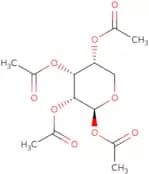
CAS:<p>1,2,3,5-Tetra-O-acetyl-b-L-xylofuranose is a carbohydrate. It is the only tetra-acetoxylated monosaccharide that has been reported to date. The synthesis of 1,2,3,5-tetra-O-acetyl-b-L-xylofuranose was achieved by modifying the glycosylation of bromoacetaldehyde with 1,2,3,5 triacetoxy xylan. This product has high purity and custom synthesis capabilities. It is also available as a methyl ether and can be modified using Click chemistry to incorporate different functional groups at specific positions on the molecule.</p>Fórmula:C13H18O9Pureza:Min. 95%Peso molecular:318.3 g/molCys-spacer-Gly-Gly-Tyr-D-Thr-Gly-Phe-Leu-Ser(glucoside)-amide
<p>Custom synthesis, Modification, Fluorination, Methylation, Monosaccharide, Synthetic, Click modification, Oligosaccharide, saccharide<br>CAS No.: 1101-98-2<br>Polysaccharide: Glycosylated<br>Sugar: Carbohydrate<br>Complex carbohydrate: Glycosylated<br>Glycosylation: sugar</p>Pureza:Min. 95%Phenyl 2,3,4,6-tetra-O-acetyl-a-D-glucopyranoside
CAS:<p>Phenyl 2,3,4,6-tetra-O-acetyl-a-D-glucopyranoside is a custom synthesis of a monosaccharide. Phenyl 2,3,4,6-tetra-O-acetyl-a-D-glucopyranoside can be fluorinated and methylated to produce other compounds. It is also used in the modification of saccharides and oligosaccharides to produce polysaccharides. Phenyl 2,3,4,6-tetra-O-acetyl-a -D -glucopyranoside is soluble in water and has CAS No. 34274500.</p>Fórmula:C20H24O10Pureza:Min. 95%Peso molecular:424.4 g/moln-Butyl b-D-fructopyranoside
CAS:<p>n-Butyl b-D-fructopyranoside is a type of monosaccharide that is present in the rhizomes of Lamium. It is an ingredient in traditional Chinese medicine, where it has been used to treat various types of inflammation and pain. <br>n-Butyl b-D-fructopyranoside is a white crystalline powder with a melting point of 137°C. The chemical structure consists of a glucose molecule that has been substituted at the hydroxyl group with butanol. n-Butyl b-D-fructopyranoside has an aromatic odor and tastes sweet and slightly bitter. n-Butyl b-D-fructopyranoside can be found in many plants, including acteoside, glycosidic linarin, and taraxerol from lamium species. This compound can be synthesized systematically by reacting d-mannitol with salicylic acid in the</p>Fórmula:C10H20O6Pureza:Min. 95%Peso molecular:236.26 g/mol3,5,6-Tri-O-benzyl-D-glucofuranose
CAS:<p>3,5,6-Tri-O-benzyl-D-glucofuranose is a crystalline and white or off-white powder. It is soluble in water and toluene, but insoluble in chlorinated solvents. The chemical has been synthesized from benzoic acid and D-glucose. 3,5,6-Tri-O-benzyl-D-glucofuranose is used as a reagent for the synthesis of polyhydroxybutyrate (PHB) polymers that are biodegradable and can be used as thermoplastic polyesters. This compound has been shown to be potentially hazardous to the environment due to its high reactivity with chloride ions in the presence of benzyl alcohols.</p>Fórmula:C27H30O6Pureza:Min. 95%Peso molecular:450.54 g/molMethyl 4-chloro-4-deoxy-a-D-galactopyranoside
<p>Methyl 4-chloro-4-deoxy-a-D-galactopyranoside is a synthetic monosaccharide that has been modified with fluorination and methylation. The modification of this sugar provides it with the ability to be used in glycosylation reactions, click chemistry, and other modification reactions. This product is offered as a custom synthesis and can be synthesized for any desired specification. It is also available in high purity form.</p>Fórmula:C7H13ClO5Pureza:Min. 95%Peso molecular:212.63 g/molIvermectin b1 monosaccharide
CAS:<p>Ivermectin is a derivative of avermectin that is used for the treatment of parasitic infections. Ivermectin b1 monosaccharide is an analog of the parent molecule, which lacks a carbon atom at position 1 and has a spiroketal group at position 2. It is known to be more potent than ivermectin in animal studies.</p>Fórmula:C41H62O11Pureza:Min. 95%Cor e Forma:PowderPeso molecular:730.92 g/mol1,2,3,5-Tetra-O-acetyl-D-ribofuranose
CAS:<p>1,2,3,5-Tetra-O-acetyl-D-ribofuranose is a dietary supplement that can be found in the form of palladium complexes. This compound has been shown to have anti-inflammatory properties and may be effective against cancer cells. 1,2,3,5-Tetra-O-acetyl-D-ribofuranose is an acetylated pyridazine derivative with antimicrobial and antibacterial effects. It has also been shown to inhibit the synthesis of purines and pyrimidines by cleaving the 6th carbon from ribose. 1,2,3,5-Tetra-O-acetyl-D-ribofuranose is synthesized by chlorination of 2,6-, 3-, 5-, or 7-(chloropurinomethyl)pyridine with mercuric chloride or nitrosyl chloride. The cleavage products are hydroxyl group</p>Pureza:Min. 95%D-[6-13C]Galacturonic acid potassium salt
<p>D-[6-13C]Galacturonic acid potassium salt is a synthetic, water-soluble complex carbohydrate with a molecular weight of 744.2. It is used as a fluorescence probe in magnetic resonance imaging (MRI) and also has applications in the synthesis of oligosaccharides and polysaccharides. D-[6-13C]Galacturonic acid potassium salt is soluble in water and has an average pH of 5.0. This compound is available for custom synthesis with high purity and can be found under CAS number 144561-27-4.</p>Pureza:Min. 95%D-[1-13C]Xylose
CAS:<p>D-[1-13C]Xylose is a carbon source that is used to study the metabolism of glycolytic carbon in cells. It has been labeled with 13C and can be used as a tracer for the study of the distribution of metabolites, including glucuronic acid, mannose, and xylose. This can be done by nuclear magnetic resonance (NMR) spectroscopy or by using a magnetic resonance spectroscopy technique. The use of D-[1-13C]xylose has been shown to be an effective way to label cryptococcus neoformans cells in order to understand their metabolism.</p>Fórmula:C5H10O5Pureza:Min. 95%Peso molecular:151.12 g/molo-(A-D-Galactopyranosyl)-D-galactose
CAS:<p>O-(A-D-Galactopyranosyl)-D-galactose is a sugar that is used in the synthesis of complex carbohydrates. O-(A-D-Galactopyranosyl)-D-galactose can be fluorinated and methylated to produce o-(A-D-Galactopyranosyl)-2,6-dideoxy--glucose. This sugar has been shown to inhibit the growth of bacteria such as Mycobacterium tuberculosis and Mycobacterium avium complex. Synthesis of this sugar is done through a custom synthesis process with high purity and quality.</p>Fórmula:C12H22O11Pureza:Min. 95%Peso molecular:342.3 g/moltrans-Zeatin-9-glucoside
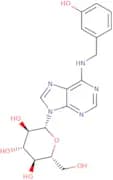
CAS:<p>Trans-zeatin-9-glucoside is a natural product that is produced by plants and is known to have a variety of biological activities. Trans-zeatin-9-glucoside has been shown to affect plant growth and development, as well as the immune system. It has also been shown to exhibit antioxidant activity and inhibit cancer cell proliferation. Trans-zeatin-9-glucoside has been found in barley, wheat, rye, oat straw, corn stover, soybean leaves, potato tubers, and composts. The biosynthesis of this compound begins with the conversion of zeatin into zeaxanthin via a series of enzymatic reactions. Zeaxanthin is then converted into trans-zeatin-9-glucoside through the action of an enzyme called β--cyclodextrin glucanotransferase.</p>Fórmula:C16H23N5O6Pureza:Min. 98 Area-%Cor e Forma:Colorless PowderPeso molecular:381.38 g/molα-GalCer analog 8
CAS:<p>α-GalCer analog 8 is a high purity, custom synthesis, synthetic α-galactocerebrosidase enzyme that has been modified to include 8 fluorine atoms. The enzyme is glycosylated at the N-terminal and methylated at the C-terminal. The modification of this enzyme with an oligosaccharide and monosaccharide moiety improves its stability in vivo. α-GalCer analog 8 is used for the treatment of Gaucher's disease, which is caused by the accumulation of complex carbohydrates in the body. This condition can be managed using α-GalCer analog 8 because it hydrolyzes these complex carbohydrates into their monosaccharides.</p>Fórmula:C50H97N3O8Pureza:Min. 95%Peso molecular:868.32 g/molL-Ribose
CAS:<p>L-Ribose is a monosaccharide that is a constituent of ribonucleic acid, deoxyribonucleic acid and other compounds. It can be found in small quantities in most living organisms. L-Ribose has been modified to include fluorine atoms at the C2 position. The addition of fluorine atoms increases the stability of the molecule and its resistance to hydrolysis by esterases. L-Ribose has also been modified with methyl groups at the C3 position and glycosylation at the C4 position. This modification preserves the biological activity of L-Ribose and increases its water solubility. L-Ribose is used as a building block for custom synthesis, such as peptides or oligosaccharides.>>END>></p>Fórmula:C5H10O5Peso molecular:150.13 g/molBenzyl b-D-arabinopyranoside
CAS:<p>Benzyl b-D-arabinopyranoside is a custom synthesis that can be used in the modification of complex carbohydrates, oligosaccharides, and polysaccharides. This product is a synthetic carbohydrate that can be fluorinated for use as a pharmaceutical or biological agent. It has CAS number 5329-50-0, and can be glycosylated, methylated, or click modified for different applications.</p>Fórmula:C12H16O5Pureza:Min. 95%Cor e Forma:White To Off-White SolidPeso molecular:240.25 g/molMethyl 2,3,4-tri-O-benzyl-b-D-glucuronide benzyl ester
CAS:<p>Methyl 2,3,4-tri-O-benzyl-b-D-glucuronide benzyl ester is a custom synthesis that can be used as a glycosylation or methylation reagent. It has been shown to be an effective click modification reagent and can be used in the synthesis of complex carbohydrates. This compound is a carbohydrate that has been modified with fluorination and methylation. This compound has saccharide units and is a sugar. It is soluble in water and ethanol.</p>Fórmula:C35H36O7Pureza:Min. 95%Peso molecular:568.66 g/mol3,4,5,6-Tetra-O-acetyl myo-inositol
CAS:<p>3,4,5,6-Tetra-O-acetyl myo-inositol is a synthetic compound that functions as a methyl donor for the modification of saccharides and polysaccharides. It is used in click chemistry reactions to modify oligosaccharides with fluorinated alkyne moieties. 3,4,5,6-Tetra-O-acetyl myo-inositol is also used in glycosylation reactions to produce complex carbohydrates. This chemical has CAS number 90366-30-6.</p>Fórmula:C14H20O10Pureza:Min. 95%Peso molecular:348.3 g/molD-Gluco-hexodialdose
CAS:<p>D-Gluco-hexodialdose is a chiral intermediate useful for both research and industry.</p>Fórmula:C6H10O6Pureza:Min. 90%Cor e Forma:PowderPeso molecular:178.14 g/molBenzyl 2-acetamido-3,6-di-O-benzoyl-2-deoxy-a-D-glucopyranoside
CAS:<p>A 2-acetamido-3,6-di-O-benzoyl-2-deoxy-a-D-glucopyranoside is a custom synthesis of a complex carbohydrate that has been modified with methylation and glycosylation. It is an Oligosaccharide with Polysaccharide and Modification. The CAS number for this compound is 82827-77-8 and has a purity of 99%. This compound has been fluorinated and synthesized.</p>Fórmula:C29H29NO8Pureza:Min. 95%Peso molecular:519.54 g/mol31-β-D-Cellobiosyl-glucose
CAS:<p>31-β-D-cellobiosyl-glucose is a Modification product that is an oligosaccharide. It has a CAS number of 32581-36-5 and can be custom synthesized. This product has a purity of high and is an oligosaccharide. 31-β-D-cellobiosyl-glucose is a complex carbohydrate that belongs to the group of carbohydrates, sugars, and saccharides. It has been fluorinated and glycosylated. 31-β-D-cellobiosyl-glucose is methylated and polysaccharide. This product can be made in our lab with a high degree of purity and it comes in the form of monosaccharide which can also be custom synthesized by our team.</p>Fórmula:C18H32O16Pureza:Min. 95%Peso molecular:504.4 g/molPseudoginsenoside Rh2
CAS:<p>Pseudoginsenoside Rh2 is a bioactive compound, which is a derivative of ginsenosides found in Panax ginseng. It is specifically extracted from the plant's root, known for its rich saponin content. Pseudoginsenoside Rh2 functions by interacting with various cellular pathways, influencing apoptosis, and cell cycle regulation. The mechanism of action involves modulation of signaling pathways, including PI3K/Akt and MAPK, which are crucial in controlling cell growth and survival.</p>Fórmula:C36H62O8Pureza:Min. 95%Peso molecular:622.87 g/molDidesmethylsibutamine D-glucuronide
<p>Didesmethylsibutamine D-glucuronide is a custom synthesis, complex carbohydrate, Oligosaccharide, CAS No. that is modified with saccharide and Methylation. It is synthesized with Carbohydrate and sugar to produce a high purity product. It also has the following modifications: Fluorination, Synthetic.</p>Pureza:Min. 95%L-Daunosamine-b-methylglycoside hydrochloride
<p>L-Daunosamine-b-methylglycoside hydrochloride is a high purity, custom synthesis of an oligosaccharide. This product is synthesized from D-mannose and L-daunosamine. The synthetic process begins with the click modification of the carbohydrate to introduce a methyl group onto the sugar. The resulting product is then glycosylated, fluorinated, and methylated to create the final product. L-Daunosamine-b-methylglycoside hydrochloride has been shown to act as a competitive inhibitor of bacterial dna gyrase, which helps maintain the integrity of bacterial DNA by preventing supercoiling. L-Daunosamine-b-methylglycoside hydrochloride has also been shown to inhibit protein synthesis in bacteria by binding to ribosomes, which are responsible for translating mRNA into proteins.</p>Fórmula:C7H15NO3·HClPureza:Min. 95%Peso molecular:197.66 g/molN-Acetyl-D-glucosamine 6-acetate
CAS:<p>N-Acetyl-D-glucosamine 6-acetate is a modification of the sugar N-acetyl-D-glucosamine. It is an Oligosaccharide, which is a complex carbohydrate consisting of two or more simple sugars. N-Acetyl-D-glucosamine 6-acetate can be custom synthesized and is available in high purity. The CAS number for this compound is 131832-93-4. Synthetic modifications of this compound include methylation, glycosylation and fluorination. This compound can also be considered a polysaccharide because it consists of many saccharides connected together by glycosidic bonds.</p>Fórmula:C10H17NO7Pureza:Min. 97 Area-%Cor e Forma:White PowderPeso molecular:263.24 g/molMethyl a-D-ribofuranoside - 95% oil
CAS:<p>Methyl a-D-ribofuranoside is a molecule that belongs to the group of conformers. It is a planar molecule, with its atoms in an orderly arrangement. The conformation of this molecule can be changed by rotating around the C-C bond, which has energies and displacements. Molecular orbital theory predicts that the conformation of methyl a-D-ribofuranoside is determined by the electron correlation between all atomic orbitals. The molecular structure of methyl a-D-ribofuranoside can be determined using spectroscopic methods, such as infrared and nuclear magnetic resonance spectroscopy. Coupling constants are used to measure how strongly two or more groups in a molecule are coupled together, while constants are used to measure the energy levels and frequencies in vibrational spectroscopy.</p>Fórmula:C6H12O5Pureza:Min. 95%Peso molecular:164.16 g/mol3-O-Carboxymethyl-D-glucose
CAS:<p>3-O-Carboxymethyl-D-glucose (3CMG) is a humectant that can be used to replace glycerol in tobacco. 3CMG has the same chemical formula as D-glucose, but it has a hydroxy group at position 3 instead of 2. This structural difference leads to different properties, such as the ability to form hydrogen bonds with water molecules, which makes it an excellent humectant for use in tobacco products. 3CMG is also used in the food industry as a sugar substitute and sweetener due to its low caloric content and increased sweetness.</p>Fórmula:C8H14O8Pureza:Min. 95%Cor e Forma:White To Off-White SolidPeso molecular:238.19 g/molD-Glucose (5-13C)
CAS:<p>D-Glucose (5-13C) is a modification of glucose. It is an oligosaccharide that is used in the synthesis of complex carbohydrates. D-Glucose (5-13C) has been modified by methylation and glycosylation to produce monosaccharides and polysaccharides. This sugar can be fluorinated, which makes it useful for saccharide studies.</p>Fórmula:C6H12O6Pureza:Min. 95%Peso molecular:181.15 g/mol32-β-D-Glucosyl-cellobiose
CAS:Produto Controlado<p>32-β-D-Glucosyl-cellobiose is a fluorinated carbohydrate that is custom synthesized to meet the needs of the customer. It is a complex carbohydrate that can be modified by methylation, glycosylation, or click modification. It is made of one monosaccharide and two sugars. This product is highly pure and can be used in various applications such as pharmaceuticals, agrochemicals, and food production.</p>Fórmula:C18H32O16Pureza:Min. 95%Peso molecular:504.4 g/molMethyl a-D-altropyranoside
CAS:<p>Methyl a-D-altropyranoside is an electrolyte solution that is used for the stabilization and selective separation of glycosides. It has been shown to be effective at diagnosing bacterial infections by selectively binding to glycosylated nucleotides. The methyl group on the molecule is necessary for this function, and therefore it cannot act as a glycosylated nucleotide in its own right. Methyl a-D-altropyranoside may be used to synthesize nucleotides with axial or equatorial configurations, which are not usually found in nature. The yields of these sequences can be increased using this compound.</p>Fórmula:C7H14O6Pureza:Min. 95%Peso molecular:194.18 g/molClerosterol glucoside
CAS:<p>Leaves are a part of the vascular system of a plant. They are typically large, flattened, and have parallel veins. Leaves can be either simple or compound. The leaves of most plants have serrated edges and a single vein or rib that runs along the center of each leaf.</p>Pureza:Min. 95%D-Mannose-2-13C
CAS:<p>D-Mannose-2-13C is an analog of D-mannose, a simple sugar found in fruits and vegetables. This compound has been shown to inhibit elastase activity, which is involved in the development and progression of cancer. Studies have demonstrated that D-Mannose-2-13C induces apoptosis in human cancer cells, suggesting its potential use as an anti-tumor agent. Additionally, D-Mannose-2-13C has been shown to enhance the effects of other inhibitors such as dapoxetine, β-glucan, Chinese herb wogonin, and kinase inhibitors. This compound is also used as a tracer for urine metabolism studies due to its stable isotopic labeling with carbon-13.</p>Fórmula:C6H12O6Pureza:Min. 95%Peso molecular:181.15 g/mol1,2-13C-D-Mannose
<p>1,2-13C-D-Mannose is a synthetic monosaccharide that is used as a building block for oligosaccharides and polysaccharides. It has been modified with fluorination, methylation, and click chemistry to yield a complex carbohydrate with high purity. The 13C isotope can be labeled in the 2 position of the mannose ring or at the C1 position of the glucose moiety.</p>Fórmula:C2C4H12O6Pureza:Min. 95%Cor e Forma:White PowderPeso molecular:182.14 g/molSennoside D
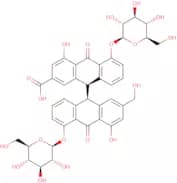
CAS:<p>Sennoside D is a fatty acid that can be isolated from the sennosides found in the leaves of the plant Senna alata. It has been shown to have anti-tumor properties and may play a role in treating colon cancer, breast cancer, and skin cancer. Sennoside D has also been shown to be effective against autoimmune diseases such as arthritis, ulcerative colitis, and Crohn's disease. The low energy of this compound may be due to its formation rate. The hydroxide solution (NaOH) is used in the synthesis of this molecule because it binds with carbon dioxide molecules to form sodium bicarbonate and carbon dioxide gas which can then be captured by water. This process produces a high yield of sennoside D. In addition, the bound form of this molecule is soluble in organic solvents and insoluble in water, which makes it suitable for skin conditions as well as colon cancer treatments.</p>Pureza:Min. 95%Cor e Forma:Solidb-Sitosterol b-D-glucuronide methyl ester
<p>b-Sitosterol b-D-glucuronide methyl ester is a carbohydrate that is a modification of saccharides. It is a sugar with the molecular formula C23H36O11 and molecular weight of 594.71. It has CAS No. 64432-41-7 and was first synthesized in the laboratory by custom synthesis in 2007. This compound is highly pure and has been shown to have high purity. It has been modified using fluorination, glycosylation, and methylation reactions. The carbohydrate has been shown to have anti-inflammatory activities, which may be due to its ability to inhibit prostaglandin synthesis.</p>Fórmula:C36H60O7Pureza:Min. 95%Peso molecular:604.86 g/molMaltoheptaose hydrate
CAS:<p>Maltoheptaose hydrate is a mixture of oligosaccharides and monosaccharides that has been shown to be effective as a biocide. Maltoheptaose hydrate has been shown to be an effective radiation absorber, with the ability to absorb microwaves and other forms of radiation. The compound also has the capacity to form hydrogen bonds, which can lead to the formation of alcohols in solution. This property makes maltoheptaose hydrate a useful recording agent for microwave radiation, as well as being able to absorb alcohols. Maltoheptaose hydrate is composed of both monomeric and monosaccharides, which are saccharides.</p>Fórmula:C42H74O37Pureza:Min. 95%Peso molecular:1,171 g/molResveratrol-4’-O-(6”-galloyl)glucoside
CAS:<p>Resveratrol-4’-O-(6”-galloyl)glucoside is a methylated, saccharide complex carbohydrate. It is an oligosaccharide that has been modified with click chemistry and glycosylation. Resveratrol-4’-O-(6”-galloyl)glucoside is synthesized in high purity through a custom synthesis process that includes fluorination and modification of the sugar. This product can be used as an ingredient in pharmaceuticals, food additives, or dietary supplements.</p>Fórmula:C27H26O12Pureza:Min. 95%Peso molecular:542.49 g/molLotaustralin
CAS:<p>Lotaustralin is a natural product that is derived from the plant Lotea usitatissima. It belongs to the class of isoflavonoids and has shown activity against infectious diseases. Lotaustralin has been shown to inhibit mycelial growth in vitro by targeting enzymes involved in the biosynthesis of isoflavonoid compounds in plants, such as lc-ms/ms methodology, preparative hplc, and enzymatic assays. It also has been shown to have an effect on locomotor activity in mice. The polymerase chain reaction (PCR) assay was used to detect the presence of lotaustralin in various samples, including blood serum and sputum samples. This product can be used for sample preparation for PCR assay.</p>Fórmula:C11H19NO6Pureza:Min. 97%Peso molecular:261.27 g/molEthyl 2,3,4-tri-O-benzyl-b-D-thiogalactopyranoside
CAS:<p>Ethyl 2,3,4-tri-O-benzyl-b-D-thiogalactopyranoside is a synthetically produced saccharide typically used as a building block in oligo-saccharide synthesis.</p>Pureza:Min. 95%(+)-Casuarine
CAS:<p>(+)-Casuarine is a chiral biomolecule that is structurally related to (+)-cinchonine. It has been shown to be an inhibitor of glycosidase, an enzyme that hydrolyzes glycosides, and as such it has potential use in the development of drugs for the treatment of diabetes mellitus. The enolate form of (+)-casuarine can undergo cycloadditions with oxygenated functional groups. This reaction is stereoselective and leads to polyhydroxylated products.</p>Fórmula:C8H15NO5Pureza:Min. 95%Peso molecular:205.21 g/molMethyl 4-chloro-4-deoxy-a-D-glucopyranoside
<p>Methyl 4-chloro-4-deoxy-a-D-glucopyranoside is a custom synthesis of an oligosaccharide with a sugar. It is synthesized by the reaction between methyl 4-chloro-4-deoxybenzoate and sodium cyanoborohydride in methanol. The product can be used to modify complex carbohydrates, such as glycosylation, which is the process of adding sugars to proteins or polysaccharides. Methyl 4-chloro-4-deoxyglucopyranoside has a high purity level of 99% and a CAS number of 3126991.</p>Fórmula:C7H13ClO5Pureza:Min. 95%Peso molecular:212.63 g/mol1,3,4,6-Tetra-O-acetyl-2-deoxy-2-trifluoroacetamido-D-glucopyranose
CAS:<p>1,3,4,6-Tetra-O-acetyl-2-deoxy-2-trifluoroacetamido-D-glucopyranose is a carbohydrate that has been modified with fluorine and acetyl groups. It is used as a precursor to other saccharides. The compound is synthesized by the reaction of 1,3,4,6-tetra -O-acetyl glucose with trifluoroacetic anhydride in methylene chloride. It can be custom synthesized for research purposes. This product has high purity and is sold in both liquid and powder form.</p>Fórmula:C16H20F3NO10Pureza:Min. 95%Peso molecular:443.33 g/molMethyl 4-deoxy-a-D-glucopyranoside
CAS:<p>Methyl 4-deoxy-a-D-glucopyranoside is a high purity synthetic sugar with the molecular formula C5H10O5. It has been custom synthesized for Click modification, fluorination, glycosylation and methylation. Methyl 4-deoxy-a-D-glucopyranoside is used in glycosylation as a monosaccharide or saccharide to form complex carbohydrates. This product can be used in the synthesis of oligosaccharides and polysaccharides.</p>Fórmula:C7H14O5Pureza:Min. 95%Peso molecular:178.19 g/molScopolamine O-b-D-glucuronide
CAS:<p>Scopolamine O-b-D-glucuronide is a methylated derivative of scopolamine. It is an oligosaccharide that is synthesized through glycosylation and has a high purity. Scopolamine O-b-D-glucuronide is used in the synthesis of complex carbohydrates.</p>Fórmula:C23H29NO10Pureza:Min. 95%Peso molecular:479.48 g/mol(R)-Monoethyl 3-acetoxyglutarate
CAS:<p>(R)-Monoethyl 3-acetoxyglutarate is a synthetic molecule that is used in the synthesis of complex carbohydrates. It can be fluorinated, methylated and glycosylated. This compound has CAS No. 113036-11-6.</p>Fórmula:C9H14O6Pureza:Min. 95%Peso molecular:218.2 g/molD-Glucofuranuronic acid,γ-lactone,1,6-13C2
CAS:<p>D-Glucofuranuronic acid,gamma-lactone,1,6-13C2 is an organic compound that is a glycosidic acid with a uronic acid group. It is composed of a hydrocarbon group and an acetylated d-xylose. This compound has been shown to have inhibitory activities against glycosidases and glycoside hydrolases. D-Glucofuranuronic acid,gamma-lactone,1,6-13C2 is synthesized by the reaction of trifluoroacetic acid with glyceraldehyde in the presence of water and an acid catalyst. It can be used as medicine for treating blood sugar levels but should not be taken in conjunction with other medicines because it inhibits their absorption.</p>Fórmula:C2C4H8O6Pureza:Min. 95%Peso molecular:178.12 g/molD-Glucose-BSA
<p>Glucose covalently bound to BSA through a 3 atom spacer.</p>Pureza:Min. 95%Cor e Forma:Powder2-epi-(-)-emtricitabine
CAS:<p>2-epi-(-)-emtricitabine is an analog of the nucleoside cytidine, which inhibits the phosphorylation and subsequent degradation of deoxycytidine kinase, thereby blocking the production of the viral DNA polymerase. The compound also inhibits tyrosine kinases, which are enzymes that play a vital role in cell signaling. This inhibition may contribute to its antiviral activity. 2-epi-(-)-emtricitabine has been shown to inhibit human immunodeficiency virus (HIV) replication in vitro and in vivo. It is a prodrug that is converted to emtricitabine, its active form, by deoxycytidine kinase and then hydrolyzed by esterases. 2-epi-(-)-emtricitabine has been shown to be effective against hepatitis B virus and cancer cells.</p>Fórmula:C8H10FN3O3SPureza:Min. 95%Peso molecular:247.25 g/mol1,4:6,3-Glucarodilactone
CAS:<p>1,4:6,3-Glucarodilactone is an undecenoate with a sustainable and degradable structure. It can be used as a monomer in the production of polyols that are used in various industries, such as the plastics industry. 1,4:6,3-Glucarodilactone is also an acidic compound that has been shown to have a crystalline product and isomeric transition. It is possible to produce this compound by ring-opening polymerization of p-xylylenediamine with butyl vinyl ether or isobutyl vinyl ether.</p>Fórmula:C6H6O6Pureza:Min. 95%Peso molecular:174.11 g/mol3-Deoxy-2-keto-D-galactonate lithium salt
CAS:<p>3-Deoxy-2-keto-D-galactonate lithium salt is an enzyme inhibitor that belongs to the group of galacturonosyltransferases. It is a competitive inhibitor that binds to the enzyme active site and inhibits the transfer of galacturonic acid from UDP-galactose to various acceptor molecules, including oligosaccharides, polysaccharides, glycoproteins, and glycolipids. 3-Deoxy-2-keto-D-galactonate lithium salt has been shown to inhibit wild type strains of Escherichia coli and Saccharomyces cerevisiae. This compound also inhibits acid analysis enzymes such as catalase and triosephosphate isomerase in Escherichia coli. 3DGLS also inhibits protein synthesis by inhibiting the activity of enzymes such as ribonucleotide reductase and xanthine oxidase in Escherichia coli. The</p>Fórmula:C6H10O6·xLiPureza:Min. 95%b-L-Fucopyranosyl nitromethane
<p>b-L-Fucopyranosyl nitromethane is a synthetic carbohydrate that has been modified by fluorination and methylation. It can be used as a building block for the synthesis of complex carbohydrates including saccharides, oligosaccharides, and monosaccharides.</p>Fórmula:C7H13NO6Pureza:Min. 95%Peso molecular:207.2 g/mol6,6'-Di-O-triisopropylsilyl-lactal
CAS:<p>6,6'-Di-O-triisopropylsilyl-lactal is a synthetic oligosaccharide with a complex carbohydrate structure. It can be used as a monomer in the synthesis of glycosylides and glycopolymers, which are modified by fluorination, methylation, and click chemistry. This compound has been shown to have high purity and can be custom synthesized to meet your needs.</p>Fórmula:C30H60O9Si2Pureza:Min. 95%Peso molecular:620.96 g/molD-Tagatose 1-phosphate
CAS:<p>D-tagatose 1-phosphate is a cytosolic intermediate of tagatose, which is found in many dietary sources. It has been shown to have regulatory effects on mitochondrial membrane potential and peroxisome proliferation in human cells. D-tagatose 1-phosphate also has been shown to have clinical relevance for humans with liver disease, as it enhances aerobic glycolysis and increases adenine nucleotide levels.</p>Fórmula:C6H13O9PPureza:Min. 95%Peso molecular:260.14 g/mol9-Amino-N-acetylneuraminic acid
CAS:<p>9-Amino-N-acetylneuraminic acid (9AAN) is a neuraminidase inhibitor. It blocks the activity of neuraminidase, which is an enzyme that hydrolyzes sialic linkages in glycoproteins and glycolipids. 9AAN prevents the release of influenza virus particles from infected cells. This drug can also inhibit toxins that target the nervous system, such as botulinum neurotoxin and tetanus toxin. 9AAN has been shown to have a stabilizing effect on the conformation of proteins and has been used to study conformational changes in enzymes involved in metabolism. 9AAN is synthesized by recombinant DNA technology and acts as a competitive inhibitor for the enzymatic reaction.</p>Fórmula:C11H20N2O8Pureza:Min. 95%Cor e Forma:PowderPeso molecular:308.29 g/mol2,3,4,6-Tetra-O-benzyl-1,5-di-O-mesyl-D-glucitol
<p>2,3,4,6-Tetra-O-benzyl-1,5-di-O-mesyl-D-glucitol is a substituted sugar alcohol that can exist as either an intramolecular or an intermolecular isomer. The intramolecular isomer has a carboxylate group in the 6 position and the intermolecular isomer has a propionate group in the 6 position. 2,3,4,6-Tetra-O-benzyl-1,5-di-O-mesyl-D-glucitol has conformational properties that depend on which substituent occupies the 4 position. Benzene rings are more flexible than benzyloxy groups. The geometry of 2,3,4,6 - Tetra - O - benzyl - 1 , 5 - di - O - mesyl - D - glucitol changes from chair to boat with substitution at position</p>Fórmula:C36H42O10S2Pureza:Min. 95%Peso molecular:698.84 g/molD-[1-13C]Galacturonic acid potassium salt
<p>D-[1-13C]Galacturonic acid potassium salt is a sugar that is synthesized by the reaction of galactose with carbon dioxide. This sugar has been custom synthesized and is used in glycosylation reactions. Other modifications to this sugar include methylation and click modification, which can be done to make the sugar more reactive. D-[1-13C]Galacturonic acid potassium salt is a high purity product with a CAS number.</p>Pureza:Min. 95%2,3,4-Tri-O-benzyl-D-glucuronide benzyl ester trichloroacetimidate
<p>The compound is a custom synthesis and modification of a complex carbohydrate. It has been synthesized by glycosylation, methylation, and click chemistry. The compound can be used as a building block for the synthesis of saccharides. It is also useful in the synthesis of polysaccharides, which are polymers consisting of long chains of sugars. The compound is a highly pure and fluorinated sugar that can be used in research as a standard or control.</p>Fórmula:C36H34Cl3NO7Pureza:Min. 95%Peso molecular:699.02 g/mol4,6-O-(2-Naphthylidene)-D-glucal
<p>4,6-O-(2-Naphthylidene)-D-glucal is a complex carbohydrate that is synthesized by the modification of a polysaccharide. It has been modified by a methylation reaction, glycosylation, and click chemistry. It is an Oligosaccharide with CAS No., and has a high purity. 4,6-O-(2-Naphthylidene)-D-glucal has been fluorinated to increase its stability in the presence of water as well as to prevent it from reacting with other molecules.</p>Pureza:Min. 95%1,4-b-Xylobiose hexaacetate
CAS:<p>1,4-b-Xylobiose hexaacetate is a sugar that is used in the glycosylation of complex carbohydrates. It can be synthesized from xylose and acetaldehyde by Methylation and Click modification. 1,4-b-Xylobiose hexaacetate has been fluorinated to give a stable product. This product is soluble in water, ethanol, acetone, DMF, DMSO and other organic solvents. It can also be used for methylation or polysaccharide synthesis. The CAS number for this compound is 58024-20-7.</p>Fórmula:C22H30O15Pureza:Min. 95%Cor e Forma:White PowderPeso molecular:534.46 g/molThiotolyl b-D-ribofuranoside
CAS:<p>Thiotolyl b-D-ribofuranoside is a carbohydrate that is modified with fluorine. It is synthesized from 2,3-dichloro-5,6-dicyano-1,4-benzoquinone and thioglycolic acid in the presence of sodium nitrite. The product is an oligosaccharide that contains a methyl group at C2 and a glycosylation at C6. Thiotolyl b-D-ribofuranoside has been used in the synthesis of polysaccharides with click chemistry reactions.</p>Fórmula:C12H16O4SPureza:Min. 95%Peso molecular:256.32 g/molD-Arabonic acid
CAS:<p>D-Arabonic acid is an acidic compound that is a sodium salt of D-arabitol. It is used as a kinetic, reactive model system for the study of the mechanism of action and inhibition of enzymes such as polymerase chain reaction (PCR) and DNA-dependent RNA polymerase (RdRP). D-Arabonic acid has been shown to be a potent inhibitor of these enzymes, although it does not inhibit other enzyme classes. The target enzyme binds to the substrate by electrostatic interactions with the negative oxygen atoms on the nitrogen atoms in its basic structure. The reaction mechanism may involve oxidation catalysts such as iron or copper ions. Kinetic data can be obtained using laser ablation.</p>Fórmula:C5H10O6Pureza:Min. 95%Peso molecular:166.13 g/molMoexipril acyl-b-D-glucuronide
<p>Moexipril acyl-b-D-glucuronide is a complex carbohydrate that contains a saccharide and an oligosaccharide. It is synthesized by reacting moexipril with bromoacetic acid in the presence of sodium cyanoborohydride, followed by hydrolysis with potassium hydroxide to form the methyl ester. Moexipril acyl-b-D-glucuronide has CAS number 93890-82-2 and is available for custom synthesis. It has a high purity (99%) and can be methylated or glycosylated. The synthesis of this compound includes click modification.</p>Fórmula:C33H42N2O13Pureza:Min. 95%Peso molecular:674.69 g/molGalNAcβ(1-4)GlcNAc-β-pNP
CAS:<p>Galnacβ(1-4)GlcNAc-β-PNP is a high purity, custom synthesized, synthetic carbohydrate. It is a complex carbohydrate that has been modified with a click modification at the reducing end of the sugar to attach an amine group. The sugar has also been methylated and glycosylated. The sugar has been fluorinated and saccharide, which is a monosaccharide or polysaccharide.</p>Fórmula:C22H31N3O13Pureza:Min. 95%Cor e Forma:PowderPeso molecular:545.5 g/moltrans-Zeatin-o-glucuronide
CAS:<p>Trans-Zeatin-o-glucuronide is a synthetic cytokinin derivative, which is derived from zeatin, a naturally occurring plant hormone. Zeatin originates from a variety of plant tissues but is predominantly found in corn, where it plays a crucial role in plant growth and development. As a cytokinin, trans-Zeatin-o-glucuronide acts by influencing cell division, differentiation, and apical dominance in plants. Its glucuronide form is a metabolite, which allows researchers to study the storage and transport of cytokinins within plant cells.</p>Fórmula:C16H21N5O7Pureza:Min. 95%Peso molecular:395.37 g/molMethyl 2-deoxy-4,6-o-(phenylmethylene)-α-D-ribo-hexopyranoside benzoate
CAS:<p>Please enquire for more information about Methyl 2-deoxy-4,6-o-(phenylmethylene)-α-D-ribo-hexopyranoside benzoate including the price, delivery time and more detailed product information at the technical inquiry form on this page</p>Fórmula:C21H22O6Pureza:Min. 95%Peso molecular:370.4 g/mol3,6-Di-O-triisopropylsilyl-D-glucal
CAS:<p>3,6-Di-O-triisopropylsilyl-D-glucal is a synthetic monosaccharide. It has a molecular weight of 368.76 g/mol and chemical formula C14H22O8Si. 3,6-Di-O-triisopropylsilyl-D-glucal is soluble in water and ethanol.<br>It is used for the synthesis of oligosaccharides and polysaccharides, as well as for modification of sugar moieties on glycoproteins and glycolipids. 3,6-Di-O-triisopropylsilyl-D-glucal can be used for the preparation of complex carbohydrate structures by glycosylation or polysaccharide structures by methylation. 3,6-Di-O-triisopropylsilyl--D--glucal can also be used to synthesize sugar mo</p>Fórmula:C24H50O4Si2Pureza:Min. 95%Peso molecular:458.82 g/mol1,2-o-Isopropylidene-β-L-idofuranuronic acid 5-o-pivaloate 6,3-lactone
CAS:<p>Please enquire for more information about 1,2-o-Isopropylidene-β-L-idofuranuronic acid 5-o-pivaloate 6,3-lactone including the price, delivery time and more detailed product information at the technical inquiry form on this page</p>Fórmula:C14H20O7Pureza:Min. 95%Peso molecular:300.3 g/molD-Lyxose-1-C-D
CAS:<p>Please enquire for more information about D-Lyxose-1-C-D including the price, delivery time and more detailed product information at the technical inquiry form on this page</p>Fórmula:C5H10O5Pureza:Min. 95%Peso molecular:151.14 g/molD-Allose-13C
CAS:<p>Please enquire for more information about D-Allose-13C including the price, delivery time and more detailed product information at the technical inquiry form on this page</p>Fórmula:C6H12O6Pureza:Min. 95%Peso molecular:181.15 g/molD-Threose-4-13C
CAS:<p>Please enquire for more information about D-Threose-4-13C including the price, delivery time and more detailed product information at the technical inquiry form on this page</p>Fórmula:C4H8O4Pureza:Min. 95%Peso molecular:121.1 g/molD-Galactose-4-D
CAS:<p>Please enquire for more information about D-Galactose-4-D including the price, delivery time and more detailed product information at the technical inquiry form on this page</p>Fórmula:C6H12O6Pureza:Min. 95%Peso molecular:181.16 g/molD-Arabinose-2-D
CAS:<p>Please enquire for more information about D-Arabinose-2-D including the price, delivery time and more detailed product information at the technical inquiry form on this page</p>Fórmula:C5H10O5Pureza:Min. 95%Peso molecular:151.14 g/mol4-Methylphenyl 4,6-o-benzylidene-2,3-di-o-(4-methoxybenzyl)-β-D-thiogalactopyranoside
CAS:<p>Please enquire for more information about 4-Methylphenyl 4,6-o-benzylidene-2,3-di-o-(4-methoxybenzyl)-β-D-thiogalactopyranoside including the price, delivery time and more detailed product information at the technical inquiry form on this page</p>Fórmula:C36H38O7SPureza:Min. 95%Peso molecular:614.7 g/molD-Glucose-1,3-13C2
CAS:<p>Please enquire for more information about D-Glucose-1,3-13C2 including the price, delivery time and more detailed product information at the technical inquiry form on this page</p>Fórmula:C6H12O6Pureza:Min. 95%Peso molecular:182.14 g/mol4-Methylphenyl 2,3,4,6-tetra-O-benzyl-b-D-thiogalactopyranoside
CAS:<p>4-Methylphenyl 2,3,4,6-tetra-O-benzyl-b-D-thiogalactopyranoside is a synthetic saccharide set up to be an oligo-saccharide building block.</p>Fórmula:C41H42O5SPureza:Min. 95%Peso molecular:646.84 g/mol2,3,4,6-Tetra-O-benzoyl-D-galactopyranosyl trichloroacetimidate
CAS:<p>2,3,4,6-Tetra-O-benzoyl-D-galactopyranosyl trichloroacetimidate is a fluorinated carbohydrate that can be used for synthesis of complex carbohydrates. It is a monosaccharide with an O-benzoyl group at the 2 position and a glycosylation at the 4 position. The chemical structure has been modified by a reaction with trichloroacetimidate to form an acetal linker. This product is available in both custom synthesis and high purity.</p>Fórmula:C36H28Cl3NO10Pureza:Min. 95%Cor e Forma:White To Yellow SolidPeso molecular:740.97 g/molD-Xylose-1-C-D
CAS:<p>Please enquire for more information about D-Xylose-1-C-D including the price, delivery time and more detailed product information at the technical inquiry form on this page</p>Fórmula:C5H10O5Pureza:Min. 95%Peso molecular:151.14 g/mol1,6, 2,3-Dianhydro-β-D-talopyranose
CAS:<p>1,6, 2,3-Dianhydro-beta-D-talopyranose is a fluorinated sugar that is an intermediate in the synthesis of complex carbohydrates. It has been used as a monosaccharide building block and can also be used to synthesize oligosaccharides and polysaccharides. 1,6, 2,3-Dianhydro-beta-D-talopyranose can be modified with methylation or click chemistry to alter its properties. This product is a carbohydrate that has been modified for research purposes.</p>Fórmula:C6H8O4Pureza:Min. 95%Peso molecular:144.12 g/molAllyl 6-o-allyl-α-D-galactopyranoside
CAS:<p>Allyl 6-o-allyl-α-D-galactopyranoside is a medicinal compound with potential anticancer properties. It is an analog of α-D-galactopyranoside and has been shown to inhibit the activity of protein kinases, which are enzymes involved in cell signaling and regulation. This inhibition can lead to apoptosis, or programmed cell death, in cancer cells. Allyl 6-o-allyl-α-D-galactopyranoside has been studied extensively in Chinese medicine as a potential inhibitor of tumor growth and has also been found in human urine. This compound holds great promise as a natural alternative for cancer treatment and warrants further investigation into its therapeutic potential.</p>Fórmula:C12H20O6Pureza:Min. 95%Peso molecular:260.28 g/molSialyl Lewis A (Slea)-BSA
<p>Sialyl Lewis A (Slea)-BSA is a synthetic glycoprotein that is modified with fluorine, methylation and click chemistry. It has the ability to bind to the surface of cells, where it can be used as an antigen for the detection of cancer cells. The protein contains both oligosaccharide and polysaccharide components, which are made up of sugar molecules linked together in different configurations. The carbohydrate component is composed of complex carbohydrates that are glycosylated, meaning they have sugar molecules attached to them.</p>Pureza:Min. 95%Sennoside C
CAS:<p>Sennoside C is a bioactive phytochemical extracted from the leaves of Eclipta prostrata. It has been shown to have anti-tumor and anti-inflammatory properties. Sennoside C has also been found to be effective in treating autoimmune diseases, including psoriasis and rheumatoid arthritis. Sennoside C is a low-energy compound that binds with fatty acids to form a bound form. This bound form can be hydrolyzed by sodium hydroxide solution to release free sennosides, which are anthraquinone glycosides that can be used for the treatment of skin conditions such as eczema and dermatitis.</p>Fórmula:C42H40O19Pureza:Min. 95%Cor e Forma:SolidPeso molecular:848.76 g/molD-Ribulose 5-phosphate
CAS:<p>D-Ribulose 5-phosphate is a phosphorylated sugar, which is a key intermediate in the pentose phosphate pathway, derived from the enzymatic phosphorylation of D-ribulose. This pathway is crucial in cells for the generation of NADPH and the synthesis of ribose-5-phosphate, which is essential for nucleotide biosynthesis. The compound is produced from ribulose via the action of ribose-phosphate isomerase, a crucial enzyme in cellular metabolism.D-Ribulose 5-phosphate primarily functions as a precursor in the biosynthesis of nucleotides and nucleic acids. It acts within the cellular context to balance the supply of ribose-5-phosphate for nucleotide production, while its role in the oxidative branch of the pentose phosphate pathway helps maintain redox homeostasis through NADPH production.The primary application of D-Ribulose 5-phosphate is in biochemical research and metabolic engineering, where it is vital for studies focusing on metabolic flux analysis and the elucidation of biosynthetic pathways. Understanding its pathway and regulation can lead to insights into metabolic disorders and the development of therapeutic strategies targeting nucleotide synthesis abnormalities.</p>Fórmula:C5H11O8PPeso molecular:230.11 g/molEthyl 2,3,4-tri-O-benzyl-L-fucopyranoside
<p>Ethyl 2,3,4-tri-O-benzyl-L-fucopyranoside is a polysaccharide that is modified by the addition of benzyl groups to the hydroxyl group at C2. This modification increases the resistance of this compound to degradation by glycosidases and also prevents any undesired reactions with other saccharides. Ethyl 2,3,4-tri-O-benzyl-L-fucopyranoside is a custom synthesis that can be made in high purity and with high carbohydrate content. The CAS number for this compound is 61721–76–8.</p>Fórmula:C29H34O5Pureza:Min. 95%Peso molecular:462.58 g/molD-Galactose diethyldithioacetal
CAS:<p>D-Galactose diethyldithioacetal is a phenylhydrazone that has an affinity for the C-3 position of sugars. It is synthesised from D-galactose and diethyldithiocarbonyl chloride, with a borohydride reduction to give the hydroxyl group. The hydroxyl group reacts with methyl glycosides or carbohydrates to produce 3-substituted glycosides or 3-substituted carbohydrate. D-Galactose diethyldithioacetal also inhibits glycosidase enzymes, which are enzymes that break down sugars, and thus prevents the digestion of sugars. The chemical structure of D-galactose diethyldithioacetal was determined by magnetic resonance spectroscopy. The product was found to be L-fucitol (a sweetener) after desulfurization using hydrogen gas for removal of sulfur compounds.</p>Fórmula:C10H22O5S2Pureza:Min. 95%Peso molecular:286.41 g/molNefopam glucuronide
<p>Nefopam is a compound that has been used as an analgesic and antipyretic. It is structurally related to the benzodiazepine class of drugs, but is not chemically equivalent to any other known drug. Nefopam has a low therapeutic index and can cause severe toxic effects in overdose. The most common adverse effects of nefopam are dizziness, drowsiness, headache, nausea and vomiting. An overdose can lead to death by respiratory paralysis or cardiac arrest.</p>Fórmula:C23H27NO7Pureza:Min. 95%Peso molecular:429.46 g/molD-Tagatose-6-phosphate lithium salt
CAS:<p>D-Tagatose-6-phosphate lithium salt is a bacterial strain that belongs to the group of polyols. It is an epimerization product of D-tagatose, which is converted by the enzyme tagatose kinase to D-tagatose-6-phosphate. D-Tagatose-6-phosphate lithium salt can be used as a substrate for the enzymes galactitol dehydrogenase and galactitol 1,2-dioxygenase, which are involved in the metabolism of D-tagatose.</p>Fórmula:C6H13O9P·xLiPureza:Min. 95%Peso molecular:260.14 g/molMethyl 4-O-methyl-D-glucopyranosyluronate
<p>Methyl 4-O-methyl-D-glucopyranosyluronate is a fungal metabolite that is produced by the reaction of armillaria with methyl 4-O-methyl-D-glucopyranoside. Methyl 4-O-methylglucuronyluronate has been shown to have an esterase activity, which can hydrolyze esters and linkages in the cell wall of fungi. This enzyme has been shown to have kinetic parameters that are different for different substrates. The catalytic site of this enzyme has also been found to be glutamic acid, which plays a role in the synthesis and degradation of proteins. Methyl 4-O-methylglucuronyluronate has been found to be insoluble in water and is not active against bacteria.</p>Fórmula:C8H14O7Pureza:Min. 95%Peso molecular:222.2 g/molNorcyclobenzaprine N-glucuronide
<p>Norcyclobenzaprine N-glucuronide is a custom synthesis of the complex carbohydrate, oligosaccharides. It has CAS No. and is a polysaccharide that is modified by methylation, glycosylation, click modification and fluorination. Norcyclobenzaprine N-glucuronide also has high purity and can be synthesized using sugar or carbohydrate. This product has been created through synthetic means with the addition of fluorine to the molecule.</p>Fórmula:C25H27NO6Pureza:Min. 95%Peso molecular:437.49 g/mol2,5-Anhydro-D-mannitol tetraacetate
CAS:<p>2,5-Anhydro-D-mannitol tetraacetate (2,5-AMT) is a medicament that belongs to the group of tetraacetates. It is used as an oral preparation and has been shown to be effective in treating acute myeloid leukemia. 2,5-AMT is an analog of D-mannitol and it can be used for the treatment of cancer. 2,5-AMT has anticancer activity that is due to its ability to inhibit the growth of tumor cells by inhibiting the synthesis of proteins necessary for cell division. It also inhibits the production of fibrous tissue in chronic pancreatitis and fibrosis. This drug may cause allergic reactions such as skin rashes or lip swelling.</p>Fórmula:C14H20O9Pureza:Min. 95%Peso molecular:332.3 g/molPhenyl 6-deoxy-6-fluoro-a-D-glucopyranoside
<p>Phenyl 6-deoxy-6-fluoro-a-D-glucopyranoside is a modification of the natural sugar, deoxyglucose. It is an oligosaccharide with a complex carbohydrate structure that has been modified by methylation and glycosylation. This product is synthesized from monosaccharides, and it can be fluorinated or saccharided. Phenyl 6-deoxy-6-fluoro-a-D-glucopyranoside is used in the synthesis of polysaccharides.</p>Fórmula:C12H15FO5Pureza:Min. 95%Peso molecular:258.24 g/molD-Desosamine
CAS:<p>D-Desosamine is a chemical compound that has been isolated from human serum. It is an enzyme inhibitor that inhibits the activity of enzymes such as phosphatases, kinases, and proteases. D-Desosamine also has a matrix effect, which can be used to modify the properties of polymer matrices in order to improve their biocompatibility and mechanical properties. The molecular docking analysis indicated that desosamine can bind to bacterial serine/threonine protein kinase Streptococcus pyogenes phage T4 (SpyPK) and inhibit its activity. This inhibition may be due to the transfer reactions caused by desosamine binding to the enzyme's active site and blocking it. Structural analysis showed that D-desosamine forms hydrogen bonds with amino acids in SpyPK's active site, forming a covalent bond with cysteine residue Cys240. D-Desosamine has been shown to have anti-bacterial properties against</p>Pureza:Min. 95%3,7,7a-Triepicasuarine
CAS:<p>3,7,7a-Triepicasuarine is a synthetic compound that belongs to the group of polysaccharides. It can be used as a fluorinated reagent for the synthesis of complex carbohydrates and sugar molecules. 3,7,7a-Triepicasuarine is one of the most widely applied reagents in organic synthesis because it can be easily modified with various functional groups. This product has been shown to have high purity and may be used as an additive in other products.</p>Fórmula:C8H15NO5Pureza:Min. 95%Peso molecular:205.21 g/mol3,5-O-Isopropylidene-L-arabinofuranose
<p>3,5-O-Isopropylidene-L-arabinofuranose is a sugar that is used in the synthesis of saccharides. It is a monosaccharide that can be modified by fluorination, methylation, and custom synthesis. This product has been shown to be an excellent substrate for click chemistry and can be used as an intermediate in the production of oligosaccharides and polysaccharides. 3,5-O-Isopropylidene-L-arabinofuranose has a high purity level and can be used as a replacement for other sugars in complex carbohydrate synthesis.</p>Pureza:Min. 95%D-Xylonic acid lithium
CAS:<p>D-Xylonic acid lithium salt is a redox potential regulator that belongs to the class of nucleotide phosphate. It has been shown to inhibit the transcriptional regulation of genes in Saccharomyces cerevisiae strain. D-Xylonic acid lithium salt inhibits the growth of bacteria by binding to a hydroxyl group on the surface of bacterial cells, which disrupts the cell membrane and causes cell death. This drug also has film-forming properties and can be used as a model system for studying glycolaldehyde, an intermediate in sugar metabolism.</p>Fórmula:C5H10O6•LiPureza:Min. 95%Peso molecular:173.07 g/mol6-Deoxy-3-C-methyl-D-gulose
CAS:<p>6-Deoxy-3-C-methyl-D-gulose is an enantiomer of 3,6-dideoxy-D-gluconic acid. This compound has been shown to be a virulent factor in mastitis caused by the mutant strain of Escherichia coli (MT1) and to be expressed at a higher level in mastitic milk than in normal milk. 6DMG has also been shown to induce monoclonal antibody production and stimulate specific immune responses. It is thought that 6DMG damages cells, which leads to the release of intracellular components that trigger an antibody response. The biological function of 6DMG is not known, but it may play a role in the infection process by stimulating an antibody response against infectious agents.</p>Pureza:Min. 95%D-Mannose- 1, 2- 13C2
CAS:<p>D-Mannose- 1, 2- 13C2 is a synthetic sugar that has been modified with a fluorination reaction. D-Mannose-1,2- 13C2 is used for the synthesis of glycosylations and oligosaccharides. This product is available in high purity and custom synthesis. CAS No. 141789-26-6</p>Pureza:Min. 95%Peso molecular:182.14 g/molRhein acyl-b-D-glucuronide
CAS:<p>Rhein acyl-b-D-glucuronide is a fluorinated monosaccharide, which can be synthesized from glucose. This product is a complex carbohydrate that is synthesized from glucose and has been modified with methyl groups to provide high purity. It is also an oligosaccharide and can be custom synthesized for your needs. The chemical formula for Rhein acyl-b-D-glucuronide is C6H14O5F2O4.</p>Fórmula:C21H16O12Pureza:Min. 95%Peso molecular:460.34 g/molMethylglycol chitosan
CAS:<p>Methylglycol chitosan is a cationic surfactant that has been shown to have the ability to bind with zirconium oxide and polymannuronic acid. It is used in the treatment of infectious diseases, autoimmune diseases, and histological analysis. Methylglycol chitosan has been shown to inhibit the toll-like receptor 4 (TLR4) from binding with lipopolysaccharides and other molecules that are implicated in autoimmune diseases. This binding also prevents TLR4 from activating other cells involved in inflammatory responses. The surface of methylglycol chitosan particles also have a patterning effect on bacteria by preventing them from adhering to the surface of the particle, reducing their virulence.</p>Pureza:Min. 95%L-Fucal
CAS:<p>L-Fucal is a chemical that belongs to the group of glycosidic bonds. It is synthesized by reacting ethyl diazoacetate with an activated hydroxyl group. L-Fucal has been shown to inhibit the growth of cancer cells and lymphocytic leukemia cells. It binds to the receptors on the surface of cancer cells and inhibits their growth by interfering with cellular metabolism and DNA synthesis.</p>Pureza:Min. 95%Methyl 1-thiolincosaminide
CAS:<p>Intermediate in the production of biosynthetic antibiotics</p>Fórmula:C9H19NO5SPureza:Min. 95%Peso molecular:253.32 g/molFurosemide acyl-b-D-glucuronide
CAS:<p>Furosemide acyl-b-D-glucuronide is a derivative of Furosemide. It is a potent diuretic that has been used in the treatment of hypertension and congestive heart failure. The drug is excreted by the kidney, and its clearance is dependent on urine flow rate. Furosemide acyl-b-D-glucuronide can be detected in human serum and urine samples following oral administration, but its detection in urine may be delayed due to its low solubility. This active form of the drug may also cause drug reactions, such as nausea and vomiting, which are most likely due to the acidic nature of this form. Hydrochloric acid increases the absorption of Furosemide acyl-b-D-glucuronide, so it is recommended to take this medication with an acidic beverage containing hydrochloric acid or food high in pyridinium content. The elimination half life for this active</p>Fórmula:C18H19ClN2O11SPureza:Min. 95%Cor e Forma:Yellow PowderPeso molecular:506.87 g/mol2-Bromoethyl a-L-fucopyranoside
<p>This compound is a modification of the 2-bromoethyl a-L-fucopyranoside. It is an oligosaccharide that is a carbohydrate. It is made up of many monosaccharides, which are sugar molecules linked together. This modified carbohydrate has been synthesized from other carbohydrates and then fluorinated to make it more stable.</p>Pureza:Min. 95%1,2,3,4-Tetra-O-acetyl-β-D-ribopyranose
CAS:<p>1,2,3,4-Tetra-O-acetyl-b-D-ribopyranose is a lipase inhibitor that belongs to the class of lipolytic enzymes. It has been shown to be an effective inhibitor of lipases and has demonstrated enantiopure selectivity for the hydrolysis of racemic mixtures. This substance is used in industrial processes as a surrogate for other more expensive substances. The 1,2,3,4-Tetra-O-acetyl-b-D-ribopyranose has been used as a screening tool to identify potential inhibitors of human pancreatic lipase. The results have shown that this compound inhibits the activity of this enzyme with high specificity and sensitivity.</p>Fórmula:C13H18O9Pureza:Min. 95%Cor e Forma:PowderPeso molecular:318.28 g/mol6-Amino-6-deoxy-L-sorbose
CAS:<p>6-Amino-6-deoxy-L-sorbose is a sugar that is metabolized by the body to produce energy. This compound has been shown to be an effective antidiabetic, as it may inhibit glucose production in the liver and enhance insulin sensitivity. 6-Amino-6-deoxy-L-sorbose is a nutrient that can be found in food sources such as bananas, potatoes, and soybeans. It can also be synthesized from various plant sources. The biosynthesis of this compound is dependent on a number of enzymes, including L-arabinose 1 phosphate dehydrogenase.</p>Pureza:Min. 95%Dicyclohexylidene pinitol
CAS:<p>Dicyclohexylidene pinitol is a synthetic, cyclic oligosaccharide with an interesting structure. It is produced by the Click modification of a sugar, followed by a fluorination step and glycosylation. The methylation of the sugar can also be performed to produce this product. Its CAS number is 1037-92-1. Dicyclohexylidene pinitol has been used as an intermediate in the synthesis of saccharides, polysaccharides and other carbohydrates.</p>Fórmula:C19H30O6Pureza:Min. 95%Peso molecular:354.44 g/molm-Topolin-9-glucoside
CAS:<p>M-topolin-9-glucoside is a synthetic sugar that has been modified by the introduction of fluorine atoms at C-2, C-3, and C-4. This sugar is used to study the interactions between carbohydrates and proteins. It is also used for the synthesis of oligosaccharides as well as for glycosylation and methylation reactions. M-topolin-9-glucoside is a monosaccharide that has been glycosylated and methylated. It can be used as a replacement for glucose in some reactions due to its stability and low cost.</p>Fórmula:C18H21N5O6Pureza:Min. 95%Cor e Forma:PowderPeso molecular:403.39 g/mol1,3-o-Dibenzyl-N-acetyl-β-D-glucosamine 4,6-diacetate
CAS:<p>Please enquire for more information about 1,3-o-Dibenzyl-N-acetyl-β-D-glucosamine 4,6-diacetate including the price, delivery time and more detailed product information at the technical inquiry form on this page</p>Fórmula:C26H31NO8Pureza:Min. 95%Peso molecular:485.5 g/molmyo-Inositol 2,3,4,5,6-pentakisphosphate decasodium salt
CAS:<p>Myo-inositol 2,3,4,5,6-pentakisphosphate decasodium salt is an analog of inositol. It has been shown to have physiological functions in the human body. Myo-inositol 2,3,4,5,6-pentakisphosphate decasodium salt is a significant interaction with camp levels that may be due to its uptake by cells and plasma mass spectrometry. It also interacts with cellular organelles such as the mitochondria and endoplasmic reticulum. This compound can bind to myo-inositol and inhibit phosphoinositide 3-kinase activity. It has been shown to have a biological effect in vivo through structural analysis and vivomodel studies.</p>Fórmula:C6H7Na10O21P5Pureza:Min. 95%Peso molecular:799.87 g/molD-Fructose-3-13C
CAS:<p>Please enquire for more information about D-Fructose-3-13C including the price, delivery time and more detailed product information at the technical inquiry form on this page</p>Fórmula:C6H12O6Pureza:Min. 95%Peso molecular:181.15 g/mol2,3,4,6-Tetra-O-acetyl-a-D-mannopyranosyl ethylxanthate
CAS:<p>2,3,4,6-Tetra-O-acetyl-a-D-mannopyranosyl ethylxanthate is an oligosaccharide that can be used as a building block for the synthesis of complex carbohydrates and glycosylation. It is synthesized by the reaction of 2,3,4,6-tetraacetylmannose with ethylxanthate in the presence of triethylamine. This compound is used for methylation reactions and click modification. It can also be used to modify saccharides and monosaccharides. The chemical formula of this compound is C14H24O8.</p>Fórmula:C17H24O10S2Pureza:Min. 95%Peso molecular:452.5 g/mol
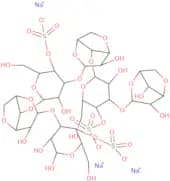


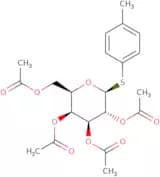

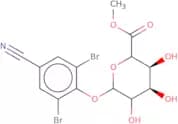
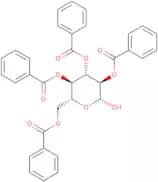

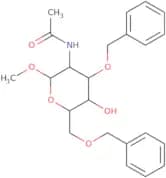
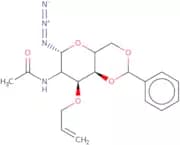
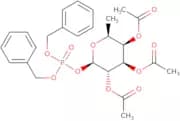
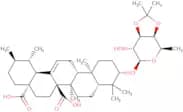
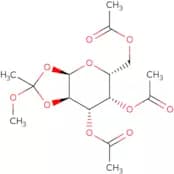
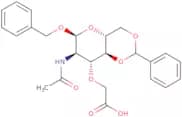
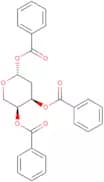
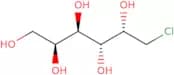
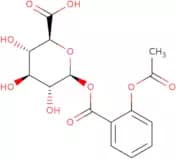


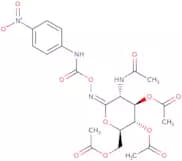
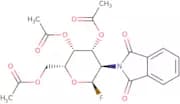
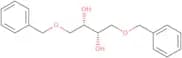
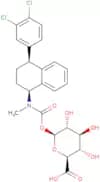
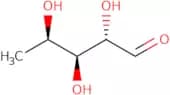
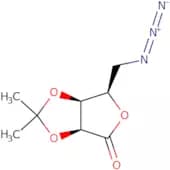

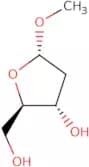
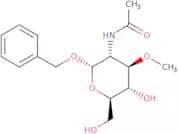
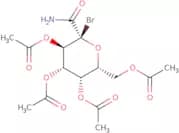
![(3aR,3bS,6aR,7aR)-2,2-Dimethylhexahydrofuro[2',3':4,5]furo[2,3-d][1,3]dioxol-5-ol](/_next/image/?url=https%3A%2Fstatic.cymitquimica.com%2Fproducts%2F3D%2Fthumb-webp%2FMD45372.webp&w=3840&q=75)
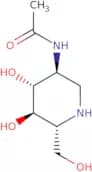

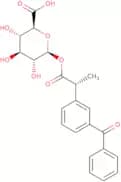
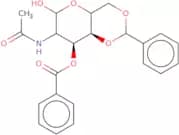
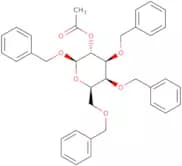
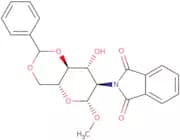
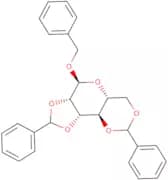
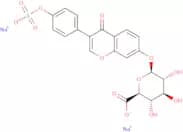
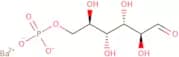
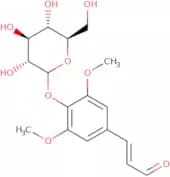
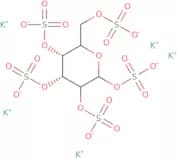
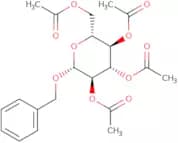
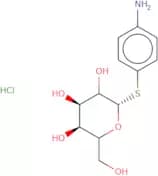
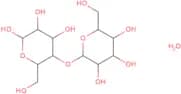
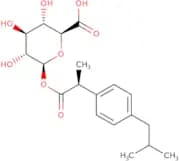
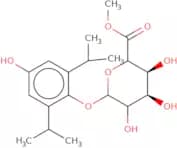
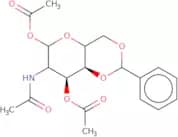
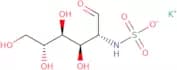

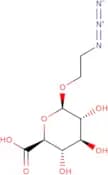
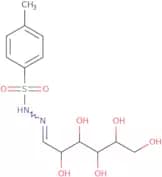

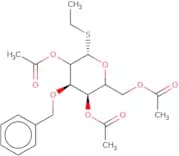

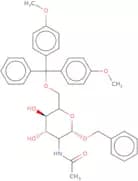

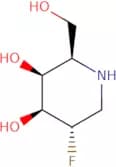


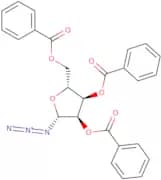

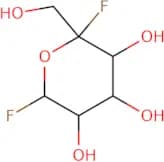
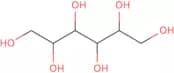

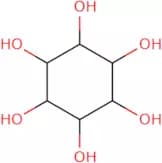


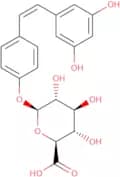


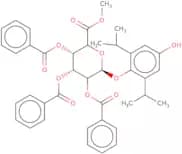
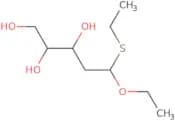
![5,7-Bis-(benzyloxy)-a-(4-(benzyloxy)phenyl)-3-[3,4-di-O-acetyl-a-O-acetyl-a-L-rhamnopyranosyloxyl]…](/_next/image/?url=https%3A%2Fstatic.cymitquimica.com%2Fproducts%2F3D%2Fthumb-webp%2FMB16635.webp&w=3840&q=75)


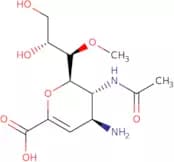
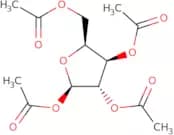
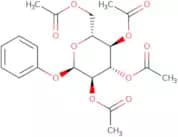
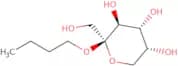
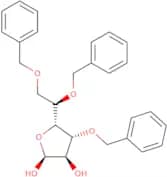
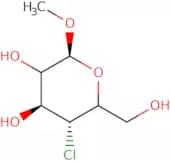
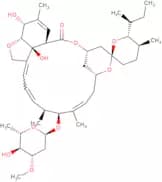

![D-[6-13C]Galacturonic acid potassium salt](/_next/image/?url=https%3A%2Fstatic.cymitquimica.com%2Fproducts%2F3D%2Fthumb-webp%2FMG170938.webp&w=3840&q=75)
![D-[1-13C]Xylose](/_next/image/?url=https%3A%2Fstatic.cymitquimica.com%2Fproducts%2F3D%2Fthumb-webp%2FVCA84921.webp&w=3840&q=75)
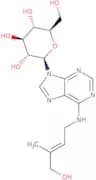
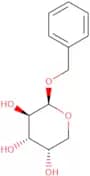
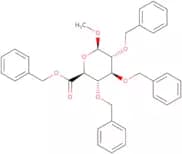
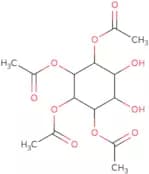
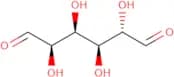
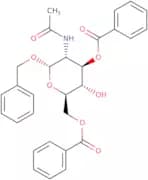

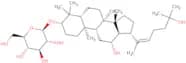
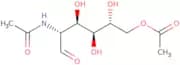
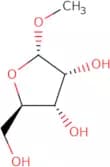
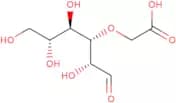


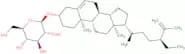


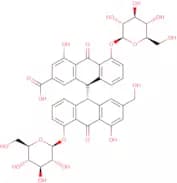
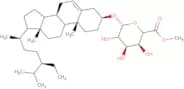
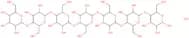
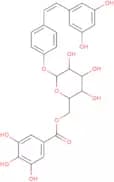
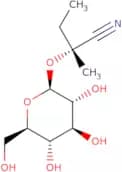
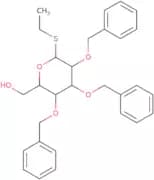
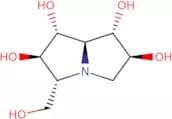
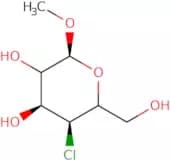
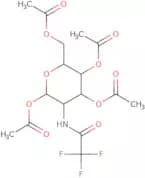
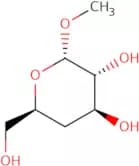
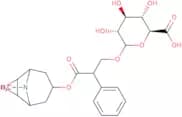
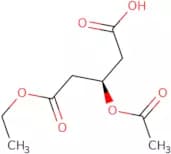
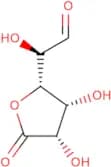

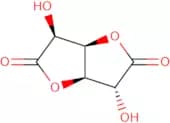
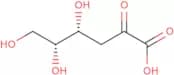
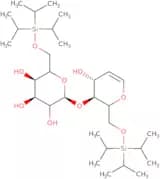
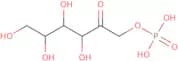
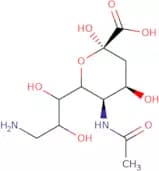
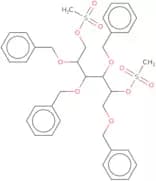
![D-[1-13C]Galacturonic acid potassium salt](/_next/image/?url=https%3A%2Fstatic.cymitquimica.com%2Fproducts%2F3D%2Fthumb-webp%2FMG28931.webp&w=3840&q=75)