


Monossacáridos
Monossacarídeos são a forma mais simples de carboidratos e servem como building blocks fundamentais para açúcares mais complexos e polissacarídeos. Essas moléculas de açúcar único desempenham papéis críticos no metabolismo energético, na comunicação celular e nos componentes estruturais das células. Nesta seção, você encontrará uma ampla variedade de monossacarídeos essenciais para pesquisas em bioquímica, biologia molecular e glicociência. Esses compostos são cruciais para estudar vias metabólicas, processos de glicosilação e desenvolvimento de agentes terapêuticos. Na CymitQuimica, oferecemos monossacarídeos de alta qualidade para apoiar suas necessidades de pesquisa, garantindo precisão e confiabilidade em suas investigações científicas.
Subcategorias de "Monossacáridos"
- Aloses(11 produtos)
- Arabinoses(21 produtos)
- Eritroses(11 produtos)
- Frutoses(9 produtos)
- Fucoses(36 produtos)
- Galactosamina(41 produtos)
- Galactoses(261 produtos)
- Glucoses(365 produtos)
- Ácidos Glucurónicos(51 produtos)
- Glico-substratos para enzimas(77 produtos)
- Guloses(6 produtos)
- Idoses(4 produtos)
- Inositóis(15 produtos)
- Lixoses(4 produtos)
- Mannoses(65 produtos)
- O-Glicanos(48 produtos)
- Psicoses(3 produtos)
- Ramnoses(10 produtos)
- Riboses(61 produtos)
- Ácidos siálicos(100 produtos)
- Sorboses(4 produtos)
- Açúcares(173 produtos)
- Tagatoses(4 produtos)
- Taloses(8 produtos)
- Xiloses(20 produtos)
Exibir 17 mais subcategorias
Foram encontrados 6088 produtos de "Monossacáridos"
Ordenar por
Pureza (%)
0
100
|
0
|
50
|
90
|
95
|
100
2,3-Anhydro-4,6-O-benzylidene-N-Boc-1,5-deoxy-1,5-imino-D-glucitol
CAS:<p>2,3-Anhydro-4,6-O-benzylidene-N-Boc-1,5-deoxy-1,5-imino-D-glucitol is a fluorinated monosaccharide that is synthesized by reacting 2,3-anhydro-4,6-(O)-benzylidene glucose with Boc anhydride in the presence of triethylamine. It is an oligosaccharide derived from D-(+)-glucose and consists of a 1,5 anhydro ring linked to a 1,5 imino sugar. 2,3 Anhydro 4,6 O benzylidene N Boc 1 5 deoxy 1 5 imino D glucitol has been used as a building block for glycosylation reactions and has been shown to be useful in click chemistry. This compound is also available in various purity levels.</p>Fórmula:C18H23NO5Pureza:Min. 95%Peso molecular:333.38 g/mol(+)-1,4-Di-O-benzyl-D-threitol
CAS:<p>(+)-1,4-Di-O-benzyl-D-threitol is a carbohydrate which is an enantiomer of D-threitol. It has been used as a model membrane to investigate the interaction of divalent cations with the lipid bilayer. The (+) form of this compound has been shown to be catalytic in the desymmetrization of racemic mixtures of carbohydrates. This enantiomer can be readily chromatographically separated from its mirror image by chiral chromatography techniques.</p>Fórmula:C18H22O4Pureza:Min. 95%Peso molecular:302.36 g/molSulindac-acyl-b-D-glucuronide
CAS:<p>Sulindac-acyl-b-D-glucuronide is a high purity, custom synthesis, synthetic sugar. It is a complex carbohydrate that contains saccharide, oligosaccharides, and monosaccharides. The CAS number for this compound is 60018-36-2.</p>Fórmula:C26H25FO9SPureza:Min. 95%Peso molecular:532.54 g/molGlycosaminoglycan related oligosaccharides
<p>Glycosaminoglycan related oligosaccharides are a family of complex carbohydrates that are found in the extracellular matrix. They consist of a monosaccharide, methylation, and glycosylation. Glycosaminoglycan related oligosaccharides have been shown to be effective in modifying cells, as well as in inhibiting bacterial growth. The fluorination of glycosaminoglycan related oligosaccharides has been shown to increase the stability and inhibit bacterial growth.</p>Pureza:Min. 95%Benzyl 2,3-O-[(1S,2S)-1,2-dimethoxy-1,2-dimethyl-1,2-ethanediyl]-4-nitrobenzoyl-a-L-xylopyranoside
CAS:<p>This product is a custom synthesis. The structure is a complex carbohydrate with an oligosaccharide component. The product is synthesized from methylated benzyl 2,3-O-[(1S,2S)-1,2-dimethoxy-1,2-dimethyl-1,2-ethanediyl]-4-nitrobenzoyl-a-L-xylopyranoside and then modified by fluorination and click chemistry. The saccharide component consists of a monosaccharide and multiple polysaccharides.</p>Fórmula:C25H29NO10Pureza:Min. 95%Peso molecular:503.5 g/mol2,3-Di-O-acetyl-4,6-dideoxy-a-D-glucopyranosyl trichloroacetimidate
CAS:<p>2,3-Di-O-acetyl-4,6-dideoxy-a-D-glucopyranosyl trichloroacetimidate is a synthetic fluorinated carbohydrate with a complex structure. It is used in the synthesis of oligosaccharides and polysaccharides. 2,3-Di-O-acetyl-4,6-dideoxy-a-D-glucopyranosyl trichloroacetimidate is also used for click modification reactions to modify the sugar moiety of glycans. This product can be custom synthesized to meet customer specifications.<br>2,3 Di O acetyl 4,6 dideoxy a D glucopyranosyl trichloroacetimidate is soluble in water and methanol. It has CAS No. 485809 - 87 - 8 and Molecular Formula C17H19ClO8N2O7. The purity level is > 98</p>Fórmula:C12H16Cl3NO6Pureza:Min. 95%Peso molecular:376.62 g/mol1,6-Anhydro-2-deoxy-2-fluoro-b-D-glucopyranose
CAS:<p>1,6-Anhydro-2-deoxy-2-fluoro-b-D-glucopyranose is an analogue of 4-deoxy-4-fluoro-d-glucose that has been synthesized and characterised for the first time. The fluorine atoms on the sugar ring are replaced by hydrogen fluoride. 1,6-Anhydro-2,2,4,4,-tetraacetic acid is a dianhydride that can react with 1,6-anhydro 2,2,4,4,-tetraacetic acid to form an ester (1,6:1) or ether (1:1). It can be hydrolyzed by acids to form hydrogen fluoride and glycosyl.</p>Fórmula:C6H9FO4Pureza:Min. 95%Peso molecular:164.13 g/mol1-O-tert-Butyldiphenysilyl-2-azido-4,6-O-benzylidene-2-deoxy-b-D-galactopyranoside
CAS:<p>1-O-tert-Butyldiphenysilyl-2-azido-4,6-O-benzylidene-2-deoxy-b-D-galactopyranoside is a custom synthesis of an oligosaccharide. It is a modification of the original compound by fluorination, methylation and glycosylation. The molecular weight of 1BPSA is 522.08 g/mol and its CAS number is 132183-16-5. This product is soluble in water and can be used for the synthesis of complex carbohydrates.</p>Fórmula:C29H33N3O5SiPureza:Min. 95%Peso molecular:531.68 g/mol1,2,3,4-Tetra-O-acetyl-a-D-arabinopyranose
CAS:<p>1,2,3,4-Tetra-O-acetyl-a-D-arabinopyranose is an Oligosaccharide that is a synthetic derivative of the natural sugar arabinose. It has a tetra acetyl group attached to one of its hydroxyl groups. This modification gives the molecule unique properties that make it useful in glycosylation and other biochemical applications. 1,2,3,4-Tetra-O-acetyl-a-D-arabinopyranose can be used for synthesis of complex carbohydrates and saccharides with Click modifications. The compound is also CAS No. 19186-37-9.</p>Fórmula:C13H18O9Pureza:Min. 95%Peso molecular:318.31 g/mol7,7a-Diepialexine
CAS:<p>7,7a-Diepialexine is a molecule that has been shown to inhibit the replication of human immunodeficiency virus (HIV). This drug has been shown to inhibit the growth of bacteria in cell culture. It has been observed that 7,7a-diepialexine inhibits HIV integrase by binding to the enzyme's active site. In addition, this molecule inhibits cellular proliferation and induces apoptosis in animal models. 7,7a-Diepialexine is an enantiomer of 7,7b-diepialexine which is also a potent inhibitor of HIV integrase. The analytical method for separating these two enantiomers is not available at this time.</p>Pureza:Min. 95%Ethyl 2,3,4-tri-O-benzyl-b-D-thioglucopyranoside
CAS:<p>Ethyl 2,3,4-tri-O-benzyl-b-D-thioglucopyranoside is a sugar that has been modified with three benzyl groups at the 3-, 4-, and 5-positions. It is used as a building block for oligosaccharides and polysaccharides. This compound can be synthesized using a click reaction between an acetylated benzaldehyde derivative and a protected thiogalactose. Ethyl 2,3,4-tri-O-benzyl-b-D-thioglucopyranoside is also known by its CAS number 126461-54-9 and has a molecular weight of 360.</p>Fórmula:C29H34O5SPureza:Min. 95%Peso molecular:494.64 g/mol2-Amino-2-deoxy-D-xylose
CAS:<p>2-Amino-2-deoxy-D-xylose is a metal chelator that can be used in the treatment of infections caused by bacteria. It has been shown to have synergistic effects with metaperiodate, a compound that inhibits bacterial growth by blocking the synthesis of folic acid. 2-Amino-2-deoxy-D-xylose also chelates and removes heavy metals such as mercury and lead from the bloodstream and other tissues. In addition, this drug is an efficient method for producing amino function pyrimidine nucleosides, which are precursors to DNA and RNA synthesis. The metal chelate ring is formed through dehydration of a furanose molecule with a chloride ion. This leads to an advanced carbohydrate product that contains chlorine.</p>Pureza:Min. 95%1,3-O-Benzylidene-L-arabitol
CAS:<p>1,3-O-Benzylidene-L-arabitol is an enantiomer of arabinitol. It has been shown to have cytotoxic effects on cultured human leukemia cells, but the mechanism of action is unclear. 1,3-O-Benzylidene-L-arabitol may inhibit glycosylation by inhibiting the formation of a key enzyme that catalyzes the transfer of glucose to serine in glycosphingolipids and glycosylation. 1,3-O-Benzylidene-L-arabitol also inhibits the synthesis of erythrosphingosine and psychosine by blocking galactosyl transferase.</p>Fórmula:C12H16O5Pureza:Min. 95%Peso molecular:240.26 g/mol2,5-Anhydro-1-azido-1-deoxy-D-glucitol
CAS:<p>2,5-Anhydro-1-azido-1-deoxy-D-glucitol is a white to off-white crystalline powder with a molecular weight of 416.2 g/mol and an empirical formula of C6H14O7. The chemical structure is O-(2,5-anhydro-D-glucitol)N3. 2,5-Anhydro-1-azido-1-deoxy--D--glucitol can be modified with various functional groups to create different derivatives for specific applications. It is soluble in water, methanol and ethanol but not in ether or acetone. It also has the ability to form stable complexes with many metal ions due to its high charge density.<br>2,5--Anhydro--1--azido--1--deoxy--D--glucitol is used as a sugar donor when making glycosides by glycosylation reactions. It can</p>Fórmula:C6H11N3O4Pureza:Min. 95%Peso molecular:189.17 g/molL-Rhamnal
CAS:<p>L-Rhamnal is a sodium sulfide that is used in the synthesis of stereoselective compounds. It has been shown to have anti-leukemic properties and may be useful for the treatment of lymphocytic leukemia. L-Rhamnal has been shown to inhibit tumor growth and metastasis in animal models of cancer, as well as being cytotoxic to human leukemic cells. L-Rhamnal inhibits the proliferation of these cells by blocking DNA synthesis and preventing cell division. The hydroxymethyl group on L-rhamnal interacts with chloride ions to form a salt that can be degraded into hydrogen sulfide gas, which is known to be toxic to some organisms. The chloride ion also reacts with triterpene alcohols, glycosidic bonds, potassium phosphate, or borohydride reduction agents like sodium borohydride or lithium aluminum hydride. These reactions are used in carbohydrate chemistry and aldehyde</p>Fórmula:C6H10O3Pureza:Min. 95%Peso molecular:130.14 g/mol2,3,4-Tri-O-benzyl-b-L-arabinopyranose
CAS:<p>2,3,4-Tri-O-benzyl-b-L-arabinopyranose is a glycosylated monosaccharide that can be custom synthesized and fluorinated. It has been used in the methylation of saccharides to produce complex carbohydrates such as polysaccharides and oligosaccharides. The product is also capable of being modified, wherein it has been shown that click modification can be carried out on 2,3,4-Tri-O-benzyl-b-L-arabinopyranose. This modification is a convenient method for the introduction of both hydrophilic and hydrophobic groups on the molecule.<br>Methylation: <br>2,3,4 Tri O benzyl b L arabinopyranose<br>Glycosylation: <br>2,3,4 Tri O benzyl b L arabinopyranose<br>Polysaccharide:</p>Fórmula:C26H28O5Pureza:Min. 95%Cor e Forma:Yellow SolidPeso molecular:420.5 g/mol9-cis-Retinoyl b-D-glucuronide
CAS:Produto Controlado<p>9-cis-Retinoyl b-D-glucuronide is a complex carbohydrate that is synthesized by modification of an existing saccharide. It is synthesized through the use of click chemistry, which utilizes a copper catalyst to add fluorine and methyl groups to the sugar. The sugar is then glycosylated and carbamylated in order to produce the desired product. 9-cis-Retinoyl b-D-glucuronide has been shown to have high purity, as well as fluorescence properties when it is modified with fluorine groups.</p>Fórmula:C26H36O8Pureza:Min. 95%Peso molecular:476.56 g/molAldehydo-D-glucose phthalazin-1-yl hydrazone
CAS:<p>Aldehydo-D-glucose phthalazin-1-yl hydrazone is a synthetic glycosylation agent that can be used in the synthesis of complex carbohydrates, such as polysaccharides, saccharides and oligosaccharides. It has been shown to be useful for the modification of saccharides and oligosaccharides. This compound can also be used for fluorination reactions, fluoroalkylations, click chemistry reactions, methylations and polymerizations. Aldehydo-D-glucose phthalazin-1-yl hydrazone has not yet been assigned CAS number.</p>Fórmula:C14H18N4O5Pureza:Min. 95%Peso molecular:322.32 g/molSulfamethoxazole b-D-glucuronide
CAS:<p>Sulfamethoxazole b-D-glucuronide is a microbial conjugate that is used to treat bacterial infections. It binds to microbial cell surfaces through covalent bonds, which prevents the synthesis of proteins and DNA, leading to cell death. Sulfamethoxazole b-D-glucuronide has been shown to be activated by the enzyme acetyltransferase in bacteria and may be used as an indicator for the presence of sulfonamide resistance. This antibiotic also has a high affinity for thyroxine and analytes such as acetaminophen and sulfate.</p>Fórmula:C16H19N3O9SPureza:Min. 95%Peso molecular:429.41 g/mol6-O-Benzoyl-3-O-tert-butyldimethylsilyl-D-galactal
<p>6-O-Benzoyl-3-O-tert-butyldimethylsilyl-D-galactal is a custom synthesis of 6-O-(benzoyloxy)-D-galactal. It is an oligosaccharide with an acetylated benzoyl group at the C2 position and a tertiary butyl dimethylsilyl (TBDMS) ether at the C3 position. It has a molecular weight of 523.02 g/mol and CAS No. 47782-51-6. 6-O-(Benzoyloxy)-D-galactal is used as a reagent for methylation chemistry, click chemistry, or carbohydrate chemistry. This product has high purity, which makes it suitable for complex carbohydrate analysis, such as saccharide analysis, polysaccharide analysis, and oligosaccharide analysis.</p>Fórmula:C19H28O5SiPureza:Min. 95%Peso molecular:364.51 g/mol1,2,3,4-Tetra-O-acetyl-6-O-(tert-butyldimethylsilyl)-a-D-mannopyranose
<p>1,2,3,4-Tetra-O-acetyl-6-O-(tert-butyldimethylsilyl)-a-D-mannopyranose is a synthetic sugar that is used in the synthesis of glycosylations. It has been shown to be a substrate for methylation and click modification. This product is also useful in the synthesis of oligosaccharides and polysaccharides. 1,2,3,4-Tetra-O-acetyl-6-O-(tert-butyldimethylsilyl)-a-D-mannopyranose is a high purity carbohydrate with a CAS number.</p>Fórmula:C20H34O10SiPureza:Min. 95%Peso molecular:462.57 g/molFluphenazine b-D-glucuronide
CAS:Produto Controlado<p>Fluphenazine is a phenothiazine antipsychotic agent that is metabolized by the liver to form fluphenazine b-D-glucuronide. This compound has been shown to have high yield and an electron affinity. Fluphenazine b-D-glucuronide is a primary alcohol with a phenolic hydroxyl group. It can be synthesized using immobilized enzyme, which is an electron donor, and an aliphatic substrate such as methanol. The reaction product is incubated for six hours before it undergoes glucuronidation.</p>Fórmula:C28H34F3N3O7SPureza:Min. 95%Peso molecular:613.65 g/molN-Methyl-b-D-glucopyranosylamine (hydrochloride or other salt)
CAS:<p>Methylation of saccharides is a chemical process that adds methyl groups to the hydroxyl groups of sugars. The most common form of this reaction is the conversion of glucose to mannose. Methylation can be achieved by reacting the sugar with sodium cyanoborohydride, which converts the sugar into a reactive form that can be used in other reactions. This product is a synthetic compound and an intermediate for various glycosylations or modifications. It is a high-purity, white powder with molecular formula C6H17NO5 and molecular weight 191.22 g/mol and CAS Number 114761-39-6 (hydrochloride).</p>Fórmula:C7H15NO5·HClPureza:Min. 95%Peso molecular:229.7 g/molN-(2-Amino-2-deoxy-β-D-glucopyranosyl)acetamide
CAS:<p>Etanercept is a recombinant protein that is used to treat ankylosing spondylitis and other inflammatory diseases. It is a TNF blocker that binds to soluble TNF receptors, preventing them from activating the TNF receptors on cells. Etanercept has been shown to be effective in both adults and children with these disease. Etanercept also has an immunogenicity of about 10%.</p>Fórmula:C8H16N2O5Pureza:Min. 95%Cor e Forma:SolidPeso molecular:220.22 g/mol5-(Acetylamino)-2-chloro-2,5-dideoxy-3-S-phenyl-3-thio-D-erythro-a-L-gluco-2-nonulopyranosonic acid methyl ester 4,7,8,9-tetraacetat e
CAS:<p>5-(Acetylamino)-2-chloro-2,5-dideoxy-3-S-phenyl-3-thio-D-erythro-a-L-gluco-2,4,6-triulopyranosonic acid methyl ester 4,7,8,9 -tetraacetate is a synthetic compound that is modified with a fluorine atom. It is used as a reagent in the synthesis of oligosaccharides and polysaccharides. 5-(Acetylamino)-2,5 dideoxy 3S phenyl 3thio D erythro a L glucopyranosonic acid methyl ester 4 7 8 9 tetraacetate has the CAS number 120104 58 7. This compound can be synthesized from 2 chloro acetamide and 5 (acetylamino) 2 chloro 2 hydroxy pyridine. The molecular weight of this product is 5</p>Fórmula:C26H32ClNO12SPureza:Min. 95%Peso molecular:618.05 g/molMethyl 2-deoxy-2-fluoro-D-arabinofuranoside
CAS:<p>Methyl 2-deoxy-2-fluoro-D-arabinofuranoside is a fluorinated sugar that is used as a building block for the synthesis of oligosaccharides and polysaccharides. It is also used in click chemistry to modify saccharides. This product has been purified to > 98% purity, and is available with custom synthesis.</p>Fórmula:C6H11FO4Pureza:Min. 95%Peso molecular:166.15 g/mol2,3,4,6-Tetra-O-acetyl-b-D-glucopyranosyl-N-Fmoc-L-threonine pentafluorophenyl ester
<p>2,3,4,6-Tetra-O-acetyl-b-D-glucopyranosyl-N-Fmoc-L-threonine pentafluorophenyl ester is a custom synthesis. This product is a complex carbohydrate that belongs to the group of polysaccharides. It has been modified by methylation and glycosylation. 2,3,4,6-Tetra-O-acetyl-b-D-glucopyranosyl-N-Fmoc-L--threonine pentafluorophenyl ester has a CAS number and is available in high purity. This product can be used as an additive for food products or as a starting material for the synthesis of other saccharides.</p>Fórmula:C39F5H36NO14Pureza:Min. 95%Peso molecular:837.71 g/mol3-[(2,3,4,6-Tetra-O-acetyl-b-D-galactopyranosyl)thio]-propanoic acid
CAS:<p>3-[(2,3,4,6-Tetra-O-acetyl-b-D-galactopyranosyl)thio]-propanoic acid is a modified carbohydrate with the chemical formula (C14H12O4S). It is an oligosaccharide composed of a saccharide and a sugar. The saccharide portion of 3-[(2,3,4,6-Tetra-O-acetyl-b-D-galactopyranosyl)thio]-propanoic acid is classified as a carbohydrate and has CAS number 79360-05-7. The sugar portion of 3-[(2,3,4,6-Tetra-O-acetyl-b-D</p>Fórmula:C17H24O11SPureza:Min. 95%Peso molecular:436.43 g/mol2-Acetamido-2-deoxy-a-D-galactopyranosyl-(N-Fmoc)-L-serine tert-butyl ester
CAS:<p>2-Acetamido-2-deoxy-a-D-galactopyranosyl-(N-Fmoc)-L-serine tert-butyl ester is an oligosaccharide that is used in the synthesis of complex carbohydrates. It can be modified at different positions with methyl or fluorine to produce a range of complex carbohydrate derivatives. The 2DG monosaccharide can be glycosylated at the 2 position with glucose, galactose, mannose, fucose, and sialic acid to form polysaccharides. The polymerization reaction produces polymers such as chitin and cellulose.<br>2DG is also known as DGlcNAc, which is a sugar that is found in glycosphingolipids such as gangliosides and cerebrosides. This modification protects cells from damage by reactive oxygen species and has anti-inflammatory properties.</p>Fórmula:C30H38N2O10Pureza:Min. 95%Peso molecular:586.63 g/mol2,3,4,6-Tetra-O-acetyl-b-D-galactopyranosyl-(N2-Fmoc)-L-serine
CAS:<p>2,3,4,6-Tetra-O-acetyl-b-D-galactopyranosyl-(N2-Fmoc)-L-serine is a chemical compound. The molecular formula of this compound is C20H32O5 and the molecular weight is 376.429 g/mol. The chemical structure of this compound contains a tetra acetyl bDgalactopyranosyl residue linked to an N2 substituted Lserine residue.</p>Fórmula:C32H35NO14Pureza:Min. 95%Peso molecular:657.63 g/molN-Fmoc-O-(2,3,4,6-tetra-O-acetyl-b-D-galactopyranosyl)-L-tyrosine
<p>This compound is a custom synthesis that is fluorinated, methylated, and acetylated. It contains a monosaccharide and oligosaccharide sugar with glycosylation at the reducing end of the sugar. The molecular weight of this compound is 812.14 g/mol. This compound has CAS number 725-36-6 and its name is N-Fmoc-O-(2,3,4,6-tetra-O-acetyl-b-D-galactopyranosyl)-L-tyrosine.</p>Fórmula:C39H39NO14Pureza:Min. 95%Peso molecular:733.71 g/molD-Fructose-6-phosphate sodium hydrate
CAS:<p>D-Fructose-6-phosphate sodium hydrate is a polyvalent bioactive compound that can be found in plants, fungi, and bacteria. It has been used as a sealant for wounds and to treat damaged skin. D-Fructose-6-phosphate sodium hydrate is also used to activate the hydrophobic or dextran molecules in some drug delivery systems. This compound can be found in many products such as polyester fabrics, thermoplastic materials, and hydrophilic plastics. D-Fructose-6-phosphate sodium hydrate is an important intermediate in the metabolic pathways of glucose and sucrose.</p>Fórmula:C6H13O9P·2NaH2O)Pureza:Min. 95%Peso molecular:342.1 g/molD-Talose-1-13C
CAS:<p>D-Talose-1-13C is a high purity, custom synthesis sugar that has been modified with fluorination and glycosylation. This product is a synthetic, methylated oligosaccharide with an average molecular weight of 635. It is a complex carbohydrate that contains 1 13C isotope and has the CAS number 70849-29-5.</p>Fórmula:C6H12O6Pureza:Min. 95%Peso molecular:181.15 g/molBenzyl 2-acetamido-3,4,6-tri-O-acetyl-2-deoxy-a-D-galactopyranoside
CAS:<p>Benzyl 2-acetamido-3,4,6-tri-O-acetyl-2-deoxy-a-D-galactopyranoside is a custom synthesis of a complex carbohydrate. It reacts with the terminal hydroxyl group of an oligosaccharide to form an ether bond and also has fluorescent properties.</p>Fórmula:C21H27NO9Pureza:Min. 95%Peso molecular:437.44 g/mol2,3,4-Tri-O-acetyl-b-L-fucopyranosyl azide
CAS:<p>2,3,4-tri-O-acetyl-b-L-fucopyranosyl azide is a synthetic molecule that has been modified with fluorination, methylation, and acetylation. This compound is used for the synthesis of oligosaccharides and polysaccharides. It also can be used for glycosylation reactions to produce saccharides. The CAS number for this product is 95581-07-0.</p>Fórmula:C12H17N3O7Pureza:Min. 95%Cor e Forma:Light (Or Pale) Yellow SolidPeso molecular:315.28 g/molPhenyl 4,6-O-benzylidene-β-D-thioglucopyranoside
CAS:<p>Phenyl 4,6-O-benzylidene-b-D-thioglucopyranoside is a biodegradable compound that has been shown to be effective in the treatment of cancer. This agent is synthesized by the reaction of c1-6 alkyl with benzaldehyde and thioglycolic acid in the presence of sodium borohydride. Phenyl 4,6-O-benzylidene-b-D-thioglucopyranoside emits light when it interacts with oxygen. This compound can be used for the treatment of tumors due to its ability to inhibit the proliferation of cancer cells. Phenyl 4,6-O-benzylidene-b-D-thioglucopyranoside has also been shown to reduce cardiac injury and improve blood pressure by inhibiting tyrosine kinase and increasing paracrine activity.</p>Fórmula:C19H20O5SPureza:Min. 95%Cor e Forma:PowderPeso molecular:360.42 g/mol1,2,3-Tri-O-benzyl-4,6-O-benzylidene-b-D-galactopyranose
CAS:<p>1,2,3-Tri-O-benzyl-4,6-O-benzylidene-b-D-galactopyranose is a saccharide that is used as a building block for the synthesis of oligosaccharides and polysaccharides. It has been modified with fluorination, methylation, and click chemistry. 1,2,3-Tri-O-benzyl-4,6-O-benzylidene-b-D-galactopyranose is CAS No. 57783–80–9. This product can be custom synthesized to meet your needs.</p>Fórmula:C34H34O6Pureza:Min. 95%Peso molecular:538.63 g/mol2,3,4-Tri-O-acetyl-b-D-glucuronide methyl ester trichloroacetimidate
CAS:<p>2,3,4-Tri-O-acetyl-b-D-glucuronide methyl ester trichloroacetimidate is a custom synthesis that contains a fluorinated sugar. It is synthesized by the modification of an oligosaccharide with a polysaccharide. The modification includes the addition of methyl groups to the sugar and the introduction of chlorine atoms in place of hydroxyl groups. This compound has been shown to be effective at inhibiting bacterial growth and at reducing inflammation.</p>Fórmula:C15H18Cl3NO10Pureza:Min. 95%Peso molecular:478.66 g/mol1-Amino-1-deoxy-D-glucitol hydrochloride
CAS:<p>1-Amino-1-deoxy-D-glucitol hydrochloride (AMDG) is a compound that has been synthesized to inhibit the enzyme chondroitin sulfate. Chondroitin sulfate is an important component of cartilage and plays a role in the inflammatory response. It also inhibits the production of gamma-aminobutyric acid, which is an inhibitory neurotransmitter. AMDG can be used as a treatment for pain by inhibiting the transmission of pain signals through the nervous system. AMDG also has anti-inflammatory effects, which may be due to its ability to suppress prostaglandin synthesis.</p>Pureza:Min. 95%1,3,6-Tri-O-acetyl-2,4-dideoxy-2-phthalimido-b-D-glucopyranose
CAS:<p>1,3,6-Tri-O-acetyl-2,4-dideoxy-2-phthalimido-b-D-glucopyranose is a modification of the sugar molecule. This product is a custom synthesis and can be used in research to synthesize complex carbohydrates. It is also a synthetic carbohydrate that has been fluorinated and saccharides have been methylated and glycosylated. It has CAS No. 1260591-45-4 and can be used as a monosaccharide or polysaccharide.</p>Fórmula:C20H21NO9Pureza:Min. 95%Peso molecular:419.38 g/mol3-Deoxy-1,2:5,6-di-O-isopropylidene-a-L-gulofuranose
<p>3-Deoxy-1,2:5,6-di-O-isopropylidene-a-L-gulofuranose is a synthetic monosaccharide that is used in the synthesis of oligosaccharides and polysaccharides. The chemical has been modified with fluorination, methylation, and click chemistry to produce a range of products. This product can be custom synthesized to meet the needs of customers. It has a CAS No. and purity of >99%.</p>Fórmula:C12H20O5Pureza:Min. 95%Peso molecular:244.28 g/mol3,4,6-Tri-O-acetyl-2-deoxy-2-phthalimido-b-D-glucopyranosyl chloride
CAS:<p>3,4,6-tri-O-acetyl-2-deoxy-2-phthalimido-b-D-glucopyranosyl chloride is a modification of the carbohydrate. It is a complex carbohydrate that has been custom synthesized for research purposes. It can be used as a monosaccharide or polysaccharide in glycosylation reactions. This compound has not been fluorinated and the CAS number is 7772-87-4.</p>Fórmula:C20H20ClNO9Pureza:Min. 95%Peso molecular:453.83 g/mol2,6-Di-O-benzoyl-methyl-a-D-glucopyranoside
CAS:<p>2,6-Di-O-benzoyl-methyl-a-D-glucopyranoside is a custom synthesis that is an oligosaccharide. It has a molecular weight of 590.17 g/mol and a formula weight of 594.22 g/mol. 2,6-Di-O-benzoyl-methyl-a-D-glucopyranoside has the following structure:</p>Fórmula:C21H22O8Pureza:Min. 95%Peso molecular:402.39 g/mol2,6-Anhydro-3-deoxy-D-lyxo-hept-2-enonimidamide monohydrochloride
CAS:<p>2,6-Anhydro-3-deoxy-D-lyxo-hept-2-enonimidamide monohydrochloride is a fluorinated sugar that has been custom synthesized to be used as a glycosylation or polysaccharide modification. It has been methylated and click modified to increase its purity. 2,6-Anhydro-3-deoxy-D-lyxo-hept-2-enonimidamide monohydrochloride is also known by the CAS number 180336-29-2.</p>Fórmula:C7H12N2O4·HClPureza:Min. 95%Peso molecular:224.64 g/mol5-Deoxy-1,2-O-isopropylidene-5-[(2R-pyridin-4-yl-pyrrolidine)-1-yl]-a-D-xylofuranose
CAS:<p>5-Deoxy-1,2-O-isopropylidene-5-[(2R-pyridin-4-yl-pyrrolidine)-1-yl]-a-D-xylofuranose is a synthetic sugar that can be custom synthesized. This sugar has been modified with fluorination and glycosylation. It is also methylated and has been modified by the addition of saccharide chains.</p>Fórmula:C17H24N2O4Pureza:Min. 95%Peso molecular:320.39 g/mol1,2:3,4-Di-O-isopropylidene-6-O-p-toluenesulfonyl-a-D-galactopyranose
CAS:<p>1,2:3,4-Di-O-isopropylidene-6-O-p-toluenesulfonyl-a-D-galactopyranose is a liquid at room temperature. It has been shown to form gas at temperatures below -78°C and solid at higher temperatures. 1,2:3,4 Di-O-isopropylidene-6-O p toluenesulfonyl a D galactopyranose has been shown to have magnetic properties that can be used in a particle detector. The compound has also been studied using simulations and spectrometry. 1,2:3,4 Di-O-isopropylidene 6 O p toluenesulfonyl a D galactopyranose is an electron acceptor and an electron donor. It has been shown to have absorption bands in the range of 190 nm - 400 nm as well as in</p>Fórmula:C19H26O8SPureza:Min. 95%Cor e Forma:Brown PowderPeso molecular:414.47 g/molMethyl 2,3,4-tri-O-benzyl-L-rhamnopyranoside
CAS:<p>Methyl 2,3,4-tri-O-benzyl-L-rhamnopyranoside is a sugar that is used in the synthesis of oligosaccharides and saccharides. This compound has been shown to be an intermediate for the synthesis of benzylidene acetone phosphate, which can be used as a precursor for polymers that have potential use in biomedical applications.</p>Fórmula:C28H32O5Pureza:Min. 95%Peso molecular:448.55 g/molMethyl 3-O-benzyl-4,6-O-benzylidene-2-deoxy-2-phthalimido-b-D-glucopyranose
CAS:<p>Methyl 3-O-benzyl-4,6-O-benzylidene-2-deoxy-2-phthalimido-b-D-glucopyranose is a synthetic chemical that is used in the modification of saccharides. It has been shown to be an efficient and economical way to introduce methyl groups into saccharide chains. This product is a white solid that is soluble in water, ethanol, and chloroform. Methyl 3-O-benzyl-4,6-O-benzylidene-2-deoxy -2 -phthalimido -b -D -glucopyranose has a molecular weight of 564.1 grams per mole and an empirical formula of C14H22N2O8P. It has CAS number 97276–96–5 and can be found under code XA0433.</p>Fórmula:C29H27NO7Pureza:Min. 95%Peso molecular:501.53 g/mol2,3,4-Tri-O-benzyl-1-O-(4-nitrobenzoyl)-L-fucopyranose
CAS:<p>2,3,4-Tri-O-benzyl-1-O-(4-nitrobenzoyl)-L-fucopyranose is a methylated, custom synthesized oligosaccharide. It has been modified with fluorination to give it high purity and complex carbohydrates with a saccharide backbone. This product is also a sugar and is synthesized from monosaccharides.</p>Fórmula:C34H33NO8Pureza:Min. 95%Peso molecular:583.63 g/molD-Arabinose phenylhydrazone
CAS:<p>D-Arabinose phenylhydrazone is a synthetic compound that is used in the study of stereoisomers. It has a D-arabinose and a phenylhydrazine group, which are connected through an amide linkage. D-Arabinose phenylhydrazone is structurally similar to the natural ligand for phosphatase, bovine serum albumin (BSA). This similarity allows it to be used as a substrate for BSA, and also as a ligand for phosphatase enzymes. The acidic functional groups on this molecule allow it to react with tissues and tissue samples that contain carboxylic acid groups. This makes it useful in the study of human urine and tissue samples from other mammals.</p>Fórmula:C11H16N2O4Pureza:Min. 95%Peso molecular:240.26 g/mol2,3,4,6-Tetra-O-acetyl-D-mannopyranosyl trichloroacetimidate
CAS:<p>2,3,4,6-Tetra-O-acetyl-D-mannopyranosyl trichloroacetimidate is a modification of a complex carbohydrate. This compound has been modified with fluorination to give it high purity and allow for the synthesis of monosaccharides. It is synthesized using Click chemistry, which allows for the rapid formation of stable carbon-carbon bonds. 2,3,4,6-Tetra-O-acetyl-D-mannopyranosyl trichloroacetimidate is used in research as an Oligosaccharide and Polysaccharide.</p>Pureza:Min. 95%Methyl 2,3,6-tri-O-acetyl-a-D-glucopyranoside
CAS:<p>Methyl 2,3,6-tri-O-acetyl-a-D-glucopyranoside is a fluorinated monosaccharide that can be used in the synthesis of oligosaccharides, polysaccharides and complex carbohydrates. This product is custom synthesized for customers with specific needs. The modification of Methyl 2,3,6-tri-O-acetyl-a-D-glucopyranoside can also be done to provide desired properties. The purity of this product is high and suitable for various applications.</p>Fórmula:C13H20O9Pureza:Min. 95%Peso molecular:320.29 g/mol1-O-Acetyl-2-deoxy-5-O-p-methoxybenzoyl-3-O-(N,N-diethylthiocarbamoyl)-D-ribofuranose
<p>1-O-Acetyl-2-deoxy-5-O-p-methoxybenzoyl-3-O-(N,N-diethylthiocarbamoyl)-Dribofuranose (1) is a fluorinated monosaccharide that is synthesized from 1,2:5,6:7,8:3',4'-hexamethyleneglucopyranosyl bromide and diethylthiocarbamic acid. This product has been shown to be an efficient glycosylation agent for complex carbohydrates and can be used in the synthesis of oligosaccharides and polysaccharides. It has also been modified by methylation and click chemistry.</p>Fórmula:C20H27NO7SPureza:Min. 95%Peso molecular:425.5 g/mol3-O-Triisopropylsilyl-4,6-O-p-methoxybenzylidene-D-glucal
CAS:<p>3-O-Triisopropylsilyl-4,6-O-p-methoxybenzylidene-D-glucal is a glycosylation reagent that is used to modify the carbohydrate chains of proteins. It can be applied in the synthesis of complex carbohydrates and oligosaccharides. This compound has been shown to have high reactivity with a wide range of sugars. 3-O-Triisopropylsilyl-4,6-O-p-methoxybenzylidene-D-glucal can be used for the preparation of saccharides and it's also known for its methylation properties.</p>Fórmula:C23H36O5SiPureza:Min. 95%Peso molecular:420.61 g/molL-Fucose-BSA
<p>L-fucose conjugated to BSA. Molecular weight of Glycoconjugate (MALDI) is approx 70Da.Average sugar residues per protein molecule is > 7.</p>Pureza:Min. 95%Cor e Forma:PowderD-myo-Inositol-2,3-O-cyclohexylidene
CAS:<p>D-myo-Inositol-2,3-O-cyclohexylidene is a lipase. It hydrolyzes esters and triglycerides, which are found in many natural and synthetic products. D-myo-Inositol-2,3-O-cyclohexylidene is more effective at hydrolyzing fats than porcine pancreatic lipase. This enzyme has been shown to be enantioselective for some solvents, such as vinyl acetate. D-myo-Inositol-2,3-O-cyclohexylidene also has the ability to produce butyrate from fatty acids.</p>Fórmula:C12H20O6Pureza:Min. 95%Peso molecular:260.28 g/molMethyl β-neuraminic acid
CAS:<p>Methyl β-neuraminic acid is a neuraminidase inhibitor that is used to treat influenza. It inhibits the action of the influenza virus by blocking its ability to attach to the host cell and enter. Methyl β-neuraminic acid has been shown to be effective in treating influenza A and B, with an efficacy of 92%. The drug is also effective against respiratory syncytial virus and adenovirus, as well as for prevention of flu in healthy adults. In addition, methyl β-neuraminic acid is able to prevent or reduce the severity of influenza when taken prophylactically. It can be administered orally or intravenously. Methyl β-neuraminic acid is often used as a synthetic reagent because it has both acetyl groups and hydroxyl groups. The optimum pH for this compound is 5.5-7.5 at room temperature.</p>Fórmula:C10H19NO8Pureza:Min. 95%Cor e Forma:White PowderPeso molecular:281.26 g/mol3,4-Di-O-acetyl-1,6-anhydro-2-deoxy-2-iodo-b-D-glucopyranose
CAS:<p>3,4-Di-O-acetyl-1,6-anhydro-2-deoxy-2-iodo-b-D-glucopyranose is a synthetic sugar that is used in the synthesis of polysaccharides. It can be methylated at C3 and C4 to yield 3,4,5'-triacetyl 1,6 anhydro 2 deoxy 2 iodo b D glucopyranose. This compound has been shown to have antiulcerogenic activity due to its ability to inhibit gastric acid secretion and reduce the incidence of gastric ulcers. 3,4 Di acetyl 1 6 anhydro 2 deoxy 2 iodo b D glucopyranose has also been shown to selectively inhibit the growth of cancer cells. The compound is fluorinated at C3 and C4 with a high purity which allows for modification of the molecular structure.</p>Fórmula:C10H13IO6Pureza:Min. 95%Peso molecular:356.11 g/mol1,2-O-Isopropylidene-a-D-xylofuranuronic acid
CAS:<p>1,2-O-Isopropylidene-a-D-xylofuranuronic acid is a methylated form of the sugar xylofuranose. It is also known as 1,2-di-O-methylxylofuranuronic acid. The compound belongs to the class of oligosaccharides and polysaccharides. It has CAS number 35522-89-5 and molecular weight of 206.24 g/mol. It is soluble in water and ethanol but insoluble in ether. It can be used for chemical synthesis and modification of saccharide chains.</p>Fórmula:C8H12O6Pureza:Min. 95%Peso molecular:204.18 g/molEthyl 4,6-O-(4-methoxybenzylidene)-b-D-thiogalactopyranoside
<p>Ethyl 4,6-O-(4-methoxybenzylidene)-b-D-thiogalactopyranoside is a custom synthesis of a carbohydrate. It is a high purity product with a purity of at least 99.0%. It has the following properties: Custom synthesis, sugar, Click modification, Fluorination, Glycosylation, Synthetic, Methylation, Modification.<br>This product is registered under CAS No. 100735-66-8 and has the molecular formula C51H75NO17. The molecular weight is 905.1 g/mol and the structural formula is as follows:</p>Fórmula:C16H22O6SPureza:Min. 95%Peso molecular:342.41 g/mol2N-Boc-4N-(2-acetamido-2-deoxy-3,4,6-tri-O-acetyl-b-D-glucopyranosyl)-L-asparagine-O-benzyl ester
<p>Glycosylation is the process of adding glycosyl groups to a molecule. This process is essential for the synthesis of complex carbohydrates, which are essential in cell membranes and other biological structures. Methylation is the addition of one or more CH3 groups to a compound. Click chemistry is a type of chemical reaction that is used when an orthogonal protection strategy is required. Polysaccharides are long chains of sugar molecules linked together by glycosidic bonds. Fluorination is the introduction of fluorine into organic molecules to modify their properties. Saccharide refers to any sugar, especially monosaccharides and oligosaccharides. Modification refers to the altering of a molecule by adding or removing functional groups, such as methyl groups or glycosyl groups. Sugar refers to any carbohydrate that contains two hydroxyl (OH) groups on adjacent carbons and includes monosaccharides and oligosaccharides. Synthetic means artificially made by humans</p>Fórmula:C30H41N3O13Pureza:Min. 95%Peso molecular:651.67 g/mol2,4:3,5-Di-O-benzylidene-L-idaric acid
CAS:<p>2,4:3,5-Di-O-benzylidene-L-idaric acid is a high purity natural product with a custom synthesis. It is one of the most important compounds in glycosylation and saccharide synthesis. 2,4:3,5-Di-O-benzylidene-L-idaric acid can be used to synthesize complex carbohydrates with excellent quality. This product is also an important building block for the modification of oligosaccharides and monosaccharides. The CAS number for this compound is 1219147-84-8.</p>Fórmula:C20H18O8Pureza:Min. 95%Peso molecular:386.35 g/molN-(trans-3-Hydroxycotinine)-b-D-glucuronide methyl-D3
Produto Controlado<p>N-(trans-3-Hydroxycotinine)-b-D-glucuronide methyl-D3 is a high purity synthetic oligosaccharide that can be used in the synthesis of complex carbohydrates. It is a glycosylation product of 3-hydroxycotinine, which is a fluorinated monosaccharide, and b-D-glucuronic acid, which is an Oligosaccharide. N-(trans-3-Hydroxycotinine)-b-D-glucuronide methyl-D3 has been shown to exhibit antibacterial activity against Gram positive bacteria such as Staphylococcus aureus and Clostridium perfringens.</p>Fórmula:C16H17D3N2O8Pureza:Min. 95%Peso molecular:371.36 g/molSucralose-d6
CAS:<p>Sucralose is a non-nutritive artificial sweetener that has no calories and is used in place of sugar. It is made from sucrose by substituting three hydrogen-oxygen groups with three chlorine atoms. The deuterium isotope, D6, was used to prepare this compound for analysis because it only emits positrons that can be detected using a PET scanner. Sucralose-d6 was shown to have high resistance to degradation due to its strong bond between the carbon and oxygen atoms in the molecule. This property makes it more stable than other sugars and carbohydrates which are subject to hydrolysis by enzymes in wastewater treatment plants. Deionized water can be used as a sample preparation solvent for sucralose-d6 because it does not contain any ions that may react with this compound.</p>Fórmula:C12H19Cl3O8Pureza:Min. 95%Peso molecular:403.7 g/molOctyl 4-O-acetyl-2,3-O-isopropylidene-a-L-rhamnopyranoside
CAS:<p>Octyl 4-O-acetyl-2,3-O-isopropylidene-a-L-rhamnopyranoside is a monosaccharide that is synthesized from the glycosylation of octyl β-D-glucopyranoside and L-rhamnose by means of an acetal exchange reaction. The product is a complex carbohydrate with a molecular weight of 578. This compound can be fluorinated at the hydroxyl group to produce octyl 4-[4-(trifluoromethoxy)phenyl]butanoate, which has been shown to have significant antiinflammatory activities in animal models.</p>Fórmula:C19H34O6Pureza:Min. 95%Peso molecular:358.47 g/molMethyl 4,6-O-isopropylidene-a-D-mannopyranoside
CAS:<p>Methyl 4,6-O-isopropylidene-a-D-mannopyranoside is a modified oligosaccharide. It is a custom synthesis and has high purity. The CAS number for this product is 63167-67-9. This product can be used as a monosaccharide or polysaccharide, which is a sugar with multiple saccharides joined together. It has been fluorinated and glycosylated, which are two modifications that can be done to this product.</p>Fórmula:C10H18O6Pureza:Min. 95%Peso molecular:234.25 g/molEthyl 2-amino-b-D-glucuronide
<p>Ethyl 2-amino-b-D-glucuronide is a Carbohydrate, Modification, saccharide, Oligosaccharide, sugar. The CAS number for this compound is 6058-91-9. This product can be synthesized in the lab using Custom synthesis and High purity. Ethyl 2-amino-b-D-glucuronide is a Synthetic and Monosaccharide. This product has Click modification and Methylation. Ethyl 2-amino-b-D-glucuronide is also Glycosylated.</p>Fórmula:C8H15NO6Pureza:Min. 95%Peso molecular:221.21 g/molFructose-L-tryptophan
CAS:<p>Please enquire for more information about Fructose-L-tryptophan including the price, delivery time and more detailed product information at the technical inquiry form on this page</p>Fórmula:C17H22N2O7Pureza:Min. 95%Peso molecular:366.37 g/mol6-O-Trityl-1,2,3,4-Tetra-O-acetyl-D-mannopyranose
CAS:<p>6-O-Trityl-1,2,3,4-Tetra-O-acetyl-D-mannopyranose is a custom synthesis that is used as a methylation or Click modification. It has been shown to be an effective oligosaccharide and polysaccharide synthesis. 6-O-Trityl-1,2,3,4-Tetra-O-acetyl-D-mannopyranose has been shown to have high purity and high quality. It is a fluorinated compound with a CAS number of 1307296 - 38 - 3.</p>Fórmula:C33H34O10Pureza:Min. 95%Peso molecular:590.62 g/molN-Benzyl-2,3,4,6-tetra-O-benzyl-1,5-dideoxy-imino-L-iditol
CAS:<p>N-Benzyl-2,3,4,6-tetra-O-benzyl-1,5-dideoxy-imino-L-iditol is a synthetic oligosaccharide with the formula CH(CH)COH. It can be used in the synthesis of glycosides and polysaccharides. This compound has been shown to have antihypertensive activity.</p>Fórmula:C41H42NO4Pureza:Min. 95%Peso molecular:613.8 g/mol2-(L-Fuco-tetrahydroxypentyl)-4(R)-1,3-thiazolidine-4-carboxylic acid
CAS:<p>2-(L-Fuco-tetrahydroxypentyl)-4(R)-1,3-thiazolidine-4-carboxylic acid is a high purity custom synthesis sugar. It has been synthesized by click modification and fluorination of 2-(L-fuco-tetrahydroxypentyl)-4(R)-1,3-thiazolidine-4-carboxylic acid methyl ester. This compound can be used in glycosylation with oligosaccharides, monosaccharides, saccharides and complex carbohydrates.</p>Fórmula:C10H19NO6SPureza:Min. 95%Peso molecular:281.33 g/molDelphinidin 3-glucoside chloride
CAS:<p>Delphinidin 3-glucoside chloride is a natural, water-soluble compound that exhibits antimicrobial activity against Staphylococcus aureus. It has been shown to inhibit the growth of this bacteria by inhibiting detoxification enzymes and intracellular cGMP production. Delphinidin 3-glucoside chloride also inhibits uptake of this bacterium by human cells, which may be due to its synergistic interaction with other compounds such as cinnamic acid derivatives. This compound has been shown to have cardiac effects in animals and is being studied for its potential use in treating heart disease.</p>Fórmula:C21H21O12ClPureza:Min. 95%Cor e Forma:PowderPeso molecular:500.84 g/mol3,4,6-Tri-O-acetyl-a-D-glucopyranose 1,2-(methyl orthoacetate)
CAS:<p>3,4,6-Tri-O-acetyl-a-D-glucopyranose 1,2-(methyl orthoacetate) is an iridoid glucoside. It has been shown to have a protective effect against eye disorders in rats and was found to have low toxicity in the eye. 3,4,6-Tri-O-acetyl-a-D-glucopyranose 1,2-(methyl orthoacetate) can be used for treatment of cardiac diseases such as heart disease. The compound may also be able to provide protection against neurologic impairment by inhibiting the production of free radicals due to its antioxidant properties.</p>Fórmula:C15H22O10Pureza:Min. 95%Cor e Forma:PowderPeso molecular:362.33 g/molPyridoxal galactoside
CAS:<p>Pyridoxal galactoside is a synthetic carbohydrate that is glycosylated and methylated. It is soluble in water and sparingly soluble in ethanol and acetone. Pyridoxal galactoside has a CAS number of 644-88-2. The chemical formula for pyridoxal galactoside is C6H7NO3, with a molecular weight of 171.12 g/mol. This product can be custom synthesized to meet customer specifications.</p>Fórmula:C14H19O8NPureza:Min. 95%Cor e Forma:Pale brown solid.Peso molecular:329.31 g/mol2,4:3,5-Di-O-benzylidene-aldehydo-D-ribose hydrate
CAS:<p>2,4:3,5-Di-O-benzylidene-aldehydo-D-ribose hydrate is a complex carbohydrate that contains a glycosylation site. The CAS number for this product is 32580-00-0. This product can be modified by methylation, fluorination, and saccharide modification. It is also available in custom synthesis or high purity.</p>Fórmula:C19H18O5·H2OPureza:Min. 95%Peso molecular:344.36 g/molAMP-Deoxynojirimycin - Solution in ethanol
CAS:<p>Potent inhibitor of non-lysosomal glucosylceramidase, without having any effect on glucosylceramide synthase and glucosidases. Anti-inflammatory and immunosuppressive effect of AMP-DNM demonstrated in a model of hapten-induced colitis in vivo. Reduces glycosphingolipids and increases insulin sensitivity in murine models of obesity-related insulin resistance. Induces sterol regulatory element-binding protein (SREBP) target genes in HepG2 cells, activating cholesterol biosynthesis.</p>Fórmula:C22H39NO5Pureza:Min. 95%Cor e Forma:Colorless Clear LiquidPeso molecular:397.55 g/mol2,3,4-Tri-O-acetyl-β-D-xylopyranosyl azide
CAS:<p>2,3,4-Tri-O-acetyl-b-D-xylopyranosyl azide is a compound that has a linear range of 10 to 500 μM. It has been shown to inhibit the growth of bacteria such as C. perfringens and S. aureus. This compound inhibits the production of toxins in these bacteria by binding to the ribosomes and inhibiting protein synthesis. In addition, this compound has been shown to have high activity at salinity levels up to 15% NaCl and diffraction data was obtained from 2,3,4-tri-O-acetyl-b-D-xylopyranosyl azide crystals using XRD in order to quantify its molecular structure.</p>Fórmula:C11H15N3O7Pureza:Min. 98 Area-%Cor e Forma:PowderPeso molecular:301.25 g/mol1,4:3,6-Dianhydrogalactitol
CAS:<p>1,4:3,6-Dianhydrogalactitol (1,4:3,6-DAG) is a glycosylated sugar that belongs to the group of complex carbohydrates. It has been shown to be an effective inhibitor of methylation and Click modification reactions. 1,4:3,6-DAG also inhibits the polymerization of saccharides and oligosaccharides. This product is custom synthesized for research purposes and can be provided in high purity.</p>Fórmula:C6H10O4Pureza:Min. 95%Peso molecular:146.14 g/mol1,3,4,6-Tetra-O-acetyl-2-deoxy-2-(tetrachlorophthalamido)-D-glucopyranose
CAS:<p>1,3,4,6-Tetra-O-acetyl-2-deoxy-2-(tetrachlorophthalamido)-D-glucopyranose is a custom synthesis of methylated oligosaccharide. It is a complex carbohydrate that has been modified with fluorination and acetylation. This saccharide is a monosaccharide with a sugar group at the end of its carbon chain. It has high purity and is synthesized from natural sugars such as glucose or sucrose. The CAS number for this product is 174356-26-4.</p>Fórmula:C22H19Cl4NO11Pureza:Min. 95%Peso molecular:615.2 g/mol1,2,3,5-Tetra-O-acetyl-b-L-xylofuranose
CAS:<p>1,2,3,5-Tetra-O-acetyl-b-L-xylofuranose is a carbohydrate. It is the only tetra-acetoxylated monosaccharide that has been reported to date. The synthesis of 1,2,3,5-tetra-O-acetyl-b-L-xylofuranose was achieved by modifying the glycosylation of bromoacetaldehyde with 1,2,3,5 triacetoxy xylan. This product has high purity and custom synthesis capabilities. It is also available as a methyl ether and can be modified using Click chemistry to incorporate different functional groups at specific positions on the molecule.</p>Fórmula:C13H18O9Pureza:Min. 95%Peso molecular:318.3 g/molD-2'-Deoxyribofuranosyl-3-guanylurea
CAS:<p>D-2'-Deoxyribofuranosyl-3-guanylurea is a custom synthesis that is used as an intermediate in the glycosylation of oligosaccharides and polysaccharides. D-2'-Deoxyribofuranosyl-3-guanylurea is a modified sugar that has been fluorinated, methylated, and glycosylated. This compound is used to synthesize complex carbohydrates that are important for various biological processes.</p>Fórmula:C7H14N4O4Pureza:Min. 95%Cor e Forma:Off-White To Beige SolidPeso molecular:218.21 g/molRhein 8-b-D-glucuronide
CAS:<p>Rhein 8-b-D-glucuronide is a synthetic glycosylate that has been modified with fluorine. It is soluble in water and methanol. Rhein 8-b-D-glucuronide is used as a reagent in sugar chemistry, such as the synthesis of oligosaccharides and monosaccharides. The compound can be used to modify saccharides as well, such as methylation and Click modification. Rhein 8-b-D-glucuronide has CAS number 70793-10-1 and a high purity level of >99%.</p>Fórmula:C21H16O12Pureza:Min. 95%Peso molecular:460.34 g/mol1-(4-methoxy-phenoxy)-a-D-talopyranose
<p>Methylation: The process of adding a methyl group to a molecule.<br>Saccharide: A carbohydrate that is composed of sugar units, such as glucose or sucrose.<br>Polysaccharide: A carbohydrate consisting of many sugar units linked together. <br>CAS No.: Chemical Abstracts Service number assigned to a chemical compound, which provides unique identification and allows for the tracking of chemical substances. <br>Modification: The process of altering the physical properties of an organic molecule by adding or removing functional groups. <br>Oligosaccharide: A carbohydrate consisting of three to ten sugar units linked together.<br>Carbohydrate: One type of macronutrient that contains carbon, hydrogen, and oxygen atoms in a ratio of 1:2:1 and can be classified as either simple or complex carbohydrates. <br>Sugar: Carbohydrates that are composed solely of one type of monosaccharide unit and typically have a sweet taste.</p>Pureza:Min. 95%D-Ribulose 5-phosphate
CAS:<p>D-Ribulose 5-phosphate is a phosphorylated sugar, which is a key intermediate in the pentose phosphate pathway, derived from the enzymatic phosphorylation of D-ribulose. This pathway is crucial in cells for the generation of NADPH and the synthesis of ribose-5-phosphate, which is essential for nucleotide biosynthesis. The compound is produced from ribulose via the action of ribose-phosphate isomerase, a crucial enzyme in cellular metabolism.D-Ribulose 5-phosphate primarily functions as a precursor in the biosynthesis of nucleotides and nucleic acids. It acts within the cellular context to balance the supply of ribose-5-phosphate for nucleotide production, while its role in the oxidative branch of the pentose phosphate pathway helps maintain redox homeostasis through NADPH production.The primary application of D-Ribulose 5-phosphate is in biochemical research and metabolic engineering, where it is vital for studies focusing on metabolic flux analysis and the elucidation of biosynthetic pathways. Understanding its pathway and regulation can lead to insights into metabolic disorders and the development of therapeutic strategies targeting nucleotide synthesis abnormalities.</p>Fórmula:C5H11O8PPeso molecular:230.11 g/molEthyl b-D-fructofuranoside
CAS:<p>Ethyl b-D-fructofuranoside is a synthetic compound that is used in the synthesis of oligosaccharides and polysaccharides. It can be custom synthesized to suit the needs of the customer. This product is available for sale as a white powder with a purity of at least 99%.</p>Fórmula:C8H16O6Pureza:Min. 95%Peso molecular:208.21 g/mol(-)-Lyoniresinol 9'-O-glucoside
CAS:<p>This chemical is a custom synthesis of (-)-Lyoniresinol 9'-O-glucoside. The chemical is a modification of (-)-Lyoniresinol 9'-O-glucoside and fluorinated at the C2 position. It is also methylated on the C3 position. The chemical is synthesized by click chemistry, which involves the use of copper(II) ions as catalysts to generate covalent bonds between two molecules. This chemical has been shown to be an oligosaccharide with saccharide chains that are linked together by glycosylation. There are six sugar residues in this compound: glucose, galactose, rhamnose, xylose, glucuronic acid, and mannitol. This compound has CAS number 143236-02-6 and molecular weight of 881.5 g/mol (CAS No.).</p>Fórmula:C28H38O13Pureza:Min. 95%Peso molecular:582.59 g/molMyo-inositol-d6
CAS:<p>Myo-inositol-d6 is a stable isotope of myo-inositol. It is used to monitor the biosynthesis of myo-inositol in yeast cells. Myo-inositol is a carbohydrate that has regulatory functions in yeast cells. Myo-inositol-d6 can be used as an extracellular bioassay for determining the uptake and intracellular distribution of myo-inositol in mammalian cells.</p>Fórmula:C6H12O6Pureza:Min. 95%Cor e Forma:PowderPeso molecular:186.19 g/mol1,2-Dichloro-1,2-dideoxy-myo-inositol
<p>1,2-Dichloro-1,2-dideoxy-myo-inositol is a methylated saccharide. It is used in the synthesis of complex carbohydrates and can be modified to include fluorine atoms. 1,2-Dichloro-1,2-dideoxy-myo-inositol has been shown to inhibit the growth of Staphylococcus aureus and Clostridium perfringens.</p>Pureza:Min. 95%5-Azido-5-deoxy-α-D-glucofuranose
CAS:<p>Please enquire for more information about 5-Azido-5-deoxy-α-D-glucofuranose including the price, delivery time and more detailed product information at the technical inquiry form on this page</p>Fórmula:C6H11N3O5Pureza:Min. 95%Peso molecular:205.17 g/mol1,2,3,4-Tetra-O-acetyl-D-fucopyranose
<p>1,2,3,4-Tetra-O-acetyl-D-fucopyranose is a glycosylation agent that can be used in the synthesis of complex carbohydrates or in the modification of natural polysaccharides. It can be fluorinated to produce 1,2,3,4-tetra-O-fluoro-D-fucopyranose or modified with a click reagent to produce 1,2,3,4-tetra-[5-(N'-diethylamino)pentyl]-D-fucopyranose. The CAS number for this product is 109712-63-7. This product is available for custom synthesis and is sold at a purity of >99%.</p>Pureza:Min. 95%Clofibric acid acyl-b-D-glucuronide
CAS:<p>Clofibric acid acyl-b-D-glucuronide is a reactive chemical species that has been shown to have genotoxic effects. It binds to DNA and forms covalent adducts, leading to mutations in the DNA sequence. Clofibric acid acyl-b-D-glucuronide is a metabolite of clofibrate, which is used for the treatment of hyperlipidemia and atherosclerosis. This metabolite can be detected in human blood, serum, and liver samples by GC/MS, with a limit of detection of 0.1 ng/mL (0.0003 µg/L).</p>Fórmula:C16H19ClO9Pureza:Min. 95%Peso molecular:390.77 g/molD-(+)-Melezitose dihydrate
CAS:<p>D-(+)-Melezitose dihydrate is a potent inhibitor of cancer cell growth. It has been shown to inhibit the proliferation of Chinese hamster ovary cells and human bladder cancer cells in vitro. D-(+)-Melezitose dihydrate is also found in urine samples from cancer patients, suggesting that it may be a potential biomarker for cancer diagnosis. This compound has been identified as an analog of indirubin, which is known to have anti-tumor properties. D-(+)-Melezitose dihydrate has been shown to induce apoptosis in cancer cells by inhibiting protein kinases, including the kinase inhibitors and tumor suppressor proteins. Additionally, this compound has demonstrated anticancer activity against a variety of tumors, making it a promising candidate for future cancer therapies.</p>Fórmula:C18H36O18Pureza:Min. 95%Peso molecular:540.5 g/mol2-Deoxy-D-ribose-anilide
CAS:<p>2-Deoxy-D-ribose-anilide is a fluorinated monosaccharide that is used as a synthetic building block for the synthesis of oligosaccharides, polysaccharides, and other complex carbohydrates. This compound has been modified with methyl groups and click chemistry to form new types of sugars. 2-Deoxy-D-ribose-anilide is also available in high purity and can be used for glycosylation reactions.</p>Fórmula:C11H15NO3Pureza:Min. 95%Cor e Forma:Off-White To Light (Or Pale) Yellow SolidPeso molecular:209.24 g/molD-Allose-13C
CAS:<p>Please enquire for more information about D-Allose-13C including the price, delivery time and more detailed product information at the technical inquiry form on this page</p>Fórmula:C6H12O6Pureza:Min. 95%Peso molecular:181.15 g/molD-Arabinose-1-D
CAS:<p>D-Arabinose-1-D is a potent inhibitor of human kinases, which are enzymes that play a crucial role in the regulation of cell growth and division. This analog has been shown to be effective in inhibiting tumor growth and inducing apoptosis in cancer cells. D-Arabinose-1-D is commonly used as a medicinal compound for its anticancer properties. It has also been found in human urine and Chinese medicinal herbs. As an inhibitor of protein kinases, D-Arabinose-1-D can block the activity of these enzymes, which are often overexpressed in cancer cells. The inhibition of these kinases can lead to the suppression of tumor growth and increase the efficacy of other anticancer drugs.</p>Fórmula:C5H10O5Pureza:Min. 95%Peso molecular:151.14 g/mol1,4:3,6-Dianhydro- 2- O- methyl-D- glucitol
CAS:<p>1,4:3,6-Dianhydro-2-O-methyl-D-glucitol is a modified sugar that belongs to the group of carbohydrates. It is synthesized by the modification of 1,4:3,6-dianhydro-2,5-diO-methyl D glucitol with methyl iodide and sodium methoxide. The compound is used in pharmaceuticals as an excipient and in cosmetics as a moisturizer. It has been shown to be effective against influenza A virus.</p>Fórmula:C7H12O4Pureza:Min. 95%Peso molecular:160.17 g/mol6-Deoxy L-glucose
CAS:<p>6-Deoxy L-glucose is a sugar analogue that inhibits the transport of glucose in bacteria. It competes with glucose for binding to transporter proteins and prevents glucose from being transported into the cell. 6-Deoxy L-glucose has been shown to inhibit the growth of wild-type strains, such as E. coli K12, in a dose-dependent manner. The antibiotic also reduces ATP production by inhibiting enzymes critical for glycolysis and gluconeogenesis. 6-Deoxy L-glucose has an optimum pH of 7.5 and is activated by hydrochloric acid or hydroxyl groups at the gamma position.</p>Pureza:Min. 95%Vitamin D3 b-D-glucuronide
CAS:<p>Vitamin D3 b-D-glucuronide is a modified version of vitamin D3. It is a high purity chemical with a purity level of at least 99%. This product can be used in the synthesis of complex carbohydrates and saccharides.</p>Fórmula:C33H52O7Pureza:Min. 95%Peso molecular:560.76 g/molN-Nonyldeoxygalactonojirimycin
CAS:<p>N-Nonyldeoxygalactonojirimycin (NDGJ) is a novel antiviral agent that inhibits the activity of viral enzymes, such as polymerase chain reaction and reverse transcriptase. NDGJ has been shown to inhibit the replication of hepatitis viruses in primary cells and human macrophages. The drug also inhibits the replication of human pathogens, such as HIV-1, herpes simplex virus type 1, and cytomegalovirus in cell culture. NDGJ has an effect on hydrophobic amino acids in protein synthesis by binding to them and preventing their attachment to the ribosomal surface. This leads to cell lysis through a process called osmotic shock.</p>Fórmula:C15H31NO4Pureza:Min. 95 Area-%Cor e Forma:White Off-White PowderPeso molecular:289.41 g/molUDP-β-D-glucose sodium
CAS:<p>UDP-β-D-glucose sodium is an oligosaccharide that can be used to synthesize glycoproteins and glycolipids. UDP-β-D-glucose sodium is a synthetic compound that contains one β-D-glucose moiety, which is attached to the molecule via a β-(1→4) linkage. This product can be custom synthesized and modified to suit customer needs. It has been shown to have high purity, chemical stability, and good solubility in water. The synthesis of UDP-β-D-glucose sodium has been modified by click chemistry to produce a variety of different products with new properties.</p>Fórmula:C15H22N2Na2O17P2Pureza:Min. 95%Cor e Forma:PowderPeso molecular:610.27 g/molPalatinose monohydrate
CAS:<p>Palatinose monohydrate is a hydrogenated form of the natural disaccharide palatinose. It is often used as a solid catalyst in pharmaceutical preparations and has been shown to have a lower molecular weight than sucrose. Palatinose monohydrate may have beneficial effects on postprandial plasma glucose, protein data, and lipid metabolism. The hydrogenation process also produces fatty acids that are less reactive than those found in other sugars. Amine groups are also reduced in palatinose monohydrate, which may improve its taste. Palatinose monohydrate is not toxic at high doses and has been shown to be safe for use in toxicity studies. Surface methodology has been used to characterize the surface properties of palatinose monohydrate crystals, which can be used as a model for other sugar crystals.</p>Fórmula:C12H24O12Pureza:Min. 95%Peso molecular:360.31 g/molEthyl 2,3,6-tri-O-benzyl-1-thio-β-D-galactopyranoside
CAS:<p>Ethyl 2,3,6-tri-O-benzyl-1-thio-β-D-galactopyranoside is a synthetic monosaccharide that has been used in the synthesis of oligosaccharides and polysaccharides. It has also been used in glycosylation reactions to produce high purity sugar derivatives. It is a fluorinated sugar molecule that can be custom synthesized to order with a high degree of purity. The CAS number for this compound is 152964-77-7.</p>Fórmula:C29H34O5SPureza:Min. 95%Peso molecular:494.64 g/molMethyl 2-deoxy-4,6-o-(phenylmethylene)-α-D-ribo-hexopyranoside benzoate
CAS:<p>Please enquire for more information about Methyl 2-deoxy-4,6-o-(phenylmethylene)-α-D-ribo-hexopyranoside benzoate including the price, delivery time and more detailed product information at the technical inquiry form on this page</p>Fórmula:C21H22O6Pureza:Min. 95%Peso molecular:370.4 g/molCiprofloxacin b-D-glucuronide
CAS:<p>Ciprofloxacin b-D-glucuronide is a metabolite of ciprofloxacin that is excreted in the bile. Ciprofloxacin b-D-glucuronide has high activity against gram-negative bacteria and broad-spectrum activity. It has been shown to have antibacterial effect on serum concentration, bioassay, and synthetic models. This drug binds to the beta-subunit of bacterial DNA gyrase and topoisomerase IV, inhibiting the synthesis of proteins vital for cell division. Ciprofloxacin b-D-glucuronide is a glycosidic metabolite of ciprofloxacin that is excreted in the bile. Ciprofloxacin b-D-glucuronide has high activity against gram negative bacteria and broad spectrum activity. It has been shown to have antibacterial effect on serum</p>Fórmula:C23H26FN3O9Pureza:Min. 95%Peso molecular:507.47 g/molDisialylnonasaccharide-β-PNP
CAS:<p>Disialylnonasaccharide-β-PNP is a synthetic glycosylated oligosaccharide. It has a disialic acid residue at the reducing end and β-linked nonasaccharide residues at the nonreducing end. Disialylnonasaccharide-β-PNP is used as a monomer for the synthesis of polysaccharides, which are complex carbohydrates. Click modification of the saccharide unit can be carried out with an azido or nitro group. Disialylnonasaccharide-β-PNP is typically found in high purity and can be modified to suit your needs.</p>Fórmula:C90H141N7O64Pureza:Min. 95%Peso molecular:2,345.1 g/molThiamine galactoside
CAS:<p>Thiamine galactoside is a custom synthesis of a monosaccharide. It is modified with fluorination, methylation and saccharide. The resulting product has a molecular weight of 578.08 g/mol and the chemical formula C24H34N6O18S2.</p>Fórmula:C18H27O6N4S·C2H3O2Pureza:Min. 95%Peso molecular:486.54 g/molConiferin
CAS:<p>Coniferin is a phenolic compound found in plants. It is a 4-hydroxycinnamic acid ester of p-hydroxybenzoic acid. Coniferin can be used as an additive for food and animal feed, as well as a preservative for cellulose. Coniferin has been shown to inhibit the growth of cancer cells, such as K562 cells, by affecting energy metabolism and polymerase chain reaction activities. The physiological effects of coniferin have not been extensively studied but it has been shown to inhibit enzyme activities in plant tissues. Coniferin has also been shown to act synergistically with crystalline cellulose and dihydroconiferyl alcohol to produce HPC powder, which is used for the preparation of HPC-cellulose membranes for protein separation.</p>Fórmula:C16H22O8Pureza:Min. 95%Peso molecular:342.34 g/molD-[1-13C]Galacturonic acid potassium salt
<p>D-[1-13C]Galacturonic acid potassium salt is a sugar that is synthesized by the reaction of galactose with carbon dioxide. This sugar has been custom synthesized and is used in glycosylation reactions. Other modifications to this sugar include methylation and click modification, which can be done to make the sugar more reactive. D-[1-13C]Galacturonic acid potassium salt is a high purity product with a CAS number.</p>Pureza:Min. 95%9-Amino-N-acetylneuraminic acid
CAS:<p>9-Amino-N-acetylneuraminic acid (9AAN) is a neuraminidase inhibitor. It blocks the activity of neuraminidase, which is an enzyme that hydrolyzes sialic linkages in glycoproteins and glycolipids. 9AAN prevents the release of influenza virus particles from infected cells. This drug can also inhibit toxins that target the nervous system, such as botulinum neurotoxin and tetanus toxin. 9AAN has been shown to have a stabilizing effect on the conformation of proteins and has been used to study conformational changes in enzymes involved in metabolism. 9AAN is synthesized by recombinant DNA technology and acts as a competitive inhibitor for the enzymatic reaction.</p>Fórmula:C11H20N2O8Pureza:Min. 95%Cor e Forma:PowderPeso molecular:308.29 g/molPolyphyllin A
CAS:<p>Polyphyllin A is a natural product that has been shown to have anti-oxidative effects. It has been demonstrated to inhibit the production of fatty acids by sephadex g-100, an enzyme activity by p. pastoris, and the production of antimicrobial peptides by tissue culture cells. Additionally, polyphyllin A has been shown to have anti-inflammatory properties and is used in traditional Chinese medicine for the treatment of cardiovascular diseases. Polyphyllin A also inhibits the oxidation of low density lipoprotein (LDL) cholesterol in coronary heart disease patients. Furthermore, polyphyllin A inhibits the proliferation of cancer cells such as leukemia HL-60 and K562 cells. The mechanism for this inhibition is not yet known but may be due to its ability to induce apoptosis or cause DNA damage.</p>Fórmula:C33H52O8Pureza:Min. 95%Peso molecular:576.76 g/mol5-Azido-5-deoxy-L-altrofuranose
<p>5-Azido-5-deoxy-L-altrofuranose is a synthetic, fluorinated monosaccharide. It is a modification of the sugar molecule with the addition of a methyl group at the 5th carbon in the furanose ring. The complex carbohydrate is synthesized by glycosylation and polysaccharide synthesis. It can be used for click chemistry modifications to other molecules.</p>Fórmula:C6H11N3O5Pureza:Min. 95%Peso molecular:205.17 g/molMethyl D-galactofuranoside
CAS:<p>Methyl D-galactofuranoside is a derivative of galactose that is used as an intermediate in the synthesis of other carbohydrates. It can be obtained by trimethylation of methyl galactopyranoside, or by the stepwise reaction of hydrogen fluoride with 1,2-dihydroxyacetone. The product yields are largely dependent on the stereoisomeric form of the starting material. Methyl D-galactofuranoside crystallizes in a monoclinic form and can be synthesized from glucose.</p>Fórmula:C7H14O6Pureza:Min. 95%Cor e Forma:SolidPeso molecular:194.18 g/molD-[UL-13C6,15N]Glucosamine HCl
<p>D-[UL-13C6,15N]Glucosamine HCl is a complex carbohydrate that can be custom synthesized to order. It is a synthetic sugar that has been modified by Click chemistry. The synthesis of this product requires the use of fluorination and glycosylation reactions. This product can be used in a variety of applications including methylation, modification, or oligosaccharide synthesis. D-[UL-13C6,15N]Glucosamine HCl is also known as glucosamine hydrochloride and has CAS number 1088-96-4.</p>Fórmula:C6H13NO5·HClPureza:Min. 95%Cor e Forma:White PowderPeso molecular:222.58 g/mol6-Azido-6-deoxy-D-mannose
CAS:<p>6-Azido-6-deoxy-D-mannose is a hexose sugar that has been implicated in the binding of lectins to glycoclusters. Lectins are carbohydrate binding proteins found on the surface of cells and some viruses, which bind to specific carbohydrates via their sugar moieties. This process is called lectinosis and it is sometimes used as a form of immune evasion by pathogens. 6-Azido-6-deoxy-D-mannose can be used as a linker to attach affinity ligands or affinity tags to glycoclusters, which are clusters of glycoconjugates that have an important biological function. 6AoDM also has anti-microbial properties, making it an opportunistic pathogen.</p>Fórmula:C6H11N3O5Pureza:Min. 95%Peso molecular:205.17 g/molL-[6-13C]Sorbose
CAS:<p>L-[6-13C]Sorbose is a modified sugar that is synthesized from D-glucose, L-sorbose, and 13C-labeled methyl groups. This compound can be used to study the methylation and glycosylation of polysaccharides and oligosaccharides.</p>Fórmula:C513CH12O6Pureza:Min. 95%Peso molecular:181.15 g/mol6,6'-Di-O-triisopropylsilyl-lactal
CAS:<p>6,6'-Di-O-triisopropylsilyl-lactal is a synthetic oligosaccharide with a complex carbohydrate structure. It can be used as a monomer in the synthesis of glycosylides and glycopolymers, which are modified by fluorination, methylation, and click chemistry. This compound has been shown to have high purity and can be custom synthesized to meet your needs.</p>Fórmula:C30H60O9Si2Pureza:Min. 95%Peso molecular:620.96 g/mol1,2,3,4-Tetra-O-acetyl-L-xylopyranose
CAS:<p>1,2,3,4-Tetra-O-acetyl-L-xylopyranose is a custom synthesis product. It is a sugar that is found in glycosaminoglycans and proteoglycans. This product can be customized through the modification of the sugar with fluorination, methylation, acetylation or other modifications. This product has a CAS number of 142130-89-0 and can be synthesized from sucrose using Click chemistry. The chemical name for this compound is 1,2,3,4-Tetra-O-[(trimethylsilyl)acetyl]-L-xylopyranose.</p>Fórmula:C13H18O9Pureza:Min. 95%Peso molecular:318.28 g/molThioglucosides
<p>Thioglucosides are a type of sugar that is modified with a thiol group at the C-3 position. A thioglucose can be synthesized by methylation, click modification, and fluorination. Thioglucoses have been used in the past for the production of oligosaccharides and polysaccharides, as well as in complex carbohydrate research. They are also used in the production of high purity monosaccharide sugars. This product is available for custom synthesis to meet your needs.</p>Pureza:Min. 95%p-Coumaroyl-b-D-glucose
CAS:<p>P-Coumaroyl-b-D-glucose is a flavanone that belongs to the class of flavonoids. It is an intermediate in the synthesis of many other flavonoids, such as apigenin, labiatae, and rhamnetin. P-Coumaroyl-b-D-glucose has been shown to downregulate the expression of genes encoding proteins involved in the biosynthesis of proanthocyanidins and anthocyanins. This compound also induces apoptosis by binding to the mitochondria membrane and increasing reactive oxygen species production. P-Coumaroyl-b-D-glucose can be used as a marker for phenylpropanoid metabolism in plants.</p>Fórmula:C15H18O8Pureza:Min. 95%Cor e Forma:White PowderPeso molecular:326.3 g/mol3-Deoxy-2-keto-D-galactonate lithium salt
CAS:<p>3-Deoxy-2-keto-D-galactonate lithium salt is an enzyme inhibitor that belongs to the group of galacturonosyltransferases. It is a competitive inhibitor that binds to the enzyme active site and inhibits the transfer of galacturonic acid from UDP-galactose to various acceptor molecules, including oligosaccharides, polysaccharides, glycoproteins, and glycolipids. 3-Deoxy-2-keto-D-galactonate lithium salt has been shown to inhibit wild type strains of Escherichia coli and Saccharomyces cerevisiae. This compound also inhibits acid analysis enzymes such as catalase and triosephosphate isomerase in Escherichia coli. 3DGLS also inhibits protein synthesis by inhibiting the activity of enzymes such as ribonucleotide reductase and xanthine oxidase in Escherichia coli. The</p>Fórmula:C6H10O6·xLiPureza:Min. 95%1,2,3,4-Tetra-O-benzoyl-a-D-glucuronide methyl ester
CAS:<p>1,2,3,4-Tetra-O-benzoyl-a-D-glucuronide methyl ester is a synthetic compound that belongs to the class of complex carbohydrates. It has been custom synthesized and modified using glycosylation, methylation, and click chemistry. It is composed of one monosaccharide and four oligosaccharides linked together by O-glycosidic bonds. The carbohydrate moiety contains a benzoyl group attached to the 1 position on the glucose molecule through an ether linkage. This product is available in high purity (≥ 99%) at CAS No. 201789-32-4.</p>Fórmula:C35H28O11Pureza:Min. 95%Peso molecular:624.59 g/molDaunorubicin
CAS:<p>Anthracycline antibiotic with potent anti-tumoral activity. The compound interferes with DNA replication and RNA transcription since it intercalates between the base pairs of nucleic acids. It also inhibits the topoisomerase II, proteasome and generates free radicals, which leads to cell death of treated cells. Moreover, daunorubicin triggers apoptosis trough the stimulation of ceramide synthesis. It has been used as chemotherapy agent for the treatment of myeloid leukaemia (AML) and acute lymphocytic leukaemia (ALL).</p>Fórmula:C27H29NO10Pureza:Min. 95%Peso molecular:527.52 g/molMethyl 4-deoxy-a-D-glucopyranoside
CAS:<p>Methyl 4-deoxy-a-D-glucopyranoside is a high purity synthetic sugar with the molecular formula C5H10O5. It has been custom synthesized for Click modification, fluorination, glycosylation and methylation. Methyl 4-deoxy-a-D-glucopyranoside is used in glycosylation as a monosaccharide or saccharide to form complex carbohydrates. This product can be used in the synthesis of oligosaccharides and polysaccharides.</p>Fórmula:C7H14O5Pureza:Min. 95%Peso molecular:178.19 g/molPyrogallol a-D-glucopyranoside
<p>Pyrogallol a-D-glucopyranoside is a synthetic carbohydrate that is used in the synthesis of various saccharides and oligosaccharides. Pyrogallol a-D-glucopyranoside is also used in the modification of saccharides and oligosaccharides through glycosylation, methylation, and fluorination. This carbohydrate has CAS No. 810-12-0 and molecular weight of 368.</p>Fórmula:C12H16O8Pureza:Min. 95%Peso molecular:288.25 g/mol3-O-Triisopropylsilyl-D-galactal
<p>3-O-Triisopropylsilyl-D-galactal is a carbohydrate that belongs to the group of sugars. It is an oligosaccharide with a complex structure, which is synthesized from D-galactal by treatment with triisopropylsilyl chloride in pyridine. 3-O-Triisopropylsilyl-D-galactal is used as a reagent for the methylation and glycosylation of proteins and nucleic acids. This compound has been shown to inhibit the enzyme carboxypeptidase A, which may be due to its ability to act as an inhibitor of carbohydrate binding. 3-O-Triisopropylsilyl-D-galactal has also been shown to bind specifically to erythrocyte membranes, suggesting that it could be used as a potential diagnostic marker for glycogen storage diseases.</p>Fórmula:C15H30O4SiPureza:Min. 95%Peso molecular:302.48 g/molGlcnacβ(1-2)man-α-ethylazide
CAS:<p>Glcnacβ(1-2)man-α-ethylazide is a modified oligosaccharide that has been synthesized from the sugar GlcNAcβ(1-2)mannose. It is a complex carbohydrate with a high purity, which can be used as a custom synthesis. The synthesis of this product involves fluorination and saccharide methylation. The CAS number for this product is 1858224-15-3.</p>Fórmula:C16H28N4O11Pureza:Min. 95%Peso molecular:452.41 g/mol3-O-Methyl-D-mannopyranose
CAS:<p>3-O-Methyl-D-mannopyranose is a glycosidic compound with immunostimulating properties. It is an intermediate in the synthesis of 3,6-anhydro-N-acetylneuraminic acid and other related carbohydrates. The hydrolysis of this molecule yields silver trifluoromethanesulfonate, chloride, and low molecular weight material. 3-O-Methyl-D-mannopyranose can be used as a reagent for the preparation of high molecular weight material by ion exchange chromatography or by dehydrative coupling.</p>Fórmula:C7H14O6Pureza:Min. 95%Peso molecular:194.18 g/molD-Ribose-2-D
CAS:<p>D-Ribose-2-D is a modified D-ribose sugar. It is an oligosaccharide that is a component of polysaccharides and glycosaminoglycans. The modification of this sugar includes methylation, glycosylation, and fluorination. This product has CAS No. 202480-69-1 and is synthesized in high purity with 98% purity.</p>Fórmula:C5H10O5Pureza:Min. 95%Peso molecular:151.14 g/mol17-b-Estradiol-d3 3-b-D-glucuronide
<p>17-b-Estradiol-d3 3-b-D-glucuronide is a custom synthesis of a complex carbohydrate. It has CAS No. and is a modification of the saccharides, methylation, glycosylation and click modification. This compound is fluorinated for high purity and synthetic.</p>Fórmula:C24H29D3O8Pureza:Min. 95%Peso molecular:451.52 g/mol5-(β-D-Galactopyranosyloxy)-DL-lysine
CAS:<p>5-(β-D-Galactopyranosyloxy)-DL-lysine is a custom synthesized compound that has been modified with 5-(β-D-galactopyranosyloxy) groups. It is an oligosaccharide, polysaccharide, and saccharide that belongs to the category of carbohydrates. This product is available for purchase in high purity and has been fluorinated. The CAS number for this product is 35910-05-5.</p>Fórmula:C12H24N2O8Pureza:Min. 95%Cor e Forma:PowderPeso molecular:324.33 g/molTopiramate didesacetal impurity
CAS:<p>Topiramate didesacetal impurity is a Custom synthesis, Modification, Fluorination, Methylation, Monosaccharide, Synthetic compound. It is used in the production of saccharides and polysaccharides. The Carbohydrate has a variety of uses including food additives and sweeteners.</p>Fórmula:C6H13NO8SPureza:Min. 95%Peso molecular:259.24 g/molMannostatin A hydrochloride
CAS:<p>Mannostatin A is a prodrug that is activated in the body by cleavage of the ester linkage. It has been shown to be a specific inhibitor of feedback inhibition of protein synthesis and cleavage at the carboxyl-terminal end. Mannostatin A has also been shown to inhibit, selectively, the synthesis of proteins in bacteria. In addition, it is possible that this drug may be converted into an inactive form by conjugation with glucuronic acid or by oxidation.</p>Fórmula:C6H14ClNO3SPureza:Min. 95%Peso molecular:215.7 g/mol1-Deoxy-L-ribose
CAS:<p>1-Deoxy-L-ribose is a metabolite of acetone. It is a monosaccharide that contains one less oxygen atom than its parent compound. 1-Deoxy-L-ribose is found in the urine and blood of humans and animals. In animals, it can be synthesized from glucose by the enzyme ribose 1-phosphate reductase. This reaction requires an energy source such as ATP or NADH to reduce ribose 1,5-bisphosphate to 1,4-dihydroxyacetone phosphate, which then undergoes spontaneous dehydration to form 1-deoxy-D-ribose.</p>Fórmula:C5H10O4Pureza:Min. 95%Peso molecular:134.13 g/molLotaustralin
CAS:<p>Lotaustralin is a natural product that is derived from the plant Lotea usitatissima. It belongs to the class of isoflavonoids and has shown activity against infectious diseases. Lotaustralin has been shown to inhibit mycelial growth in vitro by targeting enzymes involved in the biosynthesis of isoflavonoid compounds in plants, such as lc-ms/ms methodology, preparative hplc, and enzymatic assays. It also has been shown to have an effect on locomotor activity in mice. The polymerase chain reaction (PCR) assay was used to detect the presence of lotaustralin in various samples, including blood serum and sputum samples. This product can be used for sample preparation for PCR assay.</p>Fórmula:C11H19NO6Pureza:Min. 97%Peso molecular:261.27 g/molMethyl L-rhamnopyranoside
CAS:<p>Methyl L-rhamnopyranoside is a sugar that is the product of the reaction between l-rhamnose and acetone. This compound has been used as a chiral building block for the synthesis of other sugars, such as D-arabinose and D-lyxose. The yield of this reaction depends on the concentration of potassium thioacetate and temperature. This compound can be obtained in two forms: (1) anomeric form, which is an intermediate in the synthesis of carbohydrates and (2) crystalline form, which is a white solid with melting point at 157.3°C. The anomeric form has a stereogenic center at carbon atom 3, whereas the crystalline form does not have any stereogenic centers. Methyl L-rhamnopyranoside also reacts with chlorination reagents to produce chlorinated derivatives, such as 2-chloro-3-(3′,4′-dimeth</p>Fórmula:C7H14O5Pureza:Min. 95%Cor e Forma:PowderPeso molecular:178.18 g/molKifunensine diacetonide
CAS:<p>Kifunensine diacetonide is a modification of the natural oligosaccharide kifunensine. It is a complex carbohydrate with a high degree of purity, and is synthesized from a monosaccharide methylated and glycosylated with an oxygen-containing group. Kifunensine diacetonide has been shown to have anti-inflammatory effects in mice, which may be due to its ability to inhibit the production of prostaglandins. The molecular weight ranges from 500 to 1000 Daltons.</p>Fórmula:C14H20N2O6Pureza:Min. 95%Cor e Forma:PowderPeso molecular:312.32 g/molb-Sitosterol b-D-glucuronide methyl ester
<p>b-Sitosterol b-D-glucuronide methyl ester is a carbohydrate that is a modification of saccharides. It is a sugar with the molecular formula C23H36O11 and molecular weight of 594.71. It has CAS No. 64432-41-7 and was first synthesized in the laboratory by custom synthesis in 2007. This compound is highly pure and has been shown to have high purity. It has been modified using fluorination, glycosylation, and methylation reactions. The carbohydrate has been shown to have anti-inflammatory activities, which may be due to its ability to inhibit prostaglandin synthesis.</p>Fórmula:C36H60O7Pureza:Min. 95%Peso molecular:604.86 g/molL-Idaric acid
CAS:<p>L-Idaric acid is a novel anti-inflammatory agent that is a derivative of the endogenous compound d-glucuronic acid. It has been shown to have anti-inflammatory effects in animal studies as well as in human cell cultures and it has been shown to be safe for use in humans. L-Idaric acid inhibits the production of inflammatory mediators, such as prostaglandins, leukotrienes, and cytokines. L-Idaric acid also inhibits the activity of β-glucuronidase, which may be responsible for its ability to prevent the degradation of glucuronic acid derivatives.</p>Fórmula:C6H10O8Pureza:Min. 95%Cor e Forma:White to off-white solid.Peso molecular:210.14 g/molAllyl 2,3,4,6-tetra-O-benzyl-a-D-glucopyranoside
CAS:<p>Allyl 2,3,4,6-tetra-O-benzyl-a-D-glucopyranoside is a synthetic monosaccharide. It can be used in the synthesis of complex carbohydrates by glycosylation and polysaccharide modification. It can also be used for click chemistry modification, methylation, and sugar modifications. Allyl 2,3,4,6-tetra-O-benzyl-a-D-glucopyranoside is of high purity and is available for custom synthesis.</p>Fórmula:C37H40O6Pureza:Min. 95%Peso molecular:580.71 g/mol1-O-(trans-3-Hydroxycotinine)-2,3,4-tri-O-acetyl-b-D-glucuronide methyl ester
<p>1-O-(trans-3-hydroxycotinine)-2,3,4-tri-O-acetyl-b-D-glucuronide methyl ester is a carbohydrate. Carbohydrates are polymers of the monosaccharides, which include glucose, galactose and fructose. The structure of this compound has been modified by fluorination and methylation. This modification has increased the solubility of the molecule and it is synthesized using custom methods. This product is available in high purity at a custom synthesis price.</p>Fórmula:C23H28N2O11Pureza:Min. 95%Peso molecular:508.48 g/molNistose trihydrate
CAS:<p>Nistose trihydrate is a polysaccharide that is found in the cell walls of plants, including inulin and d-biotin. It has been shown that nistose trihydrate can be used as an additive to mammalian cells to improve enzymatic reactions. In addition, nistose trihydrate can be used as a food additive to reduce cholesterol levels and modulate blood sugar levels. Nistose trihydrate also has antimicrobial activity against staphylococcus, which are gram-positive bacteria.</p>Fórmula:C24H42O21•3H2OPureza:Min. 95%Peso molecular:720.6 g/mol6-O-Triisopropylsilyl-D-galactal
CAS:<p>6-O-Triisopropylsilyl-D-galactal is a thioether that can be used to modify the octane number of petroleum. It can also be used as an analytical reagent for sulfur compounds and as a catalyst in desulfurization reactions. 6-O-Triisopropylsilyl-D-galactal is synthesized by reacting 6,6'-dithiodipyridine with glycerol in the presence of triisopropylsilyl chloride. The reaction is synchronous and the interaction energy between the two molecules is high. The orientation of the components (i.e., sulfoxide and sulfide) are octane and oriented, respectively.</p>Fórmula:C15H30O4SiPureza:Min. 95%Peso molecular:302.48 g/molCyanidin-3-O-coumaroyl sambubioside-5-glucoside
<p>This is a custom synthesis of Cyanidin-3-O-coumaroyl sambubioside-5-glucoside. The synthesis is based on the modification of an existing sugar in order to produce a fluorinated, methylated, and monosaccharide. The sugar is then modified with a click chemistry modification to produce the desired oligosaccharide.</p>Fórmula:C43H45O24F3Pureza:Min. 95%Cor e Forma:PowderPeso molecular:1,002.8 g/mol1,2,4,6-Tetra-O-acetyl-3-deoxy-3-N-(4-nitrobenzamido)-D-galactopyranose
CAS:<p>1,2,4,6-Tetra-O-acetyl-3-deoxy-3-N-(4-nitrobenzamido)-D-galactopyranose is a sugar that has been modified with methylation, click modification, and fluorination. This sugar is a carbohydrate that consists of a monosaccharide unit of galactose. It is synthesized from D-galactopyranose in the presence of methyl iodide and 4-nitrobenzamido anhydride. The synthesis follows an acetal formation reaction between 3,4-diacetoxybenzoic acid and D-galactopyranose. 1,2,4,6-Tetra-O-acetyl 3DGPA reacts with methyl iodide to form the corresponding 2-(methylthio)acetate (MTAA). The MTAA reacts with 4 nitrobenzamido anhyd</p>Fórmula:C21H24N2O12Pureza:Min. 95%Peso molecular:496.42 g/mol1,3,4,6-Tetra-O-acetyl-2-deoxy-2-trichloroacetamido-D-glucopyranose
<p>1,3,4,6-Tetra-O-acetyl-2-deoxy-2-trichloroacetamido-D-glucopyranose is a modified glucopyranoside that has been synthesized using Click chemistry. This product is made of saccharides and is used to modify proteins. It can be used in the synthesis of glycans or as a building block for oligosaccharides. The product is highly pure and can be custom synthesized to meet your needs. 1,3,4,6-Tetra-O-acetyl-2-deoxy-2-(trichloroacetamido)-D--glucopyranose can be fluorinated with NCS to give the corresponding fluoro derivative. This product does not contain any carbohydrates or sugars and is synthetic.</p>Pureza:Min. 95%4-Methoxyphenyl 2-amino-3,6-di-O-benzyl-2-deoxy-b-D-glucopyranoside
CAS:<p>4-Methoxyphenyl 2-amino-3,6-di-O-benzyl-2-deoxy-b-D-glucopyranoside (4MOP) is a drug that has been shown to be effective against colitis caused by viruses. 4MOP binds to single stranded DNA, which prevents the virus from replicating. 4MOP also inhibits the activity of papilloma viruses, such as human papilloma virus and typhimurium.</p>Fórmula:C27H31NO6Pureza:Min. 95%Peso molecular:465.54 g/molL-Daunosamine
CAS:<p>L-Daunosamine is a natural amino sugar that is synthesized from D-glucose by the enzyme daunosamine synthetase. L-Daunosamine is a nucleophilic compound that can form an enolate intermediate as well as an amide, which are reactive intermediates in organic synthesis. This compound is also able to undergo stereoselective reactions. The product of this reaction can be used to produce methyl glycosides, which have been shown to have anticancer properties. L-Daunosamine has been shown to be a substrate for the formation of enolates and amides, which are reactive compounds in organic synthesis. This compound has also been shown to undergo stereoselective reactions. The product of this reaction can be used to produce methyl glycosides, which have been shown to have anticancer properties.</p>Fórmula:C6H11NO3Pureza:Min. 95%Peso molecular:145.16 g/mol2-C-(2,3,4,6-Tetra-O-benzyl-a-D-glucopyranosyl) ethyne
CAS:<p>2-C-(2,3,4,6-Tetra-O-benzyl-a-D-glucopyranosyl) ethyne is a glycosylated oligosaccharide. It can be synthesized by reacting an aryl glycoside with 2,3,4,6-tetra-O-benzyl alpha D glucose in the presence of a fluoride ion. This product has been shown to have anticancer activity against human colon cancer cells in vitro and has been modified with fluorination or click chemistry. The synthesis of 2-C-(2,3,4,6-Tetra-O-benzyl-a-D glucopyranosyl) ethyne is custom and can be made for research purposes only.</p>Fórmula:C29H30O5Pureza:Min. 95%Peso molecular:458.55 g/molEthyl 2-deoxy-2-phthalimido-b-D-thioglucopyranoside
CAS:<p>Ethyl 2-deoxy-2-phthalimido-b-D-thioglucopyranoside is a synthetic, custom synthesis carbohydrate that is modified with fluorine. Ethyl 2-deoxy-2-phthalimido-b-D-thioglucopyranoside is a polysaccharide that has been shown to have high purity and good stability in solution. This compound is used as a versatile building block for the synthesis of glycosides and other saccharides. Ethyl 2-deoxy-2-phthalimido-b-D-thioglucopyranoside can be modified by methylation or glycosylation to produce different derivatives. It can also be used for the synthesis of complex carbohydrates, such as oligosaccharides and saccharides.</p>Pureza:Min. 95%N-Acetyl-D-galactopyranosylthiosemicarbazide
<p>N-Acetyl-D-galactopyranosylthiosemicarbazide is a glycosylation reagent that is used in the synthesis of saccharides, oligosaccharides, and polysaccharides. N-Acetyl-D-galactopyranosylthiosemicarbazide is synthesized by reacting acetamidoacetonitrile with D-galactose and sodium thiosulfate. The reaction product can be easily purified by crystallization or recrystallization. N-Acetyl-D-galactopyranosylthiosemicarbazide has been shown to be a high purity compound, as it does not contain any residual solvents or impurities. The CAS number for this compound is 58437-66-7.</p>Pureza:Min. 95%N-D-Glucopyranosyl-5-aminosalicylic acid
CAS:<p>5-Aminosalicylic acid (5-ASA) is an anti-inflammatory drug that belongs to the class of drugs called nonsteroidal anti-inflammatory drugs (NSAIDs). 5-ASA is an acidic compound that is a metabolite of salicylic acid. It is used in the treatment of rheumatoid arthritis, osteoarthritis, and other inflammatory diseases. The preparation of 5-ASA involves homogenizing liver tissue and then extracting it with water. This extract can be chromatographed using preparative high performance liquid chromatography (HPLC) or spectroscopically analyzed by mass spectrometry. 5-ASA has been shown to have hepatoprotective effects in rats when given at a dose of 400 mg/kg body weight by intraperitoneal injection.</p>Fórmula:C13H17NO8Pureza:Min. 95%Peso molecular:315.28 g/mol1,2,3,4,6-Penta-O-benzoyl-a-D-mannopyranose
CAS:<p>1,2,3,4,6-Penta-O-benzoyl-a-D-mannopyranose is a supramolecular complex that contains pyranose rings. The interaction of these molecules gives the molecule an orthorhombic conformation. The crystal structure has been determined by x-ray crystallography and can be indexed in the space group P2. Crystals of 1,2,3,4,6-Penta-O-benzoyl-a-D-mannopyranose have been crystallized and x-ray diffraction data collected.<br>1,2,3,4,6-Penta-O-benzoyl-a-Dmannopyranose is a potential surrogate for the study of pyranose rings and their interactions.</p>Pureza:Min. 95%2-Acetamido-3,4,6-tri-O-acetyl-2-deoxy-b-D-thioglucopyranose
CAS:<p>2-Acetamido-3,4,6-tri-O-acetyl-2-deoxy-b-D-thioglucopyranose is a Glycosylation reagent that is used in the synthesis of complex carbohydrates. It can be methylated and fluorinated. 2-Acetamido-3,4,6-tri-O-acetyl-2-deoxy--bD thioglucopyranose has been shown to be a useful reagent for the synthesis of oligosaccharides. The purity of this compound is >98%. Custom synthesis is available on request.</p>Fórmula:C14H21NO8SPureza:Min. 95%Peso molecular:363.38 g/mol2-a-Methyl-5-a-androstan-3-a-ol-17-one glucuronide
<p>2-A-Methyl-5-a-androstan-3-a-ol-17-one glucuronide is a high purity, custom synthesis, synthetic glycosylation product. It is a carbohydrate (saccharide) that is modified by fluorination, methylation and glycosylation. The CAS number for this carbohydrate is 535745-06-4. This product has the following properties: Oligosaccharide, sugar, complex carbohydrate.</p>Fórmula:C26H39O8·NaPureza:Min. 95%Peso molecular:502.57 g/molPhenyl 2,6-di-O-benzoyl-3,4-O-isopropylidene-b-D-thiogalactopyranoside
CAS:<p>Phenyl 2,6-di-O-benzoyl-3,4-O-isopropylidene-b-D-thiogalactopyranoside is a Custom synthesis that can be modified for fluorination, methylation, or monosaccharide. This product has a CAS number of 124477-00-5 and is a saccharide with a molecular weight of 456. Phenyl 2,6-di-O-benzoyl-3,4-O-isopropylidene-b-D-thiogalactopyranoside can be used in the synthesis of oligosaccharides and polysaccharides. It is also used as an intermediate in glycosylation reactions to produce complex carbohydrates.</p>Fórmula:C29H28O7SPureza:Min. 95%Peso molecular:520.59 g/molEthyl 2,4,6-tri-O-acetyl-a-D-thiomannopyranoside
CAS:<p>Ethyl 2,4,6-tri-O-acetyl-a-D-thiomannopyranoside is a custom synthesized compound that is a complex carbohydrate. It is an oligosaccharide that has been modified with methylation and glycosylation. This compound is also a polysaccharide and it has been modified with fluorination. Ethyl 2,4,6-tri-O-acetyl-a-D-thiomannopyranoside can be used as a sweetener for food products or as an additive for pharmaceuticals to increase their sweetness. The CAS number for this compound is 1637783-63-1.</p>Fórmula:C14H22O8SPureza:Min. 95%Peso molecular:350.39 g/mol2-Amino-2-deoxy-D-gulose hydrochloride
CAS:<p>2-Amino-2-deoxy-D-gulose hydrochloride is a modification of the carbohydrate 2-deoxy-D-gulose. It is an oligosaccharide that has been synthesized and modified with methylation, glycosylation, and fluorination. The product is not natural and does not exist in nature. It is used for research purposes only.</p>Fórmula:C6H13NO5·HClPureza:Min. 95%Peso molecular:215.63 g/mol3,4,5,6-Tetra-O-acetyl-myo-inositol-1,2-thiocarbonate
CAS:<p>3,4,5,6-Tetra-O-acetyl-myo-inositol-1,2-thiocarbonate is a carbohydrate that has been modified with fluorination and methylation. This compound can be used in the synthesis of oligosaccharides, monosaccharides, and glycosylations. 3,4,5,6-Tetra-O-acetyl-myo-inositol is synthesized by reacting myo-inositol with carbon disulfide and sodium hydroxide to form the intermediate methyl ester followed by hydrolysis to produce the final product. The purity of 3,4,5,6-Tetra-O-acetyl-myo-inositol is greater than 98%.</p>Fórmula:C15H18O10SPureza:Min. 95%Peso molecular:390.36 g/molN-[(e-Benzyloxycarbonylamino)caproyl]-b-L-fucopyranosylamine
CAS:<p>N-[(e-Benzyloxycarbonylamino)caproyl]-b-L-fucopyranosylamine is a high purity, methylated, glycosylated, custom synthesized carbohydrate. It's a complex carbohydrate with an oligosaccharide structure. This product can be used for research purposes.</p>Fórmula:C20H30N2O7Pureza:Min. 95%Peso molecular:410.46 g/mol5-Hydroxyvitamin D3 25-glucuronide
CAS:<p>5-Hydroxyvitamin D3 25-glucuronide is a glycosylated form of vitamin D that is synthesized by the addition of glucose to the 5-hydroxy group in the side chain. The synthesis of this product requires an intermediate step, which is the methylation of 25-hydroxyvitamin D. It is a complex carbohydrate that can be found in both natural and synthetic forms. The product has been modified using Click chemistry, fluorination, and saccharide modification to increase its stability and solubility. This product also has a high purity level.</p>Fórmula:C33H52O8Pureza:Min. 95%Peso molecular:576.76 g/mol4'-O-(b-D-2'',3'',4'',6''-Tetra-O-acetyl-glucopyranosyl)-4-nitrophloretin
CAS:<p>4'-O-(b-D-2'',3'',4'',6''-Tetra-O-acetyl-glucopyranosyl)-4-nitrophloretin is a modified carbohydrate that contains glucose, glucuronic acid, and nitrobenzene. It is a synthetic compound with a high purity and custom synthesis. The 4'-O-(b-D-2'',3'',4'',6''-Tetra-O-acetyl-glucopyranosyl)-4-nitrophloretin has been methylated, glycosylated, and click modified for research purposes.</p>Fórmula:C29H31NO15Pureza:Min. 95%Peso molecular:633.55 g/molPiceatannol 3'-O-glucoside
CAS:<p>Piceatannol 3'-O-glucoside is a natural compound that is found in grape seeds. It has been shown to have the ability to inhibit the activity of matrix metalloproteinase (MMP)-9, which damages the extracellular matrix and promotes tumor growth. Piceatannol 3'-O-glucoside also inhibits the expression of MMP-9 at the transcriptional level. This compound also blocks the activation of PDGF and its downstream signaling pathway, leading to decreased cell proliferation and cell death. Piceatannol 3'-O-glucoside may be a potential treatment for various diseases, such as cancer, high blood pressure, nervous system diseases, or other conditions where MMP-9 activity is increased.</p>Fórmula:C20H22O9Pureza:Min. 95%Cor e Forma:SolidPeso molecular:406.38 g/mol6-O-Benzyl-1-(-)-carboxymenthyl-2,3;4,5-di-O-cyclohexylidene-D-myo-inositol
CAS:<p>6-O-Benzyl-1-(-)-carboxymenthyl-2,3;4,5-di-O-cyclohexylidene-D-myo-inositol is a novel glycosylation substrate for the synthesis of oligosaccharides. It is synthesized by fluorination and methylation of 1,2,3,4,5,-pentaacetoxycyclopentane. The fluorinated product can be further modified to produce various saccharides. This compound can be used as a custom synthesis in the synthesis of complex carbohydrates with high purity.</p>Fórmula:C36H52O8Pureza:Min. 95%Peso molecular:612.79 g/mol2,6-Anhydro-3-deoxy-D-lyxo-hept-2-enononitrile
CAS:<p>2,6-Anhydro-3-deoxy-D-lyxo-hept-2-enononitrile is a modified sugar that has been synthesized with Fluorination and saccharide. This compound is a custom synthesis of an oligosaccharide. It is also an Oligosaccharide Synthetic and is CAS No. 180336-27-0. This product has the molecular formula C8H12O5 and molecular weight of 228.24 g/mol. It has a purity of >99% (HPLC) and it is Custom synthesis, High purity</p>Fórmula:C7H9NO4Pureza:Min. 95%Peso molecular:171.15 g/mol4-Methoxyphenyl 3-O-benzyl-β-D-glucopyranoside
CAS:<p>4-Methoxyphenyl 3-O-benzyl-b-D-glucopyranoside is a plant extract that is used for its ability to inhibit the activity of phosphatases. It has been shown to activate extracellular phosphatase, an enzyme that plays a role in the regulation of the body's immune system and the activation of phagocytic cells. 4MPBG also inhibits the expression of inflammatory genes and therefore may be useful in treating HIV infection. This compound has also been shown to be effective against cancer by preventing cell proliferation and causing cell death. In addition, it has been shown to have anti-coagulation properties by inhibiting coagulation factor Xa, which prevents blood from clotting.</p>Fórmula:C20H24O7Pureza:Min. 95%Peso molecular:376.4 g/molBenzyl 2,3-O-[(1S,2S)-1,2-dimethoxy-1,2-dimethyl-1,2-ethanediyl]-b-D-arabinopyranoside
CAS:<p>Benzyl 2,3-O-[(1S,2S)-1,2-dimethoxy-1,2-dimethyl-1,2-ethanediyl]-b-D-arabinopyranoside is a modification of an oligosaccharide. It is a carbohydrate that is synthesized through the methylation and glycosylation of a monosaccharide. This product has high purity and CAS No. 887370-09-4. It is also fluorinated and saccharide.</p>Fórmula:C18H26O7Pureza:Min. 95%Peso molecular:354.39 g/mol1,2:3,4-Di-O-isopropylidene-b-L-arabinopyranose
CAS:<p>1,2:3,4-Di-O-isopropylidene-b-L-arabinopyranose is a custom synthesis of an Oligosaccharide. It is a complex carbohydrate that is made up of saccharides (sugars) linked by glycosidic bonds. This compound can be modified to create new compounds with new properties. The methylation and fluorination reactions are two examples of modifications that can be performed on this compound. 1,2:3,4-Di-O-isopropylidene-b-L-arabinopyranose has been shown to be an effective inhibitor of human T lymphocyte proliferation in vitro.</p>Fórmula:C11H18O5Pureza:Min. 95%Peso molecular:230.26 g/mol1,2,4,6-Tetra-O-acetyl-3-O-benzyl-b-D-glucopyranose
CAS:<p>Hypromellose is a polymer that is made from cellulose. It is used as an excipient in pharmaceutical formulations, such as tablets and capsules. Hypromellose can also be used as a food additive for thickening, stabilizing, and suspending. It has a molecular weight of about 20000 Daltons and may have the following side effects: mild gastrointestinal discomfort, diarrhea, nausea, or vomiting.</p>Fórmula:C21H26O10Pureza:Min. 95%Cor e Forma:PowderPeso molecular:438.43 g/mol1,5-Anhydro-4,6-O-benzylidene-3-deoxy-2-O-toluoyl-D-glucitol
CAS:<p>1,5-Anhydro-4,6-O-benzylidene-3-deoxy-2-O-toluoyl-D-glucitol is a methylated saccharide that is used in the synthesis of complex carbohydrates. It was synthesized by a click modification reaction with 2-(1H-benzotriazole-1-yl)methyl 4,6-anhydro toluene and 1,5 anhydro 3,4,6 deoxy glucose. The compound has been shown to have an antiinflammatory effect in the mouse model of colitis.<br>Methylation: The addition of a methyl group to a molecule.<br>Saccharide: A sugar or sugar alcohol composed of carbon, hydrogen, and oxygen atoms.<br>Polysaccharide: A polymer (or macromolecule) consisting of multiple saccharides linked together.<br>CAS No.: Chemical Abstract Service Registry Number; 14</p>Fórmula:C21H22O5Pureza:Min. 95%Peso molecular:354.4 g/mol2-Deoxy-2,2-difluoro-D-threo-pentofuranos-1-ulose-3,5-dibenzoate
CAS:<p>2-Deoxy-2,2-difluoro-D-threo-pentofuranos-1-ulose-3,5-dibenzoate is a custom synthesis of an oligosaccharide. It is a polysaccharide that contains saccharides and other modifications such as methylation and glycosylation. This product is a sugar with high purity and fluorination. Click modification is the process by which 2,2'-dF (fluorine) is introduced into the furanose ring at the C4 position. Fluorination increases the stability of the molecule and increases its resistance to hydrolysis by enzymes. The addition of this fluorine group also decreases the reactivity of the molecule with water, making it more stable for storage.</p>Fórmula:C19H14F2O6Pureza:Min. 95%Cor e Forma:SolidPeso molecular:376.31 g/mol2-Bromo-2-deoxy-3,4,5,7-tetra-O-benzoyl-a-D-gluco-heptulopyranosononitrile
CAS:<p>2-Bromo-2-deoxy-3,4,5,7-tetra-O-benzoyl-a-D-glucoheptulopyranosononitrile is a sugar. It is a synthetic compound that can be used in the synthesis of glycosylated saccharides and oligosaccharides. 2-Bromo-2-deoxy-3,4,5,7 tetra O benzoyl a D glucoheptulopyranosononitrile has been shown to have antibacterial activity against Clostridium perfringens. This compound also has the ability to inhibit protein synthesis in E coli cells.</p>Fórmula:C35H26BrNO9Pureza:Min. 95%Peso molecular:684.49 g/mol2,3-O-Isopropylidene-1,4-di-O-tosyl-L-threitol
CAS:<p>2,3-O-Isopropylidene-1,4-di-O-tosyl-L-threitol is a custom synthesis of the sugar 2,3-O-isopropylidene-1,4-di(tosyl)-L-threitol. The monomeric sugar is fluorinated and methylated before glycosylation. This modification prevents enzymatic degradation and increases the stability of the compound.</p>Fórmula:C21H26O8S2Pureza:Min. 95%Peso molecular:470.56 g/molMethyl-4,6-O-benzyliden-2-amino-b-D-mannopyranoside
<p>Methyl-4,6-O-benzyliden-2-amino-b-D-mannopyranoside is a synthetic glycosylation agent for the synthesis of oligosaccharides and polysaccharides. It has been modified with fluorination and methylation. Methyl 4,6-O-benzyliden amino b D mannopyranoside is used as a monomer in the preparation of complex carbohydrates. The chemical name for this compound is 1,3,5,7,-tetraoxaheptane 3,7,9,11 tetrahydroxybutyric acid methyl ester.</p>Pureza:Min. 95%3-Deoxy-3-fluoro-D-myo-inositol 1,4,5-trisphosphate hexasodium salt
CAS:<p>3-Deoxy-3-fluoro-D-myo-inositol 1,4,5-trisphosphate hexasodium salt is a synthetic sugar that has been modified with fluorination and glycosylation. It is used for the synthesis of oligosaccharides and monosaccharides. 3-Deoxy-3-fluoro-D-myo-inositol 1,4,5-trisphosphate hexasodium salt is a carbohydrate that can be found in complex carbohydrates such as glycolipids and glycoproteins. The CAS number for this compound is 129365–68–0.</p>Fórmula:C6H8FO14P3Na6Pureza:Min. 95%Peso molecular:553.98 g/mol4'-Hydroxypropranolol-2-O-b-D-glucuronide
<p>4'-Hydroxypropranolol-2-O-b-D-glucuronide is a custom synthesis that has been modified with glycosylation, methylation, and fluorination. It is a complex carbohydrate that has CAS number and is a polysaccharide. 4'-Hydroxypropranolol-2-O-b-D-glucuronide is synthesized by the modification of an oligosaccharide, saccharide, or sugar with methylation and glycosylation. This product also contains a click modification.</p>Pureza:Min. 95%Isopropyl 2-acetamido-2-deoxy-b-D-glucopyranoside
CAS:<p>Isopropyl 2-acetamido-2-deoxy-b-D-glucopyranoside is a chromatographic agent used in liquid chromatography. It is a reaction product of polysaccharides and fatty acids, which are extracted from fruits. Isopropyl 2-acetamido-2-deoxy-b-D-glucopyranoside has been shown to inhibit the growth of typhimurium and other viruses in cell culture. The safety profile of this compound has not been established in humans and should be tested before use in vivo.</p>Fórmula:C11H21NO6Pureza:Min. 95%Peso molecular:263.29 g/molEthyl 2,3,4-tri-O-acetyl-b-D-glucuronide methyl ester
CAS:<p>Ethyl 2,3,4-tri-O-acetyl-b-D-glucuronide methyl ester is a fluorinated monosaccharide. It can be used as a synthetic intermediate for the production of oligosaccharides and polysaccharides. This product is also used in the glycosylation of sugar molecules.</p>Fórmula:C15H22O10Pureza:Min. 95%Peso molecular:362.33 g/mol2,5-Dideoxy-2,5-imino-D-mannitol HCl
CAS:<p>Methylation is a chemical reaction that adds a methyl group to the substrate. The Methylation of saccharide is achieved by the addition of an alkyl group to the oxygen atom adjacent to the carbonyl group in the saccharide. The saccharide becomes a methylated saccharide. Click chemistry is a form of chemoselective reactions, which are reactions that involve only one reactant and produce one product. The most common example of click chemistry is a reaction between an azide and an alkynyl, which will give rise to 1,3-dipolar cycloaddition products. Carbohydrate modification includes modifications such as glycosylation, fluorination, and complex carbohydrate synthesis. Glycosylation refers to the process by which sugars are attached to other molecules, such as proteins or lipids. Fluorination refers to adding fluorine atoms (F) onto molecules using various methods. Complex carbohydrates can be synthesized from simple sugars with carbon</p>Fórmula:C6H13NO4·HClPureza:Min. 95%Peso molecular:199.63 g/mol3,5-Di-O-Benzyl-1,2-O-isopropylidene-a-D-ribofuranose
CAS:<p>3,5-Di-O-Benzyl-1,2-O-isopropylidene-a-D-ribofuranose is a modification of a sugar that has been synthesized and modified to increase its stability. It has been synthesized by methylation, glycosylation, and polysaccharide synthesis.br>br><br>3,5-Di-O-Benzyl-1,2-O-isopropylidene -a -D -ribofuranose is a monosaccharide with the chemical formula C6H12O6. It is also known as ribose or deoxyribose. This compound is found in many biological systems including DNA and RNA. Ribose can be found naturally in such things as fruit juices and honey. 3,5 Di--O--Benzyl--1,2--O--isopropylidene -a -D -ribofuranose is an</p>Fórmula:C22H26O5Pureza:Min. 95%Peso molecular:370.44 g/molEthyl 3-O-benzyl-b-D-thioglucopyranoside
<p>Ethyl 3-O-benzyl-b-D-thioglucopyranoside is a modification of the sugar D-thioglucose. It is synthesized by the methylation of D-thioglucose with ethyl iodide in aqueous sulfuric acid, followed by glycosylation with benzaldehyde and sodium hydroxide. This product has been used for polymerization reactions, as well as for synthesis of oligosaccharides and polysaccharides. The molecular weight of this product is 434.2 g/mol.</p>Pureza:Min. 95%2,3,4,6-Tetra-O-benzyl-a-D-glucopyranosyl N,N,N',N'-Tetramethylphosphorodiamidate (ca. 20% in Benzene)
CAS:<p>2,3,4,6-Tetra-O-benzyl-a-D-glucopyranosyl N,N,N',N'-tetramethylphosphorodiamidate is a custom synthesis that is a complex carbohydrate. It is an oligosaccharide and polysaccharide. CAS No. 143520-19-8. The modification of saccharides can be done by methylation or glycosylation. Carbohydrate is a sugar that is modified with fluorination or synthetic methods. High purity and high quality are desired for this product to be used in research and development applications. Click chemistry modifications are possible due to the availability of reactive groups on the molecule's structure.</p>Fórmula:C38H47N2O7PPureza:Min. 95%Peso molecular:674.76 g/molN-Acetyl-glucosaminyl thiazoline triaacetate
CAS:<p>N-Acetyl-glucosaminyl thiazoline triaacetate is a custom synthesis that is fluorinated. It has been modified for methylation and Click chemistry. This chemical is an oligosaccharide, polysaccharide, saccharide, carbohydrate, or sugar. It is purified with high purity and has a monosaccharide modification. N-Acetyl-glucosaminyl thiazoline triaacetate is used in the modification of complex carbohydrates and can be synthesized from methylated glucosamine and acetamidomethylthiazoline.</p>Pureza:Min. 95%2,3,4,6-Tetra-O-acetyl-b-D-glucopyranosyl-(N2-Fmoc)-L-Asparagine
CAS:<p>2,3,4,6-Tetra-O-acetyl-b-D-glucopyranosyl-(N2-Fmoc)-L-Asparagine is a bifunctional compound that is used as an intermediate in the synthesis of other compounds. It is a white solid that can be purified by recrystallization from hot water.</p>Fórmula:C33H36N2O14Pureza:Min. 95%Peso molecular:684.65 g/molMogroside IVe
CAS:<p>Mogroside IVe is a natural compound that belongs to the group of polyphenols. It is a derivative of mogrosides, which are found in the fruit of the plant Glycosmis pentaphylla. Mogroside IVe has been shown to have minimal toxicity and can be used in tissue culture as a growth factor-β1 inducer. The drug also has hypoglycemic effects and may be useful for treating diabetes mellitus type 2. Mogroside IVe activates AMP-activated protein kinase (AMPK) by inhibiting toll-like receptor 4 (TLR4), which prevents tumor necrosis factor-α (TNF-α) production, leading to apoptosis. This drug also inhibits polymerase chain reaction (PCR) and fatty acid synthase activity, which may lead to potential anticancer effects against cervical cancer cells.</p>Pureza:Min. 95%Cor e Forma:SolidPhenyl 2,3,4-tri-O-acetyl-a-L-thiorhamnopyranoside
CAS:<p>Phenyl 2,3,4-tri-O-acetyl-a-L-thiorhamnopyranoside is a synthetic compound that is used as a protecting group for the synthesis of oligosaccharides. It is also used to synthesize saccharides in a complex carbohydrate modification. The compound can be fluorinated to form an active fluorinated compound. Phenyl 2,3,4-tri-O-acetyl-a-L-thiorhamnopyranoside has been shown to have high purity and low toxicity in animal studies.</p>Fórmula:C18H22O7SPureza:Min. 95%Peso molecular:382.43 g/mol2,3-O-Isopropylidene-5-O-trityl-D-ribofuranose
CAS:<p>2,3-O-Isopropylidene-5-O-trityl-D-ribofuranose is a metal complex that can be used as an antitumor agent. It has been shown to have antimicrobial activity against Gram positive and Gram negative bacteria and fungi. 2,3-O-Isopropylidene-5-O-trityl-D-ribofuranose is also active against Gram negative bacteria such as Escherichia coli and Pseudomonas aeruginosa. This compound is easily synthesized from acetoacetic acid by the reaction with trifluoroacetic anhydride followed by ammonolysis or azide coupling. The product is then amidated or tosylated to give the desired product.<br>2,3-O-Isopropylidene - 5 - O - trityl - D - ribofuranose has also been shown to inhibit tumor growth in</p>Fórmula:C27H28O5Pureza:Min. 95%Cor e Forma:SolidPeso molecular:432.51 g/mol1,2,3-Tri-O-acetyl-4,6-O-(4-methoxybenzylidene)-b-D-galactopyranose
<p>1,2,3-Tri-O-acetyl-4,6-O-(4-methoxybenzylidene)-b-D-galactopyranose is a methylated sugar. It is also known as 4,6-O-(4-methoxybenzylidene)-beta-D-galactopyranoside. The chemical formula of this compound is C23H34O13 and it has a molecular weight of 432.5 g/mol. This product is soluble in water and insoluble in ethanol. The CAS number for 1,2,3-Tri-O-acetyl-4,6--O-(4--methoxybenzylidene)-b--D--galactopyranose is 587991–44–5.</p>Fórmula:C20H24O10Pureza:Min. 95%Peso molecular:424.4 g/molSilodosin b-D-glucuronide sodium salt
CAS:<p>Silodosin b-D-glucuronide sodium salt is a glycoconjugate of silodosin and glucuronic acid. It is a white to off-white crystalline powder that is soluble in water. Silodosin b-D-glucuronide sodium salt has been custom synthesized for the modification of saccharides and polysaccharides, which are an important part of our diet. The compound is used as a reagent for click chemistry, glycosylation, and oligosaccharide synthesis.</p>Fórmula:C31H39F3N3NaO10Pureza:Min. 95%Cor e Forma:Off-White PowderPeso molecular:693.64 g/mol5-(Acetylamino)-2,6-anhydro-3,4,5-trideoxy-4-[[(1,1-dimethylethoxy)carbonyl]amino]-D-glycero-D-galacto-non-2-enonic acid
CAS:<p>5-(Acetylamino)-2,6-anhydro-3,4,5-trideoxy-4-[[(1,1-dimethylethoxy)carbonyl]amino]-D-glycero-D-galacto-non-2-enonic acid is an oligosaccharide sugar. It is a complex carbohydrate that contains a methylated glycosylation site and is fluorinated. The CAS number for 5-(Acetylamino)-2,6-anhydro-3,4,5-trideoxy-4-[(1,1dimethylethoxy)carbonyl]amino]-DglyceroDgalacto non 2 enonic acid is 16683074. This product can be custom synthesized to your specifications and has high purity.</p>Fórmula:C16H26N2O9Pureza:Min. 95%Peso molecular:390.39 g/molPhenyl 2,3,4-tri-O-benzyl-b-L-thiorhamnopyranose
CAS:<p>Phenyl 2,3,4-tri-O-benzyl-b-L-thiorhamnopyranose is a custom synthesis of a carbohydrate which is modified with fluorine. This compound has been used for the synthesis of saccharides and oligosaccharides. Phenyl 2,3,4-tri-O-benzyl-b-L-thiorhamnopyranose has high purity and is methylated. It can be glycosylated and click modified with ease.</p>Fórmula:C33H34O4SPureza:Min. 95%Peso molecular:526.69 g/molFructose-isoleucine
CAS:<p>Fructose-isoleucine is a flavoring agent that is used in the food industry. It has an acrid taste and a sweet aftertaste. Fructose-isoleucine is typically used in the production of chewing gum, candy, and baked goods. This product can be found in two forms: as a white powder or as a clear liquid. The flavoring agent reacts with acetonitrile to form reaction products that are chromatographically separated by reversed phase HPLC. The desired product can then be isolated by elution from the column with methanol and characterized using various analytical methods. In addition to this use, fructose-isoleucine has been shown to have anti-inflammatory properties due to its ability to inhibit prostaglandin synthesis.<br>Fructose-isoleucine can also be found in tobacco leaves where it serves as an amide precursor for 5-hydroxymethylfurfural (HMF). HMF is a</p>Fórmula:C12H23NO7Pureza:Min. 95%Peso molecular:293.31 g/molC24:1 b-D-Galactosyl ceramide
CAS:<p>C24:1 b-D-Galactosyl ceramide is a fatty acid that is found in mammalian cells. It is one of the major components of cerebrosides and gangliosides, which are important in the development and function of the brain. C24:1 b-D-Galactosyl ceramide has been shown to be an essential component of leukocytes, which are blood cells that help fight infection. The fatty acid composition of this molecule can be used as a marker for diagnosis and research on neurological disorders such as Alzheimer's disease or Parkinson's disease.</p>Fórmula:C48H91NO8Pureza:Min. 95%Peso molecular:810.24 g/mol2-Deoxy-2-fluoro-b-D-galactopyranosyl azide
CAS:<p>2-Deoxy-2-fluoro-b-D-galactopyranosyl azide is a synthetic modification of the sugar 2,3,4,6-tetraacetamido-2,3,4,6-tetraazido-b-D-galactopyranose. It is used as a chemical probe for the study of glycosylation reactions and carbohydrate synthesis. 2-Deoxy-2-fluoro b D galactopyranosyl azide has been shown to be an efficient reagent for the methylation of saccharides. This compound is also used in the modification of polysaccharides.<br>Methylation reactions are often used to prepare modified carbohydrates that are difficult to synthesize by other methods. These compounds can be used as chemical probes for studying glycosylation reactions and carbohydrate synthesis.</p>Fórmula:C6H10FN3O4Pureza:Min. 95%Peso molecular:207.16 g/molMethyl 2,3,4-tri-O-acetyl-6-O-trityl-a-D-glucopyranoside
CAS:<p>Methyl 2,3,4-tri-O-acetyl-6-O-trityl-a-D-glucopyranoside is a custom synthesis. It is a monosaccharide that has been modified with fluorination and methylation. This chemical is soluble in water and is used as an intermediate for the synthesis of oligosaccharides and polysaccharides.</p>Fórmula:C32H34O9Pureza:Min. 95%Peso molecular:562.62 g/mol1,3,4,5-Tetra-O-acetyl-L-sorbopyranose
CAS:<p>1,3,4,5-Tetra-O-acetyl-L-sorbopyranose is a modified and complex carbohydrate. It is an oligosaccharide that has been synthesized from D-glucose. The modification of this sugar is accomplished by acetylation of the hydroxyl groups on the 2' and 3' positions of the glucose ring followed by fluorination with elemental fluorine to yield 1,3,4,5-tetra-O-acetyl-L-sorbopyranose. This compound is a white crystalline solid with a melting point of 145–147°C.<br> 1,3,4,5-Tetra-O-acetyl-L-sorbopyranose has been shown to inhibit bacterial growth in vitro and in vivo through glycosylation inhibition.</p>Fórmula:C14H20O10Pureza:Min. 95%Peso molecular:348.3 g/mol1-Pyrenyl-2,3,4-tri-O-acetyl-b-D-glucuronide methyl ester
<p>1-Pyrenyl-2,3,4-tri-O-acetyl-b-D-glucuronide methyl ester is a custom synthesis product that can be used to modify oligosaccharides and polysaccharides. This product is a fluorinated sugar that has been modified with acetyl groups at the 1 and 4 positions of the pyrene ring. It is an Oligosaccharide, Polysaccharide, saccharide, Carbohydrate and Monosaccharide. The complex carbohydrate modification provides high purity and high quality. The 1-Pyrenyl-2,3,4-tri-O-acetyl-b-D-glucuronide methyl ester is useful in Click chemistry applications as well as in other chemical reactions such as polymerization and condensation reactions.</p>Fórmula:C29H26O10Pureza:Min. 95%Peso molecular:534.51 g/molLumefantrine glucuronide - (mixture of diasteromers)
<p>Lumefantrine glucuronide is a sugar molecule that is glycosylated. It is the active form of lumefantrine and has been shown to be effective against malaria. Lumefantrine glucuronide binds to the parasite's RBCs, inhibiting the conversion of glucose into glycogen, thus preventing the production of ATP. Lumefantrine glucuronide is synthesized by attaching a sugar molecule to an amino acid backbone through an amide bond. The sugar molecule in this case is known as Glucuronic acid and it can be methylated or fluorinated. Lumefantrine glucuronide is also modified with Click chemistry, which involves attaching a reactive group to a chemical species that reacts with other chemical species at a distance. This modification allows for the attachment of polymers such as saccharides or oligosaccharides onto lumefantrine glucuronide.</p>Fórmula:C36H40Cl3NO7Pureza:Min. 95%Peso molecular:705.06 g/mol2-Amino-a-D-ribofurano[1',2':4,5]oxazoline
CAS:<p>2-Amino-a-D-ribofurano[1',2':4,5]oxazoline is a modified ribose analogue</p>Fórmula:C5H10N2O4Pureza:Min. 95%Peso molecular:162.2 g/molBenzyl 2-acetamido-3,4-di-O-benzyl-2-deoxy-a-D-galactopyranoside
<p>Benzyl 2-acetamido-3,4-di-O-benzyl-2-deoxy-a-D-galactopyranoside is a custom synthesis. It is an oligosaccharide with a CAS number and a complex carbohydrate. The modification of the saccharide includes methylation, glycosylation, and click modification. Carbohydrates are sugar molecules that are polymers of monosaccharides.</p>Pureza:Min. 95%Ondansetron 7-D-glucuronide (mixture of isomers)
CAS:<p>Ondansetron 7-D-glucuronide (mixture of isomers) is a synthetic compound with a molecular weight of 552.9 and chemical formula C17H20F3NO5. It has been modified by the addition of a fluorine atom at position 2 on the phenyl ring. Ondansetron 7-D-glucuronide (mixture of isomers) has been synthesized by glycosylation, oligosaccharide, sugar, methylation and monosaccharide synthesis. This compound is used in pharmaceuticals as an antiemetic agent for the prevention and treatment of nausea and vomiting following surgery or chemotherapy.</p>Pureza:Min. 95%
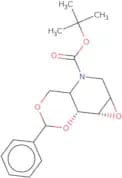

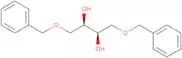

![Benzyl 2,3-O-[(1S,2S)-1,2-dimethoxy-1,2-dimethyl-1,2-ethanediyl]-4-nitrobenzoyl-a-L-xylopyranoside](/_next/image/?url=https%3A%2Fstatic.cymitquimica.com%2Fproducts%2F3D%2Fthumb-webp%2FMB16613.webp&w=3840&q=75)
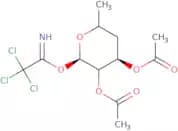
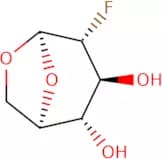
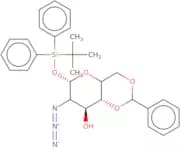

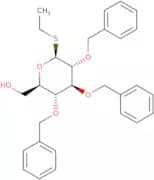
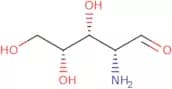


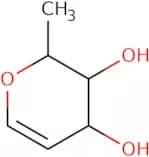
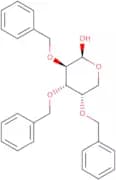

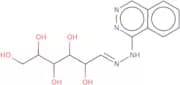
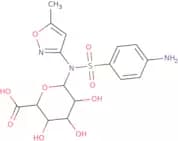
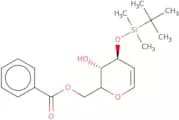

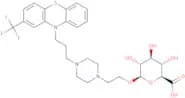
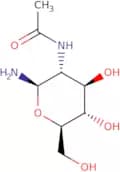
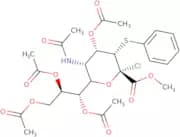

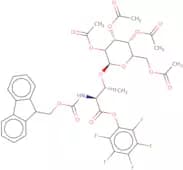
![3-[(2,3,4,6-Tetra-O-acetyl-b-D-galactopyranosyl)thio]-propanoic acid](/_next/image/?url=https%3A%2Fstatic.cymitquimica.com%2Fproducts%2F3D%2Fthumb-webp%2FMT04253.webp&w=3840&q=75)
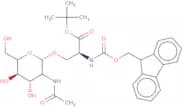
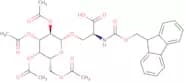

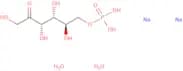
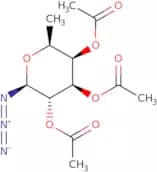
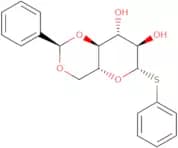
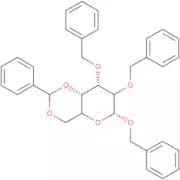
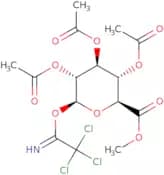

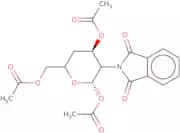


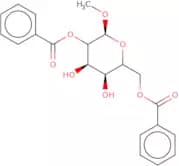
![5-Deoxy-1,2-O-isopropylidene-5-[(2R-pyridin-4-yl-pyrrolidine)-1-yl]-a-D-xylofuranose](/_next/image/?url=https%3A%2Fstatic.cymitquimica.com%2Fproducts%2F3D%2Fthumb-webp%2FMD07488.webp&w=3840&q=75)
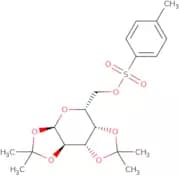
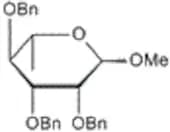
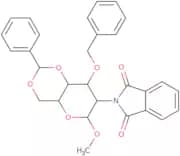
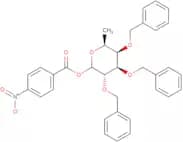
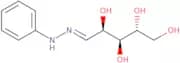
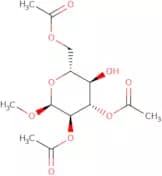
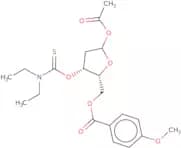
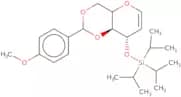
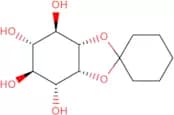


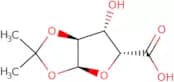
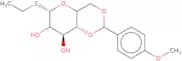
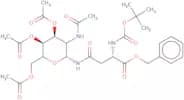
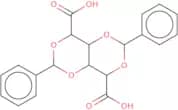

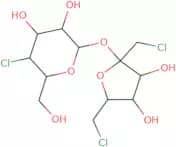
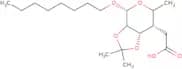
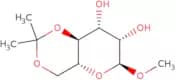
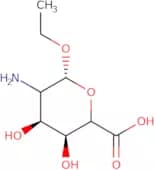


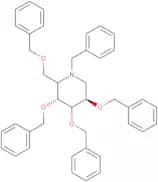

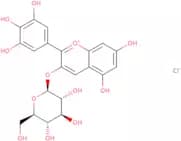

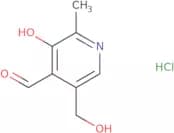

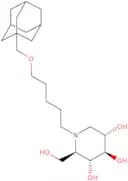
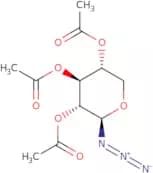


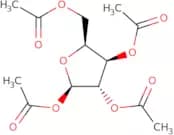
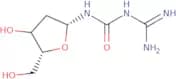
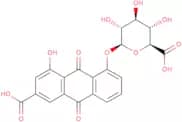
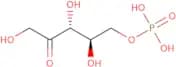
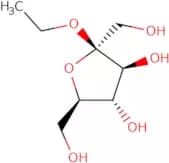

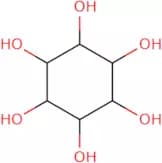
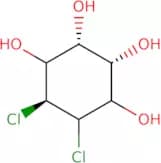
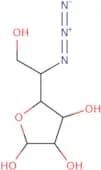


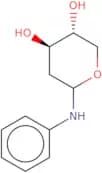


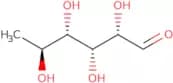
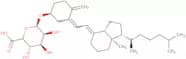
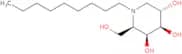
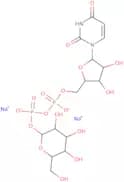

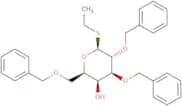
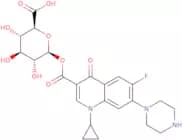
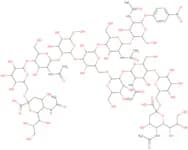
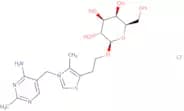
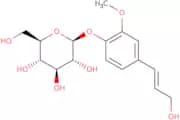
![D-[1-13C]Galacturonic acid potassium salt](/_next/image/?url=https%3A%2Fstatic.cymitquimica.com%2Fproducts%2F3D%2Fthumb-webp%2FMG28931.webp&w=3840&q=75)
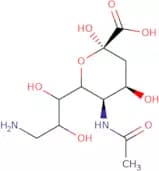
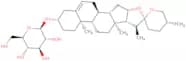

![D-[UL-13C6,15N]Glucosamine HCl](/_next/image/?url=https%3A%2Fstatic.cymitquimica.com%2Fproducts%2F3D%2Fthumb-webp%2FMG15630.webp&w=3840&q=75)

![L-[6-13C]Sorbose](/_next/image/?url=https%3A%2Fstatic.cymitquimica.com%2Fproducts%2F3D%2Fthumb-webp%2FMS35536.webp&w=3840&q=75)
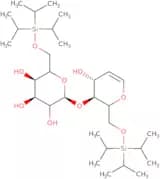
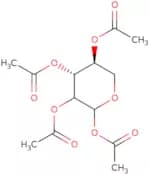
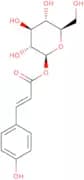
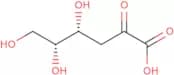
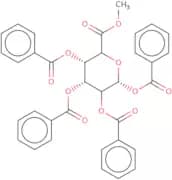
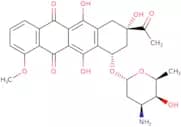
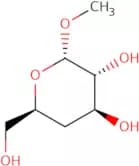
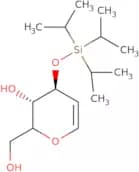

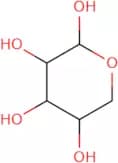
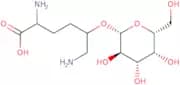
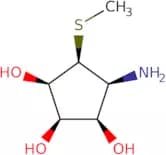
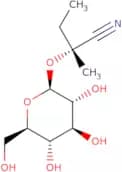


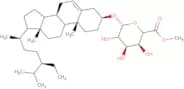

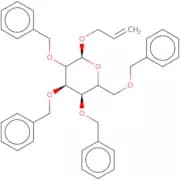
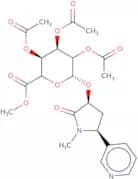
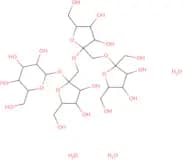



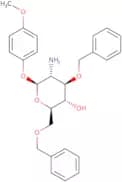


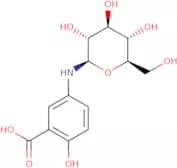
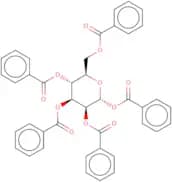

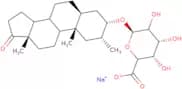


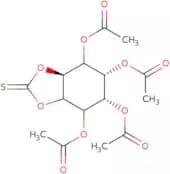
![N-[(e-Benzyloxycarbonylamino)caproyl]-b-L-fucopyranosylamine](/_next/image/?url=https%3A%2Fstatic.cymitquimica.com%2Fproducts%2F3D%2Fthumb-webp%2FMB04503.webp&w=3840&q=75)
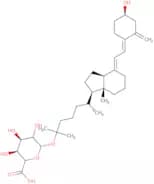


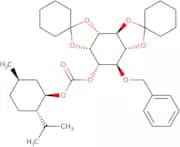
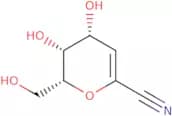

![Benzyl 2,3-O-[(1S,2S)-1,2-dimethoxy-1,2-dimethyl-1,2-ethanediyl]-b-D-arabinopyranoside](/_next/image/?url=https%3A%2Fstatic.cymitquimica.com%2Fproducts%2F3D%2Fthumb-webp%2FMB16615.webp&w=3840&q=75)


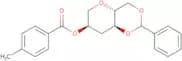
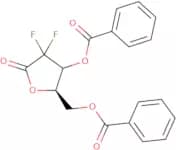
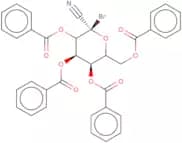
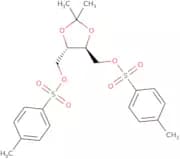


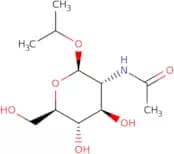
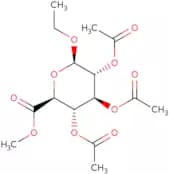
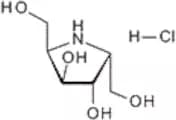

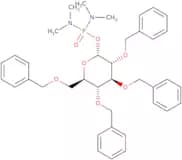


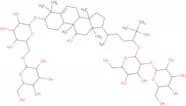

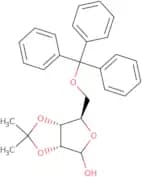
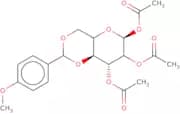
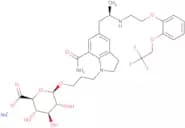
![5-(Acetylamino)-2,6-anhydro-3,4,5-trideoxy-4-[[(1,1-dimethylethoxy)carbonyl]amino]-D-glycero-D-gal…](/_next/image/?url=https%3A%2Fstatic.cymitquimica.com%2Fproducts%2F3D%2Fthumb-webp%2FMA58736.webp&w=3840&q=75)


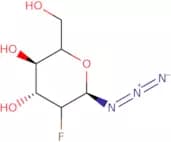
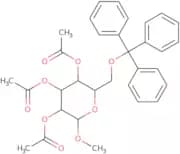
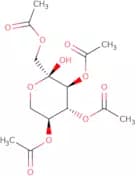
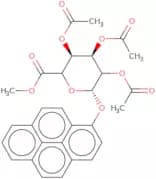
![2-Amino-a-D-ribofurano[1',2':4,5]oxazoline](/_next/image/?url=https%3A%2Fstatic.cymitquimica.com%2Fproducts%2F3D%2Fthumb-webp%2FMA01170.webp&w=3840&q=75)

