Monossacáridos
Subcategorias de "Monossacáridos"
- Aloses(11 produtos)
- Arabinoses(21 produtos)
- Eritroses(11 produtos)
- Frutoses(9 produtos)
- Fucoses(36 produtos)
- Galactosamina(41 produtos)
- Galactoses(261 produtos)
- Glucoses(365 produtos)
- Ácidos Glucurónicos(52 produtos)
- Glico-substratos para enzimas(78 produtos)
- Guloses(6 produtos)
- Idoses(4 produtos)
- Inositóis(15 produtos)
- Lixoses(4 produtos)
- Mannoses(65 produtos)
- O-Glicanos(48 produtos)
- Psicoses(3 produtos)
- Ramnoses(10 produtos)
- Riboses(61 produtos)
- Ácidos siálicos(100 produtos)
- Sorboses(4 produtos)
- Açúcares(173 produtos)
- Tagatoses(4 produtos)
- Taloses(8 produtos)
- Xiloses(20 produtos)
Foram encontrados 6088 produtos de "Monossacáridos"
L-Idaric acid 1,4-lactone
CAS:L-Idaric acid 1,4-lactone is a synthetic glycosylidic sugar that can be modified with fluorine compounds to create a variety of derivatives. It is used as a monomer in the synthesis of oligosaccharides, polysaccharides, and complex carbohydrates. L-Idaric acid 1,4-lactone can also be synthesized from methyl erythritol tetraacetate and glycerol in the presence of acetic anhydride.
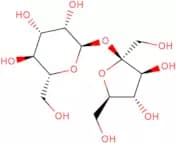
Fórmula:C6H8O7Pureza:Min. 98%Cor e Forma:White PowderPeso molecular:192.12 g/molMannosucrose
CAS:Mannosucrose (MS) is a natural sugar that is found in various plants, such as sugar cane and sugar beets. It is a disaccharide composed of two molecules of glucose linked by an alpha-1,2 glycosidic bond. Mannosucrose has been shown to have antioxidant properties and may be used as a functional sweetener for food products. This compound acts as a solute and can bind to the surface of the tongue's taste buds, which may result in its use as a microalgal particle to improve the taste of food products containing algae.
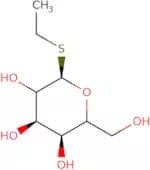
Mannosucrose also has been used as a model protein in order to study genetic mechanisms.Fórmula:C12H22O11Pureza:Min. 95%Peso molecular:342.3 g/molEthyl a-D-thiomannopyranoside
CAS:Ethyl a-D-thiomannopyranoside is an oligosaccharide that is synthesized by the methylation of a-D-mannopyranoside. This product is also known as 3,6-O-(2-acetamido)-a-D-glucopyranose, which is a type of saccharide. It has been fluorinated for use in structural studies. The modification of this product includes click chemistry and glycosylation to produce a complex carbohydrate with high purity and high molecular weight. The monosaccharides include glucose, galactose, and mannose. This product has been used as a synthetic sugar to produce oligosaccharides or polysaccharides.
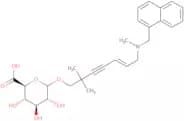
Fórmula:C8H16O5SPureza:Min. 95%Peso molecular:224.28 g/molHydroxyterbinafine b-D-glucuronide
CAS:Hydroxyterbinafine b-D-glucuronide is a synthetic monosaccharide that has been modified by the addition of a fluorine atom. Hydroxyterbinafine b-D-glucuronide is an oligosaccharide or polysaccharide, which is composed of at least two saccharides. It is obtained from the hydrolysis of methylated hydroxyterbinafine. This compound has been shown to have antiviral, antifungal and anticancer activities.
Fórmula:C27H33NO7Pureza:Min. 95%Peso molecular:483.57 g/molAlphadolone 21-b-D-glucuronide
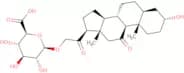
CAS:Alphadolone 21-b-D-glucuronide (ADG) is a synthetic compound that belongs to the group of carbohydrates. ADG is a sugar that has been modified with fluorination and methylation. It is also glycosylated and click modified. This product is custom synthesized for research purposes only.Fórmula:C27H40O10Pureza:Min. 95%Peso molecular:524.6 g/mol2-Deoxy-2-fluoro-D-[1-13C]glucose
CAS:2-Deoxy-2-fluoro-D-[1-13C]glucose is a pharmacopoeia that is used in the diagnosis of thyroid gland, myocardial ischemia and malignant tumors. It is also used for the study of glucose metabolism in the thyroid gland, cerebral cortex and myocardium. 2-Deoxy-2-fluoro-D-[1-13C]glucose binds to pyranose sugars and has been shown to be an effective agent in the treatment of malignant tumors. This drug has also been shown to inhibit glucose metabolism in the thyroid gland, cerebral cortex and myocardium.
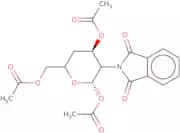
Fórmula:C6H11FO5Pureza:Min. 95%Peso molecular:183.14 g/mol1,3,6-Tri-O-acetyl-2,4-dideoxy-2-phthalimido-b-D-glucopyranose
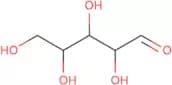
CAS:1,3,6-Tri-O-acetyl-2,4-dideoxy-2-phthalimido-b-D-glucopyranose is a modification of the sugar molecule. This product is a custom synthesis and can be used in research to synthesize complex carbohydrates. It is also a synthetic carbohydrate that has been fluorinated and saccharides have been methylated and glycosylated. It has CAS No. 1260591-45-4 and can be used as a monosaccharide or polysaccharide.Fórmula:C20H21NO9Pureza:Min. 95%Peso molecular:419.38 g/molD-Arabinose-5-13C
CAS:D-Arabinose-5-13C is a fluorinated monosaccharide that has been used in the synthesis of oligosaccharides and polysaccharides. It can be custom synthesized to meet customer specifications. D-Arabinose-5-13C is a white, crystalline powder that is soluble in water. This compound can be methylated or glycosylated for further modification.
Fórmula:C5H10O5Pureza:Min. 95%Peso molecular:151.12 g/molD-[UL-13C6,15N]Glucosamine HCl
D-[UL-13C6,15N]Glucosamine HCl is a complex carbohydrate that can be custom synthesized to order. It is a synthetic sugar that has been modified by Click chemistry. The synthesis of this product requires the use of fluorination and glycosylation reactions. This product can be used in a variety of applications including methylation, modification, or oligosaccharide synthesis. D-[UL-13C6,15N]Glucosamine HCl is also known as glucosamine hydrochloride and has CAS number 1088-96-4.Fórmula:C6H13NO5·HClPureza:Min. 95%Cor e Forma:White PowderPeso molecular:222.58 g/mol1-O-Methyl-β-D-galactopyranoside
CAS:1-O-Methyl-beta-D-galactopyranoside is a monosaccharide sugar, which is a natural product of the degradation of plant cell walls. It is found in the blood of humans and other animals. 1-O-Methyl-beta-D-galactopyranoside has been shown to be an important reactive oxygen species (ROS) scavenger, which can protect cells from oxidative damage by reacting with ROS and converting them into less harmful molecules. 1-O-Methyl-beta-D-galactopyranoside binds to lectins and oligosaccharides, which are carbohydrate structures on the surface of cells that are involved in cellular recognition. This binding process may lead to uptake of 1OmBG by cells, which may be due to its ability to form hydrogen bonds with the hydroxyl group on polysaccharides such as polysaccharides in the plasma membrane or glycoproteinsFórmula:C7H14O6Pureza:Min. 98.0 Area-%Peso molecular:194.19 g/molRef: 3D-M-3591
-Unit-kgkgA consultar1kgA consultar100gA consultar250gA consultar500gA consultar2500gA consultara-D-Glucosyl hesperidin
CAS:a-D-Glucosyl hesperidin is a water-soluble drug that has been shown to have antioxidant properties. It inhibits the activity of certain enzymes, such as phospholipase A2 and lipoxygenase, which are involved in inflammation. The compound has also been shown to inhibit cancer cells in vitro by inducing apoptosis and inhibiting cell proliferation. Glibenclamide, the active form of a-D-glucosyl hesperidin, is an orally active hypoglycemic agent used to treat diabetes mellitus type 2 and gestational diabetes. It works by stimulating insulin release from beta cells in the pancreas and promoting insulin sensitivity in peripheral tissues. This compound also inhibits annexin V binding to phosphatidylserine, which leads to apoptosis.
Fórmula:C34H44O20Pureza:75%Cor e Forma:Off-White To Yellow SolidPeso molecular:772.7 g/mol1,2,3,6-Tetra-O-benzoyl-a-D-talose
1,2,3,6-Tetra-O-benzoyl-a-D-talose is a modified sugar that can be used as a saccharide or oligosaccharide. It can be synthesized by the Click reaction with 1,2,3,6-tetra-O-benzoyl-D-talose and methyl iodide. The product can also be obtained from the reaction of methyl acetate with glycerol in the presence of hydrochloric acid. This compound has been shown to have good solubility and is available in high purity.Fórmula:C34H28O10Pureza:Min. 95%Peso molecular:596.58 g/molPBS 57
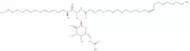
CAS:PBS 57 is a pluripotent cell-derived protein that has been shown to be a potent vaccine adjuvant. PBS 57 is derived from the plasma of pregnant women and contains the following antigenic determinants: glucose, human albumin, and human immunoglobulin G. PBS 57 can stimulate both humoral and cellular immunity in mice with deficiencies in antibody production or T cells. PBS 57 has also been shown to have strong pro-inflammatory cytokine activity, which may be due to its ability to induce galacturonic acid release from macrophages.Fórmula:C50H96N2O9Pureza:Min. 95%Peso molecular:869.31 g/mol1,2,3,4-Tetra-O-benzoyl-a-D-glucuronide methyl ester
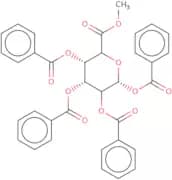
CAS:1,2,3,4-Tetra-O-benzoyl-a-D-glucuronide methyl ester is a synthetic compound that belongs to the class of complex carbohydrates. It has been custom synthesized and modified using glycosylation, methylation, and click chemistry. It is composed of one monosaccharide and four oligosaccharides linked together by O-glycosidic bonds. The carbohydrate moiety contains a benzoyl group attached to the 1 position on the glucose molecule through an ether linkage. This product is available in high purity (≥ 99%) at CAS No. 201789-32-4.Fórmula:C35H28O11Pureza:Min. 95%Peso molecular:624.59 g/molMethyl 2-deoxy-a-D-ribofuranoside diacetate
Methyl 2-deoxy-a-D-ribofuranoside diacetate is a custom synthesis that is used for modification of natural and synthetic saccharides. This compound can be fluorinated, methylated, or modified with the click reaction. It can also be used to synthesize oligosaccharides and polysaccharides. Methyl 2-deoxy-a-D-ribofuranoside diacetate has been used as a monosaccharide and in glycosylation reactions. The CAS number is 5892-77-8 and it has the molecular formula C11H19NO9.Pureza:Min. 95%D-Ribose-2-D
CAS:D-Ribose-2-D is a modified D-ribose sugar. It is an oligosaccharide that is a component of polysaccharides and glycosaminoglycans. The modification of this sugar includes methylation, glycosylation, and fluorination. This product has CAS No. 202480-69-1 and is synthesized in high purity with 98% purity.Fórmula:C5H10O5Pureza:Min. 95%Peso molecular:151.14 g/mol4'-Hydroxytrazodone b-D-glucuronide
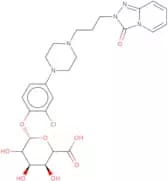
CAS:4'-Hydroxytrazodone b-D-glucuronide is a modification of the drug 4'-hydroxytrazodone, which is used to treat hypertension and depression. The modification prevents the degradation of 4'-hydroxytrazodone by glucuronyl transferase enzymes in the liver, prolonging its half-life. It is synthesized from the glycogen or starch of plants such as corn, wheat, or potatoes. This compound can also be found in natural sources such as honey and fruit juices.
Fórmula:C25H30ClN5O8Pureza:Min. 95%Peso molecular:564 g/mol1,6-Di-O-benzyl-a-D-glucopyranoside
1,6-Di-O-benzyl-a-D-glucopyranoside is an oligosaccharide that has been synthesized by the Click chemistry method. It is a polysaccharide with a high purity and an excellent yield. The product contains a single monosaccharide unit of D-glucose with a 1,6 glycosylation pattern. The product has undergone methylation and fluorination to produce the desired structure. 1,6-Di-O-benzyl-a-D-glucopyranoside has been shown to have antihypertensive effects in rats and is thought to be due to its ability to inhibit angiotensin II receptor activity.Pureza:Min. 95%D-Talose-1-13C
CAS:D-Talose-1-13C is a high purity, custom synthesis sugar that has been modified with fluorination and glycosylation. This product is a synthetic, methylated oligosaccharide with an average molecular weight of 635. It is a complex carbohydrate that contains 1 13C isotope and has the CAS number 70849-29-5.Fórmula:C6H12O6Pureza:Min. 95%Peso molecular:181.15 g/molD-Gluconic acid - 45-50% in water
CAS:D-Gluconic acid is a white or colorless crystalline powder that is soluble in water. It has a molecular weight of 144.1 g/mol and its chemical formula is C6H12O7. D-Gluconic acid can be used as an antimicrobial agent, which inhibits the growth of bacteria by disrupting the formation of cell walls and inhibiting protein synthesis. It also has biochemical properties such as glycol ether, wild-type strain, and enzyme activities. D-Gluconic acid is often used as an additive to food products to improve flavor, stability, and shelf life.
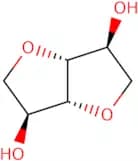
Fórmula:C6H12O7Pureza:Min. 95%Cor e Forma:PowderPeso molecular:196.16 g/mol1,4:3,6-Dianhydro-L-iditol
CAS:1,4:3,6-Dianhydro-L-iditol is a synthetic compound that is used in pharmaceutical preparations and tissue culture. It has been shown to inhibit the growth of bacteria such as Staphylococcus aureus and Mycobacterium tuberculosis in vitro assays. The synthesis of 1,4:3,6-dianhydro-L-iditol involves intramolecular hydrogenation of fatty acids with alkanoic acids and the use of solid catalysts.
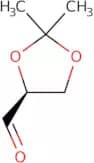
Fórmula:C6H10O4Pureza:Min. 95%Peso molecular:146.14 g/mol2,3-O-Isopropylidene-L-glyceraldehyde - 50% DCM solution
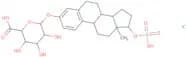
CAS:2,3-O-Isopropylidene-L-glyceraldehyde (2,3-OIPA) is a synthetic compound that was developed as an alternative to paraformaldehyde for the synthesis of enantiopure compounds. It has been used in metathesis reactions and catalysed the conversion of β-unsaturated ketones to enantiopure products. 2,3-OIPA also has significant cytotoxic activity against a range of human cancer cell lines. This compound can be used in asymmetric syntheses to produce chiral molecules with a high degree of optical purity.Fórmula:C6H10O3Pureza:Min. 95%Cor e Forma:Colorless PowderPeso molecular:130.14 g/molβ-Estradiol 3-(β-D-glucuronide) 17-sulfate dipotassium
CAS:β-Estradiol 3-(β-D-glucuronide) 17-sulfate dipotassium is a synthetic, nonsteroidal estrogen with a high affinity for the human estrogen receptor. It is used in the treatment of various types of breast cancer and as hormone replacement therapy. β-Estradiol 3-(β-D-glucuronide) 17-sulfate dipotassium is a part of the drug class selective estrogen receptor modulators (SERMs). The compound has been shown to have antiestrogenic activity through its ability to compete with estradiol for binding to the estrogen receptor. This compound also has some antiandrogenic effects and can inhibit sex hormone binding globulin (SHBG), leading to increased levels of free testosterone in blood plasma.Fórmula:C24H32O11S•K2Pureza:Min. 95%Peso molecular:606.77 g/molb-D-Galactopyranosyl nitromethane
CAS:b-D-Galactopyranosyl nitromethane is a high purity sugar with various modifications. It is custom synthesized to order and is available in various purity grades. This sugar can be modified by fluorination, glycosylation, methylation, or modification with oligosaccharides or monosaccharides. The CAS number for this sugar is 81846-64-2. b-D-Galactopyranosyl nitromethane High purity, Custom synthesis, sugar, Click modification, Fluorination, Glycosylation, Synthetic, Methylation, Modification, Oligosaccharide, Monosaccharide CAS No. 81846-64-2
Fórmula:C7H13NO7Pureza:Min. 95%Peso molecular:223.2 g/molD-Glucosamine-3,4,6-tri-O-sulphate trisodium salt
CAS:D-Glucosamine-3,4,6-tri-O-sulphate trisodium salt is a high purity and custom synthesis of D-glucosamine. It is a sugar with click modification and fluorination. It has CAS No. 157297-03-5 and it is synthesized from glycosylation, methylation, and modification. It has a molecular weight of 517.85 g/mol and the chemical formula C9H14N2O12S3NaO6. Glucosamine is an oligosaccharide that can be found in many complex carbohydrates such as chitin or cellulose.Fórmula:C6H10NO14S3Na3Pureza:Min. 95%Cor e Forma:PowderPeso molecular:485.31 g/molN-(Formylamidino)-N-b-D-ribofuranosylurea
CAS:Please enquire for more information about N-(Formylamidino)-N-b-D-ribofuranosylurea including the price, delivery time and more detailed product information at the technical inquiry form on this page
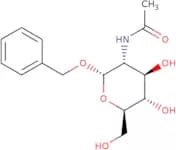
Fórmula:C8H14N4O6Pureza:Min. 95%Peso molecular:262.22 g/molBenzyl 2-acetamido-2-deoxy-α-D-glucopyranoside
CAS:Benzyl 2-acetamido-2-deoxy-α-D-glucopyranoside is a synthetic compound with a molecular weight of 342.45 g/mol. It is a white to pale yellow crystalline solid that is soluble in water and methanol. The chemical formula for this compound is C12H14N2O6 and its structural formula is represented as CH2(COOCH3)COOC8H11O6. The CAS number for this compound is 13343-62-9, and the IUPAC name for it is benzyl 2-(2-acetamido)-2,3,4,5,6-pentaacetoxy αDglucopyranoside. This compound has been used in methylation reactions and click chemistry applications due to its ability to form stable carbonyl bonds with other molecules. Benzyl 2-(2-acetamido)-2,3,4,5,6Fórmula:C15H21NO6Pureza:Min. 98 Area-%Cor e Forma:White PowderPeso molecular:311.33 g/molD-Fructose-1,6-diphosphate trisodium
CAS:D-Fructose-1,6-diphosphate trisodium salt (D-FDP) is an ATP precursor that is used to study the effects of D-FDP on energy metabolism in rat cardiomyocytes. The results from this study showed that D-FDP increased ATP levels and inhibited the accumulation of intracellular lactate. This compound also inhibits ventricular myocardial hypertrophy induced by pressure overload in animal experiments. In addition, D-FDP has been shown to inhibit the polymerase chain reaction (PCR) process and to be active at a concentration of 25 mM.Fórmula:C6H14O12P2•Na3Pureza:Min. 99 Area-%Cor e Forma:PowderPeso molecular:409.09 g/mola-Galactosylceramide
CAS:Ligand for human and mouse NKT cellsFórmula:C50H99NO9Pureza:Min. 95 Area-%Cor e Forma:White Slightly Yellow PowderPeso molecular:858.32 g/molMycophenolic acid acyl-b-D-glucoside
CAS:Metabolite of Mycophenolic acidFórmula:C23H30O11Pureza:Min. 95%Peso molecular:482.48 g/mol1-Deoxy-D-glucitol
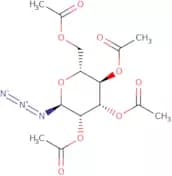
CAS:1-Deoxy-D-glucitol is a sugar alcohol that is a reduction product of glucose. It can be produced by the reduction of glucose 6-phosphate in muscle cells. The enzyme dehydrogenase catalyzes this reaction, which is influenced by the presence of gemini surfactants such as DMSO. 1-Deoxy-D-glucitol has been shown to have anti-fungal properties against Aspergillus parasiticus and other organisms. This activity may be due to its ability to inhibit phosphofructokinase, hexokinases, or other enzymes that are involved in the metabolism of glucose by these organisms.Fórmula:C6H14O5Pureza:Min. 95%Peso molecular:166.17 g/mol2,3,4,6-Tetra-O-acetyl-a-D-mannopyranosyl azide
CAS:2,3,4,6-Tetra-O-acetyl-a-D-mannopyranosyl azide is a crystalline solid that can be obtained by heating 2,3,4,6-tetra-O-acetyl-a-D-mannopyranose with sodium azide. This compound has been used in the x-ray crystallographic technique for obtaining electron density maps. The x ray data collected from this compound showed the distinct difference between the electron density of the atoms and their surroundings.Fórmula:C14H19N3O9Cor e Forma:PowderPeso molecular:373.32 g/molN-Oleoyl-N-methyltaurine sodium salt
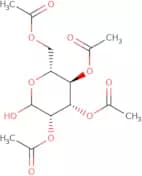
CAS:N-Oleoyl-N-Methyltaurine sodium salt is a glycol ether that has been shown to be an effective transport inhibitor for fatty acids. It inhibits the growth of bacteria and fungi by interfering with the cell membrane lipid synthesis. N-Oleoyl-N-Methyltaurine sodium salt also has anti-inflammatory properties, which may be due to its ability to inhibit prostaglandin synthesis.Fórmula:C21H40NO4S·NaPureza:Min. 30.00%Peso molecular:425.6 g/mol2,3,4,6-Tetra-O-acetyl-D-mannopyranose
CAS:2,3,4,6-Tetra-O-acetyl-D-mannopyranose is a stereoselective technique used for the production of trisaccharides. It is also an acetylated form of D-mannopyranose that is obtained by acetylation of D-mannopyranose with acetic anhydride in the presence of hydrochloric acid or pyridine. The compound can be obtained as either levorotatory or dextrorotatory isomers depending on whether the hydroxyl group or carbonyl group are in the axial position. 2,3,4,6-Tetra-O-acetyl-D-mannopyranose can be used as a substrate for enzyme preparations to produce aminoglycoside antibiotics such as hygromycin A. Acetylation increases the solubility and stability of this drug and reduces its toxicity to humansFórmula:C14H20O10Pureza:Min. 98 Area-%Cor e Forma:White PowderPeso molecular:348.3 g/mol1,2,3,4-Tetra-O-acetyl-β-D-glucuronide methyl ester
CAS:Building block for chemical modification of GlcU, including glucuronylation
Fórmula:C15H20O11Pureza:Min. 97 Area-%Cor e Forma:PowderPeso molecular:376.31 g/mol4-C-[[(Methylsulfonyl)oxy]methyl]-3-O-benzyl-1,2-di-O-acetyl 5-methanesulfonate D-erythro-pentofuranose
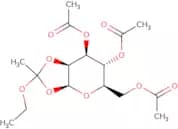
CAS:Methyl 4-C-[[(methylsulfonyl)oxy]methyl]-3-O-benzyl-1,2-di-O-acetyl 5-methanesulfonate D-erythro-pentofuranose is a methylated saccharide used in the synthesis of LNA amiditesFórmula:C19H26O12S2Pureza:Min. 95%Cor e Forma:PowderPeso molecular:510.53 g/mol3,4,6-Tri-O-acetyl-1,2-O-ethoxyethylidene-β-D-mannopyranose
CAS:3,4,6-Tri-O-acetyl-1,2-O-ethoxyethylidene-b-D-mannopyranose is a synthetic monosaccharide that is used as a substrate for the production of various oligosaccharides and polysaccharides. This substance can be fluorinated to produce 3,4,6-tri-O-(3′,5′ -difluoro) acetyl-1,2:5′,6′ -di(O—ethoxyethylidene)-b-D mannopyranose. It has been shown that methylation of the C1 position in this compound results in a variety of different compounds with different properties. In addition to its use as a substrate in organic synthesis, 3,4,6 triacetyl 1,2:5', 6'-di(O—ethoxyethylidene)-b D mannopyranose is alsoFórmula:C16H24O10Pureza:Min. 95%Peso molecular:376.36 g/molPseudaminic acid
Pseudaminic acid is a sugar molecule that is found in the cell walls of bacteria, where it provides structural support. It is synthesized enzymatically by transferring the terminal hydroxyl group from glucose-1-phosphate to glycerol-3-phosphate. Pseudaminic acid can be chemoenzymatically synthesized in a scalable manner and has been shown to inhibit the growth of infectious bacteria in biological studies. Structural studies have revealed that pseudaminic acid contains an hydroxyl group and two glycosidic bonds, which are formed between the carbon atom at position C2 and C6 of glucose. This molecule also has an ester linkage between C1 and C2 of mannose. Pseudaminic acid is biosynthesized through a series of reactions that involve phosphorylation, dephosphorylation, and oxidation. This molecule also participates in protein glycosylation as well as water molecules that hydrogen bondFórmula:C13H22N2O8Pureza:Min. 95%Cor e Forma:PowderPeso molecular:334.32 g/mol2-Acetamido-2-deoxy-D-glucopyranosyl serine
CAS:2-Acetamido-2-deoxy-D-glucopyranosyl serine is a compound that belongs to the class of coumarins and monosaccharides. It contains a nitro group and a heterocycle, making it a unique and versatile molecule. This compound has been studied for its various properties, including its interaction with liver microsomes and its ability to undergo crystallization. Additionally, 2-Acetamido-2-deoxy-D-glucopyranosyl serine has shown promising effects on TGF-beta activation and has been found to inhibit aldehyde formation in trichloroacetic acid solutions. This compound also exhibits interactions with other molecules such as pyrazine, ofloxacin, and famotidine. Its diverse characteristics make it an intriguing compound for further research and potential applications in various fields.Fórmula:C11H20N2O8Pureza:Min. 95%Cor e Forma:White PowderPeso molecular:308.29 g/mol6-Phosphogluconic acid trisodium
CAS:6-Phosphogluconic acid trisodium is a synthetic, non-natural glycosylation product that is used as a building block in the synthesis of complex carbohydrates. It can be fluorinated or methylated, and modified with a click reaction to produce various derivatives. The compound has been shown to have high purity and is readily available from commercial suppliers.Fórmula:C6H13O10P•Na3Pureza:Min. 95%Peso molecular:345.1 g/molDiosmetin-7-O-b-D-glucopyranoside
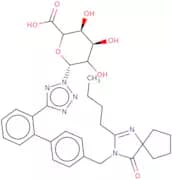
CAS:Diosmetin-7-O-b-D-glucopyranoside is a coumarin derivative that is found in the root of the Chinese herb Dioscorea tinctoria. It has been shown to have anti-inflammatory effects by inhibiting the expression of inflammatory genes, and it also has antioxidant properties. The chemical structure of diosmetin has been shown to be similar to protocatechuic acid, an important phenolic acid that can be found in wine and vinegar. Diosmetin has also been shown to inhibit mitochondrial apoptosis, which may contribute to its anti-cancer effects. Diosmetin has been shown to increase postprandial blood glucose levels in rats fed a high fat diet, and this effect may be due to its ability to inhibit peroxisome proliferator-activated receptor gamma (PPARγ) activity.Fórmula:C22H22O11Pureza:Min. 95%Cor e Forma:PowderPeso molecular:462.4 g/molIrbesartan N-b-D-glucuronide
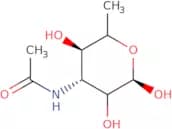
CAS:Irbesartan N-b-D-glucuronide is a complex carbohydrate that is a synthetic saccharide. It is an intermediate in the synthesis of irbesartan, which is an angiotensin II receptor antagonist. Irbesartan N-b-D-glucuronide has been shown to have antihypertensive properties, inhibiting the activity of the renin-angiotensin system and increasing blood flow to the kidneys. It also inhibits the growth of cancer cells. This compound can be custom synthesized for your specific needs and purities can be controlled to meet your specifications.Fórmula:C31H36N6O7Pureza:Min. 98 Area-%Cor e Forma:White PowderPeso molecular:604.65 g/mol3-Acetamido-3,6-dideoxy-D-galactose
CAS:3-Acetamido-3,6-dideoxy-D-galactose is a monosaccharide with two functional groups. It has been shown to be bifunctional and can act as a glycosyl donor or acceptor. 3-Acetamido-3,6-dideoxy-D-galactose was isolated from the type strain of Streptomyces venezuelae. It is also found in fatty acids and some strains of bacteria, such as Bacillus megaterium. The biological properties of 3-acetamido--3,6-dideoxy--D--galactose have been studied using monoclonal antibodies, magnetic resonance spectroscopy (MRS), and 13C nuclear magnetic resonance spectroscopy (NMR).
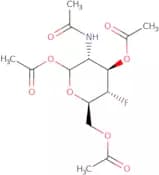
Fórmula:C8H15NO5Pureza:Min. 95%Cor e Forma:PowderPeso molecular:205.21 g/mol2-Acetamido-1,3,6-tri-O-acetyl-2,4-dideoxy-4-fluoro-D-glucopyranose
CAS:2-Acetamido-1,3,6-tri-O-acetyl-2,4-dideoxy-4-fluoro-D-glucopyranose is a high purity synthetic glycosylate with a custom synthesis. It is an oligosaccharide that has been modified for fluorination and methylation. This product is used as an intermediate in the production of complex carbohydrates.Fórmula:C14H20FNO8Pureza:Min. 95%Cor e Forma:PowderPeso molecular:349.31 g/molα-D-Mannopyranosyl amine
CAS:a-D-Mannopyranosyl amine is a synthetic product that is used as a sugar donor in glycosylation reactions. It can be custom synthesized to suit the needs of the customer. The chemical structure contains a methyl group and an oxygen atom, which are both in their highest oxidation state. This product is not intended for use as a food additive or dietary supplement.Fórmula:C6H13NO5Pureza:Min. 95%Peso molecular:179.17 g/molD-Glucose-6-phosphate barium hepthydrate
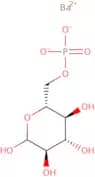
CAS:D-Glucose-6-phosphate barium salt is a custom synthesis that is prepared by modification of D-glucose with phosphoric acid, fluorination, methylation, and monosaccharide. This compound is a synthetic carbohydrate that belongs to the category of oligosaccharides and polysaccharides. It has a molecular weight of 583.12 g/mol and an empirical formula of C7H8O10P2Ba. The CAS number for this compound is 150400-00-3.Fórmula:C6H11BaO9P•(H2O)7Pureza:Min. 95%Cor e Forma:PowderPeso molecular:521.55 g/mol2,5-Anhydro-1,3-O-isopropylidene-6-O-trityl-D-glucitol
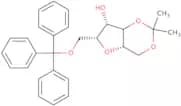
CAS:2,5-Anhydro-1,3-O-isopropylidene-6-O-trityl-D-glucitol is a complex carbohydrate that is synthesized by the modification of glucose. This product has been modified with methylation and glycosylation. 2,5-Anhydro-1,3-O-isopropylidene-6-O-trityl--D--glucitol is a white powder that is soluble in water and ethanol. It can be used for fluoroquinolone resistance studies, which are important for developing new antibiotics to combat bacterial infections.Fórmula:C28H30O5Pureza:Min. 95%Peso molecular:446.53 g/mol2-Acetamido-3,4,6-tri-O-acetyl-1-O-[(N-Cbz-aminoethoxy)ethoxy]-2-deoxy-β-D-galactopyranose
CAS:2-Acetamido-3,4,6-tri-O-acetyl-1-O-[(N-Cbz-aminoethoxy)ethoxy]-2-deoxy-b-D-galactopyranose is a custom synthesis of a complex carbohydrate. It is a polysaccharide that contains fluorine and has been modified with methylation, glycosylation, click modification, and polysaccharide modifications. 2-Acetamido-3,4,6-tri-O -acetyl -1 -O-[(N -Cbz -aminoethoxy)ethoxy] -2 deoxy b D galactopyranose is also known as CAS No. 1261568 35 7 and it's molecular weight is 546.81 g/mol.Fórmula:C26H36N2O12Pureza:Min. 95%Peso molecular:568.57 g/molD-Gluconic acid sodium salt
CAS:D-Gluconic acid sodium salt is a glycol ether that is used as an injection solution. It has been shown to have antibacterial efficacy against wild-type strains of bacteria such as Escherichia coli, Pseudomonas aeruginosa, and Staphylococcus aureus. The in vitro antimicrobial action of D-gluconic acid sodium salt was found to be due to its ability to inhibit bacterial growth by interfering with the synthesis of DNA. D-Gluconic acid sodium salt also has been shown to have antihypertensive effects in rats through the inhibition of angiotensin II type 1 receptor (AT1) signaling pathway and erythrocyte proliferation. This drug also has been shown to bind benzalkonium chloride and x-ray diffraction data show that it is crystalline in nature. The analytical method for determining the concentration of D-gluconic acid sodium salt is by electrochemical impedance
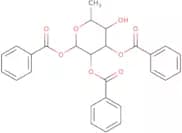
Fórmula:C6H11NaO7Pureza:Min. 95%Cor e Forma:White PowderPeso molecular:218.14 g/mol1,2,3-Tri-O-benzoyl-α-L-fucopyranose
CAS:1,2,3-Tri-O-benzoyl-a-L-fucopyranose is a synthetic, fluorinated monosaccharide that can be synthesized from D-glucose in two steps. It is a useful building block for the synthesis of oligosaccharides and polysaccharides with different glycosylation patterns. This compound has been shown to react with methyl iodide to form 1,2,3-triiodo-a-L-fucopyranose. It has also been used as a click modification reagent for carbohydrates.Fórmula:C27H24O8Pureza:Min. 95%Peso molecular:476.47 g/mol


![2-Deoxy-2-fluoro-D-[1-13C]glucose](/_next/image/?url=https%3A%2Fstatic.cymitquimica.com%2Fproducts%2F3D%2Fthumb-webp%2FMD45025.webp&w=3840&q=75)
![D-[UL-13C6,15N]Glucosamine HCl](/_next/image/?url=https%3A%2Fstatic.cymitquimica.com%2Fproducts%2F3D%2Fthumb-webp%2FMG15630.webp&w=3840&q=75)












![4-C-[[(Methylsulfonyl)oxy]methyl]-3-O-benzyl-1,2-di-O-acetyl 5-methanesulfonate D-erythro-pentofur…](/_next/image/?url=https%3A%2Fstatic.cymitquimica.com%2Fproducts%2F3D%2Fthumb-webp%2FMM76880.webp&w=3840&q=75)



![2-Acetamido-3,4,6-tri-O-acetyl-1-O-[(N-Cbz-aminoethoxy)ethoxy]-2-deoxy-β-D-galactopyranose](/_next/image/?url=https%3A%2Fstatic.cymitquimica.com%2Fproducts%2F3D%2Fthumb-webp%2FMA137616.webp&w=3840&q=75)