Sais metálicos
Nesta seção, você pode encontrar vários sais metálicos, que são compostos caracterizados por conter átomos metálicos e não metálicos. Essencialmente, os sais metálicos são compostos por cátions que são um ou mais átomos metálicos. Esses sais desempenham um papel crucial em inúmeras reações e aplicações químicas, servindo como catalisadores, reagentes ou intermediários em vários processos industriais e de pesquisa. Na CymitQuimica, oferecemos uma ampla seleção de sais metálicos de alta qualidade para atender às suas necessidades de pesquisa e industriais, garantindo desempenho confiável e eficaz em suas aplicações.
Foram encontrados 2870 produtos de "Sais metálicos"
Ordenar por
Pureza (%)
0
100
|
0
|
50
|
90
|
95
|
100
N-Acetoacetylcresidine sulfonic acid sodiumsalt
CAS:<p>Please enquire for more information about N-Acetoacetylcresidine sulfonic acid sodiumsalt including the price, delivery time and more detailed product information at the technical inquiry form on this page</p>Fórmula:C12H14NNaO6SPureza:Min. 95%Peso molecular:323.3 g/molLithium carbonate
CAS:Produto Controlado<p>Lithium carbonate is a salt that contains lithium and carbonate ions. It is used as a mood stabilizer, primarily to treat bipolar disorder. Lithium carbonate is available in three different concentrations: lithium carbonate 5% (Li2CO3), lithium carbonate 10% (Li2CO3), and lithium carbonate 15% (Li2CO3). The optimum concentration of lithium carbonate for the treatment of bipolar disorder is 10%. Lithium has been shown to increase the activity index in combination therapy groups with either mianserin hydrochloride or carbamazepine. Electrochemical impedance spectroscopy has also been used to measure the effect of lithium on human body mass index (BMI).</p>Fórmula:CLi2O3Pureza:Min. 95%Peso molecular:73.89 g/molMethotrexate disodium
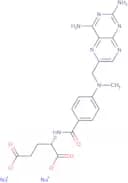
CAS:<p>Methotrexate is a drug that suppresses the immune system by inhibiting the production of white blood cells. It is used in the treatment of a number of diseases, including some cancers and autoimmune diseases such as rheumatoid arthritis and psoriasis. Methotrexate is metabolized to its active form, methotrexate, by an enzyme called dihydrofolate reductase (DHFR). The DHFR inhibitor activity of methotrexate blocks the synthesis of folate-dependent enzymes and prevents DNA synthesis in rapidly dividing cells. Methotrexate has been used in combination with other drugs to treat cancer. Methotrexate has also been shown to have antifungal properties against opportunistic fungal infections.</p>Fórmula:C20H20N8Na2O5Pureza:Min. 95%Cor e Forma:PowderPeso molecular:498.4 g/molBis(cyclopentadienyl)titanium (IV) dichloride
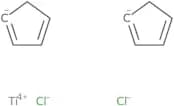
CAS:<p>Bis(cyclopentadienyl)titanium (IV) dichloride is a cationic polymerization catalyst that has been used to produce polyolefins with high molecular weights. It is also an important component of solid catalysts for the production of butadiene and styrene. Bis(cyclopentadienyl)titanium (IV) dichloride is a potent carcinogen in animals and is mutagenic in bacteria. It has been shown to cause cancer in animal models, and has been shown to be mutagenic in bacterial mutation assay tests. Bis(cyclopentadienyl)titanium (IV) dichloride reacts with dimethylformamide and aromatic hydrocarbons to produce photochemical properties that can lead to skin irritation or sensitization. This compound also has hydroxyl groups, which can react with oxidants such as chlorine gas to form chlorohydrins, which are toxic compounds that may be carcinogenic.</p>Fórmula:C10H10TiCl2Pureza:Min. 95%Cor e Forma:Red Clear LiquidPeso molecular:248.96 g/molCobalt sulfate heptahydrate
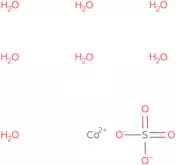
CAS:<p>Cobalt sulfate heptahydrate is an inorganic compound that is used as a pigment and a catalyst. It has been shown to be carcinogenic in vivo and in vitro. Cobalt sulfate heptahydrate appears to have carcinogenic activity, producing high values in the electrochemical impedance spectroscopy (EIS) spectrum of human serum. The carcinogenicity of cobalt sulfate heptahydrate was demonstrated by the induction of liver tumors in rats and mice, with no evidence of a threshold dose.</p>Fórmula:CoSO4•(H2O)7Pureza:Min. 95%Cor e Forma:PowderPeso molecular:281.1 g/molBis(dibenzylideneacetone)palladium(0)
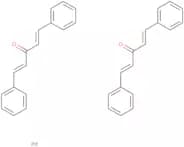
CAS:<p>Bis(dibenzylideneacetone)palladium(0) (Pd 2 (dba)) is a reactive metal complex that can be used to synthesize allyl compounds. The Pd 2 (dba) complex has been shown to have potential as an anti-infective agent for the treatment of infectious diseases. It has been reported that Pd 2 (dba) has a high resistance to halides, hydrochloric acid, and electrochemical impedance spectroscopy.</p>Fórmula:C34H28O2PdPureza:Min. 95%Peso molecular:575 g/molTetrabromophenol blue sodium salt
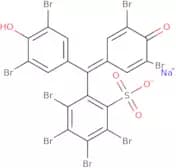
CAS:<p>Tetrabromophenol blue sodium salt is a dye that is used as an additive in the production of vinyl alcohol polymer films. Tetrabromophenol blue sodium salt can be used to measure albumin concentration and postexposure by adding phenyl groups to the molecule. The color of tetrabromophenol blue sodium salt changes upon exposure to radiation, which makes it useful for diagnostic purposes. It also has a hydrocarbon group that transforms into an insoluble form when exposed to evaporation, making it useful for titration methods. Tetrabromophenol blue sodium salt is relatively stable and labile in nature, making it susceptible to techniques such as pyrolysis, oxidation, or reduction.</p>Fórmula:C19H5Br8NaO5SPureza:Min. 95%Peso molecular:1,007.53 g/mol(Trifluoromethylthio) Silver(I)
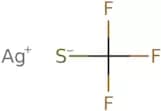
CAS:<p>(Trifluoromethylthio) silver(I) is an efficient method for the synthesis of chiral, functionalized organosulfur compounds. It is prepared by the trifluoromethylthiolation of aryl acetonitriles in the presence of persulfate and a radical coupling agent. The reaction time can be adjusted to suit the desired product, with shorter times producing more complex molecules. This compound can be used as a nucleophile in organic reactions, including sulfide activation reactions.</p>Fórmula:CHAgF3SPureza:Min. 95%Peso molecular:209.95 g/mol2-Hydroxy-3-mercapto-1-propanesulfonic acid sodium salt
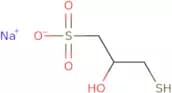
CAS:<p>2-Hydroxy-3-mercapto-1-propanesulfonic acid sodium salt (2HMP) is a diagnostic agent that can be used for the detection of bacterial infections. The conformational properties of 2HMP are similar to those of ATP, which allows it to bind to the polymerase chain reaction enzyme and initiate an enzymatic reaction. This leads to the production of a signal that can be detected by spectrophotometry or fluorometry. 2HMP has also been shown to have chemokine activity in vitro, but this has not been tested in vivo. 2HMP is a competitive inhibitor of human protein serine proteases, such as trypsin and chymotrypsin, with an IC50 value of approximately 1 μM.</p>Fórmula:C3H7NaO4S2Pureza:Min. 95%Peso molecular:194.2 g/molSodium dibutylnaphthalenesulphonate
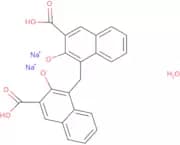
CAS:<p>Sodium dibutylnaphthalenesulphonate is a stabilizer that reacts with fatty acids, dialkyl phosphates, and growth regulators to form insoluble particles. It has been found to be particularly effective in the treatment of plant diseases caused by fungi. Sodium dibutylnaphthalenesulphonate has been shown to stabilize active substances and bioactive substances, such as organic acids and oxime derivatives. These compounds are used in a variety of applications, such as pharmaceuticals, pesticides, herbicides, food additives, and cosmetics.</p>Fórmula:C18H24O3S•NaPureza:60 To 65%Cor e Forma:PowderPeso molecular:343.43 g/molPamoic acid disodium salt monohydrate
CAS:<p>Pamoic acid is a disodium salt of p-aminobenzoic acid. It is an excipient that is considered safe for use in food and pharmaceuticals. Pamoic acid has been used as a preservative and an antioxidant. It prevents the oxidation of fats, oils, and other lipids by reacting with them to form stable compounds. The most common use of pamoic acid is as an anti-spasmodic drug to manage colitis, although it also has been used to treat seizures and spasticity in people with nervous system diseases. Pamoic acid can be used in combination with benzalkonium chloride as a preservative for injectable drugs such as antibiotics or chemotherapy agents. When combined with benzalkonium chloride, pamoic acid acts as a sweetener and particle size modifier.</p>Fórmula:C23H14O6·2Na·H2OPureza:Min. 95%Cor e Forma:SolidPeso molecular:450.35 g/molDichloro(pentamethylcyclopentadienyl)iridium(III) dimer
CAS:<p>Dichloro(pentamethylcyclopentadienyl)iridium(III) dimer (DCPI) is a synthetic ligand that can be used in biomolecular and chemical applications. DCPI has been shown to be stable in the presence of chloride, which is needed for many catalytic reactions. This compound has high activity as a transfer agent and is also able to transfer amines and cyclic compounds. DCPI can be used in fluorescence-based assays, due to its strong fluorescence emission.</p>Fórmula:C20H30Cl4Ir2Pureza:Min. 95%Cor e Forma:PowderPeso molecular:796.7 g/molγ-Polyglutamic acid sodium - MW 800-1500
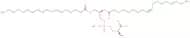
CAS:<p>Polymer of glutamic acid</p>Fórmula:(C5H9NO3)nPureza:Min. 95%Cor e Forma:PowderL-α-Phosphatidylserine sodium, porcine brain
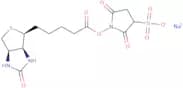
CAS:<p>L-alpha-Phosphatidylserine sodium salt, derived from porcine brain, is a research chemical that has shown promising potential in various fields. It has been studied for its role in HIV-1 infection, where it has been found to inhibit the fusion of the virus with host cells. Additionally, L-alpha-Phosphatidylserine sodium salt has shown positive effects on spermatozoa motility and fertility. In cancer research, L-alpha-Phosphatidylserine sodium salt has been investigated for its ability to enhance the efficacy of certain anti-cancer drugs. It is believed to work by increasing the uptake of these drugs into cancer cells, thereby improving their effectiveness. This compound also plays a role in neurological health. It is involved in the synthesis of steroidal hormones and neurotransmitters such as dopamine. Studies have suggested that L-alpha-Phosphatidylserine sodium salt may support cognitive function and memory. Furthermore, L-alpha-Ph</p>Pureza:Min. 95%Biotin 3-sulfo-N-hydroxysuccinimide ester sodium salt
CAS:<p>Biotin 3-sulfo-N-hydroxysuccinimide ester sodium salt (BSHES) is a reactive molecule that can be used as a pharmacological agent. It has been shown to have biological properties in vivo models and in vitro cell lysis experiments. BSHES has also been shown to bind to the receptor molecule epidermal growth factor, which may account for its toxicity. In addition, this drug has been shown to bind dna binding domains, such as streptavidin or monoclonal antibodies. This drug is often used experimentally with an apical electrochemical impedance spectroscopy model.</p>Fórmula:C14H19N3S2O8NaPureza:Min. 95%Cor e Forma:White PowderPeso molecular:444.44 g/molCesium bicarbonate
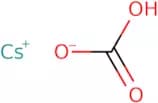
CAS:<p>An inorganic cesium salt</p>Fórmula:CsHCO3Pureza:Min. 95%Cor e Forma:PowderPeso molecular:193.92 g/molSodium 2,2,2-trifluoroethanolate
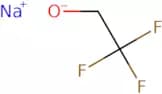
CAS:<p>Sodium 2,2,2-trifluoroethanolate is a fluorinated alcohol. It is used as an animal health drug and has been shown to have a significant inhibitory effect on the growth of bacteria. The reaction intermediate for this compound is trifluoroacetic acid, which can be formed from sodium and hydrogen fluoride in the presence of ethylene glycol. This molecule also reacts with nitrosyl chloride to form a nitrogen-containing product. Sodium 2,2,2-trifluoroethanolate has been shown to be active against both Gram-positive and Gram-negative bacteria. The FTIR spectra for this compound shows that it has two sets of absorption bands at 3,200 cm−1 (due to C–H stretching) and 3,000 cm−1 (due to C=C stretching).</p>Fórmula:C2H2F3NaOPureza:Min. 95%Cor e Forma:PowderPeso molecular:122.02 g/molSodiumbenzotriazole
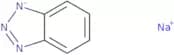
CAS:<p>Sodiumbenzotriazole is an organic compound with the chemical formula C6H4N3Na. Sodiumbenzotriazolate has been shown to be active against infectious diseases caused by bacteria, such as Streptococcus pyogenes and Neisseria meningitidis. It also has been shown to have anti-inflammatory properties in mice with collagen-induced arthritis, as well as inhibitory effects on inflammatory diseases such as Crohn's disease and colitis. The mechanism of action for these effects may be due to its ability to act as a metal chelator and scavenger of reactive oxygen species.</p>Fórmula:C6H4N3NaPureza:Min. 95%Cor e Forma:Clear LiquidPeso molecular:141.11 g/mol2-Hydroxyethanesulfonic acid sodium salt
CAS:<p>2-Hydroxyethanesulfonic acid sodium salt is a drug that is used to treat metabolic disorders such as cystinuria and hyperchloremic metabolic acidosis. It is also used for the treatment of water-vapor related respiratory problems and cataracts, as well as for the prevention of renal stone formation. This drug is made through electrochemical impedance spectroscopy of taurine in reaction solution with phosphorus pentoxide. 2-Hydroxyethanesulfonic acid sodium salt has been shown to increase locomotor activity in rats by improving their biochemical properties. This compound binds to the chloride ion receptor site on the Na+/K+ ATPase, causing an inhibition of the enzyme's function.</p>Fórmula:C2H5O4S·NaPureza:Min. 95%Cor e Forma:White PowderPeso molecular:148.11 g/molAtorvastatin sodium
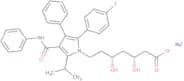
CAS:<p>HMG-CoA reductase antagonist</p>Fórmula:C33H35FN2O5•NaPureza:Min. 95%Cor e Forma:PowderPeso molecular:581.63 g/molSodium selenite
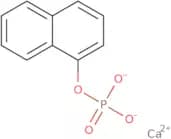
CAS:<p>Sodium selenite is an inorganic chemical compound that is a byproduct of the refining process of crude oil. It is used as a dietary supplement and in clinical studies for inflammatory bowel disease. Sodium selenite is a strong reducing agent because it has a redox potential of -1.5 V, which can cause genotoxic effects in cells with low antioxidant defenses. The pro-oxidant effect may be due to its ability to generate reactive oxygen species, such as hydrogen peroxide and hydroxyl radicals. It also exhibits antimicrobial activity against bacteria, fungi, and yeast.</p>Fórmula:Na2SeO3Pureza:Min. 95%Cor e Forma:PowderPeso molecular:174.95 g/mol1-Naphthylphosphoric acid calcium
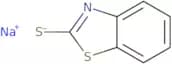
CAS:<p>1-Naphthylphosphoric acid calcium salt (1NPAC) is a fine chemical that has been used as a building block in the synthesis of complex organic compounds. 1NPAC has been shown to be useful in the production of research chemicals and speciality chemicals. It is also employed as an intermediate for the production of high quality reagents. 1NPAC has versatile uses, as it can be used to synthesize other compounds, such as pharmaceuticals and agrochemicals.</p>Fórmula:C20H18O8P2•CaPureza:Min. 95%Cor e Forma:PowderPeso molecular:488.38 g/molSodium 2-mercaptobenzothiazole - 50% aqueous solution
CAS:<p>2-Mercaptobenzothiazole is a white crystalline powder that is soluble in water and insoluble in organic solvents. It has an odor threshold of 1.5 ppm and a melting point of 158°C. 2-Mercaptobenzothiazole is used as an absorption enhancer for ultraviolet light, infrared radiation, or X-rays. It is also used to improve the efficiency of chemical reactions, such as the synthesis of polyurethane resins and other polymers. The most common application for 2-mercaptobenzothiazole is as a cationic surfactant, which is often used in textile processing and oil refining. This compound can be prepared by reacting sodium carbonate with hydrochloric acid and glycol ether, followed by the addition of water vapor to produce hydrogen chloride gas.<br>2-Mercaptobenzothiazole can be synthesized using a liquid chromatography method with electrochemical impedance spectroscopy (</p>Fórmula:C7H4NNaS2Pureza:Min. 95%Cor e Forma:Yellow To Brown LiquidPeso molecular:189.24 g/molSodium stearate
CAS:<p>Sodium stearate is a sodium salt that is commonly used as a surfactant and emulsifying agent in the food industry. The drug interactions with sodium stearate are not well known, but it has been shown to have an effect on fetal bovine serum (FBS) cell viability at concentrations above 10%. Sodium stearate typically shows a thermal expansion of 5–6% per degree Celsius. It is also used in conjunction with CO2 flow to produce anhydrous sodium carbonate and sodium bicarbonate. Sodium stearate can be found in foods such as margarine, shortening, and baking powder. It also has metabolic effects such as promoting the production of insulin and reducing blood sugar levels. It has also been shown to inhibit tumor growth in bone cancer cell lines.</p>Fórmula:C18H35NaO2Pureza:Min. 95%Cor e Forma:White/Off-White SolidPeso molecular:306.46 g/molSodium methylarsonate - 50% aqueous solution
CAS:<p>Sodium methylarsonate is a monosodium salt of the hydroxypicolinic acid. It is an experimental model for studies on polymerase chain reaction (PCR) and has been shown to have significant cytotoxicity in vitro. The toxicological profile of this substance has been studied in rodents, where it was found to have a low toxicity level. Sodium methylarsonate was found to be carcinogenic in mice and rats, but not in hamsters. Picolinic acid, which is produced by the metabolic activation of sodium methylarsonate, may be responsible for its carcinogenic properties. The analytical method used for this substance is high-pressure liquid chromatography with mass spectrometry detection.</p>Fórmula:CH4AsNaO3Pureza:Min. 95%Cor e Forma:Clear LiquidPeso molecular:161.95 g/molBis(N-butylcyclopentadienyl)zirconiumdichloride
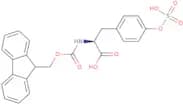
CAS:<p>Please enquire for more information about Bis(N-butylcyclopentadienyl)zirconiumdichloride including the price, delivery time and more detailed product information at the technical inquiry form on this page</p>Fórmula:C18H26Cl2ZrPureza:Min. 95%Peso molecular:404.53 g/molFmoc-Tyr(SO3H)-OH barium salt
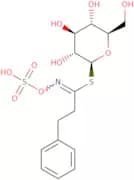
CAS:<p>Please enquire for more information about Fmoc-Tyr(SO3H)-OH barium salt including the price, delivery time and more detailed product information at the technical inquiry form on this page</p>Fórmula:C24H21NO8SPureza:Min. 95%Peso molecular:483.49 g/molPhenethyl glucosinolate potassium salt
CAS:<p>Phenethyl glucosinolate potassium salt is a compound found in plants belonging to the Brassicaceae family. It has been shown to be highly toxic to larvae of the cabbage butterfly and other insects that feed on brassica plants. Phenethyl glucosinolate potassium salt has been shown to inhibit the development of these insects, probably by inhibiting protein synthesis in the insect's gut. The major sulfur-containing compound in this product is gluconasturtiin, which has been shown to inhibit growth of pekinensis at high temperatures. This compound also inhibits radiation-induced DNA damage and does not show significant effects on nonsignificant organisms such as yeast and mold.</p>Fórmula:C15H20NO9S2KPureza:Min. 95%Cor e Forma:PowderPeso molecular:461.55 g/molLithium ionophore VI
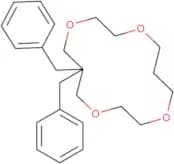
CAS:<p>Lithium ionophore VI is a polyvinyl chloride that contains valinomycin, a metal ion, and an organic solvent. It is used in pharmaceutical formulations as an ionophore. Lithium ionophore VI has been shown to have membrane potential-dependent transfer reactions in human serum and with the use of hydrophobic organic solvents such as chloroform and acetone. This compound can be used for calibration of analytical chemistry instruments by using it as a standard for the pH value of solutions.</p>Fórmula:C24H32O4Pureza:Min. 95%Peso molecular:384.51 g/molε-Maleimidocaproic acid-(2-nitro-4-sulfo)-phenyl ester·sodium salt
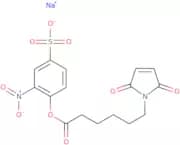
CAS:<p>Epsilon-Maleimidocaproic acid-(2-nitro-4-sulfo)-phenyl ester·sodium salt (EMAP) is a crosslinker that belongs to the group of heterobifunctional reagents. It has been used to conjugate monoclonal antibodies with other molecules, such as toxins. EMAP is activated by the dianion generated by protonation of the nitro groups on the phenyl ring and reacts with free amines or thiols in proteins. EMAP can be used for labeling immunotoxins for diagnostic use, maximizing detection sensitivity, and crosslinking DNA molecules for use in molecular cloning experiments.</p>Fórmula:C16H15N2NaO9SPureza:Min. 95%Peso molecular:434.35 g/molBispyribac sodium
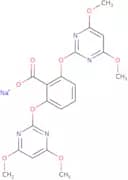
CAS:Produto Controlado<p>Bispyribac sodium is a herbicide that belongs to the triazolopyrimidine class. It inhibits plant growth by inhibiting photosynthesis. Bispyribac sodium has been shown to be effective against the following plants: Triticum aestivum, eclipta prostrata, and cationic surfactant when applied at a concentration of 0.5 kg/ha. This herbicide is not active against plants with a neutral pH, such as corn and soybeans. The herbicide does not inhibit the enzyme activities in plants with an acidic pH, such as rice and wheat.</p>Fórmula:C19H17N4NaO8Pureza:Min. 95%Cor e Forma:PowderPeso molecular:452.35 g/mol[4,4'-Di-t-butyl-2,2'-bipyridine][bis[5-(t-butyl)-2-[4-(t-butyl)-2-pyridinyl-kN]phenyl-kC]iridium(III) hexafluorophosphate
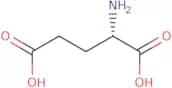
CAS:<p>Please enquire for more information about [4,4'-Di-t-butyl-2,2'-bipyridine][bis[5-(t-butyl)-2-[4-(t-butyl)-2-pyridinyl-kN]phenyl-kC]iridium(III) hexafluorophosphate including the price, delivery time and more detailed product information at the technical inquiry form on this page</p>Fórmula:C56H72F6IrN4PPureza:Min. 95%Peso molecular:1,138.38 g/molSodium L-glutamate
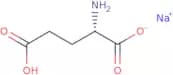
CAS:<p>Glutamate is the most abundant amino acid in the body and plays an important role in metabolism, brain function, and immune function. It is involved in many biochemical reactions and has been found to be associated with liver lesions, thermal expansion, and brain functions. Glutamate also has a role in diseases such as Huntington's disease, amyotrophic lateral sclerosis (ALS), and Parkinson's disease. Furthermore, glutamate is used as a neurotransmitter that regulates the central nervous system. The treatment of diseases can be done through glutamate replacement therapy or by inhibiting glutamate receptors. Glutamate levels in human serum have been shown to increase when blood sampling is taken from individuals with metabolic disorders. Results show high values for glutamate levels in human serum samples collected from patients with metabolic disorders.</p>Fórmula:C5H9NO4•NaPureza:Min. 95%Cor e Forma:PowderPeso molecular:170.12 g/molH-Cys(SO3H)-OH sodium salt
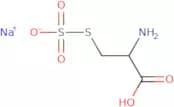
CAS:<p>Please enquire for more information about H-Cys(SO3H)-OH sodium salt including the price, delivery time and more detailed product information at the technical inquiry form on this page</p>Fórmula:C3H7NO5S2·xNaPureza:Min. 98 Area-%Cor e Forma:White PowderPeso molecular:201.22 g/molSodium phosphate
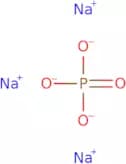
CAS:<p>Sodium phosphate is a solution of sodium ions and phosphate ions in water. It is used as an electrolyte, as an additive to processed food, and in the treatment of infectious diseases. Sodium phosphate is also used to produce polyphosphates that are used in many industrial applications. The dissolution of sodium phosphate starts with the release of hydrogen fluoride (HF). This reaction can be monitored using microdialysis probes inserted into the reaction solution. The dissociation of this compound can be studied using electrochemical impedance spectroscopy. In human serum, sodium phosphate inhibits the growth of bacteria by forming a complex with the sodium ion and preventing their absorption in the bloodstream.</p>Fórmula:Na·PO4Pureza:Min. 95%Cor e Forma:White PowderPeso molecular:163.94 g/molMethyl paraben sodium
CAS:<p>Methyl paraben sodium is a preservative that belongs to the group of antimicrobial agents. It is used as a preservative in pharmaceuticals and personal care products. Methyl paraben sodium has been shown to have significant cytotoxicity at concentrations above 0.1%. The concentration-time curve for methylparaben sodium shows that it has a rapid effect on bacteria, with an increase in the number of dead cells after 24 hours. Methyl paraben sodium also showed significant cytotoxicity against human lung cells at concentrations below 1%. This agent has been shown to be effective against gram-positive and gram-negative bacteria, but not yeast or moulds. Methylparaben sodium is soluble in water and glycol ethers, but insoluble in oil. The solubility of this agent means that it can be used in various formulations such as nanoparticulate compositions and postharvest treatments for fruit and vegetables. Methylparaben sodium is also</p>Fórmula:C8H7NaO3Pureza:Min. 95%Cor e Forma:PowderPeso molecular:174.13 g/molCalcium silicate
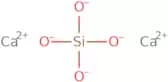
CAS:<p>Calcium silicate is a crystalline compound of calcium and silicon with the chemical formula CaSiO3. It is chemically stable and has a high resistance to particle wear. Calcium silicate is used in the production of dental cements, adhesives, sealants, and other dental restorations. In addition, it is used in the manufacture of paints and coatings as well as in papermaking. Calcium silicate also has biological properties that make it useful for cell culture. It can be used to support the growth of primary cells such as human osteosarcoma cells or epidermal growth factor-stimulated fibroblasts. It also has been shown to have a basic structure that can bind to basic proteins such as laminin</p>Fórmula:CaSiO3Pureza:Min. 95%Cor e Forma:White PowderPeso molecular:116.162-Bromoethanesulfonic acid sodium
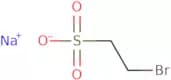
CAS:<p>2-Bromoethanesulfonic acid sodium (2BESA) is a chemical inhibitor that is used to control methanogenic activity. It has been shown to be effective in the treatment of wastewater, although it is not very soluble in water. 2BESA inhibits methanogenesis by binding to the enzyme methane monooxygenase, which blocks electron transfer from methane to oxygen. This prevents the formation of hydrogen and carbon dioxide, which are products of fermentation. 2BESA also has electrochemical properties that make it a good candidate for use as an electrode material in fuel cells. In vitro assays have demonstrated that 2BESA inhibits bacterial growth by inhibiting DNA synthesis and protein synthesis.</p>Fórmula:C2H4BrNaO3SPureza:Min. 95%Peso molecular:211.01 g/molBismuth subgallate
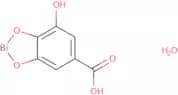
CAS:<p>Bismuth subgallate is a basic compound that is used to treat dermatitis, acne, and other skin conditions. It has been shown to inhibit the growth of human osteosarcoma cells by inhibiting collagen synthesis. Bismuth subgallate also has antibacterial properties against Escherichia coli, Pseudomonas aeruginosa, Staphylococcus aureus, and Streptococcus pyogenes. This drug inhibits bacterial growth by binding to the copper ion in the enzyme superoxide dismutase (SOD), preventing the formation of hydrogen peroxide. The activity of bismuth subgallate is due to its ability to inhibit eosinophil cationic protein and eosinophil peroxidase.</p>Fórmula:C7H5BiO6Pureza:Min. 95%Peso molecular:394.09 g/molSodium dimethyldithiocarbamate hydrate
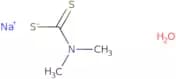
CAS:<p>Sodium dimethyldithiocarbamate hydrate is a salt of dimethyldithiocarbamic acid. It is used as an additive in paints and coatings to prevent corrosion of metal. Sodium dimethyldithiocarbamate hydrate is also used in the production of polyurethane and polyester resins, where it acts as a curing agent. Dimethyldithiocarbamic acid has been shown to be a ligand for the influenza virus, inhibiting viral activity by binding to the hemagglutinin protein. The crystal system of this substance is hexagonal; its salts exist in both acidic and basic forms. The functional theory explains the stabilization of this compound through coordination with nitrogen atoms on one side and phenyl substituents on the other side. Hexamethylenetetramine reacts with sodium chloride to form sodium dimethyldithiocarbamate hydrate, which can then react with methanol or eth</p>Fórmula:C3H6NNaS2·xH2OPureza:Min. 95%Cor e Forma:White PowderPeso molecular:143.2 g/molDehydroacetic acid sodium salt
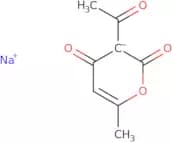
CAS:<p>Dehydroacetic acid sodium salt is a chemical compound with the formula CH3COOCH2NaO2. It is an ionic liquid that can be used as a preservative or stabilizer in foods and other products. Dehydroacetic acid sodium salt has been shown to inhibit the growth of bacteria and fungi in biological studies. The analytical method for dehydroacetic acid sodium salt is based on x-ray diffraction data, which is used to identify its purity and concentration. The reaction solution includes dehydroacetic acid, water vapor, sodium salts, phosphorus pentoxide, and control analysis.</p>Fórmula:C8H7O4NaPureza:Min. 95%Cor e Forma:PowderPeso molecular:190.13 g/mol2-Hydroxy-4-(methylthio)butyric acid calcium salt
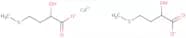
CAS:<p>2-Hydroxy-4-(methylthio)butyric acid calcium salt (2HMBAC) is a fatty acid that is found in malic acid. It is an important industrial chemical used for the preparation of other chemicals such as acetic anhydride, adipic acid, and butyric acid. 2HMBAC has been shown to have various biological functions including the inhibition of protein synthesis and the reduction of chloride ion transport. The dietary administration of 2HMBAC has been shown to relieve diarrhoea in rats.</p>Fórmula:C10H18CaO6S2Pureza:Min. 95%Peso molecular:338.46 g/mol1,1'-Dibenzoylferrocene
CAS:<p>1,1'-Dibenzoylferrocene is a ferrocene derivative that has been shown to be an excellent ligand for the separation of heavy metal ions. The physicochemical properties of 1,1'-dibenzoylferrocene make it a good candidate for ionization and separation techniques. It can accommodate different substituents on the ferrocene molecule, which allows it to interact with different types of metal ions. 1,1'-Dibenzoylferrocene has been used in metallocene catalysis as a solvent, although its use as a ligand has not yet been explored.</p>Fórmula:C24H18FeO2Pureza:Min. 95%Peso molecular:394.24 g/molRuthenium dioxide
CAS:<p>Ruthenium dioxide is a chemical compound that can be used as an oxidation catalyst. It is a solid material with high resistance and can be used in the water treatment process as well as in electrochemical processes, such as wastewater treatment. Ruthenium dioxide has been shown to have an acidic reaction mechanism, which is related to the particle size of the substance. The large particle size leads to a higher surface area for catalytic activity. Ruthenium dioxide also has the ability to react with hydrogen gas and form hydrogen bonds. This property makes it useful for electrochemical processes, such as wastewater treatment. Ruthenium dioxide also reacts with cationic surfactants containing boron nitride, which allows it to be used in catalysis and electrochemical processes.</p>Fórmula:RuO2Pureza:Min. 95%Peso molecular:133.07 g/molZinc phthalocyanine
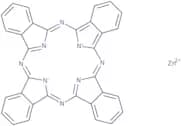
CAS:<p>Zinc phthalocyanine is a blue dye that is used in the manufacture of paints, plastics, and rubber. It has been shown to be a potential cancer treatment for skin cancer because it absorbs ultraviolet light. Zinc phthalocyanine can also be used in wastewater treatment as a coagulant and disinfectant. In addition, zinc phthalocyanine has been shown to have anti-microbial properties against opportunistic fungal and bacterial infections. This compound is also an antioxidant that can protect cells from damage caused by reactive oxygen species. Zinc phthalocyanine's photophysical properties are characterized by its absorption spectrum, which includes the visible region of the electromagnetic spectrum between 400 nm and 700 nm. It is a strong electron acceptor with a redox potential of -0.4 V at pH 7 and 0°C. This molecule also inhibits cytochrome P450 activity in model systems.</p>Fórmula:C32H16N8ZnPureza:90%MinPeso molecular:577.9 g/molBz-Tyr-4-Abz-OH·sodium salt
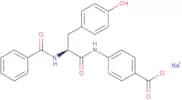
CAS:<p>Please enquire for more information about Bz-Tyr-4-Abz-OH·sodium salt including the price, delivery time and more detailed product information at the technical inquiry form on this page</p>Fórmula:C23H19N2NaO5Pureza:Min. 95%Peso molecular:426.4 g/molSodium dicyanamide
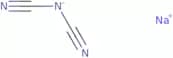
CAS:<p>Sodium dicyanamide is a diphenyl ether that has been shown to be effective in the treatment of polycystic ovarian syndrome. It binds to picolinic acid, which is a cofactor for the enzyme phenylalanine hydroxylase, and inhibits the production of tyrosine. This leads to an increase in the levels of luteinizing hormone and follicle-stimulating hormone, which helps ovulation. Sodium dicyanamide also interacts with hydrogen bond interactions and chelate ligands. The reaction mechanism of this compound is not well understood, but it is known that it can react with oxygen at high temperatures.</p>Fórmula:C2N3NaPureza:Min. 95%Cor e Forma:White PowderPeso molecular:89.03 g/molSodium N-Lauroylsarcosinate - 30% solution
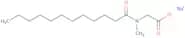
CAS:<p>Sodium N-lauroylsarcosinate is a chemical compound that is used in the production of sodium salts. It has high resistance to biological samples and is soluble in water, organic solvents, and other chemicals. It can be used to measure biochemical properties, such as reaction solution polymerase chain reaction (PCR) or electrochemical impedance spectroscopy (EIS). Sodium N-lauroylsarcosinate can also be used for wastewater treatment and water permeability. It has been used as an analytical method for proteins, peptides, amino acids, and carbohydrates. It has been shown to have biological properties on human serum.</p>Fórmula:C15H28NNaO3Cor e Forma:Clear LiquidPeso molecular:293.38 g/molSodium fluoroacetate
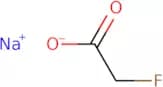
CAS:<p>Sodium fluoroacetate is a salt that is synthesized by the reaction of methyl ethyl and sodium trifluoroacetate. It has been used as an insecticide, but also has been used to treat metabolic disorders such as bowel disease and eye disorders. Sodium fluoroacetate also has been used in natural products for the treatment of autoimmune diseases. The toxicological studies of sodium fluoroacetate have shown that it can cause eye disorders and x-ray crystal structures have revealed its mechanism of action.</p>Fórmula:C2H2FNaO2Cor e Forma:White PowderPeso molecular:100.02 g/molDiethylenetriaminepenta(methylenephosphonic acid) sodiumsalt
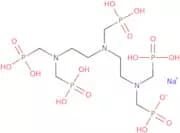
CAS:<p>Diethylenetriaminepenta(methylenephosphonic acid) sodium salt (DTPMP) is a substance that can be found in the environment. It is toxic to living organisms and may cause toxic effects if it is swallowed or inhaled. DTPMP has been classified as a toxic substance by the United States Environmental Protection Agency (EPA).</p>Fórmula:C9H18N3Na10O15P5Pureza:Min. 95%Cor e Forma:LiquidPeso molecular:793.02 g/molCalcium-Like Peptide 3 trifluoroacetate salt
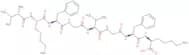
CAS:<p>Please enquire for more information about Calcium-Like Peptide 3 trifluoroacetate salt including the price, delivery time and more detailed product information at the technical inquiry form on this page</p>Fórmula:C44H68N10O9Pureza:Min. 95%Peso molecular:881.07 g/molDioctyl sulfosuccinate sodium salt
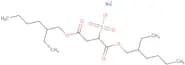
CAS:<p>Dioctyl sulfosuccinate sodium salt (DSS) is a surfactant that is used in the formulation of aerosol products. It can be used as a matrix for the analytical determination of enzyme activities such as glutathione reductase and cytochrome p450, which are involved in the metabolism of xenobiotics. DSS has been shown to have an optimum concentration of 0.1% and fluorescence probe with a pH range between 7-9. The surfactant also shows ionotropic gelation properties at concentrations greater than 1%.</p>Fórmula:C20H37NaO7SPureza:Min. 95%Cor e Forma:White PowderPeso molecular:444.57 g/molα-Ketoglutaric acid potassium
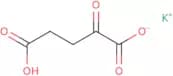
CAS:<p>Intermediate in the Krebs cycle; nitrogen transporter</p>Fórmula:C5H5O5KPureza:Min. 98 Area-%Cor e Forma:PowderPeso molecular:184.19 g/molCopper(II) stearate
CAS:<p>Copper(II) stearate is an inorganic compound that consists of copper chloride and stearic acid. It has a reactive functional group, a copper complex, and a metal-metal bond. Copper(II) stearate is used as an ingredient in cosmetics to enhance the color stability of pigments, such as iron oxides, titanium dioxide, and zinc oxide. The particle size of the compound can be adjusted by controlling the ratio of copper chloride to stearic acid. Copper(II) stearate has been shown to have good chemical stability at high temperatures and is not affected by boron nitride or calcium stearate. Activation energies for the formation of copper(II) stearate are found at about -4.8 kJ/mol for copper chloride and about -5.6 kJ/mol for stearic acid. It also exhibits electrochemical impedance spectroscopy properties with a higher resistance than other metal salts with similar functional groups</p>Fórmula:C36H70CuO4Pureza:Min. 95%Peso molecular:630.48 g/molp-Sulfophenylazochromotropic acid trisodium salt
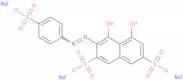
CAS:<p>p-Sulfophenylazochromotropic acid trisodium salt is a chemical that can be used as a building block for the synthesis of various organic compounds. It is an intermediate for the synthesis of other chemicals and can be used as a research chemical in laboratories. This compound has been shown to be useful in the production of pharmaceuticals, agrochemicals, and dyes. CAS No. 23647-14-5.</p>Fórmula:C16H9N2Na3O11S3Pureza:Min. 95 Area-%Cor e Forma:Yellow PowderPeso molecular:570.42 g/molZinc trifluoromethanesulfonate
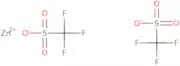
CAS:<p>Zinc trifluoromethanesulfonate is a catalyst that catalyses the reaction of amines with coumarin derivatives, producing an electrochemical impedance spectroscopy. It has been shown to have a redox potential that is higher than ferrocenecarboxylic acid. Zinc trifluoromethanesulfonate has been used in asymmetric synthesis, which involves substituting a hydrogen atom with another atom or group, and in salt metathesis, which is the process of forming new chemical compounds from reactants without using any energy. The zinc trifluoromethanesulfonate can also be activated by light or heat. This makes it possible for this compound to release the corrosive sulfur dioxide gas when heated to high temperatures, producing a synergic effect with other substances such as potassium permanganate (KMnO4).</p>Fórmula:C2F6O6S2ZnPureza:Min. 95%Cor e Forma:White PowderPeso molecular:363.52 g/molSodium pyroglutamate
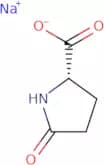
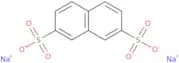
CAS:<p>Sodium pyroglutamate is a surface methodology that inhibits leukemia inhibitory factor and has been shown to be effective in inhibiting the growth of mouse tumor cells. Sodium pyroglutamate has been shown to be cytotoxic to prostate cancer cells, which may be due to its ability to inhibit glutamate-mediated activation of the MAP kinase pathway. This drug also has anti-tumor effects on skin cells, which may be due to its inhibition of cell proliferation and induction of apoptosis. Sodium pyroglutamate also inhibits the production of collagenase, a major enzyme in the degradation of extracellular matrix, by human fibroblast cells. It also has an anti-inflammatory effect and is used as a food additive.</p>Fórmula:C5H7NO3•NaPureza:Min. 95%Cor e Forma:Colorless PowderPeso molecular:152.1 g/mol2,7-Naphthalenedisulfonic acid disodium salt
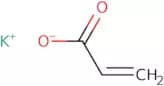
CAS:<p>2,7-Naphthalenedisulfonic acid disodium salt is a heteronuclear molecule that is synthesized by the reaction of 2,7-naphthalenedisulfonyl chloride with sodium sulfite in water. It has been used in the manufacture of dyes and pigments, as a corrosion inhibitor for steel and aluminum, and as an intermediate in the synthesis of pharmaceuticals. The compound has been detected in groundwater samples at concentrations up to 10 mg/L. The compound is also found in geothermal waters at concentrations up to 0.6 mg/L.</p>Fórmula:C10H6Na2O6S2Pureza:Min. 95%Peso molecular:332.26 g/molPotassium acrylate
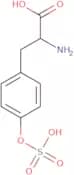
CAS:<p>Potassium acrylate is a diamine tetraacetic acid that functions as a control agent. It is used in analytical methods to measure the effectiveness of other agents. It can be used to produce carboxylate, coordination complex, and hydroxide solution. It has been shown to be effective at doses of 3-5 mM. Potassium acrylate is soluble in water and is stable in air. The FTIR spectrum shows an absorption band at 1657 cm-1, which corresponds to the C=O stretching vibration of the carboxylate group.</p>Fórmula:C3H3KO2Pureza:Min. 95%Peso molecular:110.15 g/molH-Tyr(SO3H)-OH sodium salt
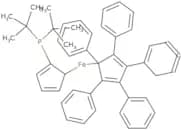
CAS:<p>Please enquire for more information about H-Tyr(SO3H)-OH sodium salt including the price, delivery time and more detailed product information at the technical inquiry form on this page</p>Fórmula:C9H11NO6SPureza:Min. 95%Peso molecular:261.25 g/mol1,2,3,4,5-Pentaphenyl-1'-(di-tert-butylphosphino)ferrocene
CAS:<p>1,2,3,4,5-Pentaphenyl-1'-(di-tert-butylphosphino)ferrocene (Pd(dba)2) is a reagent in the form of a dark brown liquid that can be used to synthesize benzene derivatives. It has been shown to be soluble in chloroform and toluene. This compound is stable at room temperature and it can be eluted with phenyl chloride. Pd(dba)2 is a ligand that binds to the metal palladium in order to facilitate the formation of complex compounds.</p>Fórmula:C48H47FePPureza:Min. 95%Cor e Forma:Pink To Dark Red SolidPeso molecular:710.71 g/molPotassium thiocyanate
CAS:Produto Controlado<p>Potassium thiocyanate is a salt that contains potassium and thiocyanate ions. It is a white, crystalline solid with an alkaline pH. The Langmuir adsorption isotherm for potassium thiocyanate has a maximum at a specific concentration, which indicates that the compound has high affinity for water molecules. It also has strong hypoglycemic effects in humans and animals. Potassium thiocyanate can be used to remove hydrogen fluoride from wastewater and it can also be used as an additive in phase transition temperature measurements.</p>Fórmula:CNS·KPureza:Min. 95%Cor e Forma:PowderPeso molecular:97.18 g/molZinc 1,2,3,4,8,9,10,11,15,16,17,18,22,23,24,25-hexadecafluoro-29H,31H-phthalocyanine
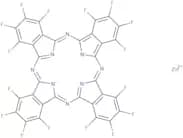
CAS:<p>Please enquire for more information about Zinc 1,2,3,4,8,9,10,11,15,16,17,18,22,23,24,25-hexadecafluoro-29H,31H-phthalocyanine including the price, delivery time and more detailed product information at the technical inquiry form on this page</p>Fórmula:C32F16N8ZnPureza:Min. 95%Peso molecular:865.75 g/molPotassium Glycerophosphate - 75% solution
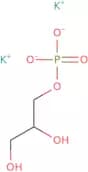
CAS:<p>Potassium Glycerophosphate is a phosphoric acid and potassium salt that is used as a buffer for biochemical research. It can be used to provide the necessary buffering capacity for reactions involving inorganic acids, such as hydrochloric acid, or organic acids, such as acetic acid. This product has been shown to have an acidic pH of 3.5-4.5 and a pKa of 10.5-11.5 at 20°C. The compound is also soluble in water and alcohols, but insoluble in ethers and chloroform. Potassium Glycerophosphate has been shown to inhibit the growth of Saccharomyces cerevisiae when used as a nutrient source.</p>Fórmula:C3H7O6P·2KPureza:Min. 95%Cor e Forma:LiquidPeso molecular:248.26 g/molCefpiramide sodium
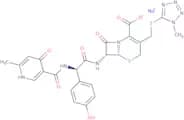
CAS:<p>Cefpiramide sodium is a cephalosporin antibiotic that has been shown to be effective against a wide range of bacteria, including those which are resistant to other antibiotics. Cefpiramide sodium is used for the treatment of skin and soft tissue infections in infants or for the treatment of respiratory tract infections in adults. The antibiotic binds to bacterial cell membranes and inhibits bacterial growth by inhibiting fatty acid synthesis, which is important for the production of cell walls. Cefpiramide sodium has been shown to have antiviral properties as well as antibacterial properties. These effects may be due to its ability to inhibit viral protein synthesis or by binding directly to the virus itself. Cefpiramide Sodium is an anti-infective drug that belongs to a group called cephalosporins, which are antibiotics that inhibit growth of bacteria by binding to their cell walls and preventing them from synthesizing essential fatty acids required for building their cell walls. It also has antiviral properties.</p>Pureza:Min. 95%Indium (III) chloride
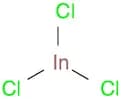
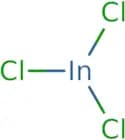
CAS:<p>Indium (III) chloride is a reactive metal with a high oxidation state that has been shown to have significant cytotoxic effects in vitro. It is also genotoxic, which may be due to the generation of hydroxyl radicals and other reactive oxygen species. Indium (III) chloride has been used for the treatment of various infectious diseases, including HIV, Epstein-Barr virus, herpes simplex virus type 1, and influenza A virus. The toxicity of this metal is dependent on the concentration and duration of exposure. Indium (III) chloride is metabolized by plasma mass spectrometry as a substrate molecule for cytochrome P450 enzymes. This reaction results in the formation of an active metabolite that can bind to DNA and affect mitochondrial membrane potential. Indium (III) chloride has also been used as a contrast agent in fluorescein angiography or particle imaging techniques to visualize the presence of biological materials such as tissue necrosis or inflammation.</p>Fórmula:Cl3InPureza:Min. 95%Cor e Forma:Clear LiquidPeso molecular:221.18 g/molSodium mercaptopyruvate
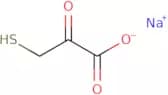
CAS:<p>Sodium mercaptopyruvate is a pyruvate compound that is synthesized by the reaction of sodium sulfide with 3-bromopyruvic acid. It has been shown to be effective in treating emphysema, chronic bronchitis and seborrheic dermatitis. Sodium mercaptopyruvate has also been found to modify the activity of enzymes that are related to inflammation and autoimmune diseases. This drug is an efficient nucleophile, which is important for its ability to interact with proteins via covalent modification. The compound can also be used as a substrate for various dehydrogenases, which can lead to metabolic reactions mediated by these enzymes.</p>Fórmula:C3H3NaO3SPureza:Min. 95%Cor e Forma:SolidPeso molecular:142.11 g/molSodium phenylacetate
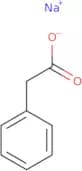
CAS:Produto Controlado<p>Sodium phenylacetate is a chemical compound that is used as an antifungal agent in vitro. It has also been shown to have anti-proliferative and cytotoxic effects on neuroblastoma cells. The physiological function of sodium phenylacetate is not well understood, but it may act as a neurotransmitter by inhibiting the release of acetylcholine or by regulating cell signaling pathways. Sodium phenylacetate may also inhibit angiogenesis, which would limit the growth of cancerous tumors.</p>Fórmula:C8H7NaO2Pureza:Min. 95%Cor e Forma:PowderPeso molecular:158.13 g/molD-(-)-3-Phosphoglyceric acid disodium
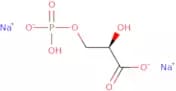
CAS:<p>D-(-)-3-Phosphoglyceric acid disodium is a homologue of D-glyceric acid and is used in the synthesis of phosphatidylcholine. It binds to the active site of phosphatases and prevents them from hydrolyzing phosphate groups, which are critical for the production of adenosine triphosphate (ATP). The chemical stability and the availability make this compound an excellent candidate for biochemical studies. D-(-)-3-Phosphoglyceric acid disodium has been shown to be essential in biological function, as it functions as a substrate for many metabolic pathways such as glycolysis, gluconeogenesis, pentose phosphate pathway, and fatty acid biosynthesis. The molecule is also involved in a number of biochemical reactions that are catalyzed by enzymes. Mutational studies have shown that organisms without this compound will not survive.</p>Fórmula:C3H5O7PNa2Pureza:Min. 93%Cor e Forma:White PowderPeso molecular:230.02 g/molBis(pentafluorophenyl)zinc
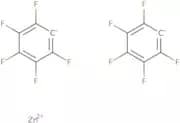
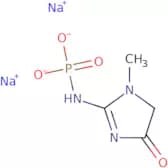
CAS:<p>Bis(pentafluorophenyl)zinc (BPFPZn) is a ring-opening polymerization catalyst that is used to synthesize polymers with pendant covalent adducts. BPFPZn has shown synergistic effects when used in combination with lactide, which is a monomer that can be polymerized to form polylactic acid. The reaction system used for the synthesis of BPFPZn and lactide involves nucleophilic attack on the zinc cation by the carbonyl group of lactide, leading to reductive elimination and coordination chemistry. This reaction system has been shown to produce architectures such as block copolymers and star polymers.</p>Fórmula:C12F10ZnPureza:Min. 95%Cor e Forma:PowderPeso molecular:399.49 g/molDisodium (1-methyl-4-oxoimidazolidin-2-ylidene)phosphoramidate
CAS:<p>Please enquire for more information about Disodium (1-methyl-4-oxoimidazolidin-2-ylidene)phosphoramidate including the price, delivery time and more detailed product information at the technical inquiry form on this page</p>Fórmula:C4H6N3O4PNa2Pureza:Min. 80 Area-%Cor e Forma:PowderPeso molecular:237.06 g/molCholesteryl sulfate potassium salt
CAS:<p>Cholesteryl sulfate potassium salt (CSK) is a solid lipid with a high melting point. It can be used as an active compound to form nanoparticles, which have the ability to penetrate cell membranes and enter cells. CSK has been shown to disrupt the lipid bilayer of cellular membranes, thereby releasing lipids such as cholesterol from the membrane surface. CSK also has polynucleotide binding properties that may lead to gene expression changes in cells. CSK is an anionic lipid, which makes it more likely to interact with negatively charged cell surfaces and membranes. Cholesteryl sulfate potassium salt has been shown to inhibit cholesterol synthesis in liver cells and increase LDL receptor activity in hepatocytes.</p>Fórmula:C27H45KO4SPureza:Min. 95%Peso molecular:504.81 g/mol20a-Dihydro pregnenolone 3-sulfate sodium salt
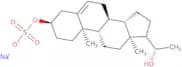
CAS:<p>Please enquire for more information about 20a-Dihydro pregnenolone 3-sulfate sodium salt including the price, delivery time and more detailed product information at the technical inquiry form on this page</p>Fórmula:C21H33NaO5SPureza:Min. 95%Peso molecular:420.54 g/molIsatin-5-sulfonic acid sodium salt dihydrate
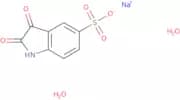
CAS:<p>Isatin-5-sulfonic acid sodium salt dihydrate is a potent inhibitor of caspases. It has been shown to inhibit the activity of caspase-3 in vitro, thereby inhibiting apoptosis. Isatin-5-sulfonic acid sodium salt dihydrate has also been shown to increase survival rates in animal models of neurodegenerative diseases such as Parkinson's disease and Huntington's disease. Isatin-5-sulfonic acid sodium salt dihydrate may have neuroprotective effects by inhibiting the release of proinflammatory cytokines and nitric oxide, which are associated with neuronal death. This drug also inhibits monoamine oxidase A (MAO-A) and zymosterone B (ZVAD).</p>Fórmula:C8H4NNaO5S·2H2OPureza:Min. 95%Cor e Forma:PowderPeso molecular:285.21 g/molDISODIUM HYDRATE [(2R,3S,5R)-5-(2-AMINO-6-OXO-6,9-DIHYDRO-1H-PURIN-9-YL)-3-HYDROXYOXOLAN-2-YL]METHYL PHOSPHATE
CAS:Fórmula:C10H12N5Na2O7PPureza:98%Cor e Forma:SolidPeso molecular:391.1849Ref: IN-DA003H5A
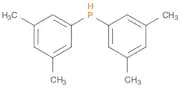
Produto descontinuadoBIS(3,5-DIMETHYLPHENYL)PHOSPHINE
CAS:Fórmula:C16H19PPureza:95%Cor e Forma:LiquidPeso molecular:242.2958Ref: IN-DA0017KL
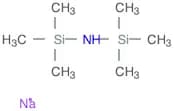
Produto descontinuadoSodium bis(trimethylsilyl)amide
CAS:Fórmula:C6H18NNaSi2Pureza:95%Cor e Forma:LiquidPeso molecular:183.3746Ref: IN-DA0001DJ
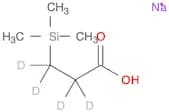
Produto descontinuadoPropionic-2,2,3,3-d4 acid, 3-(trimethylsilyl)-, sodium salt (1:1)
CAS:Fórmula:C6H9D4NaO2SiPureza:%Cor e Forma:SolidPeso molecular:172.2661Ref: IN-DA002OBA
Produto descontinuadoLithium hydroxide (Li(OH)), monohydrate (9CI)
CAS:Fórmula:LiO2Pureza:99%Cor e Forma:SolidPeso molecular:40.9557Ref: IN-DA003ODY
Produto descontinuadoSodium hexafluorosilicate
CAS:Fórmula:Na2SiF6Pureza:≥ 98.0%Cor e Forma:White to off-white powderPeso molecular:188.06








![[4,4'-Di-t-butyl-2,2'-bipyridine][bis[5-(t-butyl)-2-[4-(t-butyl)-2-pyridinyl-kN]phenyl-kC]iridium(…](/_next/image/?url=https%3A%2Fstatic.cymitquimica.com%2Fproducts%2F3D%2Fthumb-webp%2FFD159336.webp&w=3840&q=75)






![DISODIUM HYDRATE [(2R,3S,5R)-5-(2-AMINO-6-OXO-6,9-DIHYDRO-1H-PURIN-9-YL)-3-HYDROXYOXOLAN-2-YL]METH…](/_next/image/?url=https%3A%2Fstatic.cymitquimica.com%2Fproducts%2FIN%2Fthumb-webp%2FDA003H5A.webp&w=3840&q=75)