CAS 107-21-1
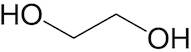
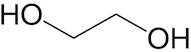
:Ethylene glycol
- 1,2-Dihydroxyethane
- 1,2-Etanediolo
- 1,2-Etanodiol
- 1,2-Ethandiol
- 1,2-Ethane Diol
- 1,2-Ethanediol
- 1,2-Ethylene glycol
- 1,2-エタンジオール
- 146Ar
- 2-Hydroxyethanol
- Aethylenglykol
- Dihydroxy Ethane, 1,2-(Fiber Grade)
- Dowtherm SR 1
- E 0105
- E 600
- E 600 (glycol)
- Etano-1,2-Diol
- Ethan-1,2-diol
- Ethane-1,2-Diol
- Ethylene Glycol, Mono (Fiber Grade)
- Ethylene alcohol
- Ethylene dihydrate
- Ethylene glycol-D6
- Ethylene-D4 Glycol-D2
- Ethyleneglycol
- Ethylenglycol
- Ethylenglykol
- Etilen glicol
- Etilene glicole
- Fridex
- Glico, Etilen
- Glicole, Etiilene
- Glycol
- Glycol (Fiber Grade)
- Glycol alcohol
- Glycol, Ethylen-
- Glycol, éthylène
- Glykol, Ethylen
- Glysil GS
- MEG
- Macrogol 400 BPC
- Meg 100
- Monoethylene glycol
- Norkool
- Nsc 93876
- Polyester Of 1,2-Ethanediol
- Ramp
- Sr 01
- Tescol
- Ucar 17
- Union Carbide XL 54 Type I De-icing Fluid
- Zerex
- glycol, 1,2-Dihydroxyethane
- エチレングリコール
- See more synonyms
- Lower prices
- Higher prices
- Lower purities
- Higher purities
- Faster estimated delivery
Oregon Cannabis Solvent Mixture 1000 µg/mL in Triacetin
CAS:Controlled Product- 100-41-4
- 106-42-3
- 106-97-8
- 107-21-1
- 107-83-5
- 108-21-4
- 108-38-3
- 108-88-3
- 109-66-0
- 109-99-9
- 110-54-3
- 110-80-5
- 110-82-7
- 123-91-1
- 141-78-6
- 142-82-5
- 463-82-1
- 60-29-7
- 64-17-5
- 67-56-1
- 67-63-0
- 67-64-1
- 71-43-2
- 74-98-6
- 75-05-8
- 75-09-2
- 75-21-8
- 75-28-5
- 75-83-2
- 78-78-4
- 78-92-2
- 79-29-8
- 95-47-6
- 96-14-0
- 98-82-8
Formula:C4H8O2Color and Shape:MixtureMolecular weight:88.11Cannabis Residual Solvent Mixture 138 1000 µg/mL in Triacetin
CAS:Controlled Product- 100-41-4
- 106-42-3
- 106-97-8
- 107-21-1
- 107-83-5
- 108-21-4
- 108-38-3
- 108-88-3
- 109-66-0
- 109-99-9
- 110-54-3
- 110-71-4
- 110-80-5
- 110-82-7
- 110-86-1
- 123-91-1
- 126-33-0
- 127-19-5
- 141-78-6
- 142-82-5
- 60-29-7
- 64-17-5
- 67-56-1
- 67-63-0
- 67-64-1
- 67-68-5
- 68-12-2
- 71-23-8
- 71-36-3
- 71-41-0
- 71-43-2
- 74-98-6
- 75-05-8
- 75-09-2
- 75-28-5
- 75-83-2
- 78-78-4
- 78-92-2
- 78-93-3
- 79-29-8
- 95-47-6
- 96-14-0
- 98-82-8
Formula:C4H10O2Color and Shape:MixtureMolecular weight:90.12Oregon Cannabis Solvent Mixture 238 1000 µg/mL in Triacetin
CAS:Controlled Product- 100-41-4
- 106-42-3
- 106-97-8
- 107-21-1
- 107-83-5
- 108-21-4
- 108-38-3
- 108-88-3
- 109-66-0
- 109-99-9
- 110-54-3
- 110-80-5
- 110-82-7
- 123-91-1
- 141-78-6
- 142-82-5
- 463-82-1
- 60-29-7
- 64-17-5
- 67-56-1
- 67-63-0
- 67-64-1
- 71-43-2
- 74-98-6
- 75-05-8
- 75-09-2
- 75-21-8
- 75-28-5
- 75-83-2
- 78-78-4
- 78-92-2
- 79-29-8
- 95-47-6
- 96-14-0
- 98-82-8
Formula:C4H8O2Color and Shape:MixtureMolecular weight:88.11Cannabis Residual Solvent Mixture 138 1000 µg/mL in Triacetin
CAS:Controlled Product- 100-41-4
- 106-42-3
- 106-97-8
- 107-21-1
- 107-83-5
- 108-21-4
- 108-38-3
- 108-88-3
- 109-66-0
- 109-99-9
- 110-54-3
- 110-71-4
- 110-80-5
- 110-82-7
- 110-86-1
- 123-91-1
- 126-33-0
- 127-19-5
- 141-78-6
- 142-82-5
- 60-29-7
- 64-17-5
- 67-56-1
- 67-63-0
- 67-64-1
- 67-68-5
- 68-12-2
- 71-23-8
- 71-36-3
- 71-41-0
- 71-43-2
- 74-98-6
- 75-05-8
- 75-09-2
- 75-28-5
- 75-83-2
- 78-78-4
- 78-92-2
- 78-93-3
- 79-29-8
- 95-47-6
- 96-14-0
- 98-82-8
Formula:C4H10O2Color and Shape:MixtureMolecular weight:90.12California Solvent Mixture Version 2 1000 µg/mL in Triacetin Second Source
CAS:Controlled Product- 100-41-4
- 106-42-3
- 106-97-8
- 107-06-2
- 107-21-1
- 107-83-5
- 108-21-4
- 108-38-3
- 108-88-3
- 109-66-0
- 109-99-9
- 110-54-3
- 110-71-4
- 110-80-5
- 110-82-7
- 110-86-1
- 123-91-1
- 126-33-0
- 127-19-5
- 141-78-6
- 142-82-5
- 463-82-1
- 60-29-7
- 64-17-5
- 67-56-1
- 67-63-0
- 67-64-1
- 67-66-3
- 67-68-5
- 68-12-2
- 71-23-8
- 71-36-3
- 71-41-0
- 71-43-2
- 74-98-6
- 75-05-8
- 75-09-2
- 75-21-8
- 75-28-5
- 75-83-2
- 78-78-4
- 78-92-2
- 78-93-3
- 79-01-6
- 79-29-8
- 95-47-6
- 96-14-0
- 98-82-8
Formula:C2H4Cl2Color and Shape:MixtureMolecular weight:98.96Oregon Cannabis Solvent Mixture 238 1000 µg/mL in Triacetin
CAS:Controlled Product- 100-41-4
- 106-42-3
- 106-97-8
- 107-21-1
- 107-83-5
- 108-21-4
- 108-38-3
- 108-88-3
- 109-66-0
- 109-99-9
- 110-54-3
- 110-80-5
- 110-82-7
- 123-91-1
- 141-78-6
- 142-82-5
- 463-82-1
- 60-29-7
- 64-17-5
- 67-56-1
- 67-63-0
- 67-64-1
- 71-43-2
- 74-98-6
- 75-05-8
- 75-09-2
- 75-21-8
- 75-28-5
- 75-83-2
- 78-78-4
- 78-92-2
- 79-29-8
- 95-47-6
- 96-14-0
- 98-82-8
Formula:C4H8O2Color and Shape:MixtureMolecular weight:88.11Ethylene Glycol (MEG, Monoethylene Glycol) Reagent Grade, 99%
CAS:Formula:C2H6O2Purity:min. 99%Color and Shape:Clear, Colourless to faint yellow, Liquid, max. 100Molecular weight:62.07Ethylene Glycol (MEG, Monoethylene Glycol) pure, 98%
CAS:Formula:C2H6O2Purity:min. 98%Color and Shape:Clear, Colourless, LiquidMolecular weight:62.07Ethylene glycol
CAS:Controlled ProductEthylene glycol is a colorless, viscous liquid that has many industrial uses. It is also used as an active ingredient in antifreeze and de-icing products, which are marketed to prevent the freezing of water in pipes, car radiators, and other places. Ethylene glycol can be toxic to humans and animals if ingested or inhaled. The most common symptoms of acute ethylene glycol poisoning are nausea, vomiting, headache, dizziness, drowsiness, blurred vision, slurred speech, loss of coordination (ataxia), seizures or coma. These symptoms usually occur within 1-2 hours after exposure. The effects of chronic ethylene glycol ingestion are not well understood but may include kidney damage and central nervous system problems. Ethylene glycol is a colorless liquid with many industrial uses including as an active ingredient in antifreeze and de-icing products that are marketed to prevent the freezing of water in pipes and car radiators.
Formula:C2H6O2Purity:Min. 98%Color and Shape:Clear LiquidMolecular weight:62.07 g/mol