CAS 11115-82-5
:Enduracidin
Description:
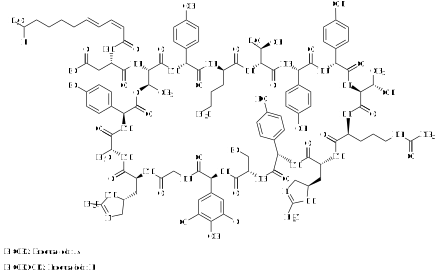
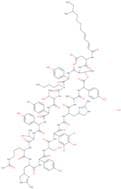
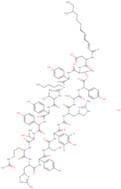
Enduracidin, with the CAS number 11115-82-5, is a naturally occurring antibiotic that belongs to the class of compounds known as cyclic lipopeptides. It is produced by certain strains of the bacterium *Micromonospora* and exhibits potent antimicrobial activity, particularly against Gram-positive bacteria. The structure of enduracidin features a cyclic peptide backbone, which is essential for its biological activity, and a fatty acid side chain that contributes to its lipophilicity. This lipophilic nature enhances its ability to penetrate bacterial membranes. Enduracidin has been studied for its potential therapeutic applications, especially in treating infections caused by resistant bacterial strains. Its mechanism of action involves inhibition of cell wall synthesis, similar to other antibiotics in its class. Additionally, enduracidin has shown promise in research for its immunomodulatory effects. However, like many antibiotics, its use may be limited by the development of resistance, necessitating ongoing research into its efficacy and potential applications in modern medicine.
Formula:Unspecified
Synonyms:- Enduracidin
- Enduracidin Hydrochloride
- Enradin
- Enramicina
- Enramycinum
- Enramycinum [INN-Latin]
- Enramycin
Sort by
Purity (%)
0
100
|
0
|
50
|
90
|
95
|
100
Found 5 products.
Enramycin (Mixture of Enduracidin A and Enduracidin B)
CAS:Formula:C107H138Cl2N26O31C108H140Cl2N26O31Color and Shape:Off-White SolidMolecular weight:2355.33; 2369.36Enduracidin
CAS:Enduracidin (Enramycin) is a polypeptide antibiotic produced by Streptomyces fungicides.Color and Shape:SolidEnduracidin - ca. 8%
CAS:Polypeptide antibiotic used as a feed additiveFormula:C107H138Cl2N26O31Purity:7.2 To 8.8%Color and Shape:Beige PowderMolecular weight:2355.3Enduracidin hydrochloride
CAS:Enduracidin hydrochloride is an antimicrobial compound, which is a lipopeptide antibiotic derived from the genus Streptomyces, specifically Streptomyces fungicidicus or Streptomyces roseosporus. The compound exerts its antimicrobial activity by inhibiting the synthesis of bacterial cell walls, primarily targeting the lipid II cycle, a critical precursor in the peptidoglycan synthesis pathway. This inhibition disrupts the construction of peptidoglycan layers, ultimately leading to bacterial cell lysis and death.
Formula:C107H138Cl2N26O31HClPurity:Min. 95%Molecular weight:2,391.76 g/mol