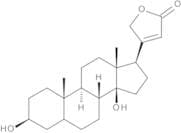
CAS 143-62-4
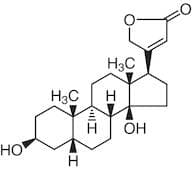
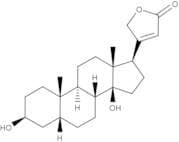
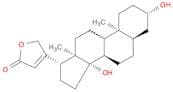
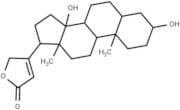
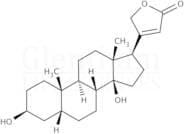
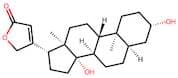
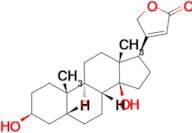
:Digitoxigenin
- (+)-Digitoxigenin
- (3β,5β)-3,14-Dihydroxycard-20(22)-enolide
- 3-Β,14-Dihidroxi-5-Β,14-Β-Card-20(22)-Enolido
- 3-Β,14-Dihydroxy-5-Β,14-Β-Card-20(22)-Enolide
- 3-β,14-Dihydroxy-5-β,14-β-card-20(22)-enolid
- 5β-Card-20(22)-enolide, 3β,14-dihydroxy-
- Cerberigenin
- Nsc 407806
- Δ20:22-3,14,21-Trihydroxynorcholenic acid lactone
- Δ<sup>20:22</sup>-3,14,21-Trihydroxynorcholenic acid lactone
- (3beta,5beta)-3,14-dihydroxycard-20(22)-enolide
- Card-20(22)-enolide, 3,14-dihydroxy-, (3β,5β)-
- 3,14-dihydroxycard-20(22)-enolide
- 3-beta,14-dihydroxy-5-beta,14-beta-card-20(22)-enolide
- See more synonyms
Digitoxigenin
CAS:Formula:C23H34O4Purity:>97.0%(HPLC)Color and Shape:White to Almost white powder to crystalMolecular weight:374.52Digitoxigenin
CAS:Digitoxigenin analytical standard provided with chromatographic purity, to be used as reference material for qualitative determination.Formula:C23H34O4Purity:(HPLC) ≥95%Color and Shape:PowderMolecular weight:374.52Digitoxigenin
CAS:Digitoxigenin is a precursor of cardiac glycosides that acts by targeting the metastatic uveal melanoma gene signature.
Formula:C23H34O4Color and Shape:SolidMolecular weight:374.51Digitoxigenin
CAS:Controlled ProductStability Hygroscopic
Applications Digitoxigenin has been used in a study to assess its stereochemical effects in cancer cytotoxicity. It has also been used in a study to investigate the advantage of gold(I)-catalyzed glycosidation of glycosyl o-alkyl benzoates to assemble digitoxin.
Not a dangerous good if item is equal to or less than 1g/ml and there is less than 100g/ml in the package
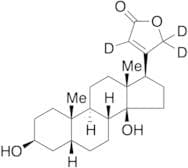
References Hinds, J., et al.: Chemmedchem, 8, 63 (2013); Ma, Y., et al.: J. Org. Chem., 76, 9748 (2011)Formula:C23H34O4Color and Shape:NeatMolecular weight:374.51Digitoxigenin-21,23,23-d3
CAS:Controlled ProductApplications Isotope labelled Digitoxigenin has been used in a study to assess its stereochemical effects in cancer cytotoxicity. It has also been used in a study to investigate the advantage of gold(I)-catalyzed glycosidation of glycosyl o-alkyl benzoates to assemble digitoxin.
Not a dangerous good if item is equal to or less than 1g/ml and there is less than 100g/ml in the package
References Hinds, J., et al.: Chemmedchem, 8, 63 (2013); Ma, Y., et al.: J. Org. Chem., 76, 9748 (2011)Formula:C23H31D3O4Color and Shape:NeatMolecular weight:377.53Digitoxigenin
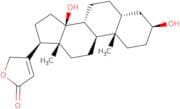
CAS:Digitoxigenin is an aglycone, which is a type of steroid structure, derived from the hydrolysis of cardiac glycosides found in plants of the Digitalis species, such as foxglove. This compound is obtained through enzymatic or chemical cleavage of glycosidic bonds present in its parent molecules, digitoxin and others, which are naturally occurring compounds in these plants.Formula:C23H34O4Color and Shape:White PowderMolecular weight:374.51 g/mol