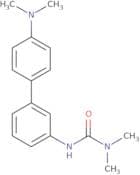
CAS 1469924-27-3
:Atglistatin
Description:
Atglistatin is a chemical compound that has garnered attention in the field of medicinal chemistry, particularly for its potential applications in treating metabolic disorders. It is classified as a small molecule and functions primarily as an inhibitor of certain enzymes involved in lipid metabolism. The compound is designed to target specific pathways that regulate fat storage and energy expenditure, making it a candidate for addressing conditions such as obesity and dyslipidemia. Atglistatin's mechanism of action typically involves modulation of the activity of proteins associated with lipid metabolism, which can lead to alterations in fat accumulation and overall metabolic health. Additionally, its pharmacokinetic properties, such as absorption, distribution, metabolism, and excretion, are crucial for determining its efficacy and safety profile in clinical settings. As research continues, further studies are expected to elucidate its full therapeutic potential and any associated side effects. Overall, Atglistatin represents a promising avenue for developing new treatments for metabolic diseases.
Sort by
Purity (%)
0
100
|
0
|
50
|
90
|
95
|
100
Found 9 products.
Atglistatin
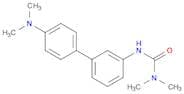
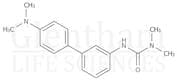
CAS:Formula:C17H21N3OPurity:≥ 98.0%Color and Shape:White to off-white powderMolecular weight:283.373-[4'-(Dimethylamino)[1,1'-biphenyl]-3-yl]-1,1-dimethylurea
CAS:Formula:C17H21N3OPurity:>98.0%(T)(HPLC)Color and Shape:White to Light yellow to Light orange powder to crystalMolecular weight:283.38Atglistatin
CAS:Atglistatin: ATGL inhibitor, IC50 ~0.7 μM, inhibits lipolysis, non-toxic up to 50 μM.Formula:C17H21N3OPurity:97.2% - 99.01%Color and Shape:SolidMolecular weight:283.37Ref: TM-T1875
2mg38.00€5mg57.00€10mg98.00€25mg178.00€50mg333.00€100mg525.00€500mg1,125.00€1mL*10mM (DMSO)63.00€Atglistatin
CAS:Atglistatin is a fatty acid with potent physiological activities. It has been shown to have significant effects on energy metabolism, pancreatitis, and cardiac function. Atglistatin binds to effector proteins that are involved in the regulation of cardiac contractility and the distribution of lipid in adipose tissue. These effects are mediated by its ability to inhibit protein kinase C (PKC) activity. The PKC family of protein kinases is important for regulating a variety of cellular functions such as cell growth, differentiation, and apoptosis. Atglistatin also inhibits the production of reactive oxygen species (ROS) in vitro by decreasing the expression of NADPH oxidase subunits p47phox and p67phox. This drug also has been shown to increase insulin sensitivity in vitro.Formula:C17H21N3OPurity:Min. 95%Molecular weight:283.37 g/mol



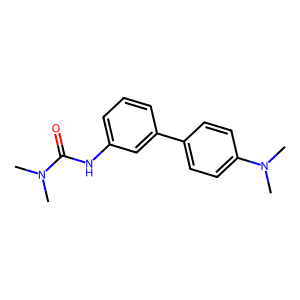

![3-[4'-(Dimethylamino)[1,1'-biphenyl]-3-yl]-1,1-dimethylurea](/_next/image/?url=https%3A%2Fstatic.cymitquimica.com%2Fproducts%2F3B%2Fthumb%2FA3468.jpg&w=3840&q=75)

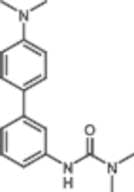

![3-[4′-(Dimethylamino)[1,1′-biphenyl]-3-yl]-1,1-dimethylurea](/_next/image/?url=https%3A%2Fstatic.cymitquimica.com%2Fproducts%2F10%2Fthumb%2FF959528.jpg&w=3840&q=75)