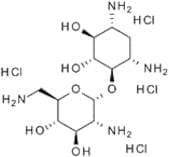
CAS 15446-43-2
:NEAMINE HYDROCHLORIDE
Description:
Neamine hydrochloride is a chemical compound that belongs to the class of aminoglycoside antibiotics. It is derived from neomycin and is characterized by its basic structure, which includes multiple amino groups that contribute to its biological activity. As a hydrochloride salt, it is typically presented as a white to off-white crystalline powder that is soluble in water, making it suitable for various pharmaceutical formulations. Neamine hydrochloride exhibits antibacterial properties, primarily effective against a range of Gram-negative and some Gram-positive bacteria, and is often used in research and clinical settings. Its mechanism of action involves inhibiting bacterial protein synthesis by binding to the 30S ribosomal subunit. Safety and handling precautions are essential due to its potential toxicity, particularly in high doses or prolonged exposure. As with many aminoglycosides, it may have side effects, including nephrotoxicity and ototoxicity, necessitating careful monitoring during therapeutic use. Overall, neamine hydrochloride is a significant compound in the field of microbiology and pharmacology.
Formula:C12H30Cl4N4O6
Sort by
Purity (%)
0
100
|
0
|
50
|
90
|
95
|
100
Found 7 products.
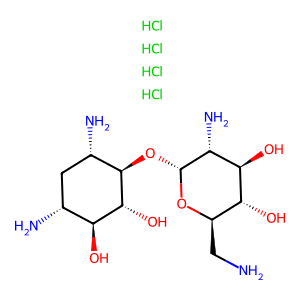
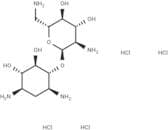
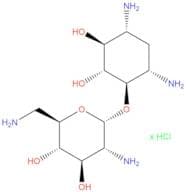
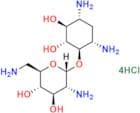
(2R,3S,4R,5R,6R)-5-Amino-2-(aminomethyl)-6-{[(1R,2R,3S,4R,6S)-4,6-diamino-2,3-dihydroxycyclohexyl]oxy}oxane-3,4-diol tetrahydrochloride
CAS:Formula:C12H30Cl4N4O6Purity:97%Color and Shape:SolidMolecular weight:468.2018Neamine hydrochloride
CAS:Formula:C12H26N4O6Purity:≥ 98.0%Color and Shape:Off-white to dark yellow powderMolecular weight:322.36Neamine tetrahydrochloride
CAS:Neamine tetrahydrochloride has antimicrobial and neuroprotective activities and inhibits the growth of pancreatic cancer cells.Formula:C12H30Cl4N4O6Purity:98.98% - 99.09%Color and Shape:SolidMolecular weight:468.2Neamine hydrochloride
CAS:Neamine hydrochloride is a semisynthetic aminoglycoside antibiotic, which is derived from neomycin. It exerts its antibacterial effects by interacting with bacterial ribosomal RNA, leading to the inhibition of protein synthesis. This interference results in the disruption of vital cellular processes within susceptible bacteria, ultimately causing cell death.Formula:C12H26N4O6•(HCl)4Purity:Min. 80%Color and Shape:PowderMolecular weight:468.2 g/mol
![(2R,3S,4R,5R,6R)-5-Amino-2-(aminomethyl)-6-{[(1R,2R,3S,4R,6S)-4,6-diamino-2,3-dihydroxycyclohexyl]…](/_next/image/?url=https%3A%2Fstatic.cymitquimica.com%2Fproducts%2FIN%2Fthumb%2FDA00ADHY.jpg&w=3840&q=75)