CAS 38380-04-0
:PCB 149
Description:
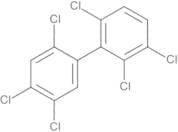
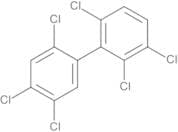
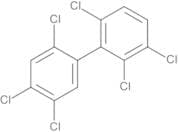
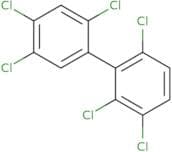
PCB 149, or polychlorinated biphenyl 149, is a member of the polychlorinated biphenyl (PCB) family, which consists of synthetic organic chemicals known for their environmental persistence and potential toxicity. PCB 149 is characterized by its chlorinated biphenyl structure, containing multiple chlorine atoms attached to biphenyl rings, which influences its physical and chemical properties. It is typically a viscous, oily liquid or solid, depending on temperature, and is insoluble in water but soluble in organic solvents. PCBs, including PCB 149, are known for their stability, resistance to degradation, and ability to bioaccumulate in the environment and living organisms. Due to their potential health risks, including carcinogenic effects and endocrine disruption, PCBs have been banned or heavily regulated in many countries. PCB 149 specifically has been studied for its environmental impact and toxicity, contributing to ongoing research into the remediation of contaminated sites and the effects of PCBs on human health and ecosystems.
Formula:C12H4Cl6
InChI:InChI=1S/C12H4Cl6/c13-6-1-2-7(14)12(18)11(6)5-3-9(16)10(17)4-8(5)15/h1-4H
InChI key:InChIKey=LKHLFUVHHXCNJH-UHFFFAOYSA-N
SMILES:ClC1=C(C=C(Cl)C(Cl)=C1)C2=C(Cl)C(Cl)=CC=C2Cl
Synonyms:- (.+-.)-Pcb 149
- 1,1'-Biphenyl, 2,2',3,4',5',6-Hexachloro-
- 1,1′-Biphenyl, 2,2′,3,4′,5′,6-hexachloro-
- 2,2',3',4,5,6'-Hexachlorobiphenyl
- 2,2',3,4',5',6-Pcb
- 2,2',4',5,5',6-Hexachlorobiphenyl
- 2,2′,3,4′,5′,6-Hexachloro-1,1′-biphenyl
- 2,2′,3,4′,5′,6-Hexachlorobiphenyl
- 2,2′,4′,5,5′,6-Hexachlorobiphenyl
- 2,3,6,2',4',5'-Hexachlorobiphenyl
- 2,3,6,2′,4′,5′-Hexachlorobiphenyl
- 2,4,5,2',3',6'-Hexachlorobiphenyl
- 2,4,5,2′,3′,6′-Hexachlorobiphenyl
- 38380-04-0
- Cb 149
- See more synonyms
Sort by
Purity (%)
0
100
|
0
|
50
|
90
|
95
|
100
Found 12 products.
PCB No. 149 10 µg/mL in Isooctane
CAS:Controlled ProductFormula:C12H4Cl6Color and Shape:Single SolutionMolecular weight:360.88PCB-Mix 37 10 µg/mL in Isooctane
CAS:Controlled Product- 31508-00-6
- 32598-14-4
- 35065-27-1
- 35065-28-2
- 35065-29-3
- 35065-30-6
- 35693-99-3
- 37680-73-2
- 38379-99-6
- 38380-01-7
- 38380-03-9
- 38380-04-0
- 51908-16-8
- 52663-63-5
- 52663-68-0
- 52663-69-1
- 52663-70-4
- 7012-37-5
Formula:C12H4Cl6Color and Shape:MixtureMolecular weight:360.88PCB Congener Mixture 465 100 µg/mL in Isooctane
CAS:Controlled Product- 31508-00-6
- 32598-14-4
- 32690-93-0
- 35065-27-1
- 35065-28-2
- 35065-29-3
- 35065-30-6
- 35693-99-3
- 37680-65-2
- 37680-73-2
- 38379-99-6
- 38380-01-7
- 38380-03-9
- 38380-04-0
- 38380-08-4
- 52663-68-0
- 7012-37-5
Formula:C12H4Cl6Color and Shape:MixtureMolecular weight:360.88PCB-Mix 19 10 µg/mL in Isooctane
CAS:Controlled Product- 16606-02-3
- 2051-24-3
- 31508-00-6
- 35065-27-1
- 35065-28-2
- 35065-29-3
- 35065-30-6
- 35693-99-3
- 35694-08-7
- 37680-65-2
- 37680-73-2
- 38380-04-0
- 41464-39-5
- 7012-37-5
Formula:C12H4Cl6Color and Shape:MixtureMolecular weight:360.88PCB-Mix 19 10 µg/mL in Isooctane
CAS:Controlled Product- 16606-02-3
- 2051-24-3
- 31508-00-6
- 35065-27-1
- 35065-28-2
- 35065-29-3
- 35065-30-6
- 35693-99-3
- 35694-08-7
- 37680-65-2
- 37680-73-2
- 38380-04-0
- 41464-39-5
- 7012-37-5
Formula:C12H4Cl6Color and Shape:MixtureMolecular weight:360.88PCB Mixture for Food & Human Tissue Analysis 297 10 µg/mL in Isooctane
CAS:Controlled Product- 15862-07-4
- 31508-00-6
- 32598-10-0
- 32598-11-1
- 32598-13-3
- 32598-14-4
- 32690-93-0
- 32774-16-6
- 33025-41-1
- 34883-43-7
- 35065-27-1
- 35065-28-2
- 35065-29-3
- 35065-30-6
- 35693-99-3
- 37680-73-2
- 38379-99-6
- 38380-01-7
- 38380-02-8
- 38380-03-9
- 38380-04-0
- 38380-07-3
- 38380-08-4
- 38444-90-5
- 39635-31-9
- 41411-63-6
- 41464-39-5
- 41464-40-8
- 51908-16-8
- 52663-62-4
- 52663-63-5
- 52663-64-6
- 52663-68-0
- 52663-69-1
- 52663-70-4
- 57465-28-8
- 7012-37-5
- 70362-50-4
- 74472-37-0
- 74472-42-7
Color and Shape:MixtureWHO/Europe ISS PCB Mixture 319 10 µg/mL in Isooctane
CAS:Controlled Product- 16606-02-3
- 31508-00-6
- 32598-13-3
- 32598-14-4
- 32774-16-6
- 35065-27-1
- 35065-28-2
- 35065-29-3
- 35065-30-6
- 35693-99-3
- 37680-65-2
- 37680-73-2
- 38379-99-6
- 38380-01-7
- 38380-03-9
- 38380-04-0
- 38380-07-3
- 38380-08-4
- 39635-31-9
- 41464-39-5
- 51908-16-8
- 52663-63-5
- 52663-68-0
- 52663-69-1
- 52663-70-4
- 52663-72-6
- 57465-28-8
- 65510-44-3
- 69782-90-7
- 7012-37-5
- 70362-50-4
- 74472-37-0
Color and Shape:MixtureEN 12766/CEN EN 61619 PCB Calibration Mixture 10 µg/mL in Isooctane
CAS:Controlled Product- 16606-02-3
- 2051-24-3
- 31508-00-6
- 35065-27-1
- 35065-28-2
- 35065-29-3
- 35065-30-6
- 35693-99-3
- 35694-08-7
- 37680-65-2
- 37680-73-2
- 38380-04-0
- 41464-39-5
- 7012-37-5
Formula:C12H4Cl6Color and Shape:MixtureMolecular weight:360.88EPA Method 525.3 PCB Mixture 500 µg/mL in Acetone
CAS:Controlled Product- 2051-60-7
- 2051-62-9
- 31508-00-6
- 32598-11-1
- 34883-43-7
- 35065-27-1
- 35065-28-2
- 35065-29-3
- 35693-99-3
- 37680-65-2
- 38380-03-9
- 38380-04-0
- 41464-39-5
- 7012-37-5
Formula:C12H4Cl6Color and Shape:MixtureMolecular weight:360.882,4,5,2',3',6'-Hexachlorobiphenyl
CAS:Controlled ProductApplications 2,4,5,2',3',6'-Hexachlorobiphenyl is a toxic and persistent organic pollutant.
References Shoeib, M., Harner, T.: Environ. Sci. Technol., 36, 4142 (2002); Harner, T., et al.: Environ. Sci. Technol., 38, 4474 (2004);Formula:C12H4Cl6Color and Shape:NeatMolecular weight:360.88PCB No 149
CAS:Controlled ProductPCB No 149 is a polychlorinated biphenyl (PCB) which has been shown to cause toxicity in humans. PCBs are lipophilic and accumulate in adipose tissue, where they can affect enzyme activities. PCBs also interfere with the synthesis of cholesterol, which is important for normal development and function of the adrenocortical cells. PCB No 149 has been shown to cause an increase in the incidence of adrenocortical carcinoma in rats. It also inhibits bacterial growth, as well as polymerase chain reaction-based assays when tested on model organisms such as Escherichia coli and Saccharomyces cerevisiae. PCB No 149 contains a number of congeners that have different effects on cellular activity. The α subunit is responsible for the inhibition of bacterial growth and protein synthesis by binding to ribosomes at the peptidyl transferase center, blocking peptide bond formation during translation.Formula:C12H4Cl6Purity:Min. 95%Molecular weight:360.88 g/mol